
The Enduring Power of Symbols: Their Role in Andean Belief Systems

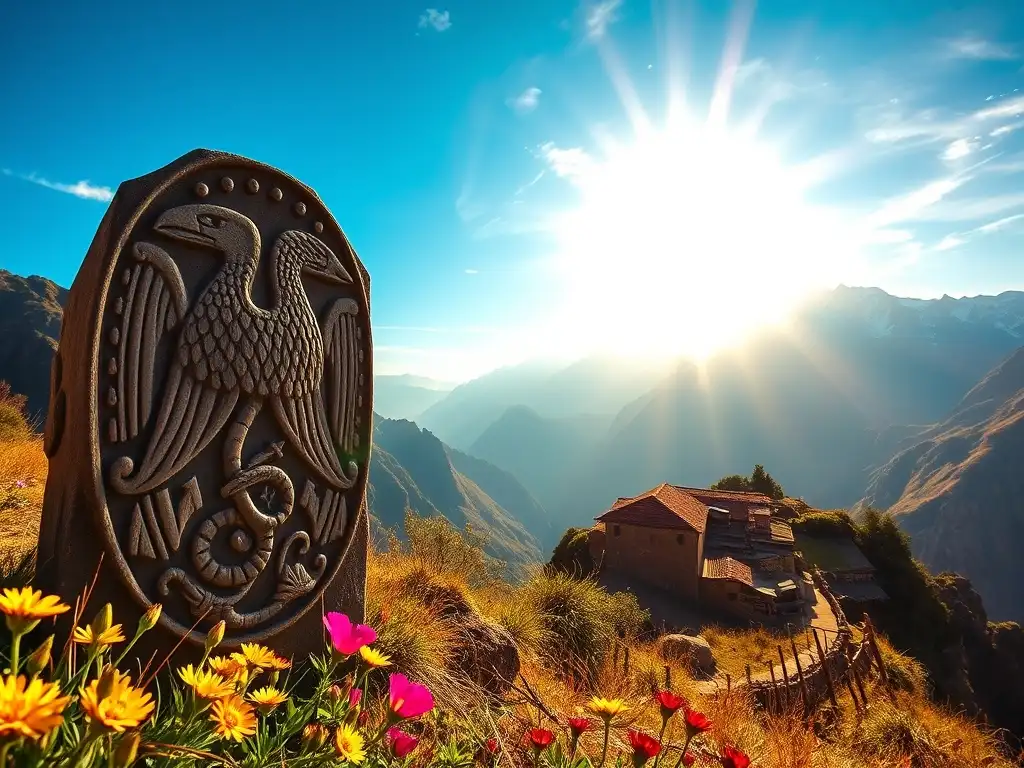
Step into a world lost to time, yet echoing with vibrant life. Journey through the breathtaking landscapes and enigmatic cultures of the Andes, where ancient civilizations left behind a legacy woven into intricate symbols. Unravel the mysteries behind the Andean civilization symbols meaning – their power, their stories, and the profound beliefs they represent. Discover how these captivating images continue to resonate, revealing a deeper understanding of the Incas, Moche, Nazca, and Tiahuanaco. Are you ready to unlock their secrets?
The Andes Mountains, a spine of towering peaks stretching along the western coast of South America, are not just a geographical feature; they are the very foundation of a rich tapestry of ancient civilizations. For millennia, Andean cultures—including the Incas, Moche, Nazca, and Tiahuanaco—developed intricate belief systems deeply intertwined with their environment and expressed powerfully through a complex language of symbols.
This article delves into the enduring power of these symbols, exploring their significance in Andean religious practices, social structures, and daily life. Understanding the meaning of these symbols provides a crucial key to unlocking the secrets of these fascinating and enigmatic civilizations, offering a deeper appreciation for their artistry, ingenuity, and spiritual worldviews.
We will examine how these symbols, far from being mere decorations, acted as powerful conduits to the spiritual realm, reflecting a profound connection between the human and the divine, the earthly and the cosmic. This exploration will reveal how the study of Andean civilization symbols meaning continues to enrich our understanding of human history and cultural expression.
Decoding the Language of the Andes: Identifying Key Symbols
The Andean world was awash in symbolic representation. From intricate textiles and monumental architecture to delicate pottery and elaborate metalwork, symbols permeated every aspect of Andean life. Identifying and interpreting these symbols requires a nuanced approach, considering the specific cultural context, the materials used, and the overall artistic style.
For instance, the recurring motif of the condor, a powerful bird of prey, often symbolized power, royalty, and the connection between the earthly and celestial realms. Similarly, the serpent, a symbol of fertility and life-giving waters, held significant religious importance across various Andean cultures. However, the precise meaning of these symbols could vary depending on the specific civilization and the context in which they appeared.
Understanding these nuances is vital for accurate interpretation. A careful analysis of stylistic variations, alongside archaeological evidence and ethnohistorical accounts, allows us to begin to decipher the rich vocabulary of Andean symbolism. This requires a multi-disciplinary approach, combining art history, archaeology, anthropology, and even linguistics to piece together a more complete picture.
The Sacred Landscape: Mountains, Rivers, and Celestial Bodies
The Andean landscape itself served as a powerful source of inspiration and symbolic meaning. Towering mountains, often considered sacred, were seen as dwelling places of powerful deities and ancestral spirits. Rivers, vital sources of life, were often associated with fertility, abundance, and the flow of time.
Celestial bodies, such as the sun, moon, and stars, also held profound significance, influencing agricultural cycles and religious calendars. These natural elements were frequently incorporated into Andean art and iconography, often depicted in stylized forms that conveyed their spiritual importance. For example, the depiction of a stylized mountain range on a textile might not simply be a landscape representation, but a symbolic reference to the power and sanctity of the Andean world.
Similarly, the representation of a river or a celestial body could hold deeper religious or cosmological meaning, often related to specific myths or rituals. This complex interplay between the natural world and the symbolic realm is a key characteristic of Andean art and belief systems.
Andean societies were often characterized by complex social hierarchies and power structures. These hierarchical relationships were frequently reflected in the use of specific symbols. Royal insignia, for example, often included specific motifs associated with power, divinity, and legitimacy. The use of certain colors, materials, and artistic styles could also indicate social status or membership in particular groups.
Detailed analysis of these visual cues reveals much about the social organization and power dynamics of Andean societies. For example, the use of gold, a precious metal associated with the sun and divinity, was often reserved for elite members of society, reflecting their privileged position. Similarly, certain textile patterns or decorative motifs might have been restricted to specific social groups, further highlighting the intricate connection between symbolism and social structures in the Andean world. Further research is needed to fully understand the nuances of these symbolic expressions of social hierarchy.
The Legacy of Andean Symbolism: Contemporary Interpretations and Significance
The enduring power of Andean symbols is evident in their continued relevance today. Many of these symbols are still used in contemporary Andean communities, reflecting the persistence of ancient traditions and beliefs. Moreover, the study of Andean symbolism continues to inspire artists, scholars, and researchers, leading to new interpretations and understandings of these rich cultural expressions.
The legacy of Andean civilization symbols meaning extends far beyond the confines of ancient history, enriching our understanding of human creativity, spirituality, and the enduring power of cultural heritage. Their study provides valuable insights into the complexities of human societies and the ways in which people have sought to understand and represent their world throughout history. The vibrant and enduring nature of Andean symbolism serves as a testament to the enduring power of cultural expression and the richness of the Andean heritage.
- Decoding the Language of the Andes: Identifying Key Symbols
- The Sacred Landscape: Mountains, Rivers, and Celestial Bodies
- Social Hierarchy and Power Dynamics Reflected in Symbols
- The Legacy of Andean Symbolism: Contemporary Interpretations and Significance
- The Andean Cross (Chakana): Cosmic Order and Interconnection
- The Puma: Strength, Power, and the Terrestrial Realm
- The Condor: The Celestial World and Spiritual Ascent
- The Serpent: Transformation, Rebirth, and the Underworld
- The Sun (Inti): Life, Energy, and the Divine
- The Moon (Quilla): Femininity, Cycles, and Time
- What is the significance of symbols in Andean civilizations?
- What are some common symbols found in Andean art and artifacts?
- How did Andean symbols relate to their religious beliefs?
- Did different Andean cultures use the same symbols?
- Where can I learn more about the meaning of Andean civilization symbols?
Understanding Andean Symbolism: An Introduction to Ancient Iconography
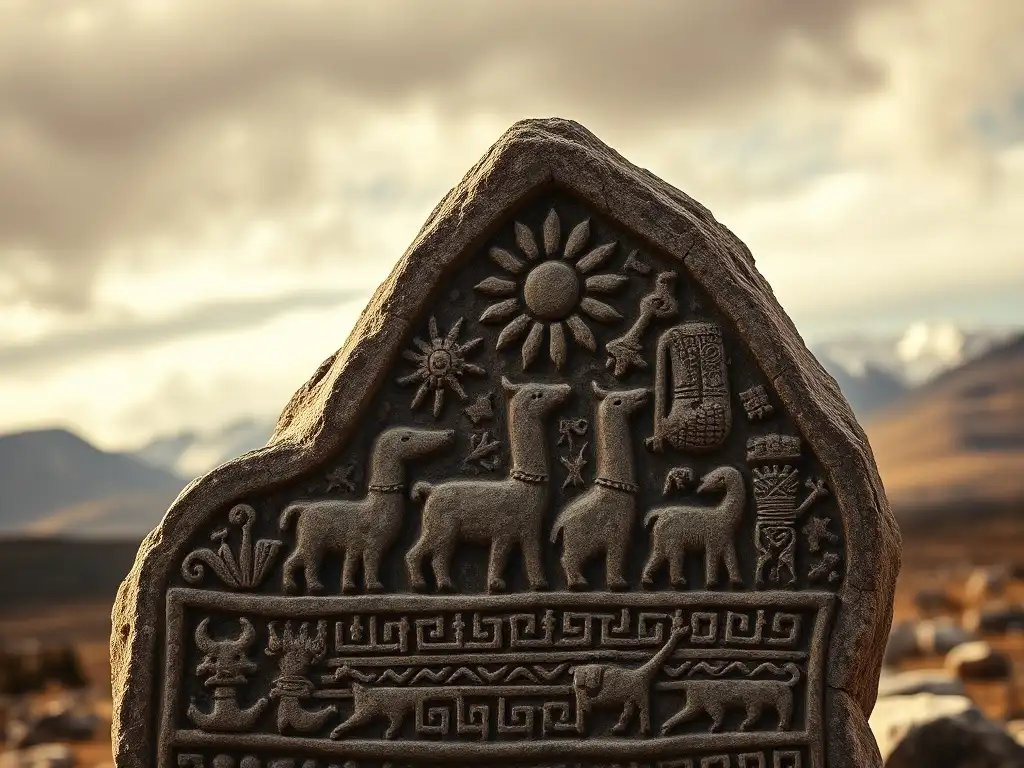
This section delves into the captivating world of Andean symbolism, exploring its profound influence on the belief systems and daily lives of ancient Andean civilizations. Understanding these symbols unlocks a deeper appreciation for the rich tapestry of their culture, revealing intricate layers of meaning woven into their art, architecture, and rituals. We'll examine how these symbols, far from being mere decorations, served as powerful tools for communication, expressing complex ideas about cosmology, social structure, and the relationship between humanity and the supernatural.
The study of Andean civilization symbols meaning provides invaluable insights into the worldview of these fascinating societies. Their intricate iconography offers a window into their spiritual beliefs, political organization, and daily practices, enriching our comprehension of their sophisticated societies.
The Significance of Symbols in Pre-Columbian Andean Cultures
Pre-Columbian Andean cultures, encompassing diverse societies like the Inca, Moche, Nazca, and Tiahuanaco, developed highly sophisticated symbolic systems. These weren't arbitrary markings; rather, they were carefully constructed visual languages reflecting their cosmology, social hierarchy, and spiritual beliefs. For instance, the repetition of certain motifs across vastly different geographical areas and time periods suggests a shared understanding of their significance, pointing to a pan-Andean symbolic network.
Consider the ubiquitous presence of the condor, a powerful bird revered throughout the Andes. In many Andean cultures, the condor symbolized power, strength, and connection to the upper world. Its image frequently appears on textiles, ceramics, and metalwork, often depicted in association with other significant symbols, enriching its interpretation.
Similarly, the puma, a terrestrial predator, often represented power and strength within the earthly realm. Depictions of pumas frequently appear alongside those of condors, creating a powerful visual representation of the balance between the celestial and terrestrial spheres. These pairings were not random; they reflect a complex understanding of the Andean worldview.
The use of color also played a crucial role. Specific colors were associated with certain deities, events, or concepts. For example, red might represent blood, sacrifice, or the sun, while yellow might symbolize gold, wealth, or the sun's power. The careful selection and combination of colors further amplified the symbolic meaning of the depicted figures and scenes. Understanding this nuanced color palette is essential to deciphering the full meaning behind Andean artwork.
Why Study Andean Civilization Symbols Meaning?
The study of Andean civilization symbols meaning offers numerous benefits, extending beyond mere academic curiosity. It allows us to:
- Gain a deeper understanding of Andean cultures: By analyzing their symbols, we gain insights into their beliefs, values, and worldview. This knowledge provides a more nuanced and complete picture of their societies than relying solely on written accounts (which are often limited for pre-Columbian Andean cultures).
- Appreciate the artistry and sophistication of Andean civilizations: The intricate detail and symbolic richness of Andean art demonstrate a high level of artistic skill and intellectual capacity. Understanding the meaning behind the symbols enhances our appreciation of the artistry involved.
- Connect with the legacy of Andean cultures: Studying these symbols allows us to connect with the rich heritage of the Andean peoples and appreciate the enduring relevance of their cultural traditions. Many symbols continue to hold significance in contemporary Andean communities.
- Contribute to a more complete historical narrative: By deciphering the meaning of these symbols, we contribute to a more comprehensive and accurate understanding of Andean history and culture, challenging Eurocentric biases and providing alternative perspectives.
The study of Andean symbolism is an ongoing process, with new discoveries and interpretations continually enriching our understanding. Each symbol holds layers of meaning, and the context in which it appears greatly influences its interpretation. By adopting an interdisciplinary approach, combining art history, anthropology, archaeology, and linguistics, researchers continually refine our understanding of this fascinating aspect of Andean civilizations. This ongoing research is vital for preserving and celebrating the rich cultural heritage of the Andes.
Key Andean Symbols and Their Interpretations
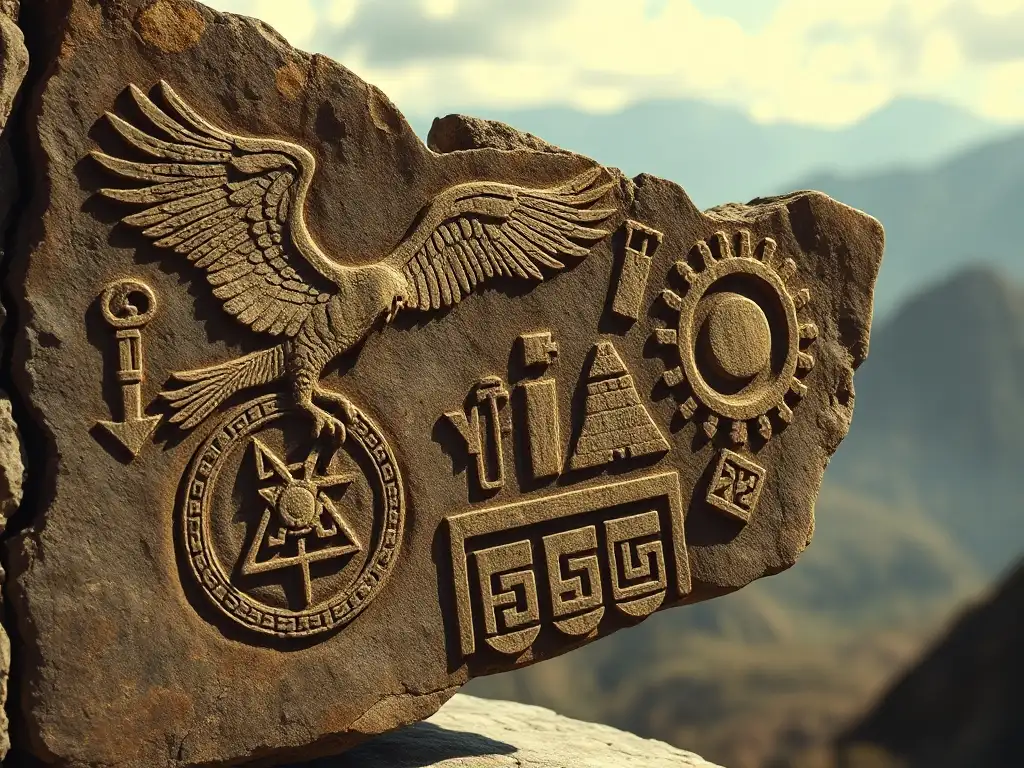
This section delves into the profound significance of key symbols within Andean belief systems, exploring their multifaceted meanings and cultural impact. Understanding these symbols offers a crucial lens through which to interpret Andean art, architecture, and social structures. The enduring power of these symbols reflects the deep spiritual connection the Andean peoples held with their environment and cosmos. We will examine the rich symbolism embedded in Andean civilization symbols, offering a deeper understanding of their meaning and cultural context.
The Andean Cross (Chakana): Cosmic Order and Interconnection
The Chakana, also known as the Inca cross, is arguably the most recognizable symbol of Andean civilization. Its four arms, often depicted with stepped or tiered designs, represent a complex cosmology connecting the earthly realm with the heavens and the underworld. The central square symbolizes the intersection of these three planes, highlighting the interconnectedness of all existence.
More than just a religious symbol, the Chakana permeated daily life, appearing in textiles, ceramics, and architecture, serving as a potent reminder of cosmic balance and harmony. The meaning of this symbol extended beyond the purely spiritual, signifying community, unity, and the cyclical nature of life, death, and rebirth.
Chakana Symbolism in Inca Culture
In Inca culture, the Chakana held immense religious and political significance. It was associated with the Inti, the sun god, and represented the four cardinal directions, the four seasons, and the four elements (earth, air, fire, water). Its presence on Inca textiles often indicated high status or religious affiliation. The stepped design of the arms could also represent the levels of the cosmos, with the upper levels associated with the celestial realm and the lower levels with the underworld. The Chakana was also a potent symbol of power, authority, and the emperor's connection to the divine.
Variations of the Chakana Across Andean Civilizations
While the Chakana is most strongly associated with the Inca, variations of this cross-like symbol have been found in pre-Inca cultures across the Andes. Though the exact interpretations may differ slightly, the underlying themes of cosmic order and interconnectedness remain consistent. For instance, [specific examples of Chakana variations from other Andean cultures pending], demonstrating a continuity of symbolic expression across different Andean societies and time periods.
These variations highlight the enduring significance of the Chakana's core symbolic message within the broader Andean worldview. Further research is needed to fully understand the nuanced differences in the Chakana's representation across these diverse Andean civilizations.
The Puma: Strength, Power, and the Terrestrial Realm
The puma, a powerful and majestic feline, occupies a prominent place in Andean symbolism, representing strength, power, and the terrestrial realm. Its association with both the physical and spiritual worlds is evident in its depiction in various forms of Andean art, from monumental sculptures to intricate textiles. The puma's nocturnal nature also linked it to the underworld, representing the unseen forces of nature and the cyclical processes of life and death. The creature’s agility, stealth, and predatory prowess further solidified its role as a symbol of both earthly and spiritual power.
The Puma as a Symbol of Leadership
The puma's dominance in the Andean ecosystem made it a natural symbol of leadership and authority. Rulers and elites often adopted the puma as a totem, associating themselves with its strength and power. [Specific examples of puma iconography associated with Andean rulers pending]. The puma's image served to reinforce their authority and legitimize their rule, connecting them to the natural power of the Andes and the spiritual forces that governed the land.
Representation of the Puma in Andean Art
The puma's representation in Andean art is diverse and multifaceted. From realistic depictions of the animal to stylized representations emphasizing its power and ferocity, the puma’s image consistently conveys its significance. [Specific examples of different artistic representations of the puma across various Andean cultures pending].
The stylistic variations reflect the unique artistic traditions of different Andean societies, while the persistent use of the puma as a symbol highlights its enduring cultural importance across time and space. Analyzing these variations provides valuable insights into the complex interplay between artistic expression and religious belief within Andean civilizations. The puma's enduring presence in Andean art underscores its continued relevance as a powerful symbol of Andean identity and cultural heritage.
The Condor: The Celestial World and Spiritual Ascent
The condor, a majestic bird soaring high above the Andes, holds a prominent place in Andean cosmology, representing power, strength, and the connection between the earthly and celestial realms. Its ability to fly to incredible heights symbolizes the spiritual ascent of the shaman or chosen individual, bridging the gap between the human world and the divine. This powerful symbolism is deeply ingrained in the beliefs and practices of various Andean cultures, influencing their art, rituals, and worldview.
The condor's sharp vision is also associated with insight and wisdom, further enhancing its spiritual significance. Many Andean societies believed that the condor acted as an intermediary between the gods and humans, carrying prayers and offerings to the heavens. Its presence was considered auspicious, a sign of good fortune and divine favor.
The powerful image of the condor served as a reminder of the potential for human transcendence and connection with the spiritual world. Understanding the condor's symbolism is crucial to deciphering the complex tapestry of Andean belief systems.
The Condor's Role in Andean Cosmology
In Andean cosmology, the condor often represents the upper world, the Hanan Pacha, a realm of celestial power and divine beings. Its flight through the vast Andean skies embodies the journey of the soul towards spiritual enlightenment. The condor's association with the sun and its powerful gaze are frequently depicted in Andean art, reflecting its role as a messenger between the human and spiritual worlds.
The bird's immense size and strength further reinforce its connection to power and authority, often associating it with rulers and elites within Andean societies. For example, the Inca emperors were often depicted with condor imagery, emphasizing their divine right to rule and their connection to the celestial realm.
The condor's sharp talons and beak symbolize the ability to conquer obstacles and overcome challenges on the path to spiritual growth. The cyclical nature of the condor's life, from birth to death and rebirth, mirrors the Andean understanding of cyclical time and the continuous process of creation and destruction.
Depictions of the Condor in Different Andean Cultures
The condor's representation varies across different Andean cultures, reflecting unique regional traditions and beliefs. While the overall symbolism remains consistent, the artistic styles and specific attributes emphasized differ significantly. In Inca art, for example, condors are often depicted with highly stylized features, emphasizing their regal bearing and connection to imperial power. Moche pottery frequently showcases condors in dynamic flight, capturing their power and grace.
Nazca lines also feature condor-like motifs, though their interpretation is still debated, suggesting a complex and layered symbolism. The Tiahuanaco culture, similarly, incorporated condor imagery into their monumental architecture and textiles, often associating the bird with their powerful deities. These diverse depictions highlight the condor's enduring significance across various Andean societies and its adaptability within different artistic expressions. Studying these variations provides valuable insights into the nuanced interpretations of this powerful symbol across different cultural contexts within the Andes.
The Serpent: Transformation, Rebirth, and the Underworld
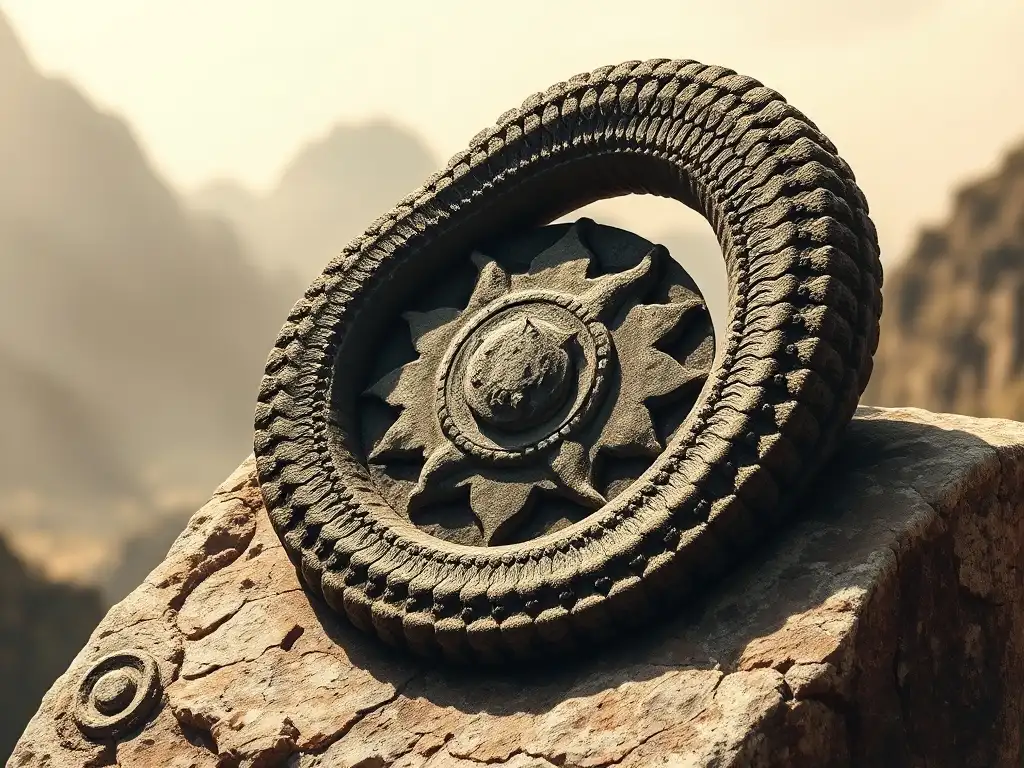
The serpent, a symbol found across numerous cultures worldwide, holds significant meaning in Andean belief systems. Unlike the solely positive connotations of the condor, the serpent's symbolism is more complex, encompassing both positive and negative aspects, often associated with the underworld, Kay Pacha, representing transformation, rebirth, and the cyclical nature of life and death. Its ability to shed its skin symbolizes renewal and the continuous process of change.
The serpent's connection to water and fertility is also strongly emphasized, highlighting its role in sustaining life and ensuring agricultural abundance. However, the serpent could also represent chaos, danger, and the unknown forces of nature, reflecting the unpredictable and sometimes harsh realities of the Andean environment.
Serpent Symbolism in Andean Rituals
Serpents played a crucial role in various Andean rituals. They were often associated with fertility rites and agricultural practices, reflecting their connection to water and the earth's generative power. Offerings to serpent deities were made to ensure bountiful harvests and protect crops from harm. The serpent's presence in ceremonial contexts often signified a connection to the underworld and the ancestral realm.
Shamans, who acted as intermediaries between the human and spiritual worlds, might use serpent imagery in their rituals to access hidden knowledge and connect with the forces of the underworld. The intricate symbolism of the serpent in these rituals highlights its importance in maintaining balance and harmony within the Andean worldview. Specific rituals and their associated serpent iconography varied across different Andean cultures, underscoring the rich diversity of their religious practices.
The Serpent's Connection to Water and Fertility
The serpent's association with water and fertility stems from its close relationship with underground springs and rivers, vital sources of life in the arid Andean landscape. The serpent's sinuous movement is often compared to the flow of water, representing its life-giving properties. In many Andean cultures, the serpent was considered a guardian of water sources, protecting them and ensuring their continued flow. This connection to water also links the serpent to fertility, as water is essential for agricultural production.
Depictions of serpents often appear alongside representations of agricultural deities or symbols of fertility, emphasizing their role in ensuring the abundance of crops and sustaining life. The serpent's power to regenerate and shed its skin further reinforces its connection to fertility and the cyclical renewal of life. This potent symbolism highlights the importance of water and fertility in Andean societies and their deep respect for the natural world.
The Sun (Inti): Life, Energy, and the Divine
The sun, known as Inti in Quechua, held paramount importance in the Andean worldview, representing life, energy, and the divine. It was far more than a celestial body; it was the source of all creation, the giver of life, and the ultimate ruler of the cosmos. The Incas, and many preceding Andean cultures, saw Inti as a powerful deity, directly influencing their agricultural practices, social structures, and religious beliefs.
The sun's daily journey across the sky mirrored the cyclical nature of life, death, and rebirth, deeply embedded in their cosmology. Understanding Inti's significance requires exploring its multifaceted role within the intricate tapestry of Andean spirituality.
Inti's Importance in Inca Religion
Inti was the supreme deity in the Inca pantheon, worshipped with elaborate ceremonies and offerings. The Inca emperors claimed direct descent from the sun god, strengthening their legitimacy and authority. The Temple of the Sun in Cusco, a stunning example of Inca architecture, served as a central hub for sun worship. Priests meticulously observed the sun's movements, using their observations to predict agricultural cycles and guide important state decisions.
The annual Inti Raymi festival, a vibrant celebration honoring the sun god, involved elaborate rituals, sacrifices, and communal feasts, demonstrating the profound religious significance of Inti in Inca society. The power of the sun was not merely symbolic; it was a tangible force shaping their lives, their governance, and their spiritual beliefs. The Inca's devotion to Inti extended beyond mere ritual; it permeated every aspect of their social fabric.
Representation of the Sun in Andean Art
The sun's representation in Andean art is diverse and rich, reflecting its multifaceted nature. From the earliest periods, depictions of the sun frequently appear in pottery, textiles, and metalwork. Often, Inti is represented as a stylized face, sometimes with radiating rays, emphasizing its radiant energy and power. In Inca art, the sun is frequently portrayed with human features, often depicted within a circular frame, symbolizing its celestial sphere.
The sun's symbolism is often interwoven with other celestial bodies and deities, creating complex narratives that communicate deeper cosmological meanings. The diverse artistic representations of the sun demonstrate the enduring significance of this deity throughout various Andean cultures, highlighting its central role in their spiritual and cultural lives. The artistic expressions of Inti provide invaluable insights into the beliefs and practices of these ancient civilizations.
The Moon (Quilla): Femininity, Cycles, and Time
The moon, Quilla in Quechua, held a complementary position to the sun in the Andean belief system. While Inti symbolized masculine energy and dominance, Quilla represented femininity, cycles, and the passage of time. Unlike the sun's constant presence, the moon's phases reflected the cyclical nature of life, highlighting the patterns of growth, decay, and renewal inherent in the Andean worldview. The moon's influence was particularly significant in agricultural practices, shaping the understanding of planting and harvesting seasons.
Quilla's Role in Andean Agriculture
The moon's phases played a crucial role in the Andean agricultural calendar. Farmers carefully observed the moon's cycles to determine the optimal time for planting and harvesting crops. The precise relationship between lunar cycles and agricultural practices varied across different Andean regions, reflecting the diverse environmental conditions and agricultural techniques.
However, the overarching principle of aligning agricultural activities with the moon's phases was consistent across many Andean cultures. This intimate connection between the moon's cycles and agricultural success underscored the moon's practical importance in daily life, beyond its symbolic significance. The agricultural knowledge rooted in lunar observation demonstrates the sophisticated understanding of nature possessed by Andean civilizations.
The Moon's Symbolism in Andean Culture
Beyond its agricultural significance, Quilla carried profound symbolic weight in Andean culture. Its cyclical phases reflected the cyclical nature of life, death, and rebirth, mirroring the sun's journey but with a distinct feminine connotation. The moon was often associated with fertility, both human and agricultural. In some Andean traditions, the moon was considered a powerful female deity, associated with water and nurturing.
The moon's representation in Andean art often features crescent shapes or stylized female figures, reflecting its multifaceted symbolism. The moon's enduring presence in Andean mythology and art highlights its significance as a powerful symbol of time, cycles, and feminine energy within the rich tapestry of Andean beliefs. The moon's influence transcended the purely practical; it held deep spiritual and cultural meaning for the Andean people.
The Role of Symbols in Andean Rituals and Daily Life
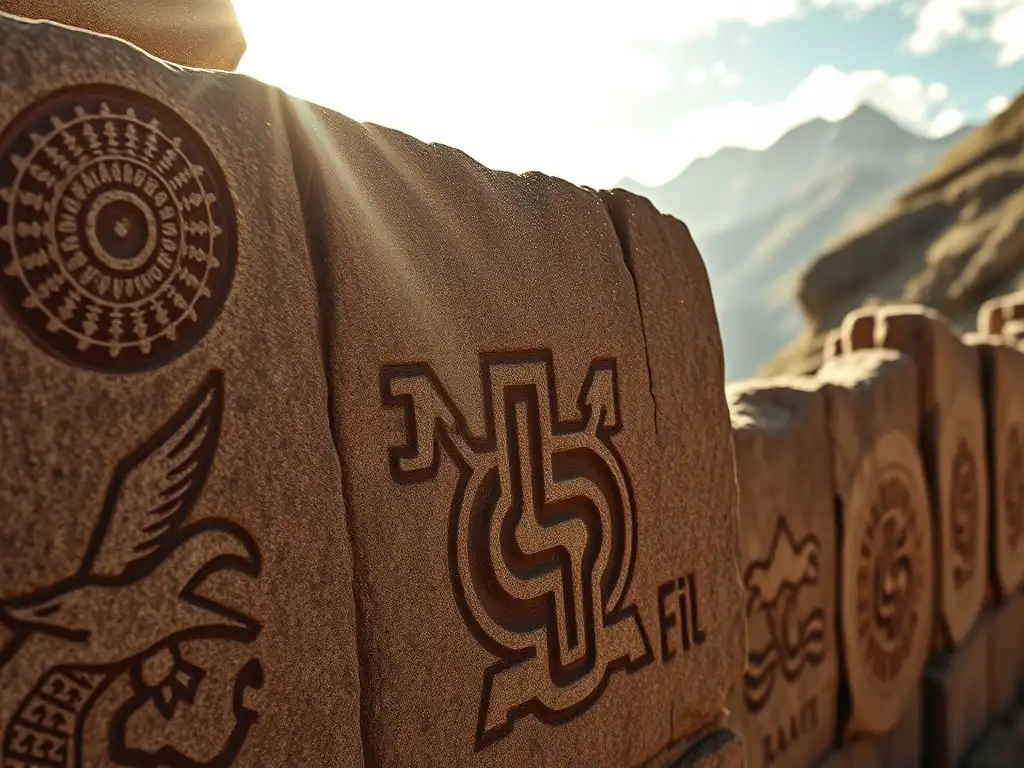
The Andean civilizations weren't just masters of intricate engineering and sophisticated agriculture; they were also deeply symbolic societies. Their worldview was profoundly shaped by a complex system of symbols woven into the fabric of their daily lives and religious practices. Understanding these symbols is crucial to understanding the Andean civilizations' beliefs, social structures, and worldview.
The meaning attributed to these symbols wasn't static; it evolved over time and varied across different cultures within the Andes, reflecting regional differences and changing social dynamics. This section delves into the pervasive influence of symbolism, demonstrating its significance beyond mere decoration. The pervasive use of Andean civilization symbols meaning reveals a society deeply connected to its environment and spiritual beliefs.
Symbols as Communication Tools in Ancient Andean Societies
Symbols served as powerful communication tools in ancient Andean societies, often transcending linguistic barriers. In a region characterized by diverse languages and dialects, visual symbolism provided a common ground for conveying complex ideas, beliefs, and social hierarchies. Consider the widespread use of the chakana, the Andean cross, a symbol representing the four cardinal directions, the cosmos, and the connection between the earthly and spiritual realms.
Its presence on textiles, pottery, and monumental architecture demonstrates its importance across diverse Andean cultures. Beyond the chakana, numerous other symbols, including stylized animals, celestial bodies, and geometric patterns, conveyed specific meanings within particular contexts. For instance, the depiction of a puma might signify power and strength in one context, while in another, it could represent a specific deity or ancestral lineage.
The interpretation hinges on careful consideration of the artifact's context – its material, location, and associated objects. Analysis of these details allows researchers to unravel the intricate layers of meaning embedded within these visual representations. The nuanced use of Andean civilization symbols meaning highlights a sophisticated system of communication that skillfully blended the practical with the spiritual.
The Use of Symbols in Andean Textiles and Ceramics
Andean textiles and ceramics are treasure troves of symbolic representations. These weren't merely decorative items; they were active participants in Andean life, carrying potent symbolic weight. Textiles, in particular, often served as powerful social markers, reflecting the wearer's status, lineage, and clan affiliation.
Intricate weaving techniques and the specific selection of colors and motifs encoded complex messages, often relating to cosmology, mythology, and social hierarchies. For example, certain color combinations might signify specific deities or sacred events, while the depiction of specific animals could represent clan totems or ancestral figures. Similarly, Andean ceramics, whether utilitarian or ceremonial, were adorned with symbolic designs that conveyed similar messages.
The meticulous detail and craftsmanship involved in creating these objects underscore their importance within Andean society. The careful consideration of Andean civilization symbols meaning found in these artifacts provides invaluable insight into the worldview of these remarkable societies. The variety of styles and motifs across different regions and time periods further enriches our understanding of the dynamic nature of Andean symbolism.
Symbolism and Religious Practices: Connecting with the Divine
Religious practices in Andean civilizations were heavily reliant on symbolism. Symbols facilitated communication with the divine, mediating between the human and spiritual realms. Many symbols represented deities, spirits, or cosmological concepts. Ceremonial objects, such as kero (ceremonial cups) and intricately carved stone sculptures, often featured symbolic imagery crucial to ritual performance.
The precise placement and arrangement of these objects during rituals further underscored their symbolic significance. The act of creating and using these objects was itself a ritualistic act, imbued with spiritual meaning. For example, the offering of coca leaves, a sacred plant, was deeply symbolic, representing respect, devotion, and a connection to the spirit world.
Furthermore, the use of specific colors, patterns, and materials in religious contexts reinforced the symbolic language embedded within these practices. Understanding the context of Andean civilization symbols meaning within religious rituals allows for a deeper appreciation of the spiritual world of the Andean people and their intricate relationship with the divine. The careful observation of these practices reveals a profound connection between the material and spiritual worlds, shaping the very essence of Andean religious life.
The Legacy of Andean Symbols in Modern Andean Culture
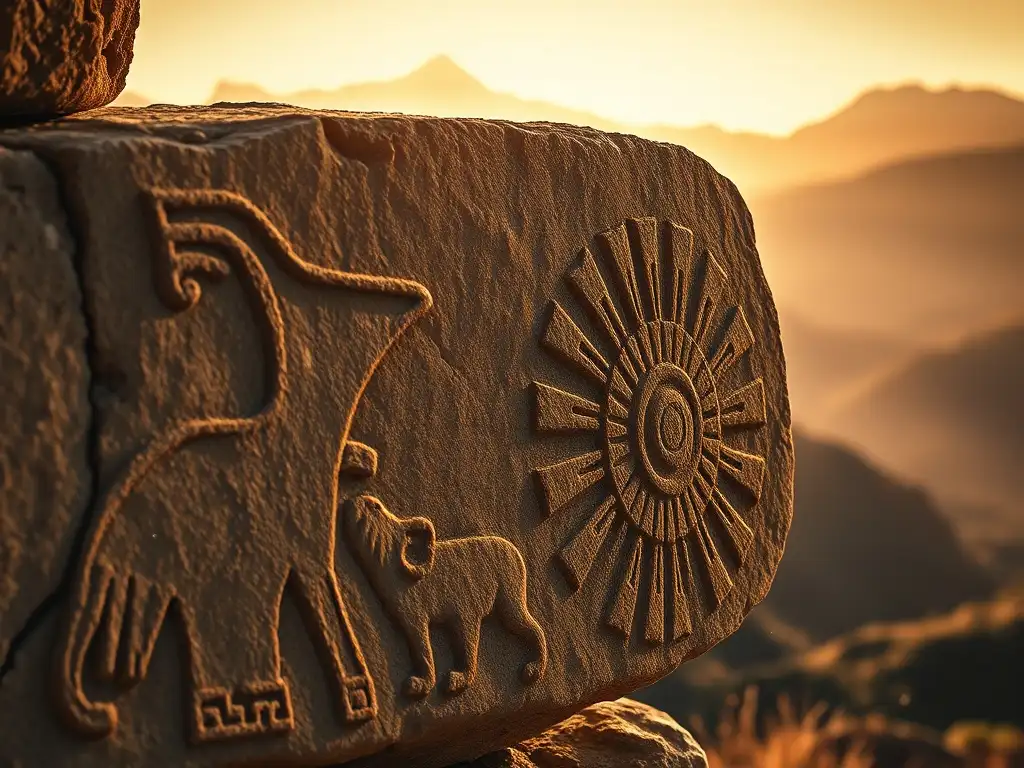
The vibrant tapestry of Andean civilization symbols meaning continues to resonate deeply within contemporary Andean culture. While the Inca Empire may have fallen centuries ago, the symbolic language developed and refined over millennia by various Andean cultures persists, subtly yet powerfully influencing modern life. This enduring legacy manifests in diverse ways, from artistic expression and religious practices to everyday objects and social structures. Understanding this continuity provides crucial insight into the enduring strength and resilience of Andean identity.
The power of these symbols isn't merely historical; it's a living force shaping contemporary Andean societies. Analyzing their present-day use reveals much about the cultural memory and continuity that binds past and present. The continued relevance of these symbols underscores their importance in understanding the complex relationship between ancient Andean beliefs and modern Andean life.
The Persistence of Traditional Symbols in Contemporary Art
Contemporary Andean artists frequently draw inspiration from the rich iconography of their ancestors. The chakana, or Andean cross, for example, continues to be a prominent motif, often reinterpreted to reflect contemporary themes and concerns. Some artists use it as a representation of balance and harmony, while others incorporate it into designs expressing social justice or environmental activism.
Similarly, depictions of mythical creatures like the k'intu (a powerful, sacred being) or the puma (symbol of power and strength) appear frequently in paintings, sculptures, and textiles. These aren't mere reproductions of ancient styles; rather, they represent a conscious engagement with the past, a process of reinterpreting and revitalizing ancient symbols for a modern audience. This ongoing artistic dialogue demonstrates the enduring relevance of Andean symbolism and the creative power it continues to hold.
The use of traditional Andean color palettes, geometric patterns, and motifs further reinforces this connection to the past. For instance, the vibrant reds, yellows, and blues found in ancient textiles frequently reappear in contemporary works, echoing the aesthetic sensibilities of past generations.
Analyzing the stylistic choices of contemporary Andean artists reveals a complex interplay between tradition and innovation. While some artists remain faithful to traditional techniques and motifs, others incorporate modern materials and styles, creating a dynamic fusion of ancient and contemporary aesthetics. This blending of past and present highlights the adaptability and enduring power of Andean symbols, demonstrating their capacity to evolve and adapt to changing cultural contexts while maintaining their inherent meaning and significance.
The Ongoing Significance of Andean Iconography for Andean People
Beyond artistic expression, Andean civilization symbols meaning remain deeply embedded in the daily lives of Andean communities. Many traditional ceremonies and rituals still incorporate ancient symbols and iconography. The use of specific colors, patterns, and objects during these rituals reinforces their symbolic significance, connecting contemporary practice to ancient traditions.
For example, the use of coca leaves, a sacred plant in Andean culture, is still prevalent in many communities, representing social bonds and spiritual connection. Similarly, the huaca, or sacred site, continues to hold spiritual significance, serving as a focal point for community gatherings and religious ceremonies. These practices demonstrate the enduring power of Andean symbols to shape religious beliefs and social interactions.
Furthermore, the use of traditional Andean symbols in textiles, clothing, and jewelry continues to be widespread. These everyday objects serve as visual reminders of cultural identity and heritage, fostering a sense of continuity between past and present. The intricate designs woven into traditional textiles often incorporate ancient motifs and patterns, carrying symbolic meanings that are passed down through generations. The continued use of these items in daily life demonstrates the enduring relevance of Andean symbols in shaping cultural identity and fostering a sense of belonging.
The survival of these practices and beliefs in the face of colonialism and globalization highlights the resilience of Andean culture and the enduring power of its symbolic language. Further research into specific communities and their unique uses of these symbols would provide a richer understanding of their contemporary relevance. [Specific examples of symbol use in different communities pending]
Conclusion: The Enduring Power of Andean Civilization Symbols
The intricate tapestry of Andean civilization symbols meaning continues to fascinate and inspire researchers and enthusiasts alike. From the soaring condors representing power and the sun's life-giving energy to the complex knotwork symbolizing intricate social structures and cosmic order, these visual representations offer a profound glimpse into the beliefs and worldview of these sophisticated ancient societies.
Understanding the nuanced interpretations of these symbols allows us to appreciate the depth and complexity of Andean cultures, moving beyond superficial observations to engage with a rich and multifaceted heritage. The enduring power of these symbols lies not only in their artistic merit but in their ability to connect us to the past, reminding us of the enduring human need to create meaning and find order in a complex world.
Reflecting on the Deep Meaning of Andean Symbolism
The study of Andean symbolism is an ongoing journey of discovery. While significant progress has been made in deciphering the meaning of many symbols, much remains to be understood. New archaeological findings and interdisciplinary approaches continue to shed light on the intricate layers of meaning embedded within these visual expressions. The challenge lies not only in identifying individual symbols but also in understanding their interconnectedness within a broader cosmological framework. For example, the recurring motif of the serpent, often associated with both fertility and the underworld, highlights the Andean understanding of duality and the interconnectedness of life and death.
Similarly, the intricate designs found on textiles and ceramics often reveal complex narratives, reflecting social hierarchies, ritual practices, and beliefs about the cosmos. Further research into the context of these artifacts—their location, associated objects, and the cultural practices surrounding their creation and use—is crucial to unlocking their full symbolic potential. By adopting a holistic approach that integrates archaeological evidence, ethnohistorical accounts, and contemporary Andean perspectives, we can gain a more comprehensive understanding of the rich and complex world of Andean symbolism. The enduring legacy of these symbols lies in their capacity to inspire awe, provoke questions, and ultimately, connect us to the vibrant cultures that created them. This exploration into Andean civilization symbols meaning provides a foundational understanding, fueling continued research and appreciation for these compelling visual narratives.
The quest to decipher these intricate symbols offers a unique opportunity to engage with the profound spiritual and philosophical underpinnings of Andean civilizations, enriching our understanding of human history and culture. The ongoing research and interpretation of these symbols serve as a testament to the enduring power and relevance of Andean cultural heritage. The continued study of Andean art and iconography promises to reveal even more about the complexities and subtleties of their belief systems. The impact of these discoveries will undoubtedly reshape our understanding of Andean civilization and its lasting contributions to human history. The richness and complexity of Andean civilization symbols continue to intrigue and inspire, emphasizing the depth and sophistication of these remarkable ancient societies.
Frequently Asked Questions
What is the significance of symbols in Andean civilizations?
Symbols held deep religious and social meaning in Andean cultures. They represented powerful deities, ancestors, and concepts, shaping daily life and worldview. Understanding these symbols provides insight into their beliefs and practices.
What are some common symbols found in Andean art and artifacts?
Common symbols include the condor, representing power and strength; the puma, symbolizing ferocity and leadership; and the snake, associated with fertility and the underworld. Geometric patterns also carried significant meaning.
How did Andean symbols relate to their religious beliefs?
Andean religions were deeply symbolic. Many symbols represented deities or forces of nature, such as the sun, moon, and stars. Rituals and ceremonies often involved the use of these symbols to connect with the spiritual realm.
Did different Andean cultures use the same symbols?
While some symbols were shared across different Andean cultures, like the condor and puma, many were unique to specific groups. The meaning and interpretation of symbols could also vary between cultures and regions.
Where can I learn more about the meaning of Andean civilization symbols?
You can explore museums showcasing Andean artifacts, academic journals, and books on Andean history and archaeology. Many online resources, including reputable websites and databases, also offer valuable information on Andean symbolism.
Final Reflection: Echoes of the Andes: Symbols and Their Continuing Resonance
The enduring power of Andean symbols is not a relic of the past; it is a vibrant force shaping identities and narratives in the present. These intricate designs, woven into textiles, carved into stone, and painted onto pottery, continue to resonate deeply within contemporary Andean communities and beyond, offering a powerful lens through which to understand the complexities of cultural transmission and the enduring strength of tradition.
The impact of these symbols extends far beyond mere aesthetic appreciation; they are integral to the very fabric of Andean life, carrying with them layers of meaning that speak to cosmology, social structures, and spiritual beliefs. Their continued use in contemporary art, clothing, and ceremonies demonstrates a profound connection to ancestral knowledge and a powerful resistance to cultural homogenization. The past is never dead. It's not even past.
– William Faulkner. This quote perfectly encapsulates the enduring legacy of Andean symbols, their presence a constant reminder of the unbroken thread connecting past and present.
Consider the profound implications of this enduring legacy. How can we, as individuals, better appreciate the richness and complexity of cultural traditions different from our own? Take a moment to reflect on the symbols that hold significance in your own life and consider the stories they tell, the values they represent, and the connections they forge. By understanding the power of symbols, both within the Andean context and our own, we can foster a deeper appreciation for the diverse tapestry of human experience and build bridges of understanding across cultures and generations.
Unveil the Power of Andean Symbols Today!
Thank you for exploring the captivating world of Andean belief systems and the enduring power of their symbols. We hope you've gained a deeper understanding of their rich significance and cultural value. Now, let's explore ways to further connect with these fascinating traditions!
Here are a few suggestions:
- **Attend a local workshop or event** focused on Andean art or symbolism for a firsthand experience of their significance. Consider searching for classes on Andean textiles, pottery, or mythology.
- **Share your newfound knowledge** with friends and family, sparking conversations about the role of symbols in daily life and the importance of cultural heritage. Perhaps you could share a presentation on a specific Andean symbol or practice.
- **Continue your exploration** on our website, where you'll find further articles and resources on Andean civilization. Your journey of discovery is just beginning!
Which Andean symbol resonates most with you, and how do you envision it enriching your daily life?