
Pottery Puzzles: Symbolic Motifs on Ancient Andean Ceramics

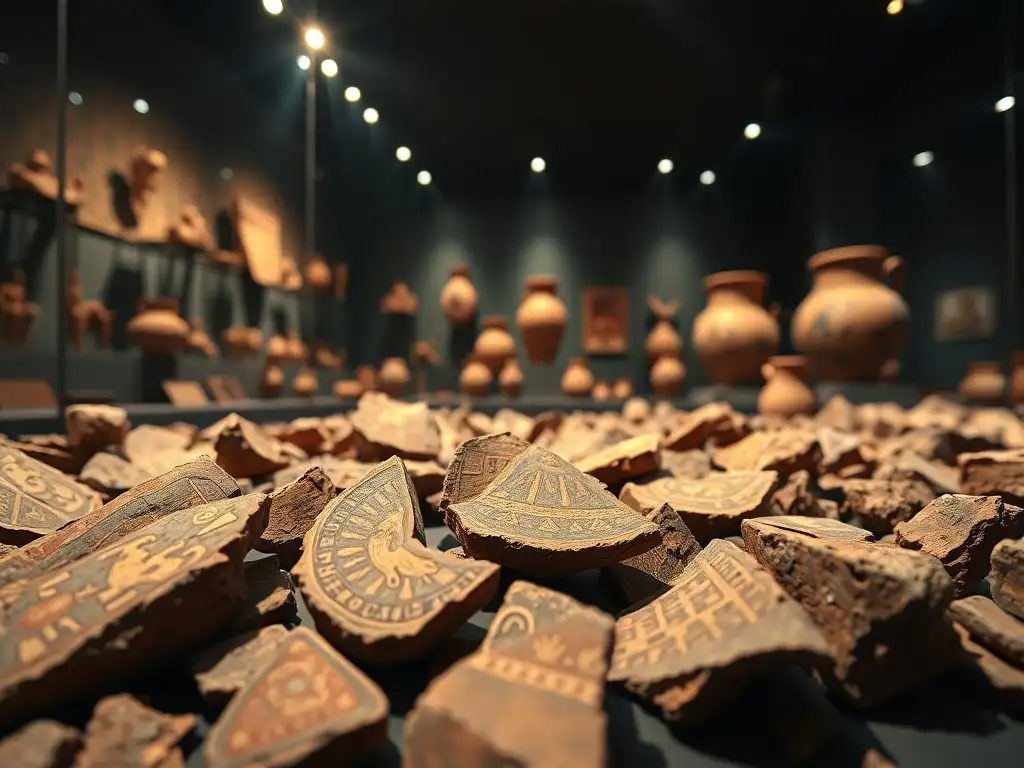
Unravel the mysteries hidden within the vibrant hues and intricate designs of ancient Andean pottery. Journey through millennia of captivating artistry as we delve into the world of Andean pottery symbolism. Discover the secrets whispered by these ceramic masterpieces, revealing the beliefs, rituals, and daily life of the Incas, Moche, Nazca, and other remarkable Andean civilizations. Prepare to be amazed by the depth of meaning encoded within each symbolic motif – a visual language waiting to be deciphered. Are you ready to unlock the puzzles of the past?
- Pottery Puzzles: Decoding Symbolic Motifs on Ancient Andean Ceramics
- The Significance of Andean Ceramics in Ancient Cultures
- Exploring Key Symbolic Motifs in Andean Pottery
- Regional Variations in Andean Pottery Symbolism
- Techniques and Materials in Andean Pottery Making
- The Legacy of Andean Pottery Symbolism
- Frequently Asked Questions
- Final Reflection: Unraveling the Whispers of Andean Clay
- Unveil the Stories Behind Ancient Art!
Pottery Puzzles: Decoding Symbolic Motifs on Ancient Andean Ceramics
The vibrant tapestry of Andean civilizations, renowned for their intricate textiles, awe-inspiring architecture, and sophisticated agricultural techniques, also left behind a rich legacy of ceramic artistry. More than just functional vessels, Andean pottery serves as a captivating window into the beliefs, rituals, and daily lives of these ancient societies.
This article delves into the fascinating world of Andean pottery symbolism, exploring the intricate motifs and designs that adorned these ceramic masterpieces. We will examine how these symbols, often seemingly enigmatic, provide valuable insights into the cosmology, social structures, and artistic expressions of cultures like the Inca, Moche, Nazca, and Tiahuanaco.
Understanding Andean pottery symbolism allows us to connect with the profound spiritual and cultural significance embedded within these ancient artifacts, enriching our appreciation for the ingenuity and artistry of these remarkable civilizations. We'll uncover the stories whispered from the clay, revealing a deeper understanding of Andean heritage and the enduring power of their symbolic language.
Unveiling the Meaning Behind Andean Pottery Designs
Andean pottery displays a remarkable diversity of styles and motifs, varying significantly across different cultures and time periods. The meanings attributed to these symbols, however, are often complex and multifaceted, requiring careful consideration of context and archaeological evidence. For example, recurring motifs such as feline imagery, often interpreted as representations of powerful deities or shamanistic figures, can have subtly different connotations depending on the specific cultural context and the accompanying elements within the design.
Similarly, geometric patterns, while seemingly abstract, often encode complex cosmological beliefs or represent social hierarchies within the community. Detailed analysis of pottery shards, their context of discovery, and comparative studies with other archaeological findings are crucial for accurate interpretation.
The meticulous craftsmanship and intricate details evident in Andean pottery highlight the deep-seated significance these objects held within their respective societies. The use of specific colors, the choice of materials, and the techniques employed all contribute to the symbolic richness of these artifacts.
Common Symbolic Motifs in Andean Pottery: A Closer Look
Several recurring motifs appear frequently across different Andean cultures, suggesting a shared understanding of certain symbolic concepts. These include:
- Feline Imagery: Representations of jaguars, pumas, and other felines often symbolize power, strength, and shamanistic abilities. Their presence on pottery suggests a connection to the supernatural world and the power of these animals in Andean cosmology. The depiction of these animals often varies between cultures, offering clues to regional variations and cultural nuances.
- Geometric Patterns: Intricate geometric designs, including triangles, squares, zigzags, and spirals, are prevalent in Andean pottery. These patterns often reflect cosmological beliefs, representing the earth, the sky, and the cyclical nature of life and death. Their complexity suggests a sophisticated understanding of mathematics and geometry.
- Anthropomorphic Figures: Representations of human figures, often depicted in ritualistic or ceremonial contexts, reveal insights into social structures, religious practices, and daily life. These figures can be highly stylized or realistically portrayed, offering a glimpse into the aesthetic preferences and artistic capabilities of the artisans. Careful examination of their clothing, accessories, and postures can provide valuable information about their social status and roles within the community.
- Mythological Creatures: Beyond feline representations, other mythical creatures frequently appear, often blending animal and human characteristics. These hybrid creatures represent the blending of the natural and supernatural worlds, indicative of a complex worldview. Their presence on pottery provides valuable insights into Andean mythology and the beliefs that shaped their society.
Deciphering the Context: Location, Time Period, and Associated Artifacts
The interpretation of Andean pottery symbolism is not a straightforward process. It requires a holistic approach, considering the context in which the pottery was found. The location of discovery, the associated artifacts, and the time period can significantly influence the interpretation of the motifs.
For example, pottery found in a burial site might have different symbolic meanings than pottery found in a domestic setting. Furthermore, the materials used to create the pottery, the techniques employed in its creation, and the presence of other decorative elements all contribute to the overall meaning. Careful consideration of these contextual factors is crucial for accurate and nuanced interpretations.
The Ongoing Quest: New Discoveries and Interpretations
The study of Andean pottery symbolism is a constantly evolving field. New archaeological discoveries and advancements in analytical techniques continue to refine our understanding of these ancient artifacts. Ongoing research provides new perspectives on existing interpretations, prompting further investigation and discussion. The collaborative efforts of archaeologists, art historians, and other specialists are essential for a comprehensive understanding of the rich symbolic language embedded within Andean pottery. The enduring allure of these ceramic masterpieces lies not only in their artistic merit but also in their capacity to connect us with the beliefs, values, and experiences of the ancient Andean civilizations.
The Significance of Andean Ceramics in Ancient Cultures
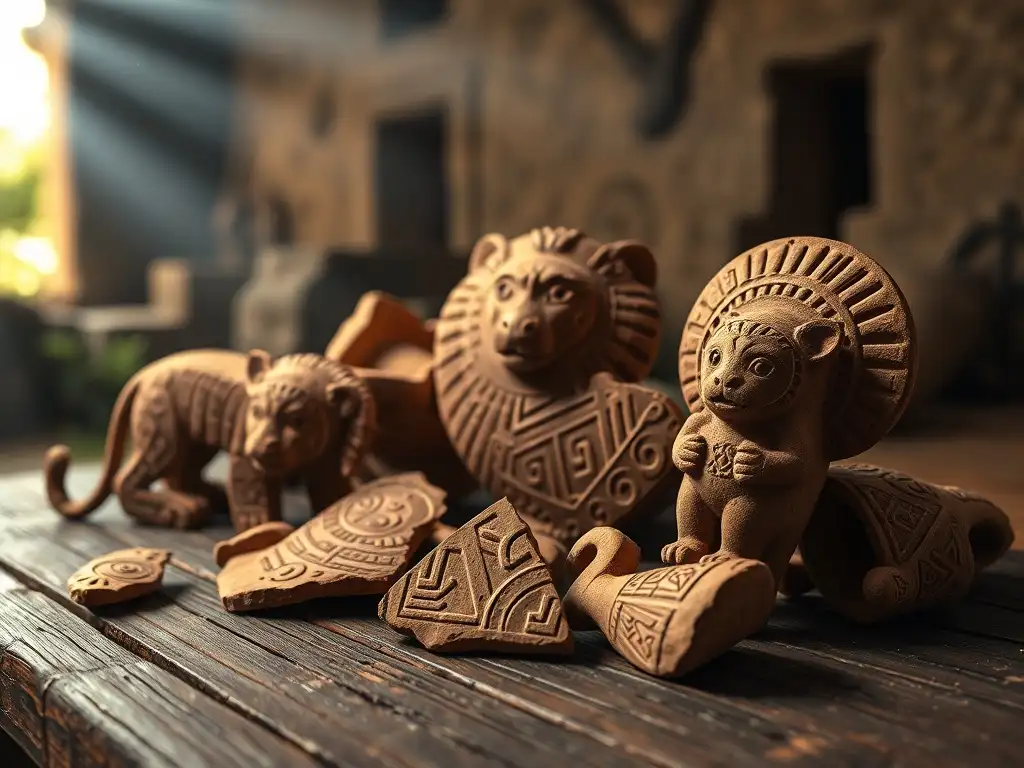
Andean pottery symbolism offers a captivating window into the beliefs, rituals, and daily lives of ancient Andean societies. More than mere vessels for storing food or water, these ceramic artifacts served as powerful mediums for expressing complex ideas and narratives. The intricate designs, vibrant colors, and symbolic motifs found on Andean pottery provide invaluable insights into the worldview and cultural practices of civilizations like the Inca, Moche, Nazca, and Tiahuanaco.
Analyzing the iconography present on these pieces allows researchers to reconstruct aspects of their social structures, religious beliefs, and cosmological perspectives. The sheer volume and diversity of surviving pottery further underscores its importance as a primary source for understanding these fascinating ancient cultures. Understanding Andean pottery symbolism is crucial for unlocking a deeper appreciation of the ingenuity and sophistication of Andean civilizations.
The careful study of these artifacts reveals a rich tapestry of meaning, challenging previously held assumptions and offering new perspectives on the complexity of Andean societies. This section will explore the role of pottery as a historical record and its functions beyond the purely utilitarian.
Andean Pottery as a Historical Record
Andean pottery serves as a remarkably detailed historical record, preserving information that might otherwise be lost to time. Unlike written documents, which were not widely used in all Andean societies, pottery provides a visual record spanning centuries. Changes in stylistic conventions, depictions of flora and fauna, and the evolution of symbolic motifs all offer clues to societal shifts, technological advancements, and changes in belief systems.
For example, the shift from simple geometric designs in early pottery to the elaborate iconography of the Moche period reveals a significant development in artistic skill and a growing complexity in religious and social organization. The presence of specific motifs on pottery from different regions helps archaeologists trace trade routes and patterns of cultural exchange. Moreover, the materials used in the creation of the pottery itself – the type of clay, the firing techniques, and the presence of pigments – provide insights into the available resources and technological capabilities of different Andean communities.
Careful analysis of these aspects can provide a chronological framework, allowing researchers to date and sequence the development of different styles and cultures. Indeed, the meticulous attention to detail in Andean pottery production ensures that even seemingly minor variations in design can hold significant historical meaning.
Functions of Ancient Andean Pottery Beyond the Utilitarian
While Andean pottery undoubtedly served utilitarian purposes such as food storage and water transportation, its significance extended far beyond mere functionality. Many pieces were clearly created for ceremonial or ritual use, serving as offerings to deities or used in funerary practices. Elaborate vessels, often adorned with intricate designs and rich colors, were likely reserved for elite members of society or used in important religious ceremonies.
The presence of specific motifs, such as feline imagery associated with power and divinity in some cultures, or depictions of agricultural scenes reflecting the importance of farming, reveals the symbolic weight attributed to these objects. Furthermore, some pottery functioned as containers for sacred substances or as receptacles for offerings to the ancestors. The careful placement of pottery in tombs alongside other grave goods further highlights its importance in Andean funerary rites.
The use of pottery in these contexts demonstrates that it was not merely a practical tool but an integral part of the religious and social fabric of Andean life. The sheer variety of forms, sizes, and decorative styles further emphasizes the multifaceted roles of Andean pottery in ancient societies, exceeding its simple utilitarian function. The creation and use of pottery was deeply embedded within the social and spiritual life of Andean civilizations.
Exploring Key Symbolic Motifs in Andean Pottery
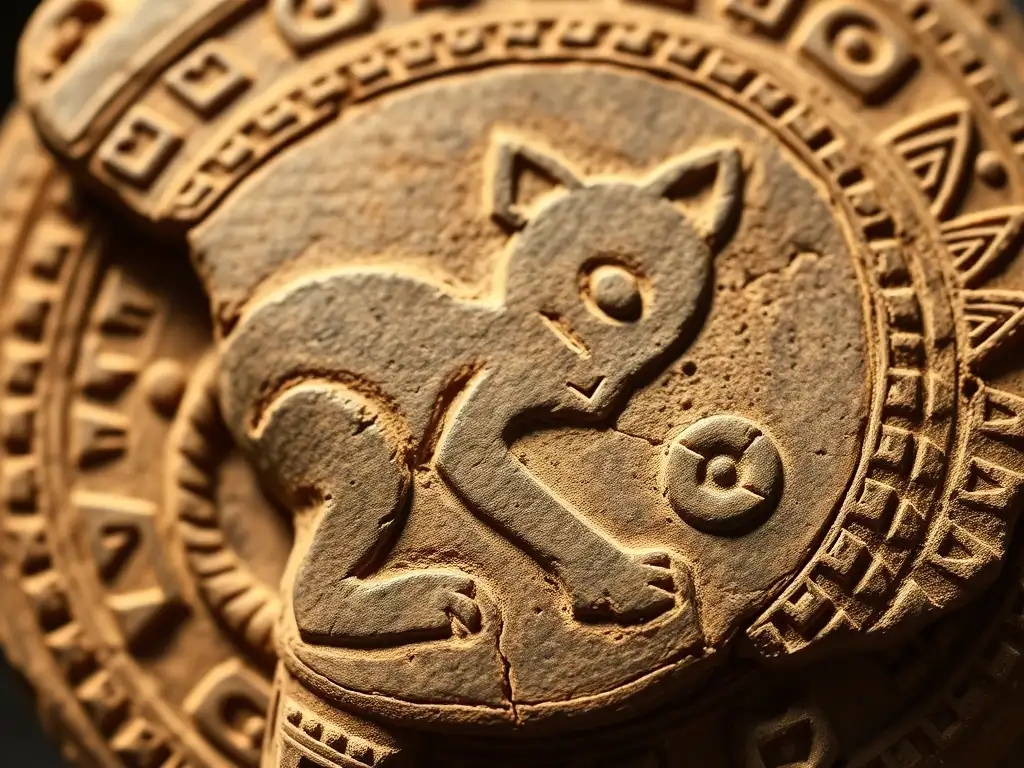
This section delves into the rich tapestry of symbolism woven into ancient Andean pottery, focusing on recurring motifs that offer insights into the beliefs, rituals, and worldview of these fascinating civilizations. Understanding the symbolism embedded in these ceramic artifacts provides a crucial window into the spiritual and social lives of the Andean people. We'll explore how seemingly simple designs held profound meaning, reflecting cosmological beliefs and social hierarchies. The careful study of Andean pottery symbolism reveals a complex and sophisticated understanding of the natural and supernatural worlds.
The Serpent: Symbolism of Transformation and Power
The serpent, a ubiquitous symbol across numerous cultures worldwide, holds a particularly potent significance in Andean iconography. Depicted in various forms – coiled, undulating, or even bi-headed – the serpent often represents transformation, fertility, and the potent forces of nature. Its association with water sources, particularly underground springs and rivers, links it to life-giving properties and the cyclical nature of existence.
Consider, for instance, the Moche culture's exquisite ceramic vessels depicting feathered serpents. These meticulously crafted pieces showcase the serpent's connection to both the earthly and spiritual realms. The feathers, often brightly colored and intricately detailed, suggest a connection to the celestial sphere, highlighting the serpent's power as a mediator between the worlds.
The serpent's ability to shed its skin further reinforces its symbolism of regeneration and renewal, echoing the cyclical patterns observed in Andean agriculture and cosmology. In some representations, the serpent is depicted intertwined with other symbols, such as plants or deities, further enriching its multifaceted meaning. The powerful imagery of the serpent frequently appears in scenes depicting ritual ceremonies or shamanistic practices, emphasizing its role in mediating between humans and the supernatural.
The Feline: Representing Strength and Shamanic Connections
Feline imagery, particularly that of jaguars and pumas, features prominently in Andean pottery, reflecting the powerful symbolism associated with these apex predators. These animals represent strength, power, and shamanic connections to the spirit world. Their nocturnal habits and elusive nature linked them to the unseen realms, making them potent symbols for shamans and those who interacted with the supernatural.
The representation varies across different Andean cultures. For example, the Nazca culture frequently depicted felines in a stylized manner, emphasizing their predatory features and powerful presence. Their depictions often include intricate geometric patterns, enhancing the overall sense of mystery and power. In contrast, some Moche ceramics show felines in more naturalistic forms, highlighting their physical attributes and strength.
The specific portrayal often varies depending on the context and the intended message. The feline's association with the underworld and the night further strengthens its symbolic link to shamanic practices and the journey to the otherworldly. The presence of feline motifs on ceremonial vessels suggests their use in rituals and their importance in Andean religious beliefs.
Birds: Messengers of the Gods and Spiritual Realms
Birds, with their ability to soar through the sky and traverse different realms, are frequently depicted in Andean pottery as messengers of the gods and symbols of spiritual connection. The specific type of bird often holds unique significance. Condor imagery, for example, commonly appears in representations of deities and rulers, reflecting the bird's association with power and the celestial realm. Its ability to fly at great heights connected it to the gods and the spiritual world, making it a powerful and revered symbol.
Smaller birds, such as hummingbirds, often represent aspects of nature and fertility. Their vibrant colors and association with flowers link them to the life-giving forces of the Andean landscape. The detailed depictions of birds in Andean pottery show a keen observation of nature and the meticulous craftsmanship of the artisans.
The inclusion of birds in scenes of rituals or ceremonies further highlights their importance in Andean religious practices and beliefs. The use of diverse bird species in different contexts suggests a nuanced understanding of avian symbolism within the Andean worldview. The careful analysis of these depictions helps us understand the intricate relationship between the Andean people and the natural world around them, demonstrating the profound spiritual meaning that birds held within their culture.
Geometric Patterns: Exploring Abstract Representations of the Cosmos
Geometric patterns in Andean pottery are far from mere decorative elements; they represent a sophisticated system of cosmological beliefs. These abstract designs, often composed of triangles, squares, stepped frets, and spirals, are thought to symbolize the organization of the universe, the cycles of nature, and the relationship between the earthly and celestial realms.
The precision and complexity of these patterns, meticulously crafted onto the ceramic surfaces, highlight the advanced mathematical and artistic understanding of Andean cultures. For example, the intricate stepped fret motifs, frequently seen on pottery from various Andean cultures, are believed to represent mountains, terraces, and the layered structure of the cosmos itself – a visual metaphor for the interconnectedness of the world.
The precise angles and repetitive nature of these designs suggest a deep understanding of geometry and its potential to express profound spiritual concepts. The artisans weren't simply decorating; they were encoding complex beliefs into visually stunning works of art.
The use of specific colors within these geometric patterns further enhances their symbolic meaning. For instance, the prevalence of red, often associated with blood, fertility, and the sun, suggests a connection between the geometric forms and vital life forces. Conversely, the use of black or white might represent the duality inherent in the Andean worldview, the balance between opposing forces, such as light and darkness, or life and death.
These color choices weren't arbitrary; they were carefully considered to amplify the symbolic power of the geometric designs. Further research into specific pigments and their sources could reveal even more about the cultural significance of these color palettes in Andean pottery symbolism. The precise meaning of specific color combinations and their relationship to the geometric patterns remains an area of ongoing scholarly discussion, illustrating the richness and complexity of Andean cultural expression.
Analysis of geometric patterns across different Andean cultures reveals fascinating regional variations. While certain motifs, such as the stepped fret, appear widely, their specific execution and contextual use vary significantly. This suggests that, while sharing a common cosmological framework, different Andean societies developed unique artistic interpretations and symbolic languages.
Comparing pottery from the Nazca, Moche, and Inca cultures, for instance, reveals subtle yet significant differences in the style, scale, and combination of geometric patterns, highlighting the diversity of artistic expression within the broader Andean context. This regional diversity underscores the importance of considering the specific cultural context when interpreting the symbolic meaning of Andean pottery. Future studies focusing on comparative analysis of geometric patterns could further illuminate the cultural exchange and unique artistic traditions of different Andean groups.
Regional Variations in Andean Pottery Symbolism
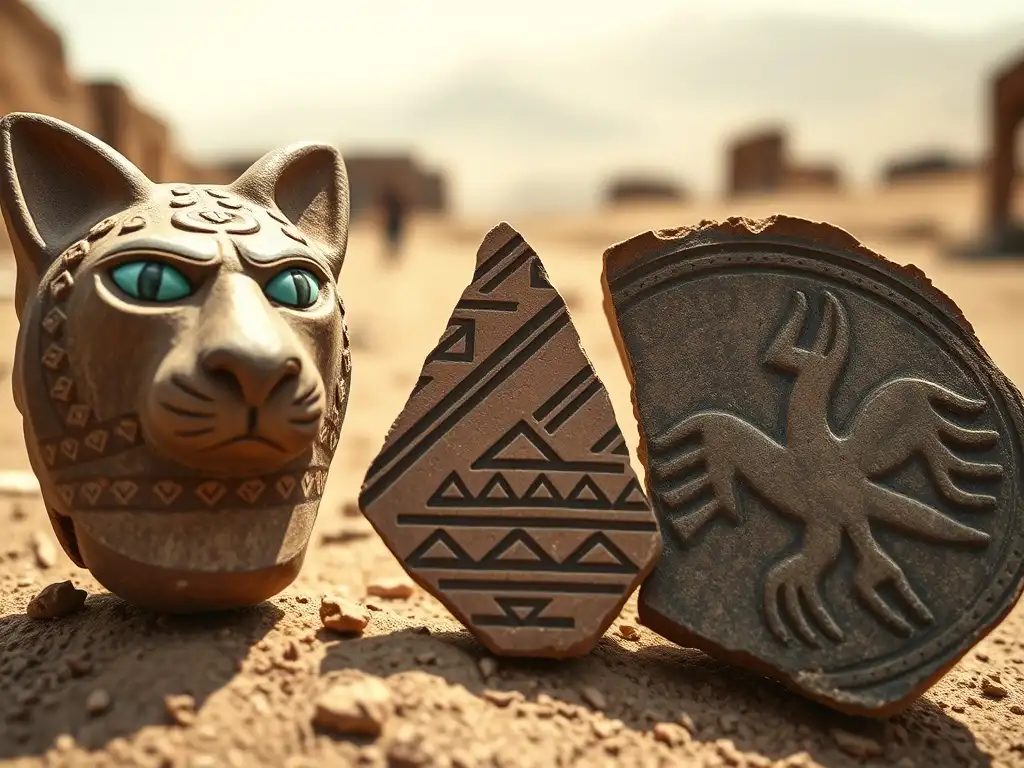
Andean pottery symbolism, a rich tapestry woven from diverse cultural threads, reveals fascinating regional variations. While certain motifs, like feline imagery or geometric patterns, appear across different cultures, their specific execution and symbolic meaning often diverge significantly. Examining these regional differences illuminates the unique beliefs, social structures, and artistic traditions of each Andean civilization.
This section will focus on three prominent cultures—Moche, Nazca, and Tiahuanaco—highlighting the distinctive characteristics of their ceramic artistry and the symbolic narratives embedded within. Analyzing these variations provides a deeper understanding of the complexity and diversity of Andean cultural expression. The careful study of Andean pottery symbolism allows us to piece together fragmented narratives and gain insights into the lives and beliefs of these ancient peoples.
Moche Pottery: Narrative Scenes and Iconographic Detail
Moche pottery, famed for its intricate detail and vibrant colors, is a remarkable window into the daily life and mythology of this pre-Columbian civilization (c. 100-800 CE). Unlike the more abstract styles of other Andean cultures, Moche ceramics often depict vivid narrative scenes, portraying complex social interactions, religious rituals, and even scenes of warfare. The iconographic detail is astounding; individual features of figures, their clothing, weaponry, and the surrounding environment are rendered with remarkable precision.
This level of detail allows archaeologists and art historians to decipher many aspects of Moche society. For example, depictions of elaborate feasts suggest the importance of communal gatherings and social hierarchy. Scenes depicting surgical procedures demonstrate a surprisingly advanced understanding of medicine for the time. Furthermore, the frequent portrayal of supernatural beings and ritualistic acts provides valuable insights into their religious beliefs and cosmology.
The symbolism within Moche pottery is not merely decorative; it's a powerful tool for understanding their complex social and spiritual world. Detailed analysis reveals subtle variations in iconography that can indicate shifts in power structures or changes in religious practices over time. The careful study of Moche pottery provides a wealth of information, far beyond simple aesthetic appreciation.
One notable example is the frequent depiction of the Ai apaec, a powerful deity often shown with feline features and elaborate headdresses. The symbolism surrounding this figure is complex and still debated, but it clearly represents a major element of Moche religious belief. Similarly, the recurring themes of warfare and human sacrifice, while grim, provide crucial data on inter-tribal relations and the social dynamics of the Moche state. The use of color is also highly symbolic; specific pigments might represent social status, ritual significance, or even natural elements like the earth or the sea.
Nazca Pottery: Abstract Designs and Mythological Figures
In stark contrast to the narrative style of Moche pottery, Nazca ceramics (c. 100 BCE – 800 CE) are characterized by their abstract designs and stylized representations of mythological figures. While lacking the detailed realism of Moche work, Nazca pottery boasts a remarkable mastery of intricate geometric patterns, often featuring complex lines, spirals, and stylized representations of animals and plants. The symbolism here is often more enigmatic, requiring careful analysis and interpretation.
The iconic Nazca lines, though not directly represented on pottery, are believed to be connected to the cosmological beliefs reflected in their ceramic art. The recurring motifs of birds, especially hummingbirds and condors, frequently appear, possibly symbolizing celestial beings or shamanistic journeys. Geometric patterns, often composed of complex interwoven lines, might represent constellations, celestial events, or abstract representations of the natural world. Many scholars believe these abstract designs hold clues to Nazca cosmology and ritual practices.
Unlike the relatively clear narrative scenes of Moche pottery, the interpretation of Nazca symbolism relies heavily on contextual clues and comparative analysis. The use of specific colors, the arrangement of motifs, and the overall composition of the vessel all contribute to the meaning. For instance, the presence of certain stylized creatures might represent specific deities or mythical beings important to Nazca religion.
The prevalence of abstract designs suggests a focus on the spiritual and supernatural realm, perhaps reflecting a worldview centered on the interplay of unseen forces. Further research is needed to fully unlock the secrets encoded within these complex and fascinating designs.
Tiahuanaco Pottery: Stylized Forms and Religious Iconography
Tiahuanaco pottery (c. 500-1000 CE), produced by the powerful Tiahuanaco culture of the Bolivian Altiplano, displays a distinct artistic style, characterized by its stylized forms and religious iconography. Unlike the narrative focus of Moche or the abstract designs of Nazca, Tiahuanaco ceramics emphasize geometric precision and the representation of key religious figures and symbols.
The pottery often features anthropomorphic figures with characteristic features, such as large heads, wide eyes, and stylized clothing. These figures are often interpreted as representations of deities or important figures within Tiahuanaco society. Recurring motifs include stepped pyramids, feline imagery, and intricate geometric designs, all likely carrying significant religious or symbolic weight. The use of monochrome palettes, primarily reds, browns, and blacks, contrasts sharply with the vibrant colors of Moche pottery, suggesting a different aesthetic sensibility.
The stylistic consistency across Tiahuanaco pottery suggests a high degree of centralized control over artistic production, possibly reflecting the power of the Tiahuanaco state. The repetition of specific motifs and the standardized representation of figures suggests a deliberate attempt to propagate specific religious beliefs and ideologies throughout their empire. The careful study of these stylistic choices reveals important information about the social, political, and religious organization of the Tiahuanaco culture.
Further research focusing on specific stylistic variations and their geographic distribution may help to refine our understanding of the dynamics of the Tiahuanaco empire and the evolution of its artistic traditions. The analysis of Andean pottery symbolism from the Tiahuanaco period offers a unique perspective on the power dynamics and religious beliefs of this significant Andean civilization.
Inca Pottery: Geometric Simplicity and Imperial Power
Inca pottery, while perhaps less flamboyant than that of some other Andean cultures, speaks volumes about imperial power and sophisticated social organization. Unlike the intricate iconography of earlier cultures, Inca ceramics often feature a striking geometric simplicity. This minimalist aesthetic, however, is far from accidental; it reflects the Inca emphasis on order, control, and the standardization of imperial practices across their vast empire.
The prevalence of geometric patterns—triangles, zigzags, chevrons—suggests a deliberate attempt to visually represent the structured hierarchy and centralized authority of the Inca state. These designs were not haphazard; they likely followed strict protocols, dictated by royal workshops and disseminated throughout the empire. The uniformity in style across vast distances testifies to the effectiveness of Inca administration and communication networks.
The use of color in Inca pottery also carries symbolic weight. While vibrant hues were employed, the palette tends towards earth tones—reds, browns, yellows—reflecting the Inca connection to the land and their reverence for nature. Specific colors might have carried additional meanings, perhaps signifying different regions or social strata within the empire, although further research is needed to definitively decipher these nuances.
The careful selection and application of pigments further underscore the skilled craftsmanship and the importance placed on the production of these ceramic objects. Furthermore, the standardization of color use, much like the geometric patterns, reinforces the idea of a unified and controlled imperial system.
Beyond simple geometric patterns, some Inca pottery does incorporate representational motifs, albeit stylized and often integrated within the broader geometric framework. Depictions of llamas, for instance, are common, reflecting the animal's crucial role in Inca economy and society. However, even these representations are typically rendered in a restrained and formalized manner, consistent with the overall aesthetic of Inca ceramic production.
The controlled and stylized nature of even representational imagery further emphasizes the overarching theme of imperial order and control that permeates Inca pottery. This deliberate simplification, far from being a lack of artistic sophistication, showcases a highly developed aesthetic reflecting the core values of the Inca empire. The simplicity, therefore, is a powerful statement in itself.
Techniques and Materials in Andean Pottery Making
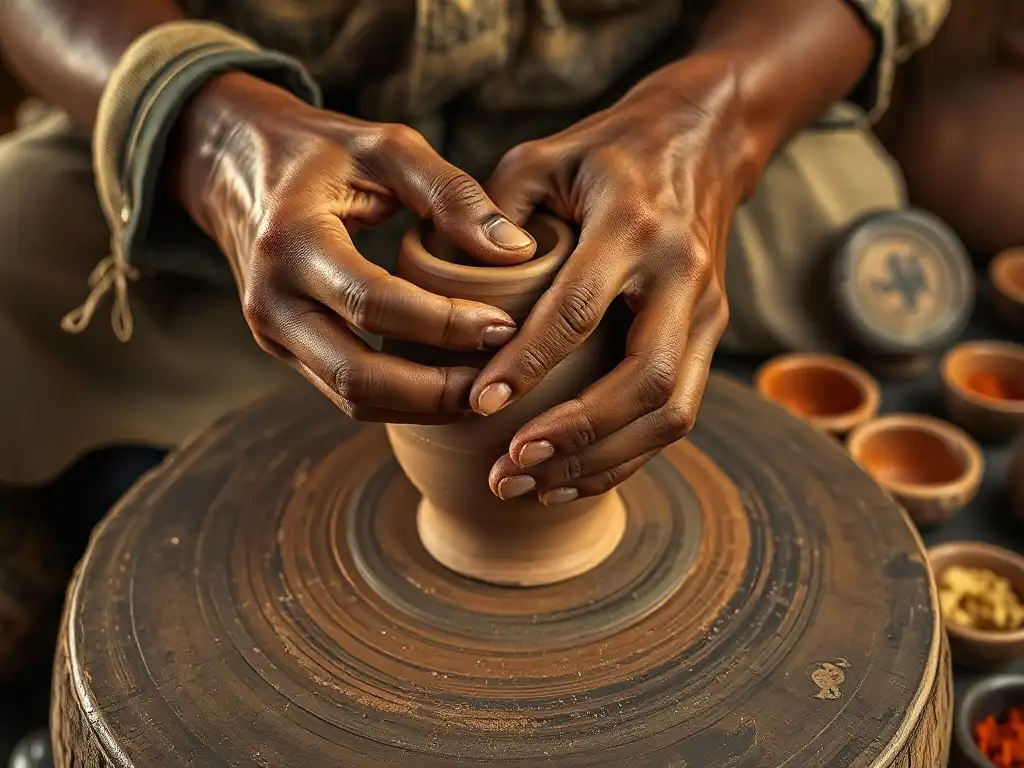
The creation of the stunning and symbolically rich Andean pottery wasn't a haphazard process; it was a sophisticated craft honed over millennia. Understanding the techniques and materials employed reveals a deep connection between the artisans and their environment, reflecting not only artistic skill but also a profound understanding of the natural world. The vibrant colors, intricate designs, and durable nature of these artifacts are testaments to the advanced technological capabilities of Andean civilizations. Analyzing these aspects sheds light on the significance of Andean pottery symbolism and its place within the broader cultural context.
The Use of Clay and Mineral Pigments
The foundation of Andean pottery lay in the readily available clay deposits found throughout the Andes. Different clays yielded different properties, influencing the final color and texture of the finished piece. For instance, some clays fired to a rich reddish-brown, while others produced a lighter beige or even a black hue. The choice of clay wasn't arbitrary; artisans likely selected clays based on their desired aesthetic effect and the symbolic meaning associated with specific colors.
The vibrant pigments used to decorate the pottery were predominantly derived from naturally occurring minerals. These mineral pigments, meticulously ground and prepared, provided a striking range of colors. Red was often obtained from hematite, while yellow came from limonite or goethite.
Black might be derived from manganese oxides, and various shades of brown from mixtures of different iron oxides. The precise recipes for these pigments, often kept secret within artisan families, remain partially elusive, adding to the mystique surrounding Andean pottery symbolism. Further research into specific pigment compositions from different Andean cultures would greatly enhance our understanding of the techniques used.
The application of these pigments was a delicate process. Some pigments were applied directly to the unfired clay, while others were added after the initial firing. The layering of pigments and the use of different firing techniques allowed artisans to create complex and multi-hued designs, further enriching the symbolic narrative conveyed on the pottery. The durability of these pigments is a testament to the artisans' mastery of their craft, with many pieces surviving for thousands of years, still retaining their vibrant colors and intricate details.
Shaping and Firing Methods in Ancient Andean Pottery
Andean potters employed a variety of techniques to shape their vessels. The most common method involved hand-building, using coils of clay that were meticulously smoothed and joined. This technique allowed for great flexibility in form and size, enabling the creation of everything from small figurines to large storage jars. More advanced techniques, like the use of molds, were also employed, particularly for mass-producing certain types of vessels. The precision and skill involved in these shaping methods are evident in the elegant forms and intricate details of the surviving pottery.
Firing the pottery was a crucial step, determining the durability and final color of the piece. Ancient Andean cultures utilized various firing techniques, including open-air firing, where pottery was placed directly on the ground and surrounded by fuel, and enclosed kilns, which allowed for greater control over the firing process. The type of kiln and the firing temperature influenced not only the color but also the hardness and strength of the pottery.
The development of sophisticated firing techniques, allowing for consistent results and the creation of high-quality pottery, played a vital role in the longevity and cultural significance of Andean pottery symbolism. More research is needed to fully understand the regional variations in firing techniques and their impact on the final product.
The Role of Artisans in Andean Society
Andean artisans held a significant position within their societies. They weren't merely craftspeople; they were often seen as intermediaries between the spiritual and material worlds, imbuing their creations with potent symbolic meaning. Their skills were highly valued, and they played a crucial role in religious ceremonies and rituals. The intricacy and precision of Andean pottery, combined with the symbolic narratives it conveyed, suggest a high level of social status for these artisans.
The creation of pottery was not simply a matter of technical skill; it was a deeply spiritual act. The artisans' understanding of the symbolism embedded in their work was crucial to the cultural significance of Andean pottery. Their knowledge was often passed down through generations, maintaining the continuity of artistic traditions and the preservation of cultural narratives.
The designs and motifs were not merely decorative; they were integral components of a complex system of beliefs and practices, reflecting the worldview and social structures of Andean civilizations. The study of Andean pottery symbolism, therefore, requires a holistic approach that considers the social, religious, and technological contexts in which it was produced. Further investigation into the social organization of Andean artisan communities is needed to fully appreciate their role in shaping the cultural landscape.
The Legacy of Andean Pottery Symbolism
The vibrant and intricate designs adorning ancient Andean pottery are far more than mere decoration; they represent a complex system of symbolism that continues to fascinate and inspire researchers and artists alike. Understanding this symbolism provides invaluable insights into the beliefs, rituals, and social structures of these ancient cultures. From the stylized depictions of animals and deities to geometric patterns and abstract forms, each motif carries a specific meaning, often layered with multiple interpretations.
The enduring power of this symbolism is evident in its continued influence on contemporary Andean art and culture, a testament to the rich legacy of these ancient civilizations. Analyzing Andean pottery symbolism reveals a profound connection between the material world and the spiritual realm, offering a glimpse into the worldview of past societies. This section will explore the diverse manifestations of this symbolism and its enduring impact.
Influence of Ancient Motifs on Contemporary Andean Art
The legacy of ancient Andean pottery symbolism is strikingly visible in contemporary Andean art. Many contemporary artists draw inspiration from the motifs and techniques of their ancestors, reinterpreting them in new and innovative ways. For example, the recurring imagery of condors, jaguars, and snakes, often associated with power, shamanism, and the underworld in ancient pottery, continues to appear in modern textiles, sculptures, and paintings.
The geometric patterns, such as the stepped fret, found on countless ancient vessels, are also frequently incorporated into contemporary designs, demonstrating the enduring appeal and cultural significance of these motifs. This revitalization of ancient symbols not only preserves cultural heritage but also allows for a dynamic dialogue between past and present, enriching the contemporary artistic landscape. The use of traditional techniques, like the intricate process of hand-painting and the precise application of pigments, further strengthens the connection to ancient practices.
The continued use of natural pigments, sourced from the same Andean regions as those used centuries ago, adds another layer of authenticity to this artistic continuity. This interplay of tradition and innovation reflects a vibrant cultural heritage that continues to thrive.
Preserving Andean Pottery Heritage for Future Generations
The preservation of Andean pottery and its associated symbolism is crucial for understanding and appreciating the rich cultural heritage of the Andes. Efforts to conserve and document these artifacts are essential for future generations. Museums and archaeological sites play a vital role in this preservation, carefully storing and exhibiting these fragile objects, while research and documentation initiatives help to decipher the meaning behind the intricate designs.
Furthermore, educational programs and public outreach initiatives raise awareness of the significance of Andean pottery and promote its protection. Sadly, looting and the illegal trade of artifacts pose a significant threat to this heritage. Combating this illicit activity requires international cooperation and stricter regulations to protect these invaluable pieces of history.
Digital archiving and 3D modeling are emerging as crucial tools for preserving this heritage, allowing for the study and dissemination of information about these artifacts without risking damage to the originals. The ongoing efforts to protect and preserve Andean pottery are vital for ensuring that this rich cultural legacy continues to inspire and inform future generations.
Andean Pottery as a Window into Ancient Beliefs
Andean pottery offers a unique window into the complex belief systems of ancient Andean societies. The intricate depictions of deities, mythological creatures, and ritual scenes provide valuable clues about their religious practices and cosmology. For example, the frequent representation of feline deities, like the jaguar, suggests their importance in the spiritual world, possibly representing power, shamanism, or connection to the underworld.
Similarly, representations of celestial bodies and astronomical phenomena highlight the importance of astronomy in their worldview. The use of specific colors and patterns may also have held symbolic significance, representing different concepts or social groups. Detailed analysis of the iconography, combined with archaeological context, helps to unravel the layers of meaning embedded within these ancient artifacts.
Further research into the specific chemical composition of pigments and the techniques used in creating the pottery can provide additional insights into the cultural practices and beliefs of these ancient civilizations. The study of Andean pottery symbolism continues to reveal new understandings of the spiritual and ritualistic aspects of these fascinating cultures. The careful examination of these artifacts allows us to reconstruct a more complete picture of their complex beliefs and worldviews.
Frequently Asked Questions
What is the significance of Andean pottery symbolism?
Andean pottery wasn't just functional; it held deep symbolic meaning. Designs represented religious beliefs, social status, and daily life, offering valuable insights into ancient Andean cultures.
How did Andean artists create their symbolic pottery?
Artists employed various techniques, including hand-building, modeling, and mold-making, often using natural pigments derived from minerals and plants to create vibrant colors and intricate designs.
What are some common symbolic motifs found in Andean pottery?
Common motifs include animals (e.g., llamas, condors), mythical creatures, geometric shapes, and anthropomorphic figures, each carrying specific cultural and religious significance.
How does Andean pottery symbolism vary across different cultures?
While some motifs are shared, distinct styles and symbolic interpretations exist among the Incas, Moche, Nazca, and Tiahuanaco cultures, reflecting their unique belief systems and artistic traditions.
Where can I learn more about Andean pottery symbolism?
Numerous museums and academic resources offer further exploration. You can find detailed information in scholarly articles, books, and museum exhibits focusing on Andean archaeology and art.
Final Reflection: Unraveling the Whispers of Andean Clay
The intricate symbolic language etched onto ancient Andean ceramics continues to resonate today, offering a powerful lens through which to understand the complexities of past cultures and the enduring human need for expression. These aren't just broken pieces of the past; they are vibrant fragments of a rich tapestry woven from belief, ritual, and daily life, speaking volumes about a civilization that thrived thousands of years ago. Their enduring presence challenges us to reconsider our own relationship with art, history, and the legacy we leave behind.
The enduring power of Andean pottery symbolism lies not only in its aesthetic beauty but also in its capacity to bridge the chasm between past and present. These artifacts whisper stories of a world vastly different from our own, yet their underlying themes of community, spirituality, and the cyclical nature of life remain strikingly relevant. The past is never dead. It's not even past.
– William Faulkner. This quote perfectly encapsulates the ongoing influence of these ancient symbols, reminding us that the echoes of past cultures continue to shape our understanding of the world. Their continued study allows us to appreciate the interconnectedness of human experience across time and space.
Consider the intricate designs, the carefully chosen colors, the deliberate placement of each motif. These weren't merely decorative elements; they were carefully constructed narratives, imbued with meaning and purpose. You, the reader, are now invited to reflect on the power of symbolism in your own life. What stories do your own possessions tell? What enduring messages do you hope to convey through your actions and creations? Let the legacy of Andean pottery inspire you to create your own meaningful narratives, leaving your own unique mark on the world, a testament to the enduring human spirit.
Unveil the Stories Behind Ancient Art!
Thank you for joining us on this journey through the rich history of Andean ceramics! We hope you've uncovered the profound symbolic motifs that connect us to ancient cultures and sparked your creativity. Now, let's put that knowledge into practice!
- Explore your creativity: Try your hand at pottery! Experiment with clay and design a symbolic piece that reflects your life or cultural heritage.
- Share your insights: Discuss this article with friends or fellow art enthusiasts. Host a gathering to share ideas and inspire one another.
- Connect with the community: Join online forums or local workshops focused on Andean art and history to deepen your understanding and appreciation.
What unique story would your ceramic piece tell, and how does it connect to your personal experiences? We'd love to hear your thoughts!