
More Than Meets the Eye: The Hidden Meanings in Andean Metal Designs

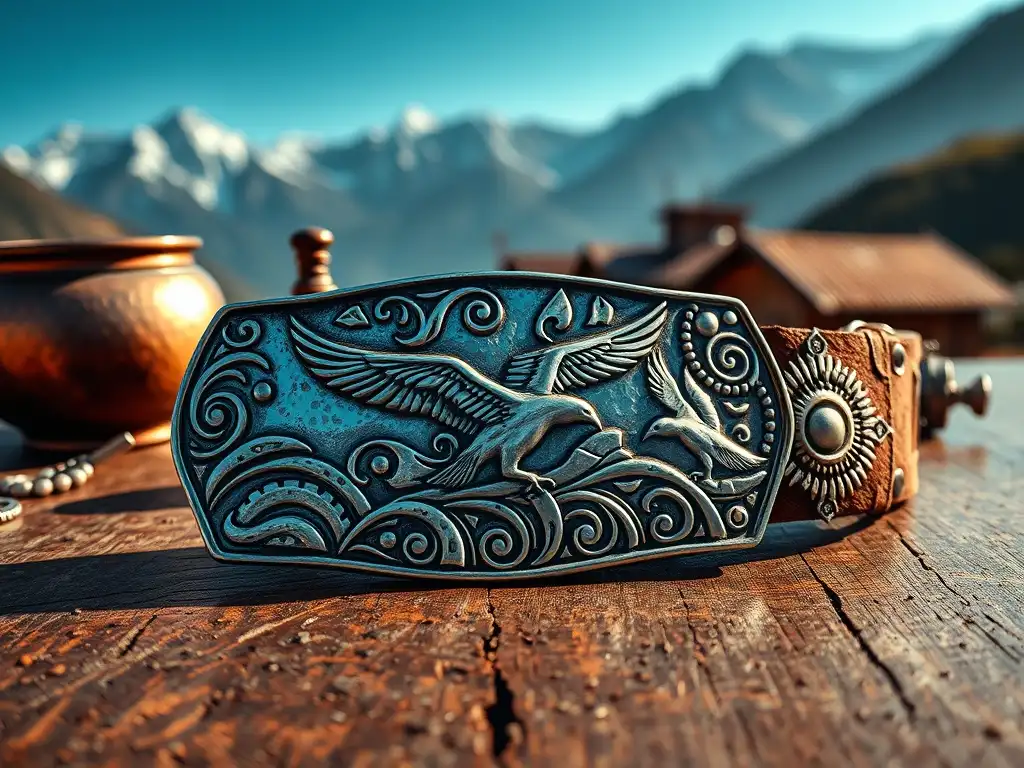
Unravel the mysteries woven into the very fabric of the Andes! Prepare to be captivated by the breathtaking artistry and intricate symbolism of Andean civilizations. Did you know that seemingly simple designs in Andean metalwork hold profound, hidden meanings? Journey with us as we explore the captivating world of Andean metalwork symbolism, revealing the secrets embedded within these ancient masterpieces. Discover a legacy richer and more complex than you ever imagined.
The shimmering gold, the intricate silver, the subtly nuanced bronze – Andean metalwork is more than just aesthetically pleasing; it's a window into the complex beliefs, social structures, and daily lives of the ancient Andean civilizations. This article delves into the fascinating world of Andean metalwork symbolism, exploring the rich tapestry of meaning woven into these exquisite artifacts. From the majestic sun disc of the Incas to the delicate figurines of the Moche, each piece tells a story, reflecting a deep connection between the human world and the cosmos.
Understanding the symbolism embedded within these objects provides invaluable insight into the ingenuity and spiritual depth of these remarkable cultures. We will unpack the cultural context of Andean metal art, examining the religious beliefs that fueled its creation and the ways in which social hierarchy was subtly, yet powerfully, reflected in the materials and designs employed.
Prepare to be captivated by the artistry and the hidden narratives embedded within these enduring treasures. The exploration of Andean metalwork symbolism offers a unique perspective on the sophistication and complexity of these ancient societies, revealing a world far richer and more nuanced than previously imagined.
Introduction to Andean Metalwork and its Significance
Andean metalworking represents a pinnacle of ancient technological achievement. Mastering techniques like hammering, casting, and alloying, Andean artisans produced objects of breathtaking beauty and intricate detail. The significance of metal itself was profound.
Gold, associated with the sun and divine power, held immense religious and symbolic value. Silver, often linked to the moon and water, represented fertility and abundance. Copper and bronze, more readily available, were used in a wider range of objects, from tools to ceremonial items.
The mastery of these metals wasn't merely a technological feat; it was a deeply spiritual practice, reflecting a profound understanding of the natural world and its connection to the divine. The creation of each piece was imbued with ritual and meaning, ensuring that the final product was not simply an object but a powerful symbol. This intricate relationship between craftsmanship and cosmology is central to understanding the symbolism woven into Andean metal designs.
The Cultural Context of Andean Metal Art
The creation and use of metal objects in the Andes were deeply intertwined with the cultural and religious beliefs of the time. The artistry wasn't just about aesthetics; it served a crucial role in expressing religious beliefs, social status, and political power. The choice of metal, the techniques employed, and the imagery depicted all carried specific meanings, contributing to a complex system of visual communication.
Understanding these nuances is key to unlocking the hidden meanings within these remarkable artifacts. The sheer diversity of styles and techniques across different Andean cultures – from the intricate goldwork of the Moche to the sophisticated alloys of the Tiahuanaco – further highlights the sophistication and regional variations within Andean metalworking traditions.
Religious Beliefs and Metal Craftsmanship
Religious beliefs profoundly influenced Andean metal craftsmanship. Many objects were created for ritual purposes, used in ceremonies and offerings to deities. For example, the elaborate gold and silver ornaments often found in tombs suggest a belief in the afterlife and the continued importance of these objects in the spiritual realm.
The use of specific motifs, such as feline imagery associated with power and fertility, or representations of celestial bodies reflecting cosmological beliefs, further underscores the religious significance of these pieces. The skilled artisans were not simply craftspeople; they were also considered intermediaries between the human and spiritual worlds, imbuing their creations with sacred energy. The process of creating these objects was itself a ritual, ensuring that the final product was not only aesthetically pleasing but also spiritually potent.
Social Hierarchy Reflected in Metal Objects
The distribution and types of metal objects also reflected the social hierarchy within Andean societies. Access to precious metals like gold and silver was often restricted to the elite, with rulers and high-ranking officials possessing the most elaborate and ornate pieces. These objects served as symbols of power, status, and authority, reinforcing their social standing within the community.
Simpler tools and ornaments made from more readily available materials like copper and bronze were common among the general population. The variation in the quality, materials, and craftsmanship of metal objects provides a valuable insight into the social stratification and economic organization of ancient Andean societies. The study of these differences reveals a complex system of social signaling, where even the smallest details of a metal object could convey important information about the owner's social standing and position within the community.
Decoding Andean Metalwork Symbolism
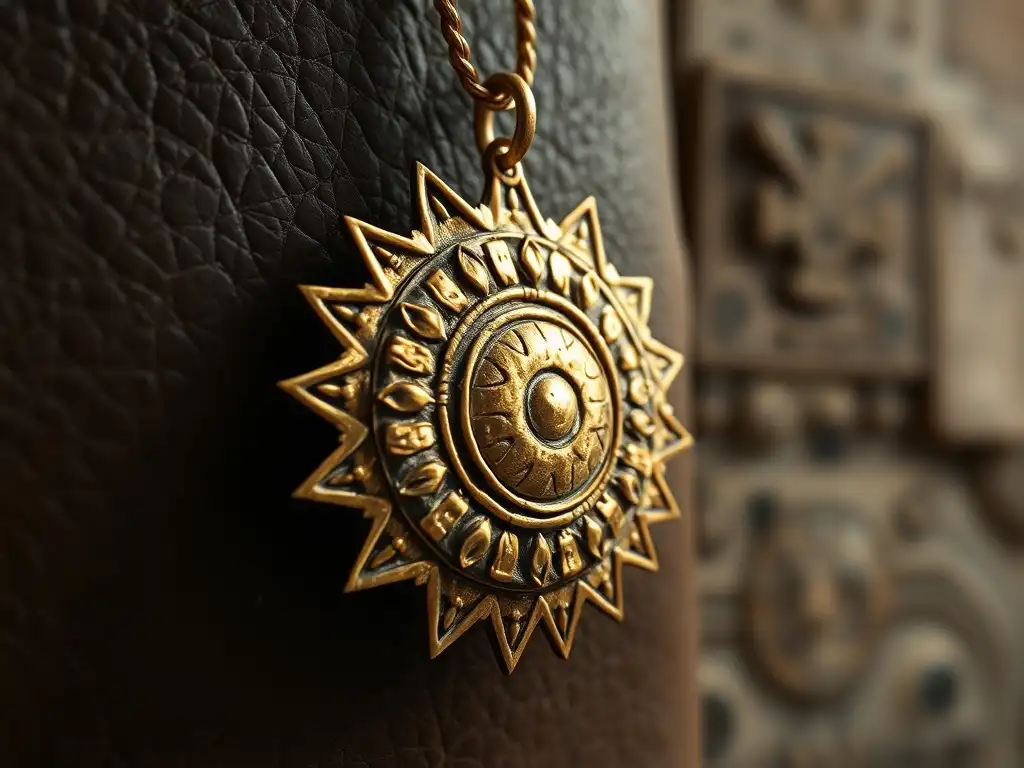
Andean metalwork symbolism offers a captivating window into the complex belief systems and rich cultural practices of ancient Andean civilizations. By meticulously examining the motifs, materials, and techniques employed in their metalwork, we can glean profound insights into their worldview, social structures, and relationship with the natural world. This intricate artistry wasn't merely decorative; it served as a powerful medium for expressing religious beliefs, political power, and social status.
The study of Andean metalwork symbolism, therefore, provides a key to understanding the nuanced complexities of these fascinating cultures. Analyzing the symbolic language embedded within these artifacts allows us to move beyond a superficial appreciation of their aesthetic qualities and delve into the deeper layers of meaning they convey. This section explores the common motifs and materials used, elucidating their significance within the broader context of Andean cosmology and spirituality.
Common Motifs and Their Interpretations
The artistry of Andean metalworking showcases a remarkable range of symbolic motifs, each imbued with specific cultural and religious meanings. These motifs, often intricately interwoven, tell a story far richer than a simple visual narrative. Careful analysis reveals a sophisticated system of symbolic representation reflecting a deep understanding of the natural world and the spiritual forces that governed it.
Animal Representations in Andean Metalwork
Animals played a crucial role in Andean cosmology, often representing specific deities, natural forces, or social structures. For example, the puma, a powerful feline, frequently appeared in metalwork, signifying strength, royalty, and connection to the underworld. Conversely, the condor, a majestic bird of prey, symbolized power, height, and connection to the upper world. Smaller animals, such as snakes and lizards, could represent fertility, healing, or even shamanic powers.
The specific representation and context within a given piece of metalwork are crucial to its accurate interpretation. Detailed studies of numerous artifacts reveal a complex interplay of symbolic meaning, demonstrating the sophistication of Andean artistic expression and their deep understanding of the natural world. Further research is needed to fully understand the specific nuances of representation across different Andean cultures and time periods. [Specific examples of animal representations pending with detailed analysis]
Plant and Nature-Based Symbols
Beyond animal representations, Andean metalwork frequently incorporated plant and nature-based symbols. These motifs, often stylized representations of actual flora, reflected the importance of agriculture and the cyclical nature of life and death. Corn, a staple crop, frequently appeared as a symbol of abundance, fertility, and life itself.
Other plants, such as coca leaves, held significant religious and medicinal value and were accordingly represented in metalwork. The careful observation of the specific plants depicted, their arrangement, and association with other symbols, helps to unlock the deeper meaning embedded within these artistic expressions. [Data on specific plants and their symbolic significance in different Andean cultures pending]
Geometric Patterns and their Hidden Meanings
Geometric patterns, seemingly simple at first glance, hold profound symbolic weight in Andean metalwork. These patterns, often comprised of repeating motifs such as spirals, zigzags, and stepped frets, are thought to represent celestial bodies, agricultural cycles, or even abstract concepts such as duality or cosmic order. The precise arrangement and combination of these patterns can significantly alter their interpretation. The use of color, through gilding or inlay, further enhances the symbolic complexity.
For instance, a spiral might represent the cyclical nature of life, while a stepped fret could symbolize the tiers of the Andean cosmos. Detailed analysis of these geometric patterns requires a multifaceted approach, considering both the individual components and their overall arrangement. [Further research needed on specific geometric patterns and their cultural significances across different Andean regions]
Materials and Techniques Used in Andean Metalworking
The choice of materials and techniques employed in Andean metalworking was not arbitrary. Each material carried its own symbolic weight, reflecting the spiritual and cosmological beliefs of the artisans. The meticulous craftsmanship further emphasized the sacred nature of these objects.
Gold and its Spiritual Significance
Gold, a rare and precious metal, held immense spiritual significance in Andean cultures. Its brilliance and malleability were associated with the sun, the most powerful deity in the Andean pantheon. Gold objects, often intricately crafted, were used in religious ceremonies, adorned the bodies of elites, and were placed in tombs as offerings to the gods.
The use of gold was not merely an expression of wealth or power; it was a way of connecting with the divine and ensuring continuity between the earthly and spiritual realms. The purity of gold also symbolized the purity of the spiritual realm. [Examples of specific gold artifacts and their associated religious contexts pending]
Silver and its Role in Andean Cosmology
While gold symbolized the sun, silver was often associated with the moon, representing feminine energy, fertility, and the cyclical nature of time. Silver objects were also used in religious ceremonies and adornment, although perhaps less frequently than gold. The duality of gold and silver, representing the sun and moon respectively, highlights the Andean understanding of cosmic balance and complementary forces. The use of both metals in a single artifact could signify a harmonious integration of these opposing but complementary forces. [Further analysis needed to compare the use of gold and silver across different Andean cultures]
Copper and Bronze: Functional and Symbolic Uses
Copper and bronze, while less precious than gold and silver, were nonetheless essential materials in Andean metalworking. They were used to create a wide range of objects, from tools and weapons to ceremonial vessels and adornments. While not carrying the same intense spiritual significance as gold and silver, copper and bronze still held symbolic value.
Their durability and practicality symbolized strength and resilience. The use of alloys, such as bronze (a copper-tin alloy), demonstrated advanced metallurgical knowledge and technical skill, further enhancing the symbolic importance of these objects. [Examples of copper and bronze artifacts and their functional and symbolic uses pending]
Techniques of Repoussé, Gilding, and Inlay
Andean artisans mastered a variety of sophisticated metalworking techniques, including repoussé, gilding, and inlay. These techniques were not only aesthetically pleasing but also added layers of symbolic meaning to the finished objects. Repoussé, the technique of hammering metal from the back to create raised designs, allowed for intricate detail and three-dimensionality, enhancing the visual impact of the symbolic motifs. Gilding, the application of gold leaf, added a layer of luminosity and further emphasized the sacred nature of the object.
Inlay, the embedding of other materials such as turquoise or shell, introduced additional symbolic elements, creating a rich tapestry of meaning. These techniques, combined with the careful selection of materials and motifs, demonstrate the high level of artistry and spiritual understanding that characterized Andean metalworking. [Detailed examples of specific artifacts showing the use of these techniques and their impact on the overall symbolic meaning pending]
Regional Variations in Andean Metal Designs
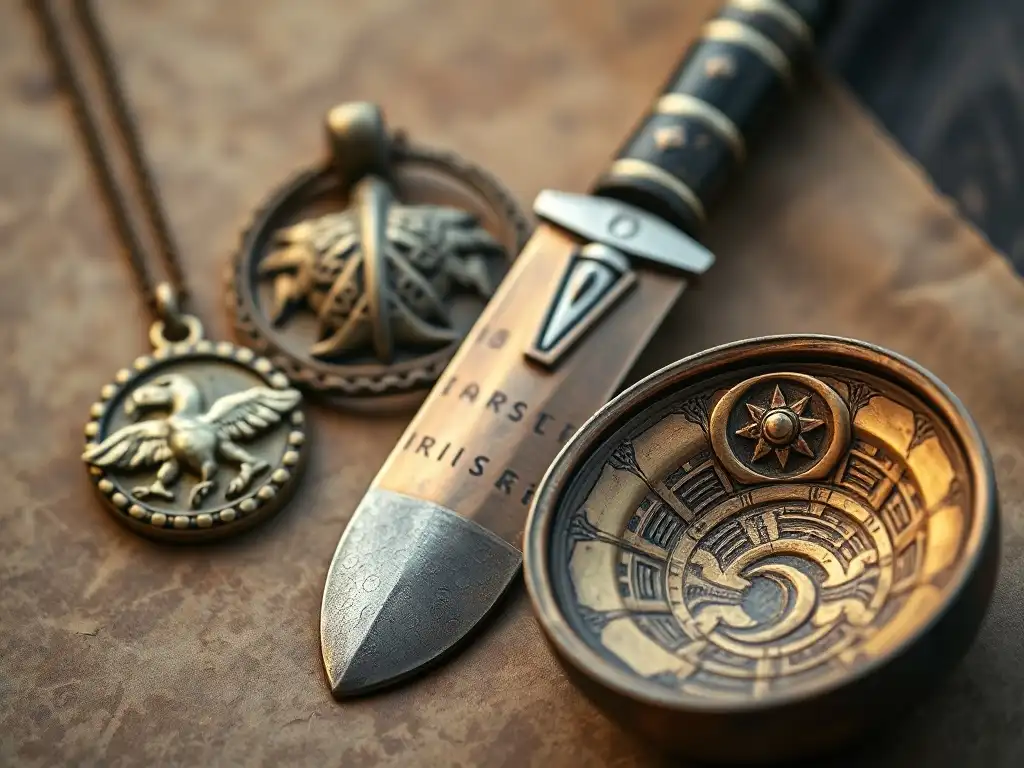
The diverse geography and independent cultural trajectories of the Andean region resulted in a fascinating array of styles and techniques in ancient metalwork. While certain motifs and techniques were shared across different cultures, subtle—and sometimes dramatic—variations reveal distinct artistic sensibilities and worldviews. Understanding these regional differences is crucial to deciphering the rich tapestry of Andean metalwork symbolism.
Analyzing the specific iconography, materials, and techniques employed provides a deeper understanding of the societies that created them, highlighting the intricate relationship between art, belief systems, and social structures. The study of Andean metalwork symbolism therefore requires a nuanced approach, acknowledging the unique contributions of each civilization.
Metalwork of the Moche Civilization
The Moche civilization (c. 100-800 CE), known for its sophisticated irrigation systems and vibrant artistic expression, produced remarkably detailed and lifelike metalwork. Their mastery of lost-wax casting allowed them to create intricate pieces, often depicting scenes from their daily life, mythology, and ritual practices.
Iconography and Narrative Scenes
Moche metalwork is characterized by its narrative scenes. Unlike many other Andean cultures that focused on abstract or symbolic representations, the Moche frequently portrayed complex narratives in their metal objects. These narratives often involve powerful figures, such as priests and warriors, engaged in ritual activities, battles, or feasts.
The use of detailed modeling and realistic rendering brings a sense of dynamism and immediacy to the scenes. For example, a common motif is the depiction of ritual sacrifices, often involving human figures and elaborate paraphernalia. These scenes offer invaluable insights into Moche religious beliefs and social structures, providing a glimpse into a society deeply invested in ritual and power dynamics.
The meticulous detail in these castings, often including intricate headdresses, jewelry, and weaponry, showcases the high level of skill and artistic sophistication possessed by Moche artisans. The use of gold, silver, and copper alloys, sometimes combined with turquoise and other precious stones, further underscores the importance and ritual significance of these objects. The symbolic meaning within these scenes is often linked to fertility, power, and the cyclical nature of life and death.
The Metal Art of the Inca Empire
In contrast to the narrative focus of Moche metalwork, Inca metalwork (c. 1438-1533 CE) often emphasized standardization and imperial control. While possessing exceptional craftsmanship, Inca metal objects frequently exhibit a more formalized and repetitive style compared to earlier Andean cultures.
Standardization and Imperial Influence
The Inca Empire's vast territory and centralized political system led to a degree of standardization in metalwork. While regional variations existed, the Inca imposed a degree of stylistic uniformity, likely reflecting their desire to project imperial power and consolidate their control over the diverse populations within their empire. This standardization is evident in the repetitive use of certain motifs, such as the chakana (Andean cross) and stylized animal figures.
The Inca also employed a more limited palette of materials, favoring gold and silver over the broader range of alloys used by earlier cultures. However, the Inca did not entirely suppress regional styles; instead, they often incorporated elements of pre-existing traditions into their own imperial aesthetic. This blending of styles created a unique synthesis, reflecting the complex interplay between imperial power and local identities.
The scale of Inca metal production also greatly surpasses previous Andean cultures, indicating a highly organized and centralized system of craft production. This large-scale production, combined with the symbolic power of gold and silver, ultimately served to reinforce the Inca's authority and consolidate their control over the vast resources of their empire. The standardization, while arguably less artistically diverse, served a powerful political and symbolic purpose within the Inca worldview.
Tiahuanaco Metalwork and its Cosmological Themes
Tiahuanaco metalwork, produced by the sophisticated Tiahuanaco culture (c. 500-1000 CE) of the Bolivian Altiplano, stands apart for its intricate designs and profound cosmological symbolism. Unlike the often more figurative styles of other Andean cultures, Tiahuanaco artisans favored abstract motifs deeply connected to their worldview. The recurring use of geometric patterns, such as stepped pyramids, interlocking triangles, and stylized feline figures, reflects their complex understanding of the cosmos. These weren't mere decorative elements; they were powerful visual representations of their beliefs about the universe, its structure, and their place within it.
For example, the stepped pyramid motif, frequently seen in Tiahuanaco architecture, also appears prominently in their metalwork, often adorning ceremonial objects like pins or pendants. This shape is interpreted by scholars as a symbolic representation of the Andean cosmology, connecting the earthly realm to the celestial world. The intricate precision with which these designs were hammered into the metal, often using techniques like repoussé and chasing, speaks volumes about the expertise of Tiahuanaco artisans and their reverence for the spiritual significance of their work.
The use of precious metals like gold and silver further emphasized the sacred nature of these objects, reinforcing their role in rituals and ceremonies. Analysis of these artifacts, alongside archaeological evidence from Tiahuanaco sites, suggests a strong link between metalworking and religious practices, indicating the crucial role of metal objects in their spiritual life.
The limited number of surviving examples, however, underscores the rarity and preciousness of these items within Tiahuanaco society. Further research is needed to fully understand the subtle variations in design and their potential meaning.
Nazca Metalwork and its Unique Style
Nazca metalwork (c. 100-800 CE) from the southern coast of Peru is characterized by its distinctive style, markedly different from that of its contemporaries. While other Andean cultures often emphasized large-scale, elaborate pieces, Nazca artisans excelled in creating smaller, intricately detailed objects. Their mastery of lost-wax casting allowed them to produce incredibly delicate and finely crafted items, often featuring highly stylized depictions of animals and plants. Unlike the geometric abstraction of Tiahuanaco, Nazca metalwork leaned towards a more naturalistic, though still highly stylized, representation of the world around them.
One of the most striking features of Nazca metalwork is its use of a wide range of materials and techniques. They employed not only gold and silver but also copper and alloys, sometimes combining them within a single piece for dramatic effect. The artisans’ expertise extended to a variety of techniques including casting, hammering, repoussé, and inlay, demonstrating a sophisticated understanding of metallurgy and a remarkable level of artistic skill.
Common motifs include stylized birds, especially hummingbirds and condors, as well as feline figures, and plant forms, often depicted with a high degree of realism relative to other contemporary styles. These depictions, while seemingly naturalistic, are likely imbued with symbolic meaning related to Nazca mythology and religious beliefs, though deciphering these precise meanings remains a challenge for researchers. The small size of many Nazca metal objects suggests they may have served as personal adornments or held significance within specific rituals or ceremonies.
Further investigation into their context of discovery and associated artifacts is essential for a complete understanding of their function and significance within Nazca society. The fragility of many surviving pieces also presents challenges for preservation and study, highlighting the importance of continued conservation efforts.
The Enduring Legacy of Andean Metalwork Symbolism
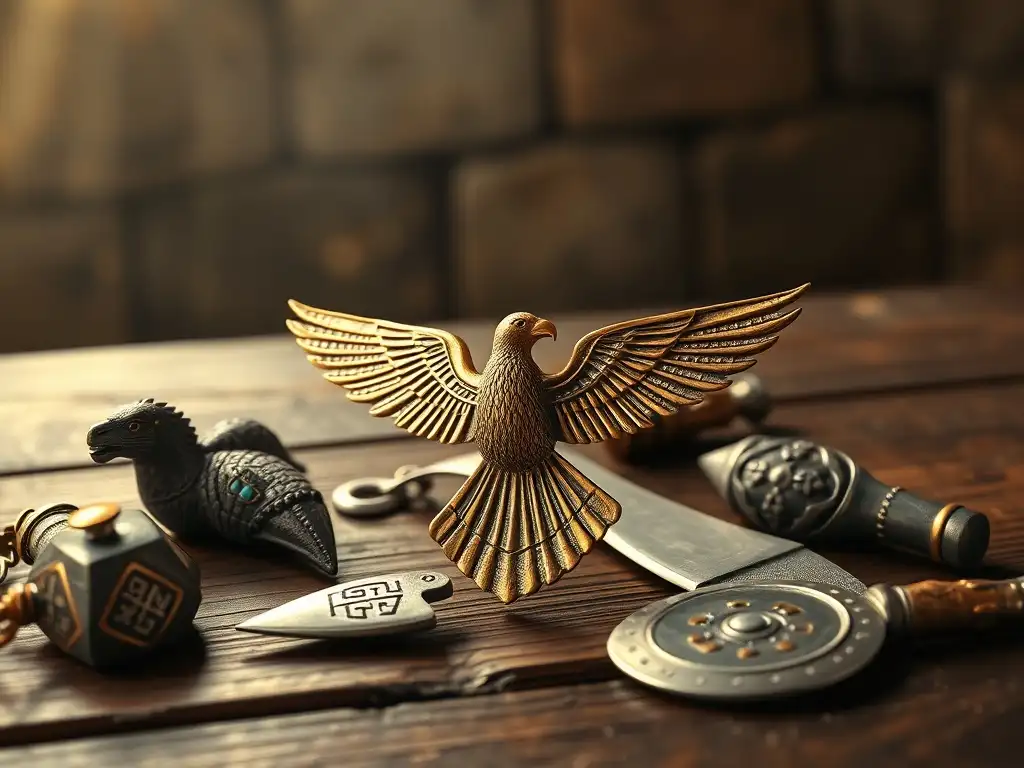
The intricate designs adorning ancient Andean metalwork weren't merely decorative; they were powerful expressions of a complex worldview, deeply rooted in cosmology, mythology, and social structures. This symbolism, rich with meaning and layered with cultural significance, continues to fascinate and inspire researchers and artists alike. The enduring legacy of Andean metalwork symbolism is evident in its continued influence on modern art, design, and even spiritual practices.
Understanding these ancient symbols unlocks a deeper appreciation for the ingenuity and sophistication of Andean civilizations. This section delves into the multifaceted aspects of this enduring legacy, exploring its modern interpretations and the ongoing efforts to preserve and study these remarkable artifacts.
Modern Interpretations and Artistic Influences
Andean metalwork symbolism has experienced a remarkable resurgence in contemporary art and design. Artists draw inspiration from the ancient motifs, reinterpreting them in new and innovative ways. The recurring themes of jaguars, condors, snakes, and stylized human figures, often imbued with spiritual significance in ancient Andean cultures, continue to resonate with modern audiences.
For example, contemporary jewelry designers frequently incorporate these iconic designs, creating pieces that blend traditional aesthetics with modern sensibilities. The use of traditional techniques, like hammering and repoussé, alongside modern materials, adds another layer of complexity to this artistic dialogue. This fusion of ancient symbolism and modern aesthetics demonstrates the enduring power and relevance of Andean metalwork designs.
Furthermore, the vibrant colors and intricate details found in ancient Andean metalwork continue to inspire textile artists, who often incorporate similar motifs into their weavings and tapestries. The enduring popularity of these designs speaks volumes about their aesthetic appeal and the enduring cultural impact of Andean civilizations.
Preservation and Study of Ancient Andean Metal Artifacts
The preservation and study of ancient Andean metal artifacts are crucial for understanding the rich symbolism embedded within them. These artifacts, often fragile due to age and environmental factors, require specialized care and preservation techniques. Museums and research institutions play a vital role in safeguarding these invaluable pieces of history, employing advanced technologies like X-ray fluorescence spectroscopy to analyze the composition of alloys and identify the specific techniques used in their creation.
This scientific analysis provides invaluable insights into the metallurgical knowledge and artistic skills of ancient Andean artisans. Furthermore, careful documentation, including high-resolution photography and 3D scanning, allows for detailed study and dissemination of information to a wider audience, contributing to a more comprehensive understanding of Andean metalwork symbolism.
Ongoing research efforts, including collaborative projects between archaeologists, metallurgists, and art historians, are essential for the continued preservation and interpretation of these significant cultural treasures. The challenges involved in preserving these delicate artifacts highlight the importance of dedicated conservation efforts and the ongoing need for interdisciplinary research.
Understanding Andean Worldview through Metalwork
Andean metalwork provides a unique window into the worldview of these ancient societies. The symbolic representation of deities, animals, and cosmological concepts reveals a deep connection to nature and a complex understanding of the spiritual world. For instance, the frequent depiction of jaguars often symbolizes power, strength, and shamanistic abilities, while condors represent connection to the upper world and divine messengers.
The intricate designs and careful placement of symbols within the artifacts suggest a sophisticated understanding of cosmology and the interconnectedness of the earthly and spiritual realms. Analyzing the patterns and motifs found on different types of metalwork, such as ceremonial objects, personal adornments, and weaponry, allows researchers to understand the social hierarchy and the role of metalwork in various aspects of Andean life. The study of Andean metalwork symbolism, therefore, offers a valuable opportunity to understand the complex beliefs and practices of these fascinating ancient civilizations.
By understanding the symbolic language embedded within these artifacts, we gain a richer appreciation for the ingenuity, artistry, and spiritual depth of Andean culture. Further research, focused on the specific cultural contexts and the social functions of the objects, will undoubtedly reveal even more about the Andean worldview.
Conclusion: Appreciating the Depth of Andean Metal Art
The intricate designs adorning Andean metalwork aren't merely decorative; they represent a profound connection to the spiritual and physical world of these ancient cultures. From the soaring condors symbolizing power and the sun's life-giving energy to the humble llama representing agricultural abundance and community, each element speaks volumes about the beliefs and values of the artisans who crafted them. Understanding the symbolism embedded within these artifacts allows us to appreciate the depth of Andean artistic expression and the sophisticated cosmology that underpinned their society. The enduring legacy of Andean metalwork symbolism isn't just about aesthetically pleasing objects; it's about unlocking a window into the minds and hearts of a civilization that continues to fascinate and inspire us centuries later.
By studying these pieces, we gain a deeper understanding not only of their artistic achievements but also of the complex social structures, religious beliefs, and daily lives of the Andean people. The meticulous detail and the clear intentionality behind each design highlight the sophisticated craftsmanship and spiritual significance imbued in every piece of Andean metalwork. This legacy continues to resonate today, influencing contemporary artists and inspiring new interpretations of these ancient symbols. The study of Andean metalwork symbolism offers a rich and rewarding journey of discovery, revealing the complex interplay between art, religion, and society in the ancient Andes.
The enduring power of these symbols underscores the enduring relevance and significance of these ancient cultures. The careful examination of Andean metal art reveals a complex tapestry of meaning, demonstrating the sophisticated understanding of the world held by these ancient Andean societies. Moreover, the preservation and study of these artifacts allow us to connect with a rich cultural heritage and appreciate the remarkable artistry and ingenuity of past generations. This appreciation fosters a deeper understanding and respect for the diverse cultures that have shaped our world.
Frequently Asked Questions
What is the significance of Andean metalwork?
Andean metalwork held immense religious and social significance. It was used in ceremonies, adorned elite individuals, and reflected the power and status of the creators and owners. Elaborate designs often communicated complex narratives.
What symbols are commonly found in Andean metalwork?
Common symbols include animals (e.g., jaguars, condors), mythical creatures, and geometric patterns. These symbols often represented deities, ancestors, or cosmological concepts. Their meaning varied across cultures and time periods.
How did Andean cultures develop their metalworking techniques?
Andean metalworking developed over centuries, starting with simple techniques like hammering and annealing. Later, they mastered more complex methods such as lost-wax casting and alloying different metals to achieve desired colors and properties. Technological innovation was key to their success.
What is the connection between Andean metalwork and their religion?
Andean metalwork was deeply intertwined with religious beliefs and practices. Metal objects were often used in rituals and were considered to possess spiritual power. Elaborate designs on objects often depicted deities or scenes from mythology.
Where can I learn more about the symbolism in Andean metal designs?
You can explore museums with collections of Andean artifacts, academic journals, and books dedicated to Andean archaeology and art history. Many online resources also offer information about Andean metalwork symbolism.
Final Reflection: Unraveling the Whispers of Andean Metal
The intricate designs etched into Andean metalwork aren't mere decorations; they are powerful narratives whispering across millennia, still resonating with profound relevance today. Understanding these symbols offers a unique window into a rich cultural heritage, challenging our modern perspectives on art, spirituality, and the enduring power of human expression. The enduring legacy of these pieces compels us to reconsider how we interpret and value the artistic expressions of past civilizations.
The enduring impact of Andean metalwork symbolism on our understanding of pre-Columbian societies is undeniable. These artifacts, far from being static objects, continue to shape our understanding of Andean cosmology, social structures, and artistic innovation. The past is never dead. It's not even past.
– William Faulkner. This quote perfectly encapsulates the ongoing relevance of these ancient symbols; they are not relics of a bygone era, but living threads connecting us to a vibrant and complex history. Their continued study allows us to appreciate the sophistication and artistry of these cultures, challenging Eurocentric narratives and fostering a more inclusive understanding of global history.
Consider the intricate detail, the symbolic power embedded within each hammered line and carefully chosen motif. You, the reader, are now equipped with a deeper understanding of these ancient symbols. Take a moment to reflect on the power of visual storytelling and the enduring legacy of human creativity. Seek out examples of Andean metalwork in museums or online; let the whispers of these ancient artists speak to you, and allow their artistry to inspire your own creative journey. The stories they tell are timeless, and their message continues to resonate with profound meaning.
Unveil the Richness of Andean Metal Art Today!
Thank you for exploring the captivating world of Andean metalwork with us! We hope you've discovered the deep meanings and cultural significance behind these stunning creations. Now, let's delve deeper into this rich heritage.
Here's how you can continue your exploration:
- Support local artisans: Visit workshops and galleries showcasing Andean metalwork in your area and directly support the artists who keep this tradition alive.
- Share your passion: Post about your favorite pieces on social media and tag us! Help spread awareness of the beauty and history of Andean metal art.
- Connect with fellow enthusiasts: Join online or local communities to exchange ideas, organize gatherings, or collaborate on projects celebrating Andean culture.
What aspect of Andean metal art inspires you most, and how will you share its beauty with others?