
Feathered Finery: The Use of Feathers in Andean Textile Embellishment

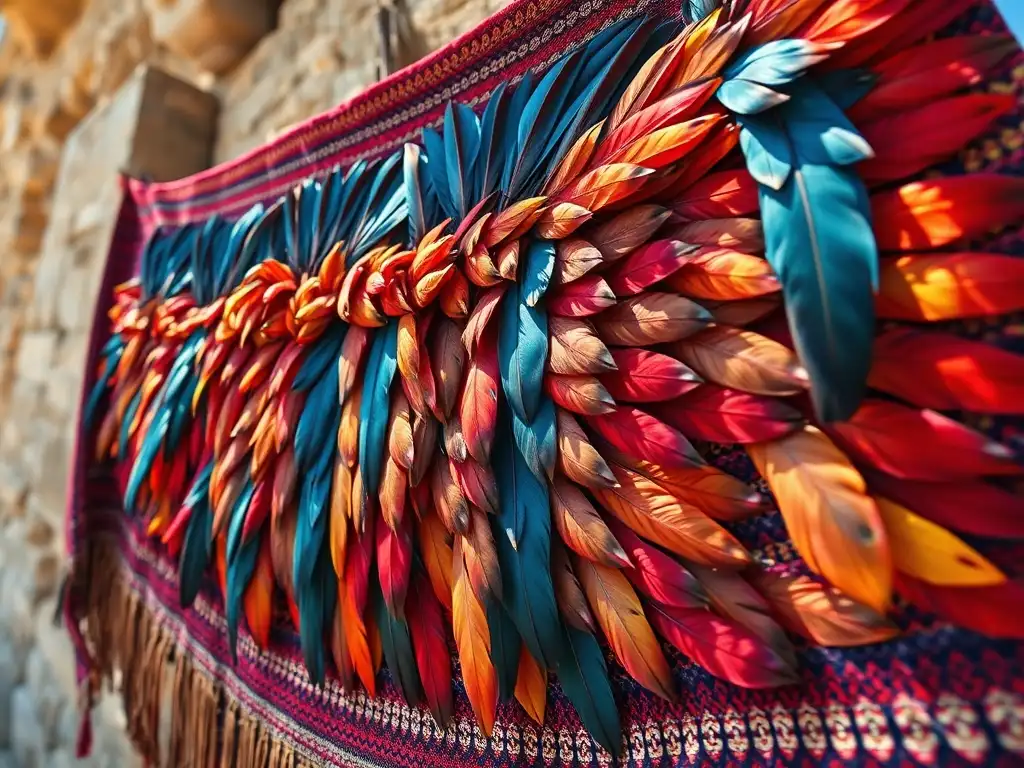
Step into a world woven with mystery and majesty! Imagine vibrant landscapes echoing with the whispers of ancient empires. Andean Civilizations unveils the secrets held within their breathtaking artistry, from intricate goldwork to awe-inspiring architecture. But what stories do the feathers tell? Uncover the captivating artistry and symbolism behind Andean feather textile designs, a testament to the ingenuity and spiritual depth of these remarkable cultures. Prepare to be amazed by the intricate details and hidden meanings in our exploration of Feathered Finery.
The vibrant tapestry of Andean culture is richly interwoven with the intricate use of feathers in textile embellishment. From the towering heights of the Andes Mountains to the arid coastal plains, the ancient inhabitants of this region demonstrated remarkable skill and artistry in transforming feathers into stunning works of art that adorned clothing, ceremonial objects, and even mummies.
This article delves into the fascinating world of Andean feather textile designs, exploring the diverse techniques, symbolic meanings, and cultural significance of this captivating craft. We will examine how different Andean cultures, including the Incas, Moche, Nazca, and Tiahuanaco, incorporated feathers into their textile traditions, showcasing the ingenuity and artistry that defined their societies.
Understanding the role of feathers in Andean textiles provides invaluable insight into their complex social structures, religious beliefs, and artistic achievements. Prepare to be amazed by the exquisite beauty and intricate detail of these ancient masterpieces, and discover how the humble feather became a powerful symbol of status, power, and spirituality.
Feather Sourcing and Preparation: A Complex Process
The creation of Andean feather textiles was a laborious and intricate process, beginning with the careful sourcing and preparation of the feathers themselves. Different bird species provided feathers with varying colors, textures, and lengths, each prized for its unique qualities. Hummingbirds, with their iridescent plumage, were particularly sought after, their feathers adding dazzling brilliance to textile designs.
Larger birds, such as parrots and macaws, provided vibrant hues and longer plumes, often used for more substantial embellishments. The process involved meticulous steps: the collection of feathers, often through regulated hunting practices, meticulous cleaning, and careful preservation to maintain their vibrancy and structural integrity. Evidence suggests that certain techniques, such as the use of specific dyes or preservatives, were employed to enhance the longevity and appearance of the feathers.
The meticulous nature of this preliminary stage underscores the high value placed on these materials within Andean societies. Furthermore, the geographical distribution of certain bird species influenced the regional variations in feather textile designs, highlighting the interconnection between environment, resource management, and artistic expression.
Techniques of Feather Application: From Simple to Intricate
Andean artisans developed a wide array of techniques for applying feathers to textiles. These ranged from simple methods, such as attaching individual feathers directly to the fabric using adhesives or stitching, to incredibly complex processes involving the creation of intricate feather mosaics. One common technique involved the careful arrangement of feathers to form geometric patterns, floral motifs, or depictions of animals and mythical creatures.
These designs were often highly symbolic, reflecting the spiritual and cosmological beliefs of the respective cultures. Another remarkable technique involved the creation of feather cloaks and headdresses, where thousands of tiny feathers were meticulously sewn together to create breathtakingly detailed and elaborate garments. The precision and skill required for these techniques demonstrate the high level of artistry and craftsmanship within Andean societies.
The choice of technique often depended on the intended use of the textile, with simpler methods used for everyday garments and more complex techniques reserved for ceremonial or elite items. The variation in techniques also reflects the diversity of Andean cultures and their unique artistic traditions.
The use of feathers in Andean textile designs was far more than mere ornamentation; it held profound symbolic meanings and social significance. Feathers were often associated with deities, spirits, and the supernatural world, representing power, prestige, and spiritual authority. Specific bird species and feather colors carried particular connotations, with certain feathers reserved for elite members of society or used in religious ceremonies.
The intricate designs and patterns woven into the textiles often conveyed complex messages, reflecting the wearer's social status, clan affiliation, or religious beliefs. For example, the use of hummingbird feathers, with their iridescent shimmer, might indicate a connection to the sun god or represent the wearer's high social standing. Similarly, the use of specific colors and patterns could convey messages related to fertility, prosperity, or protection.
Analyzing these symbolic meanings provides a deeper understanding of the complex social structures and belief systems of Andean civilizations. The careful study of these textiles allows us to reconstruct aspects of their rich cultural heritage.
Regional Variations in Andean Feather Textile Designs: A Tapestry of Styles
The diverse geography and cultural landscape of the Andes resulted in a rich tapestry of regional variations in feather textile designs. While certain motifs and techniques were shared across different cultures, each region developed its own unique style and aesthetic preferences. For instance, the Nazca culture, known for their intricate geoglyphs, also produced textiles adorned with equally complex and detailed featherwork, often depicting stylized animals and mythical beings.
The Moche culture, on the other hand, incorporated feathers into their elaborate ceremonial garments, showcasing vibrant colors and bold patterns. The Inca, with their vast empire, incorporated elements from various regional traditions, creating a unique blend of styles. Understanding these regional variations is crucial for appreciating the full scope of Andean textile artistry and the diversity of the cultures that produced them.
Further research is needed to fully document and analyze the stylistic differences across various Andean regions. The study of these regional differences expands our understanding of the complex interactions and exchanges between different Andean communities.
- Feather Sourcing and Preparation: A Complex Process
- Techniques of Feather Application: From Simple to Intricate
- Symbolic Meanings and Social Significance: Beyond Mere Ornamentation
- Regional Variations in Andean Feather Textile Designs: A Tapestry of Styles
The Significance of Feathers in Ancient Andean Culture
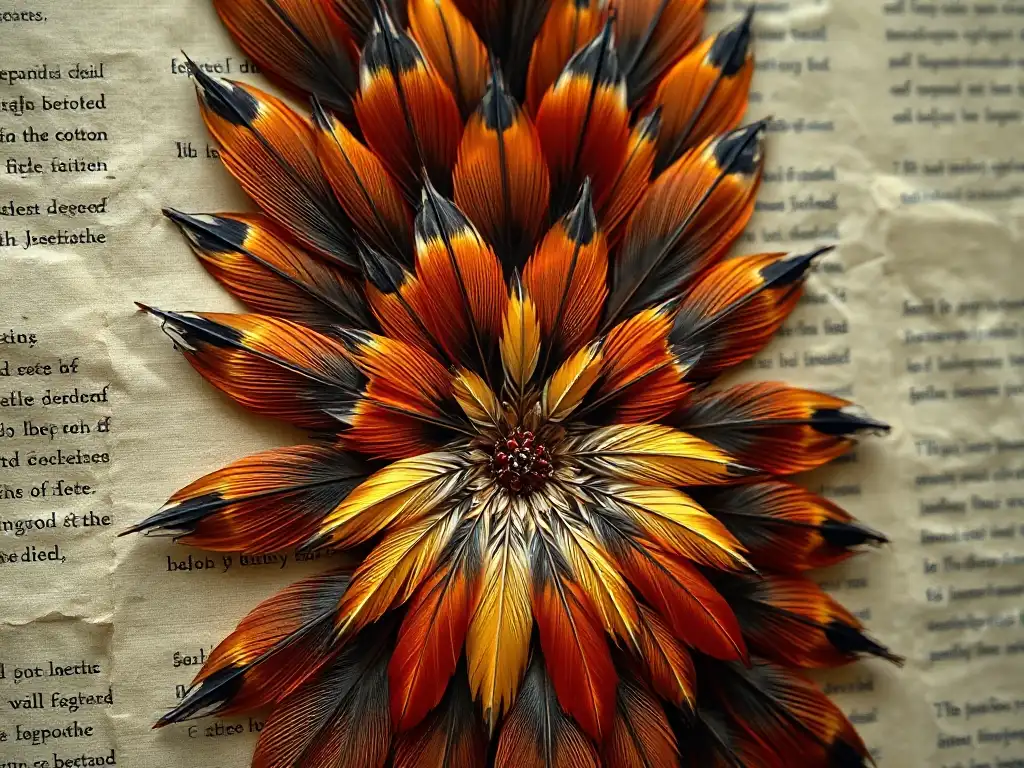
Feathers held a position of immense cultural and symbolic importance in ancient Andean societies, far exceeding their mere utilitarian value. Their use in textile embellishment wasn't simply decorative; it was a powerful statement reflecting social status, spiritual beliefs, and cosmological understanding. Understanding the profound significance of feathers is crucial to appreciating the artistry and complexity of Andean feather textile designs.
The intricate weaving techniques combined with the careful selection and placement of feathers demonstrate a sophisticated level of craftsmanship and a deep-seated reverence for the avian world. Analyzing these textiles allows us to glimpse into the rich tapestry of Andean beliefs and social structures.
The vibrant colors and textures of the feathers, often painstakingly sourced and preserved, served as potent visual representations of their inherent meaning. This section will delve into the multifaceted significance of feathers within the Andean worldview, exploring their roles as symbols of power, spiritual conduits, and cosmological links.
Feathers as Symbols of Power and Prestige in the Andes
In many Andean cultures, particularly among the Inca, feathers were potent symbols of power and high social standing. Only elite members of society, such as royalty, priests, and high-ranking officials, were permitted to wear garments adorned with certain types of feathers. The rarer and more vibrantly colored the feathers, the higher the social status signified. For example, the bright scarlet feathers of the Andean cock-of-the-rock (Rupicola peruviana) were highly prized and reserved for the Inca elite.
The intricate featherwork often involved complex techniques, requiring significant skill and time, further enhancing their value as markers of prestige. The use of specific feather types in clothing and headdresses served as visual indicators of authority and lineage, immediately communicating a person's place within the social hierarchy. Archaeological evidence, such as the discovery of elaborately feathered garments in royal tombs, strongly supports this interpretation.
The careful preservation of these textiles over centuries underscores their enduring importance as symbols of power and legacy. Moreover, the distribution of feather types within a textile design could also convey subtle messages of rank and affiliation. Detailed studies of surviving textiles reveal complex patterns that likely encoded specific social information.
The Spiritual and Ritualistic Importance of Feathers
Beyond their association with earthly power, feathers held profound spiritual significance in Andean cultures. They were often seen as intermediaries between the earthly and spiritual realms, acting as conduits for communication with deities and ancestral spirits. Specific bird species were associated with particular deities or cosmological concepts.
For instance, the condor, with its soaring flight and majestic presence, was often linked to the sun god Inti and represented power, strength, and the upper world. Feathers from condors and other sacred birds were incorporated into religious ceremonies, rituals, and offerings, enhancing their sacred potency. Shamans and priests often utilized feather ornaments during rituals, believing they facilitated contact with the spirit world.
The use of feathers in funerary practices further emphasizes their spiritual importance, suggesting beliefs about the afterlife and the continued significance of these symbols in the next world. The careful arrangement of feathers in burial contexts may have held specific ritualistic meaning, reflecting beliefs about the transition of the deceased to the spirit realm. Further research is needed to fully understand the specific ritualistic practices associated with certain types of feathers and their placement in funerary contexts.
Andean Cosmovision and the Connection to Birds
The Andean cosmovision, a complex system of beliefs about the universe and humanity's place within it, deeply influenced the use of feathers in textiles. The Andean worldview often emphasized a three-tiered cosmology: the hanan pacha (upper world), kay pacha (middle world), and ukhu pacha (underworld). Birds, with their ability to traverse these different realms, held a special significance.
Different bird species were associated with specific levels of the cosmos, and their feathers were used to represent these connections in textile designs. The use of feathers from birds associated with the hanan pacha, such as the condor, often indicated a connection to divine power and the spiritual realm. In contrast, feathers from birds associated with the ukhu pacha may have been used to represent earthly forces or ancestral spirits.
The careful selection and arrangement of feathers in textile designs thus served as a visual representation of the complex Andean worldview and the interconnectedness of the different cosmological levels. This intricate symbolism adds another layer of meaning to the already rich artistic expressions found in Andean feather textile designs, demonstrating a profound understanding of the natural world and its spiritual implications. Further research into specific iconographic representations within Andean textiles could shed more light on the nuanced interpretations of these complex cosmological beliefs.
Andean Feather Textile Designs: An Overview
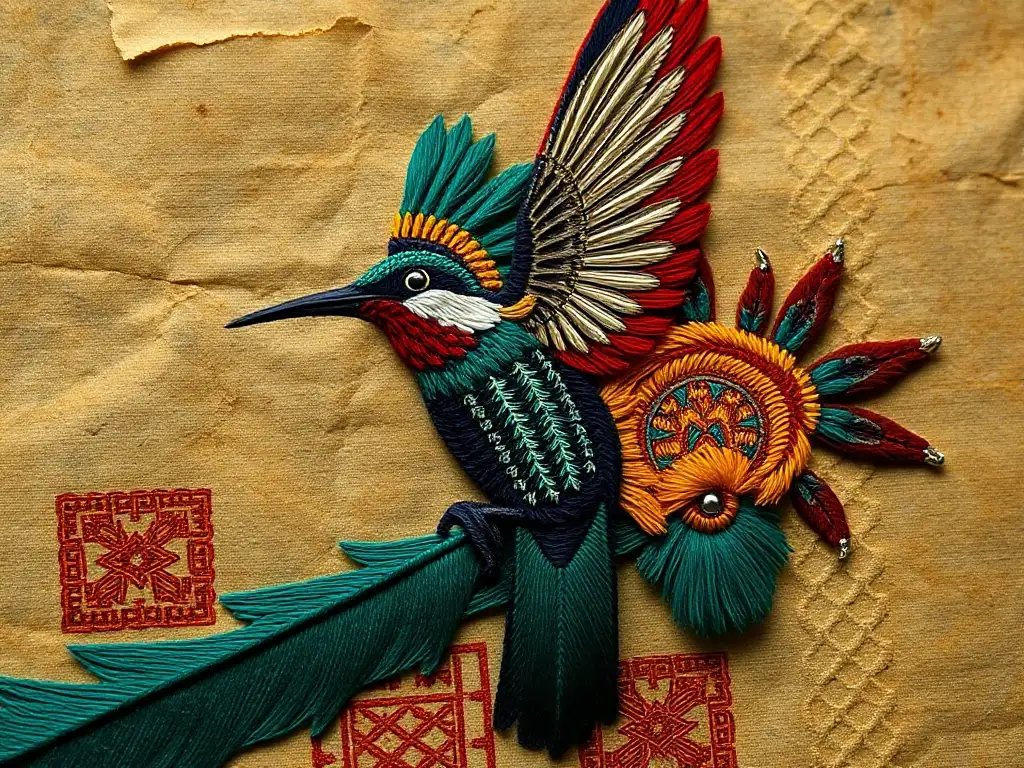
Andean feather textile designs represent a pinnacle of ancient artistry, showcasing intricate craftsmanship and symbolic richness. These weren't mere decorations; feathers held deep spiritual and social significance, reflecting status, power, and connection to the Andean worldview. The meticulous techniques employed in integrating feathers into textiles demonstrate an advanced understanding of material science and artistic expression.
From the vibrant plumage of hummingbirds to the striking colors of macaws, feathers transformed simple cloth into breathtaking tapestries, ceremonial garments, and everyday objects. The careful selection, preparation, and arrangement of feathers reveal a complex system of knowledge transmission and artistic innovation spanning centuries. Understanding these designs provides invaluable insight into the beliefs, social structures, and artistic achievements of the diverse Andean cultures.
The vibrant legacy of these designs continues to inspire contemporary artisans and researchers alike, furthering our appreciation for the ingenuity and cultural depth of Andean civilizations. The enduring appeal of Andean feather textile designs lies in their exquisite beauty and the powerful stories they tell about the people who created them.
Techniques for Integrating Feathers into Andean Textiles
The integration of feathers into Andean textiles was a remarkably sophisticated process, varying across different cultures and time periods. Several key techniques ensured the feathers remained securely attached and contributed to the overall aesthetic. One common method involved meticulously sewing individual feathers onto the textile base using fine threads, often made from llama or alpaca wool. This painstaking process required incredible dexterity and patience, with artisans carefully positioning each feather to create intricate patterns and textures.
Another technique involved the creation of feather mosaics. Small, tightly packed feathers were arranged to form larger designs, often depicting animals, mythical creatures, or geometric patterns. A binding agent, possibly a resin or gum, was sometimes used to secure the feathers in place. This technique created richly textured surfaces with a stunning visual impact. The use of different feather types, colors, and sizes allowed for an extraordinary level of detail and complexity.
Finally, some textiles incorporated entire feather sections, such as the richly colored plumes of birds. These might be sewn directly onto the garment or woven into the fabric itself. Evidence suggests that some Andean cultures also used a form of feather appliqué, where feathers were layered and stitched to create three-dimensional effects. The ingenuity displayed in these techniques underscores the high level of skill and artistry possessed by Andean artisans.
Feather Selection and Preparation in Ancient Andean Crafts
The selection and preparation of feathers were critical steps in the creation of Andean feather textile designs. Artisans carefully chose feathers based on their color, texture, and size, selecting only the highest-quality plumes. The vibrant hues and iridescent sheen of certain bird species, such as hummingbirds, parrots, and macaws, were particularly prized. The availability of specific bird species likely influenced the range of colors and patterns found in different regions and time periods.
Before being integrated into textiles, feathers underwent a meticulous preparation process. This involved cleaning, shaping, and sometimes even dyeing the feathers to achieve the desired color and texture. Cleaning would likely have involved gentle washing and careful removal of any impurities. Shaping involved trimming or modifying the feather barbs to create a uniform appearance.
Dyeing, while less common, may have been used to enhance or alter the natural colors of certain feathers. The careful preparation ensured that the feathers would remain vibrant and durable, maintaining their beauty for years, even decades. This attention to detail reflects the high value placed on these materials and the skill of the artisans who worked with them.
The Diversity of Featherwork Patterns in Andean Textiles
The diversity of Andean featherwork patterns is striking, reflecting the rich tapestry of Andean cultures and beliefs. Geometric designs, such as chevrons, zigzags, and stepped patterns, were frequently used, often symbolizing cosmological concepts or social hierarchies. Representations of animals, both real and mythical, were also common, with birds, felines, and serpents appearing frequently. These motifs likely held significant symbolic meaning, relating to Andean mythology, shamanistic practices, or social structures.
Specific patterns and motifs often varied across different regions and time periods. For example, the Nazca culture is known for its intricate geometric designs, while the Inca Empire employed more standardized patterns, reflecting the centralized nature of their state. The Moche culture created elaborate feathered garments often depicting scenes of warfare or ritual ceremonies. These variations highlight the unique artistic styles and cultural practices of different Andean societies.
Further research into surviving textiles and archaeological evidence is necessary to fully understand the range and meaning of these diverse patterns. Detailed analysis of surviving examples, combined with ethnographic studies of contemporary Andean textile traditions, offers valuable insight into the significance of these designs. The continuing study of Andean feather textile designs allows us to appreciate the remarkable artistry and cultural complexity of these ancient civilizations.
Exploring the Colors and Textures in Andean Feather Art
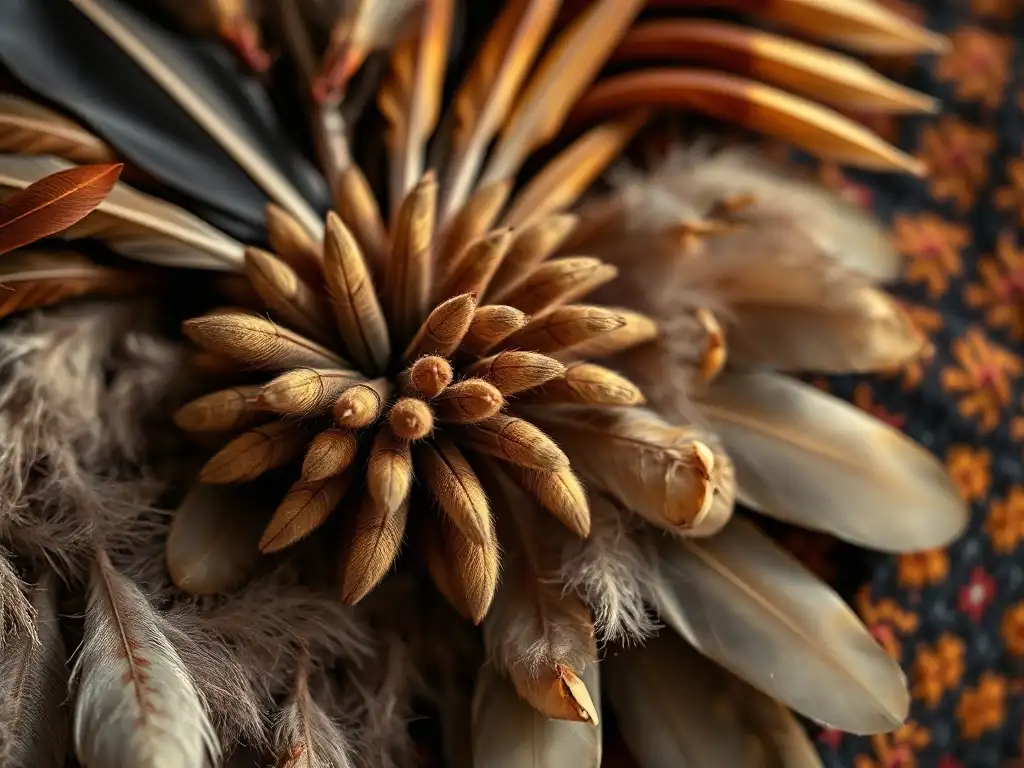
This section delves into the fascinating world of color and texture within Andean feather art, a crucial element of Andean feather textile designs. The artisans' mastery extended beyond simply weaving; it encompassed a deep understanding of natural dyes and the manipulation of feathers to achieve stunning visual effects. The resulting textiles were not merely garments; they were vibrant expressions of cultural identity, social status, and spiritual beliefs.
Natural Dyes and the Vibrant Colors of Andean Feathers
The vibrant hues found in Andean feathered textiles weren't achieved through artificial pigments. Instead, Andean artisans expertly utilized natural dyes derived from plants, insects, and minerals. These dyes, often painstakingly prepared, produced a remarkable range of colors, from deep indigos and rich reds to sunny yellows and earthy browns.
The specific color palettes varied regionally, reflecting the availability of local resources and distinct cultural preferences. For example, the coastal regions, with access to different plant life, might have featured brighter, more varied hues compared to the highland areas. The process of dyeing feathers itself was a skilled craft, demanding precision to ensure even coloration and prevent damage to the delicate plumes.
The longevity of these colors is a testament to the artisans' expertise and the quality of the natural dyes employed, many examples surviving for centuries in remarkably preserved condition. Further research into specific dye recipes and their regional variations would significantly enhance our understanding of Andean featherwork techniques.
The Use of Exotic Feathers in High-Status Garments
The types of feathers used in Andean textiles were not arbitrary. The incorporation of rare and exotic feathers directly signified the wearer's social standing. Feathers from birds like the resplendent quetzal, with its iridescent green and red plumage, were highly prized and reserved for elite members of society, such as priests, nobles, and rulers.
These feathers, often difficult to obtain and requiring considerable effort to acquire and process, functioned as powerful symbols of wealth, power, and spiritual authority. The meticulous placement of these feathers within the designs further emphasized their significance. For example, a quetzal feather might be strategically positioned at the center of a garment, or used to embellish a specific ceremonial headdress.
Analysis of surviving garments reveals a clear correlation between the quantity and type of exotic feathers used and the social status of the individual. This is further supported by archaeological findings showing that elite burials often contained garments lavishly adorned with rare and precious feathers. The use of these feathers also points to extensive trade networks that facilitated the exchange of such valuable commodities across vast distances.
The Symbolic Meaning of Colors in Andean Feathered Textiles
Beyond their aesthetic appeal, the colors in Andean feather textile designs held profound symbolic meaning. Each color carried specific connotations, often related to religious beliefs, cosmological concepts, and social hierarchies. Red, for instance, might have represented blood, fertility, and power, while yellow could symbolize the sun and divinity.
Green often represented vegetation and life, reflecting the agricultural importance of Andean societies. A detailed understanding of the color symbolism requires further research into ancient Andean iconography and the associated religious and mythological contexts. The combinations of colors within a specific design likely conveyed complex messages, layering symbolic meanings that were immediately understood by those within the culture.
Further investigation of surviving textiles and associated archaeological evidence is crucial to decipher these complex visual codes and unlock the deeper meanings embedded within these breathtaking works of art. The careful study of Andean feather textile designs reveals the intricate relationship between artistry, symbolism, and social structure in these ancient societies.
Regional Variations in Andean Featherwork
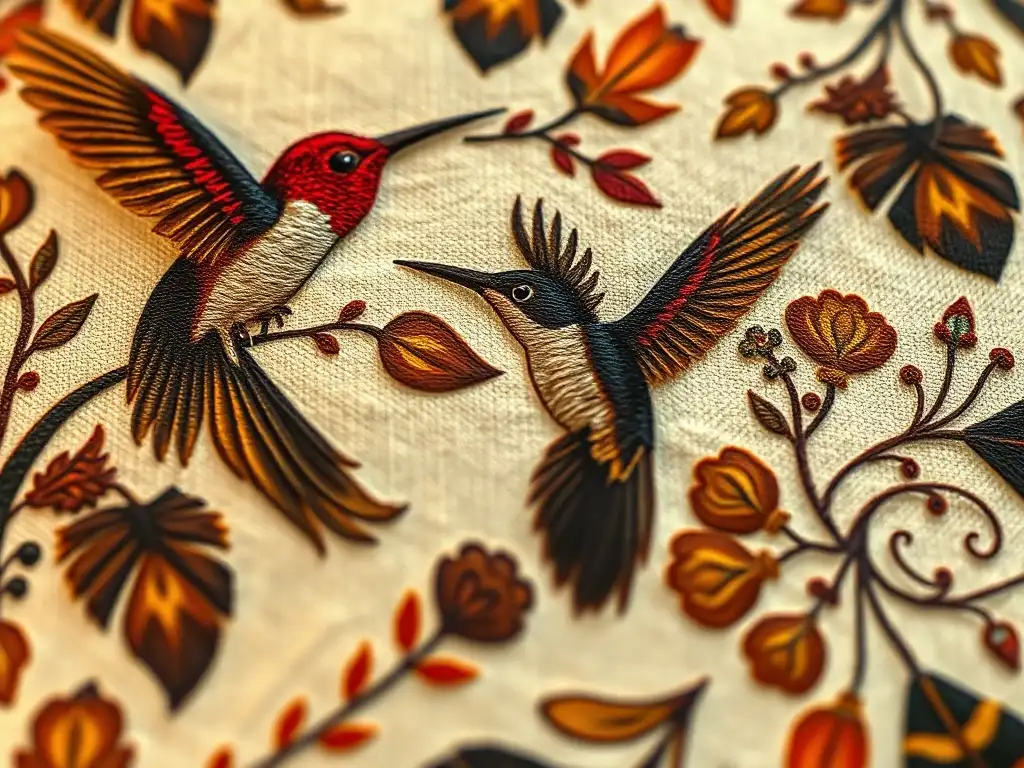
The vibrant tapestry of Andean civilization reveals itself not only in monumental architecture and intricate ceramics, but also in the exquisite artistry of its textiles. Among the most striking elements of Andean textile embellishment is the use of feathers, meticulously crafted into intricate designs that reflect the unique cultural expressions of different regions and time periods. Understanding these regional variations allows us to appreciate the nuanced meanings embedded within these stunning works of art, further illuminating our comprehension of Andean “feather textile designs”.
The skillful manipulation of feathers, a resource both readily available and symbolically potent, underscores the advanced technical abilities and sophisticated aesthetic sensibilities of these ancient cultures. The sheer diversity in the application of feathers across various Andean societies highlights their ingenuity and artistic prowess, transforming simple plumage into powerful statements of social status, religious belief, and artistic expression.
Feather Art of the Moche Civilization: Feathered Headdresses and Tunics
The Moche civilization (c. 100-800 CE), renowned for its masterful metalwork and striking pottery, also displayed exceptional skill in featherwork. Their artisans created elaborate feathered headdresses and tunics, often adorned with vibrant, meticulously arranged plumes. These garments were likely worn by elites during religious ceremonies and important social events. Archaeological evidence suggests that the Moche meticulously selected feathers based on their color and texture, arranging them in intricate patterns that likely held symbolic meaning.
For example, the use of specific bird species might have signified power, divinity, or connection to the spirit world. The Moche's understanding of color symbolism is also evident, with certain colors associated with particular deities or events. The delicate nature of the featherwork, combined with the often-fragile nature of the organic materials used, makes surviving examples exceptionally rare, underscoring the meticulous craftsmanship required to create these stunning pieces. Many examples show a preference for geometric patterns, often incorporating representations of mythical creatures or important symbols from their rich mythology.
The level of detail and precision in arranging the feathers, sometimes using thousands of individual plumes per garment, speaks volumes about the time and skill invested in creating these remarkable artifacts. The discovery of intact Moche tombs containing these feathered garments offers priceless insights into their cultural practices and beliefs. Further research into the specific species of birds used and the dyes employed could unlock even more information about Moche “Andean feather textile designs”.
The Incas and their Exquisite Feathered Textile Techniques
The Inca Empire (c. 1438-1533 CE) inherited and refined the techniques of earlier Andean cultures, creating some of the most spectacular examples of feathered textiles. Their mastery extended beyond simple arrangement to incorporate techniques like feather mosaic, where tiny feathers were meticulously placed side-by-side to create intricate designs. Inca featherwork often featured representations of animals, plants, and mythical beings, reflecting their complex cosmology and worldview.
Unlike earlier cultures that may have used feathers more freely, Inca featherwork was often highly regulated, with specific types of feathers reserved for the elite. The use of certain bird species, particularly those found at high altitudes, held immense symbolic significance, reflecting the Inca's reverence for nature and their connection to the Andean landscape. Royal garments were frequently adorned with feathers of the Andean condor, a symbol of power and prestige.
The Inca also developed advanced techniques for preserving feathers, allowing them to create long-lasting and vibrant textiles. These techniques, combined with their sophisticated understanding of design and symbolism, resulted in textiles of unparalleled beauty and cultural significance. The Inca’s advanced techniques in preserving feathers and employing feather mosaic elevated their “Andean feather textile designs” to an unprecedented level of artistry and sophistication.
Nazca Feathered Textiles: Geometric Patterns and Bird Motifs
The Nazca civilization (c. 100 BCE – 800 CE) is famous for its enigmatic geoglyphs, but their textile traditions are equally remarkable. Nazca feathered textiles are characterized by bold geometric patterns and stylized representations of birds, often reflecting the importance of avian imagery in their culture. These textiles frequently feature intricate designs woven into the fabric, with feathers carefully applied to enhance the visual impact. The colors used were vivid and often included natural dyes derived from plants and minerals.
The precision and complexity of the designs suggest a highly structured system of knowledge and craftsmanship, passed down through generations of skilled artisans. Unlike the Inca emphasis on representing specific animals or deities, Nazca designs often focused on abstract patterns and stylized motifs. The prevalence of bird motifs, however, suggests a possible connection to their beliefs and rituals.
The study of Nazca featherwork provides valuable insights into their social structures and religious practices. The frequency of recurring designs and color palettes suggests a degree of standardization, possibly reflecting social hierarchy or ritual significance. Analysis of the types of feathers used and the techniques employed could reveal further information about their artistic practices and cultural values, further enriching our understanding of Nazca “Andean feather textile designs”.
Tiahuanaco Featherwork: Use of Macaw and Parrot Feathers
The Tiahuanaco culture, flourishing in the Bolivian Altiplano from approximately 500 CE to 1000 CE, displayed a sophisticated understanding of textile production and embellishment. Their featherwork, while less extensively documented than that of later Andean cultures like the Inca, reveals a distinct aesthetic and technical approach. Unlike the Inca, who favored smaller, more delicate feathers, Tiahuanaco artisans often incorporated larger, more vibrant feathers into their textiles.
This is particularly evident in the use of macaw and parrot feathers, readily available due to the culture's proximity to the Amazon basin. These brightly colored feathers, ranging from scarlet and azure to emerald green and golden yellow, provided striking contrasts against the darker hues of the textiles they adorned.
The incorporation of macaw and parrot feathers wasn't merely decorative; it likely held significant symbolic meaning within Tiahuanaco society. Macaws, in particular, were often associated with power, divinity, and shamanistic practices across various Andean cultures. Their vibrant plumage might have represented the sun, the sky, or other important spiritual concepts.
The careful placement and arrangement of these feathers on textiles could have further reinforced these symbolic associations, suggesting a complex system of visual communication. Unfortunately, the precise meanings are often difficult to decipher due to limited surviving artifacts and the lack of written records from the Tiahuanaco culture. Further research and careful analysis of remaining textiles are crucial to uncovering the full symbolic weight of these feathers.
Archaeological evidence suggests that Tiahuanaco artisans employed advanced techniques to attach the feathers to their textiles. While the exact methods remain a subject of ongoing study, it's likely they involved some form of adhesive, possibly derived from plant resins or animal products. The durability of some surviving examples implies a high level of skill and precision in the feather-attachment process, ensuring that the vibrant plumage remained secure and intact over time.
The integration of these feathers into the textile structure itself – rather than simply applied as surface decoration – would have added to the strength and longevity of the finished product. This points to a detailed understanding of textile construction and feather manipulation, underscoring the advanced craftsmanship of Tiahuanaco artisans. The study of these techniques provides valuable insights into the material culture and technological prowess of this influential Andean civilization.
The Legacy of Andean Feather Textile Art
The legacy of Andean feather textile art is a vibrant tapestry woven from centuries of intricate craftsmanship and deeply held cultural beliefs. From the elaborate headdresses of Inca royalty to the finely detailed textiles of the Moche and Nazca cultures, feathers held immense symbolic value, representing power, divinity, and social status. Understanding this legacy requires exploring the techniques employed, the materials used, and the cultural context within which these remarkable artworks were created.
The sheer artistry involved – the meticulous selection, preparation, and arrangement of feathers – speaks volumes about the dedication and skill of the artisans who produced them. The enduring appeal of these textiles lies not only in their aesthetic beauty but also in the stories they tell, providing invaluable insights into the beliefs and practices of past Andean societies.
Analyzing Andean feather textile designs reveals a sophisticated understanding of color, pattern, and symbolic representation, highlighting the deep connection between the Andean people and the natural world. This rich heritage continues to inspire artists and designers today, ensuring the legacy of these extraordinary creations lives on.
The Preservation of Andean Featherwork
The preservation of Andean featherwork presents significant challenges. Feathers are delicate and susceptible to damage from light, humidity, and pests. Many historical examples have suffered considerable degradation over time, making their study and conservation crucial. Techniques for preserving these fragile artifacts involve meticulous cleaning, stabilization, and storage in controlled environmental conditions.
Furthermore, understanding the original materials used is vital for effective conservation. For example, the specific types of adhesives and dyes employed would need to be considered when undertaking restoration. Researchers and conservators are constantly developing new methods to ensure the long-term survival of these invaluable pieces of Andean heritage. The ongoing efforts reflect a commitment to protecting not only the physical artifacts but also the cultural knowledge they embody.
Detailed records of preservation processes are kept, ensuring that future generations can benefit from the experience and expertise accumulated over time. This careful approach allows for the continued study and appreciation of these unique and beautiful objects. The challenges are significant, but the rewards of preserving these fragile pieces of history are immeasurable.
Contemporary Artists Inspired by Andean Feathered Designs
Contemporary artists continue to draw inspiration from the rich tradition of Andean feather textile designs. Modern designers often incorporate elements of traditional patterns and techniques into their own work, creating a dialogue between past and present. This fusion often results in unique and innovative pieces that capture the essence of Andean artistry while reflecting contemporary sensibilities.
For example, some contemporary artists utilize modern materials while retaining traditional Andean motifs, creating striking visual effects. Others meticulously replicate traditional techniques, demonstrating a deep respect for the original craftsmanship. This ongoing engagement ensures that the legacy of Andean featherwork remains vibrant and relevant in the 21st century.
Many contemporary exhibitions showcase both traditional and contemporary pieces, highlighting the enduring appeal of these designs and the skill of both past and present artists. The use of Andean feather textile designs in contemporary art allows for a broader appreciation and understanding of the rich cultural heritage of the Andes. The vibrant colors and intricate patterns continue to capture imaginations, inspiring countless creative endeavors.
The Enduring Cultural Value of Andean Feather Art
The enduring cultural value of Andean feather art extends far beyond its aesthetic appeal. These artifacts serve as tangible links to the past, offering invaluable insights into the beliefs, rituals, and social structures of ancient Andean societies. Feathers held profound symbolic significance, representing power, spirituality, and connection to the natural world.
The intricate designs often incorporated elements of mythology, cosmology, and social hierarchy, providing a window into the complex worldview of these cultures. The use of specific bird feathers in specific contexts demonstrated a deep understanding of the natural world and its symbolic representation. The careful preservation and study of these artifacts are essential for understanding the cultural significance of Andean feather art, which continues to resonate deeply within Andean communities.
These textiles are not merely decorative objects but powerful symbols that reflect the enduring cultural identity of the Andean peoples. The ongoing study and appreciation of Andean feather art ensure that this rich heritage is preserved and celebrated for generations to come. Their cultural value is undeniable, acting as a powerful reminder of the enduring strength and beauty of Andean culture.
Frequently Asked Questions
What role did feathers play in Andean textile designs?
Feathers were incredibly important, serving as status symbols and religious representations in Andean textile designs. Their vibrant colors and textures added significant aesthetic and symbolic value to garments and objects.
Which Andean cultures utilized feathers in their textiles?
Many cultures used feathers, including the Inca, Moche, Nazca, and Chimú. Each culture developed unique styles and techniques for incorporating feathers into their textile art.
What types of birds provided feathers for Andean textile designs?
A wide variety of birds were used, including hummingbirds, parrots, and macaws. The rarity and color of the feathers often determined their use in specific garments or ceremonies.
How were feathers attached to Andean textiles?
Feathers were meticulously attached using various techniques, including sewing, knotting, and gluing. The specific method depended on the type of feather and the desired effect.
Where can I see examples of Andean feather textile designs today?
Examples can be found in museums around the world, including those in Peru, the United States, and Europe. Many archaeological sites also contain remnants of these exquisite textiles.
Final Reflection: A Legacy Woven in Feathers
The vibrant artistry of Andean featherwork, once a symbol of power and prestige, continues to resonate today, a testament to the enduring ingenuity and cultural richness of the Andean people. These intricate textile designs, far from being mere adornment, represent a complex interplay of social status, spiritual beliefs, and artistic mastery that continues to inspire awe and fascination. The meticulous craftsmanship and symbolic depth embedded within each feather placement speak volumes about the dedication and artistry of the creators.
The enduring legacy of Andean feather textile designs is profoundly moving; it speaks to the resilience of a culture that has preserved its traditions across centuries. These designs are not simply historical artifacts; they are living expressions of a vibrant cultural heritage, constantly reinterpreted and reimagined. The past is never dead. It's not even past.
– William Faulkner. This quote perfectly encapsulates the ongoing relevance of these designs, their continued presence in contemporary art and fashion demonstrating their enduring power to captivate and inspire. The intricate details, the bold colors, and the spiritual significance woven into each piece continue to hold a powerful allure.
Consider, for a moment, the stories whispered by these feathers – stories of ancient rituals, intricate social hierarchies, and the deep connection between the Andean people and their environment. You, too, can become a part of this ongoing narrative. By appreciating the artistry and cultural significance of Andean feather textile designs, you not only engage with a rich history but also contribute to the preservation and celebration of a vibrant cultural heritage. Let the legacy of these exquisite creations inspire you to seek out beauty, appreciate craftsmanship, and understand the power of cultural expression in shaping our world.
Unleash Your Creativity with Feathers!
Thank you for exploring the fascinating world of Andean textiles with us! We hope you've been inspired by the extraordinary use of feathers in these creations and the rich cultural heritage they represent. Now, it's your turn to explore this remarkable craft further.
Here are some ideas to get you started:
- **Incorporate feather embellishments** into your textile projects—perhaps adding them to clothing, accessories, or home décor.
- Join a **local crafting group** focused on traditional Andean techniques, or even start your own, to learn from and share with others.
- Share your newfound appreciation for Andean feather artistry with friends and on social media, inspiring others to discover its beauty.
What unique feathered creations will you create to celebrate Andean culture? We'd love to see them—share your work in the comments below!