
Metalwork Marvels: Symbolic Motifs in Andean Metal Artistry

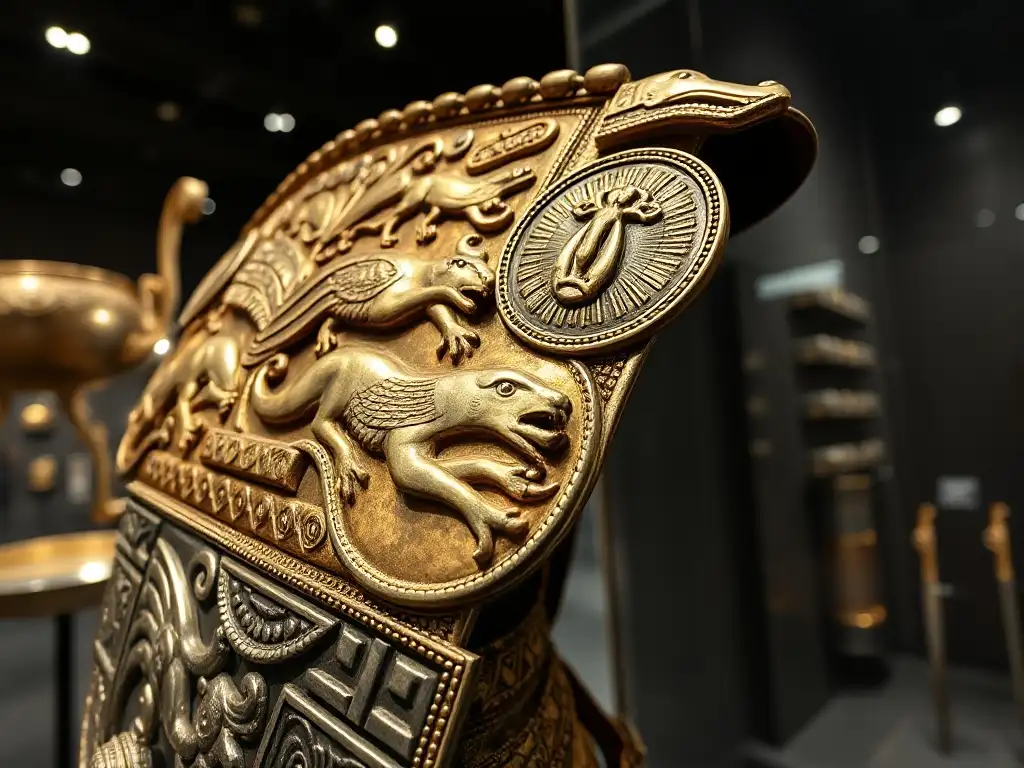
Step into a world lost to time, yet echoing with vibrant artistry and untold stories. Prepare to be captivated by the Andean Civilizations, where intricate designs and masterful techniques reveal the secrets of ancient cultures. Unravel the mysteries behind the intriguing symbolism of Andean metalwork motifs, a testament to the ingenuity and spiritual depth of the Incas, Moche, Nazca, and Tiahuanaco. Discover the artistry that transcends millennia – your journey into the heart of Andean metalwork begins now.
The Andes Mountains, a spine of towering peaks running down the western coast of South America, were home to a dazzling array of pre-Columbian cultures. These civilizations, including the Incas, Moche, Nazca, and Tiahuanaco, left behind a legacy of breathtaking artistry, with metalwork representing a pinnacle of their creative and technological achievements. This article delves into the fascinating world of Andean metalwork, exploring the symbolic motifs embedded within these exquisite artifacts and revealing the rich cultural narratives they convey.
We will examine how these carefully crafted designs, often incorporating gold, silver, copper, and alloys, served not only as decorative objects but also as powerful expressions of religious beliefs, social status, and political power. Understanding these Andean metalwork motifs provides invaluable insight into the complex worldview of these ancient Andean societies. Prepare to be amazed by the intricate detail and profound symbolism woven into these enduring masterpieces.
The Significance of Gold and Other Metals
Andean metalworkers demonstrated a remarkable mastery of metallurgical techniques, skillfully shaping and adorning objects with intricate designs. Gold, often associated with the sun and divinity, held immense symbolic importance. Its malleability allowed for the creation of delicate sheets, intricate filigree, and lifelike representations of animals and deities. However, gold wasn't the only metal employed; silver, copper, and various alloys were also utilized, each carrying its own symbolic weight and contributing to the overall aesthetic and meaning of the finished piece.
For example, copper, often associated with the earth and fertility, was frequently used in agricultural implements and ceremonial objects. The specific combination of metals used often provided additional layers of meaning, reflecting the complexity of Andean cosmology and beliefs. The sheer technical skill involved in these creations, alongside their symbolic richness, makes them truly remarkable achievements.
Common Motifs and Their Interpretations
Numerous recurring motifs appear throughout Andean metalwork, each laden with symbolic meaning. Some of the most prevalent include:
- Condor: This majestic bird, often depicted in flight, symbolized power, strength, and the connection between the earthly and celestial realms. Its presence on metal objects often indicated the high status of the owner or the sacred nature of the piece.
- Snake: Snakes frequently represented fertility, water, and the underworld. Their depiction in metalwork varied greatly, sometimes appearing as stylized forms and other times as highly realistic representations.
- Jaguar: A powerful symbol of strength and authority, the jaguar’s image was often associated with rulers and elite members of society. Its inclusion in metalwork could indicate the object's connection to political power or shamanistic practices.
- Geometric Patterns: Intricate geometric designs, such as stepped frets, spirals, and zigzags, were widely used in Andean metalwork. These patterns were not merely decorative; they likely held deeper symbolic meanings related to Andean cosmology and spiritual beliefs. [Specific interpretations of these geometric patterns pending further research].
The table below summarizes some of these key motifs:
| Motif | Symbolism | Associated Materials |
|---|---|---|
| Condor | Power, strength, connection between realms | Gold, Silver, Copper Alloys |
| Snake | Fertility, water, underworld | Gold, Silver, Copper |
| Jaguar | Strength, authority, rulership | Gold, Copper |
| Geometric Patterns | Cosmology, spiritual beliefs | Varies |
The presence of elaborate metalwork in Andean burials clearly indicates its connection to social status. Grave goods often included elaborate headdresses, jewelry, and ceremonial objects crafted from precious metals. The type and quantity of metalwork discovered in a burial site served as an indicator of the individual's rank and importance within their society.
For example, the elaborate gold ornaments found in the tombs of elite Moche individuals dramatically contrast with the simpler objects found in commoner burials, showcasing the stratified nature of Andean societies and the role metalwork played in expressing that social hierarchy. This demonstrates how Andean metalwork acted not just as artistic expression but as a powerful visual marker of social standing.
Technological Advancements and Artistic Expression
The creation of Andean metalwork was a testament to the sophisticated metallurgical knowledge and artistic skill of these ancient cultures. Techniques such as hammering, casting, repoussé, and soldering allowed them to create complex and visually stunning objects. The ability to work with different metals and alloys, controlling their properties to achieve specific effects, reflects a high degree of technological expertise.
This advanced understanding of metallurgy wasn't merely functional; it allowed for the creation of finely detailed and evocative art, seamlessly blending technical skill with profound symbolic expression. The integration of these advanced techniques with artistic vision highlights the close relationship between technology and artistry within Andean cultures.
- The Significance of Gold and Other Metals
- Common Motifs and Their Interpretations
- Metalwork and Social Status
- Technological Advancements and Artistic Expression
- The Condor: Symbol of Power and the Upper World
- The Serpent: Representation of the Underworld and Fertility
- The Feline: Jaguar and Puma Motifs in Andean Metalwork
- Geometric Patterns: Exploring Abstract Andean Iconography
- The Sun God Inti: Solar Symbolism in Metal Art
- Lunar Imagery: The Moon's Influence on Andean Metalwork
- Representations of Ancestors and Deities in Metal
- Depictions of Flora and Fauna in Andean Metalworking
The Significance of Andean Metalwork
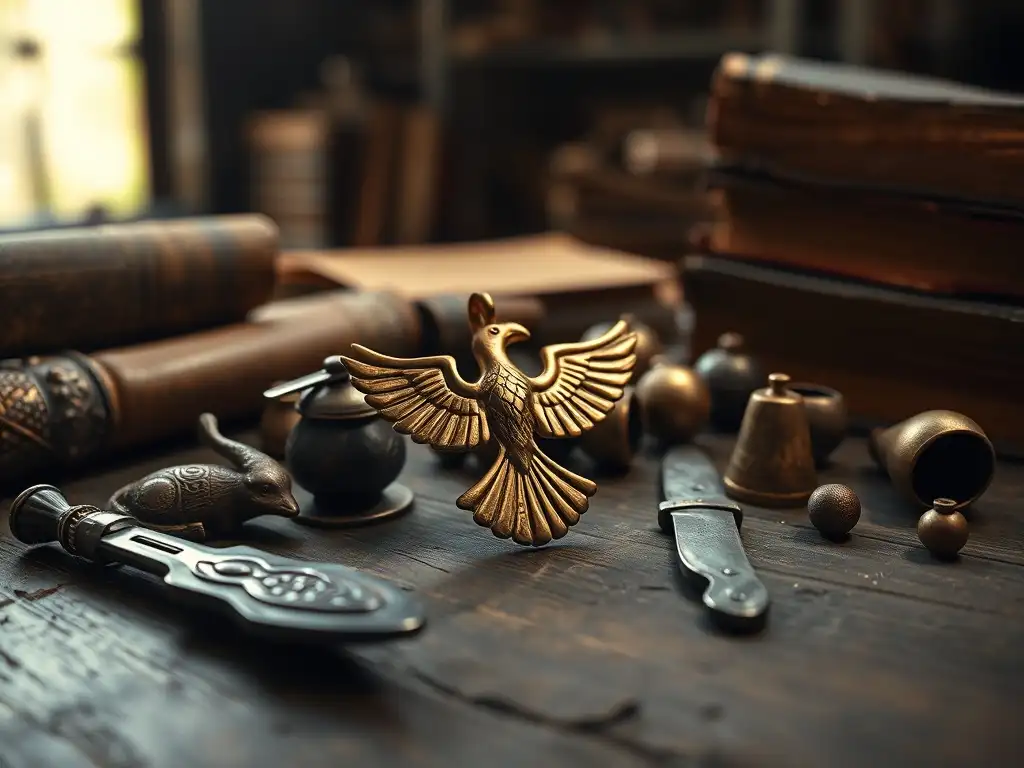
This section delves into the profound significance of Andean metalwork, exploring its intricate connection to Andean society, rituals, and beliefs. We will examine the symbolic motifs prevalent in these remarkable artifacts, revealing insights into the worldview and cultural practices of ancient Andean civilizations. Understanding these motifs is key to unlocking a deeper appreciation for the artistry and ingenuity of these cultures, highlighting their mastery of metallurgy and their sophisticated symbolic language.
The sheer artistry and technical skill involved in creating these pieces, combined with their powerful symbolism, makes Andean metalwork a truly captivating area of study. The analysis of Andean metalwork motifs reveals a complex tapestry of beliefs and practices.
Ancient Andean Metallurgy: A Legacy of Skill
Ancient Andean metallurgists possessed remarkable expertise. They expertly mined, smelted, and shaped metals such as gold, silver, copper, and bronze, often combining them to create alloys with unique properties. Their techniques involved sophisticated processes like hammering, casting (using lost-wax techniques), repoussé (hammering from the back to create relief), and gilding.
The level of control over these processes allowed for the creation of incredibly intricate and detailed objects, showcasing a deep understanding of material science and artistry. Consider, for instance, the incredibly thin gold sheets used in many artifacts – a testament to their advanced metallurgical skills. These weren't simply functional objects; they were imbued with symbolic meaning, reflecting the spiritual and social values of the Andean cultures.
The precision and detail found in these pieces, even on tiny elements, underscore the high value placed on craftsmanship and the significance of the objects themselves. Evidence suggests specialized workshops and a skilled workforce, indicating a high level of social organization and economic investment in metalworking.
The Role of Metal in Andean Society and Rituals
Metal objects in Andean societies held far more than just utilitarian value; they served crucial roles in social structures, religious practices, and political power. Gold, in particular, was often associated with the sun and divinity, symbolizing power, wealth, and prestige. Elites adorned themselves with elaborate gold ornaments, reinforcing their status and connection to the sacred.
Silver, on the other hand, was sometimes associated with the moon and water, representing fertility and abundance. Copper and bronze, while less precious, were also essential materials for tools, weapons, and ceremonial objects. The use of metal in rituals is evident in the discovery of numerous ceremonial objects made of these metals in tombs and sacred sites.
These artifacts often feature intricate designs and symbolic motifs, directly linking metalwork to religious beliefs and practices. For example, [specific examples of ritual objects and their symbolic meaning pending]. The distribution and use of metal objects also reveal insights into social hierarchies and trade networks within the Andean region.
Understanding the Context of Andean Metal Art
Interpreting Andean metalwork requires understanding the broader cultural context. Motifs weren't randomly chosen; they conveyed specific meanings within the societies that created them. Common motifs include stylized animals (such as jaguars, condors, and snakes), anthropomorphic figures, geometric patterns, and celestial symbols (such as the sun and stars). These symbols often represented deities, ancestors, natural forces, or abstract concepts crucial to Andean cosmologies.
Analyzing the combination and arrangement of these motifs in a specific artifact can provide valuable insights into its intended purpose and meaning. For example, the presence of a jaguar motif might signify power and strength, while the inclusion of a celestial symbol could indicate a connection to the spiritual realm. Furthermore, the size, material, and craftsmanship of an object also contribute to its interpretation.
A large, elaborately crafted gold object would likely have held greater significance than a smaller, simpler piece made of copper. Therefore, a holistic approach, considering both the individual motifs and the overall context of the artifact, is essential for a complete understanding of Andean metal art. The study of Andean metalwork motifs continues to reveal new information about these fascinating civilizations, enriching our understanding of their rich cultural heritage.
Unveiling Key Andean Metalwork Motifs
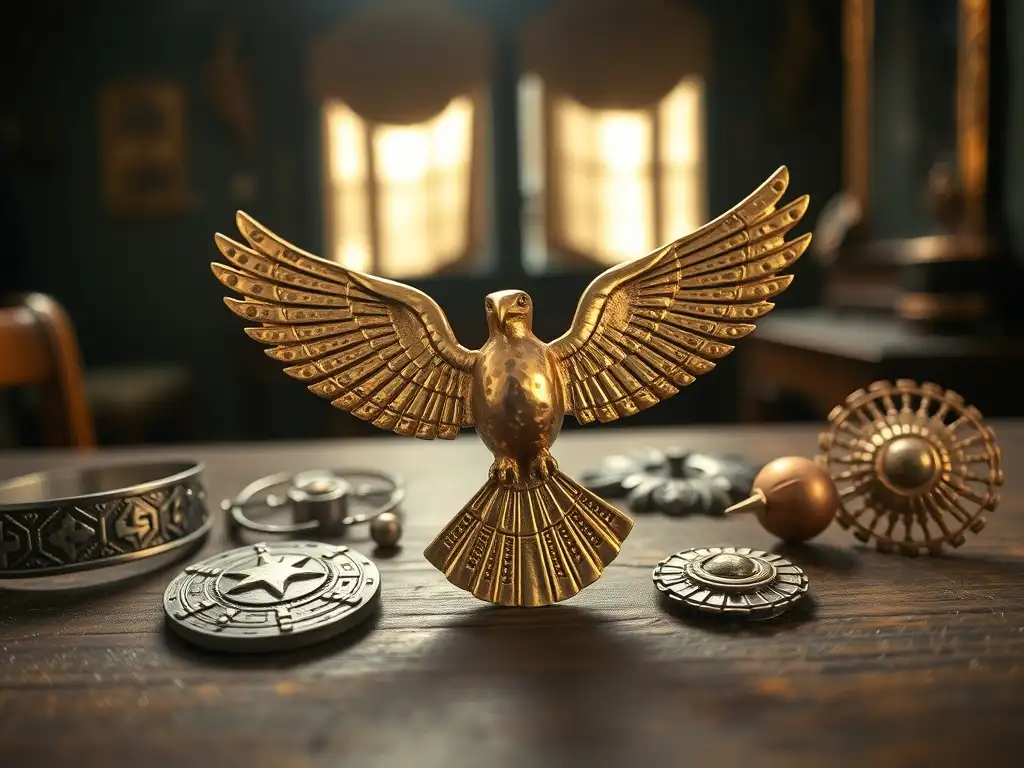
This section delves into the symbolic richness embedded within the remarkable metalwork of the Andean civilizations. Analyzing these motifs provides invaluable insights into the cosmology, beliefs, and social structures of these fascinating cultures. The intricate designs, often crafted from gold, silver, and copper alloys, weren't merely decorative; they were powerful statements reflecting a deep connection to the natural world and the spiritual realm.
Understanding the prevalent motifs in Andean metalwork allows us to better appreciate the sophisticated artistry and complex worldview of these ancient Andean societies. The careful selection and arrangement of these symbols reveal a level of symbolic sophistication rarely seen in other ancient cultures. The prevalence of certain motifs across various Andean cultures, despite geographical and temporal differences, highlights shared cultural beliefs and artistic traditions.
This shared visual language speaks volumes about the interconnectedness of Andean societies and their enduring legacy. The study of Andean metalwork motifs therefore offers a unique window into the hearts and minds of the people who created them.
The Condor: Symbol of Power and the Upper World
The condor, a majestic bird of the Andes, frequently appears in Andean metalwork, representing power, royalty, and the upper world. Its soaring flight symbolized the connection between the earthly and celestial realms. Depictions often show the condor in dynamic poses, its wings outstretched, emphasizing its strength and dominance.
The size and detail of the condor representation in a particular artifact could also indicate the social status of the owner or the importance of the occasion for which the piece was created. For example, larger, more intricately crafted condor figures were likely associated with elite members of society or important religious ceremonies.
Smaller, simpler representations might have been used in more everyday contexts. Analysis of condor motifs across different Andean cultures shows variations in style and representation, reflecting regional differences in artistic traditions while still conveying the overarching symbolism of power and connection to the celestial sphere. Furthermore, the use of precious metals like gold to depict the condor further underscores its association with divinity and elite status within Andean society. Archaeological evidence consistently supports the connection between the condor and power, with many examples found in royal tombs and ceremonial contexts.
The Serpent: Representation of the Underworld and Fertility
The serpent, a recurring motif in Andean metalwork, holds a dualistic symbolism, representing both the underworld and fertility. Its sinuous form reflects the life-giving waters and the cyclical nature of life and death. In some representations, the serpent is depicted swallowing its tail, forming an ouroboros, a symbol of eternity and the continuous cycle of creation and destruction. This cyclical imagery is deeply rooted in Andean cosmology, emphasizing the interconnectedness of all things and the constant renewal of life.
The use of different materials and techniques in depicting serpents further reveals nuanced interpretations. For instance, a serpent crafted from silver might emphasize its association with water and fertility, while a serpent made of gold could highlight its connection to the sun and its life-giving power.
Serpent motifs are often found intertwined with other symbolic elements, such as plants or other animals, creating complex narratives that reflect the intricate beliefs and worldviews of the Andean civilizations. The placement of serpent motifs on artifacts also carries significance; their location could indicate a specific ritual use or association with a particular deity or ancestral spirit.
The Feline: Jaguar and Puma Motifs in Andean Metalwork
The feline, particularly the jaguar and the puma, are prominent figures in Andean metalwork, symbolizing strength, ferocity, and shamanic power. These powerful predators held a significant place in Andean cosmology, representing both earthly and supernatural forces. Their depictions frequently appear in ceremonial objects, suggesting their use in rituals and religious practices. The jaguar, with its spotted coat and nocturnal habits, was often associated with the underworld and shamanic journeys. Its representation in metalwork could signify the shaman's ability to traverse between the worlds and communicate with the spirit realm.
In contrast, the puma, with its powerful build and territorial nature, was often seen as a symbol of earthly power and sovereignty. Depictions of pumas in Andean metalwork frequently emphasize their physical strength and predatory prowess, highlighting their association with rulers and elites. The choice between depicting a jaguar or a puma might reflect the specific message or intention behind the artwork.
The stylistic variations in the representation of felines across different Andean cultures also provide insights into regional differences in artistic traditions and beliefs. Careful examination of the details – the posture, the expression, the materials used – can reveal subtle nuances in the symbolism and meaning associated with these powerful feline figures. The study of feline motifs in Andean metalwork offers a fascinating glimpse into the complex relationship between humans and animals in the Andean worldview.
Geometric Patterns: Exploring Abstract Andean Iconography
Andean metalworkers weren't solely focused on representational imagery. Abstract geometric patterns, often woven into intricate designs alongside figurative motifs, played a crucial role in their artistry. These weren't simply decorative elements; they carried deep symbolic meaning, reflecting the Andean worldview and cosmology. Think of the ubiquitous stepped fretwork, a motif found across various Andean cultures and time periods.
This pattern, often seen in gold and silver objects, is thought to represent mountains, terraces, or even the layered structure of the cosmos itself, reflecting the importance of agriculture and the connection between the earthly and spiritual realms. The precision and intricacy of these geometric designs, achieved with limited tools and technologies, are a testament to the skill and artistry of these ancient artisans. Furthermore, the use of specific geometric shapes—such as squares, triangles, and circles—likely held distinct symbolic values, potentially linked to specific deities, cosmological concepts, or agricultural cycles.
Unfortunately, the exact meanings of many of these abstract patterns remain a subject of ongoing scholarly debate, highlighting the ongoing mystery and fascination surrounding Andean metalwork. Further research, particularly the careful analysis of contextual finds alongside the artifacts themselves, is essential to unlock the secrets held within these captivating geometric designs. The study of these patterns offers a unique window into the abstract thought processes and symbolic systems of Andean cultures.
The Sun God Inti: Solar Symbolism in Metal Art
Inti, the Inca sun god, holds a prominent place in Andean mythology and is frequently depicted in metalwork. Representations of Inti vary, sometimes appearing as a human figure with sun rays emanating from his head or body, and other times as a stylized sun disc, often adorned with intricate details. The sun's significance to Andean civilizations, as a source of life and energy, is clearly reflected in the prominence given to Inti in their art.
Gold, a material associated with the sun's brilliance, was frequently used to craft these representations, further emphasizing Inti's power and importance. Examples of Inti's depiction in metalwork include intricately crafted gold discs, often found as part of royal regalia or incorporated into religious objects. These gold discs, sometimes featuring a human face at the center surrounded by radiating sunbeams, served as powerful symbols of royal authority and divine connection.
The sheer artistry and craftsmanship involved in creating these objects highlight the importance placed on the sun god within Inca society and underscore the power of religious beliefs in shaping their material culture. The meticulous detail and the use of precious metals served not only as aesthetic choices but also as potent symbols of the sun's life-giving power and its connection to the Inca ruler's divine mandate.
Lunar Imagery: The Moon's Influence on Andean Metalwork
While the sun god Inti often dominates Andean iconography, the moon also held significant importance, reflecting a dualistic worldview that recognized both masculine and feminine principles. Lunar imagery in Andean metalwork is less common than solar depictions, yet equally significant. Representations of the moon often appear as crescent shapes, sometimes incorporated into broader cosmological scenes alongside the sun or stars.
The moon, associated with femininity, fertility, and the cyclical nature of life and death, likely held particular significance for Andean women and played a crucial role in agricultural practices and religious rituals. The use of silver, a metal associated with the moon's silvery light, is frequently found in objects featuring lunar motifs. These objects, often smaller and more delicate than those featuring Inti, suggest a more intimate or personal connection to the moon's power.
While specific examples of solely lunar-themed metalwork might be less readily available than those focused on the sun, the moon's presence, often subtly woven into larger compositions, suggests its integral role in the Andean worldview. Further research is needed to fully understand the specific nuances of lunar symbolism within Andean metalworking traditions, including exploring gender dynamics and their connection to the symbolism. The intricate details and careful craftsmanship, however, undeniably point to the significant role the moon played in the spiritual and cultural landscape of the Andes.
Representations of Ancestors and Deities in Metal
Andean metalworkers imbued their creations with deep spiritual significance, often depicting ancestors and deities to honor them and reinforce their power. These representations weren't merely decorative; they served as powerful conduits to the spiritual realm, used in rituals and ceremonies. The specific deities represented varied across different cultures and time periods. For example, Moche metalwork frequently depicts powerful figures, possibly rulers or shamans, adorned with elaborate headdresses and regalia, suggesting a connection to the supernatural.
These figures, often shown in dynamic poses, might represent specific deities associated with fertility, warfare, or the harvest. The level of detail in these depictions is astonishing; the artisans skillfully rendered facial expressions, intricate jewelry, and even the texture of clothing. This level of detail speaks to the importance placed on accurately representing these powerful figures. In contrast, Inca metalwork, while also featuring figures of authority, often emphasized more abstract representations of power and divinity, perhaps reflecting a shift in religious beliefs or artistic styles.
The use of specific alloys—like tumbaga, a gold-copper alloy—also held symbolic value, further enriching the spiritual weight of the metalwork. The choice of metal itself could indicate the importance of the deity or ancestor represented, with gold, for example, often reserved for the most significant figures. Analyzing these representations provides invaluable insight into the complex belief systems of these ancient Andean societies.
Depictions of Flora and Fauna in Andean Metalworking
The Andean landscape, rich in biodiversity, profoundly influenced the artistic motifs found in Andean metalwork. Depictions of flora and fauna are prevalent, serving not only as aesthetic elements but also as powerful symbols linked to the environment, mythology, and social structures. Condor imagery, for instance, is frequently found across various Andean cultures. In some cases, the condor represents a powerful deity, a symbol of the sky and the upper world. In other contexts, it might signify strength, power, and even royal authority.
Similarly, depictions of snakes, jaguars, and other animals often carry symbolic weight, reflecting the importance of these creatures within the Andean worldview. The artisans' skill in rendering these animals is remarkable. They captured the essence of each creature with remarkable precision, paying close attention to anatomical details, posture, and even the textures of fur, feathers, or scales. The use of different metals could further enhance these depictions. For example, the use of gold for the feathers of a hummingbird might symbolize the sun's light and its connection to the spiritual world.
Beyond individual animals, representations of plants, like maize or coca leaves, are also common. These plants held significant economic and religious importance, representing life, sustenance, and fertility. Studying the motifs of flora and fauna in Andean metalwork allows us to understand the intricate relationship between the Andean people and their environment, revealing a deep respect for the natural world and its spiritual significance. The careful observation of these motifs unlocks a deeper understanding of Andean cosmology and the interconnectivity of life.
Regional Variations in Andean Metal Art
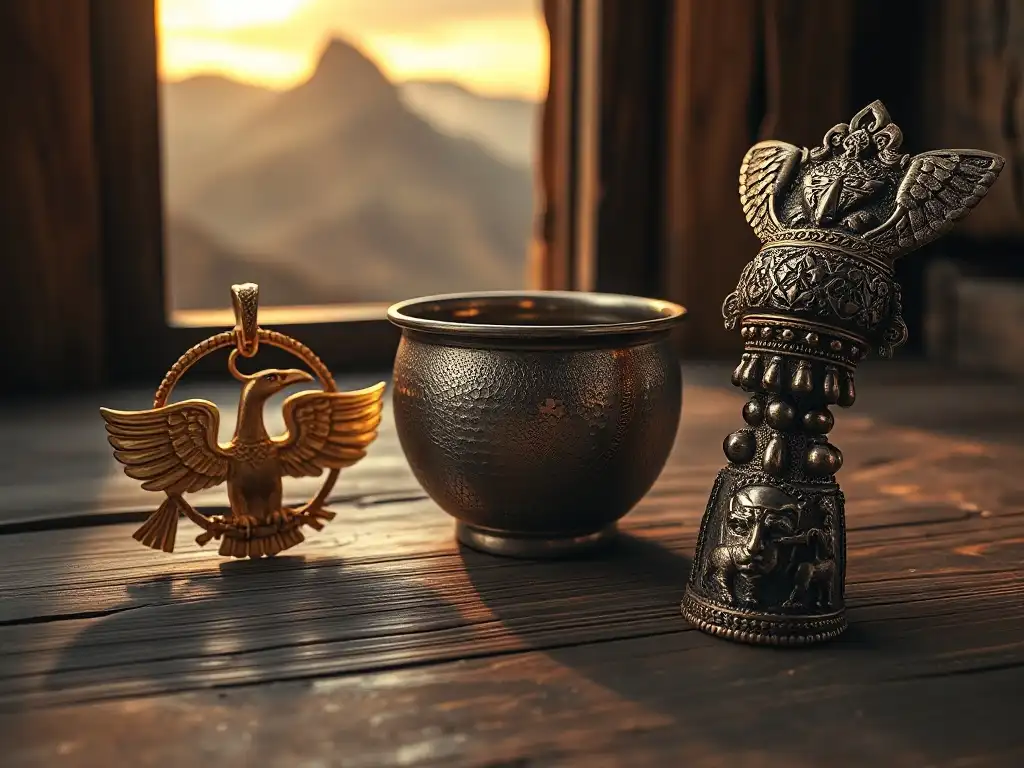
The artistry of Andean metalwork wasn't monolithic; rather, it blossomed into distinct regional styles reflecting unique cultural practices, beliefs, and technological advancements. Analyzing these variations reveals fascinating insights into the diverse societies that flourished across the Andes. The intricate designs and symbolic motifs encoded within these metallic masterpieces offer a window into the spiritual, political, and social landscape of each civilization.
Understanding these regional differences is crucial to appreciating the full scope of Andean metalworking achievements and its significance as a form of cultural expression. We will explore three key examples: Moche, Inca, and Tiwanaku metalwork, each showcasing unique approaches to material, technique, and symbolic representation. The careful study of Andean metalwork motifs provides invaluable data for reconstructing the complex history of these ancient Andean cultures.
Moche Metalwork: Distinctive Styles and Motifs
Moche metalworkers (c. 100-800 CE) on the northern coast of Peru were masters of lost-wax casting, a complex technique that allowed them to create incredibly detailed and intricate objects. Their artistry is characterized by a vibrant, almost surreal, representation of the natural world and mythological beings. Common motifs include stylized depictions of:
- Mythological creatures: Serpents, jaguars, and other powerful animals often feature prominently, symbolizing fertility, power, and shamanic abilities. These aren't simple representations; they are often depicted in dynamic poses, capturing a sense of movement and energy.
- Human figures: Moche metalwork frequently portrays human figures, often engaged in ritualistic activities or depicted as deities. These figures, frequently adorned with elaborate jewelry and regalia, offer valuable insights into Moche social hierarchy and religious practices. The level of detail in these figurines is astonishing, showcasing the skill of the artisans.
- Plant and marine life: The rich biodiversity of the Moche environment is reflected in their metalwork. Detailed representations of plants, fish, and other marine life highlight the importance of these resources in their culture and economy. The precision in these depictions suggests a deep understanding of the natural world.
The Moche also demonstrated a mastery of different alloys, utilizing gold, silver, copper, and their combinations to achieve a range of colors and textures. The use of these materials was not arbitrary; the choice of metal likely held symbolic significance, with gold, for example, often associated with the sun and divinity.
Inca Metalwork: Imperial Designs and Techniques
Inca metalwork (c. 1438-1533 CE) displays a different aesthetic, reflecting the imperial power and centralized control of the Inca empire. While still incredibly skilled, their style is characterized by a greater emphasis on symmetry, geometric patterns, and standardized forms. Common motifs include:
- Geometric designs: Repeating patterns, such as stepped frets, zigzags, and spirals, are prominent features of Inca metalwork. These designs likely represented the structured organization and hierarchical nature of Inca society. The precision and uniformity of these patterns testify to the advanced level of craftsmanship and likely the use of standardized templates.
- Animal representations: Unlike the dynamic representations of the Moche, Inca animal representations tend to be more stylized and symbolic. The puma, condor, and snake remain powerful symbols, but their depictions are often more formalized and less naturalistic.
- Human figures: Human figures are less common in Inca metalwork compared to Moche, but when they appear, they often represent rulers or elite members of society. These figures are typically depicted in formal poses, reflecting their social status and power.
Inca artisans were also masters of repoussé and hammering techniques, allowing them to create intricate three-dimensional forms from relatively thin sheets of metal. Their use of gold and silver was abundant, reflecting the empire's wealth and power. The quality and consistency of Inca metalwork across the vast empire speak to the centralized nature of Inca production and control.
Tiwanaku Metalwork: Symbolic Representations and Craftsmanship
The Tiwanaku culture (c. 300-1100 CE), located on the shores of Lake Titicaca, developed a unique style of metalwork characterized by its symbolic complexity and sophisticated techniques. While their metalwork production was less prolific than that of the Moche or Inca, the pieces they created demonstrate a remarkable level of artistry. Key characteristics include:
- Stylized figures and deities: Tiwanaku metalwork frequently incorporates stylized representations of deities and mythical beings. These figures often feature geometric features and symbolic attributes that are unique to Tiwanaku iconography. Further research is needed to fully decipher the meaning behind these representations. [Specific information pending on the detailed analysis of Tiwanaku iconography in metalwork]
- Geometric patterns and motifs: Similar to Inca metalwork, Tiwanaku pieces often incorporate geometric patterns and motifs, but these frequently display a greater degree of complexity and abstraction. The use of these patterns likely held profound cosmological and religious significance.
- Rare metal usage: Tiwanaku metalworkers appear to have favored gold and silver, with a notable use of copper alloys. The scarcity of surviving pieces suggests either a smaller scale of production or the loss of a significant portion of their artifacts over time.
The surviving examples of Tiwanaku metalwork are relatively few, but they are highly significant for understanding their unique aesthetic and symbolic system. Further archaeological discoveries and research will undoubtedly reveal more about the techniques and beliefs reflected in their metal artistry. The limited surviving examples highlight the need for further research into this important Andean culture and its metalworking traditions. The study of Andean metalwork motifs from Tiwanaku remains a fascinating area of ongoing investigation.
Chimú Metalwork: Emphasis on Repoussé and Precious Metals
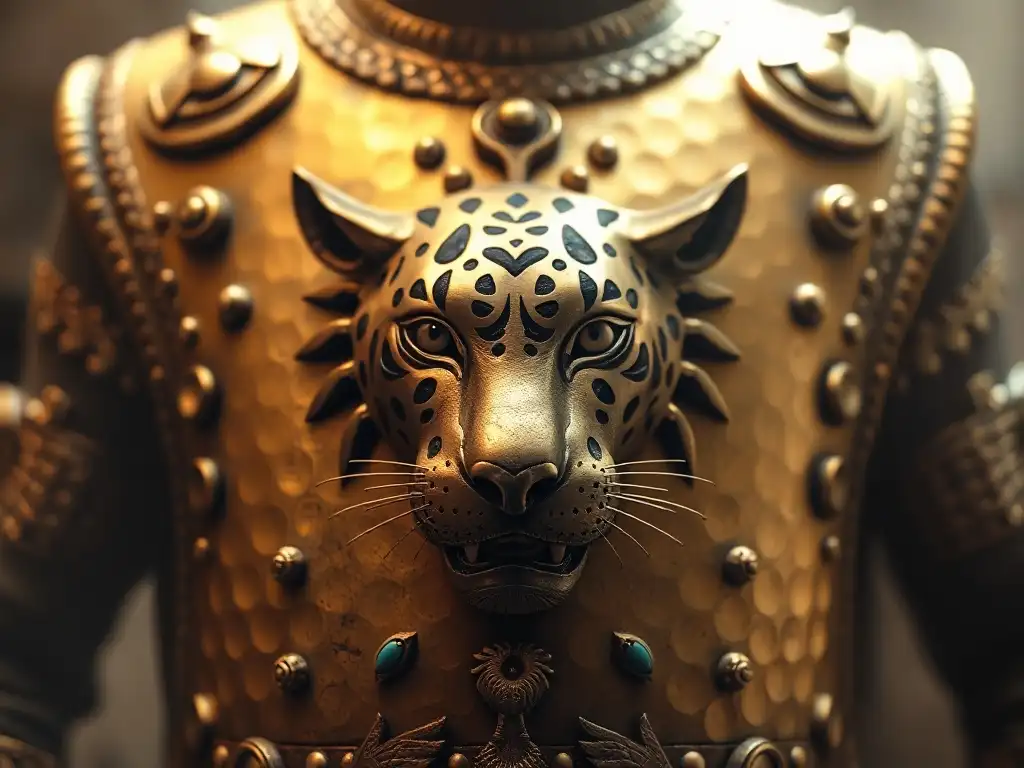
The Chimú, a powerful pre-Columbian civilization flourishing along the northern coast of Peru from roughly 900 to 1470 CE, left behind a remarkable legacy of metalwork. Their artistry stands out for its masterful use of repoussé, a technique involving hammering from the reverse side to create three-dimensional forms. This allowed Chimú artisans to fashion intricate designs and detailed figures onto thin sheets of gold, silver, and copper alloys. The sheer technical skill evident in their work is astonishing, particularly considering the tools available at the time.
We see incredibly fine details in their depictions of animals, especially birds, and stylized human figures, often within complex, layered compositions. The use of precious metals like gold and silver further underscored the Chimú elite’s power and status; these objects served as potent symbols of wealth and authority, frequently appearing in tombs and ceremonial contexts. The use of alloys, such as tumbaga (a gold-copper alloy), allowed for a wider range of colors and textures, adding another layer of sophistication to their aesthetic. Unlike some other Andean cultures that favored casting, the Chimú's preference for repoussé resulted in thinner, more delicate pieces, showcasing a different approach to metalworking within the broader Andean context.
The intricate details and the use of precious metals highlight the Chimú’s sophisticated metallurgical knowledge and their artistic mastery, making their metalwork a unique contribution to Andean art. Many examples survive today in museums, serving as a testament to their exceptional skill and artistic vision. Further research into Chimú metalworking techniques continues to reveal fascinating insights into their cultural practices and beliefs.
Common Threads and Unique Expressions in Metal Art
While Andean metalwork displays regional variations, certain common motifs and techniques unite the diverse artistic expressions across different cultures. The recurring use of zoomorphic and anthropomorphic figures, for instance, is a consistent theme across various Andean societies. Animals like condors, jaguars, and snakes frequently appear, often imbued with symbolic meaning related to power, fertility, and the supernatural. Similarly, stylized human figures, often depicted in ceremonial attire or engaging in ritualistic acts, are common across various styles. However, the specific representation and the manner of execution differ significantly depending on the cultural group.
For example, while both the Moche and the Nazca cultures incorporated feline imagery into their metalwork, the stylistic representations differ substantially. The Moche often depicted powerful, dynamic jaguars, emphasizing their ferocity, while the Nazca's feline representations might be more stylized and integrated into broader, complex designs. Furthermore, the techniques employed varied: some cultures favored casting, others repoussé, and some combined both. The use of specific metals also varied: some cultures prioritized gold, others silver, and still others utilized copper alloys extensively.
These variations, despite the common threads, highlight the unique cultural identities and artistic innovations of each Andean group. The study of Andean metalwork thus provides a rich tapestry of artistic expressions, revealing both shared cultural beliefs and the distinct aesthetic sensibilities of individual cultures. This diversity, rather than diminishing the significance of Andean metalwork, enhances its value as a testament to the ingenuity and creativity of the Andean people. The interplay between shared symbols and unique expressions makes Andean metalwork a compelling area of study for understanding the complexities of Andean societies.
Techniques and Materials in Andean Metalworking
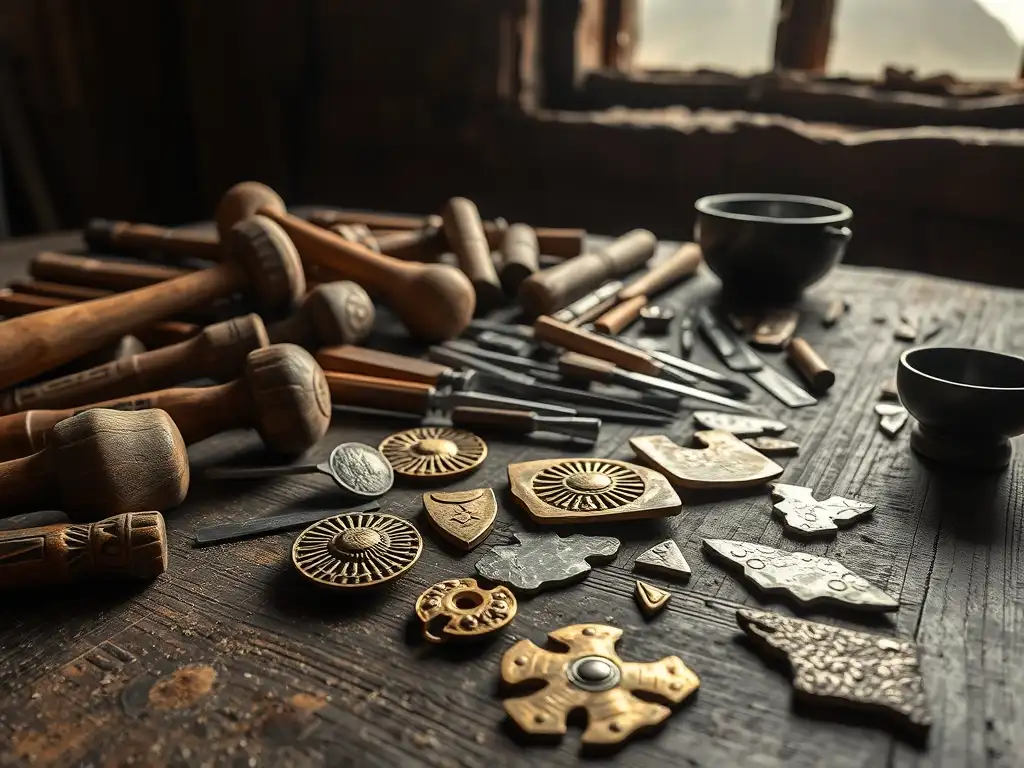
Andean metalwork, a testament to the ingenuity and artistic prowess of ancient Andean civilizations, relied on a sophisticated understanding of metallurgy and symbolic representation. The artisans' mastery extended across diverse techniques and materials, resulting in stunning artifacts that continue to captivate audiences today. Understanding the techniques and materials employed is crucial to appreciating the artistry and symbolism embedded within these objects.
The prevalence of specific metals and techniques varied across different cultures and time periods, reflecting unique artistic styles and technological advancements. This section will explore the key materials and techniques used in creating these remarkable pieces, focusing particularly on the iconic motifs frequently depicted. The analysis of the chosen materials and techniques will further elucidate the cultural significance and the symbolic meaning behind the motifs.
The Use of Gold, Silver, and Copper
The Andean region boasts an abundance of precious metals, and gold, silver, and copper were particularly prized for their aesthetic and symbolic value. Gold, often associated with the sun and divinity, was meticulously worked into intricate ornaments, masks, and vessels. Its malleability allowed for detailed designs, reflecting the Andean belief in the power and radiance of the sun god. Silver, with its reflective qualities, was used in a similar manner, although perhaps slightly less frequently than gold.
It held its own symbolic importance, often linked to the moon and water. Copper, a more readily available metal, served as a foundation for many objects, sometimes being inlaid with gold or silver to enhance their visual appeal and symbolic richness. The skillful manipulation of these metals underscores the sophistication of Andean metallurgical techniques and the profound symbolic meanings they imbued in their creations.
The relative abundance and use of each metal also reveals insights into the economic and social structures of the respective Andean cultures. For example, the Moche culture's prolific use of copper, compared to the Inca's preference for gold, showcases different priorities and resource management strategies. Further research into the precise quantities of each metal used in different regions and time periods could reveal even more nuanced patterns.
Methods of Shaping and Decorating Metal
Beyond the choice of materials, the methods of shaping and decorating Andean metalwork were equally crucial in conveying symbolic meaning. Artisans employed a range of techniques to transform raw materials into complex and visually stunning objects. These techniques included hammering, repoussé (a metalworking technique where the metal is shaped from the back), chasing (a metalworking technique where the metal is shaped from the front), and casting.
Hammering allowed for the creation of flat sheets of metal that could then be shaped and decorated. Repoussé and chasing techniques allowed for fine details and three-dimensional effects, enabling the creation of intricate designs and figures often imbued with deep symbolic significance. The precision and skill involved in these processes are remarkable, showcasing the advanced level of metallurgical expertise achieved by Andean artisans.
The specific decorative techniques used, such as the application of intricate designs and the use of different textures, often served to enhance the symbolic meaning of the objects. For example, the use of fine lines might represent weaving patterns, while broader, bolder strokes might signify powerful forces of nature. Further investigation into the evolution of these decorative methods over time would provide valuable insights into the changing artistic styles and symbolic expressions of Andean cultures.
Lost-Wax Casting and Hammering Techniques
The lost-wax casting technique, a sophisticated method of metalworking, was employed to create complex shapes and forms. This technique involved creating a wax model of the desired object, covering it in clay, melting out the wax, and then pouring molten metal into the resulting mold. The intricacy of some Andean metalwork strongly suggests the widespread use of this advanced technique. This method allowed for the creation of detailed figurines, vessels, and ornaments with complex, multi-part designs that would have been nearly impossible to achieve through hammering alone.
Hammering, while seemingly simpler, remained a vital technique, used for both shaping and decorating the metal. The combination of lost-wax casting and hammering demonstrates a sophisticated understanding of metallurgy and design. The interplay between these techniques, and their role in shaping the final product, allowed for a remarkable level of artistic expression.
[Specific examples of artifacts showcasing the combined use of lost-wax casting and hammering are pending]. Further research into the specific tools used in these processes would offer a deeper understanding of the technological capabilities of these ancient civilizations. The analysis of surviving tools could shed light on the level of standardization and specialization within Andean metalworking workshops.
The Importance of Materials in Andean Symbolism
The choice of materials in Andean metalwork was far from arbitrary; it held profound symbolic significance, deeply intertwined with the cosmological beliefs and social structures of the various cultures. The Andean worldview emphasized a close relationship between the human and spiritual realms, and this connection is vividly reflected in the meticulous selection and manipulation of metals. Gold, for instance, often represented the sun, its radiant brilliance mirroring the celestial body's life-giving power.
This association is not only seen in its use for adornment of elite figures, symbolizing their divine connection, but also in the creation of ritual objects intended to interact with the sun's energy. The use of gold in religious contexts reinforced the belief in the sun's influence on earthly affairs and the ruler's role as a mediator between the two realms.
Silver, conversely, was often linked to the moon and water, representing fertility, abundance, and the cyclical nature of life and death. Its reflective quality mirrored the moon's ethereal glow, while its malleability symbolized the adaptability and fluidity of water. Silver objects, therefore, frequently featured in agricultural rituals and ceremonies associated with water management, reflecting the vital role of these elements in sustaining Andean life.
The use of copper and bronze, less precious but still significant, often denoted earthly power and strength, reflecting their durability and association with tools and weapons. These materials were used to craft tools, weapons, and ceremonial objects that emphasized the earthly power of rulers and their control over resources.
Beyond the specific metals, the techniques used to work them also carried symbolic weight. The intricate hammering, casting, and gilding techniques required significant skill and knowledge, further enhancing the value and symbolic power of the finished object. The more elaborate the technique, the more potent the symbolism, often reflecting the spiritual and social status of both the artisan and the recipient.
For example, the intricate filigree work found in many pre-Columbian artifacts showcases not only exceptional craftsmanship but also the sophisticated level of social organization needed to support such specialized labor. This complex interplay of material, technique, and symbolism underscores the deep cultural significance embedded within Andean metalwork, making it far more than just decorative artistry.
It was a tangible expression of their worldview, beliefs, and social hierarchy. The careful selection and manipulation of materials served as a powerful means of communication, transmitting complex messages about power, status, and the relationship between the human and spiritual worlds.
The Enduring Legacy of Andean Metalwork Motifs
Andean metalwork, a testament to the ingenuity and artistic prowess of ancient Andean civilizations, continues to resonate deeply within contemporary society. The intricate designs and symbolic motifs found in these artifacts—from shimmering gold tumbagas to subtly nuanced silver objects—offer a captivating glimpse into the beliefs, social structures, and worldview of these remarkable cultures. The legacy of these motifs extends far beyond mere historical significance; they serve as powerful reminders of a rich cultural heritage and continue to inspire artists, designers, and researchers today.
The enduring appeal lies in the powerful symbolism embedded within each piece, a visual language that speaks volumes about the spiritual and cosmological beliefs of the Andean peoples. The sophisticated techniques employed, including lost-wax casting and hammering, further enhance the artistry and cultural importance of these objects.
Analyzing these techniques alongside the motifs themselves allows for a richer understanding of the social and technological advancements of these past societies. For example, the intricate detail found in some pieces suggests a high level of specialization and division of labor within Andean communities.
Influence of Andean Metal Art on Contemporary Art
The influence of Andean metalwork motifs on contemporary art is undeniable. Modern artists frequently draw inspiration from the powerful imagery and sophisticated techniques of their ancient predecessors. We see echoes of Andean aesthetics in jewelry design, textile patterns, and even architectural elements.
The recurring motifs, such as feline deities, serpents, and stylized birds, are reinterpreted and reimagined, finding new expression in diverse artistic mediums. This revitalization not only celebrates the cultural heritage of the Andes but also demonstrates the enduring relevance of these symbolic forms in contemporary artistic discourse.
Moreover, the use of recycled and sustainable materials in some contemporary works reflects a growing awareness of the environmental concerns linked to the original extraction and processing of metals in the Andes, fostering a dialogue about responsible artistic practice. The vibrant colors and bold designs often found in contemporary interpretations reflect the enduring energy and spiritual significance associated with the original Andean metalwork.
Preserving and Studying Andean Metalwork Heritage
Preserving and studying Andean metalwork heritage is crucial for understanding the complexities of Andean civilizations. This requires a multi-faceted approach involving careful excavation techniques at archaeological sites, meticulous cataloging and documentation of artifacts in museums, and ongoing research into the metallurgical processes and symbolic meanings embedded within the objects.
The use of advanced imaging technologies, such as X-ray fluorescence (XRF) and 3D scanning, allows for non-destructive analysis of the artifacts, preserving their integrity while providing valuable insights into their composition and creation. Moreover, collaborations between archaeologists, metallurgists, and art historians are essential for a holistic understanding of Andean metalwork.
Efforts to educate the public about the significance of these artifacts through museum exhibitions, educational programs, and online resources are equally important in fostering appreciation and ensuring the long-term preservation of this invaluable cultural heritage. The challenges lie in balancing the need for research and display with the ethical considerations of protecting fragile artifacts and respecting the cultural sensitivities of descendant communities.
The Importance of Understanding Andean Symbolism
Understanding the symbolism inherent in Andean metalwork motifs is key to deciphering the rich cultural tapestry of these ancient societies. The motifs were not merely decorative; they conveyed complex religious, political, and social messages. For instance, the recurring imagery of jaguars and condors often represented power, divinity, and shamanic abilities.
Serpents symbolized fertility and the underworld, while stylized birds could represent messengers to the gods or symbols of celestial events. The careful study of these motifs, in conjunction with archaeological context and ethnohistorical sources, allows us to reconstruct aspects of Andean belief systems and social structures. However, it's crucial to approach the interpretation of these symbols with caution, acknowledging the complexities and potential ambiguities inherent in cross-cultural analysis.
The meaning of a particular motif may have varied across different regions, time periods, and social groups. Further research and interdisciplinary collaboration are essential to refine our understanding of Andean symbolism and its significance within the broader context of Andean culture. Careful consideration of the cultural context, coupled with rigorous scientific analysis, is paramount for responsible and insightful interpretation of these powerful and enduring symbols.
Frequently Asked Questions
What are some common motifs found in Andean metalwork?
Andean metalwork features a wide variety of symbolic motifs, including condor and puma figures, representing power and strength, geometric designs symbolizing cosmic order, and anthropomorphic representations of deities and ancestors. These reflect the rich spiritual beliefs of the cultures.
How did Andean artisans create such intricate metalwork?
Andean artisans mastered techniques like hammering, casting, and alloying to create their intricate designs. They used various metals, including gold, silver, and copper, often combining them for stunning visual effects. Their expertise was exceptional for their time.
What was the significance of gold in Andean metalwork?
Gold held immense religious and symbolic importance in Andean cultures. It was associated with the sun, power, and divinity. Gold objects were often used in rituals and ceremonies, and adorned the elite.
What role did Andean metalwork motifs play in society?
Motifs in Andean metalwork served diverse functions. They communicated social status, religious beliefs, and political power. They also served as decorative elements on tools, weapons, and clothing.
Where can I see examples of Andean metalwork motifs today?
Many museums worldwide house impressive collections of Andean metalwork, showcasing the diverse motifs and artistry. You can also find examples in archaeological sites throughout the Andes Mountains. Look for reputable institutions.
Final Reflection: Echoes of the Andes in Modern Metalwork
The intricate artistry of Andean metalwork, far from being a relic of the past, continues to resonate powerfully in contemporary design and cultural expression. Its enduring legacy speaks to the timeless power of symbolic representation and the enduring human need to connect with our ancestors through tangible artistry. The motifs, techniques, and stories embedded within these ancient pieces offer a profound understanding of Andean cosmology and societal structures, a legacy that deserves continued exploration and appreciation.
The enduring influence of Andean metalwork motifs is undeniable, shaping not only artistic trends but also our understanding of pre-Columbian cultures. These pieces, often imbued with spiritual significance, serve as powerful reminders of the ingenuity and artistry of past civilizations. Their enduring presence in museums and private collections worldwide speaks volumes about their cultural importance. The past is never dead. It's not even past.
– William Faulkner. This quote perfectly encapsulates the ongoing relevance of Andean metalwork, its symbols and stories continuing to inform and inspire us today.
Consider the intricate detail, the symbolic power, the sheer artistry displayed in these ancient artifacts. Now, consider how you might incorporate a similar sense of mindful creation, of imbuing your own work with meaning and intention, into your own life. Let the echoes of the Andes inspire you to find beauty in detail, to connect with your heritage (however you define it), and to create something lasting and meaningful. Embrace the legacy of these metalwork marvels, and let their enduring spirit guide your own creative journey.
**Unveil the Beauty of Andean Metalwork! **
Thank you for exploring the fascinating world of Andean metal artistry! You've discovered the rich symbolic motifs that tell captivating stories of culture, identity, and history. Now, let's deepen your appreciation of this magnificent art form.
Here are some ways to connect further and share the beauty of Andean metal craftsmanship:
- **Explore Further:** Visit local museums or explore online exhibits showcasing Andean metalwork to experience these masterpieces firsthand or virtually.
- **Share Your Discoveries:** Discuss what you've learned with friends and family, or spark a conversation in your community about the significance of this art.
- **Get Inspired:** Create your own craft project inspired by Andean motifs—perhaps jewelry making or a metal design. You might surprise yourself with your hidden talent!
What aspect of the symbolism in Andean metalwork has inspired you the most? Share your thoughts in the comments below!