
Threads of Ancestors: The Spiritual Connection Woven into Andean Textiles

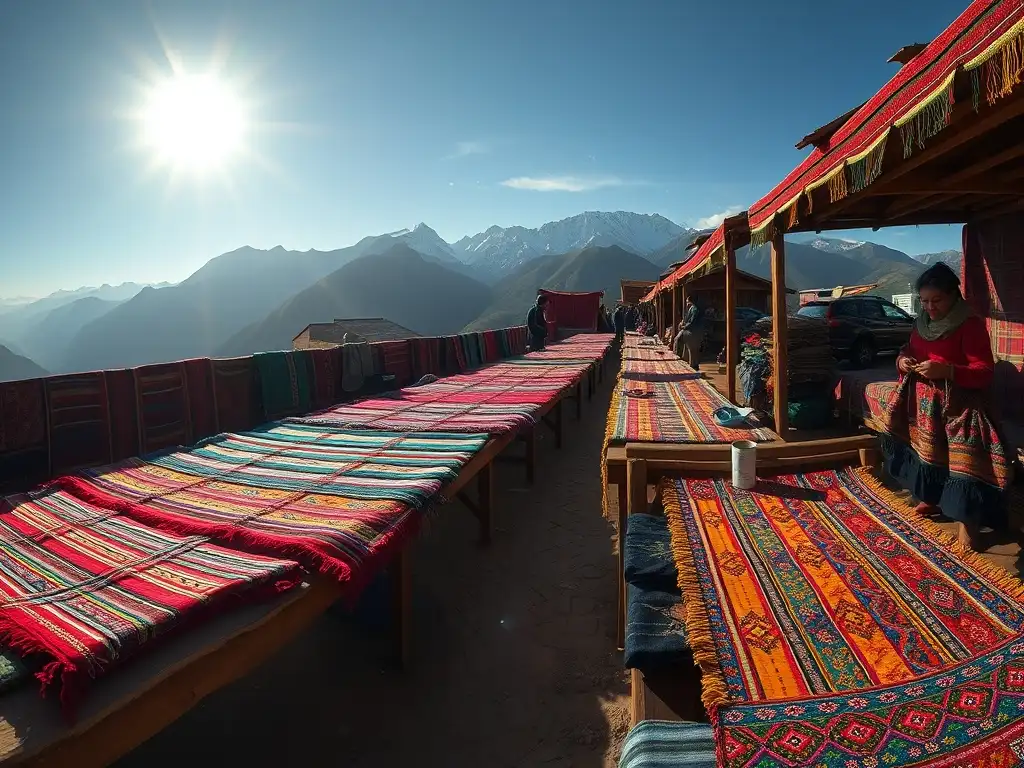
Unravel the mysteries woven into the very fabric of time. For centuries, the Andean civilizations have captivated the world with their breathtaking artistry. But beyond their vibrant colors and intricate designs lies a deeper significance: the spiritual power imbued within Andean textiles. Journey with us to uncover the profound meanings hidden within these threads, and discover how these ancient crafts hold the key to understanding the soul of a civilization. Explore the fascinating world of Andean textiles spiritual meaning and unlock the secrets they hold.
- Threads of Ancestors: Unveiling the Spiritual Significance of Andean Textiles
- Andean Textiles: More Than Just Fabric
- Decoding the Symbolic Language of Andean Weaving
- The Intergenerational Transmission of Weaving Knowledge and Spiritual Beliefs
- Modern Interpretations and the Enduring Legacy of Andean Textile Spirituality
-
Frequently Asked Questions
- What is the significance of Andean textiles?
- How did Andean people use textiles in their spiritual practices?
- What symbols are commonly found in Andean textiles and what do they represent?
- What materials were used to create Andean textiles?
- How can I learn more about the spiritual meaning of Andean textiles today?
- Final Reflection: Weaving the Past into the Present
- Unveil the Spiritual Threads of Your Heritage!
Threads of Ancestors: Unveiling the Spiritual Significance of Andean Textiles
The vibrant tapestry of Andean civilization isn't just a visual spectacle; it's a profound reflection of a deeply spiritual worldview woven into the very fabric of their existence. For centuries, the peoples of the Andes – from the Incas to the pre-Inca cultures like the Moche, Nazca, and Tiahuanaco – expressed their cosmology, beliefs, and connection to the supernatural through intricate textiles.
This article delves into the rich symbolism embedded within Andean textiles, exploring how these seemingly simple threads carry the weight of ancestral knowledge, spiritual practices, and a profound understanding of the natural world. We will uncover the spiritual meaning imbued in Andean textiles, exploring the diverse techniques and the powerful narratives they convey.
Understanding these textiles provides a crucial window into the hearts and minds of these remarkable ancient civilizations and their enduring legacy. Prepare to be captivated by the stories whispered through the warp and weft of these extraordinary creations.
The Deeply Rooted Spirituality in Andean Culture
Andean spirituality wasn't confined to temples or ceremonies; it permeated daily life. The natural world – the mountains, the sun, the stars, and the earth – held immense spiritual significance. This reverence for nature is profoundly reflected in Andean textiles.
The colors, patterns, and materials used were not chosen arbitrarily; they held specific symbolic meanings connected to the cosmos, agricultural cycles, and the spiritual realm. For example, the vibrant reds often represented blood, sacrifice, and the life-giving energy of the sun, while the deep blues symbolized water, fertility, and the vastness of the sky. The use of specific camelid fibers, such as alpaca or vicuña, also carried symbolic weight, reflecting social status and connection to the sacred landscape.
The meticulous craftsmanship itself was an act of devotion, a process that connected the weaver to the spiritual world through repetitive motions and focused intention. This wasn't simply the creation of clothing; it was the creation of sacred objects imbued with spiritual power.
Decoding the Symbols: Patterns and Motifs in Andean Textiles
The intricate patterns and motifs adorning Andean textiles are not mere decorations; they are complex visual codes that tell stories of mythology, rituals, and cosmology. Geometric designs, often incorporating spirals, zigzags, and stepped patterns, frequently represent mountains, rivers, and celestial bodies. Representations of animals – such as condors, pumas, and llamas – held powerful symbolic meanings, often associated with specific deities or ancestral spirits.
Furthermore, the placement and combination of these motifs added layers of meaning, creating a rich and nuanced visual language. For example, a specific arrangement of geometric shapes might signify a particular deity or cosmological event, while the inclusion of certain animal figures could indicate a connection to specific ancestral lineages or clan identities.
Researchers continue to unravel the complexities of this visual language, discovering new layers of meaning within these seemingly simple patterns. The meticulous detail and complexity in these designs highlight the sophisticated understanding of symbolism and cosmology within Andean cultures.
The Role of Textiles in Ritual and Ceremony
Andean textiles weren't just for everyday wear; they played a crucial role in religious ceremonies and rituals. Elaborately woven garments and textiles were used to adorn deities, adorn participants in sacred ceremonies, and serve as offerings to the gods. Textiles were also frequently used in burial practices, providing the deceased with necessary garments for their journey to the afterlife and acting as a conduit between the living and the spirit world.
The intricate detail and high-quality materials used in these ritual textiles further underscore their spiritual significance. The creation of these ceremonial textiles was often a communal process, involving entire communities in the creation of sacred objects that connected them to their ancestors and the spiritual realm. This communal effort underscores the deeply social and spiritual nature of textile production within Andean societies.
The Enduring Legacy: Andean Textiles Today
The spiritual significance of Andean textiles continues to resonate today. Contemporary Andean communities maintain many traditional weaving practices, preserving ancient techniques and patterns that reflect their enduring connection to their ancestors and the spiritual world. The creation of textiles remains an important part of Andean cultural identity, and these vibrant creations continue to carry the weight of history, tradition, and spiritual meaning.
The enduring legacy of Andean textiles serves as a testament to the enduring power of cultural heritage and the profound spiritual connection woven into the fabric of Andean life. The continued practice and appreciation of Andean textiles ensure that the rich spiritual traditions of these ancient civilizations are preserved and celebrated for generations to come. This living heritage underscores the enduring power of artistic expression and its ability to transmit cultural knowledge and spiritual beliefs across vast stretches of time.
Andean Textiles: More Than Just Fabric
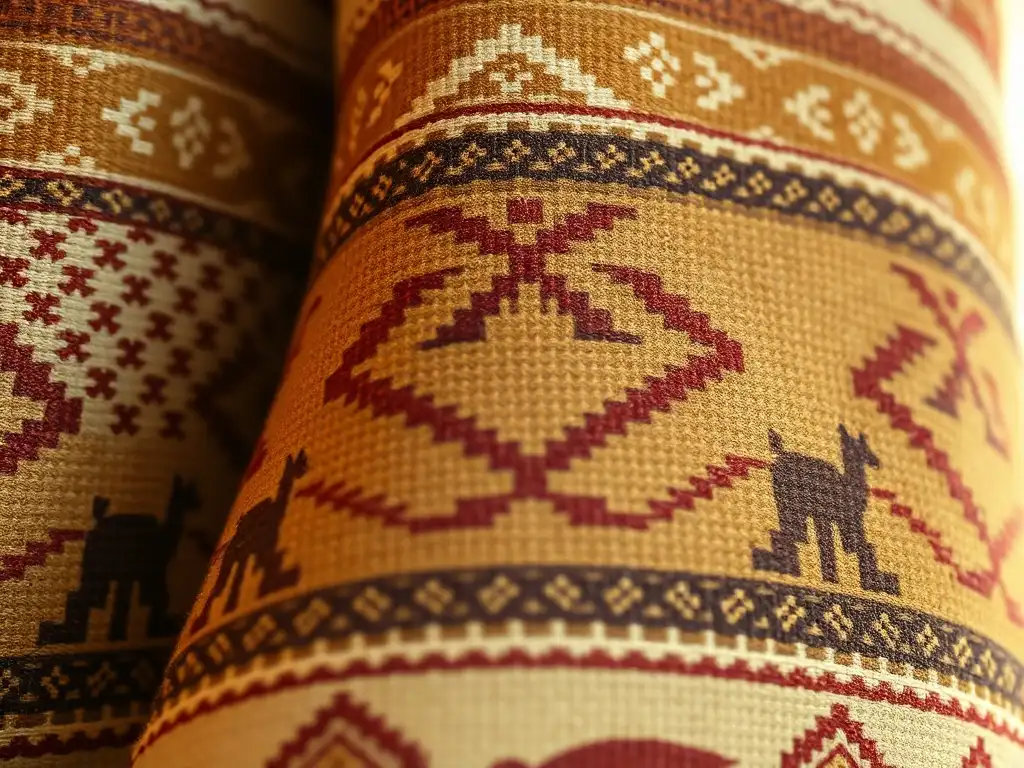
Andean textiles represent far more than just clothing or household items; they are tangible manifestations of the spiritual beliefs and worldview of the ancient Andean civilizations. The intricate designs, vibrant colors, and the very act of weaving itself were deeply imbued with symbolic meaning, reflecting a profound connection between the human world and the cosmos. Understanding Andean textiles requires appreciating their role as powerful mediums for communicating with the divine, honoring ancestors, and expressing social status.
This section will delve into the rich tapestry of meaning woven into these remarkable artifacts, exploring how techniques, materials, and designs all contributed to their spiritual significance. The enduring legacy of these textiles continues to inspire awe and fascination, prompting ongoing research into their complex symbolism and cultural importance.
Analyzing Andean textiles through a spiritual lens allows us to gain a deeper understanding of the beliefs and practices of these remarkable civilizations. The keyword phrase "Andean textiles spiritual meaning" is central to this exploration.
Ancient Andean Weaving Techniques and Their Spiritual Connections
The process of creating Andean textiles was not merely a technical skill; it was a sacred act, imbued with spiritual significance. The meticulous techniques employed, passed down through generations, were seen as a direct link to ancestral knowledge and spiritual power. Consider, for example, the intricate backstrap loom technique, a method still used today in many Andean communities. The rhythmic motion of the loom, the careful manipulation of the threads, and the precision required to create complex designs were all viewed as a form of prayer or meditation, connecting the weaver to the spiritual realm.
The choice of materials also held profound meaning. The use of vicuña, alpaca, and llama wool, each possessing unique qualities, reflected the weaver's intention and the intended purpose of the textile. Vicuña, for example, was considered a sacred fiber, reserved for elite members of society and used in ceremonial garments.
The vibrant dyes, often derived from natural sources like plants and minerals, further enhanced the spiritual power of the textiles, with specific colors representing different deities or aspects of the Andean worldview. The meticulous preparation of the fibers, the spinning, and the dyeing were all integral parts of the spiritual process, each step carefully performed to ensure the textile's efficacy.
Furthermore, the designs themselves were not arbitrary; they were carefully chosen to convey specific messages and meanings. Geometric patterns, zoomorphic motifs, and representations of deities all held symbolic weight, reflecting the weaver's understanding of the cosmos and their relationship to the supernatural world. The complexity and precision of these designs further emphasized the spiritual significance of the textile, showcasing the weaver's skill and devotion. The very act of weaving, therefore, was a conduit for spiritual expression, allowing the weaver to communicate with the spiritual world and to transmit ancestral knowledge and traditions to future generations.
The Role of Andean Textiles in Rituals and Ceremonies
Andean textiles played a crucial role in a wide range of rituals and ceremonies, serving as powerful tools for connecting with the spiritual world and honoring ancestors. Their presence in religious contexts underscores their deep spiritual significance within Andean societies. For example, textiles were frequently used in funerary practices. Elaborate shrouds and burial garments, meticulously crafted and adorned with symbolic designs, accompanied the deceased into the afterlife, providing them with protection and sustenance in the spirit world. The quality and intricacy of these textiles often indicated the social status of the deceased.
Textiles also featured prominently in celebratory events and festivals. Ceremonial garments, adorned with vibrant colors and intricate patterns, were worn by priests and shamans during religious rituals. These garments served not only as markers of social status but also as powerful conduits for channeling spiritual energy. The use of specific colors and symbols in these garments was carefully considered, reflecting the nature of the ritual and the deities being honored.
Moreover, textiles were used in offerings to deities and ancestors. Small, intricately woven textiles, often containing symbolic representations of food and other offerings, were placed in sacred sites or tombs as a means of appeasing the spirits and ensuring good fortune. These offerings demonstrate the belief that textiles possessed the power to bridge the gap between the human and spiritual worlds.
The careful selection of materials, colors, and designs in these offerings highlights the importance of intentionality in the practice of Andean spirituality. The meticulous craftsmanship and symbolic meaning woven into every thread underscore the profound spiritual significance attached to Andean textiles. The legacy of these practices continues to resonate in contemporary Andean cultures, where textiles remain an integral part of spiritual and ceremonial life.
Decoding the Symbolic Language of Andean Weaving
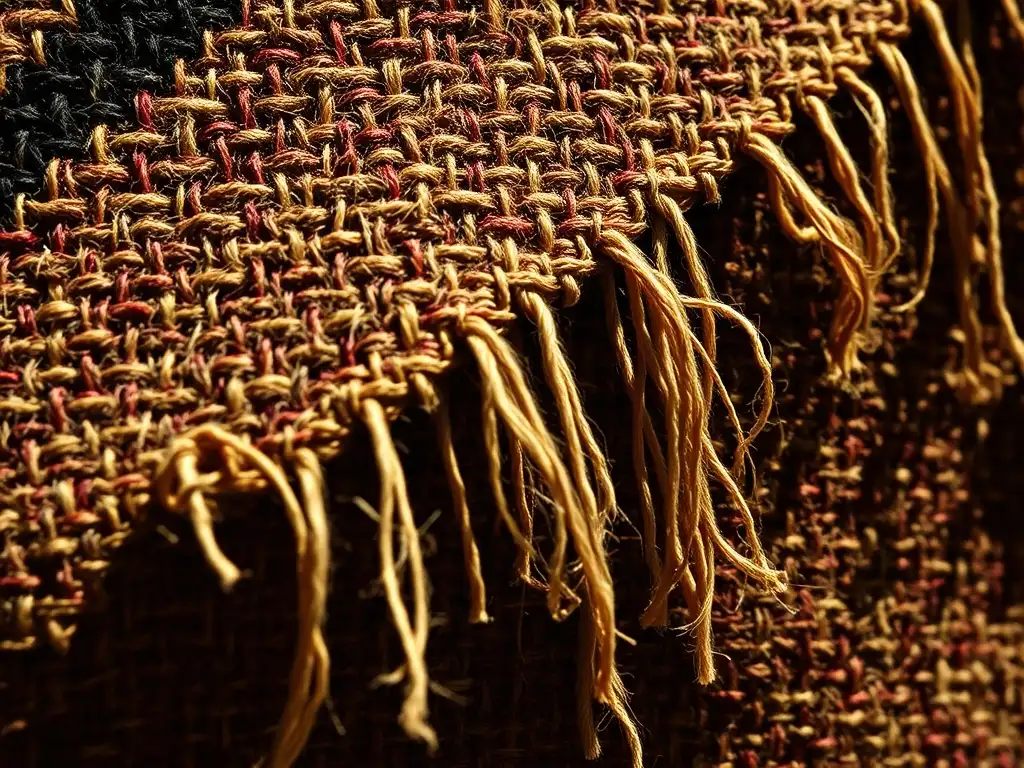
Andean textiles weren't merely functional items; they were powerful carriers of spiritual meaning, intricate tapestries narrating cosmologies, beliefs, and social structures. Understanding the symbolism woven into these textiles offers a profound insight into the spiritual world of Andean civilizations. The designs, colors, and techniques employed were not arbitrary but meticulously chosen to reflect a deep connection between the human world and the sacred.
This connection extended beyond the individual, weaving together the community and their ancestors in a vibrant, enduring thread. The study of Andean textiles spiritual meaning reveals a complex system of communication that transcended the spoken word, leaving behind a legacy encoded in vibrant threads for us to decipher today. Analyzing these ancient artifacts allows us to connect with the spiritual beliefs and practices of these remarkable cultures, offering a unique window into their worldview.
Common Motifs and Their Spiritual Meanings in Andean Art
The rich tapestry of Andean textile art is replete with recurring motifs, each carrying layers of symbolic significance. These motifs, far from being mere decorative elements, were carefully chosen and arranged to convey specific spiritual messages. For example, the ubiquitous depiction of camelids (llamas, alpacas, vicuñas, and guanacos) symbolizes wealth, social status, and connection to the Andean landscape. These animals were vital to Andean life, providing sustenance, transport, and materials for textiles themselves, thus their presence in the textiles reflects their importance in the spiritual and material realms.
Another prevalent motif is the representation of birds, often depicted in flight. These symbolize freedom, communication with the spirit world, and the power of the sun. Specific bird species held unique symbolic meanings; for instance, the condor, often portrayed in majestic flight, represented power, strength, and the connection to the upper world. The detailed craftsmanship and the vibrant colors used to depict these birds further emphasize their spiritual importance.
Furthermore, geometric patterns, such as zigzags, triangles, and spirals, frequently appear in Andean textiles. These are not merely abstract designs but represent the Andean understanding of the cosmos, the interconnectedness of the earthly and spiritual realms, and the cyclical nature of life, death, and rebirth. The precision and repetition of these patterns highlight the importance of order and balance in the Andean worldview.
The use of these motifs varied across different Andean cultures, reflecting regional variations in belief systems and artistic expression. Further research is needed to fully understand the nuances of these regional variations and their impact on the spiritual interpretation of these patterns.
The Chakana (Andean Cross) and its Representation of the Cosmos
The Chakana, or Andean Cross, is arguably the most significant symbol found in Andean textiles and art. This intricate design represents the Andean cosmology, depicting the four cardinal directions, the three levels of existence (the underworld, the earthly plane, and the celestial realm), and the interconnectedness of all things. The Chakana's four arms symbolize the four elements (earth, air, fire, and water), as well as the four seasons and the four stages of life. The central square represents the intersection of these elements, emphasizing balance and harmony.
The meticulous weaving of the Chakana into textiles underscores its profound spiritual significance. The precise arrangement of colors and the intricate details of the design demonstrate the weaver's deep understanding of the symbol's meaning and its connection to the cosmic order. The size and prominence of the Chakana within a textile often indicated the social status or spiritual importance of the owner.
The Chakana's enduring presence in Andean art and textiles highlights its continued relevance as a powerful symbol of spiritual connection and cultural identity. Further study of the Chakana's variations across different Andean cultures could reveal additional layers of meaning and regional interpretations.
Color Symbolism in Andean Textiles and its Significance
Color played a crucial role in Andean textiles' spiritual meaning, each hue carrying its own symbolic weight and contributing to the overall narrative woven into the fabric. The vibrant colors weren't randomly selected; they were carefully chosen to evoke specific emotions, represent deities, or symbolize particular aspects of the natural world. For example, red often symbolized blood, fertility, and the sun's life-giving energy. White represented purity, light, and the sacred. Black could signify the underworld, mystery, or the night sky.
The precise shades and combinations of colors used further enhanced the symbolic meaning. The intensity of a color, for instance, could indicate the strength of the associated concept or deity. The skillful blending and juxtaposition of colors demonstrate the weaver's mastery of color symbolism and their ability to convey complex spiritual messages through their art.
[Specific color combinations and their meanings pending further research]. The use of natural dyes, derived from plants and minerals, added another layer of significance, linking the textiles to the earth's resources and reinforcing the connection between the human and natural worlds. The study of color symbolism in Andean textiles provides a fascinating insight into the Andean worldview and their profound understanding of the symbolic power of color.
The Intergenerational Transmission of Weaving Knowledge and Spiritual Beliefs
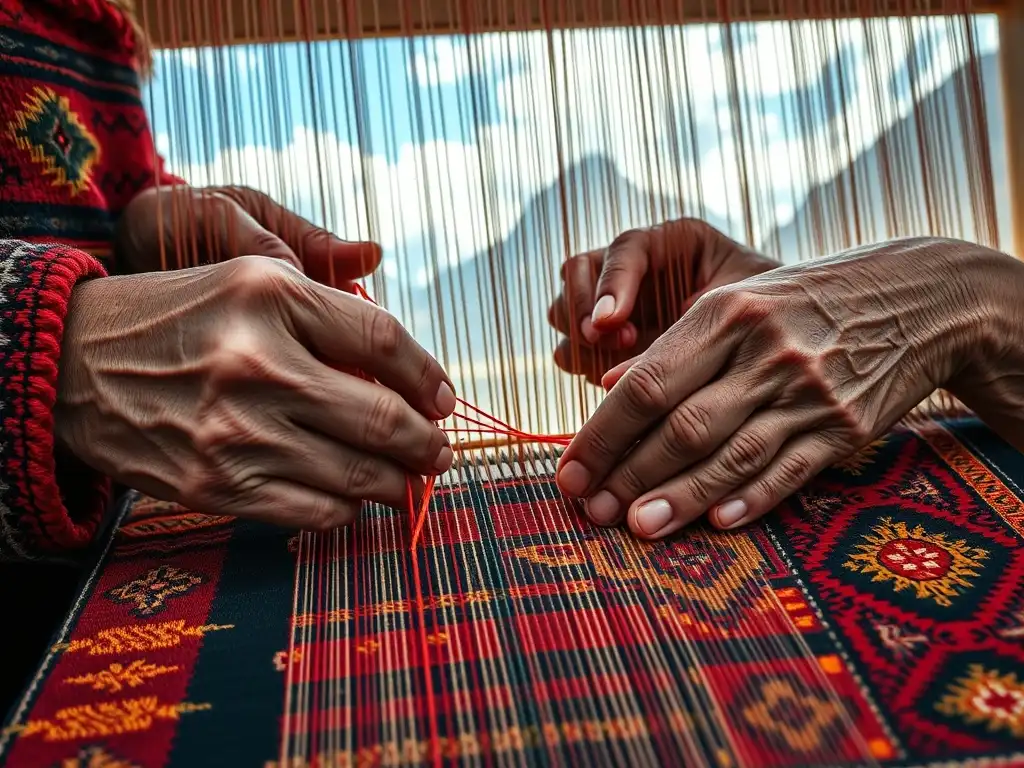
The profound spiritual significance embedded within Andean textiles wasn't merely a decorative flourish; it was, and remains, a living, breathing testament to a deeply intertwined relationship between the physical and spiritual realms. This connection wasn't static; it was, and continues to be, actively maintained through a meticulous and deeply revered process of intergenerational transmission. Understanding this transmission is key to unlocking the true depth of the "Andean textiles spiritual meaning." The creation of a textile wasn't simply a craft; it was a sacred act, a ritualistic weaving of stories, beliefs, and prayers into the very fabric of existence.
The Importance of Women in the Andean Weaving Tradition
Women held, and largely still hold, a central role in the Andean weaving tradition. They were, and are, the primary keepers and transmitters of this intricate knowledge. This wasn't simply a division of labor; it was deeply rooted in the spiritual understanding of the Andean worldview.
Women were seen as intimately connected to the earth, its fertility, and the life-giving forces of nature. This connection mirrored the act of weaving itself – the transformation of raw materials into something beautiful and enduring, reflecting the cyclical nature of life, death, and rebirth. Their expertise extended beyond technical skill; they were the custodians of the symbolic language woven into each textile, ensuring the accurate and meaningful transmission of ancestral wisdom.
Their role was, and remains, crucial in preserving the spiritual essence of Andean textiles, passing down not just techniques but also the deep spiritual meaning inherent within each thread. The intricate designs, often passed down through generations of women, weren't merely aesthetic choices; they were encoded messages carrying profound spiritual weight.
Passing Down the Ancestral Wisdom Through Textile Art
The transmission of weaving knowledge wasn't a passive process; it was an active and deeply personal engagement. Apprenticeship, often beginning in childhood, involved not just learning technical skills but also absorbing the rich spiritual context surrounding the craft. This involved participating in rituals, observing elders, and learning to interpret the symbolic language woven into the textiles. The process was holistic, encompassing both the technical and the spiritual.
For example, the selection of dyes – often derived from natural sources like plants and insects – carried its own symbolic weight, reflecting the connection between the textile and the natural world. The act of spinning the yarn itself was imbued with intention, prayers, and wishes being woven into each fiber. The intricate designs, often representing deities, celestial events, or ancestral figures, weren't simply decorative; they were visual prayers, carrying the hopes and aspirations of the weaver and their community.
This holistic approach ensured that each textile was not just a beautiful object but a powerful conduit for spiritual connection, a tangible link between generations and the ancestral spirits. This active participation in a continuous cycle of creation and transmission is what truly breathes life into the spiritual meaning of Andean textiles. The continuity of this tradition is a testament to the enduring power of Andean spirituality and its enduring connection to the art of weaving.
Modern Interpretations and the Enduring Legacy of Andean Textile Spirituality
The spiritual significance woven into Andean textiles continues to resonate deeply, even in the modern era. While the precise interpretations of ancient designs may be lost to time, the inherent connection between the threads and the spiritual world remains a powerful force shaping contemporary art, cultural preservation efforts, and even tourism. This enduring legacy is a testament to the enduring power of Andean textile traditions and their profound impact on Andean identity.
Understanding this legacy requires exploring how these ancient practices inform and inspire modern expressions. The spiritual essence of Andean textiles isn't merely a relic of the past; it's a living tradition, constantly reinterpreted and reimagined. This section will delve into the ways in which modern artists and preservationists contribute to the ongoing narrative of Andean textile spirituality, demonstrating the vibrant and evolving nature of this rich cultural heritage.
Contemporary Artists: Eliana Paco and her Use of Traditional Motifs
Eliana Paco, a prominent contemporary Andean artist, exemplifies the enduring connection between ancient traditions and modern artistic expression. Her work beautifully demonstrates the continued spiritual relevance of Andean textiles. She masterfully incorporates traditional motifs – such as the khipu (knotted-cord record-keeping system), representations of Andean deities, and intricate geometric patterns – into her contemporary textile designs.
These motifs, far from being mere decorative elements, serve as powerful conduits to the spiritual world, carrying the weight of ancestral knowledge and belief systems. Paco's work doesn't simply replicate ancient designs; she breathes new life into them, allowing them to speak to a contemporary audience while retaining their profound spiritual resonance. Her use of vibrant, modern colors alongside traditional techniques creates a striking visual dialogue between past and present, demonstrating the enduring vitality of Andean textile spirituality.
Her pieces are not just aesthetically pleasing; they are powerful statements about cultural identity and the ongoing relevance of ancient spiritual practices. Analyzing her work reveals a conscious effort to preserve and reinterpret the spiritual meaning embedded within traditional Andean textile designs, enriching the contemporary understanding of their significance.
The Preservation of Andean Weaving Traditions and their Spiritual Value
The preservation of Andean weaving traditions is intrinsically linked to safeguarding the spiritual values embedded within these textiles. Many communities actively work to maintain these ancient practices, recognizing their crucial role in transmitting cultural heritage and sustaining a connection to their ancestors. This preservation isn't merely about preserving craft techniques; it's about preserving a spiritual lineage. The act of weaving itself is often considered a sacred practice, a meditative process that connects the weaver to the spiritual world.
For many communities, the continued practice of traditional weaving strengthens their cultural identity and reinforces their connection to their ancestral past. The designs themselves are often imbued with specific spiritual meanings, reflecting cosmology, mythology, and societal structures. Efforts to preserve these techniques often involve community-based initiatives that teach younger generations the skills and knowledge necessary to continue this vital tradition. These initiatives not only ensure the survival of the craft but also help maintain the rich spiritual tapestry woven into the fabric of Andean culture.
This preservation is vital for the continuation of the "Andean textiles spiritual meaning," ensuring that this profound aspect of Andean culture thrives for generations to come. Documentation and research into the meanings behind various motifs and techniques are also crucial components of preservation, enriching our understanding of the spiritual significance of Andean textiles and fostering a deeper appreciation for their cultural value. The survival of these traditions depends on the continued commitment to preserving both the practical skills and the spiritual understanding embedded within them.
Frequently Asked Questions
What is the significance of Andean textiles?
Andean textiles held immense spiritual significance for ancient cultures. They weren't merely clothing; they were powerful symbols representing social status, beliefs, and connection to the ancestors and the cosmos. Their intricate designs told stories and conveyed meaning.
How did Andean people use textiles in their spiritual practices?
Textiles were integral to rituals and ceremonies. They were used as offerings to deities, worn during important events, and incorporated into burial practices to accompany the deceased into the afterlife. Shamanistic practices often involved textiles.
What symbols are commonly found in Andean textiles and what do they represent?
Common symbols include animals (e.g., llamas, condors), geometric patterns, and stylized figures. These represented deities, ancestors, natural forces, and celestial bodies. The specific meaning varied across cultures and time periods.
What materials were used to create Andean textiles?
Andean textiles were primarily made from alpaca, llama, and vicuña wool, prized for their softness and warmth. Cotton was also used, particularly in warmer coastal regions. Natural dyes from plants and minerals produced vibrant and lasting colors.
How can I learn more about the spiritual meaning of Andean textiles today?
You can explore museums with collections of Andean textiles, research scholarly articles and books on Andean cultures, and even seek out contemporary Andean artisans who continue these traditions and can offer insights into their significance.
Final Reflection: Weaving the Past into the Present
The vibrant threads of Andean textiles aren't merely decorative; they are living conduits to a rich spiritual heritage, profoundly relevant in our increasingly disconnected world. Understanding their intricate designs and symbolic language offers a powerful counterpoint to the homogenizing forces of globalization, reminding us of the enduring power of cultural identity and the deep connection between humanity and the natural world.
The enduring legacy of Andean textile traditions continues to resonate, shaping contemporary artistic expressions and inspiring a renewed appreciation for handcrafted artistry. These textiles are not simply artifacts of the past; they are active participants in a continuous dialogue between generations, carrying the whispers of ancestors and the hopes of future generations. The threads themselves are a language, a story told through color and pattern, a legacy passed down through centuries.
This quote encapsulates the profound depth of meaning woven into each piece, a meaning that transcends mere aesthetics and speaks to the very core of Andean identity.
Consider the intricate symbolism woven into each piece, the stories whispered through color and pattern. Let these ancient threads inspire you to connect more deeply with your own heritage, your own community, and the natural world that sustains us all. Embrace the power of storytelling, the beauty of handcrafted artistry, and the enduring wisdom passed down through generations. Find your own threads, your own story, and weave it into the vibrant tapestry of life.
Unveil the Spiritual Threads of Your Heritage!
Thank you for exploring the fascinating world of Andean textiles with us! You've discovered not only the vibrant colors and intricate patterns, but also the profound spiritual significance woven into these fabrics. Now, let's delve deeper into this rich cultural heritage.
Here are some ways to keep the spirit of Andean textiles alive:
- Learn More: Seek out local artisans or online resources to learn about traditional weaving techniques and their historical context. Consider taking a workshop to gain hands-on experience.
- Share the Inspiration: Share photos of your favorite textile pieces on social media, tagging relevant accounts and using hashtags to celebrate Andean culture and inspire others.
- Connect with a Community: Join a local or online group dedicated to textile arts. This is a wonderful opportunity to exchange ideas, share stories, and learn from others about the enduring importance of Andean weaving.
What aspect of Andean textiles most captivates you, and how will you share this newfound appreciation with others?