
Andean Textile Conservation: Protecting Fragile Treasures of the Past

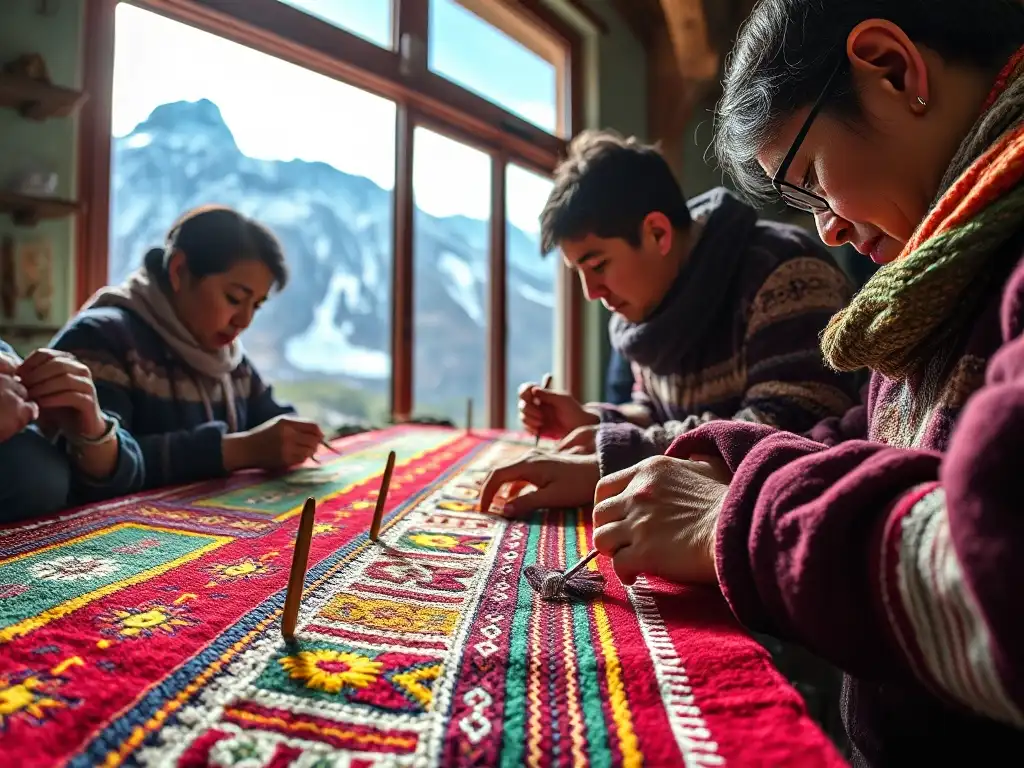
Step into a world lost to time, yet vibrantly preserved in the threads of history. For centuries, the Andean civilizations wove narratives into their textiles, creating masterpieces that whisper tales of their ingenuity and beliefs. But how do we safeguard these fragile treasures? Dive into the fascinating world of Andean textile conservation methods, uncovering the secrets behind protecting these invaluable pieces of the past and revealing the artistry that continues to captivate us today.
The vibrant textiles of the Andean civilizations—from the intricate weavings of the Inca to the stunning designs of the Nazca—stand as powerful testaments to the ingenuity and artistry of these ancient cultures. These fragile artifacts, however, are vulnerable to the ravages of time and the elements, requiring specialized techniques for their preservation and restoration.
This article delves into the crucial field of Andean textile conservation, exploring the multifaceted methods employed to protect these irreplaceable pieces of history and ensure their accessibility for future generations. We will examine the challenges posed by the unique materials and deterioration processes specific to Andean textiles, and highlight the innovative approaches used to safeguard their delicate structures and vibrant colors.
Understanding these conservation methods is paramount to appreciating the cultural significance and technical mastery embedded within each thread. The preservation of these textiles is not merely a matter of maintaining physical integrity; it is a commitment to safeguarding a crucial part of the Andean cultural heritage.
Challenges in Andean Textile Conservation
Andean textiles present unique challenges for conservators. The materials themselves – often composed of camelid fibers like alpaca and llama wool, cotton, and even human hair – are inherently susceptible to degradation. Factors like light exposure, humidity fluctuations, and insect infestations can cause significant damage, leading to fiber weakening, color fading, and structural instability. Furthermore, many textiles incorporate delicate dyes derived from natural sources, making them particularly sensitive to environmental changes.
The techniques used in creating these textiles, including complex weaving structures and the use of various finishing techniques, also influence the conservation strategies required. For example, the intricate knotting techniques used in some textiles require extremely delicate handling to avoid damage. Conservators must carefully assess the specific composition and condition of each textile before selecting appropriate preservation methods. This often involves detailed analysis using techniques like microscopy and spectroscopy to identify the fibers, dyes, and any pre-existing damage.
Traditional Andean Conservation Practices
Before the advent of modern conservation science, Andean communities developed their own methods for preserving textiles, often passed down through generations. These methods, while not always scientifically rigorous by today's standards, demonstrate a deep understanding of the materials and their vulnerabilities. Examples include the use of natural insect repellents, careful storage practices, and the repurposing of damaged textiles into new items. These traditional practices offer valuable insights and can inform modern conservation approaches, particularly in the context of community-based conservation projects. Understanding and respecting these traditional methods is crucial for culturally sensitive conservation efforts.
Modern Andean Textile Conservation Methods
Modern Andean textile conservation employs a range of scientific techniques and ethical considerations. These approaches are guided by the principle of "minimum intervention," prioritizing the preservation of original material over aggressive restoration. Common methods include:
- Cleaning: Gentle cleaning techniques, often using specialized solvents and tools, remove surface dirt and contaminants without damaging the fibers.
- Repair: Damaged areas may be carefully mended using compatible materials and techniques that are as unobtrusive as possible.
- Stabilization: Techniques like supporting weakened areas with carefully chosen adhesives help to prevent further deterioration.
- Storage: Controlled environmental conditions, including stable temperature and humidity levels, are crucial for long-term preservation.
- Documentation: Detailed photographic and written records are essential for tracking the textile's condition over time and informing future conservation decisions.
The Importance of Ethical Considerations in Andean Textile Conservation
Ethical considerations are paramount in Andean textile conservation. These considerations extend beyond the technical aspects of preservation to encompass the cultural significance of these artifacts. Collaboration with indigenous communities is essential to ensure that conservation efforts respect traditional knowledge and values. This collaborative approach involves community participation in decision-making, ensuring that conservation practices align with cultural heritage preservation goals.
Moreover, the repatriation of textiles to their communities of origin is a crucial aspect of ethical conservation, enabling these artifacts to be returned to their rightful place and maintained within their cultural contexts. The aim is not merely to preserve the physical objects, but also to preserve the cultural narrative and knowledge associated with them. This collaborative and culturally sensitive approach ensures the long-term preservation of these invaluable treasures.
- Challenges in Andean Textile Conservation
- Traditional Andean Conservation Practices
- Modern Andean Textile Conservation Methods
- The Importance of Ethical Considerations in Andean Textile Conservation
- What are the biggest challenges in Andean textile conservation?
- What materials are typically used in Andean textiles that require special conservation techniques?
- What are some common Andean textile conservation methods?
- How important is the study of Andean textile conservation for understanding the past?
- Where can I learn more about Andean textile conservation?
The Significance of Andean Textiles and the Need for Conservation
Andean textile conservation methods are crucial for preserving a vital part of human history. The textiles themselves are not merely beautiful objects; they are repositories of knowledge, reflecting the complex social structures, religious beliefs, and technological achievements of ancient Andean cultures. Understanding the significance of these textiles is the first step towards appreciating the urgency of their preservation.
Cultural and Historical Importance of Ancient Andean Textiles
Ancient Andean textiles represent a remarkable achievement in textile art and technology. Their intricate designs, vibrant colors, and sophisticated techniques reveal a deep understanding of weaving, dyeing, and fiber preparation. These textiles were not simply clothing; they served multiple functions within Andean societies. For example, the uncu (a type of ceremonial cloth) played a significant role in Inca religious ceremonies, while intricately woven chumpi belts denoted social status and power.
The use of specific colors and motifs in textiles often held symbolic meaning, conveying messages about identity, lineage, and cosmology. Analyzing these patterns provides invaluable insights into the worldview and beliefs of the Andean people. Furthermore, the survival of these textiles offers a unique window into the past, allowing researchers to reconstruct aspects of Andean life that might otherwise be lost to history. The sheer artistry and skill involved in their creation are a testament to the ingenuity and creativity of these ancient cultures.
The diversity of techniques—from simple tapestry weaving to complex backstrap loom techniques—highlights the sophistication of Andean textile production across different regions and time periods. Studying these variations allows us to understand the evolution of textile practices and the exchange of ideas between different Andean communities. The careful preservation of these artifacts is therefore not just about safeguarding objects, but about protecting a rich tapestry of cultural heritage.
Why Andean Textile Conservation is Crucial
The preservation of Andean textiles is crucial for several reasons. Firstly, these artifacts offer unparalleled insight into ancient Andean societies. Their intricate designs and symbolic motifs provide invaluable data for anthropologists, historians, and archaeologists. Secondly, the textiles themselves are fragile.
Years of exposure to the elements, improper storage, and even the natural degradation of organic materials contribute to their deterioration. Without proper conservation techniques, these irreplaceable treasures risk being lost forever. This loss would represent a significant blow to our understanding of Andean history and culture. Thirdly, conservation efforts contribute to the ongoing study and appreciation of Andean textile art.
By preserving these artifacts, we ensure that future generations can appreciate their beauty and learn from the knowledge they contain. The development and implementation of effective Andean textile conservation methods are therefore essential for safeguarding this invaluable cultural heritage. Failing to do so would result in the irreversible loss of knowledge and artistic masterpieces. The ethical responsibility to protect these artifacts for future generations cannot be overstated.
Threats to the Preservation of Andean Textiles
Andean textiles face numerous threats that compromise their long-term preservation. These threats range from environmental factors like fluctuating humidity and temperature to human-induced damage, such as improper handling and storage. Biodeterioration, caused by insects and microorganisms, is a significant concern. Textiles made from organic materials like cotton, wool, and camelid fibers are particularly susceptible to insect infestation and fungal growth.
Improper storage conditions, such as exposure to direct sunlight or fluctuating humidity levels, can accelerate deterioration. Physical damage, resulting from handling, improper display, or even natural disasters, also poses a significant threat. Furthermore, the inherent fragility of many Andean textiles, resulting from the use of delicate materials and intricate weaving techniques, makes them particularly vulnerable to damage. Pollution, particularly air pollution, can also contribute to the deterioration of these delicate artifacts.
Addressing these threats requires a multi-faceted approach involving careful environmental control, proper handling protocols, and the implementation of appropriate conservation techniques. The need for ongoing research and development of innovative conservation methods is paramount to ensuring the long-term survival of these invaluable cultural treasures. The challenge lies in balancing the need for access and study with the imperative to minimize further damage. Careful planning and meticulous execution of conservation strategies are essential to safeguard these fragile remnants of Andean history.
Understanding the Materials and Techniques of Andean Textiles
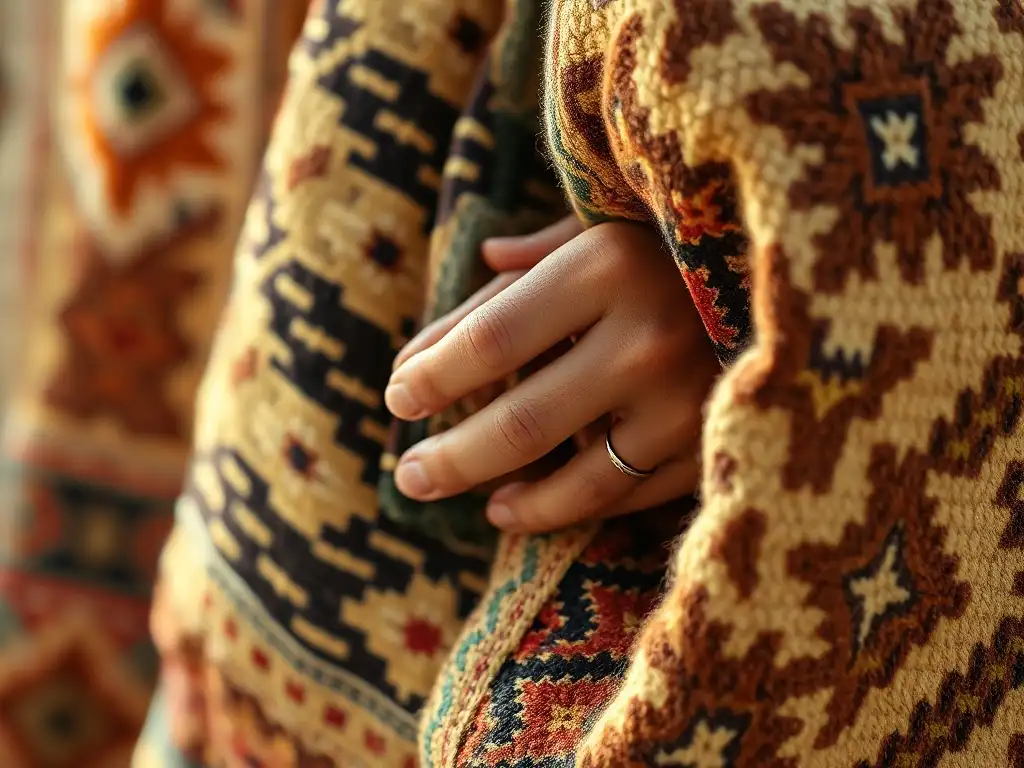
This section delves into the remarkable materials and sophisticated techniques employed by Andean artisans in creating their iconic textiles. Understanding these aspects is crucial for effective Andean textile conservation methods, as the preservation strategies must be tailored to the specific properties of the materials used. The longevity and beauty of these textiles are a testament to the ingenuity and skill of their creators.
Andean Textile Fibers: Cotton, Wool, and Camelid Fibers
Andean textiles are renowned for their diverse range of fibers, each contributing unique characteristics to the final product. The most prevalent fibers include cotton, wool from domesticated sheep, and fibers from camelids such as alpacas, llamas, and vicuñas.
The use of cotton varied geographically and temporally. Pre-Columbian cotton cultivation flourished in coastal regions, providing a soft, absorbent fiber ideal for warmer climates. Different varieties of cotton were cultivated, resulting in variations in fiber length and strength. Analysis of archaeological finds reveals meticulous preparation methods, including careful spinning and plying techniques to create strong, durable yarns.
Wool, primarily from sheep introduced during the colonial period, became a significant fiber source, complementing the existing camelid fibers. Sheep wool offered a readily available and relatively inexpensive alternative, although it often lacked the softness and luxurious feel of alpaca or vicuña fibers.
Camelid fibers, however, remain iconic. Alpaca fiber, prized for its softness and warmth, was widely used, particularly in finer textiles intended for elite members of society. Llama fiber, stronger and coarser than alpaca, found use in more utilitarian textiles. Vicuña fiber, exceptionally soft and luxurious, was reserved for the Inca elite and is still highly valued today.
The fineness of vicuña fiber is remarkable; [specific micron count pending] making it among the finest natural fibers in the world. The careful selection and preparation of these fibers directly impacted the quality and longevity of the finished textiles. Understanding the specific fiber composition of each textile is paramount in developing appropriate conservation strategies.
Weaving Techniques in Ancient Andean Cultures
Ancient Andean cultures developed a remarkable array of weaving techniques, showcasing both technical mastery and artistic creativity. These techniques varied across different regions and time periods, reflecting the diverse cultural landscapes and technological advancements.
One prominent technique was backstrap loom weaving, a portable and versatile method using a warp held taut by a backstrap. This technique allowed for intricate designs and varying fabric widths, and its continued use in some Andean communities today provides invaluable insights into ancient practices.
Another important technique was the use of multiple-warp weaving, where several warps were used simultaneously to create complex patterns and textures. This allowed for the creation of polychrome textiles with striking visual effects. Archaeological evidence shows the sophisticated use of supplementary weft techniques to create intricate designs, demonstrating a high level of technical skill. The precision required in these techniques highlights the advanced level of knowledge possessed by Andean weavers.
Furthermore, the use of different types of knots and supplementary wefts created a wide variety of textures and patterns. From simple tabby weaves to complex tapestry weaves, the range of techniques is astonishing. Careful examination of these techniques is essential for accurately assessing the condition of the textiles and determining appropriate conservation approaches. For example, understanding the tension of the warp and weft is crucial in preventing further damage during handling and storage.
Dyes and Pigments Used in Andean Textiles
The vibrant colors of Andean textiles are a testament to the sophisticated knowledge of natural dyes and pigments. These dyes, derived from plants, insects, and minerals, were carefully processed and applied to create a stunning array of hues.
Plant-based dyes were widely used, with sources including various species of cochineal insects for vibrant reds, various plants for yellows, browns, and greens, and minerals for earthy tones. The process of extracting and applying these dyes was complex, involving multiple steps and a deep understanding of the properties of each plant. For instance, the preparation of cochineal involved painstaking collection, drying, and processing of the insects to extract the pigment.
The use of natural dyes also impacted the preservation of the textiles. Some dyes are more lightfast than others, meaning they are more resistant to fading. Understanding the specific dyes used in a particular textile is therefore crucial in determining appropriate display and storage conditions to minimize light exposure and prevent fading. Furthermore, the interaction of different dyes and the potential for color bleeding during cleaning necessitate careful consideration during conservation treatments. The precise identification of these dyes often requires advanced analytical techniques, highlighting the interdisciplinary nature of Andean textile conservation.
The meticulous craftsmanship and diverse techniques employed in creating Andean textiles showcase a rich cultural heritage. Understanding these materials and techniques is essential for the effective preservation of these fragile and irreplaceable treasures, ensuring their survival for future generations to appreciate. Further research into specific dye components and fiber analysis continues to enhance our understanding of these remarkable artifacts and inform best practices for Andean textile conservation methods.
Andean Textile Conservation Methods: A Detailed Approach
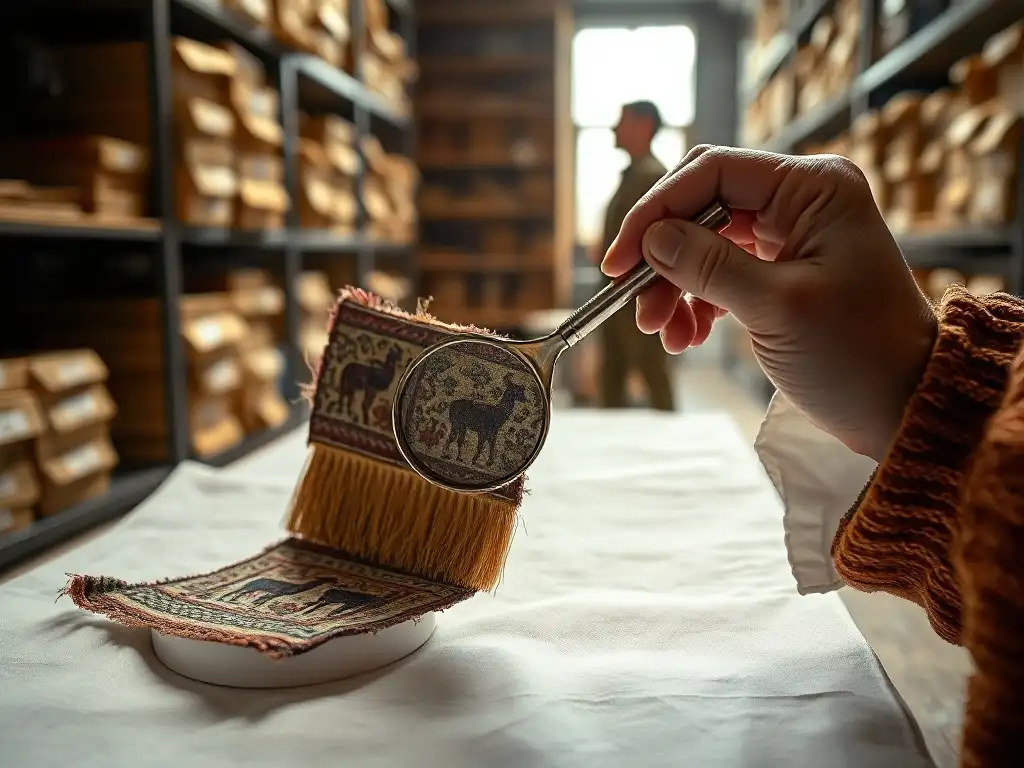
This section delves into the specific methods employed in the crucial field of Andean textile conservation. Preserving these fragile artifacts requires a multifaceted approach, combining preventive measures with targeted interventions when necessary. Understanding the unique challenges posed by the materials and the Andean climate is paramount for successful conservation. The goal is not only to preserve the textiles for future generations but also to maintain their aesthetic and historical integrity, ensuring that their stories continue to resonate.
Preventive Conservation for Andean Textiles
Preventive conservation focuses on minimizing deterioration before it occurs, acting as the first line of defense against damage. This proactive approach is far more effective and cost-efficient than reactive treatments. Several key strategies are employed to protect Andean textiles from environmental and biological threats.
Environmental Control: Temperature, Humidity, and Light
Maintaining stable environmental conditions is crucial. Fluctuations in temperature and humidity can cause textiles to expand and contract, leading to fiber breakage and weakening. Ideal conditions for Andean textiles generally fall within a temperature range of 65-70°F (18-21°C) and a relative humidity of 45-55%. Direct sunlight should be strictly avoided, as UV radiation degrades dyes and fibers.
Many museums and archives utilize specialized climate-controlled storage facilities, equipped with dehumidifiers and UV filters, to maintain these optimal conditions for long-term preservation. Regular monitoring of temperature and humidity levels is essential, using calibrated instruments to ensure consistent environmental control. Data logging systems provide valuable records tracking environmental conditions over time, aiding in the assessment of environmental impact on textile condition.
Proper Handling and Storage Techniques for Andean Textiles
Careful handling is paramount. Textiles should always be handled with clean, cotton gloves to avoid transferring oils and dirt from the skin. Improper handling can cause fiber damage and increase the risk of contamination. Storage should be done in acid-free boxes or archival-quality folders, providing protection from dust, light, and pests.
Textiles should be laid flat, avoiding folding or creasing, which can weaken the fibers over time. For larger or heavier textiles, appropriate support structures, such as custom-made mounts or supports, may be required to prevent sagging or stress on the fabric. Regular inspections are needed to detect any signs of deterioration or pest infestation. Documentation of storage conditions and handling procedures is also vital for maintaining a detailed record of the textile's history and treatment.
Pest Management and Control in Textile Collections
Pests, such as insects and rodents, pose a significant threat to Andean textiles. These organisms can feed on the fibers, causing irreparable damage. Preventive measures include regular inspections, monitoring for signs of infestation (e.g., insect frass, webbing), and maintaining a clean and well-ventilated storage environment. Integrated pest management (IPM) strategies are preferred, prioritizing non-chemical methods such as improved sanitation and physical barriers.
In cases of infestation, targeted treatments using approved insecticides may be necessary, but these should always be carried out by trained professionals following strict safety protocols. Regular monitoring and documentation of pest control measures are crucial in preventing future infestations. The use of pheromone traps can also assist in early detection and monitoring of pest populations.
Active Conservation Treatments for Andean Textiles
Active conservation involves direct intervention to repair or stabilize damaged textiles. These treatments require specialized knowledge and skills, often performed by trained conservators.
Cleaning Methods for Delicate Andean Fabrics
Cleaning Andean textiles is a delicate procedure requiring careful consideration of the fabric's composition, age, and condition. Methods range from gentle dry cleaning using specialized vacuum systems to wet cleaning with deionized water and pH-neutral detergents. The choice of cleaning method depends on the textile's specific needs and the level of soiling.
Before any cleaning, a thorough assessment of the textile's condition is essential to determine the appropriate procedure and to identify any areas requiring special attention. The use of specialized tools and techniques is crucial for minimizing the risk of damage during the cleaning process. Post-cleaning evaluation is necessary to assess the effectiveness of the treatment and any potential impact on the textile's appearance or structural integrity.
Repair and Reinforcement Techniques for Damaged Textiles
Repairing tears, holes, and weakened areas requires careful consideration of the original fabric structure and the use of compatible materials. Techniques include patching with similar fibers, using Japanese tissue for mending, or applying supportive linings. The goal is to reinforce the damaged areas without obscuring the original fabric or altering its aesthetic qualities.
Stitching should be done using archival-quality threads that match the color and weight of the original materials. The choice of repair technique will depend on the extent and nature of the damage. Detailed documentation of the repair process is crucial, including photographs and descriptions of the materials and techniques used.
Stabilizing Faded Dyes and Pigments in Ancient Textiles
Faded dyes and pigments are a common problem in ancient textiles. While complete color restoration is often impossible, stabilization techniques can help prevent further fading and loss of color. These methods may involve the use of specialized chemicals or controlled environmental conditions.
Research on the specific dyes and pigments used in Andean textiles is essential to determine the most appropriate stabilization strategies. The use of non-invasive analytical techniques, such as spectroscopy, can aid in identifying the composition of dyes and pigments and in guiding the selection of appropriate conservation treatments. Careful monitoring is needed to evaluate the effectiveness of stabilization treatments and prevent any unintended consequences.
Case Studies in Andean Textile Conservation
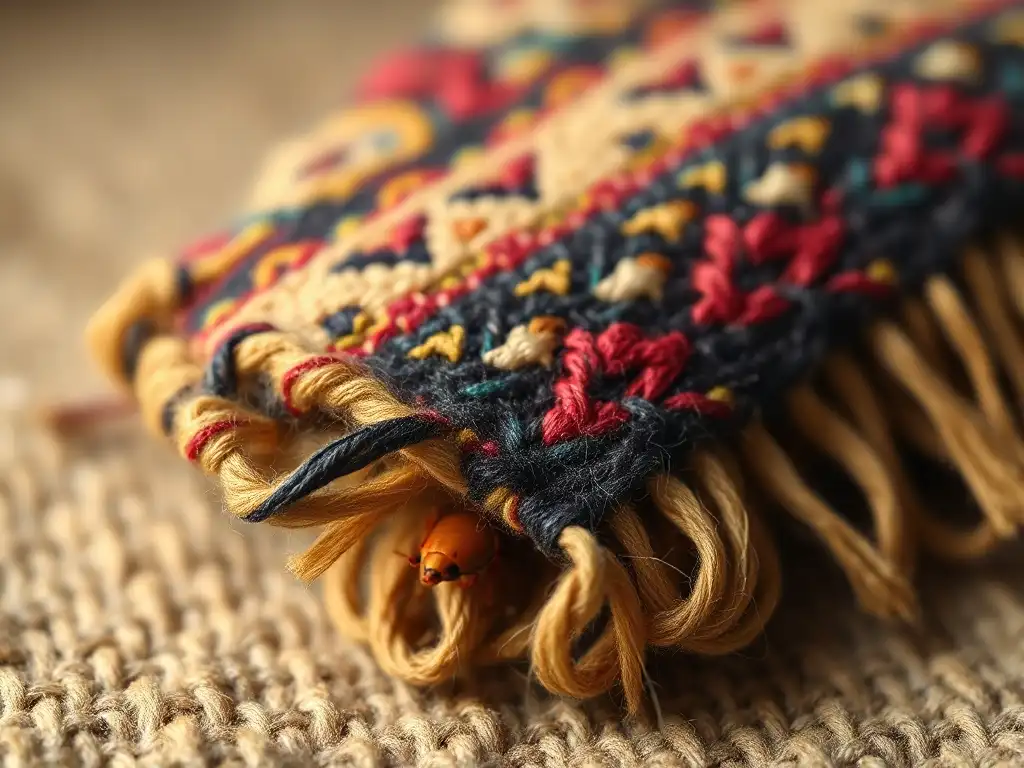
This section delves into specific examples of Andean textile conservation, highlighting the unique challenges and successful strategies employed to preserve these fragile artifacts for future generations. Understanding these case studies provides valuable insight into the complexities of Andean textile conservation methods and the ongoing efforts to protect this irreplaceable cultural heritage. The diverse techniques and approaches used demonstrate the adaptive nature of conservation science when dealing with the delicate materials and unique degradation patterns found in ancient Andean textiles.
Case Study 1: Conservation of a Paracas Mantle at the National Museum of Archaeology, Peru
This case study focuses on the conservation of a vibrantly colored Paracas mantle, dating back to approximately 500 BCE. The mantle, a significant example of Paracas textile artistry, was discovered in a relatively well-preserved state, but showed signs of significant deterioration due to its age and previous exposure to environmental factors.
Challenges Faced in the Conservation Process
The primary challenges encountered included:
- Fragile fibers: The cotton and camelid fibers comprising the mantle were exceptionally brittle and prone to breakage, requiring extremely delicate handling. Even minor vibrations could cause further damage.
- Dye degradation: The vibrant natural dyes used in the textile had faded and were susceptible to further loss of color due to light exposure and chemical changes.
- Insect infestation: Traces of insect activity were detected, indicating a potential for further damage if not addressed promptly. This necessitated a careful inspection and treatment to eliminate any remaining insects and prevent future infestation.
- Previous repairs: The mantle showed evidence of previous, poorly executed repairs, which had compromised the structural integrity of the textile in several areas. These needed careful removal before any new conservation work could begin.
Solutions Applied and Results Achieved
The conservation team employed a multi-pronged approach:
- Careful cleaning: A gentle dry cleaning method was utilized to remove loose soil and debris without causing damage to the already fragile fibers. This involved the use of specialized low-pressure air and soft brushes.
- Insect eradication: The mantle underwent a controlled fumigation process to eliminate any remaining insect larvae or eggs. The process was carefully monitored to ensure the safety of the textile.
- Fiber consolidation: A carefully chosen consolidant was applied to strengthen the weakened fibers and improve their overall structural integrity. This involved meticulous application to avoid stiffening the textile or altering its appearance.
- Repair of previous damage: The poorly executed previous repairs were carefully removed, and the damaged areas were repaired using traditional techniques and materials, ensuring minimal visual impact.
- Controlled environmental storage: Following conservation, the mantle was placed in a climate-controlled environment to minimize further deterioration and preserve its color and structural integrity.
The results of this conservation effort were remarkable. The mantle's vibrant colors were stabilized, its structural integrity significantly improved, and its overall condition enhanced. The careful and meticulous approach ensured that this important piece of Andean textile heritage was preserved for future generations.
Case Study 2: Conservation of an Inca Unku Tunic at the Metropolitan Museum of Art
This case study examines the conservation of an Inca unku tunic, a type of sleeveless garment often worn by high-ranking individuals in the Inca Empire. This particular tunic presented unique challenges due to its intricate weaving techniques and the materials used.
Specific Conservation Needs of the Inca Tunic
The unku tunic exhibited several conservation needs:
- Deterioration of camelid fibers: The tunic was primarily woven from llama or alpaca wool, which had become brittle and prone to breakage over time. Specific attention was required to address the inherent fragility of the fibers.
- Loss of structural integrity: The complex weaving structure, while beautiful, contributed to the tunic's vulnerability. Weakened areas were identified requiring careful stabilization.
- Presence of stains: Several stains were present on the tunic, possibly resulting from various environmental factors or accidental contact with other substances. These stains required careful removal without damaging the delicate fibers.
- Significant fraying at edges: The edges of the tunic showed significant fraying, requiring careful stabilization and mending to prevent further loss of material.
Outcomes and Lessons Learned
The conservation process involved a detailed assessment of the tunic's condition, followed by targeted treatments:
- Careful cleaning and stabilization: A combination of dry cleaning and targeted consolidation techniques was employed to strengthen the weakened fibers and remove surface dirt and debris.
- Stain removal: Specialized solvents were used to carefully remove stains while minimizing the risk of further damage to the textile. The process was meticulously documented, with detailed notes taken on the effectiveness of each solvent.
- Repair of frayed edges: The frayed edges were carefully mended using traditional techniques and materials that matched the original fabric as closely as possible.
- Protective storage: The conserved tunic was stored in a climate-controlled environment, minimizing exposure to light, humidity, and temperature fluctuations.
The conservation of the Inca unku tunic underscored the importance of a thorough assessment before undertaking any treatment. The multi-faceted approach, combining careful cleaning, targeted stabilization, and specialized stain removal, resulted in the preservation of this significant artifact. This case study highlights the value of employing a combination of traditional and modern techniques in Andean textile conservation methods, ensuring the longevity of these invaluable cultural treasures. The experience gained also emphasized the need for detailed documentation throughout the entire process, allowing for better understanding and informed decision-making in future conservation projects.
Challenges and Future of Andean Textile Preservation
The preservation of Andean textiles presents a unique set of challenges due to the fragility of the materials and the harsh environmental conditions in the Andes region. Many textiles are made from natural fibers like alpaca and llama wool, cotton, and camelid hair, all susceptible to degradation over time. These fibers are prone to damage from factors including light exposure, fluctuations in temperature and humidity, insect infestation, and even improper handling.
Furthermore, the intricate weaving techniques employed by Andean artisans, often incorporating complex dyes and embellishments, add layers of complexity to the conservation process. The sheer age of many artifacts further exacerbates these issues, leading to significant deterioration and loss of information.
The Role of Technology in Andean Textile Conservation
Technological advancements are playing an increasingly crucial role in improving Andean textile conservation methods. Non-invasive imaging techniques, such as X-ray fluorescence (XRF) and multispectral imaging, allow researchers to analyze textile composition and structure without causing further damage. This helps determine the materials used, the dyeing techniques employed, and the overall condition of the artifact, informing conservation strategies.
Digital archiving, using high-resolution photography and 3D scanning, creates detailed records of textiles, facilitating future research and allowing for virtual access to fragile pieces. Furthermore, advancements in material science are leading to the development of new conservation materials and techniques that are better suited to the specific needs of Andean textiles. For instance, the use of specialized adhesives and support materials that are less likely to cause damage or discoloration is proving vital.
The application of these technologies requires specialized training and expertise, highlighting the importance of ongoing investment in education and research. Data analysis techniques, coupled with advanced imaging, can even reveal subtle details about the weaving process, providing insights into the social and economic organization of Andean societies.
Ethical Considerations in the Preservation of Cultural Heritage
The preservation of Andean textiles also raises significant ethical considerations. Decisions about conservation treatments must carefully balance the need to preserve the artifact for future generations with the respect for its cultural significance. Indigenous communities often hold deep spiritual and ancestral connections to these textiles, and their voices must be central to the decision-making process.
This involves engaging with local communities to understand their perspectives on appropriate conservation techniques and the ethical implications of interventions. The repatriation of textiles to their communities of origin is another crucial ethical consideration. It’s important to ensure that the preservation efforts are not only technically sound but also culturally sensitive and respectful of the indigenous knowledge and traditions associated with these artifacts.
Transparency in decision-making and open communication with communities are essential for ensuring ethical and responsible preservation practices. The creation of a collaborative framework, involving both specialists and community members, is paramount in navigating these complex ethical considerations. This collaborative approach ensures that the preservation process respects the cultural value and heritage attached to the textiles.
Supporting Andean Textile Conservation Efforts
Sustaining effective Andean textile conservation requires a multi-faceted approach involving collaboration between museums, research institutions, government agencies, and local communities. Financial support is crucial for funding research, training programs, and the acquisition of specialized equipment. International partnerships can facilitate the exchange of knowledge and expertise, leading to improved conservation practices.
Raising public awareness about the importance of preserving this cultural heritage is also vital. Educational initiatives, exhibitions, and public outreach programs can help to foster appreciation for Andean textiles and encourage support for conservation efforts. Furthermore, promoting sustainable practices in the production of textiles today helps preserve the traditional techniques and knowledge for future generations.
This includes supporting local artisans and promoting the use of traditional materials and techniques while ensuring fair trade practices. By combining technological advancements with a strong ethical framework and collaborative partnerships, we can ensure the long-term preservation of these invaluable treasures of Andean civilization. The preservation of these textiles is not just about preserving artifacts; it's about preserving the rich cultural heritage and history of the Andean people.
Frequently Asked Questions
What are the biggest challenges in Andean textile conservation?
The biggest challenges include the fragile nature of the textiles themselves due to age and materials, environmental factors like humidity and light, and the lack of resources dedicated to preservation in some areas. Proper storage is also crucial.
What materials are typically used in Andean textiles that require special conservation techniques?
Andean textiles often utilize natural fibers like cotton, llama, alpaca, and vicuña wool, as well as dyes derived from plants and minerals. These materials are susceptible to degradation over time, requiring specialized care.
What are some common Andean textile conservation methods?
Common methods include controlled environmental conditions (temperature and humidity), proper handling and storage, pest control, and gentle cleaning techniques. Preventive conservation is key to long-term preservation.
How important is the study of Andean textile conservation for understanding the past?
The study of conservation techniques is vital, as it allows researchers to learn more about the materials and techniques used by ancient Andean cultures. Preserving these textiles helps us understand their social, political, and religious significance.
Where can I learn more about Andean textile conservation?
You can explore resources from museums specializing in Andean artifacts, academic institutions with archaeology and textile conservation programs, and online databases dedicated to cultural heritage preservation. Many publications and scholarly articles are also available.
Final Reflection: Weaving a Legacy: The Enduring Power of Andean Textiles
The intricate artistry of Andean textiles continues to resonate today, a testament to the ingenuity and cultural depth of past civilizations. Their preservation is not merely an act of historical preservation, but a vital link to understanding our shared human heritage. These fragile threads hold stories of ancient societies, their beliefs, and their connection to the land, stories that risk being lost forever without dedicated conservation efforts. The methods discussed in this article are not just technical processes; they are acts of cultural guardianship.
The impact of Andean textile conservation extends far beyond the museum walls. These textiles are powerful symbols of cultural identity, inspiring contemporary artists and designers, and reminding us of the enduring strength of indigenous traditions. The past is never dead. It's not even past.
- William Faulkner. This quote perfectly encapsulates the ongoing relevance of Andean textiles; their legacy continues to shape our present and inform our future. Their preservation ensures that the voices and stories embedded within their vibrant threads are heard for generations to come.
Consider the threads of your own life. What stories do you carry within you? What legacies are you weaving?
I urge you to reflect on the importance of preserving not only the tangible treasures of the past, but also the intangible heritage that binds us together. Let the meticulous care taken in conserving Andean textiles inspire you to safeguard your own cultural heritage, to protect the stories that shape who you are, and to pass them on to future generations. Let us all become custodians of our shared history, ensuring that the threads of our past continue to enrich the tapestry of our future.
**Embrace and Preserve the Beauty of Andean Textiles! **
Thank you for exploring the rich world of Andean textiles! You've discovered the vibrant stories and techniques that bring these fragile treasures to life. Now, let's deepen your connection with this beautiful tradition. Here's how you can make a difference:
- Become a Textile Conservationist: Contact local museums or cultural centers to learn about their conservation efforts and explore volunteer opportunities or ways to contribute financially.
- Share Your Knowledge: Spread the word on social media, inspiring others to appreciate and respect Andean heritage. Share what you've learned, and encourage others to do the same.
- Learn Traditional Techniques: Find local or online workshops offering hands-on experience with traditional Andean textile techniques. This is a great way to connect with artisans and gain a deeper understanding of their craft.
How can you help preserve Andean textiles in your community?