
Beyond the Battlefield: The Use of Metal in Andean Warfare

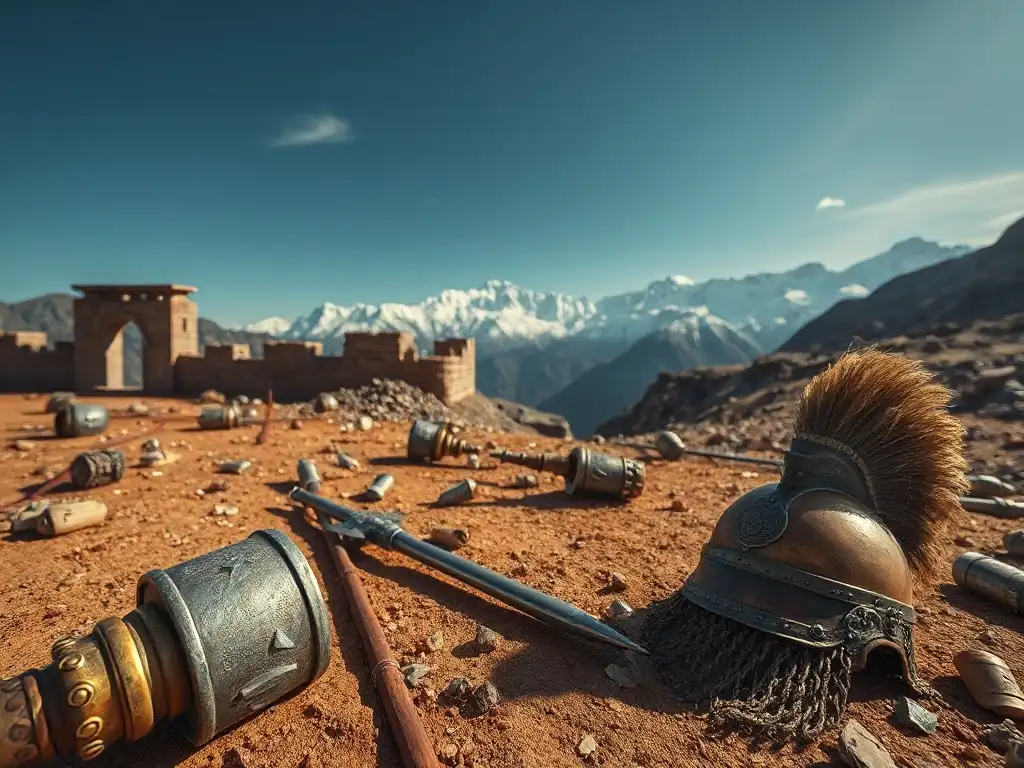
Uncover the secrets whispered by the Andes! For centuries, the towering peaks have guarded the legacies of incredible civilizations. But beyond the breathtaking landscapes and iconic imagery lies a story of power and conflict, intricately woven with Andean metalwork warfare techniques. Prepare to delve into a world where artistry and brutality intertwined, a world where bronze and gold weren't just for adornment, but for dominion. Discover how the mastery of metal shaped the fate of empires, and explore the fascinating intersection of art and aggression in the heart of the ancient Andes.
The mastery of metalworking in the Andes wasn't solely dedicated to the creation of exquisite jewelry and ornate religious artifacts. While the artistry of Andean metalwork is undeniable, a significant portion of metallurgical production was directly tied to warfare, profoundly impacting Andean conflict and shaping the strategic landscape of these powerful civilizations.
This article delves into the multifaceted role of metal in Andean warfare, exploring its use in weaponry, defensive gear, and the broader socio-political implications of metallurgical prowess. We will examine the innovative techniques employed, the materials utilized, and the lasting impact of Andean metalwork on the region's military strategies, considering examples from various cultures including the Inca, Moche, and Nazca.
Understanding this often-overlooked aspect of Andean civilizations provides a crucial perspective on their military capabilities and the complex interplay between technological advancement and societal structure. The keyword "Andean metalwork warfare techniques" will be explored in detail throughout this analysis.
Weaponry: Swords, Spears, and the Art of Metal Combat
Andean metalworkers produced a diverse range of weapons, showcasing both their technical skill and understanding of effective combat. While the exact composition of alloys varied across different cultures and time periods, copper, bronze, and even gold were utilized in the crafting of weapons. Swords, for instance, were not uniformly designed; some were short and robust, ideal for close-quarters combat, while others were longer and lighter, better suited for slashing attacks.
Similarly, spear points were crafted with varying degrees of sharpness and weight, reflecting a nuanced understanding of projectile weaponry. The effectiveness of these weapons was further enhanced by the incorporation of intricate designs and sometimes even the use of precious metals, serving not only a functional purpose but also a symbolic one, reflecting the status and power of the warrior wielding them.
Evidence suggests that some weapons were ritually treated, enhancing their perceived power and reinforcing their importance within the warrior culture. The development of stronger and more effective alloys over time demonstrates a constant drive for technological improvement within Andean warfare.
Defensive Gear: Shields, Armor, and the Protection of the Warrior
Beyond offensive weaponry, Andean metalworking also played a crucial role in creating defensive equipment. While large-scale metal armor in the style of European plate armor was not common, Andean cultures developed effective protective gear, utilizing metal in creative and innovative ways. Shields, often crafted from wood or leather, were sometimes reinforced with metal plates or studs, providing additional protection against enemy weapons. Helmet designs, though less consistently found in the archaeological record, varied from simple metal caps to more elaborate designs with additional protective features. The use of metal in defensive gear highlights the sophisticated understanding of metallurgy and its application in warfare, demonstrating a commitment to protecting warriors and maximizing their effectiveness on the battlefield. Further research is needed to fully understand the extent of the use of metal in defensive equipment across different Andean societies. [Specific information pending: detailed analysis of different types of Andean shields and helmets].
The control and production of metal were intrinsically linked to power and social status in Andean societies. Access to the resources needed to produce metal, coupled with the specialized knowledge required for its refinement and crafting, concentrated power in the hands of elites and rulers. The possession of metal weapons and armor became a clear marker of social hierarchy, distinguishing warriors and leaders from the common population.
Furthermore, the use of precious metals in weaponry and adornment served to further emphasize the power and prestige of those who wielded them. This concentration of power and the symbolic value of metal played a crucial role in shaping Andean societies and their military strategies, influencing the dynamics of warfare and the organization of their armies.
The intricate designs often incorporated into metalwork served not only a functional purpose but also a symbolic one, reinforcing the social hierarchy and legitimizing the rule of the elites. [Specific information pending: detailed examples of the social stratification reflected in Andean metalwork].
Technological Advancements and Cultural Exchange: The Evolution of Andean Metalworking Techniques
The development of Andean metalworking techniques was not a static process. Over time, there were significant advancements in alloying, casting, and hammering techniques, reflecting both innovation and cultural exchange. The adoption of new techniques and the incorporation of different metals into their arsenals indicates a level of adaptability and a continuous process of improvement. Evidence suggests that different Andean cultures interacted and exchanged metallurgical knowledge, leading to the diversification of techniques and the spread of innovative practices.
This process of technological evolution and cultural exchange had a profound impact on the effectiveness of Andean warfare, contributing to the military success of certain cultures and the rise and fall of others. The study of this dynamic process provides a deeper understanding of the technological and cultural complexity of Andean civilizations. [Specific information pending: specific examples of technological innovation and cultural exchange in Andean metalworking].
Further Research Areas
Further research is needed to fully understand the extent of metal use in different Andean warfare contexts. This includes a comprehensive analysis of:
- The specific alloy compositions used in different weapons and armor across various Andean cultures.
- The manufacturing processes employed in the production of different metal artifacts.
- The impact of metalworking on the social structures and military strategies of Andean societies.
- The role of metal in ritual and religious practices related to warfare.
- Weaponry: Swords, Spears, and the Art of Metal Combat
- Defensive Gear: Shields, Armor, and the Protection of the Warrior
- Socio-political Implications: Metal, Power, and Social Status
- Technological Advancements and Cultural Exchange: The Evolution of Andean Metalworking Techniques
- What role did metal play in Andean warfare?
- How did Andean metalworking techniques influence warfare?
- Were all Andean cultures equally skilled in metalworking for warfare?
- What other materials were used alongside metal in Andean warfare?
- How did Andean warfare tactics change with the introduction of metal weaponry?
The Role of Metallurgy in Ancient Andean Conflicts
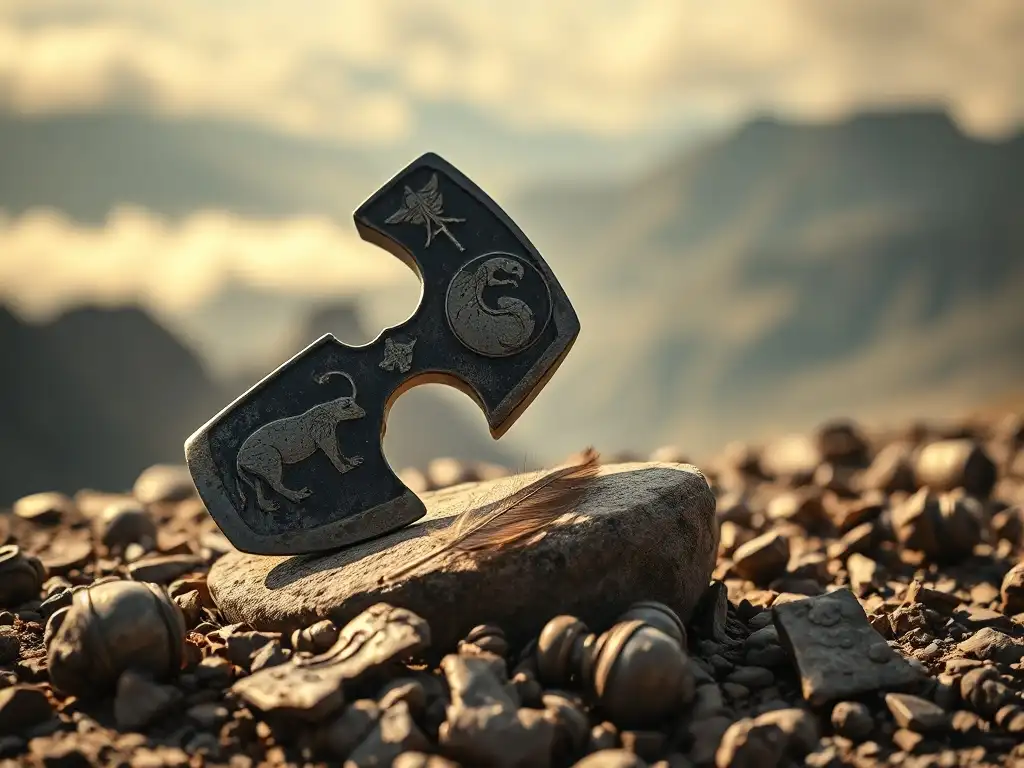
The development of metallurgy profoundly impacted Andean warfare, transforming conflict dynamics and military strategies. The transition from primarily lithic weaponry to metal implements marked a significant shift in power dynamics, influencing the scale and intensity of battles, as well as the overall organization of Andean armies. The availability and mastery of metalworking techniques directly correlated with a civilization's military strength and ability to dominate its neighbors.
Analyzing the types of metals used, the techniques employed in their crafting, and the resulting weaponry provides crucial insights into the sophistication of Andean military technology and the strategic thinking behind their use. This section will explore the relationship between Andean metalwork and warfare, focusing on the evolution of metallurgical techniques and their impact on the battlefield. The term "Andean metalwork warfare techniques" encapsulates this crucial interplay, highlighting the sophisticated relationship between technological advancement and military prowess.
Early Metal Use in Andean Societies: A Prelude to Warfare
The initial introduction of metalworking to the Andes didn't immediately translate into widespread military applications. Early metal artifacts, primarily from the coastal regions, often served ceremonial or decorative purposes. For example, early gold and copper objects from the Chavín culture (900-200 BCE) were primarily used for elite adornment, showcasing status and power rather than direct combat.
However, the gradual mastery of metallurgy laid the groundwork for future military applications. The development of more sophisticated techniques, such as alloying (combining metals to create stronger and more durable materials), was a crucial step. The ability to create bronze, an alloy of copper and tin, significantly improved the strength and sharpness of weapons, marking a turning point in Andean warfare.
This transition from primarily stone weapons to bronze tools and weapons represents a considerable technological leap and a crucial stage in the evolution of Andean metalwork warfare techniques. The increased effectiveness of bronze weaponry likely contributed to the rise of larger, more organized armies capable of engaging in more complex military campaigns.
The Evolution of Metalworking for Military Purposes in the Andes
The later Andean civilizations, such as the Moche and Inca, significantly advanced metalworking techniques, leading to the production of highly sophisticated weaponry. The Moche (100-800 CE), renowned for their artistic skill, also produced advanced weaponry, including finely crafted copper and bronze spears, knives, and axes. These were not merely functional tools; many were decorated with intricate designs, reflecting the cultural significance of warfare and the status of the warriors who wielded them.
The Inca (1438-1533 CE) further refined metalworking, utilizing a wider range of metals, including gold, silver, and even platinum, though these precious metals were less common in weaponry. Inca weaponry, however, often showcased superior craftsmanship and engineering. They produced highly effective weapons such as macanas (clubs) and tumi (ceremonial knives), showcasing their advanced understanding of metallurgy and its application in warfare.
The following table illustrates the evolution of Andean metalwork used for warfare:
| Civilization | Period | Primary Metals Used | Weapon Types | Notable Characteristics |
|---|---|---|---|---|
| Chavín | 900-200 BCE | Copper, Gold | Limited military use | Primarily ceremonial and decorative objects |
| Moche | 100-800 CE | Copper, Bronze | Spears, knives, axes | Intricate designs, high craftsmanship |
| Inca | 1438-1533 CE | Copper, Bronze, Gold, Silver | Macanas, Tumi, Spears | Superior engineering, functional and ceremonial uses |
The development and refinement of Andean metalwork warfare techniques were not simply about technological advancement; they were deeply intertwined with societal structures, religious beliefs, and political power. The mastery of metallurgy, and its application in warfare, ultimately shaped the course of Andean history. Further research is needed to fully understand the specific metallurgical processes employed by each civilization and the impact of these techniques on the outcome of specific battles and conflicts. [Specific information pending: detailed analysis of metallurgical composition of weapons from different Andean cultures].
Andean Metalwork Warfare Techniques and Weaponry
This section delves into the sophisticated use of metal in Andean warfare, exploring the weaponry, armor, and advanced metallurgical techniques employed by various Andean cultures. Understanding the role of metal in Andean military strategies provides crucial insight into their power dynamics and societal structures. The term "Andean metalwork warfare techniques" encapsulates the intricate relationship between technological advancement and military prowess in the region. We will examine how the mastery of metallurgy directly influenced the outcome of battles and shaped the political landscape of the Andes.
Copper and Bronze Weaponry: The Backbone of Andean Armies
The early Andean armies relied heavily on copper and later bronze weaponry. These metals, though less durable than iron, provided a significant advantage over stone and wood implements used by their adversaries. The availability of these resources, combined with developing metallurgical skills, facilitated the creation of more effective and lethal weapons. This technological leap significantly impacted warfare strategies, allowing for more organized and larger-scale conflicts.
The Significance of Copper Axes and Clubs in Andean Combat
Copper axes, meticulously crafted with sharpened blades, served as versatile tools in both agricultural and military contexts. Their effectiveness in felling trees for fortifications or clearing pathways for armies demonstrates their dual-use nature. In combat, these axes were devastating weapons, capable of inflicting significant damage.
Similarly, copper clubs, often reinforced with additional materials like wood or bone, delivered powerful blows, and their weight and shape were optimized for maximum impact. Archaeological evidence suggests that copper axes and clubs were widely used across different Andean cultures, signifying their importance in warfare. The size and weight varied depending on the specific culture and intended use, reflecting a degree of standardization and specialized production.
Bronze Spearheads and Their Impact on Andean Battles
The transition to bronze marked a significant advancement in Andean metalworking technology. Bronze, an alloy of copper and tin, possessed superior hardness and durability compared to pure copper. This allowed for the creation of more effective spearheads, capable of piercing armor and inflicting deeper wounds.
The increased durability also meant that bronze spearheads could be reused more readily, representing a significant logistical advantage in prolonged campaigns. The introduction of bronze spearheads likely played a crucial role in shifting the balance of power between different Andean groups, providing a decisive edge in battle. Analysis of recovered spearheads reveals variations in size and shape, suggesting specialization for different combat roles or target types.
Advanced Metalworking Techniques in Andean Military Equipment
Beyond the basic weaponry, Andean metalworkers employed increasingly sophisticated techniques to enhance the performance and durability of their military equipment. These innovations reflected a deep understanding of metallurgy and a commitment to technological advancement for military advantage. This expertise is a key aspect of understanding "Andean metalwork warfare techniques."
Hardening Processes for Metal Weapons in Ancient Andes
Andean metalworkers developed several techniques to harden their metal weapons. These processes involved controlled heating and cooling, often incorporating specific alloys or quenching methods to increase the hardness and durability of the metal. While the precise techniques are still under investigation, evidence suggests the use of different quenching mediums, such as water or oil, to achieve varying degrees of hardness. The effectiveness of these hardening processes is evident in the relatively well-preserved condition of many recovered weapons, indicating a high level of metallurgical expertise. Further research is needed to fully understand the specific techniques and their regional variations.
The Development of Specialized Metal Armor
The development of metal armor represents a significant milestone in Andean military technology. While full suits of armor were less common than in other parts of the world, evidence suggests the use of metal plates or scales to protect vital areas, such as the chest and head. These armor components, often made of copper or bronze, offered increased protection against enemy weapons.
The design and construction of this armor varied across different cultures and periods, reflecting regional differences in metalworking techniques and military strategies. The appearance of metal armor signifies a significant evolution in Andean warfare, indicating a greater emphasis on defensive capabilities and prolonged engagements. The scarcity of surviving examples, however, limits our understanding of its widespread use and effectiveness.
Metalworking and the Symbolism of Power in Andean Warfare
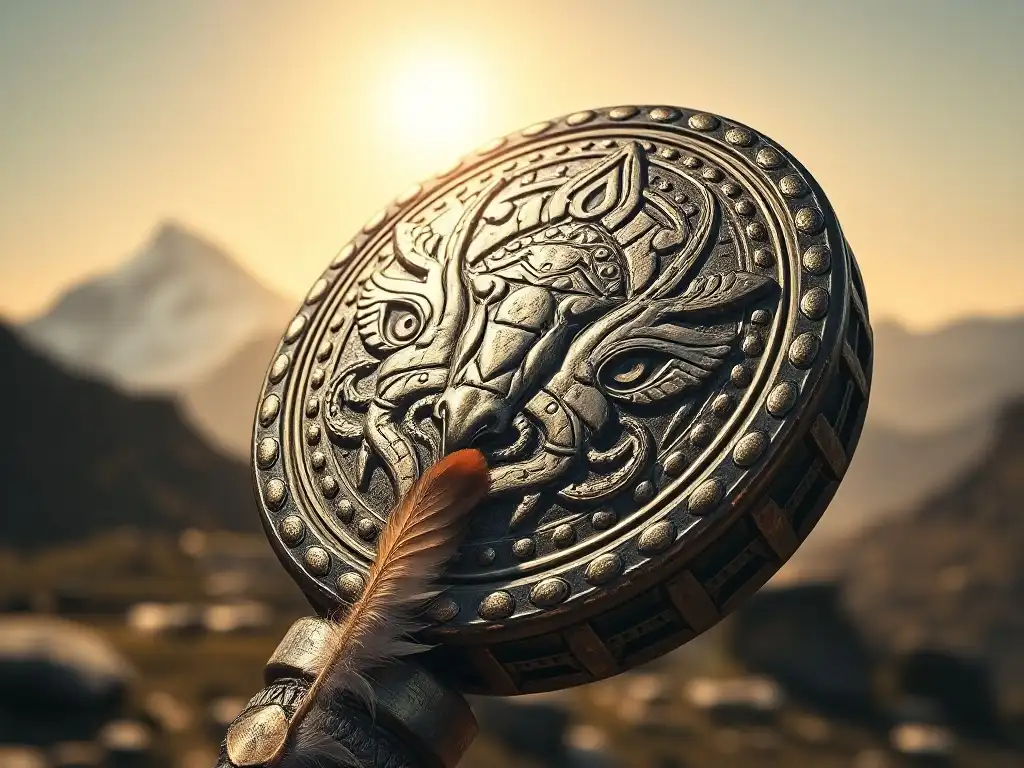
The mastery of metalworking in the Andes wasn't simply a technological achievement; it was deeply intertwined with the socio-political landscape, particularly in the context of warfare. The ability to craft weapons, armor, and ceremonial objects from precious metals like gold and silver solidified the power and authority of Andean elites. Access to these resources and the skill to manipulate them were key indicators of status and control, directly impacting the dynamics of warfare.
The production of metal artifacts wasn't just a craft; it was a powerful statement of dominance, a visual representation of a ruler's legitimacy and military might. This section will delve into the specific ways Andean metalwork served this symbolic function.
Gold and Silver in Military Regalia and Leadership
The use of gold and silver in Andean military regalia wasn't merely decorative; it served to visually reinforce the power and divine legitimacy of leaders. Think of the elaborate headdresses, breastplates, and weaponry adorned with these precious metals. These weren't just functional items; they were potent symbols of authority, communicating the leader's connection to the supernatural realm and their right to rule.
For example, the intricate gold and silver work found in the tombs of Moche and Inca rulers often depicted their military victories, reinforcing their image as powerful and successful warriors blessed by the gods. The sheer weight and brilliance of these objects served to awe and intimidate adversaries, projecting an image of overwhelming might before a battle even commenced.
The meticulous craftsmanship further emphasized the ruler's elevated status and access to skilled artisans, resources, and labor—all hallmarks of power in Andean society. Moreover, the use of these materials in military contexts suggests a strategic investment in projecting power, underscoring the importance of metalworking in Andean warfare strategies.
The distribution of metal artifacts also played a crucial role in maintaining social hierarchy within the military structure. High-ranking officers would be adorned with more elaborate and larger pieces of gold and silver, further differentiating them from lower-ranking soldiers. This visual display of rank served to reinforce the chain of command and maintain discipline within the army. The scarcity and value of these metals ensured that only the elite had access to such lavish regalia, strengthening the social stratification within Andean armies. The symbolic power of these metals was thus instrumental in maintaining social order and enhancing military effectiveness.
The Psychological Impact of Metal Weapons and Armor
Beyond their practical applications, metal weapons and armor in Andean warfare had a significant psychological impact on both combatants and their enemies. The gleam of polished metal, especially gold and silver, could be terrifying to an opponent, projecting an image of superior technology and divine favor. The sound of metal clashing against metal in combat would have further amplified this effect, creating a sense of dread and potentially demoralizing enemy forces. The very existence of metal armor, offering superior protection compared to simpler materials, increased the confidence and effectiveness of Andean warriors.
The psychological advantage offered by metal weaponry was not limited to the battlefield. The mere possession of metal weapons, particularly those crafted with intricate designs, could be a powerful deterrent, discouraging potential adversaries from engaging in conflict. This psychological warfare aspect of Andean metalwork is often overlooked, yet it played a significant role in shaping the power dynamics of the region. The visual representation of power and the psychological intimidation factor further cemented the importance of metalworking in Andean warfare techniques.
The fearsome reputation of Andean warriors, partly fueled by their metal weaponry and armor, likely contributed to their military successes. The development of superior metalworking techniques, therefore, provided not only a technological advantage but also a crucial psychological edge in Andean warfare. Further research into the specific psychological effects of metal weaponry on Andean warfare would provide a more complete picture of its impact.
Case Studies of Metal Use in Specific Andean Conflicts
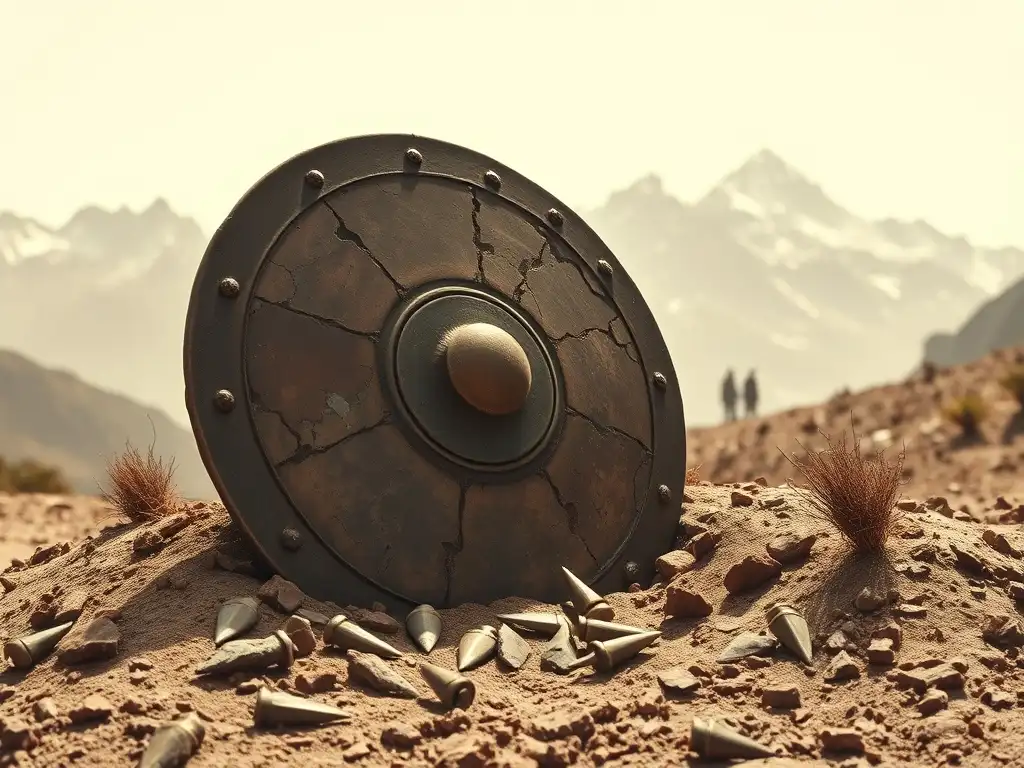
This section delves into specific examples of how Andean civilizations integrated metalworking into their warfare strategies. Analyzing these case studies reveals the diverse applications of metallurgical techniques and the significant role metal played in shaping military power and conflict dynamics across different Andean cultures. Understanding these applications provides crucial insight into the sophistication of Andean metalwork warfare techniques.
Metal Weapons in the Moche Culture
The Moche civilization (c. 100-800 CE), renowned for its elaborate artistry and sophisticated irrigation systems, also possessed a notable military capacity. Their metalworking skills were instrumental in creating effective weaponry. While evidence suggests they primarily used copper alloys, their mastery extended to crafting diverse weapon types.
Archaeological evidence points to the production of tumi ceremonial knives, some of which were likely used in warfare. These crescent-shaped blades, often adorned with intricate designs, were not only tools of ritual sacrifice but also potentially wielded as deadly weapons in close-quarters combat. The sharp edges, combined with their weight and potentially reinforced hafts, made them formidable tools.
Beyond tumi, the Moche likely produced other metal weapons, although definitive evidence remains scarce. Further research, including detailed metallurgical analysis of recovered artifacts, is needed to fully understand the range and effectiveness of Moche metal weaponry. The limited surviving specimens, often found in elite burials, suggest that access to metal weapons may have been restricted to the warrior elite, reinforcing a hierarchical social structure.
The presence of these weapons in elite contexts, however, underscores their importance as symbols of power and status within Moche society. The Moche’s sophisticated understanding of Andean metalwork warfare techniques is further demonstrated by the intricate designs and craftsmanship evident on surviving artifacts.
The Use of Bronze by the Inca Empire
The Inca Empire (c. 1438-1533 CE), known for its vast territorial expansion and highly organized military, utilized bronze extensively in its weaponry. Unlike the earlier Moche, the Inca possessed a more developed bronze technology, allowing for the mass production of weapons. This facilitated the creation of larger armies equipped with standardized weaponry, significantly enhancing their military capabilities.
The Inca's bronze weaponry included macuanas (bronze clubs), chachas (bronze axes), and various spear points. The widespread use of bronze enabled the Inca to equip a large number of soldiers, facilitating their conquest of a vast territory. The durability and effectiveness of bronze weapons, compared to those made of stone or wood, gave the Inca a significant military advantage.
The metallurgical sophistication of the Inca is evident in the quality and consistency of their bronze weapons. The Inca's control over bronze production and distribution was crucial to maintaining their military power. This centralized control allowed for the standardization of weaponry, ensuring that soldiers across the vast empire were equipped with comparable and effective tools of war. This illustrates a superior understanding of Andean metalwork warfare techniques compared to their predecessors.
Metallurgical Practices in Tiahuanaco Military Campaigns
The Tiahuanaco civilization (c. 500-1000 CE) exerted considerable influence over a wide area of the Andes. While their military organization and warfare strategies are still under investigation, evidence suggests that metal played a significant role in their power projection. Though less extensively used than in later empires, Tiahuanaco's metallurgical practices contributed to their military successes.
Tiahuanaco metalwork primarily involved copper and its alloys. The production of tools and possibly weapons demonstrates a level of metallurgical proficiency. However, the extent to which metal weapons contributed to their military dominance requires further investigation. The scarcity of metal artifacts from Tiahuanaco military contexts compared to those from later periods suggests that metal may have played a more symbolic or ceremonial role in warfare, rather than being the primary weapon type.
Further research into Tiahuanaco metallurgy and military practices is necessary to fully understand the role of metal in their military campaigns. The available data, however, indicates a developing understanding of Andean metalwork warfare techniques, paving the way for the more widespread adoption of metal weaponry in subsequent Andean societies. The analysis of existing artifacts, combined with future archaeological discoveries, will be crucial in enriching our understanding of their metallurgical contributions to military strategies.
The Legacy of Andean Metalwork Warfare
The legacy of Andean metalwork in warfare extends far beyond the battlefield itself. It represents a complex interplay of technological innovation, social organization, and symbolic power that shaped the societies of the Andes for centuries. The study of Andean metalwork artifacts unearthed from battle sites and elite tombs reveals not only the weaponry used but also crucial insights into the political structures, religious beliefs, and economic systems that fueled these ancient civilizations' military might.
Analyzing the metallurgical techniques, the types of weapons produced, and the stylistic choices made in their creation allows us to reconstruct a more complete picture of Andean warfare and its impact on the region's development. The sophistication of their metalworking, particularly in the creation of weaponry, highlights the advanced level of technology and social organization achieved by these societies. The keyword "Andean metalwork warfare techniques" encapsulates this rich and complex legacy.
The Technological Advancement of Andean Societies Through Military Metalwork
The production of high-quality metal weapons in the Andes wasn't merely a matter of forging tools. It represented a significant technological leap, demanding specialized knowledge, skilled labor, and sophisticated organization. The process involved mining, smelting, alloying, casting, and finishing – a complex chain of production requiring collaboration across different social groups.
For example, the creation of tumi ceremonial knives, often used in warfare, required precise control over the temperature and composition of the metal alloy. Analysis of these artifacts shows the use of copper, bronze, and even gold alloys, demonstrating a deep understanding of metallurgy. The development of these techniques didn't occur in isolation; it spurred advancements in other areas, such as mining technology, furnace design, and the creation of specialized tools for metalworking.
This cascade effect demonstrates how military needs propelled technological innovation throughout Andean society. Evidence suggests that the demand for metal weapons in warfare led to the development of more efficient mining techniques and a more specialized workforce, contributing to the overall economic and social development of these civilizations. The scale of metal production necessary to equip armies also suggests a high degree of centralized control and resource management.
The Influence of Andean Metalworking on Later Cultures
The influence of Andean metalworking techniques on subsequent cultures is undeniable. The mastery of metallurgy achieved by the pre-Columbian Andean civilizations didn't disappear with their conquest. Their sophisticated techniques, including the use of lost-wax casting and the creation of intricate alloys, were likely adapted and modified by later cultures, including those of the colonial period.
The stylistic elements and decorative motifs found on Andean weapons also influenced the design of later metalwork. While specific data on the direct transmission of these techniques remains scarce, the stylistic similarities between pre-Columbian and colonial-era metalwork strongly suggest a continuity of knowledge and practice. Further research, particularly focusing on the analysis of metal composition and manufacturing techniques in post-conquest artifacts, is needed to fully elucidate this influence.
The legacy of Andean metalworking extends beyond the artifacts themselves; it represents a fundamental contribution to the development of metallurgical practices in the Americas. The impressive skill and artistry displayed in Andean metalwork, particularly in the context of warfare, left an enduring mark on the cultural landscape of the region and beyond. The impact of "Andean metalwork warfare techniques" resonates through history, a testament to the ingenuity and innovation of these ancient Andean societies.
Further Research Areas
Further research should focus on:
- Detailed analysis of metal composition in different regions and time periods to trace the evolution of metallurgical techniques.
- Comparative studies of Andean metalwork with those of neighboring cultures to identify potential influences and exchanges.
- Ethnoarchaeological studies to understand the social organization and division of labor involved in metal production.
Frequently Asked Questions
What role did metal play in Andean warfare?
Andean civilizations like the Inca and Moche used metal extensively in warfare. Bronze and copper weapons, such as axes, knives, and mace heads, were crucial for close-quarters combat and provided a significant advantage. Metal armor, though less common, also offered protection.
How did Andean metalworking techniques influence warfare?
Advanced metalworking techniques allowed for the creation of stronger, more effective weapons. This technological advantage contributed to military success and expansion of empires. The ability to mass-produce weapons also played a vital role.
Were all Andean cultures equally skilled in metalworking for warfare?
No, the level of metalworking sophistication varied among Andean cultures. While some, like the Moche, were highly skilled, others relied more on stone tools. This disparity impacted their military capabilities and strategies.
What other materials were used alongside metal in Andean warfare?
While metal was important, Andean warfare also employed stone weapons, such as clubs and sling stones. Textiles were used for protective clothing and wood for weaponry components. These materials complemented metal tools and weapons.
How did Andean warfare tactics change with the introduction of metal weaponry?
The introduction of metal weapons likely led to shifts in Andean warfare tactics. Improved weaponry may have facilitated larger-scale battles and more organized military structures. Superior weaponry also impacted defensive strategies.
Final Reflection: Echoes of Hammer and Anvil: The Enduring Legacy of Andean Metalwork in Warfare
The intricate artistry of Andean metalwork wasn't merely decorative; it was a crucial element in shaping the course of warfare, a testament to the ingenuity and strategic prowess of ancient Andean civilizations. Its impact resonates even today, reminding us of the complex interplay between technology, culture, and conflict throughout history. The techniques employed, from the precise casting of weapons to the symbolic power of adornment, reveal a sophisticated understanding of metallurgy and its strategic application.
The enduring influence of Andean metalworking on warfare extends beyond the battlefield itself, shaping cultural identity and leaving an indelible mark on the region's artistic heritage. The skill and artistry involved in creating these objects speak to a deep-seated cultural value placed on craftsmanship and innovation. The metalworker was not simply a craftsman, but a vital part of the social and political fabric, contributing directly to the power and prestige of the ruling elite.
This quote highlights the profound societal impact of metalworking, extending far beyond the purely functional aspects of weaponry. The legacy of these techniques continues to inspire artists and historians alike, prompting ongoing research and appreciation for the ingenuity of these ancient cultures.
Consider, for a moment, the implications of this sophisticated metalworking. How did the mastery of these techniques shape the political landscape? What can we learn from their strategic use of resources and innovation in the face of conflict?
You, the reader, are now equipped with a deeper understanding of the crucial role of metal in Andean warfare. Use this knowledge to broaden your perspective on the complexities of ancient civilizations and the enduring power of human ingenuity in the face of adversity. Let the echoes of hammer and anvil inspire you to explore further the connections between technology, culture, and the human experience.
Discover the Power of Metal in Andean History!
Thank you for exploring the fascinating world of Andean warfare! Your interest in the strategic use of metal by ancient Andean cultures demonstrates a keen understanding and appreciation for their innovative spirit. Let's delve deeper into this captivating subject.
Here are some ways to further explore the strategic use of metal in Andean warfare:
- Examine the artifacts firsthand: Visit a local museum or browse online collections of Andean metalwork to appreciate the craftsmanship and ingenuity of these remarkable pieces.
- Engage with fellow enthusiasts: Join online forums or local history groups focused on Andean civilizations to share perspectives and learn from others' insights.
- Share your discoveries: Write a blog post or social media update about a specific aspect of Andean metalwork in warfare that captivated you. Start a discussion and share your newfound knowledge!
What new insights into Andean warfare have you gained that changed your previous understanding?