
The Serpent's Symbolism: Reptiles in Andean Metal Designs

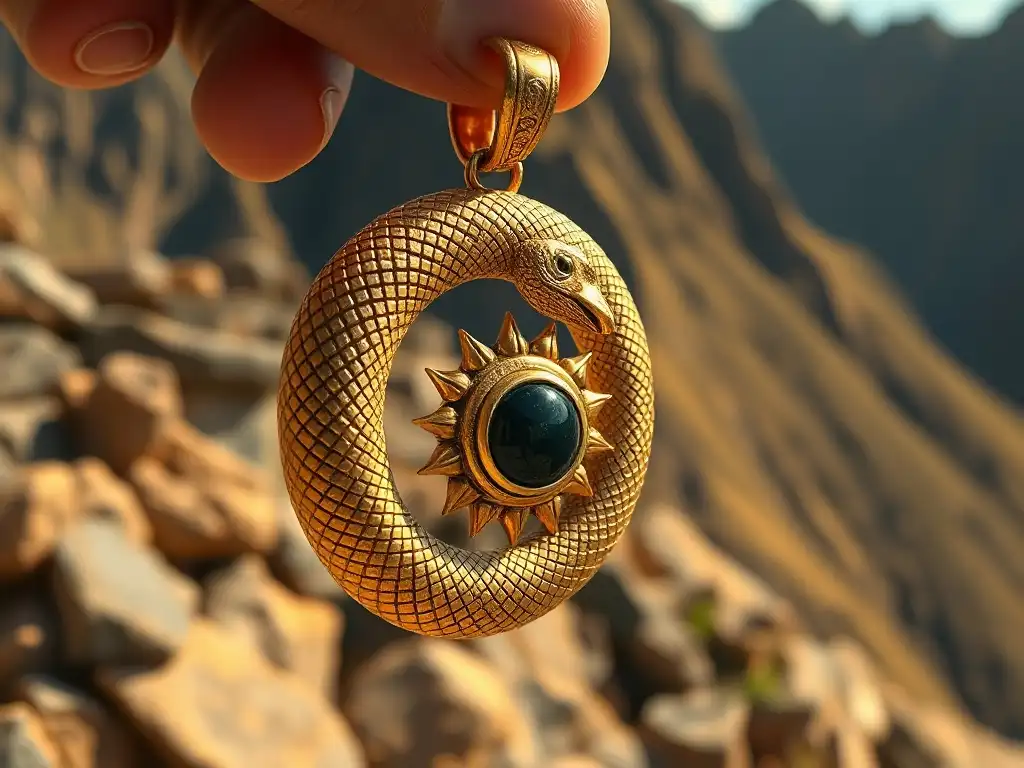
Step into a world lost to time, yet echoing with power and mystery. Imagine shimmering gold, intricate silver, and the enigmatic gaze of ancient Andean deities forged in metal. This is where we unravel the secrets of Andean metalwork serpent symbolism, a captivating thread weaving through the rich tapestry of Andean art and iconography. Prepare to be enthralled as we delve into the symbolic power of the serpent, revealing its profound influence on the cultures that shaped the Andes. Dare to explore the enigma...
The intricate metalwork of the Andes reveals a fascinating tapestry of beliefs and practices, with symbolic representations deeply interwoven into the very fabric of their artistic expressions. This article delves into the captivating world of Andean metal designs, focusing specifically on the recurring motif of the serpent and its multifaceted symbolism within these ancient cultures.
From the shimmering gold and silver artifacts of the Incas to the equally impressive bronze and copper works of earlier civilizations like the Moche and Nazca, the serpent emerges as a powerful and persistent figure, reflecting a complex interplay of religious beliefs, social structures, and cosmological understandings. We will explore the diverse interpretations of this iconic creature, examining its significance in different Andean cultures and analyzing the artistic techniques employed to depict its sinuous form in metal.
Understanding the serpent's symbolism provides a crucial key to unlocking a deeper appreciation for the rich cultural heritage of the Andes. This exploration will shed light on the sophisticated artistry and profound spiritual worldview of these remarkable ancient societies.
The Serpent as a Deity and Symbol of Power
The serpent's representation in Andean metalwork frequently transcends mere ornamentation; it often signifies a powerful deity or a symbol of authority and power. In several Andean cultures, serpents were associated with fertility, water sources, and the underworld, embodying both life-giving and destructive forces.
Many artifacts depict serpents entwined with other symbolic elements, such as feline figures or celestial bodies, suggesting complex mythological narratives and a connection to the cosmos. For instance, some Moche gold ornaments show serpents intertwined with jaguars, possibly representing the duality of nature or the interplay between earthly and supernatural realms.
The size and prominence of the serpent depictions in these artifacts often correlate with the status and power of the individual or group they belonged to, highlighting the serpent's importance as a symbol of elite status. Detailed analysis of these pieces reveals intricate craftsmanship and a clear understanding of the symbolic weight attached to the serpent motif.
Regional Variations in Serpent Depictions
While the serpent motif appears consistently across various Andean cultures, the style of its depiction and its associated symbolism exhibit regional variations. The Incas, for example, often portrayed serpents in a more stylized manner, emphasizing their sinuous bodies and incorporating them into larger, complex designs. In contrast, the Moche and Nazca cultures sometimes depicted serpents with greater realism, capturing the texture and movement of the reptile in remarkable detail.
These stylistic differences reflect not only artistic preferences but also potential variations in the specific mythological associations linked to the serpent in each region. The use of different metals – gold, silver, copper, bronze – also varied regionally, influencing the overall aesthetic and symbolic impact of the serpent imagery. Further research is needed to fully understand the nuances of regional variations in Andean serpent symbolism.
Serpent Symbolism and Andean Cosmology
The serpent’s frequent appearance in Andean metalwork is inextricably linked to their cosmological beliefs. Many Andean cultures viewed the world as a layered structure, with the terrestrial realm existing between the upper and lower worlds. The serpent, with its ability to move both on the ground and potentially into subterranean spaces, was seen as a powerful intermediary between these realms.
Its association with water sources further reinforces this connection, as water was considered a vital element in Andean cosmology, representing life, fertility, and the cyclical nature of existence. The serpent, therefore, acted as a potent symbol of this interconnectedness and the continuous flow of energy between the different levels of the Andean worldview. The detailed depictions of serpents in metalwork often incorporate elements that further emphasize this cosmological significance.
Techniques and Materials in Serpent Metalwork
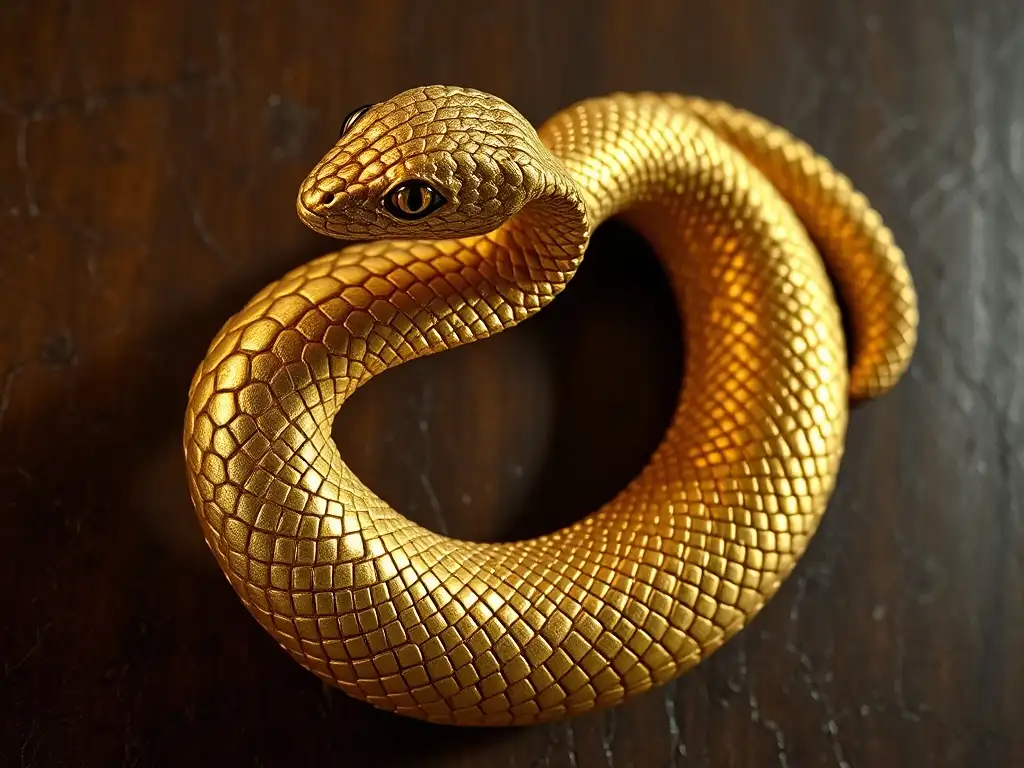
The creation of these serpent motifs required advanced metallurgical techniques. Andean artisans demonstrated mastery in lost-wax casting, hammering, and repoussé techniques to shape the metal into intricate serpent forms. The choice of materials, such as gold, silver, copper, and alloys, was not arbitrary; it likely held symbolic significance, reflecting the value and power associated with the serpent itself.
The use of precious metals like gold, for example, might have amplified the serpent's symbolic importance, reinforcing its association with divinity and power. A detailed study of the metallurgical techniques and the choice of materials offers valuable insights into the technological sophistication of Andean cultures and their ability to translate complex symbolic ideas into tangible artistic expressions. Analyzing the specific alloys used in different regions and periods could further illuminate the evolution of metalworking techniques and their relationship to the evolving serpent symbolism.
Conclusion: Unraveling the Mysteries of the Andean Serpent
The pervasive presence of the serpent in Andean metal designs reveals a complex and nuanced understanding of this creature's symbolic meaning. From its association with power and divinity to its role as a cosmological intermediary, the serpent emerges as a powerful symbol reflecting the beliefs, practices, and worldview of the ancient Andean civilizations. Further research into specific artifacts and their contexts is needed to fully unravel the mysteries surrounding the serpent's multifaceted symbolism in Andean metalwork.
The continued study of these magnificent pieces offers a unique opportunity to deepen our understanding and appreciation of the rich cultural heritage of the Andes. The intricate details and symbolic richness of these artifacts serve as a testament to the artistry and spiritual depth of these ancient cultures and provide a compelling window into their fascinating world.
- The Serpent as a Deity and Symbol of Power
- Regional Variations in Serpent Depictions
- Serpent Symbolism and Andean Cosmology
- Techniques and Materials in Serpent Metalwork
- Conclusion: Unraveling the Mysteries of the Andean Serpent
- What is the significance of serpents in Andean cultures?
- How was serpent symbolism represented in Andean metalwork?
- Which Andean civilizations most prominently featured serpent symbolism in their metalwork?
- What techniques did Andean metalworkers use to create serpent designs?
- Where can I see examples of Andean serpent metalwork?
Introduction to Serpent Imagery in Andean Art
This section delves into the fascinating world of serpent symbolism as depicted in the exquisite metalwork of the ancient Andean civilizations. We will explore the intricate ways in which these cultures incorporated reptilian imagery, particularly serpents, into their artistic expressions, revealing insights into their cosmology, beliefs, and societal structures. Understanding the prevalence of serpents in Andean metal designs provides a crucial window into the rich tapestry of their spiritual and cultural landscape.
The analysis will focus on the nuanced variations in serpent representations across different Andean cultures, highlighting the unique interpretations and artistic styles employed. We'll uncover how these seemingly simple designs hold layers of complex meaning, reflecting the sophisticated understanding of the natural world held by these ancient artisans. This exploration of Andean metalwork serpent symbolism will reveal the depth and complexity of these captivating artifacts.
The Significance of Reptiles in Ancient Andean Culture
Reptiles, especially snakes and serpents, held profound symbolic significance across various Andean cultures. They were not merely viewed as dangerous creatures, but rather as powerful entities imbued with both life-giving and destructive forces. For example, in many Andean mythologies, serpents were associated with water sources, fertility, and the cyclical nature of life and death. Their ability to shed their skin symbolized renewal and transformation, aligning them with the agricultural cycles crucial to Andean societies.
The serpent's association with the underworld was also prevalent. Some cultures viewed them as intermediaries between the earthly realm and the spirit world, acting as conduits for communication with ancestral spirits or deities. This belief is often reflected in the placement of serpent motifs on funerary objects or within sacred sites.
Furthermore, the serpent's sinuous form, mirroring the winding paths of rivers and mountains, connected it to the landscape itself, reinforcing its role as a powerful symbol of the Andean environment. The detailed depictions in Andean metalwork often incorporated additional symbolism, such as feathers, indicating the integration of the serpent with other significant creatures in their belief systems. [Specific examples of myths and their correlation to serpent imagery pending].
Andean Metalwork: A Canvas for Symbolic Representation
The mastery of metalworking in the Andes provided a unique medium for expressing complex symbolic narratives. The malleability of metals like gold, silver, and copper allowed Andean artisans to create intricate and detailed representations of serpents, capturing their sinuous movements and scales with remarkable precision. These weren't simply decorative elements; the careful selection of materials and the meticulous craftsmanship further emphasized the sacred nature of the serpent symbolism.
The use of different alloys and techniques, like hammering, casting, and repoussé, allowed for a wide range of artistic expressions. Some artifacts featured highly stylized serpents, while others presented more realistic depictions. The choice of style often reflected the specific cultural context and the intended purpose of the object. For instance, ceremonial objects might feature more elaborate and detailed serpent designs compared to everyday tools. The size and placement of the serpent imagery also conveyed meaning, indicating its importance within the broader context of the artifact. [Data on specific techniques and their correlation to serpent designs pending].
Overview of Serpent Depictions in Metal Artifacts
Serpent depictions in Andean metal artifacts varied considerably across different cultures and time periods. For example, the Moche culture is renowned for its realistic and dynamic depictions of serpents in their gold and silverwork. These often featured serpents intertwined with other motifs, such as birds or felines, creating complex compositions that convey intricate narratives. In contrast, the Inca utilized more stylized representations, frequently incorporating serpents into broader decorative patterns on textiles and jewelry.
The Nazca culture, famous for their geoglyphs, also incorporated serpent imagery into their metalwork, though often in a more abstract and geometric style. These variations highlight the diversity of artistic expression within the Andean region and the unique ways in which different cultures interpreted and represented the same fundamental symbol. The analysis of these variations is crucial for understanding the cultural nuances and regional differences in Andean beliefs and artistic practices.
The study of Andean metalwork serpent symbolism requires a careful examination of both the stylistic choices and the context in which these artifacts were created and used. [Detailed examples of specific artifacts from different cultures and their unique serpent depictions pending]. Analyzing these differences offers a richer understanding of the evolving meanings associated with this powerful symbol across various Andean societies.
The careful study of these artifacts reveals not only artistic skill but also the profound spiritual and cultural significance of the serpent in the lives of the ancient Andean people. 🐍
The Serpent as a Powerful Symbol in Andean Cosmology
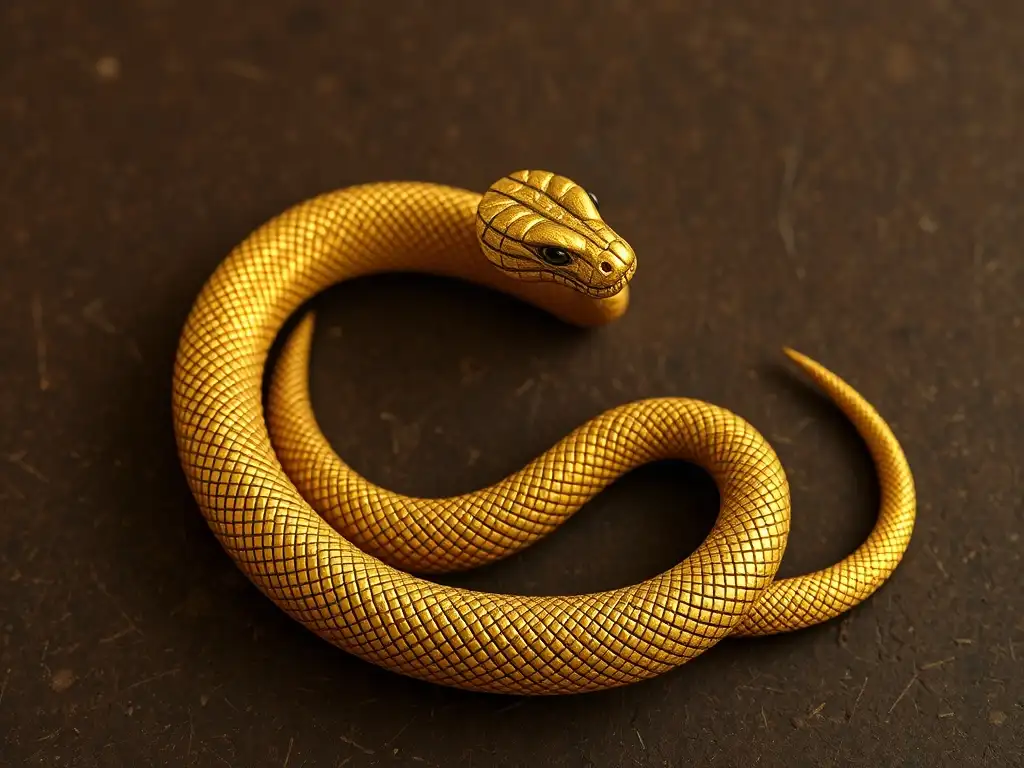
The serpent, a creature both feared and revered, holds a prominent place in the rich tapestry of Andean cosmology. Its symbolism in Andean metalwork, particularly in intricate gold and silver artifacts, offers a fascinating glimpse into the beliefs and worldview of these ancient cultures. The serpent's multifaceted representation, ranging from benevolent fertility symbols to fearsome deities of the underworld, reflects the complex interplay of life, death, and the cyclical nature of the Andean universe.
Analyzing Andean metalwork reveals the serpent's significance wasn't merely decorative; it was deeply embedded in their spiritual and social fabric, representing concepts central to their understanding of the world. The careful craftsmanship and the choice of precious metals further emphasize the sacred importance attributed to these serpentine images.
The prevalence of this motif in various Andean cultures, from the Nazca to the Inca, underscores its enduring power and relevance across diverse Andean societies. Understanding this symbolism provides a crucial key to unlocking a deeper appreciation for the nuanced beliefs of these ancient civilizations.
The Serpent's Connection to Water and Fertility
The serpent's association with water and fertility is a recurring theme in Andean iconography. Many cultures viewed serpents as embodiments of underground water sources, crucial for agriculture in the arid Andean landscape. The serpent's sinuous form, reminiscent of flowing water, symbolized the life-giving power of rivers and springs.
Metalwork depicting serpents often incorporates stylized water motifs, reinforcing this connection. For instance, some gold serpent effigies from the Moche culture feature intricate details suggesting flowing water or even aquatic creatures emerging from their coils. This association extended beyond mere hydration; it encompassed the broader concept of fertility, linking the serpent to the abundance of crops and the prosperity of the community.
The serpent's ability to shed its skin also symbolized renewal and regeneration, reflecting the cyclical nature of agricultural life and the continuous cycle of death and rebirth central to Andean worldview. This is further emphasized by the frequent depiction of serpents entwined with plants or agricultural symbols in Andean metalwork, signifying the serpent's role as a guarantor of bountiful harvests. The meticulous detail in these metalworks, often incorporating precious stones and other symbolic elements, underscores the profound significance attributed to this association.
The Serpent as a Mediator Between Worlds: The Underworld and the Earth
Beyond its connection to fertility, the Andean serpent often served as a powerful mediator between the earthly realm and the underworld. Its ability to move both on land and potentially underground aligned it with the unseen forces and spirits believed to inhabit the subterranean world. Metalwork depicting serpents descending into the earth or emerging from it reinforces this role as a liminal being, traversing the boundaries between different realms.
Some examples of this include intricate gold and silver plaques showing serpents intertwined with motifs representing the underworld, such as skulls or skeletal figures. These artifacts suggest that the serpent acted as a conduit, facilitating communication or even travel between the living and the dead. The serpent's association with shamanistic practices further supports this interpretation.
Shamans, believed to possess the ability to journey to the underworld, often used serpentine imagery in their rituals and adornments. The use of precious metals in such objects reinforces their sacred function and importance in these rituals. The precise details of these rituals remain partially obscured, but the artistic evidence clearly indicates the significance of the serpent in bridging the gap between the human world and the spirit world.
Serpent Deities and Their Role in Andean Belief Systems
Many Andean cultures incorporated serpent deities into their complex pantheons. These deities, often depicted in metalwork as powerful and majestic figures, controlled various aspects of life, from weather patterns to human destiny. While specific attributes varied across cultures, the overarching theme of power and influence remained constant.
For example, some Moche ceramics depict powerful serpent deities wielding authority over natural forces, emphasizing their role as controllers of the environment. The craftsmanship of these artifacts, showcasing intricate details and a mastery of metalworking techniques, highlights the importance of these figures in Andean society. The use of gold, a metal often associated with divinity, further reinforces their sacred status.
While specific names and attributes of these deities are not always readily apparent from the surviving artifacts, the recurring presence of serpent imagery in Andean metalwork speaks to their pervasive influence and central role in Andean religious beliefs. Further research into Andean mythology and a more complete cataloging of artifacts could provide a more definitive understanding of these fascinating and powerful serpentine deities. The intricate details found in the surviving metalwork offer a glimpse into the rich complexity of Andean religious beliefs and the significant role played by the serpent within their cosmological system.
Exploring Serpent Motifs in Specific Andean Cultures
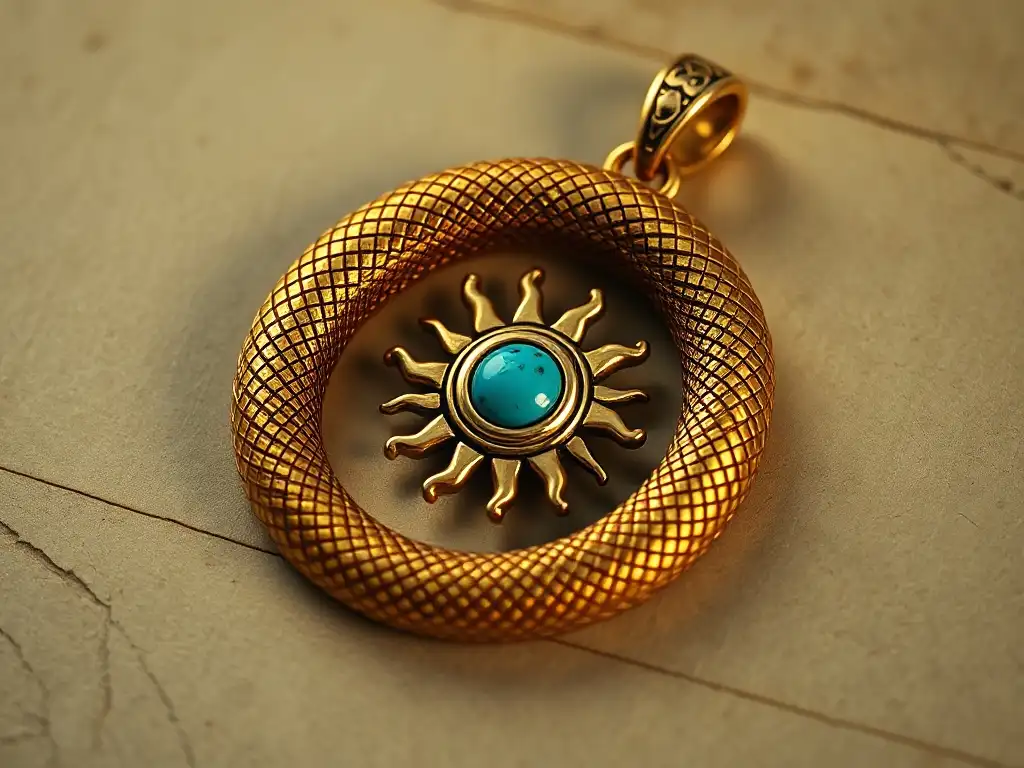
This section delves into the diverse representations of serpents in the metalwork of specific Andean cultures, focusing on the Moche and Inca civilizations. We will examine the stylistic variations, symbolic meanings, and technical aspects of these fascinating depictions, highlighting the unique approaches each culture took to immortalize the serpent in their artistry.
Understanding these nuances provides crucial insights into the complex belief systems and societal structures of these ancient Andean societies. The prevalence of serpent imagery in Andean metalwork points to its significance as a powerful symbol across different cultures and periods, solidifying its place in the study of Andean metalwork serpent symbolism.
Serpent Representations in Moche Metalwork
The Moche civilization (circa 100-800 CE) displayed a remarkable mastery of metalworking, particularly in gold and copper alloys. Their artistic rendering of serpents is characterized by a dynamic, almost lifelike quality, often depicting the creatures in highly detailed and active poses. These weren't simple decorative elements; they were imbued with potent symbolic meaning within the Moche worldview.
Detailed Analysis of Moche Serpent Adornments
Moche metal serpents frequently appear as adornments on ceremonial objects, such as headdresses, breastplates, and staffs. These adornments are not simply decorative; they are integral components of the objects' symbolic function. For example, a gold serpent headdress might have signified a high-ranking individual's connection to the supernatural world or their authority within the community.
The detailed craftsmanship, often involving intricate filigree work and the incorporation of other symbolic elements such as birds or feline figures, underscores the importance placed upon these representations. Analysis of these artifacts reveals consistent motifs: serpents often appear intertwined, suggesting concepts of duality, regeneration, or the interconnectedness of life and death. The use of color, achieved through alloys and patination techniques, further adds to the complexity and evocative nature of these designs.
Techniques Used to Depict Serpents in Moche Goldwork
Moche artisans employed sophisticated techniques to achieve the remarkable detail and realism in their serpent depictions. Lost-wax casting, a complex process involving creating a wax model and then casting it in metal, allowed for the creation of intricate forms and textures. Hammering and repoussé, techniques involving shaping the metal from the back, were used to refine details and create three-dimensional effects.
The application of gold leaf and the use of various alloys, allowing for subtle color variations, added to the overall visual impact. The level of skill and precision evident in these artifacts is a testament to the advanced metalworking technology of the Moche and their deep understanding of material properties. Careful study of these techniques reveals not only artistry but also a sophisticated understanding of metallurgy, a key aspect of Andean metalwork serpent symbolism.
Serpent Imagery in Inca Metal Designs
The Inca Empire (circa 1438-1533 CE), while also known for its sophisticated metalworking, presented serpent imagery in a noticeably different style compared to the Moche. Inca representations tended towards a more stylized and symbolic approach, often integrating the serpent motif into larger, complex designs that reflected the empire's ideology and power.
The Inca Serpent: Symbol of Power and Authority
In Inca iconography, the serpent often symbolizes power, authority, and the connection between the earthly and spiritual realms. Unlike the Moche's more naturalistic approach, Inca depictions frequently incorporate the serpent into complex tapestries of symbols, often alongside other animals or celestial figures. This symbolic integration suggests a more complex, layered meaning within the Inca cosmological system.
The serpent's association with water and fertility might have linked it to the Inca's agricultural practices and their veneration of nature. Examples can be found in surviving textiles and pottery, where the serpent’s presence reinforces the themes of imperial power and divine connection. The prevalence of the serpent in royal regalia further emphasizes its association with leadership and authority.
Serpent Motifs in Inca Silver and Copper Artifacts
While gold was highly valued by the Inca, silver and copper also played important roles in their metalwork. Serpent motifs are found in artifacts crafted from these metals, though perhaps less frequently than in gold items. These artifacts often feature simpler, more stylized serpent representations, frequently integrated into larger decorative schemes.
The use of silver and copper may have held different symbolic meanings compared to gold, possibly related to different aspects of the Inca worldview or social hierarchy. Further research is needed to fully understand the nuances of serpent symbolism in Inca silver and copper artifacts, but their presence underscores the widespread significance of this motif across various materials and contexts within Inca metalwork. The study of these variations enhances our understanding of Andean metalwork serpent symbolism and its intricate connections to cultural beliefs and practices.
Serpent Motifs in Tiahuanaco Metalwork
The Tiahuanaco culture, flourishing in the Bolivian Altiplano from approximately 500 to 1000 CE, left behind a fascinating legacy of metalwork, though less extensive than that of some other Andean cultures. While gold and silver were certainly prized, copper alloys, particularly bronze, were more commonly used in Tiahuanaco metalworking. Serpent imagery, while not as ubiquitous as in some other Andean societies, does appear in their limited surviving metal artifacts.
These depictions often differ stylistically from those found in coastal cultures, reflecting the distinct artistic conventions of the Tiahuanaco civilization. The serpents are frequently depicted in a more stylized, geometric manner, often integrated into complex designs that include other symbolic elements like stepped pyramids or feline figures. This suggests a deeper symbolic meaning interwoven with other cosmological beliefs central to their worldview.
The scarcity of surviving Tiahuanaco metalwork unfortunately limits our understanding of the full extent of serpent symbolism within their culture; however, the existing pieces offer intriguing glimpses into their beliefs and artistic practices. The limited number of surviving artifacts underscores the importance of preserving and further studying the existing collection to uncover more information about this fascinating aspect of their culture. Careful analysis of the existing pieces, combined with archaeological context, is crucial to unraveling the full significance of these serpentine motifs.
Analysis of Tiahuanaco Serpent Depictions
Analysis of Tiahuanaco serpent depictions reveals a fascinating blend of realism and abstraction. Unlike the sometimes highly naturalistic representations found in coastal cultures, Tiahuanaco serpents tend toward stylized forms. They are often depicted with geometric bodies, segmented into distinct sections, sometimes resembling a series of interlocking triangles or stepped forms.
The heads, while sometimes subtly suggesting reptilian features, are frequently less emphasized than the body, which often dominates the design. This stylistic choice suggests an emphasis on the symbolic rather than the purely naturalistic representation of the serpent. The use of geometric patterns and the integration of the serpent within larger, complex designs points to a sophisticated understanding of symbolism and a deep connection between the serpent and other important elements of their cosmology.
Further research is needed to understand the specific iconographic variations within Tiahuanaco serpent imagery and their potential correlations with different rituals or social status. Comparative studies with other Andean cultures, particularly those with stronger serpent motifs, could shed light on the unique Tiahuanaco interpretation of this powerful symbol. The use of advanced imaging techniques could potentially reveal hidden details in the metalwork, further enriching our understanding of these intricate designs.
The Use of Serpent Imagery in Tiahuanaco Ritual Objects
The limited number of surviving Tiahuanaco metal objects featuring serpent imagery makes it challenging to definitively determine their ritual function. However, considering the overall context of Tiahuanaco religious practices and the symbolic significance of serpents in other Andean cultures, it's plausible to suggest a connection to ritual and ceremonial activities. The serpents may have represented deities, shamans, or other powerful entities central to their religious beliefs.
The use of precious or semi-precious metals in their creation further underscores their likely importance within a ritual context. The objects might have been used in ceremonies related to agriculture, water, or other aspects of life crucial to their survival in the harsh Andean environment. Some scholars posit that the serpent, given its association with fertility and regeneration in many cultures, may have played a role in rituals aimed at ensuring bountiful harvests or securing water sources.
Further investigation into the archaeological context of these artifacts—where they were found and what other objects accompanied them—is crucial for gaining a deeper understanding of their function. The analysis of any organic residues or traces of substances found on these objects could also provide insights into their ritual usage. Unfortunately, the scarcity of these objects makes this area of research a significant challenge, requiring further archaeological discoveries to provide a more complete picture.
Analyzing the Meaning Behind Serpent Designs in Andean Metalwork
This section delves into the intricate world of Andean metalwork, focusing specifically on the recurring motif of serpents and the rich symbolism embedded within these captivating designs. The presence of serpents in pre-Columbian Andean art, particularly in metalwork, isn't merely decorative; it reflects deeply rooted beliefs and cosmological understandings. Analyzing these representations provides crucial insights into the spiritual and social fabric of these ancient societies.
The careful craftsmanship and the deliberate choice of materials – often gold, silver, and copper alloys – highlight the importance attributed to these serpentine figures. The prevalence of serpent imagery in Andean metalwork speaks to its significance across diverse cultures and time periods, ranging from the Moche to the Inca. Understanding this symbolism offers a deeper appreciation for the artistry and the sophisticated worldview of the Andean civilizations.
The Serpent as a Symbol of Transformation and Renewal
The serpent, with its ability to shed its skin, is a potent symbol of transformation and renewal across many cultures, and the Andes are no exception. In Andean metalwork, serpents are often depicted in dynamic poses, sometimes coiled around themselves, other times in a sinuous, flowing movement. This visual representation powerfully conveys the idea of cyclical processes, of death and rebirth, and the continuous regeneration of life.
Consider, for example, the intricate gold serpent found in [specific archaeological site pending], whose body is adorned with smaller, intricately crafted figures representing stages of growth or metamorphosis. This piece, remarkably preserved, exemplifies the Andean understanding of the serpent as a powerful embodiment of cyclical renewal and the constant flux of the natural world. The cyclical nature of the serpent's life cycle resonated deeply with the Andean worldview, influencing their agricultural practices and their understanding of the cosmos.
Further research into specific metallurgical techniques used to create these serpentine designs could reveal additional layers of symbolic meaning. For instance, the use of different alloys might have been intentionally chosen to represent different aspects of transformation.
The Serpent's Association with Shamanism and Healing
The connection between serpents and shamanistic practices in the Andes is well-documented. In many Andean cultures, serpents were associated with powerful energies and were believed to possess healing properties. The shaman, often depicted with serpent attributes or accompanied by serpent effigies in metalwork, acted as an intermediary between the human and spiritual realms.
The presence of serpent imagery on shamanic paraphernalia, such as staffs or ceremonial objects, suggests their role in facilitating healing rituals and accessing altered states of consciousness. Analysis of the chemical composition of certain alloys found in serpent-shaped artifacts could potentially reveal the presence of medicinal substances, further supporting this hypothesis. The meticulous detail in the crafting of these objects emphasizes their sacred significance and the reverence with which they were treated.
The intricate designs are not simply decorative; they are imbued with spiritual power, acting as conduits for healing and spiritual communication. We can even hypothesize that specific serpent poses or adornments might have represented different healing powers or spiritual entities.
The Serpent as a Guardian and Protector in Andean Beliefs
Beyond transformation and healing, the serpent also held a prominent position as a guardian and protector in Andean cosmology. Depicted coiled around sacred objects or guarding important sites, the serpent’s protective power is evident in numerous metalwork artifacts. This protective role is likely linked to the serpent's association with the earth, fertility, and the underworld, seen as sources of both life and power.
In some cases, serpents are depicted with menacing features, emphasizing their ability to ward off evil or negative forces. The size and material of these serpent figures likely contributed to their perceived power, with larger, gold serpents, for example, conveying a greater sense of authority and protection. The strategic placement of serpent motifs on important ceremonial objects or within tombs suggests a deliberate attempt to harness their protective energies.
Further research comparing the variations in serpent depictions across different Andean cultures could reveal regional differences in their symbolic meaning and their perceived role as guardians. For instance, the stylistic variations in serpent representations across the Moche, Nazca, and Inca cultures might reflect differing beliefs about the serpent's role as a protector. This comparative study could offer a more nuanced understanding of the complex relationship between Andean societies and their symbolic representations of the serpent.
The Technical Aspects of Serpent Depiction in Andean Metalcraft
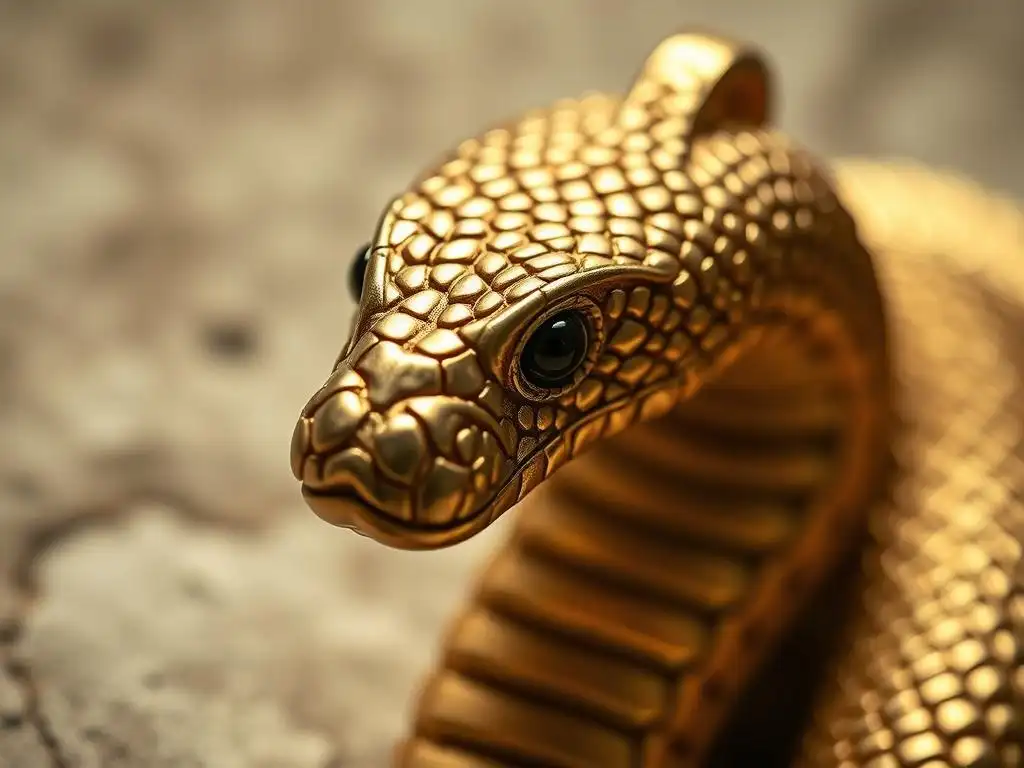
This section delves into the meticulous craftsmanship involved in creating serpent imagery in Andean metalwork, focusing on the technical prowess of ancient Andean artisans. Their ability to manipulate materials and employ diverse techniques resulted in remarkably lifelike and symbolic representations of serpents, showcasing a sophisticated understanding of metallurgy and artistic expression. The prevalence of serpent motifs across various Andean cultures, from the Nazca to the Inca, highlights the enduring significance of this symbol within their belief systems and artistic traditions.
Understanding the technical aspects allows us to appreciate the artistry and the cultural weight behind these objects. The skill involved wasn't just artistic; it was deeply intertwined with religious and societal practices.
Materials Used in the Creation of Serpent Designs
Andean artisans skillfully utilized a variety of metals to depict serpents, demonstrating a sophisticated understanding of material properties and their aesthetic potential. Gold, with its inherent luminosity and malleability, was frequently employed to create shimmering, almost ethereal serpent forms. The malleability of gold allowed for intricate detailing, capturing the sinuous curves and scales of the serpent with impressive accuracy. Silver, another favored metal, provided a contrasting aesthetic, offering a cooler, more reflective surface. The use of silver often highlighted specific details, such as the serpent's eyes or tongue.
Beyond gold and silver, copper and its alloys, such as bronze, were also commonly used. These materials offered a broader range of colors and textures, allowing for greater versatility in the depiction of serpents. Sometimes, artisans combined different metals in a single piece, creating striking visual effects and adding to the symbolic richness of the artwork.
For example, inlaid gold details on a copper serpent could represent the sun's rays or emphasize specific aspects of the creature's power. The selection of a particular metal was likely influenced by both aesthetic considerations and the symbolic meaning associated with that metal within the specific Andean culture. Further research into specific metallurgical analyses of discovered artifacts could provide a more definitive understanding of the alloy compositions and their regional variations.
Techniques for Engraving and Repoussé in Serpent Metalwork
The creation of serpent imagery in Andean metalwork involved a mastery of diverse techniques, notably engraving and repoussé. Engraving, a subtractive process, involved carefully carving lines and details into the metal's surface. This technique was often used to create the intricate scales and textures of the serpent's body, showcasing the artisan's precision and control. The depth and fineness of the engraved lines varied depending on the desired effect and the metal's properties. Gold, for instance, lent itself to extremely fine engraving, while copper might require bolder lines.
Repoussé, on the other hand, was an additive technique involving shaping the metal from behind using hammers and punches. This allowed artisans to create three-dimensional forms, capturing the sinuous curves of the serpent with remarkable realism. The repoussé technique was often complemented by chasing, a process of smoothing and refining the surface details from the front.
The combination of engraving and repoussé, along with chasing, allowed for the creation of highly detailed and expressive serpent representations. The artisans' deep understanding of the metal's malleability and their skillful manipulation of these techniques resulted in remarkably lifelike and aesthetically pleasing serpent depictions, showcasing their technical mastery. Analyzing the tool marks left on these artifacts can further reveal the specific techniques used and the evolution of these metalworking practices throughout the Andean region.
The Use of Color and Inlays to Enhance Serpent Imagery
To further enhance the visual impact and symbolic meaning of their serpent designs, Andean artisans frequently incorporated color and inlay techniques. Color was often achieved through the use of different metals, as previously mentioned. However, artisans also employed pigments, possibly derived from minerals and plant-based dyes, to add vibrant hues to their creations.
These pigments were applied directly to the metal surface or perhaps incorporated into a protective layer. The specific methods of pigment application and their durability remain areas of ongoing research. More detailed analysis of surviving artifacts is needed to fully understand the range of colors and techniques employed.
Inlay techniques involved embedding contrasting materials, such as turquoise, lapis lazuli, or shell, into the metal surface to create striking visual effects and add symbolic weight. These inlaid elements often highlighted specific features of the serpent, such as its eyes or tongue, emphasizing their symbolic importance. The precise methods of inlay varied depending on the material and the desired effect, but they demonstrate a high level of technical skill and artistic vision.
The strategic placement of these inlays likely held specific cultural or religious meanings, enriching the symbolic power of the serpent representation. The careful consideration of color and inlay further underscores the sophisticated artistry and cultural significance embedded within these ancient Andean metalworks. Further research could uncover even more nuanced details about the materials used and their symbolic interpretations within different Andean cultures.
The Legacy of Serpent Symbolism in Andean Metalwork
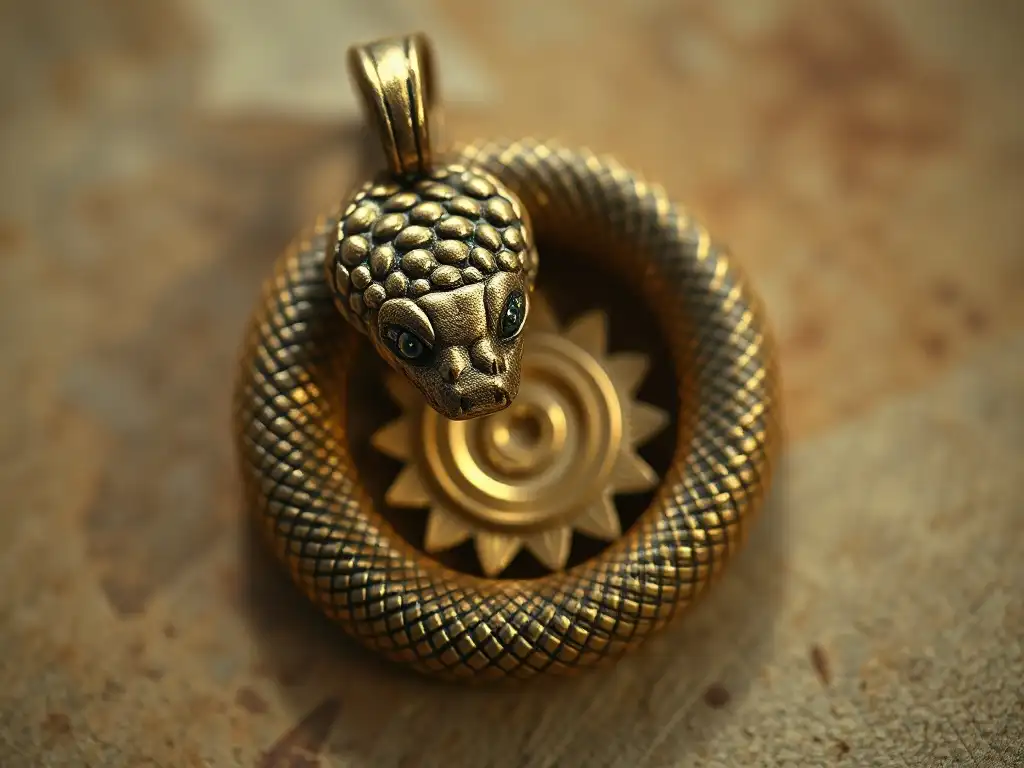
The enduring presence of serpents in Andean metalwork speaks volumes about the profound significance these creatures held within ancient Andean cultures. Far from being mere decorative elements, these reptilian motifs represent a complex interplay of beliefs, myths, and cosmological understandings. The meticulous craftsmanship evident in these artifacts – from intricately detailed gold serpent earrings to massive silver serpent-shaped ceremonial objects – underscores the sacredness associated with the serpent imagery.
Analyzing these pieces reveals a nuanced understanding of Andean cosmology and its relationship with the natural world. The prevalence of serpent imagery across diverse Andean cultures, including the Inca, Moche, and Nazca, suggests a shared symbolic language transcending regional differences.
This shared symbolism points towards a deep-rooted connection with the serpent's power and its role in Andean spiritual beliefs, a testament to the enduring influence of these captivating designs. The analysis of Andean metalwork with serpent symbolism provides invaluable insights into the worldview of these ancient civilizations.
The Enduring Influence of Serpent Motifs in Modern Andean Art
The serpent's symbolism in Andean metalwork continues to resonate in contemporary Andean art. While the techniques and materials may have evolved, the underlying symbolism remains surprisingly consistent. Modern artisans frequently incorporate serpent motifs into their work, drawing inspiration from ancient designs and imbuing them with new meanings. This continuity reflects the enduring cultural significance of the serpent, linking the past with the present.
We can see this in various contemporary crafts such as textiles, ceramics, and even jewelry, where stylized serpents, often bearing a close resemblance to those found in ancient metalwork, are frequently depicted. This enduring presence of the serpent motif signifies its continued relevance in Andean cultural identity. The preservation and reinterpretation of these ancient motifs demonstrate the living legacy of Andean artistic traditions and the enduring power of the serpent's symbolism. 🐍
The Significance of Preserving Andean Metalwork with Serpent Designs
The preservation of Andean metalwork featuring serpent designs is paramount for understanding the rich history and cultural heritage of the Andes. These artifacts are not merely aesthetic objects; they are invaluable sources of information about ancient Andean beliefs, practices, and artistic techniques. Their deterioration through time and environmental factors poses a significant threat to our understanding of these civilizations.
Effective preservation efforts require meticulous attention to detail, employing specialized techniques and materials to minimize damage and ensure the longevity of these irreplaceable treasures. Furthermore, the ethical implications of acquiring and handling these artifacts must be carefully considered, prioritizing responsible stewardship over profit. Each piece, with its intricate serpent designs, holds a piece of history, a story waiting to be uncovered and understood.
Protecting these artifacts ensures that future generations can appreciate and learn from the artistry and cultural significance of ancient Andean metalwork. The preservation of these objects is essential for maintaining our collective cultural memory.
Understanding Ancient Andean Culture through its Reptilian Iconography
The reptilian iconography in Andean metalwork provides a fascinating window into the complex belief systems of these ancient societies. Serpents, often depicted with intricate details and symbolic embellishments, were not simply representations of animals but powerful symbols imbued with spiritual meaning. For example, some interpretations associate serpents with fertility, water sources, and the earth's generative power.
Others view them as symbols of healing, transformation, and even underworld deities. The specific context in which the serpent appears—whether in a ceremonial object, a piece of personal adornment, or a temple artifact—often influences its interpretation. The variations in style and depiction across different Andean cultures further enrich the complexity of the symbolism, showcasing the diverse ways in which these societies perceived and interacted with the natural world.
Detailed studies of Andean metalwork with serpent symbolism are crucial to a deeper understanding of their cosmology, social structures, and spiritual beliefs. Analyzing the materials used, the techniques employed, and the context of discovery allows researchers to reconstruct a more complete picture of ancient Andean culture. Careful observation and detailed analysis are key to unlocking the secrets hidden within these remarkable artifacts.
Conclusion: The Enduring Power of the Serpent in Andean Metalwork
The intricate and often mesmerizing serpent imagery found throughout Andean metalwork offers a compelling window into the complex belief systems and rich cultural tapestry of these ancient societies. From the sinuous forms adorning ceremonial objects to the smaller, more delicate representations in personal adornments, the serpent's presence consistently signifies power, fertility, and connection to the supernatural.
This enduring motif, woven into the very fabric of Andean metalworking traditions, speaks volumes about the deep-seated reverence for the natural world and the spiritual significance attributed to reptilian life. Analyzing these artifacts provides invaluable insights into the worldview of the Andean peoples, revealing a sophisticated understanding of cosmology, shamanism, and the interconnectedness of life.
The persistence of the serpent motif across diverse Andean cultures underscores its fundamental importance in shaping their identity and beliefs. Further research into the specific contexts of discovery and the associated ritualistic practices would enhance our understanding of this pervasive symbolism even further.
Summarizing the Key Symbolisms of Serpents in Andean Art
Serpents in Andean art, particularly in metalwork, represent a complex interplay of symbolic meanings. While specific interpretations can vary based on the cultural context and the specific artistic representation, several key themes emerge. The serpent's association with fertility is widely recognized, symbolized by its shedding of skin, representing renewal and cyclical processes of life and death. This links directly to agricultural cycles and the importance of bountiful harvests in Andean societies.
Furthermore, the serpent's ability to move both on land and in water often connected it to underworld deities and the spiritual realms. This is supported by the frequent depiction of serpents alongside other symbolic elements associated with the supernatural, such as feline figures or celestial bodies. The serpent's powerful and often dangerous nature also made it a fitting representation of power and authority, often associated with ruling elites or shamanistic figures.
Consider, for example, the impressive size and detail of some serpent effigies found in royal tombs, clearly signifying the ruler's connection to divine power and control over the natural world. Finally, the serpent's sinuous and transformative nature could also symbolize healing and transformation, reflecting the shamanic practices and medicinal knowledge prevalent in Andean cultures. The intricate details in the metalwork, such as scales or stylized features, often further enrich and refine these symbolic interpretations.
The Importance of Studying Serpent Imagery in Andean Metalwork
The study of serpent imagery in Andean metalwork is crucial for several reasons. Firstly, it provides direct evidence of the sophisticated metallurgical techniques employed by Andean artisans. The ability to create such intricate and detailed serpent forms demonstrates a high level of skill and technological advancement in metalworking.
Secondly, analyzing these artifacts allows researchers to reconstruct aspects of Andean cosmology and religious beliefs. The iconography provides valuable insights into the spiritual worldview of these ancient cultures, revealing their understanding of the cosmos, their relationship with the natural world, and the role of supernatural forces in their lives. Thirdly, studying these artifacts allows for a more nuanced understanding of the social structures and power dynamics within Andean societies.
The presence of serpent motifs on certain objects, such as ceremonial vessels or personal ornaments, can indicate social status, religious affiliation, or political power. Therefore, the careful examination of Andean metalwork featuring serpents contributes significantly to our broader understanding of Andean civilization, enriching our knowledge of their art, technology, religion, and social organization. The meticulous detail present in even the smallest serpent representations provides ample material for further investigation and scholarly debate.
Final Thoughts on the Rich Cultural Significance of Andean Reptilian Art
The prevalence of serpent imagery in Andean metalwork underscores the profound cultural significance of reptiles within these ancient societies. The diverse interpretations of this motif, ranging from fertility and power to healing and the underworld, reflect the multifaceted nature of Andean belief systems. The artistic skill and technological prowess demonstrated in the creation of these metal objects further highlight the sophisticated nature of Andean civilization.
Continued research into the specific contexts of discovery, stylistic variations, and the associated ritualistic practices will undoubtedly uncover even more nuanced understandings of the complex symbolism embedded within these remarkable artifacts. The enduring power of the serpent as a cultural symbol in Andean art serves as a testament to the enduring legacy of these ancient societies and their rich artistic traditions. The detailed analysis of Andean metalwork offers a captivating journey into the heart of their beliefs and worldview, revealing a sophisticated understanding of the natural world and its spiritual dimensions.
The study of "Andean metalwork serpent symbolism" is therefore not merely an academic pursuit, but a window into a vibrant and complex past. 🐍
Frequently Asked Questions
What is the significance of serpents in Andean cultures?
Serpents held significant symbolic meaning in various Andean cultures. They were often associated with water, fertility, and the underworld, representing powerful forces in their belief systems. Their depictions varied across different civilizations.
How was serpent symbolism represented in Andean metalwork?
Andean metalworkers skillfully crafted serpent imagery into diverse artifacts, including jewelry, ornaments, and ritual objects. The style and materials used varied depending on the culture and time period.
Which Andean civilizations most prominently featured serpent symbolism in their metalwork?
While many Andean cultures incorporated serpent motifs, the Moche and Incas are particularly known for their intricate and expressive depictions of serpents in gold, silver, and copper alloys.
What techniques did Andean metalworkers use to create serpent designs?
Andean artisans employed sophisticated techniques like lost-wax casting, hammering, and repoussé to create detailed and lifelike serpent forms. They often combined these methods for complex designs.
Where can I see examples of Andean serpent metalwork?
Examples of Andean serpent metalwork are found in museums worldwide, including the Larco Museum in Lima, Peru, and the Metropolitan Museum of Art in New York. Many are also featured in academic publications and online databases.
Final Reflection: Uncoiling the Serpent's Legacy in Andean Metalwork
The intricate serpent imagery woven into Andean metal designs isn't merely a historical curiosity; it remains a potent symbol resonating with contemporary discussions of power, transformation, and the enduring connection between humanity and the natural world. These ancient artifacts whisper tales of a sophisticated cosmology, a deep understanding of the environment, and a complex social structure reflected in the very materials and techniques employed. Their continued study offers invaluable insights into a rich cultural heritage.
The enduring presence of the serpent motif in Andean art underscores its profound cultural significance, transcending the limitations of time and geographical boundaries. Its multifaceted symbolism, encompassing both life and death, creation and destruction, continues to fascinate and inspire. The serpent is not just a creature; it is a metaphor for the cyclical nature of existence, the constant interplay of opposing forces.
This quote encapsulates the enduring power of the serpent's image, a power that continues to shape our understanding of Andean civilization and its enduring legacy. The sheer artistry and technical skill involved in crafting these pieces, often under challenging conditions, further amplifies their importance as testaments to human ingenuity and spiritual depth.
Consider, for a moment, the intricate details of these ancient works. Imagine the hands that shaped the metal, the minds that conceived the designs, the beliefs that infused them with meaning. You, too, can unlock a deeper understanding of the world by engaging with the symbolism present in these artifacts. Explore the rich tapestry of Andean culture; delve into the stories etched in metal; and allow the serpent's enduring power to inspire your own journey of discovery and reflection. Let the legacy of these ancient artisans continue to inspire and challenge us today.
**Unveiling the Depths of Andean Symbolism**
Thank you for exploring the rich tapestry of Andean metalwork designs with us! We hope you've discovered the fascinating ways serpents symbolize transformation and connection within these cultures. Now, let's put this knowledge into practice!
Here are a few ways you can further explore the mesmerizing world of Andean symbolism:
- **Visit a local museum** showcasing Andean artifacts or hosting exhibitions on indigenous art. Witness the intricate beauty of serpent imagery firsthand.
- **Share your newfound knowledge** with friends or online communities interested in art and culture. Spark meaningful conversations about the significance of serpents in Andean traditions.
- **Create your own artwork** inspired by Andean metalwork. Use serpents or other symbolic imagery to express your understanding and appreciation of these ancient cultures.
Which aspect of Andean symbolism resonates most with you, and how do you see it reflected in your own life or community? We'd love to hear your thoughts in the comments below!