
The Moon's Mystery: The Role of Silver in Andean Belief Systems

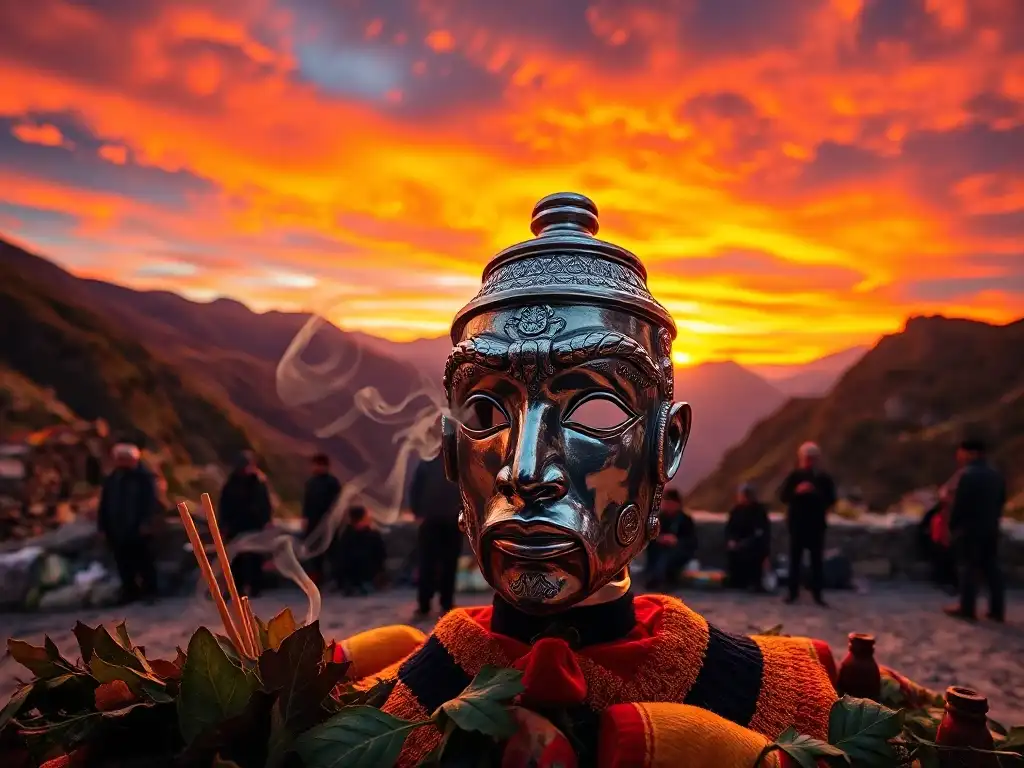
Dive into a world lost to time, yet echoing with the whispers of ancient gods and empires. The Andean Civilizations website unveils the secrets of a fascinating past, from the intricate artistry of the Nazca lines to the awe-inspiring engineering feats of the Incas. But what secrets did gleaming Andean silver hold for these powerful cultures? Prepare to uncover the surprising religious significance of this precious metal and its profound influence on Andean belief systems—a journey into the heart of the Moon's mystery awaits.
The shimmering allure of silver, its pale gleam echoing the lunar light, held profound significance for the ancient Andean civilizations. Far from being merely a precious metal, silver occupied a central position within their complex belief systems, intertwining with their understanding of the cosmos, their deities, and their relationship with the natural world. This exploration delves into the multifaceted role of silver in Andean spirituality, examining its symbolic value, its association with lunar deities, and its prominent place in religious rituals and iconography.
Understanding Andean silver's religious significance requires appreciating the intricate web of cosmology, mythology, and artistry that shaped these remarkable cultures. We will uncover how the lustrous metal became a conduit to the divine, reflecting both earthly power and celestial influence. This journey will illuminate the profound connection between the Andean peoples and the shimmering, moonlit world of silver.
The Andean Cosmos: Lunar Deities and Sacred Metals
The Andean worldview was deeply intertwined with celestial observations. The sun and moon, stars and constellations, all played crucial roles in their cosmology. Lunar deities, often associated with feminine power, fertility, and cyclical renewal, held prominent positions within the pantheon.
Silver, with its silvery sheen mirroring the moon's glow, naturally became linked to these lunar figures. Evidence from archaeological sites suggests a strong connection between silver artifacts and burial practices, often found accompanying elite individuals or placed within sacred contexts. The careful craftsmanship and intricate designs of these objects highlight the reverence with which silver was treated.
Specific examples, like the [specific artifact examples pending] discovered in [specific archaeological site pending], further demonstrate this connection. Moreover, the use of silver in ritual objects, such as [specific ritual object types pending], suggests its active role in ceremonies aimed at appeasing or honoring these lunar divinities. This connection wasn't simply aesthetic; it was deeply theological, imbuing the metal with spiritual power.
Silver's Luster: Reflecting the Moon in Andean Cosmology
The reflective quality of silver was not merely coincidental in its association with the moon. Andean artisans skillfully exploited this characteristic, crafting mirrors and ornaments that captured and reflected light, symbolically connecting the earthly realm with the celestial sphere. These objects weren't simply decorative; they served as tools for divination, communication with the spirit world, and the enactment of religious rituals.
The polished surfaces of silver mirrors, for instance, may have been used to observe celestial events or to facilitate shamanistic practices. Furthermore, the use of silver in jewelry and adornments suggests a desire to embody the moon's power and grace, linking the wearer to the divine.
The meticulous detail in the creation of these pieces, often incorporating other precious materials like gold and turquoise, emphasized their sacred status and the high value placed upon silver itself. The precise techniques used – such as [specific silverworking techniques pending] – further illustrate the sophisticated metalworking skills of Andean artisans.
The Symbolic Value of Silver in Ancient Andean Culture
Beyond its lunar associations, silver held broader symbolic meaning within Andean culture. It represented wealth, power, and prestige, often associated with elite status and divine favor. Its rarity and the difficulty of extraction further enhanced its value.
Silver's incorporation into religious iconography, such as representations of deities or sacred animals, reinforced its spiritual significance. The [specific examples of silver iconography pending], for example, demonstrate its use in representing [specific deities or concepts pending]. The use of silver alongside other materials, like gold and gemstones, in complex assemblages, suggests a symbolic hierarchy reflecting the Andean understanding of the cosmos and their place within it.
The presence of silver in royal tombs, alongside other precious objects, solidifies its association with power and authority, reinforcing its role as a symbol of divine connection and earthly dominion. The careful placement and arrangement of these silver artifacts within burial sites, such as [specific examples of burial contexts pending], provides additional insights into their ritual and symbolic importance. The enduring legacy of Andean silver speaks volumes about its profound influence on their spiritual beliefs and artistic expression.
- The Andean Cosmos: Lunar Deities and Sacred Metals
- Silver's Luster: Reflecting the Moon in Andean Cosmology
- The Symbolic Value of Silver in Ancient Andean Culture
- What role did silver play in Andean religions?
- How was silver used in Andean religious practices?
- Was silver's importance uniform across all Andean cultures?
- What was the connection between silver and the moon in Andean beliefs?
- Where can I learn more about Andean silver and its religious significance?
Andean Silver's Religious Significance: A Deep Dive
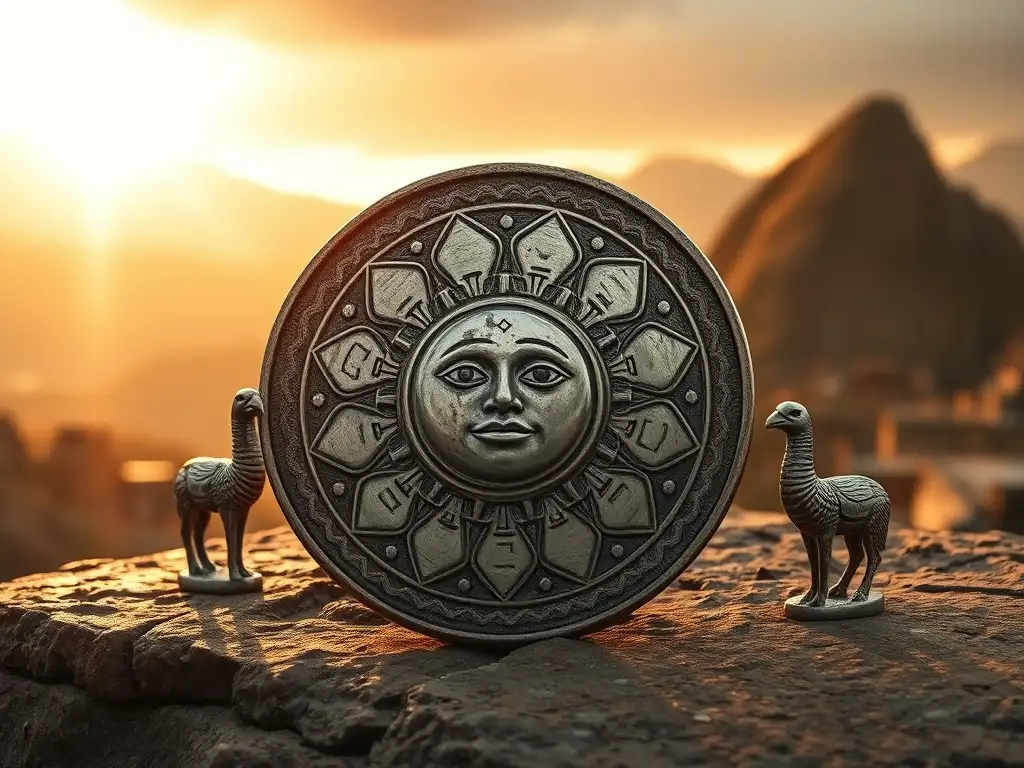
The gleam of silver held profound religious significance for various Andean civilizations. Unlike gold, often associated with the sun and masculine power, silver's connection to the moon imbued it with a different, equally potent spiritual energy. This section explores the multifaceted role of Andean silver, examining its use in rituals, its symbolic representation in art, and its fascinating link to lunar cycles.
Understanding this relationship provides crucial insights into the complex spiritual world of these ancient cultures and their intricate relationship with the cosmos. The scarcity and unique properties of silver further enhanced its perceived mystical qualities, making it a precious material reserved for sacred purposes and elite members of society.
Silver as a Divine Offering in Andean Rituals
Silver's value wasn't solely monetary; it played a vital role in Andean religious practices. Archaeological evidence reveals numerous examples of silver objects discovered within sacred sites, accompanying burials, and used in ceremonial contexts. These findings strongly suggest that silver was considered a worthy offering to the deities, a material capable of bridging the gap between the human and spiritual realms.
For instance, the discovery of intricately crafted silver figurines within Inca tombs indicates their use as votive offerings, intended to appease the gods or ensure a safe passage into the afterlife. The meticulous craftsmanship of these objects further underscores their ritual importance and the high esteem in which silver was held. Furthermore, analysis of the silver's purity and the techniques employed in its working provide further clues about the sophistication of Andean metalworking and the level of reverence afforded to the material.
In some cases, the silver itself was likely believed to possess inherent magical properties, enhancing its effectiveness as a conduit to the divine. The specific rituals involving silver offerings varied across different Andean cultures, reflecting the diversity of their belief systems, yet the underlying reverence for the metal remained consistent.
The Moon, Silver, and Feminine Power in Andean Iconography
The association of silver with the moon is a recurring motif in Andean iconography. The moon, often linked to feminine power, fertility, and cyclical renewal, found its material representation in the lustrous silver. Many silver artifacts depict lunar imagery, either directly through representations of the crescent moon or indirectly through symbols associated with nocturnal deities or lunar goddesses.
This connection is further supported by the discovery of silver objects within contexts related to female deities or rituals associated with fertility and the agricultural cycle. The soft, reflective quality of silver mirrors the ethereal glow of the moon, reinforcing the visual and symbolic link between the two. For example, [specific examples of silver artifacts depicting lunar imagery pending].
This association with the feminine contrasts sharply with the sun's association with masculine power, represented predominantly through gold. This duality highlights the balanced, yet distinct, roles played by the celestial bodies in Andean cosmology and the symbolic richness of silver within that system. The interplay between these celestial bodies and their earthly representations in silver and gold artifacts provides a fascinating lens through which to understand the complex religious beliefs of Andean cultures.
Silver Artifacts and their Connection to Lunar Cycles
The creation and use of silver artifacts were not arbitrary; they were often linked to specific lunar cycles. While definitive evidence requires further research, [specific data on lunar cycles and silver working pending], it's plausible that certain rituals involving silver were timed to coincide with specific lunar phases, particularly the full moon, a time considered auspicious in many cultures. The cyclical nature of the moon's phases mirrors the cyclical patterns of Andean agriculture and life, suggesting a profound connection between the celestial rhythms and the temporal organization of Andean society.
The silvery sheen of the metal, changing subtly in different light conditions, might have further enhanced its perceived connection to the ever-changing moon. The careful selection of specific times for crafting or using silver objects would have added a layer of spiritual significance to these already revered items, emphasizing the intricate connection between the material world and the cosmos in Andean belief systems.
Further investigation into Andean astronomical knowledge and its influence on metalworking practices could shed more light on this fascinating aspect of Andean silver's religious significance. The potential link between lunar cycles and silver working underscores the nuanced understanding of the cosmos held by these ancient civilizations and the deeply integrated nature of their beliefs.
Ancient Andean Metallurgy: Techniques for Working Silver
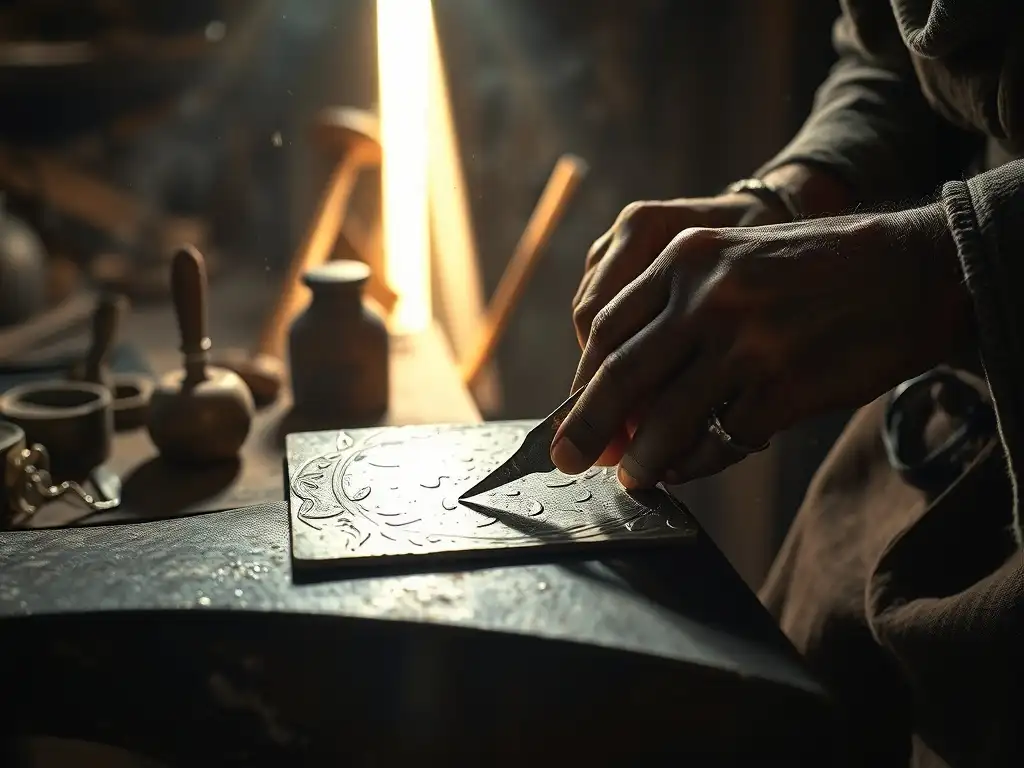
The mastery of Andean silverworking is a testament to the ingenuity and technological prowess of ancient Andean civilizations. Their ability to extract, refine, and shape silver into intricate objects reveals a sophisticated understanding of metallurgy, far exceeding what many might assume for pre-Columbian societies. The process was complex, demanding specialized knowledge passed down through generations of skilled artisans. This section delves into the techniques employed in ancient Andean silver production, highlighting the meticulous steps involved in transforming raw ore into stunning artifacts. Understanding these techniques is crucial to appreciating the religious significance imbued in Andean silver objects.
Mining and Processing Silver in the Andes
Mining silver in the Andes presented significant challenges. High-altitude locations, treacherous terrain, and the need for specialized tools demanded considerable effort and ingenuity. Evidence suggests that Andean miners utilized a variety of techniques, including open-pit mining and underground shaft mining, adapting their methods to the specific geological conditions of each site.
They developed sophisticated systems for supporting mine shafts and transporting ore, often employing rudimentary but effective tools made from stone, bone, and wood. Early mining likely focused on easily accessible surface deposits, but as demand increased, miners ventured deeper underground. The extraction process likely involved crushing the ore and then employing techniques like amalgamation, although the precise details of these processes in various Andean cultures remain a subject of ongoing research.
The refined silver, often alloyed with copper to increase its hardness and workability, was then ready for the next stage of creation. Analyzing the chemical composition of surviving artifacts provides valuable insights into the specific techniques and alloys used by different Andean groups. For instance, the percentage of copper in the alloy could vary significantly depending on the intended use of the finished product, with religious objects potentially receiving a higher quality, purer silver.
Crafting Sacred Objects: Andean Silversmithing Traditions
Once the silver was refined, skilled artisans transformed it into a breathtaking array of objects, each imbued with profound religious meaning. The creation of these sacred objects involved a complex process that combined technical skill with deep spiritual understanding. Andean silversmiths employed techniques like hammering, annealing (heating and cooling to soften the metal), and casting to shape the silver into desired forms.
Intricate designs, often depicting deities, animals, or symbolic motifs, were meticulously crafted, demonstrating a high level of artistry and precision. The tools used were relatively simple, but the mastery of their application was extraordinary. Evidence suggests that some techniques, like lost-wax casting, were employed to create highly detailed and complex forms.
The creation of these objects was not merely a technical process; it was a ritualistic act, connecting the artisan with the spiritual world. The careful selection of materials, the precise execution of techniques, and the infusion of symbolic meaning all contributed to the sacred nature of these silver artifacts. The creation of these pieces was a communal event, often involving several artisans with specialized skills, highlighting the collaborative nature of Andean craftsmanship.
The Use of Silver in Andean Jewelry and Religious Paraphernalia
Andean silver's religious significance is most clearly seen in its use in jewelry and religious paraphernalia. Silver ornaments, such as earrings, necklaces, and headdresses, were not merely decorative; they were powerful symbols of status, power, and spiritual connection. These items often featured intricate designs, representing deities, animals with symbolic meanings (such as condors or jaguars), and celestial bodies, further emphasizing their sacred nature. The use of silver in religious paraphernalia, such as ritual vessels, ceremonial masks, and figurines of deities, reinforced its association with the divine.
These objects were used in rituals and ceremonies, serving as intermediaries between the human and spiritual realms. The careful craftsmanship and symbolic imagery embedded in these objects underscore their importance within Andean belief systems. The sheer variety of forms and styles across different Andean cultures highlights the diverse ways in which silver was incorporated into religious practices.
For example, the Moche culture's use of silver contrasts significantly with that of the Inca, reflecting differing beliefs and artistic traditions. Studying these differences illuminates the nuanced relationship between Andean silver and religious beliefs across time and geographical space. The enduring legacy of these artifacts serves as a powerful testament to the enduring religious significance of Andean silver.
Silver's Role in Andean Myth and Legend
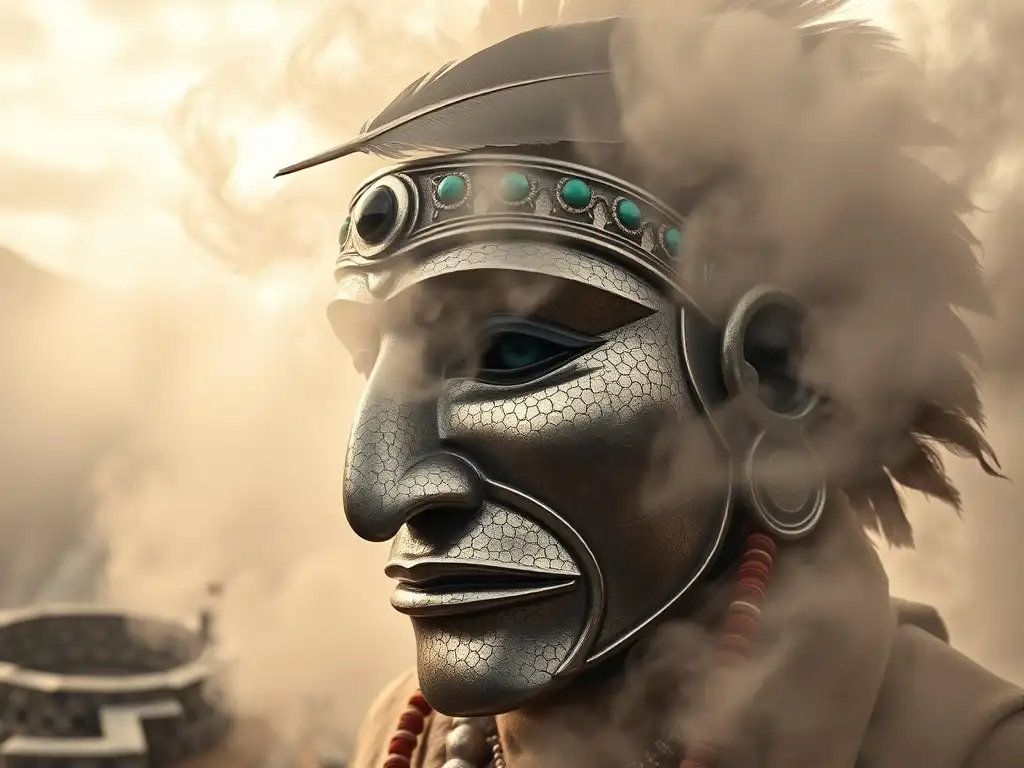
The shimmering allure of silver deeply resonated with Andean cultures, weaving its way into their intricate belief systems and shaping their understanding of the cosmos. Unlike gold, often associated with the sun's power and earthly authority, silver held a more ethereal, mysterious quality, frequently linked to the moon and the underworld. This association significantly impacted its religious significance and its role in Andean rituals and ceremonies.
The precious metal wasn't merely a material resource; it was imbued with spiritual power, reflecting the Andean worldview's complex interplay between the terrestrial and celestial realms. This section delves into the mythical and legendary significance of Andean silver, exploring its connection to lunar deities and its place within Andean creation narratives.
Lunar Myths and the Origin of Silver in Andean Narratives
Many Andean cultures believed silver originated from the moon's celestial glow. Narratives often depicted silver as solidified moonlight, a tangible manifestation of the moon's power. These narratives varied across different Andean groups, reflecting the unique cultural nuances of each society.
For example, some legends described silver as the tears of a moon goddess, shed during moments of sorrow or mourning, while others told of silver being forged in the moon's fiery heart, a testament to its divine origins. These stories weren't simply whimsical tales; they reinforced the sacred nature of silver, highlighting its connection to the lunar cycle and the cyclical nature of life and death so central to Andean cosmology.
The reflective quality of silver, mirroring the moon's light, further solidified this association, emphasizing the metal's power to connect the earthly and the spiritual worlds. The careful crafting of silver objects, often imbued with intricate designs and symbolic motifs, underscores the reverence with which the material was treated.
The Divine Significance of Silver in Andean Creation Stories
Silver's role in Andean creation myths cemented its sacred status. In some cosmogonies, silver represented the moon's influence on the earth, shaping the landscape and influencing the cycles of nature. The metal's association with water and fertility was also prominent; silver artifacts were often found in contexts related to agricultural rituals, suggesting its role in ensuring bountiful harvests and sustaining life.
The interplay between silver's lunar association and its connection to life-giving water further enhanced its divine significance. For example, [specific examples of Andean creation myths involving silver pending], highlighting the metal's crucial role in the creation of the world and the establishment of the cosmic order. This deep-seated connection underscores the importance of Andean silver's religious significance within the broader context of their belief system.
Silver's Representation in Andean Art and Religious Imagery
The religious significance of Andean silver is vividly illustrated in the rich artistic legacy of the Andean civilizations. Silver objects, ranging from intricate jewelry to ceremonial vessels, frequently incorporated symbolic motifs reflecting their divine association. Crescent moon shapes, star patterns, and depictions of lunar deities frequently adorned silver artifacts, reinforcing the metal's connection to the moon and the celestial realm.
The meticulous craftsmanship of these pieces demonstrates the high value placed upon silver and its role in religious practices. Furthermore, the use of silver in burial contexts suggests its continued significance in the afterlife. [Specific examples of silver artifacts with religious imagery and their associated meanings pending].
The analysis of these objects provides invaluable insights into the role of silver in Andean religious rituals and beliefs, solidifying its position as a sacred and powerful material. The detailed craftsmanship and symbolic representation clearly illustrate the profound connection between Andean silver and their spiritual world. The meticulous detail and symbolic richness of these artifacts offer compelling evidence of Andean silver's religious significance, further cementing its place within the study of Andean art and culture.
The Legacy of Silver in Modern Andean Culture
The gleam of silver, so intrinsically linked to the ancient Andean world, continues to hold a powerful presence in contemporary Andean cultures. Its enduring significance transcends mere economic value; it remains a potent symbol woven into the fabric of daily life, religious practices, and artistic expression. This enduring legacy is a testament to the deep-rooted connection between Andean peoples and this precious metal, a connection forged millennia ago and meticulously preserved across generations.
Understanding this modern legacy provides crucial context for interpreting the religious significance of Andean silver in ancient times. The continued use of silver in contemporary Andean societies demonstrates the unwavering strength of traditions and beliefs that have transcended centuries of societal shifts.
Continuing Traditions of Silverworking in the Andes
The skills of Andean silverworking, honed over centuries, persist to this day. Communities across the Andes continue to practice traditional techniques, passed down through families and apprenticeships. From the intricate filigree work of Peru to the bold, geometric designs of Bolivia, the artistry is breathtaking and diverse.
While modern tools may augment traditional methods, the core principles remain remarkably consistent, reflecting a deep respect for ancestral knowledge. This continuity is not simply a matter of economic survival; it's an active affirmation of cultural identity and a vital link to the past. The sheer volume of handcrafted silver items still produced today – jewelry, religious artifacts, household items – testifies to the enduring demand and the thriving nature of these ancient crafts.
This sustained practice demonstrates the ongoing cultural significance of Andean silver, reinforcing its religious and symbolic power. Detailed ethnographic studies are needed to fully document the range of contemporary silverworking practices across different Andean communities and to analyze the evolving styles and techniques. [Specific information pending: detailed ethnographic studies on contemporary Andean silverworking practices].
The Enduring Spiritual Significance of Silver in Andean Communities
Silver's spiritual significance in the Andes is far from extinct. In many communities, silver continues to play a crucial role in religious ceremonies and rituals. For example, silver offerings are still made to deities and ancestral spirits, echoing practices dating back to pre-Columbian times.
The use of silver in religious paraphernalia, such as crosses, chalices, and decorative elements within churches, often blends indigenous beliefs with Catholic symbolism, creating a unique syncretic expression of faith. The lustrous quality of the metal itself is often associated with the sacred, reflecting the divine light or the purity of spiritual energy. Furthermore, the intricate designs adorning many silver objects often incorporate traditional Andean motifs, further emphasizing their religious and symbolic importance.
The enduring presence of silver in Andean spiritual practices underscores its continued power as a conduit between the earthly and spiritual realms. This enduring spiritual significance contributes significantly to the overall cultural value of Andean silver, illustrating its role beyond mere ornamentation. [Specific information pending: further research on the specific rituals and ceremonies where silver is used in contemporary Andean communities].
Colonial Impact on Andean Silver Production and Usage
The Spanish conquest significantly impacted Andean silver production and usage. While the Spanish initially exploited Andean silver mines for their own economic gain, leading to massive extraction and a shift in production towards European styles, this did not completely eradicate indigenous practices. Instead, a complex process of cultural exchange and adaptation occurred. Indigenous artisans often incorporated Spanish techniques and designs, resulting in a unique hybrid style that blended European aesthetics with traditional Andean motifs.
This syncretism is evident in many surviving pieces of colonial-era silver, showcasing a fascinating interplay between Andean and European artistic traditions. The introduction of Christianity also influenced the use of silver in religious contexts, with indigenous beliefs and practices being gradually integrated with Catholic rituals. While the colonial period brought significant changes, it did not entirely erase the religious significance of Andean silver.
Rather, it forged a new path, creating a complex and layered narrative reflecting the resilience of Andean culture and the enduring power of their relationship with this precious metal. The study of colonial-era silver artifacts provides invaluable insights into this dynamic period of cultural exchange and adaptation. [Specific information pending: quantitative data on silver production volume before and after the Spanish conquest and analysis of stylistic changes in Andean silverwork during the colonial period].
Contemporary Interpretations of Silver's Symbolism
The enduring power of silver in Andean cultures is evident in its continued presence in contemporary religious practices and artistic expressions. While the precise interpretations may have evolved over time, the association of silver with the moon, water, and fertility remains a powerful thread connecting ancient beliefs with modern traditions. Many artisans today consciously incorporate these symbolic meanings into their work, creating pieces that resonate with both ancient spiritual traditions and contemporary aesthetics.
For example, silver jewelry featuring moon motifs is still highly sought after, particularly during festivals and religious ceremonies. These pieces are not merely adornments; they are considered powerful talismans, carrying the protective and auspicious energy associated with the silver and its lunar symbolism.
The use of silver in contemporary Andean religious practices also reflects its enduring significance. Silver offerings, often in the form of small figurines or intricately crafted religious objects, are still presented to deities and spirits during ceremonies and rituals. These offerings represent a continuation of ancient traditions, demonstrating the persistent belief in silver's ability to bridge the gap between the human and spiritual realms. The craftsmanship involved often mirrors ancient techniques, further emphasizing the unbroken link between past and present.
The choice of silver for these offerings speaks volumes about the enduring cultural memory and its ongoing influence on religious beliefs and practices. This continued use isn't merely a nostalgic gesture; it's a vibrant demonstration of the enduring power of Andean silver's religious significance. The symbolic weight of the metal remains deeply embedded in contemporary Andean society.
Furthermore, the symbolic significance of Andean silver extends beyond purely religious contexts. Silver's association with purity and cleansing continues to be reflected in contemporary practices, such as the use of silver-infused water for purification rituals or the incorporation of silver elements into healing ceremonies. These practices highlight the multifaceted nature of silver's symbolism, encompassing religious, medicinal, and even social dimensions.
The metal's enduring presence in these diverse contexts underscores its lasting importance within the broader Andean cultural landscape. Its continued use demonstrates the resilience and adaptability of ancient beliefs within a modern context, solidifying its position as a powerful symbol across generations.
Frequently Asked Questions
What role did silver play in Andean religions?
Silver held a significant symbolic role, often associated with the moon, water, and the feminine. It was believed to possess spiritual power and was used in rituals and offerings.
How was silver used in Andean religious practices?
Silver was crafted into ornaments, vessels, and figurines used in ceremonies and burials. These items were often dedicated to deities or used to connect with the spirit world.
Was silver's importance uniform across all Andean cultures?
While silver held importance across various Andean cultures, its specific significance varied. For instance, the Inca might have emphasized different aspects than the Moche or Nazca.
What was the connection between silver and the moon in Andean beliefs?
Silver's bright, reflective quality linked it to the moon's power. The moon, often a female deity, was associated with fertility, water, and the cyclical nature of life.
Where can I learn more about Andean silver and its religious significance?
To delve deeper, explore reputable sources on Andean archaeology and anthropology. Many museums and academic publications offer in-depth studies on Andean silverwork and its religious context.
Final Reflection: The Enduring Luminescence of Andean Silver
The enduring power of silver in Andean cultures transcends mere material value; it represents a profound connection between the earthly and the spiritual, a legacy that continues to resonate today. The intricate relationship between Andean societies and silver, explored throughout this article, reveals a complex tapestry of religious beliefs, artistic expression, and social structures deeply intertwined with this precious metal. Understanding this historical context offers a crucial lens through which to appreciate the enduring cultural significance of silver in the region.
The impact of silver on Andean cosmology and spirituality is undeniable, shaping not only religious practices but also artistic traditions and social hierarchies. Its reflective quality, mirroring the celestial bodies, solidified its association with the moon and the divine. The meticulous craftsmanship evident in pre-Columbian silverwork speaks volumes about the reverence held for this material. Silver, in its brilliance, reflected not only the light of the sun and moon, but also the spiritual light of the gods themselves,
a sentiment echoed across numerous Andean narratives. This legacy continues to influence contemporary Andean art and cultural identity, reminding us of the enduring power of tradition.
Consider, for a moment, the profound symbolism embedded within each piece of Andean silverwork. Imagine the stories whispered into existence as skilled artisans shaped the metal, imbuing it with the spirit of their ancestors. You, the reader, are now invited to explore this legacy further, to seek out the echoes of Andean spirituality in contemporary art and culture.
Let the luminescence of Andean silver inspire you to delve deeper into the rich tapestry of human belief and the enduring power of cultural heritage. By understanding the past, we can better appreciate the present and shape a future where such rich traditions continue to thrive.
Unlock the Secrets of Andean Beliefs!
Thank you for exploring the fascinating world of Andean belief systems, particularly the intriguing connection between the moon and silver. You've uncovered a rich tapestry of culture and spirituality—now it's time to share your discoveries!
- Share your insights! Discuss the symbolism of the moon and silver with friends and family. Your newfound knowledge will undoubtedly spark interesting conversations and deepen your understanding.
- Dive deeper! Explore the intricacies of Andean civilizations further by visiting our website for related articles and resources. Uncover the rich history and vibrant traditions of this captivating culture.
- Attend or organize a local event celebrating Andean traditions and spirituality. Connect with your community and help promote cultural understanding and appreciation.
Which aspect of Andean beliefs resonates most with you, and how will you integrate this knowledge into your life?