
Looming Large: The Role of the Backstrap Loom in Andean Textile Production

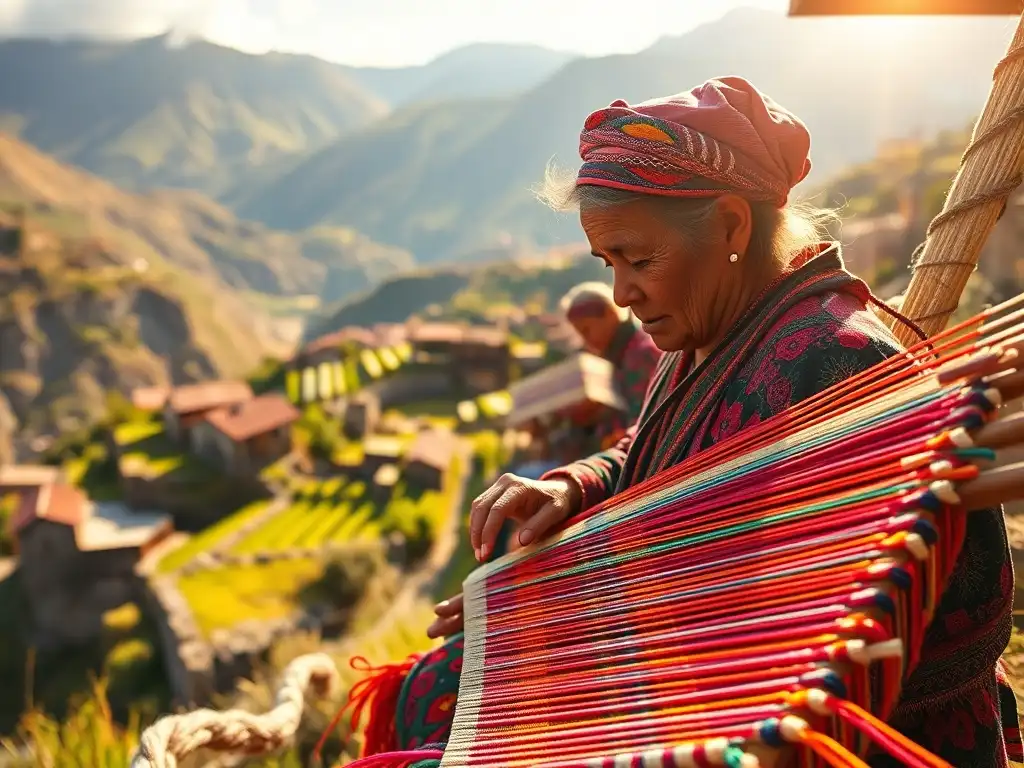
Step into a world woven with mystery and mastery. For centuries, the Andes Mountains have echoed with the rhythmic click of the backstrap loom, a tool that shaped not only exquisite textiles but also the very fabric of Andean societies. Discover how ingenious Andean backstrap loom techniques transformed simple threads into breathtaking works of art, revealing the ingenuity and cultural depth of civilizations like the Inca, Moche, and Nazca. Prepare to be captivated by the stories embedded within each intricately designed piece – a journey awaits you through time and textile artistry.
- The Enduring Legacy of the Backstrap Loom in Andean Textile Production
- The Anatomy of the Andean Backstrap Loom
- Andean Weaving Techniques: The Backstrap Loom in Action
- The Significance of the Backstrap Loom in Andean Culture
- Backstrap Loom Textile Production: From Fiber to Finished Cloth
- The Backstrap Loom: A Comparison with Other Weaving Methods
- Preserving Andean Backstrap Loom Traditions Today
- Conclusion: The Enduring Relevance of the Andean Backstrap Loom
- Frequently Asked Questions
- Final Reflection: Weaving the Past, Present, and Future of Andean Textiles
- **Dive Deeper into Andean Textiles! **
The Enduring Legacy of the Backstrap Loom in Andean Textile Production
The Andes Mountains, a spine of towering peaks running down the western coast of South America, are home to a rich tapestry of ancient civilizations. For millennia, these cultures—from the Nazca to the Inca—developed sophisticated techniques in weaving, creating textiles not merely for clothing and shelter, but as powerful symbols of status, spirituality, and social identity. Central to this remarkable textile tradition was the backstrap loom, a deceptively simple yet incredibly versatile tool that played a crucial role in shaping Andean artistic expression and cultural practices.
This article delves into the enduring legacy of the backstrap loom in Andean textile production, exploring its mechanics, its significance across various Andean cultures, and its continuing relevance today. We will examine how understanding Andean backstrap loom techniques provides critical insight into the complexities of Andean societies and their artistic achievements.
The mastery of these techniques, passed down through generations, represents a remarkable testament to human ingenuity and cultural resilience. Prepare to unravel the fascinating story behind these intricate textiles and the loom that made them possible.
Understanding the Andean Backstrap Loom: An Introduction
The Andean backstrap loom is a portable, back-tensioned loom traditionally used throughout the Andes region. Unlike modern floor looms, it requires minimal materials and setup, making it ideal for nomadic or semi-nomadic lifestyles prevalent in the Andean highlands.
The loom consists of several key components: a warp (the lengthwise threads), a heddle (a device used to separate the warp threads), a shed stick (to help create the shed or opening for weaving), and a backstrap (a strap that is secured around the weaver's waist, providing tension to the warp threads). The weaver sits and uses their body weight to control the tension, creating a rhythmic and controlled weaving process.
The simplicity of its design belies its versatility; Andean weavers skillfully adapted the backstrap loom to produce a breathtaking array of textiles, varying in complexity, design, and purpose. The process itself is a testament to the ingenuity and dexterity of Andean artisans, who, through generations of practice, have perfected intricate techniques resulting in exquisite fabrics.
The remarkable thing about the Andean backstrap loom isn't just its portability but also its adaptability. Different Andean cultures adapted the basic design to suit their needs and aesthetic preferences, resulting in regional variations in technique and style. This diversity speaks to the vibrant and interconnected nature of Andean textile traditions, showcasing a rich interplay between technology, artistry, and cultural identity. For example, [specific examples of regional variations pending] illustrate this diversity exceptionally well.
The Diverse Applications of Andean Textiles: Beyond Clothing
Andean textiles weren't just clothing; they served a multitude of purposes, reflecting the diverse needs and social structures of Andean societies. From intricate ceremonial garments worn by elites to everyday clothing for farmers and herders, textiles played a crucial role in Andean life. Their use extended beyond personal adornment, encompassing a wide range of applications:
- Ceremonial Garments: Elaborate textiles adorned with symbolic designs were worn during religious ceremonies and important rituals, signifying social status and connection to the spiritual realm. The intricate weaving techniques and the symbolic imagery woven into these garments reveal the profound spiritual beliefs and cosmological views of Andean cultures.
- Household Items: Textiles were used to create a variety of household items, including bags, blankets, and tapestries. These everyday objects were often decorated with simpler designs, but they still reflected the weaver's skill and creativity.
- Trade and Exchange: Textiles served as a significant commodity in Andean trade networks, with high-quality textiles being highly valued and exchanged across vast distances. This exchange fostered cultural interaction and the dissemination of weaving techniques and designs.
The variety of uses demonstrates the integral role textiles played in the economic, social, and religious life of Andean communities. The intricate designs and the quality of the materials used often reflected the social status of the owner. This nuanced use of textiles as a communicative tool reveals a complex society with a deep understanding of symbolism and representation.
Preserving the Legacy: The Backstrap Loom Today
Despite the advent of modern technologies, the Andean backstrap loom continues to thrive, a testament to its enduring practicality and artistic significance. Many communities throughout the Andes continue to use the backstrap loom for producing textiles, preserving ancient techniques and traditions. This practice isn't merely a nostalgic pursuit; it is a vital part of Andean cultural identity and a source of economic empowerment for many artisans.
The backstrap loom represents more than just a tool; it is a symbol of cultural continuity, resilience, and the enduring power of traditional craftsmanship. The continued use and adaptation of this ancient technique ensures that the rich heritage of Andean textile traditions will continue to flourish for generations to come.
Furthermore, the growing interest in traditional Andean crafts has helped to revitalize the practice, creating new opportunities for artisans to share their skills and knowledge. The preservation of this technique is not only crucial for maintaining cultural heritage but also for promoting sustainable economic development in Andean communities.
The Anatomy of the Andean Backstrap Loom
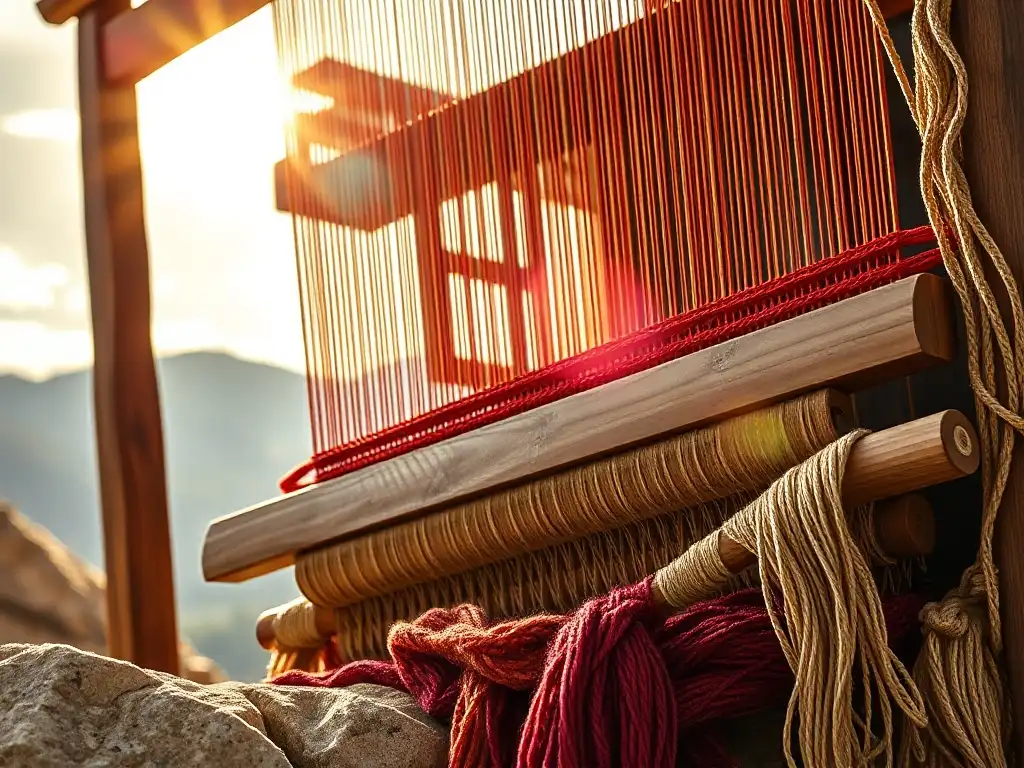
The Andean backstrap loom, a testament to ingenuity and adaptability, stands as a cornerstone of textile production across diverse Andean cultures for millennia. Its seemingly simple design belies a complex interplay of mechanics and artistry, resulting in the creation of vibrantly colored and intricately patterned textiles. Understanding its components is key to appreciating the skill and precision involved in its operation and the resulting cultural significance of the woven products.
This section delves into the intricacies of this remarkable tool, exploring its construction and the materials used in its creation. The enduring legacy of the Andean backstrap loom is inextricably linked to its ingenious design and the readily available resources used in its construction. Mastering the nuances of this loom is a journey into the heart of Andean textile traditions, offering insights into both the technological advancements and the deep cultural values woven into each piece of cloth.
Key Components of the Traditional Backstrap Loom
The traditional Andean backstrap loom, despite variations across different cultures and regions, shares fundamental components. These include:
- The Warp: This is the set of lengthwise threads that form the foundation of the woven fabric. The warp threads are carefully prepared, often spun from natural fibers like alpaca, llama, vicuña, or cotton. The length of the warp dictates the length of the finished textile. The tension of the warp is crucial for even weaving and is controlled by the backstrap mechanism.
- The Healds (or Shed Sticks): These are simple sticks or rods with loops or strings attached, used to separate the warp threads to create the shed—the opening through which the weft thread is passed. The number of heald sticks determines the complexity of the weave. Simpler weaves utilize fewer heald sticks, while more complex patterns require more.
- The Weft: This is the crosswise thread that is interwoven through the warp threads. The weft thread is typically of the same material as the warp, although variations are possible, leading to interesting textural effects. The weft is passed through the shed created by the heald sticks.
- The Shuttle: This is a tool used to carry the weft thread across the warp. Andean shuttles are often simple, sometimes just a small stick with a groove to hold the weft. The shuttle's design allows for efficient and precise insertion of the weft thread.
- The Backstrap: This is a crucial component, a strap or rope that allows the weaver to control the tension of the warp threads. One end of the strap is tied to a fixed point (like a post or tree), while the other is secured around the weaver's waist. By leaning back, the weaver increases the warp tension, facilitating the weaving process. This ingenious system allows for portability and adaptability to various weaving environments.
- The Warp Beam: This is a simple beam or rod around which the warp threads are wound. It helps to maintain the tension and organization of the warp threads during the weaving process. Variations in warp beam design are found across different Andean communities.
Materials Used in Backstrap Loom Construction
The materials used in constructing Andean backstrap looms reflect the resourcefulness and ingenuity of the Andean peoples. The choice of materials often depended on local availability and cultural preferences. Examples include:
- Wood: Different types of wood were used for the heald sticks, shuttle, and warp beam, depending on availability and desired properties like strength and flexibility. Often, readily available woods from local forests were employed.
- Fiber: Natural fibers like cotton, wool, or plant fibers were frequently used for the backstrap. The choice of fiber would depend on factors such as strength, durability, and availability. In some cases, the backstrap might even be made from leather or other animal hides.
- Stone or Bone: In certain regions, stone or bone might have been incorporated into the loom's construction, particularly for creating weights or other structural elements. These materials add to the durability and longevity of the loom.
| Component | Material Examples | Cultural Significance |
|---|---|---|
| Heald Sticks | Wood (various species) | Reflects local forest resources and craftsmanship |
| Warp Beam | Wood, Bamboo | Simple design, emphasizes functionality over ornamentation |
| Backstrap | Cotton, Wool, Leather, Plant Fibers | Durability and comfort; may bear symbolic significance |
| Shuttle | Wood, Bone | Simple design reflecting practicality |
The construction of the Andean backstrap loom is a testament to the ingenuity and resourcefulness of Andean cultures. The materials used, often readily available natural resources, highlight the sustainable and environmentally conscious practices that were integral to their textile production. The simplicity of the loom’s design belies its effectiveness and adaptability, contributing significantly to the rich tapestry of Andean textile art.
Andean Weaving Techniques: The Backstrap Loom in Action
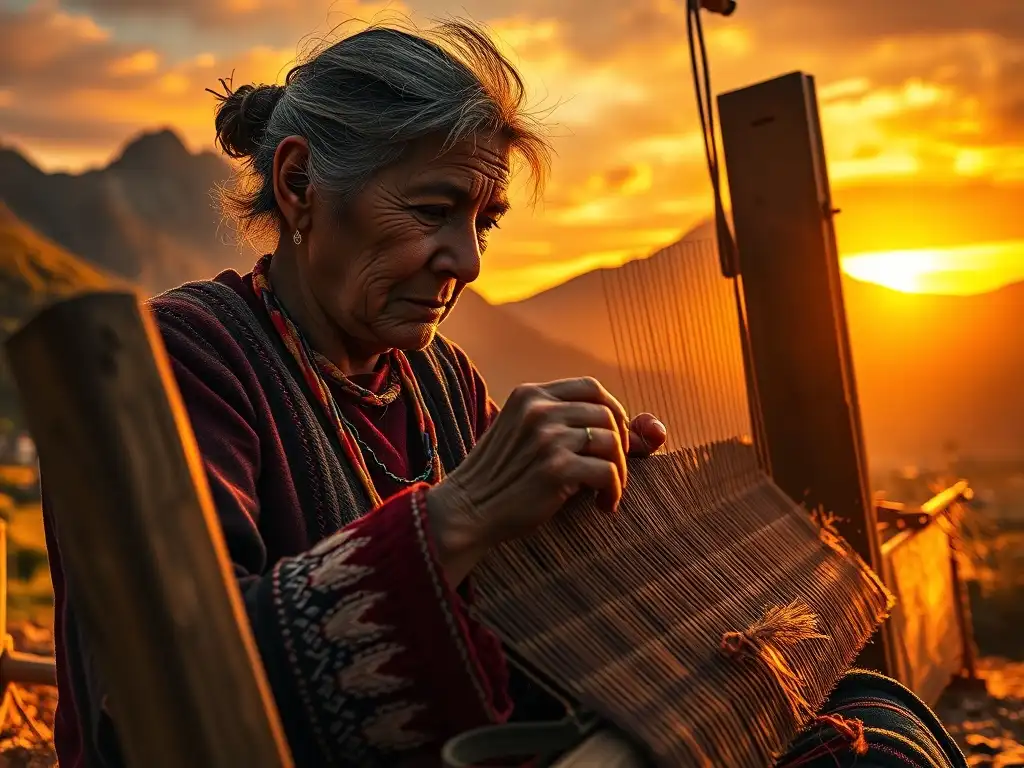
The Andean backstrap loom, a testament to the ingenuity of ancient Andean civilizations, stands as a cornerstone of their textile traditions. Its portability and relative simplicity allowed for widespread use across diverse Andean communities, from the high altitudes of the Andes mountains to the coastal regions. Understanding the techniques employed in operating this loom is crucial to appreciating the artistry and skill embedded within Andean textiles.
This section delves into the intricacies of Andean backstrap loom techniques, exploring the warping process, weaving methods, and pattern creation. The mastery of these techniques resulted in the production of incredibly diverse and durable textiles, reflecting the rich cultural tapestry of the region. Mastering the Andean backstrap loom was a skill passed down through generations, a vital part of social and economic life.
The Process of Warping on a Backstrap Loom
Warping, the initial stage of weaving, involves preparing the lengthwise threads (warp) that form the foundation of the fabric. In Andean backstrap loom techniques, this process is particularly nuanced. The weaver first determines the desired length and width of the finished textile. Then, using a carefully measured length of yarn, they begin the warping process.
This often involves winding the yarn around a warping board or a series of pegs, creating a precisely controlled set of parallel warp threads. The tension of these threads is crucial, as it directly impacts the evenness and quality of the final woven fabric. Different yarn types, like alpaca or llama wool, required varying degrees of tension control, demanding considerable skill and experience from the weaver. The warp threads are then carefully attached to the loom's heddles and the backstrap, ready for the weaving process.
The precision required at this stage is remarkable, laying the groundwork for the intricate patterns and designs that would follow. A slight mistake in warping could lead to significant problems later in the weaving process. This meticulous preparation highlights the deep respect for materials and the dedication to quality inherent in Andean textile traditions.
Weaving Techniques Employed with the Backstrap Loom
Once the warp is prepared, the actual weaving process begins. Andean backstrap loom techniques utilize a variety of methods to create different fabric structures and textures. The weaver sits with the warp threads stretched between the loom's components: the backstrap, which is secured around the weaver's waist, and a fixed beam or post. Using a shed stick and heddles (a series of loops or strings used to separate warp threads), the weaver creates openings (sheds) through which the weft (crosswise) threads are passed.
The weft threads are interlaced with the warp threads using a variety of techniques, including plain weave, tapestry weave, and supplementary weft techniques. Plain weave, the simplest technique, involves alternating the weft thread over and under the warp threads. More complex techniques, such as tapestry weave, allow for the creation of intricate designs and multicolor patterns. Supplementary weft techniques add decorative elements to the fabric's surface.
The weaver's control over the shed, the tension of the warp and weft threads, and the choice of weaving technique directly impacts the final appearance and feel of the textile. The backstrap loom's flexibility allows for a remarkable range of textile structures, showcasing the weaver's technical mastery and creative vision. Different communities developed their own unique variations within these techniques, adding to the diversity of Andean textile traditions.
Creating Intricate Patterns Using the Backstrap Loom
The beauty of Andean textiles lies not only in their technical excellence but also in their intricate patterns and designs. Andean backstrap loom techniques facilitated the creation of complex geometric patterns, stylized representations of animals and plants, and symbolic motifs reflecting the weaver's cultural beliefs and worldview. These patterns are often created using supplementary weft techniques, where additional threads are added to the surface of the fabric to create raised designs or contrasting colors.
Other methods include manipulating the warp threads to create floating patterns or employing different colored yarns to create intricate designs. The precision and control required to create these complex patterns are astonishing, demonstrating the high level of skill and artistry of Andean weavers. The patterns themselves hold deep cultural significance, often encoding narratives, social status, or religious beliefs.
Analyzing these patterns offers a valuable window into the rich cultural history and spiritual world of the Andean peoples. The enduring legacy of these intricately patterned textiles serves as a powerful testament to the enduring creativity and skill of Andean weavers. The ability to create such detailed patterns on a portable loom is a testament to the sophistication of Andean backstrap loom techniques.
The Significance of the Backstrap Loom in Andean Culture
The backstrap loom, a seemingly simple device, holds immense significance within the tapestry of Andean culture. Its enduring presence across diverse Andean societies, from the pre-Inca cultures to the present day, speaks volumes about its deep-rooted importance, transcending mere functionality. Far from being simply a tool for textile production, the backstrap loom represents a complex interplay of technology, social structure, gender roles, and spiritual beliefs.
Its ubiquitous presence in Andean life is a testament to its adaptability and its crucial role in shaping Andean identity and cultural continuity. Understanding its significance requires examining its multifaceted impact on Andean societies. This section will delve into the loom's symbolic power, its role in social dynamics, and the enduring methods of its cultural transmission.
The Backstrap Loom as a Symbol of Feminine Power
The backstrap loom is inextricably linked to the lives of Andean women. For centuries, women have been the primary weavers, mastering the intricate techniques and creating textiles of unparalleled beauty and complexity. This association wasn't simply a division of labor; it imbued the loom with a powerful symbolic meaning. The creation of textiles on the backstrap loom represented a potent expression of feminine power, creativity, and social status. The vibrant colors, intricate designs, and the sheer skill involved in weaving intricate patterns all contributed to the prestige associated with female weavers.
More than just creating clothing, the textiles produced were integral to Andean rituals, ceremonies, and social interactions. The intricate designs often held symbolic meaning, communicating social status, family lineage, and even mythological narratives. The women who created these textiles were therefore not merely artisans, but keepers of cultural memory and tradition, their skills representing a powerful form of knowledge transmission.
The backstrap loom, therefore, served as a tangible representation of this feminine power, a tool that facilitated the creation of objects imbued with cultural and spiritual meaning. This connection continues to be relevant in contemporary Andean communities, where the loom remains a vital symbol of female empowerment and cultural identity.
The backstrap loom's influence extended far beyond the individual weaver, significantly impacting Andean social structures. The production of textiles was not an isolated activity but a deeply integrated aspect of Andean social life. The skills required to operate a backstrap loom were often passed down through generations within families, fostering strong social bonds and contributing to the stability of community structures.
Furthermore, the textiles themselves played a crucial role in trade and exchange networks. High-quality textiles, particularly those with intricate designs and rare dyes, were highly valued and served as important commodities, facilitating economic interactions and establishing alliances between different communities. The production and exchange of textiles, therefore, contributed to the economic prosperity and social cohesion of Andean societies.
The backstrap loom, as the primary tool for this production, played an essential role in shaping these social and economic dynamics. The loom's significance can be directly linked to the societal structures and economic systems of the Andean region, demonstrating its importance beyond individual skill.
The Cultural Transmission of Backstrap Loom Techniques
The remarkable longevity of backstrap loom weaving across Andean cultures is a testament to the effectiveness of its traditional methods of cultural transmission. This knowledge wasn't simply recorded in books or manuals; it was passed down through generations through a process of apprenticeship and direct observation. Young girls would learn from their mothers, grandmothers, and other experienced weavers, absorbing the intricate techniques through hands-on experience. This direct, experiential learning ensured the preservation of traditional techniques and designs.
This process of cultural transmission also included the sharing of knowledge within communities. Weavers would often collaborate on projects, sharing their skills and techniques, fostering a sense of community and mutual support. This collaborative approach ensured the preservation of diverse weaving styles and the adaptation of techniques to suit specific local conditions.
The continued use of the backstrap loom today, even in the face of modern industrial technologies, is a testament to the robustness and effectiveness of this traditional method of cultural transmission. The enduring legacy of Andean backstrap loom techniques is a direct result of this sustained, hands-on approach to learning and sharing, ensuring the continuity of this vital aspect of Andean cultural heritage. The vitality of these techniques speaks to the strength and resilience of the Andean cultural identity.
Backstrap Loom Textile Production: From Fiber to Finished Cloth
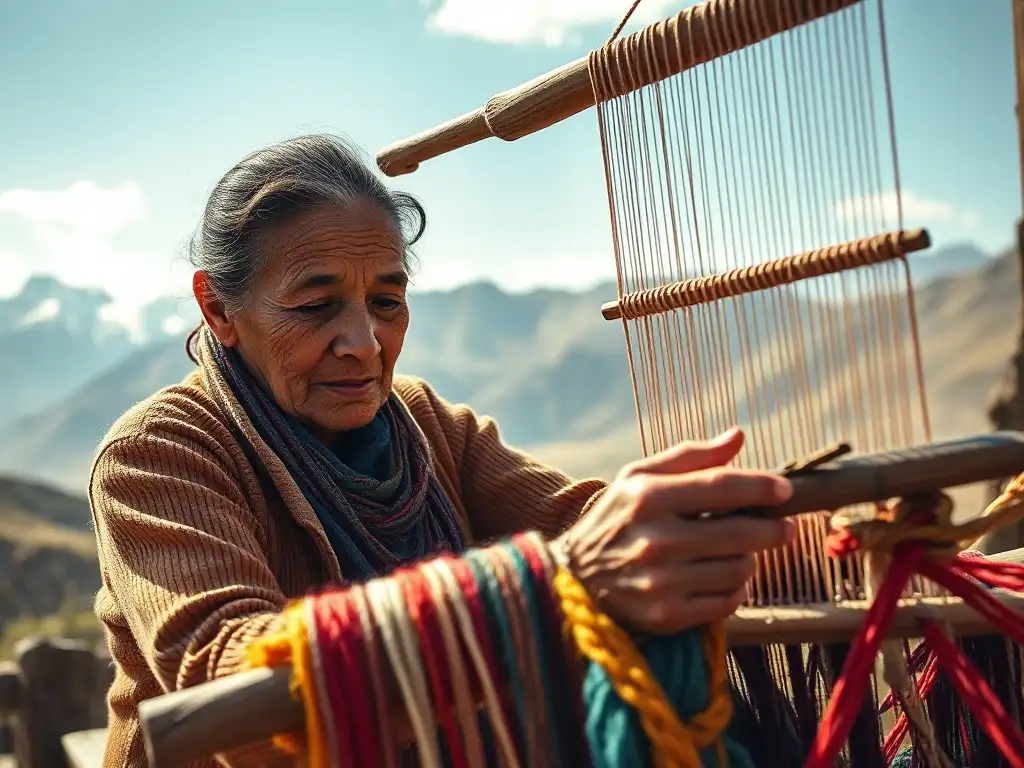
The Andean backstrap loom, a testament to ingenuity and adaptability, played a pivotal role in the textile production of various Andean cultures. Its portable nature allowed for weaving in diverse environments, from high-altitude villages to coastal settlements. Understanding its operation requires exploring the entire process, from fiber preparation to the creation of intricate designs.
This section delves into the techniques employed, highlighting the skill and artistry involved in Andean backstrap loom techniques. The loom itself, a simple yet effective device, facilitated the creation of a vast array of textiles, each imbued with cultural significance and reflecting the unique aesthetics of different Andean groups. Mastering the backstrap loom was a crucial skill, passed down through generations, ensuring the continuity of textile traditions.
Preparing Natural Fibers for Andean Weaving
Before the intricate process of weaving could begin, the raw materials needed careful preparation. Andean weavers utilized a variety of natural fibers, including alpaca, llama, vicuña, and cotton, each requiring specific treatments to achieve optimal weaving properties.
The initial step involved cleaning the fibers. This often involved meticulous hand-sorting to remove debris and separating the fibers based on quality. For example, alpaca fibers required more delicate handling to avoid damage to their delicate structure. Following cleaning, the fibers underwent carding, a process of aligning fibers to create a consistent and smooth yarn. This was typically done using hand combs, a process that required considerable skill and patience.
After carding, the fibers were spun into yarn using a hand spindle or drop spindle. This involved twisting the fibers together, creating a continuous thread of varying thickness depending on the desired outcome. The thickness and evenness of the yarn directly impacted the final texture and quality of the woven textile. Different regions and cultures developed their own techniques, resulting in a wide diversity in yarn quality and appearance. The skill of spinning was highly valued, with experienced spinners able to produce incredibly fine and strong yarns.
Finally, the spun yarn was often dyed using natural pigments derived from plants, minerals, and insects. Cochineal insects, for instance, yielded vibrant red hues, while various plants provided yellows, browns, and greens. The dyeing process was often complex and involved multiple steps, resulting in rich and durable colors. These vibrant colors are a hallmark of Andean textiles and further showcase the technical expertise of the weavers.
The Stages of Textile Creation on the Backstrap Loom
The backstrap loom itself is deceptively simple: a warp (the lengthwise threads) is stretched between a fixed point (often a tree or post) and a belt worn around the weaver's waist. This ingenious setup allows for precise control over the tension of the warp. The weft (the crosswise threads) is then woven through the warp using a shuttle. Several stages are crucial to the process:
- Warping: This initial step involves preparing the warp threads. The weaver meticulously measures and prepares the required length of yarn, then winds it onto a warping board or directly onto the loom. The precise tension of the warp is critical to the final fabric’s evenness.
- Weft insertion: Using a shuttle, the weaver interlaces the weft yarn over and under the warp threads. This is a rhythmic process that requires both skill and precision. Different weaving techniques, such as plain weave, twill weave, and tapestry weave, are employed to create various textures and patterns.
- Beating: After each pass of the weft, the weaver uses a comb-like tool to compact the woven threads, creating a tight and even fabric. This process is crucial for the durability and appearance of the finished textile.
- Finishing: Once the weaving is complete, the finished textile undergoes a final process of cleaning and potentially additional finishing touches. This might include washing, shearing, or other techniques to enhance its texture and appearance. The finished piece is a testament to the weaver's skill and patience.
The entire process, from warp preparation to finishing, demands considerable dexterity and knowledge. The intricacy of some Andean textiles, with their complex designs and fine weaves, speaks volumes about the mastery of these techniques.
The Diverse Range of Textiles Produced with the Backstrap Loom
The Andean backstrap loom was incredibly versatile, producing a vast array of textiles for diverse purposes. These included:
- Clothing: From simple tunics and ponchos to elaborate ceremonial garments, the backstrap loom provided the means to create clothing suitable for various climates and social occasions. The textiles' durability and warmth were crucial in the Andean environment.
- Household textiles: Blankets, rugs, and bags were also produced using the backstrap loom. These items displayed a wide range of patterns and colors, reflecting the cultural preferences and artistic talents of the weavers.
- Ceremonial textiles: Intricate textiles were created for ritual purposes, often adorned with symbolic designs and rich colors. These textiles played significant roles in religious ceremonies and social events.
The variety of textiles produced highlights the adaptability and importance of the backstrap loom in Andean societies. The loom's portability and relative simplicity allowed for widespread use, contributing to the rich tapestry of Andean textile traditions. Each piece, whether a simple garment or a richly decorated ceremonial cloth, represents not only a functional item but also a cultural artifact, reflecting the creativity and skill of Andean weavers. The enduring legacy of these techniques is a testament to their ingenuity and enduring appeal.
The Backstrap Loom: A Comparison with Other Weaving Methods
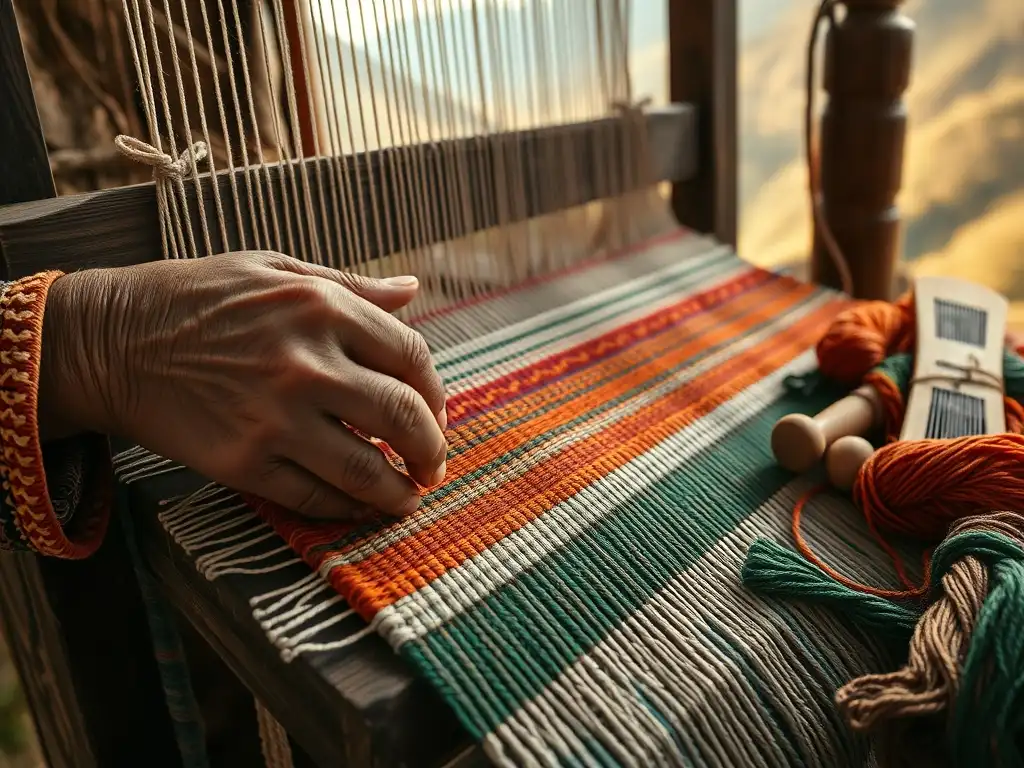
The Andean backstrap loom, a defining element of Andean textile production, stands apart from other weaving methods due to its portability, simplicity, and the unique characteristics it imparts to the finished textiles. Understanding its mechanics and comparing it to other loom types reveals its significance within the broader context of Andean textile artistry. The backstrap loom's prevalence across diverse Andean cultures highlights its adaptability and enduring importance in shaping the region's rich weaving traditions. Mastering Andean backstrap loom techniques required significant skill and knowledge passed down through generations, ensuring the continuity of this ancient craft.
Contrasting Backstrap Loom Techniques with Frame Loom Techniques
The most significant difference between the Andean backstrap loom and frame looms (like those used in European traditions) lies in its structure and operation. Frame looms are stationary, often large and complex structures requiring significant setup and space. They typically utilize a heddle system for controlling warp threads, allowing for more complex weaving patterns and higher production speeds.
In contrast, the backstrap loom is portable and easily adaptable. It uses the weaver's body—specifically, a strap around the waist and a fixed point—to control warp tension, leading to a unique weaving process. This body-based tensioning system, a core component of Andean backstrap loom techniques, directly influences the textile's final drape and texture.
| Feature | Andean Backstrap Loom | Frame Loom |
|---|---|---|
| Portability | Highly Portable | Stationary |
| Complexity | Relatively Simple | More Complex |
| Warp Tension | Body-controlled | Mechanical (heddles) |
| Production Speed | Slower | Faster |
| Pattern Complexity | Limited (though intricate designs achievable) | Greater |
| Textile Characteristics | Unique drape and texture | Varies widely |
The absence of a complex heddle system in the backstrap loom restricts the range of patterns achievable compared to frame looms. However, Andean weavers overcame this limitation through their mastery of supplementary weft techniques, creating incredibly intricate and visually stunning designs. This ingenuity highlights the adaptive nature of Andean backstrap loom techniques and the weavers' profound understanding of their craft. The resulting textiles, while possibly produced more slowly, possess a unique character and quality unmatched by machine-made or even many frame-loom woven fabrics.
Advantages and Limitations of the Backstrap Loom
The advantages of the Andean backstrap loom are numerous, particularly within the context of its historical use. Its portability allowed weavers to work virtually anywhere, a critical factor for nomadic or semi-nomadic Andean communities. This mobility was crucial for adapting to changing environmental conditions and seasonal migration patterns.
The simplicity of the loom itself meant that it could be easily constructed and repaired using readily available materials, making it accessible to a wide range of individuals. The intimate connection between the weaver and the loom, a defining feature of Andean backstrap loom techniques, fostered a unique relationship with the craft and the resulting textiles.
However, the backstrap loom also presents limitations. The body-controlled warp tension limits both the width of the fabric that can be woven and the speed of production. Compared to frame looms, the backstrap loom is significantly slower, influencing the overall output.
While intricate patterns are achievable, the lack of a heddle system restricts the complexity of certain designs compared to more sophisticated loom types. Despite these limitations, the unique qualities of textiles produced on the backstrap loom—their drape, texture, and the inherent connection to the weaver's skill and tradition—have ensured its continued relevance and appreciation even today. The enduring legacy of Andean backstrap loom techniques is a testament to the ingenuity and adaptability of Andean textile artists.
Preserving Andean Backstrap Loom Traditions Today
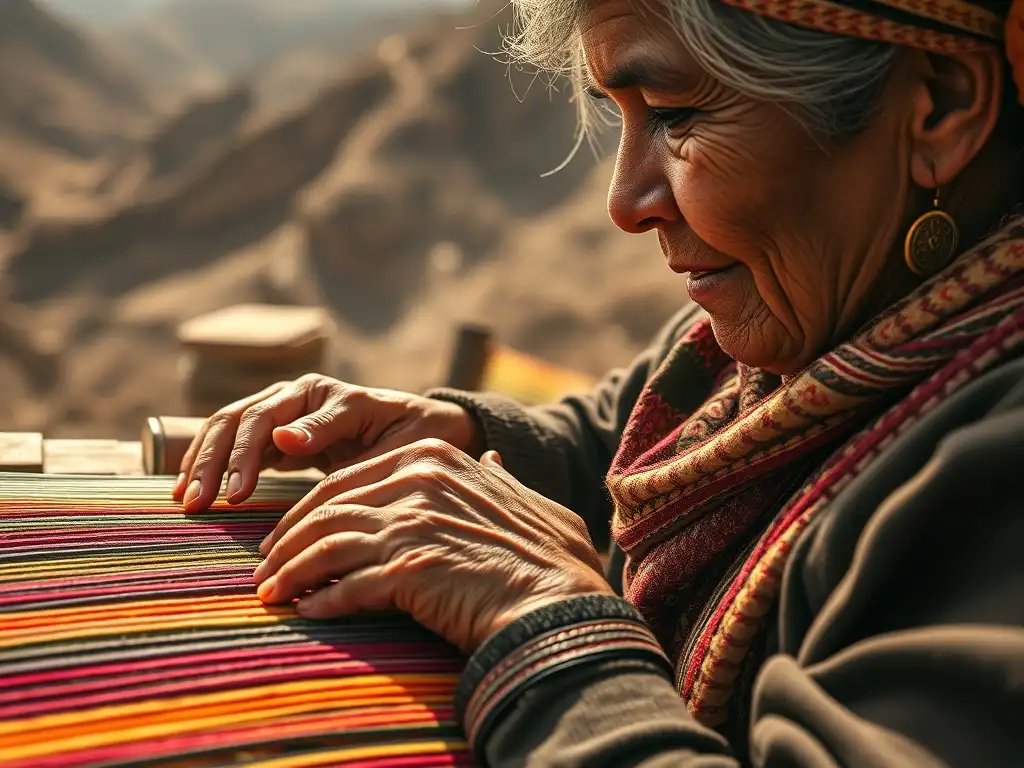
The vibrant tapestry of Andean textile traditions, intricately woven for millennia on the backstrap loom, faces a complex web of challenges in the modern world. While the loom itself remains a powerful symbol of Andean identity and ingenuity, its continued practice requires concerted effort to ensure its survival and evolution. Understanding the pressures impacting traditional weaving is crucial to developing effective preservation strategies. The very techniques that define "Andean backstrap loom techniques" are at stake.
Challenges Facing the Preservation of Traditional Weaving
Several factors threaten the continuity of Andean backstrap loom weaving. Firstly, the allure of modern, mass-produced textiles presents a significant economic challenge. The time-intensive nature of hand-weaving, using traditional Andean backstrap loom techniques, often means that the resulting textiles are more expensive than factory-made alternatives. This price difference makes it difficult for weavers to compete in the market, leading some to abandon their craft for more lucrative, albeit less fulfilling, employment opportunities.
Secondly, the transmission of knowledge is facing a critical juncture. The intricate skills involved in operating the backstrap loom and creating complex designs are traditionally passed down through generations within families. However, younger generations are increasingly drawn to urban centers and modern lifestyles, leading to a decline in apprenticeship opportunities and a subsequent loss of invaluable expertise. This generational gap threatens to sever the unbroken chain of Andean backstrap loom techniques.
Finally, the impact of globalization and tourism presents both opportunities and challenges. While tourism can provide a market for handcrafted textiles, it can also lead to the production of cheaper, mass-produced imitations that undermine the value of authentic, traditionally made items. Furthermore, the demand for specific designs or motifs can sometimes lead to a simplification or alteration of traditional patterns, potentially diluting the cultural significance inherent in the Andean backstrap loom techniques.
Initiatives to Support Andean Weavers and their Craft
Despite the challenges, numerous initiatives are working to preserve and promote Andean backstrap loom weaving. These efforts range from community-based workshops and training programs that teach young people traditional Andean backstrap loom techniques, to the creation of fair-trade markets that ensure weavers receive fair compensation for their work. Many organizations are also actively engaged in documenting traditional weaving practices through detailed research and the preservation of historical artifacts.
Several non-profit organizations are actively working to support Andean weavers and their craft. These organizations often provide access to better quality materials, offer business training to help weavers market their products more effectively, and promote the cultural significance of their work to a wider audience. These initiatives are vital in ensuring the long-term sustainability of traditional weaving practices and the preservation of Andean backstrap loom techniques as a living cultural heritage. The success of these efforts relies heavily on collaboration between weavers, NGOs, and government agencies.
Furthermore, the increasing popularity of ethical and sustainable consumption patterns is creating new opportunities for Andean weavers. Consumers are becoming more aware of the social and environmental costs of mass production and are increasingly seeking out handcrafted goods that support traditional communities and sustainable practices. This growing market for ethically sourced textiles provides a crucial lifeline for Andean weavers and helps to secure the future of their craft.
The Future of the Backstrap Loom in Andean Communities
The future of the Andean backstrap loom hinges on the successful integration of tradition with innovation. While preserving traditional Andean backstrap loom techniques remains paramount, it's equally crucial to adapt to changing circumstances. This might involve exploring new markets, incorporating modern technologies (while maintaining traditional techniques), and fostering collaboration between generations of weavers.
The development of sustainable tourism initiatives that directly benefit Andean communities is also crucial. This could involve creating opportunities for weavers to share their skills and knowledge with visitors, thereby generating income and fostering cultural appreciation. Educating consumers about the cultural significance and economic importance of traditional textiles can also play a significant role in ensuring the long-term viability of this ancient craft.
Ultimately, the future of the Andean backstrap loom lies in the hands of both the weavers themselves and those who recognize the value of preserving this rich cultural heritage. The preservation of these unique “Andean backstrap loom techniques” is not just about textiles; it's about safeguarding a vital part of Andean identity and cultural heritage.
Conclusion: The Enduring Relevance of the Andean Backstrap Loom
The Andean backstrap loom, a seemingly simple device, played a pivotal role in shaping the rich tapestry of Andean textile art. Its enduring legacy extends far beyond its practical function; it represents a profound connection to ancestral knowledge, cultural identity, and artistic expression. From the intricate designs of the Nazca to the vibrant textiles of the Inca, the backstrap loom facilitated the creation of masterpieces that continue to inspire awe and admiration today.
Understanding its mechanics and significance is crucial to appreciating the depth and complexity of Andean textile traditions. The continued use of this ancient technology speaks volumes about the resilience and ingenuity of Andean cultures, and the enduring power of traditional craftsmanship.
It serves as a powerful reminder of the interconnectedness between technology, artistry, and cultural preservation. Further research into specific regional variations and the evolving techniques used across different Andean communities promises to reveal even more about the fascinating history and continuing evolution of this remarkable tool.
The Backstrap Loom's Contribution to Andean Textile Art
The backstrap loom's impact on Andean textile art is undeniable. Its portability allowed weavers to create textiles in diverse settings, from high-altitude villages to bustling marketplaces. This mobility facilitated the exchange of ideas and techniques, resulting in a diverse range of styles and designs across different Andean cultures.
The loom's inherent limitations, such as the relatively narrow width of the woven piece, actually fostered creativity. Weavers developed ingenious solutions, such as joining multiple panels or employing specific weaving techniques to create larger, more complex textiles. The intricate designs woven on these looms, often incorporating symbolic motifs related to Andean cosmology, mythology, and social structures, are testaments to the exceptional skill and artistic vision of Andean weavers.
The precision and control afforded by the backstrap loom allowed for the creation of incredibly fine and detailed work, showcasing a mastery of technique that continues to inspire contemporary artists. Consider, for instance, the incredibly fine detail found in Paracas textiles – a testament to the loom's capabilities. Analysis of surviving textiles reveals a sophisticated understanding of color theory, design principles, and symbolic representation, all achieved with this relatively simple technology.
Celebrating the Artistry of Andean Weavers
The Andean backstrap loom is more than just a tool; it's an instrument of cultural preservation and artistic expression. It is a testament to the skill, ingenuity, and dedication of generations of Andean weavers. Their artistry is not merely technical proficiency; it's a profound connection to their ancestral heritage and a vital means of transmitting cultural knowledge across generations.
The vibrant colors, intricate patterns, and symbolic meanings embedded in Andean textiles reflect a deep understanding of their world and their place within it. The continued practice of backstrap weaving in many Andean communities ensures that this vital tradition lives on, providing a tangible link to the past and a powerful symbol of cultural identity. By appreciating the artistry of these weavers, we gain a deeper understanding of the rich cultural heritage of the Andes and the enduring power of traditional craftsmanship.
We must actively support the preservation of this important tradition and celebrate the remarkable skill and creativity of the Andean weavers who continue to create stunning masterpieces using this ancient technology. The legacy of the Andean backstrap loom is a powerful reminder of the enduring human spirit and the importance of preserving cultural heritage for future generations. 🧶
Frequently Asked Questions
What is a backstrap loom?
A backstrap loom is a simple, portable loom used for weaving. It's traditionally worn around the weaver's waist, allowing for flexible weaving in various locations. The tension is controlled by the weaver's body.
How did Andean civilizations use backstrap looms?
Andean cultures extensively used backstrap looms for creating intricate textiles. These looms were vital for producing clothing, tapestries, and ritual objects. The technique allowed for complex designs and patterns.
What makes Andean backstrap loom techniques unique?
Andean techniques are characterized by their sophistication and diversity. Weavers employed unique knotting and spinning methods, resulting in incredibly durable and visually stunning textiles. The designs often reflected specific cultural beliefs and practices.
What types of materials were used in Andean backstrap loom weaving?
Andean weavers used a variety of locally sourced materials, including alpaca, llama, vicuña, and cotton. The choice of material often depended on the intended use and the weaver's community. Natural dyes were also commonly used to create vibrant colors.
Are Andean backstrap loom techniques still practiced today?
Yes, Andean backstrap loom techniques are still practiced today, though often in a modernized form. Many communities continue to preserve these ancient traditions, passing down the skills through generations. This ensures that the cultural legacy continues.
Final Reflection: Weaving the Past, Present, and Future of Andean Textiles
The enduring legacy of the Andean backstrap loom is not merely a historical artifact; it is a vibrant testament to human ingenuity and cultural resilience that continues to shape textile production today. The intricate techniques, passed down through generations, remain a powerful symbol of Andean identity and a source of economic empowerment for countless artisans. This intricate weaving process, far from being relegated to museums, thrives in the modern world, adapting and evolving while maintaining its core essence.
The backstrap loom's influence extends far beyond the creation of beautiful textiles; it represents a deep connection to ancestral knowledge, a powerful narrative of community, and a sustainable approach to craft. The threads we weave are not just threads, but the stories of our ancestors, the hopes of our present, and the dreams of our future.
This quote, while not directly from an Andean weaver, perfectly encapsulates the profound significance of this ancient craft. Its continued practice ensures the preservation of invaluable cultural heritage and provides a vital link to the past, a living history that enriches the present.
Consider the intricate patterns, the vibrant colors, the stories woven into each thread. Now, consider your own life, your own story. What traditions, skills, or knowledge do you carry forward? How can you, in your own way, weave your own unique narrative into the fabric of your community and the world? Let the enduring spirit of the Andean backstrap loom inspire you to embrace your heritage, celebrate your skills, and contribute to a future rich in tradition and innovation.
**Dive Deeper into Andean Textiles! **
Thank you for exploring the fascinating world of Andean textile production with us! We hope you gained valuable insights into the rich tradition and craftsmanship of the backstrap loom. Let's continue your journey and connect more deeply with this vibrant culture.
Here are a few engaging ways to do so:
- **Participate in a local weaving workshop** to experience the art of backstrap weaving firsthand, or explore online classes taught by skilled artisans.
- Connect with artisans directly through social media or at local markets to support their work and further appreciate their incredible skill.
- Share your newfound knowledge and appreciation with friends and family; perhaps host a small discussion or share this article on social media.
What aspect of Andean textile traditions most inspires you to explore your own creativity?