
Beyond Adornment: The Symbolic Power of Jewelry in Ancient Andean Society

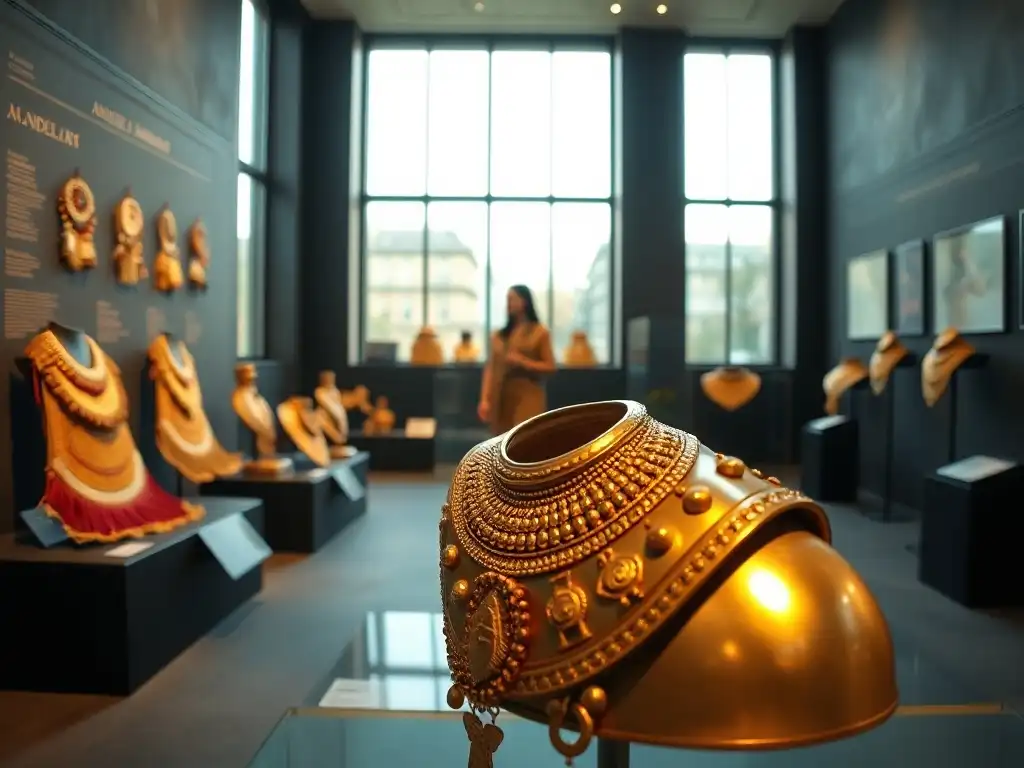
Step into a world lost to time, yet echoing with vibrant life. Imagine uncovering the secrets whispered by intricate gold and silver, the stories etched into ancient Andean jewelry. Beyond mere adornment, these exquisite artifacts held profound symbolic power, reflecting the beliefs and complex social structures of civilizations like the Inca, Moche, and Nazca. Dive into the captivating world of Ancient Andean jewelry symbolism and discover the hidden meanings behind their artistry—a journey that will leave you spellbound.
The glittering gold, the intricate silver, the vibrant turquoise – the jewelry of the ancient Andean civilizations wasn't merely decorative. Far from being simple adornment, these meticulously crafted pieces held profound symbolic meaning, reflecting social status, religious beliefs, and cosmological understandings.
This exploration delves into the fascinating world of Ancient Andean jewelry symbolism, revealing the intricate stories woven into each bead, each pendant, each meticulously hammered sheet of precious metal. We will examine how these artifacts illuminate the complex social structures, spiritual practices, and artistic achievements of cultures like the Inca, Moche, Nazca, and Tiahuanaco, providing a deeper understanding of their rich and multifaceted societies.
Understanding the symbolism embedded within their jewelry offers a unique window into the minds and beliefs of these remarkable ancient peoples, moving beyond superficial aesthetic appreciation to uncover the deeper cultural significance. This article will explore the varied materials, techniques, and motifs employed, revealing how they contributed to the powerful messages conveyed through these captivating objects.
The Materials: A Reflection of Status and Spirituality
The choice of materials in Ancient Andean jewelry was far from arbitrary. Gold, often associated with the sun and divinity, was highly valued and frequently reserved for the elite. Silver, while also precious, held a different symbolic weight, potentially representing the moon or other celestial bodies.
The use of specific stones, such as turquoise, lapis lazuli, and spondylus shells, further enhanced the symbolic power of the pieces. Turquoise, for example, was often linked to fertility and spiritual power, while spondylus, a marine shell, held significant religious importance, likely connected to coastal deities and rituals. The meticulous craftsmanship involved in shaping and polishing these materials also played a vital role in signifying the skill and status of both the artisan and the wearer.
The intricate detail found in many pieces suggests a high level of societal organization and specialized labor, reflecting the advanced technological capabilities of these ancient cultures. Analysis of surviving examples reveals a remarkable consistency in the quality of materials used, suggesting strict control over access and distribution within society.
Iconography and Motifs: Decoding the Messages
The iconographic motifs adorning Ancient Andean jewelry offer a rich tapestry of symbolic narratives. From stylized representations of animals like jaguars and condors, embodying power and shamanistic abilities, to depictions of deities and mythical beings, each element carried specific meaning. Geometric patterns, such as stepped frets and zigzags, often held cosmological significance, possibly representing mountains, terraces, or celestial pathways.
The use of anthropomorphic and zoomorphic figures frequently conveyed messages related to fertility, power, and lineage. Detailed studies of these motifs, combined with archaeological evidence from associated contexts, allow us to decipher the layers of meaning embedded within each piece, providing valuable insights into the religious beliefs and worldview of these ancient societies. For instance, the frequent depiction of serpents might symbolize both underworld deities and the life-giving waters crucial for Andean agriculture.
Ancient Andean jewelry served as a powerful indicator of social status and power. Elaborate headdresses, necklaces, and ear ornaments, often made of gold and adorned with precious stones, were reserved for the elite, signifying their high rank and connection to the divine. The complexity and richness of the jewelry worn by individuals directly correlated with their position within the social hierarchy.
Commoners might have worn simpler pieces made of less precious materials, yet even these simpler items often incorporated symbolic motifs that reflected their community's beliefs and traditions. The distribution of specific types of jewelry across different archaeological sites further supports the idea of its use as a marker of social stratification. The careful analysis of grave goods associated with individuals of different social standing provides valuable insights into the intricate social structures of these ancient societies.
Technological Innovation and Artistic Mastery
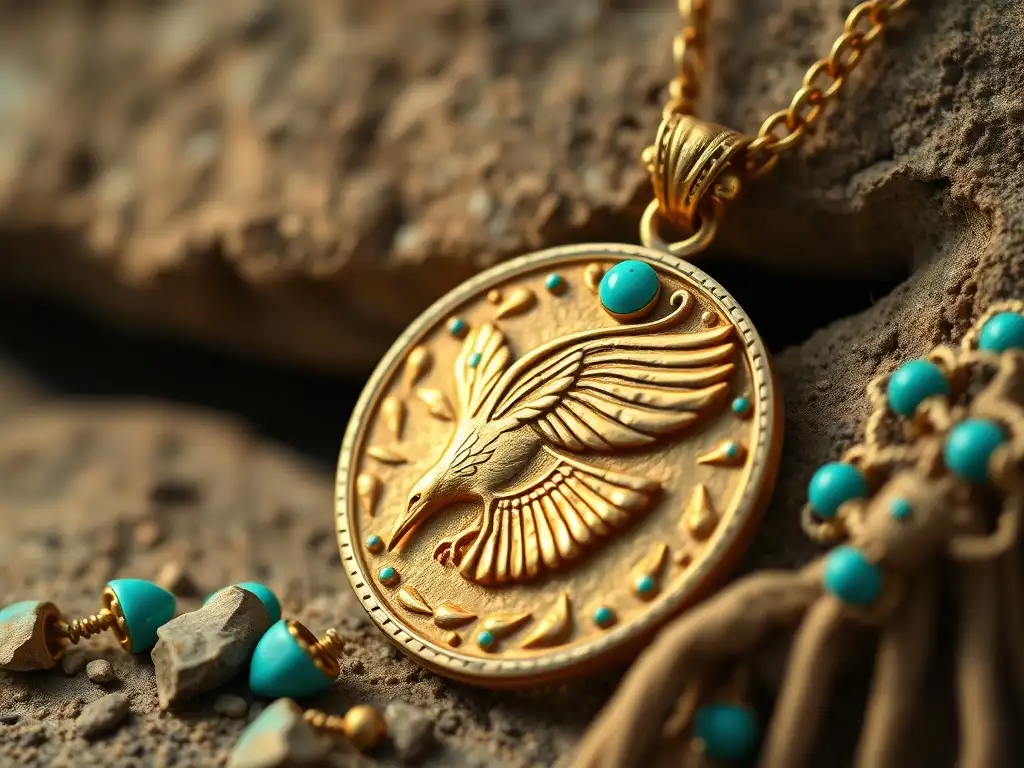
The creation of Ancient Andean jewelry required advanced metallurgical techniques and artistic skill. The ability to work with gold, silver, and other precious metals, often incorporating intricate inlay and casting techniques, demonstrates a remarkable level of technological sophistication. The precision and artistry involved in crafting these pieces, often incorporating multiple materials and techniques within a single object, highlight the expertise of Andean artisans.
The development of sophisticated techniques, such as lost-wax casting and hammering, allowed for the creation of complex and highly detailed designs, pushing the boundaries of artistic expression and technological innovation. The surviving examples of their work continue to inspire awe and admiration, showcasing the remarkable skills of these ancient metallurgists and artisans. The legacy of their mastery continues to influence contemporary art and design.
The Enduring Legacy: Ancient Andean Jewelry Today
The symbolic power of Ancient Andean jewelry continues to resonate today. These captivating artifacts not only offer a glimpse into the past but also inspire contemporary artists and designers. The enduring beauty and intricate craftsmanship of these pieces serve as a testament to the creativity and ingenuity of the ancient Andean civilizations.
Museums around the world showcase impressive collections, allowing us to appreciate the artistry and symbolism of these extraordinary objects. The ongoing research and study of Ancient Andean jewelry continue to unveil new insights into the rich tapestry of Andean culture, ensuring that the stories woven into these precious artifacts are preserved and celebrated for generations to come. The study of these remarkable objects continues to enrich our understanding of these fascinating cultures and their enduring legacy.
- The Materials: A Reflection of Status and Spirituality
- Iconography and Motifs: Decoding the Messages
- Social Status and Power: Jewelry as a Marker of Identity
- Technological Innovation and Artistic Mastery
- The Enduring Legacy: Ancient Andean Jewelry Today
- What role did jewelry play beyond simple adornment in Ancient Andean societies?
- What materials were commonly used in Ancient Andean jewelry making?
- How did the symbolism of Andean jewelry vary across different cultures?
- Can you give an example of a specific piece of jewelry and its symbolic meaning?
- Where can I learn more about the symbolism of Ancient Andean jewelry?
The Significance of Ancient Andean Jewelry
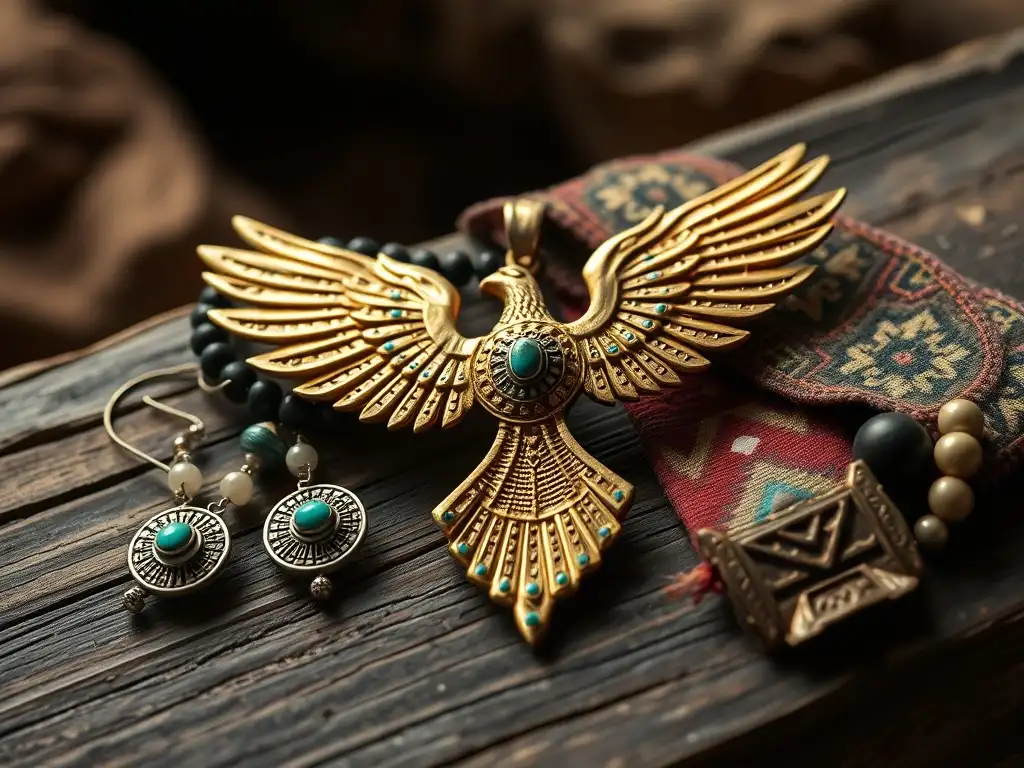
Ancient Andean jewelry, far from being mere adornment, served as powerful symbols deeply embedded within the social, religious, and political fabric of Andean societies. The intricate craftsmanship, the materials used, and the iconography depicted all conveyed complex messages, reflecting the wearer's identity, status, and beliefs. Understanding the symbolism of Ancient Andean jewelry provides invaluable insight into the worldview and social structures of these fascinating civilizations.
This section delves into the multifaceted significance of these artifacts, exploring their role as markers of social status, religious symbols, and indicators of power and authority. The study of Ancient Andean jewelry symbolism reveals a rich tapestry of meaning, woven from threads of social hierarchy, spiritual beliefs, and artistic expression.
The type and quantity of jewelry worn in ancient Andean societies were often directly correlated with social standing. Elaborate headdresses, intricately crafted necklaces, and massive ear spools, often made of precious metals like gold and silver, were reserved for the elite—rulers, priests, and high-ranking officials. These individuals used their jewelry to visually communicate their elevated position within the social hierarchy.
For example, the use of gold, a metal associated with the sun and divinity, was particularly significant. Only those with the highest status could afford and were permitted to wear gold jewelry, reinforcing their connection to the divine and their authority over the populace.
Conversely, individuals of lower social standing wore simpler jewelry, often made of less precious materials such as copper, shell, or bone. The style and materials of their adornments clearly distinguished them from the elite, maintaining a visible social order. Archaeological excavations consistently reveal this pattern, with burials of elite individuals containing an abundance of high-quality jewelry, while those of commoners contain far less, and of simpler design.
This clear differentiation in jewelry emphasizes the rigid social stratification present in many Andean cultures. The variations in style and material also indicate regional differences in social structures and access to resources. For instance, coastal communities might have utilized more shell and turquoise, while highland communities might have favored silver and obsidian.
Andean Jewelry: Religious and Spiritual Significance
Beyond social status, Ancient Andean jewelry held profound religious and spiritual significance. Many pieces incorporated iconography representing deities, mythical creatures, and celestial bodies, reflecting the Andean worldview and their intricate belief systems. For example, the depiction of feline figures, associated with power and hunting, frequently appeared on necklaces and pendants. Similarly, representations of condors, linked to the upper world and the sun, were common motifs. These symbolic elements were not merely decorative; they were believed to imbue the wearer with the power and attributes of the depicted entity.
The use of specific materials also held spiritual meaning. Turquoise, for example, was highly valued and associated with the sky and water, representing fertility and life-giving forces. Gold, as mentioned previously, was linked to the sun god, Inti, representing power, divinity, and royalty.
The careful selection of materials and the meticulous craftsmanship further underscored the sacred nature of these artifacts. The creation of these pieces was often a ritualistic process, reflecting the deep connection between the artisans and the spiritual realm. The jewelry wasn't just worn; it was a conduit for connecting with the supernatural world, a tangible manifestation of spiritual beliefs.
The meticulous detail and symbolic richness of this jewelry demonstrate a profound understanding of the relationship between the material and spiritual worlds, a key element in understanding Ancient Andean culture. Further research into specific pieces and their associated contexts is needed to fully unravel the complex tapestry of religious symbolism embedded within Ancient Andean jewelry.
Materials and Techniques in Andean Jewelry Production
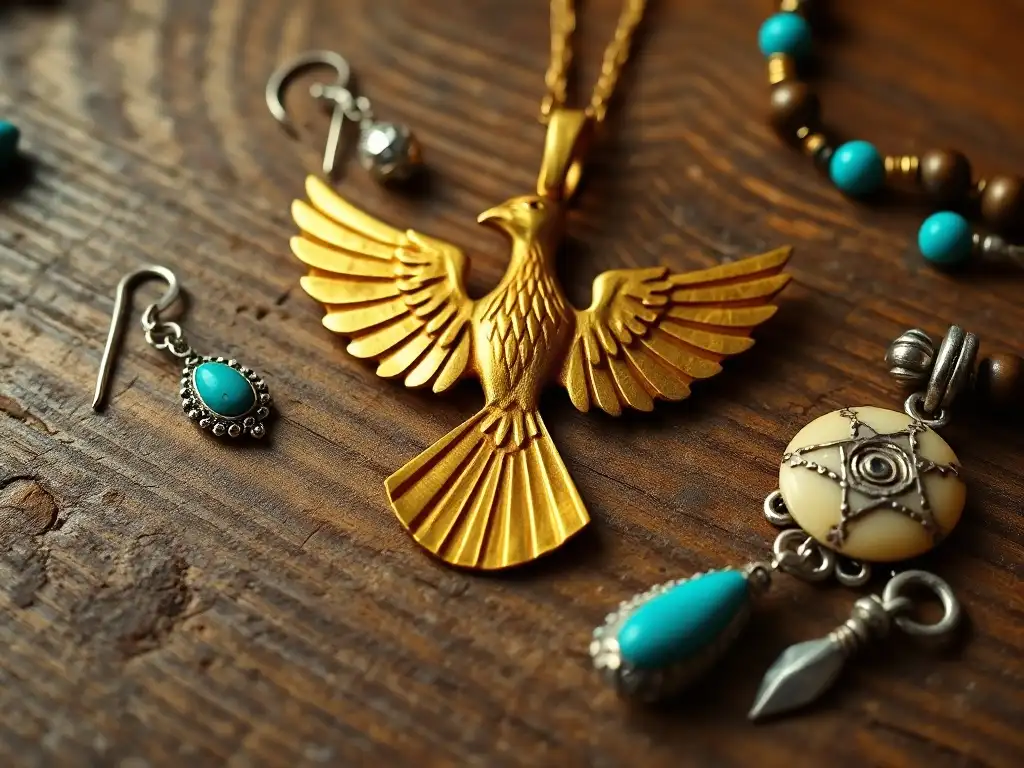
This section delves into the materials and techniques employed by ancient Andean artisans in crafting their exquisite jewelry, revealing the sophisticated level of their metalworking skills and their discerning selection of materials. Understanding these aspects is crucial to appreciating the symbolic power embedded within each piece. The artistry wasn't merely decorative; it was a complex interplay of material, technique, and meaning, reflecting the cosmological beliefs and social hierarchies of the time. The careful choice of materials, from precious metals to humble stones, speaks volumes about the cultural significance of Ancient Andean jewelry symbolism.
Precious Metals in Andean Ornaments: Gold, Silver, and Copper
Gold, silver, and copper formed the bedrock of Andean metalworking. These precious metals, meticulously sourced and processed, held immense symbolic value, often associated with deities, power, and the sun. Gold, particularly, was considered sacred, representing the sun's brilliance and the power of the Inca emperors.
Its malleability allowed for intricate designs, often depicting mythical creatures, celestial bodies, and powerful symbols. Silver, while less frequently used than gold, also possessed significant religious connotations, representing the moon and its cyclical influence. Copper, a more readily available metal, was used extensively, particularly in earlier periods, and served as a foundation for more complex alloys and techniques.
The distribution of these metals wasn't uniform across Andean societies. Certain cultures, like the Moche, were renowned for their mastery of goldwork, creating elaborate headdresses, masks, and ornaments. The Inca, on the other hand, standardized the use of gold, often incorporating it into royal regalia and religious objects, signifying their imperial power.
Analyzing the specific metals used in a piece of jewelry provides valuable insights into its origin, date, and cultural significance. The purity and alloying of the metals themselves can also offer clues to the technological advancements of different Andean cultures. For example, the Inca's ability to create high-karat gold reveals their advanced metallurgical knowledge.
Gemstones and Other Materials used in Ancient Andean Jewelry
Beyond precious metals, Ancient Andean jewelry incorporated a diverse range of materials, each imbued with its own symbolic meaning. Gemstones, such as turquoise, lapis lazuli, and emeralds, were highly prized, representing the earth's bounty and spiritual power. Turquoise, with its vibrant blue hue, was particularly significant, often associated with deities and the sky. Lapis lazuli, imported from distant lands, held exceptional value, reflecting its rarity and the extensive trade networks of the Andes. Emeralds, with their deep green color, were linked to fertility and growth.
In addition to gemstones, shells, feathers, textiles, and even human hair were incorporated into jewelry, adding complexity and layers of meaning. Spondylus shells, for example, sourced from the Pacific coast, were highly valued and held religious significance, potentially representing deities of the sea. The inclusion of feathers, often from exotic birds, suggests the importance of bird symbolism in Andean cosmology.
The careful selection and combination of these various materials demonstrate the sophisticated understanding of symbolism and the intricate craftsmanship of Andean artisans. Further research is needed to fully understand the specific regional variations in material selection and their symbolic connotations. [Specific information pending on regional variations in material usage].
Andean Metalworking Techniques: Hammering, Casting, and Gilding
The creation of Andean jewelry relied on a sophisticated repertoire of metalworking techniques, reflecting centuries of experimentation and innovation. Hammering, one of the earliest methods, involved shaping the metal through repeated blows, allowing for the creation of intricate designs and forms. This technique was used to create thin sheets of gold and silver, which were then shaped and decorated. Casting, a more advanced technique, involved melting the metal and pouring it into molds, enabling the production of more complex and detailed pieces. This technique allowed for the creation of three-dimensional objects, such as figurines and pendants.
Gilding, the process of applying a thin layer of gold to another metal, was also a common practice. This enhanced the visual appeal of the jewelry and added a layer of symbolic significance, associating the object with the power and prestige of gold. The development and refinement of these techniques, over centuries, demonstrate the ingenuity and skill of Andean metalworkers.
The precision and artistry displayed in their work underscore the importance of jewelry as a medium for expressing religious beliefs, social status, and artistic creativity. Further study into the specific tools and workshops used in these techniques would greatly enhance our understanding of the Ancient Andean jewelry symbolism and its production. The evolution of these techniques, from simple hammering to intricate casting and gilding, reflects the growing sophistication of Andean metalworking throughout different periods.
Iconography and Motifs in Andean Jewelry
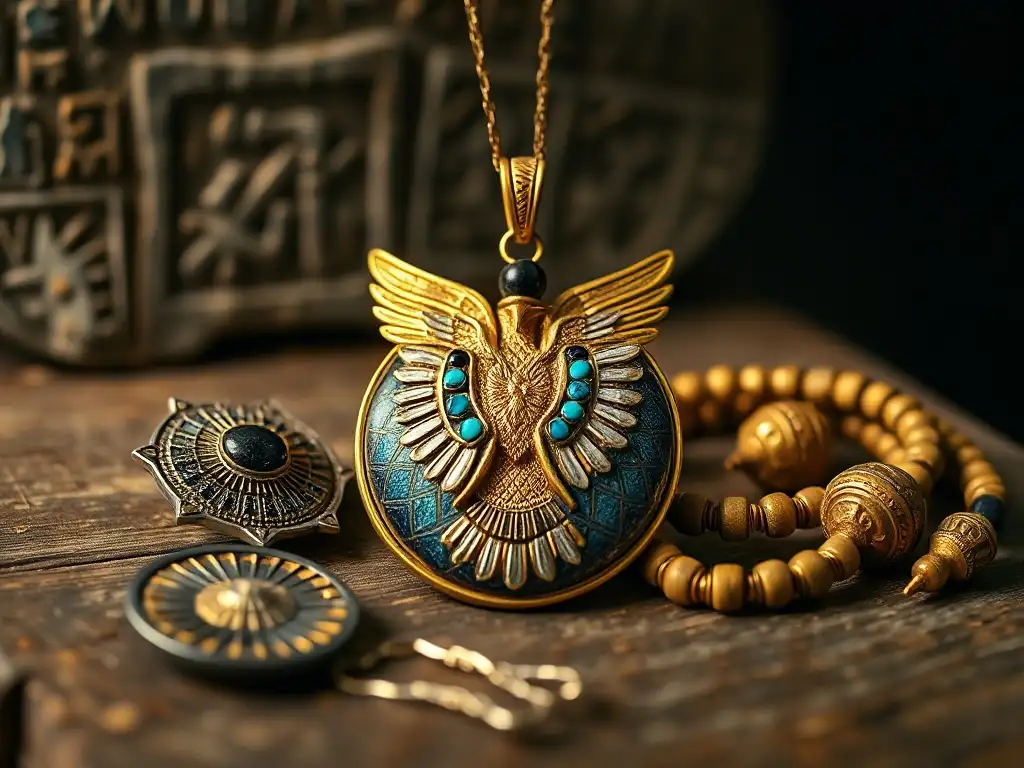
The intricate artistry of Ancient Andean jewelry extends far beyond mere aesthetic appeal; it served as a powerful medium for conveying complex social, religious, and political messages. The symbolism embedded within these meticulously crafted pieces offers invaluable insights into the beliefs and worldview of these sophisticated cultures. Understanding the iconography and motifs prevalent in Ancient Andean jewelry is crucial for deciphering the rich tapestry of their civilization.
Analyzing these symbols allows us to reconstruct aspects of their daily life, religious practices, and social hierarchies, providing a deeper understanding of their vibrant and complex society. The careful selection of materials, the precision of the craftsmanship, and the deliberate choice of motifs all contribute to the symbolic power of these artifacts.
This section will explore some of the most prominent iconographic themes found in Ancient Andean jewelry, focusing on their significance and cultural context. The study of "Ancient Andean jewelry symbolism" reveals a sophisticated system of communication through material culture.
Animal Symbolism in Ancient Andean Jewelry: Jaguar, Serpent, and Birds
Animal imagery features prominently in Ancient Andean jewelry, with certain creatures holding particular cultural significance. The jaguar, for instance, frequently appears in representations across various Andean cultures, symbolizing power, strength, and shamanic abilities. Its spotted coat may have been associated with the night sky or celestial constellations, further enhancing its spiritual significance. Depictions often showcase the jaguar in dynamic poses, emphasizing its predatory nature and inherent power. Detailed analysis of these representations reveals stylistic variations across different cultures and time periods, reflecting regional differences and evolving beliefs.
The serpent, another recurring motif, represents fertility, water, and the underworld in many Andean cosmologies. Its sinuous form often appears intertwined with other symbolic elements, such as plants or human figures, suggesting a complex interplay of forces within the Andean worldview. Some serpent depictions are highly stylized, while others strive for realistic representation, indicating the diverse artistic approaches employed across different Andean societies. The material used – gold, silver, or precious stones – could also contribute to the specific meaning conveyed.
Finally, various birds are frequently depicted, often associated with the sun, the sky, and the realm of the gods. Condors, for example, with their majestic presence and high-altitude flight, may have symbolized power and connection to the divine. Smaller birds, like hummingbirds, could represent agility, speed, and the ephemeral nature of life. The specific type of bird depicted and its stylistic treatment would have conveyed different nuances of meaning. The attention to detail in these avian representations is remarkable, showcasing the skill of the Andean artisans and the importance they placed on accurately capturing the essence of these creatures.
Geometric Patterns and their Meaning in Andean Ornamentation
Geometric designs in Ancient Andean jewelry are far from arbitrary; they often carry profound symbolic meaning, reflecting the Andean understanding of cosmology, social organization, and the natural world. These patterns, often intricately woven into textiles or meticulously crafted into metalwork, embody a sophisticated system of visual communication. Recurring motifs include spirals, zigzags, stepped frets, and various other geometric shapes, each potentially carrying a distinct symbolic weight.
For example, spirals are often interpreted as representing the cyclical nature of life, death, and rebirth, mirroring the Andean understanding of time and the cosmos. Zigzags might symbolize mountains, lightning, or the paths of celestial bodies, connecting the terrestrial and celestial realms. Stepped frets, with their precise and repetitive structure, could represent agricultural terraces, reflecting the importance of agriculture in Andean society. The combination of these patterns creates a rich visual language, capable of conveying complex narratives and ideological messages.
The use of color and material also plays a role in enhancing the symbolic meaning of these geometric designs. The use of specific precious metals or stones could further amplify the significance of a particular pattern. For instance, gold, often associated with the sun and divinity, would elevate the symbolic weight of a design compared to a piece crafted from simpler materials. Further research into the specific contexts of discovery and associated artifacts is crucial for a comprehensive interpretation of these geometric designs.
Human Figures and Deities Represented in Andean Jewelry
Representations of human figures and deities in Ancient Andean jewelry provide direct insight into their social structures, religious beliefs, and the power dynamics within their societies. These depictions range from stylized representations to highly realistic portraits, reflecting the diverse artistic styles and cultural contexts across the Andes.
Often, elites and rulers were portrayed wearing elaborate headdresses, clothing, and jewelry, emphasizing their status and authority. These representations could serve as a form of propaganda, solidifying their power and legitimizing their rule. The materials used, the level of detail, and the size of the representation often reflected the social status of the individual depicted.
Deities were also frequently represented, providing valuable information about the Andean pantheon and their religious beliefs. The specific attributes and iconography associated with each deity varied across different cultures and time periods, reflecting the diverse religious landscape of the Andes. Analyzing these representations allows for a more profound understanding of Andean mythology and the role of religion in their society.
The careful study of these miniature works of art reveals a complex tapestry of power, belief, and artistic expression. Further investigation into specific deity representations, including their associated symbols and attributes, is required for a more complete understanding of Andean religious practices.
Regional Variations in Andean Jewelry Styles
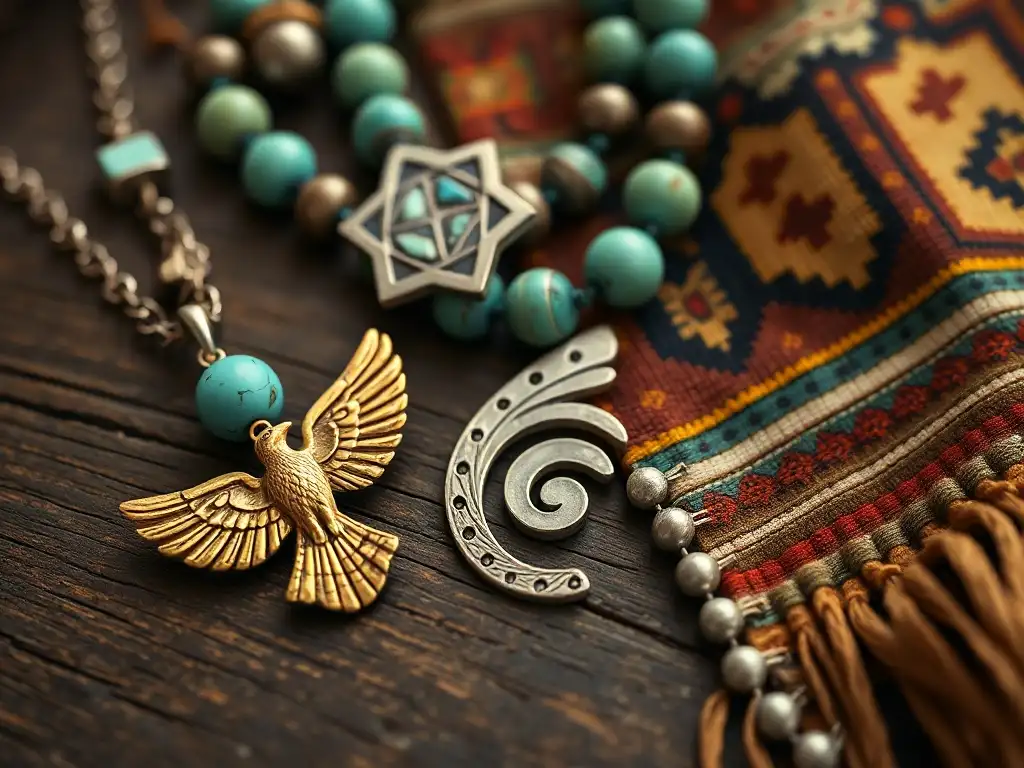
The diverse landscapes and cultures of the Andes Mountains fostered unique artistic expressions, and this is vividly reflected in the remarkable variations of ancient Andean jewelry. While gold, silver, and precious stones were prized across different regions, the styles, techniques, and symbolic meanings imbued within these artifacts reveal fascinating insights into the beliefs and practices of each civilization. This section explores the distinct characteristics of jewelry from three prominent Andean cultures: the Moche, Inca, and Nazca.
Moche Jewelry: Elaborate Goldwork and Ritualistic Pieces
Moche artisans, renowned for their sophisticated metalworking skills, created exquisite jewelry pieces primarily from gold, copper, and precious stones. Their mastery of lost-wax casting allowed them to produce intricate designs featuring realistic depictions of animals, deities, and mythical creatures. These weren't merely adornments; they were integral components of ritual practices and served as powerful symbols of status and authority.
For example, elaborate gold necklaces often featured pendants shaped like stylized jaguars, hummingbirds, or other significant animals, reflecting the Moche's deep connection to the natural world and their complex cosmology. The use of gold, a material associated with the sun and divine power, further emphasized the sacred nature of these objects. Furthermore, the discovery of numerous gold artifacts in elite tombs underscores their role in funerary rituals, signifying the deceased's journey to the afterlife and their continued connection to the realm of the gods.
The intricate detail and high quality of the goldwork also reflect the high level of social stratification within Moche society. Only the elite could afford such lavish pieces, solidifying their position within the hierarchy.
Inca Jewelry: Imperial Adornment and Power Symbols
Inca jewelry, while diverse in its forms, is characterized by its imperial grandeur and its use as a potent symbol of royal authority. The Incas, known for their vast empire and sophisticated administrative system, employed jewelry to reinforce their power and legitimize their rule. Gold, silver, and turquoise were frequently used, often in combination with feathers, textiles, and other materials.
Unlike the Moche's focus on naturalistic representations, Inca jewelry often featured geometric patterns and stylized motifs, symbolizing the empire's order and control. The Tupu, a gold or silver pendant shaped like a stylized sun disc, served as a powerful symbol of the Inca emperor's divine authority and was often used as a mark of royal investiture. Spindle whorls, intricately carved from stone or metal, were also important symbols of Inca power, representing the empire’s textile production and the emperor’s control over the economic life of the kingdom.
The use of turquoise, a stone associated with the sky and divinity, further underscored the sacred nature of Inca imperial adornment. The meticulous craftsmanship and standardization of many Inca jewelry pieces highlight the centralized nature of their empire and the importance of maintaining a consistent visual identity.
Nazca Jewelry: Unique Styles and Techniques
Nazca jewelry stands out for its unique aesthetic and innovative techniques. While gold was used, the Nazca people often incorporated other materials like shell, bone, stone, and textiles into their creations. Their jewelry displays a distinctive style, characterized by its geometric patterns, abstract designs, and the use of vibrant colors.
One remarkable aspect of Nazca jewelry is its use of shell and stone beads, often meticulously crafted into intricate necklaces and headdresses. These beads were frequently arranged in repeating patterns, suggesting a symbolic significance related to their cosmology or social organization. The Nazca's mastery of textile techniques is also evident in the incorporation of woven fabrics into their jewelry, creating intricate tapestries and adornments. This innovative use of diverse materials and techniques reflects the Nazca's ingenuity and their ability to adapt their artistic expression to the resources available in their environment.
The vibrant colors and abstract designs found in their jewelry suggest a deep understanding of color symbolism and a unique artistic vision, distinct from other Andean cultures. Further research is needed to fully decipher the symbolism embedded within these striking and enigmatic pieces. [Specific information pending: Detailed analysis of color symbolism in Nazca jewelry].
Tiahuanaco Jewelry: The Use of Turquoise and Religious Imagery
Turquoise, a stone deeply revered across many Andean cultures, held a particularly significant position in Tiahuanaco artistry. Its vibrant blue-green hue was associated with the sky, water, and the divine, reflecting the cosmology central to Tiahuanaco belief. Tiahuanaco artisans masterfully incorporated turquoise into their jewelry, often using it in intricate mosaics alongside other precious materials like shell and gold. These weren't merely decorative pieces; they were powerful religious symbols, imbued with spiritual energy.
The meticulous craftsmanship evident in Tiahuanaco turquoise jewelry speaks volumes about the societal importance placed upon these objects. The precision with which the turquoise pieces were cut and fitted together, often forming complex geometric patterns or representations of deities, suggests a highly specialized workforce and a deep understanding of the material's properties. The use of intricate techniques like inlay and cloisonné further enhances the visual impact and symbolic power of these artifacts.
Religious imagery frequently appears in Tiahuanaco jewelry. While specific interpretations remain debated among scholars, recurring motifs, such as stylized feline figures, stepped pyramids, and complex geometric designs, likely represented deities, cosmological concepts, or significant events in Tiahuanaco mythology. These images weren't merely decorative; they served as tangible links to the spiritual realm, possibly used in rituals or worn by individuals holding high religious or social standing within the community.
The consistent appearance of these motifs across various jewelry pieces suggests a standardized system of religious symbolism carefully codified and disseminated throughout the Tiahuanaco empire. The careful selection and placement of turquoise within these designs further emphasized their religious significance, highlighting the stone's sacred properties. For example, a turquoise feline pendant might not just depict a cat, but embody the power and grace associated with a specific deity in the Tiahuanaco pantheon.
Further research into the specific contexts of discovery of these pieces could shed more light on their precise symbolic meanings. Unfortunately, the exact details of many rituals and beliefs surrounding Tiahuanaco jewelry remain lost to time, leaving room for continued scholarly investigation and interpretation of these fascinating artifacts. The enduring allure of Tiahuanaco jewelry lies not only in its aesthetic beauty but also in its capacity to connect us to the complex spiritual world of this ancient Andean civilization.
The Legacy of Ancient Andean Jewelry
The legacy of Ancient Andean jewelry extends far beyond its aesthetic appeal. These meticulously crafted ornaments, often made from gold, silver, copper, and precious stones, served as powerful symbols of status, religious belief, and social identity within the complex societies of the Andes. Their enduring influence is palpable even today, shaping our understanding of these ancient cultures and continuing to inspire artists and designers.
Analyzing Ancient Andean jewelry symbolism reveals a deep connection between material culture and the spiritual world of these civilizations. The intricate designs, the choice of materials, and the context of their discovery all contribute to a richer understanding of their significance.
This section will delve into the lasting impact of this artistry and the ongoing efforts to preserve and interpret its meaning. Understanding the significance of Ancient Andean jewelry symbolism is key to unlocking a deeper appreciation for the ingenuity and cultural richness of these remarkable civilizations.
Influence of Andean Jewelry on Modern Design
Ancient Andean jewelry's intricate designs and masterful craftsmanship continue to inspire contemporary artists and designers. The bold geometric patterns, the use of vibrant colors (often achieved through the inlay of semi-precious stones), and the symbolic representation of animals and deities are frequently reinterpreted in modern creations.
For example, contemporary jewelry designers often incorporate elements like the stylized condor, a recurring motif in Inca jewelry, or the intricate knotwork patterns found in Paracas textiles, reflecting a direct lineage to ancient Andean aesthetics. This influence is not limited to high-end jewelry; elements of Andean design can also be seen in more affordable, mass-produced pieces, demonstrating the widespread appeal of these ancient artistic traditions.
The enduring popularity of these designs highlights the timeless beauty and cultural significance of Ancient Andean jewelry symbolism. The continued relevance of these motifs proves that the aesthetic and symbolic power of these ancient ornaments transcends time and cultural boundaries.
Preserving and Studying Ancient Andean Ornaments
The preservation and study of Ancient Andean jewelry require careful and multidisciplinary approaches. Many artifacts have suffered from the ravages of time, environmental factors, and looting. Archaeologists and conservators work tirelessly to stabilize and restore these fragile pieces, employing advanced techniques to minimize further damage.
This includes careful cleaning, the use of specialized adhesives and coatings, and the creation of controlled environments to prevent deterioration. Furthermore, meticulous documentation, including detailed photographic records and 3D scanning, is crucial for future research and study. This documentation allows scholars to analyze the ornaments in detail without handling the original artifacts, minimizing the risk of further damage.
The process of cataloging and analyzing the material composition of these ornaments is also critical, providing insights into the technological capabilities of ancient Andean metalworkers and the sources of the materials they used. This contributes significantly to our understanding of Ancient Andean jewelry symbolism through material analysis. Understanding the techniques used in their creation is as vital as understanding the symbols themselves.
Understanding Andean Culture through its Jewelry
Ancient Andean jewelry offers invaluable insights into the beliefs, social structures, and daily lives of these ancient societies. The materials used—gold signifying divinity in some cultures, while silver and copper held other symbolic meanings—reveal much about the value systems of the time. The elaborate designs, often depicting deities, animals, or abstract symbols, provide clues to their religious beliefs and cosmological views.
For example, the presence of specific motifs on burial ornaments can reveal information about social status and funerary practices. The discovery of jewelry in specific contexts, like temple sites or elite tombs, provides further context for understanding its significance. Analysis of Ancient Andean jewelry symbolism reveals intricate connections between the spiritual, social, and political realms of ancient Andean societies.
The study of these objects provides a window into a rich and complex world, offering a compelling narrative of human ingenuity, belief, and artistic expression. By carefully analyzing these artifacts, we can piece together a more complete picture of these fascinating cultures and their enduring legacy.
Frequently Asked Questions
What role did jewelry play beyond simple adornment in Ancient Andean societies?
Ancient Andean jewelry served as powerful symbols of status, power, and religious beliefs. Elaborate pieces indicated high social standing, while specific motifs held deep spiritual meaning connected to deities and the cosmos.
What materials were commonly used in Ancient Andean jewelry making?
Gold, silver, copper, and precious stones like turquoise, lapis lazuli, and emeralds were favored materials. The artisans skillfully crafted these into intricate designs, showcasing their advanced metallurgical techniques.
How did the symbolism of Andean jewelry vary across different cultures?
While certain motifs, like condor imagery, appeared across various cultures, each civilization had unique symbolic systems. For example, the Moche's jewelry reflected their warfare and ritual practices, while Inca designs emphasized imperial power and divine authority.
Can you give an example of a specific piece of jewelry and its symbolic meaning?
A gold mask might depict a deity or ancestor, representing spiritual power and lineage. Similarly, intricate spindle whorls could symbolize fertility and the creation of textiles, vital aspects of Andean life.
Where can I learn more about the symbolism of Ancient Andean jewelry?
Numerous museums and academic publications offer detailed information. You can explore online resources dedicated to Andean archaeology and anthropology for in-depth research into this fascinating subject.
Final Reflection: Echoes of the Andes: Jewelry's Enduring Legacy
The intricate artistry of Ancient Andean jewelry isn't merely a testament to skilled craftsmanship; it's a vibrant echo resonating through time, profoundly impacting our understanding of power, spirituality, and social structures in pre-Columbian societies. These meticulously crafted pieces, far from simple adornment, served as potent symbols, communicating complex narratives of identity, status, and cosmology that continue to fascinate and inspire us today.
The enduring influence of Andean jewelry symbolism is undeniable. Its impact extends beyond the museum walls, shaping our perceptions of ancient cultures and influencing contemporary artistic expressions. The intricate designs, the use of precious materials like gold and turquoise, and the symbolic weight imbued in each piece speak to a sophisticated worldview. The objects themselves are not simply beautiful; they are imbued with meaning, reflecting the beliefs and values of the people who created them.
This quote encapsulates the essence of the article's exploration, highlighting the profound connection between material culture and spiritual belief. The legacy of this artistry continues to inspire contemporary artists and designers, reminding us of the enduring power of cultural heritage.
Consider the intricate details, the symbolic animals, and the carefully chosen materials the next time you encounter an image of Ancient Andean jewelry. Let these artifacts spark your imagination, prompting you to delve deeper into the rich tapestry of Andean history and culture. You, too, can become a custodian of this legacy, by appreciating the artistry and understanding the profound symbolism encoded within these remarkable creations. Let the echoes of the Andes resonate within you, inspiring a deeper appreciation for the enduring power of human creativity and the enduring legacy of ancient civilizations.
Unveil the Stories Behind Your Jewelry Today!
Thank you for exploring the fascinating history of jewelry in ancient Andean society. You've discovered the intricate relationship between adornment and cultural symbolism, a connection that has shaped civilizations for centuries. Now, we encourage you to delve deeper and connect these timeless narratives to your own life.
- **Examine your jewelry collection**—research the history and meaning behind each piece.
- **Share your discoveries** with friends and family—spark conversations about the cultural significance of jewelry.
- **Join our online community** dedicated to Andean civilizations—share your insights and connect with fellow enthusiasts.
What stories do your cherished pieces of jewelry tell, and how do they reflect your personal identity?