
The Enduring Legacy: The Influence of Andean Metalwork on Later Cultures

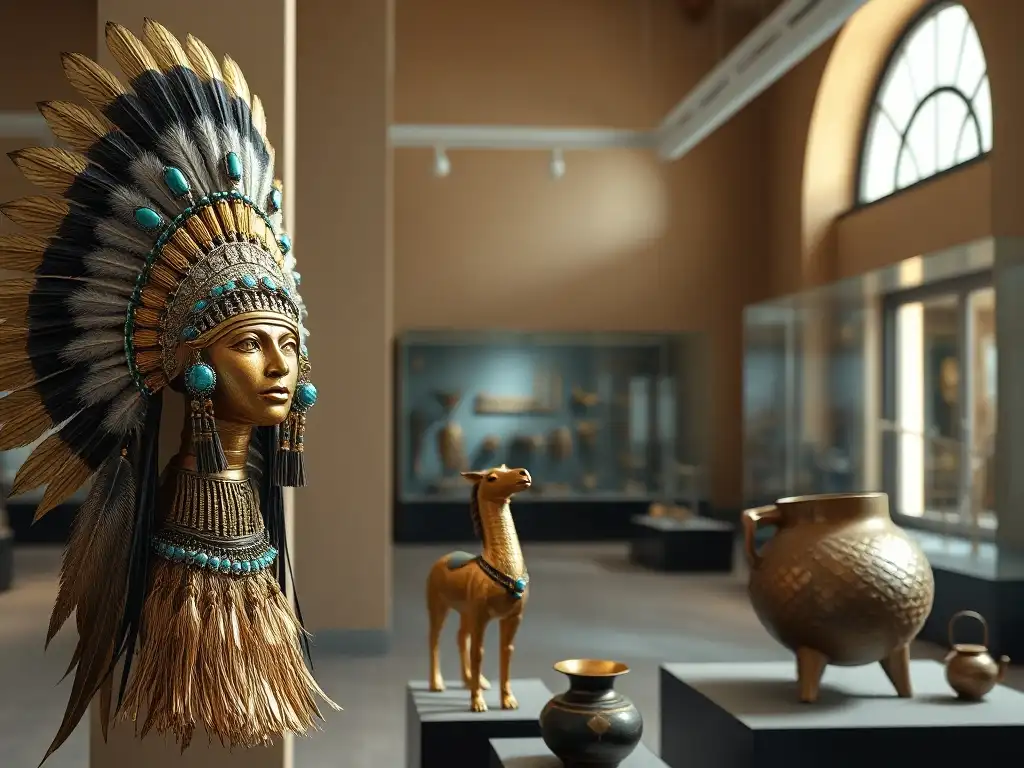
Step into a world lost to time, yet echoing through millennia. Discover the breathtaking artistry and ingenuity of the ancient Andean civilizations, from the Incas to the Nazca. But what secrets do their masterful creations hold? This journey into Andean metalwork influence on later cultures will reveal how these incredible societies shaped artistic traditions for centuries to come—a legacy far more profound than you might imagine. Prepare to be amazed.
The artistry and technological prowess of Andean civilizations are renowned, particularly their mastery of metalworking. This article delves into the profound and enduring influence of Andean metalwork, examining its impact on subsequent cultures across the Americas and beyond. From the intricate techniques employed by pre-Inca societies to the sophisticated artistry of the Inca Empire, Andean metalwork represents a significant chapter in the history of human creativity and technological innovation.
We will explore the distinct styles, techniques, and symbolic representations found in the metalwork of various Andean cultures, demonstrating their lasting legacy and the ways in which their innovations shaped later artistic and technological developments. Understanding this influence provides crucial context for appreciating the rich tapestry of Andean history and its global impact.
We will focus on the contributions of the Moche, Nazca, and Tiahuanaco cultures, highlighting their unique approaches to metalworking and their lasting impact on subsequent artistic traditions. The keyword "Andean metalwork influence on later cultures" will be explored in detail, revealing the far-reaching consequences of these ancient practices.
Introduction to Andean Metalworking and its Significance
Andean metalworking, flourishing for centuries before the arrival of Europeans, represents a remarkable achievement in human ingenuity. The ability to extract, refine, and shape metals like gold, silver, copper, and bronze was not merely a technological feat; it was deeply intertwined with religious beliefs, social structures, and artistic expression. Metal objects served as symbols of power, status, and religious authority, often adorning elite individuals and being incorporated into elaborate ceremonies.
The unique alloys and techniques developed in the Andes, such as the lost-wax casting method, demonstrate a sophisticated understanding of metallurgy far surpassing that of many contemporary cultures. The sheer artistry and skill involved in crafting intricate jewelry, ceremonial objects, and weaponry are testament to the advanced level of craftsmanship attained by Andean artisans.
These objects not only served practical purposes but also played crucial roles in shaping the social and religious landscape of these ancient societies. Their enduring legacy is evident in the continued admiration and study of these artifacts today.
Pre-Inca Metalworking Traditions: Foundations of Influence
The foundations for the later flourishing of Andean metalwork were laid by pre-Inca cultures that developed sophisticated techniques and styles. Their innovations in metallurgy and design profoundly impacted the artistic and technological developments of subsequent Andean societies, including the Inca. Understanding these early traditions is essential to fully appreciating the later achievements.
Early Metalworking in the Andes: Techniques and Materials
The earliest evidence of metalworking in the Andes dates back to approximately 2000 BCE, with the initial use of native copper. Over time, Andean metallurgists mastered techniques such as hammering, annealing, and soldering, eventually developing more complex methods like lost-wax casting to create intricate and detailed objects. The availability of different metals—gold, silver, copper, and bronze—influenced the styles and techniques employed, leading to a diverse range of metalwork. [Specific details on early techniques and materials pending]. The development of alloys, particularly bronze, marked a significant technological advancement, allowing for the creation of stronger and more durable tools and ornaments.
The Moche and Their Metalwork: Masterpieces of Craftsmanship
The Moche culture (100-800 CE) is renowned for its exceptional metalworking skills. Their artisans produced intricate gold and silver objects, often depicting deities, animals, and scenes from daily life. The Moche were masters of repoussé, a technique involving hammering from the back of a metal sheet to create relief designs. They also utilized intricate casting methods to create three-dimensional figures and vessels. [Specific examples of Moche metalwork and their significance pending]. The level of detail and artistry in their work is truly remarkable, showcasing a high degree of skill and creativity.
Nazca Metalwork: Distinctive Styles and Techniques
The Nazca culture (100 BCE – 600 CE) developed a distinctive style of metalwork, characterized by its geometric patterns and stylized representations. While less prolific in metalwork than the Moche, their pieces are equally impressive. [Specific examples of Nazca metalwork and their techniques pending]. Their use of gold and silver, often combined with other materials like turquoise, resulted in stunningly beautiful and intricate pieces. The Nazca's unique aesthetic contributed to the overall diversity of Andean metalworking traditions.
Tiahuanaco's Contributions to Metal Art: Symbolic Representations
The Tiahuanaco culture (500-1100 CE) left a significant mark on Andean metalworking through its symbolic representations and stylistic innovations. Their metal objects often incorporated religious and cosmological motifs, reflecting their complex belief system. [Specific examples of Tiahuanaco metalwork and their symbolism pending]. Their influence can be seen in the subsequent development of Andean art and iconography, emphasizing the continuity and evolution of metalworking traditions across different cultures. The use of specific alloys and techniques by Tiahuanaco metallurgists also contributed to the overall advancement of Andean metalworking.
- Introduction to Andean Metalworking and its Significance
- Pre-Inca Metalworking Traditions: Foundations of Influence
- What makes Andean metalwork so unique?
- How did Andean metalworking techniques influence later cultures?
- Which Andean cultures were most renowned for their metalwork?
- What types of objects were commonly crafted from metal by Andean cultures?
- How did the Spanish conquest impact Andean metalworking traditions?
The Inca Empire and the Refinement of Andean Metalwork
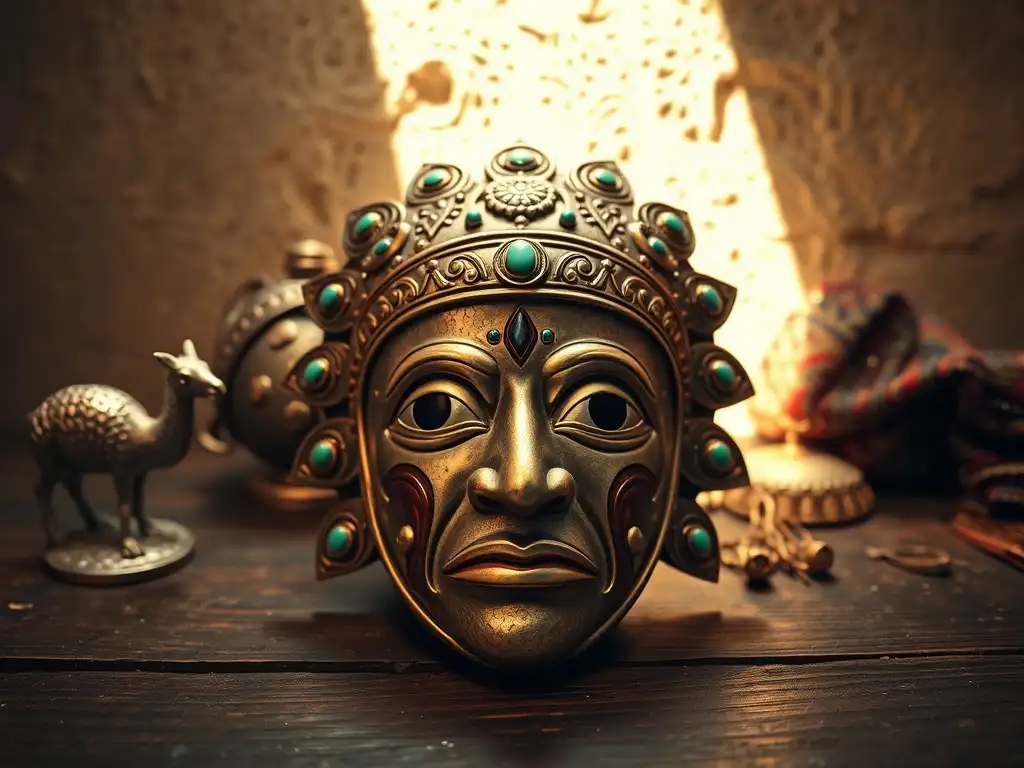
The Inca Empire, spanning from the 15th to the 16th centuries, inherited a rich tradition of Andean metalworking. However, they significantly refined existing techniques and elevated the craft to unprecedented levels of artistry and sophistication. Their mastery of metalworking wasn't merely a technical achievement; it was deeply intertwined with their social structure, religious beliefs, and political power.
The Inca's influence on subsequent metalworking practices across the Americas is undeniable, leaving a lasting legacy that continues to fascinate and inspire. Analyzing their methods reveals a sophisticated understanding of metallurgy and a keen eye for aesthetic detail, contributing significantly to the overall Andean metalwork influence on later cultures.
Inca Metalworking Techniques and Innovations
Inca artisans demonstrated remarkable skill in a variety of techniques, including hammering, casting, repoussé (hammering from the back to create relief), and soldering. They were particularly adept at lost-wax casting, allowing them to create intricate and complex forms. Evidence suggests they utilized a variety of alloys, skillfully blending gold, silver, copper, and other metals to achieve specific colors and properties. For example, they frequently combined copper and tin to create bronze, expanding the palette of their artistic expression.
The precision and detail in their work, evident in the intricate designs adorning their artifacts, showcase a high level of technical proficiency. Unlike some earlier Andean cultures who primarily focused on sheet metalwork, the Inca expanded their repertoire to include three-dimensional forms, demonstrating a significant leap in technical innovation. This advancement profoundly impacted the Andean metalwork influence on later cultures, inspiring later metalworkers to explore similar techniques and designs.
The Use of Gold and Silver in Inca Society
Gold and silver held immense symbolic value within Inca society. Gold, associated with the sun god Inti, represented divinity and royalty. Silver, linked to the moon, held a slightly less prominent but still significant position in their cosmology.
The Inca's use of these precious metals wasn't solely decorative; it served to reinforce their social hierarchy and political authority. Elaborate gold and silver objects—from intricately crafted jewelry and ceremonial vessels to monumental sculptures—were reserved for the elite, emphasizing their divine right to rule. The sheer volume of gold and silver utilized in Inca metalwork underlines the empire’s economic power and its control over resources.
This lavish use of precious metals, and the sophisticated techniques used to work them, significantly influenced the perception and use of these metals in later cultures, further solidifying the Andean metalwork influence on later cultures. The Inca's strategic employment of these metals serves as a testament to their understanding of the power of material culture in shaping social dynamics.
Inca Metalworking as a Symbol of Power and Prestige
The Inca Empire's mastery of metalworking served as a potent symbol of their power and prestige. The sheer scale of production, the technical skill involved, and the symbolic value of the materials used all contributed to this image. The creation of monumental objects, such as the massive gold and silver ornaments discovered in royal tombs, served to awe and impress both subjects and foreign emissaries.
The intricate designs often incorporated religious motifs and symbols of royal authority, further reinforcing their power. Moreover, the control over metalworking workshops and the distribution of finished products played a crucial role in maintaining social order and consolidating the Inca's political dominance. The artisans themselves held a privileged position within Inca society, reflecting the importance of their craft.
The legacy of Inca metalwork extends beyond the purely aesthetic; it reveals a powerful system of symbolic representation that influenced subsequent Andean cultures and even impacted the artistic styles of colonial-era metalworkers. The Andean metalwork influence on later cultures is therefore not just about technique, but also about the powerful social and political messages embedded within the objects themselves. The impact of Inca metalworking on subsequent artistic styles and social structures is a testament to the enduring legacy of this sophisticated craft.
Andean Metalwork Influence on Later Cultures: A Detailed Look
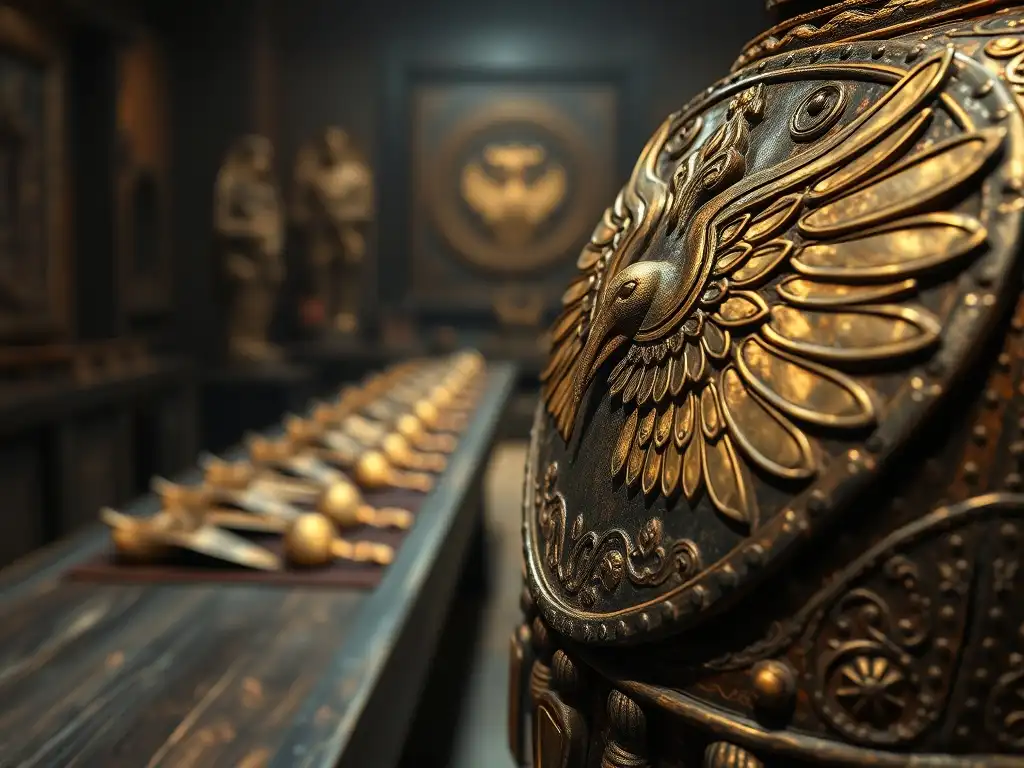
This section delves into the profound and lasting impact of Andean metalworking on subsequent cultures, examining the transmission of techniques and the adaptation of styles across time and geographical boundaries. The artistry and technological sophistication of Andean metalwork, particularly that of the Inca, Moche, and Nazca civilizations, left an indelible mark on the artistic landscape of the Americas and beyond. Understanding this influence requires exploring both the dissemination of knowledge and the creative reinterpretations that occurred in later periods.
The Transmission of Metalworking Techniques
How Andean Metalworking Knowledge Spread
The dissemination of Andean metalworking expertise wasn't a singular event but a complex process spanning centuries. Several factors contributed to its spread:
- Conquest and Empire: The Inca Empire's expansion played a significant role. As the Inca conquered new territories, they integrated skilled metalworkers into their workforce, leading to the spread of techniques and styles throughout their vast domain. This forced migration of artisans facilitated the transfer of knowledge and the standardization of certain techniques across diverse regions. For instance, the characteristic Inca use of hammered gold and silver sheets, along with their intricate repoussé techniques, became widespread within the empire.
- Trade and Exchange Networks: Pre-Inca Andean societies also engaged in extensive trade networks. The exchange of goods, including metal artifacts and tools, facilitated the dissemination of metalworking knowledge. This exchange, however, wasn't solely about transferring finished products; it also involved the sharing of techniques and the movement of skilled artisans. The intricate designs found on Moche gold artifacts, for example, likely influenced the stylistic choices of neighboring cultures through this trade.
- Apprenticeship and Oral Tradition: Metalworking knowledge was likely passed down through generations via apprenticeship systems. Master artisans trained younger individuals, ensuring the continuity of specific techniques and designs. Oral traditions, alongside practical demonstrations, played a crucial role in preserving and transmitting this specialized knowledge, passing down secrets and refining techniques over time. This oral tradition, unfortunately, often lacked written records, making detailed reconstruction difficult. We rely on archaeological evidence and the analysis of surviving artifacts for clues.
- Cultural Exchange and Intermarriage: Inter-cultural interactions and intermarriage also played a subtle yet significant role. The exchange of ideas and practices wasn't always formal or institutionalized. The blending of cultures through marriage and social interaction led to a cross-pollination of artistic styles and techniques, resulting in a unique fusion of metalworking traditions. This is evident in the subtle stylistic variations observed in artifacts from different regions within the Andean world.
Influence on Colonial Metalwork in the Andes
Adaptation and Transformation of Andean Metalworking
The arrival of the Spanish in the 16th century marked a turning point. While the Spanish initially sought to exploit Andean resources and suppress indigenous culture, the advanced metalworking skills of Andean artisans proved invaluable. The Spanish crown actively utilized the expertise of indigenous metalworkers in their colonial enterprises. This resulted in a complex interplay between indigenous traditions and European styles, leading to a unique hybrid form of metalwork.
- Religious Imagery: A significant aspect of colonial Andean metalwork was the production of religious artifacts for the Catholic Church. Indigenous artisans adapted their techniques to create religious imagery, blending traditional Andean motifs with European styles. This resulted in a fascinating fusion of artistic styles, where traditional Andean techniques were used to create distinctly Christian objects. The resulting pieces often incorporated both indigenous iconography and Christian symbolism, reflecting the syncretic nature of the colonial period.
- Adaptation of Techniques: Spanish colonial metalworkers adapted and incorporated several Andean techniques into their own practices, particularly those involving casting and hammering. The use of pre-Columbian alloys and the intricate repoussé techniques, for instance, continued to be employed, albeit often adapted to produce items reflecting European aesthetics. This adoption demonstrates the practical value and superior quality of Andean metalworking techniques.
- New Materials and Styles: The introduction of new materials from Europe, such as different alloys and types of gems, broadened the possibilities for Andean metalworkers. Simultaneously, the demand for European-style objects led to the adoption of new artistic styles and techniques, resulting in a dynamic evolution of Andean metalworking. However, this evolution was not simply a replacement of one style by another; it was a fusion, a layered narrative.
The legacy of Andean metalworking continues to resonate in contemporary artistic expressions. The enduring skill and artistry of Andean artisans left an undeniable mark on the history of metalwork, a testament to their ingenuity and creativity. 1
1 Further research is needed to quantify the precise extent of this influence and to further analyze the specific techniques and stylistic elements involved in the transmission of Andean metalworking knowledge.
The Impact of Andean Metalwork on Contemporary Art
The vibrant artistry and innovative techniques of Andean metalwork continue to resonate deeply within the contemporary art world. Artists across the globe draw inspiration from the intricate designs, symbolic motifs, and masterful craftsmanship evident in pre-Columbian artifacts. This influence is not merely superficial imitation; rather, it represents a profound engagement with the cultural and historical significance of Andean heritage.
The bold use of color, the geometric precision, and the spiritual symbolism found in ancient Andean metalwork provide a rich tapestry of inspiration for modern artists working in diverse media, from sculpture and painting to jewelry design and textile arts. The enduring power of these aesthetic principles is a testament to the timeless quality of Andean artistic expression. We see this reflected in everything from museum exhibitions showcasing the interplay between ancient and modern artistic sensibilities to the direct incorporation of Andean motifs into contemporary design.
The sheer variety of interpretations underscores the enduring relevance and adaptability of these ancient artistic traditions. Many modern artists actively seek to understand the cultural context of these pieces, ensuring their work is not simply appropriative but rather a respectful dialogue with the past.
Andean Inspired Designs in Modern Jewelry
Andean metalwork’s influence on modern jewelry design is particularly striking. The intricate filigree work, the use of precious metals like gold and silver, and the incorporation of semi-precious stones such as turquoise and lapis lazuli are all hallmarks of contemporary pieces inspired by ancient Andean aesthetics. Modern designers frequently reinterpret classic Andean motifs—such as stylized animals, geometric patterns, and anthropomorphic figures—adapting them to create fresh and innovative jewelry designs.
The use of hammering, repoussé, and casting techniques, all prevalent in ancient Andean metalworking, are also frequently employed in contemporary jewelry production. The enduring appeal of these designs is a testament to the timeless elegance and sophisticated craftsmanship of the original pieces. Contemporary designers often combine traditional Andean techniques with modern materials and aesthetics, resulting in unique and captivating pieces that bridge the gap between ancient and modern sensibilities.
For instance, the incorporation of modern gemstones alongside traditional turquoise or the use of innovative metal alloys alongside gold and silver creates a dynamic interplay between tradition and innovation. This blending of styles speaks to the ongoing relevance and adaptability of Andean artistic traditions in the modern world.
The Legacy of Andean Techniques in Modern Metalwork
Beyond the aesthetic influence, the techniques employed in ancient Andean metalwork continue to inform and inspire modern metalworkers. The mastery of lost-wax casting, hammering, and the intricate art of filigree, all hallmarks of pre-Columbian metalworking, are actively studied and practiced by contemporary artisans. Many modern metalworkers specifically seek to learn and preserve these ancient techniques, recognizing their value both as artistic expressions and as a vital part of cultural heritage.
This dedication to preserving traditional methods ensures the continuity of these remarkable skills, preventing them from being lost to time. The study and application of these techniques are not limited to solely recreating ancient styles; they also provide a foundation for innovation and experimentation within the field of contemporary metalwork.
Modern artists utilize their understanding of ancient techniques to develop new and exciting artistic expressions, demonstrating the enduring power and relevance of these ancient skills in the 21st century. Furthermore, the meticulous attention to detail and the high level of craftsmanship associated with Andean metalworking serve as a benchmark of excellence for contemporary metalworkers, driving them to strive for ever-greater precision and artistic skill.
The Cultural and Historical Significance of Andean Metalwork
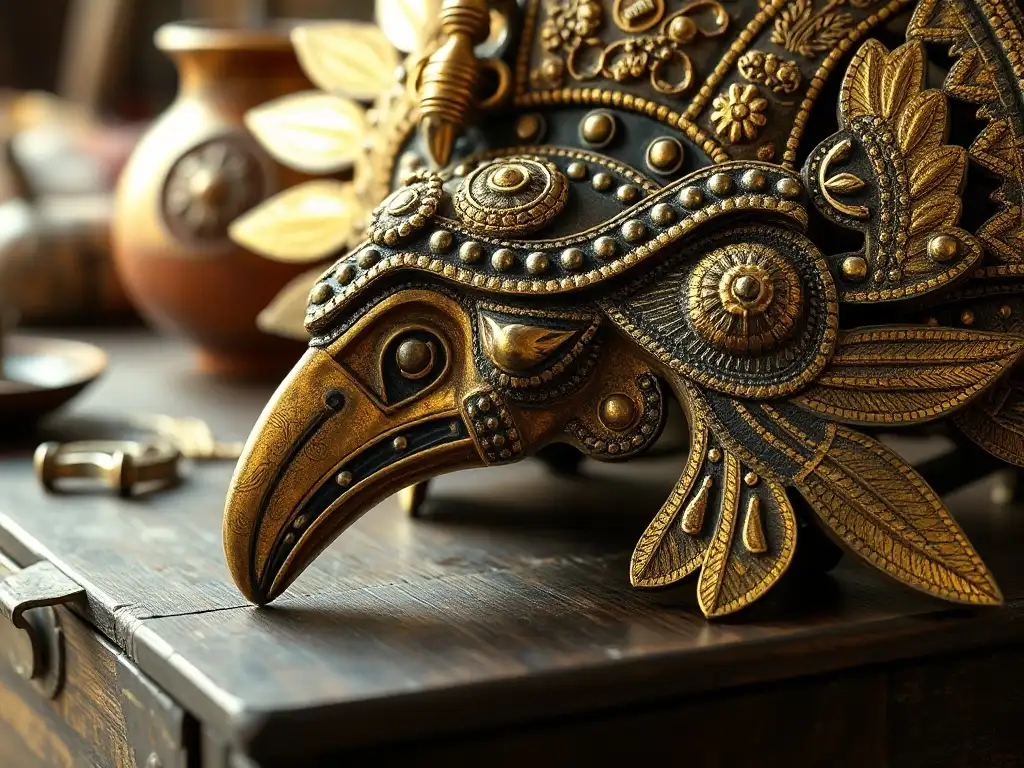
The artistry and technical proficiency displayed in Andean metalwork offer a profound insight into the complexities of these ancient societies. Far from merely decorative objects, these artifacts served crucial roles in religious practices, social structures, and the expression of cosmological beliefs. Understanding the cultural significance of Andean metalwork is key to grasping the enduring influence it exerted on subsequent cultures.
The mastery of metallurgy, particularly the sophisticated techniques used in alloying gold, silver, copper, and other metals, demonstrates a high level of technological advancement and social organization. The creation of intricate designs and the use of diverse techniques like hammering, casting, and repoussé highlight the skill and dedication of Andean artisans. This sophisticated metalworking tradition wasn't isolated; its impact resonated through time, shaping the artistic and technological landscape of later civilizations.
Andean Metalwork as a Reflection of Beliefs and Cosmology
Andean metalwork frequently depicts deities, mythical creatures, and scenes from their cosmology. These representations weren't arbitrary; they were carefully crafted to reflect and reinforce their worldview. For instance, the Moche culture's elaborate gold and silver objects often portray their powerful rulers and gods, emphasizing their divine authority and connection to the supernatural.
The intricate details, such as the depiction of feathered headdresses, elaborate jewelry, and stylized figures, all contribute to a rich tapestry of religious and mythological symbolism. Similarly, the Nazca culture's metalwork, while less abundant than that of the Moche, often features stylized representations of animals, likely reflecting their deep connection to the natural world and their belief in animal deities. The use of specific metals, such as gold, which was often associated with the sun and divinity, further underscores the religious significance of these artifacts.
The careful selection of materials and the precision of the craftsmanship served to create powerful symbols that reinforced their beliefs and cosmology. Analyzing these objects provides invaluable clues to understanding the Andean worldview. Detailed studies of iconography reveal intricate patterns and motifs that represent their understanding of the cosmos, the relationship between humans and the divine, and the cyclical nature of life and death.
The Role of Metalwork in Andean Rituals and Ceremonies
Andean metalwork played a central role in rituals and ceremonies. Many objects were clearly created for ceremonial use, evidenced by their elaborate designs, precious materials, and often their association with burial contexts. For example, elaborate gold and silver masks and breastplates, often found in elite burials, were likely used to adorn important figures, demonstrating their status and connection to the spiritual realm during ceremonies.
The discovery of finely crafted metal tools and vessels in ritual contexts suggests that metalwork was also integral to the performance of religious practices. These tools could have been used in offerings or specific rituals, highlighting the importance of metal in the sacred sphere. Additionally, the presence of metal objects in tombs suggests their role in the afterlife, signifying the continuation of power and status beyond death.
The use of specific alloys or techniques in ritual objects may have held particular symbolic meaning, reflecting the importance of these items in the Andean religious system. Further research is needed to fully understand the specific functions and meanings of different metal objects within various ritual contexts, but the existing evidence clearly points to their essential role.
Andean Metalwork as a Window into Ancient Andean Society
The distribution and style of Andean metalwork provide insights into the social structures and economic systems of these civilizations. The presence of elaborate metal objects in elite burials, as opposed to simpler tools in commoner burials, highlights the social stratification prevalent in Andean societies. The craftsmanship and materials used in different objects also reflect the level of skill and resources available to different social groups.
Furthermore, the trade networks involved in the acquisition of raw materials and the distribution of finished goods reflect the economic interconnectedness of Andean societies. The presence of certain metalwork styles in geographically distant regions suggests extensive trade networks, while variations in style might indicate regional differences in artistic traditions or social organization. Analysis of metalworking techniques, such as the use of specific alloys or casting methods, can help us understand the technological expertise and the level of specialization within Andean societies.
By studying these aspects of Andean metalwork, we can gain a much clearer picture of the social and economic dynamics that shaped these remarkable civilizations. The sheer variety and complexity of Andean metalwork underscores the sophisticated social and economic systems that supported its creation and distribution. Further research into trade routes and workshop organization would further enhance our understanding of these aspects.
Preserving the Legacy of Andean Metalwork
The enduring influence of Andean metalwork on later cultures is inextricably linked to the meticulous preservation of these artifacts. Without careful archaeological research and conservation efforts, much of our understanding of these sophisticated techniques and artistic expressions would be lost. The fragility of many pieces, coupled with the effects of time and environmental factors, necessitates a multi-faceted approach to safeguarding this precious heritage. This section will explore the crucial role of archaeological research and conservation in maintaining the legacy of Andean metalwork for future generations.
The Importance of Archaeological Research and Conservation
Archaeological research provides the foundational knowledge necessary to understand the context of Andean metalworking. Excavations, meticulously documented and analyzed, reveal not only the finished products but also the tools, techniques, and even the social structures that supported this highly skilled craft. For instance, the discovery of smelting furnaces and workshops at sites like Cerro Sechín in Peru offers invaluable insight into the Moche civilization's metalworking processes. Careful excavation minimizes damage to fragile artifacts and ensures that the context of their discovery is preserved, allowing researchers to piece together a more comprehensive picture of the civilization's metalworking practices.
Beyond excavation, conservation plays a vital role in preserving the physical integrity of these objects. Many Andean metal artifacts suffer from corrosion, deterioration, and damage from looting and improper handling. Conservators employ a range of techniques, from chemical cleaning to stabilization and repair, to counteract these processes and prevent further degradation.
The application of these techniques requires specialized knowledge and expertise, understanding the specific material properties of the alloys used and the potential impact of different treatment methods. For example, the use of specific chemicals to remove corrosion from gold artifacts requires a delicate balance to avoid damaging the underlying metal. The goal is not just to preserve the physical object but also to preserve its aesthetic and historical value.
The collaborative nature of archaeological research and conservation is essential. Researchers, conservators, and specialists in various fields work together, combining their expertise to ensure the long-term preservation of these invaluable artifacts. This collaborative approach is crucial for understanding the full scope of Andean metalworking and its lasting impact. The data gathered through this process enriches our knowledge of ancient Andean societies and allows us to better appreciate their technical achievements and artistic vision.
Museums and Collections Showcasing Andean Metalwork
Museums and private collections play a crucial role in preserving and showcasing Andean metalwork to the public. These institutions act as repositories of knowledge, providing access to these objects for researchers, students, and the general public alike. The curation of these collections requires careful consideration of environmental factors such as temperature, humidity, and light exposure to prevent further deterioration. Many museums employ advanced environmental control systems to maintain optimal conditions for the preservation of these delicate artifacts.
Furthermore, the presentation of Andean metalwork within museums is essential for educating the public about the significance of these objects. Well-designed exhibitions provide context, highlighting the artistry, technical skill, and cultural significance of the metalwork. The use of informative labels, interactive displays, and educational programs enhances the visitor experience and fosters a greater appreciation for Andean culture.
Museums also actively participate in research and conservation projects, contributing to the ongoing effort to preserve this important heritage. The meticulous cataloging and documentation of these artifacts provide an invaluable resource for future research. The development of digital archives allows for wider access to these collections, making the information available to a global audience.
Continuing the Tradition: Contemporary Andean Metalworkers
The legacy of Andean metalwork extends beyond museums and archaeological sites. Contemporary Andean metalworkers continue to practice traditional techniques, adapting them to modern contexts. These artisans maintain a strong connection to their ancestral heritage, preserving the skills and knowledge passed down through generations. Their work not only produces beautiful and functional objects but also serves as a living testament to the enduring legacy of Andean metalworking. The techniques employed by these contemporary artisans often involve a combination of traditional methods and modern tools, demonstrating an ability to adapt while preserving the essence of the craft.
The study of contemporary Andean metalworking offers valuable insights into the historical techniques used by their ancestors. By observing and documenting their processes, researchers can gain a deeper understanding of the evolution of Andean metalworking techniques. The continued practice of these traditional skills ensures that the knowledge and expertise are not lost, preventing the decline of this significant cultural heritage. Furthermore, the work of these artisans contributes to the economic well-being of their communities, providing a sustainable means of livelihood while preserving their cultural identity.
The support of these artisans through fair trade practices and the promotion of their work is essential for the continued vitality of this important tradition. The creation of sustainable markets for their products helps guarantee the preservation of this ancient craft for future generations. The vibrant and diverse styles of contemporary Andean metalwork demonstrate the enduring creativity and innovation within this rich cultural heritage.
Conclusion: The Lasting Impact of Andean Metalworking
The artistry and technical prowess demonstrated in Andean metalwork left an indelible mark on subsequent cultures, extending far beyond the geographical boundaries of the Andes. The sophisticated techniques of alloying, casting, hammering, and repoussé, refined over centuries, influenced metalworking traditions in other parts of South America and even beyond. The stylistic motifs, often imbued with deep religious and symbolic meaning, were adapted and reinterpreted by later artisans, demonstrating the enduring power of Andean aesthetics.
The legacy is not merely one of technique, but also of inspiration, demonstrating how a civilization's artistic achievements can resonate across time and space. The enduring popularity of pre-Columbian artifacts, including those of Andean origin, in museums and private collections worldwide further underscores the lasting influence of this remarkable metalworking tradition. The study of Andean metalwork continues to inspire contemporary artists and researchers, prompting new discoveries and interpretations of these extraordinary objects.
The impact of Andean metalworking is not solely aesthetic; it also holds significant historical and anthropological value. The intricate designs and the materials used often provide valuable insights into the social structures, religious beliefs, and economic activities of the ancient Andean societies. By studying these artifacts, scholars can piece together a more complete understanding of the lives and cultures that produced them.
This interdisciplinary approach, combining art history, archaeology, and metallurgy, enriches our comprehension of the Andean world and its lasting legacy. Moreover, the preservation and study of Andean metalwork contribute to a broader understanding of the evolution of metalworking techniques across different cultures and continents, highlighting the interconnectedness of human creativity and innovation.
The ongoing research and conservation efforts dedicated to Andean metalwork ensure that its influence will continue to be felt for generations to come. The vibrant colors, intricate designs, and sheer technical skill involved in creating these pieces continue to fascinate and inspire, ensuring the enduring legacy of Andean metalworking.
Frequently Asked Questions
What makes Andean metalwork so unique?
Andean metalwork is unique due to its exceptional craftsmanship, innovative techniques like repoussé and lost-wax casting, and the use of diverse alloys resulting in a variety of colors and textures. It's also notable for its iconography and stylistic choices.
How did Andean metalworking techniques influence later cultures?
Andean metalworking techniques, particularly lost-wax casting, significantly impacted Spanish colonial silversmithing. The skills and styles passed down and adapted, influencing the development of metalwork in the Americas.
Which Andean cultures were most renowned for their metalwork?
The Moche, Inca, and Tiahuanaco cultures are particularly known for their advanced metalworking. Each developed distinct styles and techniques, reflecting their unique cultural identities.
What types of objects were commonly crafted from metal by Andean cultures?
Andean metalworkers created a wide array of objects, including ceremonial masks, jewelry, tools, and weapons. These artifacts often held religious or symbolic significance.
How did the Spanish conquest impact Andean metalworking traditions?
The Spanish conquest led to both the destruction of many artifacts and the adaptation of Andean techniques by Spanish silversmiths. While some traditions were lost, others were transformed and continued in new forms.
Final Reflection: Echoes of the Andes: A Legacy Forged in Metal
The intricate artistry of Andean metalwork wasn't merely a testament to a bygone era; it represents a powerful and enduring influence that continues to resonate in contemporary art, design, and cultural identity. The techniques, motifs, and sheer aesthetic brilliance of these ancient crafts continue to inspire and inform creators across the globe, proving the timeless power of human ingenuity and artistic expression.
The impact of Andean metalwork extends far beyond museums and academic circles; it's woven into the very fabric of our understanding of artistic innovation and cultural exchange. The sophisticated techniques employed, such as repoussé and lost-wax casting, were far ahead of their time and continue to fascinate and challenge modern artisans. The past is never dead. It's not even past.
- William Faulkner. This quote perfectly encapsulates the enduring legacy of Andean metalwork, its influence subtly yet powerfully shaping the artistic landscape even today. We see echoes of its forms and techniques in jewelry design, contemporary sculpture, and even in the digital artistry of our time.
Consider the intricate details, the symbolic power embedded within each piece, and the sheer skill required to create such masterpieces. You, the reader, are now part of this ongoing conversation. Take a moment to reflect on the enduring power of artistic expression, and how the legacy of the Andes continues to inspire and shape our world. Seek out examples of Andean metalwork in your own community, explore the techniques used, and allow yourself to be captivated by the enduring beauty and ingenuity of these ancient crafts. Let the echoes of the Andes inspire your own creative journey.
Unveil the Rich Legacy of Andean Metalwork!
Thank you for exploring the fascinating world of Andean metalwork with us! You've gained valuable insights into the ancient techniques and their enduring influence on countless cultures. Now, let's put that knowledge to good use!
Here's how you can delve deeper and share the legacy of Andean craftsmanship:
- Visit local museums and art galleries to discover exhibits showcasing Andean metalwork. Consider attending a workshop to learn these ancient skills firsthand.
- Share your newfound appreciation with friends, family, and your social media network. Post about your favorite pieces and their stories—let's keep the conversation going!
- Join online communities dedicated to Andean cultures or ancient crafts to connect with fellow enthusiasts and expand your knowledge.
What aspect of Andean metalwork has captivated you most, and how will you celebrate or share it with others?