
Textile Tourism: Exploring Ancient Andean Weaving Traditions Today

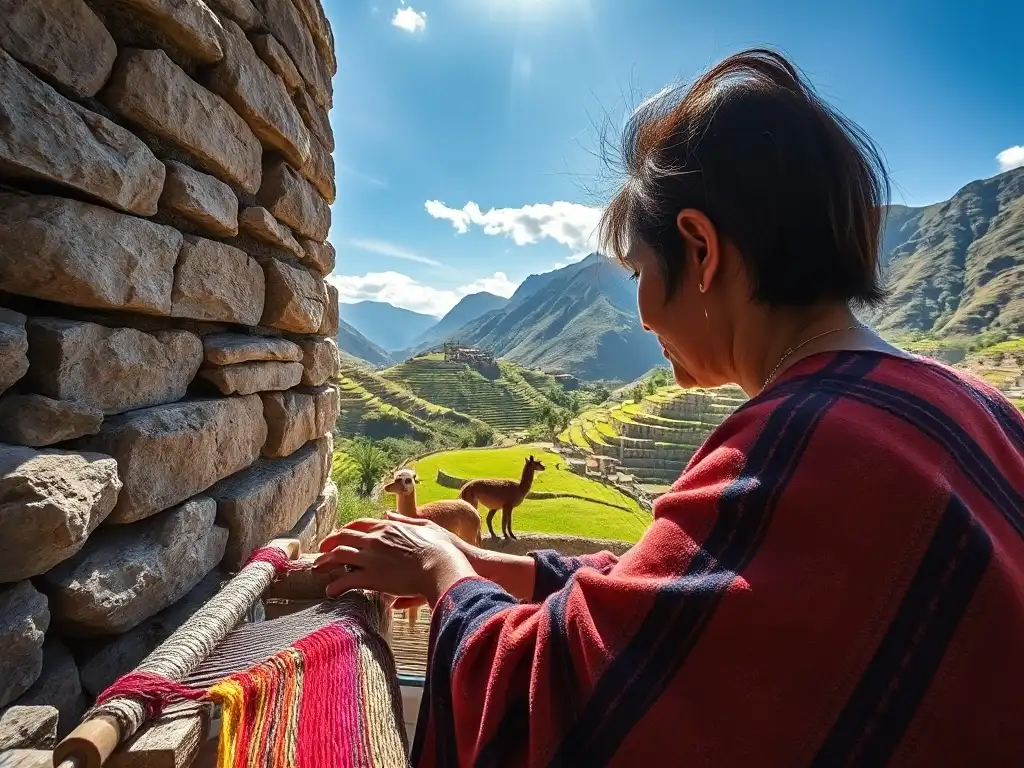
Unravel the mysteries of the Andes! Prepare to be captivated by the vibrant tapestry of Ancient Andean civilizations, where ingenuity and artistry intertwined. Journey with us as we explore the legacy of empires like the Inca, Moche, and Nazca, but with a unique focus: Ancient Andean textile tourism. Discover how these breathtaking weaving traditions, imbued with profound symbolism, continue to resonate today. Their stories are waiting to be woven into yours – explore the threads of history and uncover the secrets held within these ancient fabrics.
- Ancient Andean Textile Tourism: A Journey Through Weaving Traditions
- The Significance of Andean Textiles in Ancient Cultures
- Experiencing Ancient Andean Textile Tourism Today
- Planning Your Ancient Andean Textile Tourism Trip
- The Future of Ancient Andean Textile Tourism
- Why Ancient Andean Textile Tourism Matters
- Frequently Asked Questions
- Final Reflection: Weaving the Past into the Future of Andean Tourism
- **Embark on a Journey into Andean Weaving! **
Ancient Andean Textile Tourism: A Journey Through Weaving Traditions
The Andes Mountains, a spine of towering peaks traversing the western edge of South America, are not only a geographical marvel but also a cradle of vibrant civilizations. For millennia, ingenious cultures like the Inca, Moche, Nazca, and Tiahuanaco flourished in this challenging landscape, leaving behind an extraordinary legacy. Among their most enduring achievements is their mastery of textile art – intricate weaving techniques and breathtaking designs that continue to captivate and inspire today.
This article delves into the fascinating world of Ancient Andean textile tourism, exploring how we can connect with this rich heritage through responsible and enriching travel experiences that celebrate the artistry and cultural significance of ancient Andean textiles. We'll uncover the allure of these ancient crafts, understand the nuances of textile tourism, and examine how this unique form of cultural tourism contributes to the preservation and appreciation of these invaluable cultural treasures.
The vibrant colors, intricate patterns, and the sheer skill involved in creating these textiles offer a window into the beliefs, social structures, and daily lives of these remarkable Andean societies. Prepare to embark on a journey through time and thread, exploring the enduring legacy of Andean weaving traditions and their relevance in the modern world.
Discovering the Allure of Andean Textile Art
Andean textiles are renowned for their exceptional quality and artistry. The sheer diversity of techniques employed, from intricate tapestry weaving to complex embroidery and dyeing processes using natural pigments, is astonishing. Consider the intricate designs: geometric patterns, stylized animals, and representations of deities and mythical beings, all meticulously woven into the fabric. These weren't merely decorative items; they held profound social and religious significance.
Textiles served as indicators of social status, were used in ceremonies and rituals, and even functioned as forms of currency. The materials themselves, often sourced from local flora and fauna such as alpaca, llama, and vicuña wool, reflect a deep connection with the Andean environment. Many textiles display a remarkable level of preservation, offering invaluable insights into the technological prowess and artistic sensibilities of ancient Andean cultures.
The surviving examples, often showcased in museums and private collections, allow us to appreciate the beauty and complexity of these ancient creations and understand their enduring appeal. For example, the intricate Paracas textiles, known for their vibrant colors and elaborate designs, are a testament to the sophisticated skills of the Paracas culture. Their mastery of textile production is evident in the fine detail and the use of a wide range of techniques.
What is Textile Tourism? Exploring Ancient Weaving
Textile tourism, a burgeoning niche within the broader field of cultural tourism, focuses on the exploration and appreciation of textile traditions. It involves engaging with the history, techniques, and cultural significance of textiles through various experiences. In the context of Ancient Andean textile tourism, this might include visiting museums showcasing ancient textiles, participating in workshops where traditional weaving techniques are taught, interacting with contemporary Andean weavers who continue these ancient traditions, and exploring the landscapes where the materials were sourced and the textiles were created.
The goal is not just to observe but to actively engage with the culture and understand its significance. This type of tourism promotes sustainable development by supporting local communities and preserving traditional crafts. It also offers a unique and enriching travel experience for visitors, allowing them to connect with a rich cultural heritage in a meaningful way.
Furthermore, textile tourism fosters a deeper understanding and appreciation for the artistry, innovation, and cultural significance woven into each piece, thus contributing to the preservation of this valuable legacy for future generations. The emphasis is on responsible and ethical tourism practices, ensuring that the cultural heritage is protected and that local communities benefit from the tourism industry. 🗺️🧵
The Significance of Andean Textiles in Ancient Cultures
Andean textiles weren't merely clothing; they were integral to the social, religious, and economic fabric of ancient Andean societies. Their production and use reflected complex social hierarchies, spiritual beliefs, and sophisticated technological advancements. The vibrant colors, intricate designs, and unique weaving techniques served as powerful visual languages, conveying messages of status, identity, and cosmology.
The creation of these textiles was a highly skilled craft, passed down through generations, with specific roles and responsibilities assigned within the community. The raw materials themselves—alpaca, llama, vicuña wool, and cotton—held symbolic meaning, their quality and availability directly impacting the value and significance of the finished product. Studying these textiles offers invaluable insight into the worldview and daily lives of these ancient cultures.
The meticulous detail found in even seemingly simple pieces reveals a deep understanding of geometry, color theory, and symbolic representation, far surpassing what was once considered possible for pre-Columbian cultures. This understanding is crucial for appreciating the sophistication of "Ancient Andean textile tourism."
The Role of Textiles in Inca Society
In Inca society, textiles held immense power. Royal garments, cumbi, were elaborately decorated and signified the wearer's high status. The quality of the wool, the intricacy of the design, and the use of specific dyes all contributed to the garment's prestige. Textiles were also used in religious ceremonies, adorning idols and temples, and serving as offerings to the gods.
The Inca state controlled textile production, with specialized workshops employing skilled artisans who created textiles for the elite and for tribute. The aclla (chosen women) were responsible for producing fine textiles for the Inca royalty and the temples. Their work was highly valued, highlighting the importance of women in Inca society and the sacred nature of textile production. Furthermore, textiles served practical purposes, with everyday garments reflecting regional styles and social roles.
The study of Inca textiles provides a window into the Inca's hierarchical social structure and their complex religious beliefs. The surviving examples, often found in well-preserved archaeological sites, continue to amaze researchers with their quality and intricacy. Understanding this intricate system is key to understanding the full impact of "Ancient Andean textile tourism".
Moche Textile Art: Iconography and Techniques
Moche textiles, dating from approximately 100-800 CE, are renowned for their vibrant colors and striking iconography. Unlike many other Andean cultures, Moche textiles often depict scenes of daily life, warfare, religious rituals, and mythology. The use of natural dyes produced a wide range of colors, and the sophisticated weaving techniques, including tapestry and brocade, allowed for intricate detail.
Common motifs include supernatural beings, animals (especially felines and birds), and scenes of ritual sacrifice. These images provide valuable insight into Moche religious beliefs and social practices. The textiles were often used as grave goods, accompanying the deceased into the afterlife.
The preservation of these textiles in arid desert conditions has resulted in a remarkably well-preserved collection, offering unparalleled opportunities for research and the appreciation of "Ancient Andean textile tourism". Many examples show a strong connection between textile design and Moche pottery, suggesting a shared artistic vision and iconographic language. Detailed analysis of textile fibers, dyes, and weaving techniques reveals sophisticated knowledge of both agricultural and textile production.
Nazca Weaving: Decoding the Geoglyphs in Fabric
Nazca textiles (c. 100 BCE – 800 CE) share some stylistic similarities with their famous geoglyphs. While the massive ground drawings are well-known, the textiles offer a more intimate and detailed glimpse into Nazca iconography. The use of intricate designs featuring stylized animals, plants, and geometric patterns mirrors the complexity found in the geoglyphs.
The weaving techniques employed, particularly the use of multiple colors and fine details, demonstrates a high level of skill and precision. Researchers are still working to decipher the meanings behind the many symbols found on Nazca textiles. Some scholars suggest that these designs represent mythological beings, celestial events, or shamanistic experiences.
The study of Nazca textiles helps to illuminate the cultural significance of the geoglyphs and provides valuable context for understanding the Nazca worldview. The vibrant colors and intricate detail of Nazca textiles continue to fascinate and inspire, showcasing the artistic achievements of this remarkable ancient culture, and highlighting the richness of "Ancient Andean textile tourism". Further research into dye composition and textile structures could potentially unlock further secrets of this ancient civilization.
Tiahuanaco Textile Traditions: A Legacy of Innovation
The Tiahuanaco culture, flourishing in the Bolivian Altiplano between approximately 500 and 1000 CE, left behind a remarkable textile legacy. Their weaving techniques, characterized by intricate designs and the use of high-quality materials, showcase a sophisticated understanding of textile production. Unlike some other Andean cultures that primarily used camelid fibers (llama, alpaca, vicuña), Tiahuanaco artisans also incorporated cotton, a plant fiber requiring a different approach to spinning and weaving, demonstrating adaptability and innovation in their craft. This suggests a complex trade network extending beyond the immediate Altiplano region.
The surviving fragments of Tiahuanaco textiles, often discovered in archaeological sites like the Puma Punku complex, reveal a mastery of various weaving techniques. Evidence suggests the use of both warp-faced and weft-faced techniques, indicating a nuanced understanding of fabric structure and desired texture. Furthermore, the intricate designs—often geometric patterns with symbolic meaning—were meticulously executed, highlighting the high level of skill possessed by Tiahuanaco weavers.
These designs frequently incorporate stylized figures, possibly representing deities or mythological beings, reflecting the importance of textiles in their religious and social life. The precision and complexity of the patterns suggest a highly structured production process, possibly involving specialized workshops or guilds.
The use of vibrant natural dyes further enhances the aesthetic appeal of Tiahuanaco textiles. Researchers have identified various plant and mineral sources used to create the characteristic range of colors, many of which remain remarkably well-preserved considering the age of the artifacts. The process of dyeing itself would have been labor-intensive and knowledge-intensive, requiring specialized expertise and access to specific resources.
This knowledge, likely passed down through generations, underscores the significance of textile production within the Tiahuanaco social structure. The vibrant colors and intricate designs, combined with the high quality of the materials, speak to the social and ritual significance of these textiles within Tiahuanaco society.
They were likely not just functional garments, but also objects of prestige and power, reflecting the social status of their wearers. Further research into the chemical composition of the dyes and the analysis of textile fragments continue to unveil further details about Tiahuanaco's sophisticated textile traditions.
Experiencing Ancient Andean Textile Tourism Today
This section delves into the vibrant reality of experiencing ancient Andean textile traditions firsthand through tourism. It's more than just admiring museum pieces; it's about engaging with living cultures and the enduring legacy of Andean weaving. Ancient Andean textile tourism offers a unique opportunity to connect with a rich heritage, learn traditional techniques, and support contemporary artisans. This immersive approach allows travelers to truly appreciate the artistry, skill, and cultural significance embedded within each textile. The enduring appeal of these ancient techniques continues to fascinate and inspire, driving a growing interest in authentic Andean textile tourism experiences.
Textile Workshops and Demonstrations: Hands-On Experiences
Many locations throughout the Andes offer workshops and demonstrations where visitors can learn the basics of traditional weaving techniques. These hands-on experiences provide an invaluable insight into the intricate processes involved, from preparing the natural dyes to operating the backstrap loom. Participants often get to create their own small textile piece, taking home a tangible souvenir and a deeper understanding of the craft.
These workshops are frequently led by experienced artisans who share their knowledge and passion for the ancient Andean textile traditions, creating a truly enriching cultural exchange. The level of engagement varies; some workshops are introductory, focusing on simple techniques, while others offer more advanced instruction for those with prior experience.
For example, a workshop in the Cusco region might focus on creating small tapestries using alpaca wool and natural dyes derived from local plants, while a more specialized workshop in a remote community could delve into intricate techniques like ikat or resist dyeing. The experience often includes a cultural component, providing context within the broader Andean history and traditions.
The rhythmic click of the backstrap loom, the vibrant hues of the natural dyes – these sensory details are what make the experience truly unforgettable.
- A traveler's account of a weaving workshop in the Sacred Valley.
Weaving Communities: Meeting the Artisans
Direct interaction with the artisans who continue these ancient traditions is a cornerstone of authentic Ancient Andean textile tourism. Visiting weaving communities allows travelers to witness the craft in its natural environment, observing the entire process from raw material to finished product. This offers a unique perspective, highlighting the dedication, skill, and artistry involved.
Many communities welcome visitors, offering tours of their workshops and homes, sharing stories passed down through generations. This interaction provides a deeper understanding of the cultural and social significance of weaving within the Andean communities.
For instance, a visit to a community in the highlands of Peru might reveal how specific weaving patterns are linked to family lineage, religious beliefs, or social status – revealing a tapestry of cultural meaning far beyond the aesthetic beauty of the textiles. The opportunity to purchase textiles directly from the artisans ensures fair trade practices and supports the economic sustainability of these communities, further enriching the travel experience.
- Learning about the significance of specific colors and patterns.
- Understanding the use of different fibers and their properties.
- Observing the intricate techniques passed down through generations.
- Supporting the economic well-being of Andean communities.
Textile Markets and Fairs: Authentic Andean Crafts
Textile markets and fairs offer a vibrant and immersive way to experience the legacy of ancient Andean textile traditions. These events often showcase a wide array of textiles, from intricately woven tapestries and clothing to smaller handcrafted items. It is an opportunity to appreciate the diversity of styles and techniques across different regions and communities.
Buying textiles at these markets provides a direct way to support Andean artisans and contribute to the preservation of their craft. These markets often provide a dynamic atmosphere, with the sounds and sights enhancing the overall experience. For example, the annual markets in Pisac, Peru, are renowned for their vast selection of textiles and the opportunity to interact with numerous artisans from different regions.
Beyond the purchasing aspect, these markets offer a chance to observe the social interaction within the Andean communities, often featuring music, food, and other cultural displays, creating a rich and engaging cultural immersion. The diversity of offerings, from traditional designs to contemporary interpretations, highlights the adaptability and enduring relevance of ancient Andean textile traditions in the modern world. Careful selection allows travelers to acquire unique and authentic pieces that serve as lasting reminders of their experience.
| Market Location | Notable Characteristics | Typical Items Sold |
|---|---|---|
| Pisac, Peru | Large-scale, diverse selection, vibrant atmosphere | Clothing, tapestries, ponchos, bags, smaller crafts |
| Otavalo, Ecuador | Known for its high-quality textiles and bargaining culture | Blankets, scarves, sweaters, wall hangings |
| Chinchero, Peru | Focus on traditional techniques and natural dyes | Fine textiles, intricate weaving, alpaca products |
The enduring legacy of ancient Andean weaving continues to thrive, offering travelers a unique opportunity to connect with history, culture, and artistry. Ancient Andean textile tourism provides an immersive and enriching experience, allowing visitors to engage with living traditions and support the communities that keep this heritage alive. ✈️
Planning Your Ancient Andean Textile Tourism Trip
This section focuses on the practical aspects of planning a trip centered around experiencing the vibrant world of Ancient Andean textiles. Successful Ancient Andean textile tourism requires careful preparation to ensure a fulfilling and respectful experience. From choosing the right destination to packing appropriately, the following guidelines will help you maximize your journey.
Best Destinations for Textile Tourism in the Andes
The Andes Mountains boast a rich tapestry of weaving traditions, each region offering unique styles and techniques. Choosing the right destination depends on your specific interests and the type of experience you seek.
Some of the best places to immerse yourself in Ancient Andean textile tourism include:
- Cusco and the Sacred Valley (Peru): This region is renowned for its intricate Inca-inspired textiles, often featuring vibrant colors and intricate designs. You'll find numerous workshops and markets where you can witness traditional weaving techniques and purchase authentic pieces. The area also offers opportunities to visit archaeological sites showcasing the historical context of these textiles.
- Arequipa (Peru): Known for its colonial architecture, Arequipa also preserves strong textile traditions, particularly in the surrounding villages. The region's unique alpaca and llama fibers contribute to the distinctive character of Arequipa's textiles. You can find workshops focused on traditional dyeing techniques, using natural pigments derived from local plants.
- Otavalo (Ecuador): This bustling market town is famous for its vibrant indigenous culture and its impressive textile production. Otavalo is known for its brightly colored textiles, often incorporating intricate designs inspired by Andean mythology and cosmology. The market offers an immersive experience, allowing you to interact with artisans and witness the creation of these stunning pieces.
- Lake Titicaca region (Peru & Bolivia): The communities around Lake Titicaca maintain strong weaving traditions, passed down through generations. These textiles often feature symbolic designs reflecting the unique culture and environment of the lake region. Many communities offer opportunities for visitors to learn about their weaving techniques and participate in workshops.
Remember to research specific communities and artisans beforehand. Supporting local communities directly contributes to the preservation of Ancient Andean textile traditions.
Essential Packing List for High-Altitude Travel
Planning a trip to the Andes requires considering the high altitude and varied climates. Packing appropriately will ensure your comfort and enjoyment throughout your journey. Here’s an essential packing list specifically tailored for Ancient Andean textile tourism:
| Item | Importance | Notes |
|---|---|---|
| Comfortable walking shoes | ⭐️⭐️⭐️⭐️⭐️ | Essential for exploring villages and archaeological sites. |
| Layers of clothing | ⭐️⭐️⭐️⭐️⭐️ | Temperatures can fluctuate greatly, especially at higher altitudes. |
| Warm jacket | ⭐️⭐️⭐️⭐️ | Even during warmer months, evenings can be chilly. |
| Sun hat and sunglasses | ⭐️⭐️⭐️⭐️ | Protection from the strong Andean sun is crucial. |
| Sunscreen | ⭐️⭐️⭐️⭐️ | High altitude increases sun sensitivity. |
| Insect repellent | ⭐️⭐️⭐️ | Mosquitoes and other insects can be prevalent in some areas. |
| First-aid kit | ⭐️⭐️⭐️ | Include altitude sickness medication if necessary. |
| Reusable water bottle | ⭐️⭐️⭐️⭐️ | Staying hydrated is vital at high altitudes. |
| Camera | ⭐️⭐️⭐️⭐️ | To capture the beauty of the textiles and landscapes. |
| Small notebook and pen | ⭐️ | To record your observations and experiences. |
| Phrasebook (Spanish/Quechua) | ⭐️⭐️ | Facilitates communication with local artisans and communities. |
It's also advisable to pack light, as you might be carrying your luggage over uneven terrain.
Respecting Cultural Heritage: Responsible Tourism Practices
Ancient Andean textile tourism is not just about admiring beautiful objects; it's about respecting the living culture that produces them. Responsible tourism practices are essential for preserving this heritage for future generations.
- Support local artisans: Purchase textiles directly from artisans whenever possible, ensuring they receive fair compensation for their work. Avoid buying mass-produced imitations.
- Respect cultural norms: Dress modestly when visiting communities and be mindful of local customs and traditions. Ask permission before taking photographs of people.
- Learn basic Quechua phrases: Even a few basic phrases can show respect and enhance your interactions with local communities.
- Minimize your environmental impact: Reduce your waste, use reusable items, and support eco-friendly initiatives.
- Be a conscious consumer: Ask questions about the materials and techniques used in the production of textiles, demonstrating your interest and appreciation for their craftsmanship.
By following these guidelines, you can contribute to the sustainability of Ancient Andean textile tourism, ensuring that this rich cultural heritage continues to thrive. Remember, responsible travel is key to preserving these invaluable traditions for years to come. 🌎
The Future of Ancient Andean Textile Tourism
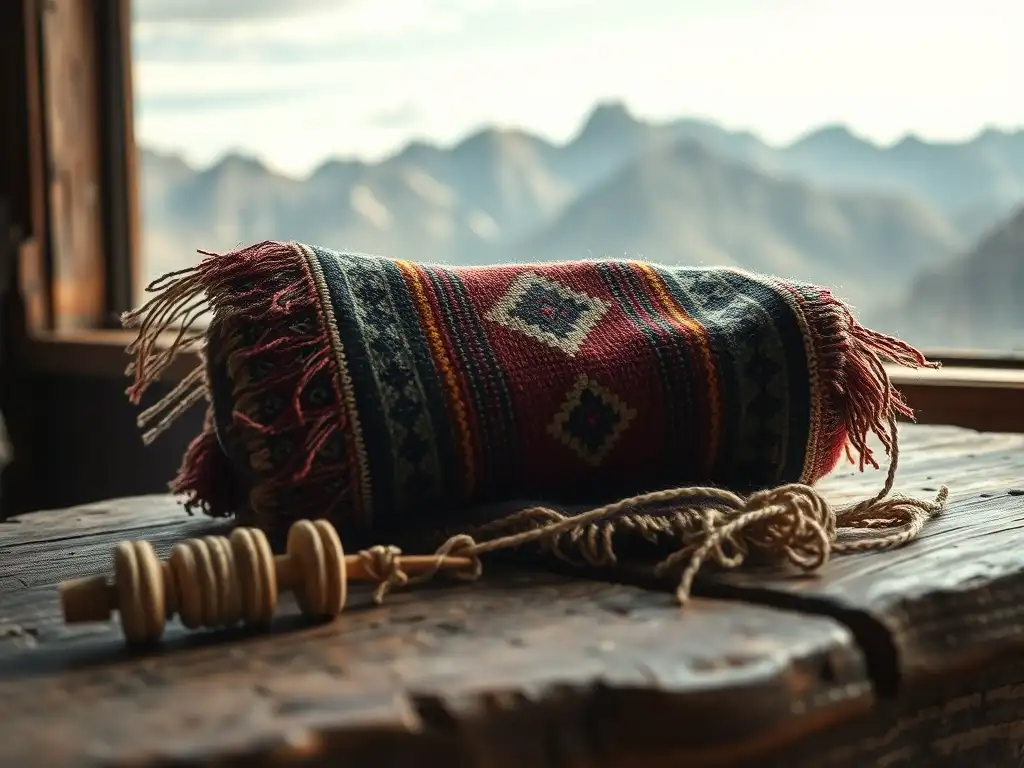
The future of Ancient Andean textile tourism hinges on a delicate balance: celebrating the vibrant legacy of Andean weaving while ensuring its sustainability and ethical preservation. This requires a multifaceted approach, focusing on responsible tourism practices and community empowerment. The continued growth of this niche market presents both immense opportunities and significant challenges that must be carefully navigated to safeguard this invaluable cultural heritage for generations to come.
Understanding the current landscape and proactively addressing potential pitfalls is crucial for the long-term health and prosperity of Andean textile traditions. This section will delve into three key aspects: preserving traditional techniques, supporting local artisans, and mitigating the potential negative impacts of tourism.
Preserving Traditional Weaving Techniques
The intricate techniques of Ancient Andean weaving, passed down through generations, are facing an existential threat. The younger generations are often drawn to urban centers and more modern occupations, leading to a decline in the number of skilled artisans. To counter this, several initiatives are crucial:
- Establishing Weaving Schools and Workshops: Formal and informal educational programs can train new generations in traditional techniques, ensuring the continuity of this invaluable knowledge. These programs should not only teach the practical skills but also the cultural significance behind the designs and patterns. Curriculum should integrate historical context, allowing students to understand the deep-rooted connection between the textiles and Andean identity.
- Documenting Traditional Methods: Thorough documentation—including detailed photographic records, video tutorials, and written descriptions—is essential. This digital archive can serve as a valuable resource for future generations and researchers, preserving knowledge that might otherwise be lost. This digital preservation strategy also allows for wider dissemination of knowledge, potentially attracting a new wave of enthusiasts and artisans.
- Supporting Research and Innovation: Research into ancient textile techniques can reveal insights into lost methods and materials. This knowledge can inform contemporary practices, leading to innovations that preserve tradition while adapting to modern needs. For example, research could focus on sustainable dye sources or the development of new tools that improve efficiency without compromising quality.
Supporting Local Artisans and Communities
The economic empowerment of local artisans is paramount. Ancient Andean textile tourism must benefit the communities that are the custodians of this heritage. This requires:
- Fair Trade Practices: Ensuring fair wages, safe working conditions, and equitable access to markets is crucial. This involves supporting cooperatives and organizations that promote fair trade principles and advocate for the rights of artisans. Transparency in pricing and supply chains is essential to ensure artisans receive a fair share of the profits.
- Direct Sales Opportunities: Facilitating direct sales to tourists empowers artisans, allowing them to set their own prices and connect directly with buyers. This can be achieved through artisan markets, tourism initiatives, and online platforms that showcase their work. The promotion of direct sales fosters a more equitable and sustainable model, reducing reliance on intermediaries.
- Community-Based Tourism Projects: Integrating artisan communities into tourism initiatives allows them to showcase their skills and earn income directly from tourism activities. This might involve workshops, demonstrations, or opportunities for tourists to participate in the weaving process. Such initiatives require careful planning to avoid exploitative practices and ensure that the cultural experience is authentic and respectful.
The Impact of Tourism on Andean Textile Culture
While tourism can be a powerful force for economic development and cultural preservation, uncontrolled tourism can have negative consequences. It's essential to minimize these potential impacts through:
- Sustainable Tourism Practices: Promoting responsible tourism, encouraging respect for cultural heritage, and minimizing environmental impact are crucial. This includes educating tourists about the significance of the textiles and the importance of ethical consumption. Implementing measures to reduce waste and promote sustainable practices within tourism operations is also vital.
- Protecting Intellectual Property: Safeguarding the designs and patterns of Andean textiles from unauthorized copying and appropriation is essential. This requires legal protection and educational initiatives to raise awareness about the importance of respecting cultural intellectual property rights. The promotion of original, authentic pieces is crucial to counter the proliferation of mass-produced imitations.
- Monitoring and Evaluation: Regular monitoring and evaluation of tourism's impact on Andean textile culture are necessary to identify potential problems and implement corrective measures. This involves collecting data on visitor numbers, economic benefits to communities, and the overall impact on cultural practices. Data-driven insights are essential for adaptive management and ensuring the long-term sustainability of this important cultural sector. This ongoing assessment allows for adjustments to tourism strategies to optimize positive impacts while minimizing negative ones.
Why Ancient Andean Textile Tourism Matters
Ancient Andean textile tourism offers a unique and powerful way to engage with the rich history and cultural heritage of the Andes. It's more than just admiring beautiful fabrics; it's about experiencing a living legacy, a tangible connection to the past that transcends museums and textbooks. This form of tourism fosters a deeper understanding and appreciation for the ingenuity, artistry, and resilience of Andean cultures.
By participating in textile tourism, visitors contribute directly to the preservation of traditional weaving practices and the economic empowerment of Andean communities, ensuring that these invaluable skills and traditions continue to thrive for generations to come. This isn't just about seeing history; it's about feeling it, experiencing it, and becoming a part of its ongoing story. The economic benefits ripple outwards, supporting artisans, their families, and the wider communities involved in the production and sale of these exquisite textiles.
This sustainable form of tourism offers a genuine alternative to mass tourism, promoting responsible travel and cultural exchange. The impact extends beyond the immediate economic benefits; it fosters cross-cultural understanding and appreciation, challenging preconceived notions and promoting a more inclusive and respectful global perspective. The preservation of these ancient techniques is intrinsically linked to the preservation of cultural identity.
Connecting with History Through Textiles
Andean textiles are not mere fabrics; they are historical documents woven into existence. Each thread, each color, each pattern tells a story, reflecting the beliefs, social structures, and daily lives of the ancient Andean people. For example, the intricate designs found on Paracas textiles (circa 500 BCE – 200 CE) reveal complex mythological narratives and cosmological beliefs. The vibrant colors, often derived from natural dyes, speak of the deep connection between the people and their environment.
Analyzing these textiles offers invaluable insights into the social hierarchy, religious practices, and artistic sensibilities of the time. The use of specific motifs, like camelids, birds, or geometric patterns, often held symbolic significance, providing clues to the cultural context in which they were created. By engaging with these textiles, visitors can directly connect with the past, experiencing a tangible link to the lives and beliefs of ancient Andean civilizations.
Furthermore, the techniques themselves – from spinning the yarn to weaving the cloth – offer a window into the ingenuity and skill of ancient Andean artisans. Their mastery of complex techniques, such as tapestry weaving and resist dyeing, showcases a level of expertise that continues to inspire awe and admiration today. The survival of these techniques through centuries is a testament to the enduring power of cultural transmission and the resilience of Andean communities.
Understanding the Cultural Significance of Weaving
Weaving in Andean cultures was, and still is, far more than a craft; it's a deeply embedded cultural practice imbued with spiritual and social significance. For many Andean communities, weaving is a sacred art, passed down through generations, often within specific family lineages. The process itself is often accompanied by rituals and ceremonies, reflecting the profound connection between the act of weaving and the spiritual realm. The choice of colors, materials, and designs carries symbolic weight, often representing specific deities, cosmological concepts, or social status.
For instance, the use of specific colors in Inca textiles could signify royalty or religious authority. Similarly, particular patterns might represent specific clans or lineages, reflecting the complex social structures of Andean societies. The cultural significance of weaving extends beyond the individual piece; it also plays a crucial role in maintaining social cohesion and cultural identity within Andean communities.
The sharing of weaving knowledge and skills strengthens community bonds, transmitting valuable cultural heritage from one generation to the next. The continued practice of traditional weaving techniques helps preserve not only the artistic legacy of the Andes but also the rich tapestry of its cultural identity. The intricate relationship between weaving and Andean culture underscores the importance of preserving this craft and its associated practices for future generations.
The Unique Artistry of Andean Textile Design
The artistry of Andean textile design is characterized by its unparalleled complexity and sophistication. From the incredibly fine detail of Paracas mantles to the geometric precision of Nazca textiles, the artistry consistently showcases a profound understanding of color, pattern, and texture. The use of intricate techniques, such as supplementary weft, tapestry weaving, and resist dyeing, allowed Andean weavers to create textiles of exceptional quality and visual impact.
The designs themselves often incorporated intricate motifs, including stylized representations of animals, plants, and human figures, as well as complex geometric patterns that reflected the mathematical and cosmological understanding of the time. The mastery of these techniques, combined with the use of vibrant natural dyes, resulted in textiles that are not only visually stunning but also highly durable and functional. Many Andean textiles were designed for specific purposes, such as ceremonial garments, everyday clothing, or domestic textiles.
The designs often reflected the intended use of the textile, with ceremonial garments frequently featuring more elaborate designs and richer colors than everyday wear. The variety and complexity of Andean textile designs underscore the profound artistic creativity and technical skill of Andean weavers, demonstrating a level of sophistication that continues to inspire artists and researchers today. The enduring legacy of these designs speaks to the enduring power and beauty of Andean art.
Frequently Asked Questions
What is "Ancient Andean textile tourism"?
Ancient Andean textile tourism involves experiencing the rich history of Andean weaving through visits to museums, archaeological sites showcasing textiles, and participation in workshops with contemporary weavers. It's a way to connect with the past and present of Andean textile traditions.
Where can I experience Ancient Andean textile tourism?
You can find Ancient Andean textile tourism opportunities throughout the Andes region, including Peru, Bolivia, Ecuador, and Colombia. Look for museums, archaeological sites like Machu Picchu, and workshops offering hands-on weaving experiences.
What kind of textiles will I see?
You'll encounter a diverse range of textiles, including complex tapestries, intricate weavings, and vibrant clothing. These items often feature unique designs and techniques, reflecting the distinct styles of different Andean cultures.
Are there opportunities to learn traditional weaving techniques?
Yes, many locations offer workshops and classes teaching traditional Andean weaving techniques. These are a fantastic way to engage directly with the culture and create your own textile souvenir.
How can I plan my Ancient Andean textile tourism trip?
Research museums, archaeological sites, and weaving workshops in advance. Consider booking guided tours for a richer experience and consider the time of year, as weather can affect accessibility to certain sites.
Final Reflection: Weaving the Past into the Future of Andean Tourism
The resurgence of interest in Ancient Andean textile traditions is not merely a nostalgic trend; it's a vital lifeline connecting past artistry with sustainable economic development in the region. The intricate tapestries and vibrant textiles, once solely the domain of museums and private collections, are now being actively woven into community-based tourism initiatives, offering a powerful and authentic experience for travelers. This shift represents a significant opportunity for cultural preservation and economic empowerment in the Andes.
The enduring legacy of Andean weaving profoundly impacts the cultural identity of the region, shaping its artistic expression and social fabric. These textiles are more than just beautiful objects; they are living narratives, carrying stories of ancestral knowledge, spiritual beliefs, and social structures across generations. The threads themselves are a language, a way of communicating across time and space,
as one weaver eloquently expressed. Understanding this profound connection allows us to appreciate the true value of these traditions and the importance of supporting their continuation.
Consider the threads of history that connect you to the world around you. What stories do your own traditions tell? I invite you to explore the rich tapestry of Andean weaving, not just as a tourist, but as a participant in a vibrant cultural exchange. Support community-based tourism initiatives, engage with local artisans, and learn about the stories embedded within each intricate design. By doing so, you will not only enrich your own journey but also contribute to the preservation of a timeless art form and the sustainable development of the Andean communities who keep these traditions alive.
**Embark on a Journey into Andean Weaving! **
Thank you for exploring the vibrant world of Andean weaving traditions with us! You've discovered the rich history and cultural significance of these intricate textiles, and now it's time to put that knowledge into practice.
Here are some exciting next steps:
- **Support Andean artisans:** Visit local markets or shops to admire their exquisite work and directly support their craft. Witness firsthand the incredible skill and artistry involved.
- **Share your passion:** Share your newfound knowledge of Andean weaving techniques on social media, tagging @AndeanCivilizations to inspire others!
- **Immerse yourself in the culture:** Plan a trip to the Andes to witness the weaving traditions firsthand and learn directly from the master weavers. A textile tour would be an unforgettable experience.
What aspect of Andean weaving most captivates you, and how will you delve deeper into this fascinating craft?