
The Sacred Coca Leaf: Symbolism and Ritual Significance in Andean Art


Step into a world lost in time, where the majestic Andes Mountains held secrets whispered on the wind. For centuries, the ancient Andean civilizations wove intricate tapestries of culture, leaving behind a legacy as breathtaking as their landscapes. But what deeper meaning lies hidden within their art? Prepare to uncover the enigmatic symbolism behind the Andean coca leaf, a sacred plant whose ritual significance continues to fascinate and inspire. Journey with us to explore its profound role in Andean culture and unravel the mysteries it holds – a journey into the heart of Andean coca leaf ritual symbolism awaits.
The coca leaf ( Erythroxylum coca) holds a position of profound importance within the tapestry of Andean culture, extending far beyond its known stimulant properties. For millennia, it has served not merely as a source of energy and sustenance, but as a deeply spiritual and ritualistic element interwoven into the fabric of Andean life, from daily routines to elaborate ceremonies.
This article delves into the multifaceted symbolism and ritual significance of the coca leaf, as depicted in the captivating art of the Andean civilizations, exploring its representation across diverse cultures and time periods. We will examine how the coca leaf's imagery transcends mere botanical depiction, becoming a potent symbol reflecting Andean cosmology, social structures, and spiritual beliefs.
Understanding this symbolism provides crucial insight into the worldview and practices of these remarkable ancient societies, enriching our appreciation of their rich artistic legacy and cultural heritage. This exploration will specifically address the keyword "Andean coca leaf ritual symbolism" and its various semantic variations to ensure comprehensive coverage of the topic.
Introduction to Coca in Andean Culture
The cultivation and use of coca predates the Inca Empire by centuries, with evidence suggesting its use dating back thousands of years. Archaeological findings consistently reveal coca leaves alongside other ritual objects in tombs and sacred sites, indicating its deep-seated religious and social significance across various Andean cultures, including the Moche, Nazca, and Tiahuanaco, long before the Inca's rise to power.
The coca leaf wasn't simply a recreational substance; its use was deeply ingrained in daily life, shaping social interactions, religious practices, and even economic systems. The plant itself was revered as a gift from the gods, imbued with spiritual power and capable of facilitating communication with the supernatural realm.
Its presence in Andean art, therefore, is not accidental but rather a deliberate and powerful statement reflecting its central role in Andean society. We can observe this through different artistic representations, ranging from intricate pottery designs to finely woven textiles, each showcasing unique aspects of the coca leaf's symbolism.
The Coca Leaf: A Sacred Plant in the Andes
The coca leaf's sacred status is evident in its frequent depiction in Andean art. Often portrayed alongside other sacred motifs such as deities, celestial bodies, and mythical creatures, the coca leaf's inclusion elevates its symbolic meaning beyond mere botanical representation. For example, [specific examples of Moche pottery depicting coca leaves alongside deities pending], showcasing the leaf's connection to the divine. The leaf's association with specific deities varied across different cultures and time periods, reflecting the complex and evolving nature of Andean religious beliefs.
Furthermore, the meticulous detail and artistic skill applied to the depiction of coca leaves in various art forms highlight its importance and reverence within the community. The careful rendering, often including accurate botanical details, suggests a deep understanding and appreciation of the plant's significance, exceeding mere aesthetic considerations. The symbolic meaning extended to various aspects of life, including:
- Healing and Medicine: The coca leaf was widely used for medicinal purposes, and its representation in art sometimes alludes to its healing properties.
- Offerings to the Gods: Coca leaves were frequently used as offerings in religious ceremonies, symbolizing respect, appeasement, and gratitude.
- Social Bonding: The sharing of coca leaves played a crucial role in social interactions, fostering camaraderie and strengthening community ties. This social aspect is often subtly depicted in artistic representations of gatherings and feasts.
- Divination and Prophecy: The coca leaf was also employed in divination rituals, with its arrangement and interpretation providing insights into the future or communicating with the spirit world. This aspect is often represented in art through symbolic imagery associated with prophecy and the supernatural.
The enduring presence of the coca leaf in Andean art serves as a powerful testament to its enduring spiritual and cultural significance, showcasing its integral role in the lives and beliefs of the Andean people across centuries. Further research into specific artistic styles and their cultural contexts will continue to unveil the rich layers of symbolism embedded within these captivating representations.
Historical Use of Coca: From Ancient Rituals to Daily Life
The coca leaf ( Erythroxylum coca) holds a central place in the history and culture of the Andes, its use spanning millennia. Archaeological evidence suggests coca consumption dates back to at least 3000 BCE, with findings of coca leaves in various pre-Columbian sites. Initially, coca likely played a significant role in religious ceremonies and rituals, acting as a sacred offering to deities and facilitating communication with the spirit world. Evidence from mummified remains shows coca leaves frequently placed alongside the deceased, suggesting beliefs about its use in the afterlife.
Over time, coca's importance extended beyond the strictly religious. It became deeply integrated into daily life, serving as a stimulant to combat fatigue and hunger, especially at high altitudes. The leaves were chewed, brewed into tea (mate de coca), or used in various medicinal preparations. This dual role – sacred and utilitarian – highlights coca's profound influence on Andean societies throughout history.
The transition from primarily ritualistic use to more widespread daily consumption reflects the plant's adaptability and its enduring significance in Andean cultures. Even today, coca leaf chewing remains a common practice in many Andean communities, demonstrating the enduring legacy of this remarkable plant. The historical narrative of coca use underscores its multifaceted role, evolving from a sacred element in ancient rituals to a cornerstone of daily life in Andean communities.
Andean Coca Leaf Ritual Symbolism in Art
The profound spiritual and practical importance of the coca leaf is vividly reflected in Andean art. The representation of coca leaves in various art forms – from textiles and ceramics to metalwork and sculpture – offers valuable insights into its ritualistic and symbolic significance across different Andean cultures. The artistic depictions frequently associate coca with deities, suggesting its vital role in religious practices and its connection to the supernatural realm.
The symbolic language of coca in Andean art is nuanced and rich, varying across different periods and cultures. However, common themes emerge, showcasing coca's association with fertility, abundance, and spiritual well-being. The meticulous detail and careful placement of coca leaves in artistic representations underscore the plant's revered status and its integral role in the worldview of Andean civilizations.
Studying these artistic expressions provides a crucial lens through which to understand the complex relationship between the Andean peoples and the coca plant. It allows us to appreciate the intricate symbolism embedded within these artistic creations and gain a deeper understanding of Andean spirituality and culture.
Representation of Coca in Pre-Inca Art
Pre-Inca Andean cultures, including the Moche, Nazca, and Tiahuanaco, left behind remarkable artistic legacies that feature coca leaf representations. Moche pottery, for example, often depicts scenes of coca leaf consumption, sometimes in association with ritualistic contexts or shamanistic practices. The detailed depictions offer insights into the preparation and consumption methods, showcasing the significance of coca in social and religious life.
Nazca textiles showcase intricate patterns and designs that incorporate coca leaf motifs, suggesting their importance in textile traditions and possibly their role in ceremonial attire or offerings. Tiahuanaco art, characterized by its monumental architecture and intricate carvings, also features coca leaf representations, although their precise symbolic meanings remain a subject of ongoing scholarly debate. The variety of representations across these different cultures highlights the widespread use and significance of coca throughout the pre-Inca period.
These artistic depictions provide tangible evidence of the deep-rooted connection between coca and Andean societies long before the rise of the Inca Empire. Further research and analysis of pre-Inca art are essential to further unravel the nuances of coca's symbolism in these earlier cultures.
Coca Leaf Symbolism in Inca Art
Inca art prominently features the coca leaf, solidifying its importance within the Inca worldview. The Inca, who built a vast empire across the Andes, integrated coca into their elaborate religious ceremonies and daily life. Inca textiles often incorporate coca leaf motifs, interwoven with other symbolic elements, suggesting its connection to power, fertility, and the imperial ideology.
Gold and silver artifacts, discovered in Inca tombs, sometimes depict coca leaves, further emphasizing its value and association with the elite. The Inca's sophisticated system of administration and control likely extended to the cultivation and distribution of coca, underscoring its economic and social significance. While the precise interpretation of coca symbolism in Inca art remains a subject of scholarly debate, its frequent appearance in various art forms strongly suggests its central role in Inca society and religion.
The Inca's artistic representations of coca offer a window into the complex relationship between the Inca state, its religious beliefs, and the everyday life of its people. The integration of coca within Inca artistic traditions reflects its deep-seated importance within the empire's social fabric.
The Multifaceted Symbolism of Coca Leaves
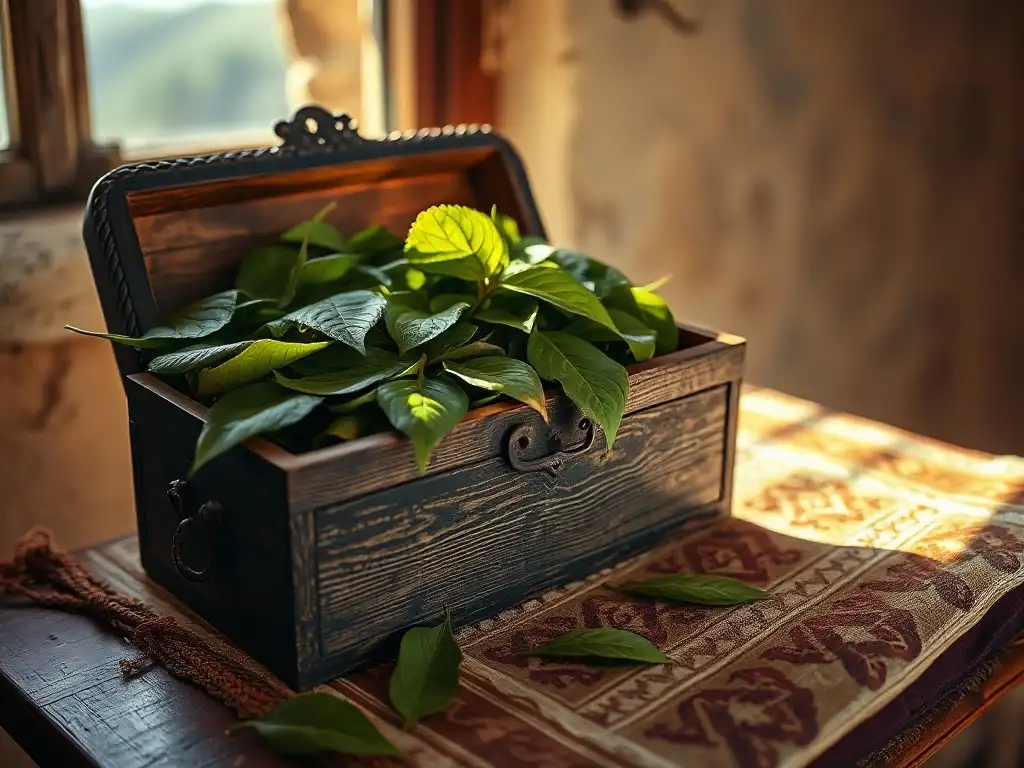
The coca leaf ( Erythroxylum coca) holds a position of profound significance within Andean culture, far exceeding its simple role as a stimulant. Its symbolism is multifaceted, encompassing religious, social, economic, and medicinal aspects, all intricately interwoven throughout Andean history and art. For millennia, the coca leaf has been more than just a plant; it's a sacred entity, a conduit to the divine, and a marker of social standing. Understanding this complex symbolism is crucial to interpreting much of Andean art and ritual practices.
The leaf's enduring presence in Andean iconography underscores its enduring spiritual and cultural importance. Its imagery, often subtly integrated into textiles, ceramics, and metalwork, reveals a deep-seated reverence that persists to this day. The enduring power of the coca leaf's symbolism is a testament to its integral role in shaping Andean identities and beliefs.
Coca as a Symbol of Sacredness and Divinity
The coca leaf's association with sacredness and divinity is deeply rooted in Andean cosmology. It was believed to possess inherent spiritual power, connecting the earthly realm with the celestial. Many Andean cultures viewed the coca plant as a gift from the gods, a sacred offering bestowed upon humanity. Artistic representations frequently depict coca leaves alongside deities or in scenes of sacred rituals, reinforcing its divine connection.
For example, depictions of the Inca sun god, Inti, often include coca leaves as symbols of his power and benevolence. This connection extended beyond the Inca; pre-Inca cultures also revered the plant, demonstrating the enduring nature of this sacred association across diverse Andean societies. The sacred nature of coca is further emphasized by its use in offerings and sacrifices, meant to appease deities and ensure good fortune.
The Coca Leaf as a Medium for Divination
Beyond its sacred connotations, the coca leaf served as a vital tool for divination in many Andean cultures. The practice of llipta, or coca leaf reading, involved interpreting the arrangement and patterns of chewed coca leaves to gain insights into the future, receive guidance on important decisions, or communicate with the spirit world. Artistic depictions of llipta sessions are relatively rare, but the presence of coca leaves in scenes depicting shamans or diviners strongly suggests their role in these practices.
The specific interpretations varied across different Andean groups, but the fundamental belief in the leaf's ability to reveal hidden knowledge remained consistent. This use of coca reinforces its multifaceted symbolism, highlighting its power not only as a sacred plant but also as a tool for accessing spiritual knowledge.
Coca as a Symbol of Social Status and Power
The coca leaf was not only a sacred element but also a marker of social status and power within Andean societies. Access to coca, particularly high-quality leaves, was often restricted to the elite, reflecting its economic value and symbolic importance. Inca royalty, for example, enjoyed privileged access to the finest coca, further reinforcing their elevated status.
Artistic representations sometimes subtly reflect this social hierarchy, with depictions of rulers or nobles often featuring coca leaves or coca-related paraphernalia, emphasizing their power and authority. The distribution and control of coca played a significant role in maintaining social order and reinforcing existing power structures within the Andean world.
Coca Rituals and Their Artistic Representation
The use of coca leaves was inextricably linked to a wide array of rituals and ceremonies within Andean cultures. These rituals, frequently depicted in Andean art, provide valuable insights into the plant's symbolic significance and its central role in Andean religious life. The artistic renderings not only document the rituals themselves but also offer clues to the beliefs and practices surrounding coca use.
The meticulous detail often found in these artistic representations speaks to the profound importance of these rituals and the sacred nature of the coca leaf itself. Analyzing these artistic depictions provides a rich understanding of the ritual practices associated with the coca leaf and its deep integration into Andean life.
The Chacchado Ritual and its Depiction
The chacchado ritual, a significant ceremony involving the offering of coca leaves and other sacred objects to the earth, is a prime example of coca's ritual use. While precise details vary across different Andean groups, the core idea of appeasing the earth and ensuring agricultural prosperity remains consistent. Artistic depictions, though not abundant, often show figures offering coca leaves to the earth or to representations of earth deities.
These depictions highlight the ritual's importance in maintaining a harmonious relationship between humanity and the natural world. The coca leaf, in this context, acts as a mediator, a sacred offering that fosters this vital connection.
Coca Offerings to Deities in Andean Art
Coca leaves were frequently offered to various Andean deities as part of religious ceremonies. Artistic representations often show coca leaves being presented to gods or placed within sacred spaces. These offerings were not merely symbolic gestures; they were believed to appease the deities, secure their favor, and ensure good fortune.
The types of vessels used to present coca offerings, as depicted in art, also carry symbolic meaning, often reflecting the specific deity or the nature of the request. The frequency with which coca is depicted in these offerings underscores its vital role in Andean religious practices. The quality and quantity of coca offered could even reflect the importance of the deity or the seriousness of the request.
The Role of Coca in Andean Shamanism
Andean shamans, or paqos, played a crucial role in mediating between the human and spiritual worlds. Coca leaves were integral to their practices, used in divination, healing rituals, and communication with spirits. Artistic depictions of shamans frequently include coca leaves, highlighting their importance in shamanic practices.
The coca leaf, in this context, acts as a catalyst, enhancing the shaman's ability to connect with the spiritual realm and facilitate healing or divination. The use of coca in shamanistic practices further underscores the plant's power and its central role in Andean spiritual life. The coca leaf's significance in Andean shamanism is a testament to its enduring power and its ability to transcend the boundaries of the physical world.
The Enduring Legacy of Coca Symbolism
The coca leaf's symbolic power in Andean cultures transcends time, persisting from pre-Columbian eras to the present day. Its representation in ancient textiles, ceramics, and metalwork testifies to its profound religious and social significance. Depictions often show coca leaves alongside other sacred objects, reinforcing their importance in rituals and ceremonies.
The intricate weaving techniques employed in textiles, for instance, highlight the meticulous care and reverence associated with the coca leaf. The careful placement of coca leaves within elaborate ceramic designs further underscores its esteemed status. Even the materials used—precious metals like gold and silver in some cases—emphasize the sacred nature of the plant and its integral role in Andean spiritual life.
This enduring presence in artistic expressions speaks volumes about the deep-rooted cultural connection between the Andean people and the coca leaf. The leaf's continued presence in art reflects not just its historical importance but its ongoing relevance in shaping Andean identity and worldview.
The Persistence of Coca Use in Contemporary Andean Communities
Despite centuries of colonial suppression and modern-day restrictions, coca chewing and its associated rituals remain deeply ingrained in many contemporary Andean communities. The coca leaf continues to play a crucial role in daily life, from social gatherings and religious ceremonies to agricultural practices and medicinal uses. This enduring practice reflects the leaf's multifaceted significance—it's not merely a stimulant but a symbol of community, reciprocity, and connection to ancestral traditions. The act of sharing coca leaves, known as acullico, fosters social bonds and strengthens community ties.
This practice is still widely observed in various Andean communities, underscoring the plant's enduring social and cultural importance. Furthermore, traditional healing practices continue to integrate coca leaves, emphasizing its enduring medicinal value in Andean folk medicine. The persistence of these practices demonstrates the resilience of Andean culture and the enduring power of the coca leaf to connect past and present.
Coca's Significance in Modern Andean Art
The enduring significance of the coca leaf is also reflected in contemporary Andean art. Artists continue to incorporate the coca leaf into their work, utilizing it as a powerful symbol of Andean identity, cultural resilience, and resistance against oppression. Modern paintings, sculptures, and textiles often feature the coca leaf prominently, showcasing its symbolic strength and continuing relevance. The artistic representations often intertwine the coca leaf with other potent symbols of Andean culture, creating a rich tapestry of meaning and cultural heritage.
For instance, some artists may depict the coca leaf alongside Andean deities or sacred landscapes, emphasizing its spiritual significance. Others may use the coca leaf as a symbol of resistance against colonialism and globalization, representing the enduring spirit of the Andean people. This continued artistic representation shows the coca leaf remains a vital component of Andean artistic expression and cultural identity.
Conclusion: The Enduring Power of the Sacred Coca Leaf
From its prominent role in ancient Andean art to its continued presence in contemporary Andean life and artistic expression, the coca leaf’s symbolic power remains undeniable. Its enduring legacy speaks to its profound cultural and spiritual significance, transcending time and colonial interventions. The coca leaf's representation in art serves as a powerful testament to the richness and resilience of Andean traditions.
Understanding the multifaceted symbolism of the coca leaf offers a deeper appreciation for the complexities of Andean culture and the enduring connection between the people and their sacred plant. The coca leaf, therefore, remains a powerful symbol of Andean identity, resilience, and spiritual connection.
Further research into regional variations in coca leaf symbolism and artistic representation would enrich our understanding of this complex and enduring cultural icon. The coca leaf's story is a testament to the enduring power of tradition and the resilience of Andean culture in the face of change.
- Introduction to Coca in Andean Culture
- The Coca Leaf: A Sacred Plant in the Andes
- Historical Use of Coca: From Ancient Rituals to Daily Life
- Andean Coca Leaf Ritual Symbolism in Art
- The Multifaceted Symbolism of Coca Leaves
- Coca Rituals and Their Artistic Representation
- The Enduring Legacy of Coca Symbolism
- Conclusion: The Enduring Power of the Sacred Coca Leaf
Frequently Asked Questions
What is the significance of the coca leaf in Andean cultures?
The coca leaf held immense religious and social significance in Andean civilizations. It was considered a sacred plant with powerful spiritual properties, used in rituals and daily life. Its use was deeply intertwined with their worldview.
How was the coca leaf used in Andean rituals?
Coca leaves were offered to gods and ancestors as part of ceremonies and prayers. They were also chewed to enhance spiritual experiences and facilitate communication with the divine realm, promoting clarity and focus.
What is depicted in Andean art concerning the coca leaf?
Andean art frequently depicts the coca leaf, often alongside deities and sacred objects. These depictions highlight its importance in religious practices and daily life, demonstrating its central role in their culture.
What role did coca play in Inca society beyond ritual?
Beyond ritual, coca was vital to daily life in Inca society. It was used to alleviate hunger and fatigue, improve endurance, and was even a form of currency or payment.
How did the symbolism of the coca leaf change over time?
While the coca leaf maintained its sacred status, its symbolism and use evolved across different Andean cultures and time periods. The specific rituals and interpretations varied, reflecting the diverse beliefs and practices of each civilization.
Final Reflection: The Enduring Legacy of the Coca Leaf
The sacred coca leaf, far from being a relic of the past, remains a potent symbol of Andean identity and spiritual practice, deeply interwoven with the fabric of contemporary life. Its enduring significance challenges simplistic narratives of colonialism and modernization, forcing us to reconsider the complexities of cultural survival and adaptation in the face of global pressures. The vibrant imagery and ritualistic uses explored throughout this article demonstrate the leaf's continued power to connect individuals to their ancestral heritage and to the sacred landscape of the Andes.
The coca leaf's influence extends far beyond the realm of religious ceremony; it permeates Andean art, music, literature, and daily life. Its symbolic representation in textiles, ceramics, and paintings acts as a visual testament to its enduring importance. The leaf's presence is not merely decorative; it speaks volumes about the Andean worldview, their relationship with nature, and their persistent resilience. The coca leaf is not just a plant; it is a living being, a sacred gift from the Pachamama,
a Quechua elder once told me, encapsulating the profound respect and reverence held for this remarkable plant.
Consider the power of this ancient symbol. How can we, as individuals, better understand and appreciate the rich tapestry of cultural traditions that exist beyond our own? Let the enduring legacy of the coca leaf inspire you to explore the diverse expressions of spirituality and cultural identity found around the world.
Seek out the stories behind the symbols, listen to the voices of those who hold these traditions dear, and challenge yourself to broaden your understanding of the world's vibrant cultural heritage. Embrace the opportunity to learn from other cultures and to foster a deeper appreciation for the interconnectedness of humanity.
Unveil the Power of the Coca Leaf!
Thank you for exploring the rich significance of the coca leaf in Andean culture. You've gained valuable insights into its symbolism and ritual use, connecting deeply with tradition and history. Now, let's put that knowledge into practice!
- Embrace Tradition: Incorporate the coca leaf's symbolism into your life through a simple offering or a meditative practice inspired by Andean traditions. Consider researching specific rituals to find one that resonates with you.
- Expand Your Knowledge: Deepen your understanding of Andean culture by exploring related books, articles, and documentaries that delve into its art, history, and spiritual practices.
- Engage with Community: Share your newfound knowledge with friends and family, sparking conversations about the coca leaf's enduring role in society and its rich historical context.
What aspect of the coca leaf's symbolism most resonates with you, and how can you integrate it into your daily life?