
The Silent Storytellers: How Andean Textiles Preserve Cultural Narratives

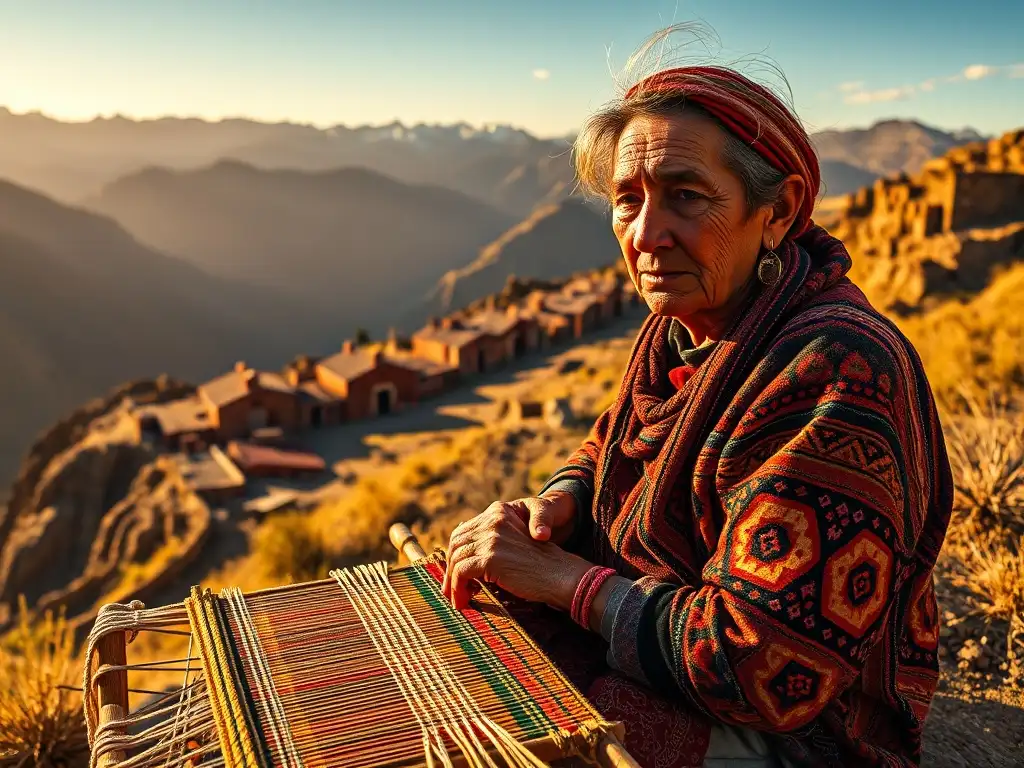
Unravel the mysteries woven into the very fabric of ancient Andean life. For centuries, Andean textiles have silently whispered tales of vibrant cultures, sophisticated technologies, and deeply held beliefs. Dive into the captivating world of the Incas, Moche, Nazca, and Tiahuanaco, and discover how these remarkable artifacts preserve a rich cultural history unlike any other. Prepare to be amazed by the intricate designs and the stories they tell – a journey into the heart of Andean civilizations awaits.
Andean textiles represent far more than just intricate artistry; they are vibrant tapestries woven with threads of cultural narrative, preserving a silent story of ancient Andean civilizations. From the intricate designs of the Nazca lines mirrored in their cloth to the symbolic representations of power and status within Inca textiles, these woven artifacts offer invaluable insights into the beliefs, practices, and daily lives of societies that thrived centuries ago.
This article delves into the fascinating world of Andean textiles, exploring how their rich designs and diverse techniques act as powerful repositories of cultural history, providing a unique lens through which to understand the complexities of these remarkable civilizations. We will uncover how the careful analysis of Andean textiles allows researchers to reconstruct social structures, religious beliefs, and economic systems, painting a vivid picture of life in the Andes long before written records became commonplace.
The enduring legacy of Andean textiles provides a compelling testament to the ingenuity and resilience of these ancient cultures.
Decoding the Visual Language of Andean Textiles
Andean textiles are not merely decorative; they are complex visual narratives. Each color, pattern, and fiber type carries symbolic weight, communicating information across generations. The use of specific dyes, sourced from natural materials like plants and insects, often held significant meaning, reflecting the importance of the natural world in Andean cosmology. For example, the vibrant crimson red, often achieved using cochineal insects, could represent power, royalty, or even a connection to the sacred.
Similarly, the intricate geometric patterns, often found repeated across different textiles, likely conveyed specific clan affiliations, social status, or religious beliefs. Researchers painstakingly decipher these visual codes, comparing motifs across various textile samples and correlating them with archaeological findings and ethnographic data to build a more complete understanding of their meaning. This process requires meticulous attention to detail, demanding a deep understanding of both textile techniques and Andean cultural practices.
The Role of Fiber and Technique in Andean Textile Narratives
The choice of fiber itself—alpaca, llama, vicuña, cotton—was also a significant factor in the narrative communicated by the textile. The luxurious softness of vicuña wool, for instance, immediately signified high status and wealth, frequently reserved for elite members of society. Furthermore, the weaving techniques employed—from the intricate tapestry weaving of the Paracas culture to the complex backstrap loom techniques used by many Andean communities—provided additional layers of meaning.
The complexity of the weave often reflected the skill and expertise of the weaver, indicating a level of social standing or specialization within the community. The meticulous craftsmanship evident in many Andean textiles stands as a testament to the high level of skill and artistic mastery achieved by these ancient weavers, highlighting the importance of textile production within their societies. Analysis of these techniques provides crucial insights into the social organization of labor and the level of specialization within different communities.
Andean Textiles and the Transmission of Knowledge Across Generations
The creation and use of Andean textiles were not solely the domain of skilled artisans; they played a vital role in transmitting knowledge and cultural values across generations. Textile production was often a communal activity, with younger generations learning the techniques and symbolic meanings from older members of the community. This intergenerational transmission of knowledge ensured that cultural narratives were preserved and passed down through time, maintaining a vital connection to the past.
The intricate designs and symbolic representations woven into these textiles acted as a visual encyclopedia, storing and disseminating information about history, religion, and social customs. This continuous process of learning and transmission highlights the enduring significance of Andean textiles as carriers of cultural memory. The persistence of certain motifs and techniques across centuries underscores the effectiveness of this organic method of knowledge transfer.
Preserving the Legacy: Challenges and Opportunities in the Study of Andean Textiles
Despite their significance, Andean textiles face ongoing challenges in terms of preservation. The delicate nature of the materials, combined with the effects of time and environmental factors, means that many artifacts are fragile and require specialized care. However, advancements in textile conservation techniques, coupled with rigorous archaeological research and interdisciplinary collaboration, are providing new opportunities to study and understand these precious artifacts.
Through careful documentation and analysis, researchers are working to unlock the secrets held within these silent storytellers, revealing ever more about the rich cultural history of the Andean world. The ongoing effort to preserve and interpret these textiles ensures that the voices of these ancient cultures continue to resonate with us today.
- Decoding the Visual Language of Andean Textiles
- The Role of Fiber and Technique in Andean Textile Narratives
- Andean Textiles and the Transmission of Knowledge Across Generations
- Preserving the Legacy: Challenges and Opportunities in the Study of Andean Textiles
- What makes Andean textiles so significant in understanding Andean cultures?
- How did the different Andean cultures utilize textiles?
- What techniques were employed in creating Andean textiles?
- How do Andean textile designs reflect cultural beliefs?
- Where can I learn more about the cultural history preserved in Andean textiles?
Andean Textiles: A Woven Tapestry of History and Culture
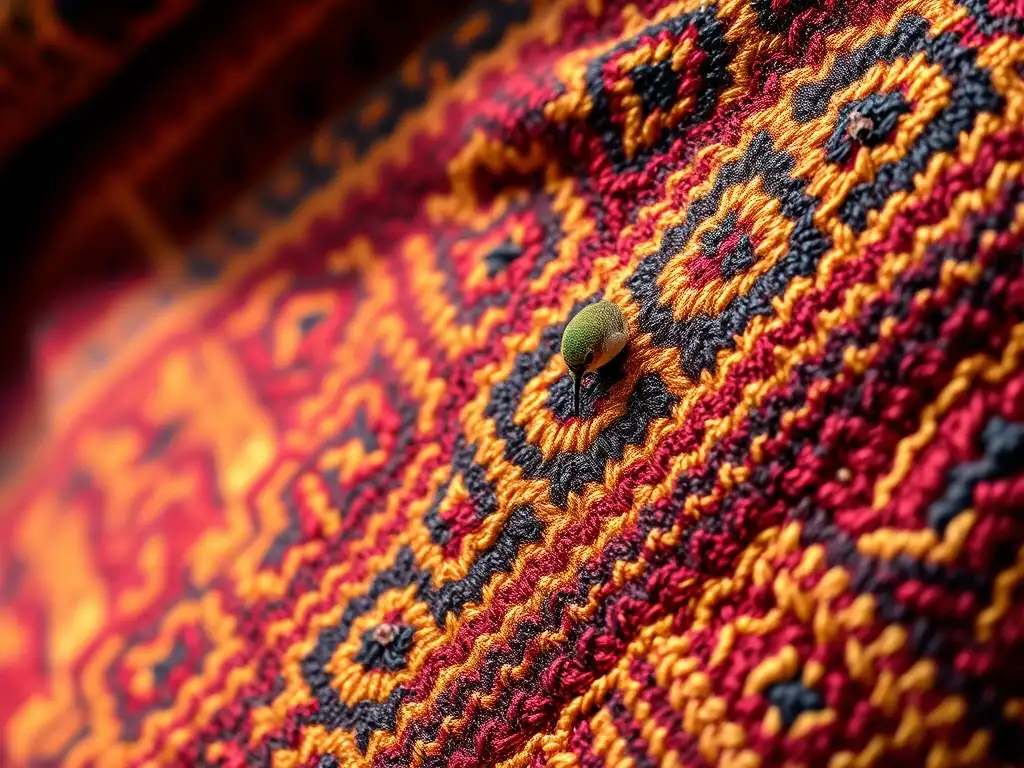
Andean textiles represent far more than simple clothing or decorative items; they are intricate tapestries woven with threads of history, belief, and cultural identity. Their enduring legacy allows us to decipher aspects of Andean life that might otherwise be lost to time. Studying these textiles provides invaluable insights into the social structures, religious practices, and artistic achievements of various Andean cultures, from the pre-Inca civilizations to the Inca Empire and beyond.
The vibrant colors, complex patterns, and unique weaving techniques speak volumes about the ingenuity and artistry of Andean peoples, offering a tangible connection to their rich past. The very fibers themselves – alpaca, llama, vicuña, and cotton – tell a story of adaptation and resourcefulness in diverse Andean environments. This section will delve into the profound significance of these textiles in preserving cultural narratives and understanding the historical context of their production.
The Significance of Andean Textiles in Cultural Preservation
Andean textiles serve as potent instruments for cultural preservation, acting as silent storytellers that transmit knowledge across generations. Their intricate designs often encode complex narratives, religious beliefs, and social hierarchies. For instance, the use of specific colors, motifs, and weaving techniques could indicate a person's social status, clan affiliation, or even their role in religious ceremonies.
The presence of specific animals, such as condors or jaguars, might reflect a connection to ancestral spirits or shamanistic practices. Detailed analysis of these visual elements, combined with archaeological context and ethnographic studies, allows researchers to reconstruct aspects of Andean worldview and social organization.
Consider, for example, the intricate designs found on Paracas textiles (ca. 500 BCE – 200 CE). The vibrant colors and complex patterns, often depicting mythological creatures and ritual scenes, offer valuable clues to their religious beliefs and funerary practices.
Similarly, the textiles from the Inca Empire (1438–1533 CE) often displayed imperial symbols and motifs, reflecting the power and authority of the ruling class. The meticulous craftsmanship and the use of high-quality materials underscore the importance of textiles within Inca society. The preservation of these textiles, often found in tombs and archaeological sites, has provided invaluable information about the Inca's sophisticated social and political organization.
The study of Andean textiles allows us to move beyond mere aesthetics, accessing a deeper understanding of the complex cultural systems that shaped these societies. Careful analysis of fiber types, dyes, and weaving techniques allows us to reconstruct not only the visual narratives but also the technological prowess and economic systems of these past civilizations.
Understanding the Historical Context of Textile Production in the Andes
The production of Andean textiles was a highly specialized activity, often carried out by skilled artisans within specific communities. The process, from shearing the animals to spinning the yarn and weaving the fabric, involved a series of complex steps that required significant expertise and knowledge. The availability of different fiber types, such as the luxurious vicuña wool reserved for elites, also reflects the social stratification within Andean societies.
Furthermore, the dyes used in Andean textiles were often derived from natural sources, such as plants, minerals, and insects. The sophisticated techniques employed in dyeing the fibers and the remarkable color fastness achieved demonstrate a deep understanding of chemistry and material science.
The development and evolution of Andean textile techniques over centuries can be traced through archaeological finds and comparative analysis of different textile styles. From the simple techniques used by early Andean cultures to the sophisticated tapestry weaving and intricate embroidery of later periods, the evolution of textile production reflects both technological advancements and evolving cultural practices.
The use of backstrap looms, for example, allowed for the creation of intricate designs and complex patterns, showcasing the adaptability and innovation of Andean weavers. The continuity and change in textile production over time, reflected in the stylistic variations and technical innovations, provide a rich tapestry of information about the dynamic cultural landscape of the Andes.
By studying the historical context of textile production, we gain a deeper appreciation for the craftsmanship, creativity, and cultural significance of Andean textiles as repositories of cultural history. Further research, particularly in [specific areas of Andean textile production techniques pending], will undoubtedly shed even more light on this fascinating aspect of Andean civilization.
Decoding the Language of Andean Textile Art
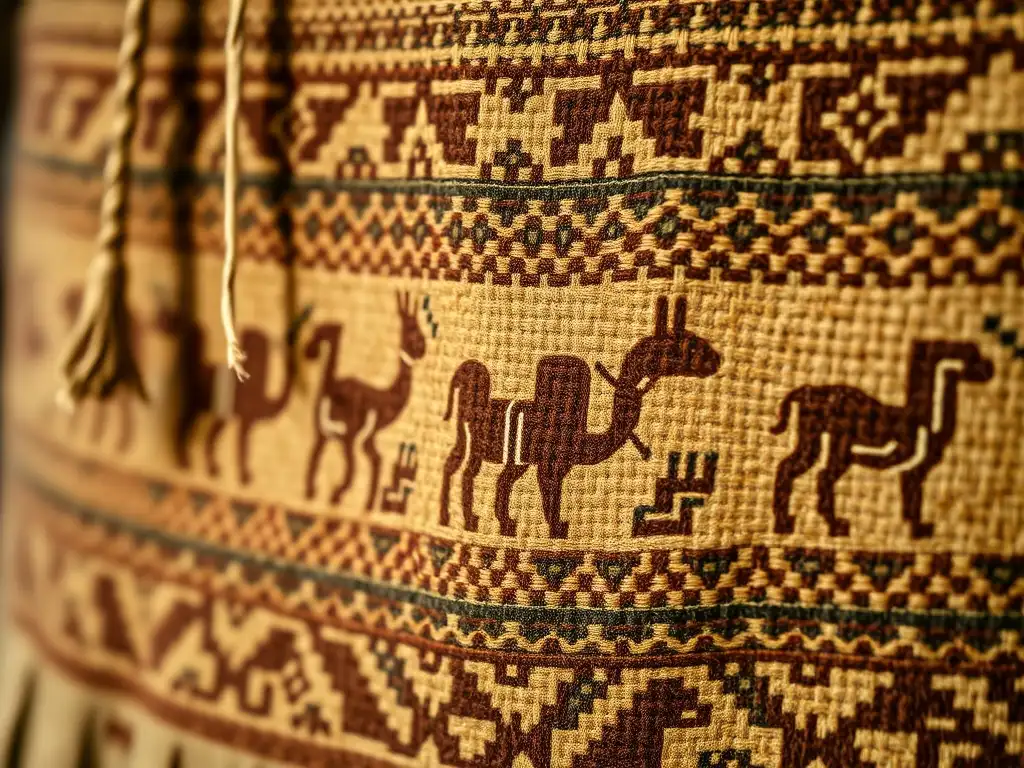
Andean textiles are far more than just beautiful fabrics; they are intricate tapestries woven with the threads of history, belief, and social structures. Understanding their visual language requires a deep dive into the motifs, colors, and techniques employed by Andean artisans across centuries. This section will explore how these elements combine to create a rich and complex narrative, offering a window into the cultural heritage of the Andes. The study of Andean textiles provides crucial insights into the Andean textiles cultural history, allowing us to piece together fragments of a past otherwise lost to time.
Motifs and Symbols in Andean Weaving: Interpreting Visual Narratives
The motifs found in Andean textiles are not randomly placed; they are carefully chosen symbols that carry specific meanings. These motifs, often repeated in intricate patterns, represent a vast lexicon of images reflecting the Andean worldview. For example, the recurring image of the puma, a powerful and revered feline in Andean mythology, often symbolizes strength, power, and royalty. Similarly, depictions of condors, majestic birds of prey, can represent spiritual connection and the Andean cosmology.
Specific motifs can also relate to specific regions or communities, demonstrating the diversity of cultural expressions within the Andes. For example, the use of geometric designs might be prevalent in one region, while zoomorphic (animal-shaped) or anthropomorphic (human-shaped) figures might dominate in another. The variations in these symbolic representations offer a valuable tool in understanding the regional differences and the interconnectedness within Andean societies.
Analyzing these motifs allows researchers to reconstruct aspects of daily life, religious beliefs, and social hierarchies. Furthermore, the placement and size of these motifs within the textile itself can significantly influence their interpretation. A larger, centrally placed puma might indicate a higher social standing, while smaller, less prominent motifs may represent aspects of everyday life or personal narratives. The study of Andean textiles and their motifs offers a unique avenue for understanding the complex symbolic language of Andean cultures. The detailed analysis of these visual narratives provides a compelling glimpse into the Andean textiles cultural history.
The Role of Color in Conveying Meaning within Andean Textile Designs
Color plays a crucial role in the storytelling capacity of Andean textiles. Different colors were imbued with specific meanings, often linked to religious beliefs, social status, or natural elements. For instance, red was frequently associated with blood, fertility, and power, while white symbolized purity, and black represented the underworld or night. The careful selection and combination of colors within a textile can thus reveal layers of meaning beyond the mere aesthetic appeal.
The availability of dyes also played a crucial role. Certain colors, derived from rare and difficult-to-obtain natural sources, might have been reserved for elite members of society, further emphasizing the social stratification reflected in the textiles. The precise shades and hues, often achieved through complex dyeing processes, also contributed to the richness and complexity of the narrative. For instance, variations in shades of red could convey different levels of power or intensity. The careful study of color palettes within Andean textiles is therefore essential to understanding their cultural significance and contextualizing them within the broader Andean textiles cultural history.
Techniques and Materials: The Craftsmanship Behind Andean Textile Art
The technical mastery evident in Andean textiles is another key aspect of understanding their cultural significance. The techniques employed, from spinning and dyeing to weaving and finishing, were highly refined and passed down through generations. The materials themselves, often sourced from local flora and fauna, further connect the textiles to the Andean environment. For example, the use of alpaca and vicuña wool, prized for their softness and warmth, highlights the importance of these animals within Andean economies and lifestyles.
The different weaving techniques, such as backstrap loom weaving or the use of supplementary weft techniques, also offer insight into the level of skill and sophistication of the artisans. Some textiles showcase incredibly intricate designs and complex patterns, demonstrating a remarkable level of technical proficiency. These techniques were not simply functional; they were integral to the cultural identity and artistic expression of Andean societies.
The meticulous craftsmanship embedded within each textile speaks volumes about the dedication and artistry of Andean weavers, enriching our understanding of the Andean textiles cultural history. Analyzing these techniques provides a deeper appreciation for the ingenuity and skill of the artisans who created these lasting works of art.
The Cultural Narratives Encoded in Andean Textiles
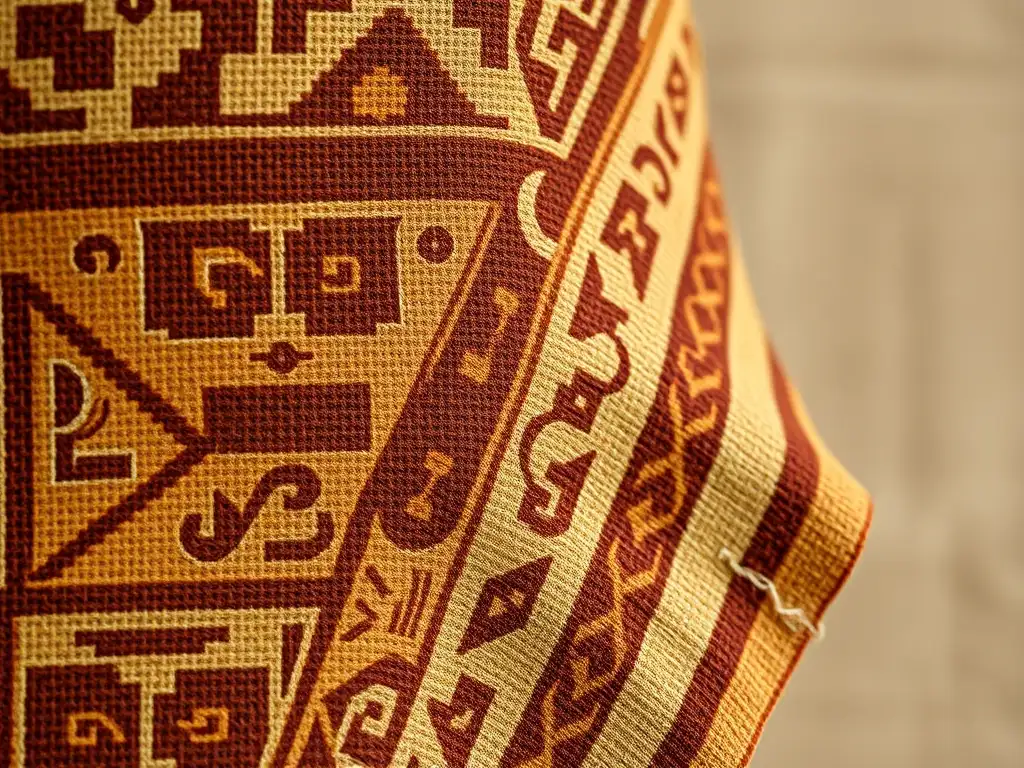
Andean textiles are far more than just beautiful fabrics; they are intricate tapestries woven with the threads of history, belief, and social structure. These silent storytellers offer invaluable insights into the lives, beliefs, and societal organizations of ancient Andean civilizations, preserving cultural narratives that would otherwise be lost to time. The meticulous craftsmanship, vibrant colors, and symbolic imagery embedded within these textiles provide a rich and detailed record of Andean cultural history, allowing us to understand the complexities of these fascinating societies.
Analyzing Andean textiles cultural history reveals a deep connection between the material world and the spiritual realm, a relationship that permeated every aspect of Andean life. The enduring legacy of these textiles allows us to connect with the past and appreciate the ingenuity and artistry of the Andean people.
Weaving Stories of Ancestors: Mythological Representations in Andean Textiles
Many Andean textiles feature intricate depictions of mythological beings and scenes from creation myths. These representations aren't merely decorative; they are powerful statements of belief, illustrating the cosmology and spiritual world of the Andean people. For example, the recurring motif of the condor, a powerful bird revered as a messenger of the gods, symbolizes power, strength, and connection to the celestial realm. Similarly, representations of serpents often signify fertility, water, and the underworld. The precise arrangement and combination of these symbols within a textile can reveal specific narratives or beliefs associated with a particular community or time period.
Detailed analysis of the iconography reveals nuances in the mythological narratives. For instance, the way a condor is depicted – its posture, its interaction with other figures – can significantly alter its symbolic meaning. Some textiles show condors in battle, representing conflict and power struggles, while others depict them in peaceful flight, suggesting harmony and spiritual connection. The use of specific colors also adds another layer of meaning. Red, for example, often signifies blood, sacrifice, and fertility, while yellow might represent the sun and its life-giving power.
The study of these mythological representations requires careful consideration of the context in which the textiles were created and used. Were they ceremonial garments, burial shrouds, or everyday clothing? Understanding their function helps us to decipher the intended meaning of the woven images. This detailed examination of Andean textiles unlocks a treasure trove of information about the spiritual lives and beliefs of these ancient cultures.
Andean Textiles as Historical Records: Depictions of Daily Life and Rituals
Beyond mythology, Andean textiles also provide valuable insights into the daily lives and rituals of these ancient societies. Depictions of agricultural activities, such as planting, harvesting, and animal husbandry, reveal the importance of these pursuits in Andean life. The meticulous detail in these representations allows researchers to identify specific crops, animals, and tools used, providing a window into the agricultural practices and technologies of the time.
Furthermore, textiles often depict scenes from important rituals and ceremonies. These scenes, meticulously woven into the fabric, provide a visual record of community celebrations, religious practices, and social interactions. For example, some textiles show processions, dances, and offerings to deities, offering clues about the social structure and religious beliefs of the Andean people. The presence of specific figures, such as priests or rulers, within these scenes can indicate their importance within the social hierarchy.
The remarkable preservation of these textiles allows for a level of detail that is rarely found in other forms of historical documentation. Unlike perishable materials like wood or bone, textiles can survive for centuries, preserving a visual record of past events and activities. Studying these images allows us to reconstruct aspects of daily life, social structures, and religious practices with an unprecedented level of accuracy. The intricate detail woven into these fabrics provides an unparalleled glimpse into the past, providing a richer understanding of Andean cultural history than many other sources could ever offer.
The complexity and quality of Andean textiles often reflected the social status of the wearer. Elites wore garments made with the finest materials, intricate designs, and superior weaving techniques, showcasing their wealth and power. These elite textiles frequently incorporated rare dyes, such as the vibrant purples derived from shellfish, and featured elaborate designs that required extensive skill and time to create.
In contrast, textiles worn by commoners were simpler in design and used more readily available materials. The differences in textile quality and design served as a visual marker of social hierarchy, clearly distinguishing between different social classes within Andean society. The use of specific motifs or colors could also indicate membership in particular social groups or clans.
Analyzing the distribution of different textile types across archaeological sites provides further evidence of social stratification. The presence of high-quality textiles in elite tombs, for example, reinforces the association between textile quality and social status. Conversely, the discovery of simpler textiles in commoner burials further supports this understanding. The study of Andean textiles, therefore, offers a valuable lens through which to examine the social structures and power dynamics within these complex ancient societies. The textiles themselves become tangible representations of social hierarchies, providing a visual record of the intricate social fabric of Andean life.
The Enduring Legacy of Andean Textiles
Andean textiles represent a powerful and enduring legacy, silently whispering tales of ancient civilizations across millennia. More than just clothing or adornment, these intricate fabrics are living archives, preserving cultural narratives, beliefs, and social structures. Their vibrant colors, complex designs, and exceptional craftsmanship reflect not only artistic skill but also a deep connection to the Andean landscape and cosmology.
The survival of these textiles, often discovered in remarkably well-preserved states within archaeological sites, provides invaluable insights into the daily lives, religious practices, and social hierarchies of past Andean societies. Analyzing these artifacts allows researchers to reconstruct a rich tapestry of cultural history, revealing the ingenuity and resilience of Andean peoples. The study of Andean textiles provides a unique window into understanding the complex interplay between art, technology, and spirituality within these ancient cultures.
Their continued study is crucial for a comprehensive understanding of Andean civilization's development and evolution. The enduring legacy of Andean textiles lies not only in their aesthetic beauty but also in their capacity to illuminate the past and inform the present.
Andean Textile Traditions: Continuity and Change Over Time
Andean textile traditions demonstrate remarkable continuity across centuries, with certain techniques and motifs persisting through various cultural periods. The use of natural dyes derived from plants, insects, and minerals, for example, remained a consistent practice, resulting in a stunning array of colors. However, alongside this continuity, significant changes also occurred. The arrival of new technologies, such as the introduction of the Spanish loom, led to innovations in weaving techniques and designs. This fusion of indigenous traditions with external influences created a dynamic evolution in Andean textile production.
Analyzing the stylistic changes in Andean textiles over time allows us to trace the impact of major historical events and cultural interactions. For instance, the shift in dominant motifs from pre-Columbian iconography to the incorporation of European patterns following the Spanish conquest is clearly visible. Despite these changes, indigenous Andean aesthetic sensibilities and weaving techniques persisted, often subtly integrating new elements into pre-existing traditions.
This adaptability speaks to the resilience and ingenuity of Andean textile artisans, who successfully integrated new influences without abandoning their core cultural identities. The intricate interplay of continuity and change in Andean textile traditions reveals a dynamic cultural landscape shaped by both internal developments and external pressures.
| Time Period | Notable Characteristics | Key Techniques | Dominant Motifs |
|---|---|---|---|
| Pre-Columbian Era | Complex designs, natural dyes, sophisticated weaving techniques | Backstrap loom, spindle whorl | Geometric patterns, zoomorphic and anthropomorphic figures |
| Inca Period | Standardized designs, imperial imagery, large-scale production | Warp-faced plain weave, tapestry weave | Inca symbols, stylized animals, geometric designs |
| Colonial Period | Blend of indigenous and European styles, use of metallic threads | European loom, introduction of new fibers | Religious imagery, floral patterns, hybrid motifs |
| Modern Period | Revival of traditional techniques, contemporary interpretations | Various looms, experimentation with materials | Traditional and contemporary designs, social commentary |
Modern Interpretations of Andean Textile Art: Keeping the Culture Alive
Today, Andean textile traditions continue to thrive, albeit in a transformed context. While some communities preserve ancient techniques and designs, others have adapted them to contemporary aesthetics and markets. This dynamic interplay between tradition and innovation ensures the survival and evolution of Andean textile art.
Many contemporary Andean artists reinterpret traditional motifs and techniques, infusing them with new meanings and expressions. This process often involves incorporating social commentary or exploring themes of identity and cultural preservation. The vibrant contemporary Andean textile scene reflects a complex negotiation between the past and the present.
The preservation of cultural heritage is intertwined with the economic empowerment of Andean communities, as the production and sale of textiles provides a vital source of income. Modern interpretations of Andean textile art are not merely stylistic exercises; they are powerful statements of cultural resilience and a testament to the enduring power of ancient traditions. This dynamic relationship between tradition and contemporary expression underscores the vitality of Andean textile art.
The Importance of Preserving Andean Textile Heritage for Future Generations
Preserving Andean textile heritage is crucial for several reasons. Firstly, it safeguards a significant part of the world's cultural legacy. These textiles represent an invaluable source of information about past Andean societies, their beliefs, and their artistic achievements. Secondly, preserving these traditions supports the economic well-being of Andean communities by promoting sustainable livelihoods based on traditional craftsmanship.
Thirdly, the preservation of Andean textile heritage fosters intercultural understanding and appreciation. By studying and celebrating these intricate fabrics, we gain a deeper understanding of diverse cultures and artistic expressions. Finally, preserving this heritage ensures that future generations can connect with their ancestors and appreciate the rich tapestry of Andean history and culture.
The continued support of Andean textile artisans and the promotion of their work are essential for ensuring the survival of this extraordinary cultural heritage. Failure to safeguard this legacy would be a profound loss to both the Andean peoples and the global community. Active engagement in preserving these textiles is vital for fostering cultural continuity and appreciation.
Frequently Asked Questions
What makes Andean textiles so significant in understanding Andean cultures?
Andean textiles are incredibly important because they act as visual records of cultural narratives, beliefs, and social structures. Their intricate designs and materials offer valuable insights into daily life and cosmology. They are primary sources for understanding past societies.
How did the different Andean cultures utilize textiles?
Textiles served diverse purposes, from everyday clothing and religious ceremonies to political statements and trade. Their use varied across cultures, with specific designs and techniques reflecting distinct social hierarchies and identities. Social status was often reflected in the quality and type of textiles.
What techniques were employed in creating Andean textiles?
Andean weavers mastered a wide range of techniques, including complex weaving patterns, dyeing with natural pigments, and the use of unique fibers like alpaca and vicuña. These techniques were passed down through generations, ensuring the preservation of traditional knowledge. Knotting techniques were also extensively used.
How do Andean textile designs reflect cultural beliefs?
Designs frequently depict mythological figures, sacred animals, and cosmological symbols, offering insights into their religious beliefs and worldview. The use of specific colors and geometric patterns often held symbolic meanings related to their spiritual practices. Representations of nature were also prominent.
Where can I learn more about the cultural history preserved in Andean textiles?
You can explore museums showcasing Andean artifacts, such as the Larco Museum in Lima, Peru, or research online resources and academic publications dedicated to Andean textile studies. Many books and documentaries delve into the rich history and symbolism embedded within these textiles, offering a deeper understanding of Andean cultural history.
Final Reflection: Weaving the Threads of Time
The vibrant hues and intricate designs of Andean textiles aren't merely decorative; they are living archives, powerfully preserving cultural narratives that resonate deeply with the present. These ancient threads continue to speak volumes about resilience, adaptation, and the enduring strength of indigenous communities across the Andes. Their silent stories demand our attention, offering invaluable insights into a rich and complex history often overlooked.
The enduring legacy of Andean textiles profoundly impacts our understanding of cultural preservation and the importance of oral traditions in shaping identity. These textiles are not just artifacts; they are tangible links to the past, carrying the weight of generations of knowledge and experience. Their continued creation and appreciation serve as a powerful testament to the vitality of Andean cultures. The textile is not just a cloth; it is a history, a memory, a story waiting to be told.
– Unknown Andean weaver. This quote encapsulates the profound depth and meaning embedded within each piece.
Consider the stories woven into the fabric. Think about the hands that created them, the stories they carry, and the communities they represent. You, too, can become a storyteller by actively seeking out and appreciating the artistry and cultural significance of Andean textiles. Learn more, share their stories, and support the artisans who continue to keep these traditions alive. Let their vibrant legacy inspire you to preserve and celebrate the rich tapestry of human cultures worldwide.
**Unravel the Stories Behind Every Stitch! **
Thank you for exploring the vibrant world of Andean textiles with us! We hope you've discovered how these remarkable fabrics are more than just beautiful—they tell rich cultural stories. Now, let's delve even deeper!
Here are a few impactful ways you can continue your journey:
- **Support local artisans** by purchasing authentic Andean textiles from ethical and sustainable sources. Each purchase helps preserve these beautiful traditions and supports the communities that create them.
- **Share your passion! ** Post about the significance of Andean textiles on social media, inviting your friends to learn more about these fascinating stories.
- **Engage with your community. ** Host a gathering to share your knowledge of Andean textiles, inspiring others to appreciate the rich cultural narratives woven into these works of art.
What stories will you discover as you explore the world of Andean textiles? We'd love to hear about your experiences!