
Double Cloth Dreams: The Complexities of DoubleSided Andean Textiles

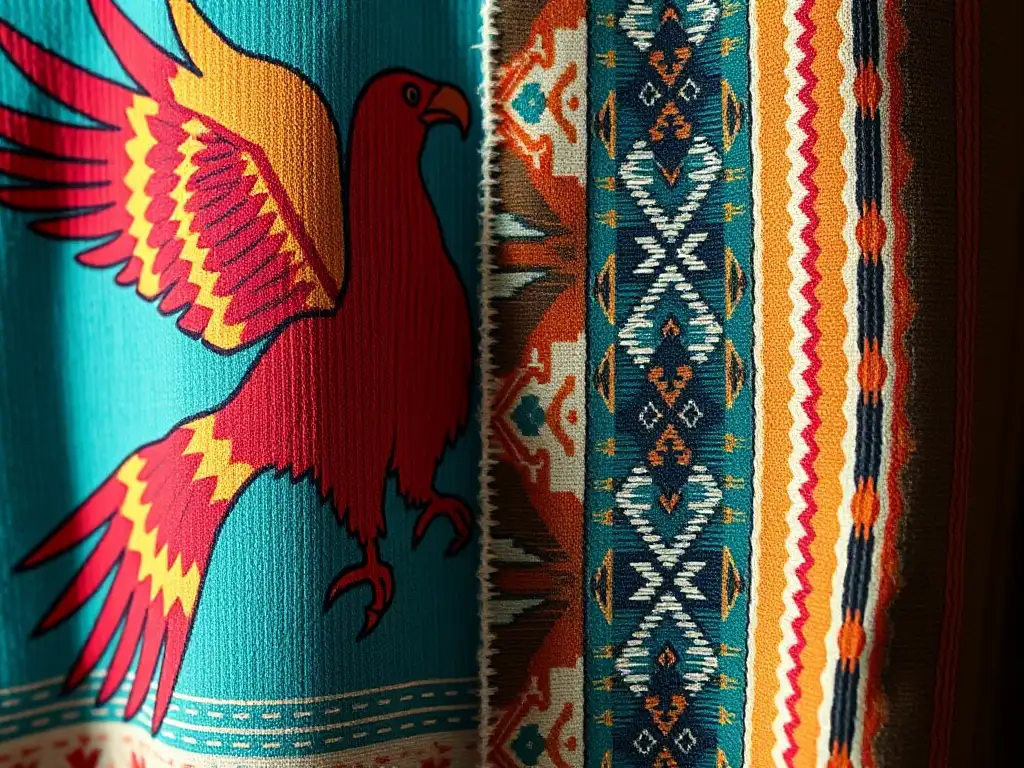
Step into a world woven with mystery and mastery. For centuries, the Andes Mountains have held secrets within their breathtaking landscapes, secrets now revealed through the intricate artistry of their ancient inhabitants. Prepare to be amazed by the complex tapestry of Andean culture, and delve into the captivating world of Andean double-sided textiles – a testament to ingenuity and a window into a lost civilization’s vibrant beliefs.
Discover how these remarkable fabrics tell stories only now beginning to be understood. Unravel the threads of their creation and uncover the hidden meanings within their breathtaking designs. Read on to explore the fascinating world of Double Cloth Dreams.
The Andes Mountains, a spine of towering peaks running down the western coast of South America, nurtured some of the most sophisticated and visually stunning cultures the world has ever known. Beyond the majestic architecture of Machu Picchu and the intricate ceramics of the Moche, lies a world of textile artistry that continues to fascinate and inspire: the breathtaking Andean double-sided textiles. This article delves into the intricate techniques, symbolic meanings, and enduring legacy of these remarkable fabrics, exploring how their creation reflects the ingenuity and worldview of ancient Andean civilizations.
We'll examine the challenges involved in their production, the cultural significance embedded within their designs, and the lasting impact these textiles have on our understanding of Andean artistry. Prepare to be amazed by the complexity and beauty of these "double cloth dreams," a testament to the skill and vision of Andean weavers.
Unveiling the Double Cloth Technique: A Masterclass in Weaving
Creating double-sided textiles, where both sides present distinct and often contrasting designs, is a feat of exceptional skill. Unlike simple weaving where the warp threads are merely interwoven with the weft, double cloth involves the simultaneous creation of two separate layers of fabric, each with its own independent design. This is achieved through a complex interplay of warp and weft threads, meticulously controlled to create independent faces without compromising the structural integrity of the whole. The process demands immense precision, patience, and a deep understanding of textile mechanics.
Ancient Andean weavers mastered this technique, creating pieces that are both aesthetically captivating and structurally sound, often incorporating multiple colors and intricate patterns. Consider the incredible dexterity required: imagine manipulating dozens of threads simultaneously, each destined for a specific position in two distinct layers of fabric! This wasn't merely weaving; it was a form of three-dimensional design in textiles.
The designs woven into Andean double-sided textiles are far from random; they are rich tapestries of symbolic language, narrating stories, conveying social status, and reflecting cosmological beliefs. Geometric patterns, often incorporating motifs like zigzags, stepped triangles, and spirals, are frequently interpreted as representations of mountains, rivers, and celestial bodies – mirroring the Andean worldview that deeply connected humans with their environment and the cosmos.
Furthermore, the presence of specific figures, such as stylized animals or human forms, can indicate the social standing of the wearer or the occasion for which the textile was created. For example, textiles featuring depictions of powerful deities or elite figures would likely have been reserved for high-ranking individuals within the society.
The careful study of these visual elements offers a profound glimpse into the social structures, religious beliefs, and daily lives of ancient Andean communities. Unfortunately, the precise meaning of many symbols remains a subject of ongoing scholarly debate, highlighting the complexity and richness of this ancient textile language.
The Enduring Legacy: Preserving and Interpreting Andean Textile Traditions
Despite the passage of centuries, the legacy of Andean double-sided textiles continues to inspire awe and fascination. These remarkable artifacts serve as invaluable sources of information for understanding ancient Andean cultures, offering insights into their artistic skills, social organization, and spiritual beliefs. Museums and research institutions around the world actively preserve and study these textiles, employing advanced techniques such as fiber analysis and digital imaging to unravel their secrets.
Furthermore, contemporary Andean artisans continue to practice these traditional weaving methods, ensuring that this ancient art form lives on. The enduring legacy of Andean double-sided textiles is a testament to the ingenuity and artistic brilliance of ancient Andean civilizations, a legacy that continues to enrich our understanding of the human experience.
The intricate designs and sophisticated techniques employed in these textiles serve as a powerful reminder of the depth and complexity of Andean culture, a culture that continues to inspire and captivate audiences worldwide. The study of Andean doublesided textiles is a journey into a world of vibrant colors, symbolic narratives, and unparalleled artistic mastery.
- Unveiling the Double Cloth Technique: A Masterclass in Weaving
- Decoding the Imagery: Symbols, Stories, and Social Status
- The Enduring Legacy: Preserving and Interpreting Andean Textile Traditions
- What makes Andean double-sided textiles so unique?
- How were Andean weavers able to create such intricate double-sided designs?
- Which Andean cultures were particularly known for their double-sided textiles?
- What materials were typically used in creating Andean double-sided textiles?
- What is the significance of the imagery found on Andean double-sided textiles?
Understanding the Allure of Andean Double Weave Textiles
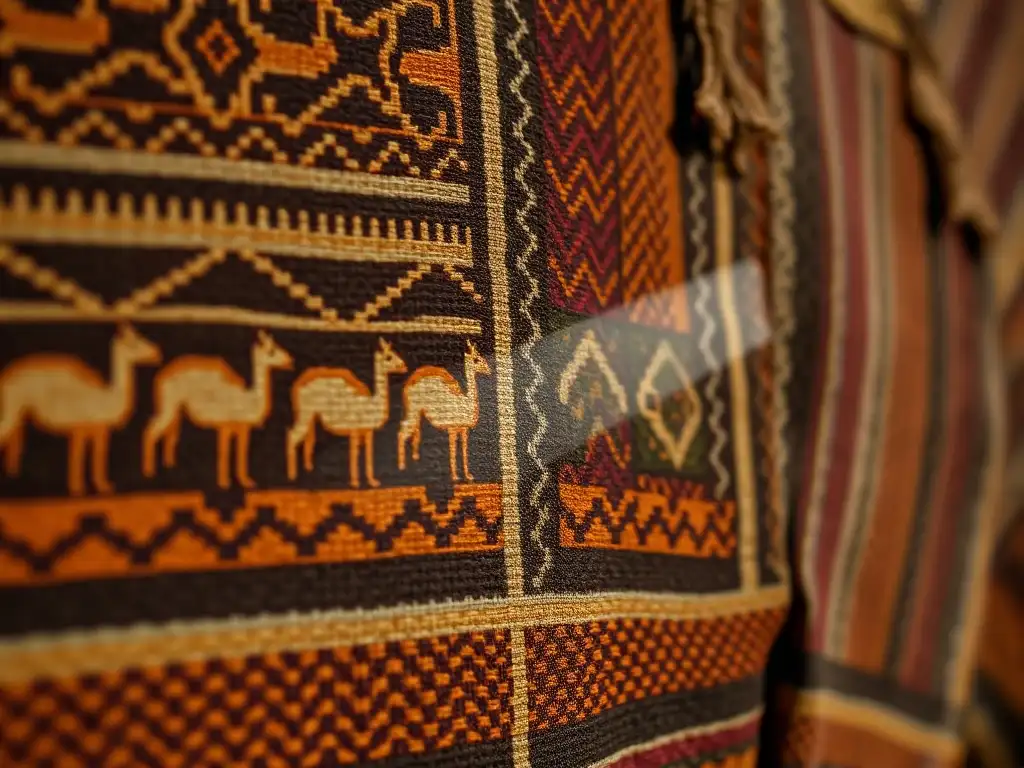
Andean double-sided textiles represent a pinnacle of ancient textile artistry. Their enduring appeal stems not only from their stunning visual complexity – displaying distinct images or patterns on both sides of the fabric – but also from the profound cultural and symbolic significance woven into their very structure. The creation of these intricate fabrics demanded exceptional skill, patience, and a deep understanding of textile technology, making them prized possessions and powerful expressions of social status, religious beliefs, and artistic innovation.
The mastery of double cloth weaving speaks volumes about the advanced technological capabilities and sophisticated aesthetic sensibilities of Andean cultures. Studying these textiles offers a unique window into the lives, beliefs, and artistic achievements of these remarkable civilizations.
The sheer artistry involved, combined with the cultural weight they carried, elevates Andean double-sided textiles to a position of unparalleled importance in the study of pre-Columbian art. This section delves deeper into the specifics of this captivating craft.
What is Double Cloth Weaving? Exploring the Technique
Double cloth weaving, a technique mastered by various Andean cultures, is far more complex than simple weaving. Instead of creating a single layer of fabric, this method interlaces two separate layers of warp threads simultaneously. Each layer can have its own independent weft threads, allowing for the creation of distinct patterns on each face. The interaction between these layers is controlled by precisely manipulating the warp threads, creating a complex interplay of interlocked structures. This isn't a simple "two fabrics sewn together" approach; the two layers are inextricably bound together during the weaving process.
Think of it like this: imagine weaving two separate cloths simultaneously, but with the crucial difference that certain warp threads are shared between both layers. This shared interaction allows for the creation of a cohesive double-layered fabric, with separate designs emerging on each side. The precision required is astonishing, demanding a profound understanding of the tension, spacing, and interaction of hundreds, even thousands, of individual threads.
This complex process required specialized tools and a high level of technical expertise, passed down through generations of skilled artisans. The resulting textiles are not just visually stunning; they are testaments to the incredible skill and ingenuity of Andean weavers. The mastery of this technique is a testament to the advanced textile technology of the Andean civilizations.
The Significance of Double-Faced Fabrics in Andean Cultures
The creation of Andean double-sided textiles wasn't merely a technical feat; it carried profound cultural and symbolic significance. These weren't simply functional garments or household items; they were imbued with meaning, often serving as powerful expressions of social status, religious beliefs, and political power. For example, the vibrant colors and intricate designs frequently represented specific deities, ancestral figures, or cosmological concepts. The use of particular fibers (like alpaca or vicuña wool) further enhanced the symbolic value, adding layers of meaning related to social hierarchy and access to resources.
Consider the use of double cloth in elite burials. The discovery of intricately woven double cloth textiles in tombs provides evidence of their importance in funerary rituals. These textiles, often decorated with complex iconography, likely served as a link between the deceased and the spirit world.
Moreover, the sheer labor-intensive nature of producing these textiles meant that only individuals of high social standing could afford such garments or ceremonial objects, highlighting their value as status symbols. The symbolic representation on these textiles varied across different Andean cultures, but their overall importance as cultural markers remains consistent. The presence of these textiles in prestigious contexts underscores their profound cultural significance within Andean societies.
The Intricacy of Andean Double Cloth: A Technical Marvel
The technical complexity of Andean double cloth weaving is truly remarkable. The precision required to manage the warp threads and create distinct patterns on both sides of the fabric is breathtaking. Weavers employed a variety of techniques to achieve this, including the use of supplementary weft threads, different types of floats, and intricate arrangements of warp threads. Different Andean cultures developed their unique variations on the technique, leading to a stunning diversity of styles and patterns.
The following table summarizes some key technical aspects:
| Feature | Description | Example Culture |
|---|---|---|
| Warp Threads | Carefully controlled to create the separation and interaction between fabric layers | Inca |
| Weft Techniques | Supplementary wefts often used to create detailed patterns on both sides | Nazca |
| Color Management | Sophisticated use of natural dyes to achieve vibrant and durable colors | Moche |
| Fiber Selection | Choice of alpaca, llama, or vicuña wool influenced both texture and symbolic meaning | Tiahuanaco |
The mastery of this technique demanded years of apprenticeship and a deep understanding of textile principles. The production of these textiles was a collaborative effort, often involving entire communities. The resulting textiles are not only aesthetically pleasing but also represent a significant technological achievement, reflecting the advanced knowledge and skills of Andean artisans. The intricate designs and sophisticated techniques utilized in Andean double cloth weaving highlight the advanced technological capabilities of these ancient civilizations. Further research is needed to fully understand the nuances of regional variations in this remarkable textile tradition. 1
1 Further research is needed to fully document the specific techniques employed by each Andean culture.
The History and Evolution of Double-Sided Textiles in the Andes
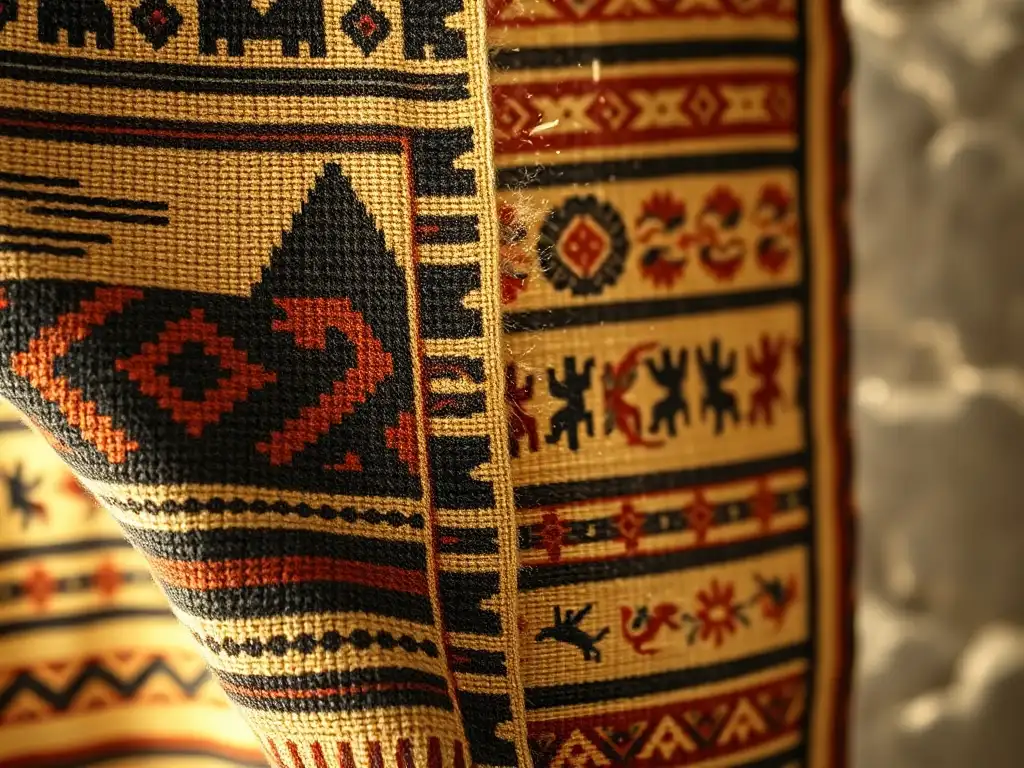
This section delves into the fascinating history and evolution of double-sided textiles in the Andes, tracing their development from early examples to the sophisticated techniques employed by later Andean cultures. Understanding the chronology of these intricate weaving methods provides crucial insight into the advancements in Andean textile technology and its socio-cultural implications. The production of Andean doublesided textiles wasn't merely a practical skill; it was a complex art form deeply embedded in the Andean worldview.
Early Examples of Double Cloth in Andean Textile Traditions
The earliest known examples of double cloth in the Andes date back to the pre-Inca periods, with evidence found in various archaeological sites across the region. While precise dating remains a challenge for some fragments, the presence of double cloth in contexts associated with the Paracas culture (circa 200 BCE – 200 CE) and later with the Nazca (100 BCE – 800 CE) suggests a long and rich history. These early examples often feature simpler patterns, primarily geometric designs and stripes, showcasing a foundational understanding of the double cloth technique.
The use of natural dyes derived from plants and minerals further adds to the complexity and artistry of these early Andean doublesided textiles. Careful examination of these early textiles reveals a remarkable level of skill and precision, even in their relatively simpler designs.
The fibers used, primarily camelid wools (alpaca and llama), were carefully prepared and spun, demonstrating a deep understanding of material properties and their manipulation. Analysis of these early textiles also helps us understand the evolution of tools and techniques used in their creation.
The Development of Complex Double Weave Patterns
As Andean societies developed, so did the complexity of their double cloth weaving. The Inca period (1438-1533 CE) witnessed a flourishing of double-sided textiles, with patterns becoming increasingly intricate and elaborate. This period saw the creation of textiles with highly detailed designs, including depictions of animals, mythical creatures, and even human figures. The mastery of the double weave technique allowed Andean weavers to create designs that were equally visible on both sides of the fabric, a significant technological achievement.
The increase in complexity wasn't just aesthetic; it also reflected social hierarchies and power structures. The most intricate and finely woven Andean doublesided textiles were often associated with elite members of society, used in ceremonial garments and prestigious objects. The precision and skill required to create these complex designs would have been highly valued, reflecting the weaver's status within the community.
Studying the iconography present in these textiles offers invaluable insights into the beliefs and values of the Inca civilization. For example, the repetition of certain motifs, such as the khipu (knotted record-keeping system) or specific deities, points to their significance in Inca society.
Regional Variations in Andean Double Cloth Techniques
While double cloth weaving was practiced across the Andes, regional variations in techniques and styles are evident. The specific types of fibers used, the complexity of the patterns, and even the tools employed varied according to geographical location and cultural traditions. For instance, coastal regions might have favored cotton blends, while highland communities primarily utilized alpaca or llama wool. This diversity further underscores the rich tapestry of Andean textile traditions.
The differences in Andean doublesided textiles are not only material-based but also stylistic. Some regions favored geometric patterns, others developed highly representational designs. This diversity reflects the unique cultural identities and artistic expressions of various Andean communities. Further research is needed to fully document and understand the nuances of these regional variations, with a focus on detailed analysis of surviving textiles and archaeological evidence.
A comparative study of these regional variations could reveal intricate details about trade networks, cultural exchange, and the evolution of textile traditions across the Andes. This would help paint a more complete picture of the Andean textile world and its fascinating complexity. The study of Andean doublesided textiles offers a compelling avenue for exploring the rich cultural heritage of the Andes. ✍️
Analyzing the Techniques Behind Andean Double Cloth
Andean doublesided textiles represent a pinnacle of ancient textile artistry. Their creation involved a complex interplay of skill, precision, and an intimate understanding of fiber properties. The enduring appeal of these textiles lies not only in their aesthetic beauty but also in the sophisticated techniques employed in their production.
Examining these techniques reveals a deep understanding of engineering principles applied to artistic expression, highlighting the ingenuity of Andean weavers. This section delves into the intricate processes involved in creating these remarkable pieces, focusing on the specific methods used to achieve the characteristic double-sided effect. Understanding these techniques provides a crucial lens through which to appreciate the cultural significance and technological prowess of Andean civilizations.
The Two Warp Systems: A Key Feature of Double Weaving
The foundation of Andean double cloth lies in the use of two independent warp systems. Unlike single-layer weaving, where a single set of warp threads is interlaced with the weft, double cloth utilizes two distinct sets. These warp systems are carefully positioned, one above the other, creating the framework for two separate layers of cloth. The precise arrangement and tension of these warps are critical to achieving a balanced and even fabric.
The upper warp system is often of a finer thread count than the lower one, contributing to the visual texture and often allowing for more intricate designs on the face. The choice of fiber also played a significant role; for instance, alpaca or vicuña for finer threads and llama for coarser, more supportive ones. This careful selection of materials and their arrangement reflects a mastery of material science, ensuring both durability and visual appeal.
Interlacing Wefts: Creating the Two Layers
The magic of double cloth unfolds through the masterful manipulation of the weft. Unlike single-cloth weaving where the weft passes over and under the warp threads in a single plane, in double cloth, the weft threads interlace both warp systems simultaneously. This interlacing creates two distinct layers, each with its own pattern or color, while maintaining a connection between them. The weaver skillfully controls the passage of the weft, selectively interlacing it with the upper and lower warp systems to create the desired visual effect.
This process requires immense concentration and precision, as any mistake can compromise the integrity of both layers. Consider the incredible dexterity required to manage such a complex interplay of threads—a testament to the dedication and skill of the Andean weavers. The complexity is further amplified by the fact that the designs on each side often differ, making the interlacing process even more intricate.
Creating Reversible Designs in Andean Double Weave
The creation of reversible designs in Andean double weave is a testament to the weavers' understanding of symmetry and pattern. The designs on both sides of the fabric are often related yet distinct, creating a visually captivating effect. This is achieved through a sophisticated system of weft interlacing.
The weaver carefully plans the pattern in advance, anticipating how the weft will interact with both warp systems to produce the intended effect on each side. Sometimes, a single design is subtly altered on the reverse, creating a sense of depth and intrigue. In other cases, completely different patterns are created on each side, offering a unique visual experience depending on the perspective.
The ability to execute these complex, reversible designs highlights the advanced planning and sophisticated understanding of textile structure inherent in Andean weaving traditions. This meticulous attention to detail, combined with the technical proficiency, firmly establishes Andean double cloth as a remarkable achievement in textile artistry. The surviving examples offer invaluable insights into the advanced technological and aesthetic understanding of Andean societies.
The Use of Backstrap Looms in Double Cloth Production
The creation of Andean double cloth, with its intricate designs and remarkable double-sided nature, was largely facilitated by the ingenious backstrap loom. This simple yet effective tool, still used in some Andean communities today, allowed weavers to produce textiles of exceptional quality and complexity. The backstrap loom's portability and adaptability to varied terrains were crucial for Andean cultures, enabling weaving in diverse environments, from high-altitude villages to coastal settlements. This portability meant that weaving wasn't confined to a single location, but could be an integral part of daily life, undertaken while traveling or tending to other tasks.
The loom itself consists of a warp, the set of lengthwise threads, stretched between a fixed point (often a tree or a post) and a belt worn around the weaver's waist. The weaver controls the tension of the warp by leaning back or forward, thus manipulating the threads to create the intricate patterns of the double cloth. This dynamic tensioning is key to the process, allowing for precision and control that other loom types might lack.
The backstrap loom's simple design belies the incredible skill and dexterity required to operate it, especially when creating complex double cloth designs. Mastering this technique required years of apprenticeship and a deep understanding of textile traditions.
The use of the backstrap loom also influenced the dimensions of Andean double cloth. Because the loom’s length is largely determined by the weaver's reach and the available space, many examples of double cloth are relatively narrow. However, this limitation was often creatively overcome through techniques like joining smaller panels together to create larger pieces, demonstrating the ingenuity and resourcefulness of Andean weavers.
The relatively narrow width, however, often resulted in vertical orientation for many designs, emphasizing the verticality of the Andean landscape and perhaps reflecting cosmological beliefs. The limitations of the backstrap loom thus became an integral part of the aesthetic and cultural significance of the textile itself. The constraints of the tool were not just overcome, but actively shaped the artistic expression.
The Artistry and Iconography of Andean Double Weave Textiles
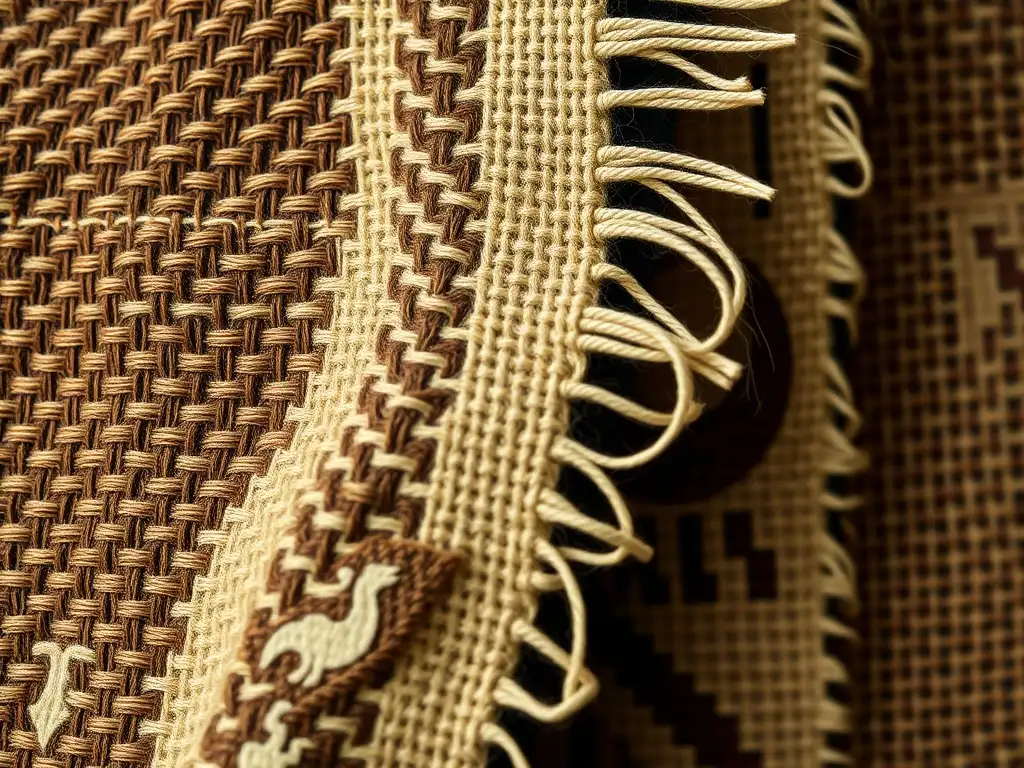
Andean double-sided textiles represent a pinnacle of pre-Columbian textile artistry. The sheer technical skill required to create these intricate fabrics, where distinct designs appear on both sides of the cloth, is astonishing. Beyond the technical marvel, however, lies a rich tapestry of iconography and symbolism, deeply embedded within the geometric patterns and vibrant colors. These textiles weren't merely functional; they were powerful statements of social status, religious beliefs, and cosmological understandings.
The creation of these pieces was a highly specialized craft, often undertaken by skilled artisans within specific communities. The precise techniques varied across different Andean cultures, reflecting regional styles and artistic preferences. Understanding these variations allows us to appreciate the unique cultural expressions woven into each piece. The survival of so many examples, despite the passage of centuries, is a testament to the durability and artistry of these magnificent Andean doublesided textiles.
Geometric Patterns in Andean Double Cloth
The prevalence of geometric patterns in Andean double cloth is striking. These aren't random arrangements; rather, they are carefully constructed designs, often featuring complex interweaving of threads to create intricate motifs. Common shapes include:
- Triangles: Often representing mountains, or perhaps more abstractly, the duality inherent in Andean cosmology.
- Squares and Rectangles: Possibly symbolizing fields, houses, or the structured organization of Andean society.
- Step patterns: These zig-zagging designs may represent terraced agricultural fields, a crucial aspect of Andean life, or even the paths of celestial bodies.
- Diamonds: These could symbolize fertility, abundance, or the interconnectedness of the cosmos.
The precision and complexity of these patterns are remarkable. Consider the meticulous planning required to ensure that the pattern is mirrored, yet subtly different, on both sides of the fabric. This was not achieved through simple repetition; instead, artisans employed sophisticated techniques to create a visual harmony across both faces.
Variations in weave density, the use of different colored threads, and the manipulation of the warp and weft all contributed to the overall effect. Analyzing these patterns reveals a sophisticated understanding of mathematics and geometry, far exceeding what might be initially assumed from their apparent simplicity. The precise arrangement of these geometric elements in Andean doublesided textiles provides a deep insight into the mathematical and artistic thinking of these ancient cultures.
Symbolic Representations in Double-Sided Weavings
Beyond the purely aesthetic appeal, the geometric patterns in Andean double-sided weavings often carry symbolic weight. Many scholars believe that these designs encoded complex narratives, relating to mythology, cosmology, and social structures. For instance:
- Specific combinations of colors and patterns may have indicated the wearer's social status or clan affiliation.
- Certain motifs might have represented deities or spirits, reflecting religious beliefs and practices.
- The orientation and arrangement of patterns could have encoded narratives or conveyed messages.
Unfortunately, the precise meanings of many of these symbols remain elusive. The lack of written records from many Andean cultures necessitates a reliance on careful analysis of the textiles themselves, combined with archaeological context and comparative studies of related artifacts. Further research, including interdisciplinary collaborations between textile experts, anthropologists, and archaeologists, is crucial to fully unlock the secrets embedded within these remarkable Andean doublesided textiles. The ongoing work in deciphering these symbolic representations offers a thrilling opportunity to further unveil the rich cultural narratives embedded in these beautiful works of art.
The Use of Color in Andean Double-Faced Textiles
Color played a crucial role in Andean double-faced textiles, adding another layer of complexity to their symbolic language. The dyes used were often derived from natural sources, including plants, minerals, and insects. The production of these dyes was itself a sophisticated process, requiring specialized knowledge and skill.
| Color | Possible Source | Symbolic Association |
|---|---|---|
| Red | Cochineal insect, plants | Blood, fertility, power, royalty |
| Yellow | Various plants | Sun, gold, wealth, divinity |
| White | Minerals, plants | Purity, light, the sacred, the divine |
| Black | Minerals | Night, earth, mystery, the underworld |
| Brown/Beige | Various plants, minerals | Earth, agriculture, stability |
The careful selection and combination of colors were not arbitrary. Specific color palettes might have been associated with particular deities, ceremonies, or social groups. The subtle variations in shade and intensity further enhance the visual richness of these textiles. The masterful control over the dyeing process, allowing for consistent color across both sides of the fabric, is another testament to the skill of Andean artisans.
The vibrant hues and sophisticated use of color within Andean doublesided textiles contribute significantly to their aesthetic impact and their enduring cultural significance. Further research into the specific sources and techniques of dyeing could provide deeper insights into the symbolism and artistry of these remarkable pieces. The study of color in these textiles continues to be a dynamic area of research for scholars.
Examples of Animal and Plant Motifs on Double Cloth
Andean double cloth textiles are renowned not only for their technical brilliance but also for the rich tapestry of iconography woven into their very fabric. Animal and plant motifs frequently appear, often imbued with deep symbolic meaning reflecting the Andean worldview and cosmology. The specific motifs and their interpretations can vary significantly depending on the culture, time period, and even the specific location of production. However, some recurring themes emerge, allowing us to gain insights into the beliefs and practices of these ancient societies.
For example, camelids – llamas and alpacas – are ubiquitous in Andean textile art, and their representation on double cloth is particularly striking due to the technique's ability to render subtle variations in color and texture. These animals weren't merely sources of wool; they held significant economic and spiritual importance. Depictions of llamas often convey status or wealth, perhaps indicating the social standing of the textile's owner or the community it represented.
The detailed rendering of their fleece, using varying shades of brown, beige, and even black, showcases the weaver's skill and the importance placed upon accurate representation. Furthermore, the positioning of the llama within the overall design—whether centrally placed or integrated into a larger narrative scene—can further enhance the symbolic meaning.
Plant motifs, too, are richly varied and symbolically dense. The depiction of maize, a staple crop in the Andes, is frequently encountered, often stylized but easily recognizable. The maize cob, with its rows of kernels, might symbolize fertility, abundance, and the cyclical nature of life and death.
Similarly, other agricultural plants, such as potatoes and beans, may appear, underscoring the importance of agriculture in Andean society and its connection to the spiritual realm. The intricate weaving techniques allow for the depiction of these plants with remarkable detail, capturing the textures and even the subtle variations in color within a single plant. The use of contrasting colors between the two layers of the cloth can further highlight these details, creating a three-dimensional effect that elevates the representation beyond a simple graphic.
Beyond these common motifs, more esoteric representations can be found. Birds, often depicted in flight, might symbolize messengers to the gods or represent specific deities. Serpents, which appear in many Andean cultures' mythologies, might symbolize power, fertility, or the underworld.
The careful study of these motifs, their placement within the textile, and their relationship to other elements within the design offers a window into the rich symbolic language of Andean cultures. The combination of technical mastery and symbolic depth makes the animal and plant motifs on Andean double cloth truly exceptional examples of textile art. Further research into specific examples from different Andean cultures could reveal even more nuanced interpretations of these evocative images.
Materials and Fibers Used in Andean Double Cloth Production
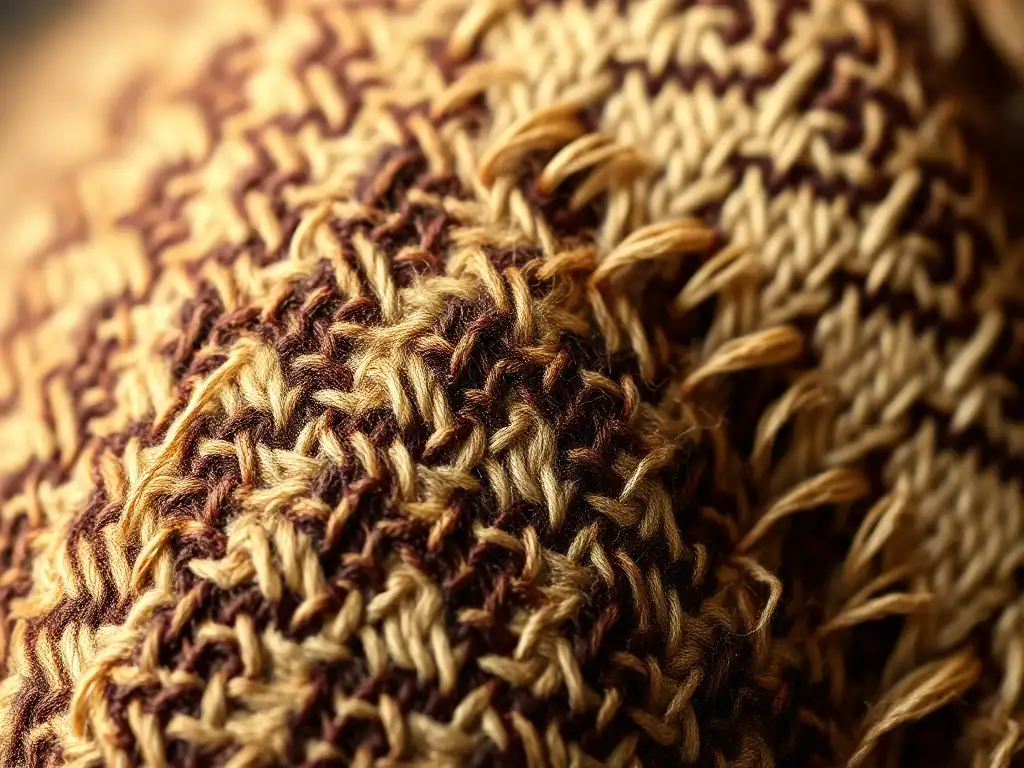
Andean double-sided textiles, a testament to the ingenuity of ancient Andean artisans, relied on a careful selection of materials to achieve their remarkable visual and textural complexity. The choice of fibers and dyes wasn't arbitrary; it was deeply intertwined with the cultural and ecological context of the Andean region. The quality of the materials directly impacted the final product's durability, aesthetic appeal, and symbolic meaning. The mastery of these materials represents a significant aspect of Andean textile artistry. Understanding the materials is key to appreciating the artistry involved in creating these breathtaking textiles.
The Importance of Alpaca and Vicuña Fibers
Alpaca and vicuña fibers were highly prized for their softness, warmth, and lustrous quality. Vicuña, in particular, was considered a royal fiber, reserved for the elite. Its incredibly fine and soft texture made it ideal for creating luxurious garments and textiles.
Alpaca fiber, while slightly coarser, was still highly valued for its strength and durability. The different qualities of these fibers allowed Andean weavers to create textiles with varying textures and weights, adding another layer of complexity to their designs. The use of alpaca and vicuña wasn't merely a matter of aesthetics; it also held significant social and symbolic value, reflecting the status and wealth of the wearer or the intended use of the textile.
Detailed analysis of surviving textiles indicates a preference for vicuña in ceremonial garments and elite textiles, highlighting its sacred significance. The proportion of alpaca and vicuña fibers within a single textile could vary significantly, reflecting the intended purpose and the social standing of the intended recipient.
Natural Dyes Derived from Plants and Insects
The vibrant colors of Andean double cloth textiles were achieved through the skillful application of natural dyes derived from plants and insects. This palette wasn't simply a matter of aesthetics; the colors themselves carried symbolic meaning, often related to specific deities, ceremonies, or social status. The process of dye extraction and application was complex and demanding, requiring specialized knowledge and expertise passed down through generations.
The availability of certain plants and insects dictated the color palettes available to different communities, leading to regional variations in textile styles and color schemes. For instance, cochineal, a crimson dye derived from an insect, was highly valued and widely used, while other colors, such as deep blues and yellows, required sourcing specific plants and intricate processing techniques.
The permanence of these natural dyes is a testament to the enduring quality of Andean textiles. Many examples, centuries old, still retain their brilliant hues, a testament to the artisans’ knowledge and skill.
Specific Fibers and Dyes: Cochineal and Indigo
Cochineal, derived from the cochineal insect ( Dactylopius coccus), yielded a rich, vibrant crimson that was highly valued throughout the Andean region. Its intense color and relative permanence made it a popular choice for ceremonial garments and textiles associated with religious or political elites. The use of cochineal in Andean textiles is well-documented, with its presence often correlating with high-status objects. The intricate process of harvesting, processing, and applying cochineal dye required specialized knowledge and skill, further emphasizing its value.
Indigo, a deep blue dye derived from various plants, offered a striking contrast to the reds and yellows frequently used in Andean textiles. The production of indigo dye involved a complex fermentation process, requiring specific environmental conditions and expertise. The use of indigo, along with cochineal, allowed Andean weavers to create textiles with a diverse range of colors and patterns, enriching the aesthetic and symbolic complexity of their work.
The enduring quality of both cochineal and indigo dyes is clearly evidenced in the remarkable preservation of many ancient Andean textiles. The careful selection and application of these dyes are key aspects of the artistry and cultural significance of Andean double-sided textiles. The precise methods used to achieve the specific shades and tones present in these textiles are still being studied today, highlighting the sophistication of Andean dyeing techniques.
Modern Day Relevance of Andean Double Cloth
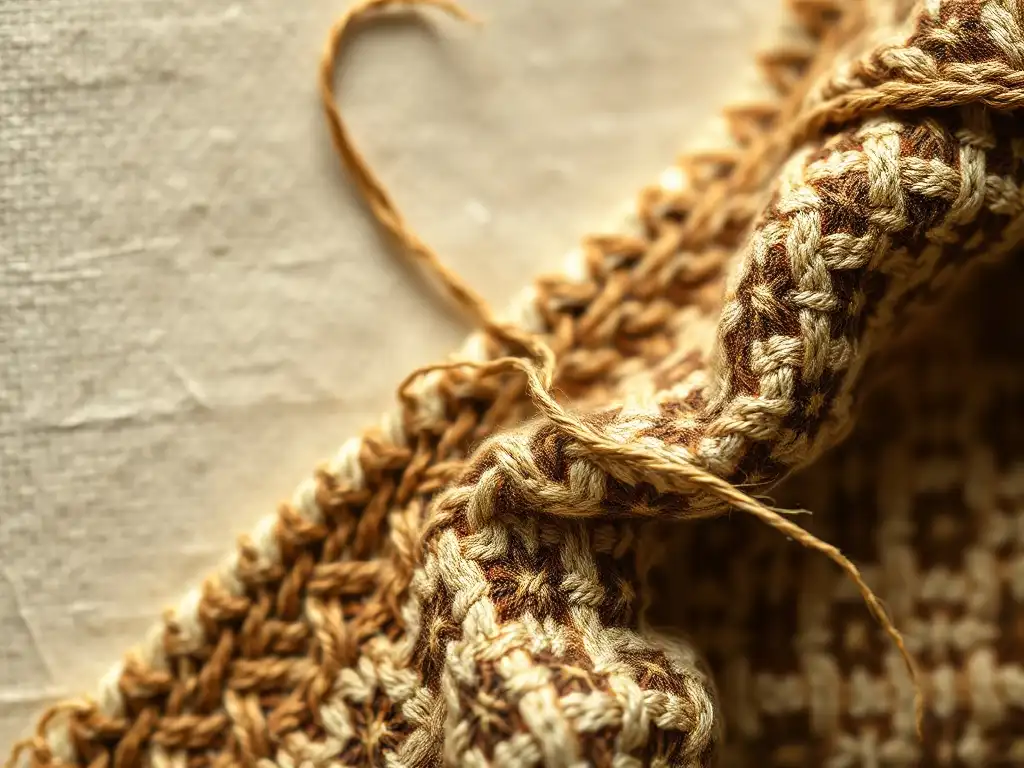
The enduring legacy of Andean double-sided textiles extends far beyond museum displays and historical accounts. These intricate fabrics maintain a powerful presence in contemporary Andean life and global markets, demonstrating their continued cultural and economic significance. Their remarkable resilience speaks to the ingenuity of their creators and the enduring appeal of their aesthetic and symbolic power. Understanding this modern relevance is crucial to appreciating the full scope of their historical impact.
Preserving Traditional Double Weaving Techniques in Communities
Efforts to preserve traditional double weaving techniques are vital for maintaining cultural heritage and supporting Andean communities. Many organizations and initiatives actively work to support artisan communities, providing resources, training, and market access. This preservation isn't merely about safeguarding ancient practices; it's about empowering present-day weavers and ensuring the economic viability of their craft.
The intricate process, passed down through generations, requires significant skill and time, making the finished products highly valuable. The economic impact of these efforts is considerable, providing sustainable livelihoods for countless individuals and families. Documenting these techniques through detailed videos and written records is also crucial for future generations of weavers.
For example, [Specific data on the number of communities involved in preservation efforts pending], highlighting the widespread commitment to this important cultural preservation. The success of these initiatives relies heavily on collaborative efforts between local artisans, researchers, and international organizations. This collaborative approach ensures that the knowledge and skills remain relevant and accessible.
Contemporary Andean Artists and Their Double Cloth Creations
Contemporary Andean artists are not merely preserving traditional techniques; they are innovating and reimagining them. They are incorporating modern aesthetics and designs while staying true to the ancestral methods. This fusion of tradition and modernity is evident in the vibrant colors, unique patterns, and innovative uses of double cloth.
These artists are pushing the boundaries of the craft, creating pieces that are both deeply rooted in tradition and remarkably contemporary. Their work is featured in galleries worldwide, showcasing the enduring appeal of Andean textile art and attracting a global audience. For example, [Specific examples of contemporary artists and their innovative uses of double cloth pending].
Their creativity and skill demonstrate the versatility and adaptability of this ancient technique, ensuring its continued relevance in the 21st century. Their work also highlights the importance of supporting indigenous artists and their unique contributions to the global art scene. The increasing recognition of these artists underlines the evolving narrative of Andean double-sided textiles, moving beyond historical artifacts to become vibrant expressions of contemporary artistry.
The Cultural Heritage of Andean Double-Sided Weaving
Andean double-sided weaving represents more than just a textile technique; it's a powerful symbol of cultural identity, resilience, and ingenuity. The intricate designs often carry deep symbolic meaning, reflecting the cosmology, beliefs, and social structures of the Andean civilizations. The process itself, requiring remarkable precision and skill, embodies the values of patience, dedication, and community.
Each piece is a testament to the generations of weavers who have perpetuated this tradition, passing down knowledge and skills across centuries. The vibrant colors and intricate patterns tell stories of Andean history, spirituality, and artistry. The cultural heritage of these textiles is not simply aesthetic; it's a living legacy that continues to shape Andean communities and inspire artists worldwide.
The enduring appeal of Andean double-sided textiles lies in their ability to transcend time and connect us to the rich cultural heritage of the Andes. Their continued presence in contemporary society is a testament to the enduring power of tradition and the creative spirit of the Andean people. Preserving and celebrating this heritage is crucial for understanding the profound cultural significance of this remarkable textile tradition.
Double Cloth in Contemporary Fashion and Design
The enduring appeal of Andean double cloth techniques extends far beyond museums and archaeological sites. Today, these intricate textiles inspire contemporary fashion designers and textile artists worldwide. The unique properties of double cloth—its reversible nature, its inherent warmth, and the possibilities for complex patterning—make it a highly sought-after material.
Many designers incorporate elements of Andean double cloth weaving into their collections, often using modern materials like silk, linen, or cotton while maintaining the traditional techniques or aesthetic principles. This results in garments and textiles that are both visually stunning and imbued with a rich historical significance. The vibrant colors and intricate designs, often echoing traditional Andean motifs, capture the attention of consumers seeking unique and ethically produced items.
The use of Andean-inspired double cloth isn't limited to high fashion. Smaller artisan groups and independent designers are also experimenting with these techniques, creating everything from scarves and tapestries to home décor items like cushions and wall hangings. This widespread adoption helps to preserve and promote the traditions associated with Andean double cloth weaving, while simultaneously providing economic opportunities for contemporary artisans. The accessibility of tutorials and workshops on double cloth weaving techniques also contributes to its modern popularity, allowing individuals to learn and practice this ancient craft, further ensuring its continued relevance. Furthermore, the sustainability aspect of using natural fibers and traditional techniques appeals to a growing market conscious of ethical and environmentally friendly practices. This makes Andean double cloth a significant player in the growing sustainable fashion movement. The revival of these ancient methods offers a powerful connection to the past, while also shaping the future of textiles.
The Legacy of Andean Double Weave: A Testament to Skill and Artistry
The creation of Andean doublesided textiles represents a pinnacle of ancient textile artistry. These weren't simply functional cloths; they were intricate works of art, imbued with deep cultural and spiritual significance. The mastery demonstrated in their production speaks volumes about the advanced technological capabilities and sophisticated social structures of Andean civilizations. The sheer complexity of the double weave technique, requiring meticulous planning and exceptional dexterity, underscores the high value placed upon these textiles within their societies.
These weren't mass-produced items; each piece was a unique expression of skill and creativity, often taking considerable time and effort to complete. The surviving examples, many remarkably well-preserved, serve as tangible links to the past, allowing us to appreciate the ingenuity and artistic vision of their creators. Their vibrant colors, intricate patterns, and remarkable durability are a testament to the enduring legacy of Andean textile traditions.
The quality of the materials used, often including fine alpaca or vicuña fibers, further highlights the high status associated with these doublesided textiles. Analyzing the techniques employed reveals a deep understanding of fiber manipulation, color theory, and design principles far beyond what one might expect from "primitive" societies. Study of these textiles continues to reveal new insights into the cultural practices and beliefs of Andean civilizations.
The Enduring Importance of Andean Textile Craftsmanship
The production of Andean doublesided textiles wasn't simply a craft; it was a deeply ingrained cultural practice passed down through generations. This knowledge wasn't restricted to a select elite; rather, it represented a vital skill within Andean communities, reflecting a strong sense of communal identity and shared cultural heritage. The creation of these textiles served multiple purposes, extending beyond their practical applications as clothing and household items.
They played a significant role in ceremonial events, religious practices, and social interactions. The intricate designs often held symbolic meaning, communicating narratives, beliefs, and social status. Even today, the tradition of Andean weaving persists, with contemporary artisans continuing to create stunning doublesided textiles, drawing upon ancient techniques while incorporating modern influences.
This enduring legacy underscores the profound cultural importance of these textiles, and their continued production speaks to the resilience and adaptability of Andean cultural traditions. The preservation and promotion of Andean weaving techniques are crucial for safeguarding cultural heritage and ensuring that these extraordinary skills are passed on to future generations. Many organizations and initiatives are dedicated to supporting Andean weavers and promoting the appreciation of their artistry.
The Global Influence of Andean Weaving Techniques
The innovative techniques employed in the creation of Andean doublesided textiles have had a lasting impact on global textile traditions. The precision and complexity of the double weave method, combined with the unique use of natural dyes and high-quality fibers, have influenced textile production in numerous regions. While the specific methods might vary, the underlying principles of creating intricate, reversible fabrics have been adapted and adopted by other cultures.
The enduring appeal of Andean textile designs, characterized by their geometric patterns and vibrant colors, has also inspired contemporary textile artists and designers worldwide. This global influence highlights the universality of artistic expression and the enduring power of Andean cultural contributions. The study of Andean weaving techniques offers valuable insights for contemporary textile artists and designers, prompting innovation and experimentation with materials and methods.
The legacy of Andean textile craftsmanship continues to inspire new approaches to textile production and design, demonstrating the enduring relevance of ancient techniques in the modern world. The impact extends beyond mere aesthetic influence; it has also contributed to our understanding of textile technology and its development throughout history.
Double Cloth as a Symbol of Andean Identity
Andean doublesided textiles served as powerful symbols of cultural identity, reflecting the unique values, beliefs, and social structures of the Andean civilizations. The intricate designs often incorporated iconography associated with specific communities, deities, or social groups. These textiles weren't merely decorative; they were a means of communication, conveying complex narratives and reinforcing social hierarchies. The use of particular colors and patterns could indicate social status, lineage, or ritual significance.
Their presence in burials and ceremonial contexts underscores their importance in Andean religious and funerary practices. The creation and use of these textiles served to solidify communal bonds and reinforce cultural identity within the Andean societies. The continued production and appreciation of Andean doublesided textiles today act as a powerful affirmation of cultural heritage and a testament to the enduring strength of Andean identities.
The study of these textiles provides invaluable insights into the worldview and social structures of ancient Andean civilizations, allowing us to better understand their rich cultural tapestry. The preservation and promotion of this craft is therefore not only an act of artistic preservation, but also a vital contribution to the understanding of Andean history and cultural continuity. The symbolic power of these textiles continues to resonate, reminding us of the remarkable achievements and enduring legacy of the Andean peoples.
Frequently Asked Questions
What makes Andean double-sided textiles so unique?
Andean double-sided textiles are unique due to their complex weaving techniques, allowing for distinct images on both sides of the fabric. This is a significant feat of craftsmanship, showcasing advanced textile technology.
How were Andean weavers able to create such intricate double-sided designs?
The creation of these textiles involved specialized weaving techniques, such as double cloth, where two layers of fabric are woven simultaneously. This allowed weavers to control the design on each side independently.
Which Andean cultures were particularly known for their double-sided textiles?
Many Andean cultures produced double-sided textiles, but the Inca, Moche, and Nazca civilizations are particularly renowned for their sophisticated examples, often incorporating intricate iconography and vibrant colors.
What materials were typically used in creating Andean double-sided textiles?
Camelid fibers, such as alpaca and llama wool, were commonly used, prized for their softness, warmth, and durability. Cotton was also employed, particularly in warmer coastal regions.
What is the significance of the imagery found on Andean double-sided textiles?
The imagery on these textiles often held religious, social, or political significance. Representations of deities, animals, and geometric patterns provided insights into the beliefs and practices of the Andean cultures.
Final Reflection: Weaving a Legacy, Unraveling the Future
The intricate artistry of Andean double-sided textiles remains a powerful testament to the ingenuity and cultural depth of ancient civilizations, a legacy that continues to resonate profoundly in contemporary society. These breathtaking creations, far from being mere historical artifacts, offer invaluable insights into social structures, spiritual beliefs, and artistic innovation that still inspire awe and wonder. Their enduring beauty challenges us to reconsider our relationship with craftsmanship, tradition, and the power of artistic expression.
The enduring influence of these textiles extends beyond museums and academic studies; their vibrant patterns and symbolic narratives continue to inform modern art, fashion, and design. Their impact is a testament to the timeless appeal of skilled craftsmanship and the enduring power of cultural heritage. The past is never dead. It's not even past.
- William Faulkner. This quote perfectly encapsulates the ongoing relevance of Andean double-sided textiles, their stories woven into the fabric of our present and shaping our understanding of the past.
Consider the intricate detail, the painstaking effort, the deep cultural significance embedded in each thread. You, the reader, are now part of this ongoing conversation. Let the legacy of these magnificent textiles inspire you to appreciate the artistry and cultural richness that surrounds us, to seek out the stories hidden within the seemingly mundane, and to value the enduring power of human creativity. Embrace the complexity, the beauty, and the enduring spirit of Andean double-sided textiles – and let them inspire your own creative journey.
Unveil the Rich Tapestry of Andean Textiles!
Thank you for exploring the intricate world of double-sided Andean textiles! We hope you've discovered the beauty and cultural significance inherent in each piece. Now, let's put that knowledge into practice.
Here are some ways you can further your appreciation and engagement:
- **Support Andean textile artists:** Visit a local craft fair or market to connect with artisans and admire their breathtaking creations firsthand.
- **Share your passion:** Post about Andean textiles on social media or discuss them with friends and family to spread awareness of this vibrant culture.
- **Learn the craft:** Participate in a textile weaving workshop to gain hands-on experience and create your own piece of history.
Which aspect of double-sided Andean textiles most captivates you, and how will you share this vibrant cultural heritage with others?