
Royal Regalia: Symbolism of Power and Status in Andean Art

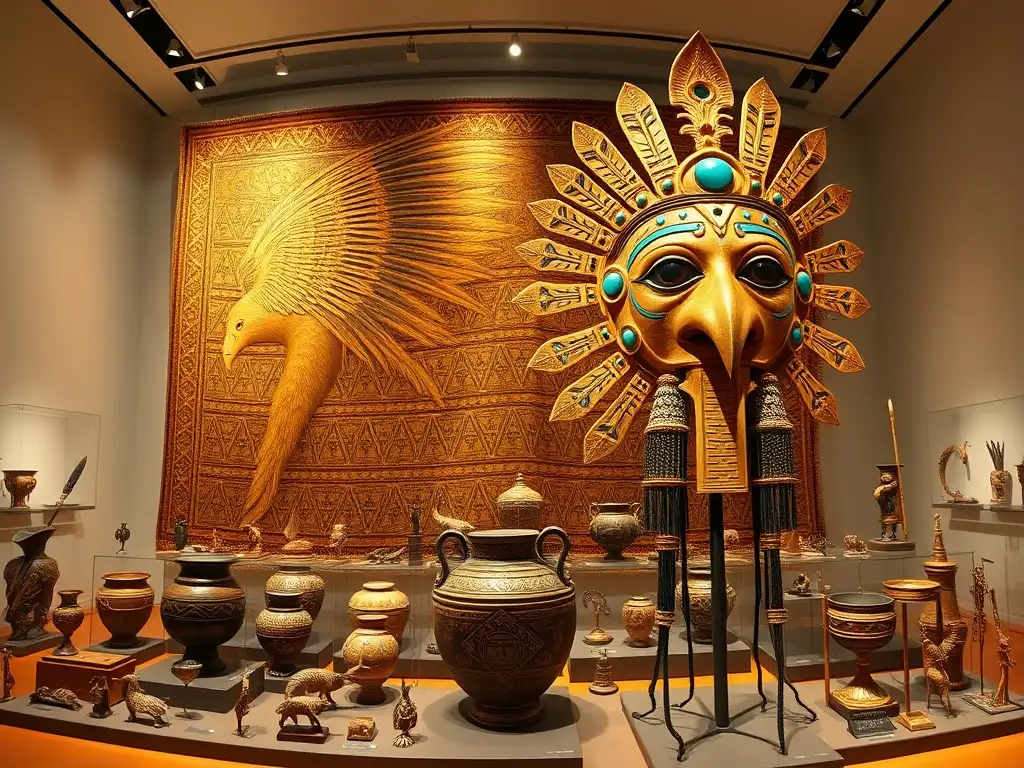
Step into a world lost to time, yet echoing with vibrant artistry and untold stories. Discover the secrets whispered through centuries in the captivating realm of Andean royal art symbolism. Unravel the intricate designs and powerful iconography that defined the status and power of Andean rulers—from the Incas to the Moche—and prepare to be amazed by the ingenuity and sophistication of these ancient civilizations. What hidden meanings lie within these breathtaking artifacts? Explore the fascinating details, and unlock the mysteries of their legacy.
The vibrant tapestry of Andean civilizations, encompassing the Incas, Moche, Nazca, and Tiahuanaco, is richly interwoven with intricate systems of symbolism. This article delves into the captivating world of Andean royal art, exploring the regalia, adornments, and artistic expressions that served as powerful indicators of social status and political authority.
We will examine how specific motifs, materials, and techniques communicated power, lineage, and divine connection within these sophisticated societies, providing a deeper understanding of the complex interplay between art, religion, and social structure in the Andes. Understanding the symbolism embedded within Andean royal art provides a crucial lens through which to interpret the beliefs, values, and social hierarchies of these remarkable cultures.
This exploration will focus on the key roles played by featherwork, metalwork, and textiles in conveying royal power and prestige, revealing the intricate artistry and profound significance of these objects. By analyzing these artistic expressions, we gain invaluable insights into the lives and beliefs of the Andean elite, and the enduring legacy of their artistic achievements.
Understanding Andean Royal Art Symbolism
Andean royal art wasn't merely decorative; it was a sophisticated system of visual communication. Objects like intricately crafted headdresses, ornate jewelry, and richly woven textiles weren't simply beautiful; they were powerful statements of identity, authority, and connection to the divine. The choice of materials – precious metals like gold and silver, vibrant feathers, and fine textiles – all held deep symbolic meaning, reflecting the wearer's status within the social hierarchy.
Furthermore, the imagery depicted on these objects – such as stylized animals, mythical creatures, and geometric patterns – conveyed complex narratives about power, lineage, and cosmology. Understanding these symbols requires careful consideration of the cultural context, religious beliefs, and social structures of each specific Andean civilization. For example, the use of specific colors, like red or yellow, might signify different things across different cultures.
Analyzing these nuances reveals the richness and complexity of Andean artistic expression. The study of Andean royal art symbolism unveils a fascinating glimpse into the belief systems and social dynamics of these remarkable societies.
The Significance of Royal Attire in Andean Cultures
Royal attire in Andean cultures served as a powerful visual marker of status and authority. Unlike contemporary societies where clothing might primarily serve a practical purpose, Andean royal garments were meticulously crafted expressions of power and divinity. Each element – from the type of fabric and its weave to the specific adornments and embellishments – carried profound symbolic weight. The use of certain colors, patterns, and motifs conveyed messages of royal lineage, divine favor, and control over resources.
The construction itself often involved highly specialized techniques and materials, demonstrating the skill and prestige of the artisans involved. These garments weren't simply worn; they were actively performed, carefully displayed during ceremonies and public appearances to reinforce the ruler's authority and legitimacy. The sheer complexity and artistry of royal attire highlight the significant role it played in shaping perceptions of power and social order.
Featherwork: Emblems of Andean Elite Power
Featherwork held a position of paramount importance in Andean royal art. Elaborate headdresses, cloaks, and fans crafted from the feathers of exotic birds were reserved exclusively for the elite. The vibrant colors and textures of these feathers conveyed a sense of both earthly and spiritual power. Certain bird species, like the Andean condor, were associated with deities and held immense symbolic significance, further enhancing the power and prestige conveyed by the garments.
The meticulous craftsmanship involved in creating these featherworks – including the careful selection, preparation, and arrangement of individual feathers – underscores the value placed upon them. The creation of such intricate featherwork demanded immense skill and time, reinforcing the social status of both the artisan and the wearer. The rarity and beauty of the materials, combined with the exquisite craftsmanship, cemented featherwork's role as a powerful symbol of Andean elite power.
Metalwork and Adornments: Reflecting Social Hierarchy
The use of precious metals, particularly gold and silver, in Andean art served as a powerful visual indicator of social status. Ornate jewelry, intricately crafted ceremonial objects, and decorative elements on clothing were reserved for the elite, reflecting their access to resources and their connection to the divine. The techniques employed in metalworking – such as hammering, casting, and alloying – were highly sophisticated, demonstrating the advanced technological capabilities of Andean societies.
The imagery depicted on metalwork often included stylized animals, human figures, and geometric patterns, all carrying specific symbolic meanings. The sheer weight and value of gold and silver objects further enhanced their role as symbols of power and prestige. The distribution and types of metalwork served as a visible marker of the social hierarchy, with the most elaborate and valuable pieces reserved for the ruling class.
Textiles: Woven Narratives of Authority and Lineage
Textiles formed another crucial element of Andean royal regalia, functioning as more than mere clothing; they were living narratives of authority and lineage. The intricate weaving techniques, the use of rare fibers like vicuña and alpaca wool, and the incorporation of elaborate designs all served to communicate the social standing of the wearer. Specific motifs and colors held profound symbolic meanings, often referencing mythological figures, ancestral lineages, or cosmological concepts.
The creation of these textiles was a highly specialized process, often involving entire communities contributing to the production of a single garment. The exceptional quality and intricate detail of royal textiles underscore their importance as powerful symbols of status and identity. These woven narratives served as tangible expressions of power, history, and the continuity of royal lineage.
Specific Royal Regalia Across Andean Civilizations
Inca Royal Insignia: Sun God and Imperial Authority
Inca royal regalia profoundly reflected the ideology of the Inca Empire, centered on the worship of the sun god, Inti. The tapu, a sacred royal fringe, adorned the clothing of the Sapa Inca and his elite, symbolizing divine lineage and authority. Gold, a metal associated with the sun's brilliance and power, was heavily featured in Inca royal adornments, including intricately crafted sun discs, earrings, and nose rings.
These objects weren't merely decorative; they were powerful symbols of the Sapa Inca's connection to the divine and his right to rule. The llantas, a type of royal headdress, further emphasized this connection, often incorporating feathers and gold to represent the sun's power and the Inca's dominion over the land. The intricate textiles, woven with vibrant colors and sophisticated techniques, also served as powerful symbols of royal status.
Royal garments were often adorned with intricate depictions of Inti, further solidifying the link between the emperor and the divine. The use of specific colors, such as red (representing blood and sacrifice) and yellow (representing the sun), further enhanced the symbolic significance of the Inca royal regalia.
Moche Royal Adornments: Warrior Priests and Divine Kingship
The Moche civilization, known for its sophisticated metalworking and ceramic artistry, produced striking royal regalia that reflected the intertwined roles of warrior-priests and divine kingship. Elaborate headdresses, often featuring stylized feline features and intricate featherwork, were worn by Moche rulers to visually assert their divine authority. Gold and silver ornaments, including elaborate necklaces, ear spools, and diadems, showcased the Moche's mastery of metalworking techniques.
These adornments were not just beautiful; they were imbued with religious significance, connecting the ruler to the supernatural world and legitimizing their power. Depictions on Moche pottery often show rulers adorned in these regalia, participating in rituals and ceremonies that reinforced their divine status.
The use of turquoise, a precious stone associated with the sky and the supernatural, was also common in Moche royal regalia, highlighting the rulers' connection to the celestial realm. Specific iconography, such as the depiction of supernatural beings or scenes of ritual sacrifice, further emphasized the sacred nature of the Moche ruler's power.
Tiahuanaco Royal Iconography: Religious Power and Cosmic Order
Tiahuanaco's royal regalia was deeply rooted in its complex religious beliefs, emphasizing the connection between the ruler and the cosmic order. While less gold was used compared to other Andean cultures, the Tiahuanaco elite used sophisticated textiles, intricate stone carvings, and distinctive headdresses to convey their power. The monolithic heads, giant stone sculptures, may represent rulers or powerful religious figures, demonstrating the authority and prestige associated with the Tiahuanaco state.
The use of specific symbols, such as the staff, the stepped pyramid, and stylized feline and bird figures, conveyed the ruler's role as an intermediary between the human and divine worlds. The intricate textiles, with their geometric patterns and symbolic representations, served as powerful visual statements of royal status and religious authority.
The complex iconography found on these textiles suggests a deep understanding of cosmology and religious ritual. Evidence suggests that the regalia was used in rituals aimed at maintaining the cosmic order and ensuring the prosperity of the Tiahuanaco state.
Chimú Royal Regalia: Seafaring Power and Lunar Influence
The Chimú, a powerful coastal civilization, developed a unique royal regalia that reflected their maritime prowess and their veneration of the moon. Gold and silver were abundant in Chimú regalia, often taking the form of intricate jewelry, ornate headdresses, and finely crafted ceremonial objects. The use of spondylus shells, a precious material associated with the sea and the supernatural, was a key element in Chimú royal adornments, highlighting their control over marine resources.
The Chimú also favored intricate textiles, often adorned with depictions of marine life and celestial bodies, reflecting their dominion over both the sea and the heavens. The moon, a prominent deity in Chimú mythology, was often represented in their royal regalia, symbolizing the cyclical nature of power and the ruler's connection to the lunar cycles.
The use of specific colors and patterns in Chimú textiles further enhanced their symbolic meaning, conveying messages of power, authority, and divine connection. The careful craftsmanship and use of precious materials in Chimú royal regalia underscored the importance of these objects in maintaining the Chimú state's power and prestige.
Common Symbolic Elements in Andean Royal Art
The Serpent Motif: Symbol of Power and Transition
The serpent motif appears frequently in Andean royal art, representing power, fertility, and the cyclical nature of life and death. Across various Andean cultures, serpents were associated with both the underworld and the celestial realm, highlighting their role as intermediaries between different realms. The serpent's ability to shed its skin symbolized renewal and transformation, connecting it to the cyclical nature of power and the ruler's ability to maintain control.
Specific depictions of serpents, such as those entwined around staffs or adorned with precious materials, further emphasized their symbolic importance. The use of the serpent motif in royal regalia served to legitimize the ruler's power and connect them to the forces of nature.
Feline Imagery: Depicting Strength and Royal Lineage
Feline imagery, particularly jaguars and pumas, frequently appears in Andean royal art, representing strength, power, and royal lineage. These powerful felines were often associated with the sun and the supernatural, signifying the ruler's divine authority and their connection to the celestial world. Specific depictions, such as felines wearing headdresses or holding staffs, further emphasized their connection to royal power. The use of feline imagery in royal regalia served to reinforce the ruler's strength and legitimize their claim to power. The prevalence of feline imagery across different Andean cultures highlights its widespread significance as a symbol of royal authority.
Bird Symbolism: Connecting Earthly and Celestial Realms
Birds, particularly condors and eagles, were prominent symbols in Andean royal art, representing the connection between the earthly and celestial realms. Their ability to soar to great heights symbolized the ruler's power and their connection to the divine. Specific depictions of birds, such as those carrying staffs or holding sun discs, further emphasized their symbolic meaning. The use of bird imagery in royal regalia served to reinforce the ruler's connection to the supernatural and legitimize their rule. The vibrant plumage of many birds also resonated with the use of bright colors in royal textiles and ornaments.
The Staff: A Symbol of Authority and Legitimacy
The staff, a ubiquitous symbol in Andean royal art, represented authority, legitimacy, and the ruler's connection to the divine. Different types of staffs, adorned with various materials and symbols, held specific meanings, reflecting the ruler's power and status. The staffs were often depicted in royal iconography, held by rulers or carried in processions, further emphasizing their significance as symbols of power.
The use of the staff in royal regalia served to reinforce the ruler's authority and legitimize their claim to power. The material of the staff, its carvings, and its overall design often conveyed deeper symbolic meanings related to the specific cultural context.
Materials and Techniques in the Creation of Andean Royal Art
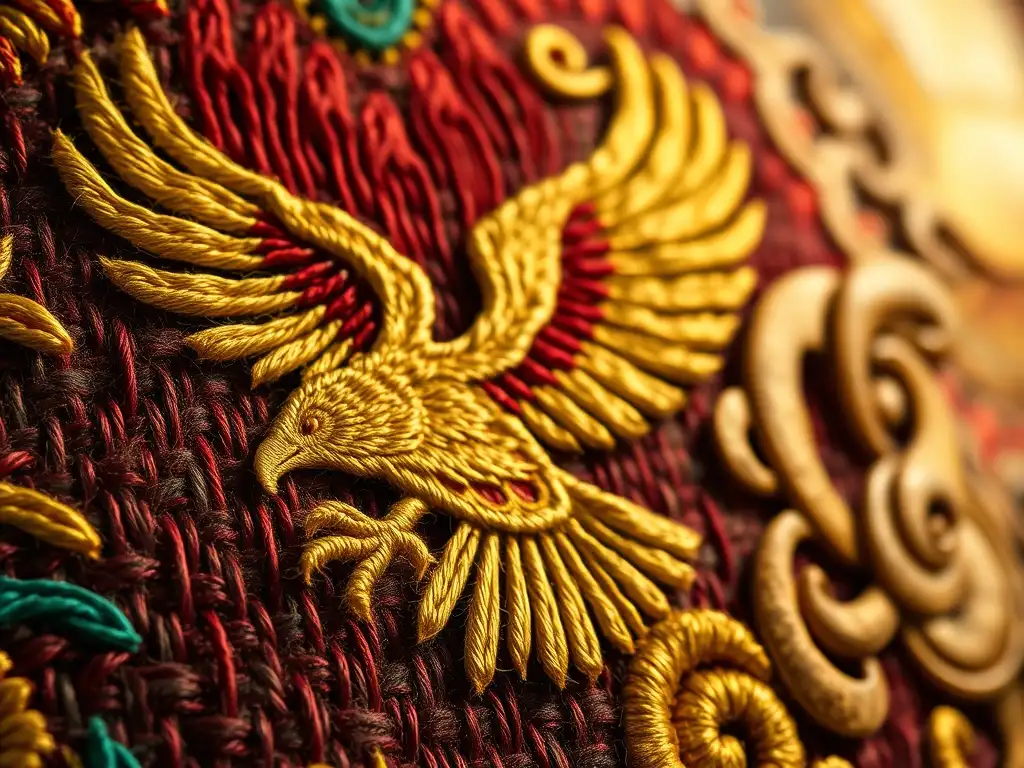
The creation of Andean royal art involved a masterful command of diverse materials and sophisticated techniques, reflecting both the technological prowess and the symbolic worldview of these ancient societies. The choice of materials wasn't arbitrary; it held profound significance, directly relating to the power and status of the wearer or owner. The artistry involved was often incredibly intricate, showcasing the high level of skill possessed by Andean artisans. This meticulous craftsmanship further elevated the objects' status as symbols of royal authority.
The use of specific materials and techniques served as a powerful visual language, communicating messages of power, divinity, and control over resources. The sheer effort and skill required to produce these items reinforced their value as symbols of royal power. The legacy of these techniques continues to inspire awe and admiration today.
Precious Metals: Gold and Silver as Indicators of Status
Gold and silver, both readily available in the Andes, held immense symbolic weight. Gold, with its brilliant shine and resistance to corrosion, was associated with the sun, a powerful deity in many Andean cultures. Its malleability allowed for intricate designs, often depicting deities, animals, and mythical creatures. The abundance of gold used in a particular piece directly correlated with the ruler's wealth and power.
For example, the vast quantities of gold used in the adornments of the Inca emperors served as a potent visual display of their dominance. Silver, while less valuable than gold in the Andean worldview, still held significant importance and was often used in conjunction with gold, creating striking contrasts in texture and color. The intricate work on these metallic pieces, often employing techniques like repoussé and filigree, further demonstrated the high level of artistry and the immense value placed upon these objects.
Gemstones and Minerals: Adding Value and Spiritual Significance
Beyond precious metals, Andean artisans skillfully incorporated a variety of gemstones and minerals into royal regalia. Turquoise, lapis lazuli, and emeralds, among others, were highly valued for their color, rarity, and perceived spiritual properties. Turquoise, for instance, was often associated with the sky and water, symbolizing fertility and life-giving power.
The careful selection and placement of gemstones added another layer of meaning to the objects, enhancing their symbolic significance. The use of these minerals wasn't merely decorative; they were believed to possess magical or spiritual powers, further reinforcing the authority of the wearer. The intricate inlays of gemstones in gold and silver artifacts showcase a high degree of technical skill and artistic vision.
Advanced Textile Weaving: Techniques and Symbolic Patterns
Textiles constituted a crucial component of Andean royal regalia. The intricate weaving techniques employed, such as tapestry weaving and sumptuary textiles, were highly sophisticated, reflecting the advanced technological capabilities of Andean societies. The textiles weren't just clothing; they were imbued with symbolic meaning, often featuring intricate patterns representing mythical beings, celestial bodies, or agricultural cycles.
The quality of the textiles, the fineness of the weave, and the complexity of the designs all contributed to their status as symbols of royal power. Specific colors and patterns held particular significance, differentiating the clothing of royalty from that of commoners. The use of rare dyes, such as those derived from certain insects, further enhanced the value and prestige of royal textiles.
Ceramic Craftsmanship: Vessels and Figurines for Ritual Use
Ceramic vessels and figurines played a significant role in Andean royal rituals and ceremonies. Highly skilled potters created elaborate vessels and figurines, often depicting deities, rulers, or scenes from mythology. The quality of the pottery, the precision of the designs, and the use of specific colors and forms all contributed to their symbolic value.
The materials used, such as fine clays and pigments, further added to the prestige of these objects. These artifacts were not merely functional; they served as important ritual objects, used in ceremonies related to royal power, fertility, and ancestor veneration. The sophisticated craftsmanship involved in their creation underscores the high value placed upon these ceremonial items.
The Role of Royal Regalia in Andean Ritual and Ceremony
Andean royal regalia wasn't merely decorative; it played a crucial role in shaping and reinforcing royal power through ritual and ceremony. The use of these objects in specific contexts imbued them with immense symbolic weight, solidifying the ruler's authority and connection to the divine. The careful orchestration of these rituals served to legitimize the ruler's power and maintain social order. The regalia itself acted as a powerful visual reminder of the ruler's authority, both to the elite and the common people.
Investiture Rituals: The Bestowing of Royal Power
Investiture rituals, marking the formal accession of a new ruler, were crucial events in which royal regalia played a central role. The bestowal of specific items, such as a ceremonial headdress, scepter, or tunic, symbolized the transfer of power and authority. These objects were not merely symbols; they were believed to imbue the new ruler with the power and legitimacy necessary to govern.
The rituals themselves were carefully choreographed, often involving priests, nobles, and the wider population, reinforcing the ruler's connection to the divine and the community. The specific items bestowed and the manner in which they were presented varied across different Andean cultures, but the underlying principle of transferring power through material objects remained consistent.
Funerary Practices: Royal Regalia in Burial Contexts
Royal burial practices offer compelling evidence of the importance of regalia in Andean societies. The elaborate burials of Andean rulers often included vast quantities of gold, silver, textiles, and other precious artifacts. These items were not simply grave goods; they were intended to accompany the ruler into the afterlife, ensuring their continued power and prestige.
The richness and complexity of these burials reflect the immense value placed upon royal regalia and the belief in a continued existence beyond death. The sheer quantity of regalia found in royal tombs emphasizes the importance of these objects as symbols of power and status, even in the realm of the dead.
Public Displays of Power: Royal Art in Processions and Festivals
Royal regalia also played a vital role in public displays of power, such as processions and festivals. The ruler's appearance adorned in elaborate regalia served as a potent visual reminder of their authority and legitimacy. These public displays were carefully orchestrated events, designed to impress and inspire awe in the population.
The use of specific regalia in these contexts reinforced the ruler's connection to the divine and the state's power. These public appearances served to solidify social hierarchies and maintain social order, ensuring the continued stability of the Andean empires. The impact of these meticulously planned events served to strengthen the ruler's position and the stability of the state.
The Legacy of Andean Royal Art Symbolism
The enduring legacy of Andean royal art symbolism is profound and multifaceted. It's not simply a matter of aesthetically pleasing objects; the regalia communicated complex social structures, religious beliefs, and political power. The intricate designs and materials used—gold, silver, feathers, textiles—all held significant meaning, reinforcing the authority of the ruling elite and their connection to the divine.
This symbolism wasn't static; it evolved over centuries, reflecting changing political landscapes and religious practices across different Andean cultures. For example, the use of specific motifs, like the sun or jaguar, shifted in meaning and prominence across different empires and periods. Understanding this evolution provides crucial insight into the dynamic nature of Andean societies and their sophisticated systems of belief.
The careful study of these objects allows us to reconstruct a more complete picture of Andean life, moving beyond simple descriptions of material culture to a richer understanding of the cultural context. The influence of these symbols extends far beyond the immediate context of their creation, leaving a lasting impact on subsequent artistic traditions and even modern interpretations.
Influence on Later Andean Art Forms
The impact of early Andean royal art symbolism is clearly visible in subsequent art forms. Later Andean cultures, even after the fall of powerful empires like the Inca, continued to utilize and adapt many of the established symbolic motifs. For instance, the intricate knotwork designs (khipus) used by Inca administrators for record-keeping found their way into later textiles and ceramics, even though the empire itself was gone.
Similarly, the representation of deities and mythical creatures evolved but retained core elements recognizable from earlier periods, demonstrating continuity in religious beliefs and artistic conventions. This continuity underscores the strong cultural memory and the enduring significance of the symbolism associated with royal power and authority.
The adaptation and transformation of these symbols across different periods highlight the resilience of Andean cultural traditions and their capacity for innovation within a framework of established conventions. Analyzing these later art forms reveals not only their individual characteristics but also their deep connection to the rich symbolic language of their predecessors.
Modern Interpretations of Andean Royal Regalia
Today, the symbolism embedded in Andean royal regalia continues to resonate, inspiring artists, scholars, and the general public alike. Modern interpretations often recontextualize these ancient symbols, using them to explore contemporary themes of identity, power, and cultural heritage. We see this in contemporary art, where Andean motifs are reimagined and incorporated into new artistic expressions.
The revival of traditional textile techniques, for instance, often involves the use of ancient patterns and symbols, creating a dialogue between past and present. Furthermore, museums and archaeological sites play a crucial role in interpreting and presenting these objects to a wider audience, fostering a deeper understanding and appreciation for their cultural significance.
The ongoing research and scholarly debate surrounding Andean royal art ensures that its symbolism remains a topic of ongoing discussion and interpretation, ensuring its relevance in the 21st century. The accessibility of these objects, through museums and digital platforms, allows for a broad appreciation of "Andean royal art symbolism."
The Importance of Preserving Andean Artistic Heritage
Preserving Andean artistic heritage, including the royal regalia and its associated symbolism, is paramount for several reasons. These objects represent invaluable historical and cultural records, offering insights into the beliefs, practices, and social structures of past Andean societies. Their preservation ensures the continuity of cultural memory and allows future generations to connect with their ancestral heritage.
Furthermore, protecting these artifacts contributes to the understanding of broader artistic and technological achievements of the Andean world. The sophisticated techniques used in crafting the regalia, from metallurgy to textile production, demonstrate the advanced skills and knowledge possessed by Andean artisans. The ongoing efforts of museums, archaeologists, and preservationists are crucial in safeguarding these fragile objects and ensuring their accessibility for research and public appreciation.
This preservation work is not merely about protecting physical objects; it's about safeguarding cultural identity and promoting a deeper understanding of human history and artistic expression. Without these preservation efforts, a significant part of the world's cultural heritage would be lost, diminishing our understanding of "Andean royal art symbolism" and Andean civilizations as a whole.
- Understanding Andean Royal Art Symbolism
- The Significance of Royal Attire in Andean Cultures
- Specific Royal Regalia Across Andean Civilizations
- Common Symbolic Elements in Andean Royal Art
- Materials and Techniques in the Creation of Andean Royal Art
- The Role of Royal Regalia in Andean Ritual and Ceremony
- The Legacy of Andean Royal Art Symbolism
Frequently Asked Questions
What is the significance of royal regalia in Andean art?
Royal regalia in Andean art held immense symbolic power, representing divine authority and lineage. Objects like crowns, scepters, and textiles visually communicated a ruler's status and connection to the gods.
How did Andean artists depict royal power?
Andean artists used specific motifs and colors to depict royal power. For example, specific bird species, geometric patterns, and vibrant hues like gold and purple signified royal status and connection to the cosmos.
What materials were commonly used in Andean royal art?
Precious metals like gold and silver, semiprecious stones, feathers, and textiles were frequently used in Andean royal art. These materials emphasized the wealth and power of the rulers.
What are some examples of Andean royal art symbolism?
Examples include sun and moon motifs, representing cosmic power; condor imagery, symbolizing strength and authority; and specific knotwork designs, representing lineage and cosmic order.
How did the symbolism in Andean royal art change over time?
Symbolism evolved across different Andean cultures and time periods. While some motifs remained consistent, their specific meanings and representations often adapted to reflect changing political and religious beliefs.
Final Reflection: The Enduring Legacy of Andean Royal Art
The intricate symbolism woven into Andean royal art remains a potent reminder of the sophisticated cultures that thrived in the Andes, a legacy that continues to resonate deeply in contemporary society. These weren't merely decorative objects; they were powerful statements of authority, religious belief, and social order, meticulously crafted to reflect and reinforce the power structures of their time. Understanding this symbolism offers a crucial lens through which to view not only the past, but also the enduring impact of cultural heritage on our present.
The enduring influence of Andean royal art is undeniable, shaping our understanding of pre-Columbian societies and their complex relationship with the natural world. Its imagery, often imbued with spiritual significance and intricate detail, continues to inspire artists, historians, and anthropologists alike. The vibrant colors, the meticulous craftsmanship, and the profound symbolism all speak to a rich cultural tapestry. Art washes away from the soul the dust of everyday life.
– Pablo Picasso. This quote, while not directly about Andean art, perfectly captures the timeless power of art to transcend time and connect us to something larger than ourselves.
Consider the intricate details, the symbolic meaning behind each element, and the sheer artistry involved in creating these pieces. You, the reader, are now equipped with a deeper understanding of the power dynamics and cultural narratives embedded within Andean royal art. Take this knowledge with you, and explore further. Seek out museums, examine images online, and engage with the rich history and enduring legacy of these remarkable artifacts. Let the vibrant colors and intricate designs inspire you to appreciate the artistry and cultural significance of the past, and to recognize the enduring power of symbolism in shaping our world.
**Unveil the Legacy of Andean Power! **
Thank you for exploring the rich tapestry of Andean art and the symbolism embedded in royal regalia. Your journey has deepened your understanding of how these artifacts represent not only power, but also the history and culture of the Andes. Now, let's expand on this knowledge!
- **Join the discussion** on our community forum to share your thoughts and insights on the significance of Andean regalia in contemporary society.
- **Continue your exploration** by visiting local museums or online exhibitions featuring Andean art, and discover even more fascinating artifacts.
- **Share your discoveries** with friends on social media—let them experience the captivating stories of Andean power!
Which aspects of Andean symbolism resonate most with you, and how do you see their influence on contemporary society?