
Echoes of the Past: The Legacy of Andean Metalworking in Modern Art

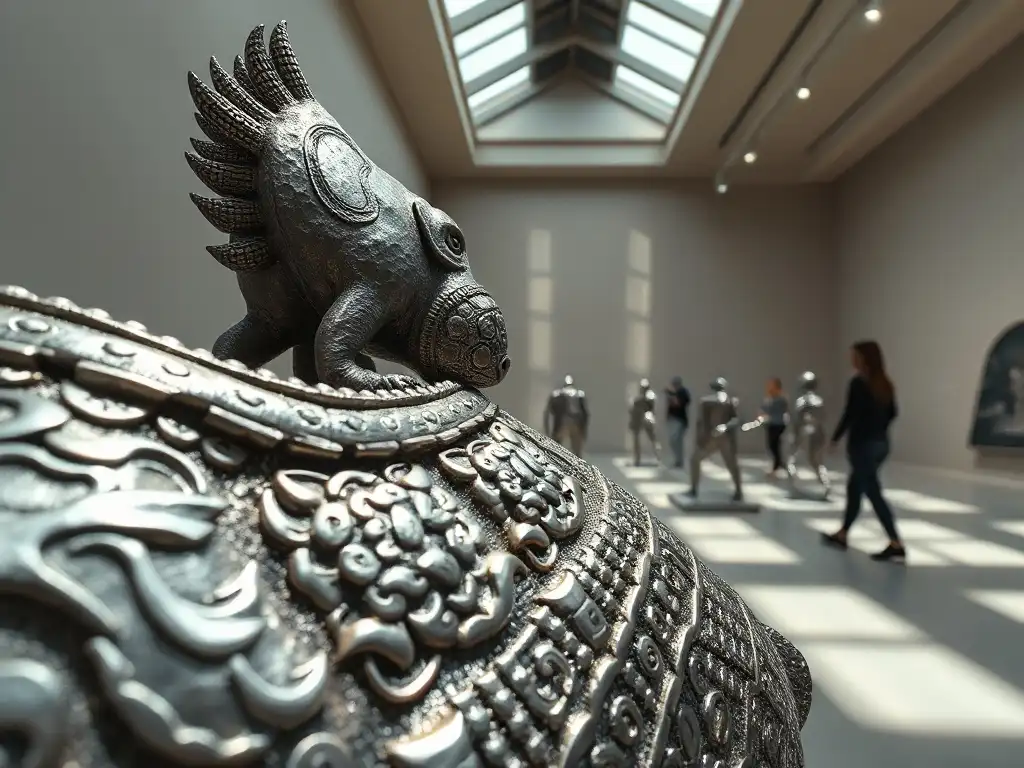
Step into a world lost to time, yet echoing in the vibrant artistry of today. Imagine the intricate artistry of the ancient Andean civilizations—the Incas, Moche, Nazca, and Tiahuanaco—reimagined through a modern lens. Discover how their masterful Andean metalworking techniques continue to inspire contemporary artists, revealing surprising connections between ancient legacies and present-day creativity. Prepare to be amazed as we delve into the enduring power of Andean artistry and explore the fascinating story of Andean metalworking techniques in modern art.
The vibrant tapestry of Andean art is interwoven with the remarkable skill and artistry of its metalworkers. From the intricate goldwork of the Moche to the sophisticated silver objects of the Inca, the legacy of pre-Columbian Andean metalworking continues to resonate in contemporary artistic expression. This article explores the enduring influence of these ancient techniques, examining how modern artists draw inspiration from and reinterpret the innovative methods and aesthetic sensibilities of their Andean predecessors.
We will delve into the diverse techniques employed by ancient Andean artisans, the materials they favored, and the cultural significance of their creations, ultimately demonstrating how these echoes of the past enrich and inform the metalworking practices of today. Understanding this historical context provides a deeper appreciation for the beauty and complexity of both ancient and modern Andean-inspired metalwork, highlighting the enduring power of artistic tradition.
Introduction: The Enduring Influence of Ancient Andean Metalcraft
The artistry of pre-Columbian Andean metalworking stands as a testament to human ingenuity and creativity. The mastery of techniques like hammering, casting, repoussé, and soldering, combined with a profound understanding of metallurgy, allowed Andean artisans to create objects of breathtaking beauty and sophistication.
These objects, ranging from intricately detailed jewelry to monumental ceremonial artifacts, were not merely decorative; they held deep cultural and religious significance, reflecting the worldview and social structures of the societies that produced them. The legacy of this unparalleled craftsmanship continues to inspire contemporary artists, who find in ancient Andean metalworking a rich source of inspiration for their own work.
Modern artists often incorporate traditional techniques, motifs, and materials, creating new works that pay homage to the past while pushing the boundaries of artistic expression. The enduring appeal of these ancient techniques lies in their inherent beauty, their technical sophistication, and their ability to connect us to a rich and fascinating cultural heritage.
Pre-Columbian Andean Metalworking: A Foundation of Innovation
The development of metalworking in the Andes was a gradual process, evolving over centuries and varying significantly across different cultures and time periods. The mastery of these techniques allowed Andean societies to create objects of immense symbolic importance and practical use.
The Diversity of Ancient Andean Metalworking Traditions
Andean metalworking wasn't a monolithic tradition; it varied considerably across different cultures and time periods. The Moche, for example, were renowned for their intricate goldwork, often depicting scenes of warfare, ritual, and daily life. The Nazca, meanwhile, were masters of hammered and repoussé techniques, creating delicate sheets of metal with finely detailed designs.
The Inca, known for their vast empire, produced sophisticated silver and gold objects, reflecting their imperial power and authority. This diversity reflects the unique cultural and technological advancements within each civilization. The evolution of these techniques demonstrates a remarkable understanding of material properties and a continuous drive for innovation.
Andean Metalworking Techniques: An Overview
Ancient Andean metalworkers employed a sophisticated array of techniques, including:
- Casting: Creating objects by pouring molten metal into molds.
- Hammering and Repoussé: Shaping metal by striking it with a hammer, often from the back to create relief designs.
- Soldering: Joining pieces of metal using a lower-melting-point alloy.
- Alloying: Combining different metals to create new alloys with desired properties.
- Inlay: Embedding pieces of another material (e.g., turquoise, shell) into metal.
These techniques, often combined in intricate ways, allowed for the creation of highly detailed and complex objects.
Materials Used in Ancient Andean Metalwork: Gold, Silver, and Copper
The primary metals used by Andean artisans were gold, silver, and copper, often combined to create alloys. Gold, highly valued for its beauty and rarity, was frequently used for ceremonial objects and elite adornment. Silver, more readily available, was also used extensively, particularly by the Inca. Copper, readily available and easier to work with, served as a base for many alloys and was used for tools and utilitarian objects. The selection of metal was often dictated by both aesthetic and practical considerations, reflecting the resource availability and cultural values of the time.
Significance of Metal in Andean Culture: Ritual and Status
Metal objects in Andean societies held immense cultural and religious significance. They were often used in rituals, ceremonies, and burials, reflecting the spiritual beliefs and social structures of the time. The possession of metal objects, particularly those made of gold and silver, was often a marker of status and power, signifying wealth and elite standing within the community.
The intricate designs and symbolic imagery found on many metal objects further underscore their importance as vehicles of cultural expression and social identity. The use of specific motifs and iconography often communicated complex narratives and religious beliefs, demonstrating the deep integration of metalworking into the Andean worldview.
Andean Metalworking Techniques in Modern Art: A Reinterpretation
The enduring legacy of Andean metalworking is powerfully evident in contemporary art. Modern artists, deeply influenced by the intricate artistry and sophisticated techniques of pre-Columbian civilizations, reinterpret and reimagine these ancient practices, creating works that resonate with both historical significance and contemporary aesthetic sensibilities. This reinterpretation isn't simply about imitation; it's a dialogue, a conversation between past and present, where ancient techniques are re-evaluated and adapted to express new ideas and perspectives.
The use of ancient motifs, combined with modern materials and concepts, results in a vibrant and evolving artistic language. The impact of Andean metalworking on modern art is not just stylistic; it's a testament to the enduring power of human creativity and the timeless appeal of skilled craftsmanship. The exploration of these ancient techniques allows contemporary artists to engage with a rich history, fostering a deeper understanding and appreciation of Andean cultures.
Modern Artists Inspired by Ancient Andean Metalwork
Many contemporary artists explicitly acknowledge the influence of Andean metalworking on their practice. Their inspiration stems from a fascination with the technical proficiency, the symbolic power, and the aesthetic beauty of pre-Columbian artifacts. Some artists meticulously study ancient techniques to faithfully recreate them, while others draw inspiration from the motifs and aesthetics to create entirely new works.
This diverse approach reflects the multifaceted nature of the legacy itself, showing how a single source of inspiration can lead to a multitude of artistic expressions. The sheer variety of styles and interpretations demonstrates the enduring relevance and adaptability of Andean metalworking traditions. The enduring appeal lies in the technical mastery and expressive potential of these ancient methods, which continue to inspire awe and wonder in contemporary artists.
Replicating and Adapting Pre-Columbian Metalworking Methods
The process of replicating and adapting pre-Columbian metalworking methods is a complex and fascinating undertaking. Artists often spend years researching ancient techniques, experimenting with different materials and tools, and striving for accuracy in their reproductions. However, the adaptation of these techniques is equally significant. Modern artists often integrate modern materials or tools into the process, creating a fusion of ancient and contemporary methods.
This blending can lead to unexpected results, producing works that are both historically informed and distinctly modern. For instance, an artist might use traditional hammering techniques but incorporate laser cutting for intricate detailing, resulting in a piece that is both a homage to the past and a statement of contemporary artistic practice. The challenge lies in balancing fidelity to the original techniques with the artist's own unique vision.
The Use of Andean Metalworking Motifs in Contemporary Art
Andean metalworking motifs, rich in symbolism and cultural significance, frequently appear in contemporary art. These motifs, often depicting deities, animals, or abstract patterns, are recontextualized and reinterpreted by modern artists, imbuing them with new meanings. The use of these motifs isn't simply decorative; it's a way of engaging with the historical and cultural narratives embedded within them.
Artists might use these motifs to explore themes of identity, spirituality, or social commentary, transforming ancient symbols into powerful statements about the present. The skillful integration of these motifs demonstrates a deep understanding and respect for the cultural heritage they represent, while simultaneously offering a fresh perspective on their significance. This blending of tradition and innovation is a key element of the ongoing dialogue between Andean metalworking and contemporary art.
Examples: Eduardo Chillida, Lygia Clark and Anish Kapoor
While specific details on how their work directly references Andean metalworking techniques might require further research, artists like Eduardo Chillida, Lygia Clark, and Anish Kapoor exemplify the broader influence of non-Western artistic traditions on modern and contemporary sculpture. Chillida's monumental iron sculptures, for example, often possess a powerful, almost primordial quality that could be seen as echoing the raw energy and monumental scale sometimes found in Andean metalwork.
Clark's explorations of form and the body could be interpreted as a response to the expressive potential of hammered and shaped metal, while Kapoor's use of highly polished surfaces and monumental scale evoke a sense of both ancient mystery and contemporary awe, similar to the impact of discovering an ancient Andean gold artifact. Further research into their individual works and statements would be needed to establish direct links to specific Andean techniques.
Key Andean Metalworking Techniques and their Modern Applications
The sophisticated techniques employed by Andean metalworkers have left an indelible mark on the history of art and continue to inspire contemporary artists. Understanding these techniques is crucial to grasping the full extent of their influence on modern metalwork. The precision and artistry evident in ancient Andean artifacts demonstrate a mastery of metal manipulation that continues to challenge and inspire modern practitioners.
Repoussé: From Ancient Masks to Modern Sculptures
Repoussé, a technique involving hammering from the reverse side to shape the metal, is a cornerstone of Andean metalworking. This technique, used extensively in creating intricate masks and decorative objects, is still employed by contemporary artists. While modern artists may utilize more advanced tools, the fundamental principle remains the same: shaping the metal from behind to create three-dimensional forms. The ability to create fine details and achieve subtle curves is a testament to the enduring appeal and versatility of this ancient method. Contemporary sculptors often adapt repoussé to create large-scale installations, demonstrating the scalability and adaptability of the technique.
Hammering and Shaping: Adaptations in Contemporary Metalwork
Hammering and shaping, fundamental techniques in Andean metalworking, are adapted in various ways by contemporary artists. While the basic principle of shaping metal through controlled hammering remains, modern artists might combine it with other techniques, such as forging or welding, to achieve specific effects. The use of power hammers and other modern tools allows for greater precision and control, enabling artists to create complex shapes and intricate details.
This combination of traditional methods and modern tools results in a unique approach to metalworking, demonstrating the ongoing evolution of the craft. The precision and control achievable through these techniques remain vital in contemporary metal sculpture and jewelry design.
Gilding and Plating: Andean Techniques in Modern Jewelry
Gilding and plating, used extensively by Andean artisans to enhance the beauty and value of their work, are still relevant techniques in modern jewelry making. The application of gold or other precious metals to a base metal creates a luxurious effect, echoing the practice of Andean goldsmiths who often employed this technique to adorn their elaborate jewelry and ceremonial objects.
Modern jewelers employ similar techniques, often combining them with modern plating methods to achieve a range of finishes and effects. The enduring appeal of these methods lies in their ability to enhance the beauty and durability of the finished piece, maintaining a connection to the ancient Andean tradition of creating exquisite and enduring works of art.
Lost-Wax Casting: Ancient Precision in Modern Metal Art
Lost-wax casting, a remarkably sophisticated technique used by Andean metalworkers to create intricate forms, continues to be a vital method in modern metal art. This process, involving creating a wax model, encasing it in clay, melting out the wax, and then pouring molten metal into the resulting mold, allows for the creation of highly detailed and complex pieces.
While modern variations might include the use of advanced materials and techniques in mold making, the fundamental principle remains the same, showcasing the enduring ingenuity and precision of this ancient method. Contemporary artists continue to utilize lost-wax casting to create everything from small-scale jewelry to large-scale sculptures, demonstrating its versatility and enduring relevance in modern metal art.
The Symbolism and Cultural Narratives in Metalwork
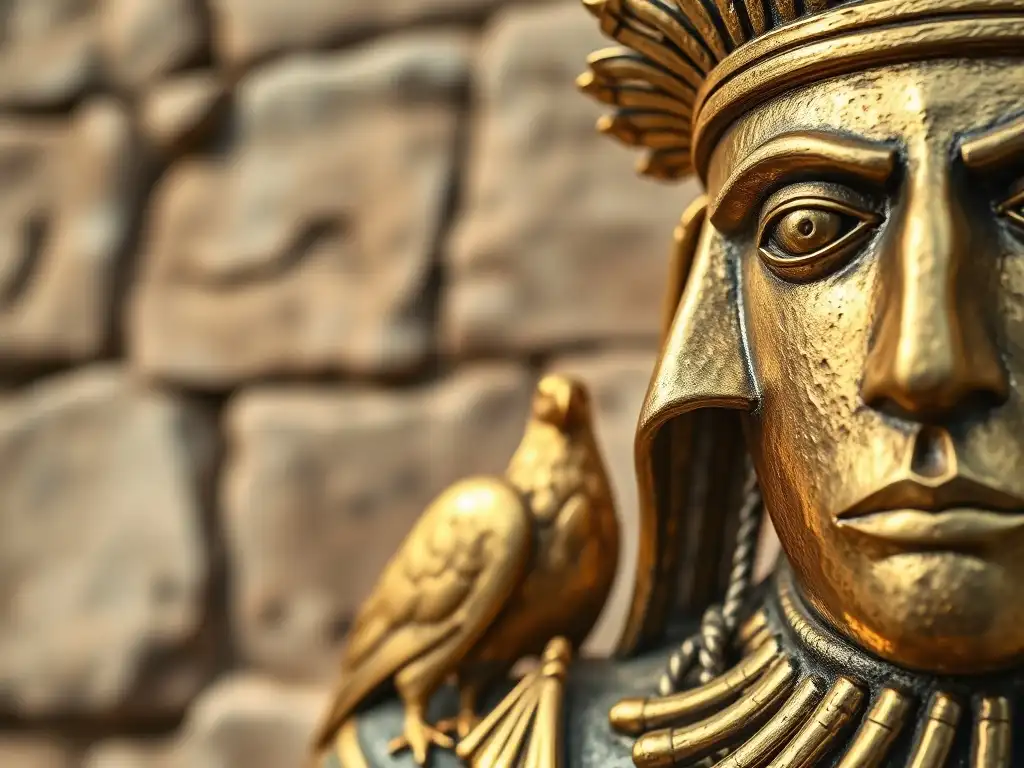
Andean metalworking wasn't merely a craft; it was a powerful means of expressing complex cultural narratives and deeply held beliefs. Gold, silver, and copper, often combined with other materials like turquoise and shell, weren't just precious metals; they were imbued with spiritual significance, representing the sun, the moon, and powerful deities. The intricate designs and motifs found on these artifacts tell stories of creation myths, agricultural cycles, and the Andean worldview.
For example, the recurring imagery of jaguars, serpents, and condors speaks to the importance of these animals in Andean cosmology. These weren't simply decorative elements; they were powerful symbols conveying meaning and reinforcing social structures. The careful craftsmanship and the use of specific alloys also communicated status and power within Andean societies.
The sheer artistry involved in creating these pieces speaks to the dedication and skill of the artisans, who were deeply connected to the spiritual and social context of their work. The enduring power of these symbols is a testament to the enduring cultural legacy of the Andes.
Andean Iconography in Modern Metal Art: The Serpent, Jaguar and Sun
The serpent, jaguar, and sun—iconic figures in ancient Andean iconography—continue to resonate in modern metal art. Contemporary artists draw inspiration from these powerful symbols, reinterpreting them through their own unique lenses. The serpent, often associated with water, fertility, and the underworld, is depicted in contemporary works using flowing lines and sinuous forms, sometimes incorporating precious stones to enhance its mystical aura.
Similarly, the jaguar, a symbol of power, strength, and shamanic abilities, is portrayed with bold forms and intense expressions, capturing its fierce energy. The sun, a central figure in Andean cosmology, is often represented through circular forms, radiating designs, and the use of bright, reflective metals, symbolizing its life-giving energy.
These modern interpretations retain the core symbolism of their ancient counterparts while simultaneously showcasing the artist's individual style and the evolution of artistic expression over time. The use of these symbols in modern contexts underscores their lasting cultural relevance and the enduring influence of Andean traditions.
The Reinterpretation of Andean Myths through Metal
Modern artists are not merely replicating ancient Andean metalwork; they are actively reinterpreting and reimagining the myths and legends embedded within these ancient artifacts. They use the medium of metal to explore themes of creation, destruction, and rebirth, drawing inspiration from ancient narratives and weaving them into contemporary artistic expressions. For instance, the story of Viracocha, the creator god, might be depicted through a complex sculpture incorporating various Andean symbols, representing the deity's multifaceted nature.
Or, the story of the flooding of the world could be conveyed through a series of metal plates showcasing the chaos and destruction, followed by scenes of renewal and rebirth. The artists' interpretations might be abstract or literal, but they always retain a connection to the source material, allowing for a dialogue between past and present. This creative reinterpretation ensures that these ancient stories continue to engage and inspire audiences today.
Preserving Cultural Heritage: The Role of Modern Artists
Modern artists play a crucial role in preserving and promoting Andean cultural heritage. By incorporating ancient techniques and iconography into their work, they ensure that these traditions are not forgotten. Their artistic interpretations also help to bridge the gap between past and present, making ancient Andean culture accessible to a wider audience. The use of traditional metals and techniques not only acknowledges the skills of past artisans but also provides economic opportunities for contemporary craftspeople.
Moreover, the incorporation of Andean themes in modern art helps to raise awareness about the importance of cultural preservation and the need to protect these invaluable traditions. By showcasing the beauty and artistry of Andean metalwork, modern artists encourage a deeper appreciation and understanding of this rich cultural heritage. This artistic engagement fosters a sense of cultural pride and strengthens community ties.
Analysis of Symbolism in Modern Pieces: Examples from Indigenous artists
Analyzing the symbolism in modern Andean metalwork requires a nuanced understanding of both ancient and contemporary cultural contexts. Indigenous artists often integrate traditional symbols with contemporary themes, creating powerful and evocative works. For example, a contemporary artist might depict a hummingbird, a sacred bird in Andean culture, amidst modern urban landscapes, highlighting the tension between tradition and modernity. Or, an artist might use traditional Inca knotwork patterns to create a contemporary jewelry piece, subtly incorporating elements of resistance or resilience.
Interpreting these pieces requires careful consideration of the artist's background, intent, and the specific symbols employed. Studying the use of color, material, and form is crucial for uncovering the deeper meaning embedded within the artwork. [Specific examples of modern pieces by indigenous artists and analysis of their symbolism pending].
Challenges and Opportunities in Reviving Andean Metalworking
The revival of Andean metalworking presents both significant challenges and exciting opportunities. The process requires a multi-faceted approach that acknowledges the historical context, supports contemporary artisans, and integrates the craft into modern society.
The Importance of Research and Documentation of Ancient Techniques
The revival of Andean metalworking techniques hinges on thorough research and meticulous documentation of ancient methods. This involves studying surviving artifacts, analyzing ancient texts (where available), and interviewing traditional craftspeople who may still possess knowledge of ancestral techniques. Detailed studies of ancient smelting processes, alloying techniques, and decorative methods are essential for replicating these techniques accurately.
The careful recording of these methods ensures the preservation of cultural knowledge and provides a foundation for future generations of artisans. This meticulous process demands interdisciplinary collaboration, bringing together archaeologists, metallurgists, and art historians to piece together the puzzle of ancient Andean metalworking practices. The creation of comprehensive databases and archives is crucial for making this knowledge widely accessible.
Supporting Traditional Craftsmen and Artisans
Sustaining the revival of Andean metalworking requires a commitment to supporting traditional craftsmen and artisans. This involves providing them with access to resources, training, and market opportunities. Fair trade practices are crucial to ensuring that artisans receive fair compensation for their work and that their skills are valued. The creation of cooperatives and support networks can help to strengthen their economic position and promote the sustainability of the craft.
Furthermore, initiatives that promote the preservation of traditional knowledge and skills within communities are essential for the long-term survival of this art form. Investing in their expertise is an investment in the cultural heritage of the Andean region. Government support and private initiatives are both essential for achieving this goal.
The Role of Museums and Cultural Institutions
Museums and cultural institutions play a vital role in the revival and preservation of Andean metalworking. They serve as repositories of knowledge and expertise, holding collections of ancient artifacts that can be studied to understand ancient techniques. Museums can also organize workshops and exhibitions that showcase the work of contemporary artisans, raising awareness and appreciation for their skills.
Collaboration between museums and artisans can create opportunities for apprenticeships and training programs, ensuring the continuity of these traditions. Moreover, museums can facilitate research projects that delve into the historical and cultural context of Andean metalworking, providing valuable insights for both scholars and artisans. By actively engaging with contemporary artists and communities, museums can play a significant role in revitalizing this important aspect of Andean heritage.
Modern Applications of Andean Metal Techniques: Architectural and Industrial Design
The unique aesthetic qualities and technological sophistication of ancient Andean metalworking techniques offer exciting possibilities for modern applications in architecture and industrial design. The intricate patterns and textures found in ancient artifacts can inspire innovative designs in contemporary architecture, creating visually stunning and culturally relevant structures. For example, the techniques used in creating intricate gold and silver sheets could be adapted for use in contemporary metal cladding for buildings, incorporating Andean motifs into modern structures.
Similarly, the metallurgical knowledge of ancient Andean artisans could inform the development of new alloys and techniques for industrial applications, combining traditional knowledge with modern technology. This interdisciplinary approach can lead to the creation of sustainable and aesthetically pleasing products that reflect both ancient traditions and modern innovation. The potential for cross-cultural exchange and innovation in this field is vast.
Conclusion: The Timeless Beauty and Influence of Andean Metalwork
The artistry and ingenuity of Andean metalworking continue to resonate deeply within the contemporary art world. From the intricate repoussé techniques of the Moche to the sophisticated alloys of the Inca, the legacy of these ancient civilizations provides a rich tapestry of inspiration for modern artists. The enduring appeal lies not only in the technical mastery displayed but also in the cultural significance embedded within each piece.
These artifacts, often imbued with spiritual or ritualistic meaning, speak volumes about the worldview and beliefs of their creators. Modern artists, in turn, reinterpret these themes and techniques, creating works that simultaneously honor the past and engage with contemporary concerns.
The use of gold, silver, and copper, along with the mastery of techniques like hammering, casting, and soldering, continues to inspire experimentation and innovation. Contemporary artists are not merely replicating ancient styles; they are engaging in a dialogue across time, using ancient techniques to express modern ideas and sensibilities. This fusion of past and present is evident in the incorporation of Andean motifs, symbols, and aesthetics into contemporary jewelry, sculpture, and other art forms. This isn't simply imitation; it's a vibrant, evolving conversation that demonstrates the enduring power and relevance of Andean metalworking traditions.
The study of Andean metalworking techniques provides a valuable lens through which to understand the broader context of ancient Andean art and culture. By examining the materials, processes, and symbolism employed, we gain a deeper appreciation for the sophisticated technology, artistic talent, and cultural significance of these objects. This understanding, in turn, enriches our interpretation and appreciation of contemporary art that draws inspiration from this rich heritage.
The enduring beauty and craftsmanship of Andean metalwork serve as a powerful testament to human creativity and the enduring power of artistic expression across millennia. The echoes of the past continue to shape the present, ensuring that the legacy of Andean metalworking remains a vibrant and influential force in the world of contemporary art. The study and appreciation of these techniques are not merely an academic exercise; they are a celebration of human ingenuity and the enduring power of artistic tradition.
- Introduction: The Enduring Influence of Ancient Andean Metalcraft
- Pre-Columbian Andean Metalworking: A Foundation of Innovation
- Andean Metalworking Techniques in Modern Art: A Reinterpretation
- Key Andean Metalworking Techniques and their Modern Applications
- The Symbolism and Cultural Narratives in Metalwork
- Challenges and Opportunities in Reviving Andean Metalworking
- Conclusion: The Timeless Beauty and Influence of Andean Metalwork
- What ancient Andean cultures were particularly skilled in metalworking?
- How did ancient Andean metalworkers obtain their materials?
- What are some of the common techniques used in ancient Andean metalworking?
- How is the legacy of Andean metalworking reflected in modern art?
- Where can I learn more about Andean metalworking techniques and their influence on modern art?
Frequently Asked Questions
What ancient Andean cultures were particularly skilled in metalworking?
Several Andean cultures excelled in metalworking, including the Moche, Nazca, Wari, Tiwanaku, and Inca. Each developed unique styles and techniques, showcasing impressive artistry and technological prowess.
How did ancient Andean metalworkers obtain their materials?
Andean metalworkers sourced metals like gold, silver, copper, and bronze from mines across the Andes Mountains. They developed sophisticated methods for extracting, refining, and alloying these materials.
What are some of the common techniques used in ancient Andean metalworking?
Ancient Andean metalworkers employed various techniques including hammering, casting, repoussé, inlaying, and gilding. They combined these techniques to create intricate and detailed works of art.
How is the legacy of Andean metalworking reflected in modern art?
Modern Andean artists often draw inspiration from ancient techniques and aesthetics, incorporating traditional motifs and materials into contemporary works. This fusion creates a powerful dialogue between past and present.
Where can I learn more about Andean metalworking techniques and their influence on modern art?
You can explore museums showcasing Andean artifacts, research academic articles and books on Andean art history, and visit the studios of contemporary Andean artists who utilize traditional techniques. Many online resources are also available.
Final Reflection: The Enduring Spirit of Andean Metalworking
The intricate artistry of Andean metalworking, once confined to ancient civilizations, continues to resonate powerfully in contemporary art, shaping aesthetics and inspiring innovation. Its enduring legacy is not merely historical; it's a living testament to the enduring power of human creativity and the cyclical nature of artistic influence. The techniques, motifs, and philosophies embedded within these ancient crafts offer a profound connection to the past, enriching the present, and informing the future of artistic expression.
The impact of Andean metalworking extends far beyond the gallery walls; it's woven into the very fabric of Latin American identity and cultural pride. Its influence can be seen in everything from jewelry design to large-scale installations, a testament to its enduring appeal and adaptability. The past is never dead. It's not even past,
wrote William Faulkner, and this rings profoundly true when considering the persistent influence of Andean metalworking on modern artistic endeavors. The techniques, the stories embedded in the designs, and the sheer skill involved continue to inspire awe and a deep appreciation for the ingenuity of past cultures.
Consider the intricate detail, the symbolic power, and the sheer technical mastery demonstrated in these ancient works. Now, consider how you can apply this appreciation for craftsmanship and cultural heritage to your own life. Let the echoes of the past inspire you to seek out beauty in the details, to value the stories embedded within objects, and to appreciate the enduring power of human creativity. Embrace the legacy of Andean metalworking not just as a historical artifact, but as a source of inspiration and a call to create your own enduring artistic legacy.
Unveil the Timeless Techniques of Andean Metalworking!
Thank you for exploring the rich legacy of Andean metalworking with us! We hope you've gained a deeper understanding of how these ancient techniques continue to inspire modern artists. Let's delve further into how you can connect with this remarkable heritage.
- Dive deeper: Visit a museum or gallery showcasing Andean art and identify the metalworking techniques that most captivate you. Consider the artistry and skill involved in creating such intricate pieces.
- Share your thoughts: Discuss with friends, fellow art enthusiasts, or online communities how traditional Andean craftsmanship influences contemporary art. Your insights might spark exciting new creative directions.
- Get hands-on: Enroll in a metalworking workshop to experience these techniques firsthand and create your own piece inspired by Andean history.
What aspect of Andean metalworking most fascinates you, and how do you envision it influencing your creative work?