
Textile Tools of the Andes: The Instruments Used in the Art of Weaving

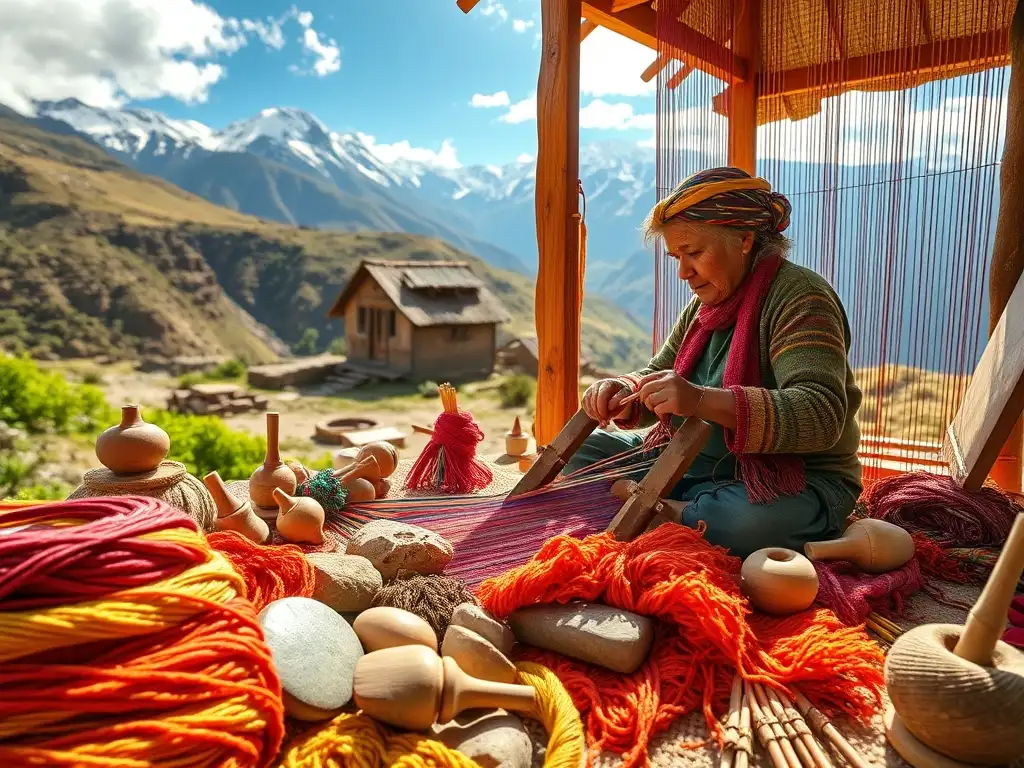
Unravel the mysteries of the Andes! Journey through time and discover the ingenious Andean textile weaving tools that shaped the vibrant tapestry of ancient civilizations. From the intricate designs of the Incas to the breathtaking artistry of the Nazca, prepare to be amazed by the ingenuity and skill behind these remarkable cultures. Explore the fascinating world of Andean art and uncover the secrets woven into their extraordinary legacy. Dive in and discover more...
- Andean Textile Weaving Tools: Instruments of Ancient Art
- The Significance of Tools in Andean Textile Art
-
Essential Andean Weaving Tools and Their Functions
- The Backstrap Loom: The Core of Andean Textile Production
- Components of the Backstrap Loom: Warp Beam, Shed Rod, Heald Rod, Tensioning Straps
- Andean Spindles: Transforming Fiber into Yarn
- Types of Andean Spindles and Their Uses: Drop Spindles for Fine Yarn, Supported Spindles for Coarser Fibers
- Weaving Sticks and Rods: Essential for Fabric Creation
- The Function of Weaving Sticks in Andean Textile Design
- Bone and Wooden Tools: Versatile Instruments for Weaving
- Bone Awls for Separating Warp Threads, Wooden Swords for Beating Down Weft
- Andean Textile Needles: For Intricate Details
- Types of Needles and Their Applications in Andean Textiles
-
Other Important Tools and Techniques in Andean Weaving
- The Use of Combs in Andean Weaving
- Fine-Toothed Combs for Compact Weaving, Wide-Toothed Combs for Patterning
- Dyes and Mordants: Tools for Coloring Andean Textiles
- Natural Dyes from Plants and Minerals
- Alum and Iron as Mordants
- Andean Textile Patterning Tools and Methods
- Pick-Up Sticks for Supplementary Weft Patterns, Counting Threads for Geometric Designs
- The Legacy of Andean Textile Weaving Tools
-
Frequently Asked Questions
- What tools were commonly used in Andean textile weaving?
- How did the tools reflect the environment and available resources?
- Were there specialized tools for specific weaving techniques?
- How did Andean textile weaving tools compare to those used in other parts of the world?
- Where can I learn more about Andean textile weaving tools?
- Final Reflection: The Enduring Legacy of Andean Weaving Tools
- **Unleash Your Inner Artisan: Dive into the World of Andean Weaving! **
Andean Textile Weaving Tools: Instruments of Ancient Art
The art of Andean textile weaving stands as a testament to the ingenuity and artistry of ancient civilizations. For centuries, skilled artisans across the Andes Mountains—from the Incas to the pre-Inca cultures like the Nazca and Moche—produced breathtaking textiles renowned for their intricate designs, vibrant colors, and exceptional durability. This wasn't merely a craft; it was a deeply embedded cultural practice, reflecting social status, religious beliefs, and historical narratives.
Understanding the tools employed in this process is crucial to appreciating the complexity and sophistication of Andean textile production. This article delves into the diverse instruments used in Andean textile weaving, exploring their construction, function, and significance within the broader cultural context. We will examine how these seemingly simple tools were instrumental in creating the stunning textiles that continue to amaze and inspire us today.
The mastery of these tools represents a significant aspect of Andean technological achievement, highlighting the ingenuity and resourcefulness of these ancient societies. The keyword "Andean textile weaving tools" will guide our exploration of these fascinating artifacts.
Spindles and Spindles whorls: The Foundation of Andean Yarn Production
The creation of textiles begins with the yarn. Andean artisans skillfully crafted yarn using hand spindles, simple yet effective tools. A spindle consists of a slender shaft, often made of wood or bone, with a whorl—a weighted disc—at one end.
The whorl provides momentum, allowing the spinner to twist fibers (typically alpaca, llama, vicuña, or cotton) into a continuous thread. The design and materials of the whorls varied considerably across different regions and time periods, reflecting both practical considerations and aesthetic preferences. Some whorls were plain and functional, while others were elaborately carved with intricate designs, showcasing the artistry even in the most basic tools of the weaving process.
The quality of the yarn, directly influenced by the skill of the spinner and the quality of the spindle, was paramount to the final textile's quality. Different weights and materials of whorls allowed for varying yarn thicknesses, demonstrating a sophisticated understanding of material science within the Andean textile tradition.
Backstrap Looms: The Heart of Andean Weaving
The backstrap loom is arguably the most iconic tool of Andean weaving. This portable loom consists of a warp (longitudinal threads) stretched between a heddle (a device for raising and lowering warp threads) and a backstrap that is fastened around the weaver's waist. The weaver controls the tension of the warp using the backstrap, allowing for precise control over the weaving process. The simplicity of its design belies its versatility.
Different types of backstrap looms existed, varying in size and construction details depending on the cultural group and the intended product. The backstrap loom allowed weavers to create textiles of varying widths and lengths, from simple cloth to complex tapestries. The mastery of the backstrap loom required years of practice and training, passing down through generations within families and communities.
Other Essential Tools: Beyond the Loom and Spindle
While the spindle and backstrap loom are central, several other tools played vital roles in Andean textile production. These included:
- Shears: Used for shearing the animals and preparing the fibers.
- Combs: Used for carding and aligning the fibers before spinning.
- Needles: For finishing work, embroideries and mending.
- Beat-ers: Used to compact the weft threads in the weaving process.
- Dyeing implements: A variety of tools and materials were used in the preparation of natural dyes, including mortars and pestles for grinding ingredients, and vessels for boiling and mixing.
The diversity of these tools highlights the comprehensive knowledge of material science, engineering, and artistry that characterized Andean textile production. Each tool, simple as it might appear, represents a crucial step in a complex and culturally significant process. The enduring legacy of Andean textiles serves as a powerful reminder of the ingenuity and skill of the ancient Andean civilizations. Further research is needed to fully document the regional variations in these tools and their impact on textile production across the Andes.
The Significance of Tools in Andean Textile Art
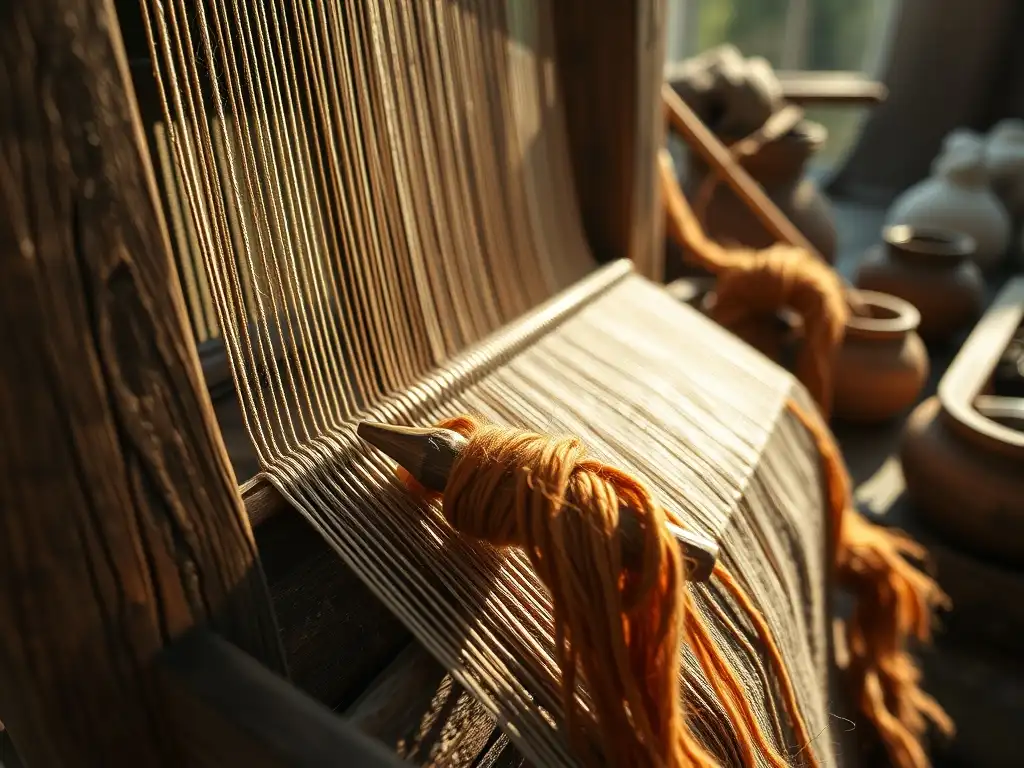
The artistry of Andean textile weaving, renowned for its intricate designs and vibrant colors, is deeply intertwined with the tools used to create it. Understanding these tools is crucial to appreciating the ingenuity and skill of Andean artisans, and the profound cultural significance embedded within their textile traditions. The development and refinement of these tools over centuries reflect not only technological advancements but also evolving social structures and beliefs.
From the simplest spindle whorl to the complex backstrap loom, each instrument played a vital role in shaping the rich tapestry of Andean textile history. The careful selection of materials, the precise crafting of each tool, and the mastery of its use all contributed to the unique aesthetic and symbolic power of Andean textiles. Analysis of these tools reveals much about the lives, beliefs, and social organization of the Andean peoples.
Even today, many of these traditional tools remain in use, preserving a legacy of craftsmanship that spans millennia. The study of "Andean textile weaving tools" provides a window into this fascinating world.
The Role of Weaving Tools in Andean Culture and Society
Weaving in Andean societies was far more than just a craft; it was deeply embedded in the social fabric, religious practices, and economic systems. Tools weren't simply utilitarian objects; they were integral to the social identity and status of individuals and communities. For example, the complexity of a weaver's tools often correlated with their social standing.
Specialized tools, passed down through generations, represented expertise and lineage. The production of textiles was often a communal activity, with women gathering to weave using shared tools, solidifying social bonds and fostering collaboration. Textiles themselves served as markers of social status, religious affiliation, and ethnic identity, with intricate designs and the use of rare materials signaling wealth and prestige.
Specific tools and techniques were also associated with particular ceremonies and rituals, underscoring the sacred dimension of weaving. The tools, therefore, weren't just instruments of production; they were powerful symbols that connected the artisan to their community, their ancestors, and the spiritual world. Further research into specific tool types and their regional variations would illuminate these connections further.
Materials Used in Traditional Andean Weaving Tool Construction
The materials used in the construction of Andean weaving tools were carefully selected based on their availability, durability, and symbolic significance. Common materials included wood from various native trees, such as the queuña (Polylepis) and tara (Caesalpinia spinosa), prized for their strength and resistance to wear. Bones from camelids (llamas and alpacas) provided lightweight yet sturdy components for tools like needles and spindle whorls.
Stone, particularly obsidian and basalt, was used for creating weights and smoothing tools. Interestingly, the choice of materials could also reflect regional variations and access to resources. For instance, coastal communities might have utilized more readily available materials like shells or reeds.
Furthermore, the tools weren't always purely functional; some were adorned with intricate carvings or painted with symbolic designs, adding another layer to their cultural meaning. Detailed studies of tool construction techniques and material analysis are needed to fully understand the regional variations and the evolution of Andean weaving tool technology over time. This type of study would allow us to better understand the resource management and craftsmanship of these ancient cultures.
Andean Textile Weaving: More Than Just a Craft
Andean textile weaving transcended the purely utilitarian; it was a multifaceted art form intertwined with cosmology, social organization, and spiritual practices. The tools themselves were not mere instruments of production but active participants in the creation of objects imbued with deep meaning. The precision and artistry demanded by the weaving process, facilitated by the carefully crafted tools, produced textiles that served as potent symbols of identity, status, and religious beliefs.
These textiles were not simply clothing or adornments; they were powerful mediums for storytelling, conveying complex narratives through intricate designs and symbolic color palettes. The mastery of these tools, passed down through generations, represented a profound connection to ancestral knowledge and a vital link to the spiritual world. The techniques and tools combined to create textiles that continue to inspire awe and admiration today, showcasing the remarkable ingenuity and artistic achievements of Andean civilizations.
Further investigation into the specific symbolic meanings associated with different tools and weaving techniques would provide a richer understanding of this intricate cultural practice. The study of Andean textile weaving, therefore, is a journey into the heart of Andean culture, revealing a complex interplay of technology, artistry, and spirituality.
Essential Andean Weaving Tools and Their Functions
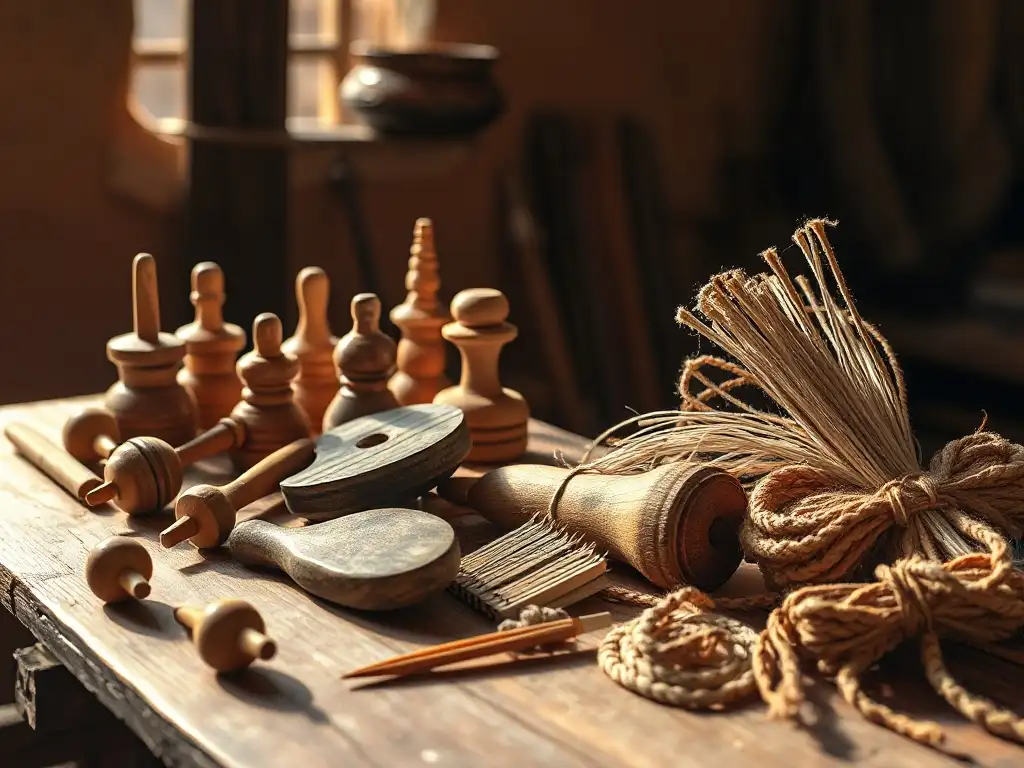
This section delves into the fundamental tools employed in Andean textile weaving, focusing on their design, function, and significance within the broader context of Andean textile production. Understanding these tools provides crucial insight into the ingenuity and skill of Andean artisans, who, with remarkably simple implements, created textiles of unparalleled beauty and complexity. The mastery of these tools was passed down through generations, forming an integral part of Andean cultural heritage and identity.
The evolution and adaptation of these tools across different Andean cultures also reflects the diverse environments and artistic expressions of the region. This detailed exploration of "Andean textile weaving tools" will highlight the key instruments vital to the creation of these remarkable textiles.
The Backstrap Loom: The Core of Andean Textile Production
The backstrap loom is arguably the most iconic and widespread weaving tool used throughout the Andes. This portable and versatile loom, requiring minimal materials, allowed Andean weavers unparalleled flexibility. Its simplicity belies its effectiveness; the loom's tension is controlled by the weaver's body, using a strap secured around the waist.
This allows for precise control over the warp threads, enabling the creation of intricate designs and complex textures. The backstrap loom's portability was crucial, allowing weavers to work in diverse locations, from homes to fields. Its adaptability to varying terrains and conditions is a testament to its ingenious design.
Different variations of the backstrap loom existed across the Andes, reflecting regional variations in materials and weaving techniques. For example, the specific type of wood used for the loom's components, the type of weaving used, and the quality of the materials would vary according to the region. The backstrap loom represents not only a technological achievement but also a deeply ingrained cultural practice, embodying the intimate connection between Andean people and their environment.
Components of the Backstrap Loom: Warp Beam, Shed Rod, Heald Rod, Tensioning Straps
The backstrap loom, while seemingly simple, consists of several crucial components working in concert. The warp beam, often a simple piece of wood, holds the warp threads (the lengthwise threads of the fabric). The shed rod, a stick or similar implement, separates the warp threads to create a space (the shed) for the weft thread (the crosswise thread) to be passed through.
The heald rod, sometimes multiple rods, further aids in separating the warp threads, allowing for more complex patterns. Finally, the tensioning straps, typically made of strong fibers, are secured around the weaver's waist and to the warp beam, providing the essential tension needed to maintain the integrity of the woven fabric. The precise construction of these components, including the material choices and dimensions, varied based on the weaver’s preferences and the specific textile being produced.
Some weavers might use intricately carved wooden components, while others might employ simpler, more readily available materials. This variability highlights the adaptability and ingenuity of Andean textile production. The quality of the materials used directly impacted the final product, with higher-quality materials resulting in more durable and intricate textiles.
Andean Spindles: Transforming Fiber into Yarn
Before weaving can begin, the raw fibers – often alpaca, llama, or vicuña wool – must be spun into yarn. This crucial step is accomplished using a spindle, a simple yet effective tool. The Andean spindle typically consists of a weighted shaft, often made of wood or bone, with a whorl (a disc-shaped weight) near one end. The fiber is attached to the spindle, and the weaver twists the fiber while simultaneously letting the spindle drop, creating the yarn.
Different designs of spindles existed across the Andes, with variations in size, weight, and material reflecting regional preferences and the type of fiber being spun. The skill required to spin even, strong yarn using a spindle is significant, requiring practice and precision. The resulting yarn’s quality directly influenced the final woven textile's quality, highlighting the weaver's expertise at each stage of production.
The spindle's design, while seemingly basic, represents a sophisticated understanding of fiber mechanics and a testament to the resourcefulness of Andean artisans. The use of the spindle wasn't simply a technical process; it was also an integral part of daily life, often performed while engaged in other activities. This illustrates the seamless integration of craft and everyday life in Andean culture.
Types of Andean Spindles and Their Uses: Drop Spindles for Fine Yarn, Supported Spindles for Coarser Fibers
Andean cultures developed sophisticated spindle technology for yarn production, crucial for their renowned textile artistry. Two main types stand out: drop spindles and supported spindles. Each served a distinct purpose, reflecting the nuanced understanding of fiber manipulation prevalent in the Andes.
Drop spindles, characterized by their simple, weighted design, were primarily used for spinning finer yarns. The weight, typically a clay or stone whorl attached to a shaft, provided the necessary momentum for twisting the fibers. The spinner would hold the spindle by the shaft and let it drop, creating a gentle twist.
This method allowed for precise control over the yarn’s thickness, ideal for creating delicate textiles like the intricate cloths used for clothing and ceremonial garments. The lightness of the drop spindle and the controlled release allowed for the creation of exceptionally fine threads, suitable for the detailed designs characteristic of Andean weaving.
Archaeological finds frequently unearth these simple yet effective tools, often adorned with intricate carvings, suggesting their cultural significance beyond mere functionality. The materials used for the whorls also varied depending on the region and the available resources, adding further complexity to the understanding of their production and use.
Supported spindles, on the other hand, were employed for spinning coarser yarns. These spindles were typically larger and heavier than drop spindles, often incorporating a larger whorl for increased momentum. Instead of being held and dropped, supported spindles were often used with a spindle whorl, which was supported by a distaff or a similar device.
This allowed for faster spinning and the creation of stronger, thicker yarns suitable for rugs, bags, and other durable items. The increased weight and momentum facilitated the spinning of thicker fibers, such as llama or alpaca wool which were more readily available in the Andean highlands. The choice between a drop or supported spindle was a deliberate one, reflecting the weaver's understanding of the properties of different fibers and their intended use in the final textile.
Weaving Sticks and Rods: Essential for Fabric Creation
Beyond spinning, the creation of Andean textiles relied heavily on a variety of weaving sticks and rods. These seemingly simple tools played a crucial role in the overall process, significantly impacting the texture, structure, and design of the finished product. Their use varied depending on the specific weaving technique employed, but their importance remained consistent across different Andean cultures and time periods.
These tools were not merely utilitarian; they were integral to the artistic expression inherent in Andean textile production. Different types of wood, bone, or even metal were selected based on their properties, influencing the feel and outcome of the weaving process. The size and shape of the sticks also varied, reflecting the specific needs of the weaver and the complexity of the design.
For example, narrower sticks might have been used for fine-detail work, while broader ones were employed for creating larger patterns or structures. The use of these tools demonstrated not only technical skill but also an intimate understanding of materials and their properties.
The diversity of weaving sticks and rods discovered in archaeological sites across the Andes illustrates the sophistication of their textile technologies. Careful examination of these tools reveals much about the methods and techniques used by Andean weavers, providing valuable insights into the artistry and craftsmanship of these ancient cultures. The intricate designs and patterns often found in Andean textiles are a testament to the skill and precision with which these seemingly simple tools were used.
The Function of Weaving Sticks in Andean Textile Design
The function of weaving sticks in Andean textile design extended far beyond the mere mechanical aspects of weaving. They were actively involved in shaping the aesthetic qualities of the final product, influencing the overall design, texture, and even the symbolic meaning embedded within the textiles.
The use of weaving sticks directly impacted the pattern creation process. By manipulating the warp threads with these sticks, weavers could create intricate geometric patterns, complex figurative representations, and even representational scenes. The precise placement and movement of the sticks allowed for the creation of diverse textures within a single textile, adding another layer of complexity to the visual appeal.
The techniques involved varied significantly between different Andean cultures, leading to a wide range of stylistic variations in the finished textiles. For example, some techniques involved using a series of sticks to lift and lower specific warp threads, creating intricate patterns through careful manipulation.
Furthermore, the choice of materials for the weaving sticks could also influence the final aesthetic outcome. Different materials offered varying degrees of flexibility and durability, impacting the texture and overall feel of the woven fabric. This conscious material selection demonstrates the advanced understanding of material properties and their influence on textile aesthetics.
The resulting interplay of color, texture, and pattern created through the skillful manipulation of weaving sticks resulted in textiles that were not only beautiful but also deeply meaningful, reflecting the cultural values and beliefs of the Andean people. The legacy of these tools is visible in the stunning textiles that have survived to this day, showcasing the remarkable mastery of Andean weaving techniques.
Bone and Wooden Tools: Versatile Instruments for Weaving
Bone and wooden tools played a crucial role in Andean textile production, demonstrating the ingenuity of ancient artisans in adapting readily available materials. These tools weren't just simple implements; they were carefully crafted instruments reflecting a deep understanding of material properties and weaving techniques. Bone, for example, offered a durable yet workable material for creating fine-tipped tools ideal for intricate tasks. The density of bone allowed for precision work, while its relative softness prevented damage to delicate threads.
Wooden tools, conversely, offered strength and versatility, especially when larger-scale tasks were involved. The type of wood used likely varied based on regional availability and the specific tool’s intended function. Hardwoods, such as those from the Queuña tree ( Polylepis spp.) common in high-altitude regions, would have been preferred for their durability.
Softer woods might have been chosen for tools requiring more flexibility. The creation of these tools involved a significant level of skill, requiring careful shaping, smoothing, and sometimes even polishing to ensure optimal performance. The artisans' mastery is evident in the surviving examples found in archaeological sites, showcasing the precision and artistry involved in their creation. Furthermore, the careful selection of materials suggests a deep connection between the Andean weavers and their environment, utilizing resources effectively and sustainably.
Bone Awls for Separating Warp Threads, Wooden Swords for Beating Down Weft
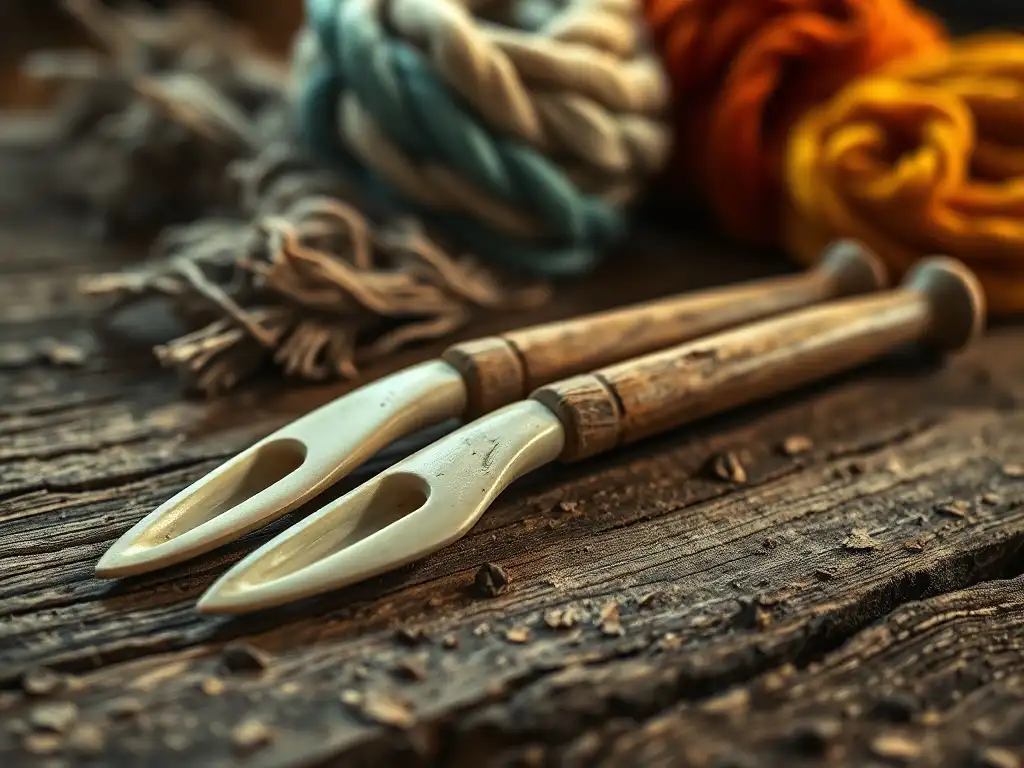
Among the most essential Andean weaving tools were bone awls and wooden swords. Bone awls, often crafted from camelid bones, served the critical function of separating warp threads during the weaving process. These tools, with their finely pointed tips, allowed weavers to precisely manipulate individual warp threads, creating the necessary space for inserting the weft. The sharpness and durability of bone awls were essential for achieving clean, even spacing, which directly impacted the quality and appearance of the final textile.
The size and shape of the awls likely varied depending on the thickness of the warp threads and the complexity of the weaving pattern. Larger awls might have been used for heavier textiles, while smaller, more delicate awls were employed for fine work. In contrast, wooden swords, often referred to as "beaters," played a vital role in compacting the weft threads after insertion. These tools, typically crafted from hardwood, were used to firmly beat down the weft, creating a dense, tightly woven fabric.
The weight and shape of the wooden sword were crucial factors influencing the density and evenness of the weave. The rhythmic pounding of the beater not only compacted the weft but also helped to create a strong, durable textile capable of withstanding wear and tear. The coordinated use of bone awls and wooden swords exemplifies the intricate and skillful process involved in Andean textile production.
Andean Textile Needles: For Intricate Details
Andean textile needles represent another crucial category of weaving tools, essential for achieving intricate details and embellishments. Unlike modern needles with an eye at one end, Andean needles were often crafted from bone or wood and were usually solid, without an eye. This design meant the thread was wrapped around the needle's pointed end before being inserted into the fabric. The absence of an eye required a different weaving technique and added a level of skill to the process.
The size and shape of the needles varied greatly, reflecting the diverse range of textile types and decorative styles. Fine needles were used for intricate embroidery and decorative elements, while coarser needles might have been employed for larger stitches or heavier fabrics. Evidence suggests that different types of needles were utilized for different textile techniques, such as tapestry weaving, embroidery, and other embellishment techniques.
Archaeological finds reveal a remarkable diversity in needle design, indicating a sophisticated understanding of needle construction and its relation to specific weaving needs. The use of these needles underscores the Andean weavers' dedication to detail and their ability to create textiles of exceptional beauty and complexity. The skill involved in manipulating the thread around the solid needle showcases the advanced techniques and expertise of Andean textile artisans.
Types of Needles and Their Applications in Andean Textiles
Andean textile production relied heavily on a variety of needles, each uniquely suited to specific weaving techniques and textile types. The needles weren't mass-produced; rather, they were meticulously crafted by skilled artisans, often from bone, wood, or metal depending on availability and the desired durability. The choice of material often influenced the needle's application. For example, bone needles, while delicate, were prized for their ability to smoothly navigate finer threads, ideal for intricate designs and delicate fabrics. Metal needles, conversely, offered more strength and were better suited for thicker yarns and heavier weaving projects.
One common type was the straight needle, used for basic stitching and mending. These were typically made from bone or wood for smaller projects, and from metal for heavier fabrics. Their simplicity belied their importance; they were essential for repairing tears, creating seams, and even embroidering simple patterns onto already woven cloth. The length and thickness of these needles varied greatly depending on the fabric being worked. Archaeological finds have revealed a surprising diversity in the dimensions of even this seemingly basic tool.
Beyond the straight needle, we find evidence of curved needles. These were particularly useful for specific techniques such as tapestry weaving, allowing for easier manipulation of the yarn within the warp threads. The curvature facilitated the insertion of the weft yarn without disturbing the existing structure of the woven fabric. The precise curve of the needle often depended on the specific Andean weaving tradition and the complexity of the design being executed. Some curved needles were quite subtle in their curvature, while others were more pronounced.
Another category of needles, less frequently found but equally important, were those designed for specific decorative techniques. These often incorporated specialized points or shaping to create unique textural effects or intricate patterns. For example, some needles might have been slightly flattened to create a wider stitch, while others might have had a slightly curved point to create a specific type of knot or loop stitch.
These specialized needles highlight the sophistication and artistry involved in Andean textile production, demonstrating a deep understanding of material properties and their application in creating visually stunning and durable textiles. Unfortunately, detailed information about the exact forms and applications of these specialized needles is still being uncovered through ongoing archaeological research.
The careful analysis of these ancient tools continues to reveal the nuanced techniques employed by Andean weavers. The diversity of needles alone suggests a rich and complex tapestry of textile traditions, each with its own unique set of tools and techniques.
Other Important Tools and Techniques in Andean Weaving
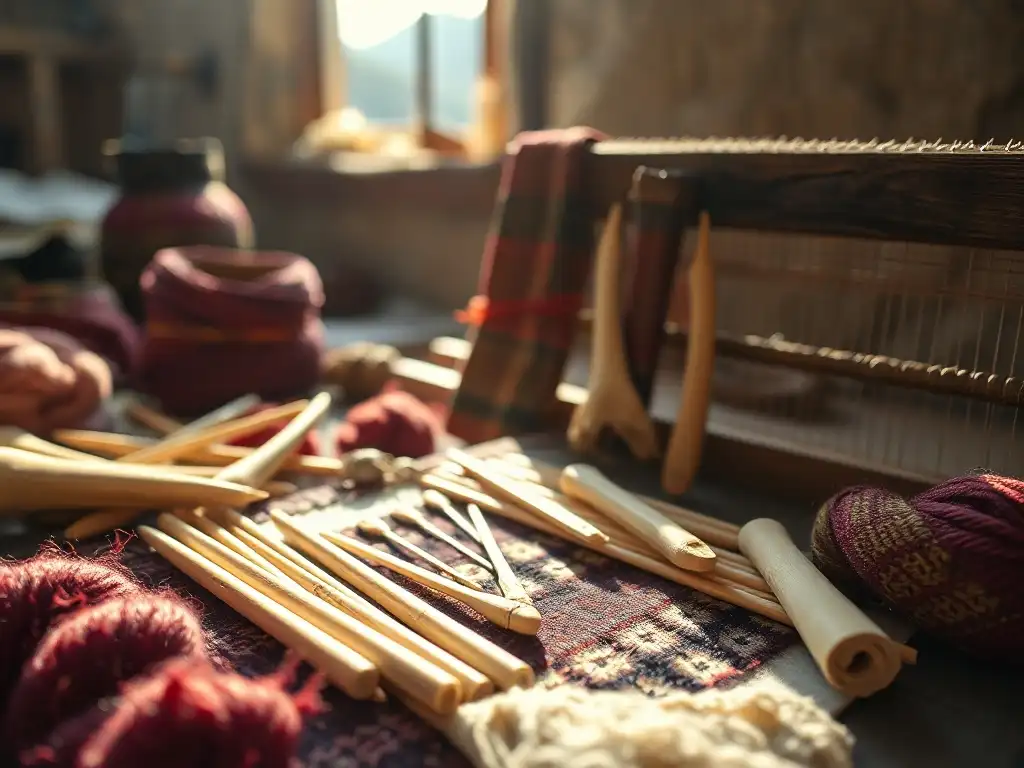
This section delves into additional instruments and methods crucial to understanding the complexity and artistry of Andean textile weaving. While the loom itself forms the backbone of the process, a range of supplementary tools and techniques were employed to achieve the remarkable results observed in surviving textiles. These tools, often seemingly simple, demonstrate a sophisticated understanding of material science and textile manipulation.
The ingenuity displayed in their design and application highlights the advanced technological capabilities of Andean cultures. Understanding these tools enriches our appreciation of the dedication and skill involved in creating these masterpieces. The masterful use of these tools is a testament to the enduring legacy of Andean textile traditions.
The Use of Combs in Andean Weaving
Combs, far from being merely decorative, played a vital role in the Andean weaving process. Their application impacted both the texture and the visual design of the finished textile. Archaeological evidence reveals a diverse range of comb types, reflecting variations in their intended function and the specific weaving techniques they supported. The size, tooth spacing, and overall design of the comb were all carefully considered factors.
The meticulous craftsmanship evident in many surviving combs underscores their importance as essential tools for weavers. These weren't mass-produced items; rather, they represented specialized tools crafted to meet individual needs and preferences. The use of combs extended beyond simple smoothing; they were integral to shaping the fabric's structure and creating intricate patterns.
Fine-Toothed Combs for Compact Weaving, Wide-Toothed Combs for Patterning
The density of the comb's teeth directly influenced the resulting fabric's texture. Fine-toothed combs, often made from bone or wood, were utilized to create tightly woven fabrics, resulting in dense, durable textiles ideal for clothing and blankets. These combs allowed for precise control over the warp threads, ensuring a uniform and compact weave. Conversely, wide-toothed combs facilitated the creation of more open weaves, often employed for decorative purposes or to incorporate supplementary elements like beads or other embellishments. The broader spacing allowed for greater flexibility in manipulating the threads, enabling the incorporation of more elaborate patterns.
The choice between fine and wide-toothed combs was not arbitrary. Weavers carefully selected the appropriate tool based on the desired outcome, demonstrating a deep understanding of the relationship between tool design and final textile properties. This careful selection speaks volumes about the advanced level of planning and execution involved in Andean textile production. The interplay between tool and technique showcases the sophisticated craftsmanship that characterized Andean textile traditions.
Dyes and Mordants: Tools for Coloring Andean Textiles
Beyond the physical tools used in the weaving process itself, the creation of vibrant and long-lasting colors was a crucial aspect of Andean textile production. Dyes, derived from natural sources such as plants, insects, and minerals, were meticulously prepared and applied to achieve a wide range of hues. However, the mere application of dye was insufficient to guarantee colorfastness.
Mordants, substances that help fix the dye to the fibers, played a critical role in ensuring the longevity and vibrancy of the colors. These mordants, often composed of minerals like alum or tannins from plant sources, chemically bonded the dye to the fibers, preventing fading and ensuring the textiles' enduring beauty.
The selection of both dyes and mordants required an extensive knowledge of botany, chemistry, and the properties of various natural materials. This knowledge was often passed down through generations of weavers, representing a valuable body of traditional knowledge. The use of specific dyes and mordants often held symbolic meaning, and the colors themselves were integral to the cultural and religious significance of the textiles.
The skillful blending of dyes and the careful application of mordants were crucial to achieving the striking colors that characterized Andean textiles, ensuring that these works of art stood the test of time. The mastery of these techniques represents a significant aspect of Andean technological achievement and artistic expression.
Natural Dyes from Plants and Minerals
Andean textile production wasn't just about skillful weaving; it was deeply intertwined with the natural world. The vibrant colors adorning their textiles weren't the product of synthetic dyes, but rather the meticulous extraction of pigments from plants and minerals found throughout the Andes. The process was a testament to the ingenuity and close relationship between the Andean people and their environment.
For instance, the deep reds so characteristic of many Andean textiles often came from the cochineal insect, painstakingly harvested and processed. Other sources included various plants like the achiote tree (yielding reds and oranges), different species of Bixa orellana (offering yellows and oranges), and diverse indigenous plants that provided a wide spectrum of hues. Mineral sources, such as ochre for yellows and browns, and various clays for a range of earthy tones, added to the palette.
The preparation of these dyes was a complex process, often involving multiple steps, including grinding, boiling, and fermentation, showcasing a sophisticated understanding of chemistry and color manipulation. The durability and vibrancy of these natural dyes, often lasting for centuries, is a testament to the mastery of Andean artisans. The specific techniques varied regionally and across different time periods, reflecting the rich diversity of Andean cultures and their adaptation to different ecological niches.
Alum and Iron as Mordants
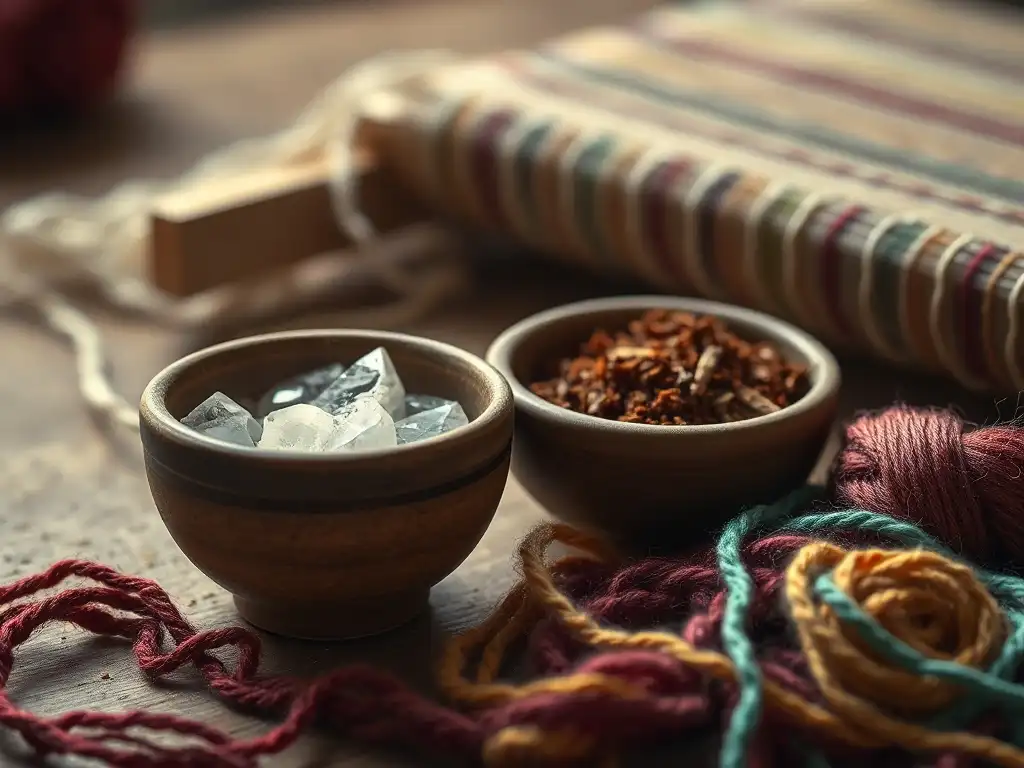
The stunning colors of Andean textiles weren't solely dependent on the dyes themselves; the use of mordants played a crucial role. Mordants are substances that bind the dye to the fiber, enhancing colorfastness and preventing fading. In the Andes, alum and iron salts were commonly employed as mordants.
Alum, a naturally occurring aluminum sulfate, was particularly effective in fixing a wide range of colors, enhancing their brilliance and longevity. Iron salts, derived from various minerals, produced different effects depending on the concentration and the type of dye used, often adding depth and complexity to the colors, sometimes even shifting hues towards darker shades. The precise application of these mordants, often involving intricate processes of soaking and rinsing, was a crucial step in achieving the desired results.
The Andean weavers' understanding of the chemical interactions between dyes and mordants was quite advanced, demonstrating a sophisticated knowledge of both plant and mineral properties. The effectiveness of these natural mordants, combined with the carefully selected dyes, ensured the remarkable longevity of many Andean textiles that have survived for centuries.
Andean Textile Patterning Tools and Methods
Creating intricate patterns on Andean textiles required specialized tools and techniques. Beyond the basic weaving process, Andean artisans developed sophisticated methods for incorporating complex designs. One common method involved supplementary weft techniques, where additional threads were woven into the fabric to create intricate patterns.
These supplementary wefts were often different colors or textures, adding visual depth and complexity to the design. Another important technique was the use of resist dyeing, where certain areas of the fabric were protected from the dye, creating striking patterns. This could be achieved through various methods, including wrapping parts of the fabric with string or applying a resist paste.
Furthermore, the careful arrangement of warp threads before weaving could also contribute to the creation of geometric designs. The use of tools like pick-up sticks (discussed below) also facilitated the creation of more complex patterns. The combination of these techniques, along with the weaver’s skill and creativity, resulted in the remarkable diversity and intricacy of Andean textile patterns, reflecting both stylistic preferences and symbolic meanings deeply rooted in Andean cosmology.
Pick-Up Sticks for Supplementary Weft Patterns, Counting Threads for Geometric Designs
Pick-up sticks, simple yet ingenious tools, played a vital role in creating supplementary weft patterns. These sticks, often made from wood or bone, were used to lift and separate specific warp threads, allowing the weaver to selectively introduce supplementary weft threads to create intricate designs. The precise manipulation of these sticks required considerable skill and practice, resulting in the creation of elaborate and highly detailed patterns.
This technique allowed for a high degree of control over the pattern's complexity and precision. Simultaneously, the counting of threads was crucial for achieving perfectly symmetrical and geometric designs. The Andean weavers possessed an exceptional ability to count and manipulate the warp threads, ensuring that the patterns were consistently replicated across the fabric.
This meticulous attention to detail, combined with the use of pick-up sticks, resulted in the creation of geometric designs that are both aesthetically pleasing and mathematically precise. The mastery of these techniques underscores the advanced level of technical skill and planning involved in Andean textile production. The precision and intricacy of these designs reflect a deep understanding of geometric principles and an exceptional level of manual dexterity.
The Legacy of Andean Textile Weaving Tools
The legacy of Andean textile weaving tools extends far beyond mere instruments; they represent a profound connection to ancestral knowledge, cultural identity, and artistic expression. For centuries, these tools have facilitated the creation of breathtaking textiles, reflecting the ingenuity and artistry of Andean civilizations. Understanding these tools is key to appreciating the complex tapestry of Andean history and culture.
The meticulous craftsmanship evident in surviving textiles speaks volumes about the skill and dedication of the weavers, who skillfully manipulated simple tools to produce extraordinarily intricate and durable fabrics. The enduring influence of these tools is evident in contemporary Andean weaving practices, demonstrating the remarkable continuity of tradition across generations. The sheer variety of tools used, from simple spindles to complex backstrap looms, showcases the adaptability and innovation of Andean textile traditions.
Analyzing these tools provides crucial insights into the social structures, economic systems, and artistic aesthetics of ancient Andean societies. The study of these tools allows us to reconstruct the processes involved in textile production, shedding light on the division of labor, the role of specialized artisans, and the significance of textiles in daily life and ritual practices.
The Continuity of Traditional Weaving Practices
Traditional Andean weaving practices, deeply rooted in ancestral techniques, continue to thrive in many communities. The tools employed remain largely unchanged, reflecting a remarkable commitment to preserving cultural heritage. For example, the chumpi, a belt used to secure the backstrap loom, remains a vital tool, passed down through generations. Its simple design belies its crucial role in facilitating the complex process of weaving.
Similarly, the palillo, a simple wooden needle used for embroidery and detailed work, continues to be an essential tool in modern Andean textile production. The continuity of these practices is not simply a matter of tradition; it's a testament to the effectiveness and adaptability of these tools. They are not merely instruments but integral components of a living cultural heritage.
Many contemporary weavers still utilize the same techniques and tools as their ancestors, producing textiles that are both visually stunning and culturally significant. The continued use of these tools ensures the preservation of traditional knowledge and skills, connecting present-day weavers to a rich historical legacy. This unbroken chain of transmission has ensured that the art of Andean weaving remains a vibrant and dynamic aspect of contemporary Andean life.
How Andean Textile Weaving Tools Influence Modern Weaving
While modern technology has introduced new materials and techniques, the influence of traditional Andean textile weaving tools remains palpable in contemporary textile arts worldwide. The principles of backstrap weaving, for instance, continue to inspire innovative designs and techniques. The adaptability of the backstrap loom, allowing for intricate patterns and complex structures, has led to its adoption by contemporary artists seeking unique and expressive forms of textile creation.
Furthermore, the simple yet effective tools used in Andean weaving have inspired the design of modern hand-weaving equipment. The ingenuity of ancient Andean designs, often created with limited resources, continues to serve as a source of inspiration for modern textile artists who appreciate both the aesthetic and practical aspects of traditional Andean techniques. This cross-cultural exchange underscores the timeless relevance of Andean weaving tools and techniques.
The inherent sustainability of many Andean tools, often made from readily available natural materials, also resonates with contemporary concerns about environmental responsibility. The simplicity and efficiency of these tools provide a powerful counterpoint to the complexity and often unsustainable practices of mass-produced textiles.
Preserving the Knowledge of Andean Weaving Techniques
Preserving the knowledge of Andean weaving techniques is crucial for maintaining cultural heritage and ensuring the continued practice of this vital art form. Efforts to document and share this knowledge are vital, encompassing everything from detailed studies of traditional tools to the creation of educational programs that transmit these skills to future generations. This includes initiatives that support Andean communities in preserving their traditional weaving practices and promoting the economic viability of their craft.
These efforts involve not only the preservation of physical tools but also the intangible knowledge associated with their use, including intricate patterns, symbolic meanings, and the oral histories that accompany them. The meticulous documentation of these techniques, often involving detailed photographic records and ethnographic studies, is essential for ensuring their accessibility and longevity. Moreover, supporting the economic sustainability of Andean weavers through fair trade practices and market access is crucial for ensuring the continued transmission of these skills.
The preservation of this knowledge is not merely an academic exercise; it's a critical step in safeguarding a rich cultural heritage and ensuring its continued vitality for generations to come. The survival of Andean textile weaving depends on the collective effort to preserve and promote this invaluable art form.
Workshops and Cultural Programs for Preserving Andean Weaving
The enduring legacy of Andean textile weaving is not merely a matter of historical artifacts; it's a living tradition sustained through dedicated workshops and cultural programs. These initiatives play a crucial role in ensuring the survival and evolution of this intricate art form. Many organizations and communities across the Andes actively work to transmit the knowledge and skills of Andean textile weaving to new generations. These programs aren't just about teaching the techniques; they are about preserving cultural identity and fostering a sense of community.
One key aspect of these programs is the emphasis on hands-on learning. Participants learn by doing, guided by experienced weavers who often hold generations of knowledge. This direct transmission of skills is crucial, as it allows for nuances and subtleties of the craft to be passed down accurately. The workshops aren't limited to replicating traditional patterns; they often encourage experimentation and innovation within the framework of established techniques. This approach allows for the art form to remain dynamic and relevant in the modern world, while still respecting its rich history.
Furthermore, many programs incorporate storytelling and cultural immersion. Weaving in Andean societies is deeply intertwined with mythology, cosmology, and social structures. By learning about the cultural significance of the designs and techniques, participants gain a deeper appreciation for the artistry and the historical context. This holistic approach fosters a stronger connection to the Andean heritage and empowers participants to become active custodians of their cultural legacy. These programs often involve visits to archaeological sites, museums, and interactions with local communities, enriching the learning experience and fostering a sense of responsibility towards preserving the heritage.
The impact of these workshops and cultural programs extends beyond the individuals involved. By revitalizing traditional weaving practices, they contribute to the economic empowerment of communities. The sale of handcrafted textiles provides income for artisans, allowing them to sustain their livelihoods and pass on their skills to future generations. This economic dimension is a vital component in ensuring the long-term sustainability of Andean weaving traditions.
The preservation of these ancient techniques also contributes to the broader cultural landscape, enriching tourism and promoting a deeper understanding of Andean history and culture for visitors from around the globe. The success of these programs ultimately hinges on collaboration between communities, governments, and organizations dedicated to preserving the unique heritage of Andean textile weaving. The vibrant colors and intricate designs of Andean textiles are not just beautiful artifacts; they are testaments to a vibrant culture actively working to ensure its survival and continuation.
Frequently Asked Questions
What tools were commonly used in Andean textile weaving?
Andean weavers utilized a variety of tools, including spindles for spinning yarn, backstrap looms for weaving, heddles for controlling warp threads, and shuttles for inserting weft threads. Simple tools made from readily available materials were key.
How did the tools reflect the environment and available resources?
Many tools were made from locally sourced materials, such as wood, bone, and stone. This reflects the adaptability of Andean cultures to their environments and a resourceful approach to toolmaking. The design often incorporated simple, effective mechanisms.
Were there specialized tools for specific weaving techniques?
While basic tools were common, variations existed depending on the specific weaving technique and the desired textile. For example, different types of heddles facilitated complex patterns. Regional differences in tool design also existed.
How did Andean textile weaving tools compare to those used in other parts of the world?
While some principles were universal, Andean tools showed unique adaptations. The backstrap loom, for example, was widely used in the Andes but less prevalent elsewhere. The materials and specific designs reflected the Andean environment and cultural preferences.
Where can I learn more about Andean textile weaving tools?
You can find more information through museum collections featuring Andean textiles and tools, academic publications on Andean archaeology and textile history, and ethnographic studies of contemporary Andean weaving practices. Online resources also provide valuable information.
Final Reflection: The Enduring Legacy of Andean Weaving Tools
The intricate artistry of Andean textiles continues to captivate the world, a testament to the ingenuity and resilience of the Andean people. These vibrant tapestries, imbued with centuries of tradition, are not merely decorative; they are living narratives woven into the very fabric of Andean culture, a legacy directly tied to the specialized tools used in their creation. Understanding these tools provides a deeper appreciation for the skill, patience, and cultural significance embedded within each piece.
The impact of these tools extends far beyond the practical; they represent a profound connection to ancestral knowledge and a powerful symbol of cultural identity. The techniques passed down through generations, using tools often crafted from readily available natural materials, highlight the resourcefulness and deep understanding of the Andean environment. The loom is not just a machine; it is a repository of memory, a vessel of history, and a testament to the enduring spirit of a people.
This quote, while not directly from an Andean source, captures the essence of the enduring power of these tools and the traditions they support.
Consider the intricate detail, the vibrant colors, the stories woven into each thread. Now, imagine the hands that skillfully manipulated the pallay, the uru, and the hacha. You, too, can become a part of this rich tapestry of history and culture. Take a moment to reflect on the artistry and ingenuity displayed in Andean weaving, and appreciate the enduring legacy of the tools that made it possible. Let the vibrant threads inspire you to connect with your own heritage and the craftsmanship that surrounds you.
**Unleash Your Inner Artisan: Dive into the World of Andean Weaving! **
Thank you for exploring the intricate art of Andean weaving and the tools that define it. You've gained a unique insight into a rich cultural heritage that produces stunning textiles and tells the stories of the Andean people. Now, it's your turn to engage with this vibrant tradition!
Here are some ways you can connect with the art of Andean textiles:
- **Try Your Hand at Weaving:** Begin with a simple loom kit or a DIY project at home. Embrace the creative process and share your creations online to inspire others!
- **Join a Local Weaving Workshop:** Look for community events or classes focusing on Andean weaving techniques or similar textile arts. Connect with local artisans and nurture your passion!
- **Share Your Knowledge:** Educate friends and family about the importance of textiles in Andean culture. Host a gathering or write a blog post about your discoveries.
What aspect of Andean weaving most fascinates you, and how will you begin your weaving journey today?