
Andean Textile Fakes: How to Identify Authentic Ancient Pieces

Unravel the mysteries of the Andes! For centuries, the vibrant artistry of ancient Andean cultures has captivated the world. But amidst the breathtaking beauty of authentic Andean textiles, a shadow lurks: the counterfeit. Journey with us as we delve into the intricate world of Andean art and uncover the secrets to distinguishing genuine ancient treasures from skillful imitations. Are you ready to learn how to identify the real deal?
- Andean Textile Fakes: Identifying Authentic Ancient Pieces
- Key Characteristics of Genuine Andean Textiles
- Identifying Fake Andean Textiles: Red Flags
- Detailed Analysis: Distinguishing Authentic Andean Textiles from Fakes
- Case Studies: Examples of Authentic and Fake Andean Textiles
- Protecting Andean Cultural Heritage
- Frequently Asked Questions
- Final Reflection: Weaving a Legacy of Authenticity
- Unveil the Beauty of Authentic Andean Textiles!
Andean Textile Fakes: Identifying Authentic Ancient Pieces
The vibrant tapestry of Andean history is interwoven with the remarkable skill of its textile artisans. From the intricate designs of the Nazca to the sophisticated techniques of the Inca, Andean textiles represent a pinnacle of ancient craftsmanship, reflecting complex social structures, spiritual beliefs, and technological prowess.
However, the enduring beauty and historical significance of these artifacts have unfortunately attracted a thriving market for fakes, making it increasingly crucial to understand how to distinguish authentic ancient Andean textiles from modern imitations. This article serves as a guide for collectors, enthusiasts, and researchers navigating this complex landscape, providing key insights into identifying genuine pieces and understanding the nuances of authentic Andean weaving traditions.
We will explore common characteristics of authentic textiles, discuss the methods employed by forgers, and offer practical advice on verification. The preservation of Andean cultural heritage depends on our collective ability to recognize and appreciate the genuine articles, combating the spread of fraudulent pieces and protecting the integrity of this invaluable artistic legacy.
Introduction to the Challenge of Authentic Andean Textiles
The challenge of identifying authentic Andean textiles lies in the intricate combination of factors that contribute to their unique character. These factors extend beyond simple visual appraisal, encompassing the materials used, the weaving techniques employed, and the historical context within which the textile was produced. Simply put, a superficial resemblance to an ancient Andean textile does not automatically denote authenticity.
Many modern reproductions skillfully mimic the surface aesthetics of ancient pieces, relying on readily available materials and techniques. This makes a thorough understanding of the nuances of Andean textile production – from the sourcing of raw materials to the intricacies of the weaving process – crucial for accurate identification. Furthermore, the sheer diversity of Andean cultures, each with its own distinctive styles and techniques, adds another layer of complexity.
What might be a characteristic feature of a Wari textile could be absent in a piece from the Inca period. Therefore, a holistic approach, encompassing both technical analysis and historical contextualization, is essential for discerning true authenticity. Understanding the historical context, including the stylistic conventions and technological capabilities of different Andean cultures, is paramount.
The Allure of Ancient Andean Weaving and the Rise of Fakes
The enduring appeal of ancient Andean textiles stems from their exceptional artistry and historical significance. These textiles are not merely decorative objects; they are tangible links to a rich and complex past, reflecting the beliefs, rituals, and social structures of ancient Andean societies. This inherent value has unfortunately fueled a significant market for forgeries, with unscrupulous individuals capitalizing on the demand for authentic pieces.
The rise of fakes is a multifaceted problem, driven by factors such as the increasing global interest in Andean art, the relative scarcity of genuine artifacts, and the complexity involved in authenticating these pieces. The market for these textiles is lucrative, and the sophistication of modern forgery techniques makes it increasingly difficult to distinguish genuine artifacts from skillfully crafted imitations. This necessitates a critical and informed approach to authentication, employing a combination of visual inspection, material analysis, and historical contextualization to ensure the provenance and authenticity of any piece under consideration.
The consequences of unknowingly acquiring a fake are not only financial but also undermine efforts to preserve and appreciate the true artistic achievements of Andean civilizations. The proliferation of fakes threatens the integrity of collections and scholarly research alike.
Key Characteristics of Genuine Andean Textiles
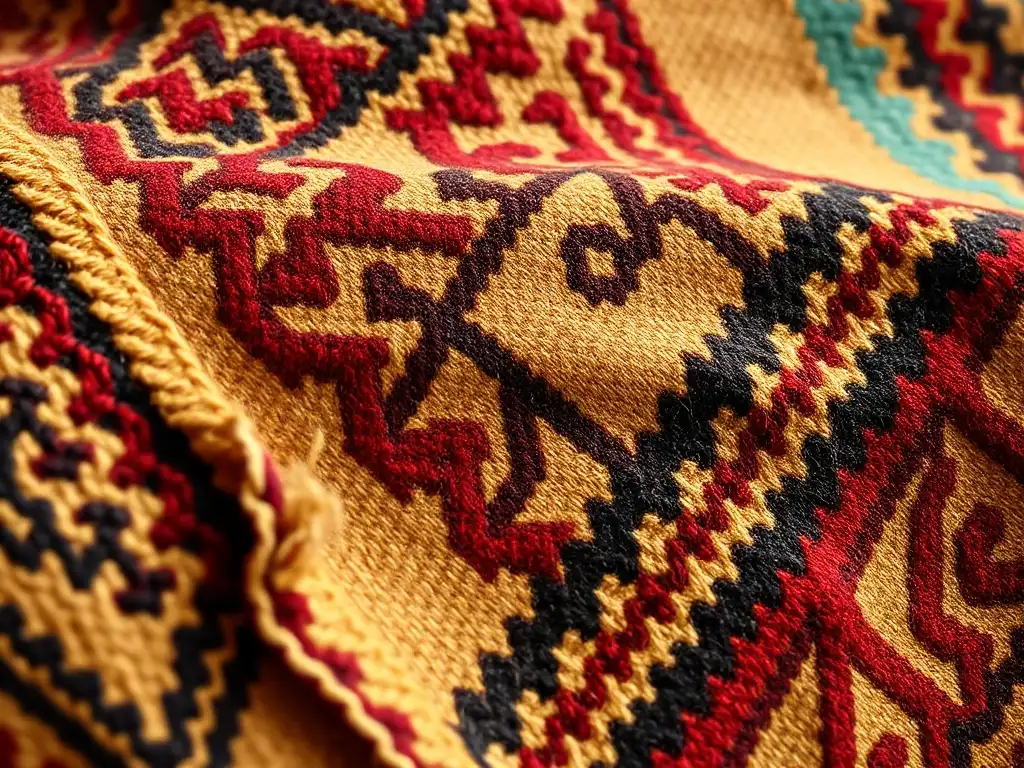
Authentic Andean textiles represent a remarkable fusion of artistry, cultural significance, and technical skill honed over millennia. Distinguishing genuine pieces from modern reproductions requires a keen eye for detail and a solid understanding of traditional Andean textile practices. This section will delve into the key characteristics that define authentic Andean textiles, providing you with the knowledge to confidently assess their provenance.
The market for authentic Andean textiles is unfortunately rife with fakes, so careful examination is crucial for discerning collectors and enthusiasts seeking to acquire genuine pieces. This guide focuses on providing the tools to identify true examples of this rich artistic heritage, ensuring the preservation and appreciation of these invaluable cultural artifacts.
Materials Used in Traditional Andean Textiles
The materials used in traditional Andean weaving are as important as the techniques employed. Understanding these materials is fundamental to recognizing authentic pieces. The use of synthetic materials is a major red flag indicating a modern reproduction.
Natural Fibers: Alpaca, Llama, and Vicuña
Andean weavers traditionally relied on the luxurious fibers of alpaca, llama, and vicuña. Each fiber possesses unique qualities:
- Alpaca: Known for its softness, warmth, and lustrous sheen. Alpaca fiber comes in a wide range of natural colors, from creamy whites and browns to blacks and grays.
- Llama: A coarser fiber than alpaca, llama wool is highly durable and often used for practical items like rugs and blankets. Its colors are generally earth-toned.
- Vicuña: The rarest and most prized of the three, vicuña fiber is incredibly soft, fine, and lightweight. Its natural color is typically light beige or fawn.
Microscopic examination can reveal the specific fiber type, a crucial step in authentication. The presence of synthetic fibers immediately disqualifies a textile as authentic.
Natural Dyes: Sources and Color Variations
The vibrant colors in genuine Andean textiles are derived from natural sources, resulting in a unique range of hues and subtle variations. These dyes often fade and change over time, developing a beautiful patina that is characteristic of age.
| Dye Source | Resulting Color(s) | Notes |
|---|---|---|
| Cochineal insect | Deep reds, purples, scarlets | A prized dye, its use often indicates a high-status textile. |
| Indigo plant | Blues, indigos | Can range from deep indigo to lighter blues depending on processing. |
| Madder root | Reds, pinks, oranges | A common dye source, resulting in a range of warm tones. |
| Various plants/minerals | Yellows, greens, browns | The specific color depends heavily on the plant or mineral used. |
The use of synthetic dyes, which are vibrant and consistent, is a clear sign of a forgery. Authentic Andean textiles often show subtle color variations and gradations, reflecting the natural inconsistencies of plant-based dyes.
Weaving Techniques: Clues to Authenticity
The weaving techniques employed in Andean textiles are incredibly sophisticated and varied. These techniques provide crucial clues to authenticity.
Traditional Andean Looms and Weaving Methods
Andean weavers traditionally used backstrap looms, which are portable and allow for intricate designs. Understanding the mechanics of these looms helps in identifying authentic textiles. The use of modern, industrial looms is a significant indicator of a fake. The precision and consistency achievable with modern equipment are absent in hand-woven textiles.
Understanding Warp and Weft Patterns
The arrangement of warp (lengthwise) and weft (crosswise) threads creates distinct patterns. Genuine Andean textiles often feature complex interlocking patterns, including:
- Plain weave: The simplest type, characterized by a straightforward over-under pattern.
- Warp-faced weave: Where the warp threads dominate the surface, creating a smooth, even texture.
- Weft-faced weave: Where the weft threads are prominent, allowing for more detailed patterns and textures.
Analyzing these patterns can reveal the skill and sophistication of the weaver, helping to distinguish authentic pieces. Modern reproductions often lack the subtle irregularities and imperfections inherent in hand-woven textiles.
The Significance of Tapestry and Brocade in Ancient Weaving
Tapestry and brocade are advanced weaving techniques that add significant complexity and visual richness to Andean textiles.
- Tapestry: A technique where weft threads are woven around specific warp threads to create a detailed image or pattern.
- Brocade: A type of supplementary weft weaving that incorporates extra weft threads to create raised or textured patterns.
The presence of these techniques, executed with precision and skill, is a strong indicator of authenticity. Modern imitations often lack the finesse and complexity of these ancient weaving methods. The mastery of these techniques is a clear hallmark of authentic Andean textile artistry, showcasing the sophisticated skills of the ancient Andean weavers. The intricate detail and the subtle variations inherent in these techniques are nearly impossible to replicate using modern methods.
Identifying Fake Andean Textiles: Red Flags
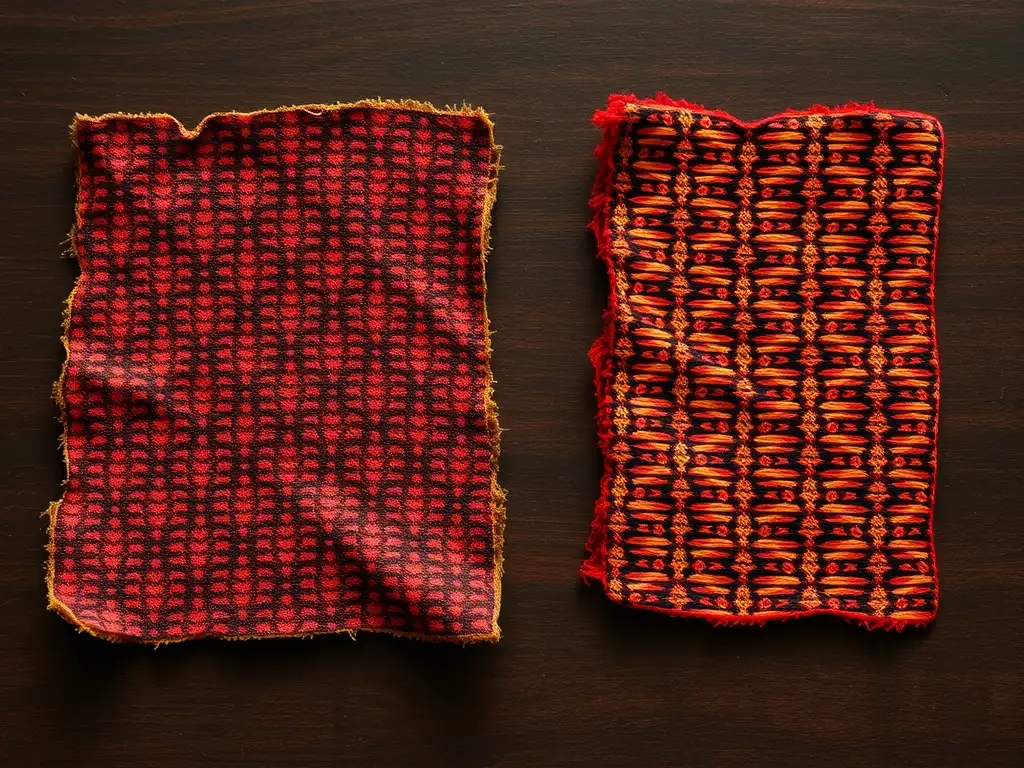
Authentic Andean textiles represent a remarkable fusion of artistry, cultural heritage, and technical skill developed over millennia. Distinguishing genuine pieces from modern imitations requires a keen eye for detail and an understanding of traditional Andean textile production methods. This section will highlight several key indicators that can help you identify potential fakes and ensure you're acquiring authentic Andean textiles.
Common Materials in Counterfeit Andean Textiles
Many counterfeit Andean textiles utilize materials inconsistent with traditional practices. Identifying these discrepancies is crucial in verifying authenticity.
Synthetic Fibers: A Modern Invention
Authentic Andean textiles predominantly used natural fibers such as alpaca, llama, vicuña, cotton, and occasionally, camelid blends. The presence of synthetic fibers like nylon, polyester, or acrylic is a major red flag, indicating a modern fabrication. These fibers were simply unavailable to ancient Andean artisans. A simple burn test (though potentially damaging) can help distinguish natural from synthetic fibers—natural fibers will smell like burning hair or leaves, while synthetics often have a plastic-like odor and melt rather than burn completely. Always prioritize professional appraisal for valuable pieces.
Chemical Dyes: Bright and Unnatural Colors
The vibrant colors in authentic Andean textiles often result from natural dyes derived from plants, insects, and minerals. These dyes tend to be more muted and subtle, exhibiting a certain depth and complexity that is difficult to replicate with modern chemical dyes. Counterfeit textiles frequently display extremely bright, saturated colors that are unnatural and lack the nuanced variations seen in genuine pieces.
Look for overly uniform coloration as another warning sign. The use of vibrant, unnatural pinks, blues, or greens should raise suspicion. The fading and weathering of natural dyes also contributes to a unique patina over time, which is often absent in fakes.
Inconsistencies in Weaving Patterns
The intricate weaving techniques employed by Andean artisans are a hallmark of their craftsmanship. Analyzing the weaving itself can reveal crucial clues about authenticity.
Machine-Made vs. Hand-Woven Differences
Hand-woven textiles display irregularities and slight imperfections inherent in the human process. These are characteristics that add to their charm and authenticity. Machine-made imitations, on the other hand, exhibit a uniformity and precision impossible to achieve by hand. Examine the weave closely; look for inconsistencies in tension, slight variations in thread spacing, and the occasional dropped stitch—all telltale signs of hand-weaving. A perfectly uniform weave, especially in complex patterns, is a strong indicator of a machine-made replica.
Repetitive and Uncharacteristic Motifs
Authentic Andean textiles often feature complex and symbolic motifs unique to specific regions and time periods. Counterfeit pieces frequently utilize repetitive, simplified, or anachronistic patterns that lack the nuanced detail and cultural significance found in genuine articles. While some simpler patterns existed, the repetition of the same motif across large areas of fabric without variation should be a warning signal.
Researching typical motifs associated with particular Andean cultures and time periods is essential for discerning authenticity. Consider consulting reputable resources and expert opinions to enhance your knowledge of authentic Andean textile design. The depth and richness of the symbolism in genuine pieces often surpass the simplistic designs of counterfeits.
Examining the Condition and Age of the Textile
Authentic Andean textiles, having survived centuries, often bear the marks of time and use. Understanding these signs of age is crucial in distinguishing them from modern forgeries. Genuine pieces will show evidence of natural degradation, reflecting the passage of time and exposure to the elements. This isn't to say the textile should be falling apart; rather, it suggests a history of use and exposure.
The colors may be faded, the fibers weakened, and there might be small, consistent holes or repairs using materials consistent with the era of origin. These imperfections tell a story, a narrative of the textile's journey through time, and are hallmarks of authenticity. The presence of these natural signs of aging is a key indicator that you are dealing with an authentic, rather than a newly manufactured, piece. Conversely, a textile that appears too pristine or perfectly preserved should raise immediate suspicion.
Signs of Wear and Tear in Genuine Ancient Textiles
Genuine ancient Andean textiles rarely appear pristine. Consider the harsh Andean environment: exposure to sun, wind, rain, and even animal life. These elements leave their mark, resulting in subtle—and sometimes not-so-subtle—signs of wear and tear. Look for:
- Fraying edges: The edges of authentic textiles often show fraying, consistent with the natural degradation of fibers over time.
- Patchwork repairs: Holes and tears are often repaired using similar materials from the same period. These repairs are typically not perfect and add to the textile's history. Note that the repair materials should be consistent with the age and style of the main textile.
- Color fading: The colors may be faded and uneven, reflecting years of exposure to sunlight. This fading will often be subtle and consistent with the natural aging process.
- Insect damage: Small holes or damage caused by insects is common in older textiles. Again, these should be consistent with natural degradation.
- Imperfect weaving: While Andean weavers were incredibly skilled, imperfections are inevitable in hand-woven textiles. These minor inconsistencies are a sign of handcraftsmanship, not a flaw.
The presence of these signs, in combination, strongly suggests authenticity. A lack of any wear and tear is a major red flag.
Unnaturally Preserved Fakes: Suspiciously New Appearance
Conversely, a textile that appears remarkably well-preserved, almost too good to be true, should trigger immediate suspicion. While some textiles might have been exceptionally well-protected, a suspiciously new appearance, lacking any visible signs of age or wear, is a hallmark of a fake. This is particularly true if the colors are vibrant and the fibers are strong and unworn.
Authentic Andean textiles, especially those that have been exposed to the elements, will invariably show some degree of deterioration. The absence of such deterioration is a significant indicator that the textile is a recent creation, designed to mimic the appearance of an ancient piece. Pay close attention to the overall condition and compare it to what you know about the typical wear and tear found in authentic textiles of a similar age and origin.
Remember, the passage of time leaves its mark; a lack of such marks is often a deceptive attempt to pass off a fake as genuine. The absence of any visible signs of wear and tear or insect damage is a clear sign that you should be wary.
Detailed Analysis: Distinguishing Authentic Andean Textiles from Fakes
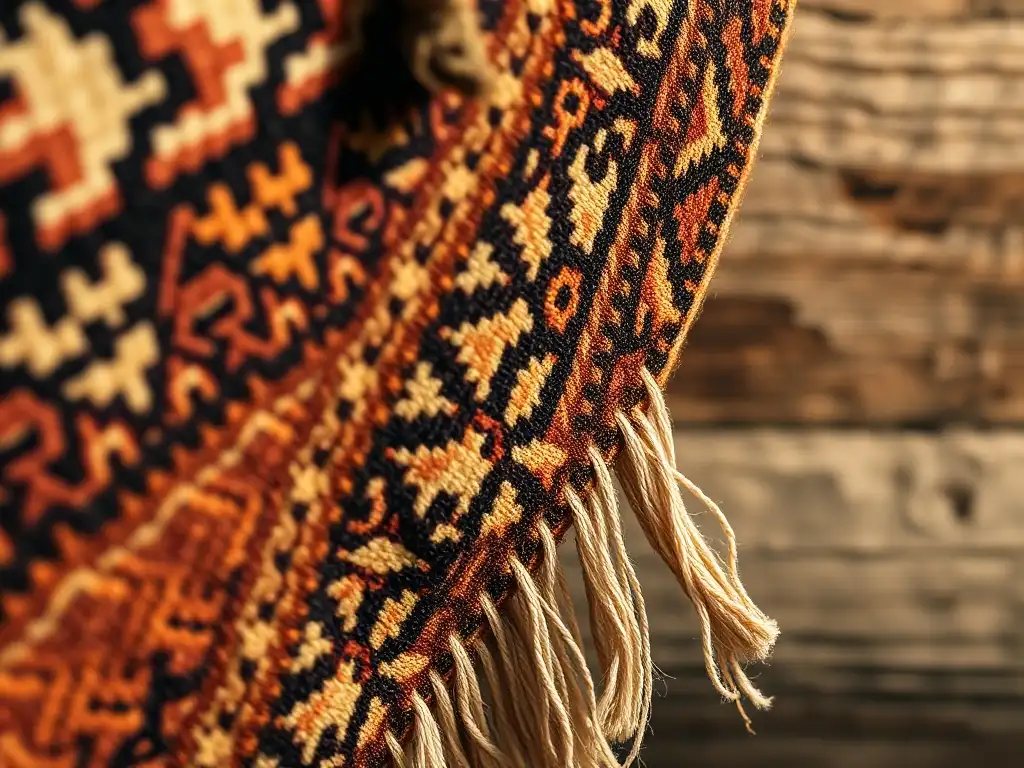
This section delves into the scientific methods used to authenticate ancient Andean textiles, providing crucial insights for collectors and researchers alike. Understanding the intricacies of fiber analysis, dye composition, and dating techniques is paramount in identifying genuine authentic Andean textiles from expertly crafted imitations. The market for these artifacts is unfortunately rife with forgeries, making rigorous authentication essential.
Microscopic Examination of Fibers and Dyes
Microscopic analysis is a fundamental first step in verifying the authenticity of Andean textiles. This non-destructive technique allows experts to closely examine the fibers and dyes, revealing crucial details about their origin and age.
Identifying Natural vs. Synthetic Fibers
Ancient Andean textiles were predominantly crafted using natural fibers such as alpaca, llama, vicuña, and cotton. Microscopic examination can readily distinguish these natural fibers from synthetic counterparts. Natural fibers exhibit unique structural characteristics, including variations in diameter, surface texture, and the presence of scales or nodes. For example, alpaca fibers are typically finer and softer than llama fibers, a difference readily apparent under magnification.
Synthetic fibers, on the other hand, possess a uniform, smooth structure lacking the natural irregularities found in animal or plant-based materials. Identifying synthetic fibers is a strong indicator of a forgery. A skilled textile examiner can easily differentiate between the characteristic crimp of alpaca wool and the smooth, consistent structure of nylon or acrylic.
Analyzing the Composition of Dyes
The dyes used in ancient Andean textiles were derived from natural sources, including plants, insects, and minerals. Microscopic analysis can reveal the presence of specific pigments, providing valuable clues about the textile's origin and age. For instance, the vibrant reds often found in Inca textiles were derived from cochineal insects, while yellows were frequently obtained from various plant sources.
The microscopic examination of the dyes can pinpoint the presence of these natural pigments, distinguishing them from modern synthetic dyes. Furthermore, the application techniques—like resist dyeing or ikat—can be studied microscopically to assess their consistency with traditional Andean methods. The degradation patterns of natural dyes over time also provide valuable clues to the age of the textile.
Radiocarbon Dating and Other Scientific Methods
While microscopic analysis provides valuable information about the fibers and dyes, radiocarbon dating offers a powerful method for determining the age of the textile itself. This is crucial in verifying the authenticity of pieces claimed to be from specific periods.
How Radiocarbon Dating Confirms the Age of Textiles
Radiocarbon dating measures the amount of carbon-14 remaining in organic materials, such as the fibers of the textile. By comparing the carbon-14 level to known decay rates, scientists can estimate the age of the sample with a degree of accuracy. This technique is particularly valuable for authenticating textiles claimed to be from pre-Columbian periods. However, it's important to note that radiocarbon dating requires a sample of the textile's fibers, which might slightly damage the artifact.
Therefore, this method is usually employed only when other non-destructive methods have already pointed towards the possibility of authenticity. The results provide a crucial chronological context, helping to eliminate modern forgeries. A date significantly outside the expected timeframe for a particular Andean culture would cast serious doubt on its authenticity.
Other Scientific Tests for Authenticity
Beyond radiocarbon dating, other scientific tests can contribute to the authentication process. These include:
- Fiber analysis using techniques like gas chromatography-mass spectrometry (GC-MS): This allows for precise identification of the fiber's chemical composition.
- Pigment analysis using techniques like X-ray fluorescence (XRF) and X-ray diffraction (XRD): These methods can identify the specific minerals and organic compounds used in the dyes.
- Textile structure analysis: Examining the weave structure, spinning techniques, and overall construction can reveal characteristic patterns associated with specific Andean cultures and time periods. The complexity of the weave, the type of knots used, and the presence of specific design elements can all contribute to the assessment of authenticity. For example, the intricate tapestry weaving of the Paracas culture is distinctly different from the simpler techniques used by later groups.
The combination of these microscopic and scientific methods provides a robust approach to distinguishing authentic Andean textiles from modern imitations, ensuring the preservation of the rich cultural heritage of the Andes. The careful and meticulous application of these techniques is crucial in the fight against the proliferation of forgeries in the art market. 🕵️♀️
Provenance and Documentation: Establishing the Textile's History
Understanding the history of an Andean textile is crucial in determining its authenticity. A genuine piece will ideally have a clear and traceable history, documenting its journey from creation to the present day. This historical trail, known as provenance, acts as a powerful tool in verifying authenticity and combating the trade in fake Andean textiles. The absence of such a record should raise significant red flags.
Collectors and researchers should always seek detailed information regarding the textile's origin, previous owners, and any relevant historical events associated with it. This information is often crucial in determining the cultural context of the textile, which can be used to further verify its authenticity. Without a clear understanding of the textile's journey, it is far more likely to be a forgery, especially given the increasing sophistication of modern techniques used to replicate ancient Andean textiles. The more detailed the provenance, the more confident one can be in the textile's authenticity.
For example, a well-documented textile might include records from reputable museums, private collections, or archaeological digs. These records provide a chronological narrative, linking the textile to specific times, places, and people, thus greatly enhancing its credibility. The lack of such documentation, conversely, should be a major cause for concern.
The Importance of a Chain of Provenance
A robust chain of provenance is paramount. This isn't merely about having some documentation; it's about having a continuous, unbroken record tracing the textile's ownership and location over time. Gaps in this chain immediately weaken the claim of authenticity.
Imagine a textile purportedly from the Inca period: if its documented history only begins in the 1980s with a private collector, with no prior record of its existence, significant doubts arise. A strong provenance, on the other hand, might include details such as its discovery during a legitimate archaeological excavation, its subsequent acquisition by a recognized museum, and its eventual transfer to a reputable private collection, each step meticulously documented with photographic evidence and expert appraisal. This continuous chain of custody provides a strong argument for authenticity, minimizing the opportunity for substitution or fabrication.
Even seemingly minor details, such as detailed descriptions of the textile's condition at each stage of its documented history, are valuable. These details can help to identify inconsistencies or signs of tampering that might indicate a forgery. The more complete and transparent the chain of provenance, the more confidence one can have in the authenticity of the Andean textile.
Recognizing Authentic Certification and Documentation
Authentic Andean textiles often come with certificates of authenticity issued by reputable institutions or experts. However, it's essential to be discerning. Not all certificates are created equal. A certificate from a respected museum, university, or a recognized expert in Andean textiles carries far more weight than one from an unknown source. Look for certificates that provide detailed information about the textile, including its stylistic features, materials used, and its provenance.
A reputable certificate will often include high-resolution images, scientific analyses (such as fiber analysis or dye testing), and detailed comparisons to other known authentic textiles. Be wary of certificates that lack specific details or that make sweeping claims without supporting evidence. Furthermore, the institution or expert issuing the certificate should be easily verifiable. Their reputation and expertise in Andean textiles should be readily confirmed through independent research. Scrutinize the certificate carefully for any inconsistencies or signs of fabrication.
An authentic certificate should be a comprehensive and transparent document, not just a simple statement of authenticity. Always cross-reference the information provided in the certificate with your own research to ensure its accuracy and reliability. Remember, even a certificate can be forged, so critical evaluation remains paramount. The presence of a seemingly authentic certificate should not be the sole basis for determining the authenticity of an Andean textile; it should be considered one piece of evidence within a broader assessment.
Case Studies: Examples of Authentic and Fake Andean Textiles
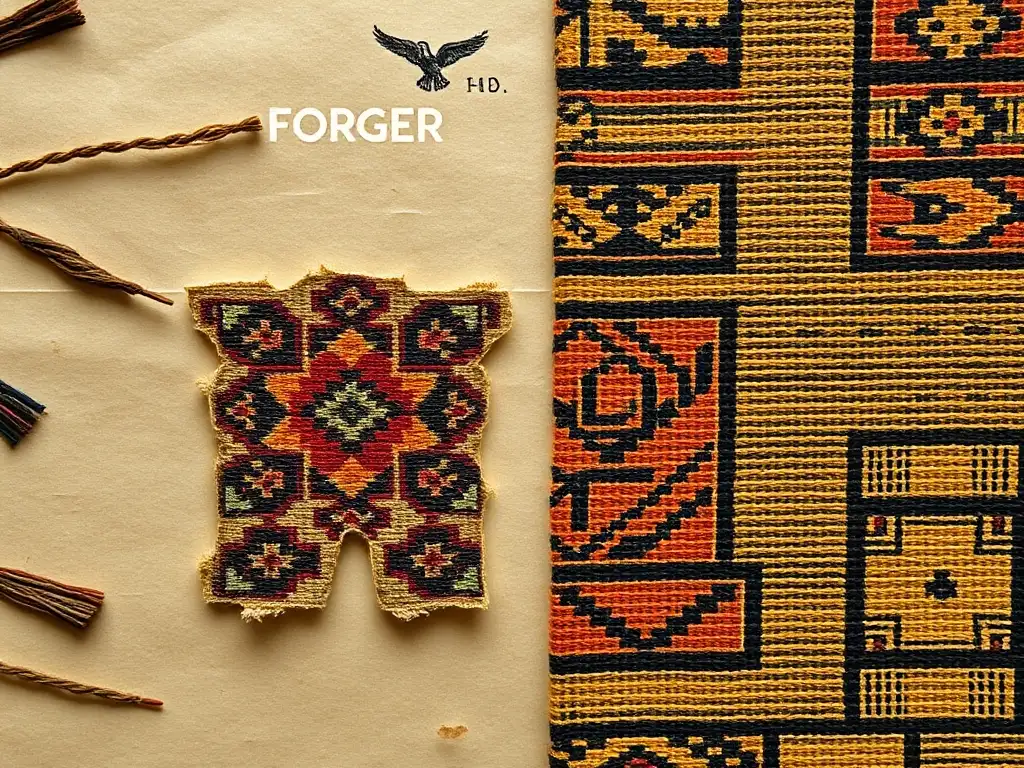
This section delves into specific examples of both authentic and counterfeit Andean textiles, highlighting key characteristics that distinguish genuine artifacts from fraudulent imitations. Understanding these differences is crucial for collectors, researchers, and anyone interested in acquiring or appreciating authentic Andean textiles. We'll analyze the construction, materials, and historical context to provide a practical guide for identification.
Case Study 1: An Authentic Paracas Mantle
Detailed Analysis of its Characteristics
This Paracas mantle, dating back to approximately 200 BCE – 200 CE, showcases the exceptional textile artistry of the Paracas culture. Its vibrant colors, intricate designs, and masterful weaving techniques are hallmarks of authenticity. The mantle is predominantly composed of fine camelid fibers (likely alpaca or llama), exhibiting a remarkable softness and evenness of thread.
The colors, achieved through natural dyes derived from plants and minerals, display a subtle depth and variation not easily replicated. Microscopic analysis reveals a complex tapestry weave, with individual threads meticulously interwoven to create detailed, layered patterns. These patterns frequently incorporate stylized figures, geometric motifs, and symbolic representations of their worldview, demonstrating a sophisticated understanding of design and narrative.
The mantle’s overall condition, despite its age, reveals careful preservation techniques employed by the Paracas people, contributing to its remarkable survival. Furthermore, the presence of subtle variations in color and weave within the design itself adds to its authenticity. Mass-produced fakes often lack this nuanced complexity.
Provenance and Historical Context
The provenance of this particular Paracas mantle is well-documented, tracing its acquisition back to a reputable archaeological excavation in the Paracas Necropolis in Peru. This detailed provenance record, including photographic documentation from the dig site and subsequent museum records, strengthens its authenticity. The stylistic features of the mantle align perfectly with the established chronological and stylistic parameters of Paracas textiles. The motifs and patterns are consistent with those found in other well-authenticated Paracas artifacts, further confirming its origin and age.
The use of specific color palettes and iconographic elements—for instance, the depiction of stylized feline figures and geometric designs—places it firmly within the known artistic repertoire of the Paracas culture. This contextual evidence, combined with the physical characteristics of the textile, makes a strong case for its authenticity. The detailed documentation and established provenance offer robust verification, distinguishing it from pieces lacking a clear history.
Case Study 2: A Counterfeit Nazca Poncho
Identifying Red Flags in its Construction
This purported Nazca poncho presents several immediate red flags that indicate its fraudulent nature. The most obvious is the uniformity of the weave and the unnatural vibrancy of the colors. Unlike authentic Nazca textiles, which often exhibit variations in color intensity and weave tightness, this poncho displays a strikingly even and artificial appearance.
The colors are excessively bright and saturated, a characteristic not found in natural dyes commonly used by the Nazca people. Furthermore, the patterns, while attempting to mimic Nazca stylistic conventions, lack the spontaneity and subtle imperfections found in genuine artifacts. The designs are too precisely repeated, suggesting mechanical reproduction rather than hand-weaving.
A closer examination reveals the use of synthetic fibers, clearly not consistent with the camelid fibers traditionally used by the Nazca. The overall feel of the fabric is stiff and unnatural, lacking the softness and drape associated with authentic ancient textiles. These discrepancies strongly suggest a recent manufacture rather than an ancient origin.
The Origin of the Fake and its Market
While the precise origin of this counterfeit Nazca poncho remains undetermined, its characteristics suggest it was likely produced in a modern workshop aiming to capitalize on the high demand for authentic Andean textiles in the art market. The low quality of materials and craftsmanship betrays its artificial nature. Such forgeries often flood the market, posing a significant challenge for collectors and researchers. The ease of replication, coupled with the high price commanded by authentic pieces, makes the production of counterfeits a lucrative but unethical enterprise.
The lack of provenance further underscores the fraudulent nature of this poncho. Without a verifiable chain of custody tracing its origin back to a legitimate archaeological context, the piece remains irrevocably suspect. This example serves as a cautionary tale, highlighting the importance of careful examination and due diligence when dealing with Andean textiles, particularly those offered without proper documentation.
Protecting Andean Cultural Heritage
This section focuses on the crucial role of ethical practices in preserving the integrity and value of authentic Andean textiles. The flourishing market for these artifacts necessitates a strong commitment to responsible acquisition and a concerted effort to combat the illegal trade in fakes. Protecting Andean cultural heritage isn't just about preserving beautiful textiles; it's about respecting the history, traditions, and artistry of the Andean civilizations. The demand for authentic Andean textiles fuels a complex ecosystem, and understanding its intricacies is crucial for safeguarding this invaluable legacy.
The Importance of Ethical Acquisition of Andean Textiles
The acquisition of Andean textiles should always prioritize ethical considerations. Purchasing from reputable sources is paramount. This means verifying the provenance of the textile – tracing its history and ownership – to ensure it wasn't looted or illegally obtained.
Many authentic pieces possess detailed documentation outlining their discovery location, previous owners, and any relevant historical context. This documentation provides crucial evidence of legitimacy and contributes to the ongoing efforts to catalog and understand Andean textile production. Without this information, a textile might be visually stunning but lack the critical historical backing that confirms its authenticity.
Sadly, many fake Andean textiles lack this crucial documentation, making provenance a key indicator of authenticity. This process helps ensure that the purchase doesn't inadvertently support illicit activities and contributes to the preservation of Andean cultural heritage. It is also important to support the local communities and artisans who continue the traditions of textile production today, ensuring the sustainability of these valuable skills.
Supporting Responsible Dealers and Institutions
Identifying and supporting responsible dealers and institutions is a crucial step in acquiring authentic Andean textiles. Reputable dealers often maintain meticulous records, provide detailed provenance information, and are transparent about the origins of their pieces. They actively participate in efforts to protect cultural heritage and are generally affiliated with relevant academic or archaeological organizations. Likewise, museums and recognized cultural institutions often authenticate and exhibit Andean textiles, offering a trusted source for research and appreciation.
Their collections are usually meticulously documented, and their acquisition policies typically prioritize ethical sourcing and the preservation of cultural heritage. By supporting these organizations, you contribute to the ongoing preservation and study of these invaluable artifacts, promoting the appreciation of authentic Andean textiles while simultaneously discouraging the illegal trade. Before purchasing, research the dealer's reputation, look for evidence of their commitment to ethical practices, and verify any accompanying documentation.
Combating the Trade in Fake Andean Artifacts
The illegal trade in fake Andean artifacts poses a significant threat to the preservation of cultural heritage. These forgeries often lack the quality of materials, craftsmanship, and historical context found in genuine pieces. They often employ modern dyes and techniques easily detectable by experienced collectors and textile experts.
The creation and sale of these forgeries not only devalues authentic pieces but also undermines the efforts to protect and preserve the tangible legacy of Andean civilizations. Combating this trade requires a multi-pronged approach, including increased awareness among buyers, stricter regulations on the import and export of antiquities, and enhanced collaboration between law enforcement agencies and cultural heritage organizations. Education plays a critical role; understanding the telltale signs of a forgery—such as inconsistent weaving techniques, anachronistic dyes, or a lack of provenance—empowers buyers to make informed decisions.
Furthermore, reporting suspicious activity to the appropriate authorities is vital in dismantling the networks involved in this illegal activity. The fight against fake authentic Andean textiles is an ongoing battle requiring continuous vigilance and collaborative efforts.
Frequently Asked Questions
How can I tell if an Andean textile is authentic?
Authenticity is determined by several factors including provenance, materials, weaving techniques, and style. Look for consistent age indicators and reputable sellers with verifiable provenance records. A qualified expert's appraisal is recommended.
What materials were traditionally used in Andean textiles?
Ancient Andean textiles primarily used alpaca, llama, vicuña, and cotton. The specific fibers and their blends varied depending on the region and time period. Natural dyes from plants and minerals were also commonly used.
What are some common characteristics of authentic ancient Andean textiles?
Intricate weaving techniques, such as double-faced weaving or complex patterns, often indicate age and craftsmanship. Look for unique designs and symbolic motifs associated with specific Andean cultures. The presence of natural dyes is a strong indicator.
Where can I find authentic Andean textiles for sale?
Reputable museums, art galleries specializing in pre-Columbian artifacts, and registered antique dealers are better options than online marketplaces. Always request provenance documentation and seek expert advice before purchasing.
Why are authentic Andean textiles so valuable?
Their value stems from their age, rarity, historical significance, and the exceptional craftsmanship involved in their creation. They represent a unique and irreplaceable aspect of Andean cultural heritage and artistic skill. High-quality, authentic pieces are extremely rare.
Final Reflection: Weaving a Legacy of Authenticity
The global market for Andean textiles is booming, but with this surge in demand comes a surge in counterfeits. Distinguishing genuine ancient pieces from expertly crafted imitations requires a keen eye and a deep understanding of the cultural heritage embedded within each thread. This knowledge is not merely academic; it's crucial for preserving the integrity of a rich artistic tradition and protecting the communities who continue to practice these ancient weaving techniques.
The enduring power of Andean textiles lies not just in their vibrant colors and intricate designs, but in the stories they tell – stories of resilience, adaptation, and cultural continuity across millennia. The threads themselves are a living archive, whispering tales of ancestors and echoing the rhythms of the Andes.
Understanding the techniques, materials, and symbolism woven into these pieces allows us to connect with this rich history and appreciate the artistry involved in their creation. This appreciation, in turn, fuels the fight against the unethical practices of forgery and the exploitation of cultural heritage for profit.
Now, consider your own relationship with art and authenticity. How can you, as an individual, contribute to the preservation of cultural heritage? By educating yourself, supporting ethical sourcing, and demanding transparency from vendors, you become an active participant in protecting the legacy of Andean textiles. Let the vibrant colors and intricate designs inspire you to become a conscious consumer, ensuring that the stories woven into these magnificent pieces continue to resonate for generations to come.
Unveil the Beauty of Authentic Andean Textiles!
Thank you for exploring the fascinating world of Andean textiles with us! Learning to identify authentic ancient pieces is a crucial step in preserving cultural heritage and supporting the artisans who create them. Now, let's put your knowledge to good use!
Here are some powerful ways you can delve deeper into this vibrant culture:
- **Begin by researching local artisans** who create authentic Andean textiles. Buying directly from them ensures your purchase supports traditional crafting techniques and the communities that depend on them.
- Share your newfound knowledge with friends and family by **hosting a gathering** to showcase authentic pieces and discuss their cultural significance. This is a wonderful way to educate others and celebrate the artistry.
- Join online forums or social media groups dedicated to Andean art and textiles to **connect with other enthusiasts**. Sharing insights on authenticity and quality with others fosters a strong sense of community and appreciation.
What unique story will your next Andean textile tell? Share your thoughts below!