
The Bird's Flight: Avian Imagery in Ancient Andean Metal Art

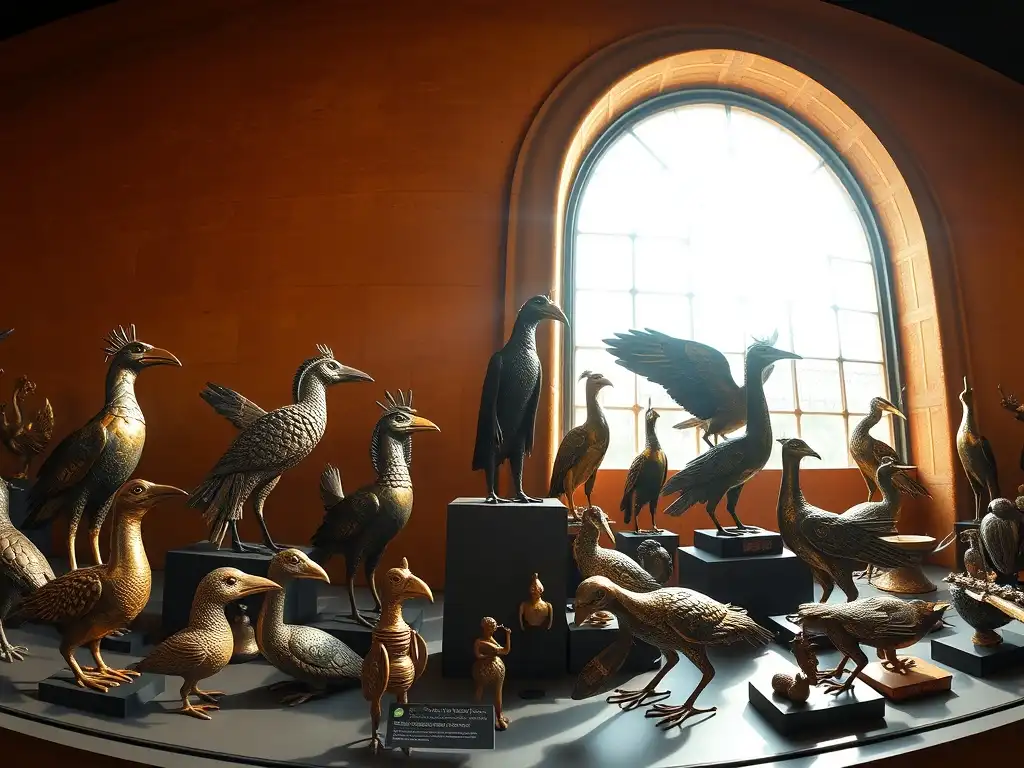
Prepare for a journey through time, where the echoes of ancient Andean ingenuity still resonate. Dive into a world of breathtaking artistry and unravel the mysteries surrounding the Andean civilizations. What secrets do the intricate details of Andean metalwork bird imagery hold? Discover the captivating symbolism and masterful craftsmanship behind these remarkable avian creations, and explore the fascinating story of their enduring legacy in our exploration of Andean Art and Iconography. Let the flight begin!
The soaring condors, the swift hummingbirds, the majestic eagles – avian imagery holds a prominent place in the rich tapestry of ancient Andean art. This article delves into the fascinating world of Andean metalwork, specifically exploring the diverse representations of birds found in artifacts from various pre-Columbian cultures. From the intricate goldwork of the Moche to the subtly detailed silver pieces of the Inca, birds served as powerful symbols, reflecting religious beliefs, social structures, and the close relationship these civilizations had with their environment.
We will examine the techniques employed, the symbolic meanings attributed to different bird species, and the significance of these avian motifs within the broader context of Andean metalworking traditions. Understanding the prevalence and variety of bird imagery in Andean metal art offers a unique lens through which to interpret the beliefs, values, and artistic achievements of these remarkable ancient societies.
This exploration will reveal the intricate artistry and profound symbolism embedded within these captivating objects, providing a deeper appreciation for the sophisticated metalworking techniques and the rich cultural narratives they convey. Prepare to take flight on a journey through time, exploring the artistry and symbolism of avian representations in ancient Andean metalwork.
The Moche and their Avian Deities
The Moche civilization (c. 100-800 CE) of northern Peru is renowned for its exceptional metalworking skills. Their artisans crafted intricate gold and silver objects, often depicting stylized birds with exaggerated features. These avian figures frequently appear in association with other mythological creatures and deities, suggesting a significant role in their religious beliefs.
The precise meaning of these bird depictions is still debated by scholars, but many believe they represent powerful spirits, shamans, or even deities themselves. Examples include intricately crafted gold pendants depicting birds in flight, their wings outstretched in dynamic poses. These pieces showcase the Moche's mastery of lost-wax casting, a sophisticated technique that allowed them to create highly detailed and realistic representations.
Furthermore, the use of precious metals like gold, associated with the sun and power, further emphasizes the importance of these avian figures within their culture. Analysis of the metallurgical composition of these artifacts reveals sophisticated knowledge of alloying techniques, contributing to the durability and aesthetic appeal of the metalwork.
Nazca's Flight of Fancy: Birds in Gold and Copper
The Nazca culture (c. 100 BCE – 800 CE), also from coastal Peru, also produced notable metalwork, although often on a smaller scale than the Moche. Their avian imagery, frequently found in small gold and copper ornaments, demonstrates a different artistic style. While the Moche favored dynamic representations, the Nazca often portrayed birds in more static poses, emphasizing intricate detail and delicate linework. These smaller pieces, often used as pendants or adornments, may have held personal significance, possibly representing individual totems or spiritual protectors.
The use of both gold and copper alloys suggests a symbolic understanding of different metals and their properties. The relative scarcity of large-scale avian representations in Nazca metalwork compared to the Moche suggests potential differences in their cultural emphasis on avian symbolism. Further research into the context of discovery of these artifacts and their associated grave goods could shed further light on their specific meanings.
The Inca Empire (c. 1438-1533 CE) inherited and adapted many artistic traditions from earlier Andean cultures, including the depiction of birds in metalwork. However, Inca avian imagery often carries a distinctly imperial connotation. Birds, particularly eagles and condors, frequently appear on ceremonial objects, representing the power and authority of the Sapa Inca (emperor) and the state.
The use of silver, a metal associated with wealth and prestige, further reinforces this connection to imperial power. These objects, often larger and more elaborate than those from earlier periods, were likely used in religious rituals or to adorn important figures. The Inca also employed a wider range of techniques, including hammering, repoussé, and gilding, to create highly polished and visually stunning pieces.
The stylistic consistency across the vast Inca empire suggests a centralized control over artistic production and the symbolic use of avian imagery. Detailed iconographic studies are necessary to fully understand the nuanced meanings attached to specific bird species within the Inca context.
Beyond the Obvious: Interpreting the Symbolism
The symbolic meanings attributed to birds in Andean metalwork are complex and multifaceted. Different bird species likely held different connotations, influenced by their natural behaviors and cultural associations. For example, the condor, with its majestic flight and association with high altitudes, may have symbolized power, strength, and connection to the divine. Smaller birds, like hummingbirds, might have represented agility, grace, or even the spiritual world.
Further research into Andean mythology and religious practices is crucial to fully decipher the intricate symbolism embedded within these avian representations. Careful analysis of the context of discovery, associated artifacts, and the stylistic choices made by the artisans provides essential clues to unlocking the deeper meaning of these captivating pieces. A comparative study across different Andean cultures could also reveal the evolution and transformation of these avian motifs over time.
This initial exploration only scratches the surface of the rich and varied world of avian imagery in Andean metal art. Further research and analysis are needed to fully appreciate the complexity and significance of this fascinating aspect of Andean culture. The intricate artistry and profound symbolism embedded within these objects offer a powerful testament to the creativity, ingenuity, and spiritual beliefs of these remarkable ancient civilizations.
- The Moche and their Avian Deities
- Nazca's Flight of Fancy: Birds in Gold and Copper
- Inca Imperial Birds: Symbols of Power and Authority
- Beyond the Obvious: Interpreting the Symbolism
- What is the significance of birds in Andean metalwork?
- Which Andean cultures are known for their bird-themed metalwork?
- What techniques did Andean artisans use to create bird imagery in metal?
- What materials were commonly used in Andean bird-themed metalwork?
- Where can I see examples of Andean metalwork with bird imagery?
The Significance of Birds in Andean Culture
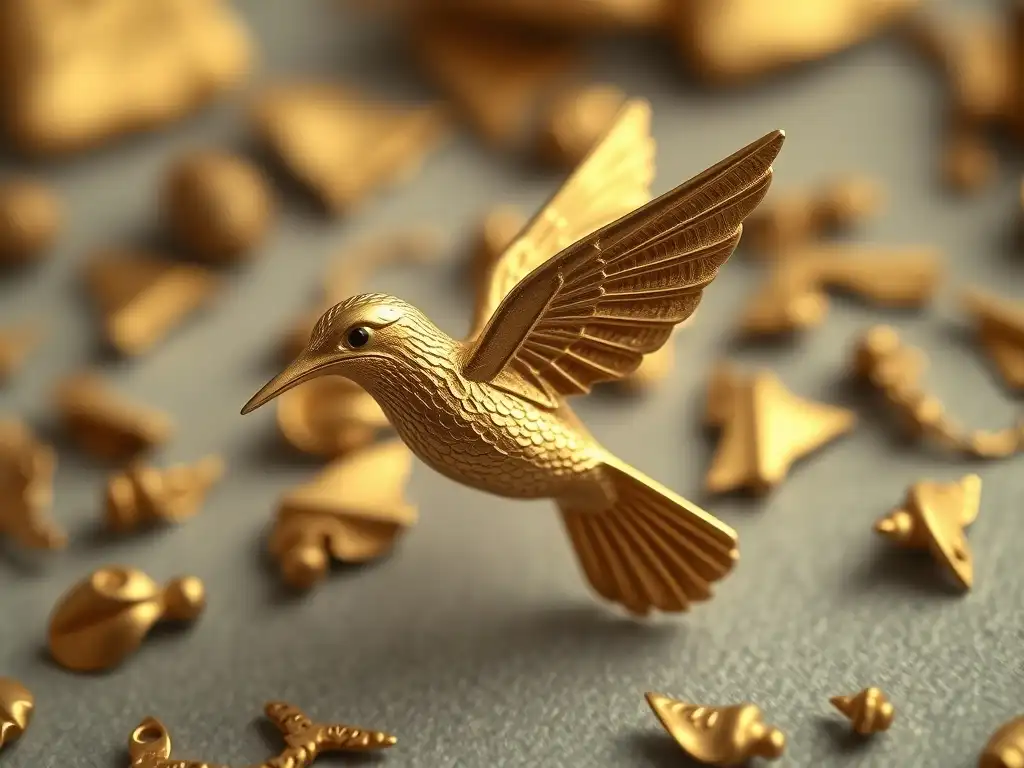
The presence of avian imagery in Andean metalwork is not merely decorative; it reflects deeply ingrained beliefs and cosmological perspectives. Birds held profound symbolic significance across various Andean cultures, representing a complex interplay of power, spirituality, and the interconnectedness of the cosmos. Understanding this significance is crucial to interpreting the rich tapestry of Andean metal art, particularly the prevalence of bird motifs in artifacts ranging from small figurines to elaborate ceremonial objects.
The meticulous craftsmanship involved in these pieces underscores the importance attributed to these avian representations. The detailed rendering of feathers, beaks, and postures speaks volumes about the artists' skill and the reverence they held for the subjects they depicted.
This section will delve into the specific ways birds were perceived and represented in ancient Andean belief systems, exploring their multifaceted symbolic roles. Analyzing the stylistic variations across different cultures further illuminates the enduring importance of avian imagery within the Andean worldview.
Birds as Intermediaries Between Worlds in Ancient Andean Beliefs
Ancient Andean cultures viewed birds as powerful intermediaries between the terrestrial and celestial realms. Their ability to traverse both worlds effortlessly made them potent symbols of communication and connection. Many Andean myths depict birds as messengers of the gods, carrying prayers and offerings to the supernatural realm.
This belief is reflected in the frequent depiction of birds in association with deities or shamanistic figures in metalwork. For example, condors, with their majestic presence and ability to soar to incredible heights, were often associated with the sun god, Inti, and represented the power and majesty of the celestial sphere. Smaller birds, such as hummingbirds, were associated with fertility and the earthly realm, their vibrant colors and rapid movements symbolizing the life-giving energy of nature.
The use of precious metals like gold and silver to craft these avian representations further reinforced their sacred status, highlighting the value placed on their mediating role. The meticulous detail in the bird's depiction, often including intricate feather patterns and realistic poses, suggests a deep understanding of the bird's importance within the Andean spiritual framework. The artisans' skill in replicating these details served to enhance the symbolic power of the artifacts.
The Symbolic Power of Flight and Transformation in Andean Cosmology
The ability of birds to fly held immense symbolic power within Andean cosmology. Flight was seen as a metaphor for transformation, ascension, and the transcendence of earthly limitations. Birds represented the potential for spiritual growth and the journey towards a higher state of being.
This concept is evident in the numerous depictions of birds in Andean metalwork, often portrayed in dynamic poses, wings outstretched, conveying a sense of movement and liberation. The act of crafting these metal birds, meticulously shaping and polishing the material to achieve a lifelike representation, mirrored the transformative process of spiritual ascension. The choice of materials themselves – the shimmering gold, the cool gleam of silver – added to the symbolic weight, reflecting the preciousness and inherent value of the transformative journey.
Furthermore, certain bird species were associated with specific deities or mythological narratives, adding layers of meaning to their representation in metalwork. [Specific examples of bird species and associated deities pending]. This detailed attention to symbolism and craftsmanship reveals the deep spiritual significance of flight within the Andean worldview, emphasizing its central role in shaping their artistic expression.
Avian Motifs Across Moche, Chimú, and Inca Cultures
Avian motifs appear consistently across different Andean cultures, albeit with variations in style and specific symbolism. The Moche, known for their sophisticated metalworking techniques, often depicted birds in naturalistic detail, highlighting their anatomical features with remarkable accuracy. Their metal birds frequently appear in scenes of ritual sacrifice or shamanistic practices, underscoring the birds' connection to the supernatural. The Chimú, who succeeded the Moche, adopted and adapted many of their artistic conventions, but their avian representations often exhibit a more stylized and geometric approach.
Their metalwork frequently integrates birds into complex compositions, emphasizing their role within a larger cosmological narrative. The Inca, with their vast empire and distinct artistic style, also incorporated avian imagery into their metalwork, but their representations often tended towards a more formalized and less naturalistic style than that of the Moche. The Inca's use of gold to create these avian images emphasized the sun god, Inti, and the celestial realm.
Analyzing the stylistic differences across these cultures provides valuable insights into the evolution of avian symbolism and the diverse ways in which different Andean groups expressed their beliefs and cosmological perspectives through metal art. A comparative study of Andean metalwork bird imagery reveals a rich and complex tapestry of beliefs, highlighting the enduring importance of avian symbolism across time and space within the Andean world. The continuity of the motif, despite stylistic variations, suggests a shared understanding of birds' spiritual significance across diverse Andean communities.
Andean Metalwork Bird Imagery: A Visual Exploration
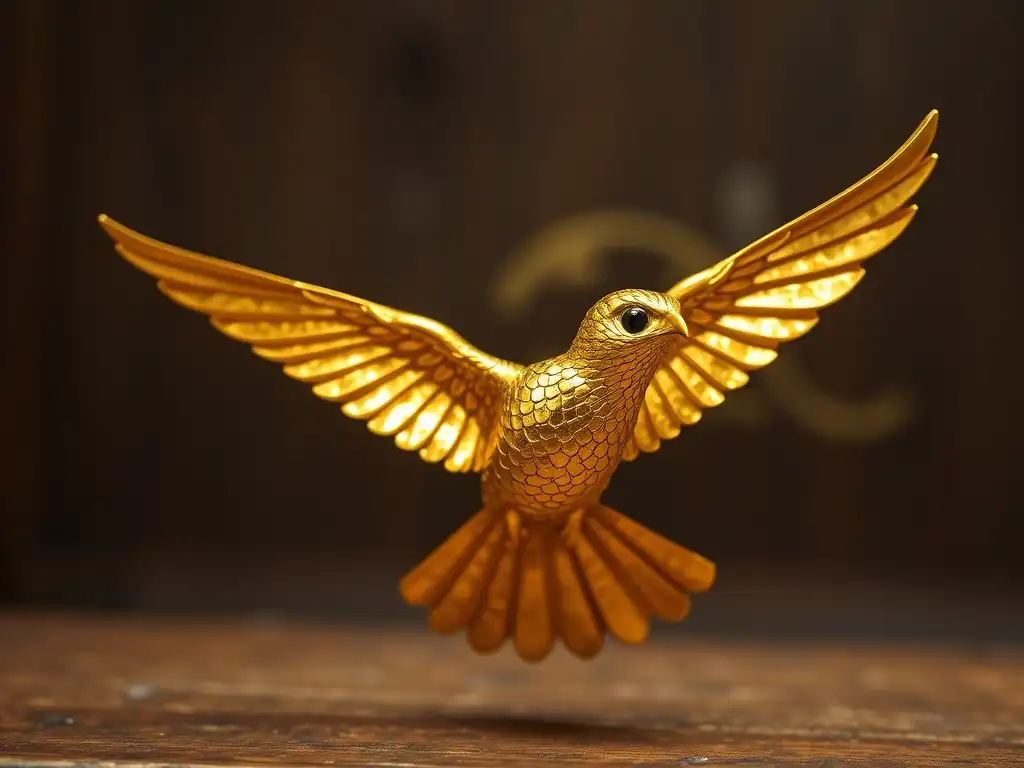
The vibrant tapestry of Andean art is richly interwoven with the imagery of birds, reflecting their profound symbolic significance in the cultures of the Andes. This section explores the captivating world of Andean metalwork bird imagery, focusing on the materials, techniques, and stylistic variations that define this unique artistic expression. The meticulous craftsmanship and artistic vision evident in these pieces offer invaluable insights into the beliefs, practices, and artistic sensibilities of these ancient civilizations. Understanding the nuances of "Andean metalwork bird imagery" requires a close examination of its constituent parts, from the raw materials to the finished product.
The Use of Gold, Silver, and Copper in Andean Bird Representations
Andean artisans masterfully employed a range of precious and base metals to create their avian masterpieces. Gold, a symbol of the sun and divinity, frequently adorned ceremonial objects, including bird effigies. The malleability of gold allowed for intricate detail and delicate forms, as seen in the numerous tiny, exquisitely crafted golden hummingbirds unearthed from various sites.
Silver, often associated with the moon and water, was also used extensively, providing a contrasting coolness to the warmth of gold. Copper, a more readily available metal, served as a foundation for many pieces, sometimes being inlaid with gold or silver for added richness and symbolic complexity.
The choice of metal was not arbitrary; it often reflected the intended use and the symbolic meaning attributed to the bird depicted. For instance, a larger copper bird might represent a terrestrial bird of prey, while a smaller, intricate gold hummingbird might symbolize a connection to the spiritual realm.
The proportion of each metal used varied significantly across different cultures and time periods. For example, the Moche culture, known for its elaborate metalwork, favored copper alloys, often incorporating gold and silver accents. In contrast, the later Inca period saw a greater emphasis on gold, reflecting their imperial power and wealth. Analyzing the metallurgical composition of these artifacts reveals much about the technological capabilities and resource management of these ancient Andean societies.
Techniques in Metalworking: Hammering, Repoussé, and Lost-Wax Casting
The creation of Andean metal bird effigies involved a sophisticated array of techniques, demonstrating a high level of skill and artistry. Hammering, a fundamental technique, was employed to shape the metal into its basic form. The artisans would carefully beat and mold the metal, gradually refining its shape and contours.
Repoussé, a technique where the metal is hammered from the reverse side to create raised designs on the surface, allowed for the creation of three-dimensional forms and intricate details. This method is clearly visible in many Andean bird sculptures, where the feathers and bodily features are meticulously rendered in high relief.
Lost-wax casting, a more complex process, allowed for the creation of complex and delicate shapes. This technique involved creating a wax model of the desired bird form, covering it in clay, and then melting out the wax to leave a mold. Molten metal was then poured into the mold, resulting in a precise metal replica of the original wax model.
The sophistication of lost-wax casting in Andean metalwork speaks to their advanced understanding of metallurgy and their commitment to artistic precision. The combination of these techniques showcases the advanced metalworking skills prevalent in the Andes. The mastery of these techniques ensured the creation of incredibly lifelike and detailed avian representations.
Stylistic Variations in Bird Depictions Across Coastal and Highland Regions
Significant stylistic variations in bird depictions are observable across different Andean regions. Coastal cultures, such as the Moche and Nazca, often depicted birds in dynamic poses, reflecting their close relationship with the sea and its abundant avian life. These representations frequently emphasized movement and realism, showcasing the birds in flight or engaged in various activities. The Moche, in particular, were masters of capturing the anatomical accuracy and dynamism of their subjects.
In contrast, highland cultures, such as the Tiahuanaco and Inca, tended to portray birds in more stylized and symbolic ways. These depictions often integrated avian imagery into broader religious and cosmological narratives. For example, condors, symbols of power and altitude, frequently appear in Inca goldwork, emphasizing the imperial authority and connection to the Andean heights.
The stylistic differences reflect not only the unique artistic sensibilities of each region but also the distinct environmental contexts and cultural beliefs that shaped their artistic expressions. The variations in posture, detail, and symbolic meaning highlight the rich diversity within Andean metalwork bird imagery, underscoring the need for a nuanced understanding of the cultural context surrounding each piece. Further research into regional variations and stylistic developments is needed to fully appreciate the complexity and richness of Andean avian art.
Specific Examples of Avian Representations in Metal Art
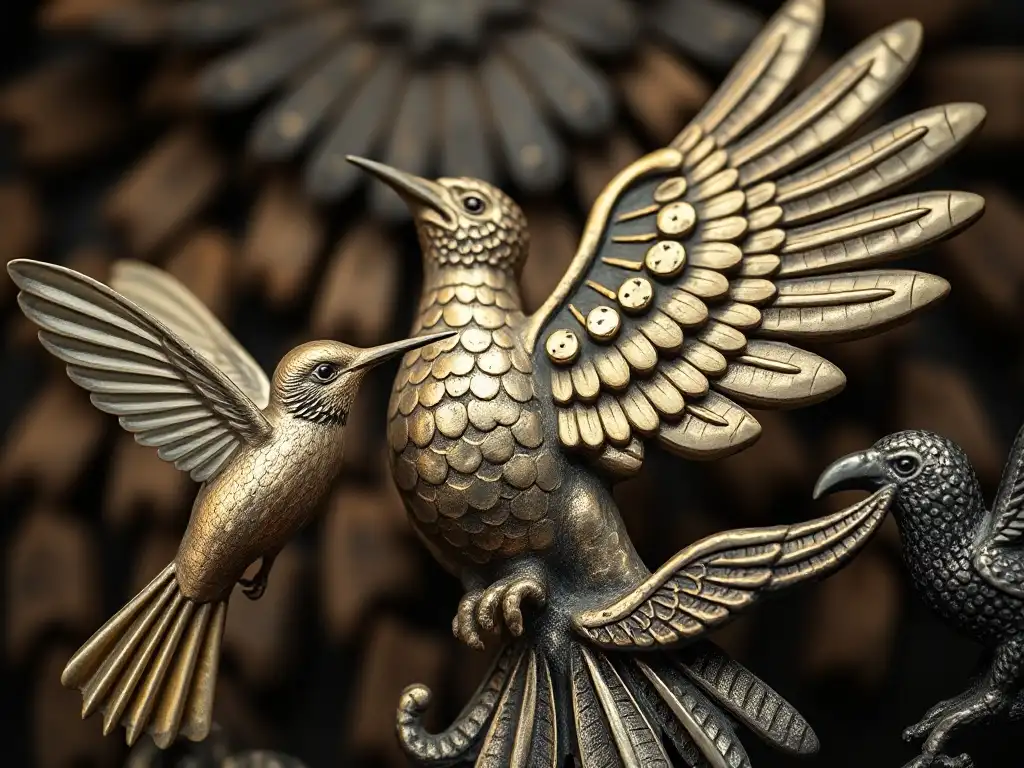
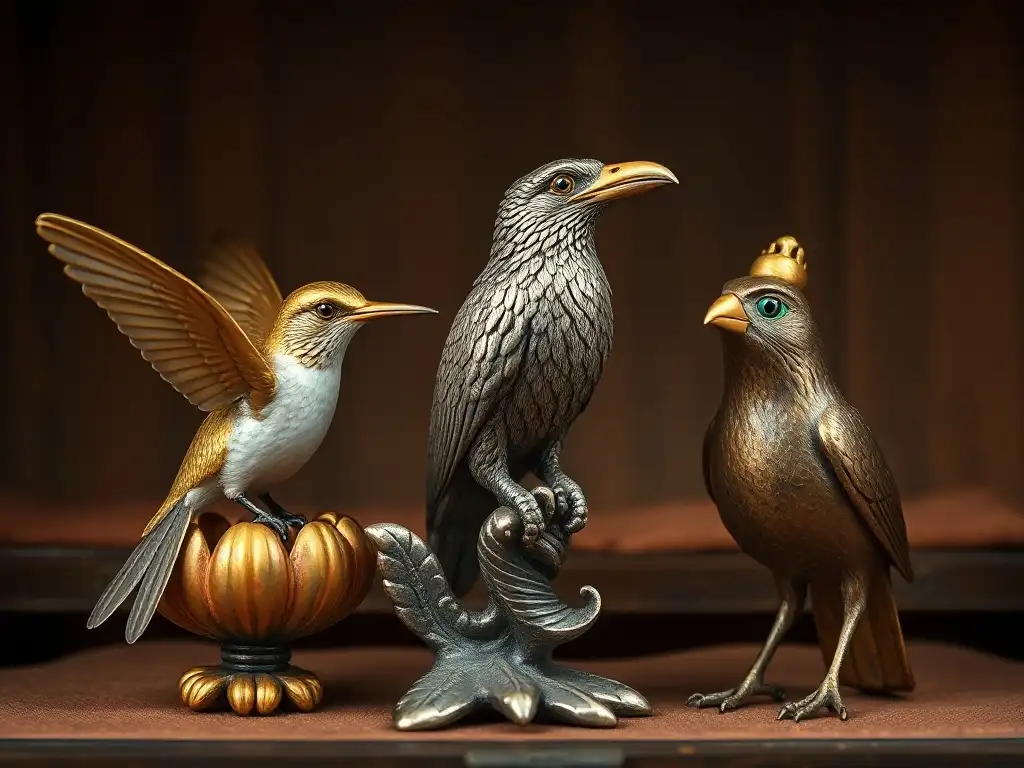
This section delves into the specific avian motifs frequently depicted in ancient Andean metalwork, exploring their symbolic significance and artistic execution. The masterful craftsmanship and the rich symbolism embedded within these artifacts offer invaluable insights into the worldview and cultural practices of these sophisticated societies. Analyzing the recurring themes in Andean metalwork bird imagery provides a deeper understanding of the intricate relationship between Andean cultures and the avian world.
The Condor: A Prominent Figure in Andean Metalwork
The condor, a majestic bird of the Andes, holds a prominent position in Andean mythology and iconography. Its representation in metalwork is widespread, appearing in various forms, from small pendants to large, elaborate ceremonial objects. The condor's powerful presence often symbolizes strength, power, and even divinity. Its ability to soar to great heights connected it to the celestial realm, representing a link between the earthly and spiritual worlds.
Consider, for example, the numerous gold and silver condor effigies discovered in royal tombs. These artifacts, often intricately detailed and adorned with precious stones, showcase the high level of metalworking skill possessed by Andean artisans. The postures of the condors—sometimes depicted in flight, other times perched majestically—further enhance their symbolic meaning, suggesting different aspects of this powerful creature's nature.
The size and material of the condor depictions also varied depending on their intended use and status. Smaller, simpler condor figurines might have been worn as personal adornments, while larger, more elaborate pieces were probably used in ceremonial contexts.
Detailed studies of these artifacts reveal a remarkable consistency in their depiction, suggesting a shared understanding of the condor's symbolic importance across different Andean cultures and time periods. Further research into the specific alloys used, the techniques of hammering and casting, and the distribution of these artifacts across different regions could offer more insights into their production and social significance.
Hummingbirds: Symbols of Fertility and Vitality
Unlike the powerful Condor, hummingbirds, with their vibrant colors and rapid wingbeats, are often associated with fertility, vitality, and the renewal of life in Andean metalwork. Their diminutive size belies their significant symbolic weight. These tiny creatures, frequently depicted in flight, are often associated with the sun and its life-giving energy. Their constant movement and energy are seen as representations of the cyclical nature of life and the continuous regeneration of the natural world.
The hummingbird's representation in metalwork is often characterized by intricate detail and a focus on capturing the bird's dynamic energy. Artisans skillfully employed techniques like repoussé and chasing to create highly realistic depictions, capturing the iridescent plumage and rapid wing movements. These small, delicate pieces, often found as part of larger assemblages or worn as personal ornaments, suggest a deep appreciation for the hummingbird's beauty and its symbolic significance.
Analysis of hummingbird depictions across different Andean cultures reveals a fascinating range of artistic styles and techniques, highlighting the diversity of regional artistic traditions while maintaining a consistent symbolic association with fertility and vitality. [Specific examples of hummingbird depictions from different cultures pending].
Eagles and falcons, with their sharp vision and predatory prowess, frequently represent power, authority, and royal status in Andean metalwork bird imagery. These birds of prey, often depicted in a fiercely assertive pose, were likely associated with rulers and elite members of society. Their ability to dominate the skies mirrored the power and control exercised by those in positions of authority. The use of precious metals like gold and silver in their depiction further emphasized their status and importance.
Depictions of eagles and falcons in Andean metalwork often exhibit a high degree of realism, reflecting the artisans' keen observation of the natural world. The details of their plumage, talons, and beaks are meticulously rendered, showcasing the skill and precision of the metalworkers. Moreover, the context in which these artifacts are found—often in royal tombs or associated with elite burials—reinforces their association with power and authority.
The size and complexity of the eagle and falcon depictions also varied, suggesting a hierarchical relationship between the size and the status of the individual or group they represented. Further research is needed to fully understand the regional variations and the specific symbolic meanings associated with these birds across different Andean cultures. [Data on size and material variations pending].
Ducks and Waterfowl: Associations with Water and Agriculture
Representations of ducks and other waterfowl in Andean metalwork are particularly significant, often linked to themes of water, fertility, and agriculture. These creatures, vital to the Andean ecosystem, were not merely depicted aesthetically; their presence carried deep symbolic weight within the societies that crafted them. The careful detail in the castings, often showing nuanced feather patterns and lifelike postures, speaks to the high regard these artisans held for the animals and their symbolic importance.
For example, many artifacts depict ducks in scenes of marshes or lakes, often alongside other aquatic plants and animals. This contextualization reinforces the connection between these birds and vital water sources, essential for both sustenance and spiritual well-being. The presence of ducks in agricultural settings, frequently depicted alongside cultivated crops, underscores their association with fertility and abundance.
The careful rendering of the birds' plumage, even in small-scale works, highlights the metalworkers’ skill and suggests a deliberate effort to imbue these objects with symbolic power. The presence of ducks could symbolize a successful harvest or a prayer for bountiful rains, vital to the success of Andean agriculture.
The materials used in crafting these pieces further enhance their significance. The use of precious metals like gold and silver, reserved for elite contexts, indicates the high value placed on the symbolic representation of ducks and waterfowl. This suggests that these objects were not merely functional or decorative, but served important ritual or ceremonial purposes, possibly used in offerings or as symbols of authority.
The careful selection of alloys and techniques, specific to each region and cultural group, also offers insights into the complex social and religious beliefs surrounding these avian representations. Further research into specific examples found in different Andean regions could reveal more nuanced interpretations of these captivating artifacts. The subtle variations in style and iconography across different cultures provide a rich tapestry of meanings waiting to be unraveled.
Case Studies: Masterpieces of Andean Metal Bird Imagery
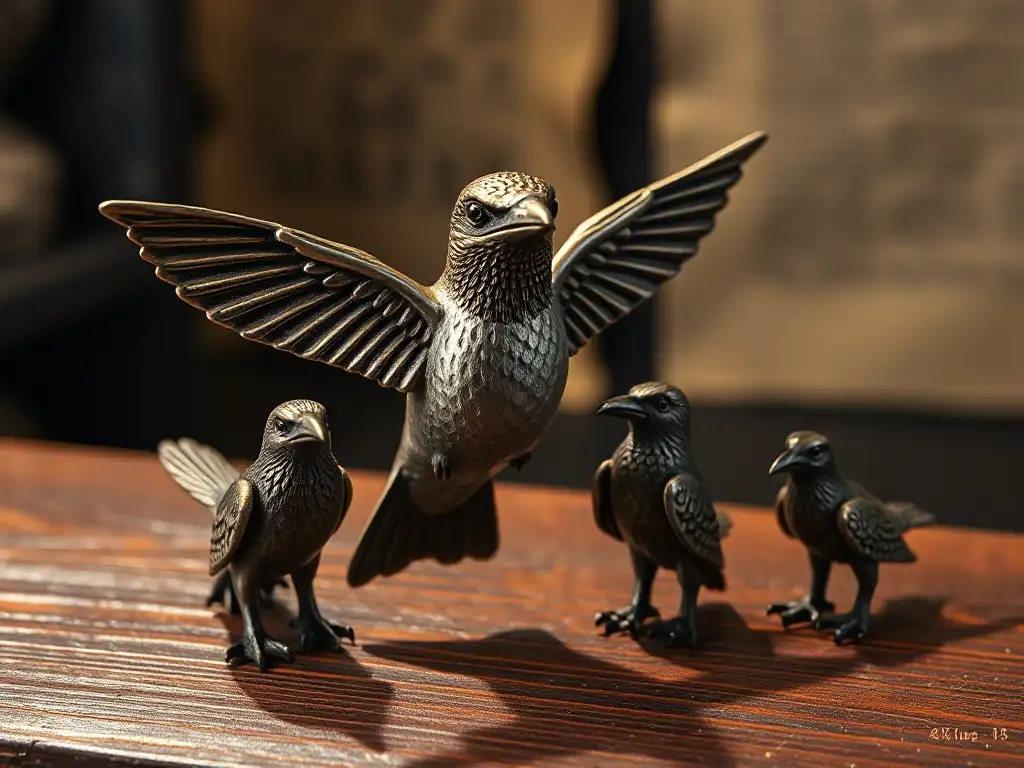
This section delves into specific examples of Andean metalwork featuring avian imagery, showcasing the diverse styles and meanings associated with birds across different cultures and time periods. Analyzing these masterpieces reveals not only the technical proficiency of Andean metalworkers but also the profound symbolic significance birds held within their societies. The recurring theme of birds in Andean metalwork highlights their importance in religious beliefs, social structures, and daily life.
We'll examine specific examples to understand the nuances of their representation and the artistry involved in their creation. The analysis focuses on the masterful execution of these pieces, the materials used, and the cultural context in which they were created and utilized. This detailed examination helps us better understand the significance of Andean metalwork bird imagery within the broader context of Andean art and culture.
The Moche civilization (c. 100-800 CE), renowned for its sophisticated metalworking techniques, produced exquisite bird headdresses. These weren't merely decorative items; they were powerful symbols of status and authority, likely worn by elite members of society, perhaps priests or rulers. The headdresses often depicted raptors, such as hawks or condors, meticulously crafted from hammered gold and copper alloys.
The level of detail is astonishing; individual feathers are often represented with remarkable precision, showcasing the Moche artisans' mastery of repoussé and chasing techniques. The use of different alloys allowed for variations in color and texture, enhancing the realism of the avian depictions.
For example, a particularly well-preserved headdress features a condor with intricately detailed wings, its plumage rendered in shades of gold and reddish copper. The bird's eyes are inlaid with semi-precious stones, adding a further element of opulence. The headdress's construction suggests a complex process involving multiple components skillfully joined together.
Such intricate craftsmanship underscores the high social value placed upon these objects and the specialized skills of the Moche metalworkers. The presence of these headdresses in elite burials further supports their significance as markers of power and status within Moche society. The detailed representation of the birds themselves, often in dynamic poses, suggests a deep understanding of avian behavior and a keen eye for naturalistic detail, far beyond mere decorative purposes.
Tiahuanaco Metal Bird Pendants: Intricate Designs and Cosmological Significance
Unlike the Moche's focus on realism, Tiahuanaco metalwork (c. 500-1000 CE) often featured stylized bird forms integrated into complex cosmological designs. These pendants, typically smaller than the Moche headdresses, were likely worn as personal adornments, possibly with religious or ritualistic significance. The birds are frequently depicted in conjunction with other symbolic elements, such as stepped pyramids, feline figures, and geometric patterns, alluding to the complex religious beliefs of the Tiahuanaco culture.
The use of materials varied, encompassing gold, silver, and copper alloys, often combined with turquoise or other semi-precious stones. The intricate designs, often employing techniques such as filigree and granulation, demonstrate a high level of technical skill and a sophisticated understanding of metalworking processes. The stylistic conventions employed in the depiction of birds, often characterized by simplified forms and abstract features, suggest a symbolic rather than purely naturalistic representation.
These pendants were likely not simply decorative pieces but rather served as tangible links to the spiritual world, embodying cosmological concepts and reinforcing religious ideologies. The careful selection and combination of materials and the complexity of their design showcase the importance of these objects within the Tiahuanaco worldview.
Inca Bird Vessels: Ritual Objects and Representations of Imperial Power
Inca metalwork (c. 1438-1533 CE), while less explicitly focused on individual birds than the Moche or Tiahuanaco, incorporated avian motifs into a broader range of objects, including vessels used in ritual contexts. These vessels, often made from gold, silver, or tumbaga (a gold-copper alloy), frequently featured birds as decorative elements, integrated into larger scenes or designs. The birds, while often stylized, still carried symbolic meaning, reflecting Inca beliefs and the imperial ideology.
Unlike the earlier cultures, Inca bird imagery often appears integrated into larger narrative scenes, perhaps depicting mythological events or reinforcing royal authority. The use of precious metals further emphasized the ritual and political importance of these vessels.
The craftsmanship, while sophisticated, often shows a degree of standardization, reflecting the Inca empire’s centralized control over production and the use of standardized iconography to project imperial power. The birds themselves, while not always the central focus, often served to enhance the overall message conveyed by the vessel's design.
The scale and the quality of the metal utilized, as well as the context of their discovery within royal tombs or ceremonial sites, support their role as objects of significant ritual and political importance within the Inca empire. Further research into specific examples of Inca bird vessels is needed to fully elucidate the precise nature of their symbolic meaning within the broader context of Inca religious beliefs and imperial ideology.
The Legacy of Avian Imagery in Andean Metalwork
The enduring presence of avian imagery in Andean metalwork speaks volumes about the profound significance birds held within these ancient societies. More than mere decoration, these meticulously crafted bird motifs – from the delicate hummingbird to the powerful condor – served as powerful symbols deeply embedded in Andean cosmology, mythology, and social structures. The meticulous detail and artistry employed in their creation highlight the sophisticated metalworking techniques mastered by Andean artisans, techniques that continue to fascinate and inspire today.
Analyzing the prevalence and variety of bird depictions across different Andean cultures provides crucial insights into their shared beliefs and distinct artistic expressions. The choice of bird, its pose, and the materials used all contribute to a rich tapestry of meaning, reflecting the complex worldview of these civilizations. This section will delve into the diverse ways avian imagery manifested in Andean metalwork, exploring its symbolic weight and artistic execution.
The Enduring Relevance of Bird Symbolism in Andean Culture
Birds, in Andean cultures, were not simply creatures of the air; they were potent symbols often associated with the supernatural realm, mediating between the earthly and celestial planes. The condor, for instance, represented power, strength, and the sun, while the hummingbird, with its vibrant colors and rapid flight, symbolized joy, vitality, and the delicate balance of nature. Their symbolic meanings were deeply ingrained in Andean cosmology, influencing religious practices, social structures, and artistic expression.
The frequent depiction of birds in metalwork reinforces their importance in Andean life, suggesting their use in rituals, ceremonies, and possibly even as emblems of status or power. Evidence suggests that certain bird species held specific cultural significance in different regions, leading to variations in their depiction across various Andean cultures.
For example, coastal cultures might favor seabirds, reflecting their environment and livelihoods, while those in the highlands might emphasize birds of prey, aligning with their mountainous landscape. This nuanced approach to avian symbolism underscores the rich complexity of Andean cultures.
The use of specific metals further enhanced the symbolic meaning. Gold, associated with the sun and divinity, often adorned depictions of powerful birds like the condor, reinforcing their sacred status. Silver, linked to the moon and the underworld, might be used for birds associated with nocturnal activities or shamanistic practices. This intricate relationship between material, bird species, and symbolic meaning showcases the sophisticated understanding of symbolism within Andean metalworking traditions.
Andean Metalworking Techniques in Contemporary Jewelry and Art
The remarkable skill of Andean metalworkers is evident in the intricate detail and precision of their avian imagery. Techniques like hammering, repoussé (raising designs from the back of the metal sheet), and chasing (smoothing and refining the surface) were employed to create three-dimensional forms that captured the essence of each bird. The use of alloys, the combination of different metals to achieve specific colors and properties, further reveals their mastery of metallurgy. These techniques, passed down through generations, continue to inspire contemporary artisans.
Today, many Andean jewelers and artists draw upon these ancient traditions, reviving and reinterpreting ancient designs and techniques to create stunning contemporary pieces. The legacy of Andean metalworking lives on, not only in museums and archaeological collections but also in the vibrant artistry of today's Andean communities. This continuity demonstrates the enduring influence and impact of Andean metalworking on artistic expression across centuries.
The resurgence of interest in Andean art and culture has further fueled the revival of these ancient metalworking practices. Workshops and training programs are helping to preserve these valuable skills and promote their appreciation. The creation of contemporary pieces using traditional techniques not only preserves a cultural heritage but also offers a sustainable livelihood for many Andean communities. This symbiotic relationship between tradition and modernity ensures that the legacy of Andean metalworking will continue to flourish for generations to come.
Influence on Later Andean Textile and Ceramic Traditions
The influence of Andean metalwork's avian imagery extends beyond the realm of metal itself. The motifs and styles found in metalwork frequently appear in later Andean textile and ceramic traditions, demonstrating a cross-cultural exchange of artistic ideas and symbolism. Birds, depicted with similar levels of detail and artistry, adorn textiles, pottery, and other art forms, suggesting a widespread dissemination of these iconic representations.
The continuity of avian imagery across different mediums highlights its enduring symbolic significance within Andean society. This cross-cultural influence underscores the interconnectedness of Andean art forms, where stylistic elements and symbolic meanings were shared and adapted across various media.
For example, the vibrant colors and intricate patterns found in Andean textiles often echo the stylistic elements of metalwork. Similarly, ceramic vessels frequently feature bird motifs that mirror those found in metal objects, suggesting a direct artistic influence. This cross-fertilization of artistic styles reflects a shared cultural understanding and a consistent appreciation for the symbolic power of avian imagery.
Further research into the stylistic similarities and variations across different media will provide a more comprehensive understanding of the interconnectedness of Andean art forms and the enduring legacy of avian symbolism within Andean culture. The meticulous documentation and analysis of these artistic connections are crucial for a complete appreciation of the rich tapestry of Andean artistic expression.
Frequently Asked Questions
What is the significance of birds in Andean metalwork?
Birds held significant symbolic meaning in Andean cultures. They represented various concepts, including power, spirituality, and connection to the otherworld. Different bird species carried specific connotations.
Which Andean cultures are known for their bird-themed metalwork?
Several cultures excelled in this art form. The Moche, Inca, and Nazca are particularly renowned for their intricate and often highly stylized depictions of birds in gold, silver, and copper alloys.
What techniques did Andean artisans use to create bird imagery in metal?
Andean metalworkers employed advanced techniques like lost-wax casting, hammering, and repoussé to craft their bird-shaped artifacts. They achieved remarkable detail and realism in their work.
What materials were commonly used in Andean bird-themed metalwork?
Gold, silver, and copper were the most frequently used metals. Artisans sometimes combined these metals or inlaid them with other materials like turquoise or semi-precious stones to enhance the visual appeal.
Where can I see examples of Andean metalwork with bird imagery?
Many museums worldwide house collections of Andean metalwork, including pieces featuring birds. You can find examples in museums in Lima, Cusco, and major cities in the United States and Europe. Check their online collections for details.
Final Reflection: Taking Flight with Andean Avian Imagery
The enduring power of avian imagery in ancient Andean metalwork continues to resonate today, a testament to the profound connection between humanity and the natural world. These intricate depictions, far from being mere artistic flourishes, offer a window into the complex belief systems, social structures, and ecological understanding of past Andean cultures. Their continued study provides invaluable insights into a rich and often overlooked history.
The symbolic weight of birds in Andean cosmology, representing everything from spiritual messengers to earthly power, is a theme that continues to fascinate and inspire. Their presence in contemporary art, literature, and even political discourse echoes the enduring legacy of these ancient artifacts. The bird is a symbol of freedom, of transcendence, of the spirit's ability to soar above the mundane.
This sentiment, though perhaps not explicitly articulated by ancient Andean artisans, captures the essence of the power and beauty found in their work. The enduring appeal of these images speaks to a universal human need to connect with something larger than ourselves, a need that transcends time and culture.
Consider the intricate detail, the masterful craftsmanship, the sheer artistry displayed in these ancient pieces. Now, consider the stories they whisper across millennia. You, the reader, are now part of that conversation. Take a moment to reflect on the enduring power of art to connect us to the past, to inspire us in the present, and to guide us towards a future where we continue to appreciate and protect the natural world that has inspired such breathtaking creativity. Let the flight of these ancient birds inspire your own journey of discovery and understanding.
Soar Beyond the Pages: Embrace Avian Artistry Today!
Thank you for exploring the fascinating world of avian imagery in Ancient Andean metal art! We hope you found inspiration in the rich cultural significance and breathtaking artistry of these artifacts. Now, let's take your appreciation to the next level!
Here are some ways to further immerse yourself in this vibrant artistic tradition:
- **Deepen your understanding:** Visit a local museum or explore online galleries showcasing Ancient Andean metalwork to experience avian imagery firsthand.
- **Share your discoveries:** Discuss your insights with friends, family, or online communities. Don't hesitate to tag us in your posts—we'd love to join the conversation about the significance of nature in art!
- **Create your own avian-inspired artwork:** Use your artistic skills to create a poem, drawing, painting, or sculpture that captures the essence of these magnificent birds.
Which aspect of bird symbolism in Andean art resonates most with you? Share your thoughts below and let's continue the discussion!