
Andean Textile Workshops: The Organization of Textile Production

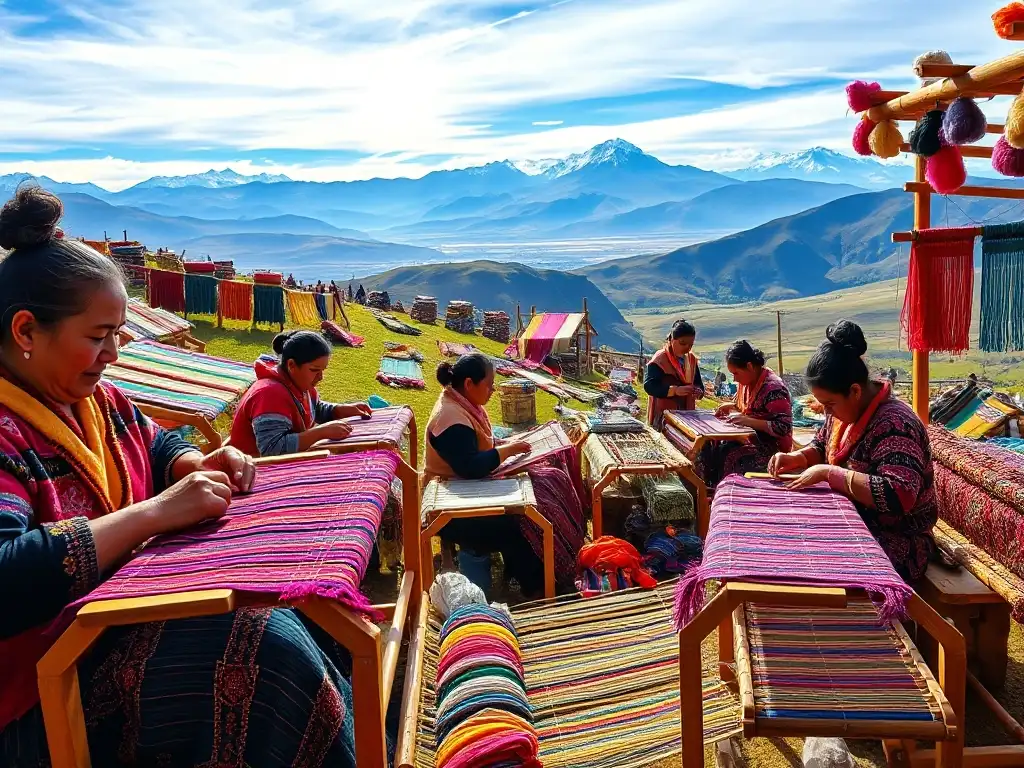
Step into a world woven with mystery and mastery. For centuries, the Andean civilizations captivated the world with their breathtaking artistry, and nowhere is this more evident than in their textiles. But how did these magnificent creations come to be? Unravel the secrets behind the intricate organization of Andean textile production, a story far richer and more complex than you might imagine. Prepare to be amazed by the ingenuity and skill behind the vibrant threads of history. Discover the truth behind the loom...
The vibrant tapestry of Andean culture is inextricably woven with its remarkable textile traditions. For millennia, Andean societies—from the early coastal cultures to the expansive Inca Empire—demonstrated exceptional skill in textile production, creating intricate fabrics for clothing, ritual objects, and social display. Understanding the organization of Andean textile production reveals crucial insights into their social structures, economic systems, and worldview.
This article delves into the diverse models of textile workshops and labor organization across various Andean civilizations, highlighting the sophisticated systems that enabled the creation of these iconic artifacts. We will explore the evolution of textile production, examining how different Andean societies, including the Moche, Tiwanaku, Paracas, and Inca, structured their textile workshops and employed community labor to generate the extraordinary textiles that have captivated scholars and enthusiasts for centuries.
By investigating the organization of Andean textile production, we aim to uncover the complex interplay between technology, social structures, and artistic expression that defined this crucial aspect of Andean life. The analysis will center on the keyword "Andean textile production organization" and its semantic variations to provide a comprehensive understanding of this fascinating topic.
Introduction to Andean Textile Production and its Significance
Andean textile production was far more than a simple craft; it was a complex system deeply intertwined with social hierarchy, religious beliefs, and economic activity. The production process, from the cultivation of cotton and camelid fibers to the final weaving and embellishment, involved specialized labor and intricate techniques. The resulting textiles served diverse functions: clothing for everyday life and ceremonial occasions, finely woven tapestries used in rituals, and intricately designed textiles employed as status symbols.
The quality and intricacy of Andean textiles reflect not only technical expertise but also the social and political organization of the societies that produced them. The significance of textile production is evident in the vast quantity and exceptional quality of surviving artifacts, which continue to provide invaluable insights into the lives and beliefs of ancient Andean peoples.
The organization of this production, often overlooked, holds the key to understanding the complexities of these societies. The use of different fibers, techniques, and workshop structures varied across different cultures and time periods, reflecting the unique characteristics of each civilization.
Pre-Inca Textile Production: Workshop Models and Community Labor
Before the Inca Empire's rise, diverse Andean societies developed unique approaches to textile production. While centralized workshops existed in some cases, community-based labor played a significant role in many regions. This section explores the varied workshop models and labor organization in several pre-Inca cultures, revealing the nuanced approaches to textile production across the Andean landscape.
Early Textile Workshops in Moche Culture
The Moche civilization (c. 100-800 CE) on the northern coast of Peru is renowned for its sophisticated metalwork and pottery, but its textile production was equally impressive. Evidence suggests the existence of specialized workshops, likely associated with elite households or religious centers. While the precise organization remains unclear, the complexity and standardization of certain Moche textile designs point towards a degree of centralized production and possibly specialized labor roles within these workshops.
The intricate iconography woven into their textiles provides valuable information about Moche mythology, social structure, and daily life. [Specific information pending on the exact number and location of identified Moche textile workshops].
Highland Textile Production in the Tiwanaku Civilization
The Tiwanaku civilization (c. 300-1100 CE), located in the highlands of Bolivia, developed a sophisticated system of textile production adapted to the challenging environment. The use of alpaca and llama fibers, along with complex weaving techniques, showcases their technological prowess. While the exact organization of Tiwanaku textile workshops is still under investigation, archaeological evidence suggests a possible combination of specialized workshops and community-based production, catering to both elite and commoner needs.
The symbolic meaning embedded in Tiwanaku textiles, often featuring geometric patterns and stylized figures, reflects their complex cosmology and social organization. [Further research is needed to determine the precise structure of Tiwanaku textile workshops].
Community-Based Textile Craftsmanship in the Paracas Culture
The Paracas culture (c. 800-200 BCE), situated on the southern coast of Peru, is famous for its elaborate textiles, characterized by vibrant colors, intricate designs, and sophisticated techniques. Unlike the potential for centralized workshops seen in other cultures, Paracas textile production appears to have been more heavily reliant on community-based craftsmanship. Evidence suggests a widespread participation in textile production, with individuals contributing to the creation of large, complex textiles.
The extensive use of embroidery and other embellishment techniques points towards a high level of skill and possibly specialized roles within the community, though not necessarily within formally structured workshops. The vibrant colors and imagery within Paracas textiles offer insights into their beliefs, rituals, and social interactions. The organization of their textile production emphasizes the importance of community participation in creating these magnificent works of art.
The Inca Empire and the Centralization of Textile Production
The Inca Empire's sophisticated organization extended significantly to textile production. Unlike the decentralized nature of textile production in earlier Andean cultures, the Inca state implemented a highly centralized system. This involved establishing state-run workshops, controlling the distribution of raw materials, and meticulously managing the finished products.
This centralized approach ensured a steady supply of textiles for the imperial administration, the elite, and the army, solidifying the Inca's power and control. The sheer scale of production and the standardization of certain textile types highlight the Inca's remarkable administrative capabilities and their understanding of the economic and symbolic importance of textiles. The quality control and distribution networks established were crucial for maintaining the empire's vast infrastructure and social hierarchy.
State-Run Textile Workshops: A Key Element of Inca Economy
State-run textile workshops, or yachaywasi, were integral to the Inca economy. These workshops weren't simply production facilities; they were centers of skilled labor, contributing significantly to the empire's wealth and power. They employed specialized weavers, dyers, and spinners, who produced textiles of varying quality and complexity depending on their intended use. These workshops received raw materials, such as alpaca and llama wool, from tribute systems, ensuring a consistent supply.
The finished products, from simple clothing to elaborate garments for the elite, were then distributed through a complex network controlled by the state. This system allowed for efficient production and distribution, minimizing waste and maximizing output. The economic impact of these workshops was substantial, supporting a large workforce and contributing to the overall prosperity of the Inca Empire.
Acllawasi: The Role of Chosen Women in Textile Manufacturing
The Acllawasi, a select group of women chosen for their beauty and skills, played a crucial role in Inca textile production. These women, often from noble families, received specialized training in weaving and other textile arts within the state-run workshops. Their work was not limited to simple production; they created the most exquisite and elaborate textiles, often intended for the Inca ruler, the royal family, and high-ranking officials.
The Acllawasi’s contribution transcended mere craftsmanship; their work held significant symbolic value, representing the Inca's power and prestige. Their textiles were not only aesthetically stunning but also served as powerful symbols of Inca authority and religious significance. The Acllawasi system demonstrated the Inca's understanding of the social and symbolic power embedded within textile production.
Quipu Records: Managing Textile Production and Distribution
The Inca utilized quipu, a sophisticated system of knotted strings, for record-keeping. These weren't simply accounting tools; they served as a complex database managing various aspects of textile production and distribution. The quipu likely recorded details such as the quantity of raw materials received, the number of finished textiles produced, and the destination of those textiles.
This sophisticated system allowed for precise tracking of resources, efficient allocation of labor, and effective control over the distribution network. The accuracy and efficiency of the quipu system allowed the Inca state to manage the vast complexities of textile production across a sprawling empire, highlighting their advanced administrative capabilities. Archaeological evidence suggests the immense amount of data that could be stored and retrieved using this method.
Organization of Labor in Inca Textile Workshops
The organization of labor in Inca textile workshops was highly structured and efficient. The workshops were not merely places of production; they were meticulously organized social units where tasks were divided based on skill and experience. This division of labor maximized productivity and ensured the creation of high-quality textiles. This hierarchical structure, combined with the state's oversight, allowed for the production of vast quantities of textiles of varying complexities, ranging from basic clothing to intricate ceremonial garments. The efficiency of this system was crucial to the Inca Empire's ability to maintain its vast infrastructure and complex social hierarchy.
Specialized Weavers and Textile Artisans
Inca textile workshops boasted a highly skilled workforce specializing in various aspects of textile production. Weavers, dyers, spinners, and finishers each played a crucial role in the process. Some specialized in creating specific textile types, such as fine garments for the elite or sturdy fabrics for the army. The specialization of labor significantly increased efficiency and quality. Master weavers, particularly those working on ceremonial textiles, held high social status, reflecting the importance of their craft. This division of labor contributed significantly to the Inca Empire's remarkable textile production capacity.
The Role of Men, Women, and Children in Textile Production
While women predominantly engaged in spinning and weaving, men played important roles in other aspects of textile production within the Inca system. Men were often responsible for shearing the animals, preparing the fibers, and transporting raw materials and finished products. Children also contributed, learning the basics of spinning and other textile techniques from a young age.
This collaborative approach, involving men, women, and children, ensured a continuous flow of production within the workshops. The family unit played a significant role in the overall textile production process, contributing both skills and labor. This system was integral to the empire’s economic stability and social structure.
Supervision and Control in Inca Textile Workshops
The Inca state maintained strict supervision and control over its textile workshops. Overseers monitored the quality of work, ensured adherence to standards, and managed the distribution of raw materials and finished products. This centralized control ensured consistent quality and efficient output, vital for maintaining the empire’s vast needs.
The system also helped regulate the distribution of textiles, preventing misuse or unauthorized distribution. This rigid control, although seemingly authoritarian, was crucial for maintaining the Empire's social order and economic stability. The Inca's meticulous organization in textile production reflects their broader administrative capabilities and their understanding of the textile's economic and social importance.
Materials and Resources in Andean Textile Production
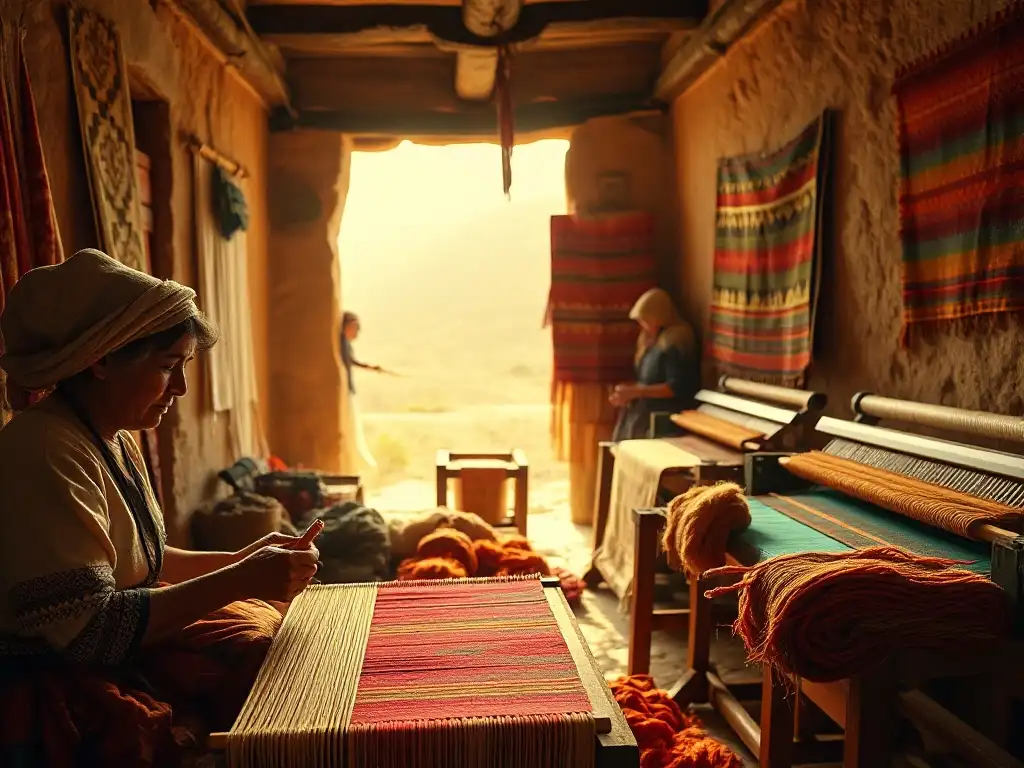
The remarkable textiles of the Andes were a product of careful planning and resource management. The availability of materials dictated, to a large extent, the types of textiles produced and their distribution across different social groups. Access to high-quality fibers and dyes was a significant factor determining social status and power. The intricate organization of Andean textile production ensured a steady supply of these crucial resources.
Sourcing and Preparation of Andean Fibers: Cotton, Alpaca, and Vicuña
Andean textile production relied heavily on three primary fiber sources: cotton, alpaca, and vicuña. Cotton, grown in the warmer coastal regions, provided a soft, absorbent fiber ideal for lighter garments. Alpaca, a domesticated camelid, yielded a warmer, more durable fiber, suitable for clothing in the higher altitudes. Vicuña, a wild camelid, produced the finest and most luxurious fiber, reserved for the elite. The sourcing and preparation of these fibers involved complex processes.
Cotton bolls were harvested, the seeds removed, and the fibers carefully spun. Alpaca and vicuña fibers required shearing, cleaning, and carding before spinning. The meticulous preparation of these fibers was essential to the quality of the final product, reflecting the high value placed on textile craftsmanship. Evidence suggests specialized herders managed alpaca and vicuña populations, ensuring a continuous supply of fiber.
Natural Dyes: Techniques and Sources for Coloring Textiles
The vibrant colors of Andean textiles were achieved through the use of natural dyes derived from plants, insects, and minerals. Cochineal insects, for example, provided a rich crimson, while various plants yielded yellows, browns, reds, and greens. The specific techniques used in dyeing varied depending on the desired color and the fiber being dyed.
The process often involved multiple steps, including mordanting (a process of treating the fiber to improve dye absorption) and careful control of temperature and time. The knowledge of dye sources and techniques was carefully guarded and passed down through generations within families and workshops. The availability of certain dyes, like the rare deep blues, could indicate a high level of skill and access to specialized resources, further contributing to the social significance of textile production.
Tools and Equipment Used in Andean Textile Workshops
Andean textile workshops were equipped with a variety of specialized tools and equipment. Spindles and distaffs were used for spinning fibers into yarn, while looms of varying complexity were employed for weaving. The looms ranged from simple backstrap looms, portable and suitable for individual use, to more complex floor looms capable of producing larger and more intricate textiles.
Weaving tools included heddles (for raising and lowering warp threads), shuttles (for carrying weft threads across the warp), and various types of combs and beaters for compacting the woven fabric. These tools were often crafted from readily available materials such as wood, bone, and metal, reflecting the resourcefulness and adaptability of Andean artisans. The sophistication of the tools used could often be correlated with the complexity and quality of the textiles produced.
Types of Textiles Produced in Andean Workshops
The Andean textile workshops produced a wide variety of textiles, each with specific uses and social meanings. The organization of production reflected a complex social structure and a deep understanding of the properties of different fibers and dyes.
Plain Weaves and Tapestries: Common Textile Techniques
Plain weaves, the simplest form of weaving, were widely used for everyday garments and household textiles. However, even these simpler textiles could display remarkable skill and artistry through the use of intricate patterns and color combinations. Tapestries, which involved weaving multiple colors of yarn into the fabric to create complex images and designs, were more elaborate and often incorporated symbolic imagery. These techniques were employed to produce a range of textiles, from simple clothing to more elaborate ceremonial garments. The variety in design and complexity reflected differences in skill levels and the intended use of the finished textile.
Luxury Textiles for the Inca Elite: Cumbi and Featherwork
Luxury textiles were reserved for the Inca elite and were often made from the finest vicuña fiber. Cumbi, a richly colored and patterned textile, was particularly prized. Featherwork, a highly specialized technique, involved meticulously attaching brightly colored feathers to a woven base to create spectacular garments and ceremonial objects. The production of these luxury textiles required significant skill and expertise, and they served as symbols of power and status within Inca society. The intricate designs and the use of rare materials like vicuña and exotic feathers reinforced the social hierarchy and the importance of textile production in Inca culture.
Textiles for Rituals and Daily Use: Functionality and Symbolism
Andean textiles served a variety of functions, from providing warmth and protection to fulfilling important ritual roles. Simple textiles were used for everyday clothing and household items, while more elaborate textiles played a crucial role in religious ceremonies and festivals. The designs and colors of these textiles often held symbolic meaning, reflecting the beliefs and worldview of the Andean people.
For example, certain colors or patterns might have been associated with specific deities or events, making textiles not just functional objects but also powerful expressions of cultural identity and religious belief. The intricate relationship between functionality and symbolism is evident in the diverse range of textiles produced across different Andean cultures.
The Legacy of Andean Textile Production Techniques
Andean textile production boasts a legacy stretching back millennia, showcasing remarkable continuity and adaptation. The techniques employed, passed down through generations, represent a sophisticated understanding of fiber preparation, spinning, dyeing, and weaving. From the intricate knotting of the Paracas culture to the complex tapestry weaving of the Inca, each civilization refined and expanded upon existing methods, resulting in a diverse array of textile styles and functionalities.
The use of natural dyes derived from plants, insects, and minerals, for example, resulted in a vibrant and durable palette of colors, a testament to the Andean peoples' deep connection with their environment. These techniques weren't merely utilitarian; they were deeply symbolic, encoding social status, religious beliefs, and narrative traditions within the very fabric of their creations. Understanding this legacy requires appreciating the holistic nature of Andean textile production, where technical skill intertwined seamlessly with cultural expression.
Continuity of Traditional Weaving Practices in Modern Communities
Despite the passage of centuries, many Andean communities continue to practice traditional weaving techniques. This remarkable continuity ensures the survival of ancient knowledge and skills, albeit often adapted to meet the demands of the modern world. In many areas, women remain the primary weavers, preserving intricate patterns and techniques that have been passed down matrilineally for generations.
These practices are not merely economic activities; they are integral to the maintenance of cultural identity and social cohesion. The vibrant colors and designs continue to tell stories, reflecting both ancient traditions and contemporary experiences. However, challenges remain.
The influx of synthetic materials and the pressures of globalization threaten to erode traditional practices. Efforts to support and promote these communities, ensuring fair compensation and access to markets, are crucial in preserving this invaluable cultural heritage. The ongoing transmission of these skills to younger generations is a testament to the enduring power of tradition and community resilience.
Andean Textile Influence on Global Fashion and Design
The artistry and technical sophistication of Andean textiles have significantly influenced global fashion and design. The unique textures, vibrant colors, and intricate patterns have captivated designers worldwide, inspiring countless reinterpretations and innovations. From high-end fashion houses to independent designers, Andean motifs and techniques appear in a wide range of clothing, accessories, and home textiles. This influence, however, is not without its complexities.
The appropriation of Andean designs without proper acknowledgment or compensation raises ethical concerns. A respectful and ethical approach requires acknowledging the origins of these designs, supporting Andean artisans, and ensuring fair compensation for their work. Sustainable and collaborative partnerships that empower Andean communities are essential for a future where the influence of Andean textiles is both celebrated and ethically sourced.
Preservation and Study of Andean Textiles
The preservation and study of Andean textiles are crucial for understanding the rich history and cultural heritage of the region. Museums and research institutions play a vital role in safeguarding these fragile artifacts, employing advanced conservation techniques to protect them from deterioration. The meticulous study of these textiles provides invaluable insights into various aspects of Andean life, including social organization, religious beliefs, and technological advancements. Scholars meticulously analyze weaving techniques, dyeing methods, and iconography, reconstructing narratives and gaining a deeper understanding of Andean societies.
However, challenges remain in balancing the need for access and research with the preservation of these delicate artifacts. The development of non-invasive analytical techniques and collaborative research projects are essential for ensuring the long-term preservation and understanding of this significant cultural heritage. Ongoing efforts in digital archiving and documentation also contribute to accessibility and the wider dissemination of knowledge.
Conclusion: The Enduring Importance of Andean Textile Production Organization
The organization of Andean textile production, from its ancient roots to its contemporary expressions, demonstrates a remarkable ability to adapt and endure. The intricate systems of knowledge transmission, community participation, and artistic expression have shaped a cultural legacy that continues to resonate globally. Understanding this organizational structure is not simply an academic exercise; it's crucial for appreciating the artistry, resilience, and cultural significance of Andean textiles.
By recognizing the historical context, the ongoing challenges, and the potential for ethical and sustainable collaborations, we can ensure the preservation and celebration of this invaluable cultural heritage for generations to come. The vibrant tapestry woven by Andean communities through time serves as a powerful reminder of the enduring connection between human creativity, cultural identity, and the environment.
- Introduction to Andean Textile Production and its Significance
- Pre-Inca Textile Production: Workshop Models and Community Labor
- The Inca Empire and the Centralization of Textile Production
- Organization of Labor in Inca Textile Workshops
- Materials and Resources in Andean Textile Production
- Types of Textiles Produced in Andean Workshops
- The Legacy of Andean Textile Production Techniques
- Conclusion: The Enduring Importance of Andean Textile Production Organization
- How were Andean textile workshops organized?
- What role did women play in Andean textile production?
- What types of materials were used in Andean textile production?
- How did the organization of Andean textile production relate to social status?
- What evidence do we have about the organization of Andean textile workshops?
Frequently Asked Questions
How were Andean textile workshops organized?
Andean textile production was highly organized, often involving specialized workshops with different stages of production. This ranged from shearing and spinning to weaving and dyeing, often with a division of labor by skill level and gender.
What role did women play in Andean textile production?
Women played a crucial role, often responsible for the spinning, weaving, and dyeing of textiles. Their skill and artistry were highly valued, contributing significantly to the prestige and economic strength of their communities.
What types of materials were used in Andean textile production?
Alpaca, llama, and vicuña fibers were commonly used, along with cotton. The choice of material often depended on the intended use of the textile and its social significance.
The organization of textile production reflected and reinforced social hierarchies. Elites often commissioned elaborate textiles, while commoners produced textiles for everyday use. The complexity and fineness of a textile indicated the social standing of both the maker and the owner.
What evidence do we have about the organization of Andean textile workshops?
Archaeological evidence, including excavations of workshops, textile fragments, and depictions in art, provides insights into the organization of Andean textile production. Ethnographic studies of later Andean communities also offer valuable contextual information.
Final Reflection: Weaving the Threads of Andean Heritage into the Modern World
The intricate organization of Andean textile production, once a cornerstone of ancient societies, continues to resonate today, shaping both economic realities and cultural identities. The enduring legacy of these sophisticated systems reveals not just a history of craftsmanship, but a powerful testament to human ingenuity and community resilience in the face of change. Understanding this organizational structure offers valuable insights into sustainable practices and the preservation of invaluable cultural heritage.
The impact of Andean textile production extends far beyond the loom; it's woven into the very fabric of Andean societies, influencing social structures, economic opportunities, and artistic expression. The meticulous techniques passed down through generations represent a profound connection to ancestral knowledge and a vibrant cultural identity. As the renowned anthropologist, Clifford Geertz, stated, Culture is not a power, something to which social events, behaviours, institutions, or processes can be causally attributed; it is a context, something within which they can be intelligibly—that is, thickly—described.
This perfectly encapsulates the significance of understanding the organizational context of Andean textile production.
Consider the threads of this history, the intricate patterns, and the enduring strength of the Andean textile tradition. You, the reader, are now part of this narrative. Reflect on the ways in which community-based production models, sustainable practices, and the preservation of cultural heritage can inspire innovation and positive change in your own life and community. Let the vibrant colors and intricate designs of Andean textiles remind you of the power of collaboration, the beauty of tradition, and the importance of preserving cultural legacies for future generations.
Unveil Your Creativity: Join the Andean Textile Movement!
Thank you for exploring the fascinating world of Andean textiles with us! You've discovered the rich traditions and artistry behind these incredible creations. Now it's time to put your inspiration into action!
Here's how you can further connect with this vibrant culture and unleash your creative spirit:
- **Take a textile workshop** and experience the artistry firsthand, learning traditional techniques from skilled artisans. Many community centers and art schools offer such classes.
- **Share your newfound knowledge** with friends and family, or on social media—spread the word about the beauty and significance of Andean textiles.
- **Explore online resources and communities** dedicated to Andean culture and textile arts. Connect with other enthusiasts, share your progress, and learn from their experiences.
What unique textile art will you create, and how will you celebrate the rich traditions of Andean craftsmanship?