
The Secrets of Andean Embroidery: Adding Depth and Detail to Woven Fabrics

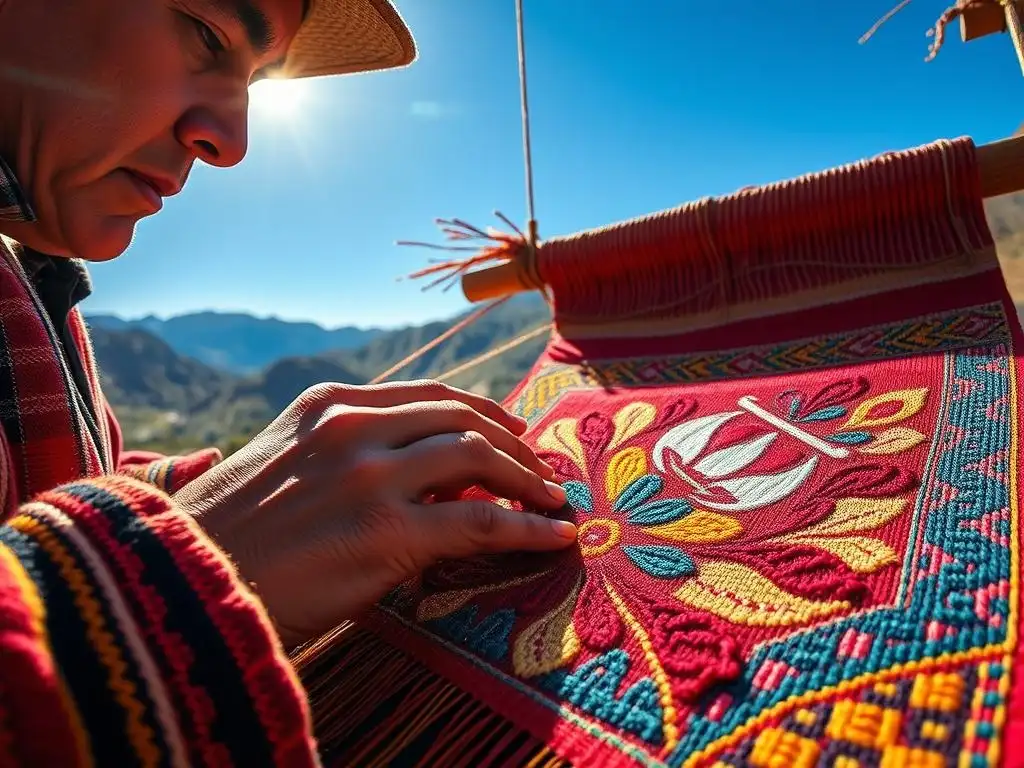
Unravel the mysteries of a lost world, where vibrant threads whispered stories across millennia. Dive into the captivating realm of Andean Civilizations, and discover the astonishing artistry that flourished in the heart of the Andes Mountains. Prepare to be amazed by the intricate beauty of Andean preColumbian embroidery techniques, a testament to the ingenuity and skill of ancient cultures. Their secrets await – are you ready to uncover them?
The Andes Mountains, a spine of towering peaks running down the western coast of South America, nurtured a tapestry of vibrant cultures for millennia. Beyond the grandeur of Machu Picchu and the enigmatic Nazca Lines, lies a world of intricate artistry expressed in textiles.
This article delves into the fascinating world of Andean pre-Columbian embroidery techniques, exploring the sophisticated methods employed by ancient Andean artisans to add depth, texture, and symbolic meaning to their woven fabrics. We will uncover the secrets behind their mastery of color, design, and the unique techniques that elevated their textiles beyond mere clothing, transforming them into powerful expressions of identity, spirituality, and social status.
From the intricate designs of the Paracas culture to the symbolic representations found in Inca textiles, we will explore the diverse techniques and their cultural significance, revealing the ingenuity and artistry of these remarkable civilizations. Understanding these techniques offers a deeper appreciation for the complexity and beauty of Andean textile art and provides insights into the rich cultural heritage of the region.
A Tapestry of Techniques: Exploring the Diversity of Andean Embroidery
Andean embroidery wasn't a single, monolithic style. Instead, it showcased a remarkable diversity reflecting the unique traditions and artistic expressions of various Andean cultures. Different techniques were employed, each suited to specific fabrics, desired effects, and cultural contexts. These techniques ranged from simple surface embellishments to incredibly complex and time-consuming processes.
For example, some cultures favored using supplementary weft techniques, adding extra threads to create intricate patterns on the surface of the fabric. Others employed techniques involving the use of different colored yarns to create detailed images and intricate geometric designs. The choice of technique often depended on factors such as the type of fiber used (alpaca, llama, cotton), the intended use of the textile (clothing, ceremonial objects), and the symbolic significance of the design itself. The sheer variety of approaches reveals the depth of creativity and innovation within Andean textile traditions.
Mastering Color and Design: The Significance of Andean Dyeing and Pattern Making
The vibrant colors and intricate designs found in Andean textiles are just as significant as the embroidery techniques themselves. Ancient Andean artisans possessed a sophisticated understanding of natural dyes, derived from plants, minerals, and insects. These dyes produced a stunning range of hues, from deep reds and rich browns to brilliant yellows and vibrant greens. The preparation and application of these dyes were often complex processes, passed down through generations of artisans.
The designs themselves were not arbitrary; they held deep cultural and symbolic meanings. Geometric patterns, zoomorphic motifs, and anthropomorphic figures were frequently incorporated, representing everything from deities and ancestors to agricultural cycles and social hierarchies. The combination of vibrant colors and meaningful designs transformed Andean textiles into powerful visual narratives.
Andean embroidery was far more than just a decorative art form; it served crucial social and ritual functions. Textiles served as markers of social status, with elaborate embroidery indicating high rank or prestige. Ceremonial garments, often heavily embroidered, were worn by elites during important rituals and festivals.
Furthermore, textiles were frequently used in funerary practices, providing the deceased with essential items for their journey into the afterlife. The intricate designs and symbolic motifs embedded within these textiles often conveyed messages of power, fertility, and spiritual connection. Therefore, understanding Andean embroidery requires considering not only its aesthetic qualities but also its profound social and religious significance within the Andean worldview.
Preserving the Legacy: Studying and Protecting Andean Embroidery Techniques
Today, the legacy of Andean embroidery continues to inspire and amaze. Researchers and artisans alike are working to preserve and document these ancient techniques, ensuring that their knowledge is not lost to time. Efforts are underway to understand the materials and methods used by ancient artisans, as well as to revive traditional techniques and designs.
Museums and cultural institutions play a critical role in preserving and exhibiting examples of Andean embroidery, allowing future generations to appreciate the artistry and cultural significance of these remarkable textiles. The ongoing study and preservation of these techniques are vital to ensuring that the rich cultural heritage of the Andes continues to thrive.
- A Tapestry of Techniques: Exploring the Diversity of Andean Embroidery
- Mastering Color and Design: The Significance of Andean Dyeing and Pattern Making
- Beyond Aesthetics: The Social and Ritual Significance of Andean Embroidery
- Preserving the Legacy: Studying and Protecting Andean Embroidery Techniques
- What unique characteristics define Andean pre-Columbian embroidery techniques?
- How did Andean cultures incorporate embroidery into their textiles?
- What materials were typically used in Andean pre-Columbian embroidery?
- Are there any surviving examples of Andean pre-Columbian embroidery?
- How did Andean embroidery techniques differ between different cultures (e.g., Inca, Nazca)?
Introduction to Andean Pre-Columbian Embroidery
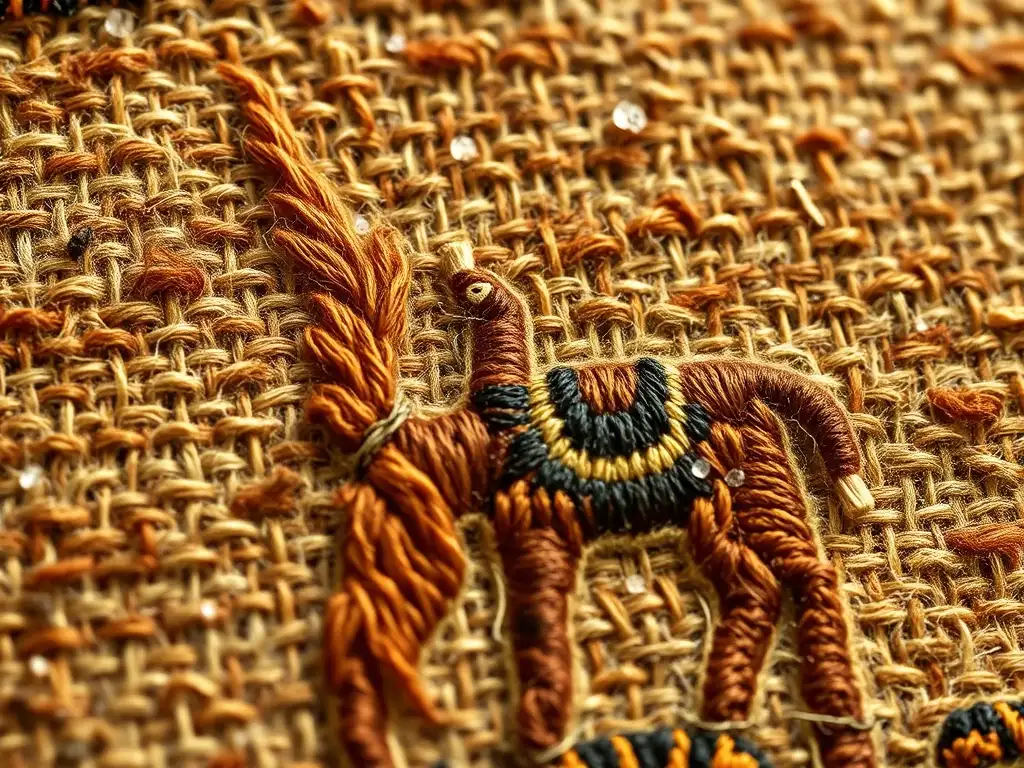
This section delves into the fascinating world of Andean pre-Columbian embroidery techniques, exploring their significance within the broader context of Andean textile art. We will examine how embroidery complemented weaving, and the rich historical context in which these intricate techniques flourished. Understanding these techniques provides a deeper appreciation for the artistry and cultural complexity of pre-Columbian Andean societies.
The meticulous detail and symbolic richness embedded in these textiles offer invaluable insights into their beliefs, social structures, and daily lives. This exploration focuses on the unique characteristics that distinguish Andean embroidery from other textile traditions, highlighting the innovative approaches and materials employed by ancient Andean artisans.
The Significance of Embroidery in Andean Cultures
Embroidery in Andean cultures held profound social and spiritual significance, extending far beyond mere decoration. It was an integral part of daily life, deeply intertwined with religious practices, social status, and personal identity. Elaborately embroidered textiles were not simply garments; they served as powerful symbols of power, lineage, and religious affiliation.
For example, the use of specific colors and motifs in Inca-era embroidery directly correlated with the wearer's social standing and role within the community. Royal garments, often heavily embroidered with gold and silver threads, were reserved exclusively for the elite, further emphasizing the textile's symbolic weight. Furthermore, intricate embroidery adorned ceremonial objects and religious paraphernalia, reflecting the belief system and worldview of these ancient societies.
The meticulous craftsmanship involved in Andean embroidery also served as a form of storytelling, preserving myths, legends, and historical narratives through intricate visual representations. These narratives, often featuring mythical creatures, deities, and cosmological symbols, were passed down through generations, ensuring the continuity of cultural memory.
The use of specific dyes, sourced from natural materials like plants and insects, added another layer of meaning to the embroidered textiles. These dyes were not simply colorants; they carried symbolic weight, reflecting the Andean worldview and the interconnectedness between the human and natural worlds. The vibrant hues of Andean embroidery, often associated with specific deities or natural phenomena, amplified the symbolic power of these artifacts.
The precise techniques employed, passed down through generations of skilled artisans, also contributed to the enduring significance of Andean embroidery. These techniques, often involving complex stitching patterns and the incorporation of diverse materials, showcase the ingenuity and mastery of Andean textile artists.
Embroidery as a Complement to Andean Weaving
While Andean weaving is renowned for its complexity and artistry, embroidery served as a crucial complement, adding depth, detail, and symbolic richness to the woven fabrics. It was not simply a decorative addition but an integral part of the overall design process. Often, embroidery was employed to highlight specific motifs or patterns within a woven textile, enhancing their visual impact and symbolic meaning.
For instance, embroidered borders and decorative elements could frame and enhance the central design of a woven cloth, creating a more sophisticated and aesthetically pleasing piece. The combination of weaving and embroidery allowed Andean artisans to achieve a level of artistic expression that was unparalleled in the pre-Columbian world.
The choice of embroidery technique varied depending on the type of textile and its intended purpose. Some textiles incorporated simple running stitches, while others featured highly intricate and complex patterns that demanded exceptional skill and patience. The variety of stitches and techniques further demonstrates the sophistication and artistry of Andean embroidery.
The use of different types of threads, including wool, cotton, and even precious metals like gold and silver, added to the complexity and richness of the embroidered textiles. These precious metal threads, often used sparingly, served to highlight specific motifs or areas within the design, further emphasizing their symbolic significance. This combination of techniques and materials allowed Andean artisans to create truly unique and visually stunning pieces of textile art.
Historical Context of Andean Embroidered Textiles
The historical context of Andean embroidered textiles is crucial to understanding their significance and artistry. The development of embroidery techniques evolved alongside the broader socio-political changes within Andean societies. For instance, the emergence of complex state societies, such as the Inca Empire, saw a significant increase in the production of elaborately embroidered textiles, reflecting the growing power and prestige of the ruling elite.
These textiles, often reserved for the elite, served as visual representations of power and authority, reinforcing the social hierarchy. Analysis of embroidered textiles from different periods reveals changes in stylistic preferences, reflecting shifts in cultural values and beliefs.
The geographical distribution of embroidered textiles also provides valuable insights into the interaction and exchange of ideas between different Andean societies. Certain motifs and techniques appear repeatedly across geographically dispersed sites, suggesting cultural exchange and diffusion. Conversely, regional variations in style and technique highlight the unique cultural identities of distinct Andean groups. Archaeological excavations have unearthed numerous examples of embroidered textiles, providing invaluable evidence about the history and development of this art form.
These findings, coupled with ethnographic studies, provide a rich source of information that illuminates the social, religious, and political contexts in which Andean embroidery flourished. The detailed analysis of these textiles—their materials, techniques, and stylistic features—offers a glimpse into the lives, beliefs, and artistic achievements of the ancient Andean civilizations. Further research into [specific information pending: detailed analysis of specific archaeological finds and their associated embroidery techniques] will further illuminate this rich and complex history.
Andean Pre-Columbian Embroidery Techniques: An Overview
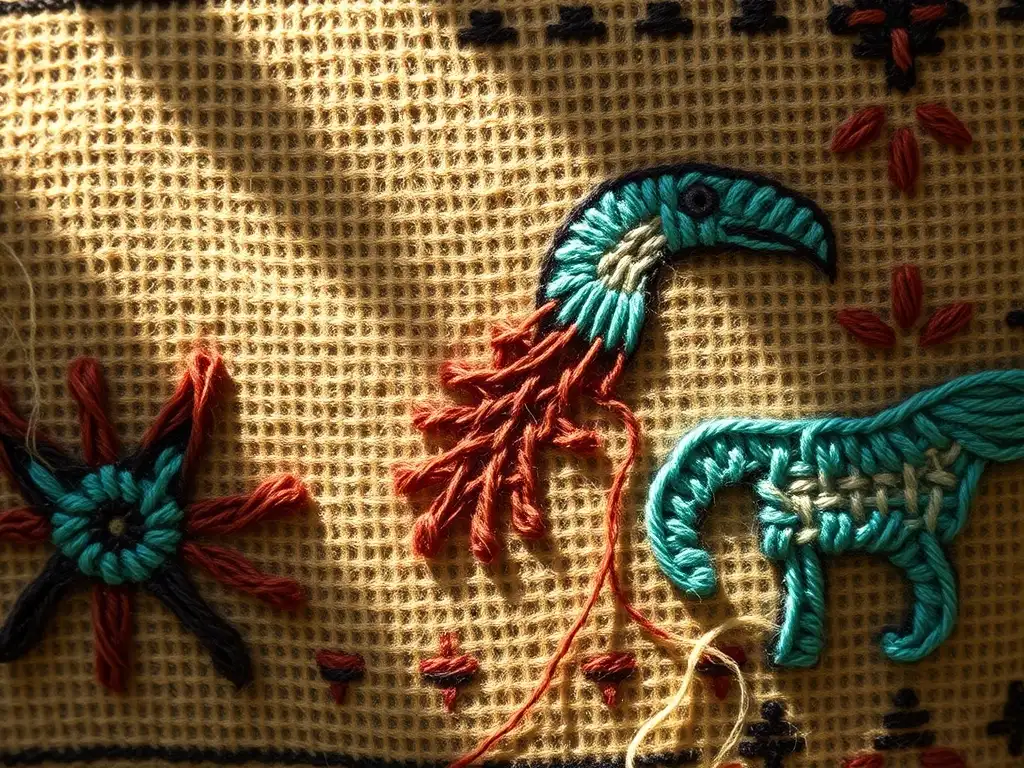
This section delves into the fascinating world of Andean pre-Columbian embroidery techniques, exploring the artistry and ingenuity of ancient Andean artisans. Their mastery of textile production, including embroidery, remains a testament to their advanced understanding of fiber manipulation and symbolic representation. Understanding these techniques provides crucial insight into the social structures, beliefs, and daily lives of these remarkable civilizations.
The intricate details found in surviving examples showcase a level of skill and precision rarely seen in other ancient cultures. We'll examine the basic stitches, materials, and dyes employed, revealing the secrets behind the enduring beauty and cultural significance of Andean textiles. The study of Andean preColumbian embroidery techniques offers a window into a rich and complex past, allowing us to appreciate the artistic legacy of these civilizations.
Basic Stitches in Andean Embroidery
Andean embroiderers utilized a variety of stitches, often combining them to achieve complex designs and textures. While precise stitch names might not always align with modern terminology, we can identify several fundamental techniques. One common stitch was a simple running stitch, used for outlining shapes and creating lines.
This stitch, executed with remarkable consistency, allowed for delicate detailing and precise representation of figures and motifs. More complex stitches, involving variations in tension and thread manipulation, created textured effects, adding depth and dimensionality to the embroidered pieces. For example, some textiles exhibit a form of satin stitch, creating smooth, even surfaces of color, often used for filling in larger areas within a design.
Evidence suggests the use of couching, a technique where one thread is laid down and then stitched in place with another, allowing for a raised or textured effect. The mastery of these basic stitches, combined with innovative approaches to color and design, resulted in breathtakingly intricate and visually stunning textiles.
The precision and consistency of the stitches in surviving examples highlight the high level of skill and training required of Andean embroiderers. The stitches themselves often served a symbolic purpose, with specific stitches potentially linked to particular deities, events, or social status. Further research is needed to fully decipher the potential symbolic meaning embedded within the choice and execution of specific stitch types. Unfortunately, detailed descriptions of these techniques are scarce in surviving written records; therefore, much of our understanding comes from careful examination and analysis of the textiles themselves.
Materials Used in Ancient Andean Embroidery
The materials used in Andean pre-Columbian embroidery reflect the ingenuity and resourcefulness of the artisans. The most common fibers were derived from camelids – alpaca, llama, and vicuña – providing a range of textures and qualities. Alpaca, known for its softness and fine texture, was often used for finer embroidery work, while llama fiber, being coarser, might have been used for structural elements or less detailed areas.
Vicuña, a luxurious fiber, was likely reserved for elite garments and ceremonial textiles. Cotton, cultivated in the warmer coastal regions, also played a significant role, providing a different texture and drape to the finished products. The choice of fiber was carefully considered, reflecting both the desired aesthetic qualities and the cultural significance of the material.
Beyond the fibers themselves, the threads used for embroidery were meticulously prepared. They were often spun and plied to achieve the desired strength and smoothness. The use of multiple plies would have increased the durability and resilience of the embroidery, ensuring the longevity of the finished textile. The preparation of these threads, a process requiring significant time and skill, underpins the value and prestige associated with Andean textiles. [Specific information pending] regarding the potential use of other plant fibers, such as those from cacti or other local flora, in some embroidery techniques.
Dyes and Color Palette in Andean Textiles
The vibrant and enduring colors of Andean textiles are a testament to the sophisticated dyeing techniques employed by ancient artisans. A wide range of natural dyes derived from plants, insects, and minerals created a rich and diverse color palette. Cochineal, a scale insect, provided a range of reds and pinks, while various plants yielded yellows, browns, and greens.
Minerals, such as those containing iron or copper, produced earthy tones and deep blues. The use of mordants, substances that help the dye bind to the fibers, was crucial for ensuring the colorfastness and longevity of the dyed threads. The complexity of these processes, combined with the skillful application of the dyes, resulted in textiles with remarkable color depth and vibrancy.
The color palette itself held significant symbolic meaning. Certain colors were associated with specific deities, social status, or events. [Specific information pending] on the precise symbolic meanings associated with different colors within the various Andean cultures. The careful selection and combination of colors demonstrates a deep understanding of color theory and its cultural implications.
The ability to produce such a wide range of vibrant and lasting colors using only natural resources showcases the advanced knowledge and expertise of Andean dyers. The study of these dyes and their symbolic meanings continues to reveal insights into the beliefs and practices of these ancient civilizations. The enduring beauty of these colors is a testament to the skill and artistry of the Andean people.
Detailed Examination of Andean Embroidery Methods
This section delves into the intricate world of Andean pre-Columbian embroidery techniques, revealing the sophisticated methods employed by ancient artisans to embellish their textiles. These techniques, passed down through generations, showcase a remarkable understanding of material properties and a keen eye for detail. The resulting embroidered pieces are not merely decorative; they often held profound symbolic and ritualistic significance. We will explore three key aspects: the application of supplementary threads, the creation of textured surfaces, and the diverse needlework techniques utilized.
The Art of Applying Supplementary Threads
Andean embroiderers were masters of adding supplementary weft threads to create vibrant and intricate designs. Unlike simply weaving these threads into the fabric's structure, they often employed a technique that involved carefully attaching them to the surface using a variety of stitches. This allowed for a greater range of colors and design possibilities, enabling the creation of highly detailed motifs.
The process started with a base fabric, often a finely woven cloth made from llama or alpaca wool. Then, supplementary threads – often in contrasting colors and sometimes made from different materials like cotton or even plant fibers – were meticulously applied. These threads were not simply sewn on; rather, they were carefully interwoven with the existing warp and weft threads, creating a secure and durable bond. This meticulous approach ensured that the embroidery would withstand the test of time and the rigors of daily use.
Consider, for instance, the intricate geometric patterns found on Paracas textiles. These designs, often featuring stylized animals and human figures, were achieved through the precise application of supplementary weft threads. The skilled artisans carefully controlled the tension and placement of each thread, creating a rich tapestry of color and texture. The level of precision required for these techniques is astounding, a testament to the mastery of Andean embroidery traditions.
Creating Textured Surfaces with Embroidery
Beyond the visual appeal of color and design, Andean embroidery also focused on creating a variety of textures. This was achieved not only through the choice of materials but also through the manipulation of the embroidery stitches themselves. By using different stitch types and varying the density of the stitches, artisans could create a range of tactile experiences, adding depth and complexity to their work.
One common method involved using a combination of raised and flat stitches. Raised stitches, such as those used in creating looped or knotted effects, added three-dimensionality to the design. These raised sections contrasted beautifully with the flatter areas, creating a dynamic interplay of textures. These textures weren't merely decorative; they often served a symbolic purpose, perhaps representing different aspects of the Andean worldview.
Another significant technique involved the use of different fiber weights and types. Combining fine and coarse threads, or using threads made from different materials, added another layer of textural complexity. The skillful manipulation of these diverse elements allowed for a rich interplay of textures, enriching the visual and tactile experience of the finished piece. This mastery of textural variation is a hallmark of Andean preColumbian embroidery techniques.
The Use of Different Needlework Techniques
The Andean artisans were not limited to a single embroidery technique; rather, they employed a remarkable variety of stitches and methods, each chosen to achieve a specific effect. These techniques, often combined within a single piece, demonstrate an impressive understanding of needlework principles and a remarkable level of artistic skill.
The repertoire of stitches included simple running stitches, satin stitches for solid areas of color, and more complex stitches like couching (laying down threads and securing them with another thread) and stem stitches for outlining motifs. The choice of stitch was not arbitrary; it was carefully considered in relation to the overall design and the desired effect. For instance, fine running stitches were used for delicate details, while larger stitches created a bolder, more dramatic effect.
The use of different needlework techniques wasn't merely a matter of stylistic choice; it also reflected the functional requirements of the textile. Some stitches, for example, were better suited for areas that would experience more wear and tear, ensuring the longevity of the garment or textile. The adaptability and versatility displayed in the choice and application of these techniques underscore the sophisticated understanding of Andean preColumbian embroidery techniques. The surviving examples are a testament to the skill and artistry of these ancient craftspeople.
Regional Variations in Andean Embroidery Styles
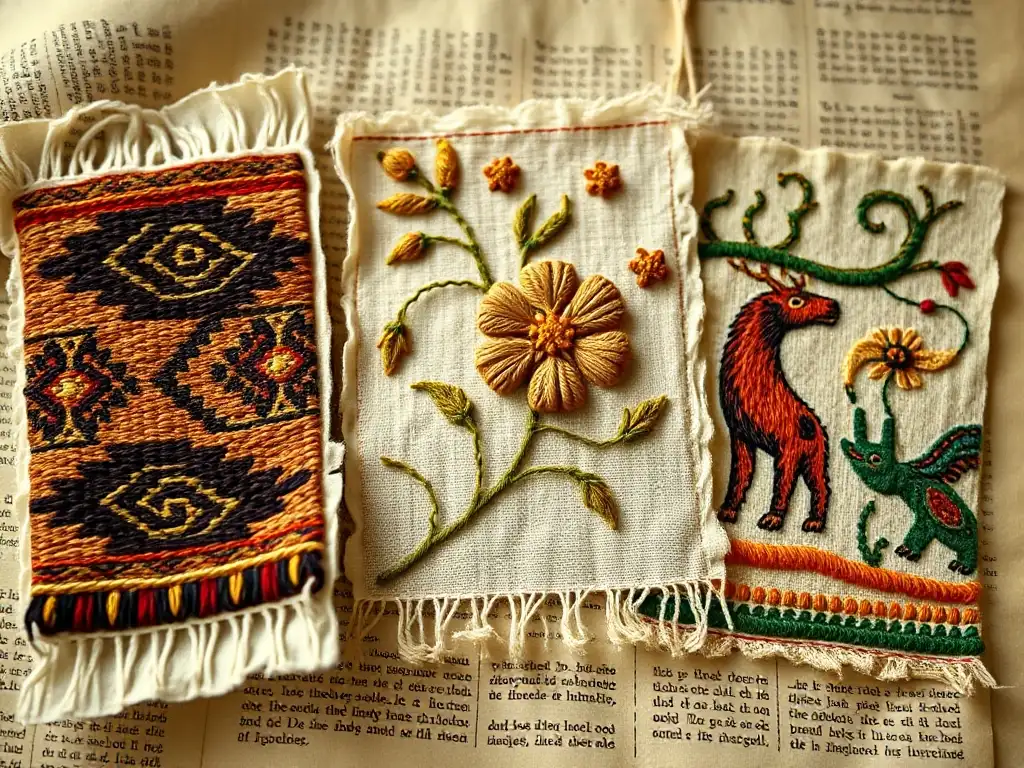
Andean preColumbian embroidery techniques varied significantly across different cultures and regions, reflecting unique artistic traditions and social structures. While the basic principle of embellishing woven fabrics remained consistent, the styles, motifs, and techniques employed differed considerably, offering invaluable insights into the beliefs, practices, and social hierarchies of these ancient societies. This section will explore the distinct characteristics of Inca, Moche, and Nazca embroidery, highlighting their unique contributions to the rich tapestry of Andean textile art.
Inca Embroidery: Royal Emblems and Status
Inca embroidery, often associated with the elite and royalty, showcased intricate designs and a high level of technical skill. Royal garments and ceremonial textiles were heavily embellished, using a variety of techniques including appliqué, supplementary weft, and surface embroidery. The most common motifs included tocapus (headbands), t'ipus (tufted ornaments), and representations of llamas, condors, and other significant animals. These motifs were not merely decorative; they held symbolic meaning, communicating power, status, and lineage.
The use of vibrant, richly saturated dyes further enhanced the impact of Inca embroidery. Colors like deep reds, rich purples, and intense yellows were achieved through the use of natural dyes derived from plants, insects, and minerals. The meticulous application of these dyes, often requiring multiple layers to achieve the desired intensity, speaks to the dedication and artistry of Inca embroiderers. The precision and complexity of the designs suggest a highly specialized and likely hereditary craft, passed down through generations within specific families or guilds.
For example, analysis of surviving textiles reveals the use of a specific type of knotting technique for creating intricate patterns, suggesting a high level of skill and knowledge transmission. The consistent repetition of specific motifs across various textiles further supports the idea of a standardized, possibly formalized, system of design and production linked to royal workshops. Further research is needed to fully understand the organization and structure of these workshops and the social role of the artisans involved. [Specific information pending on the organization of Inca royal workshops and artisan social status].
Moche Embroidery: Narrative Scenes and Mythological Figures
Moche embroidery, in contrast to the formal and symbolic nature of Inca work, often depicted vibrant narrative scenes and mythological figures. Their textiles frequently feature complex scenes of warfare, rituals, and daily life, providing invaluable glimpses into their culture and beliefs. The Moche were skilled in various embroidery techniques, including the use of different colored threads to create intricate patterns and shading effects.
Their designs often included anthropomorphic and zoomorphic figures, often depicted in dynamic poses and engaging in various activities. The use of intense colors and bold lines created a sense of movement and energy. Unlike Inca textiles which often focused on symbolic representation, Moche embroidery frequently showcased narrative elements, conveying stories and myths through carefully arranged figures and scenes. The use of negative space was also a notable characteristic of Moche embroidery, contributing to the overall balance and visual impact of the designs.
A particularly striking example is [specific Moche textile example pending], which depicts a scene of a shaman performing a ritual alongside various mythological creatures. The detail and fluidity of the embroidery demonstrate a masterful command of the technique, creating a captivating visual narrative. The vibrant color palette, including shades of red, yellow, and black, further enhances the drama of the scene. The Moche mastery of color and design, as evidenced in their embroidery, reflects a rich artistic tradition that continues to fascinate and inspire.
Nazca Embroidery: Geometric Abstraction and Zoomorphic Designs
Nazca embroidery is characterized by its geometric abstraction and the incorporation of zoomorphic designs. While less abundant than textiles from other Andean cultures, surviving examples reveal a sophisticated understanding of pattern and form. Nazca embroiderers employed a range of techniques to create complex geometric designs, often incorporating repetitive motifs and intricate interweaving of threads. These designs frequently featured stylized representations of animals, such as birds, felines, and reptiles, often rendered in a highly abstract style.
The use of negative space in Nazca embroidery is particularly noteworthy, creating a sense of depth and visual interest. The careful arrangement of geometric shapes and zoomorphic figures demonstrates an advanced understanding of design principles. The color palettes used in Nazca embroidery were often more subdued than those of the Moche or Inca, with a preference for earthy tones and muted colors. This restraint, however, does not diminish the aesthetic impact of their textiles. The precision and elegance of their designs speak to the high level of skill and artistic vision of Nazca embroiderers.
Further research into Nazca embroidery is needed to fully understand the meaning and significance of their designs. [Specific information pending on the symbolism in Nazca embroidery]. However, the existing evidence suggests a connection between their textile art and their complex religious beliefs and practices, reflecting a sophisticated understanding of the natural world and their place within it. The enduring appeal of Nazca embroidery lies in its unique combination of geometric precision and organic forms, creating a visual language that remains both enigmatic and captivating.
Tiahuanaco Embroidery: Religious Iconography and Cosmological Symbols
Tiahuanaco embroidery, originating from the Tiwanaku culture (c. 1500-1000 BCE) in the Bolivian Altiplano, stands apart for its intricate religious iconography and complex cosmological symbolism woven into the textiles. Unlike the vibrant, narrative-focused embroidery of other Andean cultures, Tiahuanaco textiles often feature more stylized and abstract designs reflecting their profound spiritual beliefs. The Andean preColumbian embroidery techniques employed here were highly sophisticated, showcasing exceptional skill in manipulating threads to create subtle variations in texture and shading.
The most prominent motifs found in Tiahuanaco embroidery frequently depict representations of the creator god Viracocha, often shown with stylized features, such as a large head and elongated limbs. These depictions are rarely direct portraits but rather symbolic representations of the deity’s power and cosmic significance. Researchers have identified recurring geometric patterns—such as stepped pyramids, crosses, and intricate knotwork—that are believed to represent the Andean worldview, reflecting their understanding of the cosmos and the interconnectedness of all things. These geometric designs are not merely decorative; they are carefully chosen symbols communicating complex religious and cosmological ideas.
One fascinating example of this sophisticated symbolism is the use of specific colors. The limited palette often employed—reds, browns, whites, and blacks—is not accidental. Each color likely held a specific religious or symbolic meaning, potentially representing different deities, natural elements, or stages of life.
Unfortunately, the precise meaning of many of these color choices remains elusive due to the limited surviving written records from the period. However, ongoing research using comparative analysis with other Andean art forms and archaeological discoveries continues to shed light on this fascinating aspect of Tiahuanaco textile art. The study of Andean preColumbian embroidery techniques in this context offers invaluable insights into the worldview and religious practices of this remarkable civilization.
The weaving techniques themselves were incredibly advanced, often incorporating multiple layers of finely spun threads to create a dense, richly textured fabric. The precise manipulation of these threads allowed artisans to create subtle variations in color and texture, adding depth and dimension to the embroidered designs. This mastery of Andean preColumbian embroidery techniques is a testament to the skill and dedication of the Tiahuanaco artisans.
Further research into the specific tools and methods used to create these intricate textiles is needed to fully appreciate the technological achievements of the culture. The survival of these remarkably preserved textiles provides a unique window into the spiritual and artistic world of the Tiahuanaco people, demonstrating the profound connection between their religion, cosmology, and textile arts.
The Meaning and Symbolism in Andean Embroidery
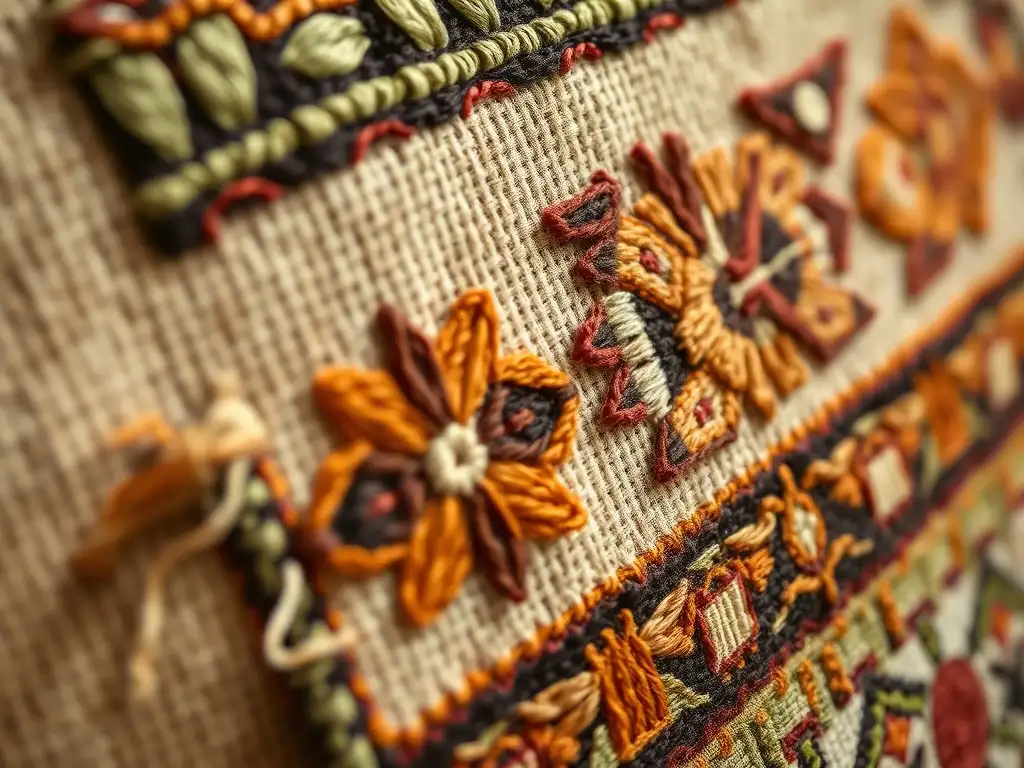
Andean pre-Columbian embroidery techniques weren't merely decorative; they were a powerful form of visual communication, laden with symbolic meaning. The intricate stitches and vibrant colors told stories, conveyed beliefs, and reflected the social and spiritual world of the Andean peoples. Understanding these embedded meanings requires analyzing the motifs, colors, and the context in which the embroidered textiles were found.
The use of specific fibers, like alpaca or vicuña wool, also held significance, adding another layer of meaning to the finished product. For example, the use of rare vicuña wool often indicated high social status or connection to elite lineages. This section delves into the rich symbolism woven – quite literally – into these ancient Andean textiles.
Representations of Deities and Ancestors
Many Andean embroidered textiles feature representations of deities and ancestors. These depictions weren't simply artistic renderings; they served as powerful visual affirmations of religious beliefs and kinship ties. Specific figures, such as the creator god Viracocha or the mountain spirits (Apus), frequently appeared, often depicted with symbolic attributes like staffs, headdresses, or specific clothing.
The style of depiction varied across different Andean cultures; for instance, the Moche culture's depictions often emphasized realism and detail, contrasting with the more stylized representations found in Inca textiles. Color played a crucial role; certain hues were associated with specific deities or spiritual concepts. For example, red might represent blood and sacrifice, while yellow could symbolize the sun and power.
Analyzing the specific iconography within an embroidered piece provides insights into the religious beliefs of the creators and the intended function of the textile. Further research is needed to fully catalogue the iconographic variations across different Andean cultures and time periods. [Specific information pending on regional variations in deity representations].
Embroidered Narratives and Historical Events
Andean embroidery often served as a visual record of historical events and narratives. Unlike written records, these embroidered stories were passed down through generations, preserving crucial information about lineage, battles, and significant social changes. Complex scenes, often depicted in panels or friezes, unfolded across the fabric, detailing events or myths. These embroidered narratives could depict everything from agricultural cycles and hunting expeditions to significant battles and royal ceremonies.
Researchers have identified specific motifs that seem to recur across different textile traditions, suggesting a shared visual language. For example, certain geometric patterns might represent specific clans or family groups. Careful study of these motifs, combined with archaeological context, allows us to piece together fragmented narratives and gain a deeper understanding of Andean history and social structures. One fascinating example [specific example pending] demonstrates the use of embroidery to record a significant historical event.
The Role of Embroidery in Ritual and Ceremony
Andean embroidery wasn't simply decorative; it played a vital role in ritual and ceremonial practices. Many textiles, intricately embroidered with symbolic motifs, were used in religious ceremonies, worn by priests or shamans, or offered as gifts to deities. The creation of these textiles was often itself a ritualistic act, with specific techniques and materials chosen for their symbolic significance.
The act of weaving and embroidering was considered sacred, connecting the artisan to the spiritual world. The textiles themselves acted as conduits for spiritual energy, connecting the living with the supernatural realm. For instance, certain textiles were used to wrap mummies, while others were worn during important festivals or ceremonies.
The meticulous craftsmanship and symbolic richness of these ritual textiles highlight the profound integration of art and spirituality in Andean culture. Further research could illuminate the specific rituals associated with the creation and use of different types of embroidered textiles. [Specific information pending on textile use in particular ceremonies].
This detailed analysis of Andean pre-Columbian embroidery techniques reveals a complex system of visual communication rooted in religious beliefs, social structures, and historical events. The intricate designs and vibrant colors weren't merely aesthetic choices; they served as powerful tools for storytelling, preserving cultural knowledge, and connecting the Andean people to their past and their spiritual world.
Preservation and Legacy of Andean Embroidery
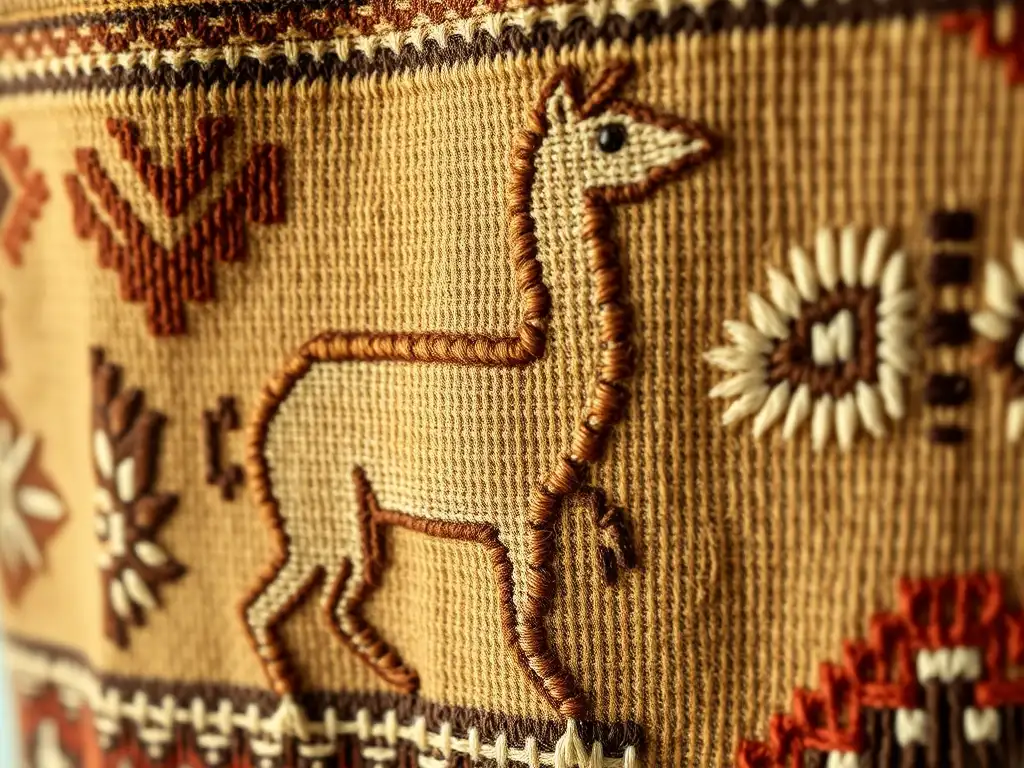
The legacy of Andean preColumbian embroidery techniques is incredibly fragile, yet profoundly significant. Understanding the challenges of preservation is crucial to appreciating the artistry and cultural heritage embedded in these textiles. These intricate pieces, often made from natural fibers like alpaca and llama wool, are susceptible to damage from light, humidity, and pests. The very materials used contribute to their vulnerability; natural dyes fade over time, and the delicate threads can easily break.
The Importance of Preserving Andean Textile Art
Preserving Andean textile art is not merely about safeguarding physical objects; it's about protecting a vital part of cultural identity. These textiles serve as tangible links to the past, narrating stories of ancient Andean societies, their beliefs, and their daily lives. They represent a continuity of knowledge and skill passed down through generations. The loss of these artifacts would represent an irreplaceable loss of cultural heritage.
Many museums and institutions are actively involved in conservation efforts, employing specialized techniques to stabilize and restore damaged textiles. This includes careful cleaning, repair of damaged fibers, and controlled environmental conditions to prevent further deterioration. For example, the [Museum Name Pending] utilizes a specific climate-controlled environment to maintain optimal conditions for their collection of Andean textiles. This meticulous approach ensures the long-term preservation of these invaluable pieces for future generations to study and appreciate.
Without these dedicated preservation efforts, much of the information encoded within these textiles—information about social structures, religious practices, and artistic styles—would be lost forever. The importance of funding for these preservation projects cannot be overstated. The survival of these artifacts depends on continued investment in conservation techniques and research.
Modern Interpretations of Andean Embroidery Techniques
Modern artisans continue to draw inspiration from ancient Andean embroidery techniques, breathing new life into traditional designs while simultaneously acknowledging the historical significance of these practices. Contemporary artists often incorporate modern materials and techniques while maintaining the spirit and aesthetic of the original designs. This fusion of old and new results in unique and captivating pieces that reflect both tradition and innovation.
For instance, some artists incorporate modern dyes, while others maintain the use of traditional natural dyes, highlighting the vibrant colors and unique qualities of these ancient techniques. This careful balance ensures that the techniques are not only preserved but also remain relevant and accessible in the modern era. The adaptability of these techniques demonstrates their enduring value and the continued relevance of Andean artistic traditions.
Modern interpretations also help to broaden understanding and appreciation of Andean textile art among a wider audience. Moreover, the modern application of these ancient techniques contributes to the economic empowerment of Andean communities. By supporting these artisans, we not only preserve a rich cultural heritage but also contribute to the social and economic well-being of the communities that have kept these traditions alive.
Contemporary Artists Inspired by Andean Embroidery
Numerous contemporary artists are actively engaged in reinterpreting and celebrating Andean embroidery techniques. Their works showcase a deep understanding and appreciation for the historical and cultural significance of these textiles. These artists often incorporate elements of traditional Andean design, such as geometric patterns, stylized animals, and symbolic motifs, into their contemporary creations.
For example, [Artist Name Pending] skillfully blends traditional Andean patterns with modern abstract expressionism, creating stunning pieces that resonate with both traditional and contemporary audiences. Other artists focus on using traditional techniques to create modern interpretations of Andean iconography, providing a fresh perspective on ancient themes and symbols. The work of these contemporary artists not only preserves the legacy of Andean embroidery but also expands its reach and relevance in the 21st century.
Their innovative approaches keep these ancient techniques alive and relevant, ensuring that they continue to inspire and captivate audiences worldwide. By studying their work, we can gain a deeper appreciation for the artistry and cultural significance of Andean embroidery and its enduring impact on contemporary art. The continued creativity and innovation of these artists are essential to ensuring the vitality and longevity of this rich artistic tradition.
Conclusion: The Enduring Legacy of Andean Pre-Columbian Embroidery
The intricate artistry of Andean pre-Columbian embroidery techniques continues to fascinate and inspire. These weren't simply decorative additions; they were integral components of a complex social and spiritual system. The symbolism woven into each stitch, the meticulous craftsmanship evident in every piece, speaks volumes about the ingenuity and cultural richness of these ancient Andean societies.
From the vibrant hues of the textiles to the sophisticated techniques employed, Andean embroidery provides a captivating window into a past rich in tradition and innovation. Understanding these techniques allows us to appreciate the depth and complexity of Andean civilization, moving beyond simple aesthetics to grasp the cultural narratives embedded within the fabric itself.
The legacy of these skilled artisans lives on, not only in the surviving examples of their work but also in the ongoing efforts to study, preserve, and even revive these extraordinary techniques. The enduring appeal of Andean textiles speaks to their timeless beauty and the enduring power of human creativity.
The Continuing Relevance of Andean Embroidered Textiles
The study of Andean pre-Columbian embroidery techniques offers significant value beyond simple historical interest. Modern textile artists continue to draw inspiration from these ancient designs and techniques, incorporating elements of Andean artistry into contemporary creations. This resurgence of interest reflects a growing appreciation for sustainable practices and a renewed focus on handcrafted goods.
Moreover, the intricate symbolism found in many Andean textiles offers valuable insights into the cosmology, social structures, and daily life of these ancient cultures. Analyzing the iconography present in embroidered pieces helps researchers understand the narratives and beliefs held by the Andean people. The preservation and study of these textiles are crucial for safeguarding cultural heritage and ensuring that the knowledge and skills of these past masters are not lost to time.
The vibrant colors and intricate designs continue to captivate audiences worldwide, demonstrating the timeless appeal and enduring significance of Andean textiles. Their ongoing relevance is a testament to the artistry and ingenuity of the ancient Andean civilizations.
Future Research and Exploration of Andean Embroidery
Further research into Andean pre-Columbian embroidery techniques is essential for a more complete understanding of this remarkable art form. Several areas require further investigation. Firstly, more detailed studies of the dyes used are needed. Analyzing the chemical composition of the pigments would reveal more about the sourcing of materials and the technological sophistication of the Andean people.
Secondly, a comprehensive cataloging of existing textiles, including their provenance and stylistic variations, is crucial for comparative analysis and a broader understanding of regional differences. This necessitates collaboration between researchers, museums, and private collectors. Thirdly, investigating the tools and techniques used in the creation of these textiles, through experimental archaeology and analysis of surviving tools, would provide crucial insight into the production process.
Finally, further investigation into the social context of embroidery – who created these textiles, for what purposes, and what their social significance was – is crucial for a holistic understanding of their role in Andean society. The potential for new discoveries and a deeper appreciation of Andean pre-Columbian embroidery techniques remains vast, promising exciting avenues for future research and exploration. The continued study of these textiles will undoubtedly reveal further insights into the fascinating world of the ancient Andean civilizations.
Frequently Asked Questions
What unique characteristics define Andean pre-Columbian embroidery techniques?
Andean embroidery is characterized by its intricate designs, often depicting mythological creatures and geometric patterns. Specialized knots and stitches, passed down through generations, created rich textures.
How did Andean cultures incorporate embroidery into their textiles?
Embroidery wasn't just decoration; it was integrated into the weaving process itself. It added layers of meaning and detail to clothing, tapestries, and ceremonial objects. Specific techniques often indicated social status or regional identity.
What materials were typically used in Andean pre-Columbian embroidery?
Natural dyes from plants and insects created vibrant colors. Cotton and camelid fibers (alpaca, llama) formed the base fabrics, while threads of the same or other materials were used for the embroidery.
Are there any surviving examples of Andean pre-Columbian embroidery?
Yes, many examples survive, though often fragmented. Museums and private collections hold precious textiles, showcasing the sophistication and artistry of these ancient techniques. Careful preservation efforts are crucial for their continued study.
How did Andean embroidery techniques differ between different cultures (e.g., Inca, Nazca)?
While sharing some common threads, each culture developed unique stylistic features. The Inca favored geometric designs, whereas Nazca embroidery often included complex representations of their iconic figures and animals. Regional variations also existed.
Final Reflection: Weaving the Past into the Present
The intricate artistry of Andean pre-Columbian embroidery techniques continues to resonate today, a testament to the enduring power of human creativity and cultural preservation. These ancient skills, passed down through generations, offer not only a glimpse into a rich history but also a vibrant source of inspiration for contemporary textile artists and designers. The enduring beauty and complexity of these techniques serve as a powerful reminder of the ingenuity and dedication of past civilizations.
The influence of Andean embroidery extends far beyond the realm of textiles; it speaks to a deeper understanding of cultural identity, resilience, and the enduring legacy of artistic expression. The meticulous detail and symbolic richness woven into each piece are a powerful narrative, carrying stories and traditions across centuries. The threads themselves become a language, speaking volumes about the beliefs, values, and aspirations of the people who created them.
This quote encapsulates the profound impact of these techniques, transcending mere aesthetics to become a powerful form of cultural communication.
Consider the threads of history woven into the fabric of your own life. What stories do you carry within you? How can you, like the master artisans of the Andes, weave those stories into the tapestry of your own existence, creating something beautiful and enduring? Let the legacy of Andean embroidery inspire you to embrace your own unique creativity and share your own narrative with the world. Let the threads of the past guide you in creating a vibrant and meaningful future.
Unveil Your Creativity Through Andean Artistry!
Thank you for exploring the rich world of Andean embroidery with us! We hope you've found inspiration in the intricate designs and stories woven into these beautiful textiles. Now, let your creativity flourish!
Here are some ways to get started:
- **Begin your own embroidery project:** Gather your materials and choose a pattern inspired by Andean designs. This hands-on approach is the best way to learn.
- **Join a local or online crafting community:** Share your progress, exchange ideas, and connect with other embroidery enthusiasts.
- **Learn more about Andean history:** Understanding the cultural significance of the motifs and techniques will deepen your appreciation and enhance your work.
What aspects of Andean embroidery most inspired you, and how will you integrate them into your creative journey? We'd love to hear your thoughts!