
The Power of Images: How Andean Symbols Shaped Beliefs and Practices

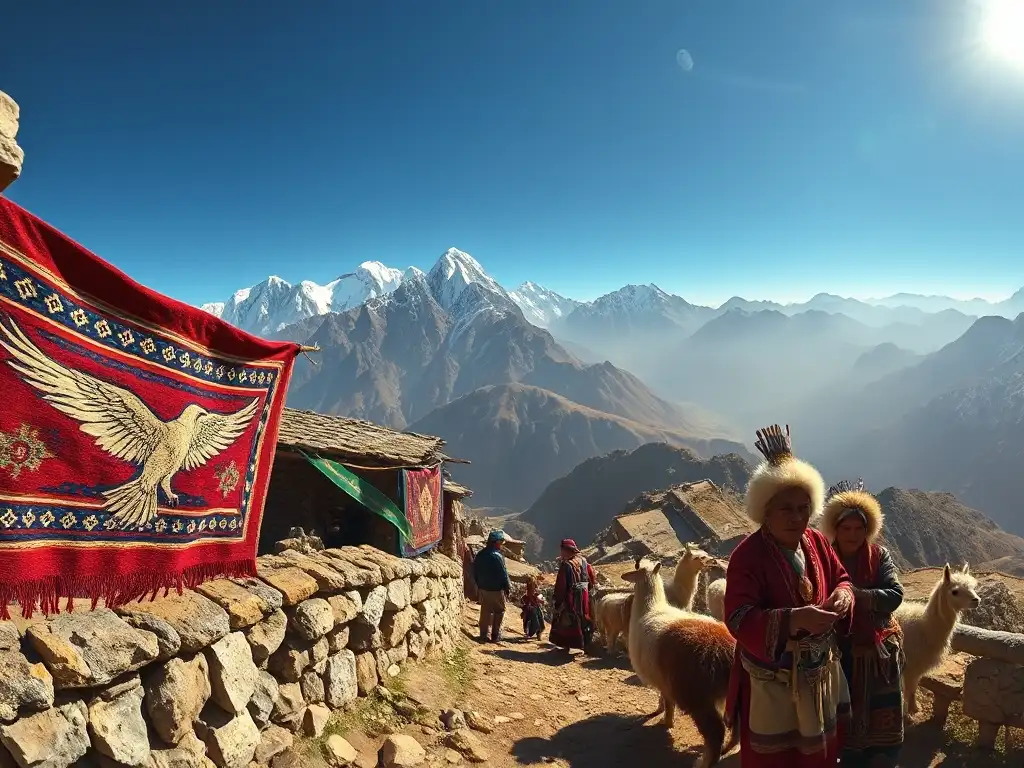
Unravel the mysteries hidden within the breathtaking landscapes of the Andes! Journey back in time to discover the vibrant tapestry of ancient Andean cultures, from the Incas to the Nazca. But what did their intricate symbols truly mean? Explore the profound impact of Andean symbols meaning and use on the beliefs and practices of these fascinating civilizations – a story waiting to be deciphered in our exploration of Andean art and iconography. Prepare to be amazed.
The Andes Mountains, a spine of towering peaks running down the western coast of South America, were home to a breathtaking array of vibrant and complex civilizations. For millennia, these cultures—including the Incas, Moche, Nazca, and Tiahuanaco—developed sophisticated systems of belief and practice deeply intertwined with powerful visual imagery.
This article delves into the fascinating world of Andean symbols, exploring their meaning and use within the context of religious rituals, social structures, and daily life. We will uncover how these carefully crafted images served as powerful tools for communication, transmitting complex ideas, beliefs, and values across generations and even across different Andean cultures.
Understanding these symbols provides a crucial key to unlocking the rich tapestry of Andean history and culture, offering insights into their worldview and the intricate workings of their societies. This exploration of Andean symbols meaning and use will reveal the profound impact of visual communication on the development and continuity of these remarkable civilizations.
The Sun, the Moon, and the Stars: Celestial Deities in Andean Iconography
Andean cosmology was deeply intertwined with celestial observation. The sun ☀️, moon 🌙, and stars 🌟 were not merely astronomical phenomena but powerful deities, integral to the religious beliefs and agricultural practices of numerous Andean cultures. Representations of the sun often took the form of a stylized face, sometimes adorned with rays emanating outwards, symbolizing its life-giving power.
The moon, frequently depicted as a crescent or full disc, was associated with femininity and cyclical processes. Constellations, too, held significant meaning, with specific star patterns linked to seasonal changes and agricultural cycles. For example, the Pleiades constellation played a crucial role in determining the timing of planting and harvesting, underscoring the vital connection between celestial events and earthly productivity.
Detailed astronomical observations, recorded through intricate knot systems (quipus) and possibly reflected in monumental architecture, suggest a sophisticated understanding of celestial mechanics and their influence on Andean life. The precise methods of observation and the specific interpretations of celestial events vary across different Andean cultures, reflecting diverse cosmologies and belief systems.
Geometric Patterns: Order, Harmony, and the Sacred
Beyond celestial imagery, Andean art abounds with intricate geometric patterns. These were not merely decorative elements but powerful symbols carrying profound meaning. Triangles, squares, and stepped pyramids frequently appeared in textiles, pottery, and architecture, often representing concepts of order, harmony, and the sacred. For instance, the stepped pyramid motif, reminiscent of the layered mountain landscape, symbolized the layered structure of the cosmos and the hierarchical organization of Andean society.
The repetition and symmetry of these patterns likely reflected the Andean emphasis on balance and the pursuit of harmony between the human and spiritual realms. Specific combinations of geometric shapes could carry distinct meanings, varying across different cultures and time periods. Further research is needed to fully understand the nuanced symbolism embedded within these intricate designs, and to clarify regional variations in their interpretations.
Animal Representations: Power, Fertility, and the Supernatural
Animals played a significant role in Andean symbolism, often representing specific qualities or embodying supernatural powers. Condor imagery, for example, symbolized power, strength, and elevation to the celestial realm. Pumas, on the other hand, were associated with earthly power, strength, and royal authority. Serpents were often linked to fertility, water, and the underworld.
The specific meaning of an animal representation often depended on its context, its depiction (e.g., posture, position, associated objects), and the culture in which it appeared. Certain animals might have held different significance in different regions or across different time periods. For example, while the condor held a prominent place in Inca iconography, its role might have been subtly different in Moche or Nazca art. Understanding the context of these animal representations is crucial for correctly interpreting their meanings and significance.
Anthropomorphic Figures: Deities, Ancestors, and Shamans
Andean art frequently features anthropomorphic figures, representing deities, ancestors, and shamans. These figures often possess exaggerated features or are adorned with elaborate headdresses and jewelry, highlighting their special status or supernatural powers. The style and attributes of these figures varied considerably across different cultures and time periods, reflecting diverse religious beliefs and social structures.
For example, the Moche culture produced highly realistic and detailed depictions of their deities, while the Nazca created more stylized and abstract representations. Careful analysis of these figures' attire, posture, and associated objects can provide valuable insights into their identity and the specific roles they played within Andean society. Further research could help to establish a clearer taxonomy of these figures and to understand the specific meanings embedded within their varied representations.
- The Sun, the Moon, and the Stars: Celestial Deities in Andean Iconography
- Geometric Patterns: Order, Harmony, and the Sacred
- Animal Representations: Power, Fertility, and the Supernatural
- Anthropomorphic Figures: Deities, Ancestors, and Shamans
- What are some common Andean symbols, and what do they represent?
- How did Andean symbols influence daily life?
- What role did these symbols play in Andean religion?
- Did different Andean cultures use the same symbols with the same meanings?
- Where can I learn more about the meaning and use of Andean symbols?
Decoding Andean Symbolism: An Introduction to Meaning and Use
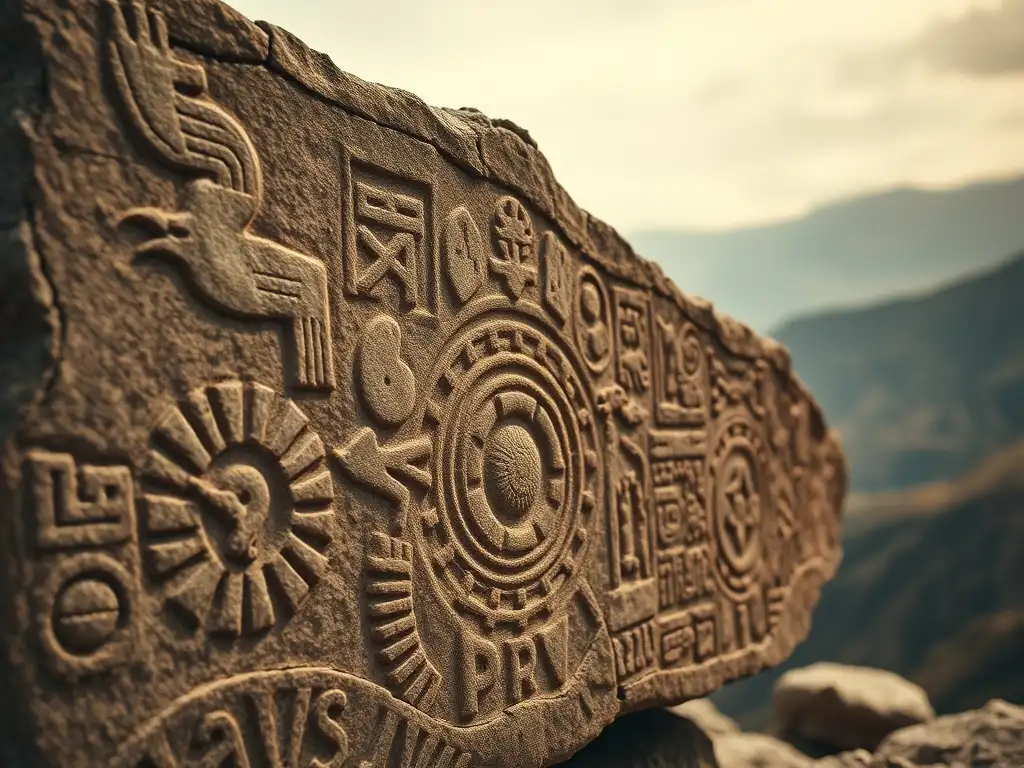
This section delves into the fascinating world of Andean symbolism, exploring how intricate imagery shaped the beliefs, practices, and worldview of ancient Andean civilizations. Understanding the meaning and use of these symbols provides crucial insight into the complex social structures, religious beliefs, and daily lives of these remarkable cultures. We'll examine how seemingly simple motifs held profound significance, acting as powerful vehicles for communication, ritual, and social control.
From the soaring condors to the intricate knots of quipus, each symbol offers a glimpse into the rich tapestry of Andean thought. The exploration of Andean symbols meaning and use requires a nuanced approach, considering the diverse cultures and their unique iconographic systems.
The Significance of Visual Language in Andean Cultures
Andean cultures, unlike many others that relied heavily on written language, developed a sophisticated system of visual communication. Their art wasn't merely decorative; it was a powerful tool for transmitting knowledge, beliefs, and social values across generations. The absence of a widespread alphabetic writing system meant that images became the primary means of recording history, expressing religious ideas, and conveying complex social messages. Consider, for instance, the intricate textiles of the Nazca culture, where elaborate designs woven into fabrics communicated narratives, social status, and even astronomical observations.
The careful placement of symbols within these textiles reveals a deep understanding of visual grammar and its communicative power. These images served as a visual encyclopedia, storing and transmitting cultural knowledge in a way that transcended the spoken word. The meaning embedded within these images was often layered and multifaceted, requiring careful interpretation to fully grasp their significance.
The importance of visual language is further emphasized by the prevalence of monumental architecture, such as the imposing structures at Tiahuanaco. The complex carvings and arrangements of stones within these sites likely held deep symbolic meaning, acting as powerful focal points for religious ceremonies and social gatherings. Even the seemingly simple act of weaving, a ubiquitous practice across Andean societies, became a powerful medium for symbolic expression.
The choice of colors, patterns, and motifs within woven fabrics carried specific meanings, reflecting the wearer's social standing, clan affiliation, or participation in particular rituals. This deeply embedded visual language fostered a strong sense of cultural identity and continuity across generations.
Understanding the Importance of Andean Iconography
Andean iconography is characterized by its complexity and diversity. Different cultures utilized distinct sets of symbols, yet certain motifs, such as the feline, serpent, and condor, appear repeatedly across various Andean societies, suggesting shared symbolic associations. However, the specific meaning of these symbols varied depending on the context and the cultural group. For example, the condor, often associated with power and royalty, might have held different connotations in Inca society compared to its representation in Moche art. This necessitates a careful consideration of context when interpreting Andean symbols.
The study of Andean iconography requires a multidisciplinary approach, drawing on insights from archaeology, anthropology, and art history. Researchers analyze the context in which symbols appear – whether on pottery shards, textiles, stone carvings, or monumental architecture – to understand their intended meaning. The use of specific colors also held symbolic weight; for instance, red often represented blood, sacrifice, and power, while yellow symbolized the sun and gold.
Analyzing the stylistic features of the images, such as the size, placement, and relationship to other elements, is crucial to unlocking their deeper meanings. Furthermore, the study of quipus, the complex knotted cords used for record-keeping, offers additional insight into how Andean societies encoded information visually.
The intricate knotting system represented a sophisticated form of data storage and communication, highlighting the importance of visual literacy within these societies. The complexity of the quipus system, combined with the intricate visual language found throughout Andean art, underscores the sophistication of their symbolic system and its vital role in shaping their world.
The study of Andean symbols meaning and use continues to evolve as new archaeological discoveries are made and new interpretive frameworks are developed. The richness and complexity of Andean iconography offer a unique opportunity to understand the perspectives and beliefs of a remarkable group of ancient civilizations. The enduring legacy of these symbols reflects the powerful impact of visual language on the shaping of Andean cultures and their enduring influence on the region.
Key Andean Symbols and Their Interpretations
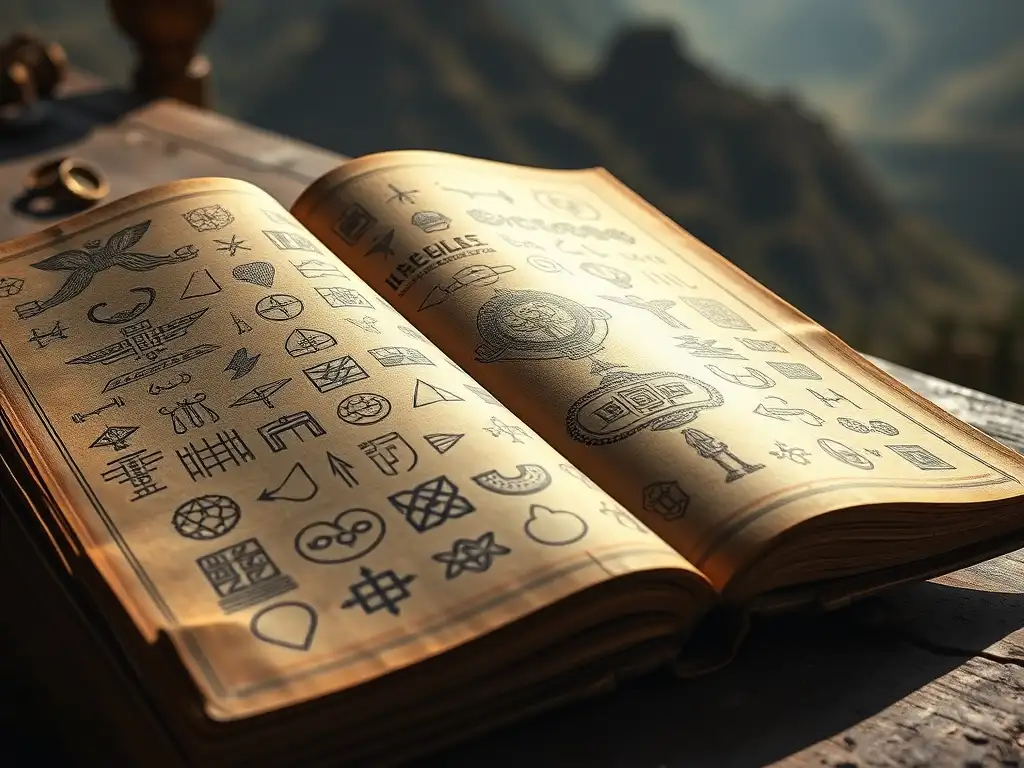
This section delves into the meaning and use of key Andean symbols, exploring their significance within the rich tapestry of Andean culture and beliefs. Understanding these symbols provides crucial insight into the worldview, religious practices, and social structures of ancient Andean civilizations. The intricate designs and symbolic representations found in Andean art, textiles, and architecture reveal a sophisticated system of communication and meaning-making that continues to fascinate and inspire researchers today.
The pervasive presence of these symbols highlights their importance in shaping Andean identity and transmitting cultural knowledge across generations. Analyzing their variations and interpretations allows us to appreciate the complexity and dynamism of Andean symbolism.
The Chakana: The Andean Cross and its Cosmic Significance
The chakana, often referred to as the Andean Cross, is arguably one of the most recognizable and important symbols of the Andes. Its meaning transcends a simple geometric form, encompassing a complex cosmology and worldview. The chakana's three levels are frequently interpreted as representing the three worlds in Andean belief: the hanan pacha (upper world), the kay pacha (this world), and the ukhu pacha (underworld).
This tripartite division reflects a deep understanding of the interconnectedness of these realms and the cyclical nature of life, death, and rebirth. The chakana's central square often symbolizes the intersection and balance between these worlds, emphasizing the harmony and equilibrium that were essential to Andean life.
The Chakana as a Representation of the Andean Worldview
The chakana's representation of the Andean worldview extends beyond its depiction of the three worlds. The four arms extending from the central square are often interpreted as representing the four cardinal directions, further reinforcing the concept of balance and harmony. Some scholars suggest that the twelve points of the chakana represent the twelve months of the solar year, highlighting the importance of agricultural cycles and the close relationship between Andean people and their environment.
The intricate details and variations found in chakana depictions across different Andean cultures underscore the symbol's adaptability and its capacity to convey diverse meanings within a shared cosmological framework. Its presence on textiles, pottery, and stone structures speaks to its profound significance in daily life and religious ceremonies.
Variations and Interpretations of the Chakana Symbol
While the three-level interpretation is prevalent, variations in the chakana's design and associated meanings exist across different Andean cultures and time periods. Some chakana depictions include additional elements, such as stairs or steps leading to the upper world, further enriching its symbolic complexity. The stylistic differences in the execution of the chakana—whether it is meticulously carved in stone, intricately woven into textiles, or simply painted on pottery—also reveal subtle variations in its meaning and cultural context.
The chakana’s enduring presence and its capacity to adapt to different artistic styles and cultural contexts underscores its enduring power and importance as a symbol of Andean identity. Further research into regional variations could reveal even more nuanced interpretations of this iconic symbol.
The Puma: Power, Strength, and the Andean World
The puma, a powerful and majestic feline, holds a prominent place in Andean symbolism. Frequently depicted in Andean art and mythology, the puma represents strength, power, and the connection between the earthly and spiritual realms. Its nocturnal habits and elusive nature added to its mystique, making it a potent symbol for both leaders and shamans. The puma's association with the underworld and its ability to navigate both the visible and invisible worlds further solidified its importance in Andean cosmology and religious practices.
The Puma as a Totemic Animal and its Symbolic Attributes
The puma functioned as a totemic animal for various Andean groups, symbolizing protection, leadership, and connection to ancestral spirits. Different Andean cultures attributed specific symbolic attributes to the puma, reflecting their own unique traditions and beliefs. For example, the puma's agility and stealth were associated with hunting prowess, while its powerful physique represented strength and dominance. The puma's connection to the night and the underworld also linked it to shamanic practices and the ability to communicate with the spirit world. Its role in Andean mythology demonstrates the pivotal position the animal occupied within the cultural landscape.
Depictions of the Puma in Andean Art and Architecture
Depictions of the puma are widely found in Andean art and architecture, ranging from intricate textile designs to monumental stone carvings. The puma's features, such as its sharp claws, piercing gaze, and powerful body, are often emphasized in these representations, highlighting its ferocity and strength. The style and context of these depictions vary considerably depending on the specific Andean culture and the intended purpose of the artwork.
For instance, puma figures might appear as guardians on temple walls, as decorative motifs on textiles, or as symbolic representations in ceremonial objects. These varied depictions reflect the puma's multifaceted role in Andean society and its enduring significance within Andean culture. Analyzing the stylistic choices and the contexts in which the puma is depicted provides valuable insights into its symbolic meanings and its role in the lives of ancient Andean peoples.
The Serpent: Transformation, Fertility, and the Underworld
The Serpent's Role in Andean Cosmology and Mythology
The serpent, a powerful symbol across numerous cultures, holds a particularly significant place in Andean cosmology and mythology. It's often associated with both life and death, embodying the cyclical nature of existence prevalent in Andean worldview. The serpent's ability to shed its skin symbolizes transformation, renewal, and regeneration—a potent metaphor for the continuous cycle of growth and decay observed in the natural world, mirroring the Andean understanding of the cosmos.
Furthermore, its subterranean movements connect it to the underworld, a realm of mystery and power that held considerable spiritual importance for Andean peoples. The serpent's association with water sources further enhances its connection to fertility and the life-giving forces of nature. Many myths and legends depict the serpent as a powerful deity or intermediary between the human and spiritual worlds, influencing the flow of life and impacting the fertility of the land.
Its presence in creation myths often underscores its role in shaping the landscape and the very fabric of Andean existence. The dual nature of the serpent, representing both fertility and destruction, highlights the Andean understanding of balance and duality in the cosmos.
Symbolic Representations of Serpents in Various Andean Cultures
Serpents appear in diverse symbolic forms across different Andean cultures. In the art of the Moche civilization, for instance, serpents are frequently depicted in elaborate ceramics and metalwork, often intertwined with other symbolic creatures, highlighting their connection to the complex web of Andean beliefs. Their representation varied greatly depending on the context and the specific culture.
Sometimes, they were portrayed as benevolent deities, guardians of fertility and abundance. In other instances, they symbolized the destructive forces of nature, such as earthquakes or floods. The Nazca culture, known for its intricate geoglyphs, also included serpent motifs in their designs, though the specific meaning of these representations remains a subject of ongoing research and interpretation.
The Inca, too, incorporated the serpent in their iconography, though often in a more subtle and integrated manner compared to the more overtly symbolic representations found in earlier Andean cultures. Analyzing these variations reveals a rich tapestry of beliefs and interpretations surrounding this powerful symbol across time and space within the Andean region. The specific iconography — whether a feathered serpent, a serpent with human features, or a purely reptilian form — significantly altered the interpretation of its meaning within a given context.
The Condor: Spirit, Sky, and Connection to the Divine
The Condor's Significance as a Messenger of the Gods
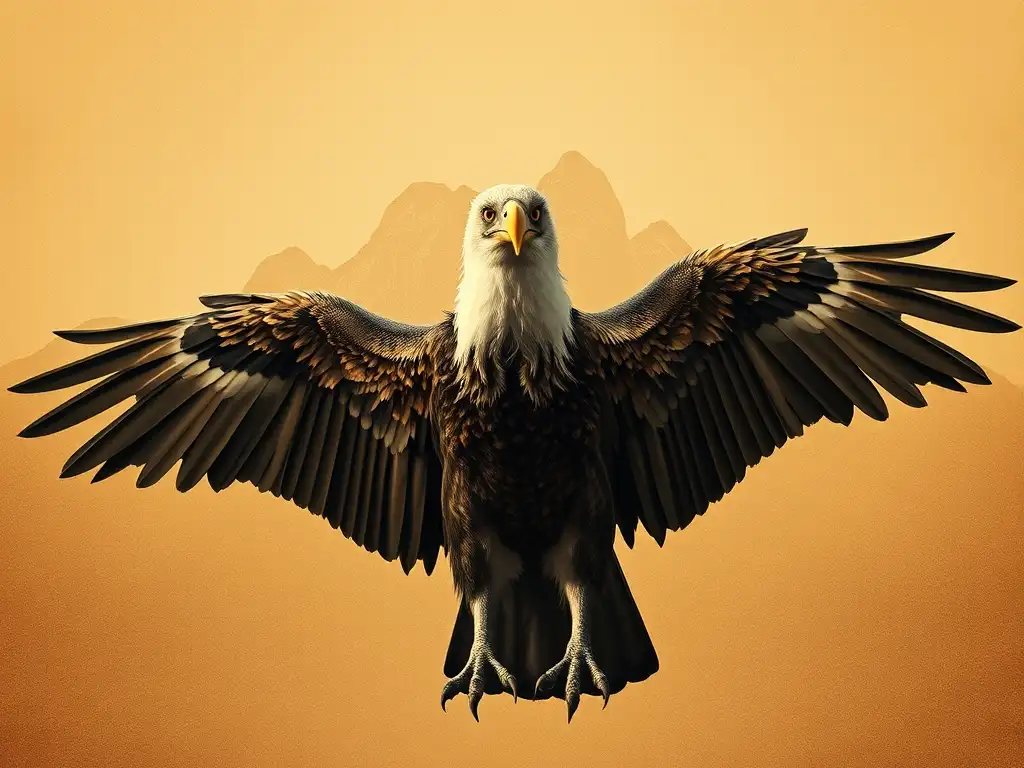
The condor, with its majestic presence and soaring flight, holds a sacred position in Andean symbolism, representing power, strength, and a connection to the divine. Its ability to fly to incredible heights and disappear into the clouds established it as a messenger between the earthly and heavenly realms.
In Andean mythology, condors often served as intermediaries between gods and humans, carrying messages, blessings, or even warnings from the supernatural world. The condor's keen eyesight symbolized wisdom and insight, its powerful wings represented the strength and power of the gods, and its lofty flight symbolized the aspiration towards spiritual enlightenment.
Its association with the sun and the high mountain peaks further reinforced its connection to the divine, positioning it as a symbol of spiritual authority and power. The condor's symbolism was not solely confined to religious contexts; it also held social and political significance, often appearing in royal insignia and signifying power and leadership.
The Condor's Presence in Andean Rituals and Beliefs
The condor's symbolic importance is evident in various Andean rituals and beliefs. Feathers, bones, and other parts of the condor were frequently used in ceremonies and rituals, signifying the sacred connection between the human and spiritual realms. Shamans and priests often invoked the condor's power during rituals aimed at communicating with the gods or harnessing spiritual energy.
The condor's image was also incorporated into textiles, ceramics, and other forms of Andean art, suggesting its pervasive influence on Andean culture and daily life. The use of condor imagery in funerary practices further highlights its association with the afterlife and the spiritual journey beyond death.
In some Andean cultures, condors were believed to carry the souls of the deceased to the celestial realm, reinforcing its role as a powerful intermediary between life and death. The rituals and beliefs surrounding the condor demonstrate a deep respect and awe for this majestic bird, highlighting its central role in the spiritual life of Andean societies.
The Sun: Life, Energy, and the Source of Power
The sun, or Inti in Quechua, held paramount importance in the Andean worldview. Far more than a celestial body, it represented the very essence of life, energy, and power. Its daily journey across the sky mirrored the cyclical nature of life, death, and rebirth, deeply influencing Andean cosmology and religious practices.
The sun's warmth nurtured the crops, sustained life, and provided the energy for daily activities. Its absence, conversely, represented darkness, hardship, and spiritual vulnerability. This profound reverence for the sun is evident in the numerous artifacts, monumental architecture, and religious rituals dedicated to its worship across various Andean cultures.
The sun wasn't just a symbol; it was a vital force that permeated all aspects of Andean existence. Understanding the sun's significance is crucial to deciphering the complexities of Andean belief systems. The sun's power wasn't just a physical force; it was a spiritual one, a divine entity worthy of veneration and sacrifice.
The Sun as a Central Deity in Andean Religions
In many Andean religions, the sun was not merely a symbol but a powerful deity, often at the apex of the pantheon. The Inca, for example, considered Inti the most important god, the father of their royal lineage. Temples were built in its honor, such as the Coricancha in Cusco, a magnificent structure whose golden plates reflected the sun's radiant power.
Elaborate ceremonies, including sacrifices of llamas and other offerings, were performed to appease Inti and ensure a bountiful harvest and prosperity. Other Andean cultures, like the Chimu and Wari, also held the sun in high esteem, though the specifics of their worship varied. The sun's role as a central deity underscores its profound influence on Andean religious thought and practice.
The constant attention paid to the sun's movements, its cycles, and its influence on the earth solidified its place as a supremely important divine figure. The reverence was not simply ritualistic; it was deeply ingrained in their understanding of the cosmos and their place within it.
The Sun's Influence on Andean Agriculture and Calendars
The sun's influence extended beyond the realm of the spiritual; it was intrinsically linked to the practical aspects of Andean life, particularly agriculture. The Andean calendar systems, remarkably precise and sophisticated, were largely based on the sun's movements and its impact on the agricultural cycle. The timing of planting, harvesting, and other crucial agricultural activities was meticulously determined by observing the sun's position, solstices, and equinoxes.
Monumental structures, such as the Machu Picchu, were strategically aligned with the sun's path, suggesting a deep understanding of celestial movements and their agricultural implications. The sun's influence on the crops was not simply a matter of providing warmth; it was a fundamental part of the Andean understanding of the natural world and their relationship with it. Accurate knowledge of the sun's movements was essential for survival and prosperity, highlighting the practical, as well as spiritual, significance of solar observation in Andean society.
The intricate relationship between the sun, agriculture, and the calendar showcases the sophisticated knowledge and observation skills of Andean cultures. This close connection between the celestial and the terrestrial underscores the holistic worldview that shaped Andean civilization.
The Use of Andean Symbols in Daily Life and Rituals
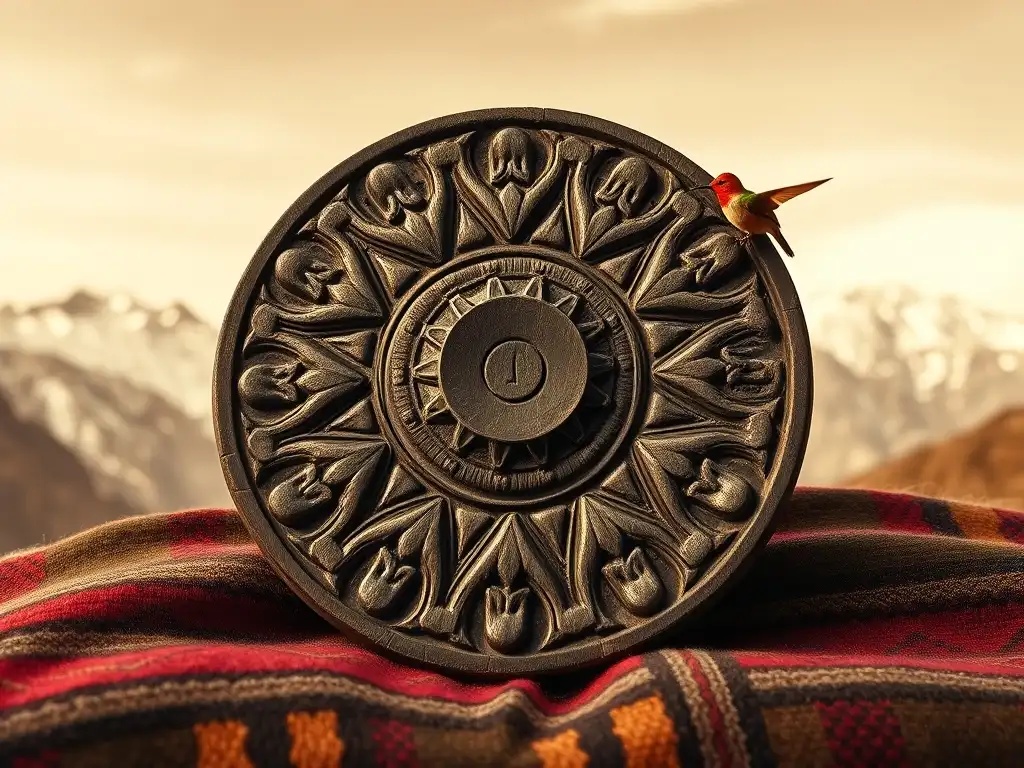
Andean symbols weren't merely decorative elements; they were integral to the daily lives and spiritual practices of these ancient cultures. Their meaning and use permeated all aspects of society, from clothing and pottery to architecture and religious ceremonies. Understanding the context in which these symbols appear is crucial to deciphering their multifaceted meanings.
The intricate relationship between symbolism and daily life highlights the profound influence of Andean cosmology on their worldview. The careful placement and repetition of specific symbols reinforced their significance and power, weaving a tapestry of meaning across various aspects of Andean existence. This section delves into the practical applications and ritualistic significance of these potent symbols.
Andean Symbolism in Textiles and Weaving
The vibrant textiles of the Andes are a treasure trove of symbolic representation. Woven into intricate patterns and motifs, these symbols communicate a wealth of information about the wearer's social status, clan affiliation, and spiritual beliefs. The precision and skill involved in creating these textiles showcase the high value placed upon this art form. The colors, fibers, and techniques used also held symbolic significance, adding layers of meaning to the overall design.
Patterns and Motifs in Andean Textiles and Their Meanings
Many Andean textile patterns feature recurring motifs. For instance, the khipu, a complex system of knotted strings used for record-keeping, is often depicted in textiles, reflecting its importance in Andean society. Geometric patterns, such as zigzags and stepped frets, frequently symbolize mountains, water, and the relationship between the earthly and spiritual realms. Animal representations, including condors, jaguars, and snakes, are also common, each carrying its own unique symbolic weight.
The specific meaning of a symbol could vary depending on the context and the combination of symbols used. For example, a condor might symbolize power and authority when paired with a staff, but represent a different concept when combined with agricultural motifs. Further research into specific regional styles is needed to fully understand the nuances of these intricate designs. Detailed catalogs of these patterns and their interpretations are still being compiled by scholars.
The Role of Textiles in Rituals and Social Status
Textiles weren't just for everyday wear; they played a significant role in Andean rituals and ceremonies. Elaborately woven garments were worn by priests and elites during religious festivals, reinforcing their social status and connection to the divine. Specific textiles were also used in offerings and sacrifices, further highlighting their spiritual significance. The use of particular colors and patterns in ritual textiles could indicate the specific deity or event being honored.
For example, textiles in vibrant red might be associated with blood sacrifices or fertility rites, while those in white might symbolize purity and renewal. The complex interplay between textile design, ritual practice, and social hierarchy offers a rich avenue for exploring Andean symbolism. The degradation of many textiles over time, however, makes complete interpretation challenging.
Andean Iconography in Ceramics and Pottery
Andean ceramics provide another rich source of symbolic imagery. The styles and motifs varied across different cultures and time periods, reflecting the diversity of Andean societies. The careful selection and placement of symbols on ceramic vessels reveal a sophisticated understanding of visual communication and the power of imagery. The use of different pottery types for specific purposes also played a role in the symbolic meaning of the artifacts.
Symbols Used in Ceramic Decoration and Their Context
Many common Andean symbols, such as feline figures representing power and fertility or stylized birds representing celestial beings, appear on ceramic vessels. Geometric patterns, often found in textiles, also recur in ceramic decoration, suggesting a cross-cultural exchange of symbolic systems. The use of colors in ceramic decoration was also significant, with different colors potentially representing different concepts or deities.
For example, the use of black and white might symbolize duality or opposition, while red might represent blood or fertility. The context in which the ceramics were found, such as burial sites or domestic settings, also offers valuable insights into the intended meaning of the symbols. More research is needed to fully understand the subtle variations in symbolic representation across different Andean regions and time periods.
How Ceramics Reflected Andean Beliefs and Practices
Andean ceramic vessels were not merely functional objects; they served as containers for food, drink, and offerings, reflecting the beliefs and practices of their creators. The imagery on these vessels often depicts scenes from mythology, rituals, or daily life, offering glimpses into the worldview of these ancient cultures. The presence of specific symbols on funerary ceramics, for example, suggests a belief in the afterlife and the importance of providing the deceased with necessary provisions for their journey.
Analyzing the iconography on these vessels helps us to understand the spiritual beliefs and ritual practices of Andean societies. Further investigation is needed into the relationship between the form and function of specific ceramic vessels and their symbolic content. The study of Andean ceramics continues to offer valuable insights into the meaning and use of Andean symbols.
Andean Symbols in Architecture and Sacred Spaces
The meticulous placement and integration of symbols within Andean architecture reveal a profound connection between the physical world and the spiritual realm. Structures weren't merely buildings; they were tangible manifestations of cosmological beliefs and social structures. From the grand temples of the Inca to the intricate designs of earlier cultures like the Moche and Nazca, symbols served to reinforce power, authority, and the sacred nature of these spaces.
The very act of constructing these monumental structures, imbued with symbolic meaning, was itself a ritual act, solidifying the power of the ruling elite and connecting the earthly realm to the divine. The careful selection and arrangement of stones, the orientation of buildings towards celestial events, and the incorporation of specific motifs all contributed to the symbolic power of these sacred spaces.
The use of specific materials, like polished stones or brightly colored pigments, further enhanced the symbolic resonance of the architecture. This wasn't just about aesthetics; it was about creating environments that actively channeled spiritual energy and reinforced the ideology of the ruling class.
The Placement of Symbols in Temples and Palaces
The placement of symbols within Andean temples and palaces wasn't arbitrary. Careful consideration went into their location, orientation, and relationship to other elements within the structure. For example, the placement of specific animal figures near doorways might have been intended to protect the building or its inhabitants.
Similarly, celestial motifs on ceilings may have reflected a belief in the connection between earthly and heavenly realms. In Inca architecture, the use of chakana (Andean cross) motifs in prominent locations, such as doorways or central plazas, reinforced the Inca's claim to power and their connection to the divine. The strategic placement of symbols served to guide the movement of individuals through the sacred space, creating a powerful and immersive experience.
Careful analysis of surviving structures reveals a complex system of symbolic placement, reflecting a sophisticated understanding of spatial design and its symbolic potential. Further research is needed to fully understand the nuances of symbol placement in different Andean cultures.
The Architectural Integration of Symbolic Elements
Andean architects didn't simply add symbols as decorative elements; they integrated them seamlessly into the very fabric of their structures. This holistic approach reveals a deep understanding of the relationship between form and meaning. For instance, the intricate stonework of Inca structures, often featuring precisely fitted stones with minimal mortar, wasn't just a testament to engineering skill; it was also a symbolic representation of the Inca's mastery over the physical world and their connection to the earth itself.
The use of specific stone types, colors, and textures further enhanced the symbolic meaning of the architecture. The integration of symbolic elements into the architecture itself created a powerful and lasting impact, ensuring that the messages conveyed would endure through time. The use of zoomorphic and anthropomorphic representations integrated into architectural features like columns, friezes, and doorways further strengthened the symbolic impact of the structures.
Andean Symbols in Rituals and Ceremonies
Andean rituals and ceremonies were profoundly symbolic, employing a wide array of objects, gestures, and behaviors to communicate with the supernatural world and reinforce social order. The use of symbolic objects, such as textiles, ceramics, and metalwork, played a crucial role in these practices. These objects were not merely functional; they served as powerful conduits for spiritual energy and conveyed complex social and cosmological meanings.
The careful selection and preparation of these objects, often involving elaborate rituals themselves, underscored their significance. These rituals, deeply embedded in Andean cosmology, aimed to maintain balance and harmony within the community and between the human and spirit worlds. The repetition and standardization of these rituals served to reinforce social cohesion and transmit cultural knowledge across generations.
The Role of Symbolic Objects in Religious Practices
Symbolic objects held immense power within Andean religious practices. For instance, keros (ceremonial vessels) were often adorned with intricate designs depicting deities, animals, and other important symbols. These vessels were not just containers; they were active participants in rituals, used to offer libations and connect with the spirit world. Textiles, with their vibrant colors and complex iconography, played a vital role in ceremonies, often serving as offerings or as symbols of status and power.
The precise arrangement and use of these objects were carefully prescribed, reflecting a deep understanding of their symbolic significance. The creation of these objects was often itself a ritual, involving specialized artisans and specific techniques, adding to the sacred nature of the artifacts. The analysis of these objects allows us to decipher the complex beliefs and practices of ancient Andean societies.
How Symbols Reinforced Andean Cosmology and Social Order
The consistent use of symbols across various aspects of Andean life served to reinforce their complex cosmology and social order. The repetition and standardization of symbols across different media, from architecture to textiles to ceramics, created a powerful visual language that communicated key beliefs and values. This visual language reinforced the hierarchy of society, with certain symbols associated with specific social groups or deities. The use of symbols in rituals and ceremonies served to legitimize the power of the ruling elite and maintain social cohesion.
The consistent representation of these symbols across time and geography suggests a powerful and enduring system of beliefs and practices. By understanding the meaning and use of Andean symbols, we gain a deeper appreciation for the rich complexity of their culture and worldview. The interweaving of these symbols into the fabric of daily life ensured the continuity and reinforcement of their worldview.
Andean Symbols Meaning and Use: Variations Across Cultures
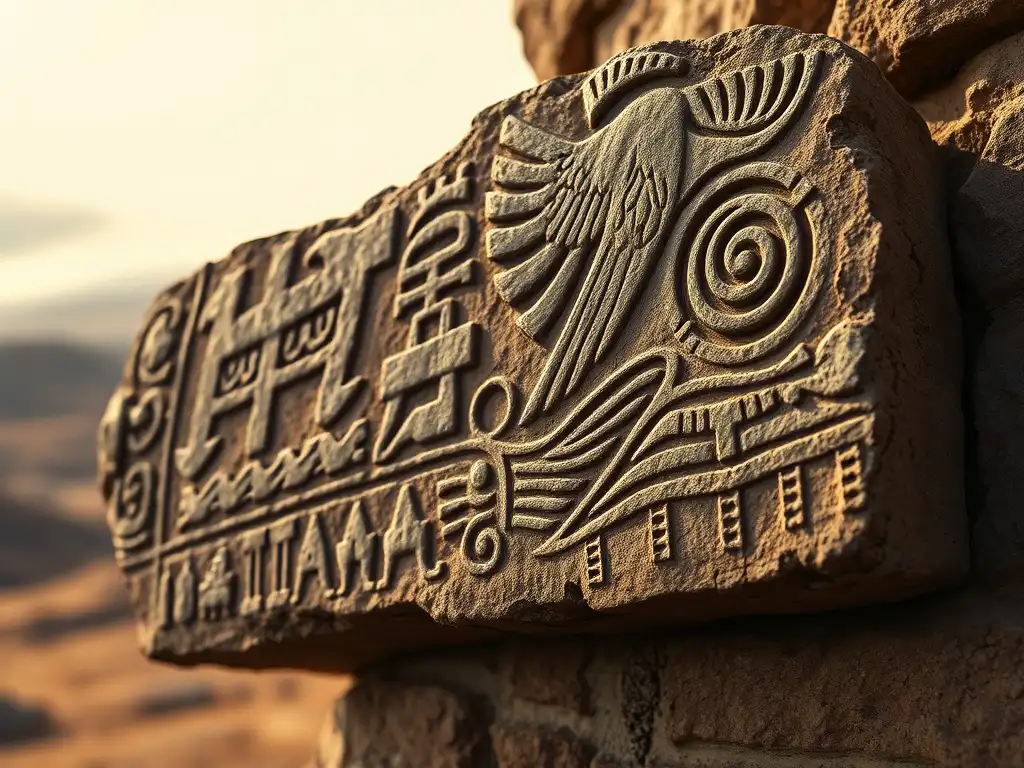
The rich tapestry of Andean civilizations wasn't woven solely from threads of conquest and innovation; it was imbued with potent symbolism, deeply embedded in their beliefs and daily lives. Understanding the meaning and use of Andean symbols requires acknowledging the significant variations across different cultures and time periods. These symbols, far from being static representations, were dynamic entities, their interpretations shifting subtly—or dramatically—depending on context and location. This section explores these variations, highlighting the nuances of Andean symbolic expression.
Regional Differences in Andean Symbol Interpretation
Variations in Symbol Use Across the Moche, Nazca, and Inca Cultures
The Andean region wasn't a monolith; diverse cultures flourished, each with its unique artistic traditions and symbolic systems. Comparing the Moche, Nazca, and Inca civilizations reveals fascinating differences in how symbols were employed. For example, the Moche, renowned for their elaborate ceramics, frequently depicted anthropomorphic deities and powerful figures engaged in ritualistic activities.
The imagery often focused on themes of fertility, warfare, and the supernatural, with specific symbols like the feline representing power and the condor representing heights and mastery. In contrast, the Nazca, famous for their geoglyphs, utilized a more abstract symbolic language, often employing geometric patterns and stylized figures, possibly related to astronomical observations and ritualistic practices. Their intricate designs, visible only from the air, suggest a different relationship with the landscape and a distinct understanding of symbolic representation.
The Inca, with their vast empire, developed a more standardized system, using quipus (knotted cords) for record-keeping and incorporating imperial symbols like the inti (sun) and puma (jaguar) to reinforce their authority and legitimacy. However, even within the Inca empire, regional variations existed, reflecting the incorporation of pre-existing symbols and beliefs.
| Culture | Dominant Symbol Types | Key Themes | Interpretation Method |
|---|---|---|---|
| Moche | Anthropomorphic deities, animals | Fertility, warfare, supernatural power | Figurative, narrative depictions |
| Nazca | Geometric patterns, stylized figures | Astronomy, ritual, possibly water control | Abstract, potentially coded representations |
| Inca | Inti (sun), Puma, geometric designs | Imperial power, cosmic order, ancestor veneration | Standardized, hierarchical representations |
How Local Beliefs Influenced Symbolic Representations
The interpretation of Andean symbols was intrinsically linked to local beliefs and practices. A particular symbol might hold one meaning in one region and a completely different meaning elsewhere. For instance, the significance of mountains varied drastically depending on the specific mountain range and its relation to local water sources and agricultural cycles. In some regions, mountains were venerated as sacred entities, dwelling places of deities, while in others, they might represent obstacles or boundaries.
Similarly, the interpretation of celestial bodies such as the sun, moon, and stars was often tied to agricultural cycles and the timing of rituals. The specific constellations observed and their association with local deities and myths would vary across different Andean communities. This localized interpretation highlights the complex interplay between cosmology, geography, and religious beliefs in shaping the meaning and use of Andean symbols.
The Evolution of Andean Symbolism Over Time
Changes in Symbol Use and Meaning Throughout History
Andean symbolism wasn't static; it evolved and adapted over centuries, reflecting changing social structures, religious beliefs, and interactions between different cultures. The influence of successive Andean civilizations – from the early Chavín culture to the later Inca empire – led to a continuous process of assimilation, innovation, and reinterpretation of existing symbols. Some symbols persisted for centuries, accumulating layers of meaning, while others fell into disuse or were replaced by new ones.
For example, the serpent motif, prominent in early Andean art, continued to appear in later periods but with potentially altered connotations. The study of these changes provides valuable insights into the dynamism of Andean culture and the processes of cultural transmission and transformation.
The Enduring Influence of Ancient Symbols in Modern Andean Culture
Many ancient Andean symbols continue to hold significance in contemporary Andean cultures. While their meanings may have evolved or been reinterpreted, they remain integral aspects of Andean identity and cultural expression. These symbols are often incorporated into textiles, pottery, and other forms of art, serving as reminders of ancestral heritage and cultural continuity. Understanding the historical context of these symbols enriches our appreciation of modern Andean art and helps us to connect the past with the present.
The continued use of these symbols demonstrates their enduring power and their ability to transcend time and adapt to new contexts. Further research is needed to fully understand the complex interplay between ancient and modern Andean symbolism, particularly the role of these symbols in contemporary Andean communities. For example, [specific information pending] on the current usage and significance of specific symbols in different communities.
Preserving the Legacy of Andean Symbols
This section delves into the crucial task of preserving and understanding the rich tapestry of Andean symbols. Their significance extends far beyond mere decoration; they are keystones to unlocking a deeper comprehension of the beliefs, social structures, and daily lives of these fascinating ancient societies. The meticulous recording and analysis of these symbols are paramount for future generations of researchers and enthusiasts alike.
The survival of these symbols, often etched onto fragile pottery, textiles, and stone carvings, is itself a testament to the enduring power of Andean artistic traditions. Their preservation requires a multi-pronged approach involving careful archaeological excavation techniques, advanced conservation methods, and the creation of comprehensive digital archives. The digital archiving of Andean iconography allows for wider dissemination and accessibility, fostering collaboration amongst scholars worldwide and ensuring that these invaluable pieces of history remain accessible for study and appreciation.
This collaborative effort is crucial, as it allows for cross-referencing of findings and the development of more nuanced interpretations of Andean symbolism. Furthermore, educating the public about the importance of preserving these artifacts is vital in combating the illegal trafficking of antiquities and ensuring the long-term protection of Andean cultural heritage.
The Importance of Studying Andean Iconography
The study of Andean iconography offers a unique window into the complex belief systems of ancient Andean cultures. By meticulously analyzing the recurring motifs, patterns, and stylistic choices evident in their art, we can glean insights into their cosmology, rituals, and social hierarchies. For example, the recurring imagery of the condor, puma, and serpent often represents powerful deities or embody specific cosmological principles.
The meticulous detail in which these creatures are depicted, coupled with their consistent placement within specific contexts, suggests a deeply ingrained symbolic significance. Furthermore, the use of color also plays a crucial role in understanding the intended meaning. Specific colors, such as red (associated with blood, power, and fertility) and yellow (associated with gold, the sun, and royalty), are consistently used to reinforce the symbolic power of the imagery.
A detailed study of color palettes in different Andean cultures reveals fascinating regional variations and potential exchanges of symbolic ideas between neighboring communities. The ongoing research into Andean iconography promises to continually unveil new layers of understanding of these ancient societies, enriching our knowledge and appreciation of their cultural legacy. The study of Andean iconography is not merely an academic pursuit; it holds significant value for understanding the complex worldview of Andean civilizations and their enduring influence on contemporary Andean cultures.
The Ongoing Relevance of Andean Symbols for Understanding Andean Civilizations
Andean symbols continue to hold relevance today, not just as historical artifacts but as living cultural elements. Their enduring presence in contemporary Andean communities demonstrates their continued significance and integration into modern life. Many symbols, once associated with ancient deities and cosmological principles, have been reinterpreted and integrated into contemporary Andean art, textiles, and religious practices.
This continuity underscores the deep-rooted connection between past and present in Andean societies. For instance, the chakana, a cross-shaped symbol representing the four cardinal directions and the cosmos, remains a powerful symbol of Andean identity and spirituality. Its presence in modern-day Andean art and textiles illustrates the ongoing resonance of ancient Andean beliefs and cosmology.
Similarly, the widespread use of zoomorphic motifs, such as the condor and the puma, in contemporary Andean art showcases the continued veneration of these powerful creatures and their symbolic significance. Studying the contemporary use of these symbols helps to bridge the gap between ancient and modern Andean cultures, revealing the continuous evolution and adaptation of these potent symbolic forms. The ongoing relevance of Andean symbols provides a vital link to the past, offering a deeper understanding of the continuity and dynamism of Andean cultures.
Challenges in Interpreting Ancient Andean Symbolism
Despite the wealth of information available, interpreting ancient Andean symbolism presents several significant challenges. The lack of written records in many Andean cultures necessitates relying heavily on visual evidence, making interpretations inherently subjective and prone to ambiguity. Furthermore, the diverse range of styles and symbolic systems across different Andean cultures adds further complexity. A symbol's meaning might vary significantly depending on its context, the specific culture that produced it, and the time period in which it was created.
For example, the same motif might represent different things in the Moche culture compared to the Inca culture, necessitating careful contextual analysis. Another significant hurdle is the fragmentary nature of many surviving artifacts. Damaged or incomplete pieces can make it difficult to fully grasp the intended meaning of a particular image or symbol. Finally, the potential for misinterpretations due to biases and preconceived notions of the researchers themselves remains a constant challenge.
Researchers must be mindful of their own interpretations and engage in rigorous cross-checking and collaborative analysis to mitigate this risk. Addressing these challenges requires a multidisciplinary approach, combining archaeological research with anthropological insights, art historical analysis, and a thorough understanding of Andean languages and history. The complexities of interpreting ancient Andean symbolism underscore the need for continued research and collaborative efforts to ensure accurate and nuanced interpretations.
Frequently Asked Questions
What are some common Andean symbols, and what do they represent?
Many Andean symbols hold deep meaning. Examples include the condor, representing power and altitude, and the serpent, symbolizing fertility and water. Specific meanings varied across different cultures.
How did Andean symbols influence daily life?
Andean symbols were integral to daily life, appearing in textiles, pottery, and architecture. They communicated religious beliefs, social status, and historical narratives, impacting everything from rituals to agricultural practices.
What role did these symbols play in Andean religion?
Symbols played a crucial role in Andean religions. They represented deities, ancestors, and sacred forces. Their use in rituals and ceremonies helped connect people to the spiritual world and maintain cosmic order.
Did different Andean cultures use the same symbols with the same meanings?
While some symbols, like the sun and moon, held pan-Andean significance, their specific interpretations and uses varied considerably between cultures like the Inca, Moche, and Nazca. Regional variations were significant.
Where can I learn more about the meaning and use of Andean symbols?
You can explore museums showcasing Andean artifacts, research academic publications on Andean iconography, and delve into books on Andean art history and archaeology. Many online resources are also available.
Final Reflection: Echoes of the Andes: A Legacy in Symbols
The enduring power of Andean symbols resonates deeply within contemporary society, proving that visual language transcends time and continues to shape our understanding of the world. These intricate designs, far from being mere decorations, served as potent vehicles for transmitting complex beliefs, social structures, and spiritual practices across generations. Their influence continues to be felt today, reminding us of the rich tapestry of human expression and the enduring strength of cultural heritage.
The impact of Andean symbolism extends far beyond the archaeological record; it permeates modern art, fashion, and even spiritual practices. These symbols, imbued with deep meaning and often linked to powerful deities and cosmological concepts, continue to inspire artists, designers, and spiritual seekers alike. Their enduring appeal speaks to a fundamental human need for connection to something larger than ourselves, a yearning for meaning and understanding that transcends cultural boundaries. The past is never dead. It's not even past.
- William Faulkner. This quote perfectly encapsulates the ongoing relevance of Andean symbols, their continued presence in our world a testament to their enduring power.
Consider the intricate details, the vibrant colors, the stories woven into each design. Let these symbols inspire you to delve deeper into your own cultural heritage, to explore the visual language that shapes your own worldview. Seek out the stories behind the images that surround you, and discover the powerful narratives they hold. By understanding the past, we gain a richer appreciation for the present and a clearer vision for the future. Let the echoes of the Andes inspire you to find meaning and connection in the world around you.
Unveil the Legacy of Andean Symbols Today!
Thank you for exploring the rich tapestry of Andean symbols and their profound impact on beliefs and practices. Understanding these powerful images provides a deeper appreciation of Andean culture and heritage. Now, let's put that knowledge to use!
Here are some ways you can delve deeper and celebrate this legacy:
- Explore the meanings of specific Andean symbols by visiting local museums or cultural centers.
- Connect with other enthusiasts by joining online forums or community groups dedicated to Andean civilizations.
- Express your own understanding of an Andean symbol through art, writing, or another creative medium. This personal interpretation can foster a powerful connection to the culture.
Which symbol resonates most with you, and inspires you to learn more about its history and significance?