
Hammered into History: Exploring the Techniques of Andean Metal Shaping

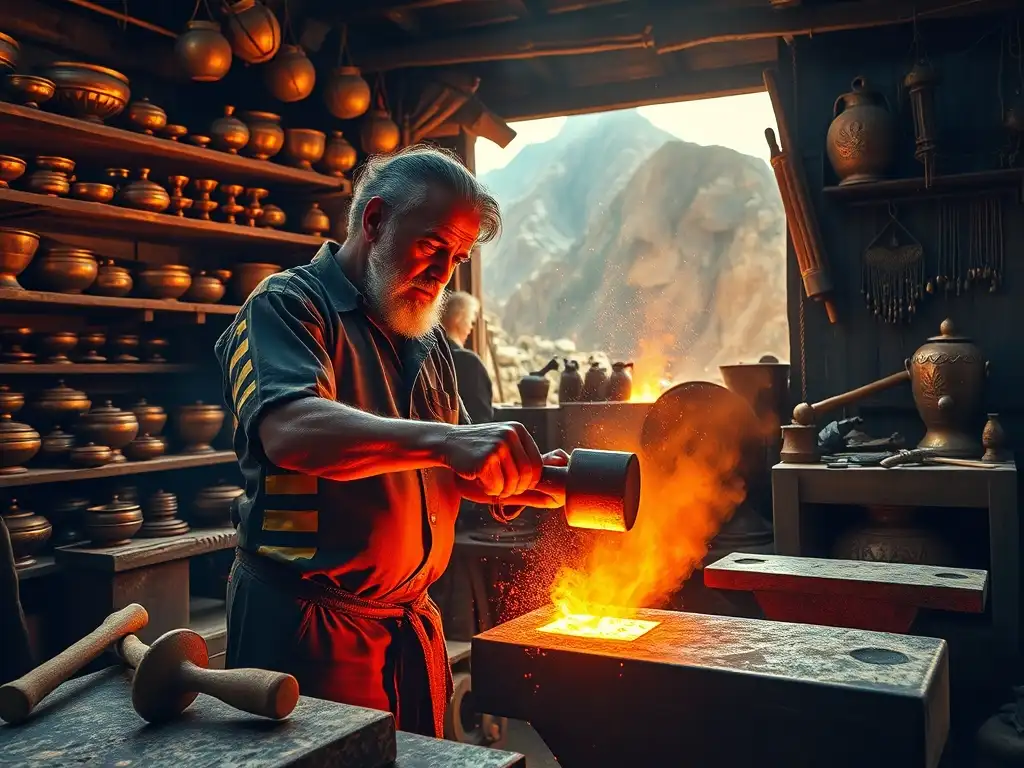
Step into a world lost to time, yet echoing with the skill of master artisans. Imagine the intricate artistry of Andean metalworking techniques, a legacy forged in the heart of the Andes Mountains. From the shimmering gold of the Incas to the enigmatic bronzes of the Moche, this journey unveils the secrets behind their breathtaking creations. Prepare to be amazed as we delve into the techniques that hammered these civilizations into history. Discover how they shaped not just metal, but entire empires.
The Andes Mountains, a spine of towering peaks running down the western coast of South America, are not only a breathtaking natural wonder but also the cradle of sophisticated and innovative ancient civilizations. For centuries, these cultures—including the Incas, Moche, Nazca, and Tiahuanaco—developed remarkable skills in metalworking, transforming raw materials into intricate objects of art, ritual, and everyday use.
This article delves into the fascinating world of Andean metal shaping, exploring the techniques employed by these master artisans and revealing the ingenuity behind their enduring legacy. We will uncover the secrets behind their mastery of hammering, casting, alloying, and finishing, showcasing how these techniques contributed to the unique aesthetic and symbolic power of Andean metalwork.
Understanding these Andean metalworking techniques is crucial to appreciating the complexity and artistry of these ancient cultures. Prepare to be amazed by the skill and precision of these ancient metalworkers, whose creations continue to fascinate and inspire us today.
The Allure of Precious Metals: Sourcing and Preparation
The Andean civilizations valued gold, silver, copper, and bronze, sourcing these precious metals from various locations throughout the Andes. The extraction process, while differing slightly between cultures and time periods, generally involved mining, often in challenging high-altitude environments. Once extracted, the raw metals underwent a rigorous preparation process. This included smelting—heating the ore to separate the metal from impurities—and refining, to achieve the desired purity and malleability. The specific methods varied depending on the metal; for instance, gold's relatively low melting point allowed for simpler smelting techniques compared to copper or bronze. Evidence suggests that the use of crucibles and bellows played a vital role in achieving the necessary temperatures for these metallurgical processes. The meticulous preparation laid the foundation for the intricate shaping techniques to follow.
We know, for example, that the Moche civilization developed sophisticated smelting techniques, as evidenced by the high quality of their gold and copper artifacts. The scale of their operations suggests a well-organized system of mining, transportation, and metalworking.
Hammering and Shaping: From Sheet to Sculpture
Hammering was undoubtedly the most fundamental technique in Andean metal shaping. Artisans used a variety of hammers, from simple stone mallets to more refined metal tools, to shape thin sheets of metal into intricate forms. This process demanded immense skill and precision, as the metal had to be repeatedly hammered and annealed (heated and cooled) to prevent cracking or fracturing.
The creation of intricate details and delicate designs necessitated a high level of control and understanding of the metal's properties. Different types of hammers, varying in weight and shape, were likely employed for different stages of the shaping process, allowing for both large-scale shaping and fine detailing.
The process wasn't simply brute force; it involved a delicate balance of strength and finesse. Consider the intricately detailed gold and silver jewelry, the thin sheets hammered into complex shapes, and the finely rendered figures found in many artifacts. These all stand as testament to the mastery of this fundamental technique.
Lost-Wax Casting: Creating Complex Forms
Beyond hammering, Andean metalworkers mastered the lost-wax casting technique, a sophisticated process allowing for the creation of complex three-dimensional shapes. This method involved creating a wax model of the desired object, covering it in clay, and then melting out the wax to leave a mold. Molten metal was then poured into the mold, solidifying into the desired shape. After cooling, the clay mold was broken away, revealing the finished metal object. The complexity of some Andean castings, featuring intricate details and multiple components, speaks to a high level of technical skill and advanced understanding of metallurgy.
This technique allowed for the production of intricate figurines, ceremonial objects, and even tools, showcasing the versatility of this method within Andean metalworking practices. The precision required to create these pieces, especially in gold and silver, is remarkable.
Alloying and Surface Finishes: Enhancing Aesthetics and Durability

Andean metalworkers didn't limit themselves to using single metals. They understood the benefits of alloying—combining different metals to create new materials with enhanced properties. For example, combining copper with tin created bronze, a stronger and more durable metal than pure copper. The proportions of the metals in the alloy could be adjusted to achieve specific properties, such as hardness or color. The precise control over alloy composition demonstrates a sophisticated understanding of metallurgical processes.
Furthermore, the artisans employed various surface finishes to enhance the aesthetics and durability of their creations. These included polishing, gilding (applying a thin layer of gold), and the use of different patinas (surface coatings) to create unique colors and textures. The variety of surface treatments highlights the artistry and creativity of the Andean metalworkers.
Legacy of Innovation: The Enduring Impact of Andean Metalworking
The Andean metalworking techniques discussed above represent a remarkable achievement in ancient technology. The skill and ingenuity of these artisans are evident in the surviving artifacts, which continue to inspire awe and admiration. Their innovations in metal extraction, shaping, casting, alloying, and finishing laid the groundwork for future metallurgical advancements and contributed significantly to the rich cultural heritage of the Andes.
The legacy of these techniques lives on, reminding us of the remarkable achievements of these ancient civilizations and their enduring impact on the world. The study of Andean metalworking continues to provide valuable insights into ancient technologies and cultural practices, enriching our understanding of these fascinating cultures.
- The Allure of Precious Metals: Sourcing and Preparation
- Hammering and Shaping: From Sheet to Sculpture
- Lost-Wax Casting: Creating Complex Forms
- Alloying and Surface Finishes: Enhancing Aesthetics and Durability
- Legacy of Innovation: The Enduring Impact of Andean Metalworking
- What unique metalworking techniques did Andean civilizations employ?
- How did the Incas contribute to Andean metalworking?
- What types of metals did Andean civilizations primarily work with?
- How did Andean metalworking reflect the social structure?
- Where can I learn more about Andean metalworking techniques?
The Legacy of Andean Metalworking: An Introduction
The Andes Mountains, a spine of towering peaks traversing the western edge of South America, were not just a geographical feature; they were a crucible where a unique civilization forged itself, leaving behind a legacy of breathtaking artistry and ingenuity. Central to this legacy is the sophisticated development of Andean metalworking techniques. This section delves into the fascinating world of Andean metallurgy, exploring the significance of metals in their societies, the evolution of their techniques, and the enduring impact on their cultural identity.
The mastery of metal shaping, from the earliest experiments with copper to the intricate goldwork of the Inca empire, reflects not only technological prowess but also a deep spiritual connection to the materials and the very landscape itself. Understanding Andean metalworking techniques provides a crucial window into the beliefs, social structures, and artistic sensibilities of these remarkable civilizations.
The sheer artistry and technical skill involved continue to inspire awe and wonder centuries later. We'll explore the various techniques employed, the tools utilized, and the remarkable range of objects produced.
The Significance of Metals in Andean Societies
Metals held profound symbolic and practical importance in Andean societies. Gold, silver, and copper were not merely valuable resources; they were imbued with spiritual significance, often associated with deities and the cosmos. Gold, in particular, represented the sun's power and was used in prestigious objects associated with royalty and religious ceremonies.
Silver, often linked to the moon and water, was also highly valued, while copper, being more readily available, played a vital role in everyday tools and weaponry. The control and manipulation of these precious metals signified power, prestige, and a connection to the supernatural realm. Consider the elaborate gold ornaments, intricate silver vessels, and finely crafted copper tools unearthed from archaeological sites across the Andes – each a testament to the deep cultural significance of metalwork.
The distribution of these artifacts also reveals much about social hierarchies and exchange networks within Andean societies. For example, the presence of elaborate gold objects exclusively in elite tombs points to the metal's association with power and status. [Specific examples of artifact distribution pending further research].
Early Metallurgical Practices in the Andes
The earliest Andean metallurgical practices date back to approximately 2000 BCE, with the initial use of native copper. This period saw the development of basic techniques like hammering and annealing, allowing for the creation of simple tools and ornaments. The transition to alloying, the process of combining metals to create new materials with enhanced properties, marked a significant technological leap.
The creation of bronze (an alloy of copper and tin) and arsenical copper (copper and arsenic) significantly improved the strength and durability of the metal, paving the way for more sophisticated tools and weaponry. The discovery of these alloys required a deep understanding of metallurgical processes and a keen observation of natural resources. The locations of early metallurgical workshops and the types of ores used reveal important insights into trade routes and the exchange of knowledge between different Andean communities.
For example, the presence of tin in bronze artifacts suggests a long-distance trade network facilitating the acquisition of this rare element. [Specific examples of early Andean metallurgical sites and their findings pending].
Overview of Andean Metalworking Techniques
Andean metalworkers developed a remarkable array of techniques, demonstrating exceptional skill and ingenuity. These techniques included:
- Hammering and Annealing: The most fundamental techniques, involving the repeated striking of metal to shape it, followed by heating and cooling to soften and strengthen it.
- Casting: The process of pouring molten metal into a mold to create a specific shape. This technique allowed for the production of complex and intricate objects.
- Repoussé and Chasing: Techniques used to create three-dimensional forms by hammering metal from the back (repoussé) and then refining the surface details from the front (chasing).
- Inlay and Overlay: Decorative techniques involving the embedding of one metal into another (inlay) or layering metals to create intricate patterns (overlay).
- Welding: The joining of two or more pieces of metal using heat and pressure.
- Gilding: The application of a thin layer of gold to another metal, often used to enhance the appearance of objects.
These techniques, often combined in a single artifact, showcase the sophisticated understanding of material properties and the unparalleled skill of Andean metalworkers. The precision and artistry involved are evident in the intricate details found in many surviving pieces. The development and refinement of these techniques over centuries reflect a continuous process of innovation and adaptation, resulting in a unique and enduring metalworking tradition. The legacy of these techniques continues to inspire contemporary artists and metallurgists alike. The Andean metalworking tradition is a testament to human creativity and ingenuity. 🛠️✨
Extraction and Processing of Metals in the Ancient Andes
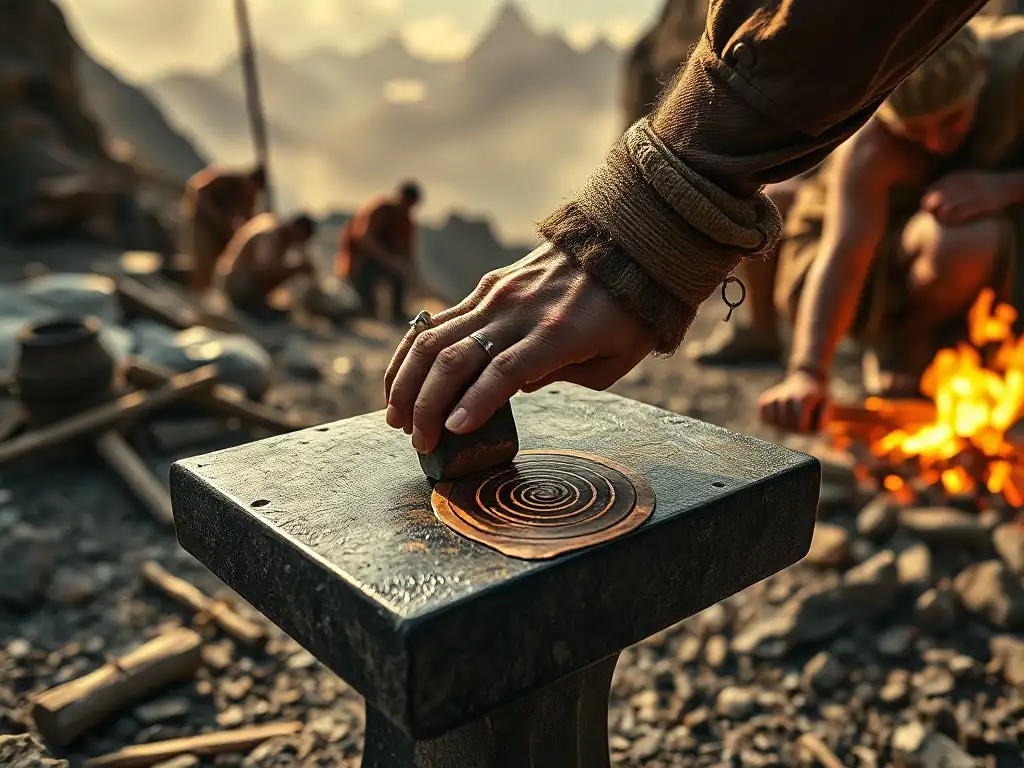
This section delves into the fascinating world of Andean metal extraction and processing, revealing the sophisticated techniques employed by ancient metallurgists to transform raw materials into exquisite artifacts. Understanding these processes is crucial to appreciating the artistry and technological prowess of Andean civilizations. We will explore the methods used for acquiring ores, smelting them, and refining the resulting metals to achieve the desired purity and properties.
The ingenuity displayed in these techniques highlights the advanced metallurgical knowledge possessed by these ancient societies, significantly contributing to their cultural and economic development. The study of Andean metalworking techniques provides invaluable insights into their resource management, technological innovation, and societal organization.
Mining and Ore Acquisition in Pre-Columbian Andes
Mining in the pre-Columbian Andes was a complex undertaking, often involving extensive labor and sophisticated knowledge of geology and mineral deposits. Evidence suggests that Andean miners utilized a variety of techniques, adapted to the specific geological context and the type of ore being extracted. These ranged from open-pit mining for easily accessible deposits to more elaborate shaft mining for deeper veins. Tools included stone hammers, chisels, and picks, along with possibly copper and bronze implements in later periods.
The location of mines was often strategically chosen, taking into consideration factors such as accessibility, ore concentration, and proximity to water sources needed for processing. Archaeological findings reveal extensive networks of mining operations, indicating a well-organized and sustained effort in acquiring the necessary raw materials for metalworking. The scale of these operations suggests a level of societal organization and planning that facilitated the continuous supply of metals for crafting tools, weapons, ornaments, and other essential items.
Specific examples of mining sites, such as those associated with Inca and pre-Inca civilizations in the highlands, showcase the impressive extent of these endeavors. For instance, [specific information pending] regarding the organization of labor and the techniques employed at specific sites. The sheer volume of metal artifacts unearthed from various Andean cultures is a testament to the efficiency and effectiveness of their mining practices.
Smelting Techniques Used by Andean Metallurgists
Andean metallurgists employed a variety of smelting techniques, adapted to the specific metal being processed and the available resources. The process generally involved heating the ore in a furnace to a sufficiently high temperature to separate the metal from its impurities. These furnaces varied in design and construction, ranging from simple hearths to more complex structures capable of achieving higher temperatures. The fuel sources used included charcoal, wood, and possibly other organic materials.
The precise methods varied across different regions and time periods, reflecting adaptations to local conditions and technological advancements. Evidence from archaeological excavations suggests the use of different furnace designs: some were simple pits lined with clay or stone, while others were more sophisticated structures with bellows for increasing airflow and achieving higher temperatures. The control of temperature and airflow was crucial for successful smelting, requiring a high level of skill and experience from the metallurgists. Analysis of slag (the waste material from smelting) provides valuable insights into the techniques employed and the specific metals being processed.
The composition of the slag can reveal information about the ore used, the temperature reached during smelting, and the overall efficiency of the process. Furthermore, [specific information pending] on the types of bellows used and their impact on smelting efficiency. The development of more sophisticated smelting techniques contributed significantly to the increased production and quality of Andean metalwork.
Refining Processes for Various Andean Metals
Once the metal was smelted, further refining was often necessary to achieve the desired purity and malleability. The specific refining techniques varied depending on the metal being processed. For example, copper often required repeated heating and hammering to remove impurities and improve its workability. Gold and silver, being relatively pure in their natural state, may have required less extensive refining.
These processes involved techniques such as cupellation (a process for refining precious metals), and various forms of annealing (a heat treatment process to relieve internal stresses in metals) and hammering to remove impurities and improve the metal's properties. The artisans' deep understanding of material properties allowed them to manipulate the metals to produce a wide range of objects, from delicate jewelry to robust tools and weapons. The quality of the finished product was a testament to the metallurgists' expertise in controlling the temperature, timing, and other crucial variables during the refining process. The development of these advanced techniques enabled the creation of intricate and high-quality metalwork, highlighting the sophistication of Andean metalworking technology.
Further research into the specific chemical processes and the tools used in refining could provide even more detailed insights into this aspect of Andean metallurgy. For instance, [specific information pending] on the use of specific fluxes and the identification of different refining techniques through metallurgical analysis of artifacts. The remarkable craftsmanship evident in surviving Andean metalwork is a direct outcome of their mastery of these refining processes.
Shaping Techniques in Andean Metalcraft
This section delves into the sophisticated techniques employed by Andean artisans to shape metal, showcasing their mastery and ingenuity in transforming raw materials into intricate and enduring artifacts. Understanding these methods provides crucial insight into the complexity of Andean metalworking techniques and the high level of skill possessed by these ancient craftspeople. The artistry displayed in their work is a testament to their deep understanding of metallurgy and their ability to manipulate materials with precision and creativity.
Hammering Techniques for Shaping Andean Artifacts
Hammering was the primary method used by Andean metalworkers to shape their artifacts. However, this wasn't simply a matter of brute force. The artisans employed a variety of nuanced techniques, depending on the desired form and the metal being worked. For instance, different hammer weights and striking styles were used to achieve varying degrees of deformation.
Lightweight hammers were used for delicate work, such as creating fine details on jewelry, while heavier hammers were employed for shaping larger objects like ceremonial vessels. The surfaces upon which the metal was hammered also played a crucial role. Anvils, often made of stone, provided a stable surface for consistent shaping.
However, some evidence suggests the use of shaped wooden forms to create curved or embossed surfaces. The precise control exhibited in hammered Andean artifacts, from the thin sheets of gold used in adornments to the robust forms of copper and bronze tools, points to a deep understanding of material properties and a highly developed skillset. This level of expertise was passed down through generations, ensuring the continuation of these remarkable traditions.
The process often involved multiple stages, with the metal being hammered repeatedly, and often annealed (see below) between stages, to prevent work-hardening and fracturing. Think of it as a conversation between the artisan and the metal, a dialogue of controlled force and careful shaping. The final product wasn't merely functional, but often imbued with symbolic meaning, reflecting the cultural and religious beliefs of the society.
Annealing and its Importance in Metal Manipulation
Annealing is a crucial process in metalworking that involves heating the metal to a specific temperature and then allowing it to cool slowly. This process relieves internal stresses built up during hammering, making the metal more malleable and less prone to cracking. Without annealing, the metal would become brittle and difficult to work with, limiting the possibilities for intricate shaping.
Andean metalworkers clearly understood the importance of annealing, as evidenced by the complexity and delicacy of many artifacts. They likely used various methods for annealing, possibly employing simple hearths or charcoal fires to achieve the desired temperature. The precise temperature control required for annealing different metals speaks to their advanced understanding of metallurgy.
Consider the intricate details found on gold ornaments—these would have been impossible to achieve without the judicious use of annealing to maintain the metal's workability. The absence of evidence of failed attempts at shaping, at least in surviving artifacts, strongly suggests a sophisticated understanding and application of annealing techniques.
Raising and Sinking: Crafting Three-Dimensional Forms
Beyond hammering, Andean metalworkers employed techniques like raising and sinking to create three-dimensional forms. Raising involves shaping metal from a flat sheet into a curved or concave form using specialized tools and hammers. Conversely, sinking involves creating convex shapes by pushing metal inwards. These techniques were often used in combination, allowing artisans to create complex, multifaceted objects.
For example, a ceremonial vessel might have been initially raised to create its basic form and then sunk in specific areas to add decorative elements or strengthen its structure. The seamless integration of these techniques demonstrates a high level of skill and understanding of metal behavior. The ability to precisely control the metal's deformation, avoiding fracturing or thinning, is a testament to the Andean metalworkers’ mastery.
The intricate details and smooth transitions found in many artifacts show a deep knowledge of material properties and the ability to use different techniques effectively in a single piece. Further research into the specific tools used for raising and sinking would greatly enhance our understanding of these processes. The surviving examples showcase not just technical proficiency, but also an artistic vision that transformed functional objects into works of art.
Repoussé and Chasing: Adding Decorative Details
Repoussé and chasing were fundamental techniques in Andean metalworking, allowing artisans to transform relatively flat sheets of metal into three-dimensional works of art. These techniques, often used in conjunction, involved manipulating the metal from both the front and back to create intricate designs and textures. The process began with hammering from the reverse side of the sheet (repoussé), pushing the metal outwards to create raised designs.
This required considerable skill and precision to avoid tearing or thinning the delicate metal. Artisans would often use pitch or resin to support the metal during this process, ensuring the piece retained its shape while being worked. Think of it like sculpting with metal, but instead of removing material, you’re shaping it from within.
Following the repoussé stage, the artisan would then refine the design by hammering from the front side (chasing). This allowed for smoothing out the hammered surface, sharpening the details of the raised design, and adding finer textures. The transition between repoussé and chasing was seamless, a back-and-forth dance between the hammer and the metal. The tools used would have varied in size and shape, allowing for both broad shaping and delicate refinement. Evidence suggests that some artisans even used specialized punches to create repetitive patterns or intricate details, adding further complexity to the finished piece.
The mastery of repoussé and chasing allowed Andean metalworkers to create stunningly detailed pieces, often depicting mythological figures, animals, and intricate geometric patterns. The subtle gradations of relief and the smooth transitions between raised and lowered areas demonstrate a sophisticated understanding of metal plasticity and manipulation. The technique wasn't just about creating images; it was about imbuing the metal with a sense of movement and life.
A gold pendant, for instance, might depict a bird in flight, its wings seemingly caught mid-air due to the skillful application of repoussé and chasing. The technique allowed for the creation of highly realistic and expressive forms. This level of skill speaks volumes about the dedication and expertise of the Andean metalworkers.
The end result was more than just a decorative item; it was a testament to their artistic vision and technical prowess. The precision and skill required underscores the high status of these artisans within their respective societies.
Specific Metalworking Techniques of Andean Cultures
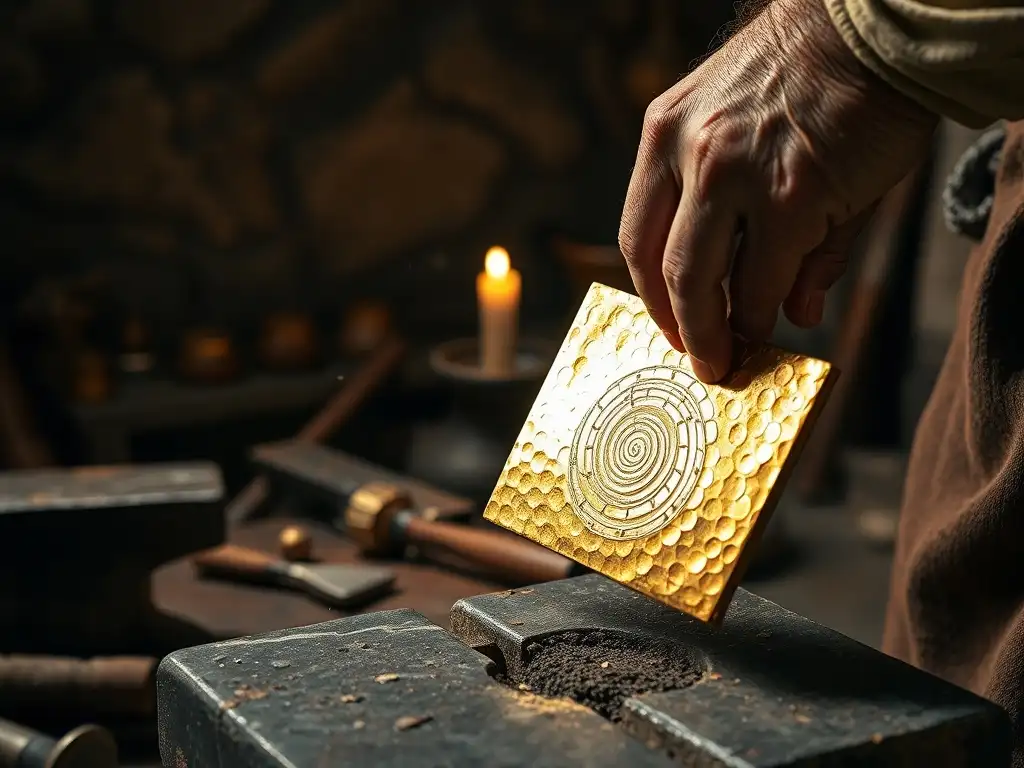
This section delves into the unique metalworking techniques employed by several prominent Andean cultures, highlighting their distinct styles and technological advancements. While sharing some commonalities, each civilization developed its own specialized approaches to metal shaping, reflecting their cultural values and artistic sensibilities. Analyzing these techniques provides crucial insights into their technological prowess and societal structures. The mastery of metalworking in the Andes stands as a testament to the ingenuity and skill of these ancient peoples.
Moche Metalworking: A Legacy of Gold
The Moche culture (c. 100 – 800 CE), known for its sophisticated artistry, excelled in goldsmithing. Their metalworking techniques showcased an impressive understanding of metallurgy and a remarkable ability to manipulate precious metals. Moche artisans frequently used the lost-wax casting method, a complex process involving creating a wax model, encasing it in clay, melting out the wax, and pouring molten metal into the resulting mold. This technique allowed for the creation of intricate and detailed objects, from delicate jewelry to elaborate ceremonial vessels.
The Moche also demonstrated proficiency in repoussé, a metalworking technique that involves hammering a metal sheet from the back to create raised designs on the surface. This technique, often combined with chasing (smoothing and refining the surface details from the front), allowed for the creation of highly detailed and three-dimensional figures, often depicting deities, animals, and scenes from daily life.
Examples of Moche metalwork often feature a rich palette of colors, achieved through the use of alloys and inlaid materials. They skillfully combined gold with other metals like copper and silver to create visually stunning pieces. The incorporation of turquoise, lapis lazuli, and other semi-precious stones further enhanced the aesthetic appeal and symbolic meaning of their creations.
Evidence suggests a high degree of specialization within Moche society, with dedicated workshops and skilled artisans contributing to the production of these exceptional metal objects. Their legacy continues to inspire awe and wonder, demonstrating the advanced level of Andean metalworking techniques during this period.
Inca Metalworking: Mastery in Silver and Alloys
The Inca Empire (c. 1438 – 1533 CE) inherited and further developed the metalworking traditions of its predecessors. While the Incas also worked with gold, they are particularly renowned for their mastery of silver and the creation of intricate alloys. Their metalworking techniques were characterized by a high degree of precision and standardization, reflecting the centralized nature of their empire.
Inca artisans perfected techniques like hammering and annealing, repeatedly heating and cooling the metal to improve its malleability and workability. This allowed them to create incredibly thin sheets of silver and gold, used for creating elaborate garments, jewelry, and decorative objects. The Inca also excelled in casting, using techniques similar to the Moche, but often on a larger scale. This is evident in the production of large ceremonial objects and intricate weaponry.
The Inca's expertise extended to the creation of tumbaga, a gold-copper alloy that was widely used throughout the empire. The precise proportions of gold and copper could be adjusted to achieve specific colors and properties, resulting in a range of hues from pale yellow to deep reddish-gold. This skillful manipulation of alloys demonstrates a sophisticated understanding of metallurgy and the ability to control the properties of the resulting metal. The Inca's metalwork is distinguished by its fine craftsmanship, symmetrical designs, and the frequent use of symbolic motifs reflecting the empire's ideology and power.
Tiahuanaco Metalworking: Innovations in Bronze Production
The Tiahuanaco culture (c. 500 – 1000 CE) stands out for its advancements in bronze production. Unlike the Moche and Inca, who primarily worked with gold and silver, the Tiahuanaco people developed sophisticated techniques for producing bronze, a copper-tin alloy. The availability of tin ore in the Andean region was crucial for this development, and the Tiahuanaco artisans demonstrated remarkable skills in controlling the alloying process.
Tiahuanaco bronze objects often exhibit a unique style, characterized by geometric designs and stylized figures. Their metalworking techniques included casting, hammering, and inlaying, but with a distinct aesthetic sensibility compared to other Andean cultures. While the exact methods used for alloying and casting remain partly unknown, [specific information pending analysis of existing artifacts and archaeological evidence], the surviving examples of Tiahuanaco bronze objects suggest a high level of technical skill and artistic creativity.
The production of bronze tools and weaponry likely played a significant role in the Tiahuanaco's agricultural practices and military strength. The ability to create durable and effective tools through bronze casting contributed to their agricultural success, while bronze weapons provided a military advantage. Further research into the metallurgical practices of the Tiahuanaco culture is needed to fully understand the sophistication of their bronze production and its impact on their society. The discovery of new archaeological evidence could significantly enhance our knowledge of their advanced Andean metalworking techniques.
Regional Variations in Andean Metalworking
Andean metalworking techniques weren't monolithic; significant regional variations existed, reflecting diverse environmental resources and cultural preferences. The availability of specific ores, like copper in the north and gold in the south, heavily influenced the types of alloys and the resulting aesthetics. For example, the Moche culture of the northern coast, renowned for their elaborate gold and silver work, developed sophisticated techniques like filigree and repoussé, creating intricate jewelry and ceremonial objects.
Their mastery of lost-wax casting allowed them to produce incredibly detailed figurines and vessels. In contrast, the Nazca, further south, while also skilled in metalworking, focused more on the production of simpler, yet elegant, copper and gold artifacts. Their techniques, though perhaps less intricate than the Moche's, displayed a unique style characterized by geometric designs and a preference for hammered sheet metal.
The differences extended beyond mere aesthetics. The Tiahuanaco culture, located in the high Andes, faced different challenges in terms of resource access and technological development. Their metalwork, although less prolific than that of coastal cultures, showed an impressive understanding of metallurgy, utilizing alloys of copper and arsenic to create durable tools and ornaments. The altitude and climate likely influenced their techniques, leading to adaptations in smelting and casting processes.
Similarly, the Inca Empire, spanning a vast territory, incorporated and adapted the metalworking styles and techniques of the conquered populations. While they standardized certain aspects of production, regional styles and preferences persisted, resulting in a diverse range of Inca metalwork characterized by a blend of techniques and aesthetic influences. The Inca's administrative prowess facilitated the distribution of metals and the standardization of certain techniques, but regional workshops retained their unique styles and expertise, leading to a fascinating diversity within the overarching Inca style.
This demonstrates a complex interplay between centralized control and localized practices in the development of Andean metalworking. The study of regional variations reveals a vibrant tapestry of artistic expression and technological innovation across the Andean world. Further research into specific regional styles and their associated techniques would be invaluable in fully appreciating the nuances of Andean metalworking.
Andean Metal Alloys and Their Properties
Understanding the Composition of Andean Alloys
Andean metalworkers displayed remarkable skill in manipulating a variety of alloys, demonstrating a deep understanding of material properties. Their mastery wasn't limited to simply using readily available metals; they actively developed techniques to create unique alloys with specific characteristics. Analyzing surviving artifacts reveals a fascinating range of compositions, often tailored to the intended function and aesthetic appeal of the final product. For example, the famous tumbaga, a gold-copper alloy, was prevalent throughout the Andes, its precise composition varying regionally and temporally.
Some tumbaga pieces exhibit a high gold content, resulting in a rich, lustrous yellow, while others contain a higher proportion of copper, leading to a reddish-brown hue. This variability highlights the sophisticated control Andean metallurgists exerted over their materials. Furthermore, the addition of other elements like tin or silver, even in trace amounts, could dramatically alter the alloy's properties, such as malleability, hardness, and color.
Detailed spectrographic analysis of these artifacts is ongoing, continuously revealing new insights into the complexity of Andean alloying practices. The precise recipes and techniques remained largely undocumented, leaving us to decipher their secrets through meticulous scientific investigation of the surviving artifacts. This ongoing research is vital to fully appreciate the ingenuity of Andean metalworkers.
The Use of Copper, Gold, and Silver in Andean Metallurgy
Copper, gold, and silver formed the cornerstone of Andean metallurgy. Copper, readily available in various Andean regions, served as a foundational metal, often alloyed with other elements to enhance its properties. Its malleability made it ideal for shaping into tools, weapons, and decorative objects. Gold, prized for its beauty and resistance to corrosion, was primarily used in prestigious objects like jewelry, ceremonial masks, and finely crafted vessels, reflecting its symbolic value within Andean societies.
Silver, though less abundant than copper, also held significant cultural importance. Its bright, reflective qualities made it suitable for decorative items and ritual objects. The distribution of these metals across different Andean cultures varied, reflecting geographical access and cultural preferences.
For instance, the Moche culture is renowned for its intricate goldwork, while other cultures prioritized copper or silver depending on local resources and artistic traditions. The skilled manipulation of these metals, often in combination, showcases the advanced technological capabilities and artistic vision of Andean societies. The sheer artistry and precision demonstrated in the surviving examples confirm the high status and expertise of Andean metallurgists within their communities.
Techniques for Creating Unique Metal Alloys in Ancient Andes
Creating unique metal alloys required advanced techniques, often involving complex processes of melting, mixing, and refining. The Andean metallurgists employed a variety of methods, including the use of crucibles made from clay or stone to melt metals at high temperatures. They controlled the precise ratios of different metals to achieve desired properties and colors. The creation of tumbaga, for instance, involved carefully balancing the proportions of gold and copper, a process demanding significant metallurgical knowledge and precise control over the heating and cooling processes.
Evidence suggests that they also utilized techniques like hammering and annealing – heating and cooling – to strengthen and refine the alloys. Moreover, they developed methods for creating intricate designs and patterns through techniques like hammering, casting, and repoussé. These techniques, combined with a deep understanding of the properties of different alloys, allowed them to produce a stunning array of artifacts, ranging from practical tools to elaborate ceremonial objects.
The development and refinement of these techniques underscore the ingenuity and adaptability of Andean metalworkers, reflecting a continuous evolution of their metallurgical knowledge and skills across centuries. The surviving artifacts stand as testament to the precision and artistry achieved through these sophisticated techniques. Further research into these techniques is needed to fully understand the nuances of their processes and the extent of their technological achievements.
Decoration and Surface Finishing in Andean Metalwork
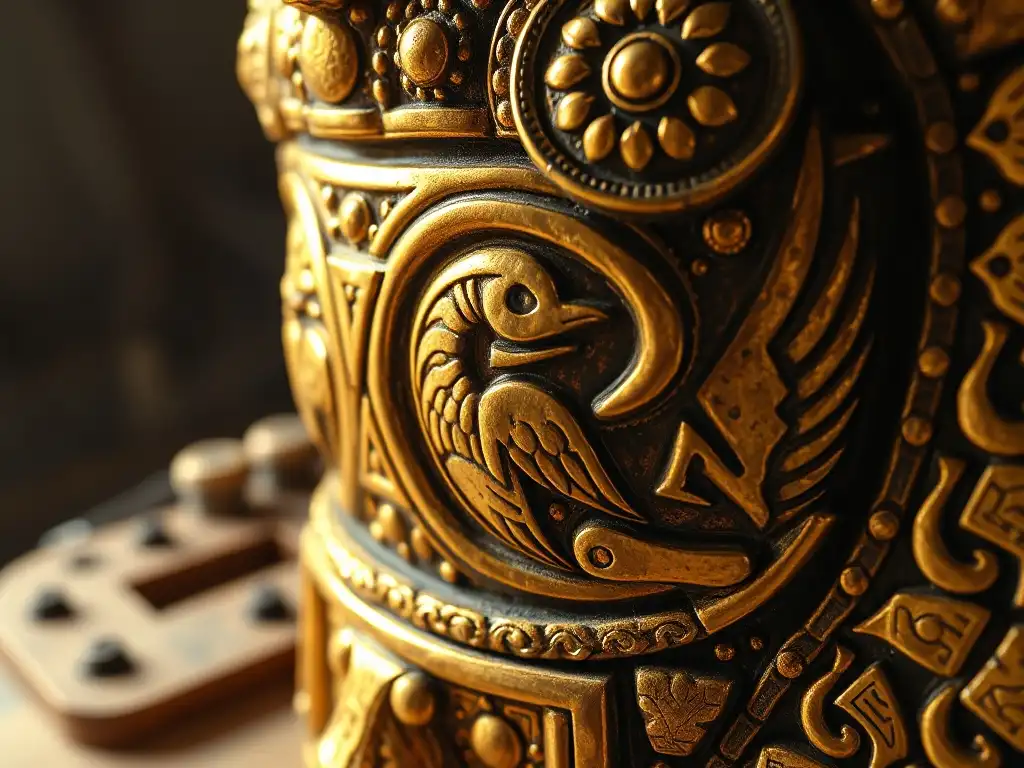
Andean metalworking techniques weren't just about shaping metal; they were about transforming it into stunning works of art. The artisans of the Andes possessed a remarkable skill in decorating and finishing their metal pieces, elevating them beyond mere utilitarian objects. This section delves into the sophisticated processes they employed to achieve such exquisite results, focusing on the artistry and technical prowess involved in creating these enduring masterpieces.
Understanding these techniques provides a deeper appreciation for the ingenuity and aesthetic sensibilities of Andean cultures. The careful application of these methods showcases the dedication to detail and the high value placed upon craftsmanship in Andean societies. This careful attention to detail is a hallmark of Andean metalworking, reflecting a sophisticated understanding of both material properties and artistic expression.
Gilding and Plating Techniques Employed by Andean Artisans
The Andean artisans employed several sophisticated gilding and plating techniques to enhance the visual appeal and value of their metalwork. Gilding, the application of a thin layer of gold, was a particularly favored method. Evidence suggests they used a variety of techniques, including:
- Mercury amalgamation: This involved mixing gold with mercury to create an amalgam, which could then be applied to the base metal. The mercury would then be evaporated, leaving behind a thin gold layer. This technique, while effective, presented health risks due to mercury's toxicity. Further research is needed to determine the full extent of the health precautions, if any, taken by the artisans.
- Electroplating (potential): While direct evidence is lacking, some scholars hypothesize that a form of electroplating might have been employed, given the advanced understanding of electricity demonstrated in other aspects of Andean technology. However, this remains a topic of ongoing debate and requires further investigation. [Specific information pending on electrochemical evidence].
- Leaf gilding: This involved applying thin sheets of gold directly to the surface of the metal object, often using an adhesive. This method, while simpler, required a high level of skill to ensure even coverage and prevent tearing of the delicate gold leaf.
Plating, the application of other metals like silver or copper, was also common. These techniques, often combined with gilding, created intricate and visually stunning pieces with contrasting textures and colors. The precise methods employed for plating remain an area of active research.
Inlaying and Other Decorative Methods
Beyond gilding and plating, Andean metalworkers employed a variety of other decorative techniques to embellish their creations. Inlaying, the embedding of contrasting materials into the surface of the metal, was a particularly remarkable skill. This often involved:
- Precious stones: Semi-precious stones like turquoise, lapis lazuli, and various types of shell were carefully inlaid into the metal, creating intricate designs and adding vibrant color. The precision required for this technique is truly astounding.
- Other metals: Different colored metals, such as silver and copper, were also used in inlay work to create complex patterns and textures. This required a high degree of skill in shaping and fitting the inlaid pieces.
- Repoussé and chasing: These techniques involved hammering the metal from the back (repoussé) and then refining the details from the front (chasing) to create three-dimensional relief designs. This often formed the base for further decoration with inlay or gilding.
The combination of these techniques resulted in pieces of breathtaking beauty and complexity, showcasing the remarkable artistry and technical expertise of Andean metalworkers. For example, intricate depictions of animals, gods, and mythical creatures were frequently rendered using this multi-faceted approach.
Polishing and Finishing of Andean Metalwork
The final stage of Andean metalworking involved polishing and finishing, which significantly contributed to the overall quality and aesthetic appeal of the finished pieces. The artisans utilized various techniques to achieve a high level of polish, including:
- Abrasive materials: They likely used a variety of abrasive materials, such as fine sands, stones, and possibly even shells, to smooth and polish the metal surface. The selection of abrasives would have been carefully chosen to avoid scratching or damaging the delicate metalwork.
- Burnishing: This involved rubbing the metal surface with a smooth, hard object to create a high sheen. This technique would have been used to create a mirror-like finish on certain areas of the piece.
- Patination: In some cases, the artisans intentionally created a patina, or a surface coating, on the metal to enhance its appearance or protect it from corrosion. This could be achieved through various chemical processes or by allowing the metal to naturally age and oxidize.
The level of polish and finish achieved by Andean metalworkers is a testament to their skill and dedication. The exquisite shine and smoothness of many surviving pieces highlight the meticulous attention to detail that characterized their craft. The resulting pieces were not simply functional objects but also works of art meant to be admired and appreciated for their beauty and craftsmanship, reflecting the advanced state of Andean metalworking techniques.
Tools and Equipment Used in Andean Metalworking
The mastery of Andean metalworking techniques is inextricably linked to the tools and equipment employed by ancient artisans. These weren't mass-produced items; rather, they represented a sophisticated understanding of materials and their application, reflecting the ingenuity and resourcefulness of Andean cultures. The techniques involved a fascinating interplay between readily available materials and innovative methods, resulting in breathtaking artifacts that still captivate us today.
Understanding these tools provides a crucial lens through which to appreciate the complexity and artistry of Andean metalworking. Analyzing the tools also helps us understand the level of societal organization necessary to acquire and distribute these specialized implements across vast territories. The development and refinement of these tools represent a significant technological achievement within the Andean context, contributing to the overall sophistication of their civilization.
The Use of Stone Tools in Metal Shaping
Stone tools played a pivotal role in the initial stages of Andean metal shaping. Before the widespread adoption of metal tools, artisans skillfully utilized various types of stone, including hard volcanic rock like andesite and obsidian, to hammer, shape, and refine metal. The process involved meticulous hammering, using stone hammers and anvils to gradually form the desired shape.
The hardness of the stone tools was crucial for working with relatively soft metals like copper and gold, initially sourced from mines across the Andes. Evidence suggests that different types of stone were chosen based on their properties; for instance, harder stones were used for initial shaping, while softer stones might have been employed for finer details and finishing. The creation of these stone tools itself showcases a high level of craftsmanship, demonstrating a deep understanding of material properties and toolmaking techniques.
This careful selection and use of stone tools represent the foundation upon which more advanced Andean metalworking techniques were built. The precision required for shaping metal with stone tools is truly remarkable, highlighting the skill and patience of the Andean artisans.
Andean Furnaces and Their Function
The development of efficient furnaces was a critical advancement in Andean metalworking techniques. These furnaces, crucial for smelting ores and refining metals, were often constructed from clay and stone, utilizing various designs depending on the specific needs and resources available to different Andean groups. While the exact designs varied across regions and time periods, the basic principle remained consistent: creating a controlled environment with sufficient heat to melt metal ores.
Airflow was carefully managed to achieve the necessary temperatures, often through strategically placed blowpipes. The fuels used varied, ranging from charcoal to other readily available organic materials. The ability to control the temperature and oxygen levels within the furnace was crucial for successfully extracting and refining metals like copper, bronze (an alloy of copper and tin), silver, and gold.
The construction and operation of these furnaces demonstrate a sophisticated understanding of metallurgy and engineering, crucial for supporting the widespread production of metal artifacts. The efficiency of these furnaces significantly impacted the scale and quality of Andean metalworking, contributing to the production of large quantities of high-quality metal objects.
Specialized Tools for Detailed Metalwork
Beyond the basic tools for shaping, Andean metalworkers developed a range of specialized instruments for creating intricate details and finishing touches. These included small hammers and chisels made from stone or, later, metal, allowing for precise work on smaller components and delicate designs. Molds, often made from clay or stone, were employed for casting metal objects, enabling the mass production of standardized items or the creation of complex shapes that would be difficult to achieve through hammering alone.
Evidence suggests the use of techniques like repoussé, where metal is hammered from the back to create raised designs on the surface. Furthermore, evidence of the use of alloys, the deliberate mixing of different metals to achieve desired properties like hardness or color, points to a sophisticated understanding of material science. The development of these specialized tools allowed Andean artisans to produce incredibly detailed and intricate metalwork, showcasing their exceptional skill and artistic vision.
The diversity of these tools underscores the advanced nature of Andean metalworking and their ability to adapt and innovate their techniques. The precision and artistry evident in their metalwork are a testament to their mastery of these specialized tools and techniques.
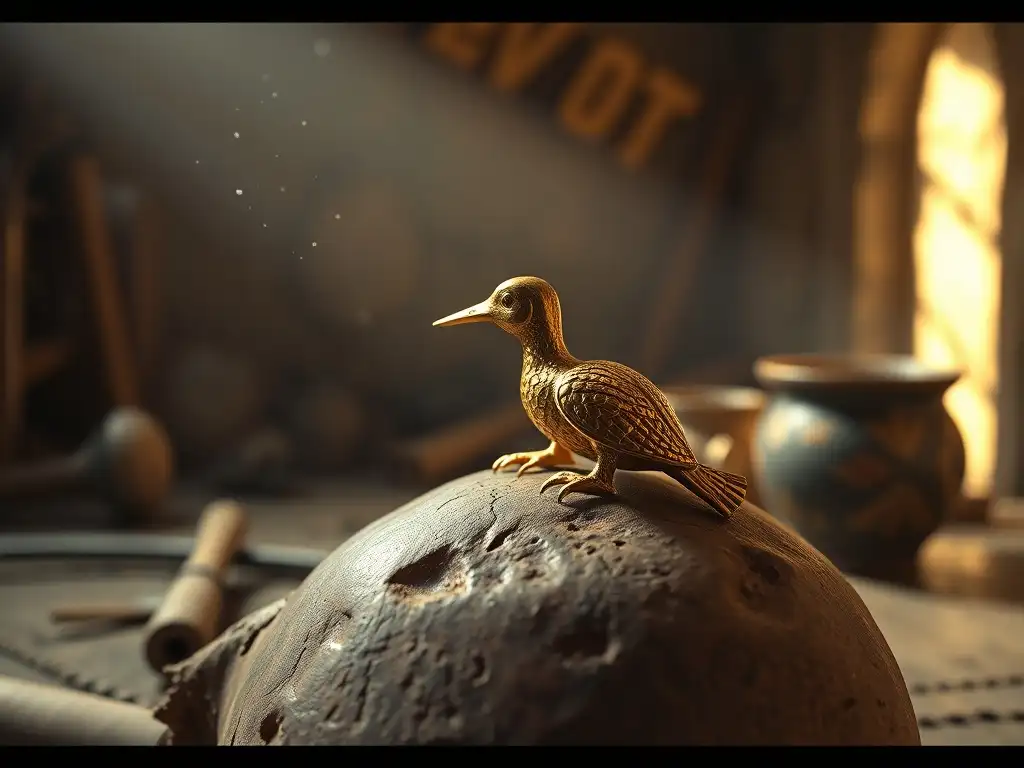
The practice of Andean metalworking wasn't simply a craft; it was deeply interwoven with the social fabric, religious beliefs, and political structures of the various Andean civilizations. Understanding its cultural significance is crucial to appreciating the artistry and technological prowess involved. The techniques employed, the materials used, and the objects created all reflect a complex interplay of social hierarchies, religious practices, and economic systems.
The sheer diversity of styles across different cultures – from the intricate goldwork of the Moche to the refined silver of the Inca – highlights the significant regional variations in both technique and symbolic meaning. Analyzing these variations provides a richer understanding of Andean metalworking techniques and their societal implications. This section will delve into the societal roles of metalworkers and the symbolic significance of metal artifacts within Andean societies.
The Role of Metalworkers in Andean Society
Metalworkers in Andean societies held specialized and often prestigious positions. They weren't just artisans; they were often considered shamans or individuals with special connections to the spiritual realm. This is evidenced by the meticulous craftsmanship and the incorporation of religious motifs into many metal objects.
For example, the Moche culture, known for its elaborate gold and silver work, likely had a centralized system of metalworking workshops staffed by skilled artisans. Archaeological evidence suggests that these workshops were not only centers of production but also places of ritual and ceremony. The skills required, passed down through generations, involved a deep understanding of metallurgy, design, and symbolic representation.
These skills were not easily acquired; apprenticeship systems likely played a significant role in training the next generation of metalworkers, ensuring the continuity of these complex techniques. The social standing of a metalworker likely varied based on their skill level and the specific culture they belonged to, but evidence suggests a level of respect and often a connection to the elite classes. The creation of objects for religious leaders or the ruling class further solidified their importance within the society.
Metalwork as Status Symbols and Religious Offerings
Andean metalwork frequently served as powerful status symbols, reflecting the wealth and power of individuals or groups. Elaborate gold and silver objects, such as ornate headdresses, ceremonial vessels, and weaponry, were often reserved for the elite, underscoring their high social standing. The use of precious metals like gold, which was often associated with the sun and divinity, further emphasized the sacred nature of these artifacts.
The intricate designs and techniques employed in their creation further highlighted their value and the skill of the artisans. For instance, the intricate filigree work of the Nazca culture, or the hammered and repoussé techniques used by the Inca, demonstrate the high level of technical skill and artistic sophistication achieved. These weren't merely functional objects; they were statements of power, wealth, and social standing, often displayed during ceremonies or buried with high-ranking individuals as grave goods.
Ritual and Ceremonial Use of Metal Artifacts
Beyond their role as status symbols, Andean metal artifacts played a crucial role in religious ceremonies and rituals. Many objects were specifically crafted for religious purposes, incorporating religious iconography and symbols related to Andean cosmology and mythology. These objects might have been used in rituals related to agriculture, fertility, or ancestor veneration.
For example, the use of gold and silver in religious contexts highlights their association with the divine. The meticulous craftsmanship and symbolic representations found on these objects indicate their sacred nature and their importance in religious practices. Some metal artifacts, such as ceremonial knives or drinking vessels, might have been used in specific rituals, while others, like intricately decorated adornments, were likely worn by priests or other religious figures.
The discovery of metal objects in tombs and sacred sites provides strong evidence for their ceremonial and ritual use. The careful placement and arrangement of these objects further emphasizes their significance within the religious context of Andean cultures. Understanding this ritual use is key to a complete understanding of Andean metalworking techniques and their cultural impact.
Preserving the Heritage of Andean Metalworking Techniques
The legacy of Andean metalworking techniques is incredibly rich, encompassing centuries of innovation and artistry. Understanding and preserving this heritage requires a multi-faceted approach, combining careful archaeological investigation with cutting-edge scientific research and robust conservation efforts. The intricate details of these techniques, passed down through generations of skilled artisans, offer invaluable insights into the social, economic, and religious structures of ancient Andean societies. The survival of these artifacts, however, is fragile, necessitating proactive measures to ensure their longevity for future generations to study and appreciate. This section delves into the crucial aspects of preserving this invaluable cultural heritage.
Archaeological Discoveries and Insights into Metal Shaping
Archaeological excavations across the Andes have unearthed a wealth of metal artifacts, providing crucial evidence of ancient Andean metalworking techniques. Tombs, ceremonial sites, and everyday settlements yield tools, weapons, ornaments, and vessels, all bearing testament to the mastery of these ancient artisans. For example, the discovery of elaborate gold and silver objects in the royal tombs of the Moche civilization reveals sophisticated techniques like hammering, annealing, soldering, and casting.
The intricate detail found in these pieces, often depicting mythical creatures and religious scenes, highlights the advanced level of skill and artistic expression achieved. Furthermore, the discovery of workshops and smelting sites offers direct evidence of the production processes, giving researchers valuable insights into the materials used, the tools employed, and the organization of labor. Analysis of these sites reveals the use of various alloys, including tumbaga (a gold-copper alloy), and the development of specialized techniques for working with different metals.
Detailed studies of the metallurgical properties of these artifacts, combined with the analysis of associated tools and waste materials, help to reconstruct the complex steps involved in the creation of these remarkable objects. Data collected from these sites continues to refine our understanding of the evolution of Andean metalworking, revealing regional variations and technological innovations over time. The meticulous documentation of these discoveries is crucial for the preservation of this knowledge and the accurate interpretation of the artifacts themselves.
Modern Research on Ancient Andean Metallurgy
Modern research builds upon archaeological discoveries, employing advanced scientific techniques to analyze the composition, structure, and manufacturing processes of Andean metal artifacts. Techniques such as X-ray fluorescence (XRF) spectroscopy and scanning electron microscopy (SEM) allow researchers to identify the precise alloy compositions and analyze the microstructure of the metal, revealing details about the techniques used in shaping and finishing the artifacts. These studies have shed light on the specific techniques employed by Andean metallurgists, such as the use of lost-wax casting for intricate shapes, the hammering and repoussé techniques for creating three-dimensional forms, and the application of various surface treatments to achieve different finishes.
For instance, research has shown the sophisticated understanding of metallurgy demonstrated by the Incas, who created incredibly thin gold sheets for intricate jewelry. By utilizing advanced microscopy, researchers have been able to determine the exact sequence of hammering and annealing steps, revealing the precision and patience involved in the production process. Moreover, isotopic analysis can provide information about the origin of the metals used, revealing trade networks and the movement of raw materials across the Andes.
This ongoing research is vital for a comprehensive understanding of Andean metalworking techniques and contributes to the preservation of this knowledge by making it accessible to a wider audience through publications and presentations. The continued development of analytical techniques promises to further refine our understanding of this fascinating aspect of Andean culture.
The Importance of Conserving Andean Metal Artifacts
The conservation of Andean metal artifacts is paramount to preserving this invaluable cultural heritage. These artifacts are susceptible to various forms of deterioration, including corrosion, oxidation, and damage from environmental factors. The challenges presented by the conservation of these artifacts are significant, requiring specialized knowledge and techniques. The use of appropriate storage conditions, such as controlled temperature and humidity, is crucial to prevent further deterioration.
Furthermore, careful cleaning and stabilization techniques are employed to remove corrosive products and consolidate weakened areas. This process often involves the use of specialized chemicals and tools, requiring meticulous attention to detail to avoid causing further damage. The development of non-invasive analytical techniques is also crucial for monitoring the condition of the artifacts and assessing the effectiveness of conservation treatments. For example, advanced imaging techniques allow researchers to examine the internal structure of the artifacts without causing damage.
The ethical considerations related to conservation are also paramount. Decisions regarding interventions must be carefully weighed, prioritizing the long-term preservation of the artifacts over any immediate aesthetic improvements. The ongoing training of conservators and the development of standardized conservation protocols are essential for the long-term preservation of this unique and irreplaceable collection of cultural heritage. The preservation of these artifacts is not merely a matter of maintaining physical integrity, but of safeguarding the cultural knowledge and artistic expression embedded within them for future generations.
Frequently Asked Questions
What unique metalworking techniques did Andean civilizations employ?
Andean metalworkers were masters of lost-wax casting, a complex process involving creating a wax model, covering it in clay, melting out the wax, and pouring molten metal into the mold. They also excelled in hammering and repoussé, shaping metal sheets with hammers and punches.
How did the Incas contribute to Andean metalworking?
While the Incas inherited and adapted existing techniques, they are known for their high-quality gold and silver work, often incorporating intricate designs and alloying techniques to create varied colors and durability. Their mastery of hammering and repoussé is particularly evident in their prestigious artifacts.
What types of metals did Andean civilizations primarily work with?
Andean metalworkers primarily used gold, silver, copper, and bronze. The availability and prestige of these metals varied across different cultures and time periods, influencing the types of objects created. Spondylus shells were also incorporated into metalwork.
The complexity and artistry of Andean metalwork often reflected the social status of both the craftsmen and the recipient of the finished product. Elaborate gold and silver objects were typically reserved for the elite, while simpler items were for common use.
Where can I learn more about Andean metalworking techniques?
To delve deeper, explore museum collections featuring Andean artifacts and consult academic journals and books specializing in Andean archaeology and metallurgy. Many museums offer online resources and exhibits dedicated to Andean metalworking.
Final Reflection: The Enduring Legacy of Andean Metal Shaping
The intricate artistry of Andean metalworking, once confined to the mists of history, continues to resonate powerfully in the contemporary world. Its enduring appeal lies not just in the aesthetic beauty of the objects themselves, but in the profound insights they offer into the ingenuity, spirituality, and societal structures of ancient Andean cultures. The techniques, painstakingly preserved and meticulously studied, offer a tangible link to a past that continues to inform and inspire us.
The impact of Andean metalworking extends far beyond the museum display cases. It serves as a potent symbol of human creativity and resilience, demonstrating the remarkable achievements possible with limited technology and a deep understanding of the natural world. The mastery displayed in these ancient artifacts challenges our modern assumptions about technological advancement and its relationship to artistic expression. The past is never dead. It's not even past.
– William Faulkner. This quote perfectly encapsulates the enduring relevance of Andean metalworking techniques, reminding us that the skills and knowledge of these ancient artisans continue to shape our understanding of the past and inspire future generations.
Consider the intricate detail, the innovative techniques, the sheer artistry involved in creating these objects. Now, consider the legacy they leave behind. You, the reader, are now part of that legacy. Take a moment to reflect on the power of human ingenuity, the beauty of craftsmanship, and the enduring connection we share with the past. Let the legacy of Andean metalworking inspire you to appreciate the artistry and skill in all forms of creation, and to seek out the stories hidden within the objects that surround us.
Unveil the Secrets of Andean Metal Shaping!
Thank you for exploring the fascinating world of Andean metal shaping techniques! We hope you were inspired by the rich craftsmanship that has shaped history. Now, let's delve deeper into this captivating subject.
Here's how you can continue your journey:
- Learn from the Masters: Seek out local metalworkers and artisans who practice traditional techniques. Directly engaging with these skilled craftspeople offers invaluable insights.
- Hands-on Experience: Participate in a metalworking workshop to gain practical experience and a deeper understanding of the techniques.
- Share the Inspiration: Spread the word! Share this article with friends and online communities to inspire others to appreciate the beauty of Andean culture and its artistic heritage.
What technique captivated you most, and how will you incorporate these ancient practices into your own creative work?