
The Lost Art of Andean Alloys: Decoding Ancient Metal Recipes

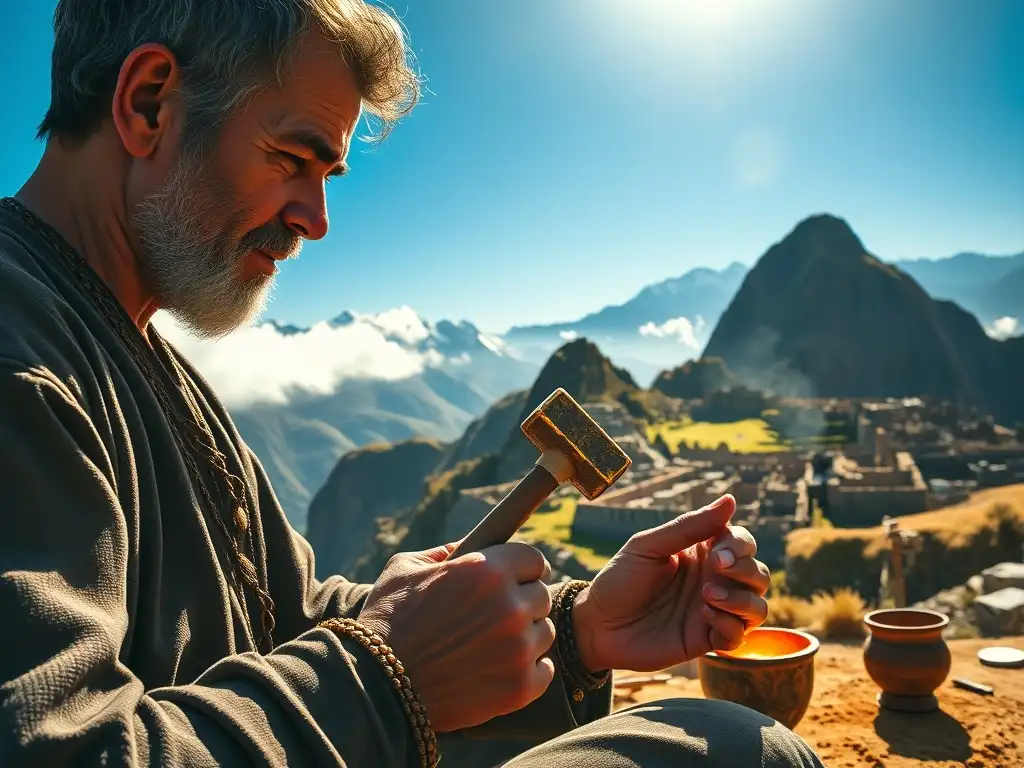
Step into a world lost to time, where the echoes of hammer against metal still resonate. For centuries, the secrets of the ancient Andean alloy recipes remained hidden, buried beneath layers of dust and legend. But now, we unlock the mysteries of these remarkable civilizations, revealing the ingenuity and artistry behind their breathtaking metalwork. Prepare to be amazed as we delve into the fascinating world of Andean art and technology—a journey that will reshape your understanding of these powerful empires. Discover the lost techniques and unlock the secrets of their metallic masterpieces.
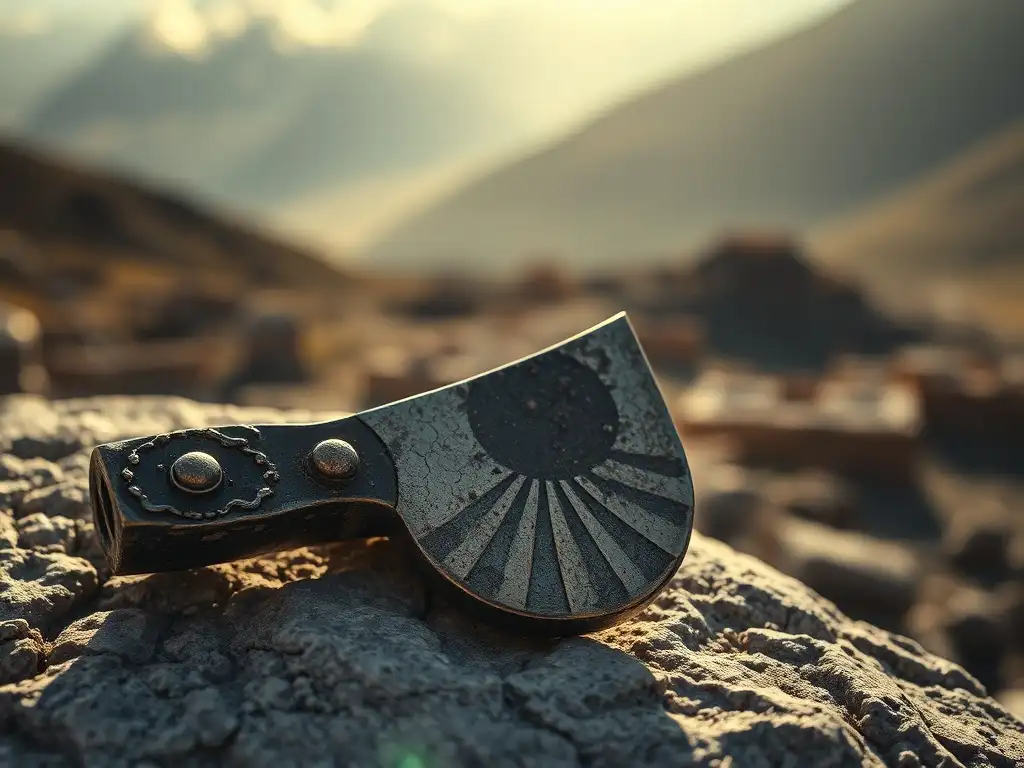
The Andes Mountains, a spine of towering peaks running along the western coast of South America, were home to a dazzling array of pre-Columbian cultures. These civilizations, including the Incas, Moche, Nazca, and Tiahuanaco, weren't just masters of agriculture and monumental architecture; they were also incredibly skilled metallurgists. Their artistry in crafting intricate gold, silver, and copper objects is legendary, but the precise techniques behind their remarkable alloys have remained largely a mystery – until now.
This article delves into the fascinating world of ancient Andean metalworking, exploring the secrets behind their sophisticated alloy recipes and the crucial role these materials played in their societies. We will examine the scientific advancements made in understanding these ancient techniques, revealing the ingenuity and precision of Andean artisans and their profound understanding of metallurgy.
Uncovering these "lost" recipes offers a unique window into the technological prowess and cultural significance of these remarkable civilizations, enriching our understanding of their sophisticated societies and artistic achievements. Prepare to be amazed by the ingenuity and artistry of the ancient Andean metallurgists as we decode their secrets.
Unveiling the Secrets of Andean Metalworking
For centuries, the brilliant sheen of Andean gold and the intricate designs of their silver and copper artifacts have captivated researchers and the public alike. But how did these ancient artisans achieve such remarkable results? Recent scientific analyses of ancient Andean artifacts have begun to unravel the secrets of their metalworking techniques.
They weren't simply melting down pure metals; they were creating complex alloys, skillfully blending different metals to achieve specific properties. For instance, the Incas were known for their exceptionally durable gold alloys, often incorporating copper or silver to increase hardness and durability. The Moche, on the other hand, were renowned for their intricate gold filigree work, requiring a high level of malleability only achievable through precise alloying techniques.
Analyzing the chemical composition of these artifacts, using techniques such as X-ray fluorescence (XRF) and electron microscopy, has allowed researchers to identify the specific metallic components and ratios used in different alloys, offering crucial insights into their manufacturing processes. This detailed analysis reveals a level of metallurgical sophistication far surpassing previous assumptions, highlighting the advanced knowledge and expertise possessed by ancient Andean metallurgists. The intricate designs and the enduring quality of these artifacts stand as a testament to their mastery of these techniques.
The Importance of Metal Alloys in Ancient Andean Societies
The creation and use of metal alloys in the Andes were far more than just a technological feat; they were intrinsically linked to the social, political, and religious structures of these societies. Metal objects weren't merely tools or ornaments; they held profound symbolic significance. Gold, in particular, was often associated with divinity and power, used to create ceremonial objects, adorn religious figures, and decorate the tombs of elite members of society.
The use of specific alloys could convey status and social standing. For example, the presence of certain metals in a particular artifact could indicate its owner's position within the social hierarchy or their connection to religious authority. This intricate relationship between metallurgy, social structure, and religious beliefs underscores the profound cultural importance of metalworking in ancient Andean societies.
The distribution patterns of specific alloy types and the stylistic variations in metalwork across different regions also suggest complex trade networks and cultural interactions between various Andean communities. Further research into the distribution and use of these alloys promises to further illuminate the complex social dynamics of these fascinating civilizations.
Understanding Pre-Columbian Metal Technology
Understanding the ancient Andean metalworking techniques requires considering the available resources and technologies of the time. While the precise smelting techniques employed remain a subject of ongoing research, evidence suggests the use of various furnaces and crucibles, likely made from clay or stone. The process would have involved heating the ore to high temperatures, often using charcoal as fuel, to extract the desired metals. Once extracted, the metals were carefully refined and then alloyed according to specific recipes, a process requiring a high degree of skill and precision.
The tools used for shaping and decorating the metal objects were also sophisticated, and often included hammers, chisels, and molds. The creation of intricate designs, such as those seen in Moche goldwork, necessitated the development of advanced techniques like hammering, repoussé, and casting. The remarkable preservation of some of these tools provides tangible evidence of the advanced techniques employed.
The study of these tools, in combination with the analysis of the metal objects themselves, continues to shed light on the technological ingenuity and the level of craftsmanship achieved by ancient Andean metallurgists. The development and use of these techniques were a testament to their profound understanding of materials science and their ability to adapt their technology to the available resources. Further research in this field promises to unravel even more of the mysteries surrounding these remarkable achievements.
- Unveiling the Secrets of Andean Metalworking
- The Importance of Metal Alloys in Ancient Andean Societies
- Understanding Pre-Columbian Metal Technology
- The Composition of Andean Alloys: Beyond Pure Metals
- Copper-Based Alloys: The Foundation of Andean Metalworking
- Arsenical Copper: Properties and Uses in the Andes
- The Role of Tin in Andean Bronze Production
- Gold and Silver Alloys: Precious Metals in Andean Culture
- Techniques for Smelting and Alloying Andean Metals
Decoding Ancient Andean Alloy Recipes
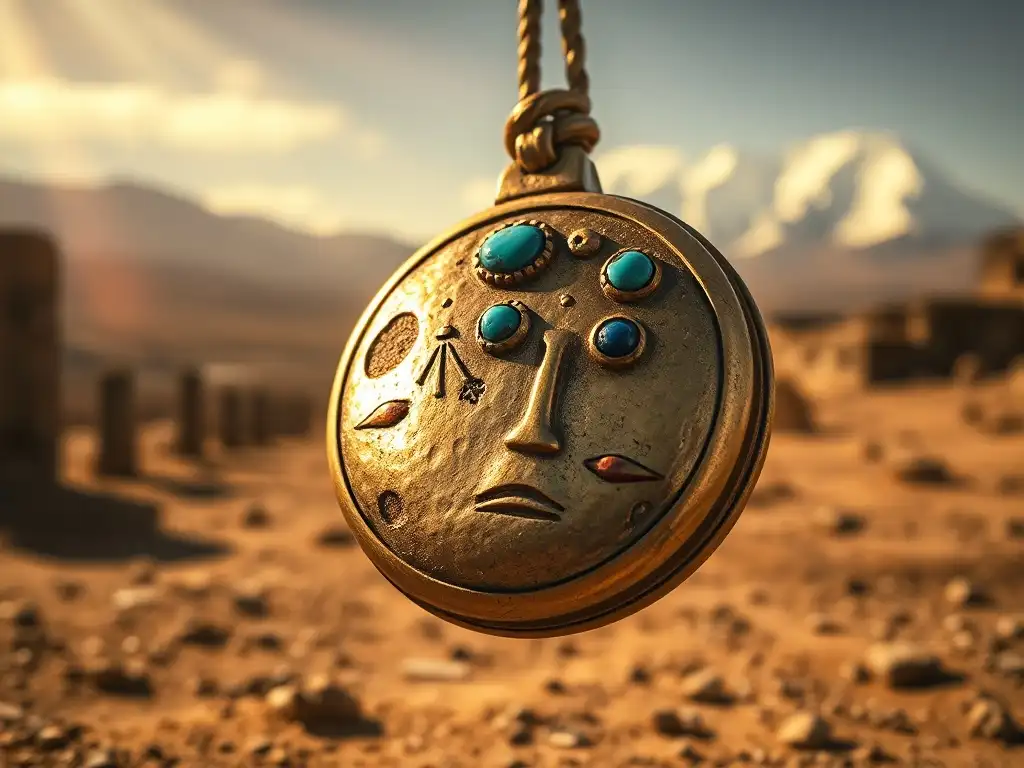
This section delves into the fascinating world of ancient Andean metallurgy, focusing specifically on the intricate recipes used to create their remarkable alloys. Understanding these recipes provides crucial insight into the advanced technological capabilities and sophisticated understanding of material science possessed by these ancient civilizations. The analysis of ancient Andean alloy recipes reveals not only the composition of the metals but also the cultural and practical significance of these materials. We will explore the specific compositions, properties, and applications of several key alloys.
The Composition of Andean Alloys: Beyond Pure Metals
Ancient Andean metalworkers rarely used pure metals. Instead, they skillfully blended different metals to create alloys with enhanced properties, surpassing the capabilities of the base metals alone. This sophisticated approach to metallurgy is a testament to their advanced knowledge and technological prowess. The most common metals used were copper, gold, silver, tin, lead, and arsenic.
The precise proportions of these metals varied depending on the desired properties of the final product, resulting in a wide array of alloys with distinct characteristics. For example, the addition of tin to copper produced bronze, a harder and more durable metal ideal for tools and weapons. Similarly, the incorporation of silver and gold into copper created alloys with enhanced aesthetic qualities, prized for jewelry and ceremonial objects.
Analyzing the chemical composition of surviving artifacts allows researchers to reconstruct these ancient recipes with remarkable accuracy, revealing the complexity and precision of Andean metalworking techniques. Detailed spectrographic analysis reveals variations in alloy compositions across different regions and time periods, suggesting regional specialties and evolving techniques. The study of ancient Andean alloy recipes is a dynamic field, constantly evolving as new discoveries and analytical techniques are developed.
Copper-Based Alloys: The Foundation of Andean Metalworking
Copper served as the foundational metal in Andean metallurgy. Its relative abundance and ease of smelting made it a readily available resource. However, pure copper is relatively soft and prone to deformation. To overcome these limitations, Andean metalworkers developed a range of copper-based alloys, each tailored to specific applications.
These alloys frequently incorporated tin, arsenic, and sometimes silver or gold, depending on the desired properties – strength, durability, or aesthetic appeal. The precise ratios of these components were carefully controlled to achieve the desired results. Archaeological evidence suggests that the techniques for alloying were passed down through generations, with variations emerging across different regions and cultures.
For instance, the Moche culture is known for its intricate gold and copper alloys used in elaborate jewelry and ceremonial artifacts, while the Inca utilized different alloying techniques to create strong and durable tools for agriculture and construction. The mastery of copper alloying was crucial to the economic and social development of Andean societies, enabling advancements in agriculture, warfare, and religious practices. The differences in alloy compositions among various Andean cultures highlight the diversity and innovation within this ancient metalworking tradition.
Arsenical Copper: Properties and Uses in the Andes
Arsenical copper, an alloy of copper and arsenic, holds a unique place in Andean metallurgy. While arsenic is a toxic element, its addition to copper significantly increased the metal's hardness and durability. This made arsenical copper ideal for the creation of tools, weapons, and ornaments that required exceptional strength and resistance to wear. The precise percentage of arsenic varied depending on the intended use.
Higher arsenic content resulted in a harder, but more brittle, alloy, suitable for tools requiring a sharp edge, such as chisels or knives. Lower arsenic content yielded a tougher, more malleable alloy, better suited for larger tools or decorative objects. The production of arsenical copper required sophisticated metallurgical knowledge and careful control of the smelting process to avoid the release of toxic arsenic fumes.
This highlights the advanced understanding and safety precautions implemented by Andean metalworkers. The widespread use of arsenical copper in Andean societies demonstrates their mastery of metallurgy and their ability to harness potentially hazardous materials for technological advancement. Further research is needed to fully understand the precise techniques employed in the creation and manipulation of arsenical copper alloys, but existing evidence clearly indicates its importance within the ancient Andean metallurgical tradition.
The Role of Tin in Andean Bronze Production
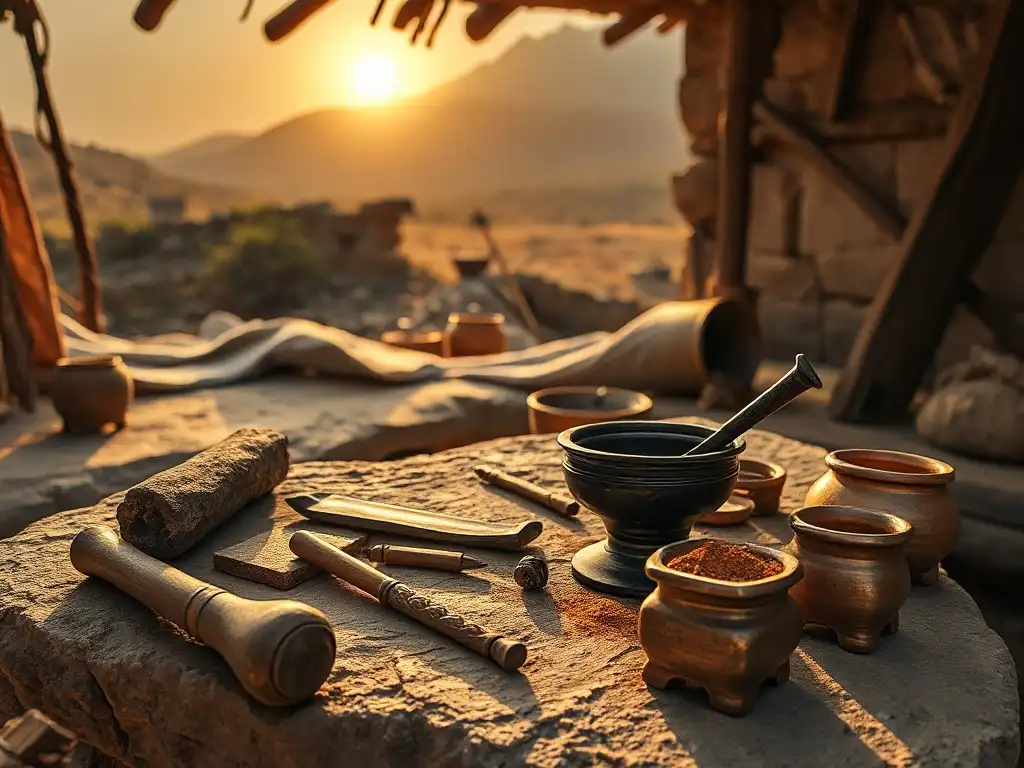
Tin played a crucial role in the development of Andean bronze technology. Unlike many other regions where bronze production relied on readily available copper and tin deposits in close proximity, the Andes presented a unique challenge. High-quality copper ores were abundant in certain areas, but tin sources were scarcer and often located far from the primary copper mines. This geographical distribution significantly impacted the production and distribution of bronze throughout the Andean region.
Archaeological evidence suggests extensive trade networks were established to facilitate the transport of tin, sometimes over vast distances. The careful selection and precise proportioning of tin in the alloy were essential to achieving the desired properties of the bronze – its hardness, durability, and malleability. Different tin concentrations were used to create bronze objects with varying characteristics, ranging from sharp-edged tools to intricate decorative elements.
The mastery of this process demonstrates the sophisticated metallurgical knowledge of Andean artisans. Analysis of ancient bronze artifacts reveals a remarkable consistency in the tin content across geographically diverse regions, suggesting a standardized approach to bronze production and perhaps even centralized control over the tin supply. The precise methods used to refine tin ore and introduce it into the alloying process are still being investigated, but the surviving artifacts are a testament to the skill and ingenuity of Andean metalworkers.
Gold and Silver Alloys: Precious Metals in Andean Culture
Gold and silver, revered for their beauty and rarity, held immense cultural significance in the Andes. While often used in their pure forms, Andean artisans also skillfully created alloys to enhance the properties and appearance of these precious metals. The addition of copper, for example, could alter the color and hardness of gold, producing a wider range of hues and increasing its durability for tools and ornaments.
Similarly, silver alloys were crafted with copper and other metals to achieve different shades and textures, enhancing their visual appeal and suitability for various applications. The use of these alloys wasn't simply a matter of technical expertise; it was deeply intertwined with religious beliefs and social status. The precise composition of gold and silver alloys often held symbolic meaning, reflecting the power and prestige of the individuals or deities they adorned.
Analysis of ancient jewelry and ceremonial objects reveals a sophisticated understanding of alloying techniques, allowing artisans to create objects of exceptional beauty and craftsmanship. The intricate designs and the remarkable preservation of many gold and silver artifacts underscore the advanced level of metallurgical skill achieved in the Andes. The choice of alloy likely depended on the intended use and symbolic value of the object, highlighting the intertwined nature of artistic expression and technological innovation.
Techniques for Smelting and Alloying Andean Metals
The Andean civilizations developed sophisticated techniques for smelting and alloying metals, reflecting a deep understanding of metallurgical processes. Archaeological evidence reveals the use of various smelting furnaces, ranging from simple hearths to more complex structures capable of achieving high temperatures. The selection of fuel – likely charcoal – was crucial to achieving the necessary temperatures for effective smelting. The process involved careful control of the airflow and the temperature to extract the metal from the ore.
The precise techniques varied depending on the metal being processed; the smelting of copper, for example, required different approaches than the smelting of gold or silver. Once the metals were extracted, the alloying process began. This involved precisely measuring and combining different metals in crucibles, often using specialized tools to stir and homogenize the molten mixture. The artisans' skill lay not only in achieving the correct proportions but also in controlling the cooling process to avoid cracking or other defects.
The use of molds, made from various materials, allowed for the creation of intricate shapes and designs. The remarkable craftsmanship evident in Andean metalwork attests to a mastery of these techniques, passed down through generations of skilled artisans. Further research into ancient Andean smelting and alloying methods continues to reveal the ingenuity and sophistication of their metallurgical practices. The development of these techniques was essential to the creation of the diverse and impressive range of metal artifacts found throughout the Andes.
Analysis of Specific Ancient Andean Alloy Recipes
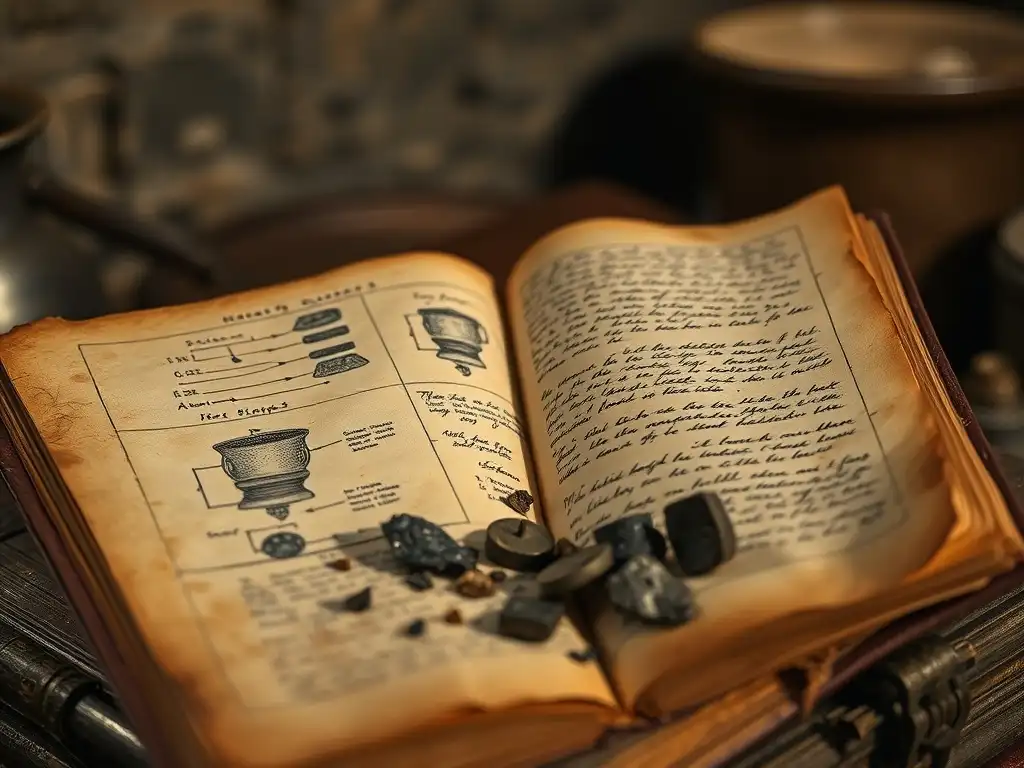
This section delves into the specific compositional details and functional applications of various ancient Andean alloys, focusing on the meticulous techniques employed by master metalworkers. Understanding these recipes provides crucial insights into the sophisticated metallurgical knowledge possessed by these ancient civilizations and their ability to manipulate metals to create stunning and enduring artifacts. The analysis presented here highlights the ingenuity and precision involved in the creation of these remarkable alloys, showcasing the advanced level of their metallurgical expertise.
We will explore specific examples to illustrate the diverse applications and the remarkable control over alloy composition achieved by Andean metallurgists. This exploration will further our understanding of "ancient Andean alloy recipes".
Case Study: Moche Gold-Copper Alloy
The Moche civilization (c. 100 – 800 CE) is renowned for its exquisite gold and copper work. Their mastery of alloying techniques allowed them to produce a range of alloys with varying properties, tailored to specific artistic and functional requirements.
Compositional Analysis of Moche Gold-Copper Alloy
Moche gold-copper alloys typically consisted of gold and copper, with the proportion varying depending on the desired properties. Some alloys were predominantly gold, with small additions of copper to increase hardness and durability. Others exhibited a higher copper content, resulting in a more reddish hue and a lower gold value. Recent analyses of Moche artifacts have revealed a surprisingly precise control over the alloying process.
For example, analysis of a Moche ceremonial headdress showed a remarkably consistent gold-copper ratio across its intricate components, suggesting a standardized recipe and a high level of metallurgical skill. The presence of trace elements, such as silver and tin, has also been detected in some alloys, further highlighting the complexity of their metallurgical practices. The precise quantification of these trace elements remains a subject of ongoing research, offering further insights into the nuances of Moche alloying techniques and their understanding of materials science.
Function and Significance of Moche Gold-Copper Alloy
The specific alloy composition dictated the intended use of the metal. High-gold alloys were typically reserved for elite objects, such as ceremonial masks and ornaments, emphasizing their status and power. Alloys with a higher copper content were often used for more utilitarian objects, such as tools and weaponry, showcasing their understanding of the relationship between alloy composition and material properties. The use of gold-copper alloys, therefore, held profound symbolic and practical significance within Moche society.
Their ability to manipulate these alloys to create objects of both beauty and functionality demonstrates a sophisticated understanding of materials science and its integration into their cultural and religious practices. The precise control over alloy composition speaks volumes about the Moche's advanced metallurgical techniques and their profound understanding of the properties of metals. The sheer artistry and precision evident in their metalwork continue to inspire awe and admiration.
Case Study: Inca Bronze
The Inca Empire (c. 1438 – 1533 CE) also demonstrated remarkable metallurgical skills, particularly in the production of bronze. Unlike many other ancient cultures, the Inca did not widely use bronze for weapons or tools. Their bronze production focused more on decorative and ceremonial objects.
Metallurgical Examination of Inca Bronze
Inca bronze typically consisted of copper and tin, with the addition of other metals such as arsenic and lead in some instances. The precise proportions of these elements varied depending on the desired properties and the availability of raw materials. The Inca's mastery of smelting and casting techniques allowed them to create intricate and detailed objects.
The absence of widespread use of bronze for tools, in contrast to other ancient civilizations, suggests a different emphasis in their metallurgical practices, prioritizing aesthetics and ritual significance over purely utilitarian applications. Further research is needed to fully understand the Inca's specific techniques for creating and working with bronze.
Application of Inca Bronze in Inca Artifacts
Inca bronze artifacts were largely used for ceremonial and decorative purposes. While not commonly used for weaponry or tools, bronze was employed to create intricate ceremonial objects and finely decorated items. These ranged from small decorative elements to larger ceremonial objects. The selection of bronze for these specific applications highlights its value as a material of prestige and symbolic significance within Inca society.
The visual impact of bronze objects, with their distinctive color and luster, likely contributed to their use in ritual contexts. The lack of widespread use for practical tools contrasts with the use of other metals like copper and gold, highlighting the distinct role and value attributed to bronze within the Inca metallurgical tradition. Further investigation into the specific techniques and the socio-cultural implications of their bronze production is needed to fully appreciate this aspect of Inca metalworking.
Case Study: Tiahuanaco Arsenical Copper
The Tiahuanaco culture, flourishing in the southern Andes between approximately 500 and 1000 CE, displayed remarkable metallurgical skills. Their mastery of arsenical copper alloys is particularly noteworthy, demonstrating a sophisticated understanding of material science and its application in creating durable and aesthetically pleasing artifacts. The use of arsenic in their copper alloys wasn't merely accidental; it was a deliberate choice that significantly altered the metal's properties.
Archaeological evidence suggests a widespread and consistent application of this technique across various Tiahuanaco artifacts, including tools, weapons, and decorative objects. This consistency points towards a well-established and possibly standardized process for alloy production, indicating a level of technological sophistication and control rarely seen in other contemporaneous cultures. The precise methods employed by Tiahuanaco artisans remain a subject of ongoing research, but the results speak for themselves – a legacy of strong, long-lasting metal objects that have survived centuries of exposure to the elements.
The consistent quality of these artifacts implies a deep understanding of the relationship between alloy composition and resultant properties, highlighting a sophisticated level of metallurgical knowledge. Further research into the mining and processing techniques used by the Tiahuanaco people is crucial for a complete understanding of their advanced metallurgical practices.
Chemical Analysis of Tiahuanaco Arsenical Copper
Analysis of Tiahuanaco arsenical copper artifacts reveals a consistent presence of arsenic, typically ranging from 1% to 10% by weight, alongside copper. The exact arsenic content varied depending on the desired properties of the final product. Higher arsenic concentrations generally resulted in a harder, more brittle alloy, suitable for tools and weapons that required high durability.
Lower arsenic concentrations produced a more malleable alloy, better suited for intricate decorative work. This controlled variation in arsenic content demonstrates a precise understanding of the alloy's behavior and the ability to tailor its properties to specific applications. Modern scientific techniques, such as X-ray fluorescence (XRF) and electron probe microanalysis (EPMA), are instrumental in determining the precise composition of these ancient alloys, offering invaluable insights into the metallurgical expertise of the Tiahuanaco artisans.
The careful control over arsenic levels reveals a deep understanding of the metallurgy of arsenical copper, surpassing the capabilities of many other contemporary cultures. The presence of trace elements beyond arsenic and copper, such as silver and lead, also provides clues about the ore sources and refining techniques employed. Further detailed analysis is needed to fully understand the precise sourcing of raw materials and the specific steps involved in the alloying process.
The Importance of Tiahuanaco Arsenical Copper in Their Metallurgy
The production of arsenical copper was not simply a technical achievement for the Tiahuanaco; it held significant cultural and social importance. The ability to create durable and aesthetically pleasing metal objects likely conferred power and prestige upon those who controlled the production process. Arsenical copper artifacts were often used in religious ceremonies and elite burials, highlighting their symbolic value and connection to the spiritual realm.
The widespread use of arsenical copper in tools and weapons also reflects its importance in the practical aspects of Tiahuanaco life, contributing to agricultural production, warfare, and daily activities. The sophisticated metallurgical techniques employed in creating these alloys represent a crucial element of Tiahuanaco cultural identity and technological prowess. The control over the production of such valuable materials likely played a crucial role in the social and political organization of the society.
The enduring legacy of Tiahuanaco arsenical copper artifacts serves as a testament to their advanced metallurgical skills and their profound understanding of the properties and applications of this unique alloy. Further research into the social and economic implications of arsenical copper production is essential to fully appreciate its significance within Tiahuanaco society. The distribution patterns of these artifacts also offer insights into trade networks and the political reach of the Tiahuanaco state.
The Legacy of Ancient Andean Metal Recipes
The legacy of ancient Andean alloy recipes is a testament to the ingenuity and advanced metallurgical knowledge of pre-Columbian civilizations. These societies, including the Inca, Moche, Nazca, and Tiahuanaco, didn't simply utilize readily available metals; they developed sophisticated techniques for combining different metals to create alloys with unique properties, enhancing the durability, malleability, and aesthetic qualities of their artifacts. This expertise wasn't merely functional; it was deeply intertwined with their religious beliefs, social structures, and artistic expression.
The enduring appeal of these ancient Andean alloy recipes lies not only in their technical brilliance but also in their cultural significance, providing a window into the complex world of these fascinating societies. The enduring impact of their innovations continues to inspire researchers and artisans today.
Preserving and Studying Andean Metallurgical Practices
Preserving and studying ancient Andean metallurgical practices requires a multidisciplinary approach. Archaeologists meticulously excavate sites, carefully recovering fragments of tools, jewelry, and other metal objects. These artifacts then undergo rigorous analysis using techniques such as X-ray fluorescence (XRF) and scanning electron microscopy (SEM) to determine the precise composition of the alloys.
This allows researchers to decipher the specific recipes used, providing insights into the materials available to these ancient metalworkers and their understanding of metallurgy. Furthermore, studying the manufacturing processes, including the types of furnaces used and the techniques employed for shaping and decorating the metal, helps us understand the evolution of Andean metalworking techniques over time. For example, the transition from simpler hammering techniques to more sophisticated casting methods reflects technological advancements and increased complexity in the production of metal objects.
Detailed records, including photographic documentation and meticulous cataloging, are crucial for preserving this invaluable knowledge for future generations. This careful preservation ensures that the insights gained from studying these ancient Andean alloy recipes remain accessible and contribute to our ongoing understanding of pre-Columbian civilizations. The meticulous work of researchers helps us unlock the secrets of these ancient techniques, adding another layer to the rich tapestry of Andean history and craftsmanship.
The Impact of Andean Alloys on Later Metalworking
The impact of ancient Andean alloys on later metalworking is significant and far-reaching. The sophisticated techniques developed in the Andes, particularly their mastery of gold, silver, copper, and bronze alloys, influenced metalworking practices across the Americas and beyond. The unique characteristics of these alloys, such as their corrosion resistance and malleability, were highly prized and copied by later cultures.
The knowledge of alloying techniques, passed down through generations, contributed to the development of metalworking traditions in different regions. For instance, the use of specific alloys in Inca jewelry became a hallmark of their artistry, influencing the styles and techniques employed by subsequent Andean cultures. The legacy of Andean metalworking is evident in the continued use of similar alloys and techniques in contemporary craft traditions, demonstrating the enduring influence of this ancient knowledge.
Analyzing the evolution of alloy compositions and techniques provides a timeline of technological advancements and cultural exchanges. Moreover, understanding the impact of ancient Andean alloys on subsequent metalworking practices contributes to a broader understanding of the interconnectedness of cultures and the diffusion of technological innovations throughout history. The study of this influence provides valuable insights into the global history of metalworking.
The Ongoing Research into Ancient Andean Metal Technology
Ongoing research into ancient Andean metal technology continues to unveil new discoveries and refine our understanding of these remarkable achievements. Researchers are employing increasingly sophisticated analytical techniques to analyze the composition of ancient alloys with greater precision, identifying trace elements that offer clues about the sources of the metals used and the manufacturing processes employed. Furthermore, ongoing excavations at archaeological sites continue to unearth new metal artifacts, providing fresh data for analysis.
The combination of advanced analytical techniques and new archaeological discoveries is leading to a more nuanced understanding of the complexity and sophistication of ancient Andean metalworking. For instance, recent studies have revealed the use of previously unknown alloying techniques, challenging existing assumptions and expanding our knowledge of Andean metallurgical practices. This ongoing research not only deepens our appreciation for the technical skill of ancient Andean metalworkers but also sheds light on the social, economic, and religious contexts in which this technology flourished.
The pursuit of knowledge surrounding ancient Andean alloy recipes remains a vibrant and evolving field, promising further exciting discoveries in the years to come. The ongoing efforts of researchers are essential for preserving this legacy and continuing to unlock the secrets of this fascinating aspect of Andean history.
Reconstructing Ancient Andean Alloy Recipes: Challenges and Possibilities
Reconstructing the precise recipes used by ancient Andean metallurgists presents a significant challenge. The passage of centuries, coupled with the often-fragmented nature of archaeological finds, means we lack complete records of their techniques. Many artifacts have undergone significant corrosion, obscuring their original composition. Furthermore, the methods employed by these master craftsmen were likely passed down orally, leaving little in the way of written documentation.
This reliance on oral tradition makes the process of deciphering their techniques even more complex. We must rely heavily on painstaking analysis of surviving artifacts, combining metallurgical analysis with ethnographic studies of later Andean metalworking traditions to piece together a clearer picture. This interdisciplinary approach is crucial.
One major hurdle is the variability inherent in ancient Andean metalworking. Analysis of artifacts reveals that alloy compositions weren't standardized. Variations in ore sources, smelting techniques, and even the skill of individual artisans likely led to subtle differences in the final product. This inconsistency makes it difficult to establish definitive "recipes" applicable to all ancient Andean metalwork.
Instead, we often find ranges of alloy compositions, reflecting a degree of flexibility and adaptation in their practices. Understanding these variations is key to appreciating the artistry and ingenuity of these ancient metallurgists. They were not simply following rigid formulas; rather, they were masters who adapted their techniques to the materials at hand.
Despite these difficulties, significant progress has been made. Advances in scientific techniques, such as X-ray fluorescence (XRF) and electron probe microanalysis (EPMA), allow for precise compositional analysis of ancient artifacts. This allows researchers to determine the proportions of different metals present in alloys, providing crucial insights into the recipes used.
Combining this data with detailed archaeological contextual information — the location of the artifacts, associated tools, and other finds — helps researchers reconstruct the entire metalworking process, from ore extraction to the final shaping of the object. By piecing together these various lines of evidence, we can begin to reconstruct, albeit imperfectly, the lost art of ancient Andean alloying. The possibilities for future discoveries and a more complete understanding are vast.
The more artifacts we analyze, the clearer the picture becomes. The ongoing research into ancient Andean alloy recipes continues to reveal the sophisticated techniques employed by these remarkable cultures. The more we learn, the more we appreciate the ingenuity and skill of these ancient metalworkers.
Frequently Asked Questions
What were ancient Andean alloys primarily made of?
Ancient Andean alloys frequently utilized copper as a base metal, often combined with tin, arsenic, or gold to achieve varying properties and colors. The specific composition varied depending on the desired outcome and the available resources.
How did Andean civilizations create their alloys?
The process involved smelting ores to extract the base metals, followed by careful mixing and heating in crucibles to create the desired alloy. Advanced techniques were used to control the temperature and composition for consistent results.
Why were alloys so important to Andean cultures?
Alloys were crucial for creating stronger and more durable tools, weapons, and ornaments. The ability to manipulate metals played a significant role in their social structure and economic development. Gold alloys held particular symbolic and religious importance.
Where can I find examples of ancient Andean alloys today?
Many examples of Andean alloys can be found in museums around the world, showcasing the craftsmanship and technological prowess of these ancient civilizations. Archaeological sites also yield valuable artifacts containing these alloys.
Are the exact "recipes" for ancient Andean alloys known today?
While we know the basic components, the exact proportions and techniques used remain partially unknown. Researchers continue to study surviving artifacts and ancient texts to decipher the lost secrets of Andean metallurgy.
Final Reflection: Reclaiming the Whispers of Andean Metallurgy
The rediscovery of ancient Andean alloy recipes isn't just an academic pursuit; it's a vital key to understanding a sophisticated past and forging a more sustainable future. These intricate metalworking techniques, lost to time yet painstakingly pieced back together, offer a powerful testament to human ingenuity and resourcefulness, a legacy we can learn from today. The precision and artistry involved in creating these alloys, often using readily available materials, challenge our modern assumptions about technological advancement and resource consumption.
The enduring influence of Andean metallurgy extends far beyond the shimmering artifacts themselves. It speaks to a deep connection between people and their environment, a symbiotic relationship that prioritized sustainability and resource management. The ingenuity displayed in these techniques, passed down through generations, serves as a potent reminder of the importance of preserving traditional knowledge. The past is never dead. It's not even past.
- William Faulkner. This quote resonates deeply, as the echoes of Andean metallurgical expertise continue to inform contemporary material science and inspire innovative approaches to sustainable practices.
Consider the implications of these ancient techniques. What can we learn from the Andean masters about resource efficiency? How can we apply their understanding of material properties to create more durable and sustainable products today? You, the reader, hold the power to carry this legacy forward. By appreciating the ingenuity of these ancient alloys, we can inspire a new generation of innovators and artisans, fostering a future where technological advancement and environmental responsibility walk hand-in-hand. Let the whispers of these lost recipes guide you towards a more sustainable and creative tomorrow.
Unveil the Secrets of Andean Alloys Today!
Thank you for exploring the fascinating world of Andean alloys! You've gained valuable insight into the sophisticated metalworking techniques that shaped ancient civilizations. Now, let's delve deeper into the rich cultural context surrounding these remarkable achievements.
Here are some ways to further enhance your understanding and appreciation:
- **Participate in a workshop or online course** focusing on Andean metallurgy. Learn directly from experts and develop practical skills.
- **Share your knowledge** with friends, family, or within online communities dedicated to ancient cultures. You might even inspire others to explore this captivating field!
- **Visit local museums and exhibitions** showcasing ancient Andean metals and artifacts. Experience the artistry and craftsmanship firsthand.
Which aspect of Andean alloy techniques captivates you most? How will you integrate this knowledge into your own creative endeavors?