
Warriors and Warfare: Symbolic Depictions of Conflict in Andean Art

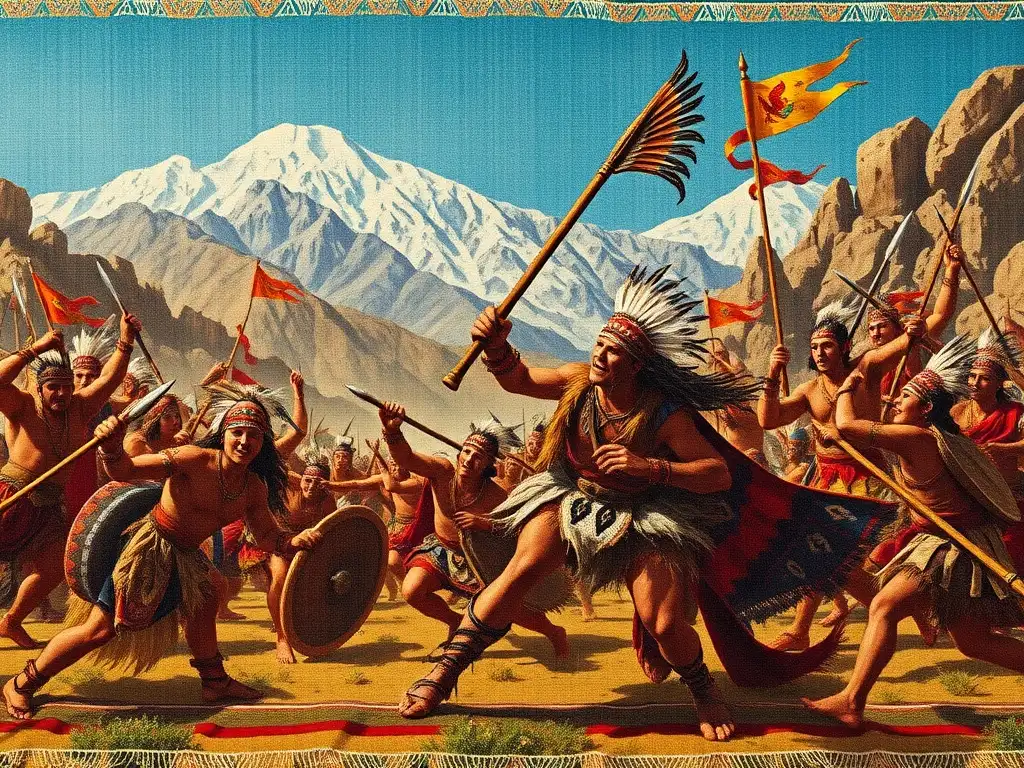
Step into a world lost to time, yet echoing with the power of ancient Andean civilizations. Prepare to unravel the mysteries hidden within intricate symbols etched onto artifacts, revealing the surprising stories of Andean warfare. Discover how the art of conflict itself became a powerful form of expression, and uncover the hidden meanings behind the Andean warfare art symbols that continue to fascinate scholars and ignite our imaginations. Dare to delve deeper into this captivating realm…
The vibrant tapestry of Andean art, renowned for its intricate textiles, majestic ceramics, and awe-inspiring monumental architecture, often subtly, yet powerfully, depicts scenes of conflict and warfare. This article delves into the fascinating world of Andean warfare art symbols, exploring how these ancient civilizations—including the Incas, Moche, Nazca, and Tiahuanaco—represented conflict not merely as a historical event, but as a deeply symbolic expression of their social structures, religious beliefs, and cosmological understandings. We will examine specific artistic representations, analyzing their iconography to decipher the meanings embedded within them and understand their role in shaping Andean societies.
This exploration will reveal how the study of "Andean warfare art symbols" provides crucial insights into the complexities of these remarkable cultures. We will discover how seemingly violent imagery often served a much broader purpose, reflecting the intricate interplay between power, ritual, and the spiritual world.
Introduction to Andean Warfare Art and its Symbolism
Andean warfare, far from being a simple clash of armies, was deeply interwoven with the fabric of Andean societies. Artistic depictions of warfare weren't mere historical records; they were powerful tools for transmitting cultural values, reinforcing social hierarchies, and expressing religious beliefs. The symbolism employed in these depictions varied across different cultures and time periods. For example, the Moche culture, known for its elaborate ceramics, often portrayed battles with a high degree of detail, showing individual warriors, weaponry, and even the emotional intensity of the conflict.
These depictions frequently included symbolic elements, such as specific headdresses, weaponry, or body paint, which likely held significant meaning within their society. In contrast, the Nazca culture, famous for its geoglyphs, employed a different approach, using subtle representations of conflict within their broader iconography, often intertwined with themes of fertility and cosmological cycles. Understanding these nuances is crucial to unraveling the complex tapestry of Andean warfare art symbols.
The use of specific colors, animal imagery, and human figures in various postures all contributed to the richness and complexity of the symbolic language. Further research is needed to fully understand the subtle variations in meaning across different regions and time periods. We need more detailed analysis of [specific examples of Moche pottery depicting warfare pending] and [detailed analysis of Nazca geoglyphs with warfare themes pending] to fully understand the range of symbolic expression.
The Significance of Conflict in Andean Societies
The significance of conflict in Andean societies extended far beyond the battlefield. Warfare played a crucial role in shaping political landscapes, securing resources, and reinforcing social hierarchies. Artistic representations served to legitimize power structures, celebrating victories and commemorating fallen warriors. The depiction of elite warriors, often adorned with elaborate regalia and weaponry, reinforced their status and authority.
Moreover, the symbolic use of captured enemies or trophies of war served as powerful reminders of military prowess and dominance. For example, the Incas, renowned for their vast empire, often incorporated elements of conquered cultures into their own artistic expressions, subtly demonstrating their power and control. The incorporation of [specific examples of Inca art incorporating conquered cultures' motifs pending] provides compelling evidence of this strategy. Furthermore, the integration of warfare imagery into religious rituals and ceremonies suggests a deep connection between the earthly realm of conflict and the spiritual world.
The use of specific deities, animals, and symbolic objects in these representations highlights the importance of warfare in the Andean worldview. We can see evidence of this in [specific examples of Andean religious artifacts depicting warfare pending], which require further scholarly attention to fully uncover their significance. The study of Andean warfare art symbols thus offers a window into the complex relationship between power, religion, and society in these fascinating ancient civilizations. 🇿🇦
- Introduction to Andean Warfare Art and its Symbolism
- The Significance of Conflict in Andean Societies
Depictions of Warriors in Andean Art
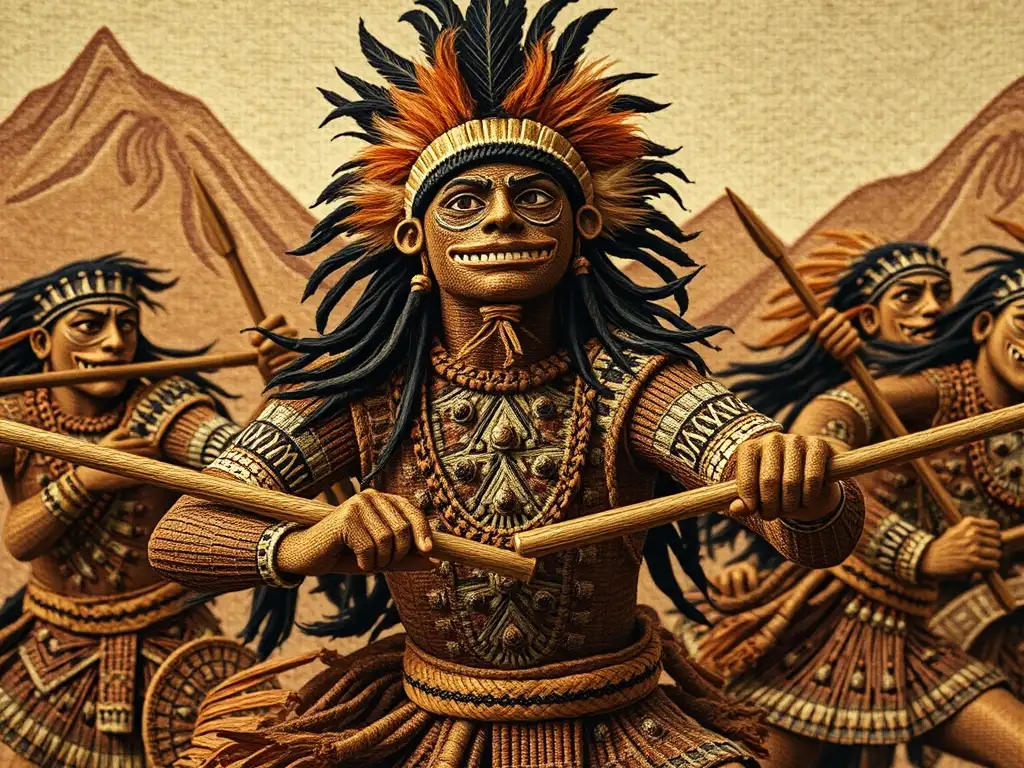
This section delves into the diverse ways Andean civilizations symbolically represented warfare and warriors in their art. Analysis focuses on the Moche and Tiahuanaco cultures, highlighting the distinct styles and meanings embedded in their artistic depictions of conflict. The recurring themes of power, ritual, authority, and control reveal crucial insights into the social structures and ideologies of these ancient societies, enriching our understanding of Andean warfare and its impact on their cultural landscape. The study of these "Andean warfare art symbols" provides a unique window into their beliefs and societal organization.
Moche Warrior Imagery: Power and Ritual
The Moche culture (c. 100-800 CE) left behind a rich legacy of ceramic art, vividly depicting scenes of warfare and the warriors who participated in them. These depictions weren't merely factual records; they were powerful statements about power, ritual, and the Moche worldview. The intensity and detail of the imagery suggest a deep fascination with both the brutality and the ritualistic aspects of combat. The use of specific colors, postures, and weaponry all contribute to a complex narrative beyond simple battle scenes.
Moche Ceramic Depictions of Combat
Moche pottery frequently showcases scenes of intense combat. Warriors are portrayed in dynamic poses, engaging in hand-to-hand combat, using spears, clubs, and slings. The level of detail is astonishing; individual muscles, expressions of pain or triumph, and even the texture of clothing are often meticulously rendered. One can observe the strategic deployment of troops, the use of weaponry, and the clear hierarchy amongst the fighters.
For example, certain warriors are depicted wearing elaborate headdresses and adornments, suggesting higher rank or status within the Moche military structure. These scenes are not simply depictions of violence; they're narratives, telling stories of bravery, sacrifice, and the importance of military prowess within Moche society. The repetition of certain motifs, such as specific weapons or battle formations, further emphasizes their symbolic significance within the Moche culture.
Iconography of Moche Warrior Attire and Weapons
The attire and weaponry of Moche warriors are highly symbolic, providing further insight into their social hierarchy and the ritual aspects of warfare. Elaborate headdresses, often adorned with feathers, gold, and other precious materials, denoted high rank and status. Similarly, the types of weapons used—spears, clubs, or macanas (large, heavy clubs)—could indicate a warrior's skill and social standing.
The careful depiction of these details underscores the importance of ritual and ceremony within the context of Moche warfare. The art suggests that warfare was not merely a practical matter but also a highly ritualized activity, deeply embedded in Moche religious and social life. Further research into the specific materials and craftsmanship involved could unlock even deeper meanings associated with these "Andean warfare art symbols".
Unlike the Moche, who favored ceramic depictions, the Tiahuanaco culture (c. 500-1000 CE) primarily utilized stone sculpture to portray warriors and military themes. Their representations emphasize authority, control, and the power of the state. The monumental scale of many Tiahuanaco sculptures reflects the power and prestige of the ruling elite and their military might. The symbolic language used is more austere and less narrative than the Moche style, focusing on conveying power and dominance through imposing imagery.
Tiahuanaco Stone Sculptures and Military Leaders
Tiahuanaco stone sculptures frequently depict figures with attributes associated with military leadership. These figures often wear elaborate headdresses and garments, carrying weapons such as staffs or maces. Their imposing stature and stern expressions convey authority and control. The meticulous craftsmanship and the use of high-quality stone emphasize the significance of these figures within the Tiahuanaco social hierarchy.
The placement of these sculptures within Tiahuanaco's monumental architecture further reinforces their importance as symbols of power and military might. Analysis of the postures and gestures of these figures, combined with the study of their attire and accompanying symbols, is crucial for deciphering their specific meanings and roles within Tiahuanaco society. Detailed studies are needed to fully understand the iconographic details and their connection to specific historical events or military campaigns.
Symbols of Rank and Status in Tiahuanaco Warfare Art
The symbols associated with Tiahuanaco warrior figures are often subtle but highly significant. Specific headdresses, ornaments, and weapons could indicate rank, military achievements, or even divine connections. The use of specific materials, such as gold or obsidian, would have further emphasized the status and power of the individuals depicted. The study of these symbols requires a careful analysis of multiple sculptures and their context within Tiahuanaco architecture and religious practices.
Understanding the nuanced iconography is key to unlocking the complexities of Tiahuanaco social structures and the role of warfare in their society. The careful examination of these "Andean warfare art symbols" reveals a sophisticated system of visual communication reflecting the power dynamics of Tiahuanaco society. Further research, particularly focused on comparative analysis of different sculptures and their associated contexts, is vital for a more comprehensive understanding of Tiahuanaco warfare art.
Inca Military Art: Conquest and Imperial Might
The Inca Empire, at its zenith, controlled a vast territory stretching along the Andes Mountains. Their military prowess was instrumental in achieving and maintaining this dominance. Inca military art, therefore, isn't simply a depiction of conflict; it's a powerful tool used to legitimize their conquests, consolidate power, and instill awe in both conquered and subject populations. The imagery employed wasn't merely decorative; it served a crucial propagandistic function, reinforcing the Inca's divine right to rule and the inevitability of their military successes.
This strategic use of art is a key aspect of understanding Andean warfare art symbols and their societal impact. The intricate details found in Inca textiles, ceramics, and stone carvings provide invaluable insights into their military organization, weaponry, and the ideology underpinning their imperial ambitions. We see a clear correlation between the expansion of the empire and the increasing sophistication and prevalence of these military-themed artistic representations.
The Inca's Use of Art to Legitimize Conquests
The Inca's use of art to legitimize conquests is a fascinating study in propaganda and power. They cleverly intertwined depictions of military victories with religious iconography, portraying the emperor as a divinely appointed ruler whose conquests were sanctioned by the gods. Textiles, often featuring intricate scenes of battles and triumphant Inca armies, were not only functional but also served as powerful statements of imperial authority.
These weren't just casual depictions; they were carefully crafted narratives designed to reinforce the legitimacy of Inca rule and to inspire both fear and respect among their subjects. For example, the depiction of the Inca emperor, often adorned with elaborate headdresses and regalia, alongside victorious soldiers, solidified his image as a divine leader, further strengthening the empire's claim to power.
The strategic placement of these artistic creations – in palaces, temples, and public spaces – ensured maximum impact and ensured the message of Inca dominance was constantly reinforced. The meticulous detail in these works, showing weaponry, uniforms, and battle formations, highlights the sophisticated military organization and the Inca's understanding of the power of visual communication in projecting their authority.
Depictions of Inca Soldiers and Battle Scenes
Depictions of Inca soldiers and battle scenes in Andean art frequently showcase the army's structured organization and weaponry. We find recurring motifs of soldiers in uniform, wielding spears, clubs, and slings. The precision in portraying these details suggests a high level of artistic skill and a deep understanding of military tactics.
Ceramics often depict battle scenes, with clear distinctions between Inca warriors and their adversaries. These depictions are not simply chaotic representations of violence; instead, they often highlight specific moments of strategic importance or significant victories. The use of color and composition in these artworks further enhances the narrative, emphasizing the Inca's dominance and military prowess.
For instance, the vibrant colors used to portray Inca soldiers often contrast sharply with the more muted tones representing their enemies, subtly reinforcing the Inca's superiority. The stylistic choices reveal a keen awareness of how to visually communicate power and control, underscoring the importance of these artistic representations in the context of Andean warfare art symbols. Furthermore, the consistent portrayal of certain types of weaponry in these depictions offers valuable insights into the Inca's military technology and its role in their conquests.
Symbolic Elements in Andean Warfare Art
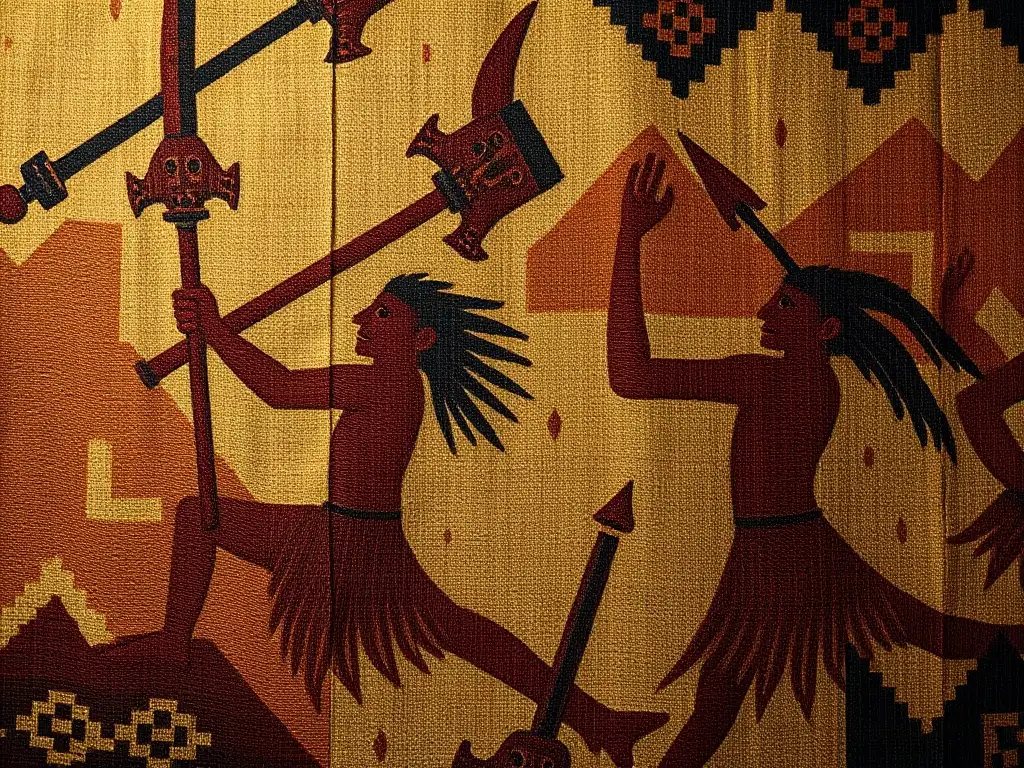
This section delves into the rich tapestry of symbolic elements found in Andean warfare art, focusing on the ways in which ancient Andean artists depicted conflict and its associated power dynamics. Analyzing these representations provides crucial insights into the beliefs, values, and social structures of these complex societies.
The careful study of Andean warfare art symbols reveals a sophisticated system of visual communication, reflecting not just the material aspects of war, but also the spiritual and ideological dimensions. We'll explore how weapons, animals, and other symbolic elements were used to convey messages of power, dominance, and religious significance within the context of Andean warfare.
Weapons as Symbols of Power
The depiction of weapons in Andean art goes far beyond simple representations of tools of war. They served as potent symbols of power, authority, and social status, often imbued with religious and spiritual meaning. The careful craftsmanship and intricate detail lavished on these artistic depictions highlight their significance within Andean societies.
The Significance of Clubs, Spears, and Axes
Clubs, spears, and axes frequently appear in Andean warfare art. Clubs, often depicted with elaborate carvings or inlaid materials, represented brute strength and direct confrontation. Spears, on the other hand, symbolized range and precision, suggesting a more calculated and strategic approach to combat.
Axes, with their association with both felling trees and inflicting devastating wounds, were potent symbols of power capable of both destruction and creation. Their presence in artwork often signified the ability to control resources and dominate both the natural and human worlds. The size and decoration of the depicted weapons often correlated with the status of the warrior or deity being portrayed.
Shield Iconography and its Symbolic Meaning
Shields, essential defensive tools, also hold significant symbolic meaning in Andean warfare art. Their depiction often included intricate designs, geometric patterns, and zoomorphic motifs. These designs were not merely decorative; they likely served as clan or group identifiers, signifying allegiance and protection. The size and material of the depicted shields could also indicate the rank and status of the warrior using them.
Analysis of surviving artifacts suggests that shield designs were carefully chosen and may have included specific symbols associated with deities or ancestral spirits, offering spiritual protection in battle. Further research is needed to fully understand the nuances of shield iconography across different Andean cultures. [Specific information pending: detailed analysis of shield designs from various Andean cultures].
The Role of Animals in Andean Warfare Art
Animals played a significant role in Andean cosmology and worldview, and this influence extends to their representation in warfare art. Zoomorphic imagery was frequently used to convey power, ferocity, and supernatural protection, reflecting the deep connection between the human and animal realms in Andean belief systems.
Zoomorphic Representations of Warriors and Combat
The anthropomorphic representation of animals, such as jaguars, condor, and serpents, as warriors or participants in combat is common. These powerful creatures were imbued with supernatural qualities and served as potent symbols of strength, aggression, and spiritual power. The artist's choice of animal reflected the specific qualities they wished to associate with a particular warrior or military campaign. For example, the jaguar's predatory nature symbolized swiftness and ferocity, while the condor's mastery of the skies represented dominance and control.
The Condor, Jaguar, and Serpent in Military Contexts
The condor, with its majestic presence and association with the heights, often symbolized power and victory. The jaguar, a fearsome predator of the Andean forests, symbolized strength, ferocity, and nocturnal prowess. The serpent, often associated with fertility and creation, but also with danger and death, could represent both the destructive and creative aspects of warfare.
The symbolic use of these animals in military contexts suggests a complex relationship between the material world of warfare and the spiritual realm, reinforcing the idea that military success was not simply a matter of physical strength but also involved supernatural forces and divine favor. The specific context of the artwork, including other symbols present, is crucial in understanding the precise meaning conveyed by these zoomorphic representations. [Specific information pending: cross-cultural comparison of animal symbolism in Andean warfare art].
Headdresses and Armor: Indicators of Rank and Function
Headdresses and armor in Andean warfare art weren't merely practical items; they served as powerful symbols of status, military role, and even divine connection. The meticulous detail with which these elements are depicted in ceramics, textiles, and metalwork reveals a sophisticated understanding of visual communication within the context of Andean warfare. Artists didn't simply portray warriors in uniform; they carefully crafted visual narratives that conveyed intricate social hierarchies and the spiritual significance of combat.
The size, ornamentation, and materials used in creating these items all contributed to their symbolic meaning. For example, the use of feathers, particularly those of rare birds, indicated high rank and access to privileged resources. Similarly, the intricate weaving techniques used in creating warrior cloaks and tunics highlighted the skill and social standing of both the wearer and the artisan.
Symbolic Meanings of Warrior Headgear
Warrior headgear, often the most striking element in Andean warfare depictions, held profound symbolic meaning. Elaborate headdresses, often featuring feathers, gold, and other precious materials, symbolized power and authority. The type of headdress could denote a warrior's specific role within the military structure, perhaps indicating a captain or a shamanistic leader.
For instance, certain types of feathers, like those of the Andean condor, were associated with high altitude and power, suggesting the warrior's connection to the spiritual realm and their capacity to command the forces of nature. The use of specific animal motifs, like jaguars or snakes, further enhanced the symbolic significance of the headdress, representing strength, cunning, and supernatural protection.
Detailed analysis of these headgear depictions allows researchers to decipher clues about the social organization and spiritual beliefs of the Andean civilizations. Variations in style across different cultures and time periods reveal the dynamic nature of Andean warfare and its evolving symbolic language.
Differentiating Warriors Through Armor Depictions
The depiction of armor in Andean art provides valuable insights into the social stratification within their armies and the different roles warriors played in combat. While some warriors are shown with minimal protection, others are adorned with elaborate armor made from materials such as leather, textiles, and even metal plates. The complexity and the materials used in constructing the armor were clearly indicators of social status.
Warriors of higher rank, for example, might be depicted wearing intricately designed breastplates or helmets adorned with precious metals and stones. This visual distinction not only showcased their elevated position within the military hierarchy but also served to inspire awe and respect amongst their troops. The types of weapons depicted alongside the armor – spears, clubs, slings, or macanas – also helped to identify the warrior's specialty and their role in battle formations.
Careful observation of these details allows for a more nuanced understanding of the organization and functionality of Andean armies, moving beyond simplistic notions of uniform fighting forces. The variations in armor depictions across different Andean cultures reflect regional differences in warfare tactics and social structures, highlighting the rich diversity of military practices throughout the region.
Ritual and Sacrifice in Andean Warfare
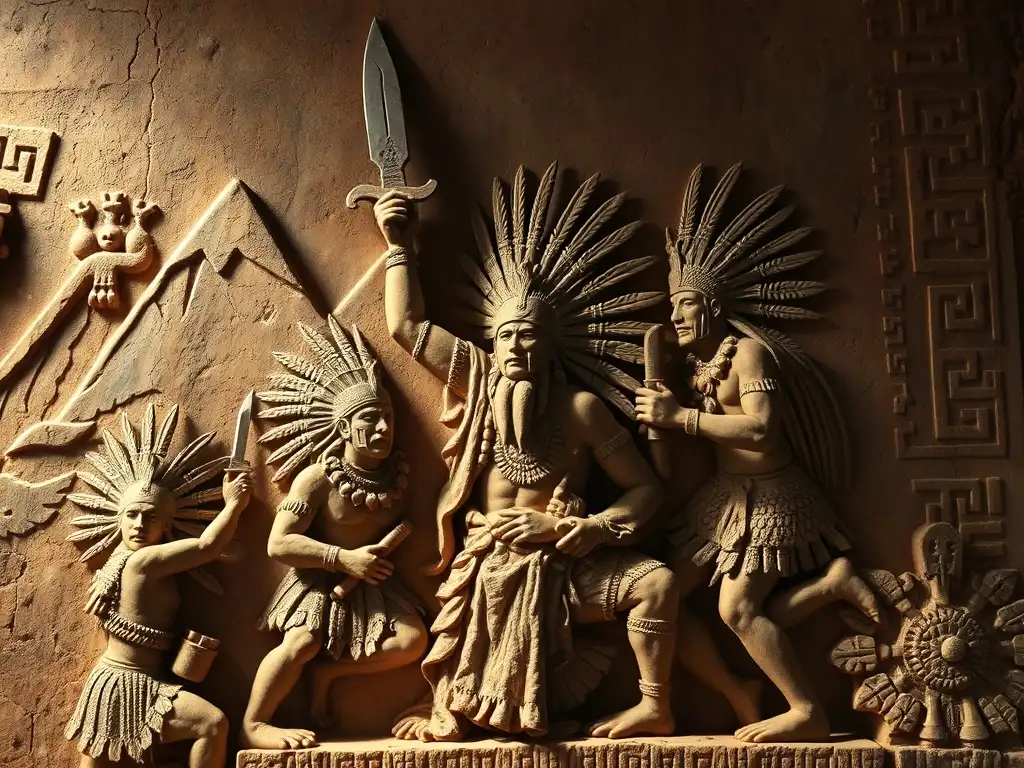
The study of Andean warfare art symbols reveals a deep entanglement between military conflict and religious practices. The depictions of battles aren't simply chronicles of events; they are complex narratives interwoven with ritualistic elements, highlighting the sacred nature of warfare within Andean cosmology. Understanding this connection is crucial to interpreting the symbolic meaning embedded within these artistic representations.
The prevalence of sacrifice, both human and animal, in these depictions underscores the belief that military success was divinely ordained and dependent on appeasing the gods. Analysis of the art reveals a sophisticated system of beliefs where warfare wasn't merely a physical struggle but a sacred act with profound spiritual consequences.
The Connection Between Warfare and Religious Practices
Andean societies viewed warfare not solely as a means of territorial expansion or resource acquisition, but as a ritualistic act intricately linked to their religious beliefs and practices. Victory was seen as a sign of divine favor, while defeat could be interpreted as a consequence of neglecting religious obligations. This belief system is consistently reflected in the iconography of warfare, where deities and supernatural beings are frequently depicted alongside human combatants.
The integration of religious elements into military campaigns is further evidenced by archaeological findings of ritual objects discovered at battle sites, indicating the performance of sacred ceremonies before, during, or after engagements. The intricate relationship between the earthly realm of conflict and the spiritual world of Andean deities is a central theme in the interpretation of Andean warfare art.
Blood and Offerings in Andean War Art
Blood, a potent symbol in many cultures, held particular significance in Andean cosmology. It was viewed as a life force, a connection to the spiritual realm, and an essential element in rituals aimed at ensuring military success. The frequent depiction of bloodshed in Andean warfare art isn't merely a depiction of violence; it's a symbolic representation of the sacred nature of the conflict and the power of sacrifice.
The spilling of blood, whether human or animal, was believed to appease the gods and strengthen the warriors' connection to the supernatural realm, thereby increasing their chances of victory. Numerous examples of Moche pottery, for instance, vividly illustrate this theme.
The Significance of Blood in Andean Cosmology
The Andean worldview encompassed a complex understanding of blood’s symbolic power. It was seen not just as a physical substance, but as a vital force connecting the living and the dead, the human and the divine. Blood sacrifices were performed to honor deities, ensure fertility, and secure victory in war.
In the context of warfare, the shedding of blood, particularly enemy blood, served to reinforce the dominance of one group over another, both in the physical and spiritual realms. The act of spilling blood was believed to strengthen the power of the victorious side and weaken their adversaries. This concept is reinforced by the detailed depictions of bloodletting ceremonies found in various forms of Andean art, highlighting the importance of blood in their spiritual beliefs and military practices.
Ritual Offerings and their Connection to Military Success
Beyond blood sacrifices, a wide range of offerings were presented to the gods to ensure military success. These offerings could include precious metals, textiles, ceramics, and even human sacrifices in some cases. The nature and quantity of the offerings varied depending on the specific deity being appeased and the scale of the military campaign. The meticulous detail in the artistic representations of these offerings underscores their importance in the Andean worldview.
For example, the elaborate headdresses and weaponry depicted in certain pieces of art might symbolically represent the offerings made to secure divine favor and ensure victory in battle. These ritual offerings were not merely symbolic gestures; they were believed to have a tangible impact on the outcome of the conflict. The connection between ritual offerings and military success is a recurring theme in Andean warfare art, consistently illustrating the profound influence of religious beliefs on military practices.
Sacrificial Depictions in Moche Art
Moche art, particularly its pottery, offers a wealth of information on sacrificial practices related to warfare. The Moche were skilled artisans who meticulously documented their culture, including their military practices and beliefs. Many Moche vessels depict scenes of human sacrifice, often in the context of warfare.
These depictions aren't simply gruesome displays of violence; they are intricate narratives that illustrate the complex relationship between warfare and religious rituals. The details within these scenes, such as the attire of the sacrificial victims and the ceremonial context of the sacrifices, offer valuable insights into Moche religious beliefs and their impact on their military strategies. The imagery consistently suggests that human sacrifice was an integral part of Moche warfare, performed to ensure military success and appease their deities.
Ritual Combat and its Symbolic Representation
Ritual combat, a form of symbolic warfare, was also prevalent in Andean cultures. These staged battles, often involving mock fights or contests of strength, served as a way to settle disputes, test the prowess of warriors, and reinforce social hierarchies. The artistic representation of ritual combat often incorporated symbolic elements that emphasized the ritualistic nature of the event rather than its violent aspects.
These depictions, often found on textiles and ceramics, demonstrate a sophisticated understanding of the symbolic power of warfare, transcending its purely physical implications. The stylized nature of these representations highlights the importance of ritual and ceremony in maintaining social order and resolving conflicts within Andean societies. The emphasis on ritualistic elements in the depictions of combat underscores the intricate connection between warfare, religion, and social structure in Andean cultures.
Interpretation and Legacy of Andean Warfare Art Symbols
This section delves into the multifaceted interpretations and enduring legacy of Andean warfare art symbols, exploring how these artistic representations reflect the societies that created them and continue to resonate today. We will examine the context surrounding these depictions, their role in communicating power and ideology, and their lasting influence on modern artistic expressions and scholarly pursuits. Understanding these symbols provides crucial insight into the complexities of Andean warfare and the cultures that engaged in it. The study of "Andean warfare art symbols" reveals a rich tapestry of beliefs, social structures, and military strategies.
Understanding the Context Behind the Art
Understanding the context surrounding Andean warfare art symbols is crucial for accurate interpretation. These symbols weren't created in a vacuum; they emerged from specific social, political, and religious circumstances. The style, subject matter, and materials used varied significantly across different Andean cultures and time periods. For example, the fierce warriors depicted in Moche pottery contrast sharply with the more stylized representations found in Nazca textiles. This difference reflects not only aesthetic preferences but also fundamental variations in social organization and military practices. The iconography wasn't merely decorative; it served a vital function within the societies that produced it.
The Social and Political Dimensions of Warfare Depictions
Andean warfare art frequently showcased the social and political hierarchies of the time. Depictions of elite warriors, often adorned with elaborate headdresses and weaponry, emphasized their power and status. These images served to legitimize their rule and inspire loyalty among their subjects. The portrayal of battles and conquests reinforced the narrative of military success and dominance.
Furthermore, the presence or absence of certain symbols, such as specific weapons or attire, could indicate alliances, rivalries, or shifts in power dynamics between different groups. Detailed analysis of these depictions can reveal valuable information about the social structure and political landscape of ancient Andean societies. For instance, the size and prominence of a warrior's depiction could correlate with their rank within the military hierarchy.
The Role of Art in Communicating Power and Ideology
Andean warfare art functioned as a powerful tool for communicating ideology and reinforcing societal values. The repeated depiction of certain symbols, such as specific weapons or deities associated with war, served to instill fear and respect in enemies while bolstering the morale of one's own troops. These images were not merely aesthetic; they were carefully constructed narratives that reinforced existing power structures and legitimized the actions of ruling elites.
The use of specific colors, materials, and stylistic conventions further enhanced the symbolic power of these artistic expressions. The careful placement of these symbols within larger compositions also played a role in shaping their meaning and impact.
The Lasting Influence of Andean Warfare Art
The legacy of Andean warfare art extends far beyond the ancient civilizations that created it. These powerful images continue to inspire and inform modern artistic expressions and scholarly interpretations, offering valuable insights into the past. Their enduring appeal lies in their ability to convey complex ideas about power, conflict, and the human condition. The study of these symbols remains a vibrant field of research, continually generating new perspectives and interpretations.
Modern Interpretations and Artistic Expressions
Contemporary artists continue to draw inspiration from Andean warfare art, reinterpreting these ancient symbols in new and innovative ways. This process involves not only aesthetic appreciation but also a critical engagement with the historical and cultural contexts of these images. Modern interpretations often reflect contemporary concerns about power, conflict, and social justice, adding layers of meaning to the original symbols. This ongoing dialogue between past and present demonstrates the enduring relevance of Andean warfare art. The use of these symbols in contemporary art is a testament to their lasting power and enduring fascination.
Preserving and Studying Andean Military Iconography
The preservation and study of Andean military iconography are crucial for understanding the rich history and culture of these civilizations. Efforts to protect and document these artifacts are essential for ensuring their accessibility to future generations of scholars and artists. This includes careful conservation techniques, detailed cataloging, and the development of innovative research methods.
The ongoing study of Andean warfare art symbols requires interdisciplinary collaboration, combining art historical analysis with archaeological, anthropological, and other relevant fields of study. This collaborative approach is essential for a comprehensive and nuanced understanding of the complex meanings embedded within these powerful images. The continued preservation and study of these artifacts are vital for enriching our understanding of Andean civilizations and their legacy.
Frequently Asked Questions
What role did warfare play in Andean societies?
Warfare was a significant aspect of many Andean civilizations. Military expansion and resource control were major driving forces behind conflict, influencing their social structures and artistic expressions. Conquest often led to the incorporation of conquered peoples and their traditions.
How is Andean warfare depicted in art?
Andean art frequently portrays warfare through symbolic representations rather than realistic battle scenes. Common motifs include depictions of weapons, captives, and mythological figures associated with conflict. Ceremonial objects often featured imagery related to military power.
What are some common symbols used to represent warfare in Andean art?
Common symbols include weapons like clubs, spears, and slings, depictions of warriors in elaborate headdresses and attire, and stylized representations of battles or sacrificial scenes. Animal imagery, such as jaguars or condors, often symbolized power and ferocity.
The Inca, Moche, and Wari cultures left behind a substantial amount of art depicting warfare and military prowess. However, evidence suggests that most Andean civilizations engaged in warfare and incorporated it into their artistic expressions to varying degrees.
Where can I see examples of Andean warfare art?
Examples can be found in museums worldwide showcasing Andean artifacts. Many archaeological sites in the Andes also contain remnants of art related to warfare, providing valuable insights into the beliefs and practices of these ancient civilizations. Online resources featuring images and descriptions of Andean art are also readily available.
Final Reflection: Echoes of Conflict, Whispers of Resilience
The symbolic language of Andean warfare, meticulously preserved in its art, remains a potent reminder of the cyclical nature of conflict and the enduring human spirit. These intricate depictions, far from being mere historical records, offer a profound insight into the complexities of power, resilience, and the enduring human capacity for both violence and creation. Understanding these symbols allows us to better comprehend not only the past but also the persistent challenges facing societies today.
The impact of Andean warfare on the cultural landscape is undeniable, shaping societal structures, belief systems, and artistic expression for centuries. The legacy of these conflicts continues to resonate in contemporary Andean societies, influencing narratives, identities, and even political discourse. Art washes away from the soul the dust of everyday life.
– Pablo Picasso. This quote, while not directly about Andean art, perfectly encapsulates the power of these artistic expressions to transcend time and offer a glimpse into the human experience at its most raw and vulnerable. The enduring power of these symbols speaks to the timeless nature of human conflict and the need for ongoing dialogue and understanding.
Consider the intricate details, the powerful symbolism, the sheer artistry involved in these depictions of warfare. You, the reader, are now equipped with a deeper understanding of the complexities of Andean conflict as reflected in its art. Reflect on the enduring power of these symbols, and how they might resonate with contemporary conflicts and challenges. Let the echoes of these ancient battles inspire you to seek peace, understanding, and a more just world. Let the whispers of resilience remind you of the enduring strength of the human spirit in the face of adversity.
Unveil the Stories Behind Andean Warfare Art!
Thank you for exploring the fascinating world of Andean art and its symbolic representations of conflict. You've gained valuable insights into Andean civilizations, revealing profound themes of struggle and resilience. Let's continue this exploration!
Here are some ways to delve deeper into this rich topic:
- Visit museums and online galleries featuring Andean art to further analyze the symbolism within these pieces. You'll find a wealth of information readily available.
- Engage in online discussions and forums dedicated to Andean history and art. Sharing your insights and learning from others passionate about this subject will enrich your understanding.
- Undertake a personal project, such as creating artwork inspired by Andean themes, or writing a blog post detailing your discoveries. This will allow you to consolidate your learning in a creative and meaningful way.
What aspect of Andean warfare art most captivates you, and why do you believe these historical representations remain relevant today?