
The Divine Spark: Metalworking as a Sacred Practice in the Andean World

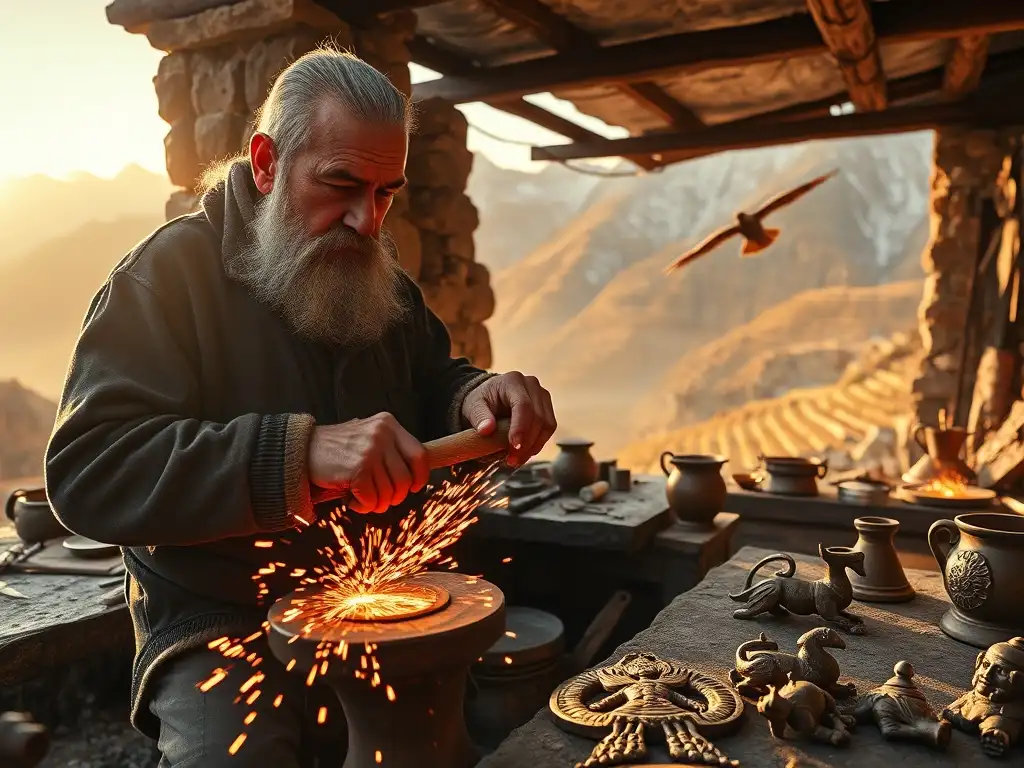
Uncover the secrets whispered on the wind across the Andes Mountains. For centuries, these majestic peaks witnessed the rise and fall of powerful civilizations, leaving behind a legacy as breathtaking as the landscapes themselves. But what if the key to understanding their enduring power lies in their mastery of Andean metalworking techniques? Journey with us into the heart of "The Divine Spark," and explore how the ancient Andean peoples transformed humble materials into sacred objects, revealing a world where artistry and spirituality were inextricably intertwined. Prepare to be amazed.
The artistry and technological prowess of Andean metalworkers remain a source of wonder and fascination. For centuries, skilled artisans across diverse Andean cultures—from the Incas to the Moche, Nazca, and Tiahuanaco—transformed base metals into breathtaking objects of power, prestige, and profound spiritual significance. This article delves into the world of Andean metalworking, exploring not just the techniques employed but also the deeply ingrained sacred context in which this craft flourished.
We will examine how Andean metalworking transcended mere craftsmanship, becoming a powerful expression of cosmology, ritual, and the relationship between the human and divine realms. Understanding these intricate connections is crucial to appreciating the true artistry and cultural impact of Andean metalwork, a testament to human ingenuity and spiritual devotion. This exploration will provide insights into the various Andean metalworking techniques, revealing the sophisticated processes and the symbolic meaning embedded within each piece.
The Alchemy of the Andes: Materials and Techniques
Andean metalworkers demonstrated remarkable skill in sourcing, refining, and manipulating a variety of metals. Gold, silver, copper, and bronze were commonly utilized, often in combination to create stunning polychrome effects. The precise techniques varied across different cultures and time periods, but some common methods included hammering, casting (using lost-wax casting and other methods), alloying, and inlaying.
For example, the Moche were renowned for their intricate repoussé work, creating highly detailed figures and scenes in relief. The Incas, on the other hand, mastered the technique of tumbaga, an alloy of gold and copper that produced a distinctive golden-yellow hue. The process of obtaining and refining these metals was itself likely imbued with ritual significance, reflecting the sacred nature of the materials themselves.
Detailed archaeological evidence supports the existence of specialized workshops and the high social status of master metalworkers. The precise metallurgical knowledge and the level of control over temperature and other variables required for these processes point to a sophisticated understanding of chemistry and engineering far beyond what is often attributed to ancient societies.
Beyond Ornament: Metalwork's Role in Ritual and Power
Andean metalwork was far more than mere adornment; it served as a powerful medium for expressing religious beliefs and social hierarchies. Elaborate gold and silver objects, including ceremonial masks, staffs, and vessels, were used in rituals and ceremonies, acting as intermediaries between the human and spiritual worlds. These objects weren't simply decorative; their forms, materials, and iconography conveyed complex meanings related to Andean cosmology, mythology, and the power of rulers.
For instance, certain motifs, like the condor or the serpent, were associated with specific deities or cosmological concepts, reinforcing their religious significance. The sheer size and opulence of some metal objects, such as the massive gold Tumi ceremonial knives found in pre-Columbian burials, underscore the importance of metalwork in signifying power and authority.
The careful placement of these objects within elite tombs further highlights their role in the afterlife and the continued power of the deceased. The distribution of metal artifacts across various social strata also reveals important information about social organization and power structures within Andean societies.
The Legacy of Andean Metalworking Techniques
The legacy of Andean metalworking continues to inspire awe and wonder. The ingenuity and artistic skill displayed in these ancient artifacts are remarkable testaments to the cultural and technological achievements of these civilizations. Modern scholars continue to study these objects, employing advanced techniques to understand the precise techniques employed and the symbolic meanings embedded within them.
This ongoing research not only deepens our understanding of Andean history and culture but also provides insights into the broader development of metallurgical practices across the globe. The enduring appeal of Andean metalwork lies not only in its aesthetic beauty but also in its ability to connect us with a rich and complex past, reminding us of the enduring power of human creativity and spiritual expression.
The study of Andean metalworking techniques offers a window into a world where artistry and spirituality were inextricably intertwined, creating objects that continue to resonate with us today. Further research is needed to fully understand the specific techniques used in different regions and time periods, particularly concerning the precise composition of alloys and the methods of casting.
- The Alchemy of the Andes: Materials and Techniques
- Beyond Ornament: Metalwork's Role in Ritual and Power
- The Legacy of Andean Metalworking Techniques
Andean Metalworking: A Fusion of Art and Spirituality
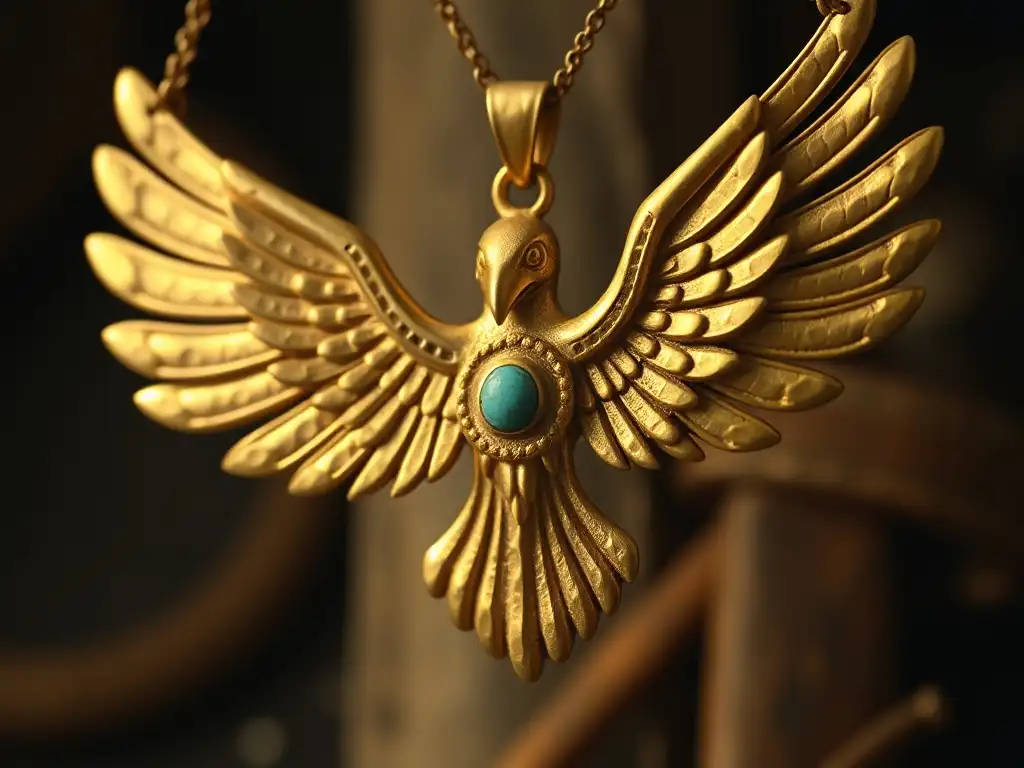
This section delves into the fascinating world of Andean metalworking, exploring how this practice transcended mere craftsmanship to become deeply intertwined with the spiritual beliefs and cosmology of these ancient societies. The techniques employed, the materials selected, and the objects created all reflect a profound understanding of the relationship between the human world and the divine. Understanding Andean metalworking techniques requires appreciating this intricate connection between art and spirituality.
We'll explore the symbolic meaning imbued in the metals themselves, the rituals surrounding their extraction and working, and the ultimate purpose of the resulting artifacts. The legacy of this sophisticated metalworking tradition continues to inspire awe and wonder.
The Significance of Metals in Andean Cosmology
Andean cosmology viewed metals not simply as raw materials, but as powerful, sacred substances imbued with spiritual energy. Gold, in particular, was associated with the sun, representing its life-giving power and divine radiance. Its malleability and lustrous quality mirrored the sun's transformative influence on the Andean landscape and the cyclical nature of life and death.
Silver, often associated with the moon, represented the cyclical rhythms of the earth, fertility, and the feminine principle. Copper, with its reddish hue, held a connection to the earth and its life-giving blood, symbolizing strength, vitality, and the power of transformation. The use of these metals in ritual objects served to channel these potent energies, facilitating communication with the supernatural realm.
The careful selection and combination of these metals in specific artifacts further amplified their symbolic power, creating objects of immense spiritual significance. For example, the intricate gold and silver adornments found in royal tombs were not merely decorative; they were potent symbols of power, divinity, and connection to the cosmos.
Sacred Materials: Gold, Silver, and Copper in Andean Rituals
The process of obtaining and working with these sacred metals was itself a ritualistic undertaking. Mining was not simply an economic activity; it was viewed as a sacred interaction with the earth, requiring offerings and ceremonies to appease the mountain spirits (apu) believed to guard the mineral wealth. The meticulous techniques employed in shaping the metals—hammering, casting, soldering, and repoussé—were not merely technical skills but acts of devotion, each step imbued with spiritual intention.
The creation of metal objects was a carefully controlled process, often involving specialized artisans who held high social standing. Their skills were passed down through generations, maintaining the integrity of the sacred traditions.
The following table illustrates some examples of how different Andean cultures utilized these metals:
| Culture | Metal | Use | Significance |
|---|---|---|---|
| Inca | Gold | Royal regalia, religious objects | Solar power, divinity, royalty |
| Moche | Gold, Silver | Ceremonial vessels, masks | Power, status, ancestor veneration |
| Nazca | Copper | Tools, ornaments | Earthly power, fertility, craftsmanship |
| Tiahuanaco | Gold, Copper | Ceremonial knives, decorative elements | Ritual power, cosmic connection, status |
The meticulous craftsmanship evident in surviving artifacts—from intricate gold sheets to finely cast copper figures—testifies to the high level of skill and dedication of Andean metalworkers. These objects were not just aesthetically pleasing; they were powerful conduits of spiritual energy, playing a vital role in Andean religious practices and cosmological beliefs. The artistry involved in Andean metalworking techniques is a testament to the deep spiritual significance attributed to these materials and the objects created from them. The enduring legacy of these remarkable achievements continues to fascinate and inspire us today. 👨🔧✨
Pre-Inca Metalworking Traditions: Foundations of Andean Craftsmanship
The mastery of Andean metalworking techniques didn't emerge overnight. Long before the Inca Empire, sophisticated metallurgical practices were flourishing across the Andes, laying the groundwork for the later, more widely-known Inca achievements. Understanding these pre-Inca traditions is crucial to appreciating the full scope of Andean metallurgical artistry and its profound cultural significance.
The development of Andean metalworking was a gradual process, influenced by various factors including resource availability, technological innovation, and evolving religious beliefs. The techniques used and the styles produced varied considerably across different regions and time periods, reflecting the diverse cultures that inhabited the Andes. This section will explore some key pre-Inca traditions that shaped the development of Andean metalworking.
Early Metalworking in the Andes: The Chavín Influence
The Chavín culture (900-200 BCE), known for its iconic religious iconography and widespread influence across the northern Andes, played a significant, albeit somewhat indirect, role in the early development of Andean metalworking. While Chavín metalwork itself is relatively scarce compared to later periods, archaeological evidence suggests they were among the first Andean cultures to experiment with metallurgy. Their limited use of gold, silver, and copper, often incorporated into ceremonial objects, points to the nascent stages of metalworking technology.
The Chavín's sophisticated artistic style, characterized by its intricate designs and symbolic representations, undoubtedly influenced subsequent Andean metalworking traditions. The emphasis on religious symbolism and the use of specific motifs, such as jaguars and serpents, became recurring themes in later Andean metallurgical works, demonstrating the continuity of cultural and artistic ideas across different Andean cultures. Further research is needed to fully understand the extent of Chavín metallurgical knowledge and its transmission to later cultures, but its impact is undeniable.
The limited surviving artifacts suggest a focus on casting and hammering techniques, though the precise methods require further investigation. [Specific details on Chavín casting techniques pending].
The Moche Metal Artisans: Innovation and Artistic Expression
The Moche culture (100-800 CE) of northern Peru is renowned for its exceptional achievements in metalworking. Their artisans displayed remarkable skill and innovation, producing a wide array of objects, from elaborate ceremonial vessels and intricate jewelry to lifelike depictions of animals and humans. The Moche excelled in lost-wax casting, a complex technique that allowed them to create highly detailed and realistic forms.
They also mastered techniques of hammering, repoussé (hammering from the back to create three-dimensional forms), and gilding. The Moche's metalwork is characterized by its vibrant aesthetic, often employing a combination of gold, silver, copper, and alloys to achieve striking visual effects. Their artistry extended beyond mere craftsmanship; their metal objects frequently depicted powerful figures, mythological creatures, and scenes of ritualistic activities, providing valuable insights into Moche religion and society.
The Moche’s mastery of Andean metalworking techniques is evident in the intricate details and the expressive power of their creations. For example, the intricate details found on Moche gold and silver jewelry, showcasing their advanced understanding of metallurgy and artistry. Their ability to create such detailed and lifelike representations is a testament to their advanced skills and sophisticated understanding of the materials they worked with.
Metalworking in the Tiwanaku Culture: Symbolism and Technology
The Tiwanaku culture (500-1000 CE), centered around Lake Titicaca, also made significant contributions to Andean metalworking. While their metalwork is less abundant than that of the Moche, their pieces are notable for their distinct stylistic features and the use of symbolic imagery. Tiwanaku metalworkers employed a range of techniques, including casting and hammering, to create objects with religious significance.
Their work often features stylized figures, geometric patterns, and representations of deities, reflecting the culture's complex cosmology and religious beliefs. The use of gold, silver, and copper in Tiwanaku metalwork often held symbolic meanings, with specific metals being associated with particular deities or cosmological concepts. Unlike the Moche's emphasis on realism, Tiwanaku metalwork often displays a more abstract and stylized aesthetic, reflecting their distinct cultural values and artistic preferences.
The relatively limited number of surviving Tiwanaku metal artifacts suggests that metalworking might have played a more specialized or elite role within their society, compared to cultures like the Moche where metalwork seems more widespread. Further research into Tiwanaku metallurgy is needed, particularly concerning the sourcing of ores and the specific techniques employed in their distinctive metalworking styles. The available evidence, however, shows a sophisticated understanding of the materials and techniques, showcasing the diversity of Andean metalworking traditions.
Inca Metalworking: Imperial Power and Sacred Art
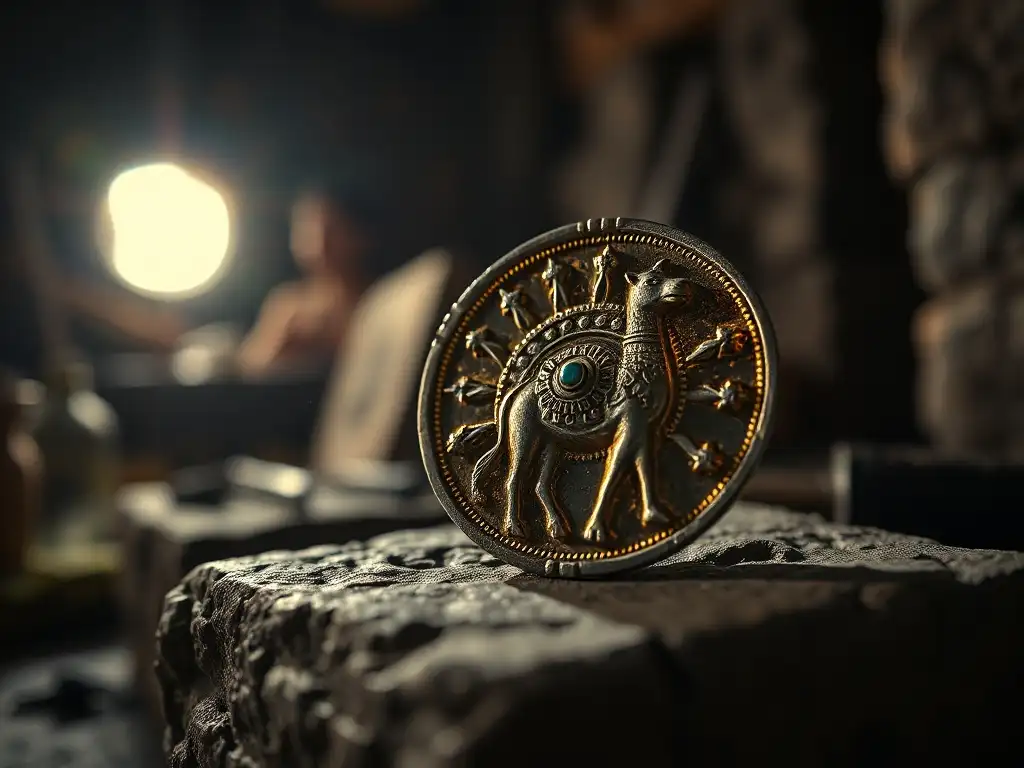
The Inca Empire, at its zenith, commanded vast resources and unparalleled artistic skill. Their metalworking, particularly their mastery of gold and silver, served not only as a display of imperial power but also as a profound expression of their religious beliefs. The Inca worldview was deeply intertwined with the cosmos, with the sun (Inti) and moon (Killa) holding central positions.
This cosmology is vividly reflected in their metalwork, where gold, associated with the sun's radiant power, and silver, linked to the moon's gentle luminescence, were meticulously crafted into objects of immense symbolic significance. The sheer volume of gold and silver artifacts unearthed from Inca sites attests to the scale of their metalworking operations and the importance placed upon this craft within their society. The precision and artistry evident in these pieces underscore the high status of the metalworkers themselves, who were likely highly trained specialists working under strict royal patronage.
Understanding Inca metalworking means understanding their worldview, their political structure, and their deeply held spiritual convictions. The intricate designs, often featuring zoomorphic and anthropomorphic figures, were not mere decoration; they were powerful expressions of Inca cosmology and ideology, intended to both awe and inspire.
Inca Mastery of Gold and Silver: The Sun and the Moon
Inca goldsmiths achieved remarkable feats of metallurgical skill. They developed sophisticated techniques for refining, alloying, and shaping both gold and silver, resulting in objects of breathtaking beauty and complexity. Gold, symbolizing the sun god Inti, was frequently used to create representations of the sun itself, as well as other solar deities and symbols of royal power. Think of the tumi, the ceremonial gold knife, a potent symbol of authority and religious power.
The intricate repoussé technique, involving hammering from the back to create relief designs, was particularly favored for its ability to render detailed imagery. Silver, associated with the moon goddess Killa, was often used in conjunction with gold, creating a striking visual contrast that mirrored the celestial duality of sun and moon. The combination of these precious metals, along with other materials like copper and turquoise, showcases the Inca's advanced understanding of metallurgy and their artistic creativity.
Specific examples, such as the intricate gold and silver ornaments found in royal tombs, provide concrete evidence of this mastery. Analysis of these pieces reveals not only the technical skill involved but also the symbolic meanings embedded within the designs. The sheer weight and size of some of these objects further underscore the Inca's ability to mobilize resources and their commitment to crafting these powerful religious and symbolic items.
Inca Metalworking Techniques: Refining and Shaping Precious Metals
The Inca's metalworking techniques were remarkably advanced for their time. They employed a combination of methods to extract, refine, and shape precious metals. The process began with the extraction of ore from mines, often located high in the Andes. Subsequent refining involved techniques such as cupellation, a process of separating precious metals from base metals using heat.
The Inca also mastered techniques for alloying, combining different metals to achieve specific properties and colors. Once refined, the metals were shaped using various techniques, including hammering, casting, and filigree. Hammering, or repoussé, as mentioned before, allowed for the creation of intricate relief designs. Casting involved melting the metal and pouring it into molds, a technique used to create intricate shapes and objects.
Filigree, the delicate art of creating intricate patterns from thin wires, demonstrated exceptional skill and patience. The Inca utilized a variety of tools, including hammers, chisels, and molds, often made from stone or other durable materials. Further research into the specific tools and techniques employed would require more detailed analysis of archaeological findings and a deeper study of surviving artifacts. This investigation could reveal a more complete understanding of the Inca's sophisticated metallurgical knowledge.
The Role of Metalworking in Inca Rituals and Ceremonies
Inca metalwork was not merely decorative; it played a crucial role in religious rituals and ceremonies. Gold and silver objects were used in offerings to the gods, as well as in royal ceremonies and funerals. The tumi, for example, was used in human sacrifice rituals, its sharp blade symbolizing the power of the sun god.
Other objects, such as intricately crafted vessels and ornaments, were used in religious processions and ceremonies, serving as symbols of divine power and royal authority. The use of gold and silver in funerary contexts highlights their perceived connection to the afterlife. The sheer quantity of precious metal artifacts found in royal tombs attests to the belief that these objects would accompany the deceased into the next world.
The placement of specific objects within the tombs, and the designs on these objects, likely held significant meaning within the Inca religious system, reflecting their beliefs about the cosmos, the afterlife, and the relationship between the living and the dead. Further research into Inca religious texts and practices could shed more light on the specific roles of different metal objects in rituals and ceremonies. The study of surviving artifacts, combined with archaeological evidence, is crucial in piecing together a comprehensive understanding of the sacred significance of Andean metalworking.
Andean Metalworking Techniques: A Detailed Exploration
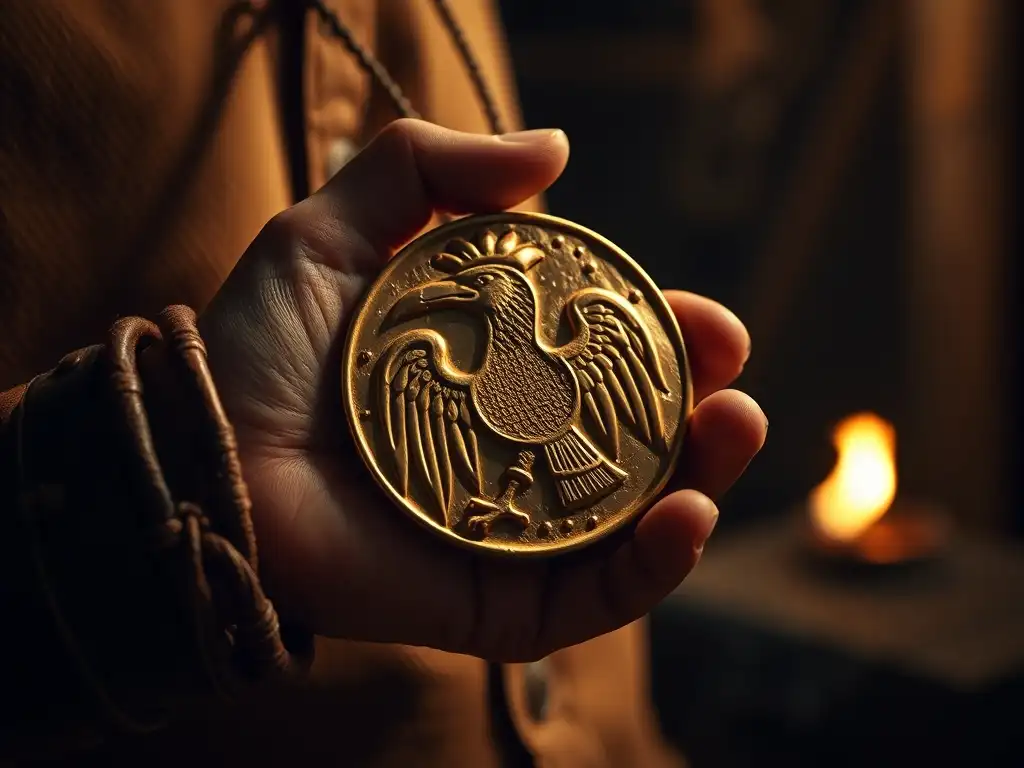
This section delves into the sophisticated and fascinating techniques employed by Andean civilizations in their masterful manipulation of metals. Their metalworking prowess wasn't merely a technological achievement; it was deeply intertwined with their spiritual beliefs and cosmological understanding, reflecting a profound connection between the earthly and divine realms. Understanding these Andean metalworking techniques reveals a complex interplay of ingenuity, artistry, and reverence.
Mining and Extraction Methods in Ancient Andes
Andean miners displayed remarkable skill in extracting valuable ores from challenging mountainous terrains. Their methods, passed down through generations, involved a combination of surface mining and underground techniques. Surface mining, particularly relevant for easily accessible deposits, involved digging pits and open-cut workings. Evidence suggests the use of simple tools like stone hammers, picks, and shovels, alongside the ingenious application of fire-setting to fracture rock formations. This involved heating rocks until they cracked, making extraction easier.
More complex operations were undertaken for deeper deposits. Underground mining utilized shafts and tunnels, often extending considerable distances into the mountainsides. These shafts, sometimes surprisingly deep and well-ventilated, demonstrate a sophisticated understanding of geology and engineering.
The organization and planning involved in these mining operations suggest a level of social complexity and cooperation that underpinned Andean societies. The miners faced significant risks, including cave-ins and exposure to toxic fumes, highlighting the dedication and skill required for this demanding profession. Unfortunately, precise details on the ventilation systems used remain [specific information pending], but evidence suggests they were far more advanced than initially believed.
The extracted ore wasn't always pure metal. It often needed significant processing before it could be used. This involved separating the valuable ore from the surrounding rock and other impurities, a process that required further skill and knowledge of metallurgy.
Smelting and Refining Processes in Andean Metallurgy
Once the ore was extracted, Andean metallurgists employed various techniques to smelt and refine the metals. Smelting, the process of extracting metal from its ore by heating it to high temperatures, was typically carried out in furnaces constructed from clay or stone. These furnaces, often found near mining sites, varied in design depending on the metal being processed and the available resources. The fuel source was crucial; charcoal was commonly used, providing the necessary high temperatures for smelting.
The smelting process wasn't simply a matter of heating the ore. The Andean metallurgists carefully controlled the temperature and airflow within the furnace to optimize the extraction of the desired metal. They possessed an intimate understanding of the chemical properties of the ores, allowing them to adjust the process based on the specific type of metal and the impurities present.
The refined metal, often in the form of a metallic bloom, then required further refining to remove any remaining impurities. This could involve processes like cupellation, a technique used to separate silver from lead. The level of expertise required for these processes is evident in the quality and purity of the finished metal products discovered in Andean archaeological sites.
Shaping and Forming Techniques: Hammering, Casting, and Gilding
The refined metal was then shaped and formed using a variety of techniques reflecting the versatility and skill of Andean artisans. Hammering, a fundamental technique, was used to shape sheets of metal into various forms. The artisans employed a range of hammers, from simple stone hammers to more sophisticated metal ones, achieving remarkable precision and detail. The use of anvils made of stone or other hard materials further facilitated the hammering process.
Casting, another crucial technique, involved melting the metal and pouring it into molds. These molds, often created from clay or stone, allowed for the creation of intricate and complex shapes. The ability to create detailed molds demonstrates a high level of artistic skill and technical knowledge. The Andean artisans were adept at creating both simple and complex castings, ranging from small ornaments to large ceremonial objects.
Finally, gilding, the application of a thin layer of gold to other metals, was a common technique used to enhance the aesthetic appeal and value of objects. This process involved carefully applying gold leaf or gold powder to the surface of the object, often using adhesives made from natural resins. The resulting gilded objects were not only visually stunning but also symbolic of power, wealth, and divinity. The precision and artistry involved in gilding further highlight the remarkable skills of Andean metalworkers.
The diverse array of techniques employed in Andean metalworking—from the initial extraction of ores to the final finishing touches—demonstrates the sophisticated technological and artistic capabilities of these ancient civilizations. These Andean metalworking techniques stand as a testament to their ingenuity and their deep spiritual connection to the materials they worked with. The legacy of their artistry continues to inspire awe and wonder.
Decoration and Embellishment of Metal Objects
Andean metalworkers weren't simply concerned with the functionality of their creations; aesthetics played a crucial role, transforming utilitarian objects into stunning works of art. The decoration and embellishment of metal objects reveal a deep understanding of artistic principles and a sophisticated mastery of various techniques. These weren't mere embellishments; they were integral parts of the object's meaning and purpose, often imbued with symbolic significance related to religious beliefs and social status.
One prevalent technique was repoussé, a process where the metal is hammered from the back to create raised designs on the surface. This technique, requiring considerable skill and precision, allowed artisans to create intricate figures of deities, animals, and mythical creatures. The level of detail achieved in some repoussé pieces is astonishing, showcasing the high level of artistry prevalent in Andean metalworking. For example, certain gold sheets from the Moche culture depict scenes of incredible complexity, illustrating narratives and conveying profound religious messages.
Another common method was chasing, a complementary technique to repoussé. Chasing involves smoothing and refining the surface of the metal after the repoussé process, further enhancing the detail and three-dimensionality of the design. This meticulous work demonstrates the dedication and patience of the Andean artisans, who clearly valued the aesthetic perfection of their craft. The combination of repoussé and chasing resulted in richly textured and visually stunning artifacts.
Beyond repoussé and chasing, inlay was frequently employed. This involved embedding pieces of other metals, such as silver or copper, into the base metal, usually gold. This created striking contrasts in color and texture, adding another layer of visual richness to the already intricate designs. The precision required to execute inlay seamlessly speaks volumes about the technical proficiency of Andean metalworkers. The intricate patterns and designs created through inlay are frequently found in ceremonial objects, reinforcing their importance within religious and social contexts.
Furthermore, the Andean artisans employed techniques like casting, soldering, and hammering to create complex shapes and forms. These foundational techniques provided the base for more intricate decorative elements. The mastery of these fundamental skills allowed them to seamlessly integrate various decorative elements, resulting in richly embellished and visually arresting pieces. The skillful application of these techniques demonstrates the sophisticated understanding of metallurgy and artistry within Andean cultures.
Finally, the use of color played a significant role in the decoration of metal objects. While gold's inherent brilliance was often enough, artisans also employed techniques to alter the metal's appearance, creating different shades and hues. This involved the use of alloys and patination, demonstrating a mastery of material properties and an artistic eye for color manipulation.
This careful manipulation of color served to enhance the symbolic meaning of the objects, further underscoring the sacred nature of Andean metalworking. The resulting objects were not merely functional; they were vibrant expressions of religious and social beliefs, meticulously crafted to reflect the spiritual and earthly worlds.
The Legacy of Andean Metalworking: Influence and Contemporary Relevance
The mastery of Andean metalworking techniques, developed over millennia, continues to resonate profoundly in the modern world. Its influence isn't merely historical; it's a vibrant, ongoing presence in contemporary art, jewelry design, and cultural practices. The intricate designs, innovative techniques, and symbolic richness of ancient Andean metalwork serve as a potent source of inspiration for artists and artisans today.
Examining this legacy reveals a fascinating interplay between past and present, where ancient skills are reinterpreted and reimagined, enriching contemporary creative expressions. The enduring appeal of these techniques stems from their inherent beauty, technical sophistication, and the spiritual weight imbued within each piece.
The use of gold, silver, copper, and alloys, combined with techniques like hammering, casting, repoussé, and filigree, created objects of unparalleled aesthetic and cultural significance. This legacy is not simply about imitation; it's about understanding the underlying principles of design, material selection, and craftsmanship to create new and meaningful works.
Andean Metalworking's Impact on Modern Jewelry and Art
Contemporary jewelers and artists draw heavily from the aesthetic and technical innovations of Andean metalworking. The intricate designs found in pre-Columbian artifacts—from the delicate filigree of Moche jewelry to the monumental goldwork of the Incas—serve as a constant source of inspiration. Modern artisans often incorporate elements of ancient Andean motifs, such as stylized animals, geometric patterns, and anthropomorphic figures, into their designs.
Furthermore, the techniques themselves—repoussé, for example, a method of shaping metal by hammering from the reverse side—are still practiced and refined by contemporary metalworkers. This isn't simply a matter of copying; artists today reinterpret these ancient techniques, integrating them with contemporary styles and materials to create unique and innovative pieces. For instance, the use of hammered textures, inspired by Inca techniques, is frequently seen in modern jewelry, blending ancient craftsmanship with modern aesthetics.
The enduring appeal of Andean metalworking, therefore, lies in its ability to transcend time, inspiring and informing contemporary artistic endeavors. The vibrant colors, intricate details, and symbolic power of these ancient techniques continue to captivate and inspire modern artists, leading to a rich tapestry of cultural exchange and artistic innovation. The result is a fascinating dialogue between past and present, where ancient traditions inform contemporary expression.
Preserving Ancient Andean Metalworking Techniques
The preservation of ancient Andean metalworking techniques is crucial for understanding the cultural heritage of the region and ensuring the continuity of these invaluable skills. Efforts to document and transmit these techniques are underway, involving archaeologists, anthropologists, and contemporary artisans. This preservation involves meticulous study of ancient artifacts, detailed analysis of their construction, and the replication of techniques using traditional methods and materials wherever possible.
Challenges remain, however, including the scarcity of surviving examples of certain techniques and the difficulty in accessing the original materials. Ethnographic studies play a vital role in documenting the knowledge and practices of contemporary artisans who may still possess traditional skills, ensuring that these techniques are not lost to time. The creation of comprehensive archives, including detailed photographic records and video documentation of the processes, is also essential.
This multi-faceted approach, combining scientific analysis with the living traditions of contemporary artisans, is crucial for the long-term preservation of this invaluable aspect of Andean cultural heritage. The preservation of these techniques is not just about historical accuracy; it is about keeping alive a rich artistic tradition and ensuring that future generations can appreciate and learn from the ingenuity of their ancestors. Specific data on current preservation efforts and their success rates is pending.
The Enduring Spiritual Connection in Andean Metalwork
Andean metalworking was not merely a craft; it was deeply intertwined with the spiritual beliefs and practices of the Andean civilizations. Many artifacts were created for religious purposes, serving as offerings to deities or used in rituals. The materials themselves—gold, silver, and copper—were often imbued with symbolic meaning, reflecting the Andean worldview and cosmology. Gold, for example, was often associated with the sun and its life-giving power, while silver represented the moon and its connection to the underworld.
The intricate designs found on many pieces—depicting deities, animals, and mythical creatures—further underscore the spiritual significance of Andean metalwork. These objects were not simply decorative; they were powerful symbols, embodying the spiritual beliefs and cosmological understanding of Andean societies. The spiritual connection wasn't limited to the finished product; the process of creation itself was likely imbued with ritualistic significance. Contemporary interpretations of Andean metalwork often seek to acknowledge and honor this spiritual dimension, recognizing the profound connection between the artisans, the materials, and the resulting artifacts.
Understanding this spiritual context enhances our appreciation of the artistry and the enduring cultural significance of Andean metalworking. The spiritual significance continues to inspire contemporary artists who seek to connect with the ancient Andean worldview through their work. This enduring spiritual connection represents a powerful link between the past and the present, enriching our understanding and appreciation of Andean culture.
Case Studies of Significant Andean Metal Objects
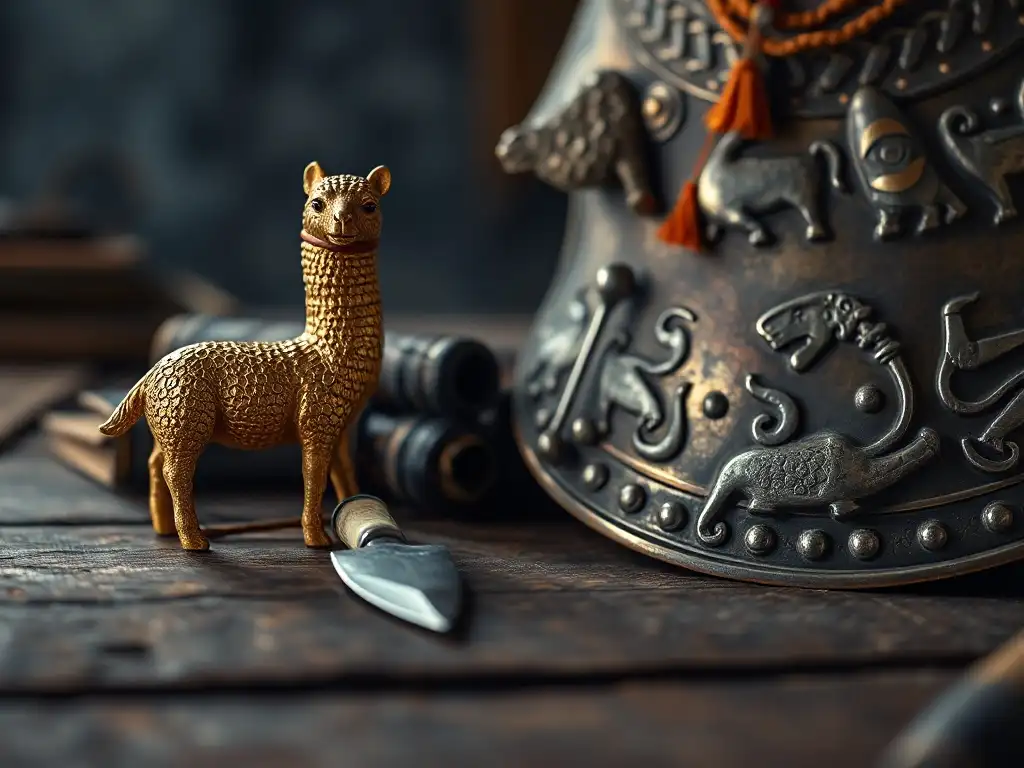
This section delves into specific examples of Andean metalwork, showcasing the artistry and technological prowess of ancient Andean civilizations, highlighting the significance of Andean metalworking techniques in their religious and social structures. We'll explore how these objects reflect power, identity, and spiritual beliefs. The intricate details and masterful craftsmanship demonstrate the sophisticated level of metallurgy achieved in the Andes.
The Gold Mask of the Lord of Sipán: Power and Identity
The discovery of the Lord of Sipán's tomb in 1987 revolutionized our understanding of Moche culture. Among the breathtaking artifacts found within was a stunning gold mask, a testament to the Moche mastery of Andean metalworking techniques. The mask, remarkably preserved, depicts a stylized face with intricate details, including inlaid turquoise and shell. Its size and weight suggest it was not merely an ornamental piece, but a powerful symbol of royal authority.
The techniques employed in its creation were incredibly sophisticated. The gold, likely sourced from alluvial deposits in the Andes, was hammered and shaped with remarkable precision. The inlaid materials were carefully placed and secured, demonstrating a deep understanding of metallurgy and craftsmanship.
The mask's very existence speaks to the Moche belief in the power and divinity of their rulers, highlighting the importance of gold as a material associated with the sun and the realm of the gods. The intricate details, including the representation of possibly a headdress or a deity, underscore the sacred nature of the object and its role in reinforcing the ruler’s divine legitimacy.
Analysis of the mask reveals a complex layering of thin gold sheets, carefully joined and polished to create a seamless surface, showcasing the advanced techniques of Moche artisans. This wasn't simply a decorative item; it was a powerful symbol of power, divinity, and the sophisticated Andean metalworking techniques of the time.
The mask's survival also speaks to the Moche's reverence for their elite. The careful placement within the tomb, alongside other precious objects, emphasizes the importance placed upon the deceased ruler and the continuity of power within the Moche society. The mask's discovery continues to fuel research into Moche culture and the sophistication of their Andean metalworking techniques.
Inca Gold Figurines: Offerings to the Gods
Inca gold figurines represent another fascinating aspect of Andean metalworking techniques and their religious significance. Unlike the Moche emphasis on realism, Inca figurines often depict stylized figures of animals, humans, and deities. These small-scale objects, often found in tombs and sacrificial sites, were not merely decorative items but served crucial roles in Inca religious practices.
These figurines frequently depict llamas, the crucial camelids of the Andean highlands, or human figures in ritual poses. The use of lost-wax casting, a complex technique requiring precise molds and controlled heating, allowed Inca artisans to create intricate designs with remarkable detail. The process involved creating a wax model, encasing it in clay, melting out the wax, and then pouring molten gold into the resulting mold. The level of skill and precision required for this process speaks volumes about the advanced Andean metalworking techniques employed by Inca artisans.
The figurines weren't simply representations; they were considered to be imbued with spiritual power. They served as offerings to the gods, mediating communication between the human and divine realms. The gold itself, a precious material associated with the sun god Inti, further enhanced their sacred significance.
The meticulous craftsmanship and the use of gold underscore the Inca belief system and their sophisticated metallurgical capabilities. The discovery of these figurines in various contexts, from elite tombs to ritual sites, provides valuable insights into Inca religious practices and the significance of gold in their worldview.
The diversity in styles and iconography also suggests regional variations in artistic expression, highlighting the wide-spread expertise in Andean metalworking techniques across the Inca Empire. Further research into the composition of the gold used and the specific techniques employed in different regions could reveal more about the complexities of the Inca metallurgical industry and its role in the empire’s power and religious practices.
Andean Deities Associated with Metalworking
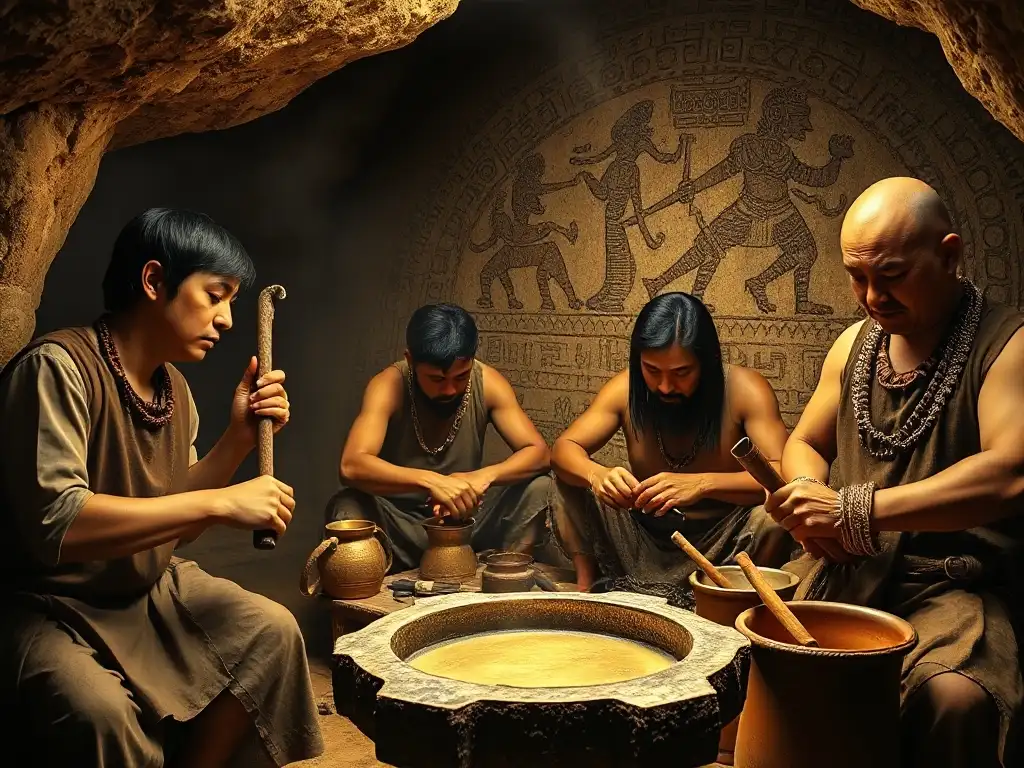
The mastery of Andean metalworking techniques wasn't merely a technological achievement; it was deeply intertwined with the spiritual beliefs and cosmology of the Andean people. Metal, particularly gold and silver, was imbued with sacred significance, viewed as a manifestation of divine power and a conduit to the supernatural world. This section explores the prominent deities associated with metalworking practices, highlighting their influence on the artistic expression and ritualistic use of metallic artifacts.
The intricate relationship between the divine and the artisan shaped the development of Andean metalworking, transforming it from a craft into a sacred practice. Understanding these connections is crucial to appreciating the artistry and the cultural context of these remarkable objects.
The Role of Inti, the Sun God, in Metalworking Mythology
Inti, the sun god, held paramount importance in the Andean pantheon. His radiant energy was seen as the source of life, warmth, and prosperity. Consequently, gold, with its brilliant shine echoing the sun's splendor, became intrinsically linked to Inti's divine power.
Many gold artifacts, including intricate masks, ornaments, and ceremonial objects, were crafted to represent Inti or to honor his influence. The meticulous detail and the high level of skill involved in their creation underscore the sacred nature of the task. Artisans, considered intermediaries between the human and divine realms, channeled Inti's energy into their work, imbuing the finished products with his potent spiritual essence.
The shimmering gold, capturing and reflecting the sun's light, served as a tangible representation of Inti's presence and power, reinforcing the divine connection inherent in the metalworking process. The creation of these objects was not simply a technical process; it was a ritualistic act, a sacred offering to the sun god. For example, the elaborate gold adornments found in royal tombs are testament to the belief that these objects would accompany the deceased into the afterlife, continuing to serve as conduits to Inti's power.
The Connection Between Metalworking and Pachamama, the Earth Mother
While Inti represented the celestial realm, Pachamama, the Earth Mother, embodied the fertility and bounty of the Andean landscape. Silver, with its cool, reflective quality, often associated with water and the subterranean world, became linked to Pachamama. Silver objects, particularly those depicting agricultural themes or fertility symbols, were likely used in rituals aimed at ensuring bountiful harvests and the overall well-being of the community.
The extraction of silver from the earth itself further reinforced this connection, signifying the retrieval of a divine substance from Pachamama's womb. The meticulous craftsmanship evident in silver artifacts, such as intricately designed vessels and ceremonial tools, reflects the reverence held for the earth and its life-giving properties. Unlike the radiant sun-like quality of gold associated with Inti, silver's cooler tones and subtle sheen evoked the mysteries and abundance hidden within the earth.
The Andean metalworking techniques applied to silver often emphasized its malleability, allowing for the creation of intricate shapes that mirrored the organic forms found in nature, further strengthening the connection between the metal and Pachamama. The use of silver in rituals and offerings underscores the importance of maintaining a harmonious relationship with the earth, a crucial aspect of Andean cosmology. This relationship between the Earth Mother and silver highlights the deeper spiritual significance imbued within Andean metalworking practices.
This section delves into the intricate relationship between Andean metalworking techniques and the social and economic fabric of ancient Andean societies. The mastery of metallurgy wasn't merely a technical skill; it was deeply intertwined with religious beliefs, social structures, and economic systems, shaping the very landscape of power and trade. Understanding these dynamics provides crucial insight into the complexity of these fascinating civilizations.
Metalworkers in the Andes occupied a unique and often privileged position within the social hierarchy. Their specialized knowledge and skills were highly valued, placing them above average artisans. Evidence suggests that in many societies, metalworkers were considered to possess sacred knowledge, connecting them directly to the divine realm. This is reflected in the intricate designs and the symbolic significance imbued in their creations.
The level of prestige associated with metalworking varied across different Andean cultures. For example, in the Inca Empire, specialized workshops, often under royal patronage, produced elite objects for the Sapa Inca and the ruling class. These workshops employed highly skilled individuals who likely enjoyed a higher social standing than those working in less prestigious settings. Archaeological findings show that metalworkers' graves sometimes contained elaborate burial goods, indicating their elevated status.
This contrasts with societies like the Moche, where evidence suggests a more decentralized system of metal production, possibly with less rigid hierarchical distinctions among metalworkers. Further research is needed to fully understand the nuances of social status among metalworkers across diverse Andean cultures. We need to analyze more grave goods and workshop layouts to firmly establish the specific social standing of metalworkers in each society. [Specific information pending: Comparative analysis of metalworker burial sites across different Andean cultures].
The Economic Importance of Metal Trade and Exchange
Andean metalworking techniques were not only crucial for crafting prestigious objects but also played a significant role in the economic landscape. The control and distribution of metals, particularly precious metals like gold and silver, became a powerful tool for consolidating political power and fostering economic exchange. The scarcity of these metals naturally elevated their value, making them ideal for ceremonial objects, elite adornments, and trade goods.
The exchange of metal artifacts was far-reaching, connecting different Andean societies through complex trade networks. These networks facilitated the movement of not only finished goods but also raw materials, such as copper ore, which were then processed and transformed into valuable objects. This trade stimulated economic growth and cultural exchange, with distinct metalworking styles and techniques influencing each other across vast geographical distances. For instance, the distinctive styles of Moche goldwork found their way into other regions, showcasing the interconnectedness of Andean economies.
The economic influence of metalworking is further highlighted by the discovery of large quantities of metal objects in elite tombs and ceremonial centers, pointing to their role as symbols of wealth, power, and prestige. The sheer scale of some of these finds suggests a substantial level of economic activity centered around metal production and trade. The study of these trade networks requires further investigation into the provenance of the metals and the analysis of stylistic variations across different regions.
[Specific information pending: Detailed mapping of Andean metal trade routes and analysis of metal isotopic signatures]. The vibrant exchange of goods and ideas fostered by Andean metalworking techniques significantly shaped the economic and cultural development of the region. 💰
Frequently Asked Questions
What makes Andean metalworking unique?
Andean metalworking was exceptionally sophisticated, employing techniques like lost-wax casting and hammering to create intricate objects. The use of alloys like tumbaga (gold and copper) was also distinctive.
What role did metal play in Andean societies?
Metals held immense religious significance, often associated with deities and power. Gold, in particular, was linked to the sun and considered sacred. Metal objects served both ceremonial and practical purposes.
Which Andean cultures were known for their metalworking skills?
Many Andean cultures excelled at metalworking, including the Moche, Nazca, Wari, and Inca. Each developed unique styles and techniques, reflecting their distinct cultural identities.
What types of metal objects did Andean artisans create?
Andean artisans produced a wide array of objects, from ornate jewelry and ritual vessels to tools and weapons. The complexity and artistry of these pieces are truly remarkable.
Where can I learn more about Andean metalworking techniques?
You can explore further by visiting museums with Andean collections, researching scholarly articles and books, and visiting sites that detail archaeological discoveries. Many online resources also exist.
Final Reflection: Forging a Legacy: The Enduring Spirit of Andean Metalworking
The intricate artistry of Andean metalworking isn't merely a historical curiosity; it's a vibrant testament to human ingenuity and spiritual connection that continues to resonate today. The techniques, passed down through generations, represent not only a sophisticated understanding of metallurgy but also a profound relationship between humanity and the cosmos, a belief system woven into the very fabric of the artifacts themselves. This enduring legacy challenges us to reconsider our own relationship with craft and creation.
The enduring power of Andean metalworking lies not just in its technical brilliance, but in its ability to transcend time and connect us to a rich cultural heritage. The meticulous detail, the symbolic power imbued in each piece, speaks to a deeper understanding of the world – a worldview that valued craftsmanship as a sacred act, a pathway to the divine. Art washes away from the soul the dust of everyday life.
– Pablo Picasso. This quote, while not directly about Andean metalworking, perfectly captures the transformative power of artistic expression, a power deeply embedded in the Andean tradition.
Consider the implications of this ancient practice. What can we learn from the dedication and skill of these master artisans? How can we cultivate a similar reverence for our own craft, whatever it may be? I encourage you to reflect on the connection between your own work and your sense of purpose, to find the "divine spark" within your own creative endeavors. Let the legacy of Andean metalworking inspire you to approach your work with intention, skill, and a profound appreciation for the transformative power of creation.
Ignite Your Craft: Embark on a Metalworking Journey!
Thank you for exploring the rich artistry of Andean metalworking! Your interest in this ancient tradition is inspiring. Now, let's turn that inspiration into action.
Here are some ways to deepen your connection to this remarkable craft:
- Join a local metalworking class or workshop to learn techniques and connect with other artisans.
- Explore traditional Andean designs and create your own piece, blending modern materials with ancient methods.
- Share your creations and experiences on social media or with your community to inspire others to appreciate the cultural significance of metalwork.
What unique piece will you forge to celebrate the artistry and heritage of metalworking?