
Interpreting the Past: Using Symbolism to Understand Andean Cultures

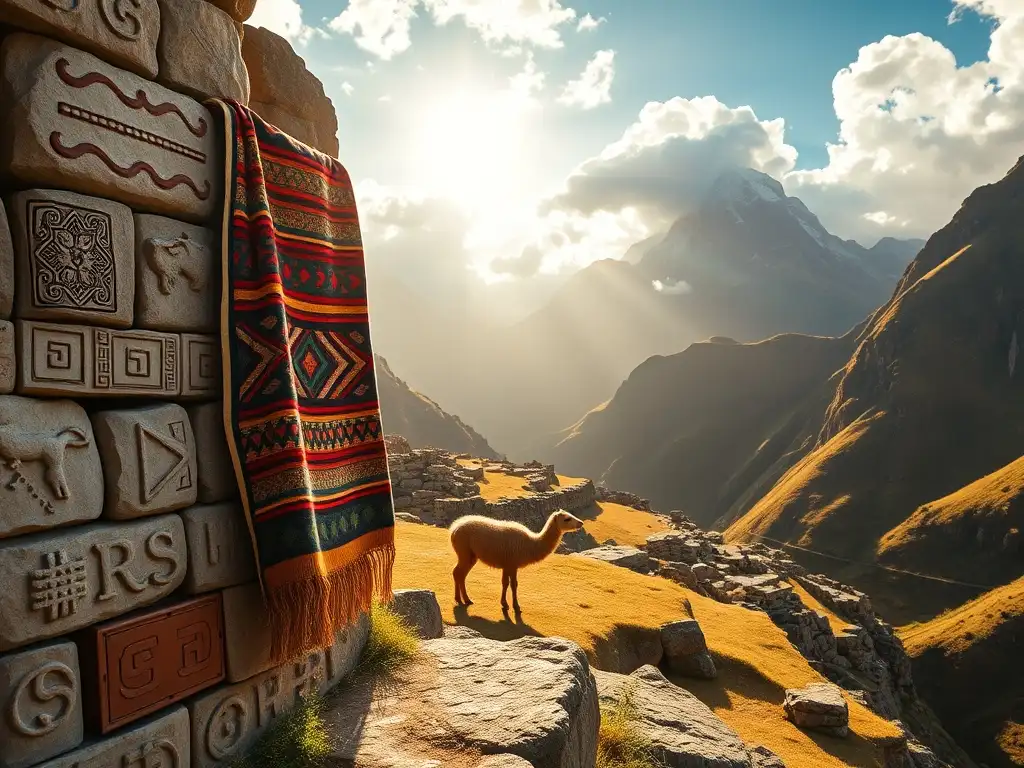
Unravel the mysteries hidden within the breathtaking landscapes and captivating artistry of the Andes! Journey through time as we delve into the fascinating world of Andean civilizations, uncovering their remarkable achievements in art, technology, and culture. But what secrets do their intricate symbols hold? Discover the profound significance of Andean symbolism meaning and unlock a deeper understanding of these awe-inspiring cultures. Prepare to be amazed as we explore the vibrant tapestry of their legacy.
Unlocking the secrets of the ancient Andean civilizations requires more than just deciphering their intricate pottery or monumental architecture. To truly grasp the richness and complexity of their societies – the Incas, Moche, Nazca, and Tiahuanaco, among others – we must delve into the world of Andean symbolism. This article explores how the careful interpretation of recurring motifs, figures, and designs in Andean art reveals profound insights into their beliefs, social structures, and daily lives.
Understanding Andean symbolism meaning is key to appreciating the depth and sophistication of these remarkable cultures. We will examine specific examples, demonstrating how seemingly simple symbols held complex layers of meaning, reflecting a worldview deeply connected to the natural world and the spiritual realm. Prepare to journey through time, uncovering the hidden narratives etched into the very fabric of Andean art and uncovering the significance of "Andean symbolism meaning".
The Power of Visual Language in Andean Cultures
Andean societies lacked a widespread writing system comparable to those of Mesoamerica. Instead, they relied heavily on visual communication through intricate textiles, ceramics, and stone carvings. These weren't merely decorative; they were powerful tools for transmitting knowledge, beliefs, and social status across generations. The careful placement of symbols, their size relative to others, and the materials used all contribute to the overall message.
Consider, for instance, the recurring motif of the puma in Inca art. Was it simply a representation of the animal itself, or did it carry a deeper symbolic weight related to power, strength, or even the spirit world? The answer, as we'll explore, is far more nuanced than a simple description. Analyzing these visual narratives requires careful consideration of context and the interplay of different symbols within a single piece of art.
Deciphering Key Andean Symbols: A Closer Look
Several symbols consistently appear across different Andean cultures, though their precise meanings might vary slightly depending on the specific context and the culture in question. Let's examine a few key examples:
- The Serpent: Often associated with water, fertility, and the underworld, the serpent appears in various forms across different Andean cultures. Its depiction can range from a stylized representation to a more realistic portrayal, influencing the interpretation of its role within a specific artistic context. The size, color, and position of the serpent within a piece of art further refine its symbolic meaning.
- The Condor: A powerful bird of prey, the condor frequently symbolizes power, strength, and the high altitudes of the Andes. Its presence in art often suggests connections to the spiritual realm and the ability to communicate with the gods. The way in which the condor is depicted – perched, in flight, or engaged in a specific action – can significantly alter its symbolic meaning.
- The Llama and Alpaca: These camelids were central to Andean life, providing wool, meat, and transport. In art, they often represent wealth, fertility, and the connection between humans and the Andean landscape. Specific details like the llama's posture or the presence of additional elements in the artwork further contribute to the interpretation.
This is just a starting point; many other significant symbols exist within Andean art, each holding a unique story.
Context is Key: Understanding the Nuances of Andean Symbolism
The interpretation of Andean symbolism is not a simple matter of assigning fixed meanings to individual symbols. Context is crucial. The same symbol can have different meanings depending on its location within a larger piece of art, the surrounding symbols, and the cultural context in which it was created.
For example, the same symbol might represent fertility in one context and power in another, highlighting the complexity and subtlety of Andean artistic expression. A careful and nuanced approach, considering the entire artistic piece and its cultural background, is essential for accurate interpretation. The true understanding of "Andean symbolism meaning" relies heavily on considering the entire picture.
Further Exploration: Future Research and Unanswered Questions
While significant progress has been made in understanding Andean symbolism, many questions remain unanswered. Further research is needed to fully decipher the meanings of certain symbols and to understand the regional variations in their interpretations. The collaborative efforts of archaeologists, art historians, and anthropologists are crucial in continuing to unveil the rich tapestry of Andean cultural expression. The ongoing investigation into "Andean symbolism meaning" promises to reveal even more captivating insights into these fascinating ancient societies. The study of Andean symbolism is a dynamic field, continually evolving as new discoveries are made and existing interpretations are refined.
- The Power of Visual Language in Andean Cultures
- Deciphering Key Andean Symbols: A Closer Look
- Context is Key: Understanding the Nuances of Andean Symbolism
- Further Exploration: Future Research and Unanswered Questions
The Significance of Andean Symbolism in Ancient Societies
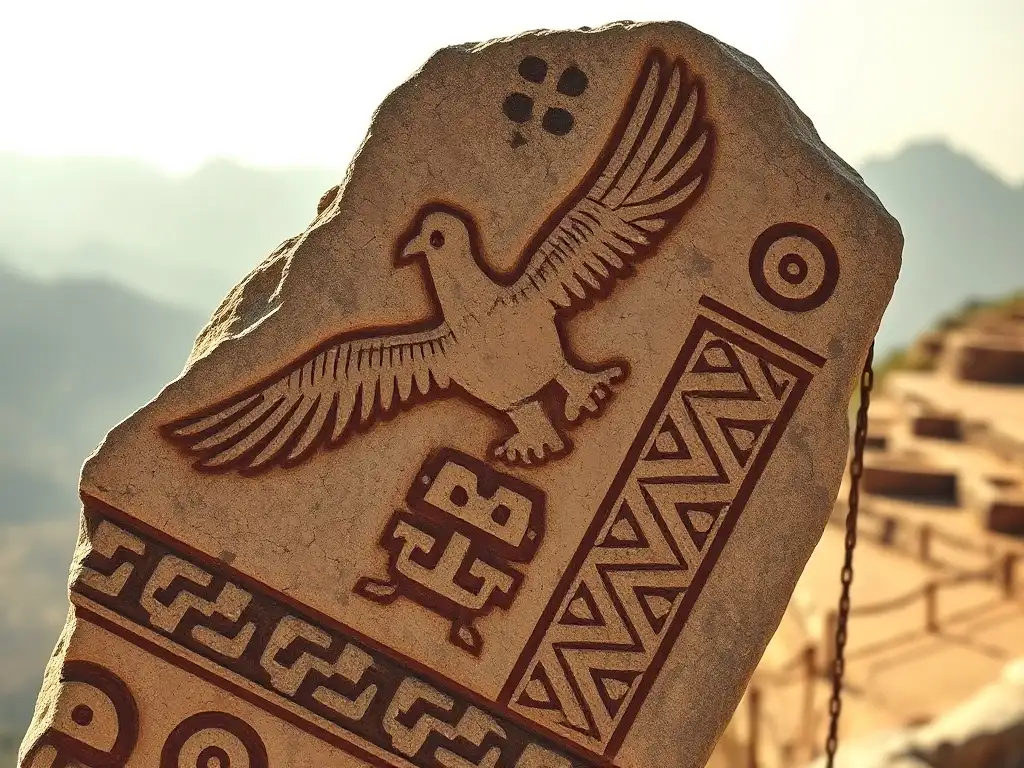
Andean symbolism wasn't merely decorative; it was a fundamental aspect of daily life, deeply interwoven with religious beliefs, social structures, and political power within ancient Andean societies. Understanding this symbolism provides a crucial window into their worldview, revealing intricate connections between the human and spiritual realms. The meaning embedded within these symbols wasn't static; it evolved and adapted across different cultures and time periods, reflecting shifts in societal values and beliefs.
However, certain recurring motifs, like the khipu (a complex system of knotted cords used for record-keeping), the condor, the puma, and various celestial bodies, consistently held profound significance across diverse Andean cultures. These symbols served as powerful tools for communication, reinforcing social hierarchies, expressing spiritual convictions, and even transmitting historical narratives across generations. The enduring legacy of Andean symbolism is a testament to its effectiveness as a means of cultural preservation and transmission.
Its continued study offers valuable insights into the complexities of these fascinating ancient civilizations. Analyzing Andean symbolism allows us to move beyond superficial interpretations of art and artifacts, unlocking a deeper understanding of the beliefs, values, and social structures that shaped these remarkable societies.
Unveiling the Layers of Meaning in Andean Art
The intricate artistry of Andean cultures serves as a rich repository of symbolic expression. From the meticulously crafted textiles of the Nazca to the imposing stone sculptures of the Tiwanaku, each piece carries layers of meaning waiting to be deciphered. For instance, the repeated depiction of stylized felines, like pumas and jaguars, often represents power, strength, and even a connection to the underworld. Similarly, the condor, a majestic bird of the Andes, frequently symbolizes royalty, dominion over the skies, and a link to the realm of the gods.
However, the interpretation isn't always straightforward. The same symbol might hold different meanings depending on its context, the specific culture it originated from, and the time period in which it was created. Consider, for example, the use of color: vibrant reds might represent blood and sacrifice in one context, while signifying fertility and life in another. Scholars often use a multi-faceted approach, combining stylistic analysis with archaeological evidence and anthropological insights to uncover the nuances of Andean symbolic language.
This interdisciplinary approach helps unveil the complex interplay of religious beliefs, social hierarchies, and political ideologies embedded within the art. The process of interpreting Andean art requires careful attention to detail, a deep understanding of the historical and cultural context, and an appreciation for the multifaceted nature of Andean symbolism. The challenge is not just to identify the symbols but to understand their significance within the complex tapestry of Andean culture.
The Role of Iconography in Andean Cultural Expression
Andean iconography played a pivotal role in shaping cultural identity and reinforcing social structures. The repetitive use of specific motifs across diverse media—textiles, ceramics, metalwork, and monumental architecture—suggests a shared symbolic language understood and utilized by different groups across vast geographical areas and extended periods. The khipu, for example, wasn't merely a record-keeping device; its complex system of knots and colors likely encoded sophisticated numerical and narrative information, acting as a powerful tool for transmitting knowledge and maintaining social memory. Further, the iconography often served to legitimize political power.
Depictions of rulers adorned with regalia and surrounded by symbolic animals reinforced their authority and divine connection. The careful placement of these symbolic elements within a broader composition further enhanced their meaning and impact. The integration of iconography into everyday objects, such as pottery and textiles, suggests that Andean symbolism was not confined to elite contexts but was deeply embedded in the fabric of daily life.
By carefully studying the distribution and usage of these symbols across different cultures and time periods, we can gain a deeper understanding of the complexities of Andean social organization, religious beliefs, and power dynamics. The persistent presence of certain motifs in Andean art and artifacts underscores their importance in shaping cultural identity and transmitting knowledge across generations. The study of Andean iconography offers a unique window into the thought processes and social structures of these fascinating ancient civilizations, highlighting the enduring power of visual communication in shaping cultural identity.
Core Symbols and Their Andean Symbolism Meaning
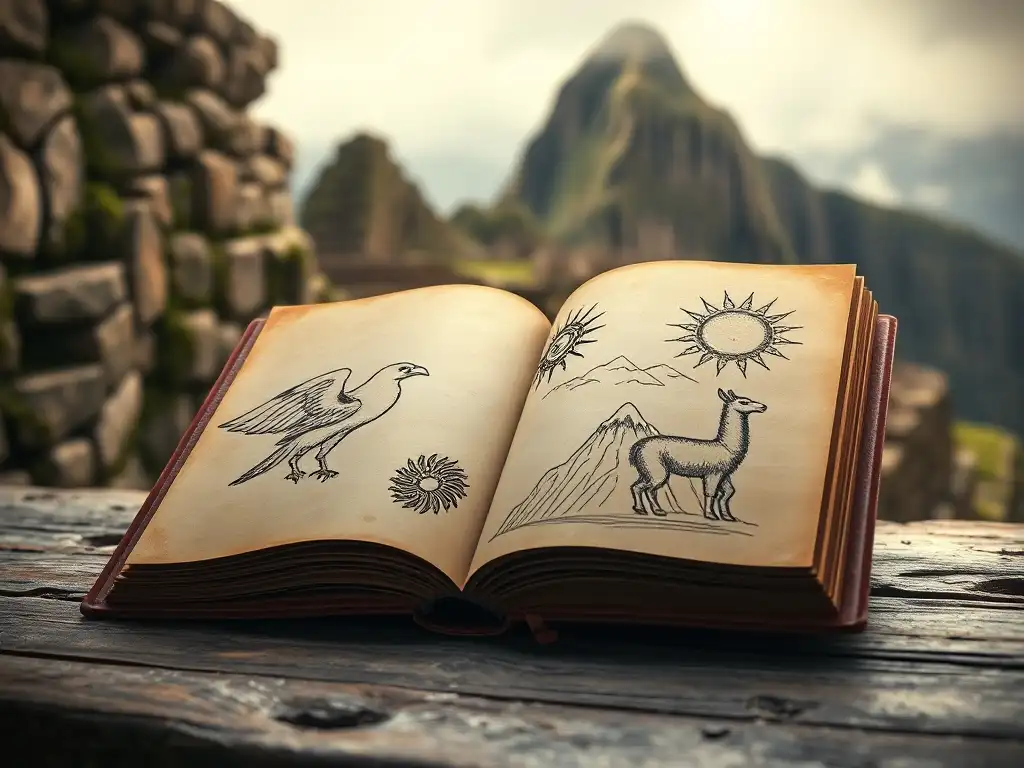
This section delves into the core symbolic representations prevalent across various Andean cultures, exploring their significance and variations in meaning. Understanding these symbols provides crucial insight into the worldview, beliefs, and social structures of these fascinating ancient societies. We will examine the rich tapestry of Andean symbolism meaning, focusing on three particularly powerful and recurring motifs: the condor, the serpent, and the puma.
These animals transcended mere representation, becoming potent emblems imbued with deep spiritual and cosmological significance. The interpretation of Andean symbolism meaning requires careful consideration of context, as the same symbol might hold slightly different nuances across different cultures and time periods.
The Condor: A Powerful Symbol of the Upper World
The condor, a majestic bird soaring high above the Andes Mountains, held a prominent position in Andean cosmology. Its association with the upper world, the hanan pacha, is undeniable. Representing power, strength, and the sun, the condor frequently appears in textiles, ceramics, and goldwork. Its sharp vision symbolized insight and spiritual connection, while its soaring flight represented the connection between the earthly and celestial realms.
The Andean symbolism meaning attached to the condor varied slightly depending on the specific culture. For example, Inca depictions often show the condor alongside the sun god, Inti, further solidifying its solar connection. However, in other Andean cultures, such as the Chimu, the condor might also represent a powerful ruler or a divine messenger.
Consider the intricate gold condor ornaments found in royal tombs: these artifacts were not merely decorative; they were powerful symbols of authority and divine legitimacy. The detailed craftsmanship and use of precious materials emphasized the condor's sacred status and its importance within the Andean worldview. The sheer size of some condor representations further underscored their power and symbolic weight. Analyzing these artifacts provides invaluable data for understanding the Andean symbolism meaning associated with this powerful avian figure.
The Serpent: Representing the Underworld and Fertility
In stark contrast to the condor's celestial dominance, the serpent typically embodies the underworld, the ukhu pacha, and the forces of nature. However, the Andean symbolism meaning associated with the serpent isn't solely negative. It often represents fertility, the life-giving waters, and the cyclical nature of life and death.
The serpent's association with water is particularly significant in the arid Andean landscape. Its presence in iconography often symbolizes the life-sustaining power of water sources, springs, and rivers. Furthermore, the serpent's ability to shed its skin represents renewal and regeneration, reflecting the cyclical patterns observed in Andean agriculture and cosmology.
Many Andean cultures depicted serpents in intricate designs, showcasing their scales, movements, and sometimes even multiple heads. These representations, often found on textiles and pottery, reveal a deep understanding and respect for the power and mystery associated with this creature. The detailed depictions allow us to decipher the nuances in the Andean symbolism meaning, revealing a complex and multifaceted understanding of the serpent's role in the Andean world.
The Puma: Symbol of Strength and Terrestrial Power
The puma, a powerful feline inhabiting the Andean highlands, represents the earthly realm, the kay pacha. Its strength, agility, and hunting prowess make it a fitting symbol of terrestrial power, authority, and leadership. However, the Andean symbolism meaning of the puma also extends beyond mere physical dominance.
The puma's nocturnal habits often linked it to the underworld, but unlike the serpent, the puma's association with the ukhu pacha is more nuanced, often representing a connection to the earth's hidden energies and the spiritual world. Depictions of pumas often show them in a majestic pose, underscoring their power and importance. The puma’s physical attributes—its strength, stealth, and sharp senses—became metaphorical representations of leadership qualities and spiritual insight.
The use of puma imagery in Andean art provides valuable insight into social hierarchy and power dynamics. For instance, the presence of puma motifs on royal garments and ceremonial objects highlights the ruler's connection to the terrestrial realm and their power over the land and its people. Examining the context in which puma imagery appears allows for a deeper understanding of the Andean symbolism meaning and the complex interplay between the earthly and spiritual realms.
Exploring Specific Andean Iconographic Motifs
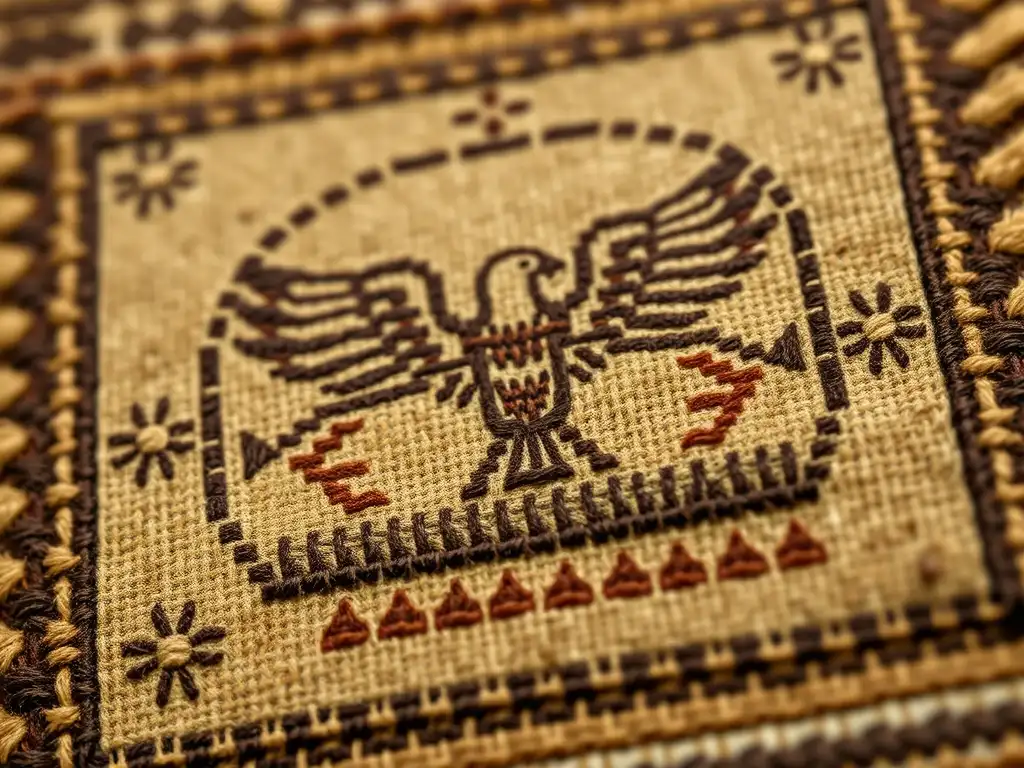
This section delves into the meaning and significance of several key Andean symbols, providing a deeper understanding of their cultural and religious context. Understanding these motifs is crucial to interpreting the rich tapestry of Andean art and beliefs, offering valuable insights into the worldview of these remarkable civilizations. We will explore the symbolism embedded within these iconic representations, examining their evolution and variations across different Andean cultures. The careful study of Andean symbolism meaning reveals intricate layers of meaning, reflecting the sophisticated cosmology and spiritual practices of these ancient societies.
The Chakana: The Andean Cross and its Cosmic Significance
The Chakana, often referred to as the Andean Cross, is arguably one of the most recognizable and significant symbols in Andean iconography. Its appearance varies slightly depending on the specific culture and time period, but its core symbolism remains remarkably consistent. The Chakana is generally depicted as a stepped cross, with three horizontal levels representing the three worlds in Andean cosmology: the Hanan Pacha (upper world), the Kay Pacha (middle world), and the Ukhu Pacha (underworld).
The four arms of the cross extend outwards, symbolizing the cardinal directions and the four elements (earth, air, fire, and water) – a powerful representation of cosmic balance and harmony. Some interpretations also associate the Chakana with the Milky Way galaxy, representing a pathway connecting the different realms. Its presence on textiles, ceramics, and stone carvings indicates its importance across diverse Andean communities.
The Chakana's enduring presence in contemporary Andean culture underscores its continued relevance as a potent symbol of Andean identity and spiritual connection. Further research is needed to fully understand regional variations in its depiction and meaning [specific information pending on regional variations in Chakana depiction].
The Sun God Inti: A Central Figure in Andean Beliefs
Inti, the sun god, occupies a central position in the Andean pantheon. He was revered as the source of life, energy, and prosperity. Depictions of Inti often show him as a young, powerful male figure, adorned with golden ornaments and surrounded by rays of light. His symbolism is deeply intertwined with agricultural cycles, with Inti's movements across the sky dictating the planting and harvesting seasons. Festivals and rituals were held in his honor, reflecting the profound dependence of Andean societies on the sun's life-giving power.
The sun's significance transcended mere agricultural utility; it represented divine authority and kingship. Inca rulers were considered descendants of Inti, solidifying their legitimacy and power. The use of gold in Inti's representations reinforces the sun's association with wealth and abundance.
The elaborate temples and ceremonies dedicated to Inti showcase the immense importance he held in Andean society. The study of Inti's iconography reveals a complex interplay of religious belief, political power, and agricultural practice, highlighting the multifaceted nature of Andean spirituality. More research could explore the connection between Inti and other deities within the Andean pantheon [specific information pending on Inti's relationships with other deities].
The Moon Goddess Quilla: Representing Feminine Energy and Cycles
In contrast to the male energy represented by Inti, Quilla, the moon goddess, embodies feminine energy, fertility, and the cyclical nature of time. Often depicted as a serene female figure, sometimes accompanied by stars or celestial bodies, Quilla represents the rhythms of nature and the passage of time. Her influence was seen in the agricultural cycles, the tides, and the menstrual cycle, linking her to the reproductive processes of both humans and the earth.
Unlike Inti's association with authority and kingship, Quilla's power is more subtly expressed, representing nurturing and cyclical renewal. Her symbolism is less overtly political but equally significant in understanding Andean worldview. The duality of Inti and Quilla represents a fundamental Andean understanding of cosmic balance, with the sun and moon working in harmony to sustain life.
Further research is needed to fully explore the nuances of Quilla's representation across different Andean cultures and time periods [specific information pending on regional variations in Quilla’s depiction and meaning]. The careful examination of Andean symbolism meaning, particularly the contrasting yet complementary roles of Inti and Quilla, provides a profound insight into the Andean understanding of the universe and its delicate balance. ☀️ 🌕
Andean Symbolism Across Different Civilizations
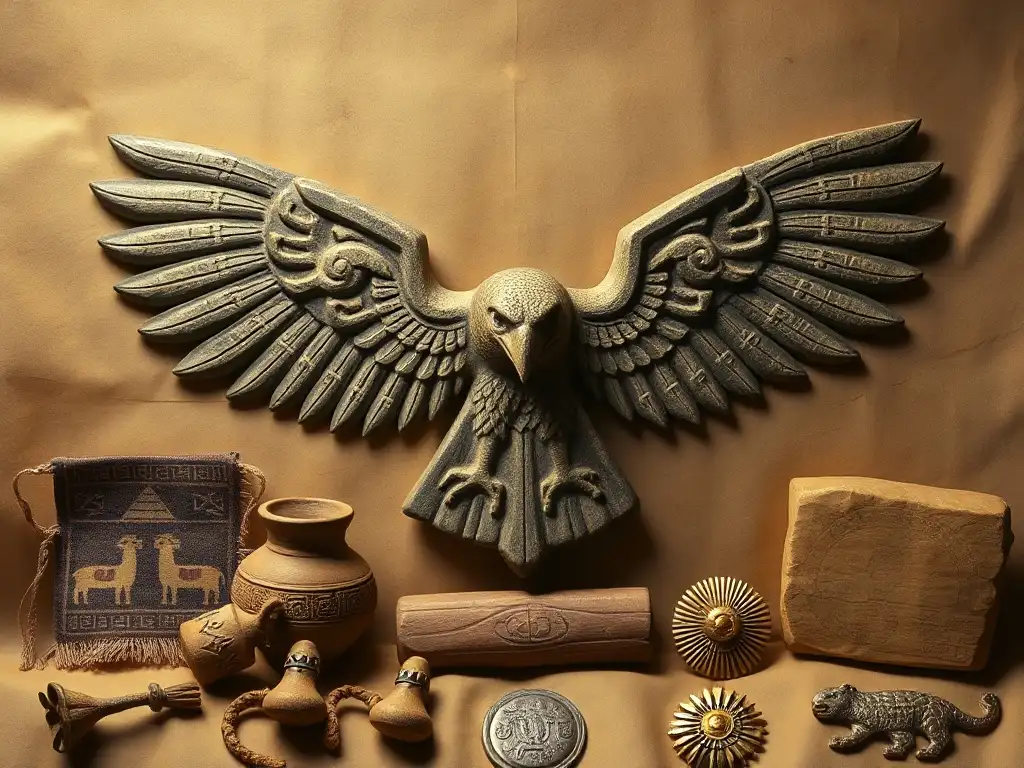
This section delves into the diverse symbolic languages employed by various Andean civilizations, highlighting the unique ways in which they expressed their beliefs, values, and social structures through art and artifacts. Understanding Andean symbolism meaning requires appreciating the context-specific nature of these representations, recognizing that similar symbols could hold different meanings across different cultures and time periods. We will explore key examples from the Moche, Nazca, and Inca civilizations to illustrate the complexity and richness of Andean symbolic expression, providing a deeper understanding of Andean symbolism meaning.
Moche Iconography: Deciphering Ritual and Warfare
Moche art, renowned for its intricate pottery and metalwork, provides a rich tapestry of symbolic representations. The Moche, a pre-Columbian culture flourishing on the northern coast of Peru (circa 100-800 CE), utilized symbolism extensively to depict their complex social hierarchy, religious beliefs, and warfare practices. Their iconography is often characterized by highly detailed and realistic depictions of figures engaged in various activities.
One prevalent motif is the depiction of powerful figures, often associated with deities or rulers, adorned with elaborate headdresses, jewelry, and regalia. These representations communicate the importance of social status and the divine authority vested in these individuals. The symbolism of these adornments is crucial to understanding Moche power structures. For instance, the use of specific feathers, precious metals, or specific types of clothing could signify specific roles or lineage.
Furthermore, Moche pottery frequently depicts scenes of warfare and ritual sacrifice. These scenes are not simply depictions of violence but rather complex symbolic narratives that communicate beliefs about power, fertility, and the relationship between the human and supernatural realms. The use of specific weapons, the positioning of bodies, and the inclusion of other symbolic elements within these scenes all contribute to the complex Andean symbolism meaning inherent in the narrative.
Analyzing these details allows us to interpret the Moche worldview and their understanding of the cosmos. For example, the recurring depiction of decapitation might symbolize the subjugation of enemies and the assertion of dominance, reflecting the importance of warfare in their society.
Nazca Lines: Geometric Designs and their Symbolic Interpretations
The Nazca Lines, a series of vast geoglyphs etched into the desert plains of southern Peru, represent one of the most enigmatic aspects of Andean symbolism meaning. Created by the Nazca culture (circa 100 BCE – 800 CE), these colossal designs, ranging from simple geometric shapes to complex zoomorphic and anthropomorphic figures, continue to fascinate and challenge researchers. While their precise purpose remains debated, various interpretations suggest a strong symbolic significance.
The geometric designs, including triangles, trapezoids, and spirals, are believed to represent astronomical phenomena, possibly reflecting a sophisticated understanding of the celestial movements and their impact on agriculture and daily life. This interpretation links the Nazca Lines to a cosmology deeply rooted in the observation of the natural world. The precise alignment of certain lines with constellations, while needing further research, supports this hypothesis.
The zoomorphic figures, such as the hummingbird, monkey, and spider, likely held religious or shamanistic significance. These animals often appear in other Nazca art forms, suggesting a consistent symbolic language across different media. The scale of these figures, visible only from the air, raises questions about their intended audience and the methods used for their creation, further emphasizing the profound nature of their symbolic meaning. Understanding the Andean symbolism meaning behind these figures requires considering the broader context of Nazca religious beliefs and practices.
Inca Symbolism: Reflecting Imperial Power and Cosmology
Inca symbolism, characterized by its sophisticated system of visual representations, reflects the immense power and centralized organization of the Inca Empire (1438-1533 CE). The Incas utilized a complex interplay of symbols to reinforce their authority, legitimize their rule, and express their worldview. The chakana, or Andean cross, is arguably the most iconic symbol of Inca culture and a prime example of Andean symbolism meaning.
The chakana represents the four cardinal directions, the three levels of the Andean world (the underworld, the earthly realm, and the heavens), and the concept of balance and harmony. Its presence in Inca architecture, textiles, and pottery underscores its importance in their cosmology and social order. The chakana's intricate design, often incorporating stepped pyramids, further emphasizes its connection to the Andean landscape and the Inca understanding of the cosmos. This intricate design contributes significantly to the deeper Andean symbolism meaning that the chakana conveys.
Furthermore, the Inca utilized various other symbols to represent imperial power and authority. The inti, or sun, was a significant deity and an important symbol of royal lineage. Depictions of the inti often appear alongside other symbols, further reinforcing the Inca's claim to divine right.
The use of specific colors, such as red and yellow, also held symbolic meaning, often associated with royalty, power, and the sun. Understanding the complex interplay of these symbols reveals the intricate system of beliefs and power structures that defined the Inca Empire. The systematic use of these symbols across the vast empire further illustrates the Inca's ability to maintain control and reinforce their ideology.
Tiahuanaco Iconography: Understanding Religious and Political Messages
Tiahuanaco, a powerful pre-Columbian civilization flourishing in the Bolivian Altiplano between approximately 500 and 1000 CE, left behind a rich legacy of monumental architecture and intricate iconography. Their artistic expressions, far from being mere decoration, served as powerful tools for conveying religious beliefs and solidifying political power. The intricate carvings found on their stone structures, ceramics, and textiles offer a window into the worldview and social structures of this fascinating culture. Understanding Tiahuanaco's symbolism requires careful examination of recurring motifs and their contextual placement within the broader societal framework.
One prominent symbol in Tiahuanaco art is the chakana, often interpreted as a representation of a bridge or staircase connecting the earthly and celestial realms. This potent symbol highlights the civilization’s deep-seated cosmology, emphasizing the interconnectedness between the human world and the spiritual realm. Depictions of the chakana frequently appear alongside other symbolic elements, such as stylized figures and geometric patterns, further enriching the narrative and adding layers of meaning.
The size and prominence of the chakana in a given piece of artwork often reflect the importance of the religious message being conveyed. Larger, more elaborately carved chakanas likely signify key religious ceremonies or beliefs central to Tiahuanaco society.
Beyond the chakana, Tiahuanaco iconography features a diverse range of anthropomorphic and zoomorphic figures. These figures, often depicted in highly stylized forms, are believed to represent deities, ancestors, or powerful shamans. The specific attributes of these figures—their headdresses, clothing, and accompanying symbols—provide clues to their identities and roles within the Tiahuanaco pantheon.
For example, figures adorned with elaborate headdresses and scepters likely represent high-ranking officials or rulers, reflecting the close intertwining of religious and political authority within Tiahuanaco society. The meticulous detail and precision evident in these carvings underscore the importance placed on these representations. Analyzing the stylistic variations between different representations of these figures can also reveal changes in religious beliefs or political power structures over time.
Furthermore, the geometric patterns found throughout Tiahuanaco art, including intricate textiles and ceramic designs, also hold symbolic significance. These patterns often incorporate repeating motifs, such as stepped pyramids, concentric circles, and stylized crosses, suggesting a complex system of symbolic representation. While the exact meaning of each pattern remains a subject of ongoing scholarly debate, the recurring nature of these designs indicates their importance within the Tiahuanaco worldview.
These patterns may have represented cosmological concepts, social hierarchies, or even calendrical systems, offering a glimpse into the sophisticated intellectual and mathematical abilities of the Tiahuanaco people. The precision and artistry displayed in these patterns demonstrate the advanced skills of Tiahuanaco artisans and their dedication to crafting objects that served both practical and symbolic purposes.
The study of Andean symbolism, therefore, necessitates a multi-faceted approach, considering the interplay between religious beliefs, political power, and artistic expression. By examining the intricate details of Tiahuanaco iconography, we gain a deeper understanding of this fascinating civilization and its enduring legacy.
The Enduring Legacy of Andean Symbolism
The study of Andean symbolism offers a captivating journey into the heart of ancient civilizations. Understanding the meaning behind these intricate designs and motifs provides invaluable insight into the beliefs, values, and daily lives of the Andean peoples. From the soaring heights of the Andes Mountains to the fertile valleys below, these symbols permeated every aspect of their existence, from religious ceremonies and agricultural practices to textiles and pottery.
This enduring legacy continues to resonate today, reminding us of the rich tapestry of Andean culture. The intricate weaving of narratives through visual language is a testament to their sophisticated understanding of the world and their connection to the cosmos. Analyzing Andean symbolism meaning unlocks a deeper comprehension of their worldview, revealing a complex and multifaceted society far beyond simple depictions.
How Andean Symbolism Continues to Influence Modern Culture
Andean symbolism's influence extends far beyond museum walls and academic texts. Its enduring appeal is evident in its continued use and reinterpretation in contemporary society. Many modern artists draw inspiration from these ancient motifs, incorporating them into their work to explore themes of identity, heritage, and spirituality.
Furthermore, these symbols often appear in contemporary fashion design, jewelry, and other crafts, reflecting a growing interest in and appreciation for Andean culture. The puma, a powerful symbol of strength and royalty in Inca iconography, frequently features in modern designs, while the intricate geometric patterns found on ancient textiles continue to inspire contemporary textile artists. This ongoing engagement ensures the preservation and celebration of Andean heritage, transforming ancient symbols into powerful emblems of cultural continuity.
The use of Andean motifs in modern media also contributes to a wider understanding and appreciation of their significance, generating further interest in "Andean symbolism meaning." For example, the use of the condor in contemporary film and literature often evokes a sense of freedom, power, and connection to the Andes.
Contemporary Artists' Engagement with Andean Motifs
Contemporary artists engage with Andean motifs in diverse and innovative ways. Some artists meticulously recreate ancient designs, striving for historical accuracy and paying homage to traditional techniques. Others reinterpret these symbols, infusing them with contemporary meanings and perspectives.
For instance, some artists might use traditional Andean patterns to explore themes of social justice or environmental conservation, imbuing the ancient motifs with new layers of significance. This creative process often leads to a deeper understanding of both the original meaning of the symbols and their relevance in the modern world. The fusion of traditional and contemporary aesthetics is a powerful demonstration of the enduring power of Andean symbolism.
The vibrant colors and intricate detail of traditional Andean textiles, for example, often inspire modern artists to explore new techniques and mediums while still retaining the essence of the original designs. This interplay between past and present ensures the continued vitality and relevance of Andean art forms. The reimagining of these motifs in various contexts, from large-scale murals to small-scale jewelry, demonstrates the adaptability and enduring appeal of Andean symbolism.
Preserving and Appreciating the Richness of Andean Iconography
Preserving and appreciating the richness of Andean iconography requires a multifaceted approach. Careful documentation and cataloging of existing artifacts are crucial, ensuring that these symbols are not lost to time. Educational initiatives are also essential, raising awareness among both scholars and the general public about the significance of Andean symbolism.
Museums and cultural institutions play a vital role in this process, showcasing artifacts and providing educational resources that promote understanding and appreciation. Furthermore, supporting contemporary artists who engage with Andean motifs helps to ensure the continued vitality and relevance of these symbols. The collaborative efforts of researchers, artists, educators, and cultural institutions are essential to safeguard this invaluable legacy for future generations.
By fostering a deeper understanding of "Andean symbolism meaning," we can ensure the continued appreciation and preservation of this rich cultural heritage. This collaborative approach also safeguards against misinterpretations and ensures that the symbols are presented within their proper historical and cultural contexts, avoiding any form of cultural appropriation. The protection of these invaluable cultural assets is a collective responsibility that requires ongoing commitment and dedication.
Frequently Asked Questions
What is the significance of Andean symbolism?
Andean symbolism is incredibly rich and varied, reflecting the complex beliefs and practices of different cultures. Understanding these symbols provides crucial insight into their cosmology, social structures, and daily life. It allows us to interpret their art, architecture, and textiles more fully.
How did Andean cultures use symbolism in their art?
Andean art is replete with symbolic imagery, often depicting mythological figures, animals, and plants that held deep spiritual meaning. These symbols were used to communicate religious ideas, social hierarchies, and historical events, often woven into intricate textiles or carved into stone.
What are some common Andean symbols and their meanings?
Common symbols include the condor (representing power and royalty), the puma (associated with strength and the underworld), and the serpent (symbolizing fertility and water). However, meanings varied across cultures and contexts. Further research is needed for specific interpretations.
How did Andean symbolism differ between different cultures (e.g., Inca, Nazca)?
While some symbols held pan-Andean significance, others were unique to specific cultures. For example, the Inca's use of the chakana (Andean cross) differed significantly from the Nazca's elaborate geoglyphs, reflecting their distinct worldviews and societal structures. Careful study is vital to avoid misinterpretations.
Where can I learn more about Andean symbolism and its meaning?
You can explore further through academic journals, museum exhibits, and books dedicated to Andean archaeology and anthropology. Many online resources also offer introductions to this fascinating subject, but always verify the source's credibility and accuracy before drawing conclusions.
Final Reflection: Unraveling the Threads of Andean Legacy
Understanding Andean symbolism isn't just an academic exercise; it's a key to unlocking a vibrant and enduring cultural heritage that continues to resonate in the modern world. The intricate tapestry woven from ancient myths, rituals, and artistic expressions offers profound insights into a worldview profoundly different from our own, yet remarkably relevant to contemporary concerns about identity, spirituality, and our relationship with the natural world. By deciphering these symbols, we gain a deeper appreciation for the resilience and ingenuity of Andean civilizations.
The enduring power of Andean symbolism lies in its ability to transcend time and geography. Its influence can be seen in contemporary art, literature, and even political discourse, reminding us of the enduring strength of cultural memory. The past is never dead. It's not even past.
- William Faulkner. This quote perfectly encapsulates the ongoing relevance of Andean symbolism; it's not simply a relic of the past, but a living force shaping present-day identities and perspectives. The continued use and reinterpretation of these symbols highlight their adaptability and enduring significance in a constantly evolving world.
Consider the profound implications of this knowledge. How can you apply your newfound understanding of Andean symbolism to your own life? Perhaps it will inspire you to look more deeply into the symbols and stories that shape your own cultural identity. Maybe it will encourage you to appreciate the interconnectedness of all things, mirroring the Andean worldview. Whatever the case, let the rich legacy of Andean culture inspire you to explore the symbolic language of your own world and to find meaning in the intricate patterns that connect us all.
Unveil the Secrets of Andean Symbolism!
Thank you for exploring the rich tapestry of Andean cultures with us! We hope you've gained valuable insights into the profound symbolism that shapes our understanding of their history and cultural narratives. Now, let's deepen your connection with these incredible traditions.
- Dive Deeper: Investigate the symbolism of a specific Andean culture, such as the Inca or the Aymara. Choose a symbol that intrigues you and research its meaning and significance within its cultural context.
- Share Your Insights: Join our community! Share your discoveries about Andean symbolism on social media using #AndeanSymbols and engage in discussions with others who share your passion.
- Explore Further: Enhance your understanding by taking a virtual tour of an Andean archaeological site. Click here for options!
Which Andean symbol resonates most with you, and how does it reflect the values and beliefs of its associated civilization? We'd love to hear your thoughts in the comments below!