
From Nose Rings to Crowns: The Range of Andean Jewelry Styles

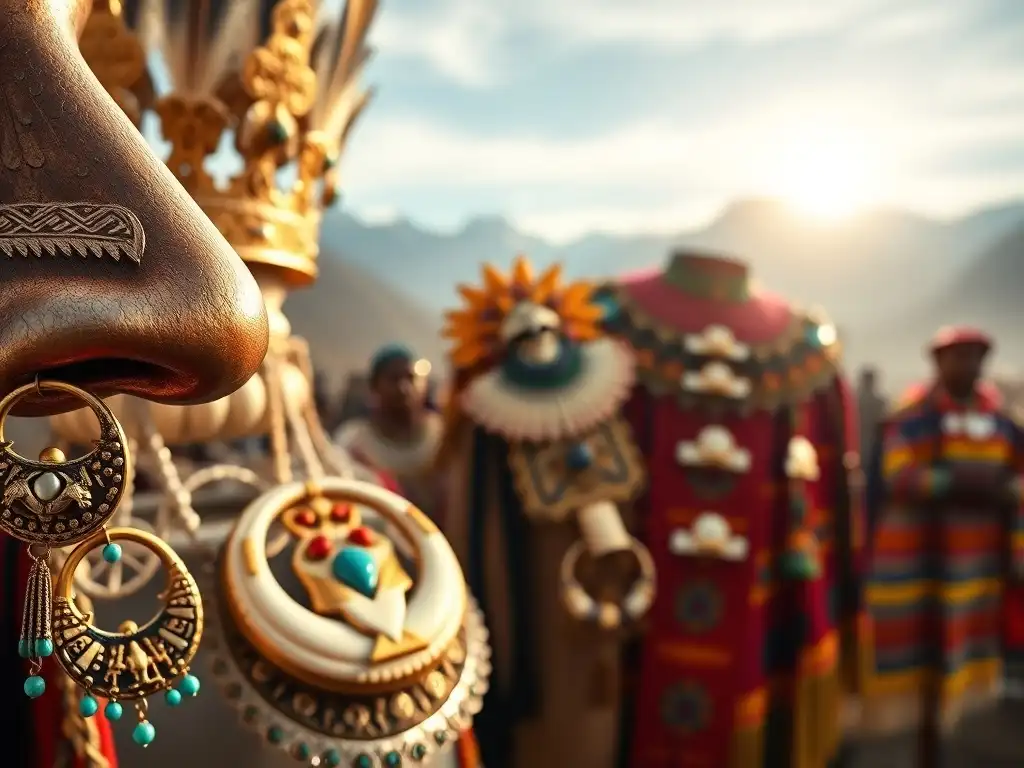
Step into a world lost to time, yet echoing with vibrant artistry and untold stories. Imagine the intricate craftsmanship, the symbolic power, the sheer beauty of Andean jewelry. This website plunges you into the heart of ancient Andean civilizations, revealing the captivating history behind their dazzling creations. Discover the secrets woven into each exquisite piece, from humble adornments to regal crowns—unravel the fascinating evolution of Andean jewelry styles history and prepare to be amazed.
- From Nose Rings to Crowns: Exploring the Diverse Andean Jewelry Styles History
- The Evolution of Andean Jewelry: A Historical Overview
- Regional Expressions in Andean Jewelry
- The Materials and Techniques of Andean Jewelry Craftsmanship
- The Social and Religious Significance of Andean Jewelry
- Conclusion: The Enduring Legacy of Andean Jewelry Styles
- Frequently Asked Questions
- Final Reflection: Echoes of Empire, Whispers of Tradition
- Embrace the Richness of Andean Jewelry!
From Nose Rings to Crowns: Exploring the Diverse Andean Jewelry Styles History
The Andes Mountains, a spine of towering peaks running down the western coast of South America, are home to a rich tapestry of ancient civilizations. For millennia, these cultures—including the Incas, Moche, Nazca, and Tiahuanaco—developed sophisticated techniques in metalworking and jewelry creation, producing exquisite pieces that served not only as adornment but also as potent symbols of social status, religious beliefs, and political power. This article delves into the fascinating world of Andean jewelry styles, exploring their historical context, diverse forms, and the intricate craftsmanship that defined them.
We will uncover the stories embedded within nose rings, earrings, headdresses, and crowns, revealing the artistry and cultural significance of these remarkable artifacts. Understanding these styles offers a unique window into the beliefs, practices, and social structures of these remarkable Andean societies, providing a deeper appreciation for their enduring legacy.
This exploration will highlight the evolution of Andean jewelry-making techniques and the regional variations that reflect the unique identities of different Andean cultures. We will examine the materials used, the symbolic meanings associated with specific designs, and the techniques employed to create these breathtaking pieces, enriching our understanding of "Andean jewelry styles history."
Introduction to Andean Jewelry: A Reflection of Culture and Power
Andean jewelry wasn't merely decorative; it was a powerful statement of identity and social standing. From the humblest nose ring to the most elaborate gold crown, each piece held symbolic weight within its respective society. The materials used—gold, silver, copper, turquoise, shell, and various stones—were carefully selected, often holding significant religious or spiritual meaning.
For example, gold, often associated with the sun and divinity, was frequently used in royal and religious contexts, while other materials like turquoise were valued for their vibrant color and believed to possess protective powers. The intricate designs and craftsmanship evident in these pieces demonstrate a high level of skill and artistry. The techniques employed, including casting, hammering, repoussé, and inlay, evolved over time, reflecting the advancements in Andean metalworking technology.
The styles themselves varied significantly across different regions and time periods, reflecting the diverse cultures and traditions of the Andes. We will examine specific examples to illustrate the richness and complexity of Andean jewelry, showcasing its role as a vital component of Andean social and religious life.
The creation of Andean jewelry was not a simple craft; it was a complex process deeply embedded in the social and religious fabric of these societies. The artisans, often highly skilled specialists, held a respected position within their communities, their work reflecting the cultural values and beliefs of their time. The designs themselves were not arbitrary; they often incorporated symbolic motifs representing deities, animals, plants, and other elements of the Andean worldview.
These motifs, carefully crafted and arranged, conveyed powerful messages about the wearer's identity, status, and relationship to the spiritual world. The use of specific materials and techniques further enhanced the symbolic meaning of the jewelry, adding layers of cultural significance to these already breathtaking artifacts.
The study of Andean jewelry, therefore, offers a unique perspective into the complex interplay of art, religion, and society in the ancient Andes. We will now explore some of the key characteristics of different Andean jewelry styles across different cultures and time periods.
The Evolution of Andean Jewelry: A Historical Overview
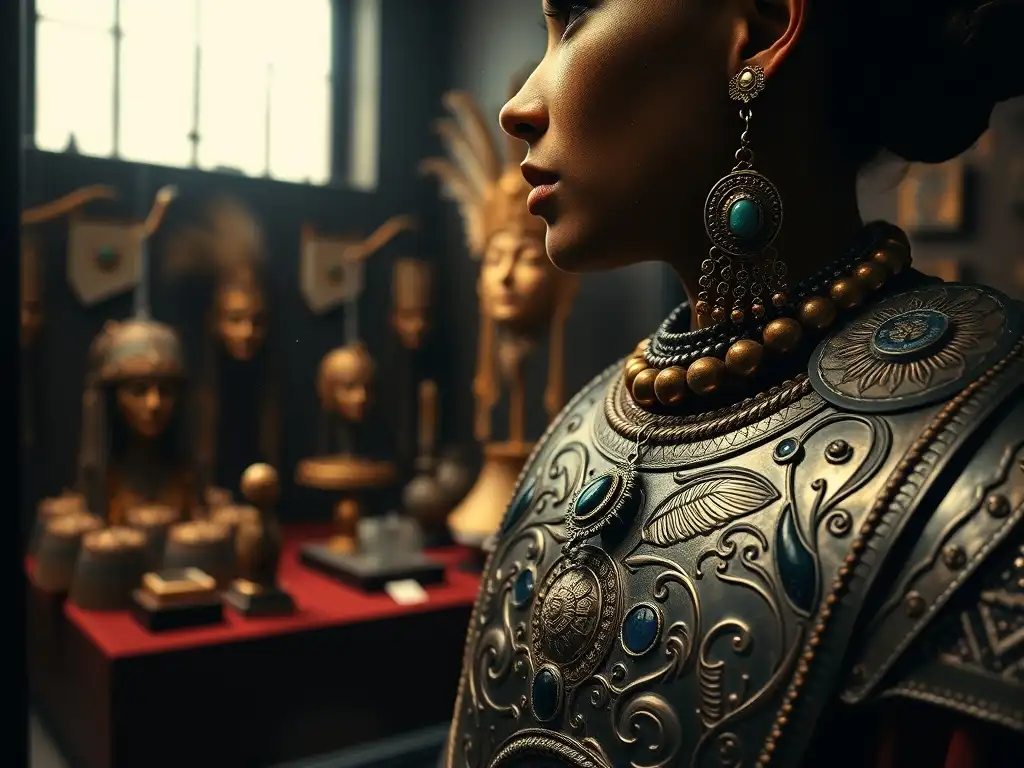
This section delves into the fascinating evolution of Andean jewelry, tracing its development from pre-Inca traditions to the imperial splendor of the Inca Empire. We will explore the diverse materials, techniques, and symbolic meanings embedded within these exquisite artifacts, providing a deeper understanding of Andean jewelry styles history. The journey reveals not just aesthetic shifts, but also evolving social structures, religious beliefs, and technological advancements. Understanding this evolution is key to appreciating the artistry and cultural significance of Andean jewelry.
Pre-Inca Jewelry Traditions: Foundations of Andean Metalworking
The creation of Andean jewelry wasn't a sudden emergence; it was a gradual process built upon centuries of experimentation and refinement. Long before the Inca Empire, various Andean cultures developed sophisticated metalworking techniques, laying the groundwork for the later imperial styles. These early traditions, while diverse, shared some common threads, demonstrating a remarkable continuity in artistic expression across different regions and time periods.
Early Andean Ornamentation: Materials and Techniques
Early Andean ornamentation utilized readily available materials. Before widespread access to precious metals, artisans skillfully crafted jewelry from natural materials like shells, bone, wood, stone, and textiles. Techniques included carving, weaving, polishing, and the use of pigments for decoration. For example, the Chavín culture (900-200 BCE) is known for its intricate carved bone and stone pendants, showcasing their advanced understanding of material manipulation. The use of spindle whorls, found in various pre-Inca sites, suggests early experimentation with shaping and decorating smaller, portable objects. This early experimentation laid the foundation for future metalworking techniques.
The Significance of Gold in Pre-Inca Cultures
The discovery and use of gold marked a significant turning point in Andean jewelry making. While its precise date of initial use varies regionally, gold's association with divinity and power is evident across multiple pre-Inca cultures. The Moche (100-800 CE) are renowned for their masterful goldwork, creating intricate figures and elaborate ornaments that often depicted mythological beings and scenes. The rarity and inherent beauty of gold elevated its status, making it a symbol of elite power and religious authority. The careful preservation of these gold objects in tombs reflects their enduring cultural importance.
Regional Variations in Early Jewelry Design
Despite shared influences, significant regional variations existed in pre-Inca jewelry design. The Nazca culture (100 BCE – 800 CE), for example, is distinguished by its delicate gold and copper jewelry, often featuring geometric patterns and stylized animal motifs. In contrast, the Paracas culture (700-100 BCE) is known for its textiles adorned with intricate embroidery, showcasing a different approach to ornamentation. These variations highlight the diverse artistic expressions across the Andean region, reflecting unique cultural identities and beliefs. The stylistic differences point to a rich tapestry of artistic traditions that influenced later Andean jewelry styles.
Inca Jewelry: Imperial Splendor and Symbolic Significance
The Inca Empire (1438-1533 CE) inherited and refined the pre-existing metalworking traditions, achieving unparalleled levels of artistry and sophistication. Inca jewelry served not only as adornment but also as potent symbols of power, status, and religious beliefs. The empire's vast resources and centralized control allowed for the production of elaborate jewelry on an unprecedented scale.
Inca Metalworking Mastery: Techniques and Innovations
Inca metalworkers were masters of their craft, employing advanced techniques such as hammering, casting, repoussé, and soldering to create intricate and durable pieces. They also demonstrated a remarkable understanding of alloys, manipulating the properties of gold, silver, and copper to achieve specific colors and textures. The Inca's mastery of these techniques enabled them to create incredibly detailed and lifelike representations of animals, deities, and other symbolic imagery. This level of skill is evident in the intricate detail found on many surviving pieces.
Royal Inca Jewelry: Crowns, Ear Spools, and Pectorals
Royal Inca jewelry was particularly lavish and symbolic. Crowns, often made of gold and adorned with precious stones, were a hallmark of imperial power. Large ear spools, called tupus, indicated high social standing, with size and material reflecting the wearer's importance. Pectorals, elaborate breast ornaments, were often intricately designed and served as powerful displays of royal authority and religious significance. The meticulous craftsmanship and the use of rare materials in royal jewelry served to reinforce the Inca emperor's divine status and the power of the empire.
The Use of Precious Stones and Metals in Inca Ornaments
Inca jewelry incorporated a wide range of precious stones and metals, each carrying specific symbolic meanings. Gold, representing the sun and the Inca emperor's divine connection, was highly valued. Silver, associated with the moon and fertility, was also frequently used. Precious stones like turquoise, lapis lazuli, and emeralds were carefully selected and inlaid into gold or silver settings, enhancing the aesthetic and symbolic value of the ornaments. The combination of these materials created visually stunning and symbolically rich pieces that reflected the Inca worldview. The strategic use of these materials underscores the deep symbolic meaning embedded within Inca jewelry.
Regional Expressions in Andean Jewelry
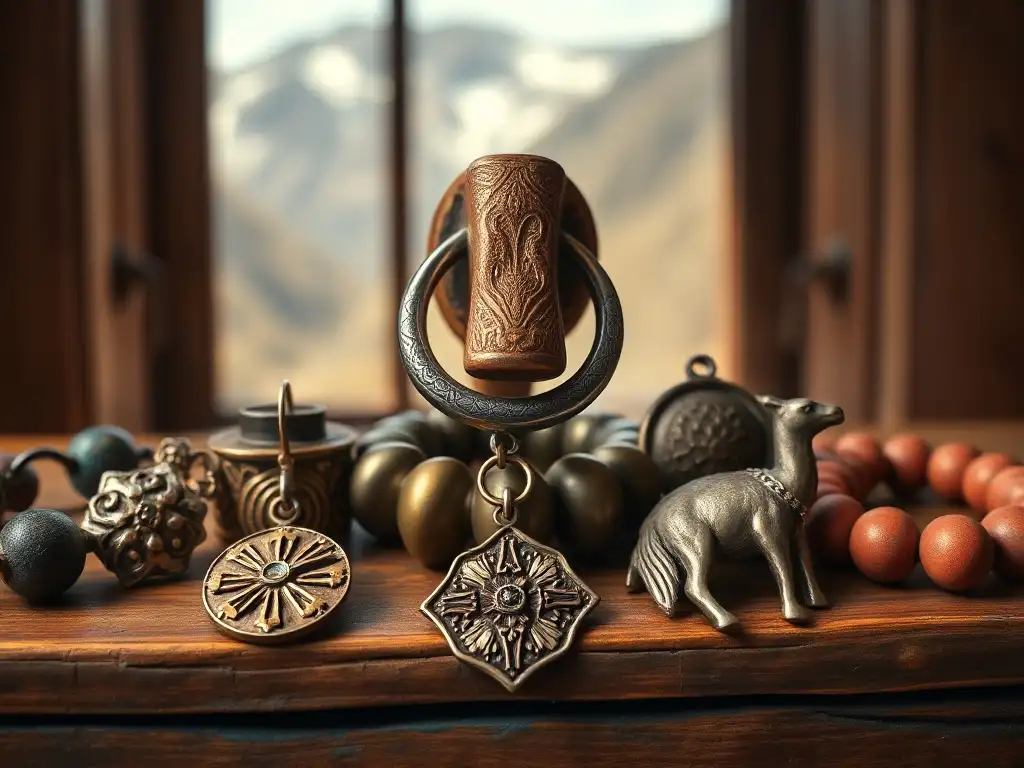
The diverse geography and independent cultural trajectories of the Andean region resulted in a fascinating array of jewelry styles. While gold, silver, and precious stones were common across many cultures, the specific techniques, motifs, and symbolic meanings varied significantly. Understanding these regional expressions is crucial to appreciating the richness and complexity of Andean jewelry styles history. The artistry and craftsmanship displayed in these pieces offer invaluable insights into the beliefs, social structures, and technological capabilities of each civilization. This section will delve into the distinct styles of two prominent cultures: the Moche and the Nazca.
Moche Jewelry: Elaborate Designs and Warrior Motifs
Moche jewelry, dating from roughly 100-800 CE, is renowned for its intricate designs and the use of high-quality materials. Gold, silver, copper, and semi-precious stones were skillfully worked into elaborate pieces, reflecting the sophisticated metalworking techniques of the Moche. The use of lost-wax casting, repoussé, and filigree techniques allowed for the creation of highly detailed and three-dimensional ornaments.
Moche Goldwork: Masks, Headdresses, and Jewelry
Moche goldsmiths were masters of their craft. They produced stunning examples of goldwork, including intricate masks depicting powerful figures, often warriors or deities. These masks, frequently found in elite tombs, were not merely decorative; they likely played significant roles in rituals and funerary practices. Headdresses and necklaces, often adorned with turquoise, spondylus shell, and other precious materials, further complemented these ceremonial ensembles. The sheer technical skill involved in creating such delicate and detailed pieces underscores the advanced level of Moche metalworking. The precision and artistry are remarkable, showcasing a profound understanding of metallurgy and design.
Iconography in Moche Jewelry: Mythological and Ritual Themes
Moche jewelry often incorporates powerful iconography, reflecting their complex mythology and religious beliefs. Common motifs include stylized representations of jaguars, birds of prey, and supernatural beings. These images were not randomly chosen; they carried specific symbolic meanings related to power, fertility, and the cosmos. For example, the jaguar, a powerful predator, symbolized strength and might, while birds of prey represented the connection between the earthly and celestial realms.
Analysis of these motifs offers valuable insights into Moche cosmology and religious practices. Detailed studies of the iconography reveal a sophisticated understanding of their world and their place within it. The recurring themes and stylistic choices suggest a highly structured and codified system of beliefs.
Nazca Jewelry: Geometric Patterns and Textile Inspirations
In contrast to the elaborate figural representations of the Moche, Nazca jewelry (c. 100 BCE – 500 CE) is characterized by its geometric designs and the frequent use of shell. While gold and silver were still employed, the Nazca demonstrated a preference for incorporating textiles and shell into their ornaments, reflecting the importance of weaving in their culture.
Nazca Jewelry Techniques: Working with Gold and Silver
While the Nazca also employed lost-wax casting, their gold and silver work often exhibits a simpler aesthetic than that of the Moche. They favored hammered and repoussé techniques, creating flat, sheet-like ornaments with geometric patterns. The use of thin sheets of metal allowed for greater flexibility in design, and intricate cut-outs were sometimes incorporated to create delicate, lace-like effects.
The overall effect is one of elegance and restraint, different from the often exuberant style of the Moche. Further research is needed to fully understand the nuances of their metalworking techniques and their relationship to the available resources. [Specific information pending on the precise metallurgical analysis of Nazca gold and silver].
The Use of Shell and Other Materials in Nazca Ornaments
The Nazca’s extensive use of shell in their jewelry is particularly noteworthy. Spondylus shell, imported from coastal areas, was a highly valued material, often used in conjunction with gold and silver. Other materials, such as turquoise, obsidian, and various types of stone, were also incorporated into their ornaments, creating a visually striking palette of colors and textures. The intricate carving and polishing of the shell pieces demonstrate advanced craftsmanship. The careful selection and arrangement of these materials suggest a deep understanding of their symbolic significance.
Nazca Jewelry and its Relation to Weaving
A striking feature of Nazca jewelry is its strong connection to textile traditions. Many ornaments replicate patterns and motifs found in their renowned textiles. The geometric designs, often featuring triangles, zigzags, and stepped patterns, are strikingly similar to those found on Nazca textiles. This suggests a close relationship between the two crafts, with ideas and techniques flowing between them. This interconnectedness highlights the integral role of weaving in Nazca society and its influence on their artistic expression, including their jewelry. The stylistic parallels emphasize a shared aesthetic sensibility and a cohesive cultural identity.
Tiahuanaco Jewelry: Symbolic Representations and Cosmic Vision
The Tiahuanaco culture, flourishing in the Andean highlands from approximately 500 CE to 1000 CE, produced jewelry reflecting a sophisticated cosmology and social hierarchy. Their artistry wasn't merely decorative; it was a powerful means of communicating religious beliefs and social status. Unlike some other Andean cultures that favored gold extensively, Tiahuanaco artisans skillfully worked with a wider range of materials, including silver, copper, and various types of stone.
This diverse material palette reflects a deep understanding of the surrounding environment and its resources, further enhancing the symbolic weight of their creations. The intricate designs often incorporated geometric patterns, stylized animals, and anthropomorphic figures, all deeply intertwined with their spiritual worldview. Their jewelry wasn't simply adornment; it served as a tangible link between the earthly and spiritual realms.
The meticulous craftsmanship evident in Tiahuanaco jewelry showcases a high level of technological skill and artistic mastery, reflecting a society with strong organizational structures capable of supporting such specialized labor. The survival of numerous pieces, albeit fragmented in many cases, provides invaluable insight into the cultural values and beliefs of this fascinating civilization. The persistence of these motifs in later Andean cultures underscores their enduring impact on the region's artistic traditions.
Tiahuanaco Metalworking and Stoneworking
The technical prowess of Tiahuanaco artisans is readily apparent in their mastery of both metalworking and stoneworking techniques. In metalworking, they demonstrated proficiency in techniques like hammering, casting, and inlaying. The use of alloys, suggesting a sophisticated understanding of metallurgy, is evident in some of the surviving artifacts. They weren't limited to simple shapes; rather, they created intricate three-dimensional forms, often incorporating elements of both metal and stone in a single piece.
This combined approach demonstrates a highly advanced understanding of material properties and their manipulation. Stoneworking was equally impressive. The artisans expertly carved semiprecious stones like turquoise, lapis lazuli, and obsidian, creating meticulously detailed pendants, beads, and other decorative elements.
The precision and the fine detail achieved in these pieces are testament to their skill and patience. The use of these materials, often sourced from distant locations, highlights the extensive trade networks that supported the Tiahuanaco civilization and enabled access to these valuable resources. The tools used in both metalworking and stoneworking, while largely lost to time, can be inferred from the quality and precision of the finished products, suggesting a level of sophistication comparable to, if not exceeding, that of contemporary cultures in other parts of the world.
The Sun God and its Representation in Tiahuanaco Jewelry
A prominent motif in Tiahuanaco jewelry is the representation of the Sun God, a central figure in their pantheon. This deity wasn't depicted in a standardized way; rather, its representation varied across different artifacts, suggesting a multifaceted understanding of its nature and power. Sometimes, the Sun God is depicted as a stylized human face, often with exaggerated features, while other times, it appears as a more abstract symbol, such as a radiating sun disk or a complex geometric pattern.
The use of specific materials, like gold for its association with the sun's brilliance, further enhanced the symbolic meaning. The placement of these symbols on specific garments or jewelry items also likely held significant meaning, indicating the wearer's status and connection to the divine.
The variations in its representation, far from being inconsistent, highlight the evolving interpretations and understanding of this crucial deity within the Tiahuanaco religious system. Further research into the iconography and symbolism associated with the Sun God in Tiahuanaco jewelry could potentially unlock further insights into their cosmological beliefs and religious practices.
The Role of Jewelry in Tiahuanaco Society
Tiahuanaco jewelry played a multifaceted role in their society, extending far beyond mere adornment. It served as a powerful indicator of social status, with elaborate pieces suggesting high rank and prestige. The complex designs and the use of rare materials were likely reserved for the elite, reinforcing their power and authority. Beyond social status, jewelry also played a significant role in religious rituals and ceremonies.
Certain pieces may have been used in sacred performances, acting as intermediaries between the earthly and spiritual realms. The presence of specific symbols and motifs on jewelry could have been used to invoke divine protection or to signify a connection to particular deities. The meticulous craftsmanship of the jewelry itself can be seen as a form of religious devotion, demonstrating the artisans' commitment to their craft and their belief in the power of their creations.
The careful burial of jewelry with individuals suggests its importance in the afterlife, implying a belief in its continued relevance beyond the physical realm. In essence, Tiahuanaco jewelry was more than just decoration; it was a vital component of their social structure, religious beliefs, and cosmological understanding. Understanding its role provides deeper insight into the complexities of Tiahuanaco society and culture.
The Materials and Techniques of Andean Jewelry Craftsmanship
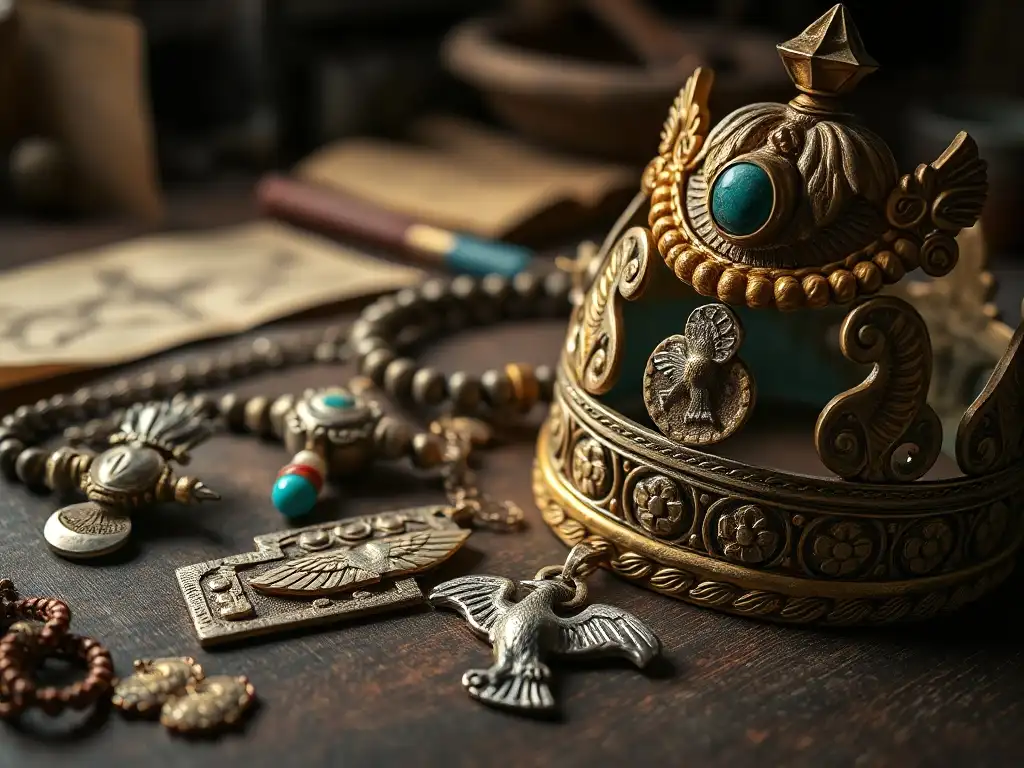
The artistry of Andean jewelry is not only reflected in its stunning designs but also in the sophisticated metallurgical techniques employed. Understanding the materials and processes involved reveals a level of technological advancement that belies the often-romanticized image of "primitive" cultures. The creation of these exquisite pieces involved a complex interplay of resource acquisition, metalworking expertise, and artistic vision, all contributing to the enduring legacy of Andean jewelry styles history. The diversity of styles across different cultures and time periods highlights the ingenuity and adaptability of Andean artisans.
Extraction and Processing of Metals in the Andes
The Andean region boasts a rich endowment of metallic ores, providing the raw materials for the flourishing metalworking traditions. Access to these resources, and the methods used to extract and process them, played a pivotal role in shaping the unique characteristics of Andean jewelry styles.
Mining Techniques in the Ancient Andes
Andean miners employed a variety of techniques to extract ores, adapting their methods to the specific geological conditions. Evidence suggests the use of open-pit mining, particularly for easily accessible deposits. For deeper veins, shafts were dug, sometimes reaching considerable depths. Tools included stone hammers, chisels, and picks, alongside ingenious systems of drainage and ventilation to manage the challenges of subterranean work.
The scale of some mining operations, particularly during the Inca period, indicates a high level of organizational capacity and labor mobilization. The impact of mining on the landscape and the social organization of Andean communities warrants further investigation. [Specific details on Inca mining infrastructure pending].
Smelting and Refining Processes
The transformation of raw ores into usable metals required sophisticated smelting techniques. Andean metallurgists used furnaces, often constructed of clay or stone, to heat the ores to high temperatures. The addition of charcoal as fuel, along with carefully controlled airflow, was crucial to the smelting process. The resulting metal, however, was often impure and required further refining.
Techniques such as cupellation were employed to remove impurities, resulting in a higher-quality metal suitable for crafting intricate jewelry pieces. The development and refinement of these metallurgical processes represent a significant technological achievement within the context of Andean jewelry styles history. The efficiency of these processes varied across different Andean cultures and time periods. [Data on the specific types of furnaces used by different cultures pending].
Techniques for Shaping and Decorating Andean Jewelry
Beyond the extraction and processing of metals, the skill of Andean artisans lay in their ability to shape and decorate the metal into breathtaking works of art. A range of techniques, each demanding precision and expertise, were mastered to create the diverse array of Andean jewelry styles.
Hammering and Repoussé
Hammering was a fundamental technique used to shape sheets of metal into desired forms. This involved striking the metal with hammers of varying sizes and shapes, often on an anvil or other supporting surface. Repoussé, a more advanced technique, involved shaping the metal from the back, creating raised designs on the surface.
This technique allowed for the creation of intricate three-dimensional forms, evident in many examples of Andean jewelry. The skill and precision required for repoussé highlight the advanced metalworking capabilities of Andean artisans. The use of different hammer weights and striking patterns allowed for subtle variations in texture and form.
Soldering and Gilding
Soldering, the joining of metal pieces using a lower-melting-point alloy, allowed for the creation of complex designs from smaller components. This technique is particularly evident in the construction of intricate necklaces and earrings. Gilding, the application of a thin layer of gold to another metal, enhanced the visual appeal and value of jewelry pieces. The precise control required for soldering and gilding reveals the advanced metallurgical knowledge of Andean artisans. The choice of solder and gilding techniques varied depending on the desired outcome and the availability of materials.
The Use of Inlay and Filigree
Inlay involved setting precious stones or other materials into depressions in the metal, creating visually striking contrasts and adding further richness to the design. Filigree, a delicate technique involving the use of fine wires to create intricate patterns, added a level of refinement and complexity to many Andean jewelry pieces. These techniques, often combined with hammering, repoussé, and soldering, demonstrate the mastery of Andean artisans.
The specific types of stones and metals used in inlay varied across different regions and time periods, reflecting both artistic preferences and resource availability. The delicate nature of filigree work speaks to the remarkable skill and patience of the artisans involved, adding a new dimension to the understanding of Andean jewelry styles history.
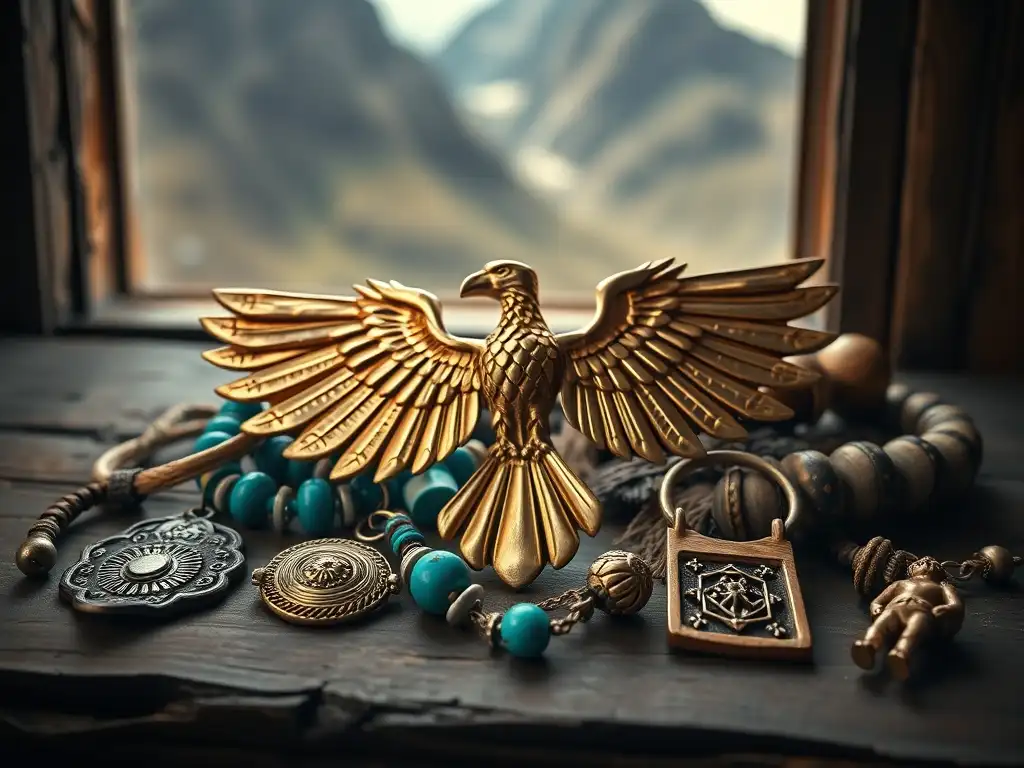
Andean jewelry, far from being mere adornment, held profound social and religious significance for the diverse cultures that inhabited the Andes Mountains. Its intricate designs, precious materials, and strategic placement on the body communicated crucial information about an individual's social standing, religious affiliation, and even their relationship to the supernatural world. The study of Andean jewelry styles history reveals a complex interplay between aesthetics, power, and spirituality. Understanding this context is key to appreciating the artistry and cultural depth of these remarkable artifacts.
Jewelry as a Symbol of Status and Power
The type and quantity of jewelry worn by an individual often directly reflected their position within the social hierarchy. Elites, including rulers, priests, and high-ranking officials, adorned themselves with lavish pieces crafted from gold, silver, and precious stones like turquoise and lapis lazuli. These luxurious materials were not readily available to commoners, reinforcing the visual distinction between social classes.
Social Hierarchy Reflected in Jewelry Design
Larger, more intricately designed pieces, often incorporating symbolic motifs like feline imagery (associated with power and divinity in many Andean cultures) or representations of deities, were reserved for the elite. Commoners, on the other hand, might wear simpler jewelry made from less expensive materials like shell, bone, or copper. Even the style of the jewelry varied depending on social status. For example, elaborate headdresses were a hallmark of royal power, whereas simpler ear ornaments might be worn by a wider segment of the population. Analysis of numerous archaeological finds consistently supports this correlation between jewelry complexity and social standing.
The Use of Jewelry in Political and Religious Ceremonies
Andean jewelry played a vital role in political and religious ceremonies. Rulers and priests would wear specific jewelry items during important rituals, enhancing their authority and reinforcing their connection to the divine. These ceremonial pieces often incorporated symbolic elements related to the specific rite being performed, further emphasizing their significance. For instance, jewelry depicting agricultural deities might be worn during harvest festivals, while pieces representing celestial bodies might feature prominently in astronomical ceremonies. The careful placement and selection of jewelry for these events was critical to their success and legitimacy.
Andean Jewelry and Ritual Practices
The use of jewelry extended beyond mere adornment and social signaling; it was deeply intertwined with various ritual practices across different Andean cultures. The materials, designs, and contexts of discovery all point to a rich tapestry of beliefs and practices centered around jewelry.
Jewelry in Funerary Rites
Jewelry played a crucial role in funerary rites. Elaborate burial assemblages often included a significant amount of jewelry, indicating its importance in the afterlife. The types of jewelry included in a burial could reflect the deceased's social status and spiritual beliefs. For instance, high-status individuals might be buried with gold masks and elaborate necklaces, while those of lower status might have simpler offerings. This practice highlights the belief in a continuation of social identity and spiritual power even after death. The quantity and quality of funerary jewelry provides invaluable insight into Andean worldview and social organization.
The Role of Jewelry in Shamanic Practices
Some Andean jewelry appears to have been specifically associated with shamanic practices. Certain materials, like certain types of stones believed to possess supernatural properties, were incorporated into jewelry worn by shamans during rituals. These pieces might have been used to facilitate communication with the spirit world or to enhance the shaman's power.
The intricate designs on some shamanic jewelry often incorporated motifs related to supernatural beings or forces, reinforcing their symbolic meaning. Further research is needed to fully understand the specific roles of different types of jewelry in shamanic rituals across various Andean cultures. [Specific information pending: detailed analysis of shamanic jewelry from different Andean cultures].
Symbolic Meanings of Different Jewelry Pieces
The symbolic meanings associated with different types of Andean jewelry varied considerably depending on the specific culture and historical period. However, some recurring themes emerge. For example, feline imagery, as mentioned previously, often represented power and divinity. Condor imagery symbolized strength and the connection between the earthly and celestial realms.
The use of specific colors also held meaning, with gold often associated with the sun and silver with the moon. Detailed analysis of motifs and materials allows for a deeper understanding of the complex symbolic language embedded within Andean jewelry. The intricate interplay of these elements reveals a sophisticated system of visual communication that speaks volumes about the beliefs and values of these ancient civilizations. The enduring legacy of Andean jewelry styles history continues to fascinate and inspire researchers and art enthusiasts alike.
Conclusion: The Enduring Legacy of Andean Jewelry Styles
The artistry and craftsmanship evident in Andean jewelry offer a captivating glimpse into the rich tapestry of ancient Andean cultures. From the intricate goldwork of the Moche to the sophisticated silver pieces of the Inca, these artifacts transcend mere adornment; they serve as powerful symbols of social status, religious belief, and technological prowess.
The sheer variety of styles, materials, and techniques employed speaks volumes about the ingenuity and creativity of Andean metalworkers, a legacy that continues to inspire awe and fascination today. Understanding the historical context of these pieces allows us to appreciate not only their aesthetic beauty but also their profound cultural significance.
The meticulous detail, the symbolic imagery, and the technical mastery displayed in these objects provide invaluable insights into the lives, beliefs, and social structures of the ancient Andean civilizations. Studying Andean jewelry styles history allows us to connect with the past in a tangible way, appreciating the enduring legacy of these remarkable cultures.
The Influence of Andean Jewelry on Contemporary Art
Andean jewelry styles continue to exert a powerful influence on contemporary art and design. The vibrant colors, intricate patterns, and symbolic motifs found in ancient artifacts frequently inspire modern artists and designers. Many contemporary pieces directly echo the forms and aesthetics of pre-Columbian jewelry, reinterpreting ancient designs in new and innovative ways.
For example, the use of gold and silver, combined with traditional techniques like repoussé and filigree, are frequently incorporated into contemporary jewelry making. Moreover, the symbolic power of Andean motifs, such as the condor, the puma, and various deities, is often reinterpreted in modern artistic expressions. This ongoing engagement with the past demonstrates the enduring relevance and artistic impact of Andean metalworking traditions.
The study of Andean jewelry styles history provides a rich source of inspiration for contemporary artists, pushing the boundaries of creativity and innovation while paying homage to the rich cultural heritage of the Andes. This reciprocal relationship enriches both contemporary art and our understanding of the past. We see evidence of this in the growing interest in ethically sourced materials and sustainable practices inspired by ancient Andean resource management.
Preserving the Cultural Heritage of Andean Metalworking
The preservation of Andean metalworking techniques and the cultural heritage associated with them is of paramount importance. Many ancient techniques are still practiced today by artisans in the Andes, but their survival depends on the continued support and promotion of these traditions. Efforts to document and safeguard these skills are crucial to ensuring that this knowledge is not lost.
This includes supporting artisan communities, promoting the sale of authentic pieces, and establishing museums and educational programs dedicated to the study and appreciation of Andean metalworking. Furthermore, the fight against looting and illegal trafficking of artifacts is crucial in protecting the integrity of this cultural heritage. Stronger legal frameworks and international cooperation are essential to combat this illicit trade and preserve these invaluable pieces for future generations.
The protection of these sites and artifacts is not just a matter of preserving historical objects; it's about safeguarding the cultural identity and heritage of Andean communities. By actively engaging in the preservation of Andean jewelry styles history, we ensure that the legacy of these extraordinary civilizations continues to inspire and enrich our world. The task is multifaceted, requiring collaboration between governments, researchers, and communities to ensure the sustainable preservation of this rich cultural heritage for years to come.
Frequently Asked Questions
What is the main focus of Andean jewelry?
Andean jewelry reflects the rich symbolism and artistry of the various civilizations. It wasn't merely adornment, but held religious and social significance, conveying status and beliefs. Styles varied greatly depending on the culture and time period.
How did Andean jewelry styles differ across different cultures?
Each Andean culture developed unique styles. The Inca favored gold and elaborate designs, while the Moche incorporated intricate depictions of their mythology. Nazca jewelry often featured geometric patterns, and Tiahuanaco pieces showed distinctive stylistic elements.
What materials were commonly used in Andean jewelry?
Gold, silver, copper, and precious stones were prominent materials. Artisans also utilized shells, feathers, wood, and textiles. The choice of materials reflected both availability and symbolic meaning within each culture.
What are some examples of common Andean jewelry types?
Common types included earrings, necklaces, nose rings, headdresses, and crowns. The complexity and ornamentation varied significantly based on social status and the specific Andean civilization. Spondylus shells, for instance, held special significance.
Where can I learn more about the history of Andean jewelry styles?
You can explore museums with Andean collections, academic journals, and reputable websites such as this one. Books on Andean archaeology and art history are also excellent resources for further research into the fascinating history of Andean jewelry.
Final Reflection: Echoes of Empire, Whispers of Tradition
The intricate artistry of Andean jewelry, spanning millennia, continues to resonate today, a powerful testament to the enduring spirit of a civilization that shaped the very landscape of South America. From the simple yet elegant nose rings of pre-Columbian cultures to the opulent crowns adorning Inca royalty, these artifacts are not mere adornments; they are tangible threads connecting us to a rich and complex past. Their enduring influence is undeniable, shaping modern artistic expression and inspiring a renewed appreciation for cultural heritage.
The sheer diversity of Andean jewelry styles, as explored throughout this article, underscores the profound impact of cultural exchange and adaptation. The evolution of techniques, materials, and symbolic representations reflects both internal societal shifts and external influences. This dynamic interplay is a powerful reminder of the interconnectedness of human history. The past is never dead. It's not even past.
– William Faulkner. This quote perfectly encapsulates the enduring legacy of Andean jewelry, its forms and meanings echoing through time and influencing the present. The artistry continues to inspire modern artisans, reminding us of the enduring power of tradition.
Consider the intricate detail, the symbolic weight, the sheer artistry present in each piece. Now, imagine the hands that crafted them, the stories they hold, the lives they adorned. You, too, can become a part of this ongoing conversation.
Take a moment to appreciate the beauty and significance of Andean jewelry, not just as historical artifacts, but as living expressions of cultural identity. Seek out museums, explore online resources, and engage with the vibrant tapestry of Andean culture. Let the legacy of these exquisite pieces inspire you to connect with your own heritage and appreciate the rich diversity of human expression.
Embrace the Richness of Andean Jewelry!
Thank you for exploring the vibrant world of Andean jewelry. We hope you've discovered the unique stories and cultural significance behind these exquisite pieces. Now, let's celebrate this art form together.
- Adorn yourself with a piece of Andean jewelry—a unique ring, necklace, or earrings that resonate with your style and heritage.
- Share the beauty! Post a picture of your favorite Andean piece on social media and tag us; connect with others who appreciate this rich tradition.
- Join our community of jewelry enthusiasts! Subscribe to our newsletter for exclusive insights, authentic jewelry care tips, and information on upcoming workshops.
What piece of Andean jewelry captivates you most, and how does it reflect your personal story?