
Tiahuanaco's Treasure Trove: Exploring the Metallurgical Prowess of a Highland Empire

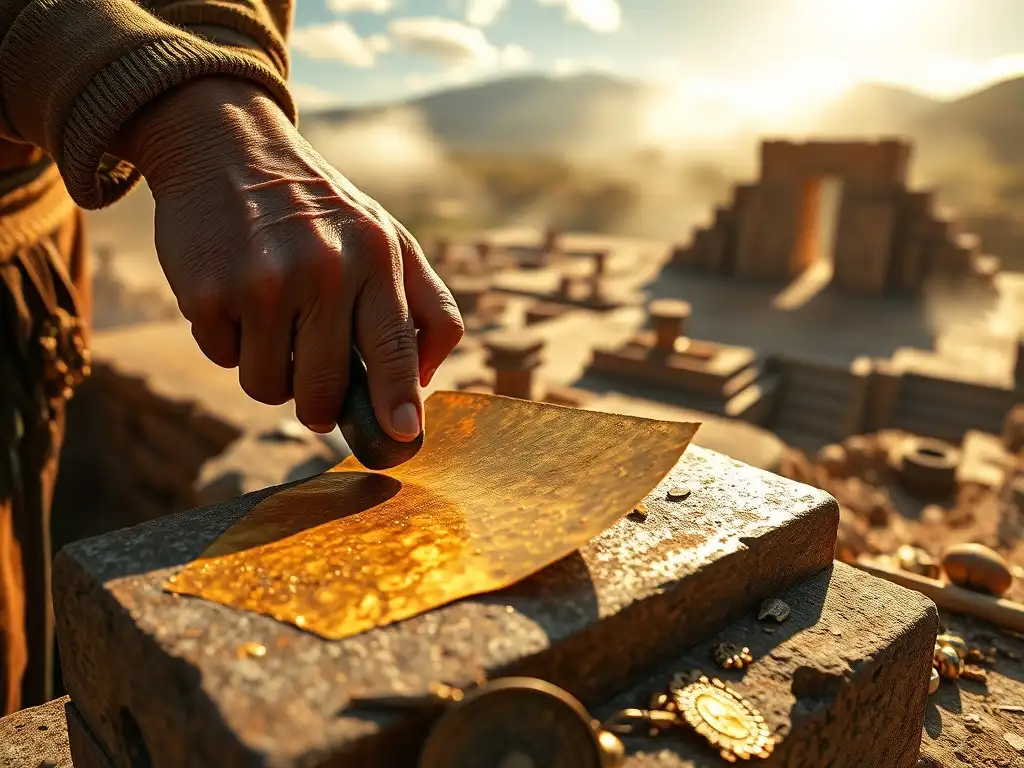
Step into a world lost to time, yet echoing with the whispers of a magnificent empire. Dive into the intricacies of Andean civilization, where innovation thrived amidst towering peaks. Prepare to be amazed by the sophistication of Tiahuanaco metalworking techniques, a testament to the ingenuity of a people who shaped the very landscape they inhabited. Uncover the secrets behind their mastery and the enduring legacy they left behind – a legacy that continues to captivate and inspire us today. Explore further to unravel the mysteries of their artistry and technological prowess.
The high-altitude plains of Lake Titicaca hold a secret, a testament to the ingenuity and artistry of a civilization that thrived thousands of years ago: Tiahuanaco. This enigmatic culture, flourishing between approximately 500 and 1000 CE, left behind not only impressive monumental architecture but also a legacy of sophisticated metalworking techniques.
This article delves into the fascinating world of Tiahuanaco metalworking, exploring the processes, materials, and artistry that characterized this remarkable aspect of their advanced technology, specifically focusing on how their techniques contribute to our understanding of "Tiahuanaco metalworking techniques". We will uncover the secrets behind their mastery of gold, silver, copper, and bronze, and examine the social and symbolic significance of their meticulously crafted artifacts.
The study of Tiahuanaco metalworking offers a unique window into the social structures, religious beliefs, and technological capabilities of this influential Andean civilization. Prepare to be amazed by the ingenuity of a people who transformed humble metals into breathtaking works of art.
Sourcing and Processing of Metals
Tiahuanaco's metalworkers relied on a variety of metals, primarily copper, silver, and gold. Copper sources were likely located in the surrounding Andean region, with specific locations still under investigation by archaeologists. The process of obtaining and refining these metals involved complex techniques.
Evidence suggests the use of fire-assaying to extract the metals from their ores. This process, while labor-intensive, allowed for the separation of the valuable metals from impurities. Further refining techniques, such as hammering and annealing, were employed to improve the malleability and workability of the metals.
The precise methods used remain a subject of ongoing research, but the finished products clearly demonstrate a high degree of metallurgical skill. The sophistication of their techniques is evident in the purity and consistency of the metals found in Tiahuanaco artifacts. Furthermore, the ability to successfully extract and refine metals at high altitudes speaks to their advanced understanding of metallurgy and resource management.
Techniques and Styles in Tiahuanaco Metalworking
Tiahuanaco metalworkers displayed a mastery of various techniques, including hammering, casting, soldering, and inlaying. Hammering was used extensively to shape sheets of metal into intricate forms. Casting, involving the pouring of molten metal into molds, allowed for the creation of more complex shapes and designs. Soldering, a process of joining metal pieces using a filler metal, enabled the creation of larger, more elaborate objects.
Inlaying, the embedding of one metal into another, added further complexity and visual appeal. The styles employed were often characterized by geometric patterns, stylized figures, and representations of mythical beings. These designs frequently incorporated elements found in other Tiahuanaco art forms, such as ceramics and textiles, suggesting a strong connection between different artistic traditions within the culture. The precision and detail evident in the metalwork are astounding, showcasing the skill and artistry of the artisans.
The Significance of Tiahuanaco Metalwork
The metal objects produced by Tiahuanaco were not merely functional; they held significant social and religious importance. Gold, silver, and bronze artifacts were often associated with elite status and power, serving as symbols of authority and prestige. The intricate designs and symbolic imagery found in many objects suggest a close connection to religious beliefs and practices.
For example, representations of deities and mythical creatures may have played a role in rituals and ceremonies. The distribution of these artifacts across the Tiahuanaco empire further indicates their role in maintaining social order and political control. The careful craftsmanship and the use of precious metals highlight the importance of these objects within the social and religious life of the Tiahuanaco people.
The presence of these items in burials also speaks to beliefs about the afterlife and the continuation of social hierarchies in the next world. The study of "Tiahuanaco metalworking techniques" therefore provides crucial insights into the beliefs and practices of this influential culture.
Technological Innovations and Legacy
The achievements of Tiahuanaco metalworkers were remarkable for their time. Their mastery of various metalworking techniques, coupled with their ability to source and refine metals at high altitudes, represents a significant technological advancement. The legacy of Tiahuanaco metalworking can be seen in the subsequent development of metalworking traditions in the Andes.
Their techniques and styles influenced later Andean cultures, contributing to the rich and diverse history of metalworking in the region. The sophisticated metalwork of Tiahuanaco serves as a powerful testament to the ingenuity and artistry of this remarkable Andean civilization, leaving a lasting impact on the cultural landscape of the Andes. Further research into the specifics of their processes promises to reveal even more about their technological prowess and its impact on Andean societies.
- Sourcing and Processing of Metals
- Techniques and Styles in Tiahuanaco Metalworking
- The Significance of Tiahuanaco Metalwork
- Technological Innovations and Legacy
- What metalworking techniques did the Tiahuanaco civilization employ?
- What types of artifacts did Tiahuanaco metalworkers create?
- How advanced were Tiahuanaco's metalworking techniques compared to other Andean cultures?
- What materials did Tiahuanaco metalworkers primarily use?
- Where can I learn more about Tiahuanaco metalworking?
The Rise of Tiahuanaco and its Metallurgical Significance
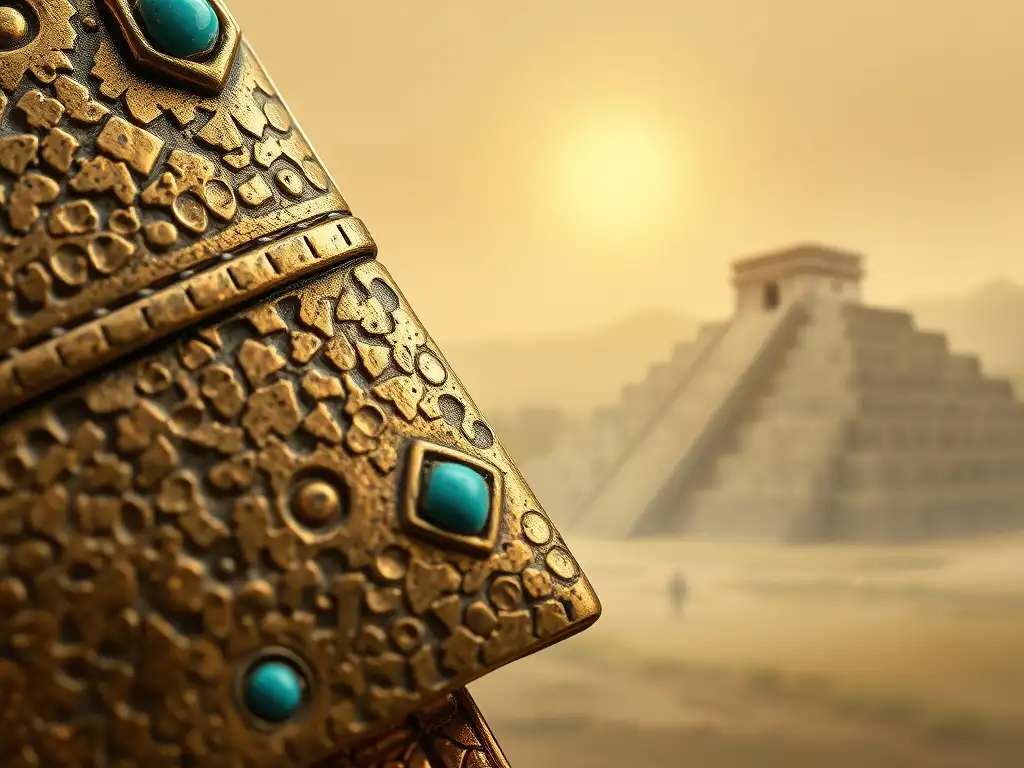
The rise of Tiahuanaco (also spelled Tiwanaku) as a major power in the Andes between roughly 300 and 1000 CE is inextricably linked to its sophisticated metalworking techniques. While Tiahuanaco's monumental architecture and intricate ceramics are well-known, the mastery displayed in its metalwork offers a unique insight into its societal structure, technological advancements, and economic prowess. The development of advanced metallurgical processes wasn't merely a technological achievement; it was a key factor in the empire's political and religious influence, solidifying its position as a dominant force in the Andean region. The sheer artistry and technical skill involved in Tiahuanaco's metalwork demonstrate a level of sophistication rarely seen in contemporary cultures, making the study of its Tiahuanaco metalworking techniques crucial for understanding the civilization's complexity. The scarcity of readily available metal ores in the high Andes only further emphasizes the ingenuity and organizational capacity required to procure, process, and work these precious materials.
Geographic Context of Tiahuanaco Metalworking
Tiahuanaco's location in the high Andes of modern-day Bolivia presented significant challenges and opportunities for its metalworkers. The region is notably deficient in readily accessible copper and other metal ores. This scarcity meant that the procurement of raw materials involved extensive trade networks, extending far beyond the immediate vicinity of the city. Archaeological evidence suggests that Tiahuanaco controlled or had access to distant sources of copper, gold, silver, and other metals, possibly through tributary systems or direct trade partnerships.
The geographic isolation also fostered a unique style of metalworking, adapted to the available resources and the challenging environment. This adaptation is clearly visible in the techniques employed and the types of objects produced. For example, the use of relatively small amounts of metal in intricate ornaments, compared to larger scale works in other Andean cultures, may reflect the challenges of acquiring and processing these scarce resources.
The ingenious methods developed to overcome these geographical constraints highlight the resilience and adaptability of Tiahuanaco's metalworking traditions. Further research is needed to fully map the extensive trade routes and resource networks that supported Tiahuanaco's metallurgical endeavors. [Specific information pending: detailed mapping of Tiahuanaco trade routes for metals]
The production and distribution of metal objects in Tiahuanaco were undoubtedly linked to the empire's complex social hierarchy. Metalworking was not a universally accessible craft; rather, it was likely controlled by specialized groups, possibly associated with the elite or religious institutions. The intricate designs and high-quality craftsmanship evident in surviving artifacts suggest a highly skilled workforce, potentially comprising specialized artisans trained through apprenticeships or hereditary lineages.
The distribution of metal objects further supports this hypothesis. Elaborately crafted gold and silver items were primarily found in elite contexts, including burial sites of high-status individuals and ceremonial centers, suggesting that these objects served as markers of power, status, and religious authority. This contrasts with the less elaborate, and often more functional, bronze and copper tools found in more widespread contexts, indicating a tiered system of metal production and distribution reflecting social stratification.
The creation of these ornate items was no doubt a labor-intensive process, requiring significant investment of time, skill, and resources, emphasizing the considerable social and economic power wielded by those who controlled access to these precious materials and the skilled artisans capable of transforming them into magnificent works of art. The study of Tiahuanaco metalwork, therefore, provides invaluable insights into the socio-political dynamics of the empire, revealing the close relationship between metallurgical expertise and the maintenance of power. Further research into the composition and provenance of Tiahuanaco metal artifacts could reveal even more about their production and distribution networks, offering a clearer picture of the socio-economic structures of this fascinating civilization.
Understanding Tiahuanaco Metalworking Techniques
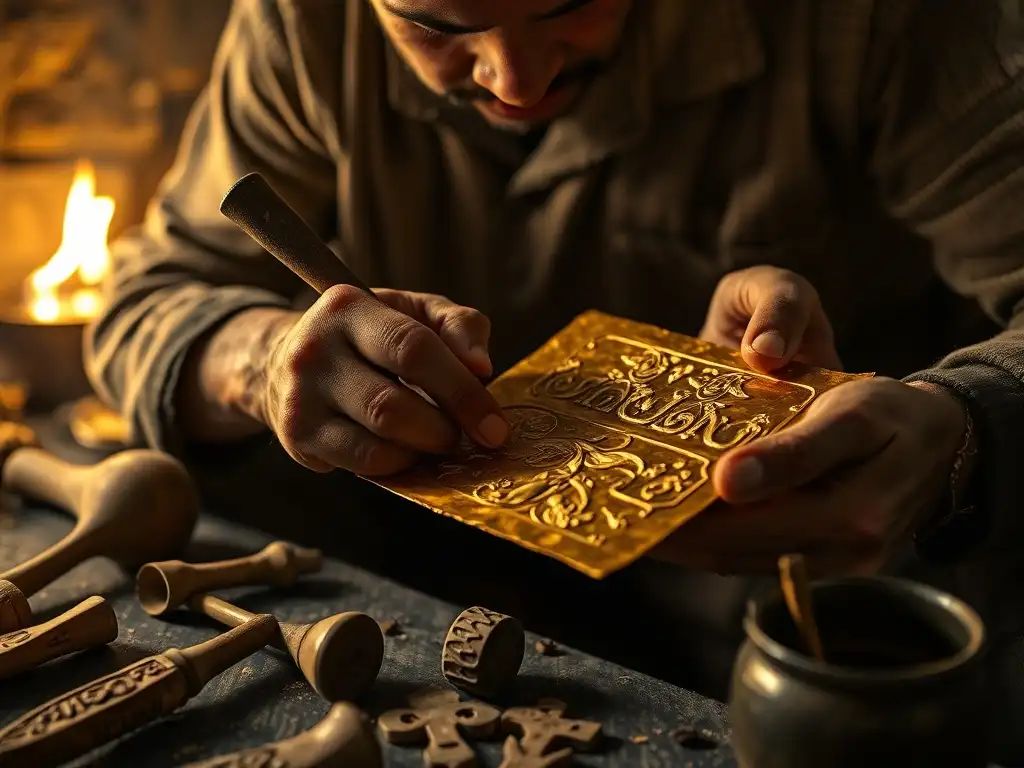
This section delves into the sophisticated metallurgical practices employed by the Tiahuanaco civilization, a culture renowned for its advanced metalworking techniques. We will explore the processes involved in creating the intricate and beautiful metal artifacts that have survived to this day, showcasing the remarkable skill and ingenuity of Tiahuanaco artisans. Understanding these techniques provides crucial insight into their societal structure, technological advancements, and artistic expression. The mastery of metalworking was integral to their social hierarchy and religious practices, cementing Tiahuanaco's position as a powerful and influential Andean civilization.
Smelting and Refining of Copper and Tin in Tiahuanaco
The foundation of Tiahuanaco metalworking lay in their ability to effectively smelt and refine copper and tin, the primary metals used in their creations. Evidence suggests that Tiahuanaco metallurgists employed various techniques to extract these metals from their ores. While the precise details of their smelting processes remain partially obscured by the passage of time, archaeological findings indicate the use of high-temperature furnaces, likely constructed of clay or stone. These furnaces, fueled by charcoal or other readily available fuels, reached temperatures sufficient to melt the ores and separate the metals from impurities.
The refining process was equally crucial. Impurities in the raw metal would significantly compromise the quality and workability of the final product. Tiahuanaco artisans likely utilized techniques like cupellation, a process involving the oxidation of impurities at high temperatures, to achieve a high degree of purity in their copper and tin.
This meticulous attention to detail is evident in the quality of their bronze artifacts, which exhibit remarkable homogeneity and durability, a testament to their advanced metallurgical knowledge. Further research is needed to fully understand the specific chemical processes and the types of fluxes used in their refining techniques. The precise composition of their fuels and the construction details of the furnaces remain areas of ongoing investigation.
Tiahuanaco Metal Casting Methods
Once the copper and tin were refined, Tiahuanaco artisans employed sophisticated casting methods to create their metal objects. Evidence suggests the use of both lost-wax casting and sand casting techniques. Lost-wax casting, a complex process involving a wax model, a clay mold, and molten metal, allowed for the creation of intricate shapes and detailed designs. This technique is particularly evident in the production of small figurines and jewelry.
Sand casting, a simpler method using a sand mold, was likely utilized for larger items or those with less intricate designs. The choice of casting method depended on the complexity and size of the object being produced. The precision and consistency observed in Tiahuanaco metal castings indicate a high level of skill and experience among their artisans. They possessed a deep understanding of metallurgy, controlling factors such as mold temperature and metal pouring techniques to minimize defects and ensure a high-quality finished product. The remarkable survival of many of these artifacts highlights the effectiveness of their casting techniques.
Cold Hammering and Shaping of Metals by Tiahuanaco Artisans
Beyond casting, Tiahuanaco metalworkers also mastered the art of cold hammering and shaping metals. This technique involved repeatedly striking the metal with hammers to shape and refine it. This process required significant skill and precision, as the artisans had to control the force and direction of each strike to avoid damaging the metal. Cold hammering allowed for the creation of thin sheets of metal, which were then used to create intricate decorative elements and functional objects. This technique was often combined with other methods, like casting, to produce complex and visually stunning artifacts.
The ability to cold-hammer metal to such a degree of thinness and precision speaks to their advanced understanding of metal properties and their sophisticated tooling. The use of specialized hammers and anvils, made of materials like stone or possibly even harder metals, is likely, though the exact nature of these tools remains an area of ongoing research. Detailed examination of Tiahuanaco metal artifacts reveals subtle variations in hammering techniques, suggesting specialization among artisans and the existence of different schools of metalworking within the Tiahuanaco empire.
The legacy of these masterful Tiahuanaco metalworking techniques continues to inspire awe and admiration today. Their sophisticated processes and the beauty of their creations offer a unique window into the ingenuity and artistry of this remarkable Andean civilization.
Tiahuanaco Metal Artifacts: A Showcase of Skill
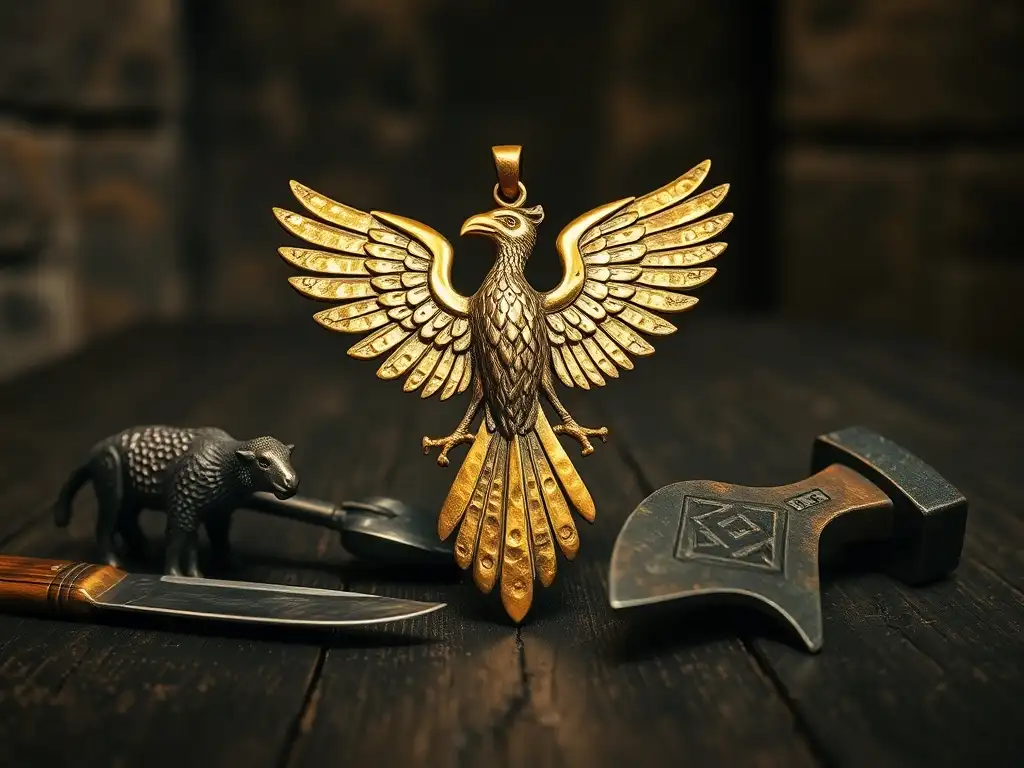
This section delves into the remarkable metal artifacts unearthed from the Tiahuanaco archaeological site, providing a glimpse into the sophisticated metallurgical techniques employed by this pre-Columbian civilization. Tiahuanaco metalworking techniques were highly advanced for their time, showcasing a mastery of diverse processes and a profound artistic sensibility. The surviving artifacts, though limited due to the challenges of preservation in the high-altitude Andean environment, demonstrate a significant level of technological expertise and aesthetic refinement.
The analysis of these pieces offers invaluable insights into the social structures, religious beliefs, and daily life of the Tiahuanaco people. The scarcity of surviving pieces, however, underscores the significance of each discovered artifact and the importance of ongoing preservation efforts.
The Intricate Designs in Tiahuanaco Metal Ornaments
Tiahuanaco's artisans were renowned for their intricate designs, particularly evident in their metal ornaments. These weren't merely functional pieces; they were carefully crafted expressions of artistry and symbolism. Many ornaments feature stylized depictions of animals, such as llamas and condors, reflecting the importance of these creatures in Tiahuanaco culture. Geometric patterns, often incorporating complex weaving-like motifs, are also prevalent.
The precision of these designs, achieved using techniques such as hammering, repoussé, and chasing, speaks volumes about the skill and patience of the metalworkers. The use of different alloys, resulting in varied colors and textures, further enhanced the visual impact of these ornaments. For instance, some ornaments incorporate a combination of gold and copper, creating striking contrasts.
Analysis of the surviving pieces suggests a preference for certain alloys depending on the intended use and aesthetic effect. Further research is needed to fully understand the symbolic meaning behind the specific designs and the choice of materials. The meticulous craftsmanship evident in these ornaments suggests a high level of social stratification, with skilled artisans holding a privileged position within the community.
Functional Metal Tools and Agricultural Implements from Tiahuanaco
Beyond their aesthetic achievements, Tiahuanaco metalworkers also produced a range of functional tools and agricultural implements. These objects, while less visually striking than the ornaments, are equally crucial in understanding the technological capabilities of the civilization. Evidence suggests the widespread use of copper and bronze alloys in the creation of tools for agriculture, such as adzes and hoes.
The durability and sharpness of these tools would have significantly improved agricultural productivity, contributing to the success of Tiahuanaco's sophisticated agricultural system. The shapes and sizes of these implements varied depending on their intended purpose. For example, adzes, used for woodworking, often exhibit a more curved blade compared to hoes used for tilling the land.
Detailed metallurgical analysis of these tools could provide further insights into the techniques employed in their production, including the types of furnaces used and the smelting processes involved. The discovery of these tools highlights the close relationship between metalworking technology and the economic prosperity of Tiahuanaco. The efficiency of their tools likely played a significant role in supporting the large population and complex social structures of the empire.
Religious and Ceremonial Objects Made of Metal in Tiahuanaco
The role of metal in Tiahuanaco's religious and ceremonial practices is clearly demonstrated by the discovery of various metal objects associated with ritual activities. These objects often incorporated symbolic motifs and designs, further emphasizing their religious significance. While the precise function of some objects remains uncertain, their intricate craftsmanship and symbolic imagery point to their use in ceremonies and rituals.
Examples include intricately decorated figurines, possibly representing deities or ancestral figures, and small, ornate vessels that may have been used for libations or offerings. The use of precious metals, such as gold and silver, in these ceremonial objects underscores their importance and the high value placed on these materials within Tiahuanaco society. The careful selection of materials and the meticulous execution of the designs suggest that the creation of these objects was a highly specialized and sacred activity, performed by skilled artisans with a deep understanding of religious symbolism.
Further research, potentially including isotopic analysis of the metals used, could reveal more about the sourcing of these materials and the trade networks that supported Tiahuanaco's religious practices. The study of these artifacts provides valuable clues about the worldview and religious beliefs of the Tiahuanaco people and their sophisticated understanding of metallurgy in the context of their spiritual life.
The Materials Used in Tiahuanaco Metal Production
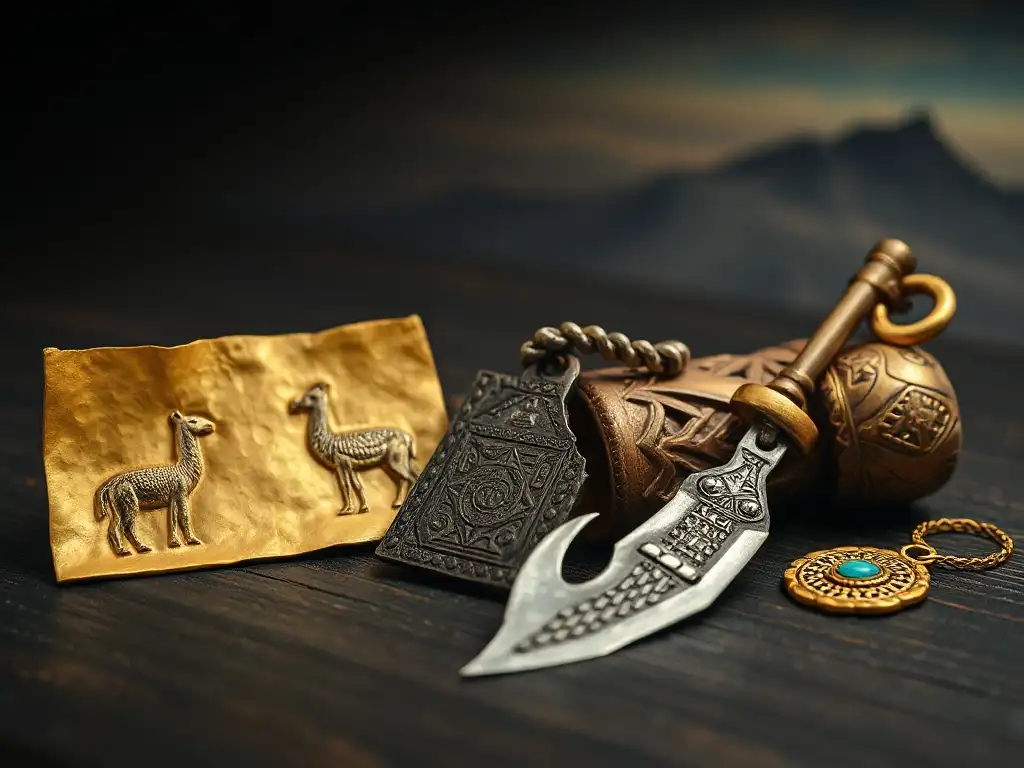
The remarkable metalwork of Tiahuanaco, a civilization flourishing in the highlands of the Andes from roughly 300 CE to 1000 CE, relied on a careful selection and sophisticated processing of available materials. Their artisans weren't limited to a single metal; instead, they expertly manipulated a variety of resources, showcasing a deep understanding of metallurgy and a keen eye for aesthetic detail.
The success of their metalworking techniques rested on their ability to procure and refine these materials effectively. Understanding the sources and processing methods sheds light on the ingenuity and resourcefulness of Tiahuanaco's metalworkers and contributes to our understanding of Tiahuanaco metalworking techniques.
Sourcing and Processing Copper in the Lake Titicaca Basin
Copper constituted a primary metal in Tiahuanaco's metallurgical repertoire. The Lake Titicaca basin, with its rich geological formations, provided a readily available source for copper ores. Evidence suggests that the Tiahuanaco people mined these ores themselves, employing techniques adapted to the challenging high-altitude environment. The process likely involved initial extraction through open-pit mining, followed by crushing and grinding the ore to separate the copper-bearing minerals from the surrounding rock.
The subsequent refining process involved smelting, a technique requiring high temperatures. While the exact methods employed by Tiahuanaco metallurgists remain a subject of ongoing research, it's likely they used furnaces constructed from clay or stone, fueled by locally available materials like wood or charcoal. The intense heat within these furnaces would melt the copper, separating it from impurities.
The molten copper would then be cast into ingots or directly shaped using various techniques, including hammering and annealing (heating and cooling to control malleability). The quality of Tiahuanaco copper artifacts suggests a high degree of control over the smelting process, resulting in relatively pure copper for crafting intricate objects. Further analysis of excavated furnace remnants and slag piles is needed to provide a more complete picture of the smelting techniques used.
The Use of Gold and Silver in Tiahuanaco's Metalwork
Beyond copper, gold and silver played significant roles in Tiahuanaco metalworking. These precious metals, while less abundant than copper, held immense symbolic value and were used to create prestigious objects, often associated with elite status or religious practices. The sourcing of gold and silver likely involved trade networks extending beyond the immediate vicinity of Lake Titicaca. While some deposits might have existed within the region, the quantity and quality of gold and silver artifacts suggest access to more distant sources.
The processing of gold and silver involved techniques similar to those used for copper, but with adjustments made to accommodate the different melting points and malleability of these metals. The artisans demonstrated a remarkable skill in working with these precious metals, creating incredibly delicate and intricate objects, including sheets, wires, and decorative elements.
The use of gold and silver in Tiahuanaco metalwork often involved techniques like hammering, repoussé (hammering from the reverse side to create relief), and chasing (smoothing and refining the surface). The combination of these metals with copper, creating alloys or using them in decorative inlays, further demonstrates the sophistication of Tiahuanaco's metalworking techniques.
Tiahuanaco's Use of Bronze Alloys
While copper was the dominant metal, evidence indicates the Tiahuanaco people also experimented with bronze alloys. Bronze, an alloy primarily composed of copper and tin, offers increased hardness and durability compared to pure copper. The presence of tin in the region is less established than copper, suggesting that tin might have been obtained through extensive trade networks, perhaps from the coastal regions or even further afield. The exact composition of Tiahuanaco bronzes and the extent of their use remain areas requiring further investigation.
The creation of bronze alloys would have required a careful control of the proportions of copper and tin, demanding a sophisticated understanding of metallurgy. The resulting bronze would have been cast and worked similarly to copper, allowing for the creation of tools and possibly decorative items with enhanced properties.
Further research, including detailed metallurgical analyses of Tiahuanaco artifacts, is essential to fully understand the role of bronze in their metalworking tradition and the intricacies of their alloying techniques. The discovery of new artifacts and the application of advanced analytical methods will undoubtedly shed more light on this fascinating aspect of Tiahuanaco's metallurgical achievements.
Tiahuanaco Metalworking: A Comparison with Other Andean Cultures
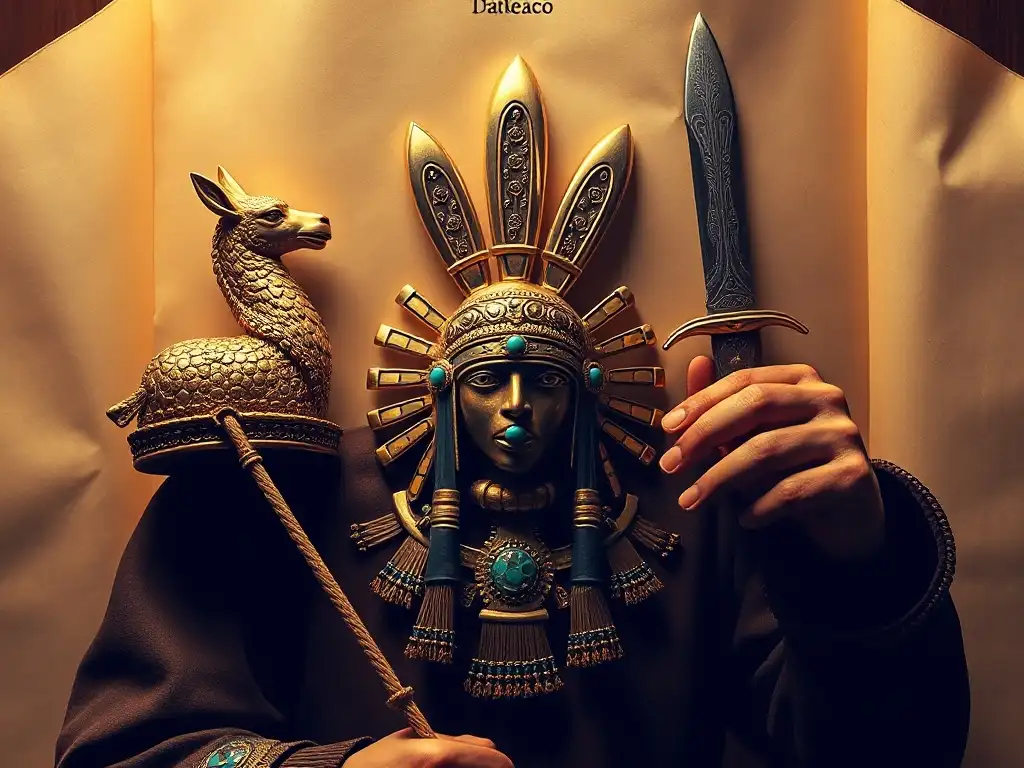
This section delves into the distinctive metallurgical achievements of the Tiahuanaco civilization, contrasting its techniques with those employed by other prominent Andean cultures like the Moche and Inca. Understanding these comparisons illuminates the unique technological advancements and artistic expressions of Tiahuanaco's metalworkers. The analysis focuses on the specific techniques, materials, and stylistic choices that set Tiahuanaco apart, revealing the sophistication and ingenuity of its artisans. While information on precise techniques is sometimes limited due to the scarcity of surviving artifacts and the challenges of archaeological interpretation, we can draw compelling conclusions based on the available evidence.
Contrasting Tiahuanaco's Techniques with Moche Metallurgy
The Moche, known for their elaborate gold and silver work, often employed techniques like repoussé and lost-wax casting with exceptional skill. Their artistry is characterized by highly detailed figurative representations, often depicting deities, warriors, and scenes of daily life. In contrast, Tiahuanaco metalworking, while less prolific in terms of surviving examples, exhibits a different aesthetic and possibly different primary techniques.
While lost-wax casting was likely also used, Tiahuanaco metalwork often showcases a preference for simpler forms and geometric designs. The Moche favored intricate details and highly polished surfaces, whereas Tiahuanaco's surviving artifacts often display a more matte finish and a less elaborate style. This difference might reflect distinct cultural values or different levels of access to resources and specialized labor.
Further research is needed to fully ascertain the extent of the technical overlap or divergence between the two cultures' metalworking practices. For example, the use of alloys and specific annealing processes remains an area requiring further investigation to fully distinguish Tiahuanaco's approach from the Moche's.
Comparing Tiahuanaco Metalwork to Inca Metal Crafting
The Inca, renowned for their mastery of gold and silver, developed sophisticated techniques such as hammering, soldering, and gilding. Their iconic tumi ceremonial knives, for instance, demonstrate a high level of technical skill and artistry. Comparing Inca and Tiahuanaco metalworking reveals interesting contrasts.
While both cultures utilized precious metals, the Inca’s output was far more extensive and diverse. The Inca's mastery of large-scale projects, such as the intricate gold and silver work adorning their temples and palaces, stands in contrast to the comparatively smaller scale and simpler forms often seen in Tiahuanaco artifacts. The Inca developed more advanced techniques for creating seamless joints and intricate designs, suggesting a potentially higher level of specialization within their metalworking workshops.
However, the unique stylistic choices of Tiahuanaco metalwork – the preference for geometric patterns and the use of specific alloys – remain a distinct feature not commonly observed in Inca artifacts. The scarcity of Tiahuanaco metalwork makes a comprehensive comparison challenging, but the available evidence suggests different approaches to both design and the execution of techniques.
Unique Aspects of Tiahuanaco's Metalworking Tradition
One of the most intriguing aspects of Tiahuanaco's metallurgical tradition lies in its relative scarcity compared to other Andean cultures. This scarcity might be due to several factors: the challenging highland environment, which could have limited access to certain ores; the relatively shorter duration of the Tiahuanaco's period of influence compared to the Inca; or, possibly, the loss or destruction of artifacts over time. Despite this scarcity, surviving pieces reveal unique stylistic choices.
The prevalence of geometric designs, often incorporating stylized animal or anthropomorphic motifs, distinguishes Tiahuanaco metalwork. The use of specific alloys, including the potential incorporation of copper and other base metals, also warrants further investigation to better understand their metallurgical choices. Moreover, the functional purpose of many Tiahuanaco metal artifacts remains uncertain, hinting at a potentially more ritualistic or symbolic role for metalwork within their society.
Further analysis of surviving objects, including the application of scientific techniques like X-ray fluorescence (XRF) spectroscopy to determine the exact composition of alloys, is crucial for a more complete understanding of Tiahuanaco's unique metalworking tradition and its place within the broader context of Andean metallurgy. The limited surviving examples, however, necessitate cautious interpretation and further research to fully uncover the secrets of this intriguing highland metalworking tradition.
The Legacy of Tiahuanaco's Metalworking Expertise
The legacy of Tiahuanaco's metalworking expertise is profound and far-reaching, impacting subsequent Andean cultures and leaving behind a fascinating collection of artifacts that continue to captivate researchers and enthusiasts alike. Tiahuanaco's artisans were masters of their craft, demonstrating exceptional skill in various metallurgical techniques, including casting, hammering, and alloying. Their innovative approaches to metalworking, particularly the sophisticated use of alloys to achieve specific colors and properties, set a high standard for later Andean civilizations.
The influence of Tiahuanaco's distinct style and techniques is evident in the metalwork of succeeding cultures, demonstrating a clear lineage and continuity in Andean metallurgical traditions. This section will explore the specific ways Tiahuanaco's metalworking prowess shaped the artistic and technological landscape of the Andes.
The Influence of Tiahuanaco Metalworking on Later Andean Cultures
The impact of Tiahuanaco metalworking on subsequent Andean cultures is undeniable. The stylistic elements, technological innovations, and even the specific types of alloys employed by Tiahuanaco artisans were adopted and adapted by later societies, particularly those in the altiplano region. For instance, the distinctive use of hammered gold sheets to create intricate decorative motifs, a hallmark of Tiahuanaco craftsmanship, can be observed in later Incan metalwork, albeit with variations reflecting the unique characteristics of Incan artistry.
Furthermore, the sophisticated techniques of alloying copper with other metals, such as arsenic and tin, to produce bronze and other alloys with specific properties (strength, color, etc. ), were clearly passed down through generations of Andean metalworkers, influencing the metalworking traditions of the Late Intermediate Period and beyond. The continuity in alloy composition and manufacturing methods suggests a direct transmission of knowledge and skills, underscoring the significance of Tiahuanaco as a pivotal center for Andean metallurgy.
Analysis of isotopic signatures in metal artifacts from different periods could provide further insight into the transmission of materials and techniques across these cultures. [Specific isotopic analysis data pending].
Preserving and Studying Tiahuanaco Metal Artifacts Today
Preserving and studying Tiahuanaco metal artifacts presents unique challenges due to the delicate nature of these objects and the effects of environmental factors over time. Corrosion, oxidation, and the loss of surface detail are common problems. Museum curators and conservators employ a range of techniques to mitigate these issues, including careful environmental control (temperature, humidity), the use of specialized cleaning methods, and the application of protective coatings.
Furthermore, advanced scientific techniques, such as X-ray fluorescence (XRF) spectroscopy and scanning electron microscopy (SEM), are used to analyze the composition of the alloys, identify the manufacturing techniques employed, and understand the degradation processes at play. This detailed analysis provides crucial information about the materials used, the level of technological sophistication, and the cultural significance of these artifacts.
The meticulous documentation of these artifacts, including detailed photographic records and three-dimensional modeling, is also essential for future research and for sharing this important cultural heritage with the wider world. This interdisciplinary approach, combining conservation efforts with advanced scientific analysis, is crucial for safeguarding and understanding Tiahuanaco's remarkable metallurgical heritage.
Future Research Directions in Tiahuanaco Metallurgy
Future research on Tiahuanaco metallurgy should focus on several key areas. Firstly, expanding the database of analyzed artifacts is crucial. While significant progress has been made, a more comprehensive analysis of Tiahuanaco metal artifacts, encompassing a wider range of objects and employing advanced analytical techniques, will provide a more complete picture of their metallurgical practices. Secondly, further investigation into the sourcing of raw materials is needed. Tracing the origins of the metals used in Tiahuanaco metalwork will shed light on the trade networks and economic systems that supported this sophisticated craft.
This could involve isotopic analysis of the metals themselves, as well as archaeological investigations of potential mining sites. Thirdly, a deeper understanding of the social organization of metalworking in Tiahuanaco society is necessary. Who were the artisans? What was their social status? How was the production of metal artifacts organized?
Addressing these questions will provide insights into the social and economic context of Tiahuanaco's remarkable metallurgical achievements. Finally, integrating the study of Tiahuanaco metallurgy with research on other aspects of Tiahuanaco culture will lead to a more holistic understanding of this complex and fascinating civilization. By combining metallurgical analysis with archaeological, iconographic, and anthropological studies, we can gain a richer and more nuanced appreciation of Tiahuanaco's enduring legacy. The possibilities for future discoveries and insights in the field of Tiahuanaco metallurgy are vast and exciting.
Frequently Asked Questions
What metalworking techniques did the Tiahuanaco civilization employ?
The Tiahuanaco were master metalworkers, utilizing techniques like hammering, casting, alloying, and inlay. They skillfully crafted gold, silver, copper, and bronze objects.
What types of artifacts did Tiahuanaco metalworkers create?
Tiahuanaco artisans produced a diverse range of artifacts, including jewelry, tools, weapons, and religious objects. These items often featured intricate designs and high levels of craftsmanship.
How advanced were Tiahuanaco's metalworking techniques compared to other Andean cultures?
Tiahuanaco metalworking was exceptionally advanced for its time, showcasing sophisticated techniques not always found in contemporary Andean societies. Their mastery of alloying and intricate designs was particularly noteworthy.
What materials did Tiahuanaco metalworkers primarily use?
While they worked with several metals, gold, silver, and copper were particularly important materials for Tiahuanaco metalworkers. Bronze, an alloy of copper and tin, was also frequently used.
Where can I learn more about Tiahuanaco metalworking?
You can explore museums with Tiahuanaco collections, academic journals specializing in Andean archaeology, and reputable online resources focusing on Andean civilizations and Tiahuanaco culture to delve deeper into their metallurgical prowess.
Final Reflection: The Enduring Legacy of Tiahuanaco's Metalworkers
The sophisticated metallurgical techniques of Tiahuanaco continue to resonate today, a testament to the ingenuity and artistry of a civilization that thrived in the challenging Andean highlands. Their mastery of gold, silver, and copper, evident in the intricate artifacts unearthed from the site, challenges our understanding of pre-Columbian technology and its global context. The precision and artistry displayed in these pieces are not merely historical curiosities; they are a powerful reminder of human potential and the enduring capacity for innovation, even under the most demanding circumstances.
The impact of Tiahuanaco's metalworking extends far beyond the archaeological record. It speaks to a deeper understanding of cultural exchange and technological diffusion across the Andes, influencing subsequent artistic and metallurgical traditions. The past is never dead. It's not even past.
- William Faulkner. This quote perfectly encapsulates the ongoing relevance of Tiahuanaco's legacy. The techniques and artistic styles developed in this ancient civilization continue to inspire awe and inform our understanding of the rich tapestry of Andean history and its enduring influence on the world. The echoes of their hammers and the gleam of their finished works still speak to us across the millennia.
Consider, for a moment, the sheer skill and dedication required to craft such intricate objects with the limited tools available to Tiahuanaco's artisans. Their achievements serve as a powerful reminder of human potential and the importance of preserving and celebrating our shared cultural heritage. Let us carry forward the spirit of innovation and artistry exemplified by these ancient masters, striving to create our own legacies of ingenuity and beauty in the world today. Let the legacy of Tiahuanaco inspire you to explore your own potential and appreciate the remarkable achievements of past civilizations.
Unleash Your Inner Explorer: Dive Deeper into Tiahuanaco's Secrets!
Thank you for exploring the incredible metallurgical achievements of Tiahuanaco with us! We hope you were inspired by the sophistication of this ancient highland empire. Now, let's build on what you've learned!
Here are some ways to continue your exploration:
- Discover More: Expand your knowledge of Andean history by exploring other articles on our website showcasing the innovations of ancient Andean civilizations.
- Join the Conversation: Share your thoughts and insights in the comments below. Your perspective on Tiahuanaco's achievements could inspire others.
- Get Involved: Learn more about Andean cultures and their preservation by participating in a local museum exhibit, archaeology event, or related activity. Consider how you might contribute to protecting this rich history.
Which aspect of Tiahuanaco's metallurgical skills most fascinates you, and how do you think this expertise impacted the lives of its people?