
The Miniature World: Detailed Metalwork on Andean Ritual Objects

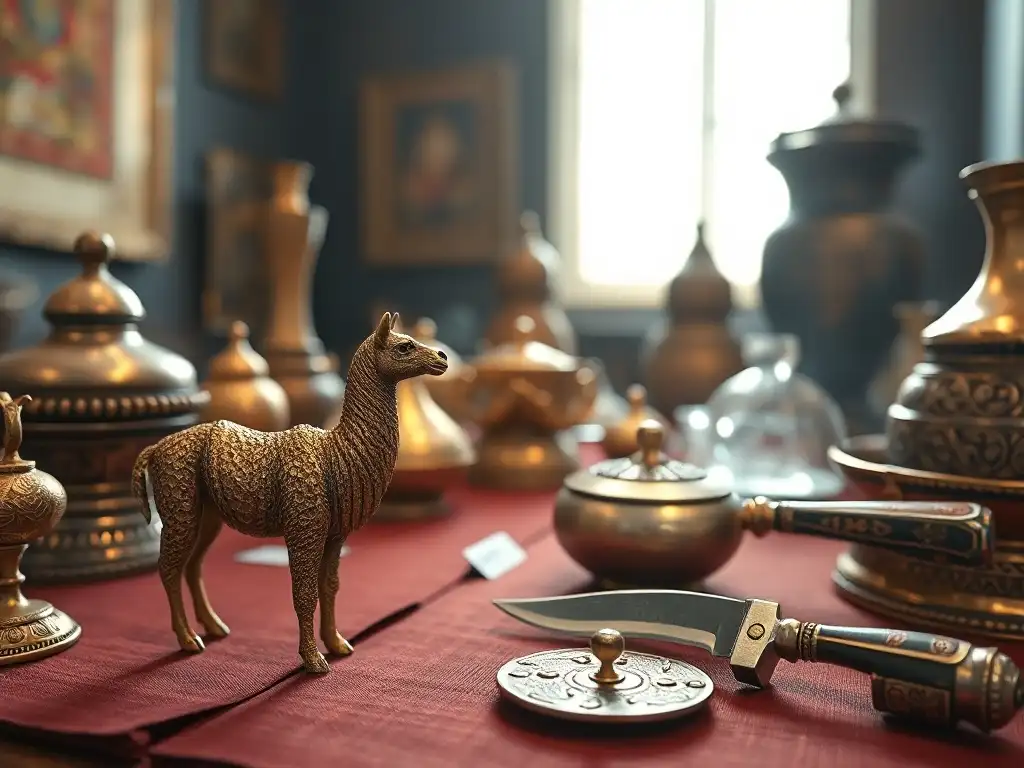
Step into a world lost to time, yet vibrantly alive in its artistry. Imagine meticulously crafted miniature worlds, shimmering with gold and silver, whispering tales of ancient Andean rituals. This is the realm of Andean metalwork ritual objects, a fascinating glimpse into the sophisticated artistry and spiritual beliefs of civilizations like the Incas, Moche, and Nazca. Discover the secrets hidden within these breathtaking artifacts and unlock the mysteries of their intricate designs – a journey into the heart of Andean culture awaits.
The Andes Mountains, a spine of towering peaks running down the western coast of South America, are home to a rich tapestry of ancient civilizations. For millennia, these cultures—including the Incas, Moche, Nazca, and Tiahuanaco—developed sophisticated techniques in metalworking, creating intricate and symbolically laden objects for ritual purposes. This article delves into the fascinating world of Andean metalwork ritual objects, exploring the artistry, techniques, and cultural significance behind these miniature masterpieces.
We will examine the remarkable skill involved in crafting these small-scale items and uncover the profound religious and social meanings embedded within their designs. From tiny figurines to elaborate adornments, these objects offer a captivating glimpse into the beliefs and practices of these remarkable Andean societies.
The sheer precision and detail achieved by ancient Andean artisans in their metalwork provides invaluable insight into their advanced technological capabilities and their deeply spiritual worldview. Understanding these miniature works of art is key to unlocking a deeper understanding of Andean civilization's complex relationship with the supernatural and their sophisticated social structures.
Introduction to Andean Metalworking and Ritual Significance
Andean metalworking reached its zenith during various periods, with each civilization leaving its unique mark. The earliest evidence of metalworking in the Andes dates back to the early centuries AD, with the use of gold, silver, copper, and bronze becoming increasingly prevalent. The process involved several stages, from mining and smelting the ore to shaping and refining the metal through techniques like hammering, casting, and gilding.
These techniques, refined over centuries, allowed for the creation of intricately detailed objects, many of which served a crucial role in religious ceremonies and rituals. The materials themselves held symbolic weight; gold, for example, was often associated with the sun and divinity, while silver represented the moon and fertility. The use of specific alloys and the incorporation of precious stones further enhanced the ritual significance of these objects.
The creation of these objects was not simply a craft; it was a sacred act, often undertaken by specialized artisans who held high social standing within their communities. Many ritual objects, such as ceremonial vessels and masks, were used in offerings to deities, while others served as personal adornments for elite members of society, reinforcing their status and connection to the spiritual realm. The meticulous detail in their construction demonstrates not only technical skill but also the profound reverence these cultures held for their religious beliefs.
The Art of Miniature Metalwork in Ancient Andes
The creation of miniature metalwork represents a pinnacle of Andean craftsmanship. These tiny objects, often only a few centimeters in size, display an astonishing level of detail and artistry. The precision required to execute such intricate designs on a small scale is remarkable, showcasing the advanced metallurgical techniques and the exceptional skill of the artisans. Common miniature objects include:
- Figurines depicting deities, animals, and humans engaged in various activities.
- Small ceremonial vessels used for offerings and libations.
- Ornamental pieces such as earrings, pendants, and nose rings.
- Tools and weapons, often scaled-down versions of larger implements.
The miniature scale of these objects further emphasizes their symbolic importance. Their small size suggests a connection to the unseen world, the realm of spirits and deities. The detail packed into these tiny forms reflects the belief that even the smallest object could hold immense spiritual power.
The use of different alloys and techniques allowed for a wide range of effects, from the shimmering gleam of gold to the subtle patina of bronze. The artisans’ ability to manipulate these materials with such finesse is a testament to their mastery of the craft, and their creations continue to fascinate and inspire awe centuries later.
Further research is needed to fully understand the specific techniques employed in creating these miniatures, and ongoing archaeological discoveries continue to shed light on this fascinating aspect of Andean metalwork. The study of these objects offers a unique window into the spiritual and artistic world of the ancient Andes, revealing the profound connection between the material and the spiritual realms in these remarkable societies.
- Introduction to Andean Metalworking and Ritual Significance
- The Art of Miniature Metalwork in Ancient Andes
Types of Andean Metalwork Ritual Objects
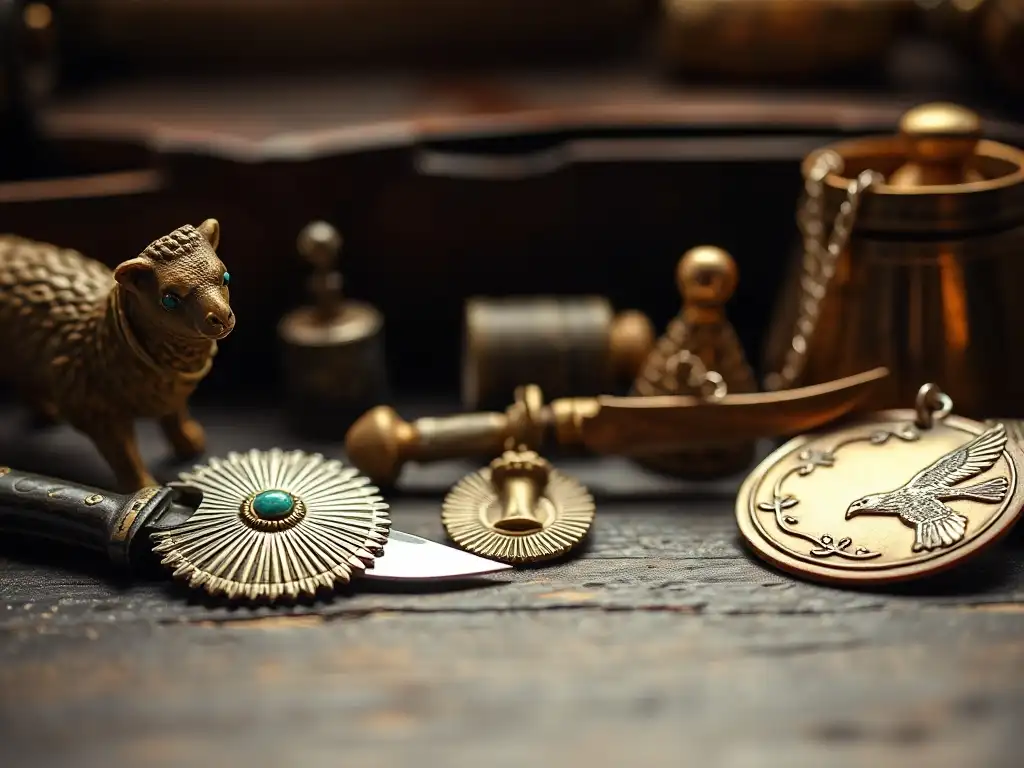
The artistry of Andean metalworking is profoundly evident in the creation of ritual objects. These weren't mere functional items; they were imbued with deep symbolic meaning, often serving as conduits between the human and spiritual realms. The meticulous detail and craftsmanship displayed in these pieces showcase the advanced metallurgical skills of Andean cultures, and their miniature scale adds another layer of complexity and fascination.
The prevalence of miniature metalwork in ritual contexts suggests a deliberate attempt to create a “miniature world” reflecting cosmological beliefs and societal structures. This section explores several categories of these captivating artifacts, highlighting their significance within Andean religious practices. Understanding the types of Andean metalwork ritual objects helps us decipher the complex belief systems and rituals of these ancient civilizations.
Miniature Figurines in Andean Rituals
Miniature figurines, often depicting deities, animals, or humans engaged in various activities, constitute a significant portion of Andean metalwork ritual objects. These tiny sculptures, sometimes only a few centimeters tall, were crafted with remarkable precision. The level of detail is astonishing, with features like facial expressions, clothing, and even tools being meticulously rendered.
For instance, some Moche figurines depict warriors in elaborate headdresses, while others show priests performing ceremonies. The materials used varied depending on the culture and the desired effect; gold, silver, copper, and alloys were all employed. The use of different metals might have held symbolic meaning, perhaps associating certain metals with specific deities or powers.
The context in which these figurines were found further illuminates their ritual significance. Many have been excavated from tombs, indicating their role in funerary practices. Others have been discovered in ceremonial contexts, suggesting their use in temples or during religious events.
The placement of these figurines within larger ritual assemblages provides crucial clues to their function and meaning within the broader Andean worldview. Analyzing the poses and attributes of the figurines, as well as the materials used in their creation, allows researchers to gain insights into the beliefs and practices of Andean societies. Further research into the iconography present on these figurines is crucial to a complete understanding of their function within Andean ritual.
Metalwork Miniatures as Votive Offerings
Many small-scale metal objects functioned as votive offerings, presented to deities as expressions of gratitude, supplication, or appeasement. These offerings ranged from tiny representations of everyday objects, like miniature tools or vessels, to stylized depictions of animals or human figures. The meticulous craftsmanship involved in creating these miniature votive offerings underscores their importance in Andean religious practices. The act of creating such intricate objects likely held ritual significance in itself, representing a dedicated act of devotion.
The size of these offerings is noteworthy. Their small scale may suggest an attempt to create a symbolic representation of a larger offering, or perhaps to emphasize the devotion and care put into the act of giving. Consider, for example, the miniature llama figurines often found in Andean archaeological sites.
These tiny representations likely symbolized the importance of llamas in Andean societies, both as sources of wool and meat, and as sacred animals. The dedication required to create these miniature offerings highlights the importance of the ritual act and the deep connection between the artisan, the deity, and the community. The analysis of these votive offerings provides valuable insights into the religious beliefs and practices of ancient Andean cultures.
Small-Scale Metalwork Tools and Implements for Rituals
Beyond figurines and votive objects, Andean metalworkers produced miniature tools and implements specifically for ritual purposes. These small-scale tools, often made from copper or bronze, might have been used in ceremonies or held symbolic significance. Examples include miniature knives, spatulas, and hammers. While their exact function remains a subject of ongoing research, their presence in ritual contexts suggests a connection to sacred practices.
The precision of these miniature tools is remarkable, demonstrating the advanced metallurgical capabilities of Andean artisans. The miniature scale may have been chosen to emphasize the sacred nature of the object, or to symbolize the power concentrated in a small space. The discovery of these objects alongside other ritual artifacts provides valuable context, allowing researchers to understand their role within broader ceremonial activities.
Further research is needed to definitively determine the function and significance of these small-scale tools within Andean religious practices. Detailed analysis of the materials, techniques, and contexts of discovery will shed more light on their significance within the broader landscape of Andean metalwork ritual objects. The intricate detailing on these miniature tools further enhances their symbolic importance, mirroring the attention to detail present in larger-scale Andean metalwork.
Materials and Techniques of Andean Metalwork
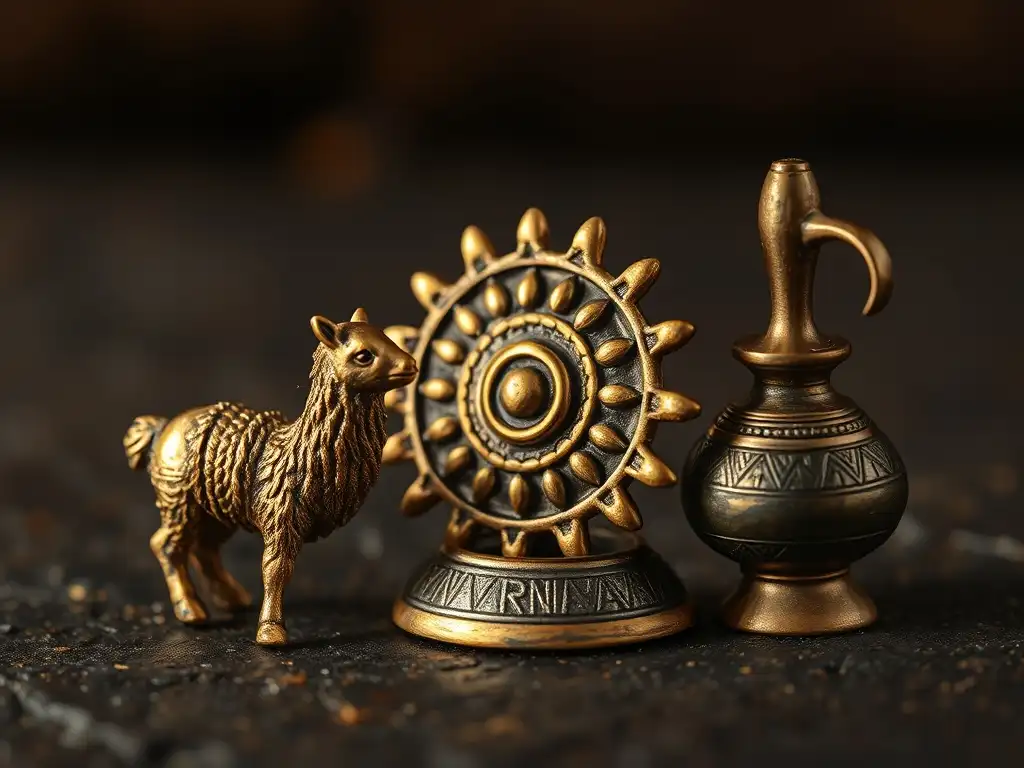
This section delves into the materials and techniques employed by Andean artisans in crafting their exquisite miniature metalwork, particularly as seen in ritual objects. Understanding these aspects is crucial to appreciating the skill and artistry involved in creating these intricate pieces, many of which survive to this day, offering a glimpse into the sophisticated metalworking traditions of ancient Andean civilizations. The meticulous detail and technical prowess showcased in these objects highlight the advanced technological capabilities of these cultures. The use of precious metals and sophisticated techniques solidified their status as powerful symbols of religious and political authority.
Precious Metals in Andean Ritual Crafting: Gold, Silver, and Copper
The Andean region possessed abundant resources of precious metals, which were meticulously worked to produce stunning ritual objects. Gold, silver, and copper were the most commonly used metals, each possessing symbolic significance and unique properties that influenced their use in different contexts.
Gold, often associated with the sun and divinity, was highly valued and reserved for elite contexts. Its malleability allowed for intricate designs and delicate details in miniature figurines, masks, and jewelry. The shimmering quality of gold likely enhanced its perceived connection to the celestial realm. Many gold objects were associated with mortuary rituals, signifying the passage to the afterlife.
Silver, less abundant than gold, was also employed extensively. Its slightly softer nature allowed for more complex designs than copper. While gold often signified divinity, silver was associated with the moon and water, representing fertility and abundance. Silver objects are often found alongside gold, suggesting a complementary symbolic relationship between the two metals.
Copper, more readily available than gold and silver, served as a base metal for many objects. It could be hardened through hammering and alloying, making it suitable for tools and utilitarian items, as well as decorative elements in ritual contexts. The use of copper sometimes served as a precursor to gilding, where a thin layer of gold was applied to enhance the object's value and symbolic significance. The color of copper, often associated with the earth, provided a different aesthetic compared to the brilliance of gold and silver.
Metalworking Techniques: Hammering, Casting, and Gilding
Andean metalworkers mastered a range of sophisticated techniques to shape metal into their desired forms. Hammering was a fundamental technique, used to shape sheets of metal, create intricate designs through repoussé (hammering from the back to raise a design on the front), and refine the surface finish. The precision required to create miniature objects using this technique is truly remarkable.
Casting, a more complex process, involved creating molds, often made from clay or stone, into which molten metal was poured. This allowed for the creation of more complex shapes and larger-scale pieces than could be easily achieved through hammering alone. Evidence suggests the use of lost-wax casting, a sophisticated technique allowing for intricate details in miniature sculptures.
Gilding, the application of a thin layer of gold onto a base metal (often copper or silver), was a common practice used to enhance the visual appeal and symbolic value of objects. The process involved applying a gold leaf or amalgam onto the surface and then burnishing it to create a smooth, lustrous finish. Gilding was used extensively in miniature metalwork, transforming relatively common metals into objects of great prestige and ritual significance. The skill required for even gilding of miniature objects is a testament to their advanced metalworking skills.
The Use of Alloys in Andean Miniature Metalwork
The Andean artisans did not solely rely on pure metals; they also developed expertise in creating alloys to enhance the properties of their materials. Alloys, mixtures of two or more metals, often improved the durability, workability, and aesthetic qualities of the final product.
For example, tumbaga, an alloy of gold and copper, was widely used. The proportion of gold and copper varied, resulting in a range of colors from pale yellow to deep reddish-gold. Tumbaga was particularly well-suited for intricate miniature work due to its malleability and resistance to tarnishing. The ability to control the alloy's composition allowed artisans to achieve specific colors and textures, adding further complexity and artistry to their creations.
The precise compositions of some alloys are still being studied, highlighting the ongoing research into Andean metalworking techniques. The use of alloys, alongside other techniques, demonstrates the sophisticated understanding of metallurgy prevalent in Andean societies. Analysis of surviving objects continues to reveal the complexity and ingenuity of their material science. Further research into the specific alloy compositions used in miniature objects will shed further light on their metallurgical knowledge and artistic practices.
Iconography and Symbolism in Andean Metalwork Ritual Objects
The intricate metalwork of the Andes wasn't merely decorative; it served as a powerful medium for expressing religious beliefs, social structures, and cosmological understandings. Andean metalwork ritual objects, particularly those crafted in gold, silver, and copper alloys, are replete with symbolism, offering invaluable insights into the worldview of these ancient cultures. The careful selection of materials, the meticulous craftsmanship, and the deliberate choice of imagery all contribute to the objects' ritual significance and their enduring legacy.
Analyzing these aspects reveals a complex tapestry of beliefs and practices. The use of precious metals themselves—gold representing the sun, silver the moon, and copper potentially connected to the earth—already imbues these artifacts with inherent symbolic weight. This section will delve into the specific iconographic themes prevalent in these miniature masterpieces of Andean artistry.
Religious Motifs and Deities Represented in Metalwork
Depictions of deities and religious motifs are prominent in Andean metalwork ritual objects. While specific iconography varies across different Andean cultures (Inca, Moche, Nazca, etc. ), certain recurring themes emerge.
For instance, representations of the sun god Inti (Inca) or similar solar deities appear frequently, often depicted with radiant rays or associated with other celestial symbols. These solar representations were not merely aesthetic choices but rather powerful affirmations of the sun's crucial role in Andean cosmology and agriculture. Similarly, depictions of feline deities, often associated with warfare, power, and the underworld, are found across various Andean cultures, highlighting the importance of these powerful figures in their belief systems.
The level of detail in these miniature representations is astonishing. For example, some gold figurines depict deities with intricate headdresses, elaborate clothing, and even subtle facial expressions, demonstrating the advanced metalworking techniques and the profound reverence with which these figures were crafted. The precise crafting of these miniatures underscores the importance of these religious figures in the Andean worldview, emphasizing their power and influence.
Further research is needed to fully understand the nuances of iconography across different regions and time periods, but existing scholarship points to a rich and complex religious landscape reflected in these artifacts. The sheer number of surviving examples, albeit fragmented in some cases, indicates the widespread practice of creating and using such ritual objects.
Symbolic Animals and Mythical Creatures in Metal Miniatures
Beyond depictions of deities, Andean metalworkers meticulously crafted miniature representations of both real and mythical animals. These animal figures hold significant symbolic weight, often embodying specific qualities or representing forces of nature. Condor figures, for example, frequently appear in gold and other metals, symbolizing power, altitude, and connection to the celestial realm. Their sharp eyes and outstretched wings are often rendered with impressive detail, reflecting the artisans’ skill and the animal’s cultural importance.
Conversely, representations of snakes, jaguars, and other predatory animals may represent earthly power, the underworld, or shamanic abilities. The presence of such figures in ritual contexts suggests their role in Andean religious practices and beliefs, potentially as intermediaries between the human and spiritual worlds. Furthermore, the discovery of miniature mythical creatures, often hybrid forms combining elements of different animals, points towards a rich and imaginative cosmology where the boundaries between the natural and supernatural were fluid.
The specific meanings attributed to these hybrid creatures remain a topic of ongoing scholarly debate, requiring further analysis of their contexts of discovery and associated artifacts. More research is needed to fully understand the intricate symbolism embedded within these fascinating miniature representations.
Geometric Patterns and Their Significance in Andean Rituals
Geometric patterns are another crucial element in Andean metalwork ritual objects. These patterns, often intricately woven into the design of the artifacts, are not merely decorative but carry deep symbolic meaning related to Andean cosmology and social structures. The repetitive use of certain shapes, such as triangles, squares, and spirals, suggests their connection to fundamental principles of Andean thought, potentially representing the mountains, the cosmos, or the cyclical nature of life and death.
For instance, stepped-pyramid motifs, reflecting the architectural style of Andean structures, frequently appear on metalwork, suggesting a connection between the earthly and celestial realms. Similarly, the use of spirals might symbolize the journey of the sun across the sky or the cyclical nature of time. Detailed analysis of these patterns, taking into account their variations across different regions and time periods, is crucial for understanding their full significance.
The careful arrangement and repetition of these geometric elements emphasize their ritual importance and their role in reinforcing the Andean worldview through these miniature metal artifacts. Further studies comparing these patterns across different materials and object types could reveal additional layers of meaning. The study of Andean metalwork ritual objects provides a unique window into the sophisticated and symbolically rich culture of the Andes, highlighting the profound connection between material culture and spiritual beliefs.
Regional Variations in Andean Metalwork Ritual Objects
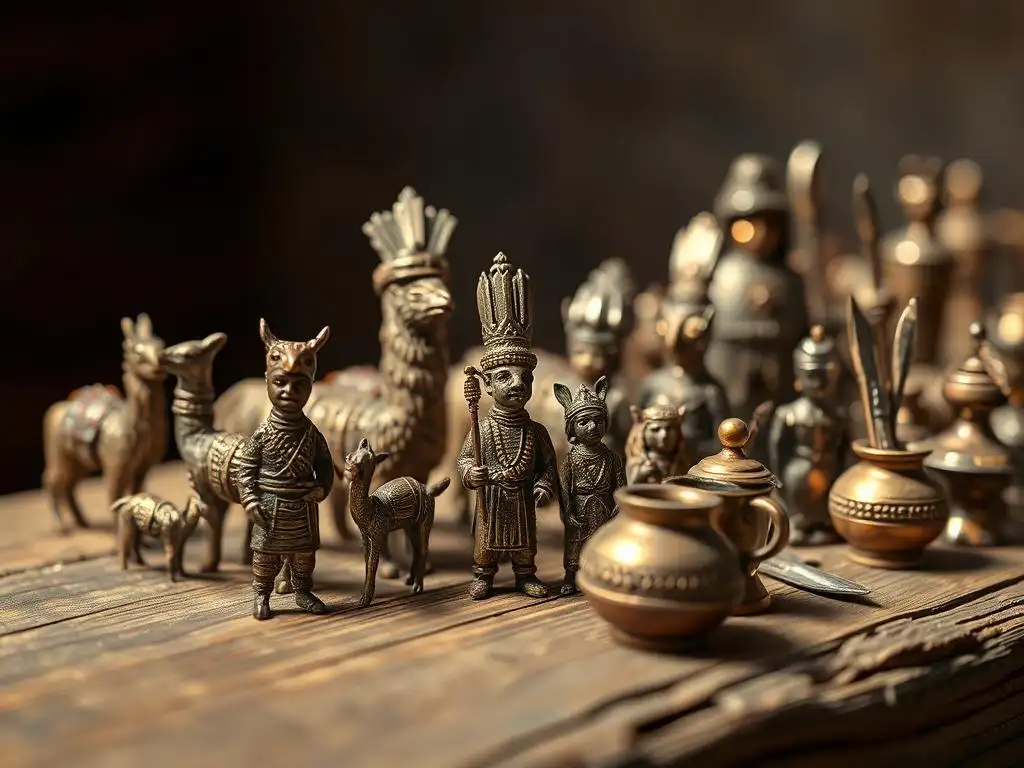
The artistry of Andean metalworking wasn't uniform across the vast expanse of the Andes. Instead, distinct regional styles flourished, reflecting unique cultural beliefs, technological capabilities, and access to resources. The diversity in Andean metalwork ritual objects serves as a powerful testament to the ingenuity and adaptability of these ancient cultures. Analyzing these regional variations allows us to better understand the complex social and religious landscapes of the Andes.
The differences are not merely aesthetic; they often reflect variations in ritual practices and cosmological beliefs. Studying these differences provides a richer understanding of the interconnectedness yet distinct identities of these Andean societies. The following sections will explore the unique metalworking traditions of three prominent Andean cultures: the Moche, the Inca, and the Tiahuanaco.
Metalwork Styles of the Moche Culture
The Moche civilization (c. 100 – 800 CE), located on the northern coast of Peru, is renowned for its highly sophisticated metalworking techniques. Their artisans mastered techniques like lost-wax casting, hammering, repoussé, and gilding, creating incredibly detailed and lifelike representations of animals, humans, and mythical beings. Moche metalwork ritual objects frequently depict scenes of warfare, ritual sacrifice, and shamanistic practices, reflecting their complex religious beliefs. These objects, often made of gold, silver, copper, and alloys, were likely used in elite contexts, perhaps as offerings to deities or symbols of power.
One striking example is the intricate gold and copper figurines depicting Moche warriors and their weaponry. These meticulously crafted objects demonstrate a remarkable understanding of human anatomy and a keen eye for detail. Furthermore, the use of different metals within a single piece, such as combining gold and copper, highlights their mastery of metallurgical techniques and their symbolic use of contrasting materials. The use of gold, a precious metal, further emphasizes the ritual importance of these objects.
[Specific examples of Moche metalwork pieces and their museum locations pending]. The stylistic consistency across numerous artifacts suggests established workshops and potentially specialized artisan guilds. The Moche's mastery of metalwork, therefore, wasn't merely a technical achievement but also a powerful expression of their cultural identity and religious beliefs.
Inca Metalwork: Precision and Standardization
In contrast to the highly individualized style of the Moche, Inca metalwork (c. 1438 – 1533 CE) is characterized by its precision, standardization, and the extensive use of gold and silver. While the Incas also employed lost-wax casting, their work often displays a more geometric and stylized aesthetic. Inca metalwork ritual objects frequently incorporate repetitive motifs, such as puma heads, birds, and geometric patterns. This standardization is likely linked to the Inca Empire's centralized political structure and its emphasis on imperial control and uniformity.
The Inca's mastery of metalwork extended beyond purely aesthetic concerns. The sheer scale of their production, evidenced by the vast quantities of gold and silver objects recovered from archaeological sites, points to a highly organized and efficient system of metalworking. The Inca state likely controlled the production and distribution of these precious metals, using them to consolidate power and reinforce their religious ideology.
While individual expression may have been less prominent than in Moche art, the Inca's sophisticated techniques and large-scale production represent a different kind of artistic achievement, reflecting the power and organization of their empire. The use of gold and silver in Inca ritual contexts solidified their religious significance and demonstrated the Inca's control over these valuable resources. [Data on specific Inca workshops and their organization pending].
Tiahuanaco Metalwork: The Influence of Andean Cosmology
The Tiahuanaco culture (c. 500 – 1000 CE), located in the Bolivian Altiplano, developed a unique style of metalwork deeply intertwined with Andean cosmology. Their metal objects frequently feature stylized representations of deities, celestial bodies, and mythical creatures. Unlike the Moche's naturalistic representations, Tiahuanaco metalwork often employs abstract forms and symbolic imagery, reflecting a sophisticated understanding of the cosmos and their place within it. These objects were likely used in ritual contexts, perhaps as offerings to their gods or as symbols of authority.
The use of specific alloys and the incorporation of semi-precious stones in Tiahuanaco metalwork highlight their sophisticated metallurgical knowledge and their symbolic understanding of materials. The prevalence of certain motifs, such as stepped pyramids and stylized feline figures, suggests a connection to their religious beliefs and their worldview. For example, the recurring use of the puma, a powerful symbol in Andean mythology, likely signified power, strength, and connection to the sacred realm.
[Specific examples of Tiahuanaco metalwork and their iconography pending]. The style of Tiahuanaco metalwork, therefore, reflects not just artistic skill but also the deep-seated cosmological beliefs that shaped their society and their understanding of the world. The blending of artistic expression and religious meaning makes Tiahuanaco metalwork ritual objects particularly significant in understanding Andean cosmology.
The Function and Purpose of Andean Metalwork Ritual Objects
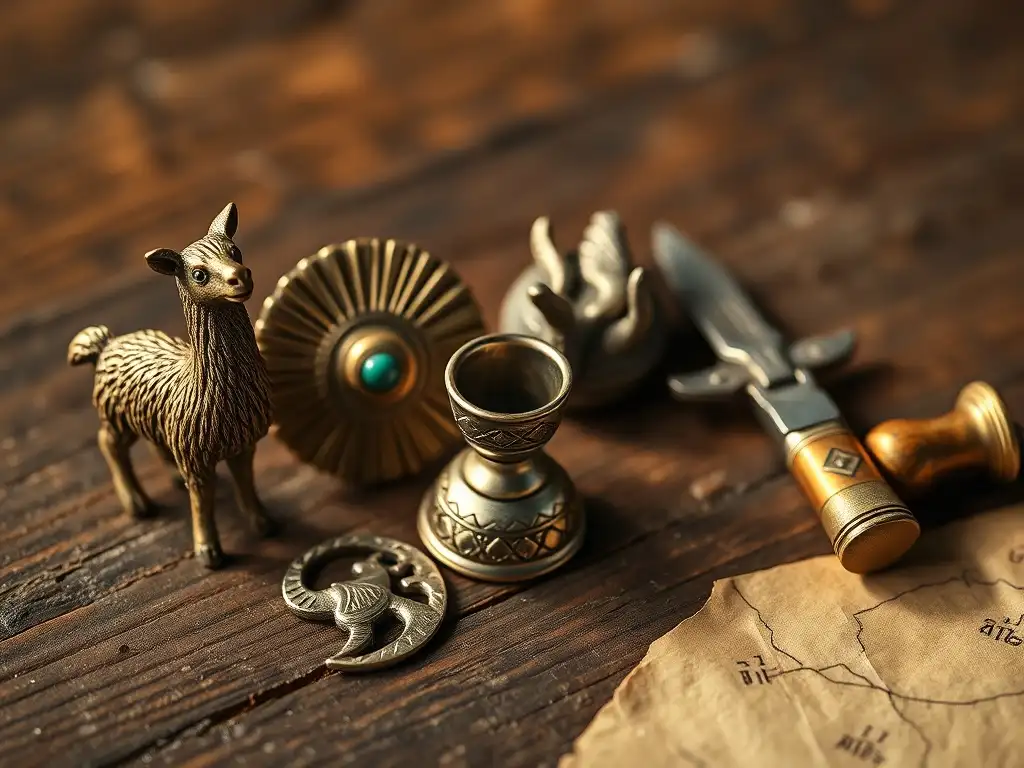
The meticulous craftsmanship evident in Andean metalwork, particularly in the creation of miniature ritual objects, speaks volumes about the significance these artifacts held within ancient Andean societies. These weren't merely decorative items; they were deeply embedded in the religious and social fabric of the cultures that produced them. Understanding their purpose requires exploring their role in various rituals, funerary practices, and as symbols of power and status.
The sheer diversity of forms – from tiny llamas and miniature weaponry to intricate deity representations – highlights the multifaceted nature of their function within Andean cosmology. Analyzing the materials used, the techniques employed, and the context of discovery allows us to piece together a more complete picture of their intended purpose.
The prevalence of these miniature objects suggests their widespread use across different Andean societies, indicating a shared understanding of their symbolic importance. The study of "Andean metalwork ritual objects" provides invaluable insights into the beliefs, practices, and social structures of these remarkable civilizations.
Rituals, Ceremonies, and Offerings Involving Metal Miniatures
Miniature metal objects frequently appear in archaeological contexts associated with ritual activity. Evidence suggests their use in ceremonies involving offerings to deities or ancestors. The meticulous detail often found in these pieces – the accurate rendering of animals, the intricate depiction of clothing and adornments – points to a deliberate creation for specific ritual purposes.
For example, small gold figurines of llamas, often found alongside other offerings in tombs or sacred sites, likely represented the importance of these animals in Andean economies and religious beliefs. Similarly, miniature weapons, such as miniature spears or knives, could have been used symbolically in rituals, possibly representing warfare or power. Some scholars suggest that these miniature objects served as substitutes for larger, more valuable items in offerings, ensuring the ritual's efficacy without sacrificing precious resources.
The careful placement of these miniature objects within ritual contexts further emphasizes their significance and intentional use. Further research into specific ritual sites and associated findings could reveal even more about the precise roles of these miniature metal objects.
The Role of Metalwork in Andean Funerary Practices
Andean funerary practices often incorporated elaborate grave goods, with metalwork playing a prominent role. Miniature objects were frequently included in burials, suggesting their importance in the afterlife. The types of objects included in a particular burial often reflected the social status of the deceased, with higher-status individuals receiving more elaborate and numerous metal artifacts.
For instance, the tombs of elite members of society might contain a larger quantity and variety of miniature metal objects compared to those of commoners. This practice highlights the belief in the continuity of social status beyond death and the importance of these objects in ensuring a successful transition to the afterlife. The presence of miniature metalwork alongside other grave goods, such as textiles and ceramics, points to a complex funerary ritual that aimed to equip the deceased for their journey into the spiritual realm.
Analysis of the metal alloys and the craftsmanship of the miniature objects provides further insights into the social stratification and technological capabilities of different Andean societies. Detailed studies of specific burial sites are needed to further understand the specific variations in funerary practices across different regions and cultures.
Metalwork as Symbols of Power and Status
The use of precious metals like gold and silver in the creation of miniature ritual objects also underscores their function as symbols of power and status. Access to these materials was often restricted to elites, making the possession of such objects a clear indicator of social standing. Intricate designs and high-quality craftsmanship further emphasized the owner's elevated position within society.
The presence of miniature objects in elite burials or in contexts associated with political power reinforces this interpretation. Furthermore, the depiction of specific motifs or symbols on the metalwork could have carried additional meaning related to power and authority. For example, miniature representations of rulers or deities would have served as potent symbols of political legitimacy and religious authority.
The distribution and control of precious metals and the skillful creation of metalwork were likely crucial aspects of maintaining social hierarchies within Andean societies. Further investigation into the iconography and stylistic variations of miniature metal objects could reveal more nuanced understandings of their role as symbols of power and status within specific Andean cultures.
Preservation and Study of Andean Metalwork Ritual Objects
The meticulous craftsmanship evident in Andean metalwork ritual objects presents a unique challenge: preserving these delicate artifacts for future generations while simultaneously unlocking the secrets they hold about ancient Andean cultures. The fragility of these pieces, often made from gold, silver, copper, and alloys, combined with the effects of time and environmental factors, necessitates careful and specialized approaches to both excavation and conservation.
Understanding the techniques employed by ancient Andean metalworkers is crucial, not only for appreciating their artistic skill but also for informing effective preservation strategies. The study of these objects offers invaluable insights into Andean cosmology, social structures, and ritual practices, enriching our understanding of these fascinating civilizations.
Archaeological Discoveries of Andean Metal Miniatures
Archaeological excavations across the Andes have yielded a treasure trove of miniature metal objects, showcasing the remarkable skill of Andean artisans. These tiny masterpieces, often found in tombs, ceremonial sites, and elite residences, range from intricately detailed figurines of animals and humans to miniature tools and weaponry. For example, the discovery of a miniature llama crafted from gold within a Moche tomb provides insights into their economic and religious significance.
The sheer number and diversity of these miniature objects suggest that they served a variety of purposes, including ritual offerings, personal adornment, and symbolic representations of power and status. Analyzing the materials used, the techniques employed, and the context of their discovery allows researchers to reconstruct aspects of Andean society and belief systems. The meticulous record-keeping during excavations, including detailed photography, 3D scanning, and precise mapping of the find location, is essential for future research and contextual understanding.
Further analysis of the chemical composition of the metals used could reveal information about trade routes and access to resources across different Andean regions. The painstaking work of archaeologists in uncovering these miniature works of art is essential to preserving and understanding the rich cultural heritage of the Andes.
Conservation Techniques for Andean Metalwork Artifacts
The conservation of Andean metalwork artifacts requires specialized expertise and a multidisciplinary approach. The delicate nature of these objects, susceptible to corrosion, deformation, and damage from environmental factors, necessitates the use of non-invasive techniques. Careful cleaning, using appropriate solvents and tools, is crucial to remove accumulated dirt and debris without harming the underlying metal. The application of protective coatings, such as specially formulated resins, can help prevent further deterioration and stabilize the artifacts.
The use of advanced imaging techniques, such as X-ray fluorescence (XRF) spectroscopy, allows for non-destructive analysis of the metal composition and identification of any corrosion products. This information informs the development of targeted conservation strategies that address the specific challenges posed by each artifact. Environmental control, including maintaining stable temperature and humidity levels, is essential for long-term preservation.
Furthermore, the development of new, sustainable materials and methods for conservation is an ongoing process, driven by the need to minimize the impact of human intervention on these precious artifacts. The conservation process is a delicate balance between preserving the integrity of the object and making it accessible for study and appreciation. Careful documentation of each step is crucial to ensure the long-term preservation and understanding of these important cultural treasures.
The Importance of Studying Andean Metalwork for Cultural Understanding
The study of Andean metalwork ritual objects offers a unique window into the complex world of ancient Andean civilizations. These artifacts are not merely decorative; they are integral components of religious rituals, expressions of social status, and reflections of cosmological beliefs. By analyzing the iconography depicted on these objects—from stylized figures and mythical creatures to representations of agricultural practices and celestial events—researchers can gain insights into the worldview and spiritual practices of these societies.
For example, the recurring motifs of serpents and feline deities in Moche metalwork suggest a close connection between the people and the natural world. The use of specific metals, such as gold associated with the sun and silver with the moon, further illuminates the symbolic significance of these materials in Andean cosmology. The meticulous detail and technical skill demonstrated in the creation of these objects also reveal the sophisticated knowledge and organizational capabilities of Andean societies.
The study of Andean metalwork isn’t just about the objects themselves; it’s about understanding the intricate relationship between art, religion, society, and technology in these ancient cultures. This research provides a deeper understanding of the complexity and richness of Andean civilization, challenging preconceived notions and fostering a greater appreciation for their cultural heritage. The continued study and preservation of these artifacts are essential to ensuring that their stories continue to resonate with future generations.
Conclusion: The Enduring Legacy of Andean Metalwork
The meticulous craftsmanship evident in Andean metalwork ritual objects speaks volumes about the ingenuity and artistic prowess of ancient Andean societies. These artifacts, far from being mere decorative items, served as powerful tools for religious practices, reflecting complex cosmological beliefs and social structures. Their discovery continues to illuminate our understanding of these fascinating cultures, challenging previously held assumptions and prompting further research into their intricate symbolism and manufacturing techniques.
The study of Andean metalwork ritual objects allows us to connect with the past on a deeply personal level, appreciating the dedication and skill invested in their creation. The legacy of this artistry endures, inspiring contemporary artists and scholars alike.
The Artistic and Technological Mastery of Andean Metalworkers
Andean metalworkers displayed an astonishing mastery of their craft, developing sophisticated techniques for extracting, refining, and working metals like gold, silver, copper, and bronze. They employed a range of techniques, including hammering, casting (using the lost-wax method), repoussé (hammering from the back to create relief), and soldering. The precision and detail evident in their work are truly remarkable.
Consider, for instance, the intricate featherwork replicated in gold on many ceremonial objects—a testament to their keen observation of nature and their ability to translate it into miniature works of art. The ability to create such small, delicate pieces, often with multiple components, required not only technical skill but also a deep understanding of metallurgy and material properties. The creation of alloys, for example, allowed them to manipulate the properties of metals, achieving specific colors and degrees of hardness.
Furthermore, the use of various techniques within a single object showcases their versatility and creativity. This level of expertise is unparalleled in many other contemporaneous cultures, highlighting the advanced nature of Andean metalworking.
Metalwork Ritual Objects as a Window into Andean Beliefs
The iconography found on Andean metalwork ritual objects provides invaluable insights into the religious beliefs and practices of these societies. Often depicting deities, mythical creatures, and scenes from mythology, these objects offer a glimpse into the complex spiritual world of the Andes. The use of specific motifs, such as feline figures (associated with power and fertility) or celestial bodies (representing the cosmos), reveals the importance of these symbols in Andean cosmology.
The careful placement of these objects within tombs and ceremonial contexts further underscores their ritual significance. For example, the presence of small gold figurines of llamas in burial sites suggests the importance of these animals in Andean society, potentially representing offerings to the gods or symbols of wealth and status in the afterlife. Analysis of these objects' designs and contexts offers a rich tapestry of information about Andean spiritual practices, social hierarchy, and beliefs about life and death.
Further research is needed to fully decipher the meaning and symbolism behind many of the images found on these objects. The study of Andean metalwork ritual objects provides a unique, tangible link to the spiritual lives of ancient Andean people.
The Continuing Relevance of Andean Metalwork in Contemporary Art
The legacy of Andean metalwork continues to inspire contemporary artists and designers. The intricate detail, innovative techniques, and symbolic richness of these ancient artifacts serve as a powerful source of inspiration for modern interpretations. Contemporary artists often draw upon Andean motifs and stylistic elements, incorporating them into their own works. This can range from direct replication of ancient designs to more abstract interpretations that capture the essence of Andean aesthetics. The enduring appeal of Andean metalwork lies in its ability to transcend time and culture, speaking to a universal appreciation for beauty, craftsmanship, and the enduring power of human creativity. The enduring relevance of Andean metalwork in contemporary art demonstrates its continued power to inspire and captivate audiences. The rich symbolism and exquisite artistry inherent in these ancient objects continue to fascinate and inform artistic expression across the globe, ensuring that the legacy of Andean metalworkers remains vibrant and impactful.
Frequently Asked Questions
What makes Andean metalwork so unique?
Andean metalwork is renowned for its exceptional craftsmanship, intricate detail, and the use of rare metals like gold, silver, and copper alloys. The techniques employed were incredibly advanced for their time.
What types of ritual objects were commonly made from metal?
Many ritual objects, including figurines, masks, and tools, were crafted from metal. These items were often associated with religious ceremonies, political power, and status.
How did Andean civilizations work with different metals?
They mastered techniques like alloying, hammering, casting, and plating, combining metals to achieve desired colors and properties. Gold, silver, and copper were often used together in intricate designs.
What role did metalwork play in Andean religious beliefs?
Metal objects played a crucial role in Andean religions, often representing deities, ancestors, or spiritual power. They were used in ceremonies and displayed as symbols of prestige and authority.
Where can I learn more about Andean metalwork ritual objects?
You can explore museums with collections of Andean artifacts, research online databases and academic articles, or even visit sites like Andean Civilizations for further information on this fascinating topic.
Final Reflection: Echoes of the Andes: A Legacy Forged in Metal
The intricate artistry of Andean metalwork, far from being a relic of the past, continues to resonate powerfully in our contemporary world. These miniature masterpieces, meticulously crafted centuries ago, speak volumes about the ingenuity, spirituality, and societal structures of their creators, offering invaluable insights into a rich and complex civilization. Their enduring presence challenges us to reconsider our own relationship with craftsmanship, artistry, and the legacy we leave behind.
The enduring power of these objects lies not only in their aesthetic beauty but also in their ability to connect us to a past that continues to shape our present. They remind us of the profound spiritual significance placed on material culture, a perspective often lost in our modern, mass-produced world. The past is never dead. It's not even past.
– William Faulkner. This quote perfectly encapsulates the enduring relevance of these Andean artifacts; they are tangible links to a vibrant past, whispering stories of belief, ritual, and the human spirit's enduring quest for meaning. Their continued study allows us to better understand not only the Andean cultures but also the universal human impulse to create, to believe, and to leave a mark on the world.
Consider the meticulous detail, the symbolic power embedded within each piece. Let these miniature worlds inspire you to appreciate the craftsmanship in your own life, to value the artistry that surrounds you, and to contemplate the legacy you are creating. What enduring mark will you leave on the world? What stories will your creations tell future generations? Take a moment to reflect on the power of creation, the importance of legacy, and the enduring echoes of cultures past. Let the legacy of Andean metalwork inspire you to craft your own meaningful and lasting contribution.
Unveil the Beauty of Andean Metalwork!
Thank you for exploring the intricacies of Andean ritual objects with us! We hope you've gained a deeper appreciation for the exquisite detail and craftsmanship of their miniature metalwork, a testament to their rich cultural heritage. Now, let's build on your newfound knowledge!
Here are some ways to further connect with Andean art and culture:
- Create Your Own: Try your hand at crafting a small piece inspired by Andean metalwork traditions. You might be surprised at what you create!
- Share Your Discoveries: Discuss the fascinating details you've learned with friends, family, or on social media. We'd love to see your posts—be sure to tag us!
- Learn from the Experts: Consider attending a workshop focusing on Andean arts and crafts to experience these ancient techniques firsthand.
How will you continue to explore the world of Andean metalwork? We'd love to hear your thoughts in the comments below!