
Preserving the Past: The Conservation of Ancient Andean Metal Artifacts

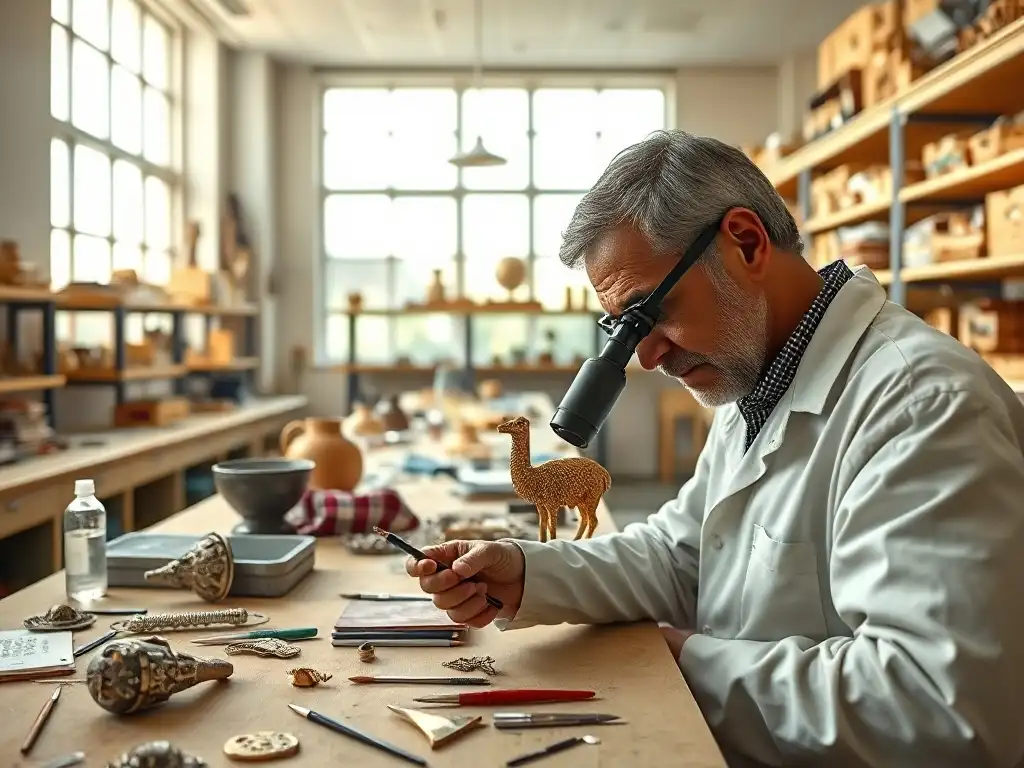
Step into a world lost to time, yet echoing with the whispers of empires. Imagine the intricate artistry of ancient Andean civilizations, the gleam of gold, the mystery of lost techniques. But what happens when time itself threatens to erase these wonders? This site delves into the fascinating world of Andean metal artifact conservation, revealing the secrets behind preserving these invaluable pieces of history for generations to come. Journey with us as we explore the challenges and triumphs of safeguarding the legacy of the Incas, Moche, Nazca, and Tiahuanaco—a legacy forged in metal and waiting to be rediscovered.
The Andes Mountains, a spine of towering peaks running down the western coast of South America, are not only a breathtaking geographical feature but also a cradle of remarkable civilizations. For millennia, Andean cultures – including the Incas, Moche, Nazca, and Tiahuanaco – developed sophisticated techniques in metalworking, creating stunning artifacts of gold, silver, copper, and bronze. These objects, often imbued with deep religious and symbolic meaning, provide invaluable insights into the beliefs, social structures, and technological prowess of these ancient societies.
However, the passage of time and exposure to the elements have taken their toll. This article delves into the crucial field of Andean metal artifact conservation, exploring the challenges, techniques, and ethical considerations involved in preserving this irreplaceable heritage for future generations.
We will examine the specific threats faced by these artifacts and the innovative methods employed by conservators to ensure their longevity, highlighting the importance of understanding the delicate balance between preservation and responsible access to these incredible pieces of history. The preservation of Andean metal artifacts is not merely a matter of maintaining physical integrity; it is about safeguarding cultural memory and ensuring that the stories encoded within these objects continue to resonate for centuries to come.
The Perils of Time: Degradation of Andean Metal Artifacts
Andean metal artifacts face a multitude of threats, many stemming from their age and the environmental conditions they have endured. These challenges include:
- Oxidation: The reaction of metals with oxygen in the air, leading to corrosion and the formation of oxides. This is particularly problematic for copper and bronze artifacts, which can develop verdigris (a green patina) that, while aesthetically pleasing in some cases, can also indicate underlying damage.
- Soil Acidity: Burial in acidic soils accelerates corrosion and can cause significant deterioration, particularly of less resistant metals. The chemical composition of the soil dramatically affects the rate and type of degradation.
- Climate Fluctuations: Exposure to fluctuating temperatures and humidity levels can lead to stress fracturing and the growth of damaging salts within the metal structure. The Andes’ diverse climates further exacerbate this issue.
- Biodeterioration: Microorganisms, such as bacteria and fungi, can colonize metal surfaces, contributing to corrosion and the breakdown of organic materials sometimes associated with the artifacts.
- Human Interference: Improper handling, looting, and even well-intentioned but uninformed cleaning attempts can inflict significant damage.
Conservation Strategies: A Multifaceted Approach
Conserving Andean metal artifacts requires a nuanced and often painstaking approach. Conservators utilize a range of techniques, carefully chosen based on the specific artifact and the nature of its degradation. These methods include:
- Cleaning: Gentle cleaning techniques are employed to remove loose corrosion products and dirt without damaging the underlying metal. This often involves the use of specialized tools and solutions, tailored to the specific metal composition.
- Stabilization: Chemical treatments are used to stabilize unstable corrosion products and prevent further deterioration. This might involve the application of consolidants or inhibitors.
- Reconstruction: In cases of severe damage, conservators may undertake careful reconstruction, using compatible materials to repair losses and stabilize weakened areas. This work often requires meticulous craftsmanship and a deep understanding of the original object's construction.
- Environmental Control: Maintaining stable temperature and humidity levels in storage and display environments is crucial for long-term preservation. This helps to minimize the impact of climate fluctuations.
- Documentation: Meticulous documentation of the artifact's condition, treatment, and any changes observed throughout the conservation process is essential for future research and understanding.
Ethical Considerations: Balancing Preservation and Access
The conservation of Andean metal artifacts raises important ethical considerations. Balancing the need to preserve these objects for future generations with the desire to make them accessible for study and appreciation is a delicate task. This necessitates:
- Transparency: Open communication about conservation methods and decisions is crucial to build trust and ensure accountability.
- Collaboration: Working collaboratively with indigenous communities and other stakeholders is essential to ensure respect for cultural heritage and traditional knowledge.
- Sustainable Practices: Adopting sustainable conservation practices, minimizing the use of harmful chemicals, and promoting responsible tourism practices are crucial for long-term preservation.
The Future of Andean Metal Artifact Conservation: Looking Ahead
The field of Andean metal artifact conservation is constantly evolving. New technologies and research are continually improving our understanding of deterioration processes and informing the development of more effective conservation methods. Ongoing research into the chemical composition of ancient alloys, the impact of environmental factors, and the development of new, less-invasive techniques promises to further enhance our ability to protect this invaluable cultural legacy.
The continued commitment to scientific research, ethical practice, and international collaboration is paramount to ensuring that the remarkable artistry and cultural significance of Andean metal artifacts are preserved for generations to come. The preservation of these treasures is not just a responsibility; it is a vital contribution to the global understanding of human history and cultural achievement.
- The Perils of Time: Degradation of Andean Metal Artifacts
- Conservation Strategies: A Multifaceted Approach
- Ethical Considerations: Balancing Preservation and Access
- The Future of Andean Metal Artifact Conservation: Looking Ahead
- What challenges do conservators face when working with Andean metal artifacts?
- What materials were commonly used in Andean metalwork?
- How is corrosion addressed in the conservation process?
- Why is the conservation of Andean metal artifacts important?
- What are some examples of Andean metal artifacts that have been successfully conserved?
Understanding the Significance of Andean Metalwork
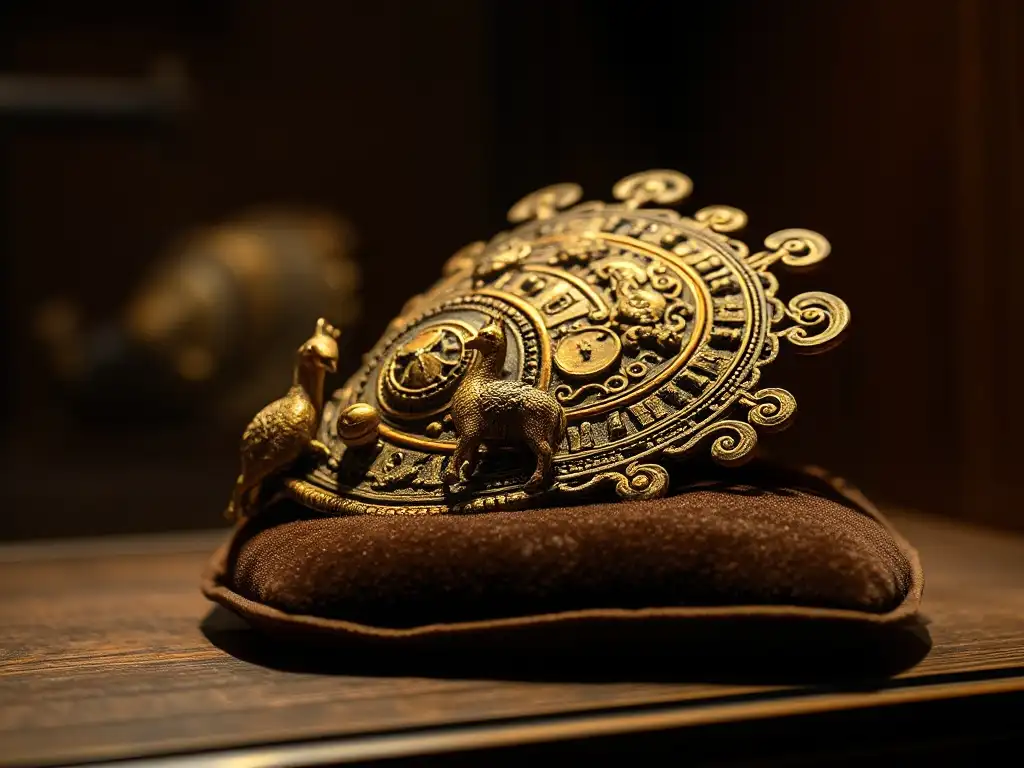
The Role of Metal in Ancient Andean Societies
Metalworking held a position of paramount importance in ancient Andean societies, far exceeding its purely utilitarian function. The mastery of metallurgy wasn't simply a technological achievement; it was deeply intertwined with religious beliefs, social structures, and political power. The acquisition and manipulation of metals like gold, silver, copper, and bronze – often requiring extensive trade networks spanning vast distances – signified wealth, status, and divine connection.
For example, the elite classes often wore elaborate gold ornaments, demonstrating their privileged position within the community. The intricate craftsmanship evident in many artifacts suggests a highly specialized workforce, possibly comprised of skilled artisans who held revered positions within their societies. The sheer volume of metal artifacts unearthed – from intricate jewelry to massive ceremonial objects – underscores the pervasive influence of metalworking on Andean life.
The process itself, from mining to refining and crafting, was likely imbued with ritualistic significance, further cementing its importance within the social and spiritual fabric of these cultures. This wasn't just about creating objects; it was about creating symbols of power, spirituality, and identity. Detailed studies of ancient Andean mines and workshops are continuously revealing more about the complex social organization surrounding metal production.
Types of Metal Artifacts Found in the Andes
The Andes region boasts an astonishing diversity of metal artifacts, reflecting the ingenuity and artistic skill of its ancient inhabitants. Gold, prized for its malleability and lustrous appearance, was frequently used to create elaborate jewelry, including intricately designed necklaces, earrings, and headdresses. Silver, while less common than gold, was also employed in the creation of decorative objects and functional items. Copper, often alloyed with tin to create bronze, was used to produce tools, weapons, and ceremonial objects, showcasing a remarkable range of techniques, from casting and hammering to repoussé and chasing.
The specific types of metal artifacts vary considerably depending on the culture and time period. For instance, the Moche culture is renowned for its stunning gold and silver jewelry depicting deities and mythical creatures, while the Inca produced impressive bronze weaponry and tools. Here's a table summarizing some common examples:
| Culture | Common Metal Artifacts | Notable Characteristics |
|---|---|---|
| Moche | Gold and silver jewelry, copper tools and weapons | Highly detailed figurative representations, intricate designs |
| Nazca | Gold and copper ornaments, tumbaga objects | Geometric patterns, stylized figures |
| Inca | Bronze tools and weapons, gold and silver ornaments | Standardized designs, sophisticated metallurgical techniques |
| Tiahuanaco | Gold and silver ceremonial objects, copper tools | Geometric and symbolic designs, often large-scale pieces |
The discovery of new artifacts continues to expand our understanding of Andean metallurgical practices and the wide variety of objects created. Careful analysis of these objects, including their composition and manufacturing techniques, provides valuable insights into the technological capabilities and artistic sensibilities of these ancient civilizations.
Cultural and Historical Importance of Andean Metal Art
Andean metal art serves as a powerful window into the past, offering invaluable insights into the beliefs, values, and social structures of these remarkable civilizations. The motifs and iconography depicted on these artifacts—from depictions of deities and mythical creatures to representations of daily life—provide clues to their cosmology, mythology, and social hierarchy. The sheer artistry and craftsmanship evident in these pieces highlight the advanced technological skills of Andean metalworkers and their deep understanding of metallurgical processes.
The enduring legacy of Andean metalworking is not only reflected in the objects themselves but also in the enduring impact they've had on subsequent cultures. These artifacts are not merely historical relics; they are powerful symbols that continue to inspire awe and wonder, offering a tangible connection to the rich and complex history of the Andes region. The ongoing research and conservation efforts dedicated to these artifacts ensure their preservation for future generations, allowing us to continue learning from and appreciating the remarkable artistry and cultural significance of ancient Andean metalwork.
The study of Andean metal artifact conservation is crucial to safeguarding this irreplaceable cultural heritage. The challenges are significant, encompassing everything from the degradation caused by environmental factors to the ethical considerations of preservation. The meticulous work of conservators helps to ensure that these precious pieces remain accessible for study and appreciation for years to come.
Challenges in Andean Metal Artifact Conservation
The conservation of Andean metal artifacts presents unique and significant challenges due to the diverse materials used, the often-degraded state of the objects, and the complex interplay of environmental factors. Successfully preserving these invaluable pieces of history requires a multidisciplinary approach, combining scientific analysis with careful, informed intervention. The fragility of these artifacts, coupled with the limited resources available in some regions, further complicates the task.
Effective strategies must not only stabilize the artifacts but also strive to maintain their historical integrity and cultural significance for future generations. The field of Andean metal artifact conservation is constantly evolving, with ongoing research yielding new insights into optimal preservation techniques.
Deterioration Factors Affecting Andean Metal Artifacts
Andean metalworkers employed a remarkable range of alloys and techniques, creating artifacts of exceptional beauty and craftsmanship. However, this very diversity contributes to the complexity of their deterioration. The most common factors impacting the longevity of these artifacts include:
- Corrosion: This is arguably the most significant threat. Different metals react differently to their environment. Copper alloys, for instance, are susceptible to various forms of corrosion, including chlorination, resulting in the formation of green patinas (often mistaken for stable preservation) which can hide more serious underlying damage. Gold, while relatively inert, can be affected by alloying elements. Silver, often used in combination with other metals, is prone to tarnishing and sulfide corrosion.
- Mechanical Damage: Handling, looting, and improper storage can cause significant physical damage, such as scratches, bends, and fractures. The delicate nature of many artifacts makes them particularly vulnerable to this type of deterioration. Improper excavation techniques, unfortunately, often contribute to this problem.
- Biological Degradation: Microorganisms, including bacteria and fungi, can colonize metal surfaces, accelerating corrosion and leading to further deterioration. The presence of organic residues on the artifacts can provide a breeding ground for these organisms. The humid climate of many Andean regions exacerbates this issue.
- Environmental Pollutants: Exposure to atmospheric pollutants, such as sulfur dioxide and acid rain, can significantly accelerate the corrosion process. These pollutants react with the metal surfaces, forming corrosive compounds. Modern air pollution poses a growing threat to artifacts in both museum collections and archaeological sites.
Environmental Impact on Ancient Andean Metals
The Andean environment itself plays a crucial role in the deterioration of metal artifacts. Factors such as:
- Altitude: The high altitude of many Andean sites exposes artifacts to intense UV radiation and significant temperature fluctuations, both of which can contribute to metal degradation. The thin atmosphere at high altitude offers less protection from these environmental stressors.
- Humidity: The varying humidity levels in different Andean regions influence the rate of corrosion. High humidity can promote the growth of microorganisms and accelerate the formation of corrosion products. Fluctuations in humidity can also cause expansion and contraction of the metal, leading to stress and cracking.
- Soil Composition: The chemical composition of the soil in which artifacts are buried significantly impacts their preservation. Soils rich in chlorides or sulfates, for example, can contribute to severe corrosion. The presence of acidic soils further accelerates the deterioration process.
Identifying Corrosion and Degradation in Metal Objects
Accurate assessment of the extent and type of corrosion is crucial for developing effective conservation strategies. Several methods are employed:
- Visual Inspection: A careful visual examination is the first step, identifying obvious signs of corrosion, damage, and surface alteration. This often involves the use of magnification tools to assess detail.
- Microscopic Analysis: Microscopy techniques, such as optical microscopy and scanning electron microscopy (SEM), provide detailed information about the microstructure of the metal and the nature of corrosion products. This allows for a precise identification of the type of corrosion and the extent of damage.
- Spectroscopic Analysis: Techniques such as X-ray diffraction (XRD) and X-ray fluorescence (XRF) spectroscopy are used to determine the chemical composition of the metal and its corrosion products. This is critical in understanding the alloying elements and the underlying causes of degradation. This data informs appropriate conservation treatments.
Understanding the specific challenges posed by each deterioration factor and employing appropriate analytical techniques are paramount for successful Andean metal artifact conservation. The meticulous approach required ensures the long-term preservation of these historically and culturally significant objects. Further research into the specific environmental factors affecting different Andean regions and the development of tailored conservation strategies are essential for safeguarding this unique cultural heritage.
Andean Metal Artifact Conservation Techniques
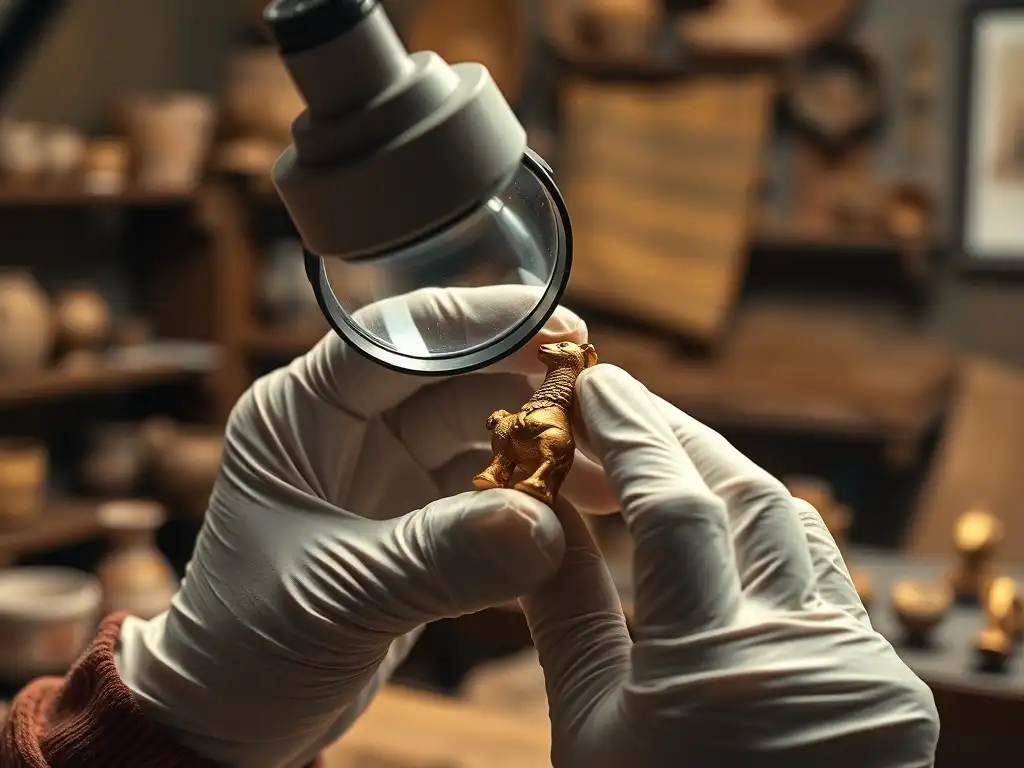
The preservation of ancient Andean metal artifacts presents unique challenges due to the materials used, the environmental conditions of their discovery, and the age of the objects themselves. Successful conservation requires a multi-faceted approach combining careful cleaning, stabilization, and preventative measures. Understanding the specific composition of the metal, often alloys of copper, gold, silver, and other elements, is crucial for selecting appropriate techniques.
Improper handling can lead to irreversible damage, highlighting the need for specialized expertise in Andean metal artifact conservation. The goal is always to minimize intervention while ensuring the long-term survival of these irreplaceable pieces of history. This section details the key techniques employed in this delicate process, focusing on the specific needs of Andean metalwork.
Cleaning Methods for Preserving Andean Metals
Cleaning Andean metal artifacts requires extreme caution. Aggressive methods can remove valuable surface details or cause irreparable damage to already weakened structures. The choice of cleaning method depends heavily on the type of metal, the extent of corrosion, and the presence of any organic matter. Several techniques are employed, each with its own advantages and limitations.
- Mechanical Cleaning: This involves the careful removal of loose corrosion products using tools like scalpels, brushes (both soft and stiff), and dental picks. This is often the initial step, aiming to remove surface dirt and debris before more advanced techniques are considered. The process requires meticulous attention to detail, with constant monitoring to prevent scratches or damage.
- Chemical Cleaning: Chemical cleaning utilizes solutions to remove corrosion. Commonly used solutions include chelating agents, which help to dissolve corrosion products without harming the underlying metal. However, the selection of chemicals must be precise, as incorrect choices can lead to pitting, discoloration, or even the complete destruction of the artifact. The process often involves multiple steps, with careful rinsing and neutralization after each application. For example, the removal of chloride salts, a common problem in coastal Andean regions, might require specific solutions tailored to the artifact's composition.
- Electrolytic Cleaning: This electrochemical method is employed for more stubborn corrosion. It involves immersing the artifact in a carefully controlled electrolyte solution and applying a low-voltage current. This process helps to remove corrosion without damaging the underlying metal. However, it requires precise control of parameters to avoid unwanted side effects. The efficacy and safety of electrolytic cleaning depend heavily on the specific composition of both the artifact and the electrolyte solution, requiring detailed analysis beforehand. This technique is particularly useful for objects with intricate details where mechanical cleaning is difficult or risky.
Stabilization Techniques for Fragile Andean Artifacts
Many Andean metal artifacts are fragile due to age, corrosion, and past damage. Stabilization techniques aim to halt further deterioration and consolidate weakened areas. These techniques often involve the application of consolidants, which penetrate the metal and bind the corroded particles together, strengthening the overall structure.
- Consolidation: Consolidants, such as Paraloid B-72 (a common acrylic resin) or other suitable materials, are applied carefully to consolidate loose or powdery corrosion products. The choice of consolidant depends on the specific metal and the type of corrosion. The application process must be meticulously controlled to prevent the build-up of excess material, which can obscure details or alter the artifact's appearance. The goal is to strengthen the artifact without obscuring its original features or adding noticeable alterations.
- Support Structures: For extremely fragile objects, support structures may be necessary. These can range from simple cradles made of inert materials to more complex supports that carefully reinforce weakened areas. The creation of these supports requires specialized knowledge to ensure that they do not damage the artifact further, nor interfere with future study or display. The material used for support structures must be carefully chosen to be chemically inert and stable over time, avoiding any potential interaction with the artifact's material.
- Fillers: Small losses or holes in the artifact can be filled using carefully chosen fillers, often resin-based materials that closely match the artifact's color. The filling process requires precise technique to ensure a smooth, seamless repair that does not detract from the artifact’s aesthetic value. The goal is to repair losses while maintaining the integrity of the object and its historical value.
Protective Measures to Prevent Future Degradation
Preventative conservation is crucial for the long-term preservation of Andean metal artifacts. This involves controlling environmental factors and providing appropriate storage and display conditions.
- Environmental Control: Fluctuations in temperature and humidity can accelerate corrosion. Maintaining a stable environment is therefore critical. This involves storing artifacts in climate-controlled environments with low relative humidity and stable temperatures. The ideal conditions will vary slightly depending on the artifact's specific composition, but maintaining consistent parameters is key.
- Storage and Display: Artifacts should be stored in acid-free containers or display cases, protecting them from dust, light, and pollutants. The use of appropriate packaging materials is crucial; these materials should be inert and free from chemicals that could interact with the metal. Regular monitoring of the storage environment and the condition of the artifacts is essential.
- Handling Procedures: Strict handling protocols are necessary to minimize the risk of damage. This includes the use of gloves and appropriate tools, and training for all personnel involved in handling the artifacts. Detailed handling protocols should be developed and followed rigorously, with regular review and updates as needed. The goal is to minimize any potential human-induced damage, ensuring the long-term preservation of these irreplaceable treasures.
Materials Used in Andean Metal Conservation
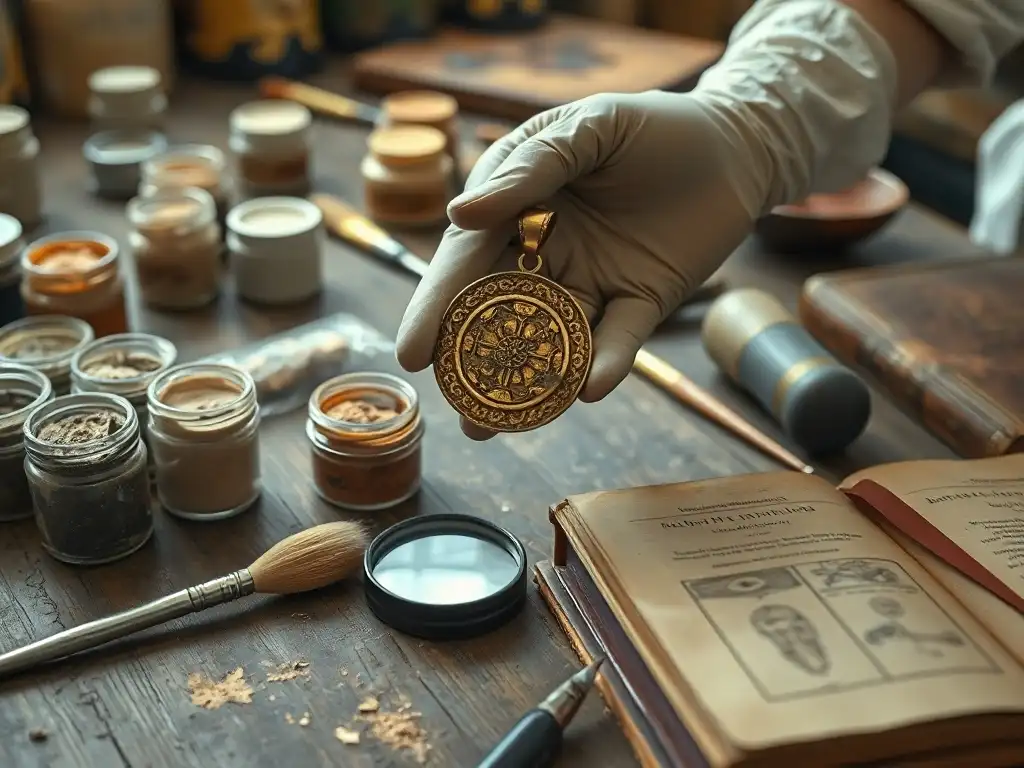
The conservation of Andean metal artifacts presents unique challenges due to the diverse alloys used, the often-delicate nature of the objects, and the environmental conditions they've endured for centuries. Successful preservation hinges on selecting the right materials, carefully considering their long-term effects on the artifacts' integrity and appearance. This section details the crucial materials used in the meticulous process of Andean metal artifact conservation, focusing on their properties and application.
Understanding these materials is key to appreciating the complexities involved in safeguarding this invaluable cultural heritage. The careful selection and application of these materials are paramount in ensuring the longevity of these irreplaceable treasures for future generations to study and admire. This detailed understanding of Andean metal artifact conservation techniques is vital for preserving these precious pieces of history.
Choosing the Right Consolidants for Metals
Consolidants are crucial in strengthening weakened or deteriorated metal artifacts. The choice of consolidant depends heavily on the specific metal alloy and the nature of the deterioration. For example, copper alloys like bronze, frequently found in Andean artifacts, can suffer from various forms of decay including chlorination and patination. Therefore, the selection process requires careful analysis.
Several consolidants have proven effective for Andean metals. These include:
- Paraloid B-72: A common choice for its effectiveness in consolidating deteriorated metals while remaining relatively reversible. Its compatibility with various metals makes it a versatile option, though its use requires careful control of concentration to avoid altering the surface appearance. It's particularly useful for consolidating fragile areas, preventing further loss of material.
- Acrylic resins: Various acrylic resins are utilized, each with specific properties. Some offer superior flexibility, making them appropriate for objects prone to movement or stress. Others offer increased strength for more severely damaged pieces. The selection of a specific acrylic resin necessitates a thorough assessment of the object's condition and material composition.
- Cellulose nitrate: Historically used, its use is now less common due to its instability and potential for degradation over time, leading to further damage to the artifact. Its use should be carefully considered and only applied under exceptional circumstances and with strict adherence to safety protocols.
The application of any consolidant requires meticulous attention to detail, often involving controlled environments and specialized techniques to prevent damage or unwanted side effects. The long-term effects of each consolidant on the artifact must be carefully considered, with reversibility being a key factor in the decision-making process. The goal is always to strengthen the artifact without altering its original properties or appearance.
Safe Adhesives for Repairing Damaged Objects
Repairing fractured or broken Andean metal artifacts requires adhesives that provide strong, stable bonds while minimizing any impact on the original material. The adhesive must be compatible with the metal, strong enough to withstand handling and display, and ideally, reversible for future treatments.
Several adhesives are employed in the repair of Andean metal artifacts:
- Epoxy resins: These offer excellent strength and durability, making them suitable for many repair applications. However, the choice of epoxy resin must be carefully considered, as some formulations can be difficult to reverse and may discolor over time. Careful selection of a low-viscosity epoxy is crucial for penetrating small cracks and crevices.
- Animal glues: Historically used, these are less common now due to their susceptibility to degradation and environmental instability. Their use should be carefully considered, and only employed with a thorough understanding of their limitations.
- Polyvinyl acetate (PVA): This adhesive is often chosen for its ease of use and reversibility. It's particularly useful for less demanding repairs, where strength is not the primary concern. However, its lower strength compared to epoxy resins limits its applications to less structurally compromised objects.
Successful adhesive application requires precise technique, including careful cleaning and preparation of the surfaces to be joined. Excess adhesive must be removed meticulously to prevent unsightly residues. The goal is to create an invisible, stable repair that preserves the integrity of the artifact while maintaining its aesthetic qualities.
Conservation-Grade Packaging Materials for Storage
Proper storage is crucial for the long-term preservation of Andean metal artifacts. Environmental factors like temperature, humidity, and light exposure can cause significant deterioration. Therefore, the selection of appropriate packaging materials is paramount. The materials must protect the artifact from physical damage, environmental fluctuations, and potential pests.
Conservation-grade packaging materials commonly used include:
| Material | Properties | Advantages | Disadvantages |
|---|---|---|---|
| Acid-free tissue | Soft, absorbent, chemically inert | Protects against abrasion, gentle handling | Requires careful handling to avoid tearing, may not provide sufficient support |
| Acid-free foam | Cushioning, impact absorption | Excellent protection against shocks and vibrations | Can be bulky, may compress over time |
| Corrugated board | Strong, provides structural support | Provides excellent protection during transport | Can be bulky, requires careful selection to avoid acidic components |
| Archival polyester | Durable, chemically inert, barrier to light and pollutants | Excellent long-term protection | Can be expensive |
The choice of packaging materials depends on the artifact's size, fragility, and specific storage conditions. The goal is to create a stable microenvironment that minimizes environmental stress and protects the artifact from any potential damage. Regular monitoring of storage conditions and periodic inspection of the packaging are essential to ensure the ongoing preservation of these valuable artifacts. Proper storage is an integral part of the long-term conservation strategy for Andean metal artifacts.
Case Studies in Andean Metal Artifact Conservation
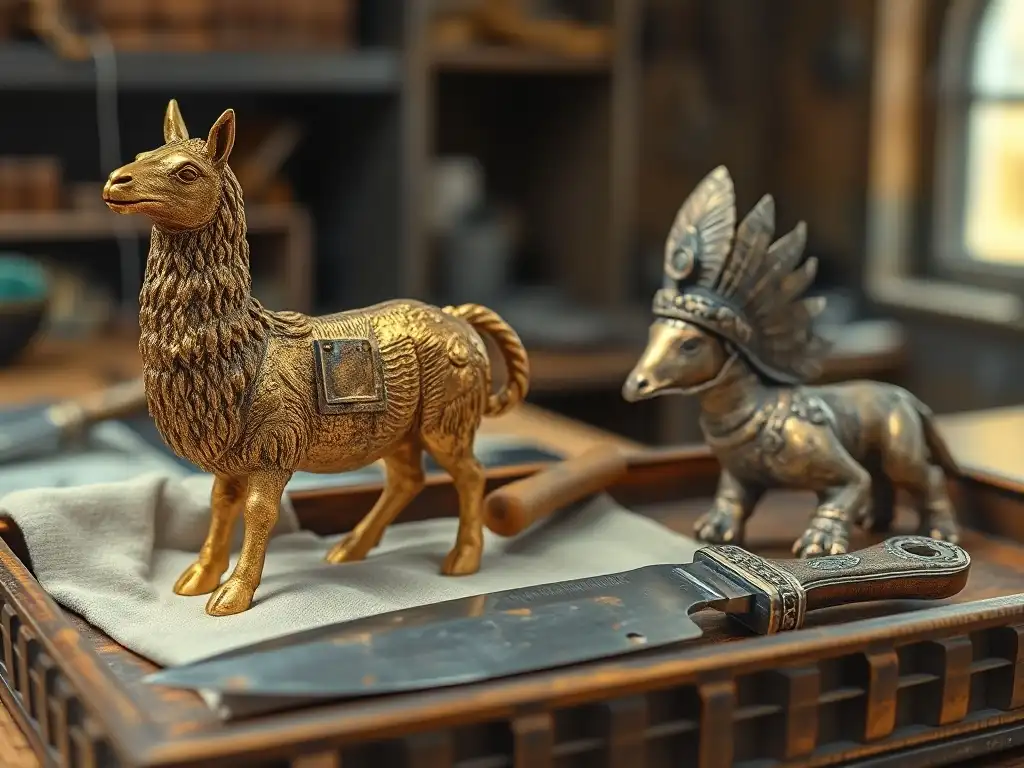
This section delves into specific examples of Andean metal artifact conservation, highlighting successes, challenges, and lessons learned. Understanding these case studies provides crucial insights into the complexities and nuances of preserving this irreplaceable cultural heritage. The delicate nature of these artifacts, often subjected to centuries of environmental degradation, requires highly specialized techniques and a deep understanding of the materials and their deterioration processes.
The goal is not merely to preserve the artifacts, but to conserve them, maintaining their integrity and allowing future generations to appreciate their artistry and historical significance. This involves a multidisciplinary approach, combining scientific analysis with artistic expertise. The ongoing research in Andean metal artifact conservation is vital for ensuring the long-term survival of these invaluable pieces.
Successful Conservation of the Tumi Knife from the Sicán Culture
The Sicán culture, renowned for its sophisticated metalworking techniques, produced stunning examples of gold and copper alloy artifacts. One such example is a remarkably preserved tumi, a ceremonial knife, undergoing conservation treatment. Initial assessment revealed significant corrosion, particularly along the blade's edge, due to exposure to soil acidity and moisture. The conservation strategy involved several steps:
- Careful Cleaning: A meticulous cleaning process, employing non-invasive techniques such as ultrasonic cleaning with deionized water and gentle brushing with soft bristle brushes, removed surface contaminants without damaging the delicate gold and copper alloy.
- Corrosion Stabilization: The application of specific chemical solutions helped to neutralize the corrosion products and stabilize the remaining metal, preventing further deterioration. The specific chemicals used were carefully selected based on analyses of the alloy composition to avoid any adverse reactions.
- Protective Coating: A thin, transparent protective coating was applied to create a barrier against environmental factors and to minimize future corrosion. The selection of this coating was crucial, focusing on its reversibility and minimal impact on the artifact's visual appearance.
The success of this conservation effort is evident in the tumi's improved condition. The vibrant colors of the gold and copper alloy have been restored, and the intricate details of the design are now clearly visible. This case study demonstrates the effectiveness of a well-planned and meticulously executed conservation strategy focusing on minimal intervention and reversibility. The tumi is now on display, allowing researchers and the public alike to appreciate this magnificent piece of Andean heritage.
Challenges and Solutions in the Conservation of Gold Masks from the Moche Culture
The Moche culture is celebrated for its exquisite gold masks, often depicting deities or significant figures. However, the conservation of these artifacts presents unique challenges. Gold, while relatively inert, can be susceptible to damage from certain environmental factors and improper handling. Furthermore, the intricacy of the designs and the delicate nature of the materials require careful consideration.
- Chloride Contamination: One major challenge encountered is chloride contamination, often leading to the formation of silver chloride, which can cause pitting and discoloration of the gold surface. Addressing this involved specialized treatments aimed at removing the chlorides without harming the gold itself. This often requires advanced analytical techniques to determine the extent and type of contamination.
- Adhesive Removal: Many Moche masks were found with remnants of ancient adhesives used in their creation or later repairs. The removal of these adhesives requires specialized solvents and techniques to avoid damaging the underlying gold. This process is often painstaking and requires careful monitoring to ensure the integrity of the artifact.
- Structural Support: Some masks suffer from structural instability, requiring careful strengthening and support. This often involves the use of very fine, inert materials to consolidate fragile areas without obscuring the delicate details.
These challenges highlight the need for a thorough understanding of the materials science behind the artifacts and a flexible approach to conservation. The successful conservation of Moche gold masks depends on a combination of advanced analytical techniques, careful planning, and the expertise of skilled conservators. The ongoing research into the degradation mechanisms of these artifacts continues to inform best practices in this field.
Lessons Learned from Past Andean Metal Preservation Efforts
The history of Andean metal artifact conservation is punctuated by both successes and failures. Early attempts, often lacking scientific rigor, resulted in irreversible damage to many valuable artifacts. These past experiences have provided invaluable lessons, shaping current conservation practices.
- Importance of Documentation: Thorough and detailed documentation of the artifact's condition before, during, and after treatment is paramount. This detailed record allows future conservators to understand the decisions made and adapt their approaches as needed. This includes detailed photographic records, chemical analyses, and meticulous notes on all procedures.
- Reversibility: Modern conservation emphasizes the importance of reversible treatments. This means that any intervention should be able to be undone without damaging the artifact. This necessitates the use of materials and techniques that do not permanently alter the original object.
- Ethical Considerations: Ethical considerations are paramount. Conservation should prioritize the long-term preservation of the artifact, respecting its cultural significance and avoiding any interventions that might compromise its authenticity. This includes careful consideration of the cultural context and the wishes of the communities who hold these artifacts sacred.
The continuous evolution of conservation techniques, driven by scientific advancements and a deeper understanding of Andean metalworking practices, demonstrates a commitment to preserving this precious cultural heritage for future generations. The ongoing research and collaborative efforts between scientists, conservators, and archaeologists are crucial to the success of these preservation efforts, ensuring the continued study and appreciation of Andean metal artifacts.
The Future of Andean Metal Artifact Conservation
The field of Andean metal artifact conservation is constantly evolving, driven by the discovery of new artifacts and advancements in scientific understanding. Preserving these irreplaceable pieces of history requires a multi-pronged approach, integrating traditional methods with cutting-edge technologies. The long-term preservation of Andean metalwork hinges on our ability to adapt to new challenges and embrace innovative solutions.
The delicate nature of these artifacts, often suffering from corrosion, deformation, and the effects of looting and improper handling, demands a sophisticated and nuanced approach to their care. Effective conservation strategies must consider not only the immediate needs of the artifact but also its long-term stability and accessibility for future generations. The future of Andean metal artifact conservation relies on a commitment to ongoing research, interdisciplinary collaboration, and the ethical handling of these invaluable cultural treasures.
New Technologies in the Conservation of Ancient Metals
Recent advancements in material science and analytical techniques have revolutionized the conservation of ancient Andean metals. Techniques like X-ray fluorescence (XRF) spectroscopy allow for non-invasive analysis of the metal's composition, revealing valuable information about the alloys used and the manufacturing processes employed. This data is crucial for understanding the original craftsmanship and informing appropriate conservation strategies.
Furthermore, advanced imaging techniques such as micro-computed tomography (micro-CT) provide three-dimensional visualizations of the artifact's internal structure, revealing hidden corrosion or damage not visible to the naked eye. This allows conservators to plan interventions more precisely and effectively, minimizing risk to the artifact's integrity. The application of laser cleaning techniques offers a highly controlled and precise method for removing surface contaminants, while advanced materials science allows for the development of new, more stable protective coatings.
The integration of these new technologies is paramount to ensuring the long-term preservation of Andean metal artifacts and advancing our understanding of ancient Andean metallurgy. For example, the application of electrochemical methods offers a promising approach to treat corrosion without damaging the original metal. The development and refinement of these techniques are crucial for the preservation of this invaluable heritage.
The Importance of Collaboration in Andean Heritage Preservation
Effective Andean metal artifact conservation requires a collaborative effort between various stakeholders. This includes archaeologists, conservators, museum professionals, government agencies, and local communities. The sharing of knowledge, resources, and best practices is essential for developing effective conservation strategies and ensuring the long-term preservation of these artifacts.
Collaboration fosters a holistic approach, considering not only the scientific aspects of conservation but also the cultural and ethical implications. This collaborative model ensures that the conservation process respects the cultural significance of the artifacts and involves the communities whose heritage is being preserved. For instance, a joint project involving a university research team, a national museum, and a local community in Peru could lead to more effective and culturally sensitive conservation practices.
This collaborative approach is vital for the successful preservation of Andean metal artifacts for future generations. Open communication and data sharing are crucial for building a strong network of expertise dedicated to the preservation of Andean heritage. The success of any conservation initiative relies heavily on the commitment and cooperation of all involved parties.
Ethical Considerations in Handling Andean Metal Objects
The ethical handling of Andean metal artifacts is a crucial aspect of their conservation. This includes considerations related to provenance, repatriation, and the responsible acquisition and display of these objects. The illegal looting and trafficking of these artifacts pose a significant threat to Andean cultural heritage.
Ethical conservation practices necessitate rigorous documentation of the artifact's history, including its provenance and any previous treatments. Moreover, the repatriation of artifacts to their countries of origin is a crucial ethical consideration, ensuring that these cultural treasures are returned to the communities from whom they were taken. The responsible display and storage of these artifacts in museums and other institutions are equally critical, ensuring their protection from environmental damage and theft.
The ethical framework guiding the conservation of Andean metal artifacts must prioritize the preservation of cultural heritage and the respect for the rights and traditions of indigenous communities. Understanding the historical and cultural context of these artifacts is paramount, and any intervention must be carried out with respect for their inherent value. This commitment to ethical practices is fundamental to the long-term preservation of Andean cultural heritage.
The Role of Research in Andean Metal Conservation
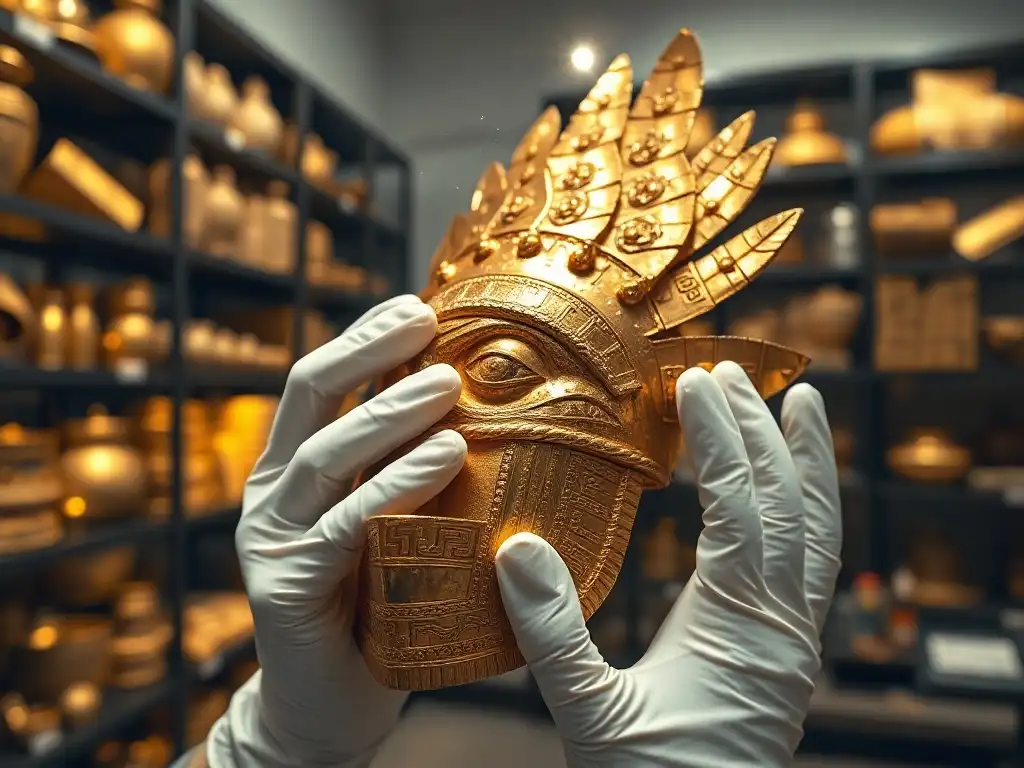
The preservation of Andean metal artifacts is not simply a matter of cleaning and storing; it's a complex process deeply intertwined with ongoing research. Successful conservation requires a thorough understanding of the materials, techniques, and historical context of these invaluable objects. Without dedicated research, conservation efforts risk causing irreparable damage, undermining the very legacy we strive to protect.
A multidisciplinary approach, combining scientific analysis with historical and archaeological investigation, is crucial for effective and ethical Andean metal artifact conservation. This holistic approach ensures the longevity of these artifacts while simultaneously enriching our understanding of the sophisticated metalworking traditions of Andean civilizations. The investment in research directly translates to the long-term survival and accessibility of these irreplaceable cultural treasures for future generations.
Scientific Analysis of Andean Metal Alloys
Understanding the precise composition of Andean metal alloys is paramount for effective conservation. Scientific analysis, utilizing techniques like X-ray fluorescence (XRF) and X-ray diffraction (XRD), allows researchers to identify the specific metals used (e.g., gold, silver, copper, tin, arsenic) and their proportions. This information is vital for determining the appropriate cleaning and stabilization methods.
For instance, the presence of certain impurities can influence the metal's reactivity and susceptibility to corrosion. Analysis of a pre-Columbian gold artifact might reveal traces of mercury, a common additive in Andean metallurgy, indicating the need for specialized treatment to prevent further degradation. Detailed alloy analysis also helps us reconstruct ancient metalworking techniques and identify potential sources of raw materials, furthering our understanding of ancient trade networks and economic systems.
This detailed chemical characterization of each artifact informs tailored conservation strategies, maximizing preservation while minimizing intervention. Furthermore, the data collected contributes to a larger database, furthering our collective knowledge of Andean metallurgy and improving future conservation practices. The scientific approach provides the foundation for informed decision-making in the delicate process of preserving these irreplaceable pieces of history.
Understanding Ancient Metalworking Techniques
The conservation of Andean metal artifacts demands an in-depth comprehension of the ancient techniques employed in their creation. By studying surviving tools, analyzing manufacturing residues, and meticulously examining the artifacts themselves, researchers can piece together the processes involved in casting, hammering, annealing, and alloying. For instance, the intricate details of a Moche gold mask might reveal the use of lost-wax casting, a sophisticated technique requiring precise control over temperature and material properties.
Understanding these techniques is crucial for informed conservation, as improper handling or cleaning methods could damage delicate features or compromise the structural integrity of the artifact. Moreover, the study of ancient metalworking techniques illuminates the ingenuity and skill of Andean artisans, allowing us to appreciate the cultural significance of these objects beyond their aesthetic value.
This historical and technical understanding is crucial in guiding the development of appropriate conservation strategies that respect the original craftsmanship and material properties of each artifact. Reconstructing these ancient processes allows us to better understand the challenges faced by ancient artisans and develop more effective methods of preserving their achievements.
Contributing to a Deeper Understanding of Andean History
The conservation of Andean metal artifacts is not just about preserving objects; it's about preserving history. The meticulous study of these artifacts, including their chemical composition, manufacturing techniques, and decorative motifs, provides invaluable insights into the social, political, and religious life of Andean societies. For example, the discovery of specific alloys or decorative styles in particular regions can shed light on trade routes, political alliances, and cultural exchange.
The iconography depicted on these artifacts – whether it be representations of deities, animals, or human figures – offers crucial clues to the beliefs, values, and worldview of the ancient Andean peoples. By preserving these artifacts, we are not only protecting tangible pieces of the past but also safeguarding the stories they tell.
The data gathered from conservation efforts, combined with archaeological and historical research, allows us to construct a more nuanced and comprehensive picture of Andean civilizations, enriching our understanding of their complex societies and legacies. Each conserved artifact is a window into the past, contributing to a richer and more complete narrative of Andean history.
Protecting Andean Metal Heritage for Future Generations
This section delves into the crucial aspects of safeguarding Andean metal artifacts, focusing on proactive strategies and collaborative efforts essential for long-term preservation. The delicate nature of these ancient treasures demands a multifaceted approach, combining scientific techniques with community engagement and international cooperation. The challenge is not merely to preserve the physical objects but also to protect the cultural heritage they represent, ensuring these remarkable pieces remain accessible and inspiring for generations to come. Understanding the threats to these artifacts – from environmental factors to looting and illicit trade – is the first step towards effective conservation.
The Importance of Preventive Conservation for Long-Term Preservation
Preventive conservation plays a pivotal role in extending the lifespan of Andean metal artifacts. This proactive approach minimizes the need for extensive and potentially damaging restorative interventions. It prioritizes controlling environmental factors that contribute to deterioration. For example, fluctuations in temperature and humidity can cause significant stress on these artifacts, leading to corrosion and cracking. Maintaining stable environmental conditions within museums and storage facilities is paramount. This involves utilizing climate-controlled environments and employing appropriate packaging materials to buffer objects from external influences.
Furthermore, careful handling is crucial. Trained professionals must adhere to strict protocols when examining or moving these delicate pieces. The use of appropriate gloves and tools prevents accidental damage and the transfer of contaminants. Regular monitoring of the artifacts' condition, including detailed documentation of any changes, is also essential for early detection of potential problems.
This proactive approach allows for timely intervention, preventing minor issues from escalating into major conservation challenges. Data logging using specialized software is becoming increasingly common, enabling detailed tracking of environmental conditions and artifact status. This data provides invaluable insights into long-term preservation strategies. For instance, [specific data on the effectiveness of different storage methods pending] will further refine our understanding of optimal preventive conservation practices for Andean metal artifacts.
Promoting Awareness of Andean Metal Art and its Conservation
Raising public awareness about the significance of Andean metalworking and the challenges involved in its conservation is crucial for securing its future. Educational initiatives, including museum exhibitions, workshops, and online resources, can effectively convey the rich history and artistry embedded in these artifacts. Engaging local communities, particularly those with ancestral ties to the regions where these artifacts were created, is equally important. Their traditional knowledge and perspectives can significantly contribute to conservation efforts and ensure that the preservation process respects cultural sensitivities.
Furthermore, promoting ethical collecting practices is vital. Combating the illicit trade in antiquities requires international collaboration and stricter regulations. Educating potential collectors about the importance of provenance and the legal ramifications of acquiring illegally obtained artifacts is crucial.
The use of social media and other digital platforms to share information about Andean metal art and its conservation can also significantly boost awareness among a wider audience. For example, a campaign showcasing [specific example of a successful social media campaign pending] could serve as a model for future initiatives. By fostering a greater appreciation for these treasures and the importance of responsible stewardship, we can inspire a new generation of protectors of Andean cultural heritage.
Supporting Organizations Dedicated to Andean Heritage Preservation
Numerous organizations worldwide dedicate themselves to the preservation of Andean cultural heritage, including the conservation of metal artifacts. Supporting these organizations through financial contributions, volunteer work, or advocacy is crucial. These organizations often possess the expertise, resources, and infrastructure necessary to conduct research, develop conservation techniques, and implement preservation programs. Their efforts often involve collaboration with local communities and governmental agencies, ensuring a holistic and sustainable approach.
Moreover, supporting research initiatives that focus on Andean metalworking techniques and the materials used in the creation of these artifacts is essential. This research helps us to better understand the objects we are trying to preserve, informing more effective conservation strategies. [Specific examples of organizations dedicated to Andean metal artifact conservation pending] highlight the diversity of expertise and approaches employed in this field.
Funding for these organizations is often limited, so donations, grants, and partnerships are vital to their continued success. By strengthening these organizations, we collectively enhance our capacity to protect and cherish the irreplaceable Andean metal heritage for future generations. The collaborative efforts of these organizations underscore the global significance of Andean metal artifact conservation and the importance of international cooperation in safeguarding this unique cultural legacy.
Frequently Asked Questions
What challenges do conservators face when working with Andean metal artifacts?
Conservators face numerous challenges, including environmental degradation (humidity, temperature fluctuations), corrosion from various sources, and the fragility of many artifacts due to age and previous damage. Careful cleaning and stabilization are crucial.
What materials were commonly used in Andean metalwork?
Andean metalworkers skillfully used gold, silver, copper, and bronze, often creating alloys for specific properties and colors. They also employed techniques like hammering, casting, and soldering.
How is corrosion addressed in the conservation process?
Corrosion is tackled through electrolytic reduction or chemical treatments. These methods carefully remove corrosion products without harming the underlying metal. Careful analysis is crucial to choose the best approach.
Why is the conservation of Andean metal artifacts important?
Conserving these artifacts is vital for preserving cultural heritage and understanding ancient Andean societies. These objects provide invaluable insights into their technology, beliefs, and artistic achievements.
What are some examples of Andean metal artifacts that have been successfully conserved?
Many significant pieces have been successfully conserved, including elaborate gold masks, ceremonial vessels, and ornate jewelry. These conserved artifacts are now showcased in museums worldwide, allowing for public appreciation and study.
Final Reflection: The Enduring Legacy of Andean Metalwork
The meticulous conservation of Andean metal artifacts isn't merely an academic pursuit; it's a vital bridge connecting our present to a rich and complex past. These breathtaking objects, crafted with unparalleled skill centuries ago, whisper stories of sophisticated societies and enduring human ingenuity. Their preservation ensures that these narratives continue to resonate, challenging our assumptions and enriching our understanding of the human experience.
The ongoing effort to conserve these artifacts is a testament to the power of cultural heritage to shape our identity and inspire future generations. These objects are more than just beautiful relics; they are tangible links to a vibrant civilization. Their survival, often against the odds of time and the elements, speaks to the dedication of conservators and the enduring value placed on preserving our shared history. The past is never dead. It's not even past.
– William Faulkner. This quote rings profoundly true when considering the enduring impact of these artifacts and the ongoing work to safeguard them for posterity.
Consider the intricate detail, the masterful craftsmanship, the stories embedded within each hammered sheet of gold, each meticulously shaped piece of copper. These are not simply objects; they are windows into a world that existed long before our own. You, the reader, are now part of this legacy. Take a moment to reflect on the importance of preserving our cultural heritage, not just in museums and archives, but in our hearts and minds. Let the enduring beauty and artistry of Andean metalwork inspire you to champion the preservation of cultural treasures wherever you find them.
Embrace the Legacy of Andean Art!
Thank you for exploring the intricate world of ancient Andean metalwork with us! Your interest helps preserve these incredible legacies for future generations.
Now, let's actively contribute to protecting this rich heritage:
- **Join a local archaeological society or volunteer at a museum** to support preservation efforts directly. Consider contacting organizations that specialize in Andean artifacts.
- Share this article on social media to raise awareness and inspire others to appreciate and protect Andean history. Even a simple post can make a difference.
- Visit museums and exhibitions showcasing Andean art, and consider discussing your experience with friends and family to foster a deeper appreciation for this important cultural heritage within your community.
How else can we all contribute to the conservation of ancient cultures and their invaluable artifacts?