
Unveiling the Enigmatic Meanings: Decoding Andean Art Symbols

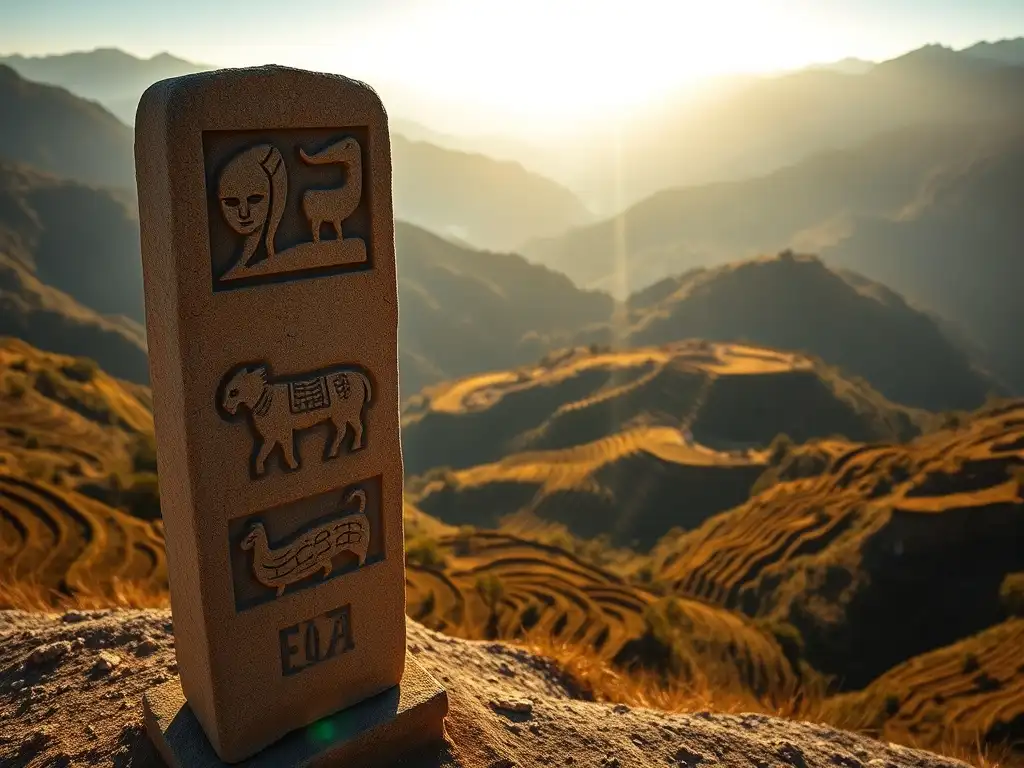
Step into a world lost to time, yet echoing with vibrant life. Journey through the breathtaking landscapes and captivating cultures of the Andes, where empires rose and fell, leaving behind a legacy of unparalleled artistry. Prepare to unravel the mysteries hidden within the intricate designs of Andean art. What secrets do the symbols hold? Discover the profound meanings behind these ancient glyphs and unlock a deeper understanding of the Andean art symbols meaning in our exploration of Andean Art and Iconography. The path to enlightenment awaits – delve into the enigma.
The Andes Mountains, a spine of towering peaks stretching along the western coast of South America, are not just a geographical feature; they are the cradle of some of the world's most fascinating and enduring civilizations. For millennia, these Andean cultures—including the Incas, Moche, Nazca, and Tiahuanaco—developed sophisticated societies, leaving behind a legacy of breathtaking architecture, intricate textiles, and, most importantly for this exploration, a rich tapestry of symbolic art.
Understanding the meanings behind these symbols offers a unique window into the beliefs, rituals, and daily lives of these ancient peoples. This article delves into the captivating world of Andean art symbols, exploring their diverse forms, interpretations, and the enduring mysteries they hold, helping you unlock the secrets embedded within these remarkable artifacts.
We will explore the various techniques used by scholars to decipher these symbols and discuss some of the most commonly recognized meanings, providing a comprehensive guide to understanding Andean art symbols meaning. Prepare to embark on a journey through time, unraveling the enigmatic messages encoded within these ancient works of art.
The Significance of Context in Andean Symbol Interpretation
Interpreting Andean art symbols requires a nuanced approach, recognizing that meaning is heavily influenced by context. A symbol's significance can vary greatly depending on the specific culture, time period, and even the location where it was found. For instance, a particular motif might represent fertility in one context and power in another. Careful consideration of the artifact itself – its material, style, and associated objects – is crucial for accurate interpretation.
Furthermore, the broader social and political landscape of the Andean civilization in question must be considered. Scholars often use comparative analysis, examining similar motifs across different sites and cultures to identify recurring themes and potential meanings. This interdisciplinary approach, combining archaeological findings with anthropological and historical insights, is vital for a thorough understanding of Andean art symbols. Without considering the context, we risk misinterpreting these powerful emblems and losing a vital connection to the past.
Common Andean Art Symbols and Their Potential Interpretations
Many recurring symbols appear across different Andean cultures, suggesting shared beliefs or common symbolic languages. These symbols frequently depict animals, celestial bodies, and abstract designs. Let's explore some key examples:
- The Serpent: Often associated with water, fertility, and the underworld, the serpent appears in various Andean art forms, sometimes depicted in a stylized manner, other times as a realistic representation. Its meaning could vary depending on the specific culture and the context in which it appears.
- The Condor: This majestic bird, a symbol of power and altitude, frequently appears in Inca iconography, often associated with the sun and the royal lineage.
- The Llama: A crucial animal for Andean societies, the llama represents wealth, status, and fertility. Its depiction in art often reflects its importance in daily life.
- Geometric Patterns: Intricate geometric patterns, including spirals, zigzags, and stepped motifs, are ubiquitous in Andean art. These patterns often hold symbolic meanings related to cosmology, weaving, and social structures. Their complexity and variation across different cultures require detailed analysis to understand their specific significance.
The table below summarizes some commonly encountered symbols and their preliminary interpretations:
| Symbol | Potential Meanings | Culture(s) |
|---|---|---|
| Serpent | Water, fertility, underworld | Inca, Moche, Nazca |
| Condor | Power, altitude, sun, royalty | Inca |
| Llama | Wealth, status, fertility | Inca, Moche |
| Spirals | Cosmology, cycles of life, creation | Many Andean Cultures |
| Zigzags | Lightning, mountains, energy | Many Andean Cultures |
| Stepped Motifs | Social hierarchy, agricultural terraces | Many Andean Cultures |
Deciphering the Mysteries: Modern Approaches to Andean Art Symbol Interpretation
The interpretation of Andean art symbols is an ongoing process. Modern scholars employ a variety of methods to decipher their meanings, including:
- Ethnographic Analogy: Comparing ancient symbols with those found in contemporary Andean communities that maintain traditional practices.
- Iconographic Analysis: Studying the visual characteristics of symbols and their arrangement within a broader artistic context.
- Archaeological Context: Considering the location, associated artifacts, and cultural setting of the artwork.
While many symbols have been tentatively interpreted, many others remain enigmatic, challenging scholars to continue their research and refine their understanding of these ancient expressions. The ongoing effort to decipher these symbols highlights the enduring fascination with Andean culture and the richness of its artistic heritage. The journey of understanding Andean art symbols meaning is a testament to the enduring power of these ancient works of art. The more we learn, the more we appreciate the sophistication and depth of these incredible civilizations.
- The Significance of Context in Andean Symbol Interpretation
- Common Andean Art Symbols and Their Potential Interpretations
- Deciphering the Mysteries: Modern Approaches to Andean Art Symbol Interpretation
- What is the significance of Andean art symbols?
- How can I learn to interpret Andean art symbols?
- Are there common symbols found across different Andean cultures?
- What are some examples of Andean art where symbols are prominent?
- Where can I find more information about the meaning of Andean art symbols?
Introduction to Andean Symbolism and its Significance
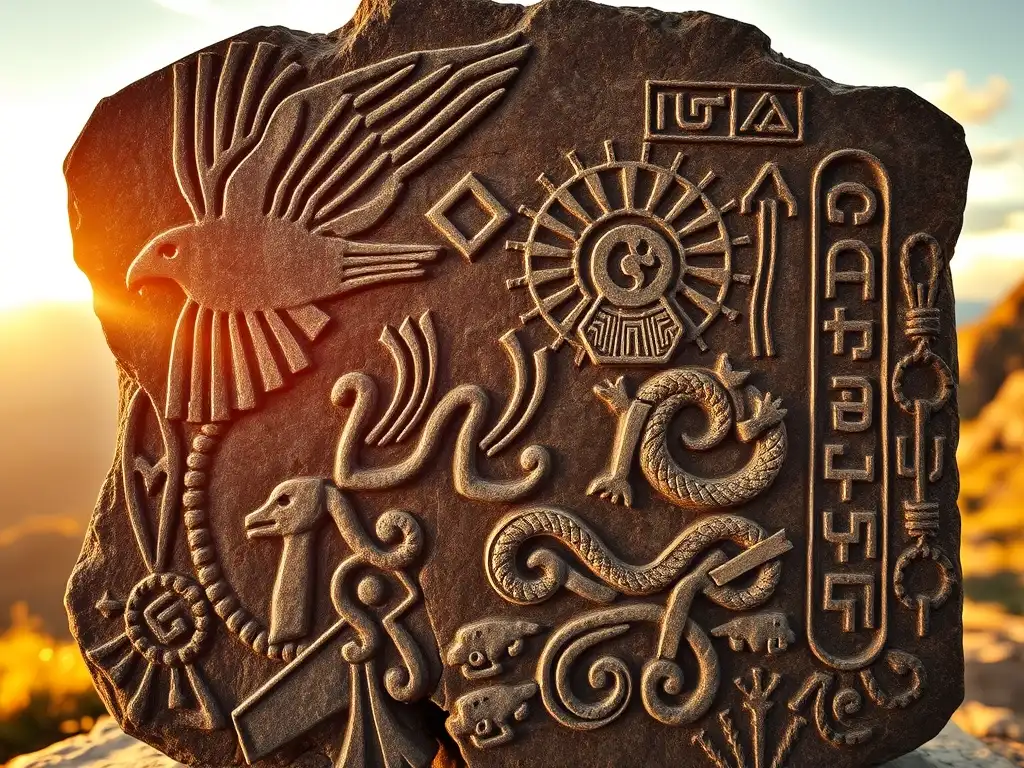
This section delves into the profound significance of symbolism within Andean art, exploring its intricate relationship with the cultural, religious, and cosmological beliefs of the ancient Andean civilizations. Understanding these symbols provides a crucial key to unlocking the rich tapestry of Andean history and worldview. The diverse array of Andean art symbols meaning often remains a subject of ongoing scholarly debate, yet consistent patterns and interpretations emerge through careful analysis of artifacts and archaeological contexts.
We'll examine how these symbols were not merely decorative elements, but rather powerful tools for communication, storytelling, and the expression of complex spiritual concepts. The meticulous craftsmanship and deliberate placement of these symbols within various artistic mediums highlight their importance within Andean society. From textiles and ceramics to monumental architecture, the pervasive presence of these symbols underscores their integral role in daily life and religious practices.
The Importance of Understanding Andean Visual Language
The visual language of the Andes was far from arbitrary. Each symbol, whether a simple geometric shape or a complex zoomorphic representation, carried specific meanings rooted in the culture's cosmology, social structure, and religious beliefs. Failing to understand this visual language risks misinterpreting the intentions and beliefs of the ancient Andean peoples. Consider, for instance, the recurring motif of the serpent in various Andean cultures.
While sometimes associated with malevolence in other cultures, in the Andean context, it often symbolized fertility, water, and the underworld, crucial elements within their worldview. Similarly, the condor, a powerful avian predator, represented power, strength, and a connection to the upper world. These interpretations, however, are not universally fixed; context is paramount.
The same symbol might hold different meanings depending on the specific culture, the object it adorns, and the overall artistic composition. Further research is needed to fully decipher the nuanced meanings embedded within certain lesser-known symbols. For example, the significance of specific knot patterns in Inca textiles requires additional investigation to fully appreciate their complex symbolic language.
Cultural Context and the Interpretation of Symbols
Interpreting Andean art symbols requires a deep understanding of the specific cultural context in which they were created. Different Andean cultures – the Inca, Moche, Nazca, Tiahuanaco, and many others – possessed unique symbol systems, although some overlaps and shared motifs certainly exist. For example, while the feline motif appears across various cultures, its specific representation and associated meanings varied considerably.
The Moche depicted felines with a ferocity associated with warfare and power, whereas the Nazca often used stylized feline imagery in their intricate geoglyphs, potentially representing deities or shamanistic figures. Understanding these cultural nuances is crucial for accurate interpretations. Furthermore, the social status of the artist and the intended audience significantly impacted the selection and arrangement of symbols.
Elite objects often featured more complex and elaborate designs, reflecting the power and prestige associated with the individuals or institutions they represented. The material used—gold, silver, ceramics, textiles—further contributed to the symbolic meaning, with precious metals often associated with divinity and power. Careful consideration of these factors is essential for a comprehensive understanding of Andean art symbols meaning.
Andean Art as a Reflection of Cosmos and Beliefs
Andean art serves as a powerful window into the cosmological beliefs of these ancient civilizations. Many symbols reflect their complex understanding of the universe, encompassing the three realms: the hanan pacha (upper world), kay pacha (earthly world), and ukhu pacha (underworld). For example, representations of celestial bodies, such as the sun, moon, and stars, frequently appear in Andean art, highlighting the importance of astronomical observations and their influence on agricultural cycles and religious practices.
Similarly, depictions of mountains, rivers, and other natural elements often incorporated symbolic meanings related to fertility, abundance, and the interconnectedness of the natural world. The intricate designs often included representations of deities, mythical creatures, and ancestral figures, reflecting the Andean people's beliefs about the spiritual world and their relationship with the supernatural. Analyzing the interplay of these elements within a given artwork offers valuable insights into the Andean worldview and their deep connection with the cosmos.
The complex layering of symbols, often interwoven and overlapping, further underscores the intricate nature of their beliefs and the richness of their symbolic language. Further research into the specific iconography of individual cultures will continue to illuminate the complexities of their beliefs and their artistic expressions.
Key Andean Art Symbols and Their Meanings
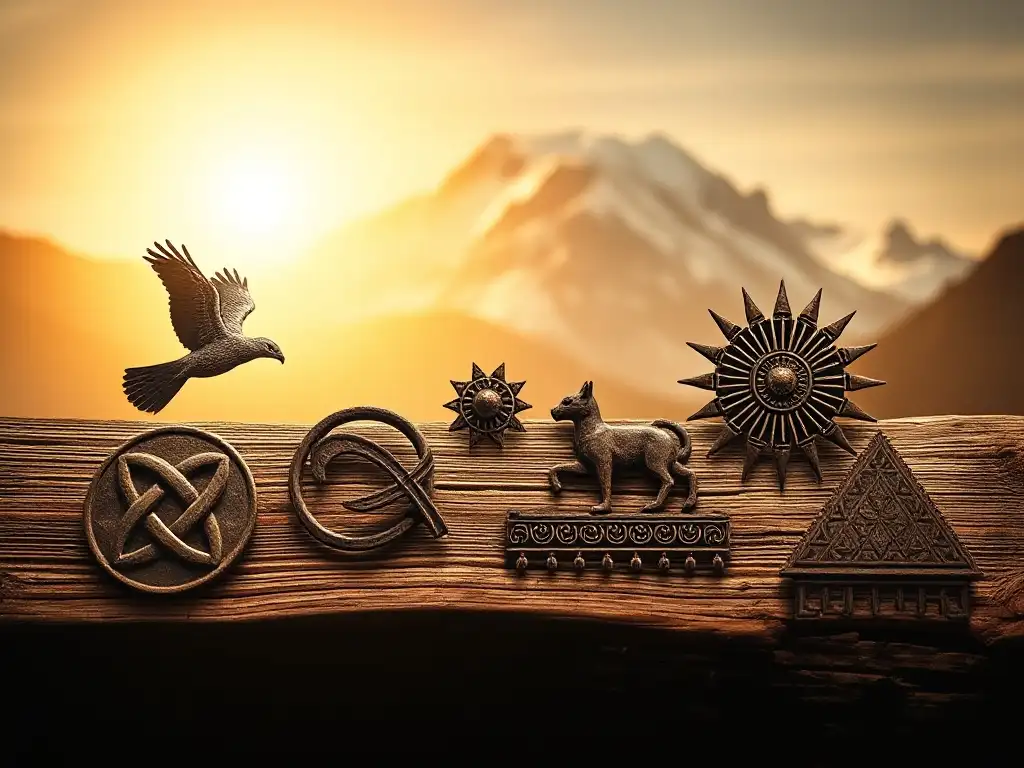
This section delves into the rich symbolism embedded within key motifs frequently found in Andean art. Understanding these symbols provides crucial insight into the cosmology, beliefs, and social structures of these ancient civilizations. We'll explore the multifaceted meanings behind these iconic representations, examining their variations across different cultures and their significance in ritual practices and daily life. The nuanced interpretations of these Andean art symbols meaning offer a captivating glimpse into the worldview of these remarkable societies.
The Andean Cross (Chakana): Cosmic Order and Interconnection
The Chakana, also known as the Inca cross, is arguably the most recognizable Andean symbol. Its intricate design encodes a complex cosmology reflecting the Andean worldview of interconnectedness between the earthly and spiritual realms. Far from a simple cross, the Chakana's meaning is layered and profound.
Chakana's Representation of the Four Directions
The Chakana's four arms represent the four cardinal directions – North, South, East, and West – symbolizing cosmic balance and harmony. Each arm often features further embellishments, such as stepped designs or smaller symbols, adding layers of meaning. For example, the stepped design might represent the levels of the Andes mountains themselves, linking the terrestrial realm to the celestial.
The precise arrangement and details within each arm varied across different Andean cultures, suggesting regional variations in interpretation. Further research is needed to fully understand these subtle regional differences in Chakana representations. [Specific information pending on regional variations of the Chakana]
The Three Levels of Existence in the Chakana
Beyond the four directions, the Chakana often incorporates three levels of existence: the Hanan Pacha (upper world), the Kay Pacha (middle world, or earthly realm), and the Ukhu Pacha (underworld). The central square often represents the Kay Pacha, while the upper and lower arms symbolize the Hanan Pacha and Ukhu Pacha respectively. This tripartite division reflects the Andean understanding of a cosmos structured across multiple planes of reality, with constant interaction and exchange between them. The central square is often emphasized, showcasing its importance as the earthly plane where human life unfolded.
The Chakana's Symbolism in Rituals and Architecture
The Chakana's significance extended beyond symbolic representation. It was prominently featured in Inca rituals and architecture. Its presence in temples and other sacred sites reinforces its role as a powerful symbol of cosmic order and a conduit between different realms. For instance, the placement of Chakana designs in specific locations within structures suggests a deliberate attempt to align human activity with the cosmic order. Moreover, the Chakana might have served as a focus point for ritual practices, facilitating communication with deities or ancestral spirits. [Specific examples of Chakana use in Inca rituals and architecture pending further research].
The Puma: Power, Strength, and the Earthly Realm
The puma, a powerful and majestic feline, held significant symbolic importance throughout various Andean cultures. Its representation in art often conveyed ideas of strength, power, leadership, and its connection to the earthly realm.
Puma Depictions in Moche and Inca Art
Depictions of pumas vary across Andean cultures. In Moche art, for example, pumas are often depicted in dynamic, fierce poses, reflecting the culture's emphasis on warfare and power. In contrast, Inca representations might portray pumas in more regal or ceremonial contexts, emphasizing their connection to royalty and authority. This difference highlights the diverse interpretations of the puma symbol across different Andean societies. The Moche often depicted pumas in scenes of battle or hunting, while Inca art frequently integrated pumas into royal iconography.
Symbolic Association of the Puma with Leadership
Across many Andean cultures, the puma was strongly associated with leadership and power. Rulers were sometimes depicted with puma attributes, or even directly identified with the animal, emphasizing their divine right to rule and their connection to the earth's power. This association was not limited to political leaders; puma imagery might also appear in contexts related to religious authority or shamanistic practices. The strength and agility of the puma were seen as mirroring the qualities of an effective leader.
Variations in Puma Symbolism across Andean Cultures
While the puma generally symbolized power and the earthly realm, its specific connotations varied across Andean cultures. [Specific details on variations in puma symbolism across different Andean cultures pending further research]. Some cultures might have emphasized the puma’s nocturnal aspect, connecting it to the underworld or shamanistic experiences. Others may have focused more on its predatory nature, highlighting its association with warfare and hunting. Understanding these nuances requires a careful examination of the artistic context in which the puma appears. The detailed study of Andean art is crucial to unraveling these cultural distinctions.
The Serpent: Transformation, Rebirth, and the Underworld
The serpent, a ubiquitous symbol across numerous cultures, holds a particularly significant position in Andean art and mythology. Far from being solely a symbol of danger, the serpent in Andean iconography often represents transformation, rebirth, and the connection to the underworld.
Its sinuous form, mirroring the winding paths of rivers and the cyclical nature of life and death, reinforces these powerful themes. The serpent's ability to shed its skin symbolizes renewal and the continuous cycle of creation and destruction inherent in Andean cosmology.
This cyclical understanding of existence is deeply embedded in their agricultural practices and spiritual beliefs, where the serpent's shedding skin mirrors the renewal of the earth after the harvest and the promise of future abundance. The connection to the underworld is further emphasized by the serpent's association with water sources, often depicted emerging from springs or residing in subterranean rivers, reinforcing the notion of life originating from and returning to the earth's depths.
Serpent Imagery in Nazca Lines and Textiles
The Nazca culture, renowned for its enigmatic geoglyphs etched into the desert landscape, frequently incorporated serpent motifs into their art. The massive serpent figures etched into the earth, visible only from the air, highlight the scale and importance of this symbol within their worldview. These enormous depictions, alongside smaller representations found on Nazca textiles and pottery, often show the serpent intertwined with other symbolic elements, creating complex narratives that reflect their sophisticated understanding of the natural world and the spiritual realm.
The intricate details in these textile designs, showcasing the serpent's scales and movements, demonstrate the high level of artistic skill and the symbolic significance attributed to this powerful creature. The vibrant colors and detailed craftsmanship further underscore the cultural importance assigned to the serpent image.
The Serpent's Connection to Water and Fertility
The association of the serpent with water sources is a recurring theme in Andean art. Depictions often show serpents emerging from springs, lakes, or rivers, emphasizing their role as life-giving forces. This connection highlights the crucial role of water in Andean agriculture and the importance of fertility for their survival. The serpent, as a symbol of life-giving waters, becomes intrinsically linked to fertility and prosperity.
The abundance of water, essential for successful harvests, mirrors the serpent's power to bring forth life and renewal. In many depictions, the serpent is entwined with plants or other symbols of fertility, further strengthening this connection. The serpent thus represents the vital force that sustains life, connecting the earthly realm with the spiritual forces that govern it.
Different Interpretations of the Serpent in Andean Iconography
While the serpent generally symbolizes transformation, rebirth, and the underworld, interpretations can vary depending on the specific context and accompanying symbols. For example, a serpent coiled around a mountain might represent the connection between the earthly and spiritual realms, while a serpent devouring its tail might signify the cyclical nature of time and the universe. The presence of other elements in the artwork, such as plants, celestial bodies, or human figures, provides further clues to the specific meaning intended.
Scholars continue to debate the nuanced meanings of different serpent depictions, highlighting the rich complexity and depth of Andean symbolism. Further research into specific regional styles and artistic traditions is crucial for a more comprehensive understanding of these variations.
The Condor: Spirituality, Sky, and Messenger of the Gods
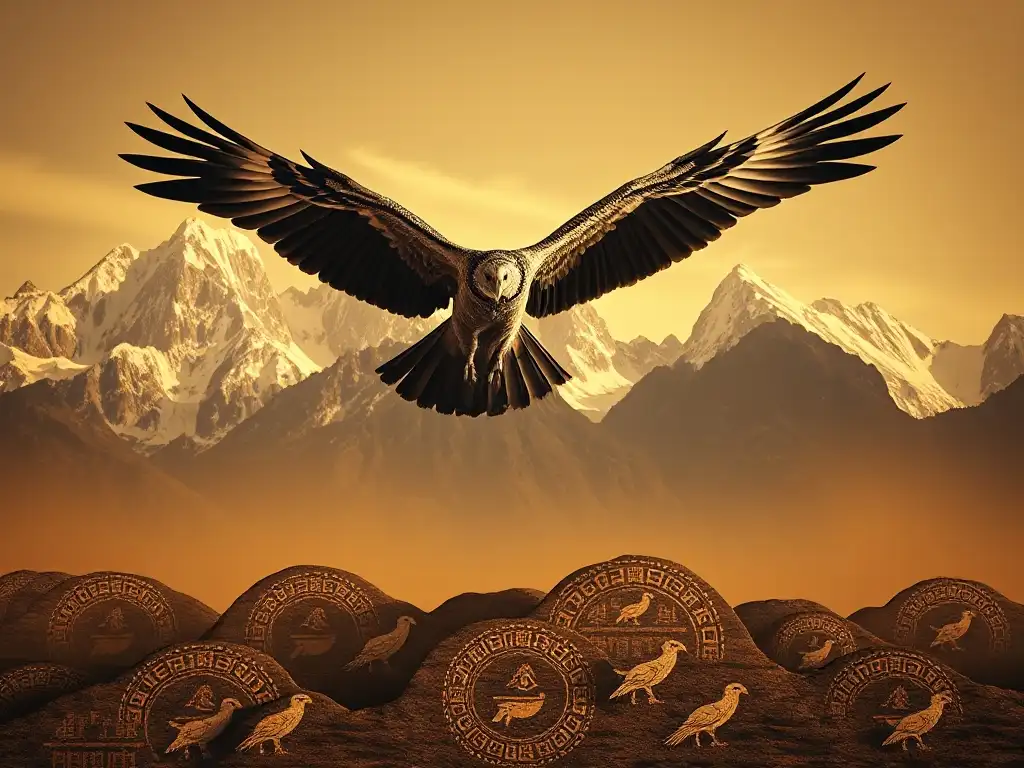
The condor, a majestic bird of the Andes, holds a prominent place in Andean art and spirituality. Its soaring flight and commanding presence make it a fitting symbol of power, spirituality, and the connection between the earthly and celestial realms. Frequently depicted in Andean art, the condor's imagery transcends mere aesthetic appeal; it carries profound symbolic weight, reflecting the Andean worldview and its deep reverence for nature.
The condor's association with the high altitudes and the sky reinforces its role as a messenger between the human world and the divine. Its ability to traverse vast distances and soar above the mountains symbolizes the connection between the earthly and spiritual realms.
Condor Motifs in Tiahuanaco and Inca Art
Tiahuanaco and Inca art are replete with condor motifs, showcasing the bird's enduring significance throughout Andean history. In Tiahuanaco art, the condor is often depicted with anthropomorphic features, highlighting its connection to human society and its role as a powerful intermediary between humans and the gods. Inca art, similarly, features the condor prominently, often incorporating it into textiles, pottery, and metalwork. The detailed representations showcase the artist's skill and the cultural importance of this powerful avian symbol. These variations in artistic style and representation across different Andean cultures underscore the enduring power and versatility of the condor symbol.
The Condor as a Link Between Worlds
The condor's ability to soar to great heights and its association with the sun and sky make it a powerful symbol of the connection between the earthly and spiritual realms. It acts as a messenger, carrying prayers and offerings to the gods, and bringing blessings back to the people. This intermediary role highlights the Andean understanding of a interconnected cosmos, where the human world is intimately connected to the divine.
The condor’s ability to move freely between these realms underscores the fluidity and interconnectedness of the Andean worldview. This is further emphasized by the frequent depiction of the condor alongside other celestial symbols, such as the sun and moon.
The Condor's Role in Andean Cosmovision
The condor’s prominent role in Andean cosmovision underscores its importance in understanding the Andean worldview. Its representation in art and mythology reflects the Andean people's deep connection to nature and their belief in a complex, interconnected cosmos. The condor's powerful symbolism is not merely decorative; it serves as a crucial element in understanding the Andean understanding of spirituality, power, and the cosmos.
The condor represents the highest aspirations of Andean culture, its ability to soar above the earthly realm symbolizing the pursuit of spiritual enlightenment and connection with the divine. Its presence in Andean art provides invaluable insights into their spiritual beliefs and their understanding of the world around them.
The Sun God, Inti, holds a central position in Andean cosmology, particularly within Inca belief systems. He wasn't merely a celestial body; Inti represented life, light, and the very essence of royal authority. The Inca emperors, the Sapa Inca, directly traced their lineage to the Sun God, solidifying their divine right to rule. This connection imbued the Inca empire with a powerful religious and political legitimacy, underpinning their control and influence across the Andes.
The reverence for Inti permeated every aspect of Inca life, from daily rituals to grand architectural projects, leaving an enduring legacy in the art and artifacts that have survived to this day. Understanding Inti's significance is key to deciphering much of Inca iconography. The intricate designs and symbolic representations found in Inca art reflect the profound respect and awe the Inca people held for their sun god.
Sun Symbolism in Inca Art and Architecture
Inca art abounds with representations of the sun, often depicted as a radiant disc, sometimes with stylized faces or rays emanating outwards. These symbols were not randomly placed; their placement within architectural structures and on textiles, ceramics, and gold objects was carefully considered.
For example, the placement of sun-shaped windows in Inca palaces likely served not only a practical purpose of illumination but also a symbolic one, connecting the interior spaces to the divine power of Inti. Similarly, the intricate carvings and designs adorning sun temples and royal tombs further reinforced the importance of the sun god in Inca society.
The precise arrangement and orientation of these symbols are still being studied by archaeologists, revealing further nuances in their meaning and significance. Many researchers believe that the direction of the sun's rays at different times of the year played a crucial role in the design and orientation of certain structures, showing a sophisticated astronomical understanding interwoven with their religious beliefs.
Inti's Importance in Andean Mythology
In Andean mythology, Inti's role extended far beyond providing light and warmth. He was considered the source of life, fertility, and prosperity. The Inca believed that Inti influenced the agricultural cycles, ensuring bountiful harvests and the well-being of their communities. Prayers and offerings were regularly made to Inti to ensure his favor and continued blessings.
Festivals dedicated to Inti were major events, marked by elaborate ceremonies and processions, demonstrating the profound impact of the sun god on their daily lives and their understanding of the cosmos. The prominence of Inti in Andean mythology is reflected in the numerous myths and legends associated with him, passed down through generations via oral traditions and artistic representations. These narratives often depict Inti's interaction with other deities and his influence on the creation of the world and humankind.
The Sun God's Representation in Different Artistic Mediums
Inti's representation varied across different artistic mediums. In textiles, he was often depicted as a central motif, surrounded by other symbolic elements representing fertility, abundance, and royal power. In ceramics, Inti's image could be found on both utilitarian vessels and elaborate ceremonial objects, indicating his influence across various aspects of Inca life. Gold and silver were also frequently used to create representations of Inti, reflecting the precious nature of the sun god and the Inca's mastery of metalworking techniques.
These representations, while diverse in their execution, consistently conveyed Inti’s power and significance. The artistic choices made in depicting Inti – the use of specific colors, materials, and symbolic elements – provided further layers of meaning, allowing for a nuanced understanding of his role within Inca culture and society. The meticulous craftsmanship evident in these artifacts highlights the deep reverence and devotion held for the Sun God.
Decoding Complex Symbolic Representations
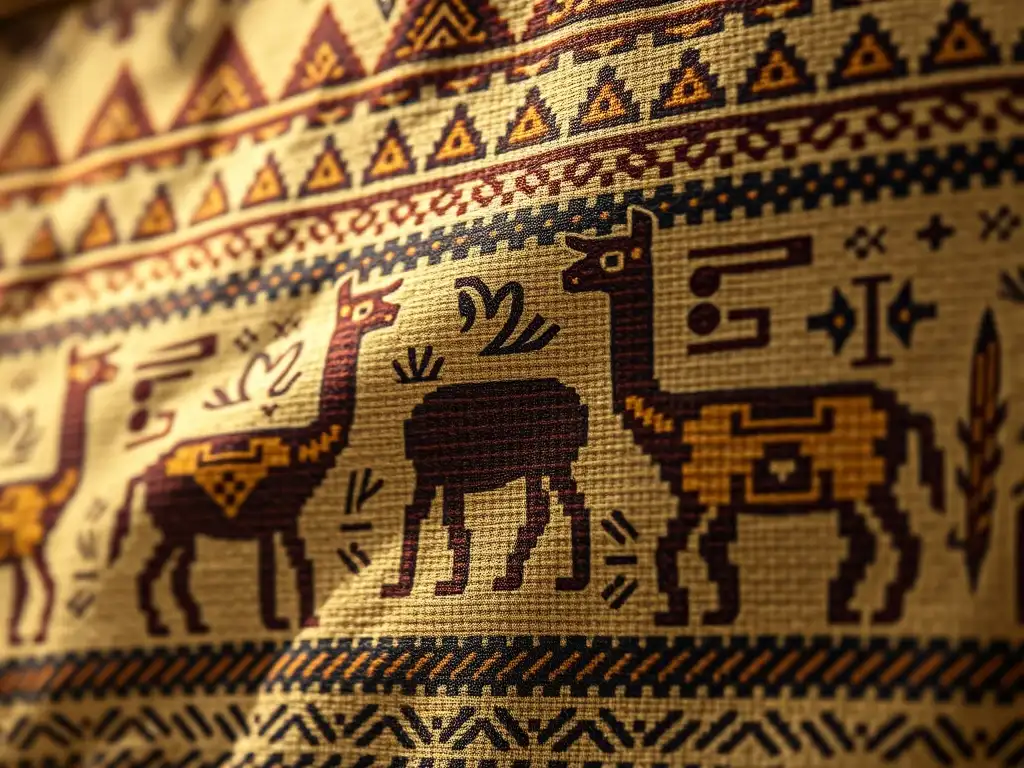
This section delves into the intricate world of Andean symbolic representations, focusing on the complex interplay of imagery and meaning within their art. We will explore how Andean artists masterfully combined elements to convey profound messages about their cosmology, social structures, and beliefs. Understanding these complexities is key to unlocking the rich tapestry of Andean art and culture. The keyword, "Andean art symbols meaning," is central to this exploration.
Understanding Composite Beings and Mythological Figures
Andean art frequently employs composite figures – beings that blend characteristics of humans, animals, and sometimes even supernatural entities. These hybrid creations are far from random; they represent powerful concepts and narratives central to Andean worldviews. Their interpretation requires a nuanced understanding of Andean mythology and symbolism.
The Fusion of Animal and Human Traits in Andean Art
The fusion of human and animal traits in Andean art reflects a deep-seated belief in the interconnectedness of the natural and supernatural worlds. Animals weren't simply viewed as separate entities but often as powerful intermediaries between the human realm and the spirit world. For instance, the condor, symbolizing power and altitude, is frequently depicted with human-like features, suggesting a connection between human rulers and divine power.
Similarly, feline imagery, often associated with hunting and fertility, frequently appears in hybrid forms, hinting at the intricate relationship between humans and the predatory world. Understanding these relationships is crucial to interpreting the meaning of these complex figures.
Interpreting the Meaning of Hybrid Creatures
The meaning of hybrid creatures in Andean art is not always straightforward. It often depends on the specific animals combined, their pose, and the context in which they are presented. For example, a human-headed jaguar might represent a shamanistic figure capable of traversing both the human and spirit worlds, while a serpent-human could symbolize the cyclical nature of life and death or connection to the underworld.
Detailed study of individual artifacts and their associated archaeological contexts is necessary for accurate interpretation. Careful attention to details like posture, ornamentation, and accompanying symbols is essential for a deeper understanding of the intended meaning.
Examples of Composite Figures in Moche Ceramics
Moche ceramics provide a rich source of examples of composite figures. Their intricate artistry vividly depicts a range of hybrid creatures, often within narrative scenes. For example, many depict warriors adorned with feline features, emphasizing their strength and ferocity. Others portray deities with avian attributes, highlighting their connection to the heavens. The diversity of these representations underscores the rich and complex mythology of the Moche culture. Further research into specific Moche ceramic styles and iconography would provide more detailed examples and interpretations.
Analyzing the Use of Color in Andean Symbolism
Color played a crucial role in Andean art, conveying meaning far beyond simple aesthetics. The careful selection and combination of colors served as a sophisticated visual language, reflecting social status, religious beliefs, and cosmological concepts.
Color as a Conveyor of Meaning and Status
The use of color in Andean textiles and ceramics was not arbitrary. Certain colors were associated with specific deities, events, or social classes. For example, the color red frequently represented blood, sacrifice, and power, while yellow was often linked to the sun and royalty. The availability and cost of certain dyes further influenced their use, with rarer colors often indicating higher status or sacred significance. This complex interplay of color, material, and social context requires a thorough understanding of Andean societal structures.
The Significance of Specific Colors in Andean Cultures
Different Andean cultures held unique interpretations of color symbolism. While some common threads existed, variations in meaning are evident across different regions and time periods. For example, the significance of specific shades of blue or green might differ between the Inca and Nazca cultures. Further research is needed to fully document and compare the color symbolism across different Andean cultures. Detailed studies comparing artifacts from various Andean cultures are crucial for a complete understanding of this topic.
Examples of Color Symbolism in Textiles and Pottery
Andean textiles and pottery provide excellent examples of color symbolism. The vibrant hues and intricate patterns in these artifacts reveal a sophisticated understanding of color's communicative power. For instance, the use of contrasting colors in Inca textiles often signified duality or opposing forces within the cosmos. Similarly, the use of specific color combinations in Moche pottery could indicate the identity of the depicted figure or the nature of the scene. A systematic study of color palettes in different Andean artistic traditions would provide further evidence of this complex system.
The Role of Repetition and Geometric Patterns
Repetition and geometric patterns are fundamental elements in Andean art, far from being mere decorative choices. These recurring motifs served complex communicative functions, conveying intricate narratives, social structures, and cosmological beliefs. The deliberate and systematic use of repetition amplified the symbolic power of individual elements, creating a visual tapestry rich in meaning. Understanding the significance of these patterns requires considering their context within the broader artistic tradition and the specific cultural group that produced them.
The precision and meticulousness with which these patterns were executed underscore their importance to the artists and their communities. The consistent application of these techniques across various media, from textiles to ceramics to stone carvings, further emphasizes their cultural significance and enduring power. Many scholars believe this emphasis on repetition reflects the Andean worldview, which valued cyclical processes and the interconnectedness of all things.
Geometric Motifs as a Form of Visual Language
Geometric motifs in Andean art function as a sophisticated visual language. Unlike alphabetic writing systems, this visual language relies on the combination and arrangement of shapes, colors, and their repetition to convey meaning. Squares, triangles, circles, zigzags, and stepped patterns, each with their own symbolic resonance, are combined to create complex narratives. For instance, a specific combination of triangles might signify fertility, while a sequence of stepped patterns could represent the levels of the Andean cosmos. The arrangement of these motifs, their size, and their relationship to other elements within the artwork all contribute to the overall message. Deciphering this visual language requires a deep understanding of the cultural context, iconographic conventions, and the specific artistic traditions of different Andean cultures. Detailed analysis of the spatial relationships between these geometric forms within individual pieces of art allows us to understand the sophisticated system of visual communication employed by Andean artists.
The Meaning Behind Repetitive Patterns in Andean Art
The repetition of patterns in Andean art is not arbitrary; it reinforces and amplifies the meaning of the individual symbols. This repetition can create a sense of rhythm, balance, and harmony, reflecting the Andean worldview that emphasized order and cosmic balance. Furthermore, the repetition could represent cyclical processes inherent in Andean cosmology, such as the agricultural cycle, the movement of the sun, or the regeneration of life.
The number of times a pattern is repeated might also hold symbolic significance, possibly related to specific numerical systems or cosmological beliefs. For example, the repeated depiction of a particular motif might represent a specific deity, ancestor, or natural phenomenon.
Research suggests that the repetitive nature of these patterns is intrinsically linked to the Andean understanding of time and the cosmos, reinforcing the interconnectedness of various aspects of life. Further investigation is needed to fully understand the nuances of these symbolic repetitions across different Andean cultures and time periods.
Examples of Geometric Symbolism in Andean Weaving
Andean textiles provide a rich source of examples of geometric symbolism. The intricate weavings of the Nazca, Inca, and other cultures frequently feature complex geometric patterns. For example, stepped pyramids, often representing the layered structure of the Andean cosmos, frequently appear in textiles.
These pyramids, composed of repeating triangles, are not just decorative elements; they convey deep cosmological beliefs. Similarly, the repetition of diamond shapes could represent duality, the interplay of opposing forces, or the cyclical nature of life and death. The specific colors used in conjunction with these geometric shapes further enrich their meaning, with each color carrying its own symbolic weight.
Analyzing the textiles from different regions and time periods reveals variations in the use of geometric patterns, reflecting the diverse artistic traditions and beliefs of different Andean communities. Detailed studies of these textiles, particularly those discovered in well-preserved contexts, are essential for understanding the complex relationship between geometric forms and their cultural significance. The meticulous weaving techniques themselves, often involving multiple colors and intricate patterns, further emphasize the importance placed upon these symbolic representations.
The Legacy of Andean Art Symbols and Their Continued Relevance
The enduring power of Andean art symbols lies not only in their historical significance but also in their continued resonance within contemporary Andean cultures and beyond. These symbols, meticulously crafted onto textiles, pottery, and architecture for millennia, weren't merely decorative elements. They served as powerful vehicles for communication, storytelling, and the transmission of complex beliefs and ideologies across generations.
Understanding their meaning offers a crucial window into the rich tapestry of Andean worldview, social structures, and spiritual practices. The intricate designs, often incorporating zoomorphic and anthropomorphic figures, celestial bodies, and geometric patterns, reflect a deep connection with the natural world and a sophisticated understanding of cosmology. Even today, many of these symbols remain relevant, appearing in modern art, textiles, and even everyday objects, showcasing their enduring cultural significance.
This persistence underscores the profound impact these symbols have had and continue to have on Andean identity and cultural expression. The legacy of these artistic expressions is a testament to the ingenuity and resilience of Andean civilizations.
Andean Symbolism in Contemporary Art and Culture
Andean art symbols continue to inspire and inform contemporary artistic expression. Artists, both within Andean communities and internationally, draw upon this rich visual vocabulary to create new works that engage with themes of identity, heritage, and cultural continuity. For example, the vibrant textiles produced by contemporary artisans often incorporate traditional symbols, reinterpreting them within a modern context.
These reinterpretations can range from subtle allusions to bold statements, reflecting evolving social and political landscapes. The use of traditional Andean motifs in contemporary fashion and design also demonstrates the ongoing relevance of these symbols. Furthermore, museums and cultural institutions actively promote the understanding and appreciation of Andean art symbols through exhibitions, educational programs, and scholarly publications.
This sustained engagement ensures that the knowledge and meaning behind these symbols are preserved and transmitted to future generations. The continued presence of these symbols in modern art and design serves as a powerful reminder of the enduring legacy of Andean civilizations and their profound contribution to global artistic heritage. The vibrant colors and intricate patterns continue to captivate audiences worldwide, demonstrating the timeless appeal of these powerful visual expressions.
Preserving the Knowledge of Ancient Andean Iconography
The preservation of knowledge surrounding Andean art symbols is crucial for understanding the complexities of Andean cultures. This requires a multi-pronged approach that combines careful archaeological investigation with collaborative efforts involving Andean communities themselves. Accurate documentation and cataloging of existing artifacts are essential. This includes detailed photographic records, precise descriptions of the symbols, and contextual information regarding their discovery and associated artifacts.
Furthermore, oral histories and traditional knowledge systems play a vital role in interpreting the meaning of these symbols. Engaging with indigenous communities and incorporating their perspectives is essential for a nuanced understanding that avoids misinterpretations or imposed meanings. Digital technologies offer new avenues for preservation and dissemination of this knowledge.
High-resolution digital imaging allows for detailed analysis and accessibility to scholars and the public alike. Online databases can facilitate the sharing of information and collaborative research, fostering a global network of experts and enthusiasts dedicated to preserving and promoting understanding of Andean art symbols. The collaborative approach ensures that the interpretation of these symbols is respectful and accurate, reflecting the perspectives and knowledge of those most closely connected to their cultural heritage.
The Importance of Continued Research on Andean Art Symbols Meaning
Continued research on Andean art symbols is paramount for a comprehensive understanding of these civilizations. While significant progress has been made, many symbols remain enigmatic, their precise meaning still debated among scholars. Further archaeological excavations and analysis of existing artifacts can shed light on the context in which these symbols were used and their relationship to specific rituals, social structures, or beliefs.
Comparative studies across different Andean cultures can reveal patterns and shared meanings, while also highlighting regional variations. Interdisciplinary approaches, integrating archaeology, anthropology, linguistics, and art history, are crucial for unlocking the full potential of these visual narratives. Advances in scientific analysis, such as material analysis of pigments and dyes, can provide further insights into the creation and intended use of these symbols.
By combining rigorous scientific methods with respectful collaboration with Andean communities, researchers can continue to uncover the rich layers of meaning embedded within these captivating designs. The ongoing quest to decipher these symbols is not just an academic pursuit; it's a journey of cultural discovery that allows us to appreciate the sophisticated worldviews and artistic achievements of Andean civilizations. This continued exploration will enrich our understanding of humanity's artistic and cultural heritage.
Frequently Asked Questions
What is the significance of Andean art symbols?
Andean art symbols weren't merely decorative; they held deep religious and social meaning. They represented deities, ancestors, and concepts crucial to their worldview, often conveying complex narratives.
How can I learn to interpret Andean art symbols?
Interpreting these symbols requires studying various cultural contexts and iconographies. Researching specific civilizations (Inca, Nazca, etc.) and their artistic styles is key to understanding their meanings.
Are there common symbols found across different Andean cultures?
While styles varied, some symbols, like the condor and serpent, appear across different Andean cultures, though their specific interpretations might differ slightly. Sun and moon motifs were also widespread.
What are some examples of Andean art where symbols are prominent?
Many examples exist, including textiles, ceramics, and metalwork. These artifacts are frequently adorned with intricate designs and symbols that reveal much about Andean beliefs and practices.
Where can I find more information about the meaning of Andean art symbols?
Academic journals, museum resources, and books specializing in Andean archaeology and art history are excellent sources. Reputable websites focusing on Andean civilizations can also provide valuable insights.
Final Reflection: The Enduring Legacy of Andean Voices
The intricate symbols etched into Andean artifacts aren't relics of a distant past; they are vibrant echoes resonating powerfully in today's world. Understanding these symbols offers not just a glimpse into ancient cultures, but a profound connection to the enduring human need for expression, storytelling, and spiritual connection. The quest to decipher these visual narratives is a journey into the heart of human creativity and resilience.
The impact of Andean art, and the ongoing efforts to understand its symbolism, continues to shape our understanding of pre-Columbian societies and their complex relationship with the natural world. These symbols, far from being static representations, are dynamic expressions of a worldview deeply intertwined with the landscape, spirituality, and social structures. The past is never dead. It's not even past,
wrote William Faulkner, and this rings profoundly true when considering the enduring power of Andean art to speak to us across millennia. Their enduring legacy challenges us to reconsider our own relationship with the land and the stories we choose to tell.
Consider the profound implications of these discoveries. What stories do you see in the intricate designs? How can we, as modern individuals, learn from the rich tapestry of symbolism woven into these ancient artifacts? I invite you to delve deeper, to seek out more examples of Andean art, and to contemplate the enduring power of visual communication to bridge the chasm of time and culture. Let the enigmatic meanings of these symbols inspire you to find your own voice and share your own story with the world.
Unleash Your Creativity: Dive into Andean Artistry!
Thank you for exploring the rich world of Andean art symbols with us! We hope you've gained valuable insights into how these captivating designs convey profound meanings and cultural narratives. Now, it's your turn to put that knowledge to creative use!
Here's how you can further explore this remarkable artistic heritage:
- Create your own artwork incorporating Andean symbols. Let these ancient designs inspire your own unique expression and storytelling.
- Share your knowledge by discussing Andean art with friends, family, or online. Connect with others and inspire them to learn more!
- Join a community of Andean art enthusiasts—online forums or local groups are great places to connect with like-minded individuals and deepen your understanding.
Which Andean symbol resonates most with you, and how will you express its significance in your own artistic endeavors?