
Glimmering Gold: The Allure and Significance of Andean Precious Metalwork

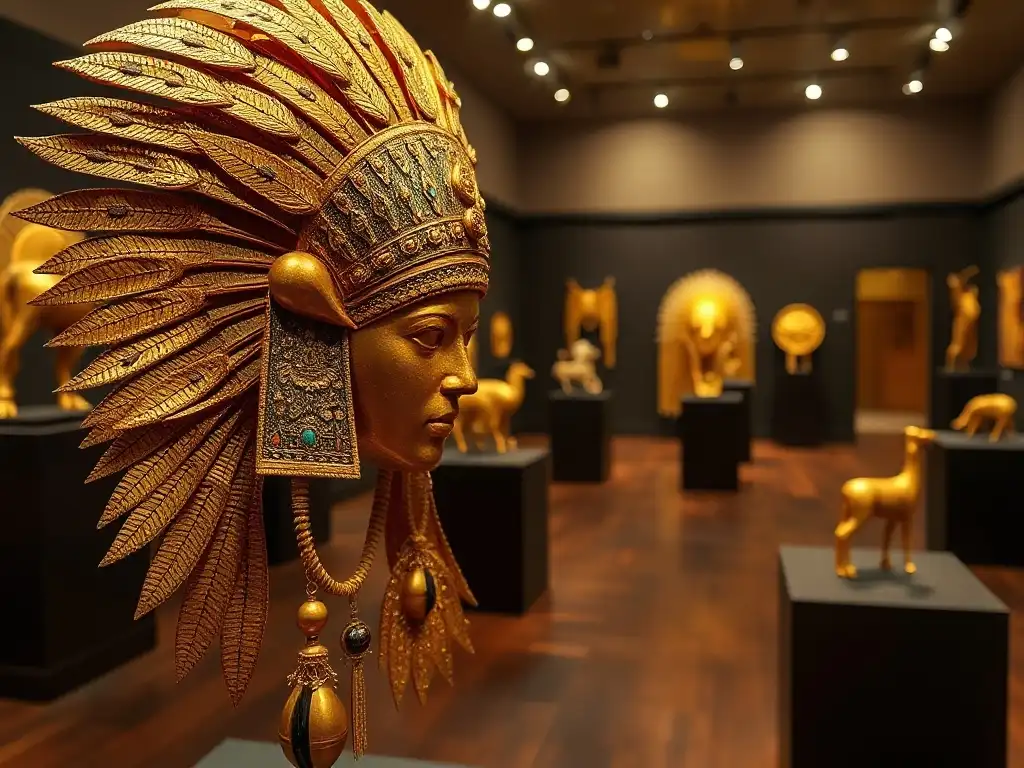
Dive into a world lost in time, where mountains whisper secrets and gold speaks volumes. Imagine uncovering the mysteries behind the dazzling artistry of the Andes, a legacy forged in fire and shaped by gods. This journey into the heart of Andean gold artifacts significance will reveal more than just glittering treasures; it will unlock the profound cultural and spiritual meaning woven into every intricate detail. Prepare to be amazed as we unravel the captivating story behind these remarkable pieces – a story that continues to fascinate and inspire.
The shimmering allure of Andean gold has captivated the world for centuries. From the intricate details of pre-Columbian artifacts to the sheer volume of precious metals unearthed from ancient tombs, the legacy of Andean goldsmithing continues to fascinate archaeologists, historians, and art enthusiasts alike.
This article delves into the profound significance of Andean precious metalwork, exploring not only its aesthetic beauty but also its crucial role in religious practices, social structures, and the overall understanding of these remarkable civilizations. We will examine the techniques employed, the symbolic meanings embedded within the artifacts, and the lasting impact of this extraordinary craftsmanship on our understanding of Andean cultures, particularly focusing on the significance of Andean gold artifacts in their societal and religious contexts.
This exploration will cover various Andean cultures, including the Incas, Moche, Nazca, and Tiahuanaco, highlighting the unique stylistic features and symbolic representations characteristic of each. Prepare to be amazed by the ingenuity and artistry of these ancient masters, and to gain a deeper appreciation for the enduring legacy of Andean gold.
The Enduring Fascination with Andean Gold
The sheer quantity and artistry of Andean gold artifacts unearthed over the centuries have fueled an enduring fascination. The Incas, for example, weren't the only Andean culture to master goldworking; earlier civilizations like the Moche and Nazca also produced exquisite pieces. What sets Andean goldwork apart is not just the abundance of the material, but also the sophisticated techniques employed. These artisans demonstrated remarkable skill in hammering, casting, repoussé (hammering from the back to create relief), and soldering, creating incredibly delicate and intricate designs.
They utilized a variety of alloys, sometimes incorporating copper, silver, and other metals to achieve different colors and textures. The resulting objects—from intricately crafted jewelry to monumental religious objects—reveal a deep understanding of metallurgy and a profound artistic vision. Consider, for instance, the intricate detail found in Moche gold masks, or the delicate filigree work characteristic of Nazca jewelry.
These artifacts are not merely beautiful; they represent a pinnacle of ancient metallurgical achievement. The level of craftsmanship, precision, and artistry involved speaks volumes about the dedication and skill of the Andean goldsmiths and their deep understanding of their craft. The enduring fascination with these artifacts stems from this unique blend of technical mastery and artistic expression.
Andean Gold Artifacts: More Than Just Decoration
While the aesthetic beauty of Andean gold artifacts is undeniable, their significance extends far beyond mere decoration. These objects served crucial roles in religious ceremonies, royal power displays, and social status markers. For many Andean cultures, gold was associated with the sun, a powerful deity worshipped across the region. Gold artifacts, therefore, often held religious significance, representing the sun's power and its connection to the earthly realm.
Many objects were used in rituals, while others served as offerings to the gods. The intricate designs and iconography frequently depicted deities, mythological creatures, and scenes from Andean mythology, providing valuable insights into their belief systems. Furthermore, the possession of gold artifacts often indicated social status and power. Elites and rulers adorned themselves with gold jewelry and possessed gold objects as symbols of their authority and divine connection.
The size and complexity of gold objects often reflected the social standing of their owners, with elaborate pieces reserved for the ruling class. The distribution and use of gold artifacts, therefore, provide a fascinating window into the social hierarchy and religious practices of Andean societies. The study of these artifacts allows us to reconstruct the complex social and religious landscapes of these ancient cultures, revealing a rich tapestry of beliefs and practices that have shaped our understanding of Andean history. The significance of Andean gold artifacts is thus multifaceted, encompassing religious beliefs, social structures, and technological mastery.
The Origins of Goldworking in the Andes
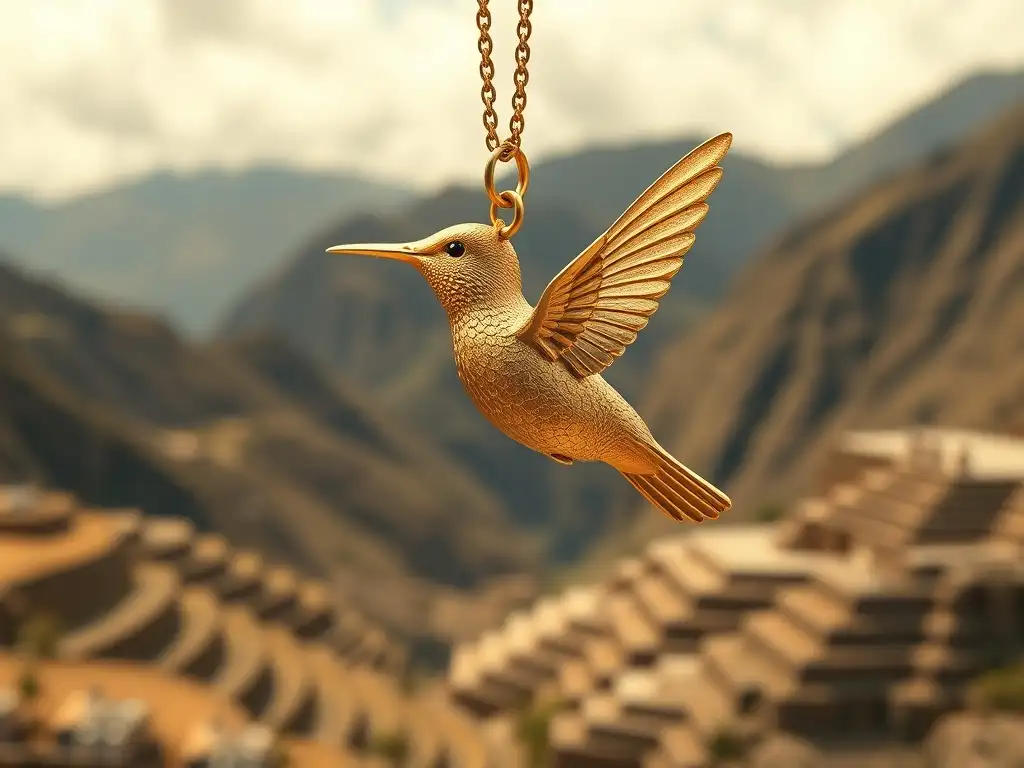
The allure of Andean gold artifacts stems from a rich history of metallurgical innovation and artistic expression spanning millennia. Understanding the significance of these objects requires exploring their origins and the gradual evolution of goldworking techniques within the Andean region. While the precise beginnings remain debated amongst archaeologists, the story unfolds from humble beginnings with other metals, eventually culminating in the mastery of gold that characterized later Andean cultures.
The significance of Andean gold artifacts is inextricably linked to the societal and spiritual context in which they were created and used. The sheer artistry and technical skill involved highlight the sophisticated knowledge and advanced societal structures of the ancient Andean civilizations.
Early Andean Metallurgy: From Copper to Gold
The earliest metallurgical activities in the Andes focused on copper, with evidence suggesting its use dating back to approximately 3000 BCE. Copper artifacts, initially simple tools and weapons, gradually became more elaborate, showcasing growing technical proficiency. This early experience with metallurgy laid the groundwork for the later mastery of gold.
The transition from copper to gold was not abrupt but rather a gradual process, with gold initially used as inlay or decoration on copper objects. The scarcity and inherent beauty of gold, however, quickly led to its increased prominence. Analyzing early gold artifacts reveals a progression in techniques, from simple hammering and annealing to more complex casting and alloying methods.
The shift from copper to gold marks a significant leap in Andean metallurgical sophistication and reflects the growing importance of gold in Andean society. Early gold artifacts often show a focus on practical objects, suggesting a gradual shift towards more ceremonial and symbolic uses. The exact timeline of this transition varies across different Andean regions, highlighting the diverse trajectories of metallurgical development.
The Development of Goldworking Techniques
The mastery of goldworking in the Andes reached astonishing levels of sophistication. Techniques like hammering, annealing, repoussé (hammering from the back to create relief), and casting were perfected, allowing artisans to create incredibly intricate and detailed objects. The use of lost-wax casting, a particularly complex technique, allowed for the creation of three-dimensional forms with exceptional precision.
Andean goldsmiths also developed advanced alloying techniques, combining gold with other metals like copper and silver to achieve specific colors and enhance the durability of their creations. Evidence suggests a high degree of specialization within Andean societies, with skilled goldsmiths likely holding esteemed positions within their communities. The level of craftsmanship evident in the surviving artifacts speaks volumes about the dedication and skill of these ancient artisans.
The development of these techniques wasn't a singular event but an evolutionary process shaped by experimentation, innovation, and a deep understanding of the properties of metals. This continuous refinement of techniques is a key factor in understanding the significance of Andean gold artifacts.
The Influence of Chavín Culture on Andean Gold
The Chavín culture (900-200 BCE), known for its powerful religious influence across the Andes, played a significant role in shaping the development and symbolic meaning of Andean goldworking. While not solely responsible for the initial development of goldworking, the Chavín artistic style, characterized by stylized jaguars, snakes, and other supernatural beings, is clearly reflected in the iconography of many gold artifacts from subsequent periods. The distinctive Chavín style, with its emphasis on powerful imagery and intricate detail, heavily influenced the aesthetic preferences and symbolic language associated with gold throughout the Andes.
Analyzing the iconography on Chavín-influenced gold artifacts provides insights into the religious beliefs and worldview of the time. The use of gold in these objects further reinforces their importance as sacred items, likely used in rituals and ceremonies.
The spread of Chavín artistic motifs, including those found on gold artifacts, demonstrates the far-reaching influence of this culture and its impact on the development of Andean art and goldworking traditions. The prevalence of specific motifs and styles across geographically diverse regions underscores the unifying power of Chavín religious ideology and its impact on the significance of Andean gold.
Andean Gold Artifacts and their Symbolic Meaning
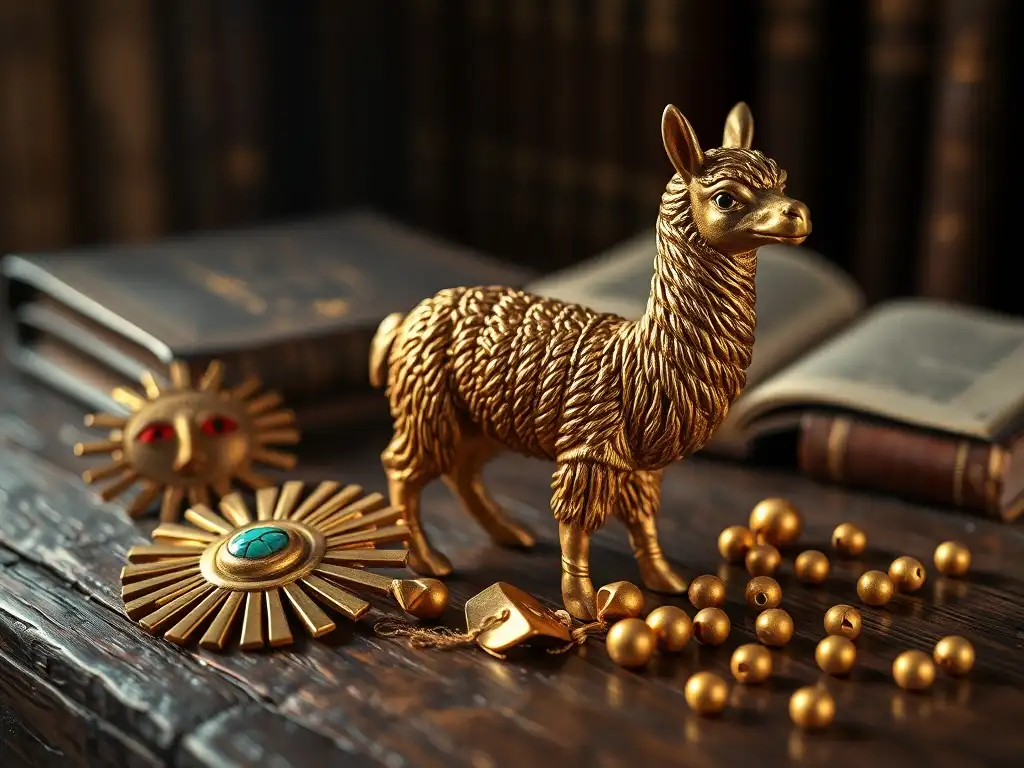
The allure of Andean gold artifacts extends far beyond their aesthetic beauty. These meticulously crafted pieces hold profound symbolic meaning, deeply intertwined with the cosmological beliefs, social structures, and religious practices of the ancient Andean civilizations. Understanding the significance of these objects requires examining their materiality – gold itself – and how it was used to express power, divinity, and the relationship between the human and spiritual worlds.
Analyzing the iconography, the techniques employed, and the context of discovery provides invaluable insights into the rich tapestry of Andean culture. The sheer volume and variety of surviving artifacts – from intricately worked tumbagas to massive gold sheets – underscore the central role of gold in Andean society. The study of “Andean gold artifacts significance” is a multifaceted endeavor that continues to fascinate and challenge researchers today.
Gold as a Symbol of Power and Divinity
Gold, in the Andean worldview, was not merely a precious metal; it was a tangible manifestation of the divine. Its inherent brilliance, malleability, and resistance to decay associated it with the sun, a powerful deity in many Andean cultures. The Inca, for example, believed the sun god, Inti, was the source of all life and power.
Consequently, gold objects were often imbued with a sacred aura, representing the sun's life-giving energy and the power of the ruling elite. Royal regalia, such as the mascapachas (headbands) and llautas (ear ornaments), were frequently crafted from gold, visually demonstrating the ruler's divine connection and legitimacy. The size and intricacy of these objects often correlated with the ruler's perceived power and status within the social hierarchy.
Larger, more elaborate pieces signaled greater authority and closer proximity to the divine. Even smaller items, such as gold figurines and pins, could hold significant symbolic weight, acting as markers of social status or indicators of religious affiliation. The use of gold in weaponry further reinforces its association with power, suggesting that even the instruments of war were imbued with divine sanction.
Religious Significance of Gold in Andean Cosmovision
The religious significance of gold extended beyond its association with solar deities. In the complex Andean cosmovision, gold played a role in mediating the relationship between the human world and the supernatural realm. Many artifacts, particularly those found in tombs or ritual contexts, were likely used in ceremonies designed to appease or communicate with deities.
For instance, the Moche culture, known for its sophisticated metalworking techniques, created intricate gold objects depicting deities, shamans, and mythical creatures. These objects were likely used in rituals aimed at ensuring a successful harvest, warding off evil spirits, or gaining favor with the gods. The Nazca culture, while less prolific in gold work than others, used it in ceremonial contexts, often associating it with water deities given the aridity of their environment.
The use of gold in funerary contexts underscores its role as a conduit to the afterlife. The presence of gold in tombs suggests a belief that these precious materials could accompany the deceased on their journey into the spirit world, providing them with sustenance and protection. This belief system highlights the enduring power and symbolic resonance of gold across different Andean cultures.
Gold Artifacts in Andean Rituals and Ceremonies
Andean gold artifacts were not merely static objects of display; they played an active role in religious rituals and ceremonies. Archaeological evidence suggests that gold objects were used as offerings to appease deities, as symbols of power during ceremonies, and as adornments for participants. The process of creating these artifacts was itself imbued with ritual significance.
The careful selection of materials, the intricate techniques employed, and the dedication required to complete these pieces all contributed to their sacred status. The use of specific alloys, such as tumbaga (a gold-copper alloy), indicates a sophisticated understanding of metallurgy and a conscious effort to imbue the objects with specific properties. The discovery of gold objects in association with other ritual paraphernalia, such as pottery, textiles, and human remains, further strengthens the argument for their use in religious contexts.
For example, the discovery of gold masks alongside mummies suggests that these objects were intended to protect or empower the deceased in their journey to the afterlife. The meticulous craftsmanship of these artifacts, often involving techniques like hammering, repoussé, and casting, reflects the high level of skill and reverence associated with their production and use, underscoring their importance in Andean religious practices. Further research into the specific contexts of discovery and the accompanying artifacts will continue to illuminate the role of Andean gold in their rich and complex ceremonial life.
Key Andean Cultures and Their Goldworking Traditions
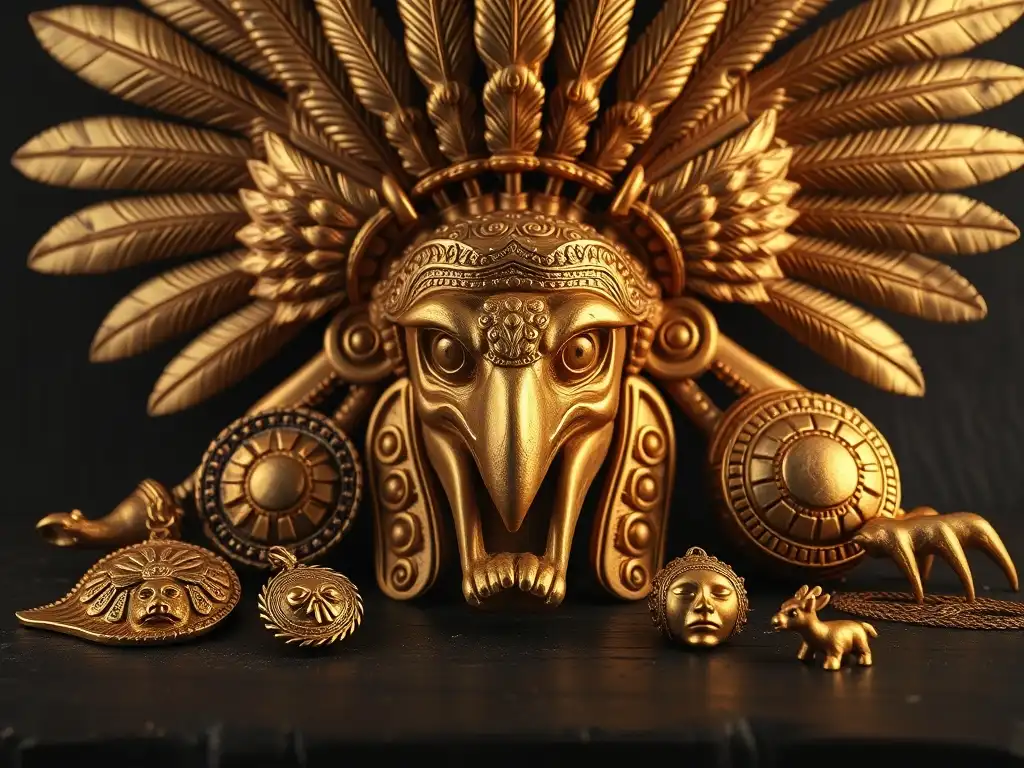
This section delves into the unique goldworking traditions of several key Andean cultures, highlighting their distinct styles, techniques, and the symbolic significance embedded within their precious metal artifacts. The mastery of goldsmithing in the Andes wasn't merely a technical achievement; it was deeply intertwined with religious beliefs, social structures, and political power. Examining these traditions reveals much about the worldview and societal complexities of these ancient civilizations. The significance of Andean gold artifacts extends far beyond their aesthetic appeal; they serve as invaluable windows into the past, offering profound insights into the lives and beliefs of their creators.
Moche Gold: Exquisite Craftsmanship and Royal Regalia
The Moche civilization (c. 100-800 CE), known for its sophisticated artistry and intricate ceramic work, also displayed remarkable skill in goldworking. Their gold artifacts, often associated with elite members of society and religious ceremonies, are characterized by their exquisite detail and naturalistic representation. The Moche goldsmiths employed techniques such as repoussé (hammering from the back to create relief) and filigree (delicate wirework) to craft stunningly lifelike objects. The use of gold itself was inherently symbolic, associating it with the sun, power, and divinity.
Moche Gold Masks: Power and Transformation
Moche gold masks are particularly striking examples of their mastery. These masks, often found in elite tombs, weren't simply decorative items; they likely represented deceased rulers or powerful figures undergoing a transformative process, connecting them to the supernatural realm. The intricate detail in these masks, capturing facial features with remarkable accuracy, suggests a profound understanding of human anatomy and a strong belief in the power of representation.
The use of different alloys and techniques within a single mask further demonstrates the sophisticated skill of the Moche goldsmiths. Analysis of surviving examples shows a remarkable consistency in stylistic features, suggesting a high degree of standardization within the production of these powerful symbols.
Moche Gold Jewelry: Status and Adornment
Beyond masks, Moche goldsmiths produced an array of jewelry, including elaborate necklaces, earrings, and headdresses. These pieces, often featuring intricate designs of animals, plants, and mythical creatures, served as markers of social status and power. The presence of such adornments in burials indicates their importance in the afterlife and the belief in the continued power and influence of the deceased.
The variety in design and the use of different precious stones and materials alongside gold suggest a complex social hierarchy reflected in the types and quantities of ornaments worn. For example, certain motifs, such as the depiction of specific birds of prey, were likely reserved for the highest echelons of Moche society.
Inca Gold: The Imperial Splendor
The Inca Empire (c. 1438-1533 CE) inherited and refined the goldworking traditions of its predecessors. However, Inca goldwork took on a new dimension, reflecting the power and centralized nature of the empire. The Inca's extensive control over resources and skilled labor allowed for the production of large-scale gold objects, often used in religious contexts and to reinforce imperial authority.
Inca Goldwork and the Concept of "Coricancha"
The Inca's most famous goldwork was associated with the Coricancha, the Temple of the Sun in Cusco. This temple, renowned for its opulence, was lavishly decorated with gold plates, figurines, and other ornaments. The temple's significance as a religious and political center is reflected in the sheer quantity and quality of gold used in its construction and decoration.
The Coricancha’s destruction by the Spanish conquistadors resulted in the loss of countless invaluable artifacts, leaving us with only fragmented accounts and a few surviving pieces to imagine its former glory. The sheer scale of the goldwork used in this temple speaks volumes about the Inca's religious beliefs and their ability to mobilize resources for monumental projects.
Inca Golden Figurines and Offerings
Inca gold figurines, often depicting deities, animals, and human figures, were frequently used in religious ceremonies and offerings. These small, meticulously crafted objects were often placed in tombs or sacred sites, highlighting their importance in Inca religious practices. The figurines' stylistic features, often showing a degree of standardization, suggest a level of centralized control over religious imagery and iconography.
Analysis of these figurines reveals a rich symbolic language, with specific shapes and postures indicating different meanings and associations. The discovery of these figurines in various contexts provides valuable insights into Inca religious beliefs and practices. The meticulous detail and the use of different alloys demonstrate a high level of technical skill and artistic expression.
Sican Gold: Sophistication and Innovation
The Sican culture (ca. 750-1300 CE), flourishing along the northern coast of Peru, left behind a legacy of remarkably sophisticated goldwork. Their artisans displayed unparalleled skill in lost-wax casting, a complex technique requiring precise planning and execution.
This allowed them to create intricate three-dimensional forms, far beyond the capabilities of many contemporary cultures. Sican goldsmiths weren't merely replicating natural forms; they were actively transforming them, imbuing their creations with symbolic meaning and power. The sheer volume of Sican gold artifacts unearthed testifies to the importance of gold within their society, likely linked to their religious beliefs and elite status.
The use of alloys, including copper and silver, further enhanced the visual appeal and durability of their work. The incorporation of these metals often suggests a deliberate artistic choice, rather than a mere byproduct of the available resources. The resulting pieces are not only aesthetically stunning but also provide valuable insights into the Sican worldview and social structure.
Sican Gold Funeral Masks and Burial Practices
Sican gold funeral masks are among their most iconic creations. These masks, meticulously crafted to represent idealized features, were often placed over the faces of the deceased elite. The level of detail, including the rendering of hair, facial features, and even jewelry, is breathtaking. The masks weren’t simply decorative; they likely played a significant role in funerary rituals, facilitating the transition to the afterlife. The use of gold, a material associated with the sun and divinity in many Andean cultures, reinforces the spiritual significance of these burial practices. Analysis of burial contexts reveals important information about Sican social hierarchy and beliefs regarding death and the afterlife. The presence or absence of gold, the type of mask, and the accompanying grave goods all contribute to our understanding of Sican society. In essence, these masks are not just beautiful artifacts; they are windows into the beliefs and practices of a sophisticated civilization.
Sican Gold Beakers and Ritual Objects
Beyond funeral masks, Sican goldsmiths produced a wide array of ritual objects, including beakers, vessels, and various ceremonial paraphernalia. These objects, often decorated with intricate designs featuring deities, animals, and symbolic motifs, likely played a crucial role in religious ceremonies and elite feasting. The detailed iconography on these pieces offers valuable insight into Sican mythology and cosmology. For example, the recurring depiction of certain animals, such as jaguars and birds, may suggest their importance in Sican religious beliefs.
The masterful execution of these complex designs highlights the high level of artistic skill and technical proficiency among Sican artisans. The presence of these gold objects within elite tombs and ceremonial contexts strongly suggests their significant social and religious importance within Sican society. Careful study of their forms and iconography continues to unravel the mysteries of this fascinating culture.
Chimor Gold: Coastal Mastery and Royal Display
The Chimor culture (ca. 1300-1470 CE), succeeding the Sican along the northern Peruvian coast, also developed a remarkable tradition of goldworking. However, their style differed significantly from their predecessors. While Sican goldwork is characterized by its intricate detail and three-dimensional forms, Chimor goldwork often displays a greater emphasis on flat, sheet-gold techniques.
They excelled in creating large, impressive objects, reflecting the power and wealth of their expansive kingdom. Chimor gold artifacts frequently feature geometric patterns and stylized representations of animals and figures, suggesting a more formalized and perhaps less overtly religious focus than the Sican tradition. The sheer scale of their goldwork, along with the use of other precious materials like turquoise and spondylus shell, underscores the immense resources at the disposal of the Chimor elite and their control over craft production.
Chimor Gold Featherwork and Textiles
A unique aspect of Chimor goldworking involved the integration of precious metals with other materials, particularly feathers and textiles. Gold leaf, painstakingly applied to featherwork or woven textiles, created stunning garments and ceremonial objects. This fusion of materials demonstrates a sophisticated understanding of different artistic mediums and a desire to create truly magnificent displays of royal power and prestige.
The surviving examples of these hybrid art forms are rare, making them all the more valuable in understanding Chimor artistic practices and the importance of textiles and feathers in their culture. The combination of gold’s inherent value with the symbolic significance of feathers and textiles amplified the overall meaning and impact of these creations.
Chimor Gold Ear Ornaments and Jewelry
Chimor gold ear ornaments, often large and elaborate, are among the most striking examples of their goldworking prowess. These ornaments, sometimes featuring intricate depictions of deities or stylized animals, were worn by the elite as symbols of status and power. Their size and complexity demonstrate the high level of skill and resources available to Chimor goldsmiths.
The variety of designs suggests a sophisticated system of visual communication, conveying messages of rank, affiliation, and perhaps even religious beliefs. The discovery of these ornaments within elite tombs and ceremonial contexts underlines their role in reinforcing social hierarchies and expressing Chimor royal identity. The careful study of these ornaments provides important clues to understanding Chimor social structure and the role of adornment in their society.
Techniques Used in Andean Gold Craftsmanship
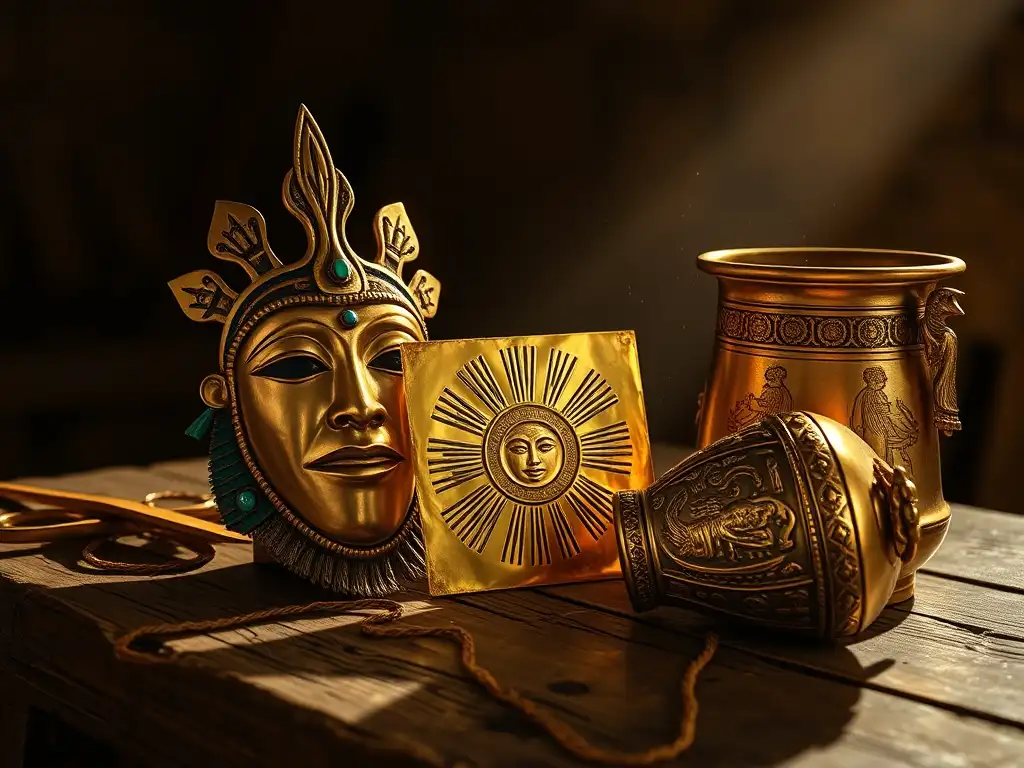
The mastery of Andean goldsmiths is evident in the exquisite artifacts that have survived the passage of time. Their skill wasn't simply about the acquisition of precious metals; it was about a deep understanding of metallurgical techniques, allowing them to transform raw materials into objects of incredible beauty and symbolic power. The significance of Andean gold artifacts lies not only in their inherent value but also in the sophisticated techniques employed in their creation.
These techniques, passed down through generations, represent a pinnacle of ancient Andean technological achievement and contribute significantly to our understanding of their worldview and social structures. The artistry involved reflects a complex interplay of technological prowess and spiritual meaning, making the study of Andean goldwork a fascinating journey into a lost world.
Hammering and Shaping Gold
Hammering and shaping were fundamental techniques in Andean goldsmithing. Gold, being a relatively soft metal, was highly malleable, allowing artisans to create intricate forms through repeated hammering and annealing. This process involved heating the gold to soften it, then shaping it with various hammers and tools.
Evidence suggests the use of stone and bone hammers, as well as possibly metal ones in later periods. The precision achieved in some pieces, such as the incredibly thin sheets used in creating elaborate masks and ornaments, showcases the incredible skill and patience of the artisans. The ability to create such delicate forms speaks to a deep understanding of the metal's properties and the development of specialized techniques over centuries.
Many artifacts show evidence of painstaking work, with incredibly fine detail achieved through meticulous hammering and shaping. For example, the intricate details on some gold figurines demonstrate the artist's mastery of this technique. The creation of these artifacts wasn't just a technical process; it was a highly skilled craft requiring years of apprenticeship and practice.
Gilding and Plating Methods
Beyond shaping solid gold, Andean goldsmiths also employed advanced gilding and plating techniques. These allowed them to enhance the visual appeal of their creations and extend the use of precious metal. Gilding, the application of a thin layer of gold to a base metal, was commonly used to adorn objects made of copper, silver, or even wood.
This process required a precise understanding of the chemical properties of metals and the application of specialized techniques. The methods used likely involved various forms of amalgamation, potentially using mercury to create a gold amalgam that could be applied and then heated to drive off the mercury, leaving behind a thin layer of gold. Plating, on the other hand, involved covering a surface with a thin sheet of gold.
This required exceptional skill in hammering the gold to the desired thinness and adhering it smoothly to the base object. Both gilding and plating significantly expanded the possibilities of Andean metalwork, allowing for the creation of larger and more elaborate pieces. The survival of many gilded and plated objects is a testament to the effectiveness of these techniques.
The Use of Alloys in Andean Goldwork
The Andean goldsmiths weren't limited to working with pure gold. They also skillfully employed alloys, combining gold with other metals to achieve different properties and colors. The addition of copper, for instance, could alter the color of the gold, creating variations ranging from pale yellow to a deep reddish hue.
This demonstrates a sophisticated understanding of metallurgy and the ability to manipulate the properties of metals to achieve specific aesthetic and functional goals. By carefully controlling the proportions of gold and copper (or other metals), the artisans could produce a wide range of colors and hardnesses. This allowed them to create pieces with unique visual characteristics and increased durability.
The use of alloys was not merely a matter of enhancing color; it also impacted the malleability and workability of the gold, allowing for greater flexibility in the design and execution of their pieces. The precise composition of these alloys is still being studied, but analysis of surviving artifacts continues to reveal the complexity and ingenuity of Andean metalworking techniques. The understanding and application of alloys represent a significant milestone in the history of Andean goldworking and contribute to the enduring value and fascination surrounding these extraordinary artifacts.
Filigree and Granulation Techniques
Filigree and granulation represent two incredibly intricate and sophisticated goldsmithing techniques mastered by Andean artisans. These techniques, often used in conjunction, demonstrate an astonishing level of skill and patience, pushing the boundaries of metalworking technology for their time. The sheer delicacy and precision involved are breathtaking, showcasing a deep understanding of metallurgy and artistic vision. These weren't simply decorative choices; they held symbolic meaning within the Andean worldview, often representing cosmological concepts or signifying high social status.
The filigree technique involves the creation of intricate designs using thin, twisted, and soldered gold wires. These wires are painstakingly shaped and interwoven to create delicate lace-like patterns, often forming complex motifs of animals, plants, or geometric shapes. The artisans' control over the malleability of the gold was exceptional, allowing them to create incredibly fine wires without compromising their structural integrity.
Consider the intricate detail found in many surviving examples: the way the wires intertwine, the subtle variations in thickness, the perfectly formed loops and curves – all testaments to the skill and dedication of the goldsmiths. The sheer number of tiny soldered joints in some pieces is staggering, highlighting the immense precision and patience required.
Granulation, on the other hand, involves the meticulous application of tiny gold spheres, or granules, to a surface. These granules, often incredibly small, are individually attached to the base metal using a specialized soldering technique. The result is a textured, shimmering surface that adds depth and richness to the piece.
The creation of these minuscule spheres themselves required a high degree of skill, and their even distribution and secure attachment across complex surfaces demonstrate a remarkable level of control and dexterity. The variation in granule size and placement often contributed to the overall aesthetic effect, creating subtle gradients of texture and light. Imagine the countless hours spent meticulously placing these tiny gold spheres, each one contributing to the overall brilliance of the finished artifact.
This painstaking attention to detail speaks volumes about the value placed on these objects and the high social standing of the artisans who created them. The combination of filigree and granulation, as seen in many prestigious Andean gold artifacts, created a truly dazzling effect, amplifying the visual impact and symbolic significance of the piece. The mastery of these techniques is a powerful testament to the advanced technological and artistic capabilities of Andean cultures.
The Legacy of Andean Goldworking
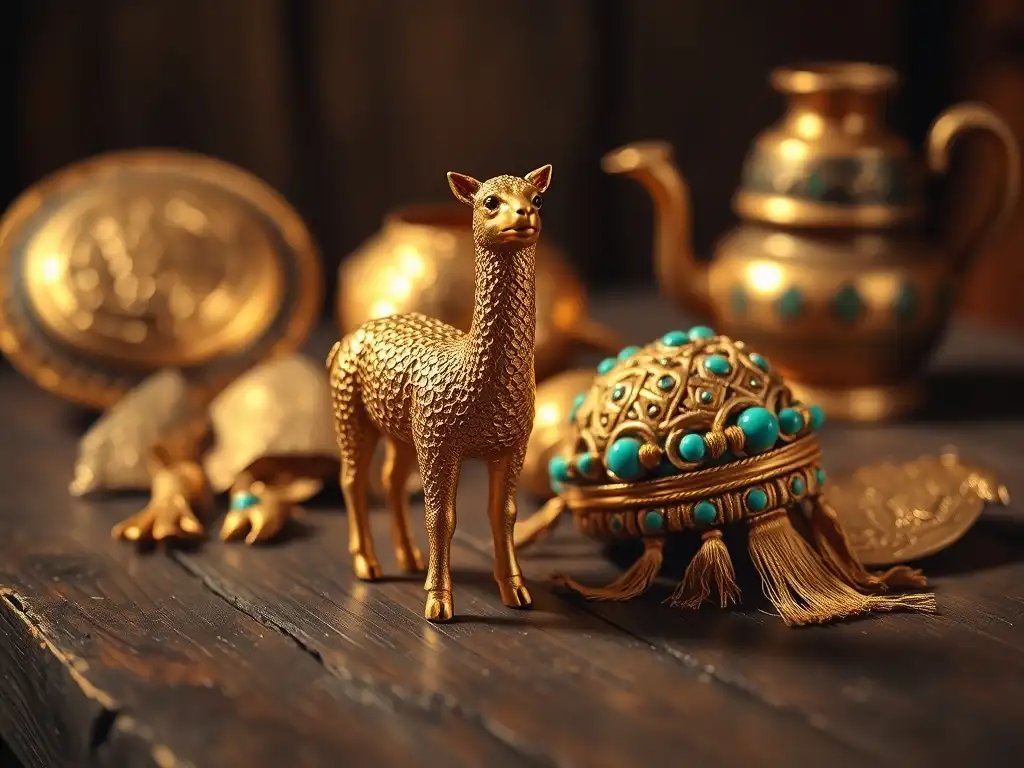
The legacy of Andean goldworking extends far beyond the glittering artifacts themselves. It represents a sophisticated understanding of metallurgy, a complex symbolic system interwoven with religious beliefs, and a testament to the ingenuity and artistic skill of ancient Andean societies. The sheer volume and variety of surviving pieces – from intricate jewelry to monumental objects – underscores the central role gold played in their culture.
This wasn't merely a material valued for its beauty; it held deep spiritual and political significance, reflecting cosmological beliefs and social hierarchies. The techniques employed, including hammering, annealing, alloying, and soldering, demonstrate a high level of technical expertise that rivaled, and in some ways surpassed, contemporary metalworking traditions elsewhere in the world. Understanding this legacy requires examining not only the objects themselves but also the archaeological context in which they were found, the mythology surrounding them, and the lasting impact they've had on our understanding of Andean civilizations.
The enduring allure of Andean gold continues to fascinate and inspire, prompting ongoing research and highlighting the importance of preserving this invaluable cultural heritage for future generations. This legacy is directly linked to the significance of Andean gold artifacts, which we'll explore further.
Andean Gold Artifacts in Modern Collections
Many of the most significant Andean gold artifacts are housed in museums around the world. These collections represent a crucial record of Andean artistry and technological prowess. However, the very existence of these collections raises complex ethical considerations surrounding the provenance and repatriation of these objects. Many pieces were removed from their original contexts during the colonial period and subsequent looting, disrupting the historical narrative and hindering our understanding of their original function.
For instance, the collection of gold artifacts from the Sipán tomb in Peru offers a glimpse into the elaborate burial rituals of the Moche civilization, but the context of the discovery is crucial for interpreting the significance of each individual object. Similarly, the vast collection of gold objects found in the tombs of the Inca elite provides important insights into their hierarchical society and beliefs about the afterlife. The careful study of these collections, coupled with ongoing archaeological research, is essential for piecing together the story of Andean goldworking and understanding its profound cultural significance.
A detailed cataloging of these artifacts, including their metallurgical analysis and stylistic features, is vital for researchers and scholars worldwide. The preservation and accessibility of these collections are paramount for ensuring that the legacy of Andean gold continues to inspire and educate. Indeed, the study of Andean gold artifacts remains a dynamic and evolving field, with new discoveries and analyses constantly refining our understanding.
The Importance of Preserving Andean Gold Heritage
The preservation of Andean gold heritage is not simply a matter of safeguarding aesthetically pleasing objects; it's about protecting a fundamental part of humanity's cultural legacy. The deterioration of these artifacts due to environmental factors, such as humidity and oxidation, poses a significant threat. Furthermore, the illegal looting and trafficking of these objects continues to deplete the archaeological record, disrupting our understanding of these past societies.
Therefore, concerted efforts are necessary to protect these invaluable treasures. This includes investing in advanced conservation techniques, improving museum storage facilities, and strengthening legal frameworks to combat the illegal trade in antiquities. Public education initiatives are also crucial to raise awareness of the significance of Andean gold and the importance of protecting it for future generations.
The ethical considerations surrounding the ownership and display of these artifacts also require ongoing dialogue and collaboration between museums, governments, and indigenous communities. Protecting this heritage is not just about preserving objects; it’s about preserving the stories, beliefs, and cultural identities of the Andean peoples. The continued existence of these artifacts enables us to connect with the past and learn from the rich history and cultural achievements of these remarkable civilizations.
The Ongoing Study of Andean Metallurgy
The study of Andean metallurgy is an ongoing process of discovery and refinement. Advanced techniques such as X-ray fluorescence (XRF) and electron microscopy are now used to analyze the composition of Andean gold artifacts, revealing intricate details about the alloys used and the techniques employed. This analysis helps to identify specific workshops and regional styles, providing valuable insights into the organization of Andean metalworking production.
Furthermore, researchers are constantly exploring new archaeological sites, uncovering new artifacts and expanding our understanding of Andean goldworking practices. For example, recent discoveries have shed light on the sophisticated techniques used in creating intricate gold sheets and the use of lost-wax casting for producing complex three-dimensional forms. The ongoing study of Andean metallurgy is vital for understanding not only the technological achievements of these civilizations but also the social, economic, and religious contexts in which these technologies were developed and utilized.
The data collected through these studies contributes significantly to the overall understanding of the "Andean gold artifacts significance," offering a deeper appreciation for the artistry, innovation, and cultural importance of Andean gold. This continuous research ensures that our understanding of this rich heritage evolves and deepens over time.
Understanding the Andean Gold Artifacts Significance
The allure of Andean gold artifacts extends far beyond their aesthetic beauty. Their significance is deeply intertwined with the social structures, spiritual beliefs, and cosmological understanding of the ancient Andean civilizations. Analyzing these objects provides invaluable insights into the complex societies that created them, revealing intricate details about their power dynamics, religious practices, and worldview.
The sheer artistry and technical skill displayed in the creation of these pieces further emphasizes their importance, highlighting the advanced metallurgical capabilities of these ancient cultures. Understanding the significance of these artifacts requires exploring their multifaceted roles within Andean society. This section delves into the social, spiritual, and lasting impacts of Andean goldwork.
Andean gold artifacts weren't merely decorative; they served crucial social and political functions. Their presence indicated power, prestige, and elite status. Elaborate gold objects, such as ceremonial masks, scepters, and finely crafted jewelry, were often reserved for rulers, priests, and members of the nobility. The intricate detail and use of precious materials served to visually reinforce their elevated positions within society.
Consider, for example, the Moche culture's use of gold in their burial practices. The discovery of richly adorned tombs, containing gold ornaments and objects of immense value, indicates the importance of these items in the afterlife and the belief in a continuity of power and status beyond death. This practice highlights the close connection between material wealth and social hierarchy.
The distribution and type of gold artifacts found in different contexts allow archaeologists to reconstruct social structures and understand power dynamics within these ancient societies. The sheer quantity of gold used in some royal burials also speaks volumes about the wealth and control exerted by the ruling elite. Further research is needed to fully understand [specific details on gold distribution patterns across different social strata pending].
The Spiritual and Cosmological Importance of Gold in Andean Societies
Beyond their social implications, Andean gold artifacts held profound spiritual and cosmological significance. Gold, with its radiant luster and malleability, was often associated with the sun, the moon, and other celestial bodies. In many Andean cosmologies, gold represented the divine, connecting the earthly realm with the spiritual world.
The Incas, for instance, saw gold as the "tears of the sun," associating it directly with the supreme deity Inti. This belief is reflected in the lavish use of gold in Inca religious ceremonies and temple decorations. The intricate designs found on many gold objects often depict mythological figures, celestial events, and shamanistic rituals, providing insights into their complex religious beliefs.
The creation of miniature gold figurines depicting deities and animals further underscores the importance of gold in their spiritual practices. The careful craftsmanship and symbolic representation demonstrate the deep reverence held for these objects and their connection to the divine. The precise meaning of many symbols remains a subject of ongoing scholarly debate, with [specific details on the interpretation of symbolic motifs pending].
The Enduring Legacy of Andean Gold Art
The enduring legacy of Andean gold art is undeniable. These artifacts continue to fascinate and inspire awe, captivating audiences worldwide with their intricate designs and masterful craftsmanship. Their survival, often in remarkably well-preserved condition, provides invaluable insights into the artistic skills and cultural values of these ancient civilizations.
The study of Andean goldwork not only enhances our understanding of the past but also contributes to the preservation of cultural heritage. Museums and research institutions actively work to conserve and study these objects, ensuring that future generations can appreciate their beauty and significance. The ongoing research and technological advancements are crucial for the proper preservation and further analysis of these fragile yet invaluable artifacts.
The continuing study of Andean gold artifacts is essential for a complete understanding of the rich tapestry of Andean civilizations and their enduring cultural legacy. The impact of these artifacts extends beyond the academic world, enriching our understanding of art, history, and the human spirit. ☀️
Frequently Asked Questions
What is the significance of gold in Andean cultures?
Gold held immense religious and symbolic importance in Andean cultures. It was associated with the sun, power, and divinity, often used in rituals and to adorn elite figures.
Why did Andean civilizations work with gold?
Andean goldworking was highly advanced, demonstrating sophisticated metallurgical techniques. Gold's malleability and beauty made it ideal for creating ornate objects for religious and political purposes.
What are some examples of significant Andean gold artifacts?
Examples include the Tumbaga objects of the Moche culture, the intricate gold masks of the Sipán culture, and the elaborate gold jewelry found in Inca tombs. These artifacts offer invaluable insights into their beliefs and social structures.
How did the Andean civilizations acquire gold?
Andean civilizations mined gold from various locations throughout the Andes mountains. Advanced techniques were used to extract and refine the metal before crafting it into intricate objects.
What can Andean gold artifacts tell us about their creators?
The style, iconography, and craftsmanship of Andean gold artifacts reveal much about the beliefs, social hierarchy, and technological capabilities of the societies that created them. They provide crucial evidence of their artistry and worldview.
Final Reflection: The Enduring Legacy of Andean Gold
The intricate artistry of Andean precious metalwork isn't merely a historical curiosity; it's a vibrant testament to a sophisticated civilization that continues to resonate with us today. These dazzling artifacts, crafted with unparalleled skill and imbued with profound spiritual meaning, offer a window into a complex worldview and a legacy of innovation that transcends time. Their enduring power lies not just in their beauty, but in their ability to connect us to a rich cultural heritage.
The impact of Andean gold on our understanding of pre-Columbian societies is undeniable. These objects, far from being mere decorative items, served as powerful symbols of authority, religious belief, and social status. They reveal a deep connection to the natural world and a sophisticated understanding of metallurgy that continues to amaze and inspire. Gold, in the Andean world, was more than just a precious metal; it was a conduit to the sacred, a tangible representation of the divine.
This quote encapsulates the profound spiritual significance woven into every piece, a significance that continues to shape our understanding of Andean cosmology and worldview.
Consider the intricate detail, the masterful craftsmanship, the sheer audacity of vision present in these artifacts. Now, consider how that same spirit of innovation and artistic expression can inspire you. You, too, possess the capacity to create something beautiful, something meaningful, something that will endure. Let the glimmering gold of the Andes ignite your own creativity, your own passion, and your own commitment to leaving a lasting legacy. Embrace the challenge, explore your potential, and let the spirit of the Andes guide you on your own unique journey.
Unearth the Riches of Andean Culture!
Thank you for exploring the captivating world of Andean precious metalwork with us! You've discovered the profound significance and artistry of these shimmering treasures. Now, let's deepen your connection with this incredible heritage.
**Here's how you can continue your journey:**
- **Visit museums or explore online galleries** showcasing Andean metalwork to admire these extraordinary pieces firsthand. Many museums offer virtual tours, allowing you to experience these artifacts from anywhere in the world.
- **Share your newfound appreciation** with friends and family. Consider hosting a presentation or writing a blog post about the fascinating history and artistry of Andean civilization.
- **Connect with online communities and forums** dedicated to Andean history and culture. Engage in discussions, ask questions, and share your perspectives with fellow enthusiasts.
What aspect of Andean metalwork most captivates you, and how will you integrate this newfound knowledge and inspiration into your life?