
The Power of Plants: Botanical Symbolism in Andean Iconography

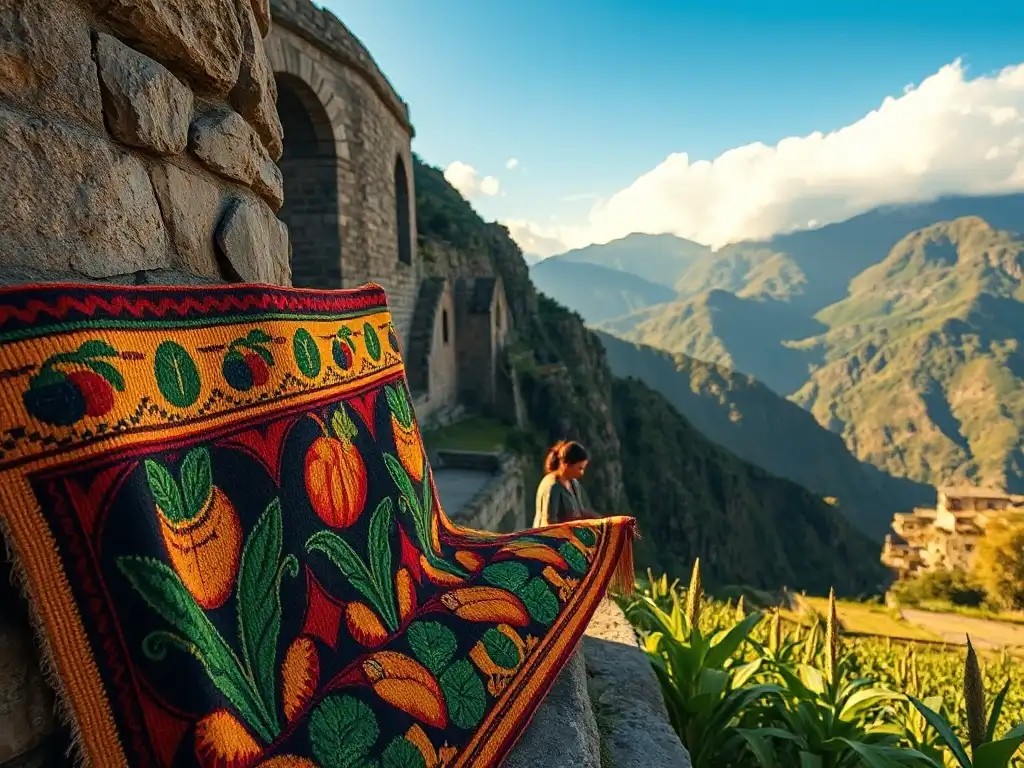
Uncover the secrets whispered by the wind through the Andes! For centuries, the towering peaks and fertile valleys have borne witness to vibrant civilizations. Dive into the captivating world of Andean art and iconography, where the seemingly simple plant held profound symbolic power. Prepare to be amazed by the intricate meanings woven into every petal and leaf, as we explore the enigmatic world of Andean plant symbolism. What secrets do these botanical masterpieces reveal about the beliefs and practices of these ancient cultures? Journey with us to discover the answers.
The Andes Mountains, a spine of towering peaks running down the western edge of South America, were not just a geographical feature but a cradle of vibrant and sophisticated civilizations. For millennia, Andean cultures—including the Incas, Moche, Nazca, and Tiahuanaco—developed intricate belief systems deeply intertwined with their environment. This article delves into the fascinating world of Andean plant symbolism, exploring how flora played a pivotal role in their religious practices, social structures, and artistic expressions.
We will uncover the meanings embedded in the depictions of plants across various Andean cultures, revealing the profound connection between these ancient societies and the botanical world that sustained them. Understanding Andean plant symbolism provides crucial insight into the worldview and cosmology of these remarkable civilizations, enriching our comprehension of their rich legacy. This exploration will reveal how plants transcended mere sustenance, becoming potent symbols imbued with spiritual and cultural significance.
Introduction to Andean Plant Symbolism
Andean plant symbolism is a rich and complex tapestry woven from diverse cultural threads. Unlike many cultures that focus on a limited number of symbolic plants, Andean societies incorporated a wide variety of flora into their iconography, each carrying specific meanings depending on the context and the specific culture. The interpretation of these symbols is often multifaceted, reflecting the interconnectedness of the Andean worldview. For example, the coca leaf, ubiquitous throughout Andean cultures, represented more than just a stimulant; it held deep spiritual significance, often associated with rituals, offerings to deities, and social interactions. 1 Similarly, maize, a staple crop, was not merely a source of food but a sacred plant embodying fertility, life, and the cyclical nature of time. The careful study of these botanical representations in pottery, textiles, and other artifacts provides a window into the beliefs and values of these ancient Andean societies. Understanding the nuances of these symbols requires careful consideration of the specific cultural context and the artistic style employed.
Further Exploration: Regional Variations in Plant Symbolism
It's crucial to note that Andean plant symbolism wasn't uniform across all cultures and regions. The specific meanings attributed to particular plants could vary significantly depending on geographical location and cultural traditions. For instance, while the coca leaf held widespread importance, its specific symbolic associations might have differed slightly between the Inca Empire and the earlier Moche culture. This regional diversity adds another layer of complexity to the study of Andean botanical symbolism, highlighting the need for nuanced interpretations based on specific archaeological contexts.
The Significance of Flora in Ancient Andean Cultures
The significance of flora in ancient Andean cultures extended far beyond mere utilitarian purposes. Plants were integral components of their religious practices, often featured prominently in ceremonies and rituals. For instance, the use of hallucinogenic plants, like the San Pedro cactus, played a significant role in shamanistic practices, facilitating communication with the spirit world. 2 These rituals were not merely recreational but served crucial social functions, reinforcing community bonds and providing guidance for the community. Furthermore, the agricultural practices of Andean societies were deeply intertwined with their religious beliefs. The successful cultivation of crops like potatoes and maize was seen as a reflection of divine favor and a testament to the community's harmonious relationship with the natural world. The intricate agricultural terraces, still visible today, are not only marvels of engineering but also powerful symbols of the Andean peoples' deep respect for the land and its bounty. The vibrant colors and intricate designs found in Andean textiles frequently incorporate floral motifs, further underscoring the importance of plants in their daily lives and spiritual beliefs. The careful observation of these motifs reveals a wealth of information about the social status, religious beliefs, and even the geographical origins of the textile's creators.
1 Further research is needed to specify the precise details of coca leaf rituals across different Andean cultures.
2 Specific details on the use of *San Pedro* cactus in different Andean cultures require further investigation.
Key Plants and Their Symbolic Meanings
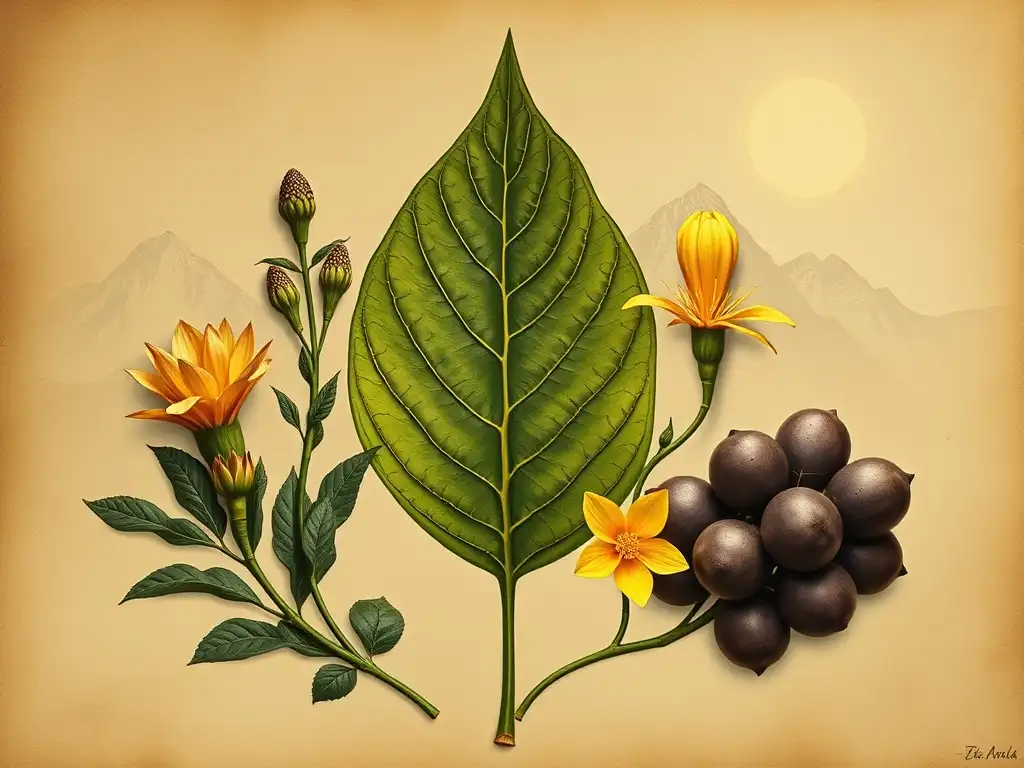
The Andean region, cradle of diverse and sophisticated civilizations, reveals a profound connection between its people and the plant world. Andean plant symbolism is not merely decorative; it's deeply embedded in the cosmology, rituals, and social structures of cultures like the Inca, Moche, Nazca, and Tiwanaku. Plants weren't just sources of sustenance; they were powerful symbols imbued with spiritual and social meaning, reflecting the intricate relationship between humanity and the natural world. This section delves into the symbolism of two key plants: the coca leaf and maize, exploring their multifaceted roles in Andean societies.
The coca leaf ( Erythroxylum coca) holds an unparalleled position in Andean culture, transcending its practical uses as a stimulant and medicinal herb. Its symbolic weight is immense, interwoven with religious beliefs, social interactions, and economic systems. For centuries, coca has been integral to Andean life, playing a vital role in rituals, ceremonies, and everyday life. Its significance is deeply rooted in the spiritual beliefs of the Andes, connecting the living with the spiritual realm.
Coca's Role in Andean Spirituality
Coca leaves were, and in many communities still are, offered to deities and spirits as a sign of respect and reverence. Shamans, or paqos, used coca in divination rituals, chewing the leaves to receive messages from the spirit world. The act of sharing coca leaves fostered social bonds, solidifying relationships and promoting community harmony. The precise rituals varied among different Andean cultures, but the reverence for coca as a sacred plant remained consistent.
For example, Inca rituals often involved the offering of coca leaves to the sun god, Inti, ensuring a bountiful harvest and favorable weather. The leaves weren't simply consumed; they were a conduit to the divine, a medium for communication between the human and spiritual realms. This deep-seated spiritual connection underscores the profound symbolism of the coca leaf within Andean cosmology.
Coca as a Symbol of Power and Status
Beyond its spiritual significance, coca also symbolized power and status within Andean societies. Access to coca leaves, particularly high-quality varieties, was often restricted to the elite. The distribution and control of coca were key elements of the Inca Empire's administrative system, reinforcing social hierarchies and reinforcing the power of the ruling class.
Furthermore, the elaborate coca pouches, or chuspas, used to carry coca leaves, were often intricately decorated, indicating the social standing of their owner. The more ornate the chuspa, the higher the social status of its possessor. This connection between coca and social status continues to resonate in contemporary Andean communities.
The Importance of Maize: Sustenance and Divine Connection
Maize ( Zea mays), also known as corn, is another cornerstone of Andean civilization, holding immense cultural and symbolic significance. Its importance extends far beyond its role as a staple food; it represents life, fertility, and the very essence of Andean existence. The cultivation of maize was central to the Andean worldview, deeply intertwined with their religious beliefs and agricultural practices.
Maize in Andean Agricultural Practices
The cultivation of maize was, and remains, a complex and vital agricultural practice in the Andes. Andean farmers developed sophisticated techniques to cultivate maize in diverse and challenging environments, demonstrating their profound understanding of agricultural principles. Terracing, irrigation systems, and crop rotation were employed to maximize yields, ensuring the survival and prosperity of their communities. The agricultural cycle itself was deeply intertwined with religious ceremonies, highlighting the sacred nature of maize cultivation. Specific rituals were associated with planting, harvesting, and storing maize, demonstrating the profound respect for this life-giving plant.
Maize as a Representation of Fertility and Abundance
Maize's symbolic significance is intrinsically linked to its role as a provider of sustenance and a symbol of fertility and abundance. In Andean mythology, maize is often associated with deities related to fertility and agriculture. The goddess Mama Sara Mama, for instance, was often associated with maize, representing the bounty of the earth and the prosperity of the community.
Depictions of maize in Andean art frequently symbolize fertility, abundance, and the cyclical nature of life and death. The kernels of maize, with their potential to generate new life, powerfully represent the continuous cycle of growth and renewal, a central theme in Andean cosmology. This rich symbolism highlights the deep-rooted connection between maize, the Andean people, and their spiritual world.
The Hallucinogenic San Pedro Cactus: Shamanic Visions and Healing
The San Pedro cactus ( Echinopsis pachanoi) holds a prominent place in Andean plant symbolism, deeply intertwined with shamanic practices and spiritual beliefs. For centuries, indigenous communities have utilized this columnar cactus for its potent psychoactive properties, facilitating altered states of consciousness believed to provide access to the spiritual world. The cactus's powerful effect on perception and cognition is central to its symbolic significance, representing a bridge between the earthly and spiritual realms.
Its use wasn't solely recreational; rather, it was—and in some communities still is—an integral part of healing rituals, divination, and spiritual journeys. The intricate patterns and spines of the San Pedro cactus itself have inspired artistic representations, further solidifying its importance in Andean iconography.
The cactus's enduring presence in Andean culture reflects its profound impact on their worldview and spiritual practices. The enduring legacy of the San Pedro cactus underscores its multifaceted role as a sacred plant, a powerful medicine, and a potent symbol within Andean culture.
San Pedro Cactus and its Psychoactive Properties
The San Pedro cactus contains mescaline, a psychedelic alkaloid responsible for its hallucinogenic effects. These effects can include vivid visual hallucinations, altered perceptions of time and space, heightened emotional responses, and profound spiritual experiences. The mescaline content varies depending on factors such as the age and growing conditions of the cactus.
Traditional Andean preparations often involve careful processing to optimize the concentration of mescaline and minimize potentially harmful side effects. Understanding the psychoactive properties of the San Pedro cactus is crucial to appreciating its role in Andean shamanic practices and its symbolic weight within Andean cosmology. The careful control and precise preparation methods highlight the sophisticated understanding of the plant’s effects by the Andean communities.
San Pedro in Andean Rituals and Divination
The San Pedro cactus played, and continues to play, a central role in Andean rituals and divination. Shamans, or paqos, would administer the cactus in carefully controlled ceremonies, guiding participants through their altered states of consciousness. These rituals were not merely recreational experiences but were aimed at achieving healing, gaining spiritual insight, and communicating with the spirit world. The visions induced by the San Pedro cactus were interpreted by the shaman to provide diagnoses, prophecies, and guidance.
The cactus itself was often personified, considered a sacred entity with its own agency and power. The meticulous nature of these rituals showcases the profound respect and understanding held for the cactus and its transformative potential. These ceremonies represent a powerful link between the physical and spiritual realms, highlighting the profound integration of the San Pedro cactus into Andean spiritual life.
The Andean Potato: A Staple Crop with Cultural Weight
The potato ( Solanum tuberosum) is far more than a simple food source for Andean communities; it is a cornerstone of their culture, history, and identity. Its cultivation is deeply intertwined with Andean agricultural practices and social structures, shaping their landscapes and economies for millennia. The potato's remarkable adaptability to diverse Andean environments allowed it to thrive at various altitudes and climates, becoming a vital part of the region's sustenance.
Its widespread cultivation is a testament to the ingenuity and agricultural prowess of Andean civilizations. Moreover, the potato's versatility in culinary uses and its nutritional value contributed significantly to the well-being and survival of Andean populations.
The Potato's Role in Andean Diet and Economy
The potato's significance in the Andean diet is undeniable. It forms the basis of countless traditional dishes, providing essential carbohydrates and nutrients. Different varieties of potatoes, each with unique characteristics, are cultivated and consumed, reflecting the rich biodiversity of the region.
The potato's role extends beyond sustenance; it's a significant component of the Andean economy, driving local trade and providing livelihoods for countless individuals. The cultivation, processing, and trade of potatoes have shaped social structures and economic systems for centuries, making the potato a pivotal element in the Andean way of life. The diverse range of potato varieties alone speaks volumes about the adaptive capacity of both the plant and the Andean people.
Symbolic Meanings of the Potato in Andean Cosmology
Beyond its practical importance, the potato holds profound symbolic meanings within Andean cosmology. It is often associated with fertility, abundance, and the earth's life-giving power. The potato's ability to reproduce through tubers may have contributed to its association with regeneration and continuity. In some Andean cultures, the potato is linked to ancestral spirits and the cyclical nature of life and death.
The planting and harvesting of potatoes are frequently integrated into ceremonial practices, reinforcing the potato's spiritual significance. The profound symbolic weight of the potato reflects its central role not only in sustaining life but also in connecting Andean communities to their land, ancestors, and spiritual beliefs. The potato's symbolic power is a testament to its deep-rooted connection with Andean culture and identity.
Plant Motifs in Andean Art and Iconography
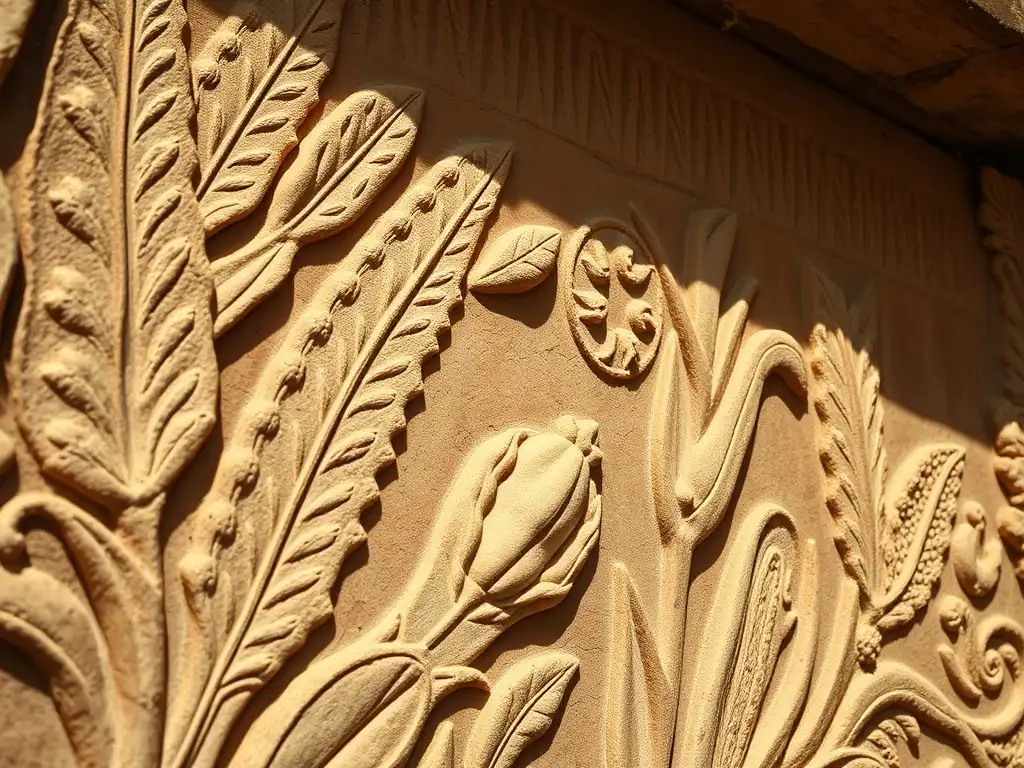
Andean plant symbolism is deeply interwoven with the artistic expressions of the various cultures that thrived in the Andes Mountains. From the intricate textiles of the Nazca to the meticulously crafted ceramics of the Moche, plants held profound religious, social, and economic significance, reflected in their artistic representations. Understanding these motifs provides invaluable insight into the worldview and daily life of these ancient Andean societies.
The prevalence of specific plants in art often indicates their importance in agriculture, medicine, ritual, and mythology. This section will delve into the specific botanical representations found across different Andean artistic mediums, focusing on the choices made by artisans and the messages they conveyed through their work.
The meticulous detail and symbolic richness found in these representations demonstrate the sophisticated understanding of the natural world held by these ancient Andean civilizations. This section will explore the use of Andean plant symbolism in ceramics and textiles, two of the most significant art forms of the region.
Botanical Representations in Ceramics
Ceramic art offers a rich tapestry of Andean plant symbolism. The detailed depictions on pottery shards and vessels reveal a detailed understanding of the plant kingdom, highlighting both practical and spiritual aspects of plant life. The specific plants represented vary depending on the culture and time period, reflecting regional differences in flora and cultural beliefs. The careful selection and arrangement of botanical motifs suggest a deliberate attempt to convey specific meanings and narratives.
Moche Ceramics: The Representation of Peanuts
Moche ceramics are renowned for their vibrant and often grotesque depictions of daily life, including detailed representations of the natural world. Peanuts, a crucial crop in the Moche diet, feature prominently in their iconography. They are frequently depicted realistically, sometimes alongside other food items, suggesting their role in feasts and rituals.
In some instances, peanuts are shown in stylized forms, perhaps imbued with symbolic meaning beyond their nutritional value. The meticulous detail in the representation of the peanut plant itself, including leaves, stems, and the pods, reveals the Moche's keen observation of nature and their appreciation for the bounty it provided. The presence of peanuts in Moche art suggests their importance not just as a food source but also as a symbol of fertility and abundance.
Further research is needed to uncover the full symbolic weight of peanuts within the Moche worldview. [Specific information pending on the exact number of peanut depictions found in Moche ceramics and their contextual placement within scenes].
Nazca Pottery: The Depiction of Various Fruits and Vegetables
Nazca pottery showcases a diverse range of botanical representations, reflecting the rich agricultural landscape of the region. Fruits such as lucuma and other native fruits are often depicted alongside vegetables, creating visually stunning compositions that capture the essence of the Nazca's agricultural prowess. These representations are often highly stylized, moving beyond simple realism to incorporate symbolic elements.
The careful arrangement of different fruits and vegetables suggests that they may have held distinct symbolic meanings, perhaps connected to specific deities or rituals. Unlike the often narrative-focused scenes of Moche pottery, Nazca pottery frequently uses plant motifs as standalone decorative elements, emphasizing the aesthetic and symbolic value of the plants themselves. For example, the recurring depiction of specific fruits might indicate their importance in religious ceremonies or their association with specific deities.
Floral Depictions in Textiles
Andean textiles, particularly those from the Nazca and Inca periods, provide a stunning showcase of floral depictions, demonstrating a sophisticated understanding of weaving techniques and a deep connection to the natural world. The intricate designs, often incorporating multiple plant species, highlight the symbolic importance of flora within Andean society. The use of natural dyes, derived from plants themselves, further emphasizes the intimate relationship between the people and their environment.
Weaving Techniques: The Use of Natural Dyes for Plant Patterns
The vibrant colors in Andean textiles are not just aesthetically pleasing; they are also deeply symbolic. Many of the dyes used were derived from plants, such as the achiote ( Bixa orellana) for red and the Tara tree for yellow. The choice of color was not arbitrary; specific colors were associated with different deities, events, and social standings.
The weaving techniques themselves, often incorporating intricate patterns and symbolic motifs, further enhanced the symbolic meaning of the textiles. The precise control over color and texture showcases the highly developed skills of Andean weavers and their deep understanding of both botanical and textile techniques. The complexity of the designs and the precision of the execution attest to the high social standing of the weavers within their communities.
Symbolic Colors and Plant Representations: Red for Achiote, Yellow for Maize
The use of specific colors in Andean textiles is intrinsically linked to plant symbolism. Red, often obtained from the achiote plant, was associated with fertility, blood, and power. It frequently appeared in textiles used in religious ceremonies or worn by elite members of society. Yellow, often derived from the Tara tree or maize, symbolized the sun, gold, and abundance. Maize itself, a staple crop in the Andean diet, held profound symbolic significance, representing life, sustenance, and the cycle of renewal. The combination of specific colors and plant motifs in textiles created rich layers of meaning, conveying complex messages about the wearer, the occasion, and the spiritual beliefs of the culture. The intricate relationships between color, plant, and meaning demonstrate the sophisticated symbolic language embedded in Andean textile art. The careful selection and arrangement of these elements showcase the high level of artistry and cultural understanding reflected in Andean textile traditions.
Plants in Andean Architecture and Sculpture
Andean architecture and sculpture are replete with plant motifs, reflecting the profound importance of the botanical world in the worldview of these ancient cultures. The integration of plants wasn't merely decorative; it held symbolic meaning, often representing fertility, abundance, and connection to the spiritual realm. Masterful artisans skillfully incorporated plant imagery into their creations, weaving it into the very fabric of their built environment and artistic expressions.
This wasn't a haphazard inclusion; careful consideration was given to the specific plant chosen and its placement, ensuring a powerful and meaningful message was conveyed. The choice of plants was dictated not only by aesthetic considerations but also by deeply held cultural beliefs and agricultural practices. For example, the prominent use of corn and potato motifs speaks volumes about the centrality of these crops to Andean societies.
The skillful rendering of these plants in stone, wood, and textiles underscores the high level of artistic skill and the profound reverence for the natural world. The meticulous detail in these representations suggests a deep understanding of botanical features, highlighting the close relationship between the Andean people and their environment.
Incorporation of Plant Motifs in Temple Decoration: Corn and Potato Motifs at Tiwanaku
The Tiwanaku site in Bolivia offers a compelling example of the use of plant motifs in temple decoration. The monumental architecture of Tiwanaku, characterized by its massive stone structures and intricate carvings, features prominent representations of corn and potatoes. These crops, central to the Tiwanaku diet and economy, were not simply depicted; they were elevated to the status of sacred symbols.
Corn, often represented in stylized forms with its characteristic ears and leaves, frequently appears in friezes and panels adorning temple walls. Similarly, depictions of potatoes, though less frequent, also hold significant symbolic weight, reflecting the importance of this staple crop in the Andean diet. The meticulous carving and placement of these motifs suggest a deliberate attempt to integrate these plants into the sacred space of the temples, possibly signifying the connection between the earthly and spiritual realms.
The repeated appearance of these motifs reinforces their significance, suggesting a deep-seated reverence for these agricultural staples and their role in maintaining the prosperity and well-being of the community. Researchers continue to analyze the specific arrangements and contexts of these plant motifs to decipher their precise meanings within the Tiwanaku religious system.
Plants as Elements in Andean Stone Carvings: Depictions of Flowers and Vines
Beyond corn and potatoes, Andean stone carvings frequently depict a wide variety of flowers and vines. These representations showcase the remarkable artistic skill of Andean artisans in capturing the delicate details of botanical forms. Flowers, often depicted in stylized ways, frequently appear in intricate patterns and designs, adorning everything from small artifacts to monumental sculptures.
The types of flowers depicted vary across different Andean cultures and time periods, reflecting regional variations and shifts in artistic styles. Vines, with their twisting and intertwining forms, often serve as decorative elements, framing other figures or motifs or creating elaborate patterns. The use of vines in Andean carvings might also carry symbolic weight, representing interconnectedness, growth, or the cyclical nature of life.
The meticulous carving of these delicate botanical forms underscores the artisans' profound understanding of the natural world and their ability to translate this knowledge into stunning works of art. Analyzing the specific types of flowers and vines depicted in these carvings, along with their context within larger compositions, can offer valuable insights into the cultural beliefs and artistic practices of different Andean societies. The careful study of these details unveils a rich tapestry of botanical symbolism, reflecting the deep and multifaceted relationship between the Andean people and their environment.
The Enduring Legacy of Andean Plant Symbolism
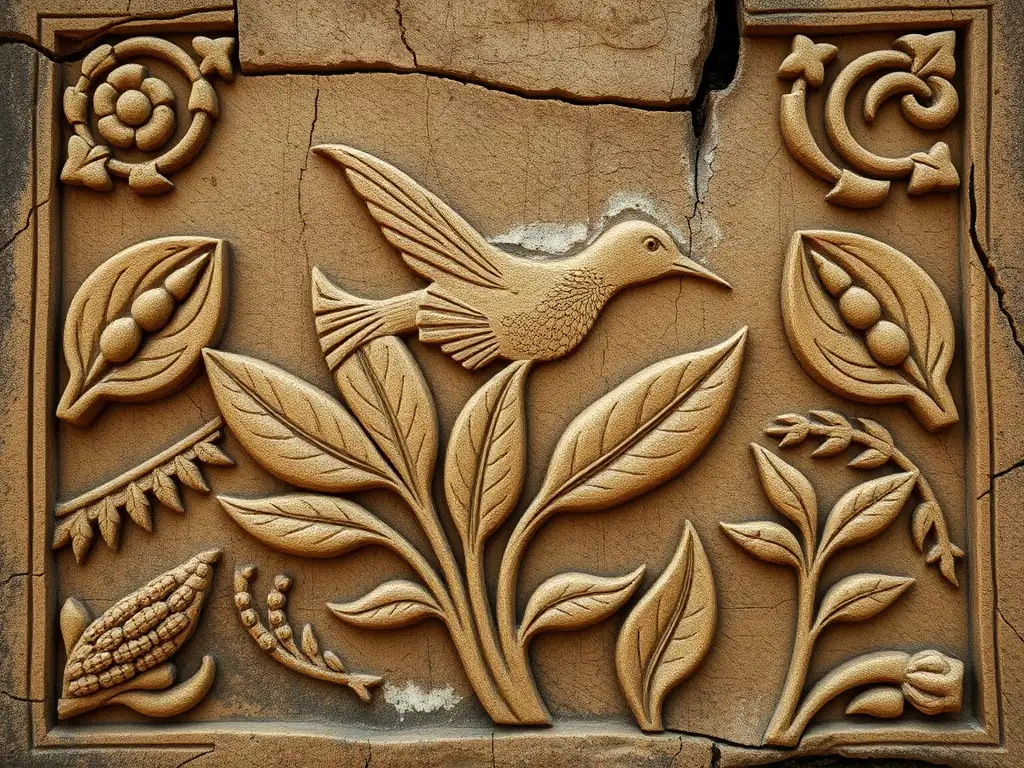
The vibrant tapestry of Andean culture is intricately woven with the threads of botanical symbolism. Plants weren't merely sustenance; they were imbued with deep spiritual and symbolic meaning, reflecting the profound relationship between the Andean peoples and their environment. This connection, evident in their art, textiles, and religious practices, continues to resonate even today, offering a fascinating glimpse into the worldview of these ancient civilizations.
Understanding Andean plant symbolism provides a key to unlocking a richer appreciation for their complex society and enduring legacy. The pervasive influence of plants in Andean iconography demonstrates a sophisticated understanding of the natural world, far beyond mere utilitarian purposes.
From the coca leaf, a symbol of vitality and ritual, to the maize plant, representing fertility and abundance, each species held a unique significance within the Andean cosmological framework. This section will explore how these meanings have persisted across centuries, demonstrating the enduring power of Andean botanical symbolism.
How Ancient Botanical Meanings Persist Today
The symbolic meanings associated with Andean plants haven't simply faded into obscurity. Many persist in contemporary Andean cultures, albeit sometimes subtly transformed. For instance, the coca leaf, historically crucial in religious ceremonies and daily life, remains a powerful symbol of Andean identity and community.
While its ritualistic use may have evolved, the deep respect for the coca plant and its perceived sacredness continue to be evident in modern Andean communities. Similarly, the imagery of maize, often depicted in intricate textiles and ceramics, still holds significance as a symbol of prosperity and abundance. Modern Andean farmers continue to hold ceremonies and rituals centered around the maize harvest, reflecting the continuity of these ancient traditions.
The enduring presence of these botanical motifs in modern art, crafts, and celebrations highlights their continued cultural relevance and the enduring power of Andean plant symbolism. Even in urban settings, the imagery of key plants persists, often subtly integrated into contemporary designs and artistic expressions.
Modern Interpretations of Andean Plant Symbolism
Contemporary scholars and artists are increasingly engaging with Andean plant symbolism, offering fresh perspectives and reinterpretations. This renewed interest stems from a growing appreciation for the richness and complexity of Andean cultures and a desire to understand their relationship with the natural world. Modern interpretations often focus on the ecological and environmental aspects of Andean plant symbolism, highlighting the wisdom of ancient Andean practices and their relevance to contemporary environmental challenges.
For example, the careful cultivation and sustainable use of plants by Andean civilizations are being studied as potential models for sustainable agriculture and resource management. This perspective allows us to view Andean plant symbolism not just as a historical curiosity, but as a source of inspiration and guidance for our own time.
The resurgence of interest in Andean textiles, with their intricate botanical motifs, also contributes to the modern interpretation and appreciation of this symbolism. Many contemporary artists draw inspiration from ancient Andean designs, creating new works that both honor the past and engage with present-day concerns.
The Importance of Preserving Andean Botanical Knowledge
The preservation of Andean botanical knowledge is crucial for both cultural and ecological reasons. The deep understanding of plant properties and their symbolic meanings held by ancient Andean civilizations represents a vast and invaluable body of knowledge. This knowledge is not only culturally significant but also holds potential benefits for modern medicine, agriculture, and environmental conservation. Many Andean plants possess unique medicinal properties that remain largely unexplored.
Documenting and preserving traditional knowledge about these plants is essential to prevent the loss of this valuable resource. Furthermore, understanding the sustainable agricultural practices employed by ancient Andean civilizations can offer valuable insights for modern sustainable agriculture. Protecting biodiversity and promoting the responsible use of Andean plant resources is vital for ensuring the long-term health of both the Andean region and its cultural heritage.
The task of preserving this knowledge requires collaborative efforts between scholars, communities, and institutions dedicated to the preservation of cultural heritage and biodiversity. This includes supporting community-based initiatives, promoting research, and fostering educational programs that highlight the importance of Andean botanical knowledge. 🌱
Frequently Asked Questions
What is the significance of plant symbolism in Andean cultures?
Andean cultures attributed deep symbolic meaning to various plants. These symbols often represented religious beliefs, social structures, and cosmological concepts, weaving into their daily lives and artistic expressions. Plants held spiritual power and were integral to their worldview.
Which plants were most commonly used in Andean symbolism?
Plants like corn (maize), coca, potatoes, and various flowers frequently appeared in Andean iconography. Each held unique symbolic significance, often tied to fertility, abundance, and connection to the supernatural. Their depictions varied across different cultures.
How did Andean people represent plant symbolism in their art?
Andean artists incorporated plant motifs into textiles, pottery, metalwork, and stone carvings. The specific arrangement and context of these motifs provided further layers of meaning, often telling complex narratives or illustrating religious ceremonies.
What role did coca play in Andean plant symbolism?
Coca leaves held immense religious and social significance. They were associated with rituals, offerings to deities, and medicinal practices. Coca's symbolic power stemmed from its energizing and sacred properties within Andean societies.
How did different Andean cultures vary in their plant symbolism?
While some plants held pan-Andean significance, interpretations and artistic representations varied across cultures like the Inca, Moche, Nazca, and Tiwanaku. Each culture developed its own unique iconography and associated meanings, reflecting their specific beliefs and traditions.
Final Reflection: The Enduring Bloom of Andean Botanical Symbolism
The intricate relationship between Andean cultures and their plant life continues to resonate today, a vibrant testament to the enduring power of nature's symbolism. Understanding this deep connection offers not only a glimpse into a rich cultural heritage but also a crucial perspective on our own relationship with the natural world, a relationship increasingly strained in the face of environmental challenges. The vibrant tapestry woven from botanical imagery, meticulously preserved through generations, serves as a powerful reminder of our interconnectedness.
The enduring influence of Andean plant symbolism is palpable, shaping artistic expression, spiritual practices, and even contemporary ecological movements. It's a legacy that transcends time and geography, reminding us of the profound wisdom embedded within traditional knowledge systems. The earth is what we all have in common.
– Wendell Berry. This quote perfectly encapsulates the shared responsibility we bear in preserving the cultural and ecological heritage represented by Andean plant symbolism, a heritage that speaks to the inherent value of biodiversity and sustainable living.
Consider the profound symbolism woven into each plant, each flower, each leaf. Reflect on the stories they tell, the beliefs they represent, and the lessons they impart. Let the vibrant imagery of Andean iconography inspire you to cultivate a deeper appreciation for the natural world and to actively participate in its preservation. Embrace the wisdom of the past to build a more sustainable and harmonious future, one where the power of plants continues to bloom for generations to come.
Embrace the Green: Connect with Andean Botanical Wisdom!
Thank you for exploring the rich tapestry of botanical symbolism in Andean iconography! You've gained valuable insights into the profound relationship between plants and Andean culture. Now, let's deepen your connection with this fascinating subject.
- Explore a plant discussed in this article: Research its cultural significance and share your discoveries with friends or on social media. A detailed report, even a short blog post, could be a rewarding project.
- Visit a local botanical garden or museum: Observe how Andean plants, or plants with similar symbolic meaning, are represented in your region. Take photos and reflect on the cultural interpretations you encounter, comparing them to what you've learned.
- Join or start a community group: Connecting with others interested in Andean studies or plant symbolism will broaden your understanding and provide opportunities for collaboration and further exploration of this rich heritage. Consider joining a local historical society, botanical club, or even starting an online forum.
What plant symbolism resonates most with you, and how do you see its influence in your daily life or culture? Consider writing a short reflection to further solidify your learning.