
Andean Textile Revival: Modern Artists Inspired by Ancient Traditions

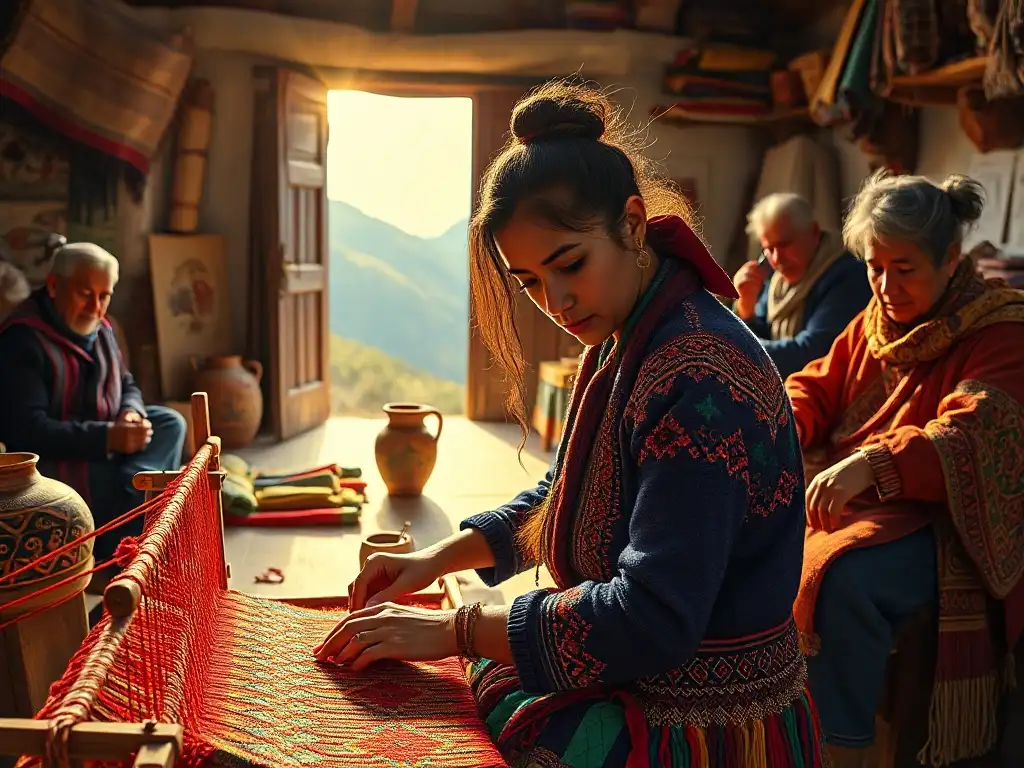
Step into a world woven with threads of time and artistry. For centuries, the vibrant cultures of the Andes have captivated the world, leaving behind a legacy as rich as their textiles. But the story doesn't end there; today, Andean textiles are experiencing a breathtaking revival, inspiring modern artists in unexpected ways. Discover how ancient traditions continue to resonate, igniting a creative fire that bridges millennia – and prepare to be amazed by the power of Andean textile modern art inspiration.
The vibrant tapestry of Andean culture is inextricably linked to its textile traditions. For millennia, Andean civilizations—from the Incas and Moche to the Nazca and Tiahuanaco—have created breathtaking textiles, imbued with intricate designs and symbolic meanings. These weren't merely garments; they were expressions of identity, status, and spiritual beliefs, deeply woven into the fabric of their societies.
Today, a remarkable revival is underway, with contemporary artists drawing profound inspiration from these ancient techniques and motifs, breathing new life into this rich heritage and presenting a compelling fusion of past and present. This article explores how modern artists are reinterpreting the legacy of Andean textiles, using both traditional and innovative methods to create stunning works of art, while simultaneously preserving and celebrating this important cultural legacy.
We'll delve into the techniques, the inspirations, and the enduring power of Andean textile art in the 21st century. This exploration promises to illuminate the enduring relevance of "Andean textiles modern art inspiration."
Exploring the Roots: Backstrap Loom Weaving and Natural Dyeing
The foundation of Andean textile artistry lies in its ancient techniques. The backstrap loom, a simple yet ingenious device, has been used for centuries to create intricate fabrics. This portable loom, often made from readily available materials, allowed weavers unparalleled flexibility, enabling them to create textiles in a variety of sizes and designs.
The mastery of this technique, passed down through generations, is a testament to the ingenuity and resilience of Andean cultures. Furthermore, the use of natural dyes, derived from plants, insects, and minerals found in the diverse Andean landscape, contributed significantly to the vibrancy and uniqueness of the textiles. These dyes, ranging from deep reds and vibrant yellows to earthy browns and rich purples, were not only aesthetically pleasing but also held symbolic significance within Andean societies.
For example, the deep crimson of cochineal, derived from an insect, was often associated with royalty and power. The meticulous process of preparing and applying these natural dyes, requiring considerable skill and knowledge, is a crucial element of the traditional Andean textile tradition that continues to inspire contemporary artists. The complexity of the dyeing process itself, with its careful attention to detail and the nuanced understanding of the properties of different natural materials, showcases the depth and sophistication of Andean textile techniques.
The Legacy of Andean Weaving: A Source of Inspiration
The intricate designs and symbolic motifs found in ancient Andean textiles continue to fascinate and inspire contemporary artists. Geometric patterns, zoomorphic representations, and depictions of deities and mythical figures all contribute to the rich visual language of these textiles. Modern artists often incorporate these motifs into their own works, reinterpreting them in contemporary contexts and exploring their enduring power. Some artists meticulously recreate traditional patterns, employing traditional techniques to honor the legacy of their predecessors.
Others integrate these motifs into their own artistic styles, creating a dialogue between tradition and innovation. The use of bold colors, textures, and innovative materials often reflects a contemporary sensibility, while the underlying designs remain firmly rooted in Andean traditions. This fusion creates a dynamic and compelling interplay between past and present, highlighting the enduring relevance of Andean textile art in the modern world.
The enduring appeal of these designs speaks volumes about their inherent beauty and the cultural significance they carry. This creative exchange enriches both the contemporary art world and our understanding of the rich history of Andean civilizations. The continued exploration of "Andean textiles modern art inspiration" promises a rich and vibrant future for this unique art form.
Andean Textiles as a Muse: Modern Interpretations
Andean textiles, with their vibrant colors, intricate designs, and rich symbolism, have captivated artists for centuries. Their enduring appeal lies in the masterful weaving techniques passed down through generations, reflecting a deep connection to the land and a sophisticated understanding of color and pattern. These textiles are not merely functional items; they are powerful expressions of cultural identity, storytelling devices woven into the very fabric of Andean life.
Modern artists continue to draw inspiration from this rich legacy, reinterpreting ancient motifs and techniques in innovative and contemporary ways. The enduring power of these ancient textiles is their ability to resonate with contemporary sensibilities, offering a gateway to understanding a culture rich in history and artistry.
The intricate designs, often depicting mythical creatures, celestial events, and agricultural cycles, continue to inspire awe and wonder, prompting artists to explore new avenues of creative expression. The revival of Andean textile traditions in contemporary art is a testament to the enduring power of these cultural artifacts.
Sheila Hicks: Reimagining Traditional Motifs
Sheila Hicks, a renowned American textile artist, is known for her large-scale installations and sculptural works that reinterpret traditional Andean weaving techniques. Her work often incorporates vibrant, naturally dyed yarns, creating textured tapestries that evoke the spirit of Andean textiles while pushing the boundaries of the medium. Hicks's pieces are not mere reproductions; they are thoughtful explorations of texture, color, and form, showcasing a deep respect for the ancient techniques while embracing a distinctly modern aesthetic.
Her use of unconventional materials alongside traditional fibers, such as alpaca and llama wool, adds an element of surprise and innovation, demonstrating the versatility of the Andean textile tradition. Hicks’ dedication to the craft, evident in her meticulous attention to detail and her exploration of diverse weaving techniques, solidifies her position as a leading figure in the contemporary textile art scene, significantly influenced by Andean traditions.
El Anatsui: Abstract Expressions Inspired by Andean Colors
While not directly referencing specific Andean motifs, the work of El Anatsui, a Ghanaian sculptor, reflects the vibrant color palettes and textural richness of Andean textiles. Anatsui's large-scale installations, created from recycled materials like bottle caps and aluminum sheets, possess a fluidity and dynamism that echo the intricate patterns and flowing forms found in traditional Andean weavings.
The shimmering surfaces of his works capture and reflect light in ways reminiscent of the lustrous textures of Andean fabrics. The artist's bold use of color, often employing rich earth tones and vibrant hues, directly evokes the palette found in many Andean textiles, creating a visual connection despite the different materials and artistic approaches.
Anatsui's abstract approach allows viewers to experience the essence of Andean textile aesthetics without literal representation, showcasing the universality of color and texture as powerful artistic tools. His work demonstrates that the inspiration drawn from Andean textiles can manifest in unexpected and diverse ways.
Contemporary Textile Art: Honoring Andean Ancestry
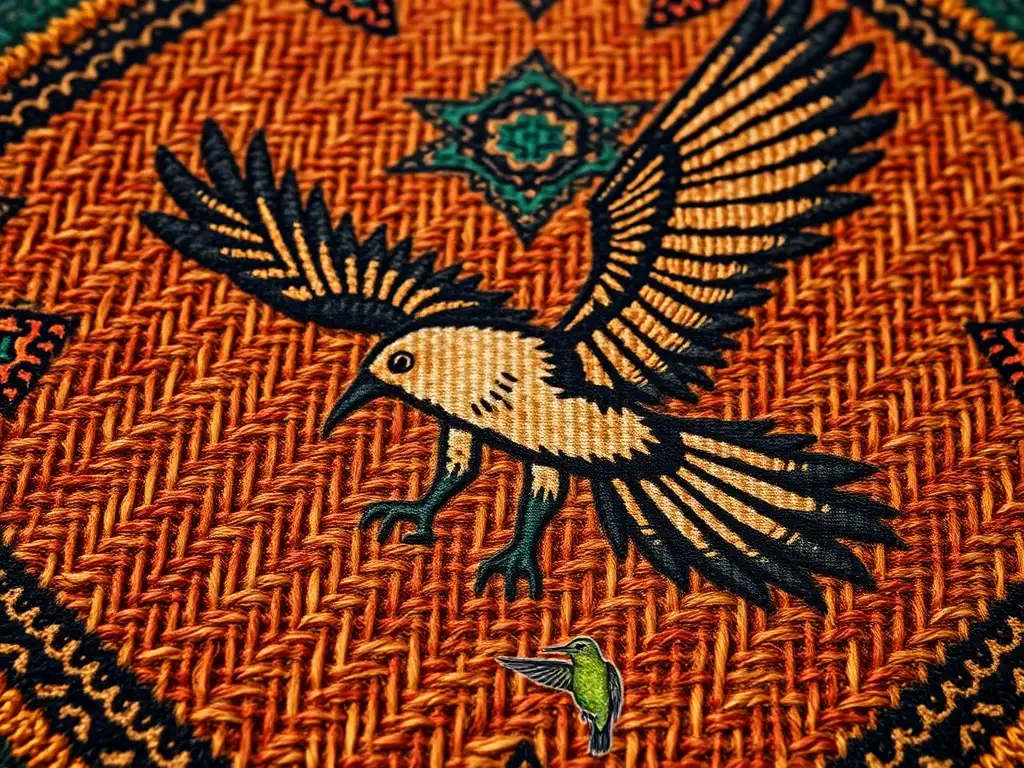
The resurgence of interest in Andean textiles has fueled a vibrant contemporary textile art scene. Many artists are actively engaging with traditional techniques, collaborating with Andean communities to learn and preserve these ancient crafts. This collaborative approach not only ensures the continuation of these valuable traditions but also fosters a deeper understanding and appreciation of the cultural significance embedded in each piece.
The resulting artworks often blend traditional techniques with modern materials and perspectives, creating pieces that are both historically resonant and strikingly contemporary. This fusion of old and new represents a powerful form of cultural preservation, ensuring that the legacy of Andean textile artistry continues to thrive in the 21st century. The modern artists involved in this movement are not just creating beautiful objects; they are active participants in a cultural dialogue, bridging the gap between ancient traditions and contemporary aesthetics.
Modern Materials and Ancient Techniques: A Harmonious Blend
Contemporary artists working with Andean textile inspiration often explore the integration of modern materials into traditional techniques. This might involve incorporating synthetic fibers alongside natural ones, experimenting with new dyeing methods, or employing digital technologies to enhance the design process. However, the core principles of Andean weaving – the intricate patterns, the careful selection of colors, and the meticulous attention to detail – remain central to the creative process.
This blend of ancient techniques and modern materials allows artists to expand the possibilities of the medium while honoring its rich history. The resulting artworks often exhibit a unique aesthetic that reflects both the enduring legacy of Andean textile traditions and the innovative spirit of contemporary art. This harmonious blend showcases the adaptability and enduring relevance of Andean weaving techniques in a rapidly evolving world, proving that tradition and innovation can coexist and even enrich one another.
The Cultural Significance of Andean Textiles in Contemporary Art
Andean textiles hold a profound cultural significance that extends far beyond their aesthetic appeal. For centuries, these intricate weavings served as powerful mediums for storytelling, transmitting knowledge across generations, and expressing complex social and religious beliefs. The vibrant colors, intricate patterns, and symbolic motifs woven into these textiles offer a window into the rich tapestry of Andean life, from agricultural practices and cosmological beliefs to social hierarchies and political power.
Contemporary artists recognize and build upon this cultural depth, incorporating traditional techniques and motifs into their modern works to honor and reinterpret this legacy. Their creations often explore themes of identity, cultural memory, and the ongoing relevance of ancient Andean traditions in the modern world. The use of traditional Andean dyes, such as those derived from cochineal insects or plants like añil (indigo), further emphasizes the connection to ancestral practices and the enduring power of these natural pigments.
This conscious engagement with the cultural significance of Andean textiles elevates the artistic creations beyond mere aesthetic appreciation, transforming them into vehicles for cultural preservation and dialogue. The incorporation of traditional Andean symbols, such as the puma, the condor, or geometric patterns linked to specific deities or agricultural cycles, adds layers of meaning and significance to the contemporary artwork, enriching the viewer's experience and fostering a deeper understanding of Andean culture.
Preserving Andean Textile Heritage Through Modern Art
The revival of Andean textile traditions in contemporary art plays a crucial role in preserving this invaluable cultural heritage. Many contemporary Andean artists work directly with traditional communities, learning from master weavers and collaborating on projects that blend traditional techniques with modern artistic expressions. This collaborative approach ensures the continuity of ancient knowledge and skills, safeguarding them from the threats of globalization and cultural homogenization.
Furthermore, the creation of contemporary artworks inspired by Andean textiles brings renewed attention and appreciation to these ancient crafts. The incorporation of traditional motifs and techniques into museum exhibitions, art galleries, and public spaces not only exposes a wider audience to the beauty and complexity of Andean textiles but also raises awareness about the importance of preserving these traditions for future generations. By showcasing the artistry and cultural significance of Andean textiles in a modern context, contemporary artists contribute to a broader effort of cultural revitalization and preservation.
This renewed interest often translates into increased support for traditional weaving communities, fostering economic opportunities and empowering artisans to continue their craft. Documenting these collaborative projects and the techniques employed further contributes to the preservation of this rich heritage, providing valuable resources for future research and education.
Andean Textiles and Their Enduring Influence on Global Art
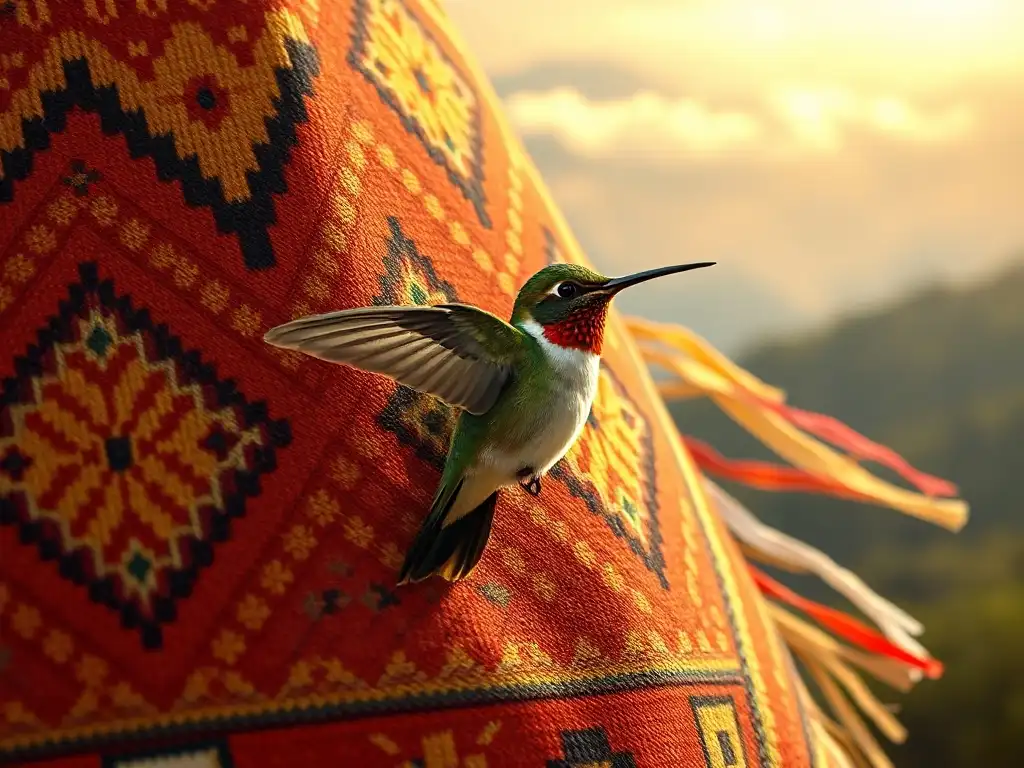
The influence of Andean textiles extends far beyond the Andean region, impacting global art movements and inspiring artists worldwide. The striking colors, intricate patterns, and unique aesthetic qualities of Andean textiles have captivated artists from various cultural backgrounds, leading to reinterpretations and adaptations in diverse artistic expressions. From fashion design to contemporary sculpture and painting, Andean textile motifs and techniques have served as inspiration for countless artistic creations.
The geometric precision of some designs has influenced minimalist artists, while the vibrant colors and symbolic imagery have inspired artists working in various styles, including surrealism and abstract expressionism. The use of natural dyes and the emphasis on handcrafted techniques also resonate with contemporary artists who seek to connect with nature and promote sustainable practices. This global influence reflects the universal appeal of Andean aesthetics and the enduring power of these ancient traditions to inspire and inform contemporary artistic practices.
The study of Andean textile patterns and techniques can be observed in the work of numerous contemporary artists across the globe, demonstrating the lasting impact of Andean artistic heritage on international creative landscapes. This cross-cultural exchange enriches both the Andean artistic traditions and the global art world, creating a vibrant dialogue that celebrates cultural diversity and artistic innovation. The enduring legacy of Andean textiles serves as a powerful testament to the enduring power of art to transcend geographical boundaries and inspire creativity across cultures and generations.
Where to Find Modern Art Inspired by Andean Textiles
Finding modern art inspired by the vibrant tapestry of Andean textile traditions requires a keen eye and a bit of exploration. Many museums and galleries worldwide showcase contemporary artists who draw inspiration from these ancient techniques and designs. However, some institutions are particularly noteworthy for their dedicated collections or exhibitions. Below, we highlight a couple of excellent places to begin your journey into the world of Andean textile-inspired modern art.
The Metropolitan Museum of Art, New York
The Met, renowned for its comprehensive collection of world art, boasts a significant textile section. While not exclusively dedicated to modern interpretations of Andean textiles, the museum frequently features exhibitions and rotating displays that include contemporary artists working with themes and techniques inspired by the Andean region. Their collection of pre-Columbian textiles provides a crucial historical context, allowing visitors to appreciate the depth and complexity of the artistic lineage influencing modern works.
Look for exhibitions focusing on contemporary Latin American art, as these often feature artists engaging directly with their cultural heritage, including textile traditions. The Met's online collection database is also a valuable resource for researching artists and works that may be relevant to your interest in "Andean textiles modern art inspiration."
You can often find detailed descriptions and high-resolution images of pieces that showcase the influence of Andean designs and techniques in contemporary art. Keep an eye on their website and social media for announcements of upcoming exhibitions.
Museo Nacional de Arqueología, Antropología e Historia del Perú, Lima
Located in the heart of Lima, Peru, the Museo Nacional de Arqueología, Antropología e Historia del Perú is an unparalleled resource for understanding Peruvian history and culture, including its rich textile heritage. While primarily focused on archaeological findings, the museum often incorporates contemporary art exhibitions that explore the dialogue between ancient and modern expressions of Peruvian identity.
These exhibitions frequently feature artists who directly engage with traditional Andean textile techniques, reinterpreting them through a contemporary lens. The juxtaposition of ancient and modern works within the museum allows for a profound understanding of the continuous evolution of Andean artistic traditions.
Furthermore, the museum's extensive collection of pre-Columbian textiles provides an invaluable context for appreciating the complexities and nuances of the ancient techniques and designs that inspire modern artists. The museum’s website and publications provide additional information on past and current exhibitions, making it an excellent starting point for your research into Andean textiles modern art inspiration.
Andean Textiles: A Continuing Source of Modern Art Inspiration
The enduring legacy of Andean textiles continues to captivate and inspire contemporary artists worldwide. The intricate designs, vibrant colors, and masterful techniques employed by ancient Andean cultures provide an inexhaustible wellspring of creativity. Modern artists find themselves drawn to the symbolic richness woven into these textiles, interpreting and reinterpreting ancient motifs within the context of contemporary artistic practices. This enduring inspiration stems from several key factors. Firstly, the sheer technical skill evident in ancient Andean textiles continues to amaze and challenge modern artists.
The precision of weaving, the complexity of patterns, and the use of diverse materials represent a level of craftsmanship that remains relevant and inspiring. Secondly, the symbolic power embedded within these ancient textiles offers a rich source of meaning and interpretation for contemporary artists. From representations of deities and mythical creatures to depictions of daily life and social structures, Andean textiles offer a complex visual language that resonates with modern sensibilities. This symbolic depth allows artists to create works that transcend mere aesthetic appreciation, engaging with themes of identity, history, and cultural heritage.
Finally, the vibrant colors and bold patterns of Andean textiles offer a visually striking aesthetic that remains highly appealing to contemporary artists. These vibrant hues and dynamic designs lend themselves readily to modern interpretations, leading to a diverse array of artistic expressions that remain faithful to the spirit of their ancient origins while simultaneously forging new paths in contemporary art. The ongoing exploration of Andean textiles as a source of modern art inspiration promises a vibrant and evolving field of artistic expression for years to come. The enduring appeal of these ancient textiles guarantees that their influence on modern art will only continue to grow and diversify.
- Exploring the Roots: Backstrap Loom Weaving and Natural Dyeing
- The Legacy of Andean Weaving: A Source of Inspiration
- Andean Textiles as a Muse: Modern Interpretations
- Contemporary Textile Art: Honoring Andean Ancestry
- The Cultural Significance of Andean Textiles in Contemporary Art
- Preserving Andean Textile Heritage Through Modern Art
- Andean Textiles and Their Enduring Influence on Global Art
- Where to Find Modern Art Inspired by Andean Textiles
- Andean Textiles: A Continuing Source of Modern Art Inspiration
- What is the connection between Andean textiles and modern art?
- Which Andean cultures are most influential on modern textile art?
- How are ancient Andean textile techniques being revived today?
- Where can I see examples of modern art inspired by Andean textiles?
- Are there any modern artists specifically known for their work inspired by Andean textiles?
Frequently Asked Questions
What is the connection between Andean textiles and modern art?
Many contemporary artists find inspiration in the vibrant colors, intricate designs, and unique techniques of ancient Andean textiles. This influence is visible in various art forms, from paintings and sculptures to fashion and textile design. The ancient aesthetic continues to resonate powerfully.
Which Andean cultures are most influential on modern textile art?
The Inca, Nazca, Moche, and Tiahuanaco cultures are particularly significant sources of inspiration. Their distinctive weaving styles, symbolic imagery, and use of natural dyes provide a rich tapestry of ideas for modern artists. Their legacy is profound.
How are ancient Andean textile techniques being revived today?
Contemporary artists are reviving ancient techniques like backstrap weaving and using natural dyes to create modern interpretations of traditional designs. This helps preserve cultural heritage while fostering innovation. The process is both respectful and creative.
Where can I see examples of modern art inspired by Andean textiles?
You can find examples in museums, galleries, and online platforms dedicated to contemporary art and textile design. Many artists also showcase their work directly through their websites and social media channels. Look for exhibitions focused on Latin American art.
Are there any modern artists specifically known for their work inspired by Andean textiles?
While many artists draw inspiration from Andean textiles, specific names are less important than the broader trend. Searching for "Andean textile inspired art" will reveal a wealth of contemporary artists working in this space. It's a growing and dynamic field.
Final Reflection: Weaving the Past into the Future
The vibrant threads of Andean textile traditions continue to resonate powerfully in the modern art world, proving that ancient artistry is not merely a relic of the past but a living, breathing source of inspiration. This enduring legacy challenges us to reconsider our relationship with heritage and the transformative power of artistic expression across generations. The intricate designs, bold colors, and symbolic narratives woven into these textiles offer a rich tapestry of meaning, constantly inspiring new interpretations and creative explorations.
The impact of Andean textile art extends far beyond the canvas or loom; it speaks to a deeper cultural understanding, a connection to ancestral knowledge, and a celebration of resilience. The past is never dead. It's not even past.
– William Faulkner. This quote perfectly encapsulates the enduring influence of Andean textiles, their enduring presence shaping contemporary artistic landscapes and reminding us of the continuous dialogue between past and present. Their influence can be seen not only in high art but also in fashion, design, and even social movements, highlighting the profound and multifaceted nature of their cultural significance.
Consider the intricate details, the stories whispered in each thread, the enduring spirit woven into every piece. You too can find inspiration in this rich heritage. Let the bold colors and symbolic patterns ignite your own creativity. Explore the stories behind the designs, and consider how you can incorporate the spirit of Andean artistry into your own life, whether through appreciating existing works, supporting contemporary Andean artists, or simply allowing the vibrant energy of these textiles to inspire your own creative endeavors. Embrace the legacy, and let it weave its magic into your own story.
Unleash Your Creativity: Embrace Andean Textile Traditions!
Thank you for exploring the vibrant world of Andean textiles! We hope you're inspired by the remarkable blend of ancient techniques and modern artistry. Now, let's delve deeper into this rich culture!
Here are some ways to get involved:
- Discover contemporary Andean textile artists by exploring local craft markets or online shops. Support these talented artisans and find unique pieces to cherish.
- Learn traditional Andean weaving techniques by participating in workshops or classes, either online or in person. This is a fantastic opportunity to learn from skilled artisans and nurture your creativity.
- Share your Andean textile journey on social media! Post photos of your creations or favorite Andean-inspired art and use the hashtag #AndeanRevival to connect with a passionate community.
Which Andean textile techniques most captivate you, and how will you incorporate them into your own creative work?