
Gourd Vessels: Symbolic Representations in Andean Ritual Containers

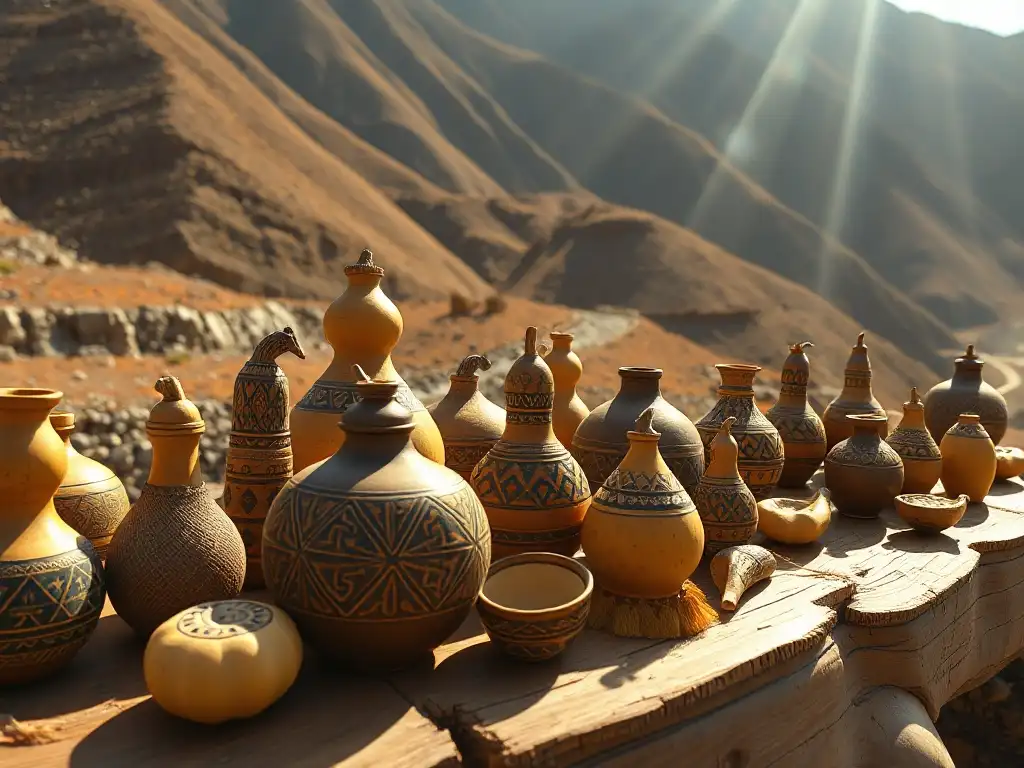
Unravel the mysteries hidden within the intricate designs of ancient Andean cultures. Journey through time and discover a world of vibrant artistry and profound symbolism, where even humble gourd vessels held the key to understanding complex rituals and beliefs. Prepare to be captivated by the hidden meanings etched into these remarkable containers – delve into the fascinating world of Andean gourd vessel symbolism and unlock the secrets they hold.
- Andean Gourd Vessels: Symbolic Meanings in Ritual Containers
- The Significance of Gourd Vessels in Andean Culture
- Symbolism Embedded in Andean Gourd Art
- Ritual Uses of Decorated Gourd Vessels
- Regional Variations in Andean Gourd Vessel Designs
- The Preservation of Andean Gourd Vessel Traditions
- Frequently Asked Questions
- Final Reflection: Echoes of the Andes: Enduring Symbolism in Gourd Vessels
- Unveil the Secrets of Andean Rituals!
Andean Gourd Vessels: Symbolic Meanings in Ritual Containers
The Andean region, cradle of remarkable civilizations like the Inca, Moche, Nazca, and Tiahuanaco, boasts a rich tapestry of artistic expression. Among the most intriguing artifacts unearthed from these ancient cultures are intricately decorated gourd vessels. These weren't merely utilitarian objects; they served as powerful symbolic representations within complex ritual contexts, reflecting the spiritual beliefs and social structures of these societies. This article delves into the fascinating world of Andean gourd vessel symbolism, exploring the diverse iconography, the materials used, and the potential meanings embedded within these captivating containers.
Understanding these vessels provides invaluable insight into the worldview and daily life of the Andean peoples, enriching our comprehension of their rich cultural heritage. We will examine specific examples and explore the ways in which scholars interpret the often-enigmatic imagery found on these remarkable artifacts. Prepare to be transported to a world where everyday objects held profound spiritual significance.
Materials and Techniques: Crafting Sacred Vessels
The creation of Andean gourd vessels was a meticulous process, reflecting the significant value placed upon them. Artisans carefully selected specific types of gourds, often favoring those with particular shapes and sizes suitable for their intended purpose. The gourds were then meticulously cleaned, dried, and prepared for decoration.
A wide array of techniques was employed, including painting, carving, and the application of intricate designs using various materials like pigments derived from natural sources (e.g., minerals, plants) and resins. The precision and artistry involved speak to the high level of skill possessed by the artisans and the reverence with which these objects were treated. For example, the Moche culture is known for its highly detailed painted gourd vessels, showcasing vibrant colors and complex scenes depicting mythological figures and daily life.
The detailed craftsmanship involved in each vessel, from the selection of the gourd itself to the careful application of paint, points to the sacred nature of the object and the significance of the rituals they were used for. Further research is needed to fully understand the specific techniques used by each Andean culture, but existing evidence reveals a remarkable diversity in both material and artistic approach.
Iconography and Symbolism: Decoding the Imagery
The iconography found on Andean gourd vessels is incredibly diverse and often complex, requiring careful analysis and interpretation. Common motifs include stylized depictions of animals (such as jaguars, condors, and snakes), geometric patterns, and representations of human figures engaged in various activities. These images are not randomly chosen; they frequently convey specific meanings related to the spiritual beliefs, social hierarchy, and cosmological worldview of the respective cultures.
For instance, the presence of a specific animal might symbolize power, fertility, or a connection to the spirit world. Geometric patterns could represent celestial bodies, agricultural cycles, or abstract concepts of order and balance. The interpretation of these symbols is often debated amongst scholars, with new discoveries and analyses constantly refining our understanding.
We need to consider the context of discovery—the location of the vessel, associated artifacts, and the cultural practices of the specific Andean group—to provide a more accurate interpretation of the symbolism involved. The precise meanings often vary based on the specific cultural context and even the individual artist's intention.
Ritual Contexts and Functions: Vessels in Andean Ceremonies
Andean gourd vessels were not merely decorative objects; they played a crucial role in a wide range of ritual ceremonies and practices. Evidence suggests their use in offerings to deities, funerary rites, and shamanistic rituals. Some vessels may have been used to contain sacred beverages, such as chicha (a fermented corn drink), while others may have served as containers for offerings of food, coca leaves, or other valuable items.
The size, shape, and decoration of the vessel often provided clues about its intended function and the specific ritual in which it was used. The context of discovery is therefore critical in understanding the role of these vessels. For example, the presence of a gourd vessel in a burial site might indicate its use in funerary rituals, while its discovery in a temple could suggest its use in religious ceremonies.
Detailed studies of these contexts are crucial to unravel the full significance of these ritual artifacts. Further research, including comparative analysis across different Andean cultures, is vital to fully understand the diverse ritual contexts in which these objects were employed.
The Legacy of Andean Gourd Vessels: Continuing Significance
The study of Andean gourd vessels continues to captivate researchers and enthusiasts alike. These objects offer a tangible link to the past, allowing us to glimpse into the rich spiritual and cultural lives of ancient Andean societies. Their intricate designs and symbolic meanings provide valuable insights into their cosmology, social structures, and artistic skills.
The preservation and study of these remarkable artifacts are crucial for understanding the rich legacy of Andean civilizations and for appreciating the enduring power of their artistic traditions. Ongoing research, including advanced scientific techniques, promises to further illuminate the mysteries surrounding these objects, revealing even more about the lives and beliefs of the people who created them.
The study of Andean gourd vessel symbolism is not merely an academic pursuit; it is a journey of discovery that connects us to the vibrant past and enriches our understanding of the human experience. The continued study and appreciation of these vessels ensure that the legacy of these ancient Andean cultures endures.
The Significance of Gourd Vessels in Andean Culture
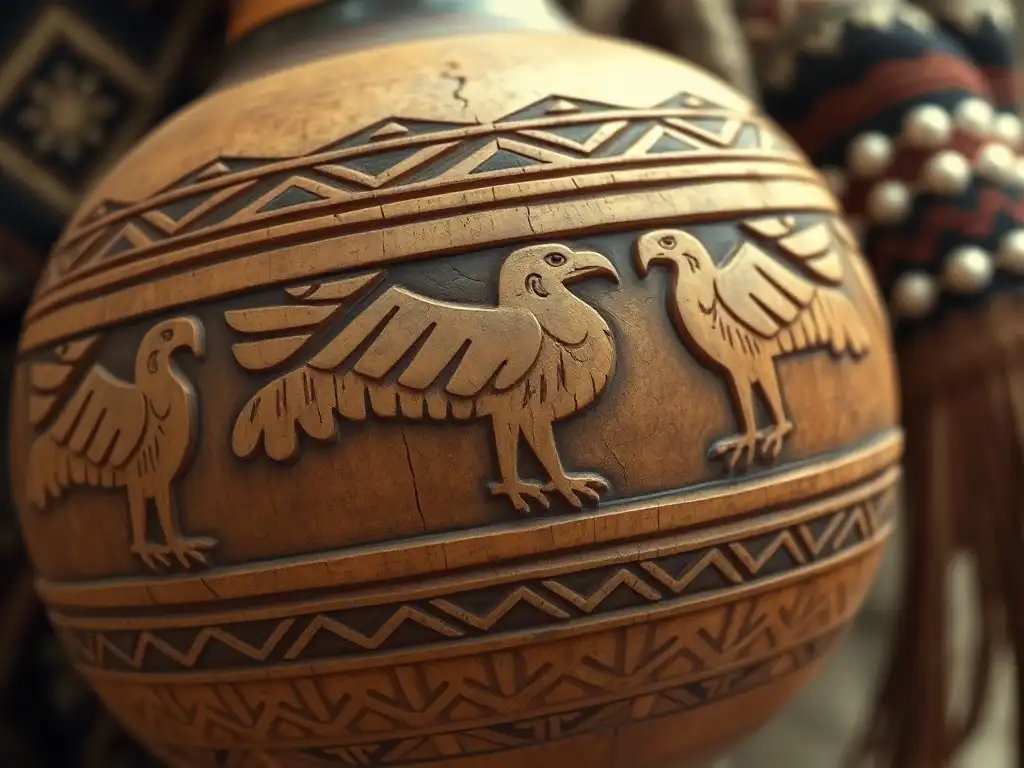
This section delves into the profound significance of gourd vessels within the context of Andean civilizations. These seemingly simple containers held far more than just liquids; they were integral components of rituals, ceremonies, and daily life, acting as powerful symbolic representations reflecting the Andean worldview. Understanding their importance requires exploring not only their form and function but also the materials used and the intricate iconography often adorning them.
The study of Andean gourd vessel symbolism reveals a complex interplay between the natural world and the spiritual realm, offering valuable insights into the beliefs and practices of these ancient cultures. Analyzing the diverse forms and decorations allows us to glimpse the rich tapestry of Andean culture and its enduring legacy. The careful selection of gourd types and the meticulous craftsmanship involved in their creation underscore their sacred purpose and societal value.
Introduction to Andean Ritual Vessels
Andean ritual vessels, including those crafted from gourds, served diverse purposes beyond their practical functionality. They weren't merely containers for storing liquids; they were active participants in rituals, acting as conduits between the human and spiritual worlds. Many vessels were intricately decorated with painted designs, textiles, or metalwork, imbuing them with specific symbolic meanings. These decorations often featured deities, mythical creatures, or scenes depicting important events or beliefs.
The shapes and sizes of the vessels also held significance, reflecting the specific ritual or ceremony in which they were used. For example, larger vessels might have been used in communal ceremonies, while smaller ones served more intimate purposes. The careful selection of materials, including the type of gourd used, further enhanced the symbolic value of these objects.
Archaeological discoveries consistently reveal the presence of these vessels in tombs, temples, and other sacred sites, confirming their crucial role in Andean religious practices. The meticulous craftsmanship evident in many examples highlights the importance placed upon their creation and use. The careful preservation of some vessels across millennia speaks to their enduring cultural significance.
Gourd Materials and Their Cultural Importance
The choice of gourd species for vessel creation wasn't arbitrary; specific types held unique symbolic meanings within different Andean cultures. The Lagenaria siceraria, commonly known as the calabash gourd, was particularly prevalent due to its readily available size and shape. However, the use of other gourd varieties suggests a deliberate selection based on their properties and associated symbolic connotations. For instance, gourds with specific shapes or markings might have been chosen for their resemblance to certain deities or natural phenomena.
The process of preparing the gourd for crafting—cleaning, drying, and often decorating the surface—was also imbued with ritual significance. This wasn't simply a practical task; it was a sacred act that imbued the vessel with spiritual power. Furthermore, the durability and longevity of certain gourd types added to their value, ensuring the vessel could serve its purpose for extended periods and potentially become heirloom objects passed down through generations.
The natural variations in gourd size and shape likely influenced the vessel's intended use, with larger gourds used for communal ceremonies and smaller ones for personal or domestic rituals. Unfortunately, detailed ethnobotanical studies of specific gourd species and their symbolic associations within various Andean cultures are still needed to fully understand the nuances of this aspect of Andean gourd vessel symbolism. Further research is required to clarify the specific meanings associated with different gourd types and their regional variations.
Symbolism Embedded in Andean Gourd Art
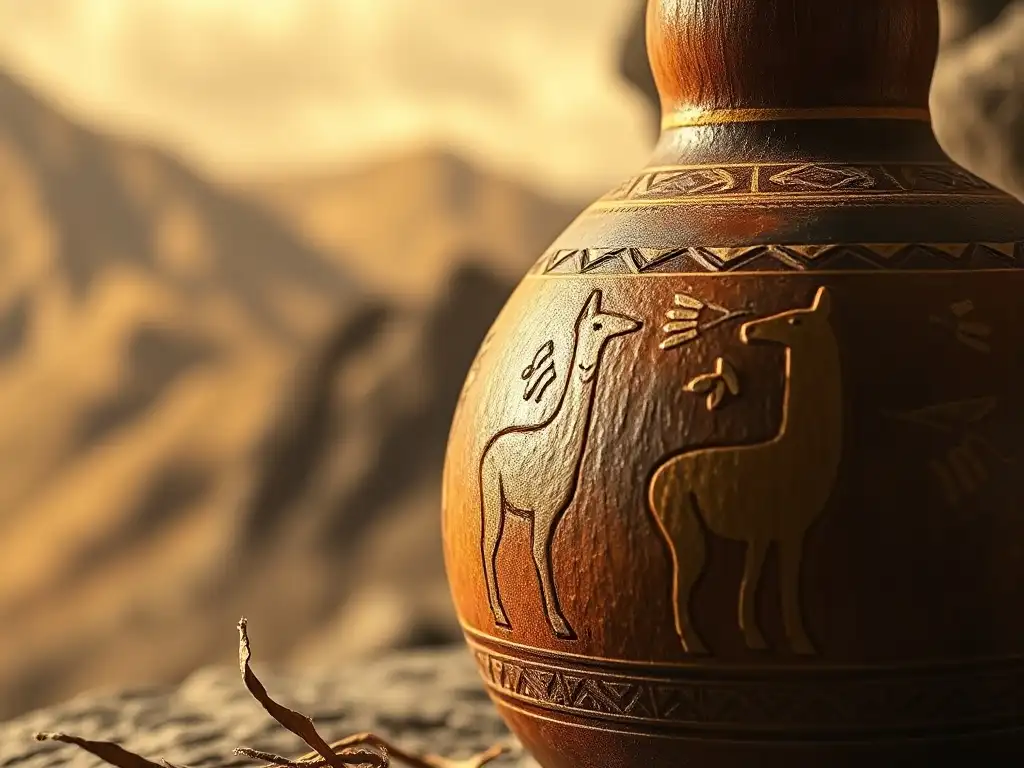
Andean gourd vessels, far from being mere utilitarian objects, served as powerful mediums for symbolic expression within the complex religious and social fabric of ancient Andean societies. Their intricate designs, often combining geometric patterns with zoomorphic and anthropomorphic representations, offer invaluable insights into the beliefs, rituals, and worldview of these cultures. The careful selection of gourds themselves, their preparation, and the meticulous application of paint, carving, and other decorative techniques all contributed to the vessels' symbolic weight.
Understanding this symbolism requires a nuanced approach, acknowledging the regional variations and the evolving nature of Andean artistic traditions across different periods. The study of Andean gourd vessel symbolism reveals a rich tapestry of meaning, reflecting a profound connection between the human world and the cosmos. This section will delve into specific examples, exploring the diverse meanings encoded within these remarkable artifacts.
Geometric Patterns and Their Interpretations
Geometric patterns, frequently found on Andean gourd vessels, are far from arbitrary decorations. These designs, often composed of triangles, squares, zigzags, and spirals, held deep symbolic significance, frequently representing cosmological concepts, agricultural cycles, or social structures. For instance, the ubiquitous triangle, a shape found across numerous Andean cultures, could represent mountains, the Andean landscape itself, or the connection between the earthly and celestial realms. Similarly, spirals, often interpreted as representations of the sun or celestial bodies, could symbolize cyclical processes like the passage of time, the agricultural calendar, or even the life cycle.
The precise meaning of a specific geometric pattern, however, depended heavily on its context. The combination of patterns, their placement on the vessel, and the associated iconography all played crucial roles in shaping their overall meaning. For example, a triangle combined with a zigzag might represent the interaction between the mountain and the river, signifying the life-giving forces essential for agriculture.
Further research is needed to fully understand the complex interplay of these geometric elements, requiring a more thorough analysis of specific examples from different Andean cultures and time periods. Detailed catalogs of patterns and their documented context within archaeological findings are necessary to build a more comprehensive understanding of this aspect of Andean gourd vessel symbolism.
Zoomorphic Representations on Gourd Vessels
Zoomorphic representations, depicting animals, are another prominent feature of Andean gourd vessel decoration. These depictions weren't merely aesthetic choices; they conveyed potent symbolic messages reflecting the importance of animals in Andean cosmology and worldview. The choice of animal, its posture, and the details of its representation all contributed to the overall meaning of the vessel. The careful selection of specific animals indicates a sophisticated understanding of their symbolic value within the Andean cultural context.
The Significance of Animal Motifs: Condor, Jaguar, Serpent
The condor, a majestic bird of the Andes, frequently appears in Andean art, often symbolizing power, strength, and connection to the celestial realm. Its presence on a gourd vessel could indicate the vessel's role in rituals related to power, leadership, or shamanistic practices. Conversely, the jaguar, a powerful predator, could represent earthly power, fertility, or the underworld. The serpent, a symbol found in many cultures worldwide, frequently represents life, death, renewal, and the connection between the earthly and spiritual worlds in Andean iconography.
The placement of these animal motifs within the overall design of the gourd vessel further enhances their symbolic meaning. For example, a condor positioned above other motifs might suggest its superior status, while a serpent winding around the vessel could emphasize its connection to the cyclical nature of life and death. [Specific examples of Andean gourd vessels depicting these animals and their contextual analysis pending].
Further research and comparative studies are essential to fully understand the nuanced symbolism of these animal representations and their significance within the broader context of Andean culture. The meticulous study of these details will allow us to uncover a deeper understanding of Andean beliefs and practices. Careful documentation and analysis of these artifacts are crucial to unlock the secrets held within these remarkable vessels.
Understanding the intricate symbolism of Andean gourd vessels provides a fascinating glimpse into the rich and complex spiritual world of these ancient cultures. The combination of geometric patterns and zoomorphic representations creates a visual language that speaks volumes about Andean beliefs and practices.
Anthropomorphic Figures and Their Symbolic Roles
Andean gourd vessels frequently feature anthropomorphic figures, showcasing a profound understanding of human representation within a spiritual context. These figures, often depicted with exaggerated features or stylized body proportions, are far from mere aesthetic choices. They represent a complex interplay of beliefs concerning deities, ancestors, and the relationship between the human and spiritual realms.
The careful craftsmanship and intricate details lavished on these depictions highlight their significant role in Andean rituals and worldview. The positioning of the figures – whether seated, standing, or in dynamic poses – further contributes to their symbolic meaning, often indicating specific roles or statuses within the Andean cosmology. The use of specific colors and adornments also adds layers of meaning, reflecting the social standing, power, or spiritual significance of the represented individual.
For example, certain headdresses might denote a specific deity, while the presence of certain jewelry might indicate wealth or social status. The careful study of these details allows us to unravel the intricate layers of symbolism embedded within these seemingly simple vessels.
Depictions of Deities and Ancestors
Within the broader category of anthropomorphic figures, the depictions of deities and ancestors stand out as particularly important. These representations are not simply portraits; they are active participants in the ritual context of the vessels. Deities, often recognizable through specific iconographic attributes like headdresses, staffs, or specific clothing, are depicted in ways that reflect their power and influence. These representations might showcase the deity's role in controlling natural forces, such as rain or fertility, or their association with specific aspects of Andean life.
The ancestors, on the other hand, often appear as intermediaries between the living and the spiritual world. Their presence on the vessels suggests a continued connection between the living and the deceased, emphasizing the importance of ancestral veneration in Andean culture. The style of depiction, the size relative to other figures, and the placement within the vessel's design all contribute to the interpretation of their specific roles and significance within the ritual narrative.
The careful observation of these details reveals a complex and nuanced understanding of the Andean relationship with the divine and the ancestral world, a relationship vividly expressed through the symbolic language of gourd vessel art. For example, a specific deity associated with agriculture might be depicted prominently on vessels used in harvest rituals, while ancestral figures might be featured in vessels associated with funerary rites. The context of discovery significantly aids in interpreting the specific symbolic meaning of these representations.
Ritual Uses of Decorated Gourd Vessels
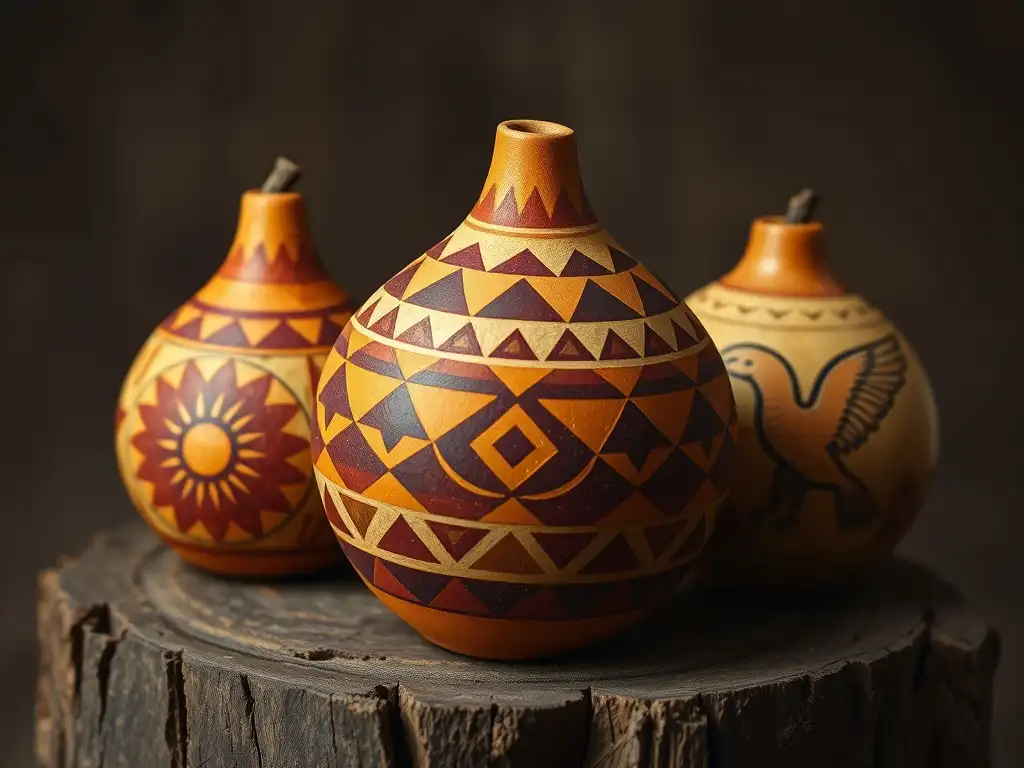
The intricate artistry adorning Andean gourd vessels speaks volumes about their significance beyond mere utility. These weren't simply containers; they were active participants in a complex web of ritual practices, imbued with symbolic meaning and used in ceremonies crucial to Andean life. Understanding their ritual function requires examining their role in various ceremonies and the substances they held. The careful selection of gourds, their meticulous decoration, and the specific contexts in which they were used reveal a deep understanding of the cosmos and the relationship between the human and spiritual worlds.
The study of Andean gourd vessel symbolism offers a window into the beliefs and practices of these fascinating cultures. Analysis of archaeological finds consistently demonstrates the vessels' importance in ritual contexts, far surpassing their practical applications. This section will delve into the various ways these decorated vessels were employed in Andean rituals.
Gourd Vessels in Andean Ceremonies
Andean ceremonies, often elaborate and multifaceted, frequently incorporated gourd vessels. Their presence wasn't accidental; they served specific roles depending on the ritual's purpose. For example, in ceremonies related to agricultural cycles, gourd vessels might contain offerings of coca leaves, chicha (fermented maize beverage), or other agricultural products. The shapes and decorations of these vessels often reflected the specific deity or agricultural product being honored.
A gourd shaped like a llama, decorated with geometric patterns representing fertility, might be used in a harvest festival dedicated to Pachamama (Mother Earth). Conversely, a more elongated gourd, adorned with imagery associated with water, could be used in rain-making ceremonies. The careful placement of these vessels within the ceremonial space also held significance, highlighting their role as mediators between the human and spiritual realms.
Archaeological evidence suggests a strong correlation between the sophistication of the gourd vessel's decoration and the importance of the ceremony in which it was used. More elaborate vessels, exhibiting intricate designs and high-quality materials, were likely reserved for major religious festivals or significant events. The preservation of these vessels across millennia underscores their enduring importance within Andean culture.
The Role of Gourd Vessels in Offering Rituals
Offering rituals were central to Andean religious practices, and gourd vessels played a crucial role in these events. They served as containers for various offerings presented to deities or ancestral spirits. These offerings, ranging from food and drink to precious objects, were believed to appease the supernatural powers and ensure the well-being of the community. The selection of the gourd itself was not arbitrary; certain shapes, sizes, and colors may have been associated with particular deities or spiritual forces.
For instance, smaller, round gourds might have been used for offerings to household deities, while larger, more elaborate vessels were employed in larger-scale community ceremonies. The placement of the offerings within the gourd also held symbolic meaning. The careful arrangement of coca leaves, for example, might have represented a specific message or prayer. Furthermore, the act of pouring liquids from a gourd vessel into a sacred space could have been a symbolic act of libation, transferring the offering to the spiritual realm.
The careful study of the contents found within these vessels in archaeological contexts provides invaluable insights into the nature of these offerings and the beliefs of the Andean people. Analysis of residue within the vessels, using advanced scientific techniques, can reveal the precise nature of the substances used in these rituals. This information complements visual analysis of the vessels' decoration, offering a more complete understanding of their ritual function.
Gourd Vessels as Containers for Sacred Substances
Beyond offerings, Andean gourd vessels frequently served as containers for sacred substances believed to possess potent spiritual properties. These substances might include hallucinogenic plants, such as brugmansia or datura, used in shamanistic rituals to induce altered states of consciousness and facilitate communication with the spirit world. The vessels themselves could be seen as imbued with these sacred properties through their association with these substances. The intricate designs on these vessels might have served as visual aids during these rituals, helping to guide the shaman and participants through the experience.
Some vessels might have been specifically crafted for containing these substances, exhibiting unique features or decorations associated with shamanism. The use of specific pigments or materials in the vessel's decoration could also have played a role in enhancing the ritual's effect. For example, the use of certain pigments might have been believed to amplify the hallucinogenic properties of the substance contained within.
Unfortunately, the precise nature of many of these sacred substances remains a subject of ongoing research. Further investigation into the chemical residues found within these vessels is needed to gain a more complete understanding of their role in Andean religious practices. The study of Andean gourd vessel symbolism, therefore, extends beyond simple aesthetics and delves into the complex interplay of material culture, religious belief, and ritual practice.
Regional Variations in Andean Gourd Vessel Designs
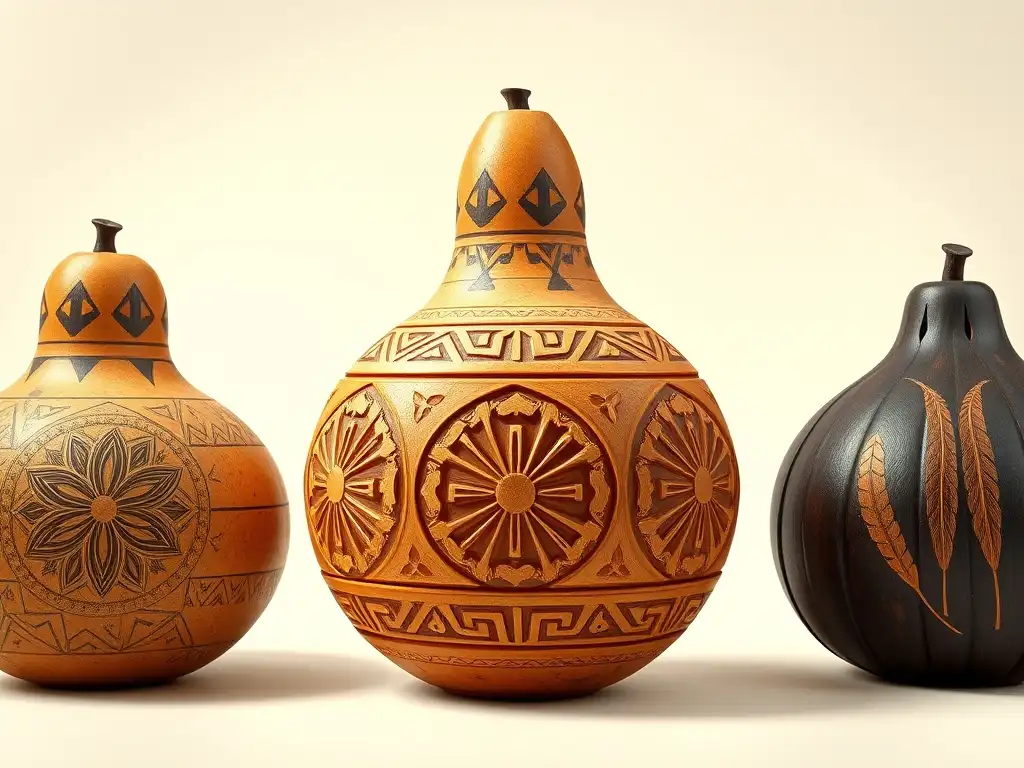
The diverse landscapes and cultures of the Andes Mountains profoundly influenced the design and symbolism of gourd vessels. While gourds themselves offered a readily available material, the artistry applied to them varied significantly across different Andean cultures and regions, reflecting unique beliefs, rituals, and artistic traditions. Analyzing these regional variations provides crucial insight into the complex tapestry of Andean civilizations and their distinct worldviews.
The use of gourds as ritual containers, imbued with symbolic meaning, was widespread, but the specific iconography and stylistic choices differed greatly depending on the time period and the culture creating them. This section will explore some key regional differences in Andean gourd vessel designs, focusing on the Moche, Nazca, and Inca cultures. Understanding these variations is key to unlocking a deeper understanding of "Andean gourd vessel symbolism."
Variations in Gourd Art Across Andean Cultures
The creation of Andean gourd vessels was not a uniform process. Different cultures employed unique techniques, ranging from simple painting and carving to more complex processes involving molding and the application of intricate designs. The choice of colors, motifs, and overall aesthetic reflected the prevailing artistic styles and the symbolic significance attributed to the vessels within each specific culture.
For instance, the vibrant, often highly detailed polychromy of Moche pottery extends to their gourd vessels, showcasing a mastery of color and design not always replicated in other cultures. Conversely, Inca gourd vessels, while functional, often exhibit a more simplistic aesthetic, reflecting a potential shift in artistic priorities. The stylistic differences between these cultures are not merely aesthetic choices; they represent fundamental differences in worldview, ritual practices, and social structures.
This diversity highlights the importance of considering the cultural context when interpreting the symbolism embedded within these artifacts. The study of "Andean gourd vessel symbolism" requires careful attention to these regional variations.
Moche Gourd Art and Its Distinctive Features
Moche gourd vessels are renowned for their exceptional artistry and the vivid depiction of mythological scenes, often featuring deities, human figures, and fantastical creatures. The use of vibrant colors, intricate details, and a high degree of realism distinguishes Moche gourd art from that of other Andean cultures. Many Moche gourd vessels exhibit scenes of ritual ceremonies, warfare, or depictions of the natural world, providing valuable insights into their social structure, religious beliefs, and daily life.
The meticulous craftsmanship and the symbolic richness of these vessels showcase the Moche's advanced artistic skills and their profound understanding of symbolic representation. The detailed nature of the designs, frequently showing complex narratives, underscores the importance of these objects in their rituals and ceremonies. Further research is needed to fully understand the specific meanings associated with each iconographic element, but the level of detail strongly suggests a deep-seated symbolic significance.
Nazca Gourd Vessels and Their Stylistic Elements
In contrast to the realism of Moche gourd vessels, Nazca examples often feature stylized designs and geometric patterns. While lacking the narrative complexity of Moche art, Nazca gourd vessels are characterized by their elegant lines, intricate weaving patterns, and the use of distinctive colors. Many Nazca gourds feature representations of stylized animals, plants, and abstract designs, all rendered with a unique aesthetic sensibility.
The prevalence of geometric patterns suggests an emphasis on abstract symbolism, perhaps connected to cosmological beliefs or shamanistic practices. The precise meaning of these abstract motifs remains a subject of ongoing research, but their consistent appearance across numerous vessels indicates their importance within Nazca culture. The analysis of "Andean gourd vessel symbolism" in Nazca culture requires a deeper understanding of their geometric and abstract artistic conventions.
Inca Gourd Vessels: Simplified Forms and Functionality
Inca gourd vessels generally exhibit a simpler aesthetic compared to those of the Moche and Nazca cultures. While still possessing symbolic significance, Inca gourd vessels were often more functional in nature, used for storing liquids or carrying goods. The designs are typically less elaborate, focusing on simple geometric patterns or minimal ornamentation.
This shift towards simpler forms might reflect a change in artistic priorities or a different emphasis on the practical functionality of the vessels. While further research is required to fully understand the symbolic implications of Inca gourd designs, their relative simplicity compared to earlier Andean cultures suggests a potential divergence in artistic expression and ritual practices. The study of "Andean gourd vessel symbolism" should acknowledge this evolution across time and culture.
The Preservation of Andean Gourd Vessel Traditions
The creation and use of gourd vessels in Andean cultures wasn't simply a practical matter; it was deeply intertwined with spiritual beliefs and social structures. The techniques for crafting these vessels, passed down through generations, represent a remarkable continuity of cultural memory. While the exact methods varied across different Andean societies – from the Incas to the Moche and beyond – the fundamental principles remained consistent.
The process, often involving meticulous preparation, intricate carving, and sometimes the application of vibrant pigments and lacquers, was a ritualistic act in itself, imbuing the finished product with symbolic significance. Understanding the preservation of these traditions requires examining not only the physical objects but also the social context in which they were created and used.
Contemporary Gourd Art and Its Connection to the Past
Despite the passage of centuries, the artistry of Andean gourd vessel creation persists. Contemporary artisans continue to produce gourd vessels, drawing inspiration from ancient techniques and designs. This contemporary work often incorporates traditional motifs, such as stylized animals, geometric patterns reflecting cosmological beliefs, and representations of deities or ancestral figures.
However, modern artisans also demonstrate creativity and innovation, blending ancient traditions with contemporary aesthetics. This fusion is not a dilution of the ancient heritage but rather a testament to its enduring power and relevance. The continued use of gourds as vessels, both utilitarian and ceremonial, underscores the resilience of Andean cultural identity.
For example, many contemporary Andean communities still utilize gourds for everyday purposes such as storing food and water, and some continue to use specially crafted gourds in ceremonial contexts, demonstrating a direct link between past and present. The ongoing production of these items provides valuable insights into the evolution of Andean artistic practices and the enduring significance of gourd vessel symbolism.
The Enduring Legacy of Andean Gourd Symbolism
The symbolism encoded within Andean gourd vessels offers a fascinating window into the worldview of these ancient cultures. Specific motifs, colors, and shapes held profound religious and social meanings. For example, the depiction of specific animals, like condors or jaguars, might symbolize power, strength, or connection to the spirit world. Geometric patterns, often intricate and complex, likely represented cosmological concepts, reflecting the Andean understanding of the universe and its interconnectedness.
The use of particular colors – red for blood, fertility, and power; yellow for the sun and gold; black for night and the underworld – further enhanced the symbolic richness of these vessels. Analyzing these visual cues allows us to reconstruct aspects of Andean belief systems, social hierarchies, and ritual practices. The enduring legacy of Andean gourd vessel symbolism lies not just in the beauty of the objects themselves but in the profound cultural narratives they convey.
Studying them provides a deeper understanding of Andean cultural values and the ways in which they were expressed through art. Further research into specific regional styles and their associated meanings would greatly enrich our understanding of Andean gourd vessel symbolism. The detailed examination of individual vessels, combined with archaeological and ethnographic data, is crucial for unraveling the complex layers of meaning embedded within these remarkable artifacts.
Frequently Asked Questions
What is the significance of gourd vessels in Andean cultures?
Gourd vessels held immense symbolic importance in Andean cultures. They were frequently used in religious rituals and ceremonies, often representing fertility, abundance, and the connection between the earthly and spiritual realms.
What kind of symbolism is depicted on Andean gourd vessels?
The symbolism varies across different Andean cultures and time periods. Common motifs include anthropomorphic and zoomorphic figures, geometric patterns, and representations of deities and mythical creatures. These often reflect cosmological beliefs and social structures.
How were Andean gourd vessels used in rituals?
Andean gourd vessels served diverse ritual purposes. They were used to offer liquids to deities, store sacred substances, and participate in ceremonies related to agriculture, healing, and ancestor veneration. Their shape and decoration were integral to their ritual use.
Which Andean cultures most prominently used gourd vessels?
Many Andean cultures utilized gourd vessels, but they were particularly significant for the Moche, Nazca, and Inca. Each culture developed its own unique styles and symbolic representations on these vessels, reflecting their distinct cultural identities.
Where can I learn more about the symbolism of Andean gourd vessels?
Further information on Andean gourd vessel symbolism can be found in scholarly articles, museum exhibits, and books focusing on Andean archaeology and art history. Academic databases and museum websites are excellent resources.
Final Reflection: Echoes of the Andes: Enduring Symbolism in Gourd Vessels
The intricate artistry and symbolic depth of Andean gourd vessels remain powerfully relevant today, a testament to the enduring human need to connect with the spiritual and the natural world. These aren't simply ancient artifacts; they are windows into a vibrant cosmology, offering insights into beliefs and practices that continue to resonate in contemporary Andean cultures and beyond. Their enduring legacy challenges us to reconsider our own relationship with craft, ritual, and the environment.
The meticulous detail and evocative imagery found in these vessels speak volumes about the Andean worldview, a worldview that deeply intertwined the sacred with the everyday. The careful selection of gourds, the precise application of paint and adornment, and the deliberate placement of symbolic motifs all point to a profound understanding of the interconnectedness of life. The vessel is not merely a container, but a conduit, a bridge between the earthly and the spiritual realms.
This understanding, though expressed through a specific cultural lens, speaks to a universal human experience – the search for meaning and connection in a complex world.
Consider the intricate designs, the carefully chosen colors, the very shape of these vessels. What stories do they whisper to you? Take a moment to reflect on the power of symbolism in your own life – how do you use objects, art, or rituals to express your beliefs and values? Let the enduring legacy of Andean gourd vessels inspire you to find your own creative ways to connect with the spiritual and the natural world, to create your own meaningful vessels that hold and transmit your own unique stories.
Unveil the Secrets of Andean Rituals!
Thank you for exploring the fascinating world of gourd vessels and their significance in Andean cultures! We hope you gained valuable insights into how these symbolic containers reflect the rich tapestry of Andean traditions and spiritual practices. Ready to delve deeper?
- Design your own unique gourd vessel—express your creativity through painting, carving, or any crafting technique you enjoy.
- Share your knowledge with friends and family; host a gathering or discussion to explore this captivating culture together.
- Join our community and subscribe to our newsletter for more articles, insights, and tips on Andean civilizations.
How might you incorporate the spirit of Andean culture into your own life and practices?