Andean Art and Iconography

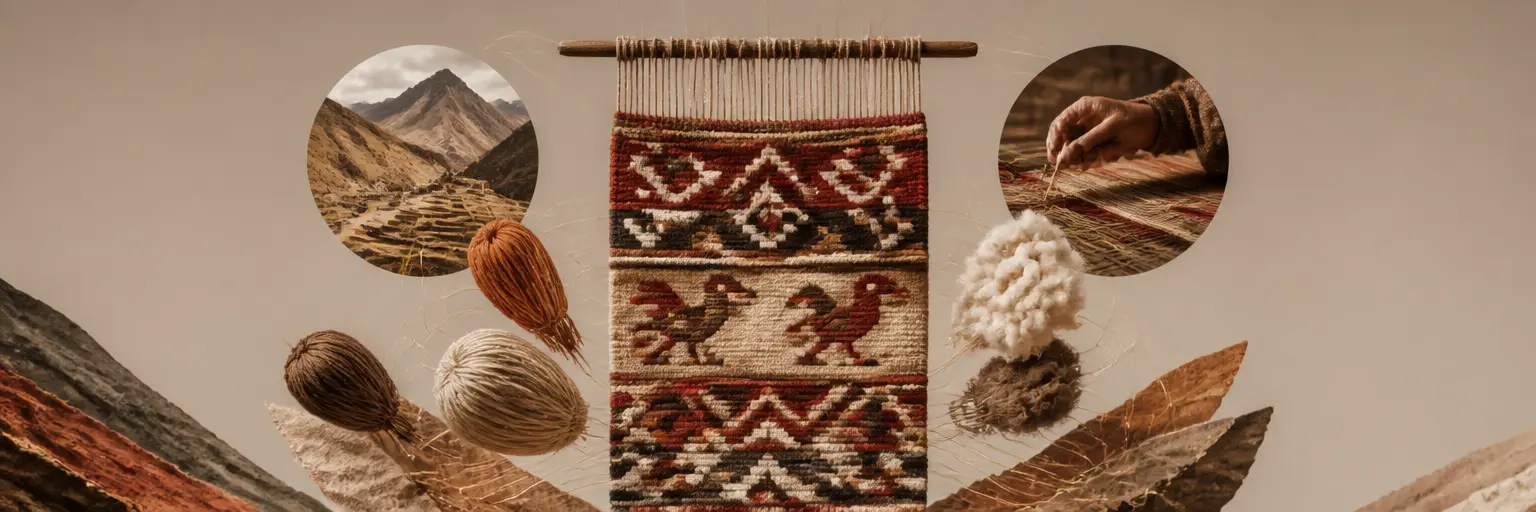
Discover the artistry of Andean textiles, where intricate weaving, embroidery, and pattern-making preserve the history and beliefs of ancient civilizations. 🧵✨ Explore how color, geometry, materials, and symbolic motifs communicate identity, status, spirituality, and connections to nature across Inca, Moche, Nazca, and Tiahuanaco traditions. Uncover the techniques and meanings behind remarkable Andean textile art and its enduring influence on cultural heritage today.
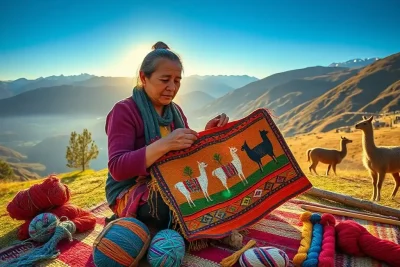
Discover the extraordinary world of Andean textile art, where weaving, embroidery, dyeing, and pattern-making preserve the history, beliefs, and social structures of ancient communities. This subcategory explores the textile traditions of the Inca, Moche, Nazca, and Tiahuanaco civilizations, revealing how cloth functioned as clothing, ritual offering, political symbol, and visual language. Learn how natural fibers, complex looms, symbolic motifs, and vibrant dyes transformed textiles into some of the most sophisticated forms of Andean art and iconography.
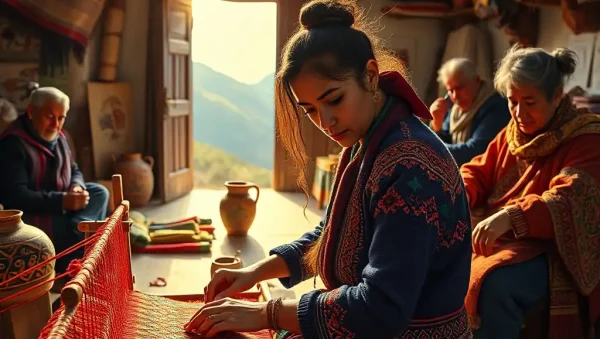
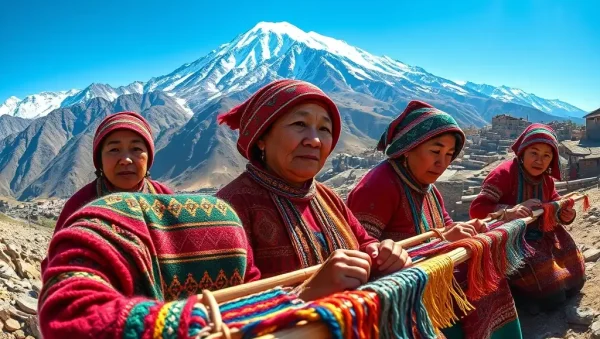
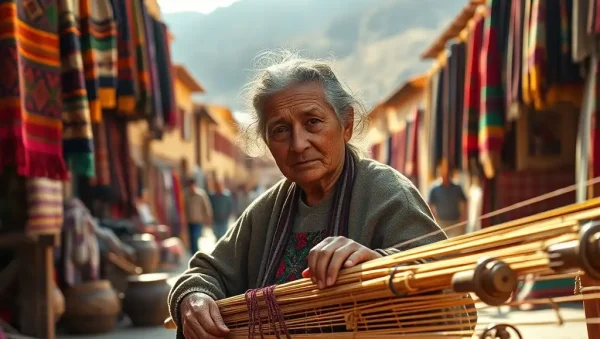
Explore the technical skill behind Andean weaving traditions, including backstrap loom weaving, tapestry weaving, supplementary warp and weft, knotting, braiding, and intricate finishing methods. Readers will learn how artisans worked with cotton, alpaca, llama, and vicuña fibers to create finely structured textiles adapted to both everyday life and ceremonial use.
This section explains why Andean textiles are considered among the most technically advanced textiles of the ancient world. Discover how thread count, color arrangement, geometric precision, and labor-intensive construction reflected the knowledge, identity, and status of the people who produced and wore these remarkable fabrics.
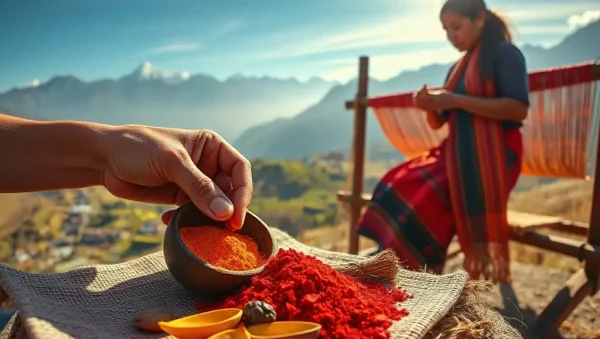
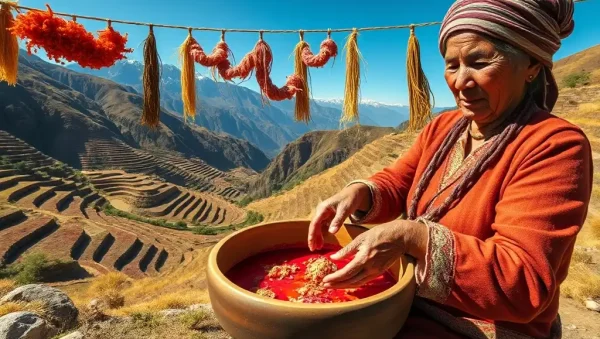
Learn how ancient Andean textile makers produced rich colors from minerals, plants, insects, and other natural sources. Materials such as cochineal, indigo, achiote, plants, and mineral pigments contributed to reds, blues, yellows, greens, and earth tones that remain central to the study of pre-Columbian textiles.
Color in Andean art was not merely decorative. This section examines how particular shades could communicate rank, regional affiliation, ritual importance, or connection to the natural and spiritual worlds. Readers can expect practical insight into ancient dyeing techniques as well as the cultural meaning of color in Andean iconography.
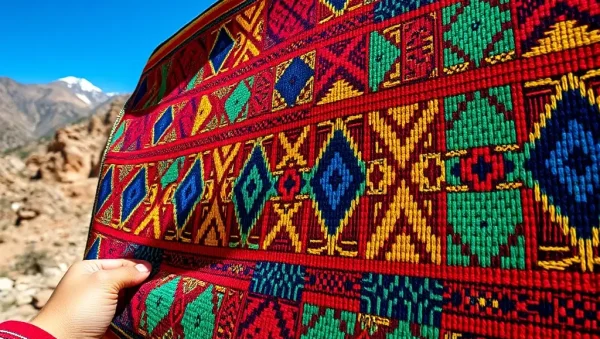
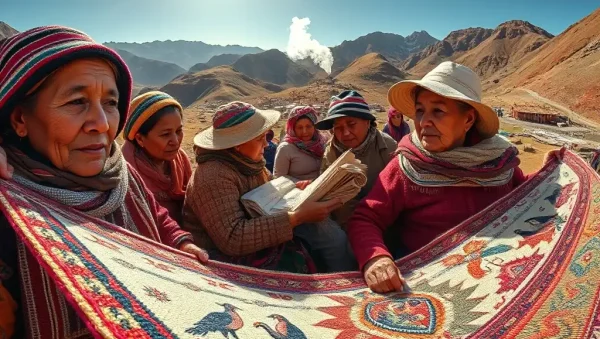
Andean textiles often feature stepped motifs, diamonds, bands, zigzags, checkerboards, and repeating geometric compositions. Explore how these designs appear in Inca textiles, Nazca cloth, Moche imagery, and Tiahuanaco visual culture, and discover how pattern arrangement created a sophisticated system of visual communication.
Many motifs may express ideas about mountains, water, fertility, animals, ancestors, or cosmic order. Through detailed analysis of Andean textile patterns and symbols, this section helps readers understand how geometry could represent power, community, sacred landscapes, and the relationship between humans and the supernatural world.
Discover the animals and supernatural beings represented in ancient Andean fabrics, including llamas, felines, birds, serpents, fish, and hybrid creatures. These images provide important evidence for understanding Andean mythology, religious beliefs, and ceremonial iconography.
Readers will explore how textile imagery connected powerful animals with warfare, fertility, protection, water, the sky, and ancestral authority. By comparing Moche, Nazca, Tiahuanaco, and Inca examples, this section reveals how similar figures could acquire different meanings across time and region.
In Andean societies, textiles were valuable indicators of wealth, authority, identity, and political organization. Learn how finely woven garments, decorated tunics, headdresses, and elite fabrics were used to distinguish rulers, priests, warriors, administrators, and communities within complex social systems.
The section examines the role of clothing and cloth in Inca imperial administration, including the production and distribution of high-quality textiles known as cumbi. Readers will see how textiles could function as diplomatic gifts, tribute, ceremonial objects, and visible statements of allegiance to the state.
Explore the connection between textile art and Andean religious practice. Cloth was placed in tombs, offered at sacred sites, worn during ceremonies, and used to honor ancestors and deities. These contexts demonstrate that textiles were not simply material possessions but active participants in ritual life.
This section considers how woven images and ceremonial fabrics reflected the importance of mountains, water, agricultural cycles, celestial bodies, and sacred places. Discover how Andean ritual textiles helped connect communities with their ancestors, landscapes, and spiritual powers.
Compare the distinctive textile traditions of four major Andean civilizations. Moche textiles can be studied alongside their vivid ceramics and murals; Nazca fabrics are known for brilliant colors and complex embroidered figures; Tiahuanaco imagery features powerful supernatural beings; and Inca textiles demonstrate remarkable technical organization and imperial symbolism.
Readers can expect chronological and cultural comparisons that clarify how textile techniques and meanings changed over time. This approach makes it easier to identify regional styles, shared religious themes, artistic innovations, and cultural continuities across the ancient Andes.
Learn how archaeologists and conservators analyze ancient cloth through fiber identification, dye analysis, microscopic study, weaving reconstruction, iconographic comparison, and archaeological context. Even small fragments can reveal information about technology, trade, diet, environment, social status, and ritual behavior.
This section also introduces the challenges of preserving fragile textiles exposed to humidity, light, burial conditions, and handling. Discover why archaeological context is essential for interpreting ancient Andean textiles and how modern research continues to refine our understanding of their cultural meanings.
Ancient Andean textile makers used cotton, llama, alpaca, and vicuña fibers, as well as plant materials and animal-based resources. The choice of fiber depended on local ecology, intended use, social status, and the desired texture or warmth of the finished textile.
Textiles represented wealth, labor, identity, and political authority. Fine cloth could be used as tribute, diplomatic gifts, military rewards, ceremonial clothing, or offerings. Inca textile production was also closely connected to imperial administration and social organization.
Geometric designs could communicate community identity, rank, sacred ideas, or relationships with the natural world. Their meanings varied by culture and context, but many patterns are associated with mountains, water, fertility, cosmic order, and social unity.
Artisans created dyes from plants, insects, minerals, and other natural sources. Cochineal produced intense reds, indigo contributed deep blues, and various plants and minerals created yellow, green, brown, and earth-toned colors. Dyeing often required careful preparation and repeated treatment to achieve durable shades.
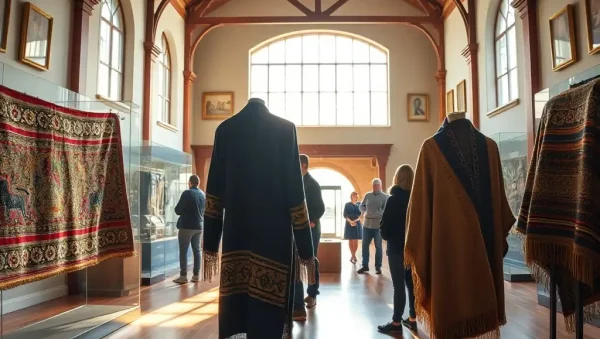
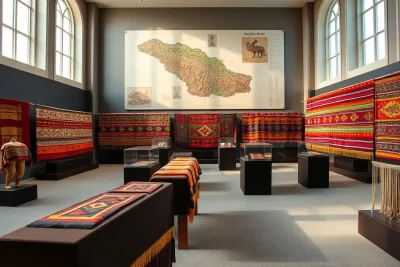
Important examples are held in museums, archaeological collections, and cultural institutions in Peru, Bolivia, and other parts of the world. When viewing these objects, consider their archaeological context, fiber technology, motifs, colors, and evidence of ceremonial or social use.