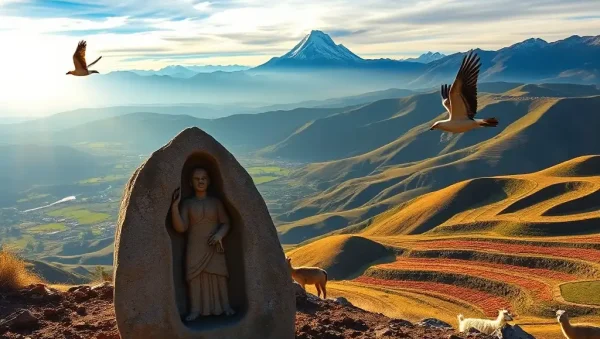
Andean Art and Iconography

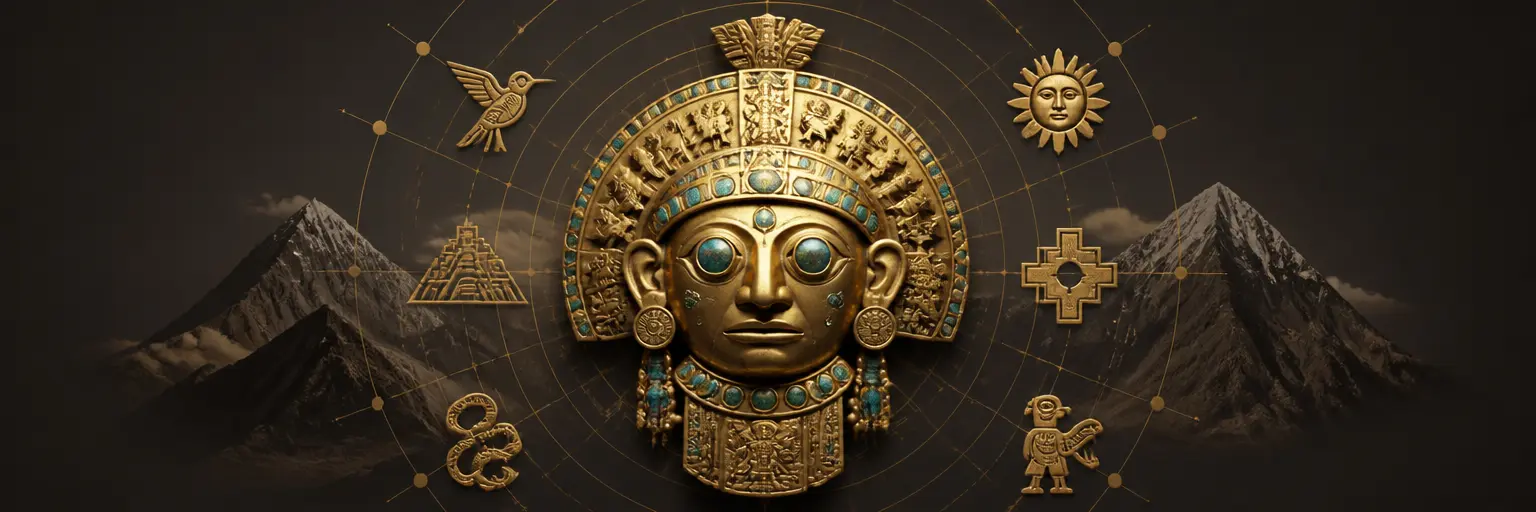
Explore the profound world of symbolism in Andean art 🏔️, where sacred animals, geometric patterns, colors, and celestial imagery reveal the beliefs of the Incas, Moche, Nazca, and Tiahuanaco. Discover how ancient Andean artists expressed spirituality, power, nature, and cosmic order through textiles, ceramics, sculpture, and architecture. ✨ Immerse yourself in the visual language of Andean civilizations and uncover the cultural meanings behind their enduring masterpieces.
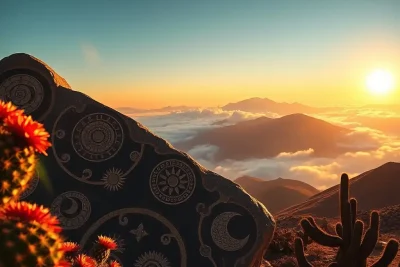
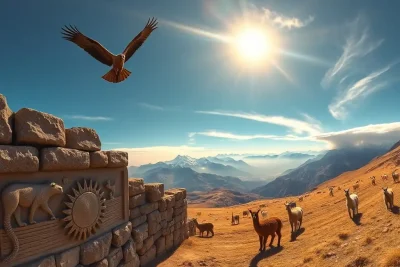
Discover how symbolism in Andean art communicates religious beliefs, social identity, political authority, and humanity’s relationship with the natural world. This subcategory explores the visual language found in the art of the Inca, Moche, Nazca, Tiahuanaco, Wari, and other ancient Andean civilizations. From geometric patterns and sacred animals to textiles, ceramics, metalwork, architecture, and monumental imagery, each symbol offers valuable insight into Andean cosmology and cultural traditions. Explore how ancient Andean iconography transformed ideas about mountains, ancestors, fertility, warfare, water, the sun, and the underworld into powerful artistic expressions.
Ancient Andean cultures viewed the landscape as a living and sacred force. Mountains, rivers, caves, springs, and fields were associated with divine powers, ancestors, and creation stories. Articles in this section examine how Andean cosmology connected the physical world with spiritual realms and how sacred geography influenced temples, settlements, ceremonial centers, and works of art.
Readers can learn how concepts such as hanan pacha, kay pacha, and uku pacha shaped Andean representations of the heavens, the human world, and the underworld. Detailed interpretations of mountain symbolism, earth worship, agricultural ceremonies, and pilgrimage traditions reveal why location and environment were essential to the meaning of Andean art.
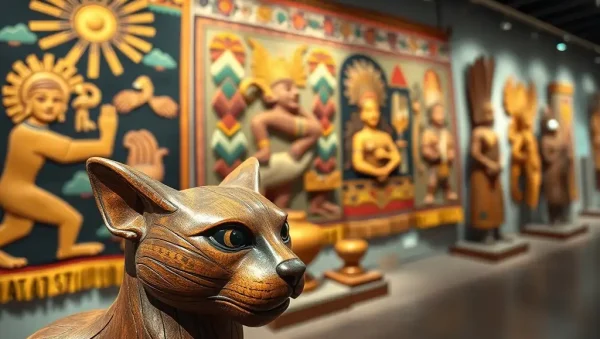
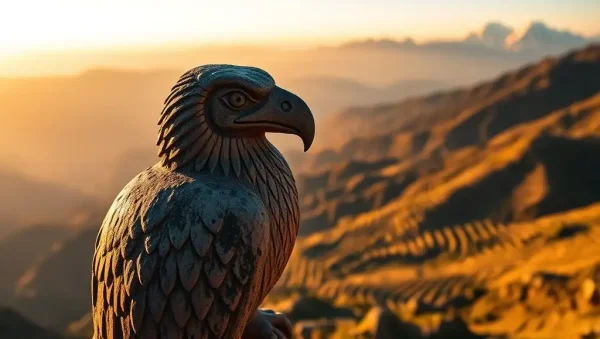
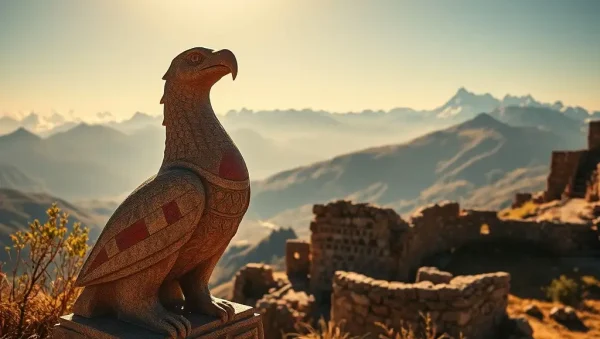
Animals played a central role in the symbolic systems of Andean civilizations. The condor, puma, serpent, llama, camelid, jaguar, and feline creatures appear throughout ceramics, textiles, architecture, metal objects, and carved monuments. These figures could represent strength, fertility, transformation, royal power, protection, or communication between different cosmic realms.
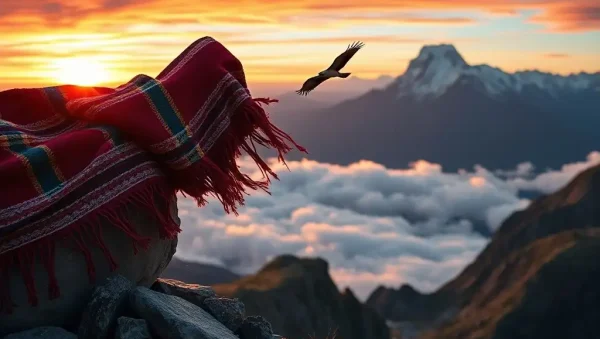
This section explains how artists used natural and supernatural animals to express complex religious ideas. Explore the symbolism of the Andean condor as a celestial messenger, the puma as a symbol of earthly power, and the serpent as an image of water, renewal, ancestry, and the hidden world. Comparisons between Moche, Nazca, Tiahuanaco, and Inca imagery show how animal symbols changed across time and region.
Celestial bodies were among the most important subjects in Andean religious art. The sun was closely associated with authority, agriculture, sacred ancestry, and divine order, while the moon, stars, and constellations influenced calendars, ceremonies, and seasonal activities. This section investigates how ancient Andean peoples represented the sky in architecture, textiles, ceramics, jewelry, and ritual objects.
Readers will discover how solar imagery supported Inca imperial ideology and how astronomical observation shaped ceremonial life across the Andes. Topics include Andean sun symbolism, lunar deities, star patterns, solstice traditions, agricultural cycles, and the relationship between celestial observation and sacred architecture. These interpretations help explain how art preserved knowledge about time, nature, and cosmic balance.
Geometric motifs are a defining feature of Andean art and often communicate more than decoration. Stepped forms, checkerboard patterns, crosses, spirals, diagonal bands, interlocking designs, and repeated blocks appear in textiles, pottery, architecture, and ceremonial objects. Their meanings may relate to duality, hierarchy, movement, water, fertility, social organization, or the structure of the cosmos.
This section explores the visual vocabulary of Andean geometric symbolism and explains how abstract designs can reflect cultural values and religious concepts. Learn how patterns identified with elite status, regional identity, military organization, or sacred space. Careful attention to color, repetition, symmetry, and placement reveals how Andean artists communicated ideas without relying on written language.
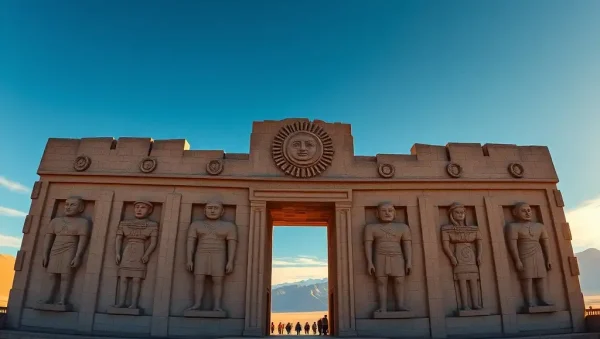
Each Andean civilization developed distinctive artistic traditions and symbolic systems. Moche ceramics often depict ritual scenes, warriors, priests, animals, and supernatural beings, while Nazca art is recognized for vivid color, abstract forms, and powerful mythological imagery. Tiahuanaco art features monumental gateways, staff-bearing figures, feline beings, and highly organized geometric compositions.
Inca art combined older regional traditions with imperial symbols connected to the sun, the state, royal ancestry, and sacred geography. Articles in this subcategory compare Moche iconography, Nazca symbolism, Tiahuanaco religious art, and Inca visual culture to show how symbols expressed both local traditions and broad Andean beliefs. Readers can expect historically grounded explanations that distinguish interpretation from speculation.
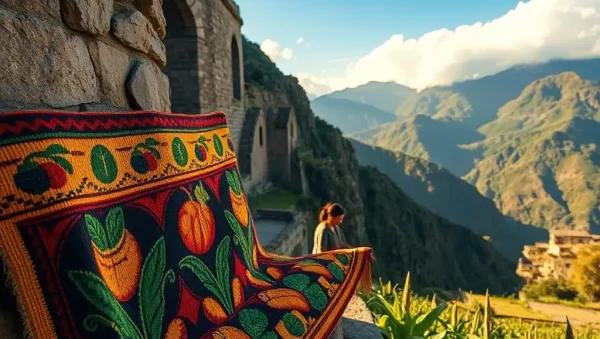
Textiles were among the most prestigious and meaningful forms of Andean art. Woven garments, tunics, belts, mantles, and ceremonial fabrics displayed intricate patterns that could communicate rank, ethnicity, political loyalty, occupation, and ritual purpose. Materials such as alpaca, llama, vicuña, cotton, feathers, and plant dyes contributed to the symbolic value of each textile.
Explore the significance of color, weaving techniques, repeated motifs, and textile structure in ancient Andean society. Andean textile symbolism provides insight into status and identity, while visual features such as red, black, gold, and white may be linked to power, ancestry, fertility, warfare, or sacred ceremonies. This section also considers how textiles preserved cultural knowledge and functioned as portable expressions of community.
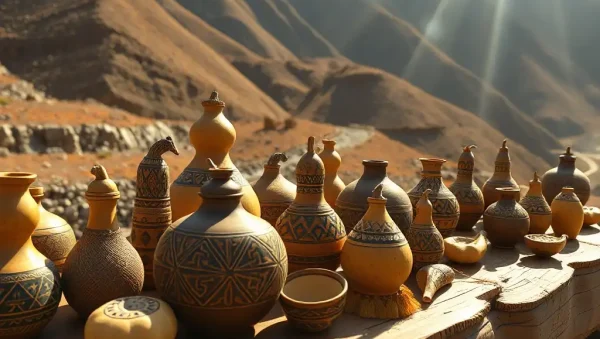
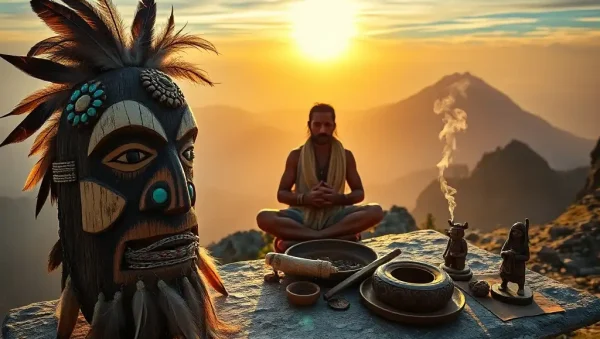
Many Andean artworks were created for ceremonial use rather than simple display. Gold ornaments, carved stones, ceremonial vessels, masks, staffs, figurines, and decorated weapons could serve as offerings, symbols of office, or instruments used in communication with supernatural powers. Their materials, craftsmanship, and imagery often reflected the status of the people who used them.
Readers can learn how ritual objects connected rulers, priests, ancestors, deities, and communities. Discussions of Andean religious artifacts explain why precious metals, shells, feathers, pigments, and unusual stones were valued for their spiritual associations. By studying archaeological context alongside visual imagery, this section presents a more complete understanding of ceremonial meaning and sacred authority.
Symbolism in Andean art refers to the use of images, patterns, colors, animals, materials, and objects to communicate religious beliefs, social roles, political power, ancestral connections, and ideas about the universe. These symbols appear in ceramics, textiles, architecture, metalwork, sculpture, and ritual objects created by civilizations such as the Moche, Nazca, Tiahuanaco, Wari, and Inca.
The condor, puma, and serpent are often described as especially important in Andean cosmology. They are commonly associated with the sky, the earthly world, and the underworld or hidden realm. Llamas, alpacas, felines, birds, and mythical hybrid creatures also appear frequently and may symbolize fertility, wealth, transformation, protection, or elite authority.
Geometric patterns can represent concepts such as duality, order, hierarchy, movement, fertility, water, and cosmic structure. Their meaning depends on the design, cultural tradition, medium, location, and archaeological context. A stepped pattern or checkerboard motif may have different associations in a textile, temple, ceramic vessel, or imperial architectural setting.
The sun was central to Inca religion, agriculture, royal ancestry, and imperial authority. The Inca ruler was associated with the sun deity Inti, and solar ceremonies helped organize the ritual calendar. Sun imagery in architecture, goldwork, textiles, and ceremonial objects reinforced the connection between the emperor, divine power, and the prosperity of the empire.
Researchers combine archaeological context, comparative studies, material analysis, historical records, Indigenous traditions, and visual comparisons. Because many ancient Andean societies did not leave alphabetic written records, interpretations must be careful and evidence-based. Studying where an object was found, how it was used, what materials it contains, and which images appear alongside it can help reveal its symbolic purpose.