
Inca Architecture and the Concept of Mastery: Technical Prowess

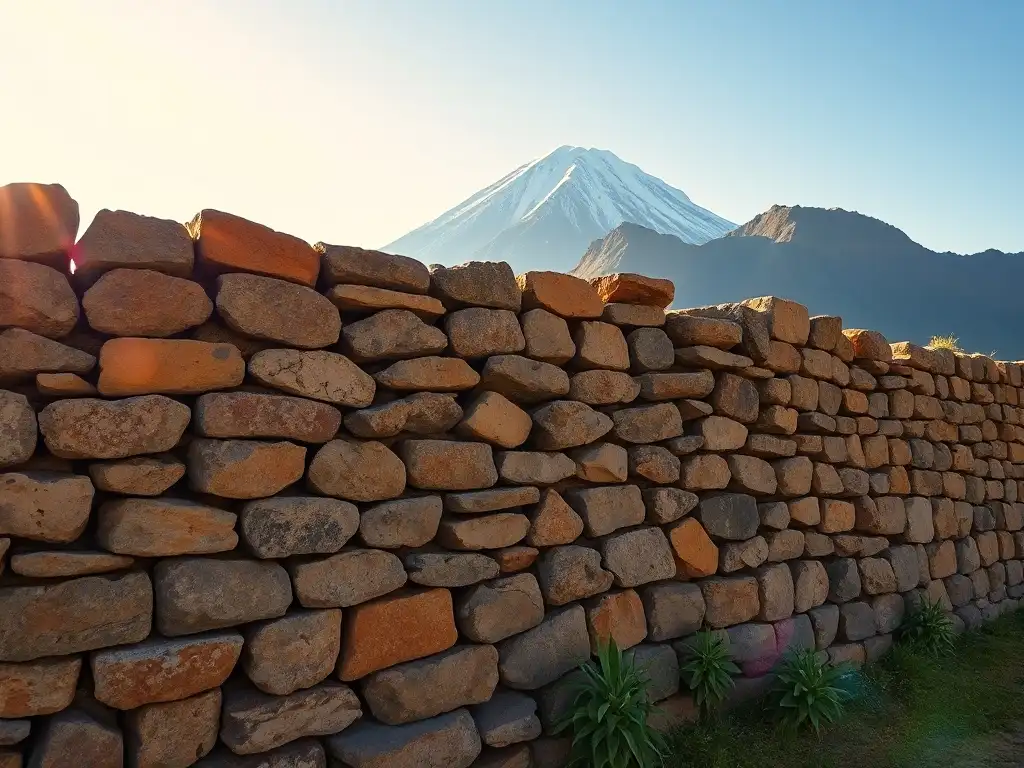
Step into a world lost to time, yet echoing with the whispers of mastery. Imagine colossal stone structures rising from the Andes, defying gravity and the passage of centuries. This is the realm of the Andean civilizations, and we invite you to uncover their secrets. Prepare to be amazed by the ingenuity of Inca architecture techniques, a testament to the unparalleled skill of a remarkable people. Their legacy continues to inspire awe; delve into their story and witness the true meaning of architectural prowess.
The Inca Empire, a civilization that flourished in the Andes Mountains from the 15th to the 16th century, left behind a legacy of breathtaking architectural achievements. Their mastery of construction techniques, particularly in stonework, remains a source of fascination and wonder for archaeologists and engineers alike.
This article delves into the intricacies of Inca architecture, exploring the innovative methods and profound understanding of engineering principles that allowed them to create structures of unparalleled precision and durability, showcasing their technical prowess and leaving a lasting impact on the world. We will examine the ingenious techniques employed in Inca architecture, focusing on their material selection, precision stonework, and innovative binding agents, all contributing to the remarkable longevity and aesthetic beauty of their buildings.
This exploration will illuminate the ingenuity behind "Inca architecture techniques," revealing the sophisticated understanding of engineering and construction that characterized this remarkable civilization. Understanding these techniques provides invaluable insight into the complexity and sophistication of Inca society, revealing a civilization far beyond the simplistic narratives often portrayed.
Introduction to Inca Architectural Brilliance
Inca architecture is renowned for its impressive scale, precise stonework, and masterful integration with the challenging Andean landscape. From the imposing walls of Sacsayhuamán to the intricate terraces carved into mountain slopes, Inca structures stand as testaments to their advanced understanding of engineering and construction. The Incas didn't just build structures; they seamlessly blended them with their environment, creating a harmonious relationship between architecture and nature.
This harmonious blend wasn't accidental; it stemmed from a deep understanding of the local geology, climate, and the very properties of the stone they utilized. Their buildings weren't merely functional; they were expressions of power, religious beliefs, and a sophisticated understanding of the world around them. The sheer scale of some projects, like Machu Picchu, perched high in the Andes, is a testament to their organizational capabilities and workforce management.
The precision of the stonework, often without the use of mortar in many instances, showcases their advanced knowledge of stone cutting and shaping. The integration of astronomical alignments in some structures further underlines the sophisticated understanding and knowledge that underpinned Inca architectural design.
The Foundations of Inca Construction: Materials and Techniques
The success of Inca architecture rested on a foundation of carefully selected materials and precisely executed techniques. The Incas demonstrated a remarkable understanding of the properties of different stones and their suitability for specific construction purposes. This understanding, combined with their innovative techniques, allowed them to create structures that have withstood the test of time, many surviving even today, centuries after their construction.
The choice of materials was not arbitrary; it was dictated by both availability and the specific requirements of the project. This meticulous approach to material selection, combined with their precise construction techniques, resulted in structures that were not only aesthetically pleasing but also incredibly durable and resilient to the harsh Andean environment. This section will explore the key materials and techniques that underpinned Inca construction.
Stone Selection and Quarrying Methods in Inca Architecture
The Incas were masterful in their selection of stone. They favored hard, durable stones like andesite and granite, carefully choosing materials that could withstand the harsh climatic conditions of the Andes. The process of quarrying these stones was itself a feat of engineering. While the exact methods are still debated, evidence suggests the use of sophisticated tools, including copper chisels and possibly stone hammers, to extract large blocks from quarries often located significant distances from construction sites.
The transportation of these massive stones across challenging terrain remains a subject of ongoing research, highlighting the remarkable logistical abilities of the Inca civilization. The choice of stone varied depending on the location and the specific needs of the project. For example, some structures utilized locally available stones, while others incorporated stones transported from considerable distances, demonstrating the empire's extensive network of roads and manpower.
Precise Stone Cutting and Shaping Techniques Used by the Incas
Once quarried, the stones underwent a meticulous process of cutting and shaping. The precision achieved by Inca stonemasons is truly remarkable, with stones often fitting together so tightly that a knife blade cannot be inserted between them. The techniques employed are still being studied, but evidence suggests that the Incas used a combination of stone tools, possibly including abrasive materials, to achieve such accuracy.
The lack of metal tools widely available in other contemporary civilizations makes the precision even more impressive. The ability to cut and shape stones with such accuracy allowed the Incas to create intricate designs and complex structures, showcasing their exceptional skills and understanding of geometry. The close fit of the stones not only contributed to the structural integrity of the buildings but also enhanced their aesthetic appeal.
The Use of Mortar and Binding Agents in Inca Construction
While many Inca structures are famous for their dry-stone construction, the use of mortar and binding agents was also employed, particularly in specific contexts. The Incas used a variety of materials, including clay, lime, and possibly other organic substances, to create mortar that helped bind stones together. The composition of these mortars varied depending on the availability of resources and the specific requirements of the project. In some cases, the mortar was used sparingly, serving as a filler rather than a primary binding agent.
In other cases, it played a more significant role in the structural integrity of the building. Research continues to analyze the composition and properties of Inca mortars, providing insights into their construction techniques and the materials available to them. The careful selection and application of these binding agents further demonstrate the sophisticated understanding of materials science that underpinned Inca construction practices.
Key Features of Inca Architectural Design
Inca architecture, renowned for its impressive scale and precision, showcases several defining characteristics that reflect the ingenuity and skill of Inca builders. One notable feature is the masterful use of stone, often cut with incredible accuracy to fit together without mortar. This technique, known as ashlar masonry, created incredibly strong and durable structures that have withstood the test of time. The seamless integration of stones demonstrates a deep understanding of geometry and engineering principles, far exceeding the capabilities of many contemporary societies.
The precision and artistry involved are not merely functional; they also reflect a profound aesthetic sensibility. The Inca's understanding of stonework extended beyond simple construction; they also understood the properties of different stones and how to utilize them effectively in different contexts. For instance, certain stones were better suited for foundations, while others were ideal for facing walls.
This knowledge, combined with their advanced techniques, allowed them to create structures that were both beautiful and remarkably resilient. The Inca's approach to architecture was holistic, integrating natural elements such as stone and wood in harmony with the surrounding landscape. This harmonious integration is a key aspect of Inca architectural design and a testament to their sophisticated understanding of the environment.
The Importance of Trapezoidal Shapes in Inca Structures
The prevalence of trapezoidal shapes in Inca architecture is a striking feature that has intrigued scholars for centuries. While the precise reasons remain debated, several theories suggest that this unique shape contributed to both the aesthetic appeal and the structural integrity of their buildings. The trapezoidal form might have been chosen for its inherent strength and stability, particularly in earthquake-prone regions.
The sloping sides of the trapezoids could have helped to distribute weight more effectively, enhancing resistance to seismic activity. Furthermore, some researchers propose that the trapezoidal shapes had symbolic significance, potentially representing Andean cosmology or reflecting specific social or religious beliefs. The consistent use of this shape across various Inca structures, from massive walls to smaller buildings, suggests a deep-seated cultural significance beyond mere functionality.
The precise angles and proportions of the trapezoids varied depending on the specific location and purpose of the structure, indicating a sophisticated understanding of geometry and its application in design. Further research is needed to fully unravel the multifaceted reasons behind the prevalence of trapezoidal shapes in Inca architecture.
Inca Walls: Stability and Seismic Resistance
Inca walls are legendary for their remarkable stability and resistance to earthquakes. The ingenious techniques employed by Inca builders allowed them to create structures that have survived centuries of seismic activity. The precise fitting of stones, without the use of mortar, is a critical factor in their resilience.
The weight and interlocking nature of the stones provided inherent stability, allowing the walls to withstand considerable pressure. The integration of different stone types also contributed to the overall strength and durability of the structures. Furthermore, the use of trapezoidal shapes, as discussed previously, likely played a significant role in distributing seismic forces effectively.
The careful planning and execution of construction, combined with a deep understanding of local geology and seismic patterns, ensured the longevity of Inca walls. The mastery of Inca stonework is evident in the fact that many of these walls still stand today, a testament to the advanced engineering skills of the Inca civilization. Studying these walls offers invaluable insights into ancient construction techniques and their effectiveness in mitigating seismic risks.
The Role of Niches and Doors in Inca Architecture
Niches and doors in Inca architecture were not merely functional elements; they played significant roles in both the aesthetic and symbolic aspects of Inca buildings. Niches, often rectangular or trapezoidal, were integrated into walls, serving various purposes. Some were used for storage, while others may have held religious artifacts or served as symbolic representations.
The precise placement and size of niches often followed specific patterns, suggesting a carefully planned design. Doors, similarly, were not simply entrances; their size, shape, and placement were carefully considered. The intricate stonework surrounding doors often featured elaborate carvings and designs, further emphasizing their importance.
The symbolic significance of both niches and doors is still under investigation by researchers, but their careful integration into the overall architectural design underscores their importance within the Inca worldview. The meticulous craftsmanship evident in both niches and doors is a reflection of the Inca's commitment to precision and artistry in all aspects of their construction.
Inca Engineering Marvels: Beyond Simple Structures
The Inca Empire's achievements extended far beyond impressive buildings; their engineering prowess is evident in a range of large-scale projects that demonstrate a remarkable understanding of civil engineering, resource management, and environmental adaptation. Their engineering skills were not limited to urban centers but extended to vast infrastructure projects across their expansive empire. This sophisticated infrastructure was critical to the Inca's ability to administer their vast territory and support a large population. The Inca's achievements serve as a compelling example of how advanced engineering can support the development of complex and successful societies.
Inca Road System: A Masterpiece of Civil Engineering
The Inca road system, one of the most remarkable engineering feats of the pre-Columbian era, stretched thousands of kilometers across the Andes Mountains, connecting distant regions of the empire. The roads were strategically designed to navigate challenging terrain, showcasing a deep understanding of topography and construction techniques. The Inca's mastery of stonework is evident in the road construction, with stones meticulously fitted together to create durable and stable pathways.
The roads facilitated trade, communication, and the movement of troops, playing a crucial role in the administration and cohesion of the Inca Empire. The construction of the road system involved immense logistical challenges, requiring the mobilization of large workforces and the efficient management of resources. The Inca road system is a testament to their remarkable organizational skills and advanced engineering capabilities.
Terraces and Agricultural Engineering in Inca Society
The Inca's mastery of agricultural engineering is clearly demonstrated in the extensive network of terraces that they built throughout the Andes Mountains. These terraces transformed steep, uneven slopes into productive farmland, increasing agricultural output and supporting a large population. The construction of terraces involved significant engineering challenges, requiring careful planning, precise stonework, and the creation of sophisticated irrigation systems.
The terraces not only increased arable land but also helped to prevent soil erosion and regulate water flow. The Inca's understanding of agriculture and their ability to adapt to challenging environments are evident in the design and construction of these remarkable agricultural systems. The terraces are a testament to their ingenuity and their commitment to sustainable agricultural practices.
Water Management Systems and Aqueducts Built by the Incas
Inca water management systems, including sophisticated aqueducts and irrigation canals, are further examples of their advanced engineering capabilities. These systems provided a reliable source of water for agriculture and urban centers, showcasing a deep understanding of hydraulics and water resource management. The aqueducts, often built using stone and expertly channeled water across uneven terrain. The intricate design and construction of these systems reflect the Inca's ability to harness natural resources and adapt to the challenges of the Andean environment.
The meticulous planning and precision engineering evident in these systems highlight the Inca's commitment to sustainability and resource management. These water management systems played a crucial role in supporting the Inca civilization and its agricultural productivity. The sophisticated nature of these systems stands as a testament to the Inca's advanced engineering knowledge and their ability to manage complex infrastructure projects.
The Symbolism and Purpose Behind Inca Architecture
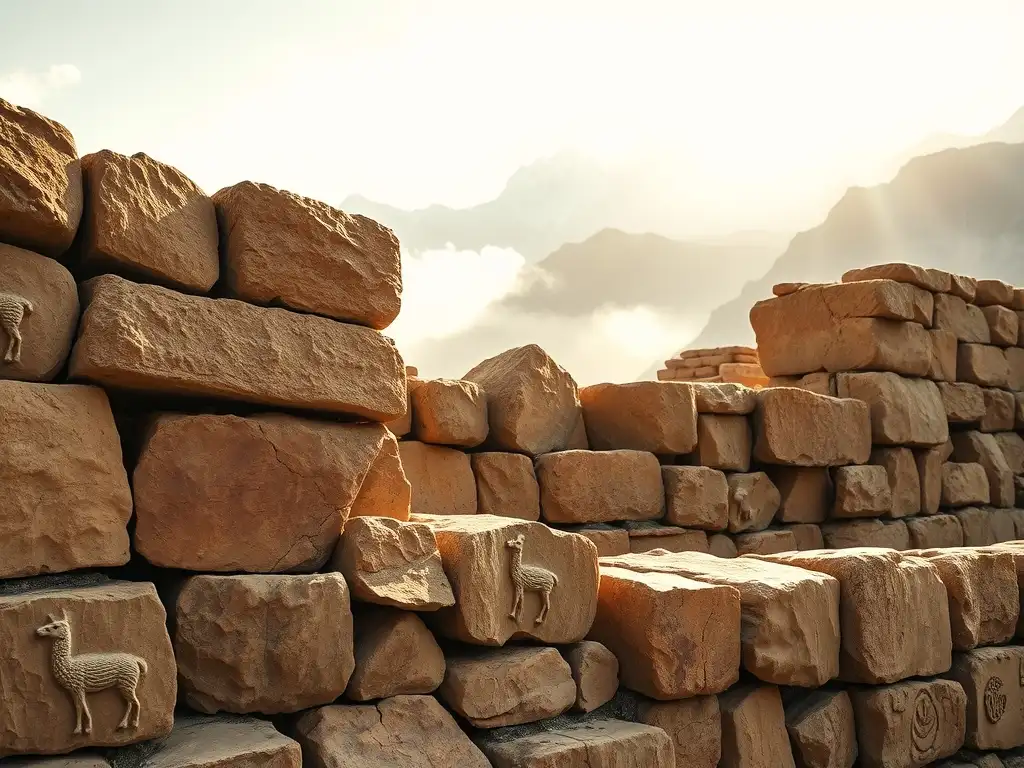
Inca architecture wasn't merely about constructing buildings; it was a powerful expression of their worldview, social structure, and religious beliefs. The Incas imbued their structures with deep symbolism, reflecting their reverence for nature, their sophisticated understanding of astronomy, and their highly organized social hierarchy. The careful placement of buildings, the use of specific materials, and the intricate designs all contributed to a complex system of meaning.
For example, the orientation of buildings towards specific celestial events, like solstices and equinoxes, suggests a profound connection between the earthly realm and the cosmos. This intentional alignment wasn't accidental; it was a deliberate act reflecting the Inca's understanding and manipulation of the natural world to reinforce their cosmological beliefs. The meticulous craftsmanship evident in every stone speaks to the high value placed on precision and order, mirroring the social structure of the empire itself.
Even the seemingly simple act of choosing building materials held symbolic weight, with certain stones carrying specific meanings within their culture. Understanding Inca architecture requires acknowledging this inherent symbolism, as it's fundamental to grasping the full scope of their achievements.
Religious and Ceremonial Structures: The Case of Temples
Temples in Inca society served as focal points for religious practices and ceremonies. These weren't merely places of worship; they were integral parts of the Inca worldview, connecting the earthly and spiritual realms. The most significant temples were often located in prominent positions, often atop hills or mountains, emphasizing their connection to the divine and their role as intermediaries between the gods and the people.
Many temples were built using massive stones, meticulously fitted together without mortar, demonstrating exceptional engineering skills and a dedication to precision. The intricate carvings and decorations on temple walls often depicted religious figures, mythological scenes, and celestial bodies, further emphasizing their religious significance.
For example, the Temple of the Sun in Cusco was a significant structure, built with enormous blocks of red granite, symbolizing the sun's power and importance in Inca cosmology. The construction of these temples involved considerable manpower and resources, reflecting the immense importance attached to religious practices and the power of the Inca priesthood.
The Function of Palaces and Royal Residences in Inca Society
Inca palaces and royal residences were more than just dwellings for the elite; they were powerful symbols of imperial authority and social control. These structures served as administrative centers, where the emperor and his officials managed the vast empire. Their design often incorporated features intended to impress and intimidate, reflecting the Inca's centralized political system.
Palaces were typically large and complex, featuring numerous courtyards, rooms, and storage areas. The use of high-quality materials, intricate carvings, and sophisticated engineering techniques underscored the power and wealth of the Inca rulers. The placement of palaces within the urban landscape also played a significant role, with many strategically situated to command views of the surrounding territory.
This strategic placement reinforced the Inca's control over their population and their ability to monitor and manage their vast domain. The design and construction of these residences weren’t just about comfort; they were about projecting power, authority, and the legitimacy of Inca rule.
Fortresses and Military Architecture in the Inca Empire
The Inca Empire's military prowess is reflected in its impressive system of fortresses and military architecture. These structures, often built in strategically important locations, served not only as defensive positions but also as control points within the vast empire. The design and construction of these fortresses highlight the Inca's mastery of engineering and their understanding of terrain.
Many fortresses were built on steep, inaccessible locations, making them difficult to assault. The use of massive stones, skillfully fitted together, created virtually impenetrable walls. The integration of natural features, like cliffs and ravines, into the fortress designs further enhanced their defensive capabilities.
Sacsayhuamán, near Cusco, is a prime example of this type of impressive military architecture. Its massive stone walls and strategic placement demonstrate the Incas' ability to harness both natural and man-made defenses to maintain control over their extensive territories. The sheer scale of these projects reflects the Inca's organizational capabilities and their dedication to maintaining their empire's security.
Case Study: Machu Picchu as an Example of Inca Mastery
Machu Picchu stands as a testament to Inca architectural and engineering ingenuity. Its design, construction, and integration into the surrounding landscape reflect the Inca’s deep understanding of both their environment and their own capabilities. The site's location, high in the Andes Mountains, presents a compelling case study in the Inca’s ability to overcome significant logistical and engineering challenges.
The precise placement of buildings, the use of local materials, and the sophisticated water management systems all contribute to the overall impression of mastery and sophisticated planning. The city’s unique design, combining residential, religious, and agricultural elements, showcases the Inca ability to integrate different aspects of their life into a harmonious and functional whole.
The Architectural Features of Machu Picchu
Machu Picchu's architectural features are notable for their precision and functionality. The use of precisely cut stones, fitted together without mortar, is a hallmark of Inca craftsmanship. The buildings' layout is meticulously planned, with terraces and pathways creating a harmonious integration with the surrounding landscape. The city's unique layout, characterized by its agricultural terraces, residential structures, and religious sites, suggests a sophisticated understanding of urban planning and resource management.
The structures themselves reveal a profound knowledge of engineering principles, particularly in the design of water channels and drainage systems. The variety of building styles and techniques used within Machu Picchu indicates a high level of skilled labor and sophisticated architectural planning. This attention to detail and integration of functionality and aesthetic beauty is a defining characteristic of Inca architecture at its finest.
The Engineering Challenges Overcome at Machu Picchu
Constructing Machu Picchu presented considerable engineering challenges. The site's remote location, high altitude, and steep terrain required innovative solutions. Transporting the massive stones used in construction required significant organization and logistical planning. The creation of sophisticated water management systems, including intricate channels and fountains, demonstrates a keen understanding of hydraulic engineering.
The ability to build stable structures on steep slopes, using techniques that anticipated seismic activity, showcases the Inca's deep understanding of engineering principles. Overcoming these challenges highlights the Inca's remarkable capabilities in organization, resource management, and engineering. The successful completion of Machu Picchu stands as a testament to their ability to overcome seemingly insurmountable obstacles.
The Cultural Significance of Machu Picchu's Design
Machu Picchu's design holds deep cultural significance, reflecting Inca beliefs, social structures, and cosmological views. The integration of agricultural terraces into the urban design highlights the importance of agriculture in Inca society. The presence of religious structures within the city suggests a close relationship between religious practices and daily life. The city's layout, with its distinct residential areas and administrative centers, reflects the Inca's hierarchical social structure.
The careful orientation of buildings towards celestial events may indicate an understanding of astronomy and its role in Inca cosmology. The overall design of Machu Picchu is not simply a testament to engineering prowess but also a powerful expression of Inca culture and worldview. It represents a harmonious blend of human ingenuity and nature’s grandeur, reflecting the Incas' deep connection to their environment and their sophisticated understanding of the world around them.
The Legacy of Inca Architecture and its Influence
The legacy of Inca architecture is profound and far-reaching, impacting not only subsequent Andean cultures but also inspiring architects and engineers worldwide. The Inca's mastery of stonework, their understanding of seismic activity, and their innovative building techniques continue to fascinate and inform modern construction practices. Their sophisticated understanding of load-bearing walls, the use of interlocking stones without mortar, and the integration of architecture with the landscape are all elements that resonate today.
The aesthetic beauty of Inca structures, characterized by their symmetry, precision, and harmonious relationship with their environment, continues to inspire awe and admiration. The Inca's ability to construct impressive structures in challenging terrains, often utilizing locally sourced materials, serves as a testament to their resourcefulness and ingenuity.
This legacy is not merely historical; it represents a sustainable approach to construction and a deep respect for the environment that modern architects are striving to emulate. The Inca's architectural achievements serve as a powerful reminder of the potential of human ingenuity and the importance of preserving cultural heritage.
Inca Architectural Techniques in Modern Construction
While modern construction techniques differ significantly from those employed by the Inca, certain aspects of their approach remain relevant and applicable. The Inca's emphasis on using locally sourced materials, minimizing environmental impact, and creating structures that harmoniously blend with their surroundings are principles that resonate strongly with contemporary sustainable building practices. The Inca's precision in stone cutting and fitting, although achieved through different tools and techniques, inspires modern architects to pursue similar levels of accuracy and detail.
The study of Inca stonework has led to advancements in understanding structural integrity and the potential of dry-stone construction techniques. For instance, researchers are investigating the Inca's methods for creating incredibly strong and stable walls without mortar, seeking to apply similar principles to modern earthquake-resistant construction.
This research translates into developing new techniques in seismic engineering, potentially leading to safer and more resilient buildings in earthquake-prone regions. Furthermore, the Inca's ingenuity in adapting their building methods to diverse terrains serves as a model for innovative construction solutions in challenging environments.
The Preservation and Study of Inca Architectural Sites
The preservation and study of Inca architectural sites are crucial for understanding their advanced techniques and for safeguarding a significant part of humanity's cultural heritage. Ongoing research efforts focus on understanding the materials used, the construction methods employed, and the environmental factors that affected the longevity of these structures. Archaeological excavations and meticulous documentation are crucial for preserving this knowledge for future generations.
The challenges involved in preserving these sites are significant, ranging from the effects of weathering and erosion to the impact of tourism and human activity. Conservation efforts often involve sophisticated techniques, such as the use of specialized materials and methods to stabilize and repair damaged structures. These efforts not only protect the physical remains but also contribute to a deeper understanding of Inca engineering and architectural practices.
Moreover, the preservation of these sites contributes to the economic development of local communities through tourism and related activities, creating a balance between cultural preservation and economic sustainability. The ongoing study of Inca architecture continues to reveal new insights into their sophisticated understanding of engineering and construction.
Conclusion: Understanding the Ingenuity of Inca Builders
The study of Inca architecture reveals a profound understanding of engineering principles, a remarkable mastery of stonework, and an impressive ability to adapt to challenging environments. The Inca's architectural achievements are not merely impressive structures; they represent a sophisticated understanding of engineering, environmental adaptation, and sustainable construction practices. Their legacy continues to inspire architects and engineers today, prompting research into new and innovative construction methods that are both sustainable and resilient. The preservation of Inca architectural sites is essential for understanding their ingenuity and for safeguarding a significant part of our shared cultural heritage. By studying and preserving these remarkable structures, we not only honor the achievements of the Inca but also gain valuable insights that can inform and improve modern construction practices. The intricate details and enduring strength of Inca architecture stand as a testament to the ingenuity and skill of their builders, a legacy that continues to resonate throughout the world.
- Introduction to Inca Architectural Brilliance
- The Foundations of Inca Construction: Materials and Techniques
- Key Features of Inca Architectural Design
- Inca Engineering Marvels: Beyond Simple Structures
- The Symbolism and Purpose Behind Inca Architecture
- Case Study: Machu Picchu as an Example of Inca Mastery
- The Legacy of Inca Architecture and its Influence
- Conclusion: Understanding the Ingenuity of Inca Builders
- What innovative techniques did the Inca use in their architecture?
- How did the Inca transport massive stones to their building sites?
- What role did the environment play in Inca architectural design?
- What are some examples of impressive Inca architecture showcasing their skills?
- How did Inca architecture reflect their societal structure and beliefs?
Frequently Asked Questions
What innovative techniques did the Inca use in their architecture?
The Inca employed remarkable techniques including precise stone cutting and fitting without mortar, complex irrigation systems, and advanced knowledge of engineering to build impressive structures like Machu Picchu. Their mastery of stonework is unparalleled.
How did the Inca transport massive stones to their building sites?
The Inca utilized a sophisticated system of roads and trails, along with human labor and ingenuity, to move massive stones across challenging terrain. Animal power (llamas) also likely played a supporting role.
What role did the environment play in Inca architectural design?
Inca architecture was deeply integrated with the environment, utilizing local materials and adapting building designs to the topography and climate. This is evident in their terraced agriculture and mountaintop settlements.
What are some examples of impressive Inca architecture showcasing their skills?
Machu Picchu, Sacsayhuamán, and Ollantaytambo are prime examples, showcasing the Inca's mastery of stonework, engineering, and adaptation to the landscape. These sites are testament to their architectural prowess.
How did Inca architecture reflect their societal structure and beliefs?
Inca architecture served both practical and ceremonial purposes, reflecting their hierarchical society and religious beliefs. Temples and palaces demonstrated the power of the Inca elite while agricultural terraces supported the wider population.
Final Reflection: Echoes of Mastery in Stone
The ingenuity of Inca architecture continues to resonate today, a testament to human potential and a challenge to our modern understanding of construction. Their achievements, built without metal tools or beasts of burden, stand as a powerful reminder of what can be accomplished through meticulous planning, collaborative effort, and a deep respect for the environment. The precision of their stonework, the scale of their projects, and the enduring legacy of their cities remain astonishing feats of engineering.
The impact of Inca architectural techniques extends far beyond the Andes; it serves as a potent symbol of cultural resilience and human innovation. Their mastery of stonework, their understanding of seismic activity, and their integration of architecture with the landscape offer valuable lessons for sustainable design and construction practices even in the 21st century. The Inca's success lay not only in their technical skills, but also in their ability to organize and motivate a large workforce to achieve a common goal.
This quote highlights the crucial role of social organization and community in realizing such ambitious projects, a lesson often overlooked in today's individualistic world.
Consider the intricate details of Inca stonework, the seamless fit of massive blocks, the ingenious drainage systems, and the breathtaking integration of their structures into the mountainous terrain. You, too, can find inspiration in their dedication to precision and their harmonious relationship with nature. Let the legacy of Inca architecture inspire you to strive for excellence in your own endeavors, to appreciate the power of collaboration, and to consider the lasting impact of your actions on the world around you. Embrace the challenge to build something meaningful, something enduring, something that echoes the mastery of the Inca.
Unleash Your Inner Architect: Explore Inca Mastery Today!
Thank you for exploring the fascinating world of Inca architecture with us! Your interest in this remarkable civilization's ingenuity and skill underscores the vital role of innovation in shaping history. Now, let's put your newfound knowledge into practice!
Here are some ways to continue your journey of discovery and connect with this incredible heritage:
- **Delve deeper:** Learn more about specific Inca structures, such as Machu Picchu or the Sacsayhuamán fortress, to understand the complexities of their design and construction.
- **Share your knowledge:** Discuss your discoveries with friends and family, or even create a social media post or blog entry about what most surprised you about Inca architectural achievements.
- **Get creative:** Build a model of an Inca structure using materials you have at home. This hands-on experience will enhance your appreciation of their remarkable skills.
Which aspects of Inca architecture intrigue you most, and how could they influence your own creative endeavors?