
The Enigma of Sacsayhuamán: Massive Stones and Advanced Techniques

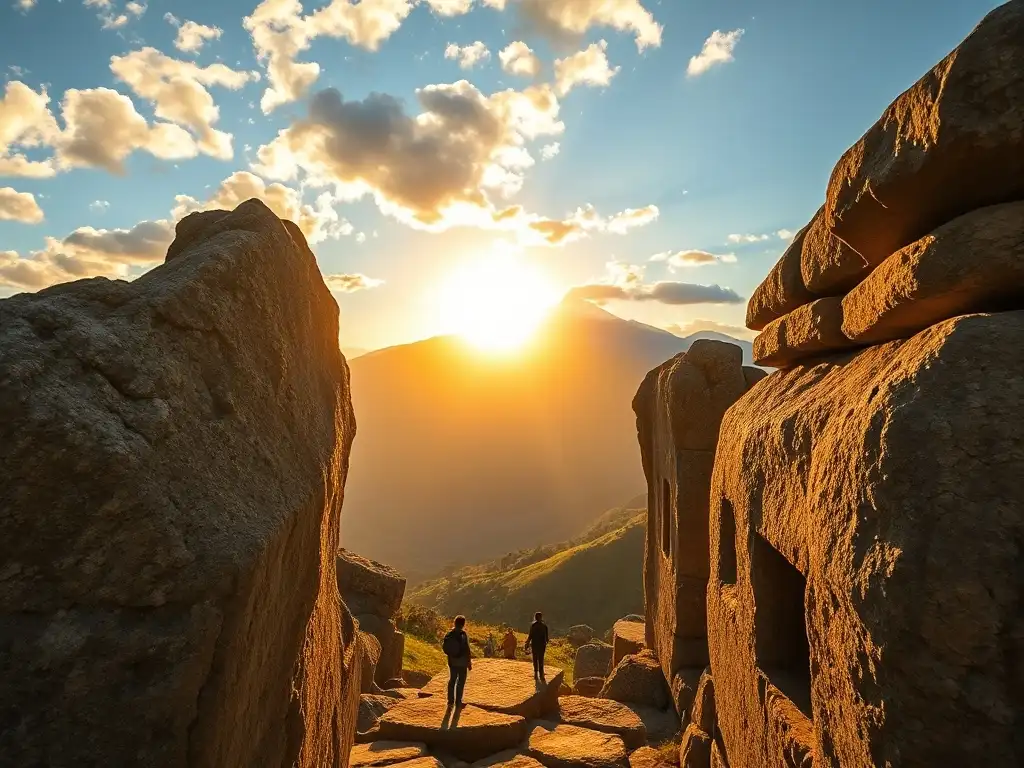
Step into a world lost to time, where mountains whisper secrets and stones tell tales of unparalleled ingenuity. Journey with us into the heart of the Andean civilizations, uncovering the vibrant tapestry of their cultures, art, and astonishing advancements. But prepare to be amazed by the enigma of Sacsayhuamán: how did the Inca master such breathtaking stonework techniques? Discover the answers, and much more, as we delve into the mysteries of this incredible empire.
Sacsayhuamán, a majestic Inca fortress overlooking Cusco, Peru, stands as a testament to the ingenuity and architectural prowess of the Inca civilization. This imposing structure, with its cyclopean walls composed of colossal, precisely fitted stones, continues to baffle archaeologists and engineers alike.
The sheer scale of the construction, the precision of the stonework, and the lack of readily available explanations for the techniques employed have led to its enduring reputation as an enigma. This article delves into the mysteries surrounding Sacsayhuamán, exploring its strategic location, the remarkable stonework techniques, and the enduring questions surrounding its construction.
We will examine the evidence and theories concerning the Inca's mastery of stone manipulation and engineering, focusing specifically on the techniques used in the construction of this awe-inspiring site, a prime example of Sacsayhuamán Inca stonework techniques. Understanding Sacsayhuamán is crucial to appreciating the sophisticated engineering and architectural capabilities of the Inca Empire, a civilization that continues to fascinate and inspire centuries later.
Introduction to Sacsayhuamán: An Inca Fortress of Mystery
Sacsayhuamán (meaning "satisfied falcon" in Quechua) is more than just a fortress; it's a symbol of Inca power and ingenuity. Located on a strategic hill overlooking the ancient capital of Cusco, its imposing presence is immediately striking. The site is characterized by its massive, polygonal stones, some weighing upwards of 100 tons, expertly fitted together without the use of mortar.
The precision of the joints is astonishing, with many stones fitting together so tightly that a knife blade cannot be inserted between them. This remarkable feat of engineering has led to numerous theories, ranging from the use of advanced tools and techniques to more speculative claims involving extraterrestrial intervention.
The construction of Sacsayhuamán remains shrouded in some mystery, with much still unknown about the specific methods employed by the Inca builders. However, archaeological evidence and careful analysis of the site are gradually revealing insights into the impressive skills and resources utilized. The sheer scale of the project, requiring the transport and placement of enormous stones across challenging terrain, highlights the organizational capabilities and workforce management of the Inca Empire.
The enduring questions surrounding Sacsayhuamán fuel ongoing research and continue to captivate researchers and visitors alike. The site serves as a powerful reminder of the advanced civilization that once thrived in the Andes.
The Strategic Location of Sacsayhuamán Overlooking Cusco
The strategic location of Sacsayhuamán is a key element in understanding its importance. Perched high above Cusco, it offered unparalleled defensive advantages. The fortress's position provided a commanding view of the city and the surrounding valley, allowing for early warning of any approaching enemies.
The natural topography of the hill was cleverly incorporated into the design of the fortress, enhancing its defensive capabilities. This strategic placement wasn't accidental; it reflects the Inca's sophisticated understanding of military strategy and their ability to leverage the natural landscape to maximize their defenses. The imposing presence of Sacsayhuamán likely served as a powerful symbol of Inca dominance and control, projecting an image of strength and invincibility to both its citizens and potential adversaries.
The fortress's location, combined with its impressive architecture, solidified its role as a crucial element in the Inca Empire's defense system. The combination of natural defenses and masterful engineering made Sacsayhuamán a virtually impenetrable fortress, a testament to Inca ingenuity in both military strategy and construction. The location alone speaks volumes about their advanced planning and understanding of terrain.
- Introduction to Sacsayhuamán: An Inca Fortress of Mystery
- The Strategic Location of Sacsayhuamán Overlooking Cusco
- How were the massive stones of Sacsayhuamán fitted together?
- What kind of tools did the Incas use to build Sacsayhuamán?
- Why is the stonework at Sacsayhuamán so impressive?
- What is the significance of Sacsayhuamán to the Inca Empire?
- Are there any theories about how the Incas transported such large stones?
Unraveling the Construction of Sacsayhuamán
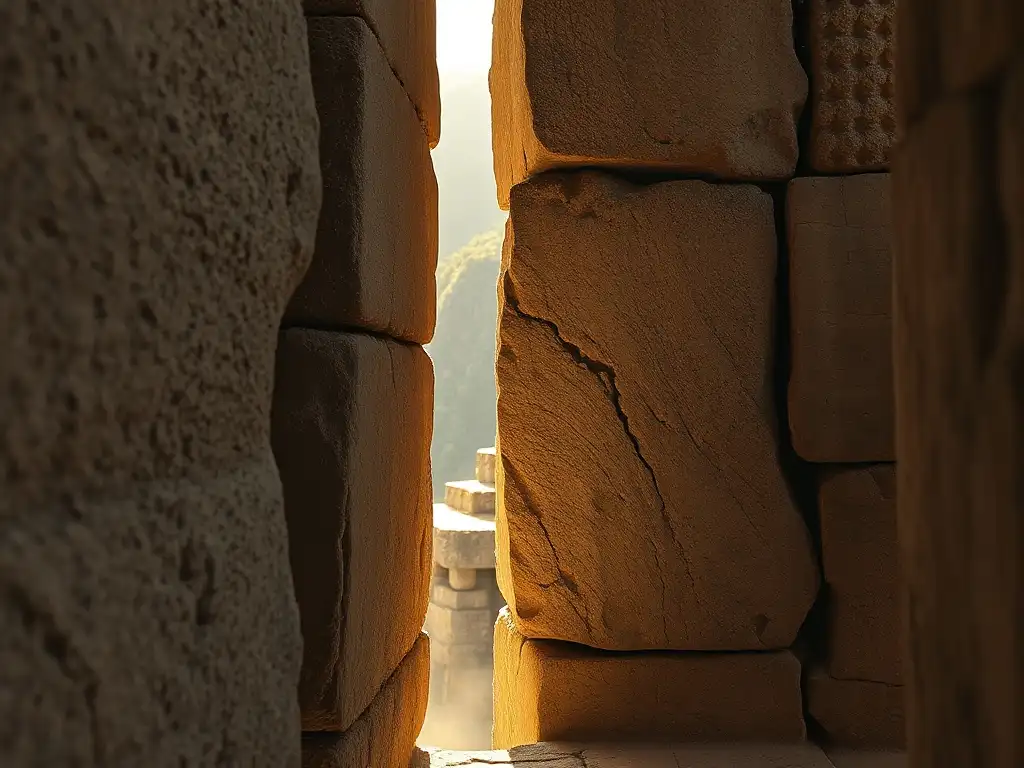
The imposing fortress of Sacsayhuamán, perched high above Cusco, Peru, remains one of the most enigmatic achievements of Inca engineering. Its cyclopean stonework, characterized by massive, precisely fitted blocks, continues to fascinate and baffle researchers. Understanding the construction techniques employed by the Inca demands a detailed examination of several crucial aspects: quarrying, transportation, cutting, shaping, and finally, the astonishing precision of their placement.
This section delves into the impressive Sacsayhuamán Inca stonework techniques, exploring the logistical and technical challenges overcome by these ancient master builders. The sheer scale of the project, coupled with the sophistication of the techniques used, speaks volumes about the Inca's advanced understanding of engineering and their organizational prowess. The mystery surrounding Sacsayhuamán isn't just about the stones themselves; it's about the ingenuity and effort required to bring this monumental structure to life.
The Scale of the Inca Stonework at Sacsayhuamán
The sheer scale of Sacsayhuamán is breathtaking. The fortress complex covers a vast area, incorporating three massive terraces built from colossal stones. Some of these blocks weigh upwards of 100 tons – truly gigantic! Imagine the monumental task of quarrying, transporting, and fitting together stones of this size without the benefit of modern machinery.
This involved a level of organization and manpower that is astonishing, considering the tools and technology available to the Inca. The walls are not just impressive for their size; their construction demonstrates an advanced understanding of engineering principles, including load-bearing and seismic stability. The precise fitting of these enormous blocks, with minimal mortar used, is a testament to the Inca's mastery of stonework. This level of precision is rarely seen in ancient architecture, and it’s a key element of what makes Sacsayhuamán so unique.
The Inca's ability to handle such massive structures speaks to their profound knowledge of physics and engineering principles. To put it into perspective, consider that some of these stones are larger than modern construction vehicles! 🤯
Quarrying and Transporting the Massive Stones
The origin of the stones used in Sacsayhuamán is a subject of ongoing research. Geologists have identified several quarries within a relatively close radius of the fortress. However, the precise methods employed for extracting these enormous blocks from the quarries remain largely speculative. It’s likely that a combination of techniques was used, possibly involving fire, water, and wooden wedges to gradually loosen and separate the stones from the bedrock.
The transportation of these colossal blocks presents an even greater challenge. Experts suggest that the Inca employed ramps, rollers, and possibly sledges, using human power and potentially animal assistance to move the stones across considerable distances. The terrain surrounding Sacsayhuamán is rugged and mountainous, making the logistics of transport incredibly complex.
Considering the lack of wheeled vehicles, the feat of moving these massive stones uphill is truly remarkable. The exact routes used for transport remain largely unknown, but evidence suggests a network of strategically placed ramps and pathways was likely involved. This aspect of Sacsayhuamán's construction highlights the Inca's exceptional organizational capabilities and their mastery of logistics.
Precise Cutting and Shaping of the Sacsayhuamán Blocks
The precision with which the Sacsayhuamán stones were cut and shaped is perhaps the most astonishing aspect of the fortress's construction. The blocks interlock with remarkable accuracy, often with tolerances of less than a millimeter. The Inca achieved this level of precision using stone tools, including hammers, chisels, and possibly abrasive materials. The techniques employed were clearly sophisticated, allowing for the creation of perfectly fitting joints.
Some researchers believe that the Inca may have used a combination of pounding, grinding, and polishing to achieve such a fine finish. The complexity of these processes, coupled with the scale of the project, highlights the advanced knowledge and skills of Inca stonemasons. Analyzing the cut marks and the overall shape of the stones reveals the high level of skill and experience involved.
The intricate details and the remarkably tight fits are a testament to the Inca's exceptional craftsmanship and their dedication to precision. These Sacsayhuamán Inca stonework techniques involved generations of skilled artisans, passing down their knowledge and expertise through apprenticeships. The legacy of their work continues to inspire awe and wonder.
Sacsayhuamán Inca Stonework Techniques: A Detailed Examination
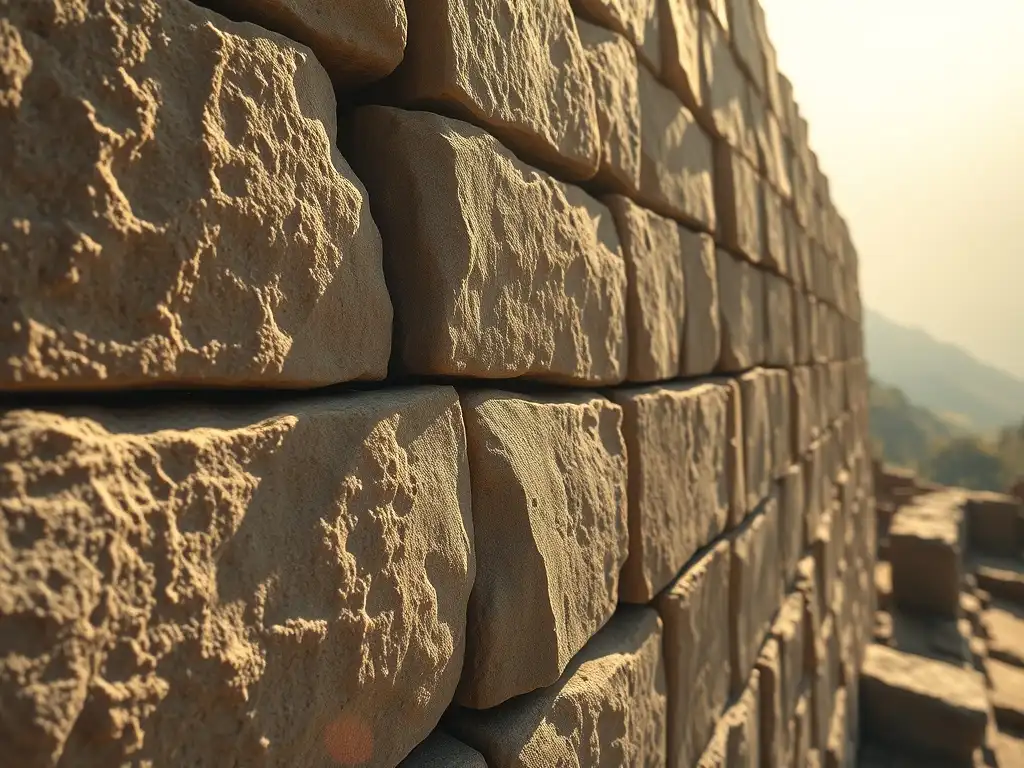
This section delves into the sophisticated techniques employed by the Inca in constructing Sacsayhuamán, a testament to their advanced engineering prowess. The sheer scale and precision of the stonework continue to baffle modern engineers and archaeologists, sparking ongoing research and debate about the methods used. Understanding the Inca's mastery of stone manipulation is crucial to appreciating the monumental achievement that Sacsayhuamán represents.
The site showcases not just impressive scale, but also a profound understanding of structural engineering and an unparalleled level of craftsmanship. This analysis will focus specifically on the key techniques responsible for Sacsayhuamán's enduring strength and aesthetic appeal, focusing on the keyword phrase "Sacsayhuamán Inca stonework techniques" and its semantic variations.
The Marvelous Inca Masonry: Dry Stone Technique
The most striking aspect of Sacsayhuamán's construction is the almost unbelievable precision of its dry-stone masonry. The Inca, without the use of mortar, managed to fit massive stones together with such accuracy that even a thin blade cannot be inserted between them. This "dry stone" technique, a hallmark of Inca architecture, required exceptional skill and planning.
The process began with the careful selection of stones from nearby quarries. Evidence suggests the Inca may have used copper tools and possibly even water to aid in shaping and moving these colossal blocks, some weighing upwards of 100 tons. The remarkable precision wasn't merely aesthetic; it was crucial for the structural integrity of the walls, ensuring stability and resistance to seismic activity.
The Inca's understanding of the natural properties of the stone, including its weight distribution and potential weaknesses, played a vital role in their ability to achieve such remarkable results. This mastery of dry-stone techniques is further evidenced in other Inca sites, but Sacsayhuamán stands out due to the sheer scale and complexity of the undertaking. The dry stone technique, a core element of "Sacsayhuamán Inca stonework techniques," showcases the Inca's profound knowledge of engineering principles.
The Use of Interlocking Stones for Stability
Beyond the precision of the fit, the Inca employed a sophisticated system of interlocking stones to enhance the stability of the structure. Stones were carefully shaped and fitted together in intricate patterns, creating a complex three-dimensional puzzle. This interlocking system, combined with the dry-stone technique, significantly increased the resistance of the walls to pressure and seismic forces.
The ingenious design minimized the reliance on mortar, a substance that could potentially weaken the structure over time. Analysis of the stone shapes reveals a deliberate strategy: stones were often cut with multiple, precisely angled surfaces, fitting together like pieces of a jigsaw puzzle. This technique not only increased stability but also significantly reduced the risk of the walls collapsing under their own weight or external forces.
The effectiveness of this interlocking system is particularly evident in the massive walls of Sacsayhuamán, which have withstood earthquakes and the passage of centuries. The intricate interlocking system represents a significant aspect of "Sacsayhuamán Inca stonework techniques," demonstrating a deep understanding of structural engineering.
Polishing and Fitting of the Stones with Incomparable Accuracy
The level of precision achieved in the polishing and fitting of the stones at Sacsayhuamán is truly astonishing. Many stones are so perfectly fitted together that it's impossible to detect any gaps or irregularities, even with a magnifying glass. This remarkable accuracy speaks to the advanced tools and techniques used by the Inca, and their exceptional skill and patience.
While the exact tools used remain a subject of debate, archaeological evidence suggests the use of copper chisels and hammers, along with possibly abrasive materials like sand and water for polishing. The level of detail and precision is not only impressive from an engineering perspective but also aesthetically breathtaking. The smooth surfaces and near-perfect fit of the stones create a visually stunning effect, a testament to the Inca's commitment to both functionality and artistry.
This exceptional polishing and fitting, a critical part of understanding "Sacsayhuamán Inca stonework techniques," showcases the Inca's mastery of craftsmanship and precision engineering. The level of detail involved surpasses many modern building techniques, highlighting the sophistication of their methods. Further research is needed to fully elucidate the exact processes employed, but the evidence strongly suggests a high level of technological and organizational skill.
Theories Behind the Construction Methods at Sacsayhuamán
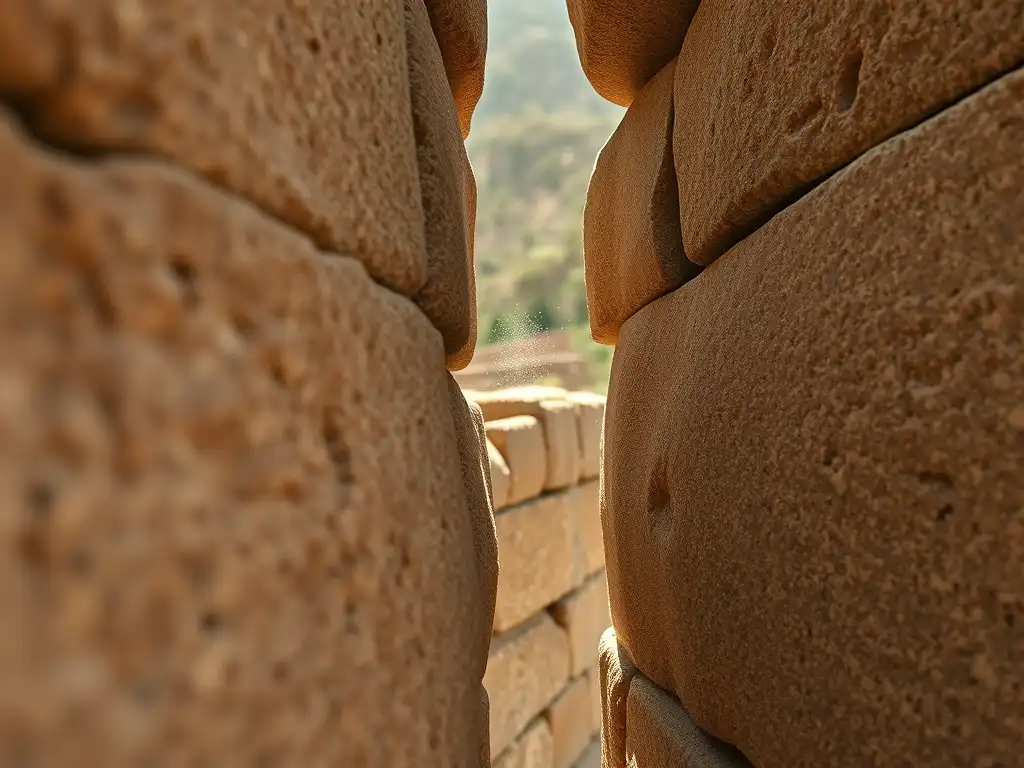
Sacsayhuamán, the imposing fortress overlooking Cusco, Peru, continues to fascinate and puzzle researchers. Its massive, precisely fitted stones, some weighing over 100 tons, defy easy explanation with the tools and technologies typically attributed to the Inca civilization. The sheer scale and precision of the Sacsayhuamán Inca stonework techniques represent a significant engineering feat, sparking numerous theories about how the Inca achieved this remarkable construction.
This section delves into some of the leading hypotheses surrounding the construction methods employed at Sacsayhuamán, exploring the potential roles of Inca labor, specialized tools, and ingenious engineering solutions. Understanding these theories is key to appreciating the ingenuity and organizational prowess of the Inca Empire.
The Role of Inca Labor and Engineering Skills
The Inca Empire was renowned for its sophisticated organization and mobilization of human resources. Vast numbers of mita laborers, conscripted for public works projects, were undoubtedly crucial to the construction of Sacsayhuamán. However, simply having a large workforce doesn't explain the precision of the stonework.
The Inca possessed advanced engineering skills, including a deep understanding of mathematics and geometry. Evidence suggests they used sophisticated surveying techniques to align the stones with astronomical events and to ensure structural integrity. This understanding, combined with their organizational capacity, allowed them to manage the complex logistics of transporting and placing massive stones.
The level of precision evident in the fitting of these stones suggests a high degree of skill and training among the Inca stonemasons, far beyond basic craftsmanship. Historians estimate that tens of thousands of workers were involved in the project, working in coordinated teams under the direction of skilled engineers and master builders. The organization required to manage such a large-scale project is itself a testament to the Inca's administrative capabilities, demonstrating their mastery of both engineering and workforce management.
Speculations on the Use of Ramps and Levers
One prominent theory suggests that the Inca utilized a system of ramps and levers to move and position the enormous stones. While no direct evidence of such ramps survives, the terrain around Sacsayhuamán could have been strategically modified to create inclines, facilitating the transport of stones. The use of levers, combined with the sheer manpower available, could have enabled the Inca to maneuver the massive blocks into place.
This theory is supported by the observation that many of the stones appear to have been moved from relatively nearby quarries. However, the precise mechanics of how such a system would have functioned for the largest stones remain a subject of debate. The challenge lies in the logistical complexity of building and maintaining ramps capable of supporting such immense weight, and the precision required to place the stones with such accuracy.
Further research, including detailed topographical surveys and simulations, is needed to fully evaluate the feasibility of this method. The potential use of rollers and wooden sledges, often mentioned in conjunction with ramps and levers, would have further aided in the process, reducing friction and facilitating movement.
Possible Use of Stone Tools and Bronze Chisels
While the Inca are not known for their widespread use of metal tools in the same way as other ancient civilizations, the precision of the Sacsayhuamán stonework suggests the possibility of using specialized tools. While some believe that only basic stone tools were employed, others hypothesize the use of bronze chisels, potentially imported or crafted locally. The fine detail and intricate fitting of some of the stones suggest a level of precision that may have been difficult to achieve solely with stone tools.
The presence of bronze artifacts in other Inca sites suggests that the technology wasn't entirely unknown to them. However, the extent to which bronze tools were used at Sacsayhuamán, if at all, remains a matter of speculation. Microscopic analysis of the stone surfaces could potentially reveal traces of metal tools, providing crucial evidence to support or refute this hypothesis.
Further investigation into Inca metallurgy and tool-making techniques is necessary to fully understand the potential role of metal tools in the construction of Sacsayhuamán. The ongoing study of Sacsayhuamán continues to reveal fascinating insights into the ingenuity and capabilities of the Inca civilization, highlighting their advanced understanding of engineering, logistics, and stonework. The mysteries surrounding its construction serve as a testament to their remarkable achievements.
Exploring the Architectural Significance of Sacsayhuamán
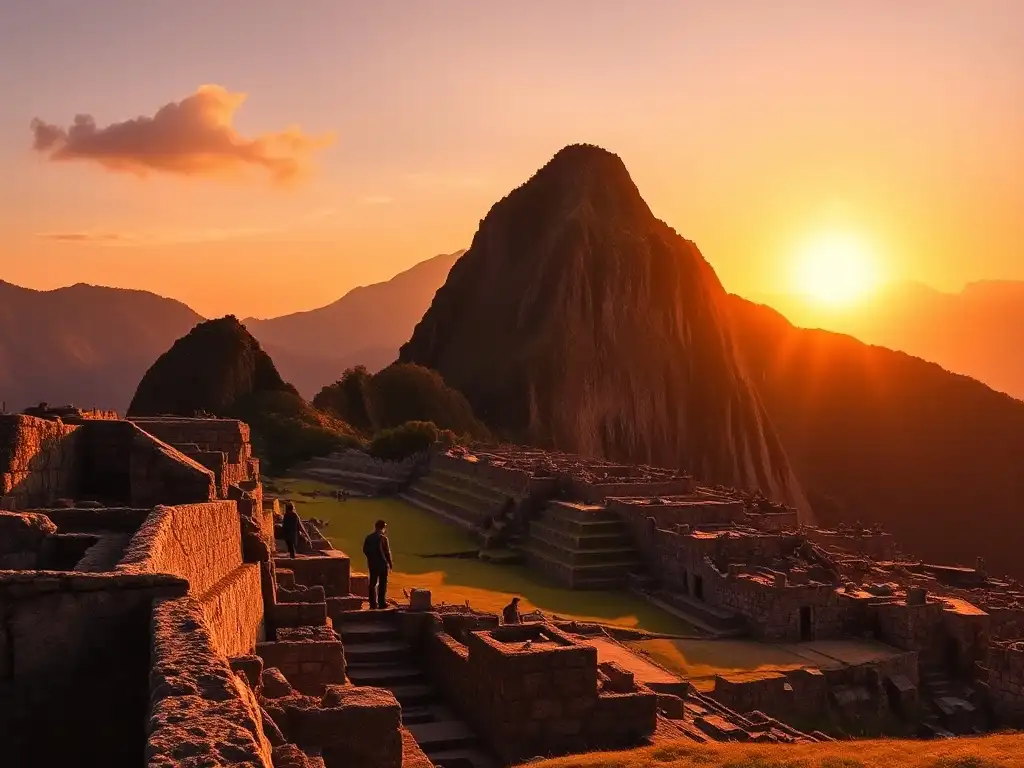
Sacsayhuamán, a breathtaking citadel overlooking Cusco, Peru, stands as a testament to the Inca's remarkable architectural prowess and engineering skills. Its imposing cyclopean masonry, characterized by massive, precisely fitted stones, continues to baffle researchers and inspire awe. Understanding the architectural significance of Sacsayhuamán requires delving into its purpose, construction techniques, and the symbolic meaning imbued within its design.
The site's strategic location, coupled with its intricate stonework, showcases the Inca's sophisticated understanding of both defense and sacred space. The sheer scale of the project, combined with the precision of the stonework, points to highly organized labor practices and a deep understanding of engineering principles. This section will explore these aspects in detail, focusing on the "Sacsayhuamán Inca stonework techniques" employed in its construction.
The Purpose and Function of the Sacsayhuamán Complex
The exact purpose of Sacsayhuamán remains a subject of ongoing debate among archaeologists. While traditionally viewed primarily as a military fortress, evidence suggests a more multifaceted role. Its strategic location atop a hill overlooking Cusco provided an undeniable defensive advantage. The complex's massive walls, strategically placed towers, and intricate network of passages could effectively withstand sieges. However, the presence of ceremonial structures and the orientation of certain features towards significant astronomical events suggest a significant religious and ritualistic function.
Some researchers propose that Sacsayhuamán served as a royal estate, a place where the Inca elite resided and conducted important ceremonies. The complex's size and the elaborate nature of its construction support this theory. The impressive scale of the project, requiring a massive workforce and extensive resources, points to its importance within the Inca empire. The intricate carvings and symbolic elements found within the stonework further reinforce the notion that Sacsayhuamán held profound spiritual significance for the Inca people. Further research, including detailed analysis of artifacts discovered within the complex, is needed to fully understand its multifaceted purpose.
The Three Parallel Walls: A Defensive Masterpiece
The three massive parallel walls that form the core of Sacsayhuamán are arguably its most striking feature. These walls, built from enormous stones weighing many tons, are arranged in a zigzag pattern that enhances their defensive capabilities. The stones themselves are astonishing; some are so large and precisely fitted that a knife blade cannot be inserted between them. This exceptional level of precision in "Sacsayhuamán Inca stonework techniques" is particularly noteworthy, particularly when considering the tools available to the Inca.
The arrangement of the walls isn't simply aesthetic; it created a formidable obstacle for any attacking force. The zigzag pattern forced attackers to expose themselves to flanking fire from multiple positions, significantly reducing their effectiveness. This strategic design, combined with the sheer size and weight of the stones, made Sacsayhuamán virtually impenetrable to conventional siege warfare.
The ingenuity displayed in the design and construction of these walls is a testament to the Inca's advanced understanding of military architecture and their mastery of stonework techniques. Evidence suggests that the Inca used advanced methods of quarrying, transportation, and shaping the stones, which are still debated among experts today.
The Temple and Ceremonial Areas Within Sacsayhuamán
Beyond its defensive capabilities, Sacsayhuamán contained several structures that suggest a significant religious and ceremonial role. While many of these structures have been damaged or destroyed over time, archaeological evidence points to the presence of temples, plazas, and other ceremonial spaces. The precise layout and function of these areas remain unclear, but their existence underscores the multi-faceted nature of Sacsayhuamán.
The orientation of certain structures within the complex towards significant astronomical events suggests a sophisticated understanding of celestial movements and their connection to Inca cosmology. This suggests that Sacsayhuamán may have served as an important astronomical observatory, used to track the movements of the sun, moon, and stars. Furthermore, the presence of intricate carvings and symbolic motifs on some of the stones indicates the importance of religious and ritualistic practices within the complex.
The discovery of additional artifacts and the ongoing analysis of existing findings promise to shed further light on the religious and ceremonial aspects of Sacsayhuamán and its role within Inca society. The ongoing research into "Sacsayhuamán Inca stonework techniques" is crucial to understanding the construction methods that allowed for the creation of such a remarkable complex.
The Legacy of Sacsayhuamán: A Testament to Inca Ingenuity
Sacsayhuamán, the imposing fortress overlooking Cusco, stands as a powerful symbol of Inca ingenuity and architectural prowess. Its sheer scale and the precision of its massive stonework continue to fascinate and inspire awe, even centuries after its construction. The legacy of Sacsayhuamán extends far beyond its physical presence; it represents a pinnacle of Inca engineering and a testament to their sophisticated understanding of stone manipulation and construction techniques. The site’s enduring impact on subsequent Andean cultures and ongoing preservation efforts highlight its enduring significance in the study of Inca civilization and the broader understanding of "Sacsayhuamán Inca stonework techniques".
Sacsayhuamán as an Example of Inca Advanced Technology
The construction of Sacsayhuamán showcases an advanced understanding of several key technologies. The precise fitting of colossal stones, some weighing over 100 tons, is a testament to the Incas' mastery of quarrying, transportation, and stone-cutting techniques. Evidence suggests they employed sophisticated tools and techniques, including copper chisels and possibly the use of water to facilitate the movement of these enormous blocks.
The intricate interlocking of the stones, without the use of mortar, demonstrates a profound knowledge of structural engineering and an ability to create incredibly strong and stable structures. This advanced understanding of "Sacsayhuamán Inca stonework techniques" allowed them to build a fortress that withstood earthquakes and the test of time remarkably well.
The precision evident in the stonework is astonishing. Many stones fit together so perfectly that even a knife blade cannot be inserted between them. This level of accuracy suggests a highly organized workforce, a detailed planning process, and a deep understanding of geometry and mathematics.
Furthermore, the use of different types of stone, carefully selected for their properties, demonstrates a sophisticated understanding of materials science. This attention to detail and mastery of diverse skills were crucial in creating a structure of such monumental scale and enduring strength. The precise fitting of these stones, some weighing over 100 tons, required an impressive knowledge of leverage, pulleys, and ramps, all indicative of a highly developed technological understanding.
Sacsayhuamán's Influence on Later Andean Architecture
Sacsayhuamán's influence on subsequent Andean architecture is undeniable. The impressive scale and sophisticated techniques employed in its construction served as a model and inspiration for generations of builders. While the exact mechanisms of its construction remain a subject of ongoing research and debate, the legacy of Sacsayhuamán is evident in the stonework of later structures throughout the Andes. The precise fitting of stones, the use of large blocks, and the overall architectural style of Sacsayhuamán can be seen in many subsequent buildings, showcasing a clear lineage and continuity of building traditions. This demonstrates how the knowledge and techniques developed during the construction of Sacsayhuamán were passed down and adapted by subsequent Andean societies. The enduring impact of Sacsayhuamán’s architectural style and construction techniques is a compelling testament to its significance in the development of Andean building traditions. Further research into regional architectural styles could reveal more detailed links and influences.
Preservation Efforts and the Future of Sacsayhuamán
Preserving Sacsayhuamán for future generations is a crucial undertaking. The site faces various threats, including erosion, environmental factors, and the impact of tourism. Ongoing preservation efforts focus on mitigating these risks and ensuring the long-term survival of this remarkable site.
These efforts include meticulous monitoring of the site's condition, implementing protective measures against erosion, and carefully managing tourist access to minimize damage. Furthermore, ongoing research into the site's construction and history provides valuable insights that can inform preservation strategies. The future of Sacsayhuamán depends on a continued commitment to preservation, research, and responsible tourism management.
The site's significance as a testament to Inca ingenuity and a crucial part of Andean cultural heritage demands that we actively work to protect it for generations to come. The long-term preservation of Sacsayhuamán requires a multi-faceted approach, balancing the needs of conservation with the opportunities for research and education. This ensures that the legacy of "Sacsayhuamán Inca stonework techniques" continues to inspire and inform for many years to come.
Frequently Asked Questions
How were the massive stones of Sacsayhuamán fitted together?
The precise techniques remain a mystery, but evidence suggests the Incas used advanced stone-cutting and shaping methods, possibly involving copper tools and water. They achieved incredibly tight fits, with minimal mortar.
What kind of tools did the Incas use to build Sacsayhuamán?
While some tools were made of stone and wood, evidence suggests the Incas also utilized copper and bronze tools for cutting and shaping the massive stones. The exact processes remain debated by archaeologists.
Why is the stonework at Sacsayhuamán so impressive?
The precision and scale of the stonework are unparalleled. The massive, perfectly fitted stones defied the technology available at the time, making Sacsayhuamán a testament to Inca engineering prowess.
What is the significance of Sacsayhuamán to the Inca Empire?
Sacsayhuamán served as a ceremonial and military center, demonstrating the power and sophistication of the Inca Empire. Its strategic location and imposing structure were essential to Inca control.
Are there any theories about how the Incas transported such large stones?
Several theories exist, including the use of inclined ramps, rollers, and possibly sledges. The precise methods remain unclear, but the scale of the undertaking is astonishing.
Final Reflection: Echoes of Sacsayhuamán in the Modern World
The precise methods used to construct Sacsayhuamán remain a testament to the ingenuity of the Inca, a feat of engineering that continues to challenge our understanding of ancient civilizations. This enduring mystery, far from being a relic of the past, speaks volumes about our own capacity for innovation and the importance of preserving and learning from the achievements of those who came before us. The sheer scale and precision of the stonework at Sacsayhuamán force us to reconsider our assumptions about technological limitations in pre-Columbian societies.
The enduring fascination with Sacsayhuamán highlights our inherent human need to understand our origins and the remarkable achievements of past cultures. It compels us to question our own technological advancements and to consider the ethical implications of our progress. The site serves as a powerful reminder that innovation isn't always about speed or scale, but also about ingenuity, collaboration, and a deep understanding of the natural world. The past is never dead. It's not even past.
- William Faulkner. This quote perfectly encapsulates the ongoing relevance of Sacsayhuamán and its continued ability to inspire awe and wonder.
Consider the implications of this ancient marvel. What can we learn from the Inca's mastery of stonework, their understanding of structural integrity, and their ability to mobilize vast resources for such an ambitious project? You, the reader, are now part of this ongoing conversation. Take a moment to reflect on the ingenuity of the Inca, and consider how their achievements might inspire your own approach to problem-solving, innovation, and the preservation of our shared cultural heritage. Let the enigma of Sacsayhuamán fuel your own quest for knowledge and understanding.
Uncover the Secrets of Sacsayhuamán!
Thank you for exploring the remarkable world of Sacsayhuamán with us! You've discovered the advanced techniques and monumental stones that make this archaeological marvel so intriguing. Now, let's put that knowledge to good use!
- **Plan a visit** to Sacsayhuamán or another impressive historical site to experience its grandeur firsthand.
- Connect with other history enthusiasts by **joining a local history group or online forum** dedicated to Andean civilizations. Share your passion and learn from others.
- **Create a blog post, artwork, or other project** inspired by what you've learned about Sacsayhuamán.
What aspect of Sacsayhuamán's history or construction most fascinates you, and what would you like to learn more about?