
The Mystery of Machu Picchu's Construction: Unveiling Inca Engineering

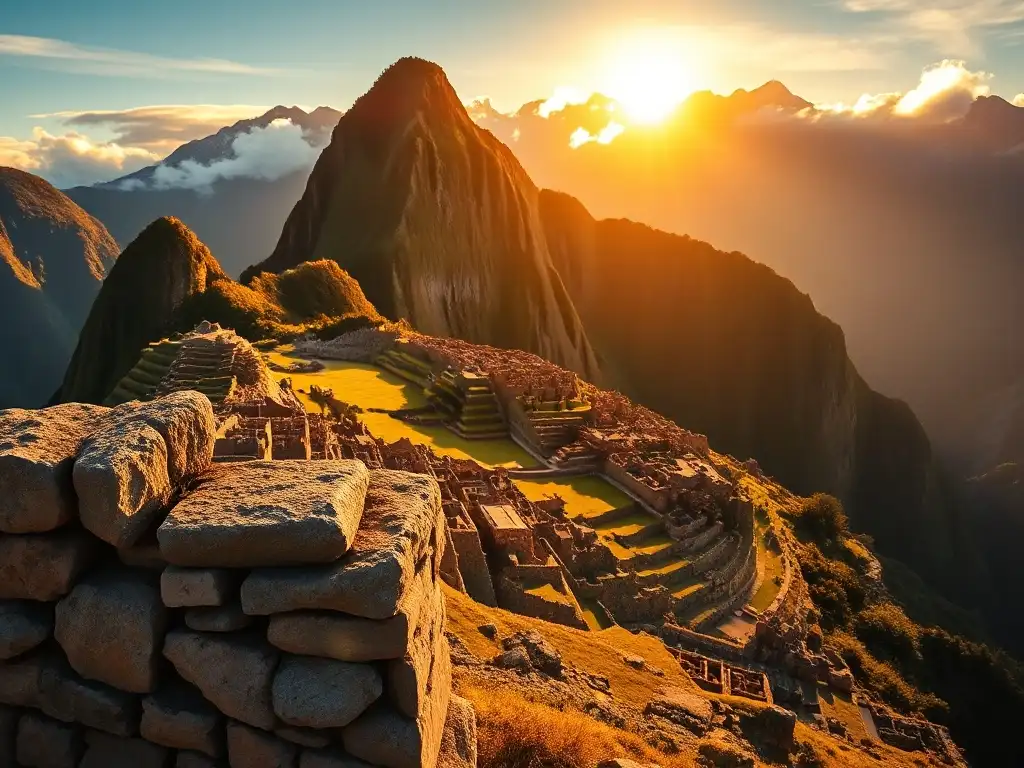
Welcome, explorer! Prepare to journey back in time to the heart of the Andes, a land teeming with enigmatic civilizations. From the breathtaking artistry of the Nazca lines to the sophisticated engineering of the Tiahuanaco, we delve into the captivating stories of these ancient societies. But today, we unravel a particularly compelling mystery: the Inca Machu Picchu construction methods. How did they achieve such architectural marvels? Discover the secrets behind this lost city, and prepare to be amazed. Let's begin...
Machu Picchu, the iconic "Lost City of the Incas," perched high in the Andes Mountains, continues to captivate the world with its breathtaking beauty and undeniable engineering prowess. For centuries, the precise methods employed by the Inca to construct this magnificent citadel have remained shrouded in mystery, fueling countless speculations and scholarly debates.
This article delves into the fascinating world of Inca engineering, exploring the innovative techniques and remarkable ingenuity that allowed them to build Machu Picchu, a testament to their sophisticated understanding of architecture, stonework, and environmental adaptation. We will examine the challenges presented by the site's location and the solutions the Inca masterfully implemented, shedding light on the processes behind this architectural marvel and dispelling some common misconceptions surrounding its construction.
Understanding the Inca's construction methods at Machu Picchu provides invaluable insights into their societal organization, technological advancements, and profound connection to their environment. This exploration will reveal not only how Machu Picchu was built, but also why it stands as a symbol of Inca ingenuity and resilience to this day.
The Challenges of Machu Picchu's Location: Altitude, Terrain, and Resources
The sheer audacity of building Machu Picchu in its chosen location is a testament to Inca ingenuity. The site’s high altitude, steep slopes, and rugged terrain presented significant logistical and engineering challenges. The altitude alone, over 7,970 feet (2,430 meters) above sea level, would have presented difficulties in transporting materials and sustaining workers. The precarious slopes demanded innovative solutions for foundation laying and structural stability.
Furthermore, the availability of building materials and water resources in this remote location needed careful planning and management. Inca engineers overcame these challenges through meticulous planning, sophisticated organizational structures, and an intimate understanding of the local environment. They cleverly adapted their techniques to the specific constraints of the site, demonstrating remarkable adaptability and resourcefulness. Evidence suggests that they employed sophisticated systems for water management, including intricate channels and fountains, showcasing their advanced understanding of hydraulic engineering.
Inca Stonework: Precision, Fit, and Techniques
One of the most striking aspects of Machu Picchu is the precision of its stonework. The massive stones, some weighing many tons, are fitted together with astonishing accuracy, often without the use of mortar. This remarkable feat of engineering was achieved through a combination of advanced quarrying techniques, meticulous shaping, and a deep understanding of stone properties. Archaeological evidence suggests that the Inca used copper and bronze tools to quarry and shape the stones, achieving a level of precision that is still impressive today.
The process likely involved a combination of hammering, chipping, and grinding to create perfectly interlocking joints. The “dry-stone” construction method, characteristic of Inca architecture, showcases a mastery of engineering principles, ensuring structural stability even in earthquake-prone regions. The precision of the stonework not only enhanced the aesthetic appeal of the buildings but also contributed to their remarkable durability and longevity.
Transportation of Materials: A Logistical Masterpiece
The transportation of massive stones to the Machu Picchu site, across challenging terrain and steep inclines, presents another intriguing puzzle. While the exact methods remain debated, evidence suggests that the Inca employed a sophisticated system of ramps, ropes, and human labor to move materials uphill. The sheer scale of this logistical undertaking highlights the Inca's exceptional organizational capabilities and their ability to mobilize large workforces.
The Inca likely utilized a combination of human porters, animal transport (where possible), and ingenious systems of levers and rollers to overcome the gravity-defying challenges of the terrain. Understanding the transportation methods sheds light on the Inca's societal structure, their ability to coordinate large-scale projects, and their mastery of logistics. Further research and archaeological discoveries may reveal even more about this remarkable feat of engineering.
Agricultural Innovations and Sustainability at Machu Picchu
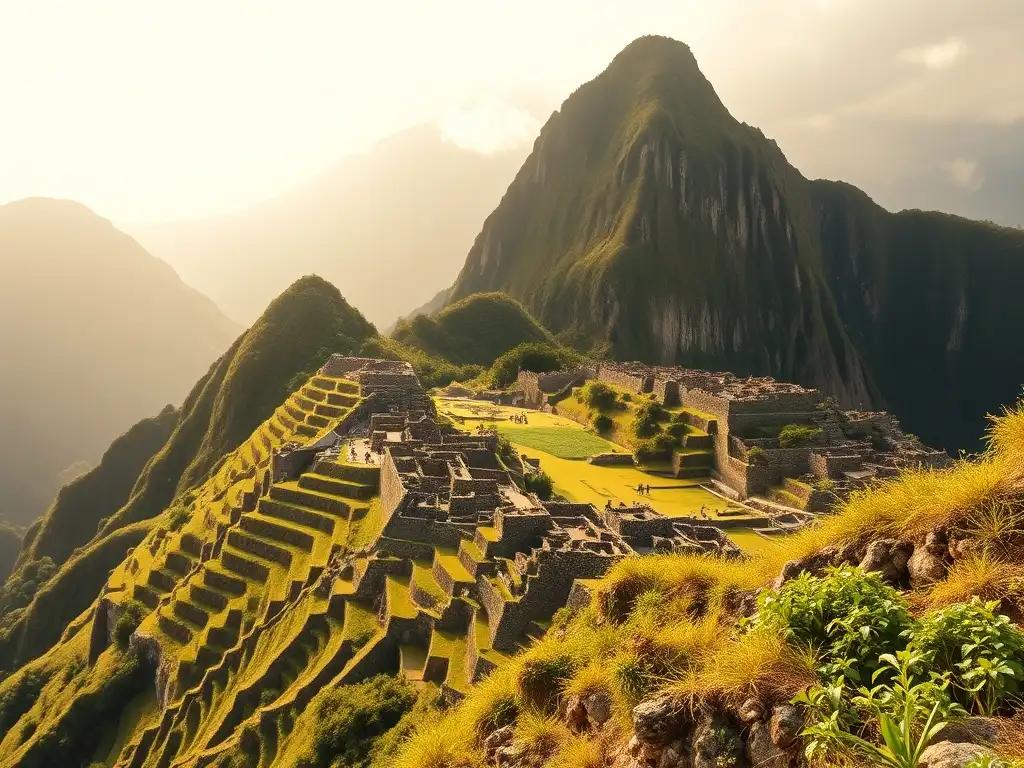
Machu Picchu was not merely a ceremonial center; it was also a thriving agricultural community. The Inca implemented innovative agricultural techniques, such as terracing and irrigation systems, to maximize food production in the challenging mountain environment. These techniques, essential for sustaining the population of Machu Picchu, are further testaments to their understanding of environmental dynamics and their commitment to sustainability.
The carefully constructed terraces prevented soil erosion and optimized water usage, allowing for the cultivation of a variety of crops. This integration of agricultural practices with the overall design of the city highlights the holistic approach of Inca engineering and its commitment to both functionality and environmental harmony. The ingenuity of their agricultural systems ensured the long-term sustainability of the city and its inhabitants.
Unanswered Questions and Future Research
Despite significant advancements in our understanding of Machu Picchu's construction, many questions remain unanswered. Further research, including archaeological excavations and advanced analytical techniques, is crucial to unveil the full extent of Inca engineering knowledge and to better understand the intricate details of the construction process. The mysteries surrounding Machu Picchu continue to inspire awe and wonder, driving ongoing research and reinforcing its status as a timeless symbol of human ingenuity and cultural achievement.
The ongoing study of Machu Picchu not only deepens our knowledge of Inca civilization but also provides valuable lessons for modern engineering and sustainable development. The precision and sustainability inherent in Inca engineering offer valuable insights for contemporary approaches to construction and resource management.
- The Challenges of Machu Picchu's Location: Altitude, Terrain, and Resources
- Inca Stonework: Precision, Fit, and Techniques
- Transportation of Materials: A Logistical Masterpiece
- Agricultural Innovations and Sustainability at Machu Picchu
- Unanswered Questions and Future Research
- How did the Incas transport massive stones to Machu Picchu's construction site?
- What tools did the Incas use to shape and cut the stones of Machu Picchu?
- What type of mortar was used in Machu Picchu's construction?
- How did the Incas manage to build Machu Picchu's structures on such steep terrain?
- What makes the Inca construction methods at Machu Picchu so remarkable?
Introduction to Inca Architectural Prowess at Machu Picchu
The Inca Empire, renowned for its sophisticated civilization, left behind a legacy of breathtaking architecture. Nowhere is this more evident than at Machu Picchu, the iconic "Lost City of the Incas," perched high in the Andes Mountains. Understanding the Inca Machu Picchu construction methods requires delving into a fascinating blend of ingenuity, precision, and adaptation to a challenging environment.
This section explores the unique engineering feats achieved by the Inca, highlighting their mastery of stonework, logistics, and resource management in the creation of this architectural marvel. The sheer scale and complexity of Machu Picchu, coupled with its remote location, present a compelling case study in ancient Andean engineering.
We will examine the specific techniques employed, the challenges overcome, and the lasting impact of their achievements on our understanding of Inca civilization and its technological capabilities. The study of Inca Machu Picchu construction methods offers valuable insights into the organizational structure, societal values, and technological advancements of this remarkable civilization.
The Enigma of Machu Picchu's Construction
Machu Picchu's construction remains shrouded in some mystery, despite extensive research. The sheer precision of the stonework is astonishing. Many stones fit together so perfectly that a knife blade cannot be inserted between them. This level of accuracy was achieved without the use of mortar, relying instead on meticulous shaping and placement. The Incas utilized a technique called ashlar masonry, where large, precisely cut stones were interlocked to create incredibly strong and stable structures.
Consider the sheer logistical challenge: transporting massive stones across rugged terrain, up steep inclines, and to the precise locations within the city. This involved a complex system of trails, ramps, and possibly even the use of rollers and levers, though the exact methods remain debated among scholars. The absence of wheeled vehicles makes the scale of this feat even more impressive. Evidence suggests the Incas harnessed human and animal power, potentially employing a sophisticated system of organization and labor management to accomplish this monumental task.
Furthermore, the integration of the city with its natural surroundings demonstrates a deep understanding of environmental factors, including seismic activity and drainage. The precise orientation of buildings and the use of terraces to prevent erosion showcases the Incas' profound knowledge of astronomy and engineering principles. The enigma of Machu Picchu's construction continues to inspire awe and fuel ongoing research, pushing the boundaries of our understanding of Inca capabilities. The precision and scale of the project highlight the advanced level of planning and execution characteristic of Inca engineering.
Significance of Studying Inca Engineering at Machu Picchu
Studying Inca Machu Picchu construction methods offers invaluable insights into multiple aspects of Inca society and technology. Firstly, it sheds light on their advanced understanding of mathematics, geometry, and astronomy. The precise alignments of buildings, the use of sophisticated surveying techniques, and the intricate designs all point to a highly developed mathematical knowledge base. Secondly, it reveals their organizational prowess. The construction of Machu Picchu required meticulous planning, effective resource management, and a highly organized workforce.
This suggests a sophisticated social structure with well-defined roles and responsibilities. Thirdly, it expands our understanding of Inca resourcefulness and adaptability. The Incas adapted their construction techniques to the challenging terrain, utilizing locally sourced materials and developing innovative solutions to overcome logistical hurdles. This adaptability is a testament to their ingenuity and problem-solving skills.
Finally, the study of Inca Machu Picchu construction methods helps us appreciate the lasting impact of Inca engineering. Their sophisticated techniques influenced later Andean cultures and continue to inspire architects and engineers today. The legacy of Inca engineering at Machu Picchu serves as a reminder of the remarkable achievements of a pre-Columbian civilization and continues to provoke questions about their societal structures, technological capabilities, and understanding of the natural world. The ongoing research into Inca Machu Picchu construction methods promises to further illuminate these fascinating aspects of Inca civilization, enriching our appreciation of their cultural and technological heritage.
Understanding the Inca Empire and its Building Traditions
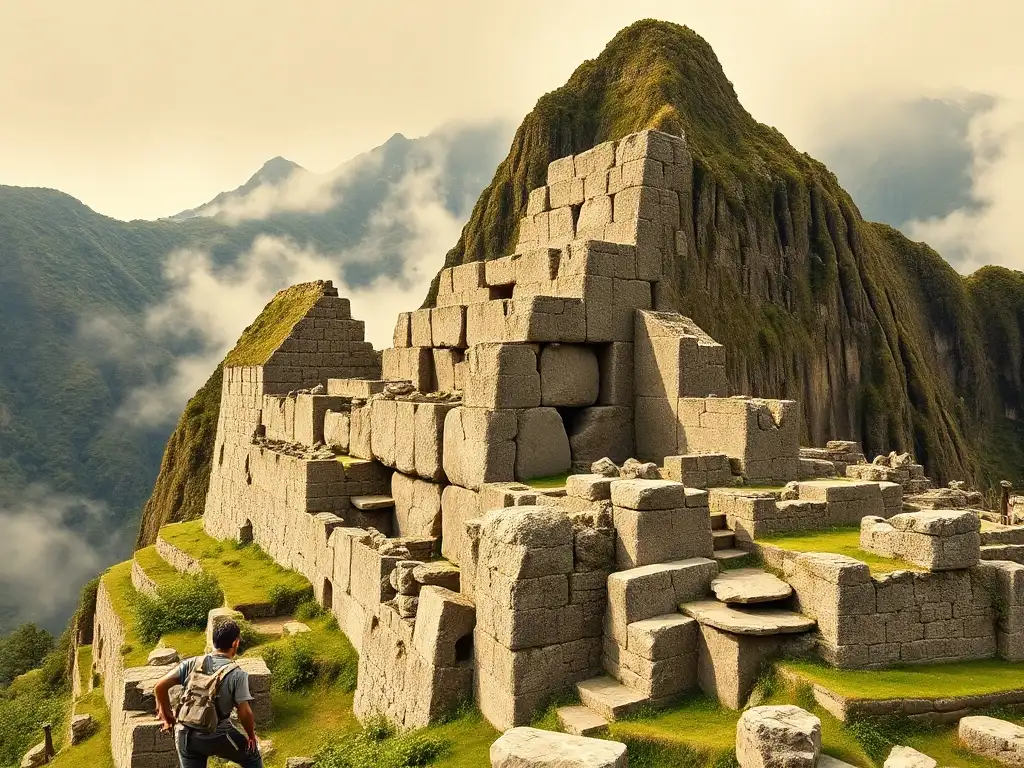
This section delves into the organizational and technological prowess that allowed the Inca to construct their impressive architectural feats, specifically focusing on the methods employed before the construction of Machu Picchu. Understanding the Inca's societal structure and pre-existing building techniques is crucial to appreciating the complexities of Machu Picchu's construction. The Inca Empire, at its zenith, controlled a vast territory spanning thousands of miles across the Andes Mountains.
This expansive empire demanded a sophisticated infrastructure to support its population, military, and administration. The Inca's ability to overcome the challenges posed by the rugged Andean terrain is a testament to their advanced engineering and organizational skills.
This section will explore the societal needs that fueled their construction efforts and the techniques they employed before tackling the monumental task of building Machu Picchu. We will analyze the impact of their social structure on their building practices and the innovations they developed in stonework, transportation, and labor organization.
The Inca Society and its Demands for Infrastructure
The Inca Empire's success hinged on its highly organized and centralized political system. The Sapa Inca, the emperor, held absolute power and controlled all aspects of life, including the allocation of resources and labor for construction projects. This centralized authority facilitated the mobilization of massive workforces for building temples, palaces, roads, and irrigation systems.
The mita system, a form of mandatory labor service, played a vital role in Inca construction. Communities were assigned tasks based on their skills and proximity to the project, ensuring a constant supply of manpower. The demand for infrastructure wasn't merely for aesthetics or royal display.
The Inca built extensive road networks, connecting distant parts of the empire, facilitating trade, communication, and military movements. These roads, often built at incredible altitudes and across challenging terrains, stand as a testament to their engineering capabilities and the importance of infrastructure in maintaining control and stability across their vast empire. The need for efficient irrigation systems, particularly in the arid coastal regions, also spurred significant construction projects, showcasing the Inca's understanding of hydraulic engineering and its importance for agricultural productivity and societal survival.
Traditional Inca Construction Techniques Pre-Machu Picchu
Before the construction of Machu Picchu, the Inca had already mastered sophisticated stonework techniques. Their buildings were characterized by precisely cut stones fitted together without mortar, a testament to their advanced understanding of geometry and engineering. This technique, known as ashlar masonry, required immense precision and skill.
Stones were carefully shaped and sized to fit together perfectly, creating incredibly strong and durable structures. Evidence suggests that the Inca used various tools, including stone hammers, chisels, and possibly copper or bronze implements, to achieve this level of precision. They also developed advanced techniques for transporting massive stones across difficult terrain.
The use of ramps, rollers, and possibly even sledges assisted in moving these heavy stones to their final locations. Furthermore, the Inca’s mastery extended beyond simple stonework; they were adept at constructing intricate drainage systems within their buildings to prevent water damage and ensure structural integrity, particularly important in the high-altitude, often rainy environment of the Andes. These pre-Machu Picchu techniques laid the foundation for the even more impressive feats of engineering displayed at Machu Picchu.
The Role of Inca Labor and Organization in Building Projects
The Inca's ability to undertake massive construction projects stemmed not only from their advanced techniques but also from their highly organized labor system. The mita system, while demanding, ensured a steady supply of workers. These workers were not simply unskilled laborers; they were organized into specialized teams, each with specific skills and responsibilities.
This division of labor increased efficiency and allowed for the smooth execution of complex projects. Furthermore, the Inca implemented a sophisticated system of storage and provisioning to ensure that workers had access to food, tools, and materials throughout the construction process. This efficient logistical system minimized disruptions and ensured the timely completion of projects.
The organization extended beyond the workforce; skilled architects and engineers oversaw the projects, ensuring that the work adhered to the high standards of Inca craftsmanship. The integration of labor, resources, and expertise demonstrates a sophisticated understanding of project management, essential for the construction of monumental structures like Machu Picchu. The Inca's ability to mobilize, organize, and manage vast workforces effectively is a key factor in understanding their remarkable achievements in architecture and engineering.
Materials and Tools Used in Machu Picchu's Construction
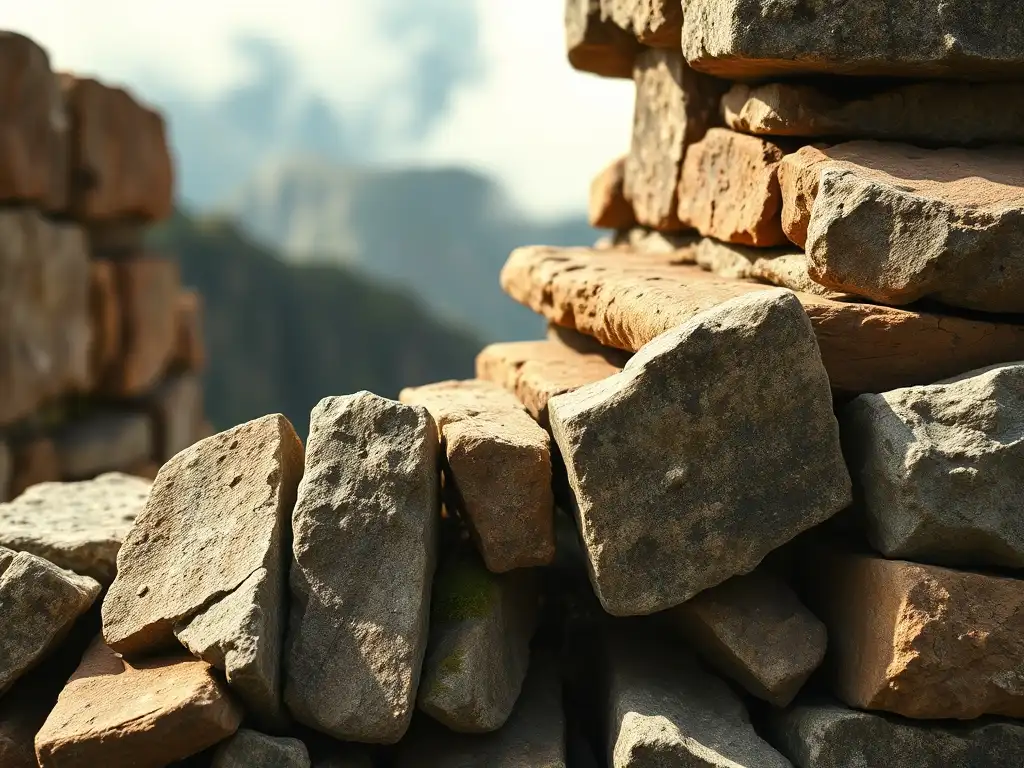
The breathtaking precision and scale of Machu Picchu's construction are a testament to the Inca's mastery of engineering and their sophisticated understanding of materials science. Understanding the materials and tools employed is key to appreciating the monumental task undertaken in building this iconic citadel. The Inca's resourcefulness and innovative techniques are particularly evident in the sourcing, transport, and manipulation of the massive granite blocks that form the foundation of Machu Picchu.
Their success wasn't just about brute force, but about clever strategies and advanced knowledge for their time. The keyword "Inca Machu Picchu construction methods" is intrinsically linked to the understanding of these materials and their skillful application.
Sourcing and Transporting Granite for Machu Picchu
Machu Picchu's construction relied heavily on granite, a remarkably durable and visually appealing stone. The primary source of this granite was the Huaraní quarry, located several kilometers from the citadel. The sheer scale of the operation is staggering; imagine the logistical challenges of transporting enormous granite blocks across rugged mountain terrain without the benefit of modern machinery!
Inca engineers employed an intricate system of ramps, ropes, and human power, likely assisted by the use of rollers and levers. Evidence suggests the use of carefully constructed pathways and strategically placed resting points to facilitate the movement of these massive stones. Archaeological studies continue to reveal more about this impressive feat of logistical engineering, highlighting the Inca's deep understanding of terrain and their ability to mobilize significant labor forces for extended periods.
We still need [specific data on the estimated weight and dimensions of the largest transported blocks] to fully quantify the engineering marvel. The precision with which these stones were placed, however, speaks volumes about the sophistication of their transport methods. 🤔 It's a testament to their planning and organizational skills.
Inca Stone Cutting and Shaping Methods
The precise fit of the stones in Machu Picchu is legendary. The Inca masons achieved this astonishing level of accuracy using sophisticated stone-cutting techniques. While the exact methods remain partially shrouded in mystery, evidence suggests that the Inca used a combination of techniques, including hammering, pecking, and grinding.
They employed various tools, such as stone hammers and chisels, to shape the granite blocks. The astonishingly tight joins between the stones, often without mortar, were likely achieved through a process of careful shaping and polishing, creating virtually seamless connections. This process required a high degree of skill and precision, implying specialized training and a hierarchical organization within the Inca workforce.
The lack of metal tools in some areas suggests a potential use of abrasive materials like sand and water to create exceptionally smooth surfaces. Further research is needed to fully understand [the specific types of abrasive materials used and their effectiveness]. The intricate carvings and designs on some stones also showcase the Inca's artistic talents and the precision of their tools.
Inca Bronze and Stone Tools Used in the Construction of Machu Picchu
The Inca civilization, while lacking iron tools, utilized a range of effective bronze and stone implements for construction. Bronze tools, particularly chisels and hammers, played a crucial role in shaping and refining the granite blocks. These tools, while not as durable as iron tools, were sufficiently hard to work granite effectively, especially when combined with the Inca's skillful techniques. Stone tools, including hammers and chisels made from harder stones like andesite, were also used, particularly in rougher stages of shaping.
The effectiveness of these tools was further enhanced by the Inca's understanding of leverage and percussive techniques. The surviving fragments of these tools offer valuable insights into Inca technology. The careful craftsmanship evident in the surviving tools demonstrates the level of skill and training required of Inca artisans and engineers.
Furthermore, [detailed analysis of the metallurgical composition of the bronze tools is needed] to understand the quality of the bronze and its impact on tool performance. The ingenious use of these relatively simple tools in such a complex project is a testament to the Inca's engineering prowess. 🛠️
The Absence of Mortar and Binding Agents in Machu Picchu's Construction
The breathtaking precision of Machu Picchu's stonework is even more remarkable considering the Incas' deliberate avoidance of mortar or any binding agents in the construction of the majority of the structures. Instead of relying on cement-like substances, the Incas masterfully employed a technique known as ashlar masonry. This involved meticulously shaping and fitting stones together with such accuracy that they interlocked perfectly, creating incredibly strong and stable structures.
The sheer weight of the stones, combined with their precise placement, acted as the primary binding force. This absence of mortar is a testament to the Incas' advanced understanding of engineering principles and their exceptional skill in stone cutting and placement. The dry-stone technique wasn't unique to Machu Picchu; it was employed throughout the Inca Empire, demonstrating a consistent and highly effective approach to construction.
The lack of mortar also contributes to the enduring mystery surrounding Machu Picchu's construction, highlighting the ingenuity and sophisticated knowledge of the Inca builders. The precise fitting of stones minimized the need for binding agents, showcasing a level of engineering prowess rarely seen in ancient civilizations.
The absence of mortar also presents challenges for modern preservation efforts. While it contributed to the longevity of the structures in the past, the lack of a binding agent makes the stones more susceptible to earthquake damage and weathering over time. Modern conservationists employ careful techniques to stabilize the structures and minimize further deterioration, often using minimally invasive methods to respect the integrity of the original Inca construction methods.
The challenge of preserving this unique architectural style emphasizes the importance of ongoing research and conservation efforts to protect this invaluable historical site. Understanding the intricacies of the Incas' dry-stone technique is crucial for developing appropriate and effective preservation strategies for the future. The careful study of the stonework itself continues to reveal new insights into Inca engineering practices and the principles behind their remarkable achievements.
Exploring Inca Machu Picchu Construction Methods
This section delves into the fascinating engineering feats behind the construction of Machu Picchu, focusing on the specific techniques employed by the Inca civilization. Understanding these methods provides crucial insight into the ingenuity and advanced knowledge of Inca builders, solidifying Machu Picchu's status as an unparalleled architectural marvel. The sheer scale and precision of the construction, achieved without modern tools and machinery, remains a testament to their remarkable skills and organizational prowess.
We will explore several key aspects of Inca Machu Picchu construction methods, examining the evidence and drawing conclusions based on archaeological findings and scholarly interpretations. The mystery surrounding its construction continues to captivate researchers and visitors alike, prompting ongoing investigation and renewed appreciation for this incredible site.
Inca Terracing Techniques at Machu Picchu
Machu Picchu's iconic landscape is not merely a natural wonder; it's a testament to sophisticated Inca terracing. The Incas were masters of adapting their environment, and Machu Picchu showcases this skill brilliantly. Terraces weren't simply aesthetic features; they were crucial for agriculture in a challenging mountainous environment. The steep slopes were transformed into a series of interconnected platforms, creating level areas for cultivating crops like potatoes, maize, and beans. This innovative approach maximized arable land and reduced soil erosion.
The construction of these terraces involved immense labor and precise planning. Workers meticulously carved and shaped the mountainside, creating retaining walls from locally sourced stone. These walls, often built in a stepped fashion, were carefully aligned to follow the contours of the land. The terraces varied in size and shape, adapting to the natural topography.
Furthermore, drainage systems were integrated into the terrace design, ensuring efficient water management and preventing waterlogging. This intricate network of terraces not only supported the agricultural needs of the city but also helped stabilize the slopes, preventing landslides. Analyzing the precise angles and placement of these terraces reveals the advanced understanding of hydrology and engineering possessed by the Inca builders. The effectiveness of their methods is evident in the enduring legacy of these agricultural terraces, many of which remain remarkably intact even today.
The Intricate Stonework and Masonry of Machu Picchu
The remarkable precision of Machu Picchu's stonework is arguably its most striking feature. The Inca masons achieved an incredibly high level of accuracy in fitting stones together, creating walls that are both aesthetically pleasing and structurally sound. They employed a technique known as ashlar masonry, which involved carefully shaping and cutting large blocks of stone to fit together tightly without the use of mortar. The stones are so precisely cut that even a knife blade cannot be inserted between them.
This level of precision required not only skilled craftsmanship but also a profound understanding of geometry and engineering principles. The Inca builders demonstrated a mastery of dry-stone construction, expertly selecting and placing stones of varying sizes and shapes to create stable and aesthetically pleasing walls. The intricate interlocking patterns and the seamless integration of the stones are a testament to their dedication and skill.
The absence of mortar further highlights their expertise, as the stability of the structures relies entirely on the precision of the stone fitting. Evidence suggests that the Inca masons used various tools, including stone hammers and chisels, to achieve this remarkable level of accuracy. The enduring quality of this stonework, despite the passage of centuries and exposure to the elements, is a powerful testament to the Inca's superior construction methods.
Inca Precision in Fitting Stones Without Mortar
The absence of mortar in Inca constructions, particularly at Machu Picchu, is a key element of their engineering prowess. This technique, known as dry-stone masonry, required an extraordinary level of precision and skill. Instead of relying on a binding agent like mortar, the Inca builders achieved stability through the precise fitting of stones. The stones were carefully shaped and placed to interlock perfectly, creating strong and durable walls. This method not only demonstrated advanced engineering knowledge but also showcased a deep understanding of the properties of stone and its behavior under various stresses.
The precision involved in fitting stones without mortar is truly remarkable. The stones were often cut to such a tight tolerance that even a thin blade cannot be inserted between them. This level of accuracy required a sophisticated understanding of geometry and a high degree of craftsmanship.
Archaeological evidence suggests that the Inca masons likely used various tools, including stone hammers, chisels, and possibly even copper tools, to achieve this level of precision. The incredibly tight fits not only enhanced the structural integrity of the walls but also contributed to their aesthetic appeal. The seamless integration of the stones created a visually stunning effect, showcasing the Inca's mastery of both engineering and artistry.
The enduring nature of these structures, standing as a testament to the ingenuity of the Inca civilization, continues to amaze and inspire researchers and visitors alike. The absence of mortar underscores the advanced planning, skilled labor, and profound understanding of structural engineering that characterized Inca construction techniques.
The Engineering of Machu Picchu's Water Systems
The ingenuity of Inca engineering is perhaps nowhere more evident than in Machu Picchu's sophisticated water management system. Nestled high in the Andes Mountains, access to a reliable water supply was crucial for the city's survival. The Incas, however, didn't simply rely on chance; they meticulously designed and built a network of canals, fountains, and aqueducts that efficiently channeled water from various sources throughout the site.
This wasn't just a matter of bringing water to the city; it was a testament to their understanding of hydraulics and their ability to adapt to the challenging terrain. The system was remarkably efficient, demonstrating a profound understanding of gravity and water pressure. Water was diverted from springs high in the surrounding mountains, expertly guided down steep slopes through a network of precisely carved channels.
These channels were integrated seamlessly into the landscape, often running along the contours of the mountainside, minimizing erosion and maximizing flow. The precision of the stonework is astonishing; the channels were meticulously fitted together, creating a virtually leak-proof system that sustained the city's population for centuries.
The system wasn't merely functional; it was also aesthetically pleasing. Many of the channels were integrated into the architecture of the city, with fountains and carefully placed spouts providing a constant, reliable source of fresh water. This integration highlights the holistic approach of Inca engineering – a blend of practicality and artistry that is rarely seen in other ancient civilizations.
The water system wasn't just about survival; it was also integral to the city's spiritual and social life. The careful management of water, a precious resource in the high Andes, reflects the Inca worldview, emphasizing respect for nature and the importance of balance within their environment. Archaeological evidence suggests that the system was meticulously maintained and repaired over time, showcasing the Incas' commitment to long-term sustainability and their deep understanding of the environmental challenges they faced.
The intricate network of channels, fountains, and aqueducts stands as a powerful testament to Inca engineering prowess and their profound connection to the natural world. Further research into the precise techniques used in the construction and maintenance of these systems is still ongoing, continually revealing new insights into the sophistication of Inca water management. The sheer scale and precision of Machu Picchu's water system continues to amaze and inspire engineers and historians alike.
Theories and Discoveries About Machu Picchu's Construction
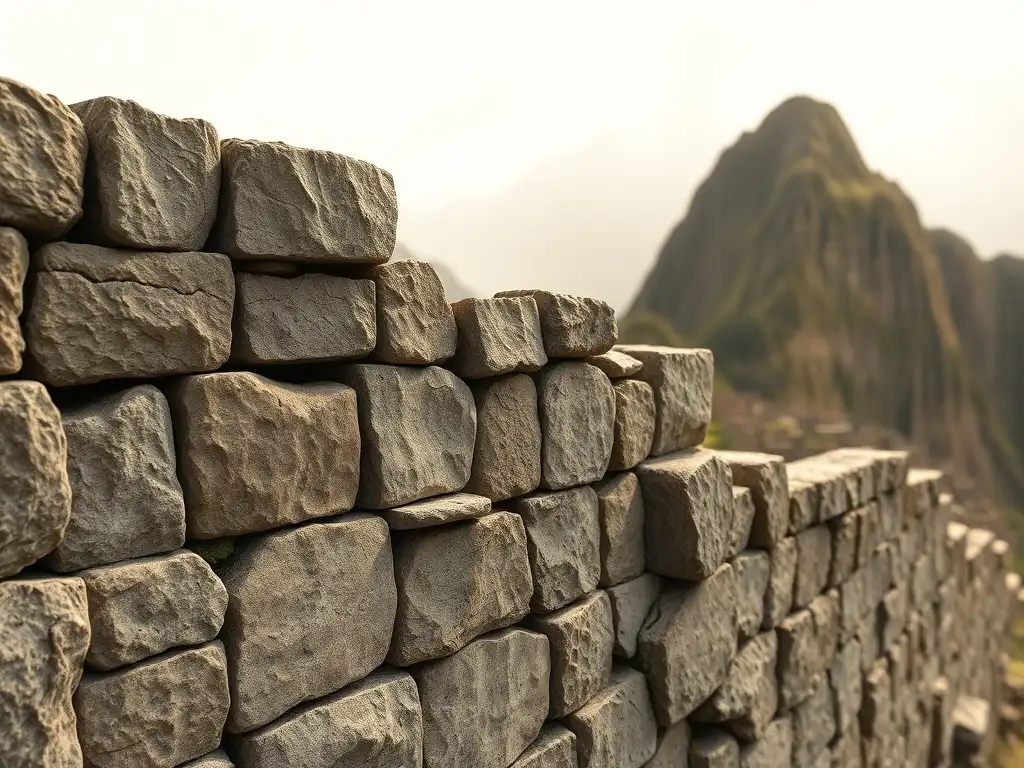
The construction of Machu Picchu, a breathtaking citadel nestled high in the Andes Mountains, continues to fascinate and inspire awe. While its discovery in 1911 by Hiram Bingham III brought it to global attention, the how of its construction remains a captivating enigma. Numerous theories attempt to explain the Inca's remarkable engineering feats, ranging from practical analyses of their techniques to more speculative ideas. Understanding these theories is key to appreciating the ingenuity and sophistication of Inca civilization.
The prevailing consensus points towards a combination of meticulous planning, advanced knowledge of stonework, and a highly organized workforce. However, the precise methods employed, especially considering the challenging terrain and limited technology, continue to spark debate among researchers. The sheer scale of the undertaking, including the precise fitting of massive stones without mortar, and the intricate network of agricultural terraces, speaks volumes about the capabilities of Inca engineers and their profound understanding of their environment.
Analyzing the available evidence helps us piece together a more complete picture of this extraordinary achievement. Further research, including advanced geophysical surveys and detailed analysis of surviving tools and materials, promises to shed more light on this fascinating aspect of Inca history. This detailed investigation of "Inca Machu Picchu construction methods" will help unravel the secrets behind this iconic site.
Debunking Myths About Alien Involvement in Machu Picchu's Construction
The precision of Machu Picchu's construction has, unfortunately, fueled outlandish theories suggesting extraterrestrial involvement. These claims often cite the impossibly tight fits of some stones and the seemingly inexplicable precision of the overall design as evidence of advanced, non-human technology. However, these assertions lack scientific basis.
Detailed archaeological studies consistently demonstrate that the Inca possessed the knowledge and skills necessary to achieve these feats. The seemingly perfect fit of stones is a result of sophisticated quarrying techniques, careful shaping, and a deep understanding of stone properties. The intricate system of channels and water management further highlights their impressive engineering capabilities, not the intervention of aliens.
While the ingenuity of the Inca is undeniable, attributing their achievements to extraterrestrial intervention undermines the impressive human ingenuity and organizational capabilities of this advanced civilization. The prevalence of such myths highlights the need for critical thinking and reliance on verifiable scientific evidence when exploring historical mysteries. Focusing on verifiable "Inca Machu Picchu construction methods" allows us to appreciate the true scale of Inca achievement.
Archaeological Evidence of Inca Construction Processes
Archaeological excavations at Machu Picchu and other Inca sites have yielded substantial evidence revealing their construction processes. Researchers have uncovered quarries where stones were extracted, workshops where they were shaped, and trails used to transport the massive blocks up the steep mountain slopes. The discovery of various tools, including copper chisels, hammers, and wooden mallets, further illuminates their techniques.
Analysis of stone surfaces reveals evidence of meticulous shaping and fitting, often employing techniques that minimize the need for mortar. The use of precise measurements and sophisticated leveling techniques is evident in the construction of walls, terraces, and buildings. Furthermore, studies of the agricultural terraces demonstrate a profound understanding of hydrology and soil management, crucial for sustaining the population of Machu Picchu.
These archaeological findings provide compelling evidence that the Inca's mastery of stonework and engineering was the result of centuries of accumulated knowledge and skill, passed down through generations of skilled artisans. The meticulous nature of their work, as evidenced by the archaeological record, underscores the meticulous planning and execution involved in the construction of Machu Picchu, supporting the understanding of "Inca Machu Picchu construction methods".
The Role of Inca Engineers and Architects
The construction of Machu Picchu was not a haphazard undertaking but a carefully planned and executed project overseen by skilled Inca engineers and architects. While the precise organization and hierarchy of their workforce remain partially unknown, evidence suggests a highly structured system involving specialized labor groups. These experts possessed a deep understanding of mathematics, geometry, and engineering principles.
Their mastery of stonework, evidenced by the incredibly precise fitting of stones, is a testament to their skill and precision. Moreover, their ability to integrate the city seamlessly into its environment, utilizing natural features and creating a sustainable system of water management and agriculture, demonstrates their remarkable understanding of the landscape. The Inca's engineering achievements were not limited to Machu Picchu; similar feats are visible in other Inca sites throughout the Andes.
The organizational prowess and technical expertise of these Inca engineers and architects played a pivotal role in the creation of this iconic site, showcasing the advanced nature of "Inca Machu Picchu construction methods". The complexity and scale of Machu Picchu stand as a powerful testament to their exceptional capabilities.
Analysis of the Temple of the Sun's Construction
The Temple of the Sun, a crucial structure within Machu Picchu, presents a fascinating case study in Inca construction techniques. Its imposing presence and intricate design challenge our understanding of their engineering capabilities. The temple's construction showcases a masterful blend of precision and adaptability to the challenging terrain. Inca builders skillfully utilized the natural contours of the mountain, seamlessly integrating the structure into its surroundings. This wasn't merely a matter of aesthetics; it was a practical approach to minimizing excavation and maximizing stability.
The precise methods employed in shaping and fitting the massive stones remain a subject of ongoing research. Evidence suggests the use of sophisticated tools, likely including copper chisels and mallets, to achieve the remarkable level of precision observed in the stonework. The intricate interlocking of stones, often without the use of mortar, speaks to an advanced understanding of engineering principles and a deep knowledge of the properties of the local stone. The stones themselves, sourced from quarries located some distance from Machu Picchu, were transported using ingenious methods that still intrigue archaeologists today. The sheer scale of this logistical feat, considering the lack of animal power and advanced machinery, is truly remarkable. Experts propose various theories, ranging from the use of ramps and rollers to the harnessing of human power through sophisticated systems of ropes and levers. The precise methods remain elusive, adding to the mystery surrounding Machu Picchu's construction.
Furthermore, the Temple of the Sun's construction reveals a deep understanding of astronomical principles. Its orientation and design suggest a carefully planned alignment with celestial events, highlighting the Inca's profound knowledge of astronomy and its integration into their architecture. This astronomical aspect is not merely decorative; it points towards a sophisticated understanding of the cosmos and their place within it.
The integration of astronomical observations into the construction process demonstrates a level of planning and execution that transcends simple engineering prowess and delves into the realm of sophisticated cosmology. The precise angles and alignments continue to be studied to unravel the full extent of the Inca's astronomical knowledge and its influence on their construction practices.
Understanding the Temple of the Sun's construction, therefore, requires a multifaceted approach, considering not only the engineering challenges but also the astronomical and cosmological significance embedded within its design. This holistic perspective is crucial for a complete appreciation of this architectural marvel and its place within the broader context of Inca civilization.
The Enduring Legacy of Inca Engineering at Machu Picchu
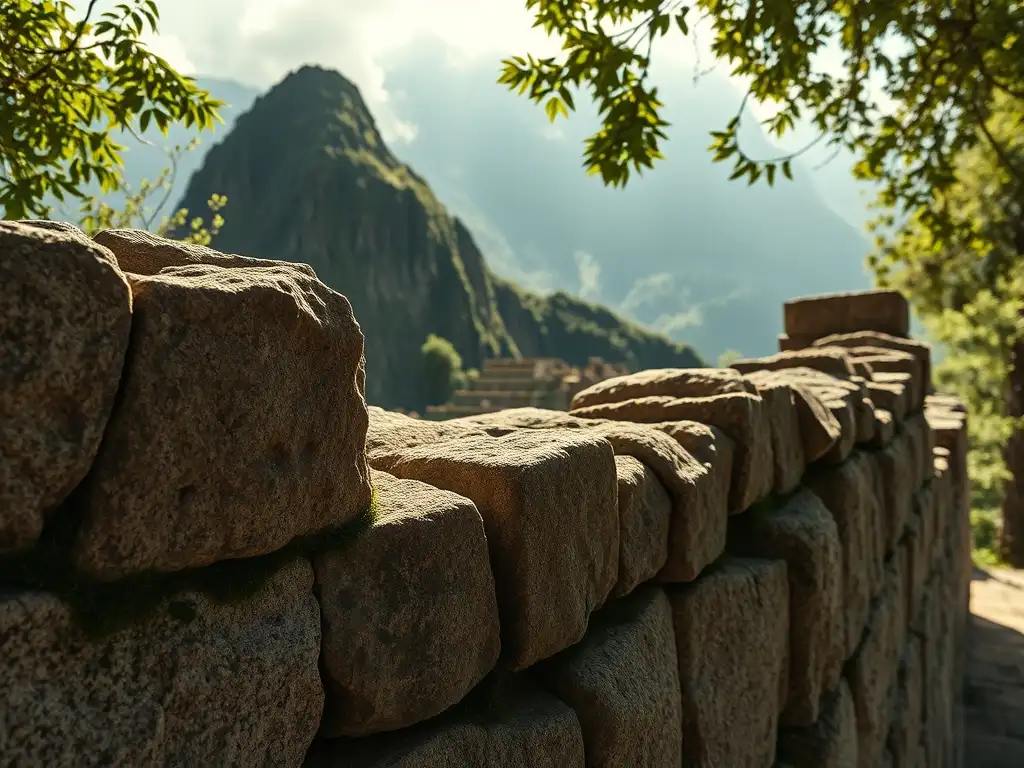
Machu Picchu stands as a breathtaking testament to the ingenuity and skill of Inca engineers and builders. Its construction, perched high in the Andes Mountains, presents a fascinating case study in Inca engineering prowess, defying both the challenges of the terrain and the limitations of the available technology. The site's enduring legacy is not just its beauty, but the innovative techniques employed, which continue to inspire awe and wonder centuries later. Understanding these methods provides invaluable insight into the sophisticated understanding of architecture and engineering possessed by the Inca civilization.
The precise methods used remain partially shrouded in mystery, fueling ongoing research and debate among archaeologists and historians. However, significant progress has been made in understanding the key elements of Inca construction at Machu Picchu. We will delve into the specific techniques and their lasting impact.
Machu Picchu as a Testament to Inca Architectural Skill
The sheer scale and precision of Machu Picchu's construction are remarkable. The city's intricate network of terraces, precisely fitted stonework, and strategically placed structures demonstrate a mastery of stone manipulation and architectural planning. Inca masons achieved an astonishing level of precision, fitting stones together so tightly that even a knife blade could not be inserted between them.
This technique, known as ashlar masonry, required a deep understanding of stone cutting, shaping, and placement. They utilized various types of stone, carefully selecting them based on their properties and intended use. The integration of the city with its natural surroundings is also noteworthy.
Terraces carved into the mountainside not only provided agricultural land but also stabilized the slopes, preventing erosion and landslides. This impressive feat of landscape architecture showcases the Inca's profound understanding of environmental engineering and their ability to harmoniously integrate their constructions within the natural landscape. The meticulous planning and execution evident in Machu Picchu's construction highlight the Inca's advanced understanding of architecture, engineering, and landscape integration, all accomplished without the use of metal tools or draft animals.
The Influence of Inca Techniques on Modern Construction
While separated by centuries, the principles behind Inca construction methods continue to resonate with modern engineering practices. The Inca's emphasis on sustainable building techniques, using locally sourced materials and integrating structures with the natural environment, provides valuable lessons for contemporary sustainable construction. The precision of their stonework and their understanding of structural integrity inspire modern architects and engineers to strive for similar levels of accuracy and efficiency.
The Inca's innovative use of dry-stone techniques, without mortar, continues to be studied and, in some cases, adapted for modern applications where minimal environmental impact is desired. Their understanding of load-bearing walls and the use of interlocking stones to create incredibly strong structures is a testament to their practical knowledge and ingenuity.
The Inca's ability to build on challenging terrain, adapting their techniques to the specific conditions of the site, serves as a model for modern construction projects facing similar challenges. This legacy of innovation in Inca Machu Picchu construction methods provides a rich source of inspiration and knowledge for contemporary engineering practices, promoting sustainable and resilient construction techniques.
Preserving Machu Picchu and its Inca Engineering Heritage
The preservation of Machu Picchu and its unique Inca engineering heritage is of paramount importance. Ongoing efforts involve a complex interplay of conservation, research, and tourism management. Careful monitoring of the site's structural integrity is crucial, employing advanced techniques to assess potential risks and implement preventative measures. The challenge lies in balancing the need to preserve the site’s authenticity with the demands of tourism.
Sustainable tourism practices are essential to minimize the impact of visitor traffic on the fragile environment and delicate structures. Research continues to uncover new insights into Inca construction techniques, informing best practices for conservation and restoration. This ongoing research, combined with careful management strategies, aims to ensure that this incredible testament to Inca engineering will endure for generations to come.
The preservation of Machu Picchu is not only a matter of protecting a historical site but also of safeguarding a valuable legacy of architectural and engineering knowledge. The intricate interplay of conservation, research, and sustainable tourism is crucial to the long-term preservation of this invaluable Inca heritage. Preserving the Inca Machu Picchu construction methods is a global responsibility, demanding constant vigilance and innovative solutions.
Conclusion: Appreciating the Genius of Inca Builders
The sheer scale and precision of Machu Picchu, coupled with the challenging terrain in which it was built, stand as a testament to the remarkable engineering prowess of the Inca civilization. Understanding the Inca Machu Picchu construction methods reveals not just impressive technical skills, but also a deep understanding of environmental factors, resource management, and community organization. Their mastery of stonework, their innovative use of local materials, and their sophisticated logistical systems are aspects that continue to fascinate and inspire researchers and engineers alike.
The ingenuity displayed in Machu Picchu's construction transcends mere practicality; it speaks to a sophisticated worldview, a culture that harmoniously integrated its architecture with the surrounding landscape. It's a legacy that continues to resonate today, prompting us to reassess our own approaches to construction and sustainable development.
The Marvel of Inca Engineering at Machu Picchu
Machu Picchu's construction is a marvel of Inca engineering, showcasing techniques that remain impressive even by modern standards. The precise fitting of massive stones, without the use of mortar, is a particularly striking feature. These stones, often weighing many tons, were meticulously shaped and placed to create incredibly strong and stable structures.
Consider the intricate interlocking of the stones, a technique known as ashlar masonry. This method not only provided structural integrity but also enhanced the building's seismic resistance, a crucial factor given the region's susceptibility to earthquakes. The Inca's understanding of physics and engineering principles is evident in their strategic use of load-bearing walls, cleverly designed drainage systems, and sophisticated agricultural terraces that integrated seamlessly with the mountainside.
Evidence suggests the use of ramps and rollers for moving the massive stones, although the exact methods remain partially a mystery, fueling ongoing research and debate within the field of Inca studies. The sheer complexity of the undertaking, the coordination required, and the precision achieved point to a highly organized and skilled workforce, reflecting advanced social and organizational structures within the Inca empire. Analyzing the construction methods reveals a deep understanding of both the materials and the environment, a hallmark of sustainable and resilient design.
Further Research and Studies on Inca Construction
Despite significant progress in understanding Inca Machu Picchu construction methods, many questions remain unanswered. Ongoing research focuses on several key areas, including:
- Detailed analysis of stone quarrying techniques: Tracing the origin of the stones used in Machu Picchu and determining the tools and methods used to extract and transport them. This involves geological surveys and experimental archaeology.
- Reconstruction of Inca tools and technologies: Researchers are attempting to replicate Inca tools and techniques to better understand their capabilities and limitations, thus shedding light on the construction process.
- Investigating the role of different Inca specialists: Determining the roles of various specialists—stonemasons, architects, engineers, laborers—involved in the construction process and how their expertise was coordinated.
- Advanced imaging techniques: Employing non-invasive methods like ground-penetrating radar and LiDAR to uncover hidden structures and better understand the layout and organization of the city.
- Climate and environmental impacts on construction: Studying how weather patterns, seismic activity, and other environmental factors influenced construction techniques and the longevity of the structures. This includes analyzing the impact of erosion and weathering on the stones.
The ongoing research promises to reveal further insights into the ingenuity and sophistication of Inca engineering, adding more layers to our understanding of this remarkable civilization.
The Importance of Understanding Inca Ingenuity
Understanding the Inca's ingenuity in construction is not merely an academic pursuit; it holds significant practical implications. The Inca Machu Picchu construction methods offer valuable lessons in sustainable building practices, resource management, and community organization. Their mastery of stonework, their understanding of local materials, and their ability to adapt to challenging terrain provide valuable insights for modern architects and engineers facing similar challenges. Moreover, preserving and understanding these ancient technologies contributes to our appreciation of cultural heritage and promotes cultural tourism, benefiting local communities. The Inca legacy highlights the importance of sustainable design and the power of community collaboration in achieving ambitious construction projects. By studying these methods, we can potentially develop more sustainable and resilient infrastructure for the future, drawing inspiration from a civilization that demonstrated exceptional skill and environmental awareness centuries ago. Preserving this knowledge ensures that the ingenuity of the Inca builders continues to inspire future generations.
Frequently Asked Questions
How did the Incas transport massive stones to Machu Picchu's construction site?
The Incas utilized a sophisticated system of rope and manpower, combined with incline ramps and possibly animal power for moving massive stones across challenging terrain. The exact methods remain a subject of ongoing research.
What tools did the Incas use to shape and cut the stones of Machu Picchu?
Inca stonemasons employed primitive tools like stone hammers, chisels, and mallets, demonstrating remarkable precision and mastery of their craft. The precise fitting of stones is a testament to their skill.
What type of mortar was used in Machu Picchu's construction?
While some mortar was used, it was minimal, and the impressive fit of the stones themselves was the primary method of construction. The dry-stone technique was key to Machu Picchu's stability.
How did the Incas manage to build Machu Picchu's structures on such steep terrain?
The Incas exhibited exceptional adaptability to their environment. They skillfully integrated the structures into the landscape, using terracing and carefully chosen foundations to maximize stability on the steep slopes.
What makes the Inca construction methods at Machu Picchu so remarkable?
The precision, scale, and integration with the environment of Machu Picchu's construction are remarkable. Their advanced engineering skills and organizational abilities continue to amaze modern engineers.
Final Reflection: Echoes of the Andes: Machu Picchu's Enduring Legacy
The ingenuity of Inca engineering, as showcased in Machu Picchu's construction, remains a testament to human potential and a powerful reminder of the importance of sustainable practices. This ancient city, perched dramatically in the Andes, continues to inspire awe and wonder, challenging our modern understanding of architectural and logistical capabilities. Its very existence prompts us to question our own relationship with the environment and the limits of human achievement.
The enduring mystery surrounding Machu Picchu's construction is not merely an academic pursuit; it's a reflection of our own ongoing struggle to understand and appreciate the achievements of past civilizations. The precision, the integration with the landscape, the sheer scale of the undertaking – all speak to a deep connection between the Inca people and their environment. The mountains are calling, and I must go.
– John Muir. This sentiment, though not directly about Machu Picchu, encapsulates the powerful draw of these ancient sites and the enduring human fascination with conquering seemingly insurmountable challenges, just as the Inca did.
Consider the intricate stonework, the sophisticated water management systems, and the overall harmonious integration of the city with its surroundings. These are not just historical facts; they are lessons in sustainable design, resourcefulness, and community collaboration. You, the reader, are now equipped with a deeper understanding of Inca ingenuity. Let this knowledge inspire you to explore your own potential for innovation and to consider how we can build a future that is both sustainable and awe-inspiring, echoing the legacy of Machu Picchu.
Unveil the Secrets of Inca Engineering Today!
Thank you for exploring the fascinating world of Machu Picchu's construction! You've discovered the incredible ingenuity of Inca engineering, and now it's time to delve deeper.
Here are some ways to continue your exploration and connection with this rich history:
- **Take a guided tour** of Machu Picchu to witness the architectural marvels firsthand and learn from expert guides.
- **Share your discoveries** with friends and family—discuss the impressive Inca techniques and their enduring relevance.
- **Expand your knowledge of Inca culture** by reading more articles on our website or participating in local workshops focused on Andean traditions.
Which aspect of Inca engineering captivates you most, and how would you like to learn more about it?