
The Role of Observation in Andean Agricultural Practices


Unravel the mysteries of the Andes! Beyond the majestic mountains and breathtaking landscapes lies a story of ingenuity and resilience. For centuries, Andean civilizations thrived, mastering their environment through sophisticated techniques. But what secrets did they hold? Discover how their keen Andean agriculture observation methods shaped their remarkable agricultural success, a testament to their deep understanding of the natural world. Prepare to be amazed by the ingenuity of these ancient cultures – their story is waiting to be unveiled.
- Andean Agriculture: The Crucial Role of Observation
- The Importance of Environmental Observation in Andean Agriculture
- Andean Agricultural Observation Methods: A Deep Dive
- The Legacy of Andean Agricultural Observation
- Examples of Successful Andean Agricultural Observation
- Conclusion: The Enduring Power of Observation in Andean Agriculture
-
Frequently Asked Questions
- What role did observation play in Andean agriculture?
- How did Andean farmers use celestial events for agriculture?
- What types of environmental factors did Andean farmers observe?
- What were the consequences of ignoring these observation methods?
- How did Andean agricultural observation methods contribute to their success?
- Final Reflection: The Enduring Legacy of Andean Observation
- **Cultivate Your Knowledge and Connect with the Andes! **
Andean Agriculture: The Crucial Role of Observation
The Andes Mountains, a formidable and diverse landscape, presented ancient Andean civilizations with unique agricultural challenges. Success in cultivating crops at varying altitudes, with diverse microclimates and unpredictable weather patterns, wasn't simply a matter of planting seeds; it was a testament to sophisticated observation and adaptation.
This article explores the vital role of observation in shaping the remarkable agricultural practices of civilizations like the Inca, Moche, Nazca, and Tiahuanaco, revealing the intricate relationship between these societies and their environment. Understanding their methods provides valuable insights into sustainable agriculture and resource management, particularly relevant in today's world facing climate change and environmental degradation.
We will delve into the specific techniques employed, highlighting the ingenuity and deep knowledge of the Andean peoples in harnessing their environment for agricultural productivity. This exploration of Andean agriculture observation methods will reveal a sophisticated system far beyond simple farming practices; it was a complex interplay of knowledge, experience, and a profound understanding of the natural world.
Understanding Andean Farming Through Observational Techniques
Andean farmers didn't rely solely on calendars or fixed planting schedules. Their agricultural success hinged on meticulous observation of a multitude of environmental indicators. This involved a keen awareness of subtle changes in weather patterns, soil conditions, and the behavior of both plants and animals. For example, the appearance of specific wildflowers could signal the optimal time for planting, while the migration patterns of certain birds offered clues about the onset of rainfall.
This intricate network of observations, passed down through generations, allowed for highly adaptable farming practices tailored to the specific conditions of each micro-environment. The development of terraces, irrigation systems, and diverse crop selection were all guided by this constant process of monitoring and responding to environmental cues. This deep understanding of the land allowed for remarkable productivity, even in challenging environments.
Celestial Observations and Agricultural Cycles
The Andean civilizations possessed a profound understanding of celestial cycles, incorporating astronomical observations into their agricultural practices. The precise tracking of the sun, moon, and stars helped determine the optimal planting and harvesting times for various crops. Archaeological evidence suggests the use of sophisticated astronomical observatories, such as those found at Machu Picchu, which were likely used to monitor these celestial events and predict seasonal changes.
This knowledge, combined with detailed observations of local weather patterns, ensured that crops were planted and harvested at the most opportune times, maximizing yields and minimizing risks associated with unpredictable weather. The integration of celestial and terrestrial observations showcases the holistic approach of Andean farmers to their agricultural practices.
The Role of Animal Behavior in Agricultural Decision-Making
Animals played a significant role in the Andean agricultural system, not only as sources of food and labor but also as environmental indicators. The behavior of certain animals, such as llamas, alpacas, and specific bird species, provided crucial information about the approaching weather patterns and the availability of water sources. Changes in animal behavior, such as migration patterns or altered grazing habits, could serve as early warning signs of impending drought or other environmental challenges.
This integrated observation of both plants and animals allowed for proactive adaptation and risk management, ensuring the resilience of agricultural systems in the face of environmental variability. The deep understanding of animal behavior was fundamental to their success.
Soil Observation and Crop Selection
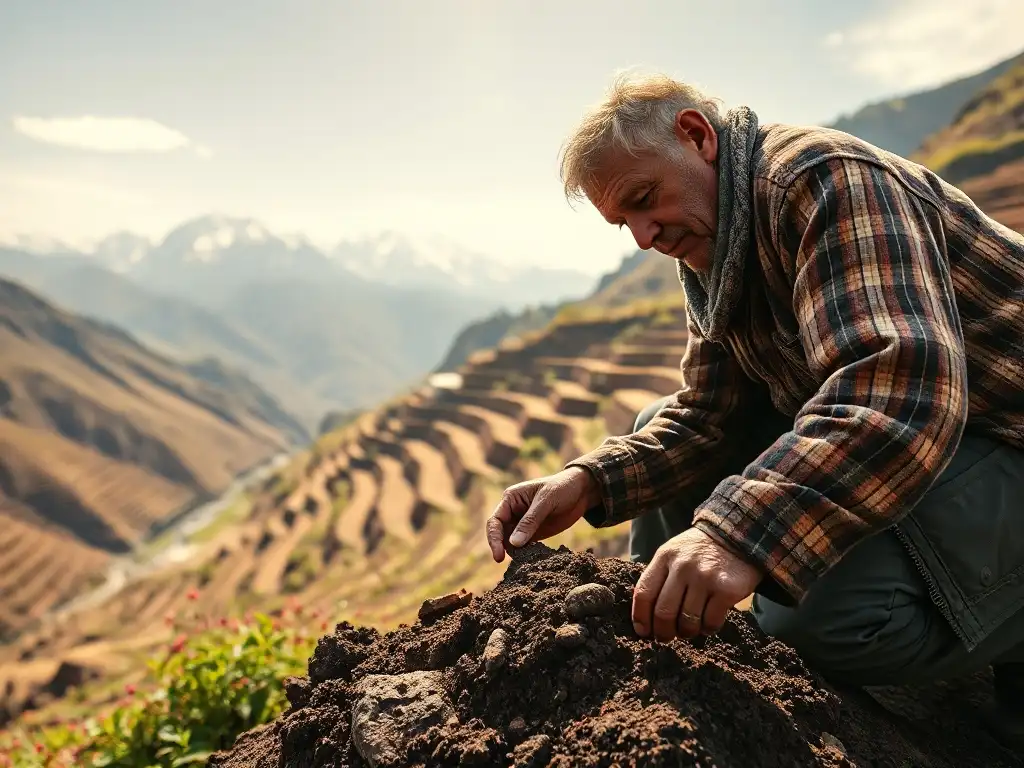
Andean farmers exhibited an impressive understanding of soil types and their suitability for different crops. They developed sophisticated techniques for soil management, including terracing, fertilization, and crop rotation, based on detailed observations of soil characteristics and nutrient levels. The selection of crops was not random; it was carefully chosen to match the specific properties of the soil, ensuring optimal growth and yield.
This meticulous observation of soil conditions, combined with a deep knowledge of plant requirements, allowed them to optimize crop production across a range of diverse environments, showcasing a remarkable level of agricultural expertise. The detailed understanding of the soil was crucial for the success of the Andean agricultural system.
The Legacy of Andean Agricultural Observation
The sophisticated observational techniques employed by the Andean civilizations offer valuable lessons for contemporary agriculture. Their holistic approach, integrating celestial observations, animal behavior, and detailed soil analysis, provides a model for sustainable and resilient agricultural practices. In a world increasingly challenged by climate change and environmental degradation, understanding the ingenuity and wisdom of Andean farmers can contribute significantly to developing more sustainable and adaptable agricultural systems.
The legacy of Andean agriculture observation methods is a testament to the power of careful observation and the deep connection between human societies and their environment. The precision and adaptation shown by these civilizations continue to inspire modern agricultural practices.
The Importance of Environmental Observation in Andean Agriculture

Andean agriculture, renowned for its ingenuity and adaptation to challenging terrains, relied heavily on meticulous observation of the environment. Farmers developed sophisticated methods for assessing and predicting weather patterns, understanding soil conditions, and identifying microclimates – all crucial for maximizing crop yields in a highly variable landscape. This wasn't simply a matter of experience passed down through generations; it was a deeply ingrained system of knowledge that involved careful analysis and interpretation of natural signs.
The success of Andean agriculture, from the fertile valleys to the high-altitude slopes, was directly linked to the keen observational skills of its practitioners. This section explores the specific methods employed, highlighting the sophisticated understanding of their environment that allowed Andean farmers to thrive. Understanding these "Andean agriculture observation methods" provides crucial insight into their remarkable agricultural achievements.
Observing Microclimates for Optimized Crop Selection
The Andes boast an incredible diversity of microclimates, varying significantly even over short distances due to altitude, slope, and proximity to water sources. Andean farmers recognized these variations and adapted their planting strategies accordingly. They didn't treat their entire farming area as a homogenous unit; instead, they carefully observed subtle differences in temperature, sunlight exposure, and humidity to determine the most suitable crops for each specific location.
For example, frost-sensitive crops like maize might be planted in warmer, lower-lying areas, while hardier potatoes were cultivated at higher altitudes where the temperatures were cooler. This precise crop placement, guided by keen observation, minimized risks and maximized yields.
Evidence suggests that farmers used simple but effective methods to assess these microclimates, such as observing the growth patterns of indicator plants or noting the times of sunrise and sunset in different parts of their fields. This level of environmental awareness allowed them to optimize land use and achieve a remarkable level of agricultural productivity.
The Significance of Soil Observation in Andean Farming Practices
Soil quality was another critical factor considered by Andean farmers. They didn't simply plant crops anywhere; they carefully assessed the soil's characteristics before deciding where to cultivate. This involved observing soil texture, color, and moisture content. They developed a deep understanding of which soils were best suited for particular crops.
For instance, well-drained soils were preferred for certain crops, while others thrived in heavier, more fertile soils. The color of the soil offered clues about its mineral content and drainage capabilities. Furthermore, the farmers observed the natural vegetation growing in a particular area as an indicator of soil fertility and suitability for cultivation.
This holistic approach to soil observation ensured that crops were planted in the most favorable conditions, contributing significantly to the success of their agricultural practices. The long-term sustainability of their farming systems was partly due to their understanding and respect for the soil’s delicate balance. Further research is needed to fully document the specific techniques used to assess soil quality across different Andean regions [specific information pending].
Recognizing Weather Patterns: A Key to Successful Andean Cultivation
Predicting weather patterns was crucial for the success of Andean agriculture. While lacking sophisticated instruments, Andean farmers developed an intricate system of observing natural phenomena to forecast weather conditions. They meticulously observed celestial events, such as the position of the sun and stars, to track seasonal changes and predict the timing of planting and harvesting.
They also paid close attention to animal behavior, wind patterns, and cloud formations. For example, the appearance of certain types of clouds might indicate impending rain, while the behavior of specific birds could signal the onset of dry spells. This detailed observation allowed them to make informed decisions about irrigation, planting times, and other crucial aspects of their agricultural practices.
This deep understanding of weather patterns, combined with their knowledge of microclimates and soil conditions, allowed them to minimize risks associated with unpredictable weather and ensure the success of their harvests. The integration of this knowledge into their agricultural practices showcases their remarkable ability to adapt to a challenging and variable environment. The development of sophisticated calendars and agricultural rituals further solidified the importance of weather observation in Andean society.
Andean Agricultural Observation Methods: A Deep Dive
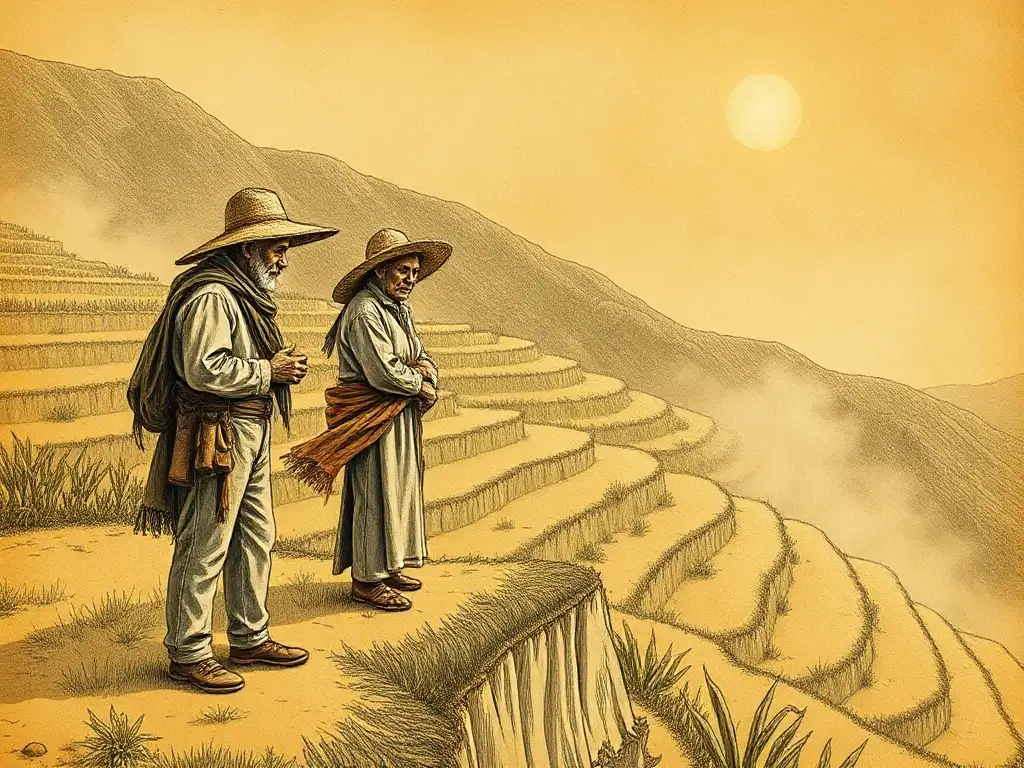
This section delves into the sophisticated observation methods employed by Andean civilizations to optimize their agricultural practices. Their success in cultivating diverse crops in challenging high-altitude environments stemmed from a deep understanding of their surroundings and a keen ability to interpret natural signs. Mastering Andean agriculture observation methods was crucial for survival and prosperity.
The Use of Natural Indicators in Andean Farming
Andean farmers developed incredibly nuanced systems for reading the environment. Their agricultural practices weren't solely based on calendar dates but were deeply intertwined with the observation of natural indicators. This holistic approach allowed them to adapt to the unpredictable nature of the Andean climate and maximize yields. The keen observation of both plant and animal behavior played a crucial role in their success.
Plant Behavior as a Guide for Andean Farmers
Plants themselves served as living barometers. Changes in plant growth, color, and overall health provided valuable insights into the prevailing conditions. For example, the unfurling of leaves on specific plants, like the coca bush, could signal the onset of the rainy season, prompting farmers to begin planting. Conversely, wilting or discoloration in certain crops could indicate water scarcity or the approach of a frost, necessitating irrigation adjustments or protective measures.
This intimate knowledge of plant behavior allowed for precise timing of planting, harvesting, and irrigation, maximizing crop yields and minimizing losses. Detailed records, though not written in the way we understand them today, were likely passed down through generations via oral traditions and practical demonstrations, ensuring the continued application of these observational techniques. This system, while not explicitly documented in written form, is evidenced by the success of Andean agriculture for millennia.
Animal Activity as a Sign of Environmental Changes
Animal behavior also provided valuable clues. Changes in migratory patterns of birds, the grazing habits of llamas, or the activity of insects could indicate approaching changes in weather patterns or the availability of water resources. For instance, the migration patterns of certain bird species might signal the ideal time for planting specific crops.
Similarly, unusual behavior in livestock, such as seeking higher ground or refusing to graze in certain areas, could be an early warning sign of impending storms or floods. This intricate understanding of the interconnectedness of plant and animal life within the Andean ecosystem allowed for proactive adjustments in agricultural strategies, minimizing risks and ensuring food security. The observation of animal behavior was an integral component of their holistic approach to agriculture, demonstrating a sophisticated understanding of ecological dynamics.
Celestial Observation and its Impact on Andean Agricultural Calendars
The Andean civilizations were meticulous observers of the celestial bodies, utilizing their movements to create intricate agricultural calendars. This astronomical knowledge played a pivotal role in determining optimal planting and harvesting times, reflecting a deep understanding of the relationship between the cosmos and the agricultural cycle.
The Role of the Sun in Andean Crop Cycles
The sun was paramount. Its position in the sky, the length of daylight hours, and the intensity of its rays directly impacted crop growth. Andean farmers developed a sophisticated understanding of the solar calendar, using solstices and equinoxes as crucial markers for agricultural activities.
The solstice, for instance, likely marked important planting or harvesting times for certain crops, while the equinox might have signaled a shift in agricultural focus. Evidence suggests they used sophisticated methods of tracking the sun's movement, perhaps through the observation of shadows or the alignment of specific landmarks. This precise knowledge of the sun’s influence allowed for the optimization of planting and harvesting schedules, maximizing yields and minimizing risks associated with variations in sunlight.
Lunar Cycles and Andean Planting Practices
The moon also played a significant role in Andean agricultural practices. Many cultures believed that the lunar phases influenced plant growth and the timing of specific agricultural tasks. The full moon, for example, might have been associated with planting ceremonies or specific agricultural activities, while the new moon could have marked a period of rest or preparation.
Although specific details about the exact practices vary across different Andean cultures, the integration of lunar cycles into their agricultural calendars highlights the holistic and interconnected nature of their approach to farming. Further research is needed to fully understand the nuances of lunar influence on specific Andean agricultural practices. The correlation between lunar cycles and planting practices remains an area of ongoing research and requires further investigation to provide more precise details.
Direct Field Observation Techniques in Andean Agriculture
Andean agricultural practices thrived on meticulous observation, a testament to the deep understanding these civilizations possessed of their environment. Direct field observation, a cornerstone of their agricultural success, involved a keen awareness of subtle changes in the landscape and crop health. Farmers weren't merely planting and harvesting; they were actively engaging in a continuous dialogue with their fields, interpreting the myriad signs that nature provided.
This level of intimate knowledge allowed them to adapt to the challenges of the diverse Andean landscape, from high-altitude páramos to coastal deserts. Their success hinged not on sophisticated technology, but on the sophisticated application of observation skills honed over generations. The ability to interpret these signs accurately meant the difference between a bountiful harvest and famine.
This intimate connection between farmer and land was crucial for survival and prosperity in a challenging environment. The accumulated knowledge, passed down through oral traditions and practical experience, formed the foundation of their agricultural expertise.
Monitoring Soil Moisture and Texture
Farmers meticulously monitored soil moisture and texture, crucial indicators of planting readiness and overall crop health. They didn't rely on instruments; instead, they used their senses – sight, touch, and even smell – to gauge the condition of the soil. The color of the soil, its consistency when squeezed in the hand, and even its odor could all provide valuable information about its moisture content and suitability for planting.
For example, dark, moist soil would indicate sufficient water retention, while lighter, drier soil might signal the need for irrigation or a delay in planting. The texture, whether it was sandy, silty, or clayey, would also inform decisions about crop selection and planting techniques. Farmers developed a deep understanding of how different soil types responded to varying levels of moisture and sunlight, allowing them to optimize their planting strategies for maximum yield.
This practical knowledge, gained through years of careful observation, was essential for successful cultivation in the diverse Andean terrains. They understood the subtle nuances of their land, adapting their methods to the specific conditions of each plot.
Assessing Plant Health Through Careful Examination
Regular and thorough examination of plants was another key aspect of Andean agricultural observation methods. Farmers carefully scrutinized their crops for signs of disease, pest infestation, or nutrient deficiencies. They would look for discoloration of leaves, unusual wilting patterns, or the presence of insects or other pests.
Their knowledge of plant physiology allowed them to identify subtle indications of stress or disease long before they became visible to the untrained eye. For instance, a change in leaf color might signal a nutrient deficiency, while the presence of specific insects could indicate a pest infestation requiring immediate intervention. This early detection allowed them to implement timely interventions, preventing widespread crop damage and ensuring a healthy harvest.
Their skills were passed down through generations, becoming an integral part of their agricultural heritage. This knowledge wasn’t simply theoretical; it was deeply rooted in practical experience and honed by constant observation. Their ability to diagnose and treat plant ailments proactively contributed significantly to their agricultural success.
The Legacy of Andean Agricultural Observation
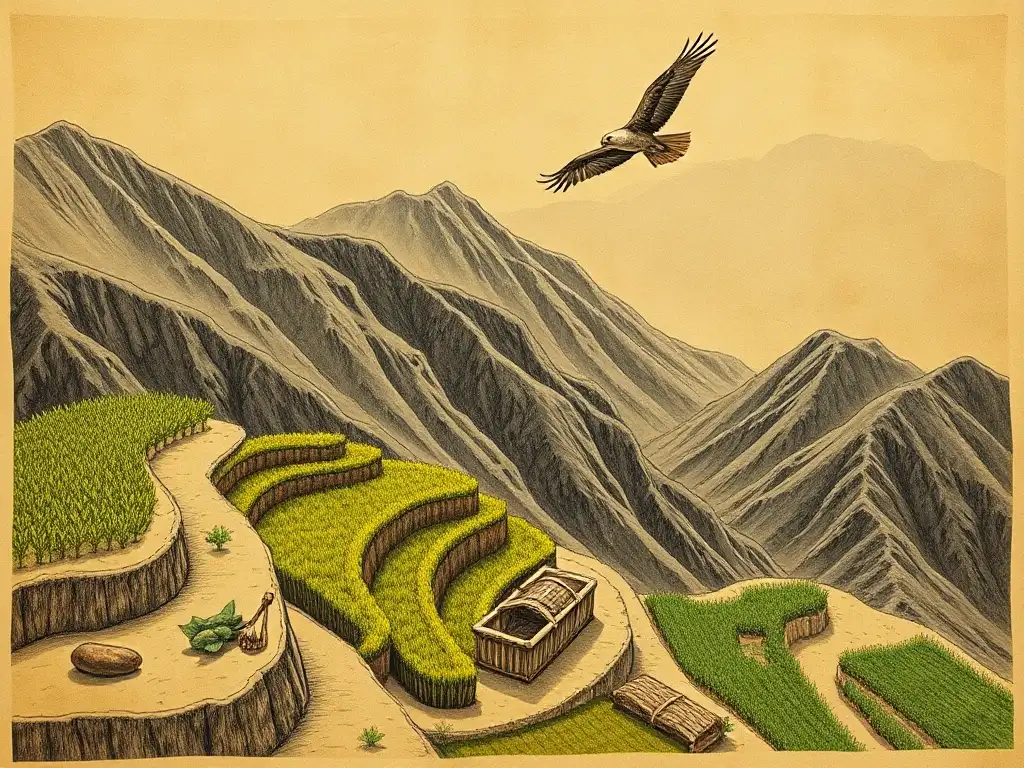
The Andes Mountains, a formidable and diverse landscape, presented ancient Andean civilizations with significant agricultural challenges. Success hinged on a deep understanding of the environment and the development of sophisticated observation methods. These weren't simply passive observations; they were active engagements with the environment, involving intricate knowledge of microclimates, water cycles, and soil types. This understanding allowed for the development of incredibly effective and sustainable agricultural practices, allowing populations to thrive in seemingly inhospitable environments for millennia.
The legacy of these Andean agriculture observation methods continues to hold valuable lessons for sustainable agriculture today. Understanding these techniques allows us to appreciate the ingenuity and adaptability of Andean cultures, and offers valuable insights for modern agricultural practices striving for sustainability. The sophisticated understanding of the Andean environment was not simply an intellectual exercise; it was the cornerstone of their survival and prosperity.
Traditional Knowledge and its Relevance Today
Andean farmers meticulously observed natural indicators to predict weather patterns and optimize planting times. For instance, the flowering of specific plants, the behavior of animals, and even the direction of the wind were all carefully monitored. This knowledge, passed down through generations, allowed farmers to anticipate frost, droughts, and other climatic events, enabling them to adjust their planting schedules and irrigation techniques accordingly. This wasn't a simplistic approach; it involved understanding complex ecological relationships and the subtle nuances of their environment.
Consider the intricate calendar systems employed by various Andean cultures. These weren't simply timekeeping devices; they were sophisticated tools integrating astronomical observations with agricultural practices. The Inca's ceque system, for example, is a testament to this integration, demonstrating a deep understanding of the relationship between celestial events, water sources, and agricultural productivity. The integration of observation, knowledge, and practice was crucial to their success.
Today, researchers are actively studying these traditional methods to gain insights into climate change adaptation and sustainable agriculture. Their knowledge provides valuable data for improving modern agricultural practices. This includes precision agriculture techniques and strategies for mitigating climate change impacts. This deep understanding of Andean agriculture observation methods provides a valuable framework for modern agriculture.
Modern Applications of Ancient Andean Observation Methods
The principles of Andean agricultural observation are being rediscovered and applied in modern contexts. Precision agriculture, for example, utilizes advanced technologies like remote sensing and GIS to monitor crop health and environmental conditions. These technologies, while technologically advanced, echo the principles of careful observation and data-driven decision-making employed by Andean farmers for centuries.
For example, modern sensors can provide data on soil moisture levels, mimicking the traditional observation of soil texture and moisture content. Similarly, remote sensing can provide information on crop growth and stress, mirroring the ancient practice of observing plant growth and behavior. Furthermore, studies are underway to integrate traditional ecological knowledge (TEK) with modern technologies, creating more holistic and sustainable agricultural practices.
This collaborative approach combines the insights of ancient observation methods with the precision of modern technology, leading to more resilient and productive agricultural systems. This synergistic approach highlights the enduring value of Andean agricultural wisdom. The integration of TEK with modern technology is crucial for creating sustainable solutions for the future.
Preserving Andean Agricultural Wisdom for Future Generations
The preservation of Andean agricultural knowledge is crucial not only for understanding the past but also for building a sustainable future. This requires a multi-pronged approach: Firstly, documenting and archiving traditional knowledge through oral histories, ethnographic studies, and participatory research methods is paramount. Secondly, supporting and promoting community-based initiatives that maintain and transmit traditional farming practices is essential.
This includes empowering local communities to manage and protect their agricultural heritage. Thirdly, fostering collaboration between scientists, policymakers, and local communities is necessary to integrate traditional knowledge into modern agricultural development policies and practices. This interdisciplinary approach will ensure that the valuable insights from Andean agriculture observation methods are not lost but rather utilized to address the challenges of contemporary agriculture.
Failing to preserve this knowledge represents a loss of invaluable wisdom and a missed opportunity for sustainable development. The preservation of Andean agricultural knowledge is, therefore, a crucial step towards building a more sustainable and resilient future for all.
Examples of Successful Andean Agricultural Observation

The success of Andean agriculture hinged on sophisticated observation methods, allowing civilizations to thrive in challenging environments. These weren't merely passive observations; they were active, nuanced understandings of the interplay between climate, soil, and crops. This deep engagement with their environment allowed for the development of ingenious techniques for maximizing yields and mitigating risks.
Understanding these observation methods provides a crucial insight into the ingenuity and resilience of Andean agricultural practices. The careful study of microclimates, soil types, and water availability informed crucial decisions about crop selection, planting times, and irrigation strategies. This section will explore specific case studies illustrating the practical application of these observational skills.
Case Study 1: Potato Cultivation in the Altiplano
The harsh conditions of the Altiplano, a high-altitude plateau in the Andes, presented significant challenges for agriculture. However, Andean farmers developed remarkable strategies for cultivating potatoes, a staple crop, by keenly observing environmental cues. Their success highlights the importance of meticulous observation in ensuring food security in such a demanding environment. The effective utilization of Andean agriculture observation methods allowed for a sustainable and productive potato harvest, even in difficult circumstances.
Detailed Explanation of Observation Techniques Used
Andean farmers meticulously observed several factors influencing potato cultivation. They paid close attention to:
- Microclimates: Variations in temperature, sunlight, and wind exposure across even small areas of the Altiplano were carefully noted. This allowed for the selection of specific potato varieties best suited to particular microclimates. For example, frost-resistant varieties were planted in areas prone to freezing temperatures.
- Soil Conditions: The color, texture, and drainage of the soil were assessed to determine its suitability for potato cultivation. Farmers understood the importance of soil fertility and employed techniques like composting and crop rotation to maintain soil health.
- Water Availability: The timing and amount of rainfall were carefully monitored, influencing planting schedules and irrigation practices. They developed sophisticated systems of water management, including canals and terraces, to optimize water use.
- Animal Behavior: The behavior of animals, particularly llamas and alpacas, was observed to indicate the presence of suitable grazing lands and potential risks to crops. Their knowledge of animal behavior provided early warning signs of potential problems.
Results and Successes Achieved
The careful observation of these factors led to significant successes in potato cultivation:
- High Yields: Andean farmers consistently achieved high potato yields, even in challenging conditions. This was due to their ability to match the right potato variety to the right microclimate and soil type.
- Reduced Risk of Crop Failure: By monitoring environmental conditions closely, farmers could anticipate potential problems, such as frost or drought, and take preventative measures to minimize crop losses.
- Sustainable Practices: Their methods were sustainable, ensuring the long-term productivity of the land. Techniques such as crop rotation and composting helped maintain soil fertility and prevent soil erosion. This sustainable approach to Andean agriculture is still relevant today.
Case Study 2: Terraced Farming and Water Management
Terraced farming is a testament to the Andean peoples’ keen observation of the landscape and their ability to adapt to its challenges. The construction and maintenance of terraces required an intimate understanding of topography, water flow, and soil erosion. These carefully constructed terraces were not merely aesthetic features; they were crucial components of a sophisticated agricultural system. This showcases the importance of careful observation and planning for successful Andean agriculture.
Detailed Explanation of Observation Methods Used
The construction of terraces involved detailed observations of several elements:
- Slope and Gradient: Farmers meticulously assessed the slope and gradient of the land to determine the optimal spacing and orientation of terraces. This ensured that water would flow evenly across the terraces, minimizing erosion and maximizing water retention.
- Soil Type and Stability: The stability and erodibility of the soil were carefully considered when designing and building terraces. Terraces were built to support the soil and prevent landslides.
- Water Sources and Flow: The location and flow of water sources were key factors in terrace design. Canals and channels were carefully constructed to direct water to the terraces, ensuring adequate irrigation.
- Sun Exposure: The amount of sunlight received by each terrace was considered to optimize crop growth. This understanding of sun exposure allowed for the cultivation of different crops in different locations on the terraces.
Results and Successes Obtained
The results of these meticulous observations were remarkable:
- Increased Cultivable Land: Terraces dramatically increased the amount of land suitable for agriculture, allowing for the cultivation of crops on steep slopes.
- Reduced Soil Erosion: Terraces effectively prevented soil erosion, ensuring the long-term productivity of the land. This sustainable practice is incredibly important for the maintenance of Andean agriculture.
- Improved Water Management: Terraces facilitated efficient water management, ensuring adequate irrigation even in areas with limited water resources. This careful management of water was essential for the success of Andean agriculture.
- Enhanced Crop Yields: By combining terraced farming with other sophisticated techniques, Andean farmers achieved significantly higher crop yields than would have been possible on untamed slopes. This demonstrates the power of careful observation in the development of advanced agricultural practices.
Conclusion: The Enduring Power of Observation in Andean Agriculture
The ingenuity of Andean agricultural practices is a testament to the profound connection between human societies and their environment. Centuries before the advent of modern technology, Andean farmers developed sophisticated observation methods that allowed them to thrive in challenging terrains and unpredictable climates. Their success wasn't simply a matter of luck; it was the result of meticulous observation, careful experimentation, and a deep understanding of the subtle cues provided by the natural world.
This intricate interplay between human ingenuity and environmental awareness is a powerful example of sustainable agriculture, offering valuable lessons for contemporary farming practices. The legacy of Andean agricultural observation methods continues to resonate today, reminding us of the importance of integrating traditional knowledge with modern advancements to ensure food security and environmental sustainability in the face of climate change.
Understanding these methods provides critical insights into resilient agricultural systems. The continued study of Andean agriculture observation methods is crucial for understanding past successes and informing future agricultural strategies.
The Importance of Observational Skills for Andean Farmers
Andean farmers weren't simply planting seeds and hoping for the best. Their success hinged on a keen ability to read the environment. They meticulously observed a multitude of factors, including:
- Celestial Events: The precise timing of planting and harvesting was often dictated by the position of the sun and stars. Farmers meticulously tracked solstices and equinoxes, using this knowledge to predict the optimal planting season. Variations in the timing of these events from year to year were also noted and factored into their agricultural planning, showcasing an acute awareness of climate variability.
- Microclimates: The Andes boast a remarkable diversity of microclimates, even within relatively small areas. Andean farmers recognized these variations and adapted their planting strategies accordingly, choosing specific crops suited to particular altitudes, slopes, and exposures. This understanding allowed them to maximize yields by placing the right crop in the right place.
- Water Resources: The availability of water was, and continues to be, a critical factor in Andean agriculture. Farmers carefully observed rainfall patterns, snowmelt, and the flow of rivers and streams. They developed sophisticated irrigation systems, often utilizing terraces and canals to manage water resources efficiently and effectively, a testament to their observational skills and engineering prowess. The construction and maintenance of these systems required ongoing monitoring and adjustments based on observed changes in water availability.
- Soil Conditions: Andean farmers possessed an intimate understanding of soil types and their suitability for different crops. They observed soil texture, color, and drainage, using this information to determine the best location for planting and to tailor their cultivation techniques accordingly. This involved a nuanced understanding of soil fertility and the need for crop rotation and other soil conservation practices. Evidence suggests they utilized techniques like composting to enhance soil health.
Lessons from the Past: Applying Andean Wisdom to Modern Agriculture
The insights gleaned from studying Andean agriculture observation methods are remarkably relevant to contemporary challenges. Modern agriculture, often heavily reliant on industrial inputs and technologies, can learn valuable lessons from the sustainable and resilient practices of Andean farmers. Specifically:
- Climate Change Adaptation: Andean farmers' ability to adapt to variable climates provides a valuable model for modern agriculture facing the challenges of climate change. Their methods of diversifying crops, managing water resources efficiently, and utilizing indigenous knowledge to predict weather patterns offer crucial strategies for building climate resilience in agriculture.
- Sustainable Resource Management: The Andean approach to sustainable resource management, characterized by careful observation and minimal environmental impact, contrasts sharply with some modern agricultural practices that often lead to soil degradation, water depletion, and biodiversity loss. Adopting elements of the Andean approach could improve the sustainability of modern farming systems.
- Integration of Traditional Knowledge: Modern agricultural research can greatly benefit from the integration of traditional knowledge systems, such as the observational methods employed by Andean farmers. This collaborative approach can lead to the development of more effective and environmentally sound agricultural practices. Ethnobotanical studies, for example, can identify potential new crops and agricultural techniques.
The study of Andean agriculture observation methods reveals a rich tapestry of knowledge and ingenuity. By understanding and applying these lessons, we can contribute to the development of more sustainable, resilient, and productive agricultural systems for the future. 🌎 The enduring legacy of Andean farmers serves as a powerful reminder of the importance of observation in achieving agricultural success and environmental stewardship.
Frequently Asked Questions
What role did observation play in Andean agriculture?
Andean farmers relied heavily on meticulous observation of the environment. They carefully studied weather patterns, soil conditions, and celestial events to optimize planting and harvesting times. This ensured successful crop yields despite challenging terrain.
How did Andean farmers use celestial events for agriculture?
Knowledge of the lunar cycle and constellations was crucial. Farmers used this to predict the best times for planting, weeding, and harvesting, maximizing the effectiveness of their labor and resource allocation.
What types of environmental factors did Andean farmers observe?
Observation encompassed a wide range of factors. These included water availability, microclimates, and the behavior of animals and plants. This holistic approach helped them adapt to diverse and often unpredictable conditions.
What were the consequences of ignoring these observation methods?
Ignoring these methods could lead to crop failure and famine. The detailed knowledge passed down through generations was essential for survival in the harsh Andean environment. Accurate predictions were life or death.
How did Andean agricultural observation methods contribute to their success?
Their sophisticated observation systems allowed for sustainable agriculture in challenging environments. This deep understanding of their surroundings allowed for the successful cultivation of crops and sustained their complex societies for centuries.
Final Reflection: The Enduring Legacy of Andean Observation
The meticulous observation techniques employed in Andean agriculture remain profoundly relevant today, offering a powerful counterpoint to the often unsustainable practices of modern industrial farming. Understanding these traditional methods is not merely an academic exercise; it holds the key to developing more resilient and environmentally conscious agricultural systems for the future. The insights gleaned from centuries of Andean experience offer a vital pathway towards a more sustainable food system for a world facing increasing climate instability and resource scarcity.
The impact of Andean agricultural observation extends far beyond the immediate context of food production. It speaks to a deeper relationship between humans and the environment, one built on respect, reciprocity, and a profound understanding of ecological interconnectedness. This holistic approach, so deeply ingrained in Andean culture, challenges the anthropocentric worldview that often underpins modern agricultural practices. The land is not merely a resource to be exploited, but a living entity with which we must coexist in harmony.
This sentiment, though not a direct quote from an Andean source, encapsulates the spirit of their agricultural philosophy.
Consider the wisdom embedded within these ancient practices. How can you, in your own life, cultivate a more observant and mindful approach to your relationship with the natural world? Perhaps it's as simple as paying closer attention to the rhythms of your local ecosystem, or seeking out opportunities to learn from traditional farming methods in your community. Let the enduring legacy of Andean agricultural observation inspire you to become a more conscious steward of the land, ensuring a sustainable future for generations to come.
**Cultivate Your Knowledge and Connect with the Andes! **
Thank you for exploring the rich tapestry of Andean agricultural practices. Understanding these traditional methods reveals the harmonious relationship between the Andean people and their environment. Now, let's put that knowledge into action!
Here are a few ways you can deepen your connection and inspire others:
- **Engage with your community:** Start a local discussion group focusing on sustainable farming techniques inspired by Andean practices. Share your knowledge and encourage collaborative idea generation.
- **Visit a local farm or community garden:** Experience firsthand the application of Andean-inspired agricultural methods and learn from practitioners.
- **Share your thoughts:** Write a blog post or share your insights on social media. Encourage friends and family to learn more about this fascinating topic.
How will you integrate the wisdom of Andean agriculture into your life or community? Let's discuss!