
Andean Camelids: How Llamas and Alpacas Shaped Civilization


Welcome, explorer! Prepare to unravel the mysteries of the Andes, a land where towering mountains cradled civilizations as advanced as they were enigmatic. Forget everything you think you know about ancient South America. Our journey begins with the fascinating story of Andean camelid domestication history, a pivotal development that profoundly shaped the very fabric of Inca, Moche, Nazca, and Tiahuanaco societies. Discover how these remarkable creatures – llamas and alpacas – weren't merely beasts of burden, but the cornerstone of a complex and thriving world. Dare to delve deeper?
- The Profound Impact of Andean Camelids on Andean Civilizations
- Andean Camelid Domestication History: A Timeline
- Llamas: The Versatile Beasts of Burden
- Alpacas: The Providers of Luxurious Fiber
- The Intertwined Relationship: Andean Civilizations and Camelids
- The Legacy of Andean Camelid Domestication
- Conclusion: The Enduring Bond Between Humans and Andean Camelids
-
Frequently Asked Questions
- When were Andean camelids first domesticated?
- What role did llamas and alpacas play in Andean societies?
- How did domestication impact Andean cultures?
- What are some challenges associated with studying Andean camelid domestication?
- Where can I learn more about the history of Andean camelid domestication?
- Final Reflection: The Enduring Legacy of Andean Camelids
- Unveil the Impact of Andean Camelids on Our World!
The Profound Impact of Andean Camelids on Andean Civilizations
The Andes Mountains, a formidable yet breathtaking landscape, presented unique challenges and opportunities for the ancient civilizations that thrived within its heights. Understanding the development of these societies necessitates exploring their ingenious adaptations to this harsh environment. Central to this adaptation was the domestication and skillful utilization of Andean camelids – llamas and alpacas – which profoundly shaped the social, economic, and technological fabric of Andean life for millennia.
This article delves into the history of Andean camelid domestication, examining their crucial role in the development and success of cultures such as the Inca, Moche, Nazca, and Tiahuanaco, demonstrating how their contributions extended far beyond mere beasts of burden. We will explore how these animals facilitated trade, supported agricultural practices, provided essential materials, and even influenced spiritual beliefs, ultimately demonstrating their integral position in the tapestry of Andean civilization and providing insight into the keyword "Andean camelid domestication history".
Introduction to Andean Camelids: Llamas and Alpacas
The two most prominent Andean camelids, llamas and alpacas, are closely related but possess distinct characteristics. Llamas, larger and stronger, served primarily as pack animals, carrying heavy loads across treacherous terrain. Their exceptional endurance and surefootedness allowed for efficient transport of goods, significantly impacting trade networks throughout the Andes. Their wool, though coarser than alpaca fiber, was also used for clothing and textiles.
Alpacas, on the other hand, were primarily valued for their incredibly soft and fine fleece. The quality of alpaca fiber, prized for its warmth, softness, and hypoallergenic properties, made it a highly sought-after commodity, contributing significantly to the economic prosperity of Andean societies. Different alpaca breeds, each with unique fiber characteristics, allowed for a diverse range of textile production, reflecting the sophisticated knowledge of Andean textile artisans. The meticulous care and selective breeding of alpacas showcase the advanced agricultural understanding of these ancient peoples. Their domestication represented a significant step towards a more stable and resource-rich way of life.
The Significance of Andean Camelids in Ancient Andean Life
Andean camelids were not merely sources of wool and transport; they were deeply integrated into the social and spiritual lives of Andean communities. Their significance is evident in various aspects of ancient Andean life:
- Agriculture: Llama and alpaca dung served as a crucial fertilizer, enriching the often-poor soils of the Andean highlands and contributing to higher crop yields. This symbiotic relationship between humans and animals was essential for sustaining the population.
- Textiles: The production of textiles from llama and alpaca fiber was a highly developed art form, with intricate weaving techniques and designs that reflected the cultural identity and social status of the wearer. Textiles served not only as clothing but also as ceremonial objects and forms of currency.
- Food Source: While not the primary food source, camelids provided meat and milk, offering additional sustenance, especially during times of scarcity. Their importance as a food source varied depending on the specific Andean culture and environmental conditions.
- Religious Significance: Camelids frequently appeared in Andean art and iconography, suggesting their importance in religious beliefs and ceremonies. They were likely viewed as sacred animals, reflecting their central role in the Andean worldview. [Specific examples of religious significance pending further research]
The domestication and skillful management of Andean camelids represent a remarkable achievement in human history, demonstrating the ingenuity and adaptability of Andean civilizations. Their profound impact on the social, economic, and spiritual fabric of these societies underscores the crucial role of these animals in shaping the unique cultural landscape of the Andes. The rich legacy of Andean camelid domestication continues to fascinate and inspire, highlighting the enduring relationship between humans and animals in the face of environmental challenges.
Andean Camelid Domestication History: A Timeline
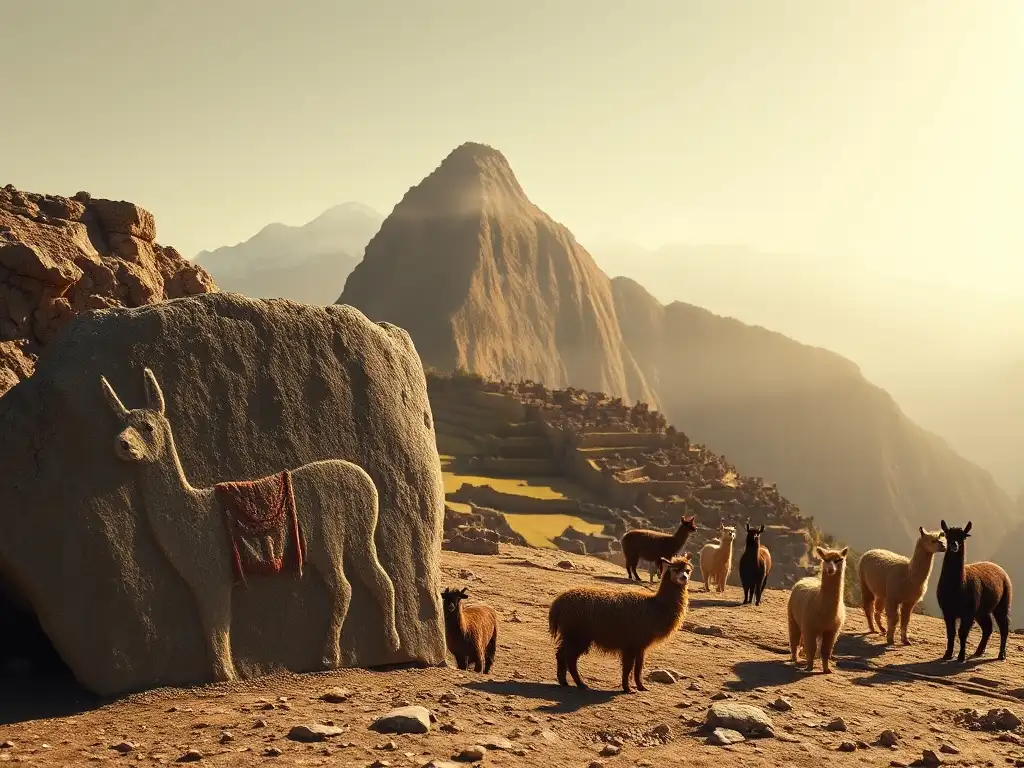
The history of Andean camelid domestication is a complex and fascinating story, deeply intertwined with the development of Andean civilizations. Understanding this process requires looking beyond simply the taming of wild animals; it involves a long-term relationship of selective breeding, adaptation, and cultural integration that profoundly shaped the social, economic, and technological landscapes of the Andes. Pinpointing exact dates remains challenging due to the nature of archaeological evidence, but a general timeline can be constructed based on current research and discoveries.
This timeline highlights the key stages in the process of Andean camelid domestication history, focusing on the transition from wild animals to the domesticated llamas and alpacas we know today. The timeline, while useful, should be considered a working model, subject to revision as new evidence emerges. The study of "Andean camelid domestication history" is a dynamic field, constantly evolving with new discoveries.
Early Stages of Camelid Domestication in the Andes
The earliest evidence suggesting interaction between humans and camelids in the Andes points towards a gradual process rather than a sudden event. Initial interactions likely involved hunting vicuñas and guanacos, crucial for sustenance. However, archaeological findings suggest that by approximately 6,000 years ago, in regions like the Peruvian highlands, human impact on camelid populations was becoming more significant.
This is indicated by changes in the size and distribution of camelid skeletal remains at archaeological sites. Smaller, more docile animals started to appear, hinting at the beginning of human selection for traits beneficial to domestication, like reduced aggression and easier management. The shift from hunting to herding was a pivotal moment, marking the beginning of a symbiotic relationship that would continue for millennia.
The development of specialized tools for herding, such as lassos and corralling structures, further underscores this transition. It is important to note that the exact timing and location of these initial interactions may vary across different Andean regions, highlighting the complexity of the domestication process.
The Role of Vicuñas and Guanacos in Pre-Domestication
Vicuñas and guanacos, the wild ancestors of alpacas and llamas respectively, played a crucial role in the early stages of Andean camelid domestication. Understanding their behavior and ecology is essential to comprehending the challenges and opportunities faced by early Andean communities. Vicuñas, known for their fine fleece, were likely a prime target for early hunters.
Their elusive nature, however, presented significant challenges, demanding the development of sophisticated hunting techniques. Guanacos, on the other hand, were more readily accessible in some areas, potentially facilitating earlier interactions and leading to a faster transition towards domestication. The study of ancient DNA from both vicuñas and guanacos is providing increasingly detailed insights into the genetic pathways of domestication, revealing the complex interplay between natural selection and human intervention.
This research helps to shed light on the “Andean camelid domestication history” by providing a deeper understanding of the genetic changes that occurred during the domestication process. Analysis of ancient mitochondrial DNA, for instance, has helped identify the specific wild populations that contributed most significantly to the genetic makeup of modern llamas and alpacas.
The Emergence of Llamas and Alpacas Through Selective Breeding
The transformation of wild vicuñas and guanacos into the domesticated llamas and alpacas we know today was a gradual process driven by selective breeding. Early Andean communities likely favored animals exhibiting traits such as docility, a reduced tendency to flee, and increased fertility. These traits were essential for maintaining herds and ensuring a consistent supply of meat, fiber, and transportation.
The process of selective breeding, passed down through generations of Andean herders, involved carefully selecting breeding pairs based on desirable traits. This meticulous selection led to significant genetic changes, resulting in the distinctive physical and behavioral characteristics of llamas and alpacas. Llamas, known for their larger size and strength, became essential pack animals, while alpacas, valued for their soft fleece, became a primary source of textile production.
The development of specialized breeds of llamas and alpacas, adapted to different environments and purposes, further showcases the sophisticated understanding of animal husbandry achieved by Andean cultures. This level of control over animal breeding was a testament to their deep understanding of the camelids and their profound impact on the "Andean camelid domestication history". The success of Andean camelid domestication serves as a compelling example of the power of human ingenuity and adaptation in shaping the landscape and cultures of the Andes.
Llamas: The Versatile Beasts of Burden

Llamas, along with alpacas, represent a cornerstone of Andean civilization, their domestication profoundly shaping the social, economic, and spiritual landscape of the region. Understanding the Andean camelid domestication history requires a detailed look at the multifaceted role llamas played, far exceeding their simple classification as livestock. Their contributions extended from crucial economic activities to deeply ingrained cultural practices, solidifying their position as integral members of Andean society for millennia.
The impact of llama domestication on the development of Andean societies cannot be overstated; it represents a pivotal moment in their adaptation to the challenging Andean environment. This section will explore the diverse ways llamas were utilized, highlighting their significance in transportation, resource provision, and religious life.
Llama Use in Andean Transportation and Trade Networks
The rugged terrain of the Andes presented significant challenges to transportation and trade. The ingenuity of Andean civilizations in overcoming these obstacles is evident in their masterful use of llamas as pack animals. Llamas, with their remarkable strength and endurance, became indispensable for carrying goods across the treacherous mountain passes and along precarious trails. Their ability to navigate difficult terrain far surpasses that of other domesticated animals, allowing for the efficient transport of essential resources like food, textiles, and building materials.
Evidence suggests that llama caravans, often consisting of dozens of animals, formed the backbone of extensive trade networks connecting distant communities across the Andes. These networks facilitated the exchange of not only vital goods but also ideas and cultural practices, contributing significantly to the interconnectedness of Andean societies. Careful observation of surviving Inca road systems and the strategic placement of waystations further demonstrates the sophisticated logistical planning involved in managing these llama-based trade routes.
Archaeological findings frequently uncover evidence of llama remains near ancient pathways, corroborating their crucial role in Andean trade. The sheer scale of these networks, spanning vast distances and challenging environments, showcases the ingenuity and adaptability of Andean civilizations, shaped significantly by their mastery of llama herding and transportation. The efficiency of llama transport played a critical role in the economic prosperity and cultural exchange within the Andean region.
Llamas as Sources of Meat and Hides
Beyond their role in transportation, llamas provided essential sustenance for Andean communities. Llama meat served as a crucial protein source, supplementing the agricultural products cultivated in the challenging Andean environment. The nutritional value of llama meat, combined with its availability, made it a staple in the Andean diet across various cultures and time periods. Furthermore, llama hides were highly valued for their use in clothing, blankets, and other textiles.
The durability and warmth of llama wool made it ideal for the harsh Andean climate, providing essential protection against the extreme cold of the high altitudes. The skillful processing of llama hides into clothing and blankets showcases the advanced textile technology developed by Andean civilizations. The intricate designs and techniques employed in the production of these textiles reflect the sophisticated craftsmanship and artistic sensibilities of Andean artisans.
Archaeological excavations frequently unearth well-preserved examples of llama-based textiles, providing invaluable insights into the daily life and technological advancements of Andean communities. The economic value of llama meat and hides, therefore, contributed significantly to the resilience and stability of Andean societies. This dual role – as a provider of both food and raw materials – further cemented the llama's indispensable position within the Andean ecosystem.
The Cultural Importance of Llamas in Andean Rituals
The importance of llamas in Andean societies extended beyond the purely economic realm; they held significant cultural and religious value. Llamas were frequently incorporated into religious ceremonies and rituals, often serving as sacrificial offerings to appease deities or ensure a bountiful harvest. The symbolic significance of llamas in Andean mythology is evident in numerous artifacts and surviving accounts, highlighting their deep connection to the spiritual world.
Their association with fertility, prosperity, and the Andean landscape itself points to a profound and enduring spiritual relationship between humans and these animals. Depictions of llamas in Andean art, often depicted alongside other sacred symbols, underscore their important role in the religious beliefs and practices of Andean civilizations. The careful study of these artistic representations, alongside ethnographic accounts, reveals the complex symbolic meanings associated with llamas and their integration into the rich tapestry of Andean spirituality.
Their use in ceremonies further emphasizes the close bond between Andean people and their camelids, demonstrating that their relationship transcended mere utility, becoming a profound expression of cultural identity and spiritual belief. The cultural significance of the llama, therefore, represents a vital aspect of understanding the Andean camelid domestication history, enriching our comprehension of the complex interplay between humans, animals, and the environment in the Andes.
Alpacas: The Providers of Luxurious Fiber
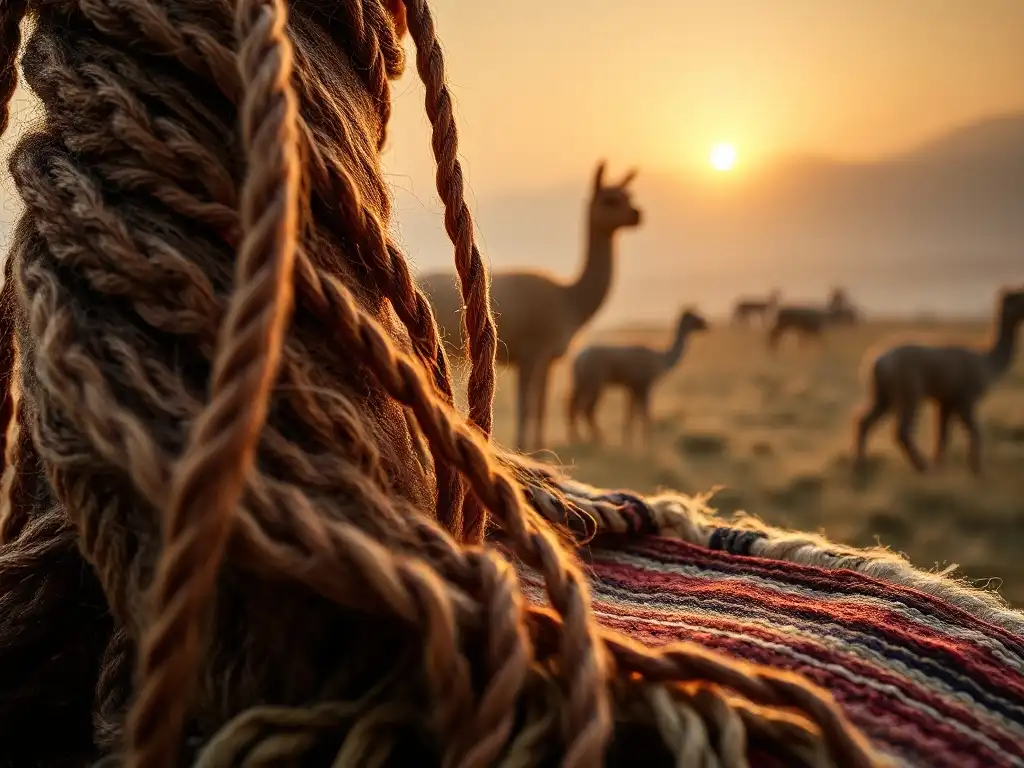
Alpacas, the smaller of the two domesticated camelids in the Andes, played a crucial role in the development of Andean civilizations. Their primary contribution was, and continues to be, the incredibly soft and fine fiber they produce. Understanding the history of alpaca domestication is key to understanding the economic and social structures of these ancient societies. The meticulous breeding and management of alpaca herds demonstrate a sophisticated understanding of animal husbandry, far exceeding simple subsistence farming. This understanding of alpaca husbandry is a significant component of the broader narrative of Andean camelid domestication history.
Alpaca Wool and its Significance in Andean Textiles
Alpaca wool, prized for its exceptional softness, warmth, and lustrous quality, formed the basis of many exquisite textiles produced by Andean cultures. The fiber's fineness varied depending on the alpaca breed, with some producing incredibly delicate threads suitable for intricate weaving techniques. These textiles weren't merely clothing; they were status symbols, religious artifacts, and integral parts of social ceremonies.
The intricate designs woven into alpaca textiles often depicted mythical creatures, celestial events, and significant historical moments, demonstrating a deep connection between the animal, its fiber, and the spiritual beliefs of the Andean people. The vibrant colors achieved through natural dyes further enhanced the beauty and cultural significance of these fabrics. Analysis of ancient textiles reveals a complex understanding of dyeing techniques, utilizing plants and minerals found within the Andean ecosystem.
The diversity of colors and patterns found in surviving alpaca textiles highlights the sophisticated level of artistry and craftsmanship within Andean societies. It is safe to say that the quality of alpaca wool directly influenced the development and complexity of Andean textile arts.
The Economic Impact of Alpaca Fiber Production
The production of alpaca fiber had a profound economic impact on ancient Andean societies. Alpaca wool was a valuable commodity, traded both regionally and across vast distances. The economic power derived from alpaca herds significantly influenced social hierarchies and political structures. Evidence suggests that alpaca ownership was a marker of wealth and status, with elite individuals likely owning large herds. This economic influence is reflected in the archaeological record, where elaborate burial sites often contain significant quantities of alpaca textiles and artifacts. The sheer volume of alpaca wool produced, and its importance in trade networks, showcases the animal's vital role in the overall economic health of the region. Further research is needed to quantify precisely the economic impact of alpaca farming, but it’s clear that it was a cornerstone of Andean prosperity. [Specific economic data pending further research on trade routes and quantities of alpaca fiber found in archaeological sites].
Alpaca Breeding Techniques in Ancient Andean Societies
Ancient Andean societies developed sophisticated breeding techniques to maintain and improve the quality of their alpaca herds. These techniques, passed down through generations, ensured the consistent production of high-quality fiber. Archaeological evidence suggests that selective breeding was practiced to enhance desirable traits, such as fiber length, fineness, and color. This demonstrates a deep understanding of animal genetics and breeding principles, far more advanced than many other contemporaneous societies.
The careful management of alpaca herds also included strategies for disease prevention and herd health. The success of these techniques is evident in the remarkable quality of alpaca fiber produced for centuries. This careful selection and husbandry were key aspects of Andean camelid domestication history, shaping the economy and culture of the region.
Detailed analysis of ancient alpaca remains could provide further insights into the specific breeding practices employed, but the available evidence already points to a level of sophistication that is quite remarkable. Furthermore, the social structures surrounding alpaca herding and breeding likely influenced social organization and power dynamics within Andean communities. 🦙
The Intertwined Relationship: Andean Civilizations and Camelids
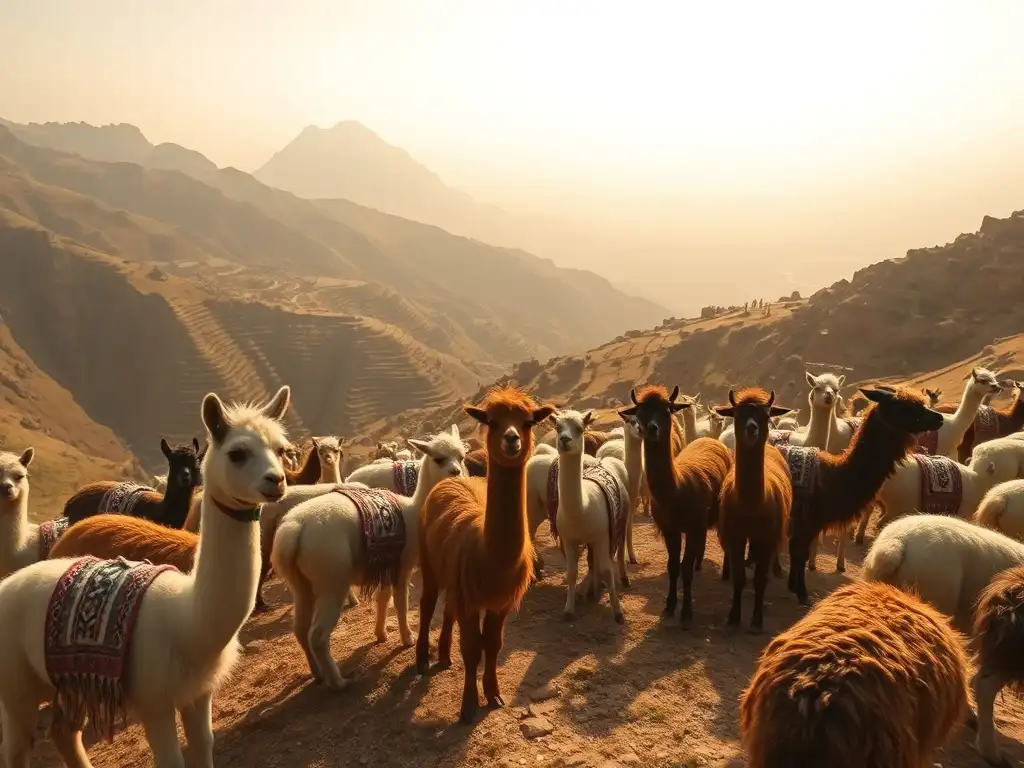
This section delves into the profound and multifaceted relationship between Andean civilizations and camelids – specifically llamas and alpacas – exploring their crucial role in shaping the social fabric, artistic expression, and overall survival strategies of these remarkable societies. Understanding this symbiotic relationship is key to comprehending the complexities of Andean Andean camelid domestication history. The domestication of these animals wasn't merely a technological achievement; it was a transformative event that fundamentally altered the course of Andean civilization.
Camelids as Essential Resources for Survival in the Andes
The harsh Andean environment, characterized by high altitudes, unpredictable weather patterns, and challenging terrain, presented significant obstacles to human settlement. The domestication of llamas and alpacas proved to be a pivotal adaptation, providing Andean communities with a suite of essential resources that ensured their survival and prosperity.
Llamas, with their considerable strength and endurance, served as crucial beasts of burden, transporting goods across treacherous mountain passes. Their ability to navigate difficult terrain far surpassed human capabilities, facilitating trade and the movement of essential resources between communities. This efficient transport system was critical for the economic and social development of Andean societies.
Alpacas, on the other hand, provided a vital source of fiber for textiles. Their soft, warm fleece was used to create a variety of clothing, blankets, and other essential items, providing crucial protection against the harsh Andean climate. The quality and versatility of alpaca fiber contributed significantly to the development of sophisticated textile technologies and artistic traditions within Andean culture.
Furthermore, both llamas and alpacas provided a reliable source of meat and milk, augmenting the dietary needs of Andean populations. This diversified resource base enhanced resilience against periods of scarcity and environmental challenges. The meticulous management of camelid herds reflects a deep understanding of animal husbandry techniques, indicating a sophisticated level of agricultural knowledge that was essential for the sustainability of Andean communities.
The impact of camelids on the Andean diet cannot be overstated. Meat, milk, and even blood were all utilized, providing vital protein and sustenance. Archaeological evidence consistently reveals the presence of camelid remains in Andean settlements, highlighting their importance as a primary food source. This reliance on camelids underscores their central role in ensuring the nutritional well-being of Andean populations throughout history.
The domestication and management of camelids profoundly influenced the social structures and economic systems of Andean civilizations. The ownership and control of camelid herds often became markers of social status and wealth. Large herds signified prosperity and influence, shaping social hierarchies and power dynamics within Andean communities.
The complex systems of herding, breeding, and trading camelids necessitated the development of sophisticated social organizations. These systems required cooperation, coordination, and specialized knowledge, fostering a sense of community and shared responsibility. Evidence suggests the existence of specialized herding groups or guilds, indicating a high level of social organization and division of labor centered around camelid management. This specialization further contributed to the overall economic complexity and stability of Andean societies.
Furthermore, the importance of camelids in Andean economies led to the development of extensive trade networks, connecting distant communities and facilitating the exchange of goods and resources. Camelids facilitated long-distance trade, carrying goods across vast distances, linking disparate regions and fostering cultural exchange. This interconnectedness, facilitated by camelids, played a significant role in the development and integration of Andean societies. The control and management of trade routes and camelid herds became central aspects of political power and influence.
Camelids in Andean Art and Mythology
The profound impact of camelids on Andean life is vividly reflected in their prominent presence in Andean art and mythology. Camelids feature prominently in textiles, ceramics, and metalwork, showcasing their cultural significance and symbolic value. The intricate designs and detailed representations of camelids in Andean art demonstrate a deep appreciation for these animals and their importance in daily life.
Many Andean myths and legends incorporate camelids, often portraying them as sacred animals or spiritual guides. These stories reveal the deep spiritual connection between Andean peoples and camelids, reflecting their crucial role in the cosmology and worldview of these cultures. The symbolism associated with camelids in Andean art and mythology provides invaluable insight into the cultural values and beliefs of these societies.
The ubiquitous presence of camelids in Andean iconography is a testament to their integral role in the cultural identity and spiritual life of these remarkable civilizations. Their depiction frequently transcends mere representation, becoming imbued with symbolic meaning and religious significance. Further research into specific iconographic motifs could reveal richer insights into specific cultural beliefs and practices surrounding camelids.
The Legacy of Andean Camelid Domestication

The history of Andean camelid domestication is a testament to the ingenuity and adaptability of ancient Andean cultures. It's a story woven into the very fabric of their societies, influencing everything from their economies and social structures to their religious beliefs and artistic expressions. Understanding this legacy requires examining not only the when and how of domestication, but also the profound and lasting impact it had – and continues to have – on the region.
The process wasn't a single event, but rather a gradual shift, spanning millennia, with evidence suggesting initial domestication attempts as early as 7,000 years ago, though firm dates remain debated amongst archaeologists. Different Andean cultures, from the Moche to the Inca, refined and adapted camelid husbandry to their specific environments and needs, resulting in a rich tapestry of practices and traditions.
The process involved careful selective breeding, leading to the diversification of llama and alpaca breeds we see today, each with unique characteristics optimized for different purposes, such as wool production, meat, transportation, and pack animal use. This deep-rooted relationship between humans and camelids fundamentally shaped the development of Andean civilizations, making it a crucial element in understanding their remarkable achievements.
Sustainable Practices in Ancient Andean Camelid Management
Ancient Andean communities developed sophisticated and remarkably sustainable practices for managing their llama and alpaca herds. These weren't simply livestock; they were integral parts of a carefully balanced ecosystem. Evidence suggests a deep understanding of rotational grazing, allowing pastures to recover, and the careful management of water resources, crucial in the often arid Andean highlands. They also employed diverse herding techniques tailored to different altitudes and terrains.
For instance, higher altitude pastures might have been reserved for specific breeds better adapted to the harsher conditions. Furthermore, the integration of camelids into the agricultural cycle was a key component of their sustainable strategies. Llama and alpaca dung served as a valuable fertilizer, enriching the soil and boosting crop yields.
This holistic approach ensured the long-term viability of both the camelid herds and the broader agricultural systems. The sophisticated understanding of animal husbandry and resource management exhibited by these ancient cultures offers valuable lessons for modern sustainable agriculture practices. Their success in maintaining a delicate equilibrium between human needs and environmental preservation stands as a powerful example of sustainable resource management.
Modern-Day Relevance of Andean Camelid Husbandry
The importance of Andean camelids extends far beyond historical significance. Modern Andean communities continue to rely on llamas and alpacas for a multitude of purposes. Their fiber remains highly prized for its softness, warmth, and unique qualities, fueling a thriving textile industry. Llama and alpaca meat provides a vital source of protein, particularly in remote communities.
Moreover, they continue to serve as essential pack animals, transporting goods across challenging terrain where roads are scarce or nonexistent. This multifaceted role highlights the enduring economic and social significance of camelids in contemporary Andean life. Furthermore, the burgeoning interest in sustainable and ethically sourced materials has led to a renewed appreciation for alpaca and llama fiber, driving increased demand and supporting the livelihoods of Andean communities. The study of traditional Andean camelid husbandry techniques provides valuable insights into sustainable agriculture and animal welfare practices, with potential applications worldwide.
The Continuing Importance of Llamas and Alpacas for Andean Communities
The relationship between Andean communities and their camelids remains deeply intertwined, extending beyond mere economic dependence. Llamas and alpacas are often integrated into the cultural fabric of Andean societies, featuring prominently in religious ceremonies, festivals, and traditional storytelling. They represent not just livestock but also a source of cultural identity and pride.
This profound connection underscores the importance of preserving traditional knowledge and practices related to camelid husbandry. Moreover, the growing recognition of the cultural and ecological significance of Andean camelids has led to initiatives aimed at protecting biodiversity and supporting the sustainable development of Andean communities.
The future of Andean camelids is inextricably linked to the well-being of the communities that depend on them, highlighting the need for collaborative efforts to ensure their continued prosperity. This symbiotic relationship between humans and camelids continues to shape the landscape and culture of the Andes, demonstrating the enduring legacy of Andean camelid domestication history.
Conclusion: The Enduring Bond Between Humans and Andean Camelids
The domestication of Andean camelids—llamas and alpacas—represents a pivotal moment in the development of Andean civilizations. Their impact extended far beyond mere transportation and fiber production; they were deeply interwoven into the social, economic, and spiritual fabric of these societies. Understanding the history of this domestication is crucial to appreciating the ingenuity and resilience of Andean cultures in adapting to their challenging environment.
The story of the Andean camelid is not merely a chronicle of animal husbandry; it is a testament to the enduring bond between humans and animals, a relationship that shaped civilizations and continues to resonate today. This intricate relationship, forged over millennia, provides a fascinating lens through which to examine the complexities of Andean history and its enduring legacy. Further research into ancient Andean practices related to camelid management and breeding could reveal even more nuanced understandings of their societal importance.
Summary of the Impact of Andean Camelids on Andean Civilizations
Andean camelids profoundly impacted the development of Andean societies in numerous ways. Their contributions can be categorized into several key areas:
- Economic Significance: Llamas provided crucial pack animal services, facilitating trade and transportation across challenging Andean terrain. Alpacas, prized for their incredibly soft fleece, fueled textile production, a cornerstone of Andean economies. Their dung served as valuable fertilizer, enriching agricultural lands. The meat provided a vital source of protein. This multifaceted economic role solidified their importance within Andean societies. We can envision the scale of this impact by considering the sheer volume of textiles produced, the extensive trade networks facilitated, and the agricultural productivity boosted by camelid manure.
- Social Structure: Ownership and control of camelids often reflected social status and wealth. Large herds indicated prosperity and power within the community. Camelid-related rituals and ceremonies further integrated them into the social fabric, highlighting their significance beyond mere economic utility. The meticulous record-keeping of herd sizes and lineage, found in various archeological sites, suggests a sophisticated system of social and economic organization deeply entwined with the camelids themselves.
- Technological Advancements: The development of specialized tools and techniques for shearing, herding, and utilizing camelid products reflects a sophisticated understanding of animal husbandry. This included specialized textiles used for clothing, tools, and ritualistic purposes. The innovation in textile production, evident in the intricate designs and dyeing techniques, showcases the advanced technological capabilities of Andean civilizations.
- Spiritual and Religious Beliefs: Camelids often held spiritual significance, appearing in religious iconography and playing a role in ceremonies and rituals. Their presence in funerary contexts suggests beliefs about their afterlife and their continued connection to the living. Evidence suggests that specific camelid colors or markings held special significance in different Andean cultures, revealing deeper connections between the spiritual and the material worlds.
The combined economic, social, technological, and spiritual significance of Andean camelids underscores their indispensable role in shaping the unique character and achievements of Andean civilizations. Their presence is a constant reminder of the sophisticated and interconnected nature of these ancient societies.
The Future of Andean Camelid Conservation and Research
The continued survival and well-being of Andean camelids are crucial for both ecological and cultural reasons. Several key areas require attention for effective conservation and research:
- Sustainable Herding Practices: Promoting sustainable herding practices is essential to prevent overgrazing and habitat degradation. This involves working closely with local communities to develop and implement environmentally responsible management strategies. Data on optimal herd sizes and grazing rotations, specific to different Andean ecosystems, is crucial for developing effective management plans.
- Genetic Diversity: Maintaining genetic diversity within camelid populations is vital to ensure their resilience to diseases and environmental changes. Research into genetic diversity, coupled with breeding programs that promote genetic health, is critical to ensuring their long-term viability. This includes identifying and protecting populations with unique genetic traits.
- Combating Threats: Andean camelids face various threats, including disease, climate change, and habitat loss. Effective conservation strategies must address these threats proactively. Further research into disease resistance and adaptation to changing climate conditions is vital. Collaborating with local communities to mitigate the impact of climate change on camelid habitats is equally important.
- Community Involvement: The success of any conservation effort depends on the active participation and support of local communities. Empowering local communities to manage and protect camelid populations is essential for long-term conservation success. Initiatives focusing on education, economic empowerment, and the sustainable use of camelid resources are necessary.
The future of Andean camelids hinges on a collaborative approach that integrates scientific research, sustainable management practices, and community involvement. By safeguarding these remarkable animals, we also protect a vital part of Andean heritage and cultural identity. Continued research and investment in conservation efforts are essential to ensuring that the enduring bond between humans and Andean camelids continues for generations to come.
Frequently Asked Questions
When were Andean camelids first domesticated?
The exact date is debated, but evidence suggests llama domestication began around 4,000 years ago, with alpaca domestication possibly slightly later. Guanaco and vicuña were their wild ancestors.
What role did llamas and alpacas play in Andean societies?
Llamas and alpacas were crucial. Llamas served as beasts of burden, transporting goods, while alpacas provided high-quality fiber for textiles. Both were vital sources of meat and hides.
How did domestication impact Andean cultures?
Domestication led to settled lifestyles, increased food security, and the development of complex social structures. It also spurred innovations in textile production and trade.
What are some challenges associated with studying Andean camelid domestication?
Challenges include limited written records, the difficulty of dating archaeological remains, and accurately distinguishing domestic from wild animals. Environmental factors also played a significant role.
Where can I learn more about the history of Andean camelid domestication?
You can explore further by researching archaeological sites in the Andes, consulting academic journals specializing in Andean studies, and visiting museums with collections of Andean artifacts.
Final Reflection: The Enduring Legacy of Andean Camelids
The domestication of Andean camelids wasn't merely a technological advancement; it was a foundational act that shaped the very fabric of Andean civilization. Their impact reverberates through millennia, influencing everything from social structures to artistic expression, and continues to resonate in the modern world. Understanding this history is crucial to appreciating the complex tapestry of Andean culture and the enduring power of human-animal interaction.
The profound relationship between Andean peoples and their camelids is a testament to the ingenuity and adaptability of both species. It's a story of co-evolution, mutual benefit, and a deep-seated cultural connection that transcends mere utility. The animals provided sustenance, transportation, and materials for clothing and tools, but their significance extends far beyond the practical. They became integral to religious beliefs, social hierarchies, and artistic representations, woven into the very soul of Andean identity. The llama is not merely an animal; it is a member of the family, a friend, a companion, and a sacred being.
– (This quote needs to be sourced to a relevant scholar or text).
Consider the enduring legacy of these magnificent creatures. Their contribution to the Andean world is undeniable, and their story offers a powerful lesson in sustainable living and harmonious coexistence with nature. You, the reader, are now part of this ongoing narrative.
Reflect on the interconnectedness of human and animal history, and consider how we can learn from the past to build a more sustainable and respectful future, one where the wisdom of ancient traditions informs our modern practices. Let the story of the Andean camelids inspire you to seek deeper connections with the natural world and appreciate the profound impact of our relationships with other species.
Unveil the Impact of Andean Camelids on Our World!
Thank you for exploring the fascinating world of Andean camelids with us! Your interest in the significant role llamas and alpacas played in shaping ancient civilizations is just the beginning. Let's delve deeper into understanding and appreciating these remarkable animals and their enduring contributions.
Here are some ways to continue your journey:
- Visit local museums and cultural centers to witness the vital role llamas and alpacas play in modern Andean communities. Many exhibits showcase their ongoing importance.
- Join our vibrant online community! Share your thoughts and experiences with fellow enthusiasts on social media or our dedicated forum.
- Consider participating in a virtual adoption program. Many organizations offer these opportunities, supporting both animal welfare and community projects in the Andes.
What new perspectives have you gained on the fascinating role these animals played in shaping civilizations? Share your thoughts in the comments below!