
The Inca's Use of Symbolic Motifs: Expressing Beliefs

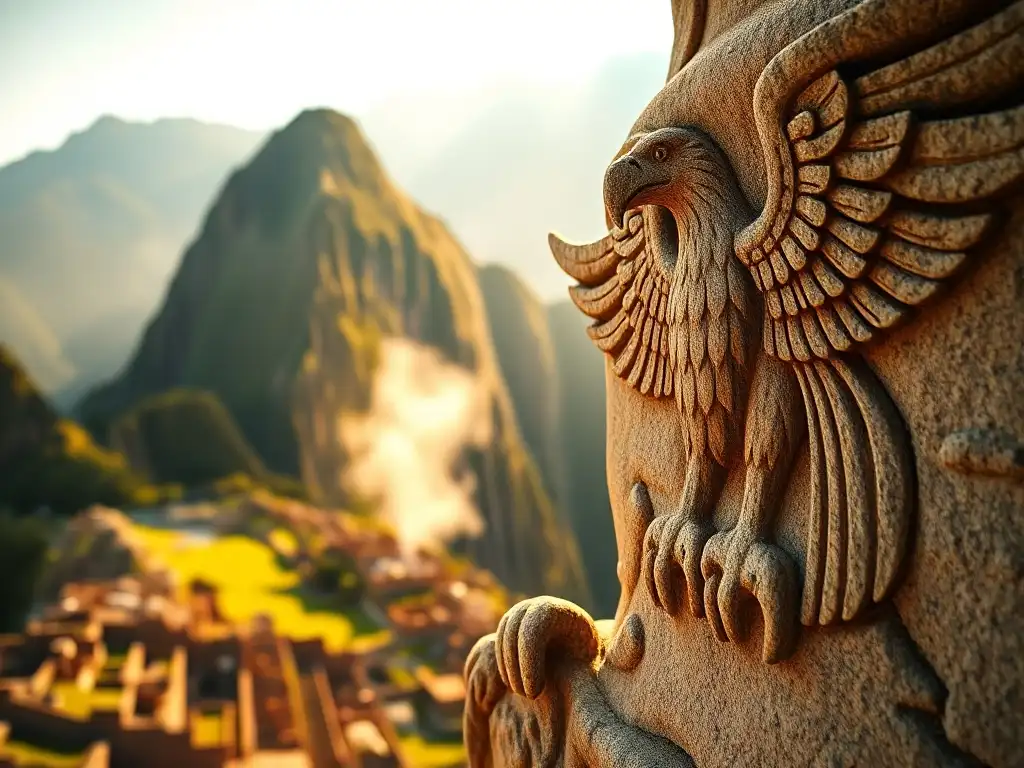
Unravel the mysteries hidden within the breathtaking landscapes of the Andes! Journey through time as we explore the captivating world of the ancient Andean civilizations, from the intricate artistry of the Nazca lines to the awe-inspiring engineering feats of the Incas. But what secrets do the Inca symbolic motifs hold? Discover the profound meanings embedded within their designs and unlock a deeper understanding of their beliefs in our exploration of the Inca Empire. Prepare to be amazed…
The Inca Empire, a civilization that flourished in the Andes Mountains from the 15th to the 16th century, left behind a legacy far exceeding its impressive architectural feats. Their sophisticated understanding of engineering and urban planning is undeniable, but equally captivating is their intricate system of symbolic motifs woven into the very fabric of their society.
This article delves into the profound meaning behind these Inca symbolic motifs, exploring how they served not only as decorative elements but as powerful expressions of their complex religious beliefs, social structures, and worldview. Understanding these motifs provides crucial insight into the Inca's cosmology, their relationship with the natural world, and the deep spiritual significance they attributed to everyday objects and practices.
We will analyze several key motifs, examining their representation across various Inca art forms, from textiles and pottery to stone carvings and architecture, to unlock the secrets embedded within these captivating designs. This exploration will help us understand the rich tapestry of Inca culture and the enduring power of their symbolic language, answering the question: What do Inca symbolic motifs mean?
The Significance of the Inti (Sun): The Apex of Inca Cosmology
The Inti, or sun god, held paramount importance in Inca cosmology. Depicted as a radiant disc often adorned with stylized rays, the Inti symbol is pervasive throughout Inca art. Its representation wasn't merely decorative; it signified the Inca's divine lineage and their connection to the source of life and power.
Consider the numerous Inti representations found on royal textiles, where its prominence underscores the emperor's status as a divine intermediary between the sun god and the people. The sun's journey across the sky was understood as a cyclical process reflecting life, death, and rebirth, a concept deeply embedded in Inca religious practices and agricultural cycles. Furthermore, the precise orientation of Inca structures, often aligned with the sun's solstices and equinoxes, further emphasizes the profound reverence for the Inti.
This meticulous alignment highlights the Inca's advanced astronomical knowledge and their integration of religious beliefs into their urban planning and architectural designs. The Inti, therefore, transcends simple iconography; it represents the very heart of Inca belief and their relationship with the cosmos.
The Serpent (Amaru): Symbol of Water, Fertility, and Power
The Amaru, or serpent, is another prominent motif frequently encountered in Inca art. Unlike the often-negative connotations associated with serpents in other cultures, the Amaru in Inca symbolism represents life-giving water, fertility, and the power of the earth. Its association with water sources is evident in its frequent depiction near springs or rivers, emphasizing its role in sustaining life.
The Amaru's undulating form reflects the flow of water and the cyclical nature of life, mirroring the Inti's solar journey. Moreover, the Amaru's frequent appearance on textiles and ceramics suggests its connection to fertility and abundance, highlighting its importance in agricultural practices crucial to Inca survival.
The powerful imagery of the Amaru, therefore, extends beyond simple representation; it encapsulates the Inca's deep understanding of the natural world and their reliance on its life-sustaining forces. Analysis of its representation across various mediums reveals its multifaceted nature as a symbol of power, fertility, and the interconnectedness of life.
The Inca worldview often embraced duality, evident in their representation of the Puma and the Condor. The Puma, a powerful terrestrial animal, symbolized the earthly realm, representing strength, stability, and the Inca’s control over the land. Conversely, the Condor, a majestic bird of prey soaring high in the Andes, represented the celestial realm, embodying power, wisdom, and the connection to the spiritual world.
The combination of these two powerful animals often signifies the balance between the earthly and spiritual realms, reflecting the Inca's holistic worldview. The depiction of these animals in royal regalia, such as the use of puma and condor feathers in ceremonial attire, further reinforces their symbolic significance and their connection to Inca leadership and authority. The dualistic representation of the Puma and the Condor emphasizes the complex interplay of forces that shaped Inca beliefs and their understanding of the cosmos.
Interpreting the Inca's Symbolic Language: A Complex Tapestry of Meaning
The Inca symbolic motifs, as demonstrated above, were not merely decorative elements; they were integral components of a complex system of communication that expressed beliefs, social structures, and cosmological understandings. Their interpretation requires a nuanced understanding of Inca worldview, acknowledging the multifaceted nature of their symbolism and the context in which these motifs appear. Further research, including a deeper analysis of archaeological findings and a more thorough examination of surviving Inca textiles and ceramics, is needed to fully decipher the intricate meanings embedded within these captivating designs.
The continuing exploration of Inca symbolic motifs promises to unveil further insights into the richness and complexity of this remarkable civilization. The ongoing study of these motifs offers a compelling glimpse into the sophisticated intellectual and spiritual world of the Inca Empire, enriching our understanding of their remarkable legacy.
- The Significance of the Inti (Sun): The Apex of Inca Cosmology
- The Serpent (Amaru): Symbol of Water, Fertility, and Power
- The Puma and the Condor: Dualistic Representations of Power and Authority
- Interpreting the Inca's Symbolic Language: A Complex Tapestry of Meaning
Understanding Inca Symbolic Representation
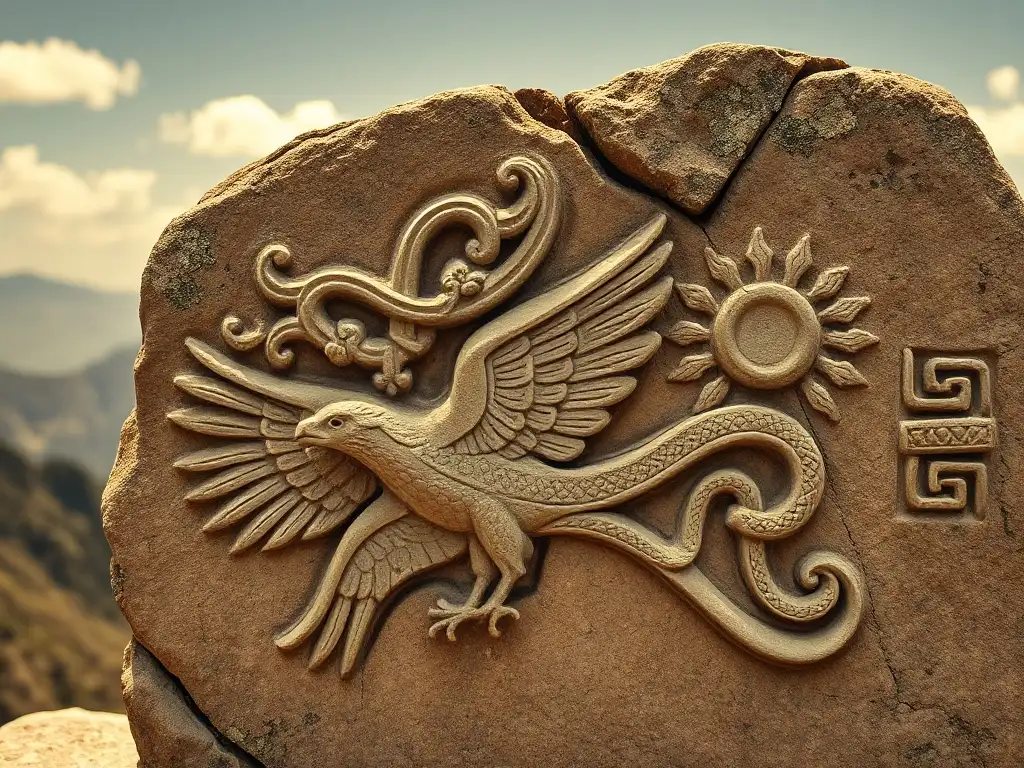
The Inca Empire, renowned for its architectural prowess and sophisticated social structures, also possessed a rich system of symbolic representation. Understanding Inca symbolic motifs meaning requires delving into their worldview, deeply intertwined with nature, spirituality, and the cosmos. Unlike written language, their system relied heavily on visual cues embedded within their art, architecture, textiles, and even everyday objects. This visual language communicated complex ideas, beliefs, and narratives, reflecting their intricate understanding of the world around them.
The Inca's use of symbolic motifs wasn't arbitrary; each element carried specific meaning, contributing to a powerful and evocative system of communication that continues to fascinate researchers today. Analyzing these motifs provides invaluable insight into their cosmology, social hierarchy, and relationship with the environment. The prevalence and sophistication of these symbols underscore the importance of visual communication in Inca society.
The Significance of Symbols in Inca Culture
Inca culture placed immense value on symbols. They weren't merely decorative elements; rather, they served as potent vehicles for conveying complex concepts and beliefs. Symbols acted as a bridge between the human and spiritual realms, connecting the Inca people to their ancestors, deities, and the forces of nature. The meaning of these symbols often varied depending on context and the specific combination of elements used.
For example, a condor, representing power and strength, could take on different nuances depending on its depiction – a soaring condor might symbolize freedom, while a perched condor might signify guardianship or protection. This nuanced approach to symbolism requires careful consideration of various factors to accurately interpret their intended meaning. Furthermore, the use of color played a vital role, adding layers of complexity to the symbolic language.
Red, for instance, often represented blood, sacrifice, and power, while yellow symbolized the sun and royalty. The skillful integration of color and form created a potent visual vocabulary. Studying the interplay of these symbolic elements reveals the depth and sophistication of Inca thought.
Inca Iconography: A Visual Language
Inca iconography, a visual language rich in symbolism and meaning, is expressed across a variety of mediums. From intricately woven textiles to monumental stone carvings, the Inca masterfully employed symbols to convey messages, tell stories, and reinforce their worldview. Key motifs frequently encountered include:
- The Sun: Representing the supreme deity Inti, the sun was a central figure in Inca cosmology and symbolized life, power, and royalty.
- The Moon: Associated with feminine energy and fertility, the moon held significant religious importance.
- The Condor: A symbol of power, strength, and high altitude, frequently associated with the Inca rulers.
- The Puma: Representing earthly power and strength, often associated with the Inca army and rulers.
- The Snake: Symbolizing fertility, healing, and the underworld, the snake held both positive and negative connotations.
- Geometric Patterns: These patterns, including triangles, squares, and zigzags, often represented concepts of order, harmony, and the cosmos.
The meaning of these symbols wasn't static; rather, it was fluid and context-dependent. Researchers continue to unravel the intricacies of this visual language, deciphering the symbolic meanings embedded within Inca art and architecture. Understanding the Inca symbolic motifs meaning requires a multidisciplinary approach, incorporating insights from archaeology, anthropology, and art history.
The study of Inca iconography provides a captivating glimpse into the beliefs, values, and worldview of one of the most remarkable civilizations of the Andes. The sheer variety and complexity of these motifs highlight the sophisticated and nuanced nature of Inca symbolic communication. Further research is needed to fully understand the subtle variations and regional differences in the usage and meaning of these powerful symbols.
Key Inca Symbolic Motifs and Their Meanings
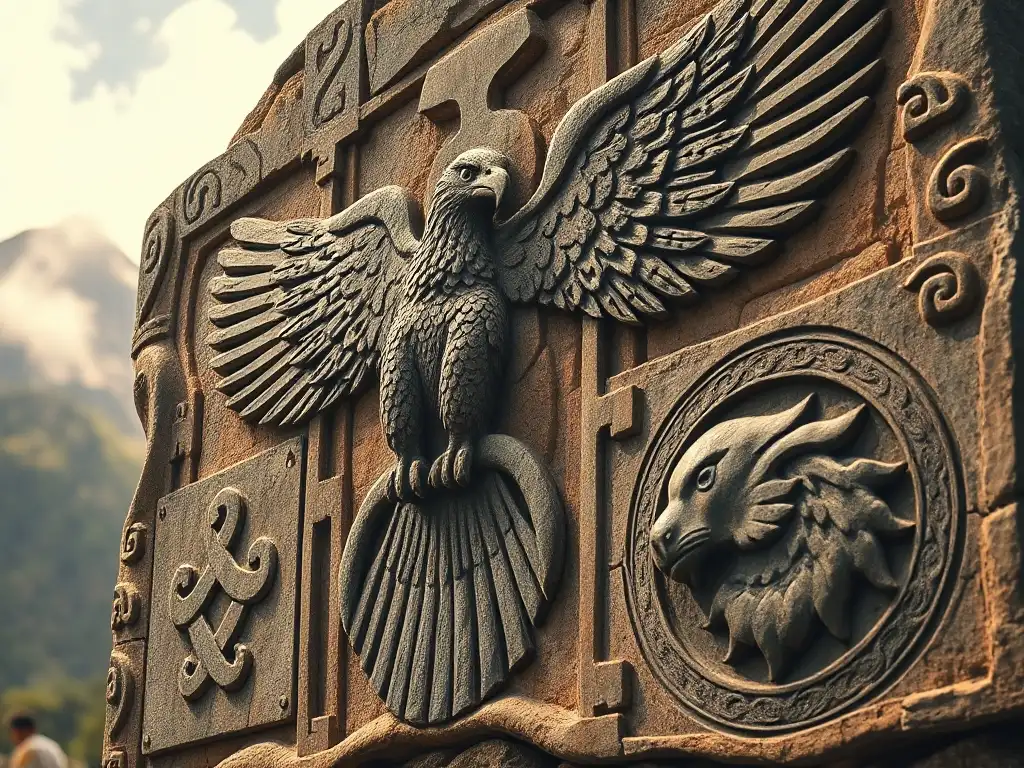
The Inca Empire, renowned for its architectural and engineering prowess, also possessed a rich tapestry of symbolic motifs woven into their art, architecture, and textiles. Understanding these Inca symbolic motifs provides crucial insight into their cosmology, beliefs, and social structure. This section delves into the meaning behind some of the most prominent symbols, shedding light on the Inca worldview and their sophisticated symbolic language. The study of Inca symbolic motifs meaning reveals a complex and fascinating civilization.
The Sun God Inti: Central Inca Symbolism
Inti, the sun god, held paramount importance in Inca religion and cosmology. He was considered the supreme deity, the source of life, and the ultimate ruler of the cosmos. Depictions of Inti often featured a stylized face, sometimes with rays emanating outwards, symbolizing his power and radiance. The sun's daily journey across the sky was mirrored in the Inca's own understanding of life, death, and rebirth. This cyclical nature is reflected in many aspects of Inca life, from their agricultural practices to their elaborate ceremonies.
The representation of Inti varied depending on the context. In some cases, he was depicted as a human-like figure, adorned with elaborate headdresses and jewelry. In other instances, he was symbolized more abstractly, through the use of golden disks or sun-like patterns woven into textiles.
Archaeological finds, such as golden masks and intricately carved sunstones, further attest to the central role of Inti in Inca iconography. The intensity of Inti's symbolism is evident in the meticulous detail and craftsmanship dedicated to his representations. The sheer amount of gold dedicated to Inti's depiction underscores his importance within the Inca belief system.
The Chakana (Inca Cross): Cosmic Order and Balance
The chakana, often referred to as the Inca cross, is another significant Inca symbolic motif. Unlike a simple Christian cross, the chakana is a stepped cross, representing the four cardinal directions, the three worlds (upper, middle, and lower), and the connection between them. Its three stepped levels symbolize the three levels of existence: the Hanan Pacha (upper world), the Kay Pacha (middle world, where humans reside), and the Ukhu Pacha (underworld). The central square represents the balance and harmony between these worlds.
The chakana was not just a religious symbol; it also held practical significance. Its design is found in various Inca structures, suggesting its use as a blueprint for cosmic order and balance in their architecture and urban planning. The meticulous alignment of Inca cities with celestial bodies further reinforces the importance of the chakana and the Inca's deep understanding of astronomy.
Many believe the chakana also represents the path to spiritual enlightenment, embodying the journey of the soul through the different realms of existence. The intricate design and symbolic richness of the chakana continue to captivate scholars and enthusiasts alike.
Puma, Serpent, and Condor: Inca Animal Symbolism
Inca animal symbolism played a crucial role in their religious beliefs and worldview. The puma, serpent, and condor were particularly significant, representing power, wisdom, and strength.
- Puma: Representing strength, power, and the earthly realm, the puma was revered as a sacred animal. Its association with the Andes Mountains further underscores its importance in the Inca worldview. Depictions of pumas are often found in textiles, pottery, and stone carvings, reflecting their prominent place in Inca society.
- Serpent: The serpent symbolized wisdom, fertility, and the underworld. Its connection to water and the life-giving properties of rain made it a powerful symbol in an agricultural society. The serpent’s ability to shed its skin also linked it to concepts of rebirth and renewal.
- Condor: The condor, a majestic bird of prey, represented the upper world, power, and the sun. Its ability to soar high above the mountains symbolized connection to the divine and the spiritual realm. Condor imagery was often incorporated into ceremonial objects and textiles, emphasizing its sacred status.
The Inca's use of these animal motifs demonstrates their deep understanding of the natural world and their ability to integrate it into their spiritual beliefs. The symbolic power of these animals continues to resonate today, offering insights into the Inca's sophisticated cosmological system and their reverence for the natural world. Further research into the specific contextual use of these animal motifs is needed to fully understand the nuances of their meanings.
Geometric Patterns: Meaning and Purpose
Geometric patterns were fundamental to Inca symbolic motifs, deeply intertwined with their cosmology and worldview. These weren't merely decorative elements; they represented abstract concepts, spiritual beliefs, and the Inca understanding of the universe's structure. The precision and repetition evident in their work suggest a deliberate intentionality, reflecting a worldview emphasizing order, balance, and harmony.
The use of these patterns extended beyond textiles and pottery; they were integral to Inca architecture, appearing as intricate carvings on stonework and as part of larger architectural designs. Scholars suggest that the specific geometric patterns used in different contexts held varying meanings, potentially signifying social status, religious significance, or even marking specific locations within a city or temple complex. Further research is needed to fully decode the nuanced meanings embedded within these complex geometric systems, but their pervasive presence speaks volumes about their importance in Inca society.
The intricate weaving techniques, for instance, often incorporated geometric designs that mirrored architectural elements, suggesting a strong connection between artistic expression and the built environment. The consistent use of these motifs across various media also suggests a standardized system of meaning, potentially overseen by a priestly class responsible for interpreting and maintaining the cultural significance of these patterns.
Step Fret Motifs: Inca Architectural Decoration
The step fret motif, a series of interlocking zigzags resembling a staircase, is one of the most recognizable Inca geometric patterns. Frequently found adorning stone walls and architectural features, particularly in buildings associated with religious or ceremonial purposes, the step fret is believed to symbolize the ascent to the heavens or a connection between the earthly and spiritual realms. Its repetitive nature might also represent the cyclical nature of time and the continuous regeneration of life, mirroring the Inca agricultural practices and their deep reverence for nature's cycles.
The precision with which these motifs were carved into stone is astonishing, showcasing the Inca's mastery of stonework and their commitment to artistic detail. Examples of this motif can be found in numerous Inca sites, highlighting its widespread use and enduring cultural significance.
The consistent use of the step-fret motif across different regions of the Inca Empire suggests a unified symbolic system, further emphasizing its importance within the broader Inca worldview. The meticulous craftsmanship involved in creating these intricate patterns underscores the reverence held for the symbolic meaning they represented.
Diamond and Chevron Designs: Common Inca Patterns
Diamond and chevron patterns, characterized by their angular shapes and repetitive structures, are other prevalent geometric motifs in Inca art and architecture. These designs, often interwoven with other patterns or used independently, likely held symbolic meanings related to fertility, abundance, and the interconnectedness of life. The diamond shape, in particular, might have represented the earth or the female principle, while the chevron, with its pointed edges, could have signified the mountains or the male principle.
Their combination might have represented the harmonious union of opposing forces, a central theme in Inca cosmology. These patterns are frequently found on textiles, pottery, and stone carvings, demonstrating their widespread use across different media and social contexts. The varied interpretations of these patterns highlight the complexity and richness of Inca symbolism, inviting further research to uncover the full extent of their meanings.
Many scholars believe that the precise arrangement and variations within these patterns held specific meanings, potentially indicating social status, clan affiliation, or other significant cultural markers. The study of these patterns offers a fascinating glimpse into the sophisticated symbolic language of the Inca civilization.
Inca Symbolic Motifs in Art and Architecture
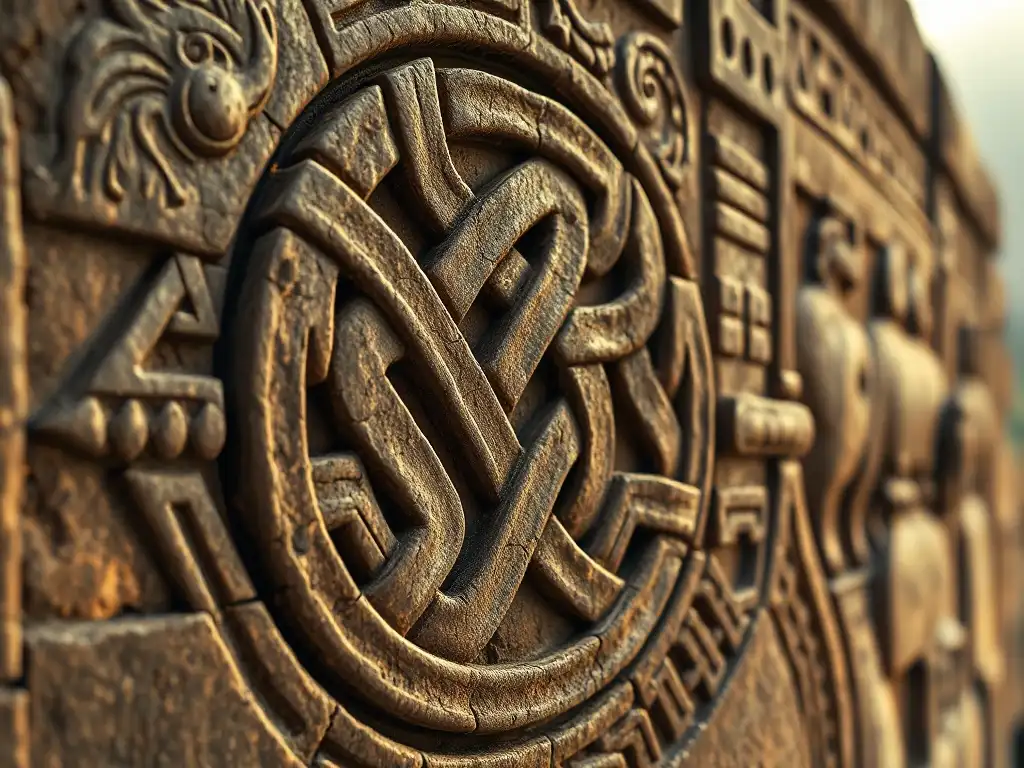
The Inca Empire, renowned for its sophisticated engineering and impressive architectural feats, also left behind a rich legacy of symbolic motifs. These recurring images, woven into textiles, etched onto ceramics, and integrated into the very fabric of their structures, offer invaluable insights into Inca beliefs, cosmology, and social organization. Understanding these Inca symbolic motifs meaning is key to unlocking a deeper understanding of their worldview.
The consistent use of these motifs across various mediums underscores their importance and enduring power within Inca society. Analyzing these symbols allows us to appreciate the intricate relationship between Inca art, architecture, and their spiritual beliefs. This section will explore the prominent use of symbolic motifs in Inca art and architecture, revealing the deep-seated meanings embedded within these creations.
Inca Textile Motifs: Weaving Beliefs into Fabric
Inca textiles represent a pinnacle of Andean artistry. More than mere clothing, textiles served as powerful mediums for conveying social status, religious beliefs, and historical narratives. The intricate weaving techniques, vibrant colors, and carefully chosen motifs all held symbolic significance. For example, the khipu, a complex system of knotted cords, served as a form of record-keeping, possibly encoding historical events, astronomical observations, or even religious prophecies. While the exact meaning of many khipu knots remains debated, their presence as a textile-based record-keeping system highlights the importance of textiles in Inca culture.
Common motifs found in Inca textiles include stylized representations of animals like the puma (symbol of power and royalty), the condor (associated with the sky and the gods), and the snake (representing fertility and the underworld). Geometric patterns, such as stepped triangles and interlocking spirals, likely held cosmological significance, potentially representing mountains, celestial bodies, or the cyclical nature of life and death. The use of specific colors also carried symbolic weight; red, for example, often represented blood, sacrifice, and power, while yellow signified gold and the sun.
The meticulous detail and symbolic richness of Inca textiles demonstrate the profound connection between their artistic expression and their spiritual worldview. Further research into specific color combinations and their contextual use within different textile types would enrich our understanding of their encoded meanings.
Inca Ceramics: Depicting Myths and Rituals
Inca ceramics provide another rich source of information about Inca symbolic motifs. Pottery, often decorated with vibrant colors and intricate designs, served both practical and ceremonial purposes. The motifs depicted on these vessels often reflect mythological narratives, ritual practices, and societal hierarchies. Common motifs include anthropomorphic figures (human-like figures), often depicted in ritualistic poses or adorned with symbolic headdresses and jewelry. These figures likely represented deities, ancestors, or shamanistic figures.
Furthermore, depictions of animals and plants were frequently found on Inca ceramics. The symbolic meaning of these depictions often varied depending on the context and the specific combination of motifs. For instance, a puma depicted alongside a snake might symbolize the interaction between the earthly and spiritual realms.
The use of specific colors on the ceramics further enhanced the symbolic narrative. The meticulous craftsmanship and attention to detail evident in Inca ceramics demonstrate the importance placed upon these objects as vehicles for transmitting cultural beliefs and traditions. A detailed cataloging of ceramic motifs and their regional variations would be beneficial in establishing a more comprehensive understanding of their symbolic meanings across the empire.
Inca Architecture: Integrating Symbols in Structures
Inca architecture is characterized by its precise stonework, massive structures, and ingenious engineering. However, beyond the impressive technical achievements, Inca architecture is also replete with symbolic motifs meticulously integrated into the design and layout of buildings. These symbolic elements were not merely decorative; they were integral to the meaning and function of the structures. The careful orientation of buildings, the use of specific materials, and the incorporation of symbolic motifs all played a role in conveying power, religious beliefs, and social order.
Temples and Palaces: Symbolic Representations of Power
Temples and palaces, the most prominent structures in Inca cities, were designed to reflect the power and authority of the Inca rulers and the religious beliefs of the empire. The use of specific materials, such as finely cut stone, symbolized the Inca's mastery over their environment and their connection to the earth. The precise orientation of temples towards celestial bodies, such as the sun and the stars, suggests a sophisticated understanding of astronomy and its connection to religious practices.
The layout and design of these structures were often imbued with symbolic meaning. For example, the use of specific geometric patterns in the stonework, such as stepped pyramids, may have represented mountains, representing the connection between the earthly and spiritual realms. Furthermore, the placement of specific architectural features, such as niches and doorways, may have held symbolic significance, possibly representing portals to the spirit world or gateways to power.
[Specific examples of temple and palace layouts and their symbolic interpretations pending]. Further research into the specific architectural features of different Inca structures and their regional variations would contribute significantly to understanding the symbolic meanings embedded within Inca architecture. The systematic study of these architectural elements, coupled with archaeological findings, promises to reveal further layers of meaning within the Inca's magnificent structures.
The Role of Inca Symbolic Motifs in Religion and Ritual
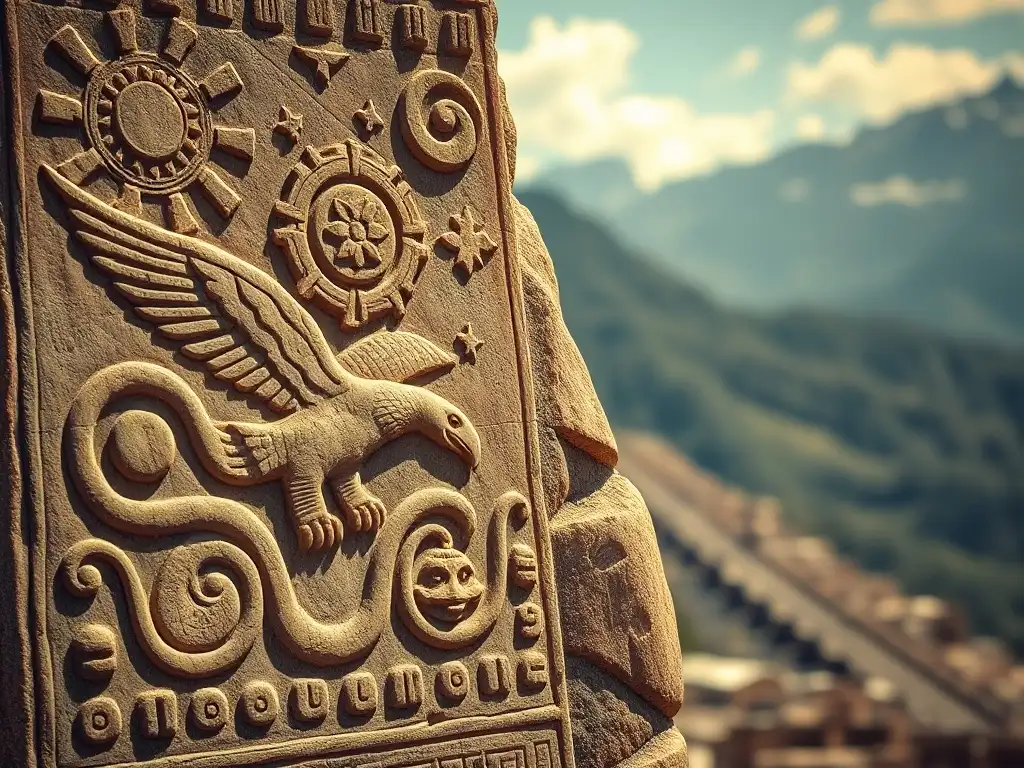
The Inca Empire, renowned for its architectural and engineering prowess, also possessed a sophisticated system of symbolic motifs deeply interwoven with their religious beliefs and ritual practices. Understanding these symbols provides crucial insight into the Inca worldview, their cosmology, and their relationship with the natural and supernatural worlds. The Inca symbolic motifs meaning wasn't merely decorative; it served as a powerful communication tool, conveying complex ideas and reinforcing social structures.
These motifs, often intricately carved into stone, woven into textiles, or painted onto ceramics, were integral to their daily lives and spiritual practices. The prevalence and consistency of these symbols across vast distances suggest a highly organized and centralized system of religious belief.
Inca Cosmology: Expressed Through Symbols
Inca cosmology, a complex system of beliefs about the universe, heavily influenced the use of symbolic motifs. The chakana, or Andean Cross, is perhaps the most recognizable example. This symbol, frequently found in Inca art and architecture, represents the four cardinal directions, the four elements (earth, air, fire, water), and the three levels of the cosmos – the upper world (Hanan Pacha), the human world (Kay Pacha), and the underworld (Ukhu Pacha).
The central point of the chakana often symbolizes the connection between these realms. The chakana's meaning extended beyond a simple map of the universe; it represented the balance and harmony that the Inca strived to maintain in all aspects of life.
Further illustrating the Inca's cosmological beliefs are representations of the sun (Inti), moon (Killa), and stars (constellations). These celestial bodies held immense religious significance, with Inti considered the most important deity. Depictions of Inti, often shown as a stylized face or a radiant sun disc, are commonly found on textiles, pottery, and metalwork.
The specific arrangement and context of these symbols within a given artifact often provided further layers of meaning, revealing specific narratives or rituals. For example, the combination of Inti with specific agricultural symbols might indicate a prayer for a bountiful harvest. More research is needed to fully understand the nuanced meanings behind the complex interplay of these celestial symbols in different Inca contexts.
Ritual Practices and Symbolic Objects
Many Inca ritual practices involved the use of symbolic objects adorned with specific motifs. For instance, kero (ceremonial drinking vessels) were often intricately decorated with scenes depicting deities, animals, and other symbolic elements. These objects were not merely functional; they were integral components of rituals, imbued with spiritual power. The specific motifs on a kero might indicate the purpose of the ritual or the social status of the participants.
Furthermore, textiles played a significant role in Inca rituals. The intricate weaving techniques and the symbolic designs incorporated within the textiles served as potent expressions of religious beliefs. Specific colors and patterns had particular meanings, often relating to deities, ancestors, or important events. The creation of these textiles was itself a ritualistic process, performed by skilled artisans who held a respected place in Inca society.
The use of specific knots and techniques within the textile further enhanced the symbolic meaning, creating a rich tapestry of religious expression. Detailed analysis of surviving textiles is crucial in deciphering the complex symbolic language embedded within these artifacts. [Specific examples of textile patterns and their meanings pending further research].
The Connection Between Symbols and the Inca Worldview
The Inca symbolic motifs meaning was intrinsically linked to their worldview, which emphasized balance, harmony, and reciprocity between humans and the natural world. The Inca believed in the interconnectedness of all things, and their symbols reflected this belief. The frequent use of animal motifs, such as the puma, condor, and serpent, reflects the importance of the animal kingdom in their cosmology. These animals were not simply depicted; they held symbolic meanings related to power, strength, and spiritual forces.
The prevalence of geometric patterns, such as triangles, zigzags, and stepped frets, also points to a strong emphasis on order and structure within the Inca worldview. These patterns were not random; they represented the organized structure of the Inca society and their understanding of the cosmos.
The Inca's meticulous attention to detail in their symbolic representations underscores their profound respect for the spiritual realm and their belief in the power of symbols to connect the human world with the divine. Further investigation into the specific cultural contexts of these motifs is essential to fully grasp the depth and complexity of the Inca worldview.
Deciphering the Meaning of Inca Symbolic Motifs
The Inca Empire, renowned for its architectural prowess and sophisticated social structures, also left behind a rich legacy of symbolic motifs. These intricate designs, woven into textiles, carved into stone, and painted on pottery, offer valuable insights into Inca cosmology, beliefs, and social organization. Understanding these Inca symbolic motifs meaning requires careful consideration of multiple factors, moving beyond simplistic interpretations to a nuanced understanding of their cultural context.
The challenge lies in the limited surviving written records, forcing scholars to rely heavily on archaeological evidence and careful analysis of visual representations. This section explores the complexities of interpreting these fascinating symbols, highlighting both the progress made and the ongoing debates within the field.
Challenges in Interpreting Inca Iconography
Interpreting Inca iconography presents significant challenges. Unlike many other ancient civilizations that left behind extensive written texts, the Inca primarily relied on a complex system of quipus – knotted strings – for record-keeping. The meaning of these quipus remains largely debated, hindering a complete understanding of the symbolic systems employed by the Inca. Furthermore, the Inca Empire spanned a vast geographical area, and regional variations in artistic styles and symbolic representations complicate efforts to create a unified interpretation.
What we do know is that Inca symbolism was rarely straightforward. A single motif, such as a serpent or a condor, could hold multiple layers of meaning depending on its context, its association with other symbols, and the specific object or location where it appears. For example, a condor might represent power and authority in one instance, while in another it might symbolize a specific deity or a particular aspect of the natural world.
This inherent ambiguity necessitates a multi-faceted approach to interpretation, taking into account stylistic variations, geographical context, and the broader cultural and religious beliefs of the Inca. The lack of a Rosetta Stone equivalent for Inca symbolism underscores the ongoing need for meticulous archaeological research and interdisciplinary collaboration to unlock the full meaning of these captivating designs.
The Significance of the Three Worlds: Hanan Pacha, Kay Pacha, Uku Pacha
Central to Inca cosmology was the belief in three interconnected worlds: Hanan Pacha (the upper world), Kay Pacha (the earthly world), and Uku Pacha (the underworld). These three realms were not simply geographical locations but also represented different levels of existence, influencing Inca social structures, religious practices, and artistic representations. Inca symbolic motifs frequently depicted elements from each of these worlds, reflecting the interconnectedness of their beliefs.
For instance, celestial bodies like the sun and moon often appeared in representations of Hanan Pacha, while agricultural motifs like maize and llamas symbolized Kay Pacha, reflecting the importance of agriculture in Inca life. Images of snakes or other subterranean creatures frequently represented Uku Pacha, signifying the unseen forces and spirits believed to inhabit the underworld. The intricate interplay of these symbols in Inca art allowed for complex narratives and emphasized the cyclical nature of life, death, and rebirth, central tenets of Inca belief.
Understanding the representation of these three worlds is crucial to deciphering the deeper meaning embedded within many Inca symbolic motifs. Archaeological findings consistently reveal the consistent presence of motifs reflecting this tripartite cosmology, reinforcing its significance.
The Legacy of Inca Symbolism in Andean Culture
The legacy of Inca symbolism continues to resonate deeply within Andean culture today. Many motifs, once integral to Inca religious practices and social structures, have persisted through centuries, evolving and adapting to new contexts. The continuity of these symbols highlights the enduring influence of the Inca Empire and the strength of Andean cultural identity.
While the precise meanings may have shifted over time, the visual language of Inca symbolism remains recognizable and significant. These motifs are frequently incorporated into contemporary Andean art, textiles, and even architecture, serving as powerful reminders of a rich and complex past. The enduring presence of these symbols underscores their cultural importance and the lasting impact of the Inca civilization on the Andean region.
This continued use demonstrates that the Inca symbolic motifs meaning is not merely a historical curiosity but a living testament to a vibrant cultural heritage. The ongoing study and appreciation of these motifs are vital for understanding both the Inca past and the present-day Andean world.
Frequently Asked Questions
What are some common Inca symbolic motifs?
The Inca used many motifs, including the khipu (knotted string record-keeping system), the condor, representing power and strength, the puma, symbolizing earthly power, and the snake, associated with water and fertility. These were woven into textiles and carved into stone.
What did the Inca sun symbol represent?
The Inca sun, or Inti, was a central deity. Its representation symbolized divine power, royal authority, and the life-giving energy of the sun. It was a powerful symbol throughout the empire.
How did the Inca use symbolic motifs in their textiles?
Inca textiles were richly adorned with symbolic motifs, often telling stories or conveying social status. The colors and patterns themselves held specific meanings, further enriching the symbolic narrative. This was a crucial form of communication.
What is the significance of the khipu in Inca symbolism?
The khipu wasn't just a record-keeping device; it was a powerful symbolic object. The complex system of knots and colors likely held deeper meanings beyond simple numerical data, possibly relating to mythology or ritual. Research continues to uncover its secrets.
Where can I see examples of Inca symbolic motifs today?
Many examples survive in archaeological sites throughout the Andes, such as Machu Picchu. Museums worldwide also house collections of Inca textiles and artifacts showcasing these powerful symbols. You can also find representations in modern Andean art.
Final Reflection: Unraveling the Enduring Legacy of Inca Symbolism
The intricate tapestry of Inca symbolic motifs continues to resonate today, a powerful testament to the enduring strength of cultural expression and its ability to transcend time. Understanding these symbols isn't merely an academic exercise; it's a key to unlocking a deeper appreciation for a civilization that shaped the very landscape of South America and left an indelible mark on its people. The meanings woven into these designs offer a window into a complex worldview, one that prioritized community, nature, and a profound connection to the spiritual realm.
The impact of Inca symbolism extends far beyond the archaeological record; it continues to influence contemporary Andean art, textiles, and even spiritual practices. The enduring power of these motifs speaks volumes about the human need for meaning and connection. The past is never dead. It's not even past.
- William Faulkner. This quote perfectly encapsulates the ongoing relevance of Inca symbolism, reminding us that the stories and beliefs embedded within these designs remain vibrant and relevant in the present day. Their continued use and reinterpretation demonstrate the enduring power of cultural heritage to shape identity and inspire future generations.
Consider the intricate details, the vibrant colors, and the profound stories embedded within each Inca motif. Take a moment to reflect on the ways in which symbolism shapes your own life, the stories you tell, and the connections you make with the world around you.
By understanding the rich legacy of Inca symbolism, we can gain a deeper appreciation for the power of visual communication and the enduring legacy of cultures that came before us. Let the vibrant threads of Inca artistry inspire you to explore the symbolic language within your own life and community, fostering a deeper understanding of the human experience across time and cultures.
Thank you for exploring the fascinating world of Inca symbolism with us! You've gained valuable insights into how these intricate designs reflect deep-seated beliefs and cultural significance. Now, let's take your understanding further.
Here are some ways to deepen your exploration of this captivating subject:
- Visit local museums or browse online galleries to examine authentic Inca artifacts and their symbolic designs. Consider the stories each piece tells.
- Discuss the significance of these symbols with friends or participate in online forums. Sharing your interpretations can spark engaging conversations about the role of art in shaping cultural identity.
- Create your own symbol representing your personal beliefs and values. It might even inspire others!
How do you see symbols shaping your own life and cultural background? We'd love to hear your thoughts in the comments!