
The Mystery of Andean Metalworking: Adapting to the Landscape

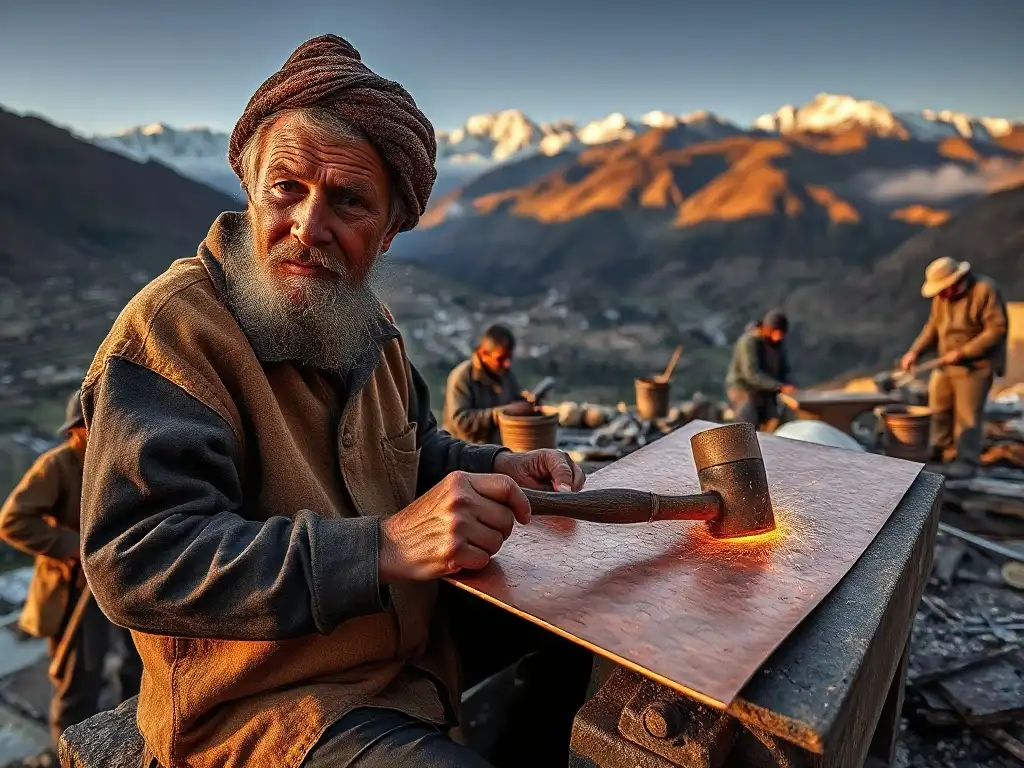
Step into a world lost to time, yet echoing with the echoes of masterful artistry. Imagine a civilization crafting intricate gold ornaments, gleaming silver vessels, and powerful bronze weapons, all shaped by the unforgiving yet inspiring landscape of the Andes. This is the story of Andean metalworking techniques, a testament to human ingenuity and resilience. Discover how these ancient cultures adapted their metalworking to the challenging environment, and uncover the secrets behind their astonishing achievements. Prepare to be amazed.
The Andes Mountains, a formidable and unforgiving landscape, presented immense challenges to its inhabitants. Yet, paradoxically, this very environment fostered ingenuity and innovation, particularly in the realm of metalworking. This article delves into the fascinating world of Andean metalworking techniques, exploring how these ancient civilizations adapted their metallurgical practices to the unique constraints and opportunities presented by their high-altitude, geographically diverse home.
From the coastal deserts to the towering peaks, the ingenuity of Andean metallurgists is a testament to human resilience and adaptability. We will examine the specific techniques employed, the resources utilized, and the remarkable artistry achieved, highlighting the close relationship between Andean metalworking and the environment.
Understanding these techniques provides crucial insight into the social, economic, and technological advancements of these remarkable cultures. This exploration will reveal how the seemingly insurmountable challenges of the Andes spurred the development of sophisticated and unique metallurgical practices, leaving behind a legacy of breathtaking artistry and technological prowess.
Sourcing and Processing of Metals in the Andes
The Andean region is not uniformly rich in metal ores. Access to resources varied considerably depending on location, impacting the types of metals used and the complexity of the metalworking processes. Gold, silver, copper, and bronze were the primary metals exploited, with their availability often dictating the scale and style of production. For example, coastal regions might have had easier access to copper, while higher altitudes might have yielded different ores.
The extraction process itself involved significant labor and technical skill, often requiring sophisticated mining techniques adapted to the challenging terrain. Early mining likely involved open-pit methods, gradually evolving into more complex shaft mining in later periods. [Specific details on mining techniques for different Andean cultures pending].
Once extracted, the ores underwent complex processes of smelting, refining, and alloying to produce the desired metal. This often involved the construction of specialized furnaces and the development of sophisticated techniques for controlling temperature and atmosphere. The ingenuity displayed in overcoming the logistical and technological challenges of metalworking in the Andes is truly remarkable.
Andean Metalworking Techniques: A Diversity of Approaches
Andean metalworking wasn't a monolithic practice; it encompassed a diverse range of techniques that varied across different cultures and time periods. Hammering, casting, and soldering were all employed, often in combination to create intricate and visually stunning objects. Hammering, a fundamental technique, involved shaping the metal through repeated blows using stone or metal hammers. Casting, a more complex process, involved melting the metal and pouring it into molds, allowing for the creation of more complex shapes and designs.
The precision and control demonstrated in Andean casting is particularly impressive, especially considering the materials and tools available. Soldering, the joining of metal pieces using a filler metal, allowed for the creation of elaborate objects from smaller components. [Specific examples of artifacts showcasing different techniques, including precise measurements and descriptions pending]. The development of these techniques, and their adaptation to the available resources, showcases the remarkable technological capabilities of Andean societies.
The Role of Metal in Andean Society and Religion
The significance of Andean metalworking extended far beyond mere technological achievement. Metal objects played a crucial role in Andean society, serving as tools, weapons, ornaments, and religious artifacts. Elaborate gold and silver objects were associated with power and prestige, often used in rituals and ceremonies. The intricate designs and craftsmanship evident in these objects reflect not only technical skill but also a deep understanding of Andean cosmology and religious beliefs.
For example, the use of specific motifs and iconography in metalwork provides invaluable insights into Andean religious practices and worldview. [Specific examples of religious artifacts and their significance pending]. The study of Andean metalwork thus offers a unique window into the social, political, and religious life of these ancient civilizations. The artistry and symbolic meaning embedded in these objects underscore the profound cultural importance of metalworking in the Andes.
The Legacy of Andean Metalworking
The legacy of Andean metalworking continues to inspire awe and fascination. The sophisticated techniques, artistic achievements, and cultural significance of Andean metalwork stand as a testament to the ingenuity and resilience of its creators. The remarkable adaptability of Andean metallurgists to the challenges of their environment serves as a powerful reminder of human capacity for innovation and creativity. Their achievements continue to inform our understanding of ancient technologies and their integration within broader cultural contexts.
The study of Andean metalworking techniques remains a dynamic field of research, with ongoing discoveries continually expanding our knowledge of these remarkable achievements. The enduring appeal of Andean metalwork lies in its ability to connect us to a rich and complex past, showcasing the enduring power of human ingenuity in the face of adversity. The artistry and technical skill displayed are simply breathtaking 🤯.
- Sourcing and Processing of Metals in the Andes
- Andean Metalworking Techniques: A Diversity of Approaches
- The Role of Metal in Andean Society and Religion
- The Legacy of Andean Metalworking
- What unique challenges did Andean metalworkers face?
- What were some of the primary metals used in Andean metalworking?
- How did Andean metalworkers adapt their techniques to the landscape?
- What are some examples of advanced Andean metalworking techniques?
- How did the Inca Empire impact Andean metalworking?
Andean Metalworking: An Introduction to Pre-Columbian Metallurgy
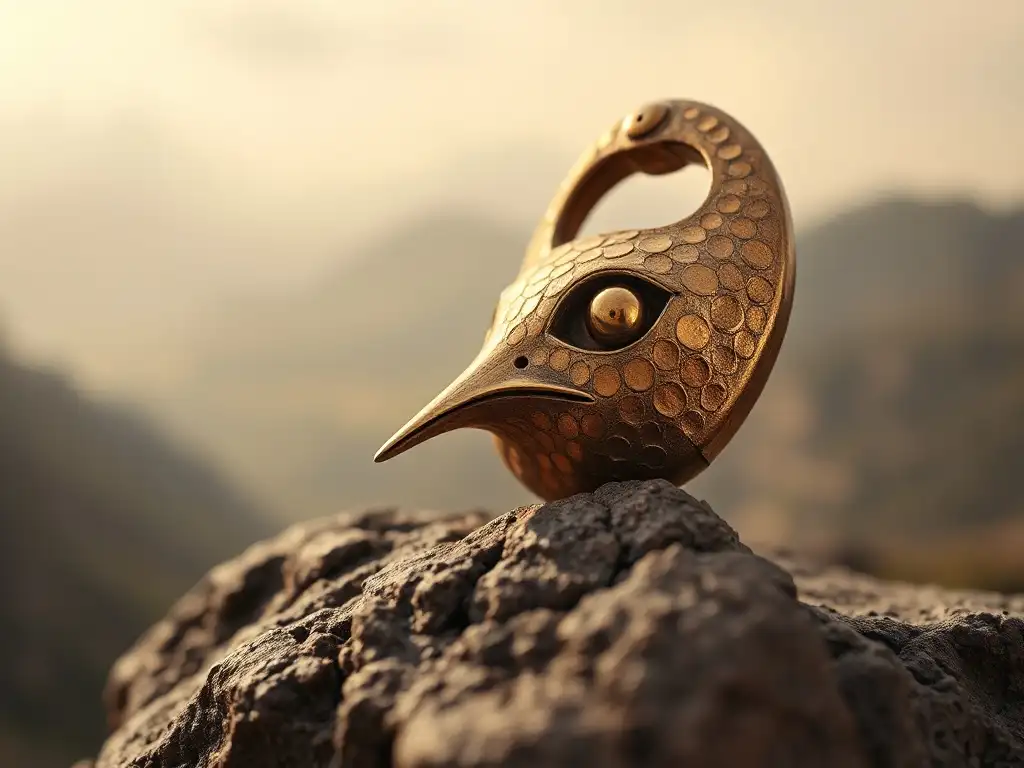
Andean metalworking techniques represent a remarkable achievement in pre-Columbian technology, showcasing the ingenuity and adaptability of Andean civilizations in harnessing the resources of their challenging environment. The mastery of metallurgy in the Andes wasn't simply a technological feat; it was deeply intertwined with their social structures, religious beliefs, and economic systems. This section explores the fascinating world of Andean metalworking, focusing on the innovative methods employed and the profound impact this craft had on the societies that practiced it.
Understanding Andean metalworking provides a crucial lens through which to examine their resourcefulness, artistic expression, and complex societal dynamics. The scarcity of certain metals, coupled with the challenging geography, further emphasizes the sophistication of their techniques.
We'll delve into specific examples, demonstrating the remarkable level of skill and artistry achieved by Andean artisans. The sheer variety of techniques and the artistry displayed across different Andean cultures highlights the diversity and innovation within the region.
Early Andean Metalworking Practices and Their Significance
The earliest evidence of Andean metalworking dates back to approximately 2000 BCE, in the northern coastal regions of Peru. Initially, the focus was primarily on gold, silver, and copper, metals readily available in the region, though in relatively small quantities. Early practices involved hammering and annealing – a process of heating and cooling the metal to make it more malleable – to shape simple ornaments and tools.
This period saw the development of basic techniques like cold hammering, which involved shaping the metal through repeated blows without the use of heat. The discovery of gold nuggets and copper deposits, often found in riverbeds or near volcanic areas, played a crucial role in the development of these early techniques. The limited availability of these precious metals contributed to their high value and their use in primarily ritualistic and elite contexts.
Subsequently, the development of more sophisticated techniques like casting (creating objects by pouring molten metal into a mold) and alloying (combining different metals to create new materials with enhanced properties) significantly expanded the possibilities of Andean metalworking. The creation of alloys, such as tumbaga (an alloy of gold and copper), allowed artisans to create objects with a wider range of colors and properties. Tumbaga, for example, offered a cost-effective alternative to pure gold while maintaining a visually appealing golden hue.
This innovation reflects the Andean societies' ability to adapt and optimize their resources. Archaeological evidence suggests a gradual evolution in these techniques, with increasing complexity and sophistication over time. The development of lost-wax casting, a complex technique involving creating a wax model and covering it in clay before melting out the wax, allowed for the creation of intricate and detailed objects.
The level of precision achieved in these early castings is a testament to the skill and knowledge of Andean metallurgists. Analysis of these artifacts reveals a keen understanding of metallurgy and material science, far exceeding the expectations for societies at this technological stage.
The Importance of Metal in Andean Societies
Metal in Andean societies transcended its purely utilitarian function. It held profound symbolic significance, deeply embedded within their religious beliefs and social hierarchies. Gold, in particular, was associated with the sun and held sacred importance, frequently used in ritual objects and adornments for elite individuals and deities.
Silver, though less prevalent than gold, still played a significant role, often used in conjunction with gold or other metals to create visually stunning and symbolically rich pieces. Copper, while less precious than gold and silver, was widely used for tools and weapons, reflecting its importance in daily life and warfare. The distribution of metal artifacts across different social strata reflects the hierarchical nature of Andean societies.
Elite members of society often possessed elaborate gold and silver ornaments, while those of lower social standing had access to simpler copper tools and ornaments. The presence of metal in burials, both elite and commoner, further highlights its importance in the Andean worldview, possibly reflecting beliefs about the afterlife or the continuation of social status beyond death.
The control and production of metal were likely centralized in some Andean societies, with specialized workshops and artisans responsible for creating these objects. This centralization of metalworking would have had significant implications for social organization and power dynamics, with those controlling metal production holding considerable influence and authority. The sheer scale of some metalworking enterprises, evidenced by large quantities of metal artifacts and the presence of specialized workshops, underscores the importance of this craft within the Andean economies.
The trade of metal objects also played a crucial role in the Andean world, connecting different regions and contributing to the exchange of goods and ideas. The discovery of metal artifacts in distant locations suggests extensive trade networks that facilitated the distribution of these precious materials and the spread of metalworking techniques.
Further research is needed to fully understand the complex interplay between metalworking, social hierarchy, religious beliefs, and economic systems in the diverse Andean cultures. Understanding these intricate relationships is key to unlocking a more complete picture of Andean civilization.
Sourcing the Raw Materials: Andean Mineral Resources
The mastery of Andean metalworking techniques was intrinsically linked to the unique geological landscape of the Andes Mountains. Access to raw materials, specifically copper, gold, silver, and tin, dictated the development and sophistication of metallurgical practices across different Andean cultures. The uneven distribution of these ores across the vast Andean region significantly influenced the rise and fall of various civilizations and their interaction with each other.
Understanding the sourcing of these raw materials is key to appreciating the ingenuity and adaptability of Andean metalworkers. The sheer scale of the endeavor, from initial prospecting to the final refinement, highlights the significant investment of labor and resources these societies dedicated to metalworking.
Geographic Distribution of Andean Metal Ores
The Andes Mountains are rich in mineral deposits, but their distribution was far from uniform. Copper, a crucial metal for tools and weaponry, was prevalent in regions like the Central Andes (modern-day Peru and Bolivia), particularly in areas like the Atacama Desert and the highlands around Lake Titicaca. Gold, highly valued for its symbolic and decorative purposes, was found in alluvial deposits in various river systems across the Andean region.
Silver, often found alongside copper and lead, was also a significant metal, used in both utilitarian objects and elite adornment. Tin, essential for creating bronze alloys, was less abundant and more geographically restricted, often found in smaller deposits scattered throughout the Andes. This uneven distribution played a crucial role in shaping trade networks and political power dynamics.
For example, control over rich copper deposits could provide a significant advantage in warfare and economic influence. The need to access tin, in particular, led to complex long-distance trade routes, connecting different Andean communities and fostering cultural exchange.
Mining Techniques in Ancient Andean Civilizations
Andean mining techniques varied considerably depending on the type of ore and its accessibility. For surface deposits, open-pit mining was common, involving the removal of large quantities of overburden to reach the ore body. This method, evident in numerous archaeological sites, required considerable labor and organization.
For deeper deposits, shaft mining was employed, though the technology was simpler than later European methods. Andean miners used tools such as stone hammers, chisels, and picks to excavate tunnels and shafts, often relying on fire-setting to loosen rock faces. Evidence suggests the use of wooden supports to prevent collapses in deeper shafts.
The sophistication of these techniques increased over time, reflecting advancements in tools and organizational capacity. The scale of some mining operations, such as those at Cerro de Pasco in Peru, is astonishing, suggesting a high level of social organization and planning. Moreover, the use of llamas for transporting ore and other materials was crucial, highlighting the integration of animal husbandry into the mining process.
Understanding the Andean Landscape's Role in Ore Accessibility
The challenging Andean landscape significantly influenced the accessibility of mineral resources. High altitudes, steep slopes, and unpredictable weather conditions posed significant obstacles to mining operations. The transportation of extracted ore presented additional challenges, requiring the construction of complex trail systems and the development of effective carrying methods.
The availability of water resources also played a critical role, affecting both mining operations (for example, water was needed for washing ore) and the overall livability of mining communities. The integration of Andean metalworking techniques with the unique environmental conditions is a testament to the ingenuity and adaptability of these ancient societies. Their ability to overcome these challenges, developing sophisticated techniques for both extraction and transport, speaks volumes about their technical skills and their understanding of their environment.
Furthermore, the scarcity of certain resources, such as tin, fostered innovation in alloying techniques and the development of complex trade networks, ultimately enriching the metallurgical landscape of the Andes. The study of ancient Andean mining provides invaluable insights into the interplay between technology, environment, and human adaptation in a challenging yet rewarding landscape.
Andean Metalworking Techniques: Innovation and Adaptation
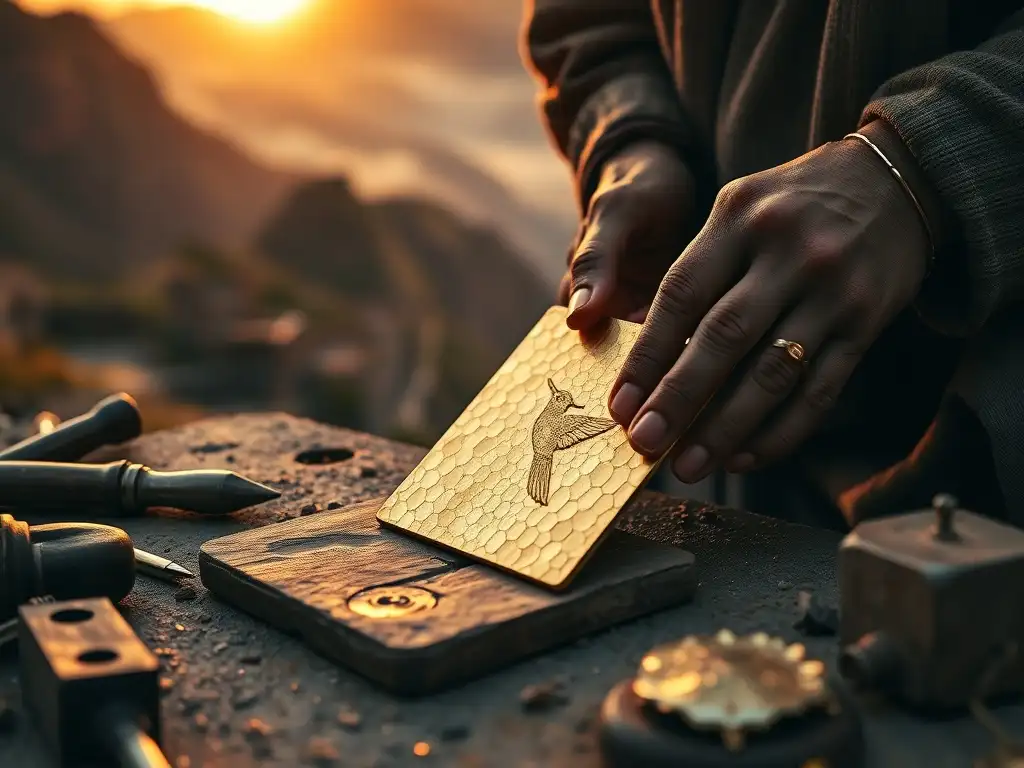
The Andes Mountains, a formidable landscape of towering peaks, deep valleys, and diverse climates, presented unique challenges and opportunities for the development of Andean metalworking techniques. The ingenuity of Andean metallurgists is evident in their ability to adapt to these environmental constraints, developing innovative smelting methods, sophisticated alloying techniques, and masterful metalworking processes. This section delves into the specifics of these techniques, showcasing the remarkable skill and resourcefulness of Andean artisans.
Understanding these techniques reveals not only their metallurgical prowess but also their profound connection to the Andean landscape and its resources. The term "Andean metalworking techniques" itself encompasses a vast array of skills and knowledge passed down through generations.
Smelting Methods in the Andes: Huayra Furnaces and Ceramic Smelting Ovens
Andean smelting techniques varied across different regions and time periods, reflecting the diverse availability of resources and the specific metallurgical needs of each civilization. One notable example is the huayra furnace, a type of air-blown furnace used for smelting copper and other metals. These furnaces, often constructed from stone and clay, utilized natural airflow to achieve high temperatures necessary for smelting. The design of the huayra furnace was cleverly adapted to the local environment, taking advantage of prevailing winds to enhance the smelting process.
The efficiency of huayra furnaces varied depending on factors such as altitude and wind patterns. Higher altitudes often meant lower oxygen levels, impacting the efficiency of combustion and requiring adjustments in furnace design. Archaeological evidence suggests that Andean metallurgists experimented with different furnace designs and sizes to optimize smelting efficiency in diverse environments.
Furthermore, ceramic smelting ovens, simpler in design compared to huayra furnaces, were also employed, especially in areas where access to suitable stone for larger structures was limited. These ovens, made from clay and fired at high temperatures, were capable of reaching temperatures sufficient for the smelting of lower melting point metals like copper. The use of these different smelting techniques highlights the adaptability and resourcefulness of Andean metallurgists in responding to the varied challenges of their landscape.
Alloy Creation and Metal Composition in Andean Metallurgy
The creation of alloys was a significant achievement in Andean metallurgy. By combining different metals, Andean artisans produced materials with enhanced properties, such as increased strength, durability, and malleability. The most common alloy was bronze, a mixture of copper and tin.
However, the precise composition of Andean bronze varied significantly depending on the availability of tin and other alloying elements. In regions where tin was scarce, Andean metallurgists cleverly used other elements, such as arsenic or lead, to modify the properties of copper. This resourceful approach demonstrates a deep understanding of metallurgy and the ability to adapt to resource limitations.
The analysis of Andean metal artifacts reveals a sophisticated understanding of alloying. For instance, some artifacts show evidence of intentional alloying with silver and gold, resulting in unique colors and properties. The precise techniques used to achieve these alloys remain a subject of ongoing research, but the results speak volumes about the technical expertise of Andean metallurgists.
The creation of alloys wasn't merely a technical feat; it was also a reflection of the symbolic value placed on specific metals and the desire to create objects of beauty and significance. This is evident in the intricate designs and careful craftsmanship of many Andean metal artifacts, which often showcase a mastery of both the technical and aesthetic aspects of metalworking. The precise ratios of different metals used in specific alloys often varied depending on the intended use and symbolic meaning of the artifact.
Cold Hammering and Annealing in Andean Metal Craft
Once smelted and alloyed, the metals were then shaped using a range of techniques, most notably cold hammering and annealing. Cold hammering involved repeatedly striking the metal with a hammer to shape it. This process required significant skill and precision, as improper hammering could lead to cracks or fractures in the metal.
To improve the malleability of the metal and prevent breakage during hammering, Andean artisans employed a process called annealing. Annealing involves heating the metal to a specific temperature and then allowing it to cool slowly. This process relieves internal stresses in the metal, making it more pliable and easier to work with.
The combination of cold hammering and annealing allowed Andean metallurgists to create intricate and detailed metal objects. The skill and precision involved in these techniques are evident in the finely detailed ornaments, tools, and weapons produced by Andean cultures. The mastery of these techniques, passed down through generations, demonstrates a deep understanding of the material properties of metals and the ability to manipulate them to create objects of both functional and artistic value.
Archaeological evidence shows a wide variety of tools used in these processes, from simple hammers and anvils to more specialized tools for shaping and finishing metal objects. The development and refinement of these techniques over centuries highlight the ongoing innovation and adaptation within Andean metalworking traditions. The precise temperatures used in annealing, and the methods for controlling these temperatures, continue to fascinate researchers studying Andean metalworking techniques.
Gilding and Plating Techniques in Andean Metalworking
Andean metalworkers displayed remarkable skill in gilding and plating, techniques that significantly enhanced the aesthetic appeal and perceived value of their artifacts. These processes weren't merely decorative; they often held symbolic meaning, reflecting the power and status of the individuals or deities they adorned. The most common method involved applying a thin layer of gold to a base metal, such as copper or silver. This wasn't a simple process of brushing on gold paint; rather, it involved sophisticated techniques requiring considerable expertise.
One prevalent method was fire gilding, where the gold leaf was applied to a heated base metal. The heat caused the gold to adhere, creating a durable and lustrous finish. The precise temperature control required for this process demonstrates a high level of metallurgical understanding.
Archaeological evidence suggests that Andean artisans used various alloys and fluxes to improve the adhesion and evenness of the gold layer, indicating a deep understanding of material science. The choice of base metal also played a role; some alloys were better suited to gilding than others, reflecting a nuanced understanding of the properties of different metals. Furthermore, the application of gold wasn't always uniform; sometimes, artisans created intricate patterns and designs through selective gilding, further showcasing their artistry and mastery.
The resulting objects were not just functional; they were works of art, reflecting the advanced techniques and artistic sensibilities of Andean metalworkers. The careful control over the process, combined with the symbolic significance of gold in Andean cultures, elevates fire gilding beyond mere ornamentation.
The Use of Molds and Casting in Andean Metal Production
Casting, a crucial Andean metalworking technique, involved creating objects by pouring molten metal into a mold. This technique allowed for the mass production of standardized items, as well as the creation of intricate and complex shapes that would be impossible to achieve through hammering or repoussé alone. The molds themselves were often crafted from clay or stone, carefully carved to create the desired shape.
The precision required to create these molds, particularly for complex objects like figurines or ceremonial vessels, is striking. Evidence suggests Andean metalworkers experimented with different mold materials and techniques, constantly refining their processes to achieve greater precision and detail.
The process of casting involved not only creating the mold but also controlling the temperature and flow of the molten metal. This required a deep understanding of metallurgy, including the melting points and properties of various alloys. Archaeological discoveries have unearthed numerous examples of lost-wax casting, a particularly sophisticated technique where a wax model is coated in clay, heated to melt the wax, and then filled with molten metal.
This process allowed for the creation of incredibly detailed and delicate objects. The level of skill and precision required for lost-wax casting highlights the advanced metallurgical knowledge of Andean civilizations. The use of molds and casting wasn't limited to a single type of metal; Andean artisans skillfully cast gold, silver, copper, and their alloys, demonstrating a remarkable versatility in their techniques.
The widespread use of casting across different Andean cultures and time periods underscores its significance in shaping the landscape of Andean metalwork and its lasting legacy. The development of sophisticated casting techniques allowed for the mass production of goods, which likely played a significant role in the economic and social structures of Andean societies.
Adapting Metalworking to the Andean Environment
The dramatic Andean landscape, with its towering peaks, arid deserts, and lush valleys, presented significant challenges and opportunities for the development of metalworking techniques. Andean metalworkers, however, displayed remarkable ingenuity in adapting their practices to the unique environmental constraints of their region. Their success wasn't simply a matter of technical skill; it was a testament to their deep understanding of the environment and their ability to exploit its resources effectively. This section explores the specific challenges faced and the innovative solutions employed in Andean metalworking.
Challenges of Metalworking at High Altitudes
High-altitude metalworking presented a unique set of obstacles. The thin air at altitudes above 3,000 meters significantly reduces the efficiency of smelting processes. Lower oxygen levels hampered the combustion process, making it more difficult to reach the high temperatures necessary to melt metals like copper and gold.
Furthermore, the scarcity of fuel in some areas, coupled with the need for intense heat, forced Andean metallurgists to develop innovative fuel-saving techniques. This scarcity likely influenced the development of smaller-scale furnaces and more efficient smelting strategies compared to techniques in lower-altitude regions. The lack of readily available timber in certain areas also forced adaptation, leading to the use of alternative fuels such as dried dung or certain plants with high energy content.
The impact of altitude on the physical exertion required for mining and processing ores should also be considered. Working at high altitudes increased the physical strain on the workers, influencing the overall organization of labor and the efficiency of the metalworking process.
Overcoming Environmental Constraints in Andean Metallurgy
Despite these challenges, Andean metalworkers demonstrated exceptional adaptability. They developed sophisticated techniques to overcome environmental limitations. One notable example is their mastery of chacu, a technique involving the controlled burning of vegetation to create charcoal, an efficient fuel source for smelting. This careful management of resources allowed them to maximize the output of their furnaces while minimizing environmental impact.
Furthermore, the Andean metallurgists' understanding of local geology and mineral deposits was crucial. They developed intricate systems for locating and extracting ores, adapting their mining techniques to the specific geological formations of the region. This involved not only surface mining but also sophisticated techniques for underground extraction, evidence of which can be found in numerous archaeological sites.
The development of alloys, such as tumbaga (a gold-copper alloy) and arsenical copper, showcases their advanced metallurgical knowledge. These alloys were not simply a matter of mixing metals; they involved precise control of the proportions and temperature to achieve desired properties like hardness and color. The creation of these alloys demonstrates a deep understanding of material science and its implications for tool production and ornamentation.
The Relationship Between Andean Metalworking and Climate
The Andean climate, characterized by its variability and extremes, profoundly influenced the timing and intensity of metalworking activities. The availability of water, crucial for many stages of the metalworking process, dictated the seasonality of production. During the dry season, access to water sources for washing and processing ores might have been limited, potentially affecting the overall productivity. Conversely, the rainy season could have led to difficulties in mining and transportation.
Evidence suggests that Andean societies carefully planned their metalworking activities to coincide with favorable climatic conditions. Archaeological findings, such as the distribution of workshops and smelting sites in relation to water sources and arable land, support this hypothesis. Moreover, climatic fluctuations, such as droughts or unusually harsh winters, may have impacted the availability of fuel and resources, influencing the scale and intensity of metalworking activities.
Further research into the relationship between climatic data and the archaeological record of Andean metalworking could provide a more comprehensive understanding of this intricate interplay. The ingenuity of Andean metalworking techniques, therefore, is not only a testament to their technical skills but also to their ability to adapt to the challenges and opportunities presented by their unique environment. Understanding this relationship is crucial for a complete appreciation of Andean metalworking techniques.
Adaptation of Techniques to Different Andean Regions
The Andes Mountains present a dramatic diversity of environments, from arid coastal deserts to high-altitude alpine regions and lush Amazonian foothills. This environmental heterogeneity significantly impacted Andean metalworking techniques, forcing artisans to adapt their processes to the available resources and geographical constraints.
For instance, coastal regions, often lacking readily available fuel for smelting, may have relied more heavily on techniques requiring less intense heat, perhaps utilizing smaller furnaces or focusing on cold-working processes like hammering and annealing. In contrast, regions with abundant timber, such as the Amazonian foothills, might have employed larger-scale smelting operations, facilitating the creation of larger and more complex metal objects.
The availability of specific ores also played a crucial role. The presence of copper in certain areas, such as the central Andes, led to the development of sophisticated copper alloys like bronze, while other regions with limited copper deposits might have focused on gold or silver working, reflecting the localized availability of precious metals. This regional variation in material access is clearly reflected in the archaeological record, showcasing a fascinating interplay between environmental factors and technological innovation.
The specific alloys used—their composition and the resulting properties—varied considerably across regions, reflecting not only the available ores but also the accumulated knowledge and expertise of local artisans. This knowledge, passed down through generations, resulted in highly specialized techniques unique to each Andean region.
Furthermore, the altitude itself presented a challenge. At higher altitudes, the lower atmospheric pressure and the scarcity of oxygen would have impacted furnace design and smelting efficiency. Artisans likely had to develop specific techniques to overcome these environmental constraints, perhaps employing more efficient bellows or modifying their furnace designs to maximize heat retention and combustion.
The ingenuity required to overcome these challenges underscores the sophisticated understanding of metallurgy possessed by Andean cultures. The adaptation wasn't merely a matter of adjusting existing techniques; it involved a continuous process of innovation and problem-solving, demonstrating the remarkable resilience and adaptability of Andean metalworkers. Archaeological evidence suggests that these adaptations were not isolated events but rather an ongoing process of refinement and innovation, reflecting the dynamic relationship between Andean societies and their diverse environment.
The Cultural Significance of Andean Metal Artifacts

Andean metalworking techniques weren't merely technological achievements; they were deeply intertwined with the cultural fabric of Andean societies. The creation and use of metal objects held profound symbolic meaning, reflecting social hierarchies, religious beliefs, and cosmological perspectives. Understanding this cultural significance is crucial to appreciating the full artistry and ingenuity of Andean metalworkers. The mastery of these techniques, passed down through generations, showcases an impressive adaptation to the challenging Andean environment and its limited resources. The scarcity of metals itself amplified their symbolic value.
Metal Objects as Symbols of Status and Power
The presence of elaborate metal objects frequently indicates high social standing within Andean societies. Items such as gold and silver jewelry, ornate headdresses, and finely crafted weapons were often reserved for elites, signifying their power and authority. The intricate designs and use of precious metals served to visually distinguish the ruling class from the common population.
For example, the Moche culture's mastery of gold-working is evident in their elaborate funerary masks and elaborate jewelry, often depicting powerful figures or mythological beings. These artifacts weren't simply decorative; they were powerful symbols of the wearer's social standing and divine connection, reinforcing their legitimacy and authority. The sheer amount of metal used, as well as the complexity of the craftsmanship, directly correlated with the individual's importance.
This is supported by archaeological evidence showing a clear stratification in grave goods, with the wealthiest tombs containing the most impressive metalwork. The distribution of metal artifacts across various Andean cultures highlights the consistent use of metal as a marker of power and social distinction.
Andean Metalwork in Ritual and Ceremonial Practices
Andean metalworking techniques played a vital role in religious and ceremonial practices. Metal objects were frequently used in rituals, serving as offerings to deities or as instruments for shamanistic practices. The use of specific metals, like gold, which was often associated with the sun and its power, held particular religious significance.
For instance, the Incas used intricately crafted gold and silver objects in their religious ceremonies, often depicting deities or sacred animals. These objects were not simply tools; they were imbued with spiritual power, acting as conduits between the human and divine realms. The creation of these ritual objects required specialized skills and knowledge, passed down through generations of artisans who were often closely tied to religious institutions.
Analysis of ceremonial contexts reveals the importance of these metal artifacts in shaping Andean religious beliefs and practices. The careful placement of these objects in sacred sites further underscores their ritual significance. Furthermore, the use of specific alloys and techniques suggests a sophisticated understanding of the symbolic properties of different metals and their connection to the cosmos.
Metal Artifacts in Andean Burial Contexts
The presence of metal artifacts in Andean burial contexts provides invaluable insights into funerary rituals and beliefs about the afterlife. Grave goods, often including gold ornaments, silver vessels, and copper tools, were frequently included in burials, reflecting the deceased's social status and their anticipated journey into the next world. The careful arrangement of these objects within the tombs suggests a deliberate intention to provide the deceased with the necessary tools and adornments for their journey.
The Nazca culture, for example, is known for its elaborate burial practices, with tombs containing a wealth of metal artifacts, including intricate copper needles and gold ornaments. The types and quantities of metal objects found in different burial sites reflect variations in social status and regional practices. Detailed analysis of these burial contexts allows researchers to reconstruct aspects of Andean funerary rituals, beliefs about the afterlife, and the social hierarchy of these ancient societies.
The study of these artifacts also illuminates the skilled craftsmanship and the intricate knowledge of metalworking techniques that were essential to the creation of these lasting memorials. The painstaking detail in the creation of these grave goods underscores the importance placed on the afterlife and the continuing social significance of metal even beyond the realm of the living.
Iconography and Symbolism in Andean Metal Art
Andean metalworking wasn't merely a technological feat; it was a powerful means of expressing cultural beliefs and social structures. The iconography and symbolism embedded within these artifacts offer invaluable insights into the worldview and cosmology of the various Andean civilizations. Depictions weren't random; they were carefully chosen to convey specific meanings, often related to religious beliefs, political power, and social status.
For example, the recurring motif of the feline deity in Moche metalwork suggests its significant role in their religious pantheon, possibly representing power, fertility, or the underworld. The intricate details and the specific postures of these feline figures reveal a sophisticated understanding of both artistic representation and religious symbolism. This wasn't simply decorative; each element held a deeper, culturally significant meaning.
The use of specific metals also carried symbolic weight. Gold, often associated with the sun and divinity, was reserved for elite members of society and religious contexts. Silver, on the other hand, might represent the moon or water, signifying different aspects of the Andean cosmology. The deliberate choice of metal, therefore, added another layer of meaning to the overall message conveyed by the artifact.
This careful selection and use of precious metals highlight the deep cultural significance attached to Andean metalworking, exceeding its purely utilitarian function. The combination of metal type and iconography offered a complex and nuanced system of communication, accessible only to those initiated into the intricacies of Andean culture. Further research is needed to fully decipher all the nuances of this complex symbolic language. Understanding the specific meanings requires a careful consideration of the broader cultural context, including mythology, religious practices, and social hierarchy.
Furthermore, the size and scale of metal artifacts also played a role in their symbolic meaning. Larger, more elaborate pieces, often made of gold or silver, were likely associated with high-ranking individuals or deities, while smaller, simpler objects might have served a more utilitarian or personal function.
The size and complexity of the work directly reflected the status and importance of the individual or entity it represented. This careful attention to detail in both the iconography and the material choices highlights the deep cultural significance of Andean metalworking, going beyond mere craftsmanship to encompass a sophisticated system of symbolic representation.
The precise meanings of many symbols remain debated among scholars, however, ongoing research and new discoveries continue to shed light on this fascinating aspect of Andean culture. The study of Andean metalwork iconography offers a rich and rewarding avenue for understanding the complex beliefs and social structures of these fascinating civilizations.
Examples of Masterpieces in Andean Metalworking

Andean metalworking techniques represent a remarkable feat of human ingenuity, showcasing the civilizations' profound understanding of their environment and their ability to adapt to its challenges. The scarcity of readily available metal ores forced Andean artisans to develop innovative methods of extraction, refinement, and crafting, resulting in stunning works of art that continue to fascinate and inspire. This section will explore some prime examples of Andean metalworking prowess, highlighting the unique styles and techniques employed by different cultures.
The Golden Masks of the Moche Civilization
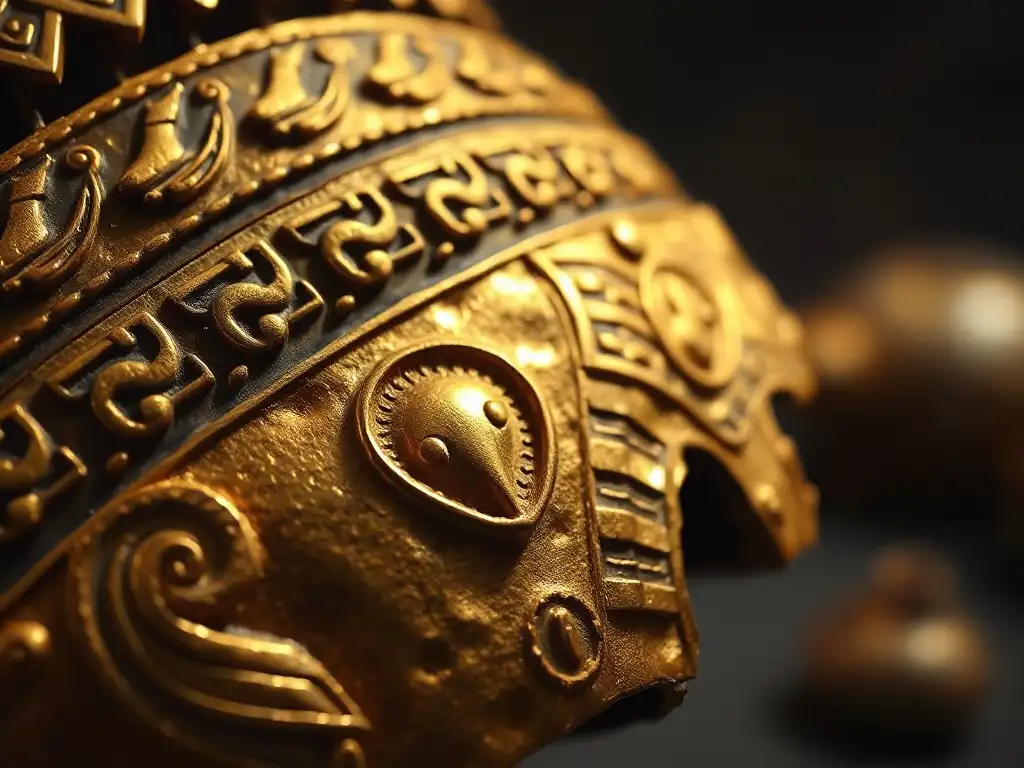
The Moche civilization (c. 100 – 800 CE), known for its sophisticated irrigation systems and elaborate funerary practices, produced some of the most iconic examples of Andean metalworking. Their artisans were masters of lost-wax casting, a complex technique requiring meticulous planning and execution. This allowed them to create incredibly detailed and lifelike golden masks, often depicting powerful figures, deities, or ancestors.
These masks weren't merely decorative; they held significant religious and symbolic meaning, reflecting the Moche worldview and their understanding of the cosmos. The use of gold, a precious metal representing the sun and power, further emphasized their importance. Analysis of these masks reveals a sophisticated understanding of metallurgy, with alloys being used to achieve specific colors and properties.
The intricate details, including facial features, headdresses, and adornments, showcase the remarkable skill and patience of the Moche metalworkers. For example, the detailed rendering of individual strands of hair on some masks is truly astounding. The sheer artistry involved underscores the high social standing and specialized training of these artisans within Moche society.
Metal Ornaments of the Tiwanaku Culture
The Tiwanaku culture (c. 300 – 1100 CE), located on the shores of Lake Titicaca, also demonstrated remarkable metalworking skills, although their style differed significantly from that of the Moche. While gold was used, Tiwanaku artisans were particularly skilled in working with copper and bronze, often incorporating these metals into intricate ornaments and tools. Their techniques involved hammering, repoussé (a metalworking technique where the metal is shaped from the back), and soldering.
Unlike the Moche's focus on large-scale castings, the Tiwanaku artisans often created smaller, more delicate pieces, such as pendants, ear spools, and decorative elements for clothing. These ornaments frequently featured geometric designs, stylized animals, and other symbolic motifs reflecting their distinct artistic and religious beliefs. The use of alloys allowed them to create a range of colors and textures, adding to the visual complexity of their work.
The precise details and consistent quality across different artifacts suggest a high degree of standardization and perhaps a centralized workshop system. Further research into the specific techniques employed by the Tiwanaku metalworkers could provide invaluable insights into their social and technological organization. Archaeological evidence suggests a strong connection between their metalworking techniques and their religious beliefs, suggesting a sacred dimension to the craft.
The Intricate Metalwork of the Inca Empire
The Inca Empire (c. 1438 – 1533 CE), known for its vast territorial expanse and sophisticated administrative system, inherited and refined existing Andean metalworking techniques. Their metalworkers were highly skilled in various techniques, including hammering, casting, and gilding. They produced a wide range of objects, from ceremonial objects and weaponry to everyday tools. Gold, silver, and copper were all extensively used, often combined to create visually stunning effects.
The Inca's mastery of metalworking is evident in their elaborate tumi (ceremonial knives), intricately decorated with animal and human figures. These pieces showcase a high level of technical proficiency and artistic talent. The Inca also developed sophisticated techniques for creating alloys with specific properties, enabling them to produce durable and aesthetically pleasing objects. Unlike some earlier cultures, the Inca Empire seems to have had a more centralized control over metalworking, possibly using specialized workshops to produce items for the elite.
The Inca's emphasis on gold as a symbol of royal power is reflected in their lavish use of the metal in ceremonial objects and royal regalia. However, they also utilized other metals for practical purposes, demonstrating a pragmatic approach to material use. The Inca's metalworking legacy is a testament to the continuity and evolution of Andean metalworking traditions throughout history, showcasing both refinement of existing techniques and the development of new ones. Further analysis of Inca metalworking practices could help us better understand their social hierarchy and economic organization.
The Tumi Knives of the Lambayeque Culture
The Lambayeque culture, flourishing in northern Peru from approximately 700 to 1375 CE, is renowned for its exquisite metalwork, particularly its iconic tumis. These ceremonial knives, far from being mere utilitarian tools, represent a sophisticated level of Andean metalworking techniques and artistry. Their elaborate designs, often incorporating intricate depictions of mythical beings, deities, and scenes of daily life, reveal much about the Lambayeque worldview and social hierarchy. The production of these pieces was a highly specialized craft, demanding significant skill and knowledge passed down through generations of skilled artisans.
The tumi's distinctive crescent shape, with its characteristically sharp blade and often ornately decorated handle, is instantly recognizable. The handles themselves are frequently fashioned into complex three-dimensional forms, showcasing the metalworkers' mastery of techniques like hammering, casting, and soldering. Gold, silver, copper, and alloys of these metals were all employed, sometimes in combination within a single piece, demonstrating a sophisticated understanding of metallurgy. The use of different metals wasn't simply aesthetic; it likely held symbolic meaning within the Lambayeque culture, reflecting the value placed on different metals and their association with specific deities or concepts.
Many tumis feature detailed depictions of human figures, animals (such as jaguars and birds), and stylized motifs. These images are not randomly placed; they are carefully arranged to tell stories or convey specific messages. Scholars believe that these knives were used in rituals and ceremonies, possibly related to sacrifice or healing.
Their presence in elite tombs suggests that they were highly valued objects, symbols of power and status, owned and used by the Lambayeque elite. The craftsmanship involved in creating these intricate designs speaks to the advanced level of artistry and technical skill achieved by Lambayeque metalworkers, further solidifying their place in the history of Andean metalworking techniques. The surviving examples of these magnificent knives serve as compelling testaments to the ingenuity and artistic vision of this remarkable ancient civilization.
The precision and detail involved in the creation of even the smallest elements on a tumi highlight the immense skill and dedication of the Lambayeque artisans. Their legacy continues to inspire awe and admiration for the sophisticated metalworking techniques they employed.
The Legacy of Andean Metalworking
Andean metalworking, a testament to the ingenuity and adaptability of ancient Andean civilizations, left an indelible mark on the region's history and culture. Mastering the challenging landscape, these societies developed sophisticated techniques for extracting, refining, and shaping metals, creating objects of both practical and ceremonial significance. Their legacy extends far beyond the impressive artifacts that survive; it shaped subsequent artistic traditions, influenced technological advancements, and continues to inspire awe and fascination today.
Understanding their achievements offers a unique perspective on the intersection of human innovation and environmental adaptation in the Andes. The sheer artistry and technical prowess displayed in Andean metalworking, considering the limited resources and tools available, remains a remarkable feat of human ingenuity. The study of Andean metalworking techniques reveals not only a sophisticated understanding of metallurgy but also a deep connection to the Andean landscape itself.
The availability of specific ores dictated both the types of metals used and the techniques employed. This intricate relationship between environment and technology is a key element in understanding the development and evolution of Andean metalworking.
The Influence of Andean Metalworking on Later Cultures
The impact of Andean metalworking extends far beyond the pre-Columbian era. Spanish conquistadors, upon encountering the high level of sophistication in Andean metallurgy, were both amazed and driven to exploit these skills for their own purposes. Many skilled Andean artisans were forced to work in the Spanish colonial system, their expertise utilized in the production of religious artifacts and other items for the colonial economy.
This forced adaptation, while exploitative, nonetheless contributed to the fusion of Andean and European artistic styles. The legacy of Andean techniques can be seen in the continued use of certain alloys and decorative motifs in later colonial and even contemporary Andean art. For example, the intricate repoussé techniques used to create detailed designs on gold and silver objects found their way into the production of religious imagery during the colonial period.
The enduring influence of Andean metalworking is a testament to the enduring power of its traditions and the adaptability of its techniques. The survival and adaptation of these techniques showcase the resilience of Andean culture in the face of colonial upheaval. Further research is needed to fully understand the extent of this cultural transmission and the subtle ways Andean techniques influenced later artistic styles.
Modern Studies and Discoveries in Andean Metallurgy
Modern scientific analysis of Andean metalworking has significantly expanded our understanding of these ancient techniques. Advanced metallurgical techniques allow researchers to analyze the composition of ancient alloys, revealing the precise ratios of metals used and the sophisticated processes involved in their creation. For example, recent studies have shed light on the use of specific types of furnaces and the precise temperatures required to achieve particular alloys. These findings challenge previous assumptions about the technological capabilities of ancient Andean societies.
Furthermore, discoveries of new metallurgical sites and artifacts continue to enrich our understanding. Excavations at sites such as [Specific site name pending] have unearthed new tools and casting molds, providing valuable insights into the workshops and production processes of Andean metalworkers. The application of scientific techniques such as X-ray fluorescence spectroscopy and electron microscopy has allowed for detailed analyses of the microstructure of ancient metal objects, revealing the remarkable precision and skill of ancient artisans.
The ongoing interdisciplinary research combining archaeology, metallurgy, and material science provides a constantly evolving picture of Andean metalworking practices. The integration of these diverse fields is crucial for a comprehensive understanding of this complex and fascinating aspect of Andean civilization. This ongoing exploration promises to further illuminate the remarkable achievements of Andean metalworkers and their profound adaptation to the challenging environment.
Andean Metalworking Techniques in Contemporary Art
The enduring appeal of Andean metalworking techniques is evident in their continued use in contemporary art. Modern Andean artists draw inspiration from ancient techniques, incorporating them into their own creative expressions. Repoussé, lost-wax casting, and hammering remain popular methods, adapted to create both traditional and innovative pieces. Contemporary artists often blend ancient techniques with modern materials and designs, creating a unique fusion of traditional and contemporary aesthetics.
For example, some artists utilize recycled metals, reflecting a contemporary concern for environmental sustainability, while maintaining the essence of ancient Andean craftsmanship. This contemporary revival not only celebrates the rich heritage of Andean metalworking but also contributes to the preservation and transmission of these invaluable skills to new generations. The integration of ancient techniques with modern sensibilities creates a dynamic and evolving art form that continues to captivate audiences worldwide.
The continued use of traditional techniques in contemporary art ensures that the legacy of Andean metalworking remains vibrant and relevant. Further research into the contemporary use of these techniques could reveal valuable insights into the ongoing evolution of Andean artistic traditions. The synergy between ancient heritage and modern creativity ensures that the spirit of Andean metalworking lives on.
Preserving the Heritage of Andean Metalworking
The preservation of Andean metalworking heritage faces numerous challenges, demanding a multi-faceted approach. The delicate nature of these artifacts, often made from copper alloys susceptible to corrosion and deterioration, necessitates careful handling and storage. Museums and research institutions play a crucial role, employing specialized techniques like controlled environments with stable temperature and humidity levels to mitigate damage. This includes the use of inert gases in display cases to minimize oxidation and the regular monitoring of artifacts for signs of deterioration.
Furthermore, detailed cataloging and documentation are essential, creating a comprehensive record of each piece's condition, history, and composition. This allows researchers to track changes over time and inform future conservation efforts. The meticulous work of conservators, often involving painstaking cleaning and repair using specialized materials and techniques, is critical to ensuring the long-term survival of these invaluable objects.
Beyond the physical preservation of artifacts, safeguarding the knowledge and skills associated with Andean metalworking is equally important. This involves supporting and documenting the work of contemporary artisans who continue these ancient traditions. Ethnographic studies, documenting the techniques and beliefs surrounding metalworking in living communities, provide invaluable insights into the historical context and cultural significance of these practices.
These studies are not just academic exercises; they are essential for understanding the nuances of the techniques employed and for ensuring that these skills are passed down through generations. Initiatives to support artisan communities through fair trade practices and educational programs are crucial for promoting the sustainability of this vital cultural heritage. The collaboration between archaeologists, conservators, and living communities is essential for a holistic approach to preservation, ensuring that the legacy of Andean metalworking thrives for future generations.
Without such collaborative efforts, the rich tapestry of Andean metalworking techniques risks being lost forever. The ongoing effort to protect these artifacts and the knowledge associated with them is paramount for understanding and appreciating the ingenuity of Andean civilizations.
Frequently Asked Questions
What unique challenges did Andean metalworkers face?
Andean metalworkers faced challenges due to the lack of readily available tin and copper in close proximity. They had to establish complex trade networks and develop innovative smelting techniques to overcome these geographical limitations. This ultimately led to unique alloys and styles.
What were some of the primary metals used in Andean metalworking?
The primary metals were gold, silver, copper, and bronze. These were often combined to create alloys with varying properties and colors. The availability of these metals varied regionally, influencing the styles of metalwork.
How did Andean metalworkers adapt their techniques to the landscape?
The landscape significantly influenced metalworking. Access to fuel sources like charcoal was crucial for smelting. Proximity to rivers and mineral deposits dictated workshop locations. This resulted in regional variations in techniques and styles.
What are some examples of advanced Andean metalworking techniques?
Andean metalworkers mastered techniques like lost-wax casting, hammering, and repoussé. They also excelled at alloying different metals to achieve specific colors and properties, and created intricate designs. Gold leaf application was another sophisticated skill.
How did the Inca Empire impact Andean metalworking?
The Inca Empire centralized and standardized metalworking, establishing workshops and controlling the distribution of precious metals. While they continued existing techniques, they also introduced new styles and iconography reflecting imperial power and ideology.
Final Reflection: Echoes of the Andes: A Legacy Forged in Metal
The intricate artistry of Andean metalworking, once a mystery confined to archaeological sites, continues to resonate powerfully in contemporary discussions of adaptation and innovation. The techniques employed by ancient Andean artisans, far from being relics of a bygone era, offer invaluable lessons in resourcefulness and sustainable practices that remain strikingly relevant in our own time of environmental challenges and technological advancements. Their mastery of alloys, their sophisticated understanding of metallurgy, and their ability to transform readily available materials into breathtaking works of art stand as a testament to human ingenuity.
The enduring influence of Andean metalworking extends far beyond the realm of archaeology; it permeates our understanding of cultural identity, artistic expression, and the profound relationship between humans and their environment. The sheer artistry displayed in these ancient artifacts speaks volumes about the cultural values and beliefs of the Andean peoples. Their ability to adapt their techniques to the specific resources available in their diverse landscape highlights the importance of understanding and respecting the limitations and possibilities presented by the natural world. The mountains themselves were their teachers, their materials, their inspiration.
This sentiment, though not a direct quote from an ancient Andean source, captures the essence of their deep connection to the land and its resources.
Consider the ingenuity of these ancient masters. Imagine the dedication, the skill, the collaborative effort required to create such stunning pieces. Now, consider how you might apply their spirit of innovation and adaptation to your own life. What challenges are you facing, and how can you approach them with the same resourcefulness and creativity that defined Andean metalworking? Let the echoes of the Andes inspire you to find innovative solutions, to respect the resources around you, and to create your own legacy of ingenuity and artistry.
**Unveil the Secrets of Andean Metalworking! **
Thank you for exploring the fascinating world of Andean metalworking! Your interest in how these ancient civilizations adapted to their environment demonstrates a true appreciation for their ingenuity and skill. Let's delve deeper into this rich cultural heritage.
Here are some ways to learn more:
- **Expand your knowledge:** Explore our curated collection of resources and articles on Andean civilizations and their remarkable metalworking techniques and artistry.
- **Join the discussion:** Share your thoughts and discoveries about Andean metalworking in the comments below. Let's learn from each other!
- **Experience it firsthand:** Visit a local museum featuring Andean artifacts to witness the brilliance of their metalworking up close.
What aspect of Andean metalworking intrigues you most, and how do you think it influenced their culture?