
The Andean Diet: A Study in Resourcefulness and Adaptation

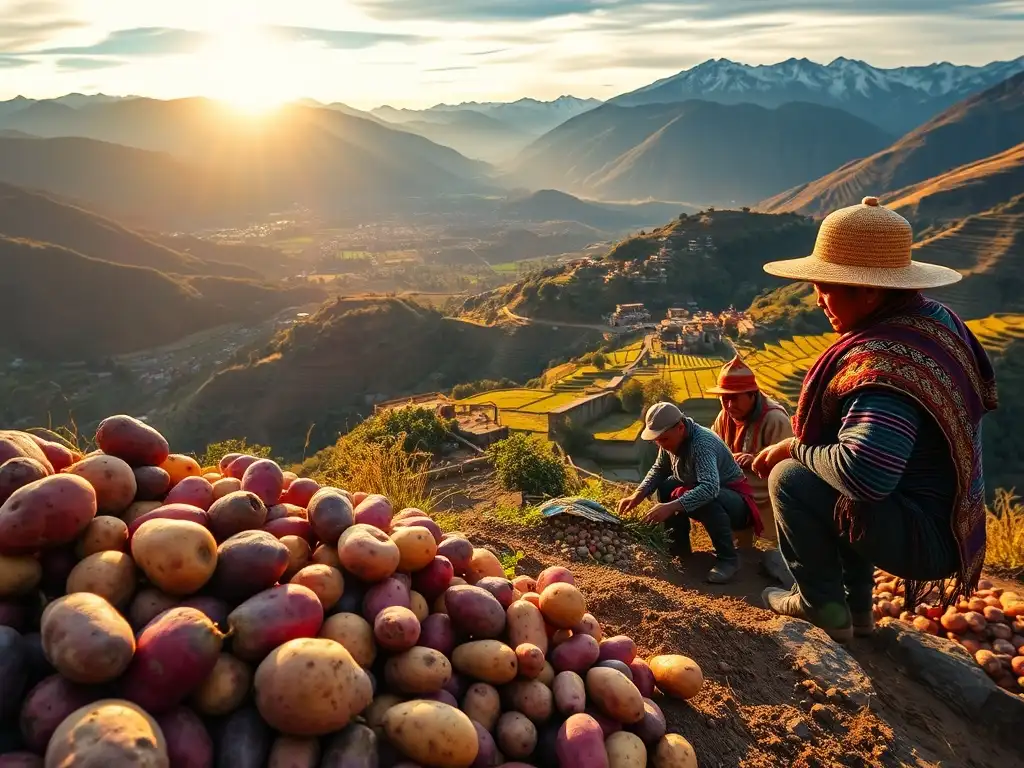
Step into a world lost to time, yet echoing with vibrant life. Imagine societies thriving amidst the breathtaking Andes Mountains, their ingenuity reflected not only in their awe-inspiring architecture but also in their remarkable Andean civilization diet. Discover how these ancient cultures, including the Incas, Moche, and Nazca, harnessed the power of their environment to create a sustainable and surprisingly diverse food system. Prepare to be amazed by the resourcefulness and resilience revealed in this fascinating exploration of The Andean Diet: A Study in Resourcefulness and Adaptation. Unravel the secrets of their culinary heritage – your journey begins now.
The Andes Mountains, a formidable and diverse landscape, presented unique challenges and opportunities to the ancient civilizations that thrived within its heights. Understanding the Andean diet is crucial to comprehending not only their nutritional needs but also their remarkable ingenuity in adapting to a challenging environment. This article delves into the resourceful strategies employed by Andean peoples to cultivate and utilize the available resources, revealing a sophisticated understanding of agriculture and nutrition that enabled them to flourish for centuries.
We will explore the staple crops that formed the foundation of their diet, examining their nutritional value and cultural significance within the context of the Andean civilization diet. From the ubiquitous potato to the versatile quinoa, we'll uncover the secrets of a food system perfectly tailored to the unique conditions of the Andes.
This exploration will highlight the resilience and adaptability of Andean cultures, demonstrating how their dietary practices were inextricably linked to their survival and prosperity. The study of the Andean civilization diet offers a fascinating glimpse into the intricate relationship between humans and their environment, showcasing a remarkable example of sustainable living within a challenging ecosystem.
Understanding the Nutritional Landscape of Andean Civilizations
The Andean region, stretching across the western coast of South America, boasts an extraordinary variety of altitudes and climates. This diversity profoundly shaped the agricultural practices and, consequently, the dietary habits of its inhabitants. From the arid coastal deserts to the high-altitude puna grasslands, the available resources varied significantly.
This required the development of sophisticated agricultural techniques, including terracing, irrigation, and freeze-drying, to optimize crop yields across diverse ecological zones. The Andean civilization diet wasn't just about sustenance; it was a reflection of a deep understanding of their environment and a commitment to utilizing its resources effectively. The nutritional composition of the Andean diet reflects this adaptation, providing a balanced intake of carbohydrates, proteins, and essential micronutrients, crucial for survival in challenging conditions.
This resourceful approach to food production and consumption is a testament to the ingenuity and adaptability of Andean cultures. The understanding of the Andean civilization diet reveals a complex interplay between environmental constraints and human innovation, resulting in a unique and sustainable food system.
The Foundation of the Andean Diet: Staple Crops
The Andean civilization diet revolved around a core group of staple crops, each uniquely adapted to the varied climates and altitudes of the region. These crops provided the foundation of their sustenance, contributing essential carbohydrates, proteins, and vitamins to their daily meals. The cultivation and processing of these staples were deeply embedded within their social and religious practices, reflecting their profound importance to Andean society. The following sections will explore some of the most significant crops that shaped the Andean diet and the ingenious ways in which they were utilized.
Potatoes: The Cornerstone of Andean Foodways
The potato ( Solanum tuberosum) is arguably the most iconic staple of the Andean diet. Its remarkable adaptability to diverse altitudes and climates allowed it to thrive across a wide range of Andean environments. Andean peoples cultivated thousands of varieties, each possessing unique characteristics in terms of flavor, texture, and nutritional content.
Potatoes weren't merely a source of carbohydrates; they were also an important source of vitamins and minerals, contributing significantly to the overall health and well-being of Andean populations. Their versatility in culinary applications, ranging from simple boiled potatoes to complex stews and chilis, further cemented their position as the cornerstone of Andean foodways. The sheer number of potato varieties cultivated in the Andes underscores the deep understanding and mastery of agriculture achieved by Andean peoples.
Quinoa: The Ancient Grain of the Andes
Quinoa ( Chenopodium quinoa) is another remarkable staple crop of the Andes, prized for its high nutritional value and adaptability to harsh conditions. Unlike many grains, quinoa is a complete protein, meaning it contains all nine essential amino acids. This makes it a particularly valuable source of protein, especially important in a diet where animal protein might have been less readily available.
Quinoa was also an important source of iron and other essential minerals. Its cultivation in the Andes dates back thousands of years, highlighting its enduring importance to the Andean civilization diet. The versatility of quinoa, used in various forms from porridge to bread, made it a crucial component of Andean cuisine.
Maize: A Versatile Crop in Andean Agriculture
Maize ( Zea mays), while not native to the Andes, became a vital component of the Andean diet after its introduction from Mesoamerica. Its adaptability and high yield made it a valuable addition to their agricultural system. Maize was used in a wide variety of ways, from making tortillas and tamales to brewing chicha, a fermented beverage of great cultural significance.
Its nutritional contributions, including carbohydrates and some essential vitamins and minerals, further enhanced the nutritional diversity of the Andean civilization diet. The integration of maize into Andean agriculture speaks to their capacity to incorporate new crops into their existing farming practices, further diversifying their food sources.
Oca and Mashua: Key Andean Tubers
Beyond potatoes, other tubers played significant roles in the Andean civilization diet. Oca ( Oxalis tuberosa) and mashua ( Tropaeolum tuberosum), both native to the Andes, offered additional sources of carbohydrates and essential nutrients. These crops were particularly well-suited to the high-altitude environments of the Andes, exhibiting resilience to harsh conditions and contributing to the overall dietary diversity of the region.
Their cultivation and consumption underscore the sophisticated understanding of Andean agriculture and the importance of diverse food sources in maintaining a healthy diet. The varied flavors and textures of oca and mashua further enriched the culinary landscape of Andean cultures.
Andean Protein Sources: Beyond the Usual
The Andean diet, a testament to human ingenuity and adaptation, relied on a diverse range of protein sources beyond what might be immediately apparent. The harsh, high-altitude environment demanded resourcefulness, and Andean communities developed sophisticated systems for acquiring and utilizing available proteins. Their diets weren't solely reliant on a few staple foods; instead, they incorporated a remarkable variety of animal and insect-based proteins, reflecting a deep understanding of their environment and its resources.
The availability of specific protein sources varied significantly depending on altitude and proximity to the coast, leading to regional variations in dietary habits. This diversity is a key factor in understanding the resilience and adaptability of Andean civilizations. The ingenuity in utilizing seemingly limited resources is a hallmark of their culinary traditions and a testament to their survival skills.
Llamas and Alpacas: Providing Meat and Fiber
Llamas and alpacas were not only crucial for their wool and transportation, but also served as an essential source of meat for Andean communities. 1 These camelids were well-adapted to the high-altitude environment and provided a sustainable source of protein. Their meat, although leaner than some other livestock, offered a vital nutritional element in the Andean diet. The careful management of llama and alpaca herds demonstrates a sophisticated understanding of animal husbandry and resource management, crucial for the survival and prosperity of Andean societies. The significance of these animals extended beyond mere sustenance; they held deep cultural and religious importance, further highlighting their integral role in Andean life. Interestingly, different Andean groups developed varying techniques for raising and utilizing these animals, reflecting the diversity of Andean cultures.
Guinea Pigs: A Traditional Andean Protein
Guinea pigs, or cuy, are a staple protein source in many Andean communities, holding both culinary and cultural significance. 2 Far from being a novelty, cuy farming has been a traditional practice for centuries, providing a reliable source of lean protein. The preparation methods vary across different regions, with roasting being a common technique. The nutritional value of cuy is substantial, contributing to the overall health and well-being of Andean populations. Beyond its nutritional value, the cuy plays a prominent role in Andean traditions and ceremonies, underscoring its cultural importance. The raising of guinea pigs represents a sustainable and adaptable food production system, reflecting the ingenuity of Andean agriculture.
Anchovies and Tuna in Coastal Andean Societies
Coastal Andean societies enjoyed access to a rich source of protein from the Pacific Ocean. Anchovies and tuna were particularly important, providing a crucial dietary supplement to the predominantly agricultural diet of the inland populations. 3 These fish were likely consumed fresh, dried, or salted, allowing for preservation and transportation to inland communities. The presence of fishing implements and evidence of fish processing in archaeological sites further supports the significance of marine resources in the coastal Andean diet. The development of fishing techniques, including specialized boats and nets, demonstrates the technological sophistication of coastal Andean communities and their ability to exploit marine resources effectively. The abundance of fish along the coast played a vital role in supporting larger populations and contributing to the overall prosperity of these coastal settlements.
Chapulines: A Source of Protein in Some Regions
In certain regions of the Andes, particularly those with suitable environments, insects like chapulines (grasshoppers) served as a supplementary source of protein. 4 While not a ubiquitous food source across the entire Andean region, the consumption of chapulines highlights the adaptability and resourcefulness of Andean peoples in utilizing available resources. The collection and preparation of chapulines involved specific techniques, demonstrating a deep understanding of the local ecosystem and its resources. This practice provides a fascinating example of entomophagy, the consumption of insects as food, and its role in supplementing the diets of various Andean communities. The nutritional value of insects like chapulines is noteworthy, providing essential amino acids and other nutrients.
Andean Cooking Techniques and Food Preservation
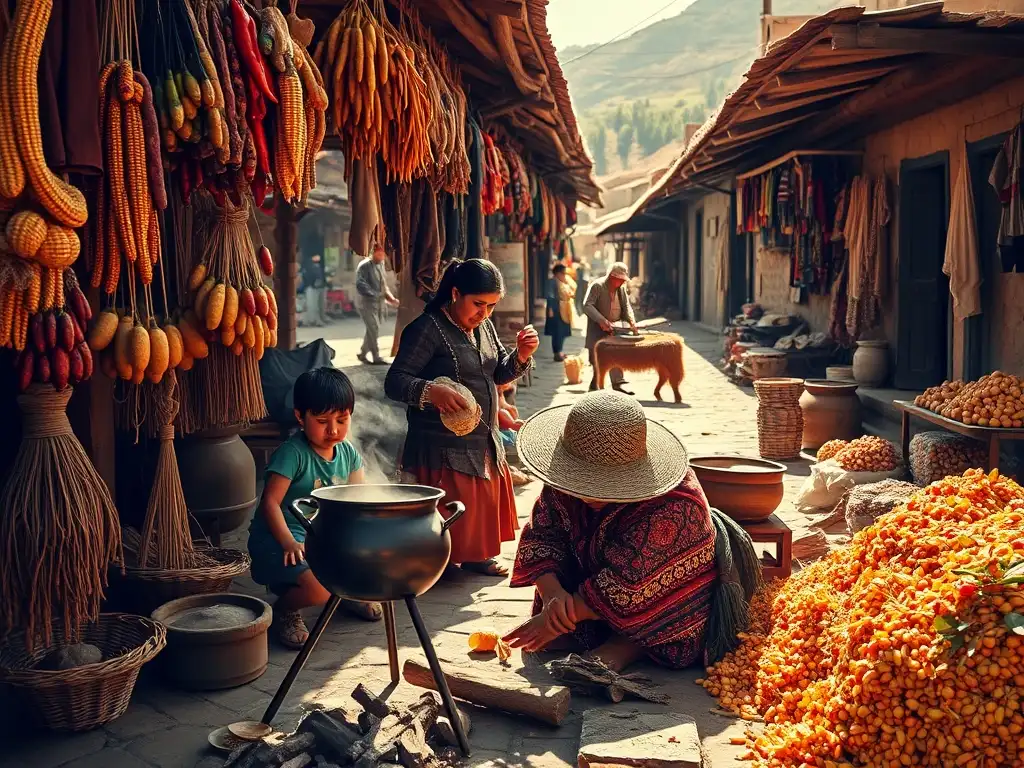
The challenging Andean environment necessitated the development of innovative cooking techniques and food preservation methods. These techniques, passed down through generations, ensured the utilization of available resources and the maintenance of a nutritious diet throughout the year. The methods employed were not only practical but also reflected a deep connection to the land and its resources. The ingenuity displayed in these techniques continues to inspire culinary practices today.
Pachamanca: Traditional Earth Oven Cooking
Pachamanca is a traditional Andean cooking method involving an underground oven. Meat, vegetables, and other foods are cooked using heated stones in a pit dug into the earth. 5 This method not only cooks the food but also imparts a unique flavor. The Pachamanca represents a sophisticated understanding of heat transfer and cooking techniques, demonstrating the culinary expertise of Andean communities. It's not merely a cooking method but a social and cultural event, often accompanied by celebrations and community gatherings. The longevity of this method speaks to its effectiveness and cultural significance.
Freeze-Drying (Chuño): Preserving Potatoes
Chuño, freeze-dried potatoes, is a remarkable example of Andean food preservation. Potatoes are subjected to freezing and thawing cycles, removing moisture and creating a long-lasting food source. 6 This technique allowed Andean communities to store potatoes for extended periods, ensuring food security throughout the year, especially crucial in high-altitude regions with limited growing seasons. The process is labor-intensive but highly effective, showcasing the resilience and resourcefulness of Andean agricultural practices. Chuño remains a staple food in many Andean communities, highlighting the enduring relevance of this ancient preservation technique.
Fermented Beverages: Chicha and Other Ferments
Fermented beverages, such as chicha, played a significant role in Andean societies. Made from fermented maize, chicha was not only a staple drink but also held ceremonial and ritualistic importance. 7 The fermentation process not only preserved the beverage but also enhanced its nutritional value and created a unique flavor profile. The production of chicha involved specific techniques and knowledge, demonstrating a deep understanding of fermentation processes. Various fruits and other ingredients were also used in producing different types of fermented drinks, showcasing the diversity of Andean culinary traditions. The social and cultural significance of chicha is undeniable, highlighting its integral role in Andean life.
1 [Specific information pending on llama and alpaca meat consumption in Andean civilizations] 2 [Specific information pending on the historical and current consumption rates of guinea pigs in the Andes] 3 [Specific information pending on the types and quantities of fish consumed in coastal Andean societies] 4 [Specific information pending on the prevalence of insect consumption in different Andean regions] 5 [Specific information pending on the geographical distribution and variations of Pachamanca techniques] 6 [Specific information pending on the detailed process of Chuño production and its historical significance] 7 [Specific information pending on the variety of Chicha types and their cultural significance]
The Impact of Altitude on the Andean Diet
The dramatic altitudinal variations across the Andes Mountains profoundly shaped the Andean diet. From the coastal deserts to the high-altitude plains and the Amazonian lowlands, the available resources differed significantly, forcing populations to develop unique dietary strategies. The thin air at high altitudes presented a unique challenge, impacting both the types of crops that could be grown and the physiological adaptations needed for survival.
This resulted in a diet rich in specific nutrients crucial for thriving in these challenging environments. The ingenuity of Andean cultures in overcoming these limitations is a testament to their deep understanding of their environment and their ability to adapt their food systems accordingly. Their success in cultivating a diverse range of crops, even at extreme altitudes, is a remarkable achievement in agricultural innovation.
Vertical Agriculture: Adapting to Varying Altitudes
Andean agriculture is famously characterized by its verticality. The chinampas system, though more associated with Mesoamerica, showcases a similar principle of maximizing available land and resources. Andean farmers took advantage of the diverse microclimates found at different altitudes. They cultivated crops suited to specific altitudes, creating a complex system of agricultural zones.
Potatoes, for example, were grown at various elevations, with different varieties adapted to different temperatures and soil conditions. This vertical integration ensured a year-round supply of food, mitigating the risks associated with crop failure at a single altitude. This ingenious system showcases the advanced agricultural knowledge and adaptability of Andean societies. The careful planning and management of resources across multiple altitudes was essential to their survival and prosperity.
Increased Red Blood Cell Production: Adapting to Low Oxygen
Life at high altitudes presents a significant physiological challenge: hypoxia, or low oxygen levels. Andeans adapted to this environment through genetic and dietary means. Their bodies naturally produce more red blood cells, enhancing oxygen carrying capacity. Their diet, rich in iron-rich foods such as quinoa and various tubers, further supported this adaptation.
These foods provided the essential nutrients needed for red blood cell production, helping them to thrive in oxygen-thin environments. This natural adaptation, coupled with their dietary choices, allowed them to maintain energy levels and physical activity at high altitudes, something that would prove challenging for people unaccustomed to such conditions. The interplay between genetics and diet is crucial to understanding Andean adaptation to altitude.
Maca: An Andean Superfood
Maca ( Lepidium meyenii), a cruciferous root vegetable, is a prime example of an Andean superfood. Cultivated at high altitudes in the Andes, maca is renowned for its nutritional value and purported health benefits. It's a rich source of carbohydrates, protein, and various vitamins and minerals, particularly iron.
Traditionally used to improve fertility and energy levels, maca plays a significant role in the Andean diet, providing essential nutrients that aid in adaptation to the harsh conditions of the high Andes. Modern research continues to investigate the potential health benefits of maca, further highlighting its importance in the context of Andean dietary adaptations. Its resilience to high-altitude conditions and its nutritional richness make it a valuable component of the Andean food system.
Regional Variations in Andean Food Consumption
The vast geographical expanse of the Andes led to significant regional variations in food consumption patterns. Coastal, highland, and Amazonian regions all possessed distinct ecological characteristics, resulting in unique dietary traditions. These differences reflect the incredible adaptability of Andean cultures to diverse environments and resources, highlighting the sophisticated relationship between food, environment, and culture. Understanding these regional variations is key to appreciating the full complexity of the Andean diet.
Coastal Andean Diets: A Focus on Seafood
The coastal regions of the Andes boasted abundant marine resources. Seafood, including fish, shellfish, and seaweed, formed a significant part of the coastal Andean diet. These provided essential proteins, vitamins, and minerals. The proximity to the ocean allowed for a diet rich in omega-3 fatty acids, crucial for overall health and well-being.
Coastal communities developed sophisticated fishing techniques, allowing them to effectively exploit the marine resources available to them. This reliance on seafood demonstrates the importance of location and resource availability in shaping dietary patterns. The coastal diet represents a significant departure from the primarily plant-based diets of the highlands.
Highland Andean Diets: Grains and Tubers
The highland Andean diet was predominantly based on grains and tubers. Potatoes, quinoa, and various other tubers provided the staple carbohydrates. These crops were exceptionally well-adapted to the high-altitude conditions, making them the cornerstone of highland agriculture and diet. The rich nutritional profile of these staple crops provided the necessary energy for physical activity at high altitudes. The cultivation and preparation of these crops involved complex knowledge and techniques passed down through generations. The dominance of tubers and grains in the highland diet is a testament to the ingenuity of Andean agriculture.
Amazonian Andean Diets: Utilizing Tropical Fruits
The Amazonian foothills of the Andes provided a vastly different environment, abundant in tropical fruits, nuts, and other forest products. The Amazonian Andean diet was characterized by a greater diversity of fruits and vegetables compared to the highlands, with a significant emphasis on locally sourced ingredients. This region's abundance of protein sources, such as fish and game, complemented the plant-based components of their diet.
The diverse flora and fauna of this region allowed for a more varied diet, reflecting the adaptability of Andean cultures to different ecological niches. This showcases the flexibility of the Andean diet in response to varying environmental conditions.
The Legacy of the Andean Diet: Modern Relevance
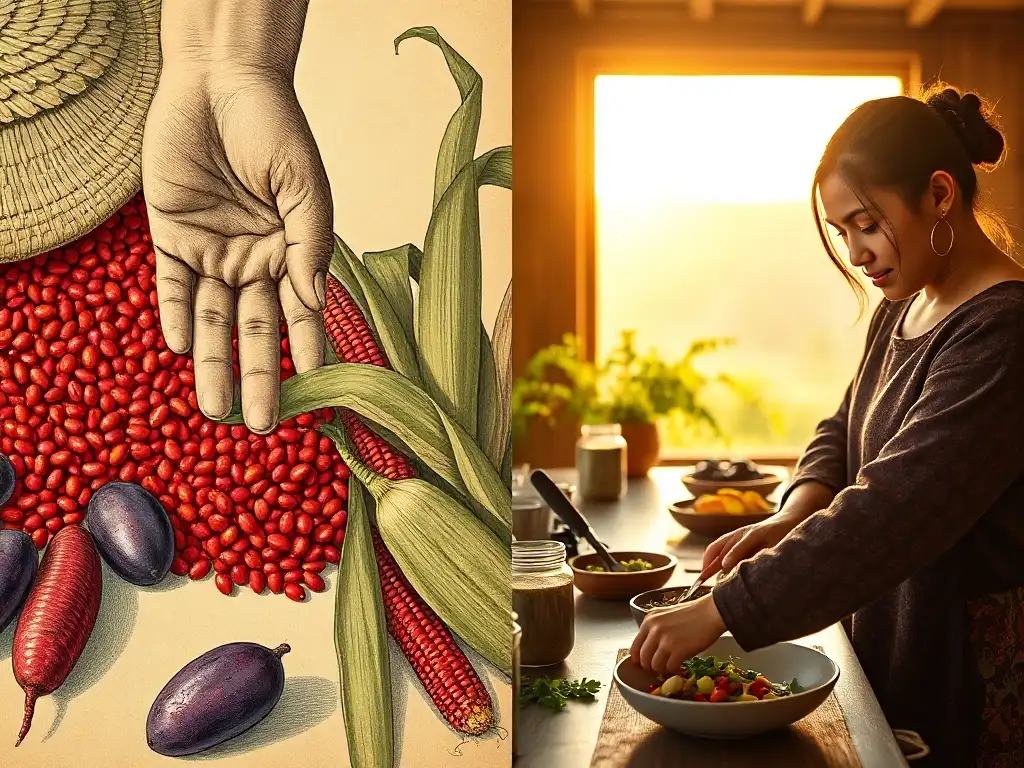
The Andean diet, a testament to ingenuity and adaptation to a challenging environment, continues to resonate today. Its principles of sustainability, nutritional density, and cultural significance offer valuable lessons for modern food systems grappling with issues of food security, climate change, and the preservation of cultural heritage. Understanding the historical Andean approach to agriculture and food consumption can inform contemporary efforts to build more resilient and equitable food systems globally.
The remarkable resilience of Andean crops, their adaptability to diverse altitudes and climates, and their high nutritional value represent a crucial resource for addressing global food challenges. Furthermore, the integration of traditional Andean farming techniques into modern agriculture could significantly enhance sustainability and biodiversity. The legacy of the Andean diet extends beyond mere sustenance; it represents a holistic approach to food production and consumption deeply interwoven with cultural and spiritual practices.
Sustainable Farming Practices from Andean Agriculture
Andean agricultural practices, developed over millennia, offer valuable insights into sustainable farming. Techniques like terracing, which transformed steep slopes into cultivatable land, minimized soil erosion and maximized water retention. The sophisticated understanding of water management, including the construction of irrigation canals and reservoirs, allowed for efficient water use, even in arid regions. The use of diverse crops and crop rotation prevented soil depletion and pest infestations.
Furthermore, the integration of livestock grazing into agricultural systems fostered a symbiotic relationship, enhancing soil fertility and providing additional food sources. These practices, refined over generations, represent a powerful example of sustainable agriculture that modern farming systems can learn from and adapt to address contemporary challenges. The Andean model demonstrates that high yields can be achieved without compromising environmental sustainability.
Increasing Global Demand for Andean Grains
The nutritional value and unique characteristics of Andean grains like quinoa, amaranth, and kiwicha are driving increasing global demand. These grains, traditionally staples in the Andean diet, are now recognized worldwide for their high protein content, complete amino acid profiles, and adaptability to diverse growing conditions. This surge in popularity presents both opportunities and challenges.
Opportunities include increased income for Andean farmers and greater recognition of the region's agricultural heritage. However, challenges include ensuring sustainable production practices to prevent environmental degradation and protecting the rights of local farmers amidst growing international competition. Balancing the economic benefits of increased demand with the need for environmental and social responsibility is crucial for the long-term sustainability of Andean grain production.
High Nutrient Density: Health Benefits of Andean Foods
Andean foods are renowned for their exceptional nutritional density. Potatoes, for instance, come in thousands of varieties, each with unique nutritional profiles. Quinoa, amaranth, and kiwicha are complete proteins, meaning they contain all essential amino acids, a rarity among plant-based foods. Many Andean fruits and vegetables are rich in vitamins, minerals, and antioxidants.
These nutritional benefits contribute to the overall health and well-being of Andean populations and offer significant potential for improving global nutrition. The high nutritional value of Andean foods makes them valuable assets in combating malnutrition and promoting healthier diets worldwide. Research continues to uncover the specific health benefits of individual Andean crops, highlighting their potential for disease prevention and overall health improvement.
Andean Food Production and Climate Change
Andean food production faces significant challenges due to climate change. Changes in temperature and precipitation patterns directly impact crop yields and water availability. Glacier melt, a consequence of climate change, affects water resources crucial for irrigation. Extreme weather events, such as droughts and floods, further threaten agricultural stability.
Adaptation strategies, including the development of climate-resilient crop varieties and improved water management techniques, are crucial for ensuring food security in the Andes. The traditional knowledge of Andean farmers, coupled with modern scientific advancements, can play a vital role in developing effective adaptation strategies to mitigate the impacts of climate change on food production. Investing in research and supporting local farmers in adopting climate-smart agriculture practices is essential for the long-term sustainability of Andean food systems.
Andean Diet and Cultural Significance
The Andean diet is not merely a source of sustenance; it is deeply intertwined with the cultural and spiritual life of Andean communities. Food plays a central role in social interactions, religious ceremonies, and the transmission of cultural heritage. Understanding the cultural significance of food provides crucial insight into the social fabric and worldview of Andean civilizations. The preparation, sharing, and consumption of food are integral aspects of Andean social structures and traditions.
Food Offerings in Andean Ceremonies
Food offerings hold significant importance in Andean ceremonies and rituals. These offerings, often presented to deities or ancestors, are viewed as a form of communication and respect. The types of food offered, their preparation, and their presentation all carry symbolic meaning, reflecting the specific beliefs and practices of different Andean communities. These rituals underscore the sacred dimension of food within Andean culture, demonstrating the deep connection between the spiritual and material realms. The careful selection and preparation of offerings highlight the reverence for the land and its bounty.
Food as a Symbol of Community and Tradition
Food serves as a powerful symbol of community and tradition in Andean culture. Shared meals, particularly those involving traditional dishes, reinforce social bonds and transmit cultural knowledge across generations. The preparation and consumption of food are often communal activities, fostering a sense of belonging and shared identity. Traditional recipes and food preparation techniques are passed down through families and communities, preserving cultural heritage and strengthening social cohesion. Food, therefore, acts as a vital link between the past, present, and future, ensuring the continuity of Andean traditions.
Andean Food and Trade Networks
Extensive trade networks facilitated the exchange of food and agricultural products across the Andes. Different regions specialized in the production of specific crops, leading to a complex system of exchange and distribution. This intricate network played a crucial role in ensuring food security and sustaining Andean societies.
The trade routes, often traversing challenging terrains, connected diverse communities and fostered economic and cultural interaction. The organization and management of these networks demonstrate the sophisticated economic and logistical capabilities of Andean civilizations. The exchange of food products also played a significant role in the dissemination of agricultural knowledge and technological innovations across the region.
Conclusion: The Endurance of the Andean Diet
The Andean diet, a testament to ingenuity and adaptation, continues to resonate in modern Andean cuisine. While industrialization and globalization have introduced new foods and altered traditional practices, many core elements of the ancient Andean food system persist. The emphasis on potatoes, quinoa, and other native crops remains strong, reflecting a deep-rooted cultural connection to these staples. Modern Andean communities still utilize traditional techniques like freeze-drying (chuño) to preserve food, showcasing the enduring practicality of ancient methods.
This resilience speaks volumes about the effectiveness and sustainability of the Andean approach to food production and consumption. The ingenuity of the ancient Andean peoples in harnessing the diverse resources of their challenging environment serves as a powerful example of human adaptability and a valuable lesson for sustainable food systems in the modern world. Understanding the Andean diet offers a valuable insight into not only the past, but also into potential solutions for present and future food security challenges, particularly in high-altitude regions. The enduring legacy of the Andean diet underscores its remarkable adaptability and its ongoing contribution to the cultural and nutritional landscape of the Andes.
The continued cultivation and consumption of native Andean crops are a testament to the enduring wisdom of ancient agricultural practices and their importance in maintaining both cultural identity and nutritional well-being. Furthermore, the study of the Andean diet provides valuable insights into sustainable food production and resource management strategies that can inform contemporary approaches to agriculture and food security. The resilience of this diet in the face of modernization highlights its inherent strength and enduring relevance.
- Understanding the Nutritional Landscape of Andean Civilizations
- The Foundation of the Andean Diet: Staple Crops
- Andean Protein Sources: Beyond the Usual
- Andean Cooking Techniques and Food Preservation
- The Impact of Altitude on the Andean Diet
- Regional Variations in Andean Food Consumption
- The Legacy of the Andean Diet: Modern Relevance
- Andean Diet and Cultural Significance
- Conclusion: The Endurance of the Andean Diet
- What was the basis of the Andean diet?
- How did the Andes' varied geography influence their food sources?
- What role did animal protein play in the Andean diet?
- How did the Andean people adapt their agriculture to challenging conditions?
- Were there any significant differences between the diets of different Andean cultures?
Frequently Asked Questions
What was the basis of the Andean diet?
The Andean diet was incredibly diverse, heavily reliant on potatoes, maize (corn), and quinoa. Other important components included beans, squash, and various fruits and vegetables adapted to the high altitude.
How did the Andes' varied geography influence their food sources?
The diverse geography of the Andes, ranging from coastal deserts to high-altitude plains, dictated the availability of different crops and animals. This resulted in regional variations in diet, with coastal communities relying more on seafood.
What role did animal protein play in the Andean diet?
While plants formed the core, animal protein was also significant. Llamas and alpacas provided meat, wool, and transport, while guinea pigs were a common source of protein. Fish and birds also featured in coastal and highland diets.
How did the Andean people adapt their agriculture to challenging conditions?
Andean agriculture was remarkably sophisticated, employing techniques like terracing to cultivate steep slopes and irrigation systems to manage water resources in arid regions. These adaptations ensured food security in diverse environments.
Were there any significant differences between the diets of different Andean cultures?
While the staple crops were broadly similar, variations existed between cultures. For example, the coastal cultures incorporated more seafood, while the highland groups relied more heavily on camelids and tubers like potatoes.
Final Reflection: Nourishing the Past, Shaping the Future
The Andean diet, a testament to human ingenuity and resilience, remains a powerful example of sustainable living in a world grappling with food insecurity and climate change. Its principles of resourcefulness and adaptation, honed over millennia, offer crucial lessons for navigating the challenges of the 21st century. We can no longer afford to ignore the wisdom embedded within traditional food systems.
The enduring legacy of the Andean diet extends far beyond its nutritional value; it represents a profound connection to the land and a deep understanding of ecological balance. This connection, often lost in modern industrialized food systems, is vital for fostering a sustainable future. The land nourishes us, and we must nourish the land in return.
This simple truth, though ancient, holds immense power in our current context of environmental degradation and unsustainable agricultural practices. Understanding the Andean approach to food production and consumption can help us re-evaluate our own relationship with the natural world and the food we consume.
Consider the ingenuity of the Andean people, their ability to cultivate diverse crops in challenging terrains, and their deep respect for biodiversity. You too can embrace a more mindful approach to food, seeking out locally sourced ingredients, reducing food waste, and appreciating the interconnectedness of all living things. By learning from the past, we can build a more sustainable and equitable food future for generations to come. Let the legacy of the Andean diet inspire you to cultivate a healthier relationship with food and the planet.
Embark on Your Andean Culinary Adventure!
Thank you for exploring the fascinating world of Andean cuisine! We hope you've discovered the remarkable ingenuity and adaptability of these ancient cultures. To further enrich your understanding and truly embrace this unique culinary tradition, consider these exciting next steps:
- Experiment with Andean ingredients: Find quinoa, kiwicha, or potatoes at your local market and try exciting new recipes that highlight their unique flavors. Perhaps you'll discover a new favorite!
- Take a cooking class: Look for workshops focused on Andean cuisine, where you'll learn authentic techniques and connect with other food enthusiasts. This is a great way to deepen your knowledge and meet like-minded people.
- Share your culinary journey: Document your experiences on social media using the hashtag #AndeanCulinaryAdventure to inspire others and connect with a community of fellow food lovers.
What aspect of Andean cuisine are you most eager to explore in your own kitchen?