
The Andean Art of Food Preservation: Techniques for Survival

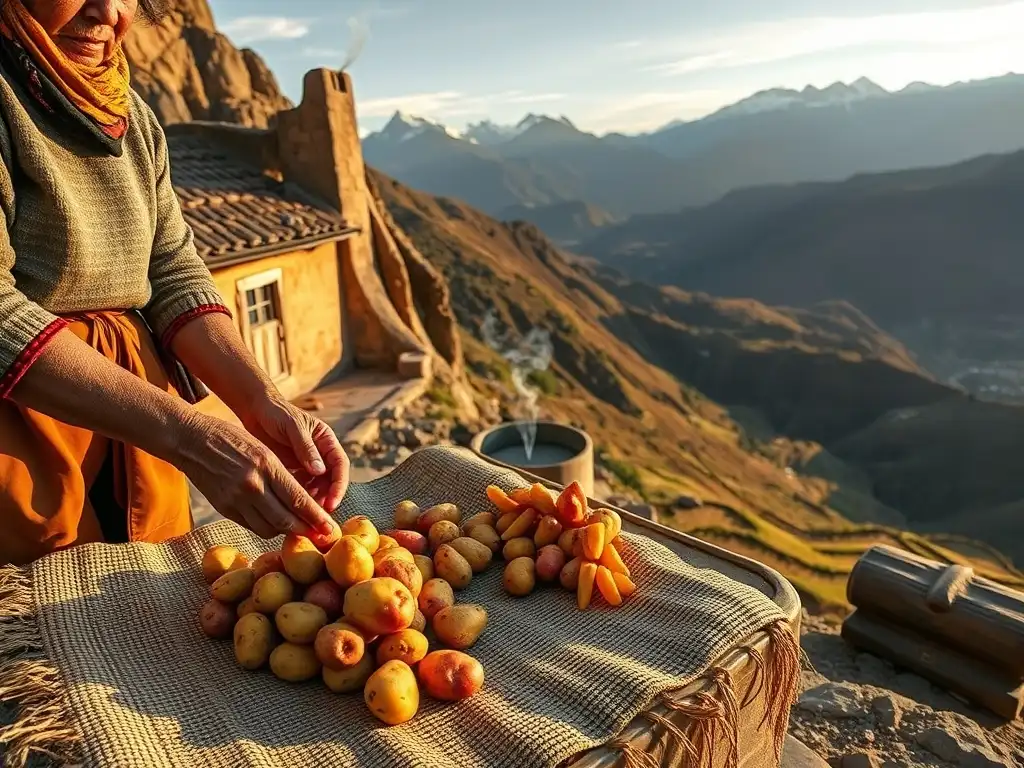
Step into a world lost to time, yet echoing with the ingenuity of the Andean people. For centuries, civilizations thrived amidst the towering peaks and arid valleys, mastering techniques that defied the harsh environment. Discover the secrets behind their survival, unlocking the fascinating world of Andean food preservation techniques. Prepare to be amazed by the ingenious methods employed by the Incas, Moche, and other remarkable cultures – their legacy awaits you.
- Andean Food Preservation Techniques: A Legacy of Survival
- Traditional Andean Methods for Food Preservation
- Specific Andean Food Preservation Examples
- The Significance of Andean Food Preservation
- Modern Applications of Andean Preservation Methods
-
Frequently Asked Questions
- What were the main challenges faced by Andean civilizations regarding food preservation?
- What are some examples of Andean food preservation techniques?
- How did the Incas contribute to food preservation methods?
- Did the environment influence Andean food preservation techniques?
- What foods were commonly preserved by Andean civilizations?
- Final Reflection: A Legacy of Ingenuity in the Andes
- Unveil the Secrets of Andean Food Preservation!
Andean Food Preservation Techniques: A Legacy of Survival
The harsh and unpredictable environment of the Andes Mountains presented significant challenges to the ancient civilizations that thrived there. Scarcity and seasonal variations in food availability necessitated the development of ingenious food preservation techniques, crucial for survival and societal stability. This article delves into the fascinating world of Andean food preservation, exploring the diverse methods employed by cultures like the Inca, Moche, Nazca, and Tiahuanaco to ensure a year-round food supply.
We'll examine the ingenuity behind these techniques, their impact on Andean societies, and the lasting legacy they hold for understanding adaptation and resilience in challenging environments. Understanding these "Andean food preservation techniques" offers a unique window into the resourcefulness and sophistication of these remarkable cultures. From simple drying methods to more complex techniques involving freezing and fermentation, the ingenuity displayed is truly remarkable.
Introduction to Ancient Andean Food Preservation
Ancient Andean societies developed a sophisticated understanding of food preservation, driven by the need to overcome the limitations of their environment. The high altitude, variable climate, and challenging terrain demanded innovative solutions to ensure food security. Unlike societies with access to consistent food surpluses, Andean communities relied heavily on preserving what they harvested during favorable seasons.
This wasn't simply a matter of extending shelf life; it was a critical strategy for survival, shaping their social structures, economic systems, and even religious practices. The techniques they employed weren't haphazard; they were refined over centuries, reflecting a deep knowledge of botany, microbiology, and environmental conditions. These methods ranged from simple sun-drying and freezing to more complex processes involving fermentation and the use of natural preservatives.
The effectiveness of these techniques is evidenced by the archaeological record, revealing preserved food items dating back millennia. The diversity of methods also underscores the adaptability of Andean cultures to varying ecological niches across the vast Andean landscape. For example, coastal communities might employ different techniques compared to those residing in the high-altitude valleys.
The Importance of Food Storage in the Andes
The importance of food storage in the Andes cannot be overstated. The success and sustainability of these civilizations were directly linked to their ability to effectively preserve food. Food storage was not merely a practical necessity; it was intricately woven into the social fabric of Andean life. Successful harvests were often celebrated with communal rituals, reinforcing the vital role of food preservation in maintaining social cohesion and stability.
Moreover, the ability to store food allowed for population growth and the development of more complex social structures. Without effective preservation, these societies would have been constantly vulnerable to famine and hardship. The impact extended beyond immediate survival; stored food provided a buffer against unpredictable weather patterns and crop failures, enabling communities to weather challenging periods and maintain their way of life.
This resilience, built upon the foundation of clever food storage and preservation, allowed Andean civilizations to flourish for centuries. The strategies employed showcase a deep understanding of ecological principles and a remarkable capacity for adaptation. The legacy of these techniques continues to inspire modern approaches to food security and sustainable agriculture, highlighting the timeless wisdom embedded within these ancient practices.
Traditional Andean Methods for Food Preservation
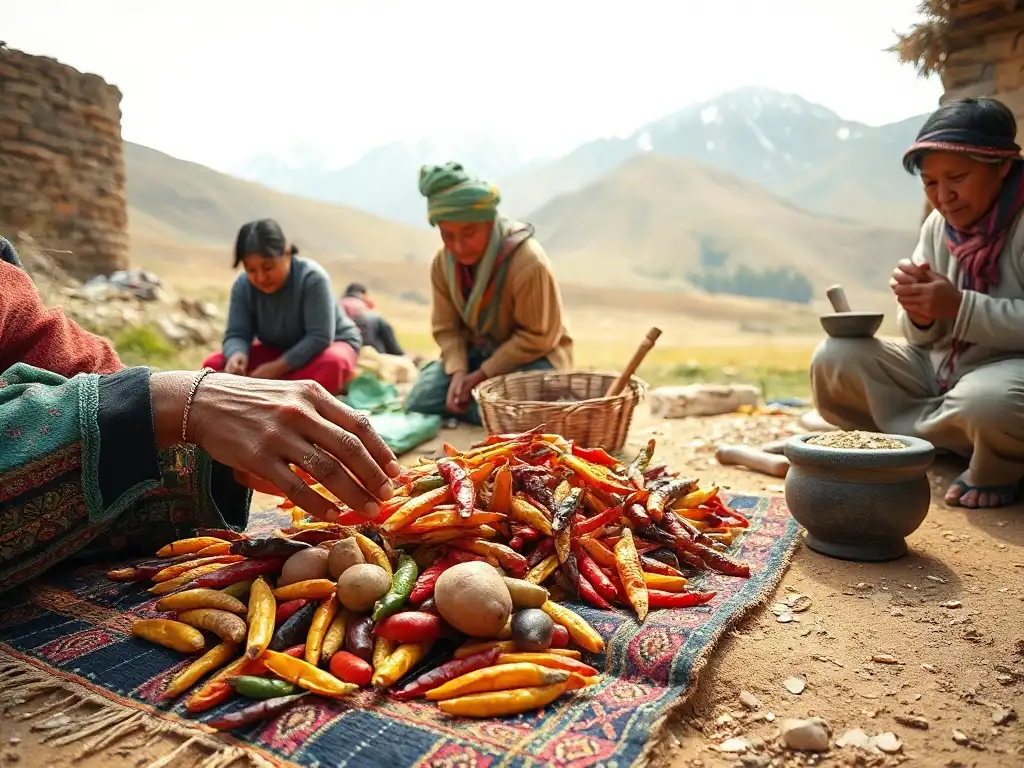
The harsh realities of the Andean landscape, characterized by high altitudes, fluctuating temperatures, and unpredictable weather patterns, necessitated the development of sophisticated food preservation techniques. These methods, honed over millennia, ensured the survival of Andean civilizations by extending the shelf life of perishable foods and creating readily available sustenance during lean times. Understanding these techniques offers a fascinating glimpse into the ingenuity and adaptability of Andean cultures, showcasing their deep connection to their environment and their remarkable resourcefulness in the face of challenging conditions.
The preservation of Andean food traditions is crucial not only for understanding the past but also for appreciating the sustainable practices that continue to inform modern food systems in the region. This section will explore some of the key methods employed, focusing on drying and fermentation processes.
Drying Techniques: The Power of the Sun and Wind
The abundant sunshine and strong winds of the Andes provided ideal conditions for sun-drying, a cornerstone of Andean food preservation. This simple yet effective method significantly extended the shelf life of various food staples, reducing spoilage and ensuring food security throughout the year. The techniques varied depending on the specific foodstuff, but the fundamental principle remained the same: removing moisture to inhibit microbial growth.
Sun-Drying Meats: Charqui and Ch'arki
One of the most well-known examples of sun-dried Andean food is charqui (or ch'arki), a type of dried llama, alpaca, or vicuña meat. This process involved cutting the meat into thin strips, salting it liberally to draw out moisture, and then exposing it to the sun and wind for several days, or even weeks, until it was completely dehydrated. The resulting product was tough but highly nutritious and could be stored for extended periods, providing a valuable source of protein during harsh winters or times of scarcity.
The precise techniques for preparing charqui varied across different Andean communities, with variations in salting methods and drying times reflecting local environmental conditions and culinary preferences. The careful control of these variables was key to ensuring the quality and longevity of the preserved meat.
Dehydrating Tubers: Chuño and Tunta Production
Andean cultures also mastered the art of dehydrating tubers, particularly potatoes. Chuño and tunta represent two distinct methods of potato preservation that showcase the sophisticated understanding of agricultural practices among Andean communities. Chuño, a freeze-dried potato, involved a process of freezing the potatoes overnight, then exposing them to the sun during the day. This freeze-thaw cycle was repeated several times, removing moisture and creating a hard, durable product.
Tunta, on the other hand, involved a simpler process of sun-drying potatoes after a period of freezing. Both chuño and tunta could be stored for years without spoiling, providing a critical food source during times of famine or when fresh potatoes were unavailable. The production of these preserved potatoes required a deep understanding of the climate and the timing of the freeze-thaw cycles, demonstrating a profound knowledge of Andean environmental conditions.
Fermentation Processes: Extending Shelf Life
Beyond drying, fermentation played a crucial role in Andean food preservation. This process, involving the use of microorganisms to break down food components, not only extended shelf life but also enhanced the nutritional value and flavor of certain foods. The use of fermentation techniques demonstrates a sophisticated understanding of microbiology and its application in food preservation, highlighting the advanced knowledge of Andean cultures.
Fermented Beverages: Chicha and its Variations
Chicha, a fermented beverage made from maize or other grains, is perhaps the most famous example of Andean fermentation. The production of chicha involved a complex process of soaking, cooking, and fermenting the grains, resulting in a drink that varied in taste and alcoholic content depending on the specific ingredients and fermentation techniques employed. Different Andean communities developed their unique chicha recipes, reflecting the diversity of local agricultural practices and culinary traditions.
Chicha was not merely a beverage but also held significant cultural and religious importance, playing a central role in ceremonies and social gatherings. Its production and consumption represented a key aspect of Andean social life, and its preservation methods reflected a deep understanding of the fermentation process.
Fermented Vegetables: Creating Nutritious Staples
Fermentation was not limited to beverages; it was also applied to vegetables to create nutritious and long-lasting staples. While specific details on the methods employed for fermenting various vegetables across different Andean communities require further research [specific information pending], the general principle involved the use of lactic acid bacteria to preserve the vegetables and enhance their flavor. This process yielded fermented products that were rich in probiotics and contributed significantly to the nutritional diversity of the Andean diet.
These techniques, passed down through generations, ensured the availability of crucial nutrients throughout the year, significantly contributing to the health and well-being of Andean populations. Further investigation into the specific methods and recipes used for fermenting various Andean vegetables would greatly enhance our understanding of these sophisticated preservation techniques.
Salting Techniques: Preserving Meats and Fish
The harsh Andean environment, characterized by high altitudes and fluctuating temperatures, presented significant challenges to food preservation. Salting emerged as a crucial technique for extending the shelf life of vital protein sources like meats and fish, ensuring sustenance throughout the year. This wasn't simply a matter of sprinkling salt; rather, it involved a sophisticated understanding of salt concentration, curing times, and environmental factors to achieve optimal preservation. Different Andean cultures developed unique variations of salting techniques, reflecting their specific needs and available resources.
For instance, coastal communities, with abundant access to fish, perfected methods for salting and drying various species, while highland communities focused on preserving llama, alpaca, and vicuña meat. The effectiveness of these methods hinged on the ability to draw out moisture from the food, inhibiting microbial growth and preventing spoilage. The process often involved meticulous preparation, including cleaning, trimming, and sometimes even pre-cooking the food before applying the salt. This careful preparation maximized the effectiveness of the salting process and minimized the risk of contamination.
The success of the method depended on factors like the quality and type of salt used, the ambient temperature and humidity, and the duration of the curing process. Improper salting could lead to spoilage or an unpleasant taste, highlighting the skill and knowledge required for successful preservation. The mastery of salting techniques wasn't merely a matter of survival; it was a testament to the Andean peoples' deep understanding of their environment and their resourcefulness in adapting to its challenges. It was also a vital part of their cultural heritage, passed down through generations.
Using Salt to Cure and Preserve Food
The Andean use of salt for curing and preserving food went beyond simple preservation; it often involved complex processes that enhanced the flavor and texture of the food. The process of curing, for example, involved not only preserving the food but also subtly altering its taste and consistency. Different types of salt, with varying mineral compositions, were likely used, impacting the final product. The curing process involved careful control of salt concentration and application methods, often involving rubbing the salt into the meat or fish, or submerging it in brine. The duration of the curing process varied depending on the type of food and the desired outcome.
Longer curing times generally resulted in a more intensely flavored and preserved product. The choice of salt concentration was also crucial, as insufficient salt could lead to spoilage, while excessive salt could make the food inedible. This highlights the precision and experience necessary to execute these techniques successfully. Furthermore, the environmental conditions during curing also played a significant role.
Temperature, humidity, and airflow all affected the rate of moisture removal and the overall effectiveness of the preservation process. The precise details of these curing processes, including specific salt concentrations and curing times, often varied among different Andean communities, reflecting local adaptations and preferences. The knowledge required to master this technique was passed down through generations, forming an integral part of the Andean culinary heritage and demonstrating a profound connection between the environment and their foodways. It was a crucial skill that ensured food security and contributed to the cultural richness of Andean societies.
Specific Andean Food Preservation Examples
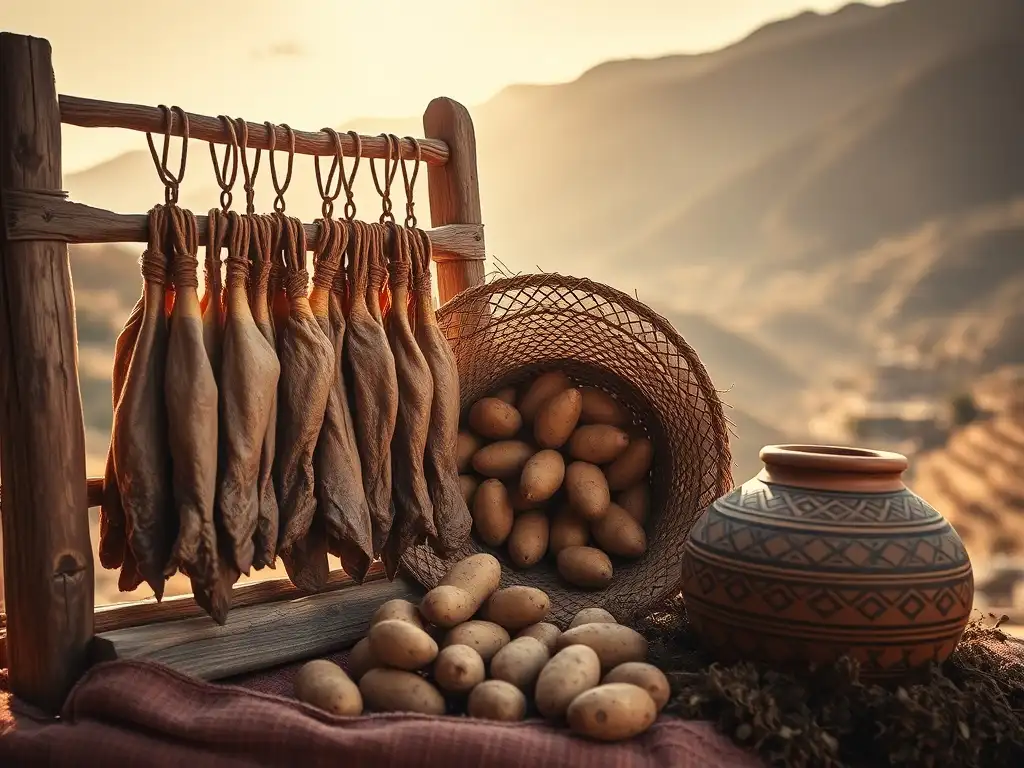
The harsh environmental conditions of the Andes Mountains, characterized by high altitudes, fluctuating temperatures, and limited arable land, necessitated the development of ingenious food preservation techniques. These methods weren't merely about extending shelf life; they were crucial for survival, ensuring food security throughout the year and supporting population growth. Understanding these techniques provides invaluable insight into the ingenuity and adaptability of Andean civilizations. The focus on Andean food preservation techniques highlights the crucial role of food preservation in the success and longevity of these cultures.
Preserving Potatoes: The Art of Chuño Making
Potatoes, a staple crop in the Andes, are highly susceptible to spoilage. However, Andean cultures developed a sophisticated method of preservation known as chuño making. This process transforms fresh potatoes into a durable, long-lasting food source, capable of withstanding harsh conditions for extended periods. The creation of chuño demonstrates a deep understanding of both agricultural practices and the principles of food preservation. The process itself is a testament to the resourcefulness of Andean peoples.
The Process of Making Chuño Step-by-Step
The chuño-making process is a multi-stage procedure, demanding both time and effort. First, carefully selected potatoes, often smaller and frost-resistant varieties, are harvested and left to freeze overnight under clear, cold skies. The following day, the frozen potatoes are subjected to a process called "pisado," where they are repeatedly trampled underfoot to remove excess water. This step is crucial for removing moisture, a key factor in preventing spoilage.
The potatoes are then spread out to dry under the sun for several days, a process repeated over several weeks until they reach the desired level of dryness and hardness. The final product, chuño, is a lightweight, dehydrated potato that can be stored for years with minimal spoilage. This intricate process speaks volumes about the level of planning and organization required in Andean agricultural practices.
Different Types of Chuño and their Uses
There are two main types of chuño: chuño blanco and chuño negro. Chuño blanco, made using a shorter freezing and drying process, retains more of the potato's original nutrients and flavor. Chuño negro, a darker and more intensely dehydrated version, undergoes a more prolonged freezing process, leading to a denser and more durable product. Both types have diverse culinary applications.
Chuño can be ground into flour for soups and stews, boiled as a side dish, or used as an ingredient in various traditional Andean dishes. Its versatility made it a cornerstone of Andean diets, providing sustenance during lean times and contributing significantly to food security. The meticulous attention to detail in the preparation of these different types of chuño highlights the depth of knowledge and skill possessed by Andean communities.
Preserving Meat: Creating Charqui and Jerky
Meat preservation was equally crucial in the Andes, given the challenges of raising livestock at high altitudes and the need to store protein sources for extended periods. Charqui, a type of sun-dried, salted meat, is a prime example of Andean ingenuity in meat preservation. Similar to jerky, charqui was a vital part of the Andean diet, providing a concentrated source of protein that could be stored and transported easily. The techniques employed to create charqui reflect an intimate understanding of both meat processing and the environmental conditions of the Andes.
Techniques for Preparing Charqui
The preparation of charqui begins with the selection of suitable cuts of meat, usually from llama, alpaca, or vicuña. The meat is carefully cleaned, trimmed of excess fat, and then sliced into thin strips. These strips are then generously salted, allowing the salt to draw out moisture and inhibit bacterial growth. The salted meat is then exposed to the sun for several days, often with occasional turning to ensure even drying.
The sun's intense ultraviolet radiation acts as a natural preservative, killing bacteria and preventing spoilage. This process results in a tough, chewy meat that has a long shelf life. The process, while seemingly simple, required careful observation of weather conditions and an understanding of the optimal sun exposure time to achieve the desired level of dryness and preservation.
The Significance of Charqui in Andean Diets
Charqui was not merely a preserved food; it was a crucial part of Andean culture and daily life. Its portability made it ideal for travelers and herders, providing a readily available source of energy and sustenance. It was also a significant element in ceremonial and ritualistic practices.
The importance of charqui in Andean diets underscores the significance of efficient food preservation techniques in supporting the social and cultural structures of these societies. The resilience of Andean civilizations is, in part, attributable to their masterful techniques in preserving both plant and animal-based foods, ensuring a steady supply of nutrients throughout the year, even in the face of challenging environmental conditions. The ingenuity involved in these processes continues to inspire and fascinate researchers and food historians alike.
Preserving Grains: Quinoa and Amaranth Storage
Quinoa and amaranth, nutritional staples of the Andes, required sophisticated preservation techniques to ensure year-round availability. These grains, unlike many others, don't store well in humid conditions, a significant challenge given the Andean climate's variability. The success of Andean civilizations hinged partly on their ability to effectively preserve these crucial food sources, preventing spoilage and ensuring food security during lean times.
The methods employed reflect a deep understanding of both the grains themselves and the environmental conditions. Failure to properly store these grains could lead to significant crop loss and potential famine, highlighting the importance of these techniques for the survival and prosperity of Andean communities. The ingenuity displayed in these preservation methods is a testament to the resourcefulness of Andean cultures.
The preservation of these grains was not merely a practical matter; it was deeply intertwined with their spiritual beliefs and social structures. Harvest festivals and communal storage practices were often integral to the process, reinforcing social bonds and ensuring equitable distribution of resources.
Traditional Storage Methods for Andean Grains
Traditional storage methods for quinoa and amaranth varied depending on factors such as altitude, climate, and available resources. However, several common strategies emerged across different Andean cultures. One common method involved storing the grains in airtight containers, often woven baskets lined with waterproof materials like animal hides or plant fibers. These containers were then placed in cool, dry locations, often elevated to protect them from rodents and moisture. The choice of storage location was crucial; higher altitudes provided cooler temperatures, slowing down the deterioration process, while well-ventilated areas helped to prevent mold growth.
Another technique involved drying the grains thoroughly in the sun before storage. This crucial step significantly reduced moisture content, a primary factor in grain spoilage. The drying process was often combined with other preservation methods, such as lightly roasting the grains to further extend their shelf life. This meticulous approach, passed down through generations, demonstrates the refined understanding of food preservation techniques within Andean societies.
Furthermore, the use of natural pest control methods, such as incorporating herbs and plants known to repel insects within the storage containers, further enhanced the effectiveness of these traditional techniques. The Andean people didn't rely solely on technological innovations; they also used their deep ecological knowledge to complement and improve the preservation process. Careful observation of seasonal changes and environmental cues played a vital role in optimizing the effectiveness of their storage methods, reflecting a profound connection between their society and the natural environment. The ingenuity and adaptability demonstrated in these methods are crucial factors that contributed to the survival and success of the Andean civilizations.
The Significance of Andean Food Preservation
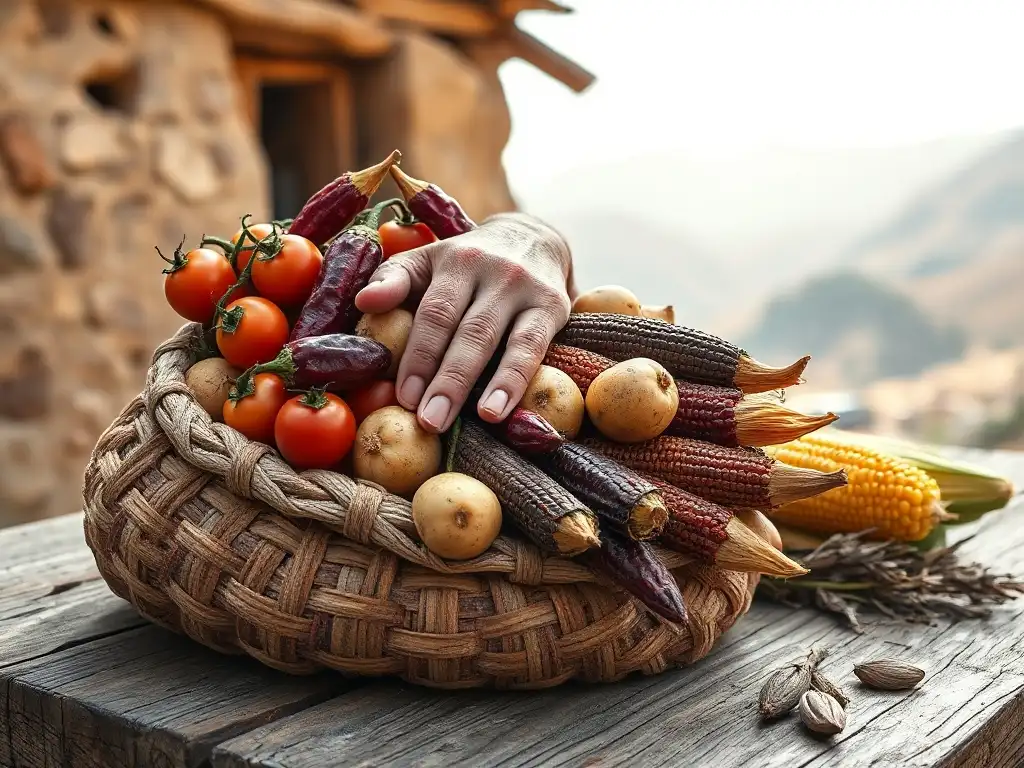
The Andean region, characterized by its diverse and challenging terrain, presented significant hurdles to food production and availability for its ancient inhabitants. High altitudes, unpredictable weather patterns, and limited arable land necessitated the development of sophisticated food preservation techniques, crucial for survival and societal stability. Understanding these techniques provides critical insight into the ingenuity and adaptability of Andean civilizations, highlighting their profound connection to their environment and their remarkable ability to thrive in often-hostile conditions.
The mastery of Andean food preservation techniques wasn't merely a matter of extending shelf life; it was a cornerstone of their economic, social, and cultural structures, influencing everything from agricultural practices to religious beliefs. This section will explore the multifaceted significance of these techniques, focusing on their role in environmental adaptation, cultural practices, and the lasting impact on contemporary Andean societies.
Environmental Adaptation and Food Security
The harsh Andean environment demanded innovative solutions for ensuring year-round food security. The fluctuating climate, with its distinct wet and dry seasons, coupled with the challenges of cultivating crops at high altitudes, necessitated strategies to store surplus produce and mitigate the risk of famine. Andean civilizations developed a range of techniques, meticulously adapted to the specific ecological conditions of their respective regions. For example, the freeze-drying method, employed by various groups including the Incas, allowed for the long-term preservation of potatoes and other tubers.
This method, utilizing the naturally cold, dry air of the high Andes, effectively removed moisture, preventing spoilage and maintaining nutritional value. Similarly, sun-drying was widely practiced, especially for fruits, meats, and vegetables. This technique, combined with storage in airtight containers or underground cellars, significantly extended the shelf life of perishable foods.
The effectiveness of these methods directly influenced population density and the capacity for sustained settlement in otherwise challenging environments. The development and refinement of these preservation techniques represent a crucial adaptation to the Andean environment, showcasing a deep understanding of both agricultural processes and environmental conditions. The meticulous observation of natural cycles and the innovative application of available resources were essential to the survival and prosperity of these remarkable cultures.
Andean food preservation practices were not merely practical; they were deeply interwoven with cultural and social structures. The storage and distribution of preserved foods played a vital role in social organization, reflecting power dynamics and community cohesion. For instance, the Inca empire's extensive network of storehouses, known as qollqas, served not only as repositories for surplus food but also as symbols of imperial power and control.
These strategically located structures allowed for the efficient redistribution of resources, ensuring food security during times of scarcity and facilitating the maintenance of social order. Moreover, the processing and preservation of food were often associated with specific rituals and ceremonies, underscoring their importance in the spiritual life of Andean communities. Certain foods, such as chicha (a fermented corn beverage), held significant cultural value and were integral to religious festivals and social gatherings.
The preparation and preservation of these foods were often entrusted to specialized individuals or groups, signifying their social standing and expertise. The cultural significance of Andean food preservation practices highlights the intricate relationship between food, religion, and social structures, illustrating the profound impact of these techniques on the daily lives and beliefs of the Andean people. These techniques were not simply about survival; they were a fundamental aspect of their cultural identity.
The Legacy of Andean Food Preservation Techniques
The ingenuity of Andean food preservation techniques continues to resonate in contemporary Andean societies. Many traditional methods, passed down through generations, remain in use today, adapted and refined to meet modern challenges. The knowledge of freeze-drying, sun-drying, and other techniques is still crucial for maintaining food security, particularly in remote communities with limited access to modern technologies.
Moreover, the cultural significance of traditional food preservation practices endures, with many communities continuing to celebrate their heritage through the preparation and sharing of preserved foods. This enduring legacy underscores the remarkable resilience and adaptability of Andean cultures. The integration of traditional knowledge with modern approaches holds great potential for improving food security and promoting sustainable agricultural practices in the Andes.
The study of these techniques offers valuable insights for addressing contemporary challenges related to food preservation and resource management, both within the Andean region and globally. The legacy of Andean food preservation is not simply a historical curiosity; it is a living testament to human ingenuity and a valuable resource for addressing the food security challenges of the future. Further research into specific regional variations and the long-term impact of these techniques on Andean biodiversity is needed to fully appreciate their contribution to the region's rich cultural heritage.
Modern Applications of Andean Preservation Methods
The ingenuity of Andean food preservation techniques continues to resonate in the 21st century, offering valuable lessons in sustainability and resource management. Understanding these ancient methods allows us to appreciate not only their historical significance but also their potential for addressing contemporary challenges related to food security and environmental impact. The principles behind these techniques—utilizing natural processes and readily available resources—are remarkably relevant to modern concerns about reducing food waste and promoting environmentally friendly practices.
Many modern chefs and food scientists are actively exploring and adapting these methods, demonstrating their enduring relevance and potential for innovation. The emphasis on minimizing energy consumption and preserving nutritional value makes these techniques particularly appealing in an era of increasing awareness of climate change and its impact on food production.
Inspiration for Sustainable Food Practices
Andean food preservation methods offer a rich source of inspiration for sustainable food practices. The emphasis on minimizing waste and maximizing the lifespan of food aligns perfectly with current global efforts to reduce food loss and waste, a significant contributor to greenhouse gas emissions. Techniques like chuño (freeze-dried potatoes) and charqui (freeze-dried meat) exemplify efficient preservation strategies that reduce reliance on energy-intensive modern methods like refrigeration.
The use of natural preservatives, such as salt and herbs, further contributes to the environmental sustainability of these methods. By studying and adapting these traditional practices, we can develop more sustainable approaches to food production and consumption, minimizing our environmental footprint and promoting food security.
For example, the principles of dehydration, employed extensively by Andean cultures, are being re-evaluated by modern food companies seeking to reduce their reliance on artificial preservatives and extend the shelf life of their products in environmentally conscious ways. This offers a compelling case study in the intersection of ancient wisdom and modern innovation.
Reviving Traditional Techniques in Modern Cooking
The resurgence of interest in traditional Andean cuisine has led to a renewed appreciation for the associated preservation techniques. Modern chefs are incorporating these methods into their culinary creations, showcasing the unique flavors and textures that result from these time-tested processes. The use of chuño in modern dishes, for instance, offers a unique textural contrast and earthy flavor profile.
Similarly, the incorporation of charqui adds a distinctive savory element to various culinary preparations. Beyond their culinary applications, these methods offer a connection to the rich cultural heritage of the Andes, promoting a deeper understanding and appreciation of the region's history and traditions. Moreover, the revival of these techniques helps to sustain local economies by supporting the continued production and use of traditional ingredients and knowledge.
This not only preserves culinary traditions but also contributes to the economic empowerment of Andean communities. The increased demand for authentic Andean ingredients and preparations also helps to preserve biodiversity and traditional farming practices.
The Future of Andean Food Preservation Knowledge
The future of Andean food preservation knowledge hinges on the continued documentation, research, and dissemination of this invaluable heritage. Efforts to preserve and promote these techniques are crucial for ensuring food security, promoting sustainable practices, and maintaining cultural identity. Further research is needed to fully understand the scientific principles underlying these methods, potentially leading to further innovations in food preservation technologies.
The development of educational programs and initiatives aimed at sharing this knowledge with younger generations is equally important. This will ensure that these time-tested techniques are not only preserved but also continue to evolve and adapt to the challenges of the 21st century. Collaborations between researchers, chefs, and Andean communities are crucial for fostering a holistic and sustainable approach to preserving and promoting this vital cultural heritage.
The continued application and innovation in Andean food preservation techniques hold immense potential for a more sustainable and resilient food system globally. The potential for further discovery and application is vast, promising a future where ancient wisdom guides modern solutions to contemporary food challenges.
Frequently Asked Questions
What were the main challenges faced by Andean civilizations regarding food preservation?
Andean civilizations faced challenges due to variable climates and limited technology. Preserving food was crucial for survival, especially during harsh winters or droughts. They needed methods to prevent spoilage and ensure year-round food availability.
What are some examples of Andean food preservation techniques?
Common techniques included sun drying, freeze-drying, fermentation, and storage in underground cellars. These methods were adapted to the specific foods and climates of different Andean regions. Innovative storage techniques helped maintain food quality and quantity.
How did the Incas contribute to food preservation methods?
The Inca Empire, with its extensive road network, facilitated the transport of preserved foods. They also developed sophisticated storage systems, like qollqas (storehouses), to ensure food security across their vast territory. Their organized system optimized food preservation and distribution.
Did the environment influence Andean food preservation techniques?
Absolutely! The high altitudes, dry climates, and diverse ecosystems of the Andes significantly influenced the development of specific preservation techniques. Methods were adapted to local conditions, reflecting the ingenuity of Andean peoples.
What foods were commonly preserved by Andean civilizations?
Potatoes, corn, quinoa, and dried meats were among the most commonly preserved foods. These staple crops and protein sources were essential for survival and were preserved using various techniques to ensure year-round access.
Final Reflection: A Legacy of Ingenuity in the Andes
The ingenious food preservation techniques of the Andes, born from necessity, remain a powerful testament to human adaptability and a vital resource for sustainable food systems today. These ancient practices, far from being relics of the past, offer crucial lessons for a world grappling with climate change, food insecurity, and the need for environmentally conscious food production. Their continued relevance is undeniable.
The enduring impact of Andean food preservation methods extends far beyond the practical; they represent a deep cultural connection to the land and a profound understanding of ecological balance. These techniques are not merely methods of food storage; they are expressions of a vibrant cultural heritage, passed down through generations. The food we eat is not just sustenance; it is a reflection of our history, our environment, and our relationship with the earth.
This quote encapsulates the profound significance of these practices, highlighting their role in shaping Andean identity and their continued importance in maintaining cultural continuity.
Consider the ingenuity of these methods, the resourcefulness born from a challenging environment. Now, consider how you can apply this spirit of innovation to your own life. What sustainable practices can you adopt in your kitchen and in your daily life to reduce waste, honor your food sources, and contribute to a more resilient future? Let the wisdom of the Andes inspire you to make conscious choices that benefit both yourself and the planet. Embrace the legacy of ingenuity, and let it guide you towards a more sustainable and fulfilling way of life.
Unveil the Secrets of Andean Food Preservation!
Thank you for exploring the fascinating world of Andean food preservation! You've discovered how these ingenious techniques allowed ancient civilizations to flourish in challenging environments. Now, let's put this knowledge to practical use!
Here are some ways to get started:
- Experiment with traditional methods: Try sun-drying fruits or making your own pickles using time-honored Andean techniques.
- Connect with your community: Participate in a local workshop to learn from others passionate about sustainable cooking and preserving culinary heritage.
- Share your passion: Document your food preservation journey on social media and inspire others to explore this ancient art. Use the hashtag #AndeanFoodArt to connect with a wider community.
We'd love to hear from you! Which Andean food preservation technique are you most eager to try, and what excites you about it?